
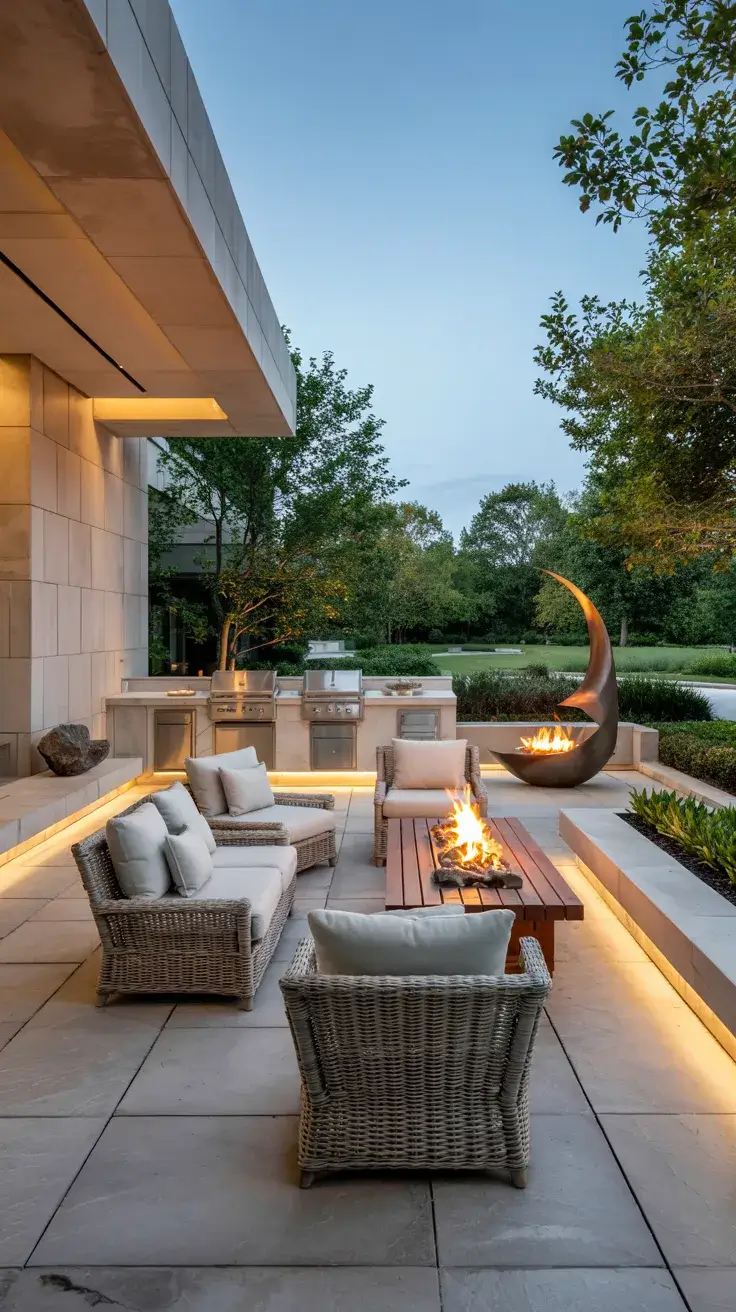
Terrace design ideas 2026 are redefining how outdoor spaces are perceived, turning terraces into expressive architectural statements rather than simple extensions of the home. In 2026, terrace design moves beyond functionality and comfort, embracing creativity, sculptural forms, and artistic vision. Terraces are no longer just places to relax—they become curated environments where modern design, bold geometry, and refined materials work together to create a strong visual identity.
This new generation of terrace design ideas focuses on uniqueness and intentional design. Expect to see modern terraces shaped by fluid lines, asymmetrical layouts, custom-built elements, and designer furniture that feels closer to art than décor. Lighting, textures, and architectural details play a central role, transforming terraces into immersive outdoor spaces that reflect contemporary lifestyle and aesthetic values.
Whether minimalist and expressive or bold and experimental, terrace design ideas 2026 celebrate individuality, innovation, and forward-thinking design. These terraces are crafted to inspire, offering stylish and unusual solutions for urban rooftops, private homes, and modern residences seeking a distinctive outdoor presence.
Sculptural Terrace Design Concepts Defining 2026
I see sculptural terrace design in 2026 as a balance between outdoor comfort and architectural presence. These terraces are designed as spatial compositions where every element has volume, proportion, and visual weight. I focus on terraces that feel like outdoor rooms, using layered levels, integrated seating platforms, and architectural planters to create a strong sense of structure while remaining practical for daily use and entertaining.
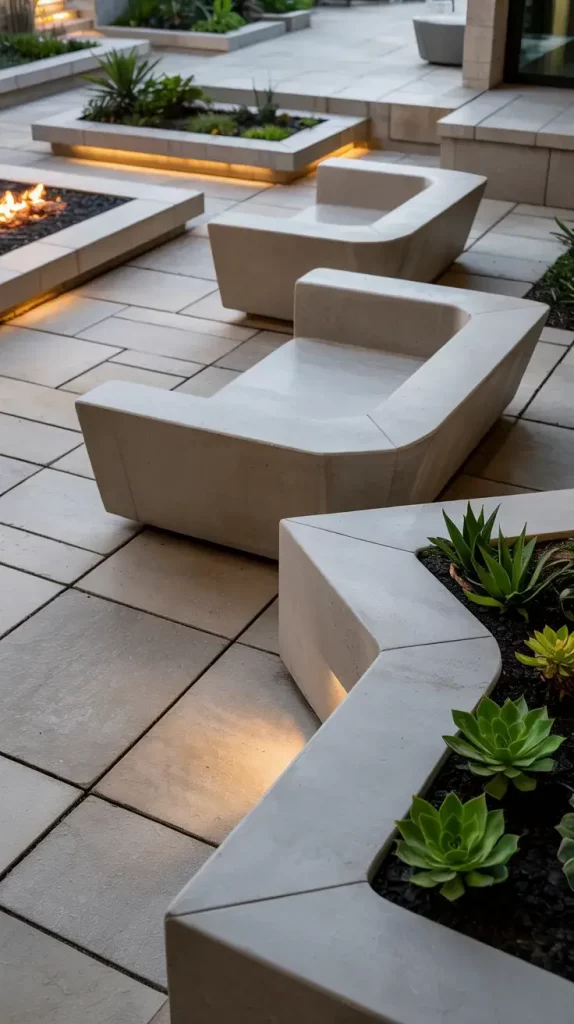
I deliberately choose furniture with sculptural silhouettes, such as monolithic seating blocks, curved benches, and custom stone or concrete tables. Materials like cast concrete, terrazzo, natural stone, and matte-finish metals help reinforce the sculptural character. I also integrate built-in elements like fire features or water basins, because they anchor the terrace visually and eliminate the need for excess accessories.
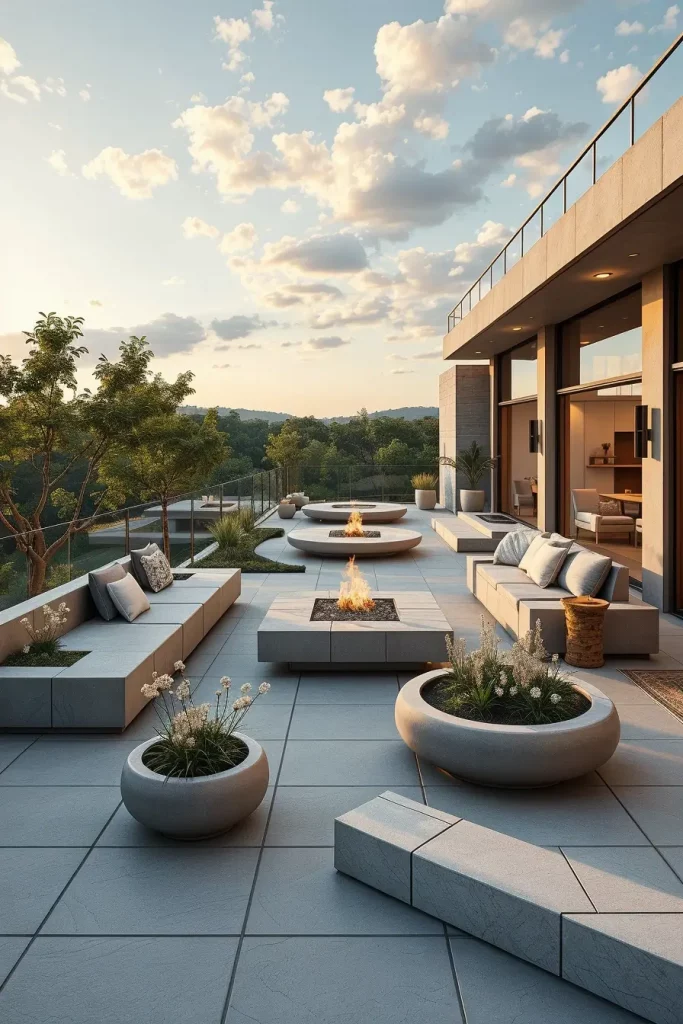
From my experience, sculptural terraces age better than trend-driven ones. Designers featured in Architectural Digest often emphasize timeless forms over decorative excess, and I fully agree. When form leads the design, the terrace feels curated rather than styled, which is exactly what defines high-end outdoor spaces in 2026.
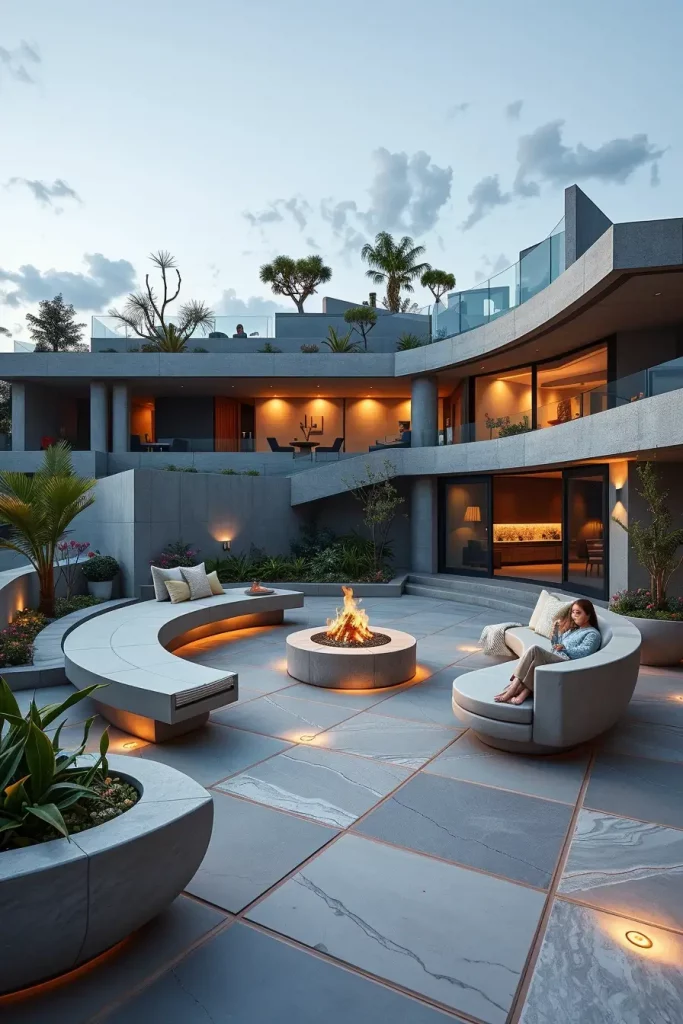
To complete this type of terrace, I would add integrated lighting that highlights shapes rather than illuminates broadly. Recessed LED strips along edges and soft uplighting for sculptural elements are essential to maintain the concept after sunset.
Artistic Terrace Layouts With Architectural Impact
When I design artistic terrace layouts, I treat the terrace as an extension of the building’s architecture rather than a separate outdoor zone. In 2026, these terraces rely on strong axes, symmetry or intentional asymmetry, and visual rhythm to create architectural impact. The layout itself becomes the artwork, guiding movement and framing views.
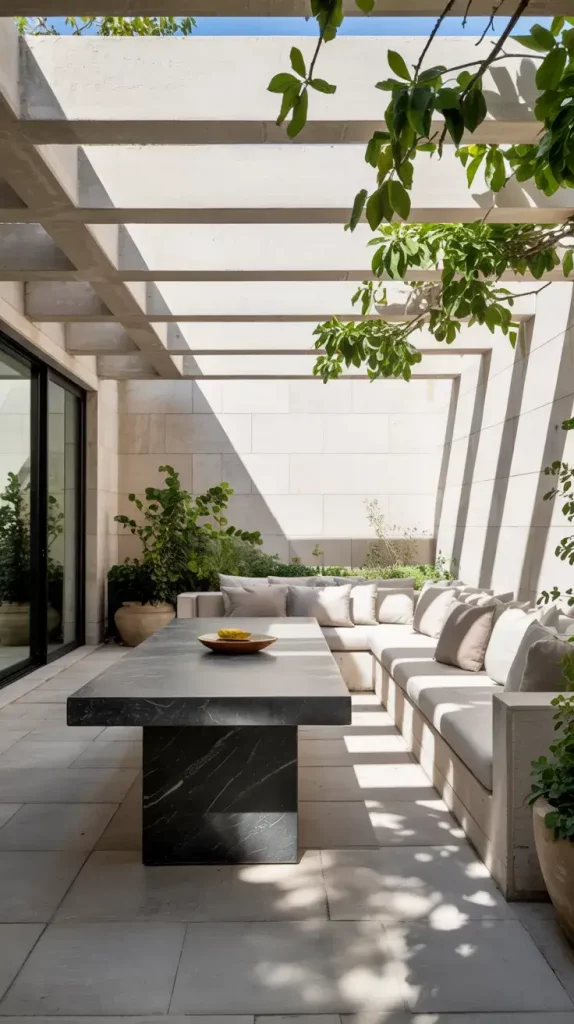
I select furniture that reinforces the layout, such as modular seating arranged in deliberate compositions, long linear dining tables aligned with architectural lines, and oversized lounge chairs that act as focal points. Flooring plays a crucial role here, and I often use large-format tiles or poured surfaces to keep the visual field calm and continuous.
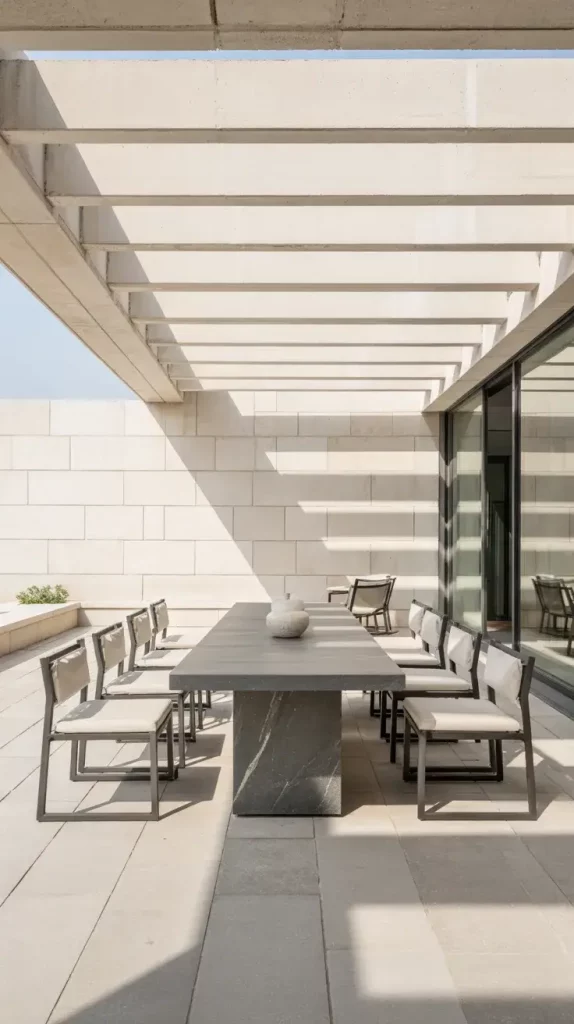
Personally, I find that terraces with architectural layouts feel more intuitive to use. As noted by designers interviewed in Dezeen, clear spatial logic improves both aesthetics and functionality. I apply this principle by ensuring circulation paths are obvious and seating zones feel intentional rather than improvised.
What I would still add to these terraces is a subtle vertical element, such as a sculptural screen or architectural pergola. It adds depth, frames the space, and enhances the architectural presence without overwhelming the layout.
Modern Designer Terraces With Gallery-Inspired Styling
Gallery-inspired terraces in 2026 are about restraint and precision. I design these spaces to feel curated, almost like an outdoor exhibition, where each object has space to breathe. The terrace becomes a backdrop for carefully selected pieces rather than a fully furnished patio.
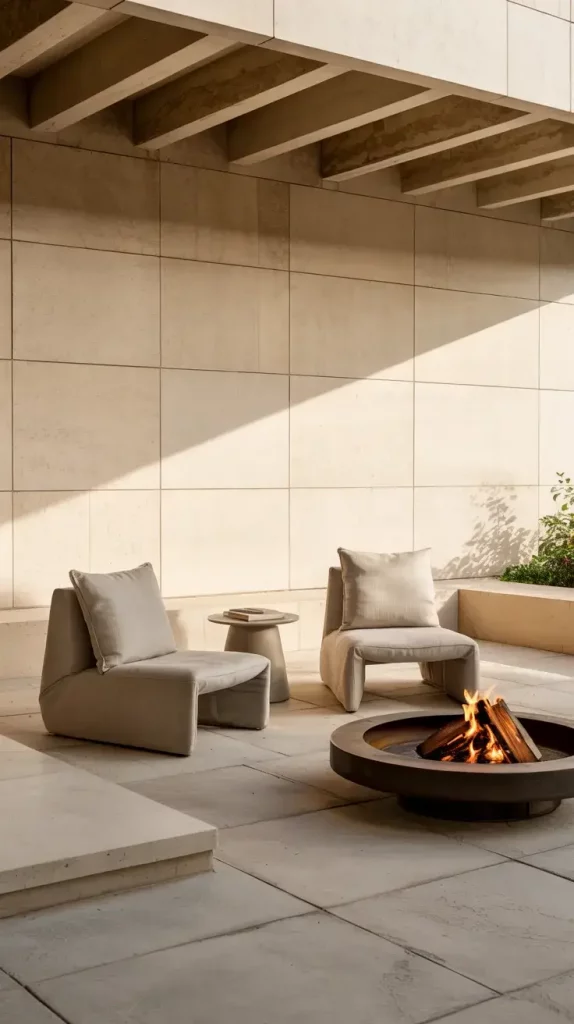
I use a limited number of furniture items, focusing on designer lounge chairs, minimalist sofas, and statement side tables. Finishes are typically neutral, allowing textures and forms to stand out. I often incorporate one strong sculptural object, such as a contemporary outdoor sculpture or an artistic fire pit, to serve as the focal point.
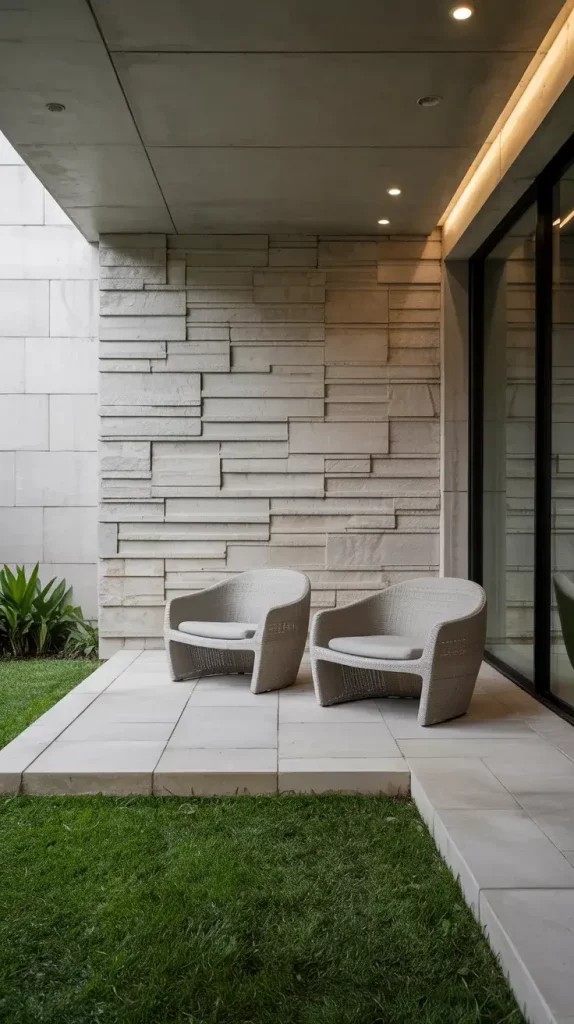
From my professional perspective, this approach works best for clients who value visual calm. Interior stylists from publications like Elle Decor often stress the importance of negative space, and I apply that philosophy outdoors. A terrace does not need to be filled to feel complete.
To enhance this concept further, I would introduce subtle material contrast, such as pairing smooth flooring with textured walls or soft outdoor rugs. This adds depth while preserving the gallery-like atmosphere.
Creative Terrace Design Ideas Using Bold Geometry
Bold geometry defines some of the most creative terrace design ideas I see emerging for 2026. I approach these terraces by emphasizing strong shapes, sharp angles, and unexpected proportions. Geometry becomes the guiding principle, influencing everything from furniture placement to planter design.
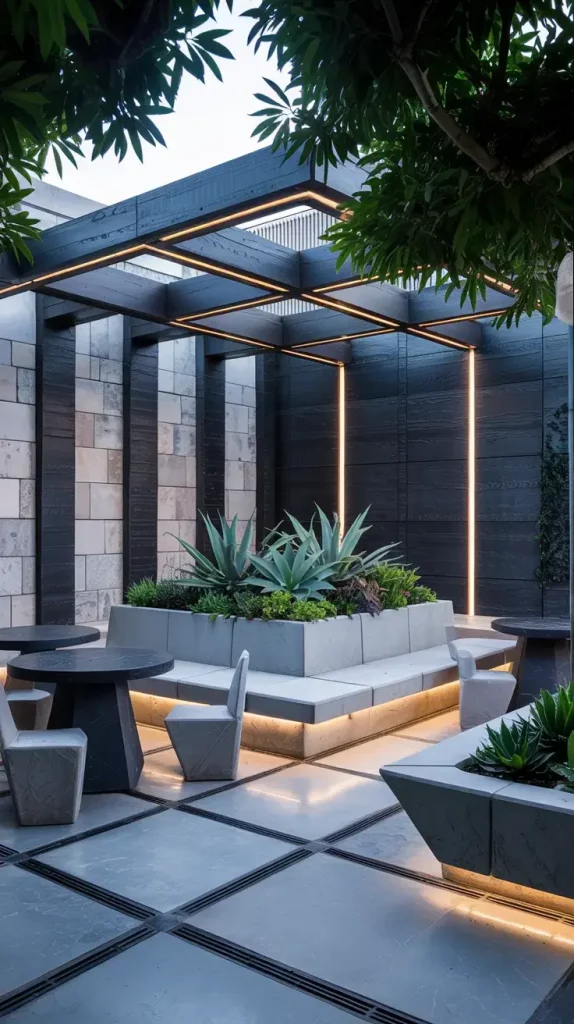
I choose furniture with angular profiles, geometric sectionals, and polygonal tables. Planters, steps, and seating platforms often follow repeating shapes to reinforce the concept. I also use contrasting materials to emphasize geometry, such as pairing dark stone with light concrete or metal accents.
In my experience, geometric terraces feel energetic and contemporary. Designers highlighted in Design Milk often discuss how geometry creates visual tension and interest, and I see this clearly in outdoor spaces that avoid softness in favor of clarity.
What I would add to this type of terrace is carefully planned lighting that traces geometric lines. Linear lighting embedded into floors or furniture enhances the design and ensures the geometry remains visible at night.
Statement Terraces With Unusual Spatial Compositions
Statement terraces in 2026 are defined by unusual spatial compositions that challenge traditional layouts. I design these terraces by breaking expected zones and creating layered or offset arrangements. The goal is to surprise while remaining functional.
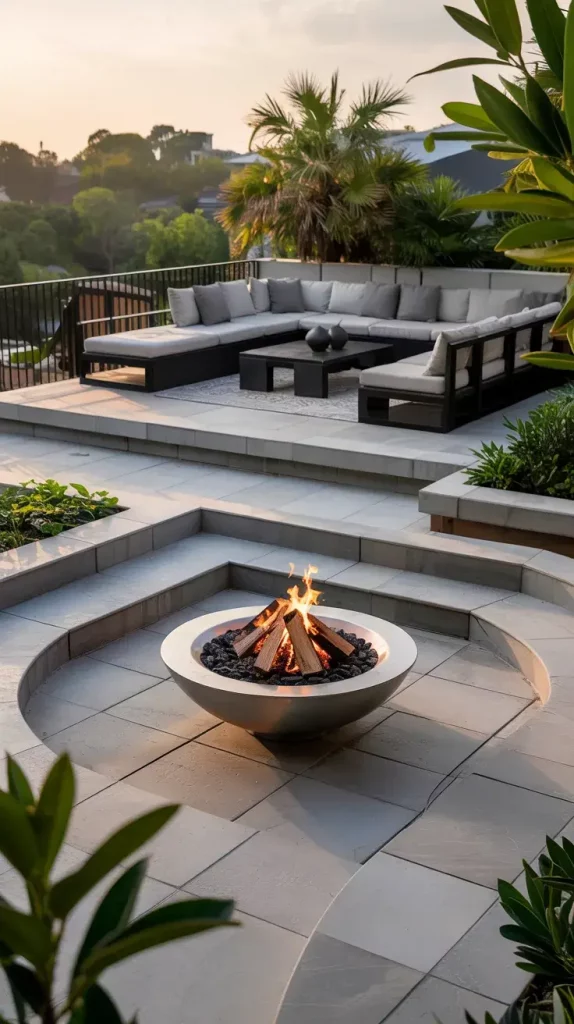
I incorporate furniture at varying heights, unexpected seating orientations, and overlapping zones for lounging and dining. Custom platforms, sunken seating areas, or raised terraces help define space without walls. Materials are often consistent to maintain cohesion despite the complexity.
From my point of view, these terraces work best when there is a clear design intention. As outdoor living experts featured in House Beautiful suggest, strong concepts prevent bold layouts from feeling chaotic. I always ensure each zone has a clear purpose.
To strengthen these terraces, I would include a central anchoring element, such as a sculptural table or fire feature, to visually connect the different spatial layers and maintain balance.
Minimalist Yet Expressive Terrace Design Trends 2026
I approach minimalist yet expressive terrace design in 2026 as a study in balance. These terraces rely on clean lines and restrained palettes, but they are never empty or cold. I design them to feel intentional, where simplicity highlights form, proportion, and material quality, making the terrace practical for daily use while visually refined.
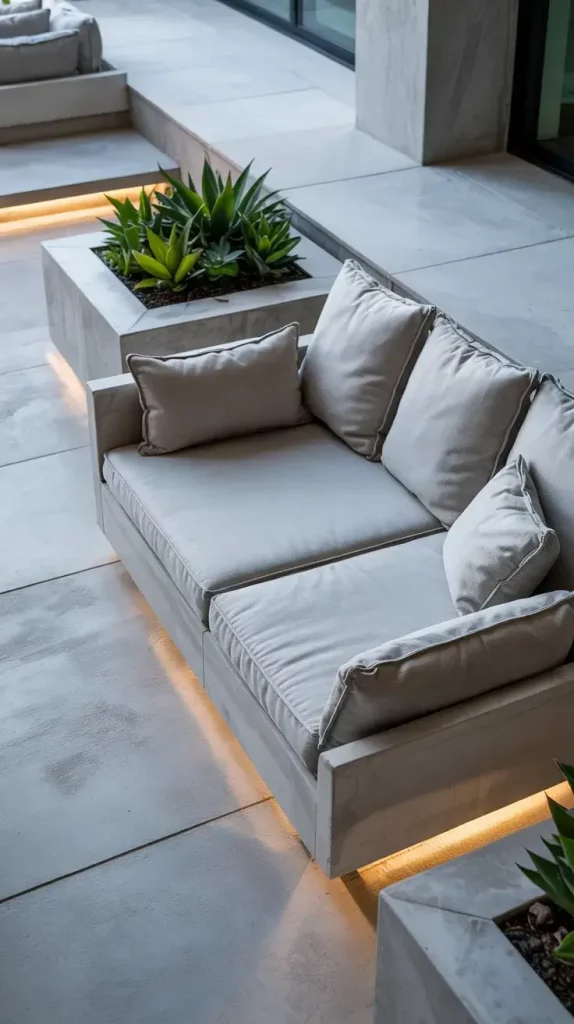
I select low-profile furniture with precise detailing, such as streamlined sofas, slender lounge chairs, and integrated benches. Materials like smooth concrete, powder-coated metal, and high-quality outdoor fabrics help maintain a minimalist base. I often include one expressive element, such as a sculptural planter or a statement lighting piece, to prevent the space from feeling flat.
From my experience, this approach aligns with advice from designers featured in Dwell, who often stress that minimalism works best when paired with a focal point. I find that expressive minimal terraces are easier to maintain and adapt over time, making them ideal for long-term living.
To elevate this terrace style further, I would add layered lighting with adjustable intensity. This allows the space to shift from functional to atmospheric without introducing visual clutter.
Unique Terrace Concepts Focused On Visual Storytelling
In 2026, I see terraces increasingly designed as narrative spaces. Visual storytelling means the terrace unfolds gradually, with views, textures, and furniture placement guiding how the space is experienced. I design these terraces to feel personal and memorable, without sacrificing usability.
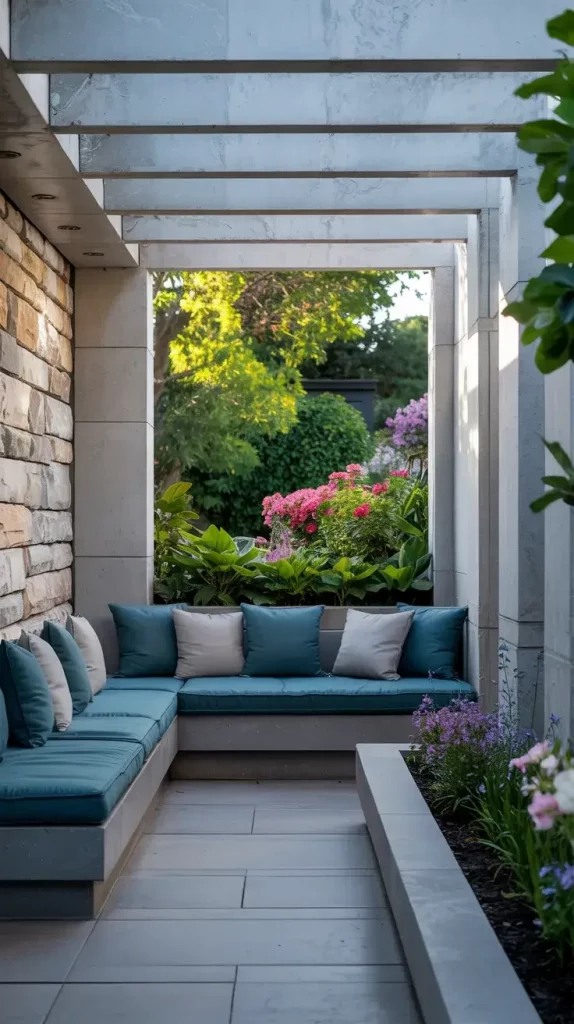
I choose furniture and decor that support the story, such as seating arranged to frame a view, textured walls that add depth, and materials that transition subtly across the terrace. I often use custom elements, like built-in seating or sculptural dividers, to reinforce the narrative flow.
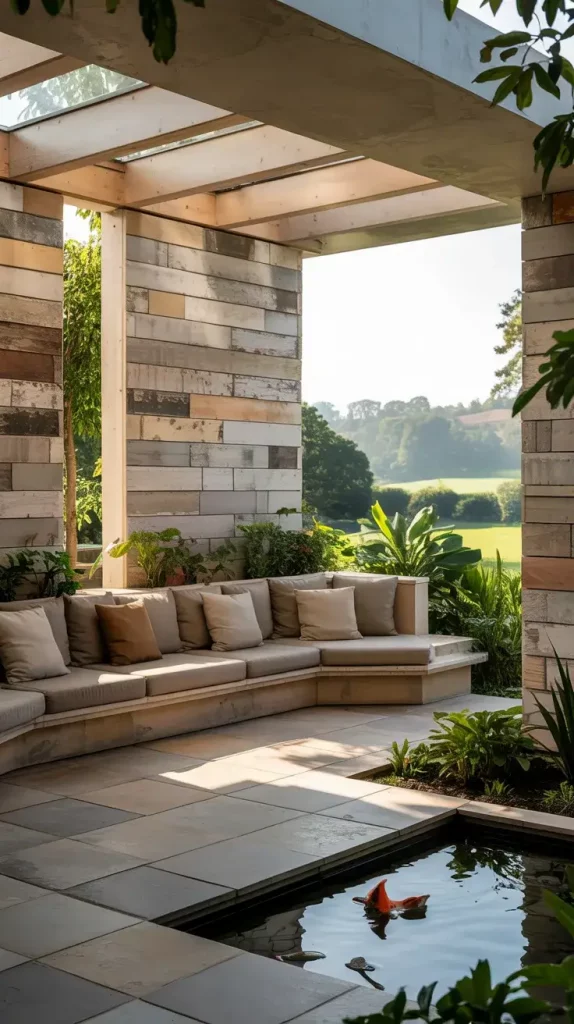
Personally, I believe storytelling terraces create stronger emotional connections. Designers interviewed by The New York Times often highlight the importance of emotional resonance in modern design, and I apply that thinking outdoors by designing terraces that feel intentional from every angle.
What I would still add here is a tactile element, such as textured flooring or hand-finished surfaces, to reinforce the story through touch as well as sight.
Avant-Garde Terrace Designs With Sculptural Furniture
Avant-garde terrace design in 2026 pushes boundaries while remaining functional. I design these terraces to stand out through form rather than excess decoration. Sculptural furniture becomes the primary design driver, transforming the terrace into a statement space.
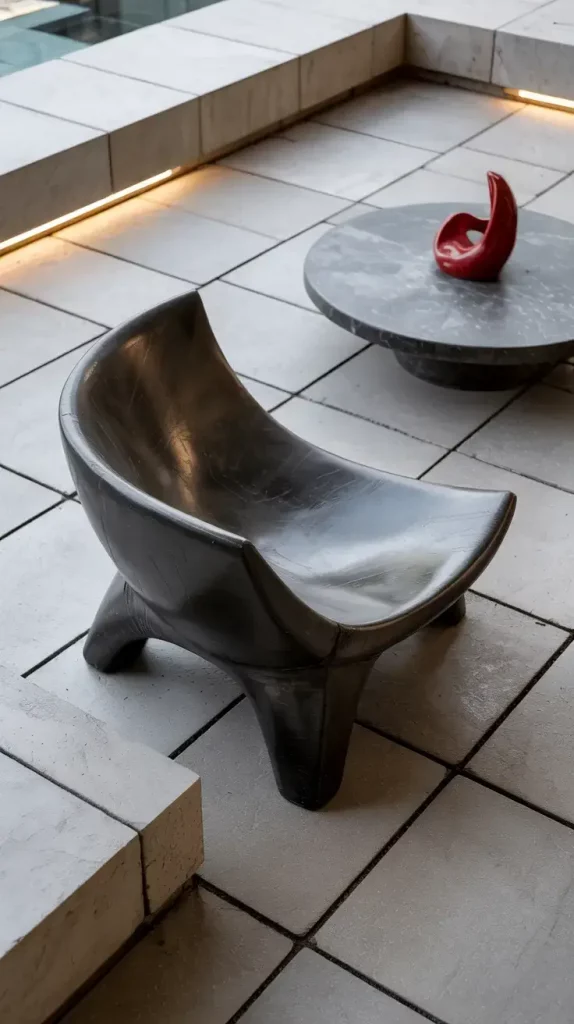
I focus on furniture pieces with unconventional shapes, asymmetrical forms, and bold silhouettes. Lounge chairs, tables, and even planters function as art objects while still serving everyday needs. Materials like molded composites, stone, and metal emphasize durability and visual strength.
From my professional standpoint, this approach works best when paired with a restrained backdrop. Publications like Wallpaper frequently highlight how avant-garde furniture benefits from neutral surroundings, and I apply this by keeping flooring and walls understated.
To complete these terraces, I would incorporate focused lighting that highlights furniture forms individually, ensuring each sculptural piece reads clearly at night.
Contemporary Terraces Inspired By Modern Art
When I design terraces inspired by modern art, I treat color, form, and composition as tools rather than decoration. In 2026, these terraces feel curated and intentional, blending outdoor living with artistic influence in a way that remains livable.
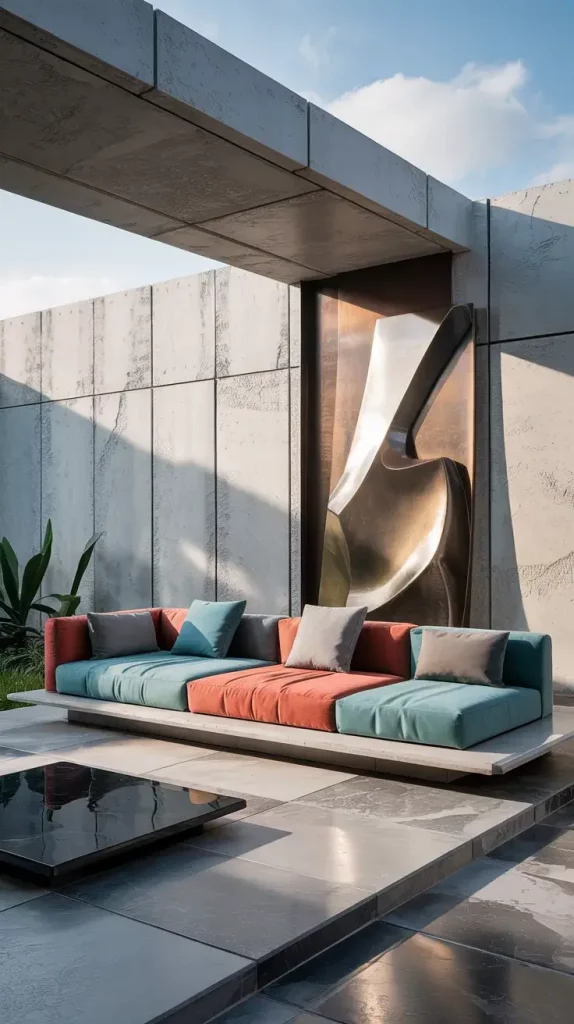
I use furniture with strong profiles, color-blocked cushions, and sculptural side tables to echo modern art principles. Surfaces remain clean, allowing selected elements to stand out. Art-inspired terraces often feature a single dominant color or material to unify the design.
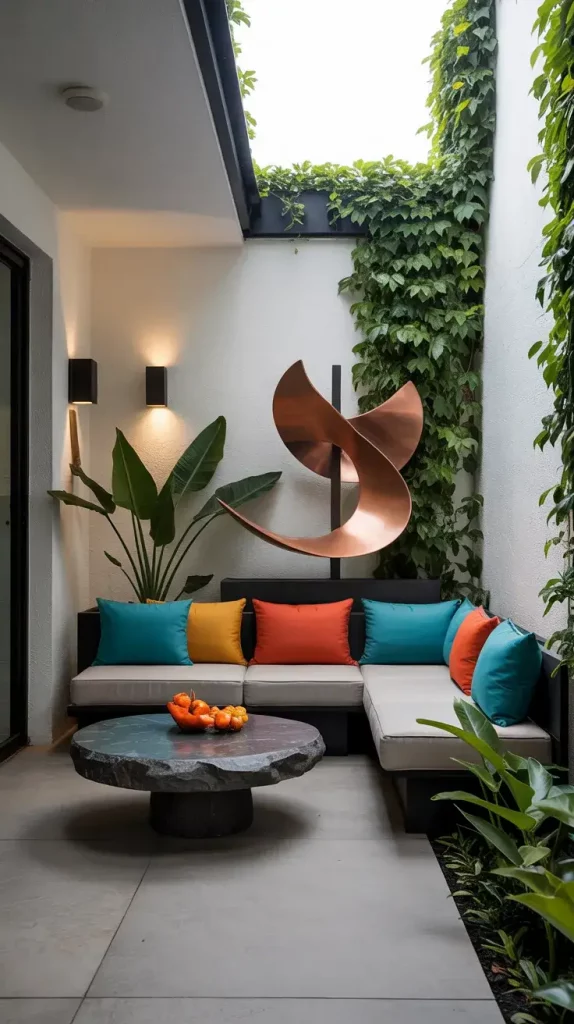
In my experience, referencing modern art helps clients feel confident in bold choices. Designers quoted in Architectural Digest often note that art-led spaces feel more personal, and I see that reflected in terraces that become conversation starters.
What I would add to these terraces is a weather-resistant art piece or mural. It reinforces the concept and anchors the design visually without overwhelming the space.
Designer Terrace Ideas With Curved And Fluid Forms
Curved and fluid forms define some of the most stylish and designer terrace design ideas for 2026. I design these terraces to feel soft, welcoming, and visually dynamic, breaking away from rigid layouts while maintaining clarity.
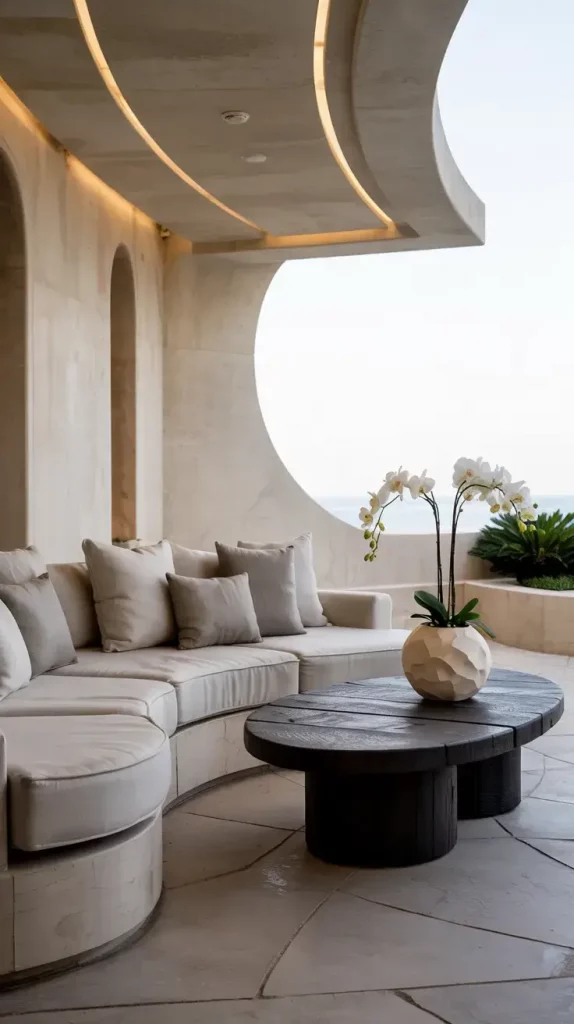
I select rounded sofas, curved lounge chairs, and oval tables to create a sense of flow. Flooring patterns and planters often echo these curves, reinforcing the overall movement of the space. Materials like smooth stone and soft textiles enhance the fluid aesthetic.
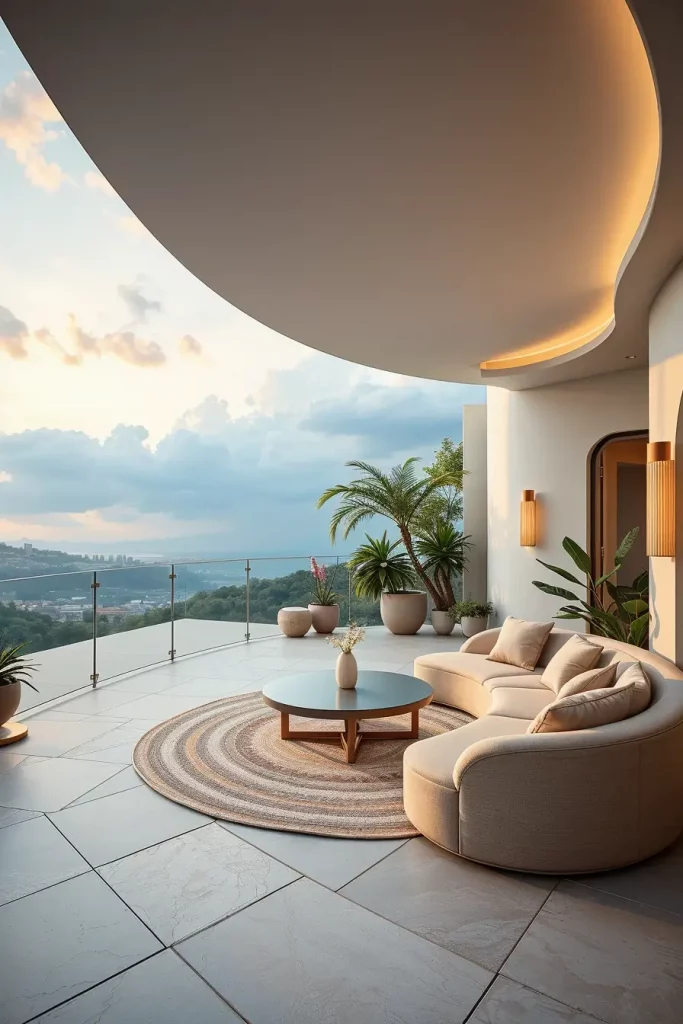
From my perspective, curved terraces feel more human-centered. As noted by outdoor furniture designers featured in Dezeen, curved forms encourage relaxation and social interaction, which is essential for outdoor living.
To enhance this design further, I would add indirect lighting that follows curved lines. It amplifies the fluid forms at night and strengthens the overall visual impact.
Creative Rooftop Terraces With Architectural Drama
I see rooftop terraces in 2026 evolving into architectural extensions of the building itself rather than separate outdoor zones. In this concept, the terrace is shaped by strong lines, elevated platforms, integrated planters, and intentional spatial zoning that creates visual drama while remaining highly functional. I focus on layouts that use levels, asymmetry, and directional movement to guide how people experience the space, making the terrace feel curated and purposeful rather than accidental.
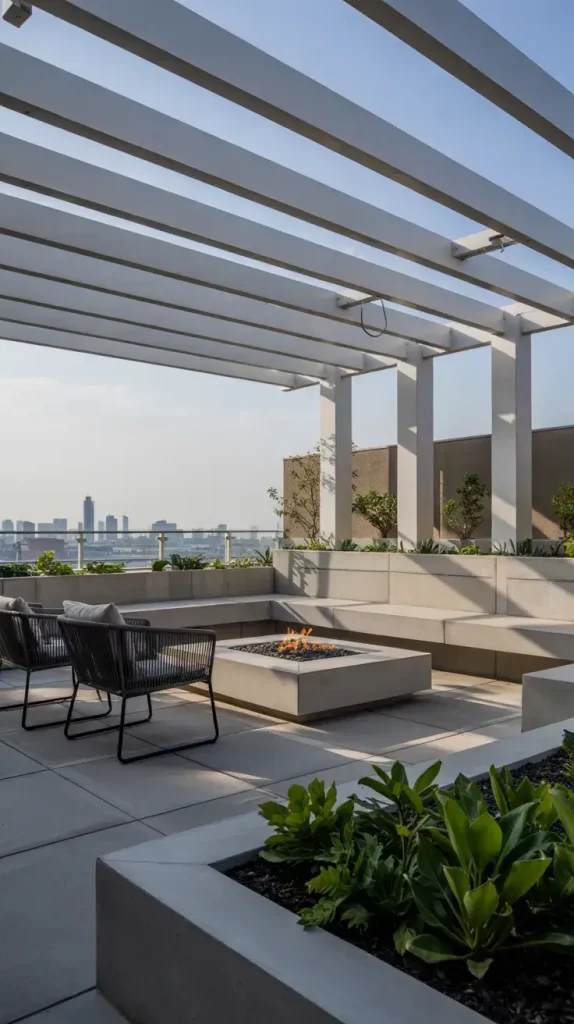
From a design perspective, I include built-in concrete or stone seating, floating stair elements, oversized sculptural pergolas, and custom fire features. Each piece serves a dual purpose: it enhances visual impact while anchoring the space structurally. Modular lounge seating with low profiles keeps the focus on architecture, while integrated planters soften the geometry and introduce natural contrast without overwhelming the design.
In my professional opinion, this approach aligns closely with recommendations from architectural studios frequently featured in Architectural Digest and Dezeen, where rooftop spaces are treated as outdoor rooms with architectural integrity. I have found that when terraces are designed with bold structure first, decoration becomes secondary and more meaningful, resulting in spaces that feel timeless rather than trend-driven.
What I would add to this concept is a stronger integration of lighting within architectural elements themselves. Recessed LED lines along steps, under seating, and within pergola beams would elevate the drama at night while maintaining a clean, intentional aesthetic.
Artistic Terraces Featuring Statement Flooring Designs
In 2026, I notice that terrace flooring becomes the defining artistic feature rather than a neutral background. I approach these terraces by treating the floor as a canvas, using patterned stone, sculptural concrete textures, oversized terrazzo, or custom tile compositions to establish the identity of the entire space. This approach is especially useful for terraces with limited furniture, where the floor itself carries the design narrative.
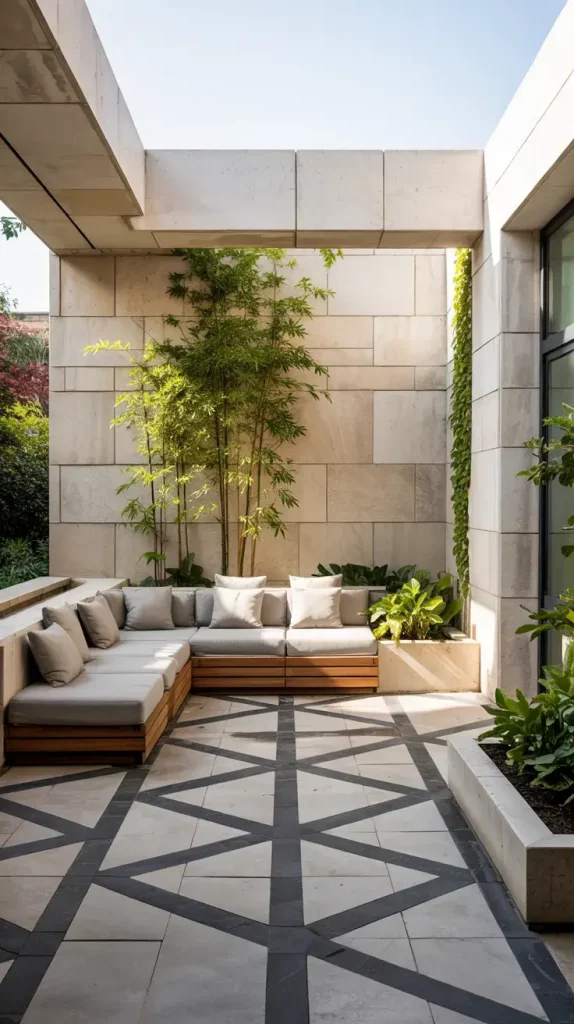
I intentionally select low-profile furniture in neutral tones to avoid competing with the flooring design. Lounge chairs with slim metal frames, minimalist coffee tables, and built-in benches allow the floor pattern to remain visually dominant. I also integrate floor-level planters and subtle level changes to enhance depth without interrupting the visual flow.
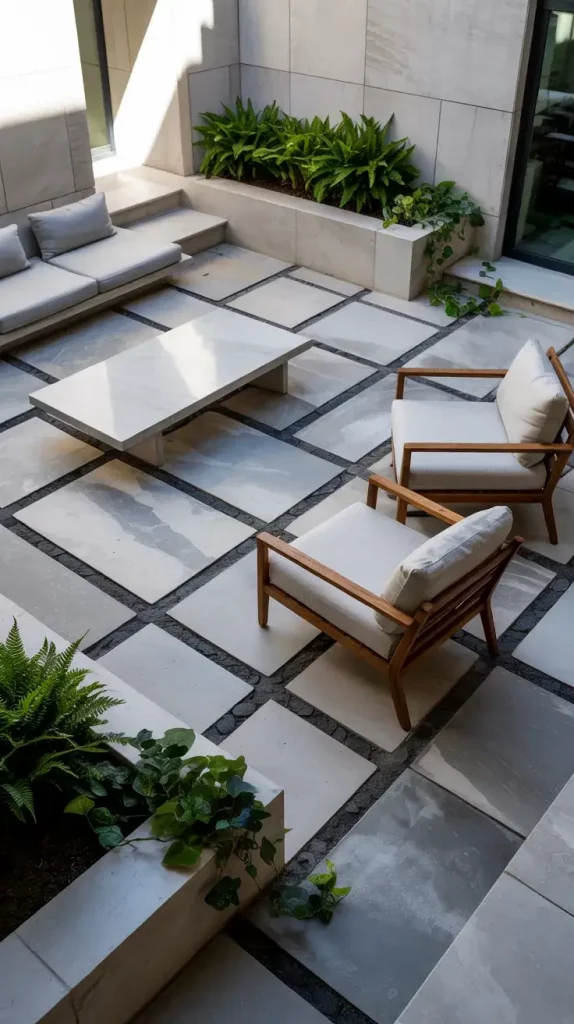
From my experience, designers highlighted in Elle Decor often emphasize that bold flooring anchors outdoor spaces emotionally and visually. I agree with this approach, as a strong floor design immediately communicates intention and elevates the terrace from functional to artistic. When done correctly, it eliminates the need for excessive decor.
To complete this concept, I would add custom outdoor rugs that echo the flooring pattern in a softer material. This creates visual layering while improving comfort and acoustics without diluting the artistic impact.
Modern Terraces Designed As Outdoor Living Sculptures
I design these terraces as sculptural compositions where every element feels intentional and interconnected. Instead of placing furniture independently, I treat seating, tables, planters, and shade structures as parts of one unified form. The result is a terrace that feels like an outdoor art installation while remaining livable and inviting.
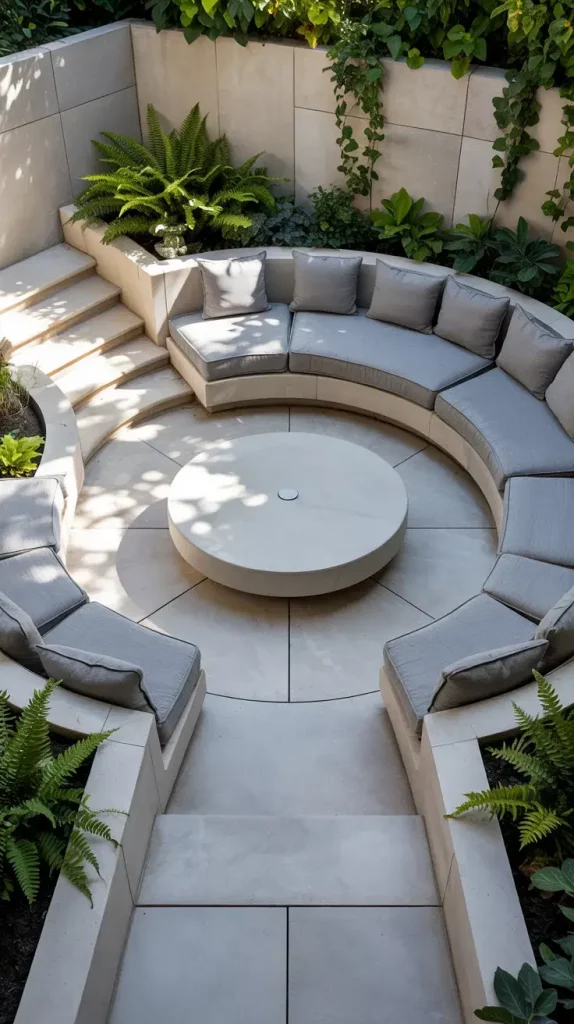
Furniture in this concept is often custom-designed or selected for its sculptural silhouette. Curved lounge seating, monolithic tables, and integrated benches are arranged to form a cohesive visual rhythm. Materials such as molded concrete, smooth stone, and matte-finished metals reinforce the sculptural quality while ensuring durability.
Personally, I believe this approach reflects the growing influence of gallery-inspired residential design discussed in design platforms like Design Milk. I have seen that clients respond strongly to terraces that feel emotionally expressive rather than purely functional, especially in urban environments where outdoor space is limited.
What I would add here is the careful placement of negative space. Allowing areas of openness between sculptural elements enhances their impact and prevents the terrace from feeling crowded or overly conceptual.
Experimental Terrace Design Ideas For Urban Homes
Urban terraces in 2026 become testing grounds for experimental design, and I approach them with flexibility and adaptability in mind. These terraces often combine unconventional layouts, movable elements, and mixed materials to respond to changing needs. The goal is to create a space that feels dynamic rather than static.
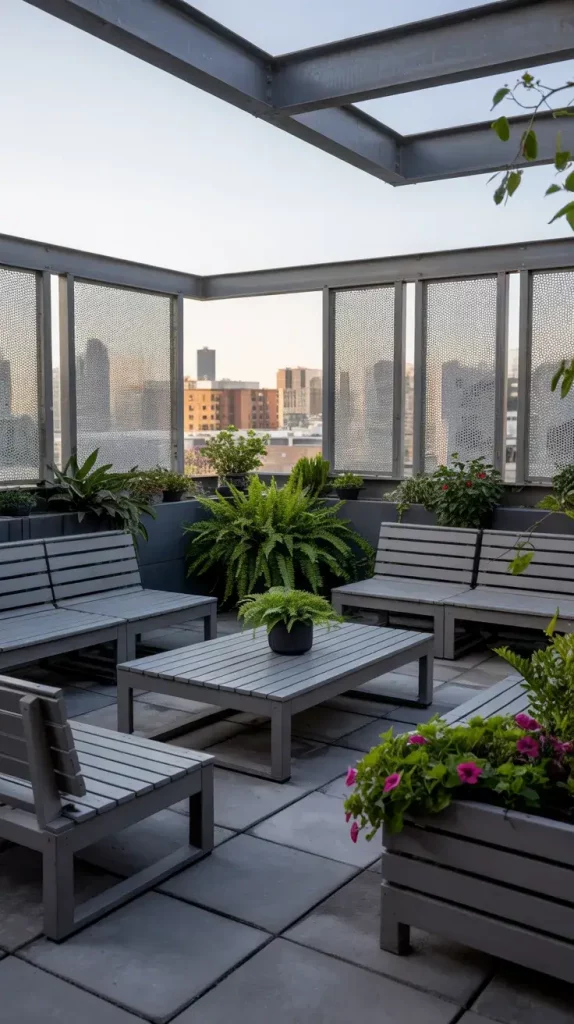
I incorporate modular seating systems, movable planters, sliding privacy panels, and lightweight furniture that can be reconfigured easily. Materials like perforated metal, translucent panels, and textured composites add visual interest while remaining practical for urban environments.
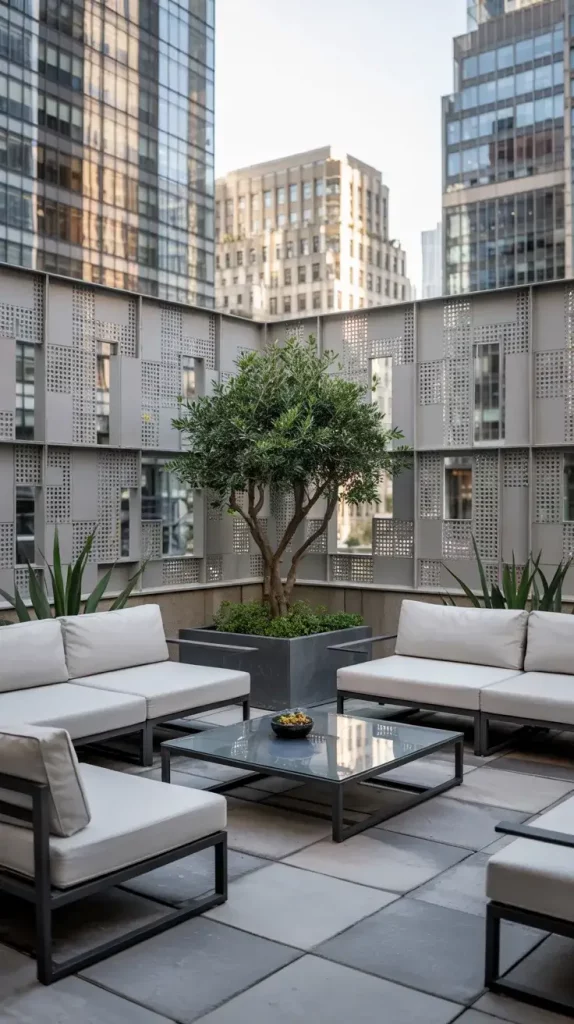
In my professional experience, urban design experts featured in publications such as Dwell consistently emphasize adaptability as a key principle of modern living. I agree, as experimental terraces allow homeowners to adjust their space seasonally or socially without compromising design quality.
To strengthen this concept, I would add integrated storage solutions hidden within seating or wall elements. This keeps the terrace visually clean while supporting its flexible nature.
High-End Designer Terraces With Custom-Built Elements
High-end terraces in 2026 are defined by customization and precision. I approach these designs by starting with bespoke elements that cannot be replicated with standard furniture. These terraces are tailored to the architecture, views, and lifestyle of the homeowner, making them truly one-of-a-kind.
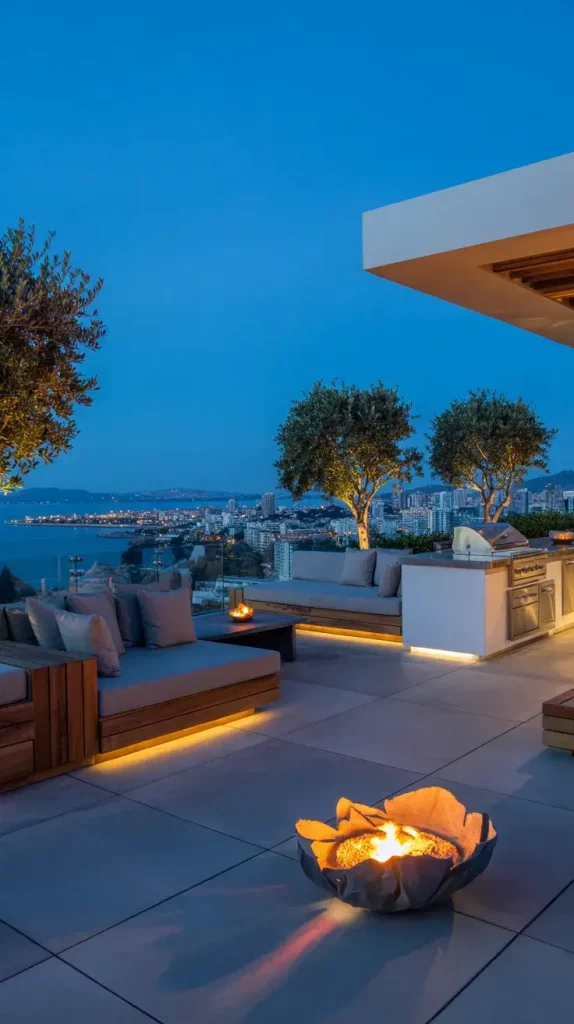
Custom-built seating, integrated outdoor kitchens, sculptural fire features, and tailored shade structures form the backbone of the design. I carefully select materials such as natural stone, premium wood alternatives, and architectural metals to ensure longevity and visual refinement. Every element is scaled and proportioned specifically for the terrace.
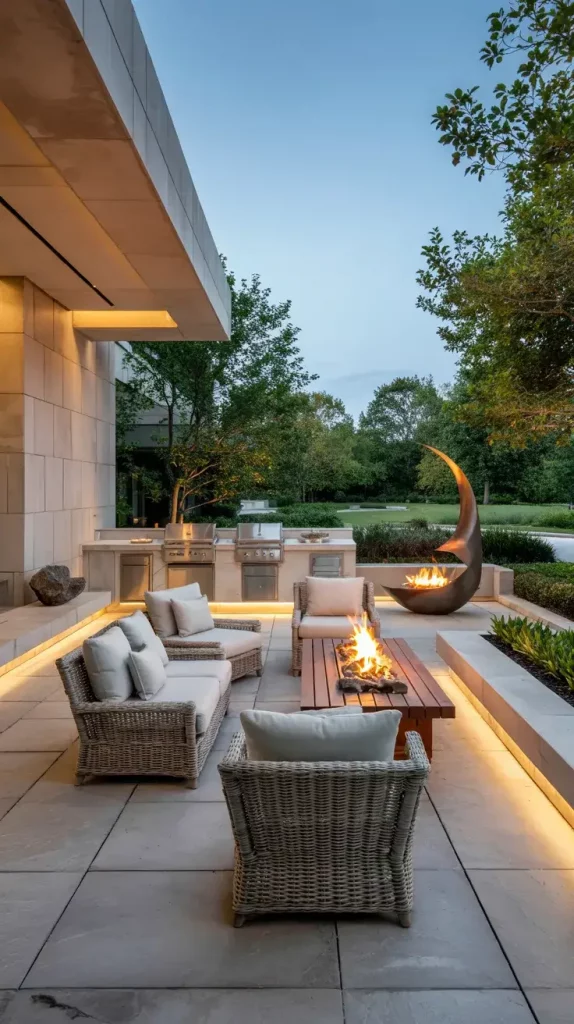
From my perspective, luxury design studios often highlighted in publications like Luxe Interiors + Design stress that customization is what separates premium outdoor spaces from standard ones. I have found that investing in custom elements results in terraces that feel cohesive, intentional, and enduring.
What I would add to this type of terrace is personalized lighting design that highlights custom features rather than general illumination. Accent lighting reinforces craftsmanship and enhances nighttime ambiance without overwhelming the space.
Unique Terrace Designs That Blur Indoor And Outdoor Space
I design these terraces to function as true transitional zones where the boundary between interior and exterior almost disappears. In 2026, this approach becomes increasingly relevant as homeowners seek continuity rather than separation. I focus on seamless floor materials, aligned ceiling heights, and large sliding or folding glass systems that visually and functionally connect the terrace to the interior living space.
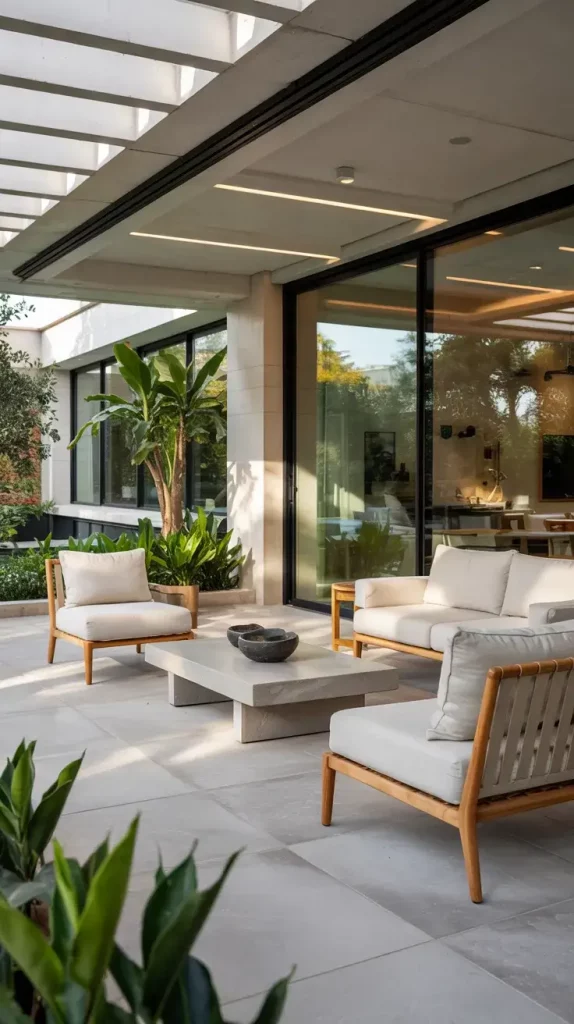
Furniture selection plays a critical role here. I use outdoor sofas and dining sets that visually resemble indoor collections, often upholstered in high-performance fabrics. Low-profile coffee tables, integrated storage benches, and coordinated color palettes ensure that the terrace feels like a natural extension of the interior rather than a separate environment.
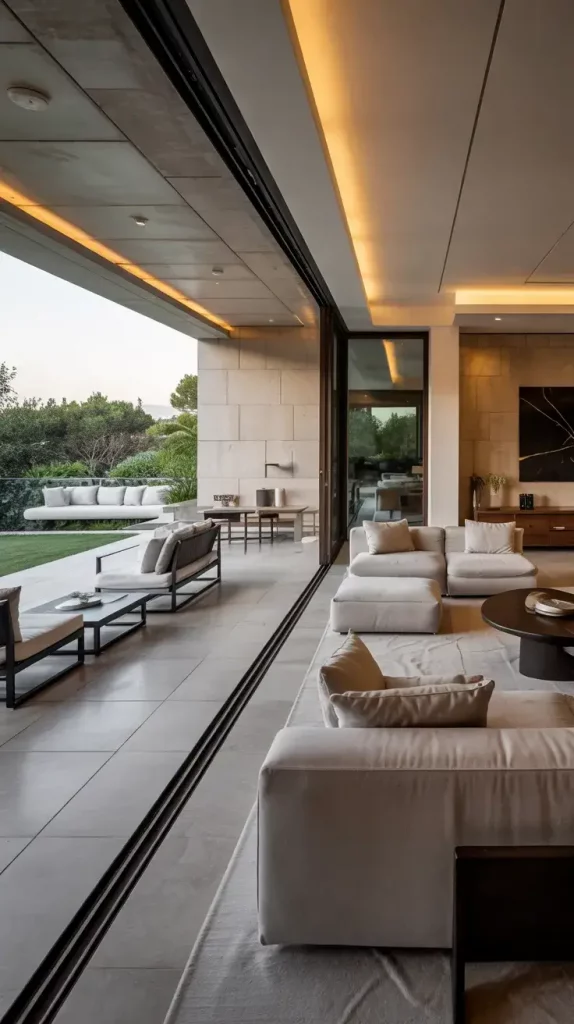
From my experience, designers frequently cited in House Beautiful emphasize continuity as a key principle of contemporary living. I fully agree, as this strategy increases perceived space and enhances daily usability. I have seen how terraces designed this way are used more often and for longer periods throughout the year.
To complete this concept, I would add retractable shading systems or motorized screens. These elements preserve openness while providing environmental control when needed, maintaining comfort without disrupting visual flow.
Artistic Lighting Concepts For Modern Terrace Design
In 2026, lighting becomes one of the most expressive tools in terrace design, and I approach it as an artistic layer rather than a purely functional necessity. I design lighting schemes that shape mood, highlight architecture, and guide movement across the terrace after sunset. The goal is to create atmosphere without visual clutter.
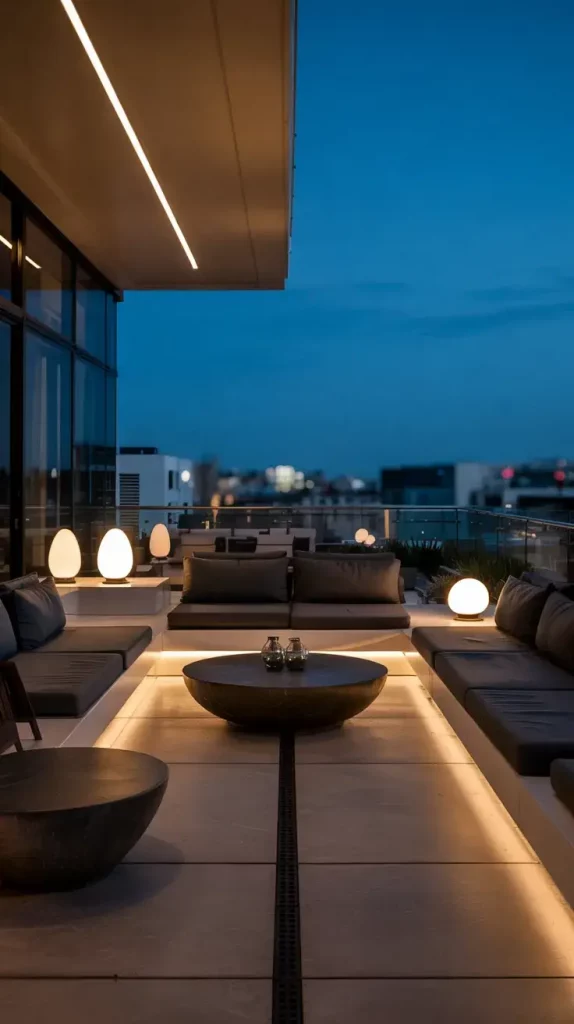
I incorporate layered lighting such as recessed floor lights, integrated LED strips within seating and steps, sculptural floor lamps, and soft overhead lighting. Each fixture is chosen for its form as much as its output, ensuring that lighting elements contribute aesthetically even during the daytime.
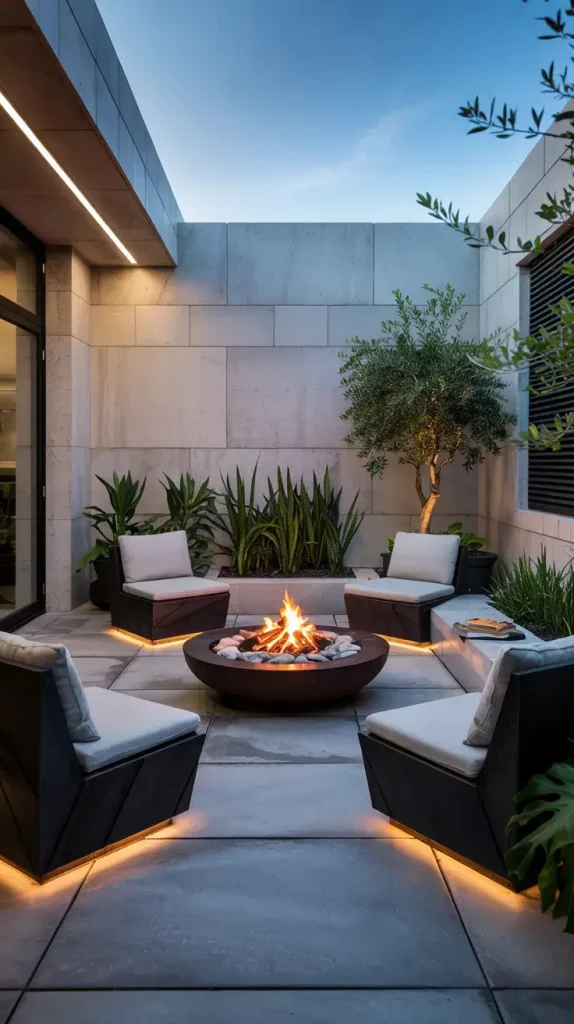
Based on my professional experience and insights shared by lighting designers featured in Architectural Lighting magazine, restraint is essential. I have found that fewer, well-placed light sources produce a more refined and immersive environment than excessive illumination.
What I would add here is smart lighting control. Adjustable color temperature and dimming options allow the terrace to adapt effortlessly from social gatherings to quiet evenings.
Sculptural Terrace Railings And Architectural Boundaries
Rather than treating railings as a regulatory necessity, I design them as sculptural architectural features. In 2026, terrace boundaries become visual statements that frame views while contributing to the overall design language. I focus on transparency, rhythm, and material contrast to elevate these elements.
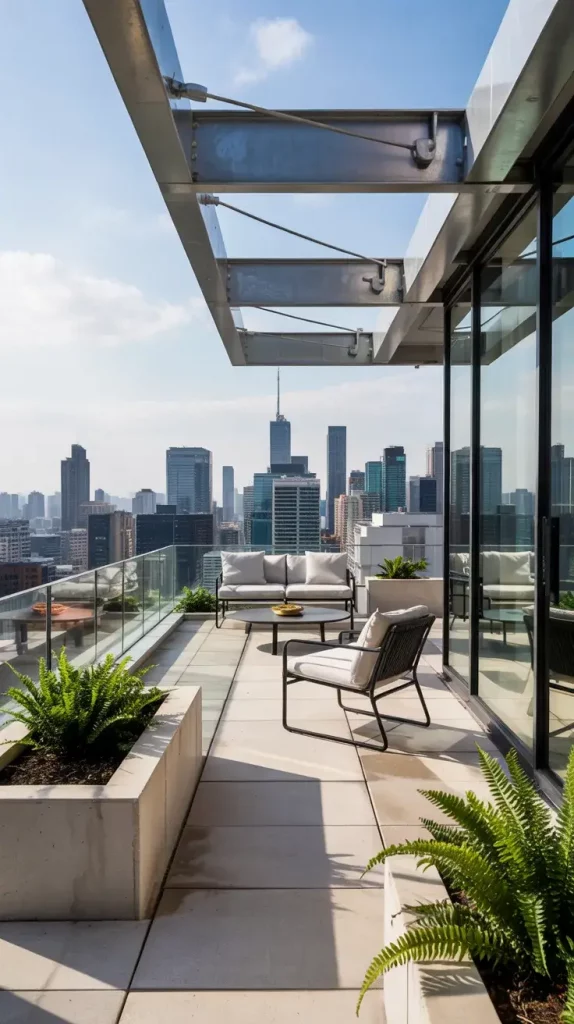
I select materials such as custom-cut metal panels, laminated glass, textured concrete, or sculptural vertical slats. These choices provide safety while enhancing privacy and visual interest. When paired with integrated planters or seating, railings become multifunctional design components rather than isolated elements.
In my opinion, this approach aligns with contemporary architectural thinking highlighted by Dezeen, where functional elements are expected to contribute aesthetically. I have seen how sculptural boundaries can transform even compact terraces into visually compelling spaces.
To further refine this concept, I would add subtle lighting integrated into railing systems. This enhances nighttime safety while emphasizing form and material without overwhelming the design.
Creative Terrace Design Ideas Using Texture And Relief
Texture becomes a defining characteristic of terrace design in 2026, and I intentionally use it to create depth and tactile richness. Rather than relying on color alone, I layer materials that invite interaction and visual exploration. This approach is especially effective for terraces with neutral palettes.
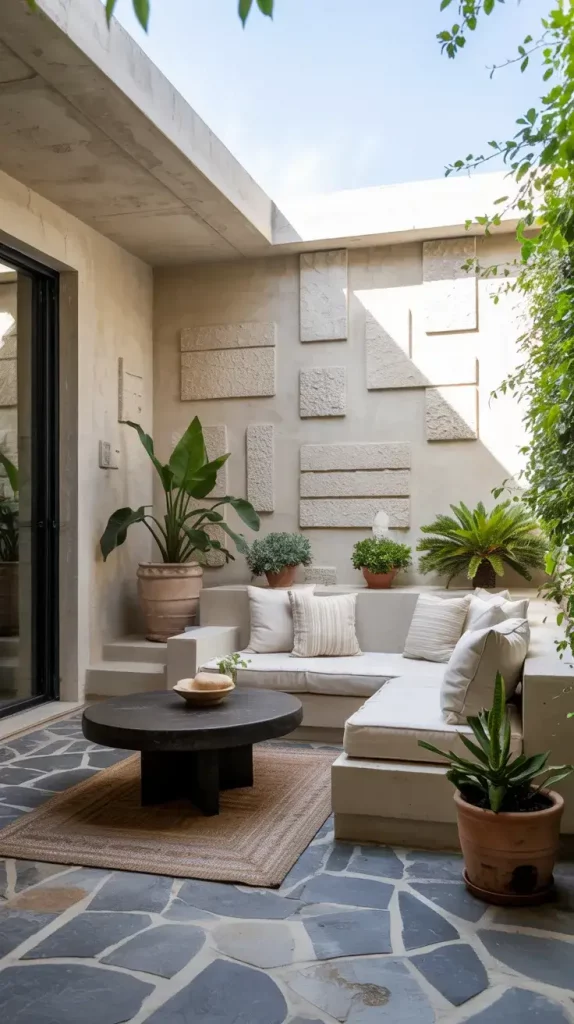
I combine textured wall panels, relief surfaces, patterned stone flooring, and furniture with tactile finishes. Upholstered seating, ribbed planters, and sculptural side tables add dimension while remaining cohesive. Each texture is selected to complement the others without competing.
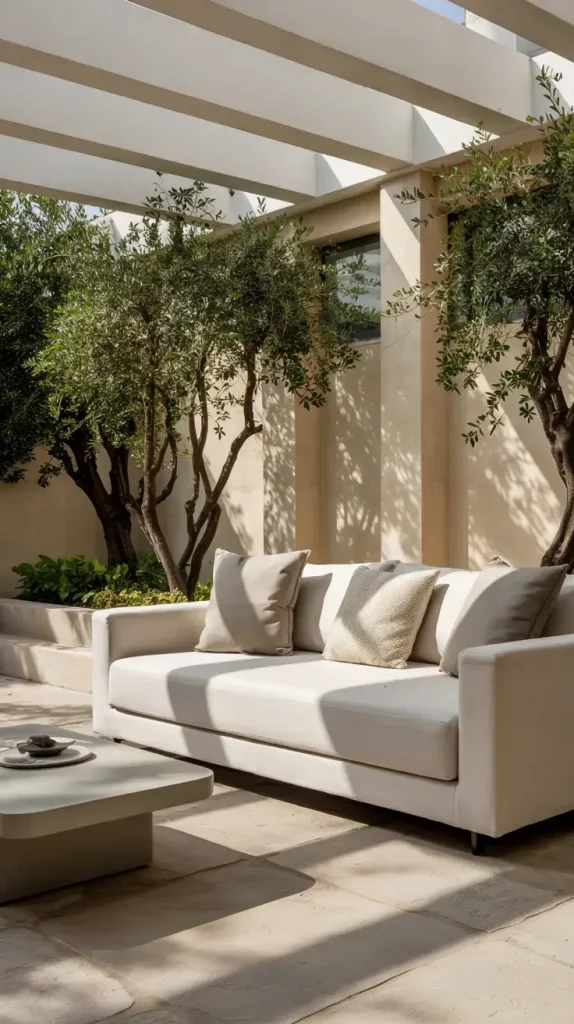
From my professional perspective, design editors at Interior Design Magazine often highlight texture as a way to elevate minimal spaces. I strongly agree, as texture introduces complexity and warmth without clutter. In my projects, it consistently enhances both comfort and visual appeal.
What I would add to this section is the inclusion of water-resistant textile elements such as outdoor cushions or wall-mounted fabric panels. These additions soften hard surfaces while maintaining durability.
Modern Terraces With Bold Color Blocking Concepts
In 2026, color blocking emerges as a confident design strategy for terraces, and I use it to define zones and create visual energy. Rather than subtle accents, I work with deliberate color contrasts applied to surfaces, furniture, and architectural elements.
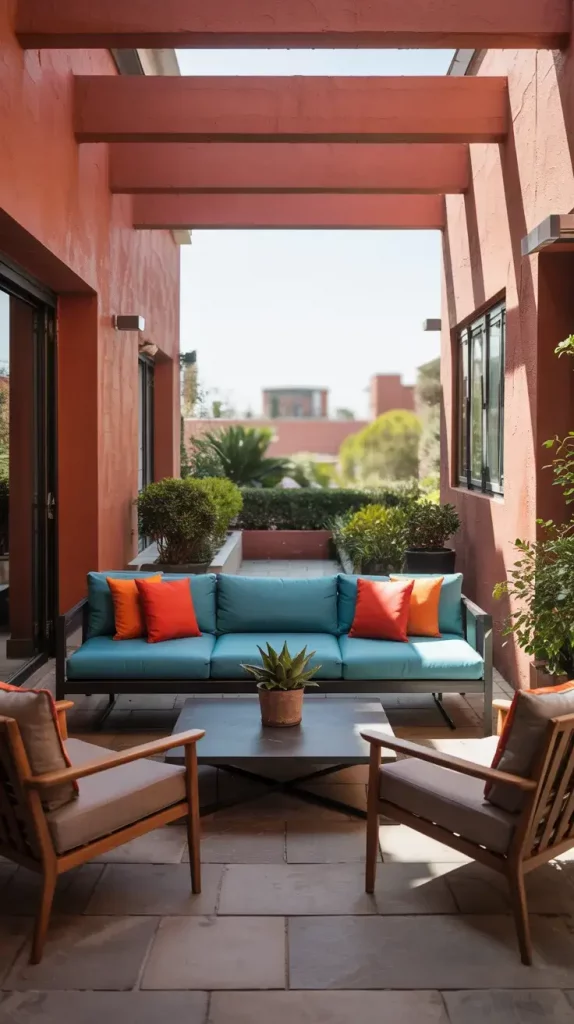
I incorporate solid-colored seating, accent walls, planters, and flooring sections to establish rhythm and movement. Furniture is chosen for clean silhouettes to prevent color combinations from feeling overwhelming. Balanced composition ensures that bold choices remain sophisticated rather than chaotic.
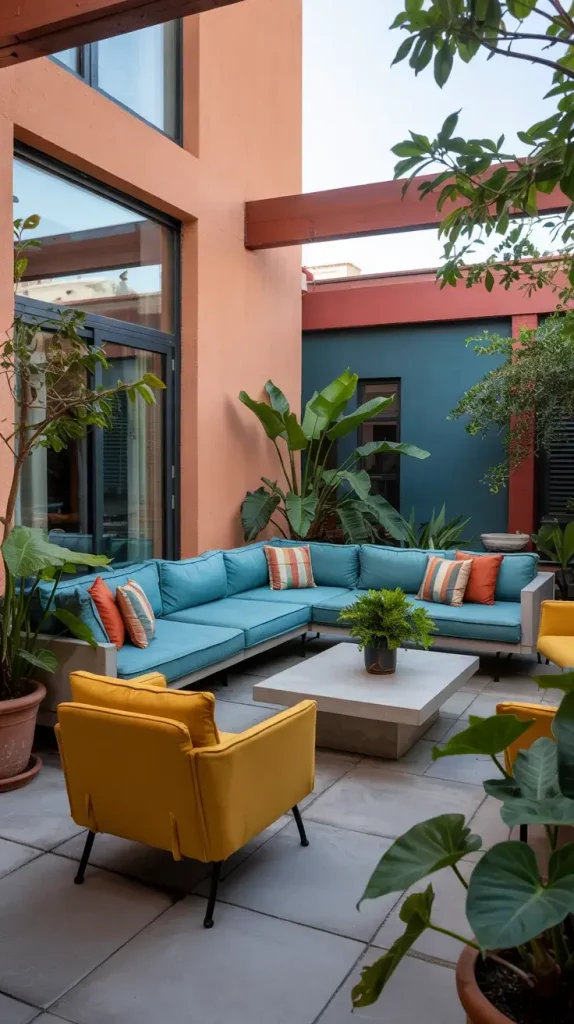
Personally, I find that guidance from designers featured in Domino supports this approach when executed with discipline. I have seen that clear color logic creates terraces that feel expressive and memorable while still being functional.
To enhance this concept, I would add neutral buffer zones using stone or concrete surfaces. These areas allow bold colors to stand out without visually exhausting the space.
Designer Terraces Focused On Statement Seating
I see statement seating as the foundation of many designer terrace projects in 2026 because it immediately defines how the space is used and perceived. Instead of arranging furniture around the perimeter, I focus on placing seating as a central architectural element. Large sculptural sofas, curved benches, or modular lounge systems help anchor the terrace visually while still allowing flexible circulation and practical everyday use.
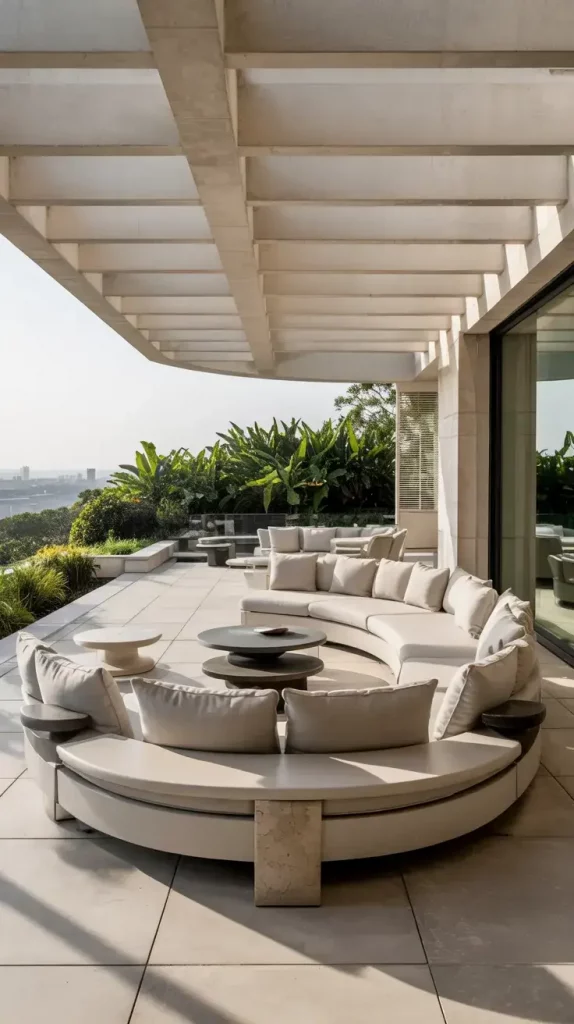
When selecting furniture, I prioritize seating with strong forms and high-quality outdoor materials. Deep-profile lounge chairs, low-slung sectional sofas, and custom-built benches with integrated side tables create cohesion and comfort. Upholstered pieces in performance fabrics are paired with solid bases in concrete, powder-coated metal, or natural stone to balance softness and structure. Each piece is chosen to feel intentional rather than decorative.
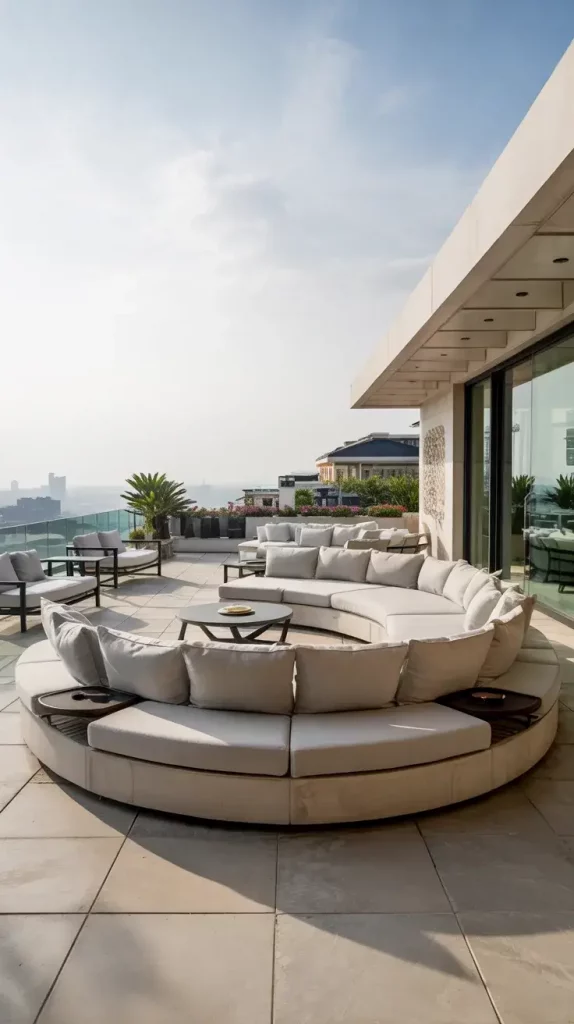
From my experience, designers like Kelly Wearstler often emphasize bold furniture silhouettes as a way to elevate outdoor spaces, and I fully agree with this approach. Statement seating transforms a terrace into a designed environment rather than an accessory space. It also encourages people to stay longer, relax more deeply, and interact naturally within the layout.
To complete this section, I would add layered outdoor lighting around the seating zones, including integrated LED strips and low sculptural floor lamps, to enhance usability after sunset and reinforce the visual impact of the furniture.
Unusual Terrace Layouts With Asymmetrical Design
In 2026, I increasingly design terraces that move away from predictable symmetry and instead embrace unusual and asymmetrical layouts. This approach allows the terrace to respond more naturally to its surroundings, whether that means adapting to irregular architecture or framing specific views. Asymmetry also adds movement and visual interest without compromising functionality.
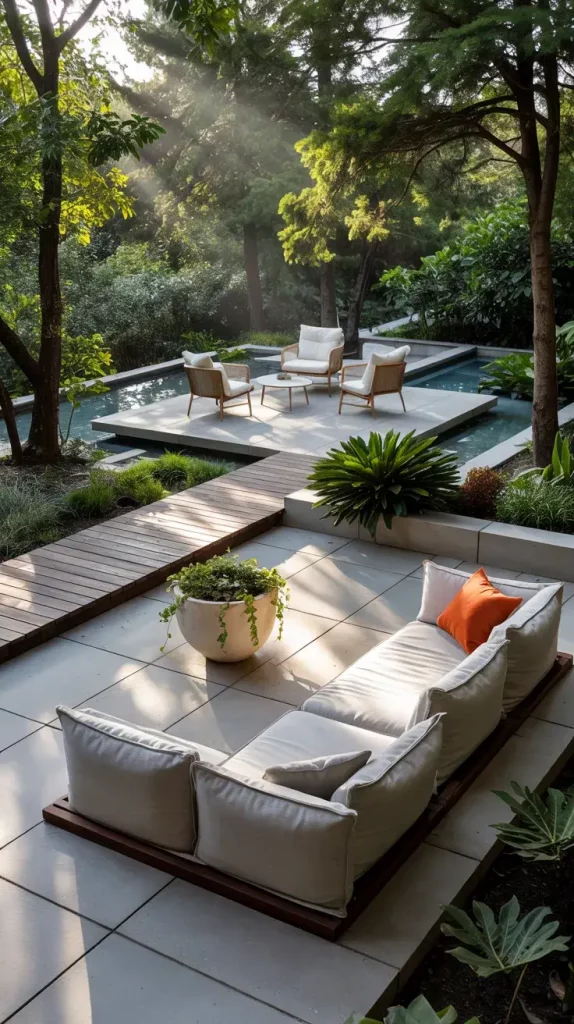
I often use staggered platforms, offset seating zones, and angled walkways to create spatial variety. Furniture placement follows organic circulation rather than rigid alignment, with loungers, dining areas, and relaxation zones subtly overlapping. This layered planning makes the terrace feel more dynamic and adaptable for different activities.
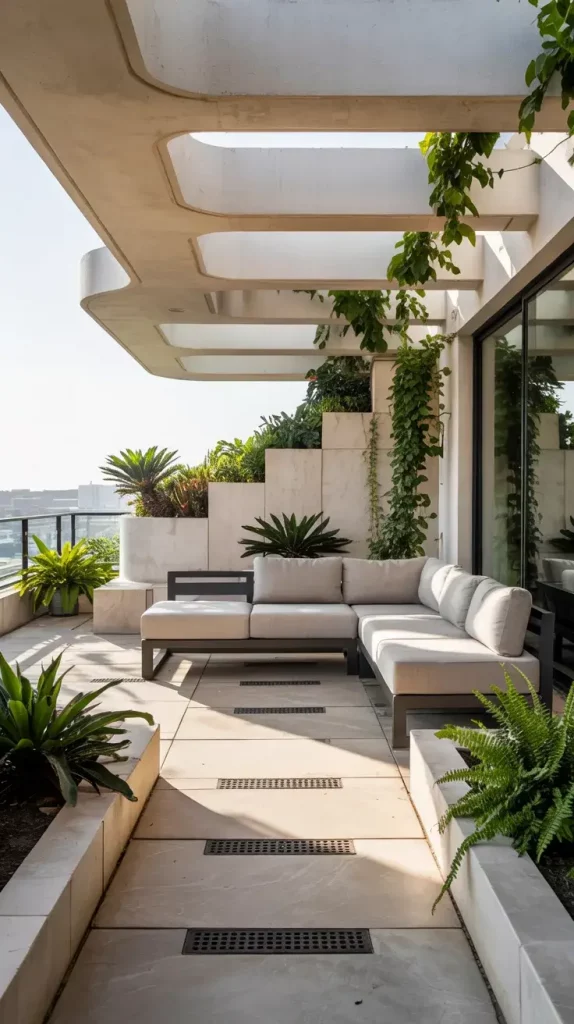
Architectural Digest frequently highlights asymmetry as a hallmark of contemporary outdoor design, and in my own projects I’ve seen how it makes terraces feel more personal and expressive. Asymmetrical design encourages exploration and breaks the monotony of traditional layouts, which is especially valuable in urban terraces.
What this section still needs is a stronger connection between layout and planting strategy. I would add directional planters or linear greenery to visually guide movement and reinforce the asymmetrical composition.
Artistic Terraces Inspired By Contemporary Architecture
I approach artistic terrace design as an extension of contemporary architecture rather than a separate decorative layer. In 2026, terraces increasingly reflect the same architectural language as the building itself, using bold geometry, refined proportions, and curated negative space. This results in terraces that feel intentional, artistic, and visually grounded.
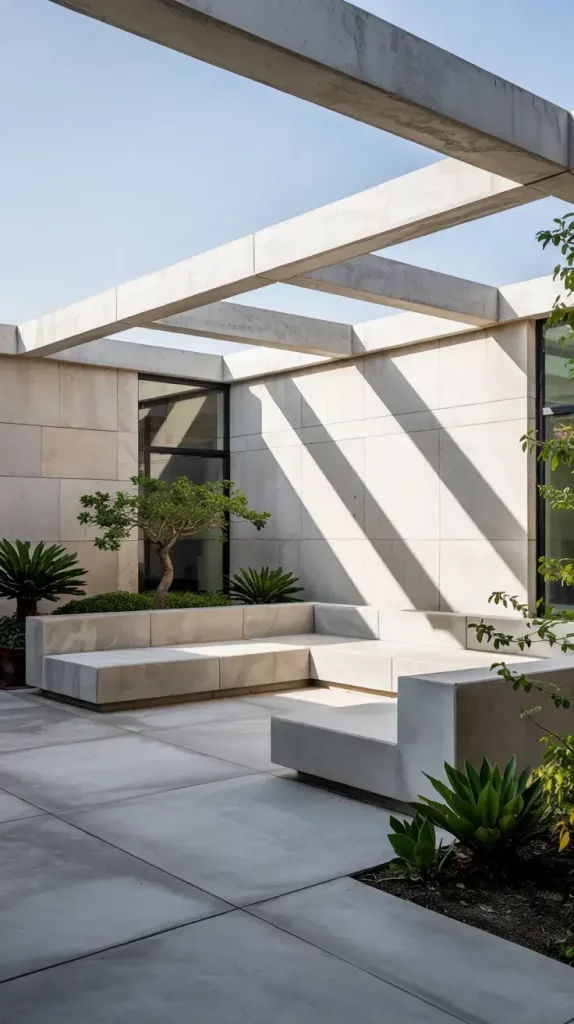
Key elements include architectural pergolas, monolithic furniture forms, and integrated features like built-in seating or sculptural fire elements. Materials such as exposed concrete, large-format stone, and matte metal finishes reinforce the architectural character while remaining durable outdoors. Every object serves both a functional and visual purpose.
From my professional perspective, architects like Tadao Ando and studios featured in Dezeen demonstrate how restraint and form can create powerful outdoor environments. I apply similar principles by limiting excess decor and letting structure and proportion define the space.
To strengthen this section further, I would introduce a subtle water feature or reflective surface to enhance the architectural dialogue and add sensory depth without overwhelming the design.
Modern Terrace Design Ideas For Compact Spaces
Compact terraces are where modern design thinking truly shines in 2026. I focus on maximizing usability without overcrowding the space, using smart zoning and multifunctional solutions. Even small terraces can feel open and intentional when every element has a clear role.
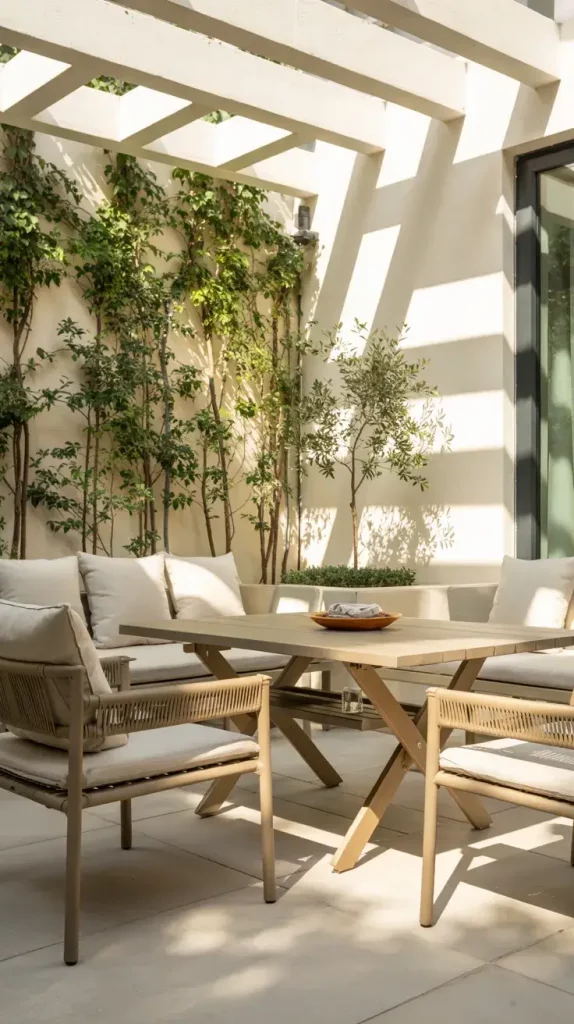
Furniture selection is critical here. I rely on slim-profile seating, foldable dining tables, and built-in benches with hidden storage. Vertical surfaces are used for integrated shelving or greenery, keeping the floor area uncluttered. Neutral tones combined with subtle textures help visually expand the space.
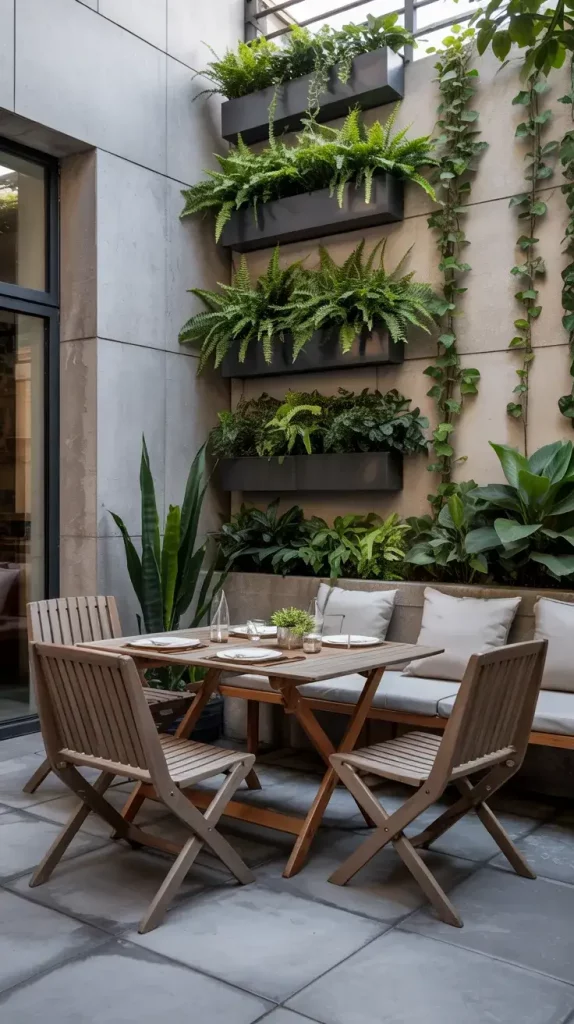
Designers featured in Dwell often highlight the importance of scale and proportion in small outdoor spaces, and I apply the same discipline. A compact terrace should feel curated, not constrained, with clear sightlines and breathable layouts.
What I would add to complete this section is adjustable shading, such as retractable canopies or lightweight screens, to increase comfort without sacrificing openness.
Sculptural Planters And Green Elements In Terrace Design
In 2026, greenery becomes a defining architectural feature through sculptural planters rather than traditional planting beds. I use oversized, custom-shaped planters to introduce structure, rhythm, and natural contrast into terrace designs. These elements help soften hard surfaces while reinforcing the overall concept.
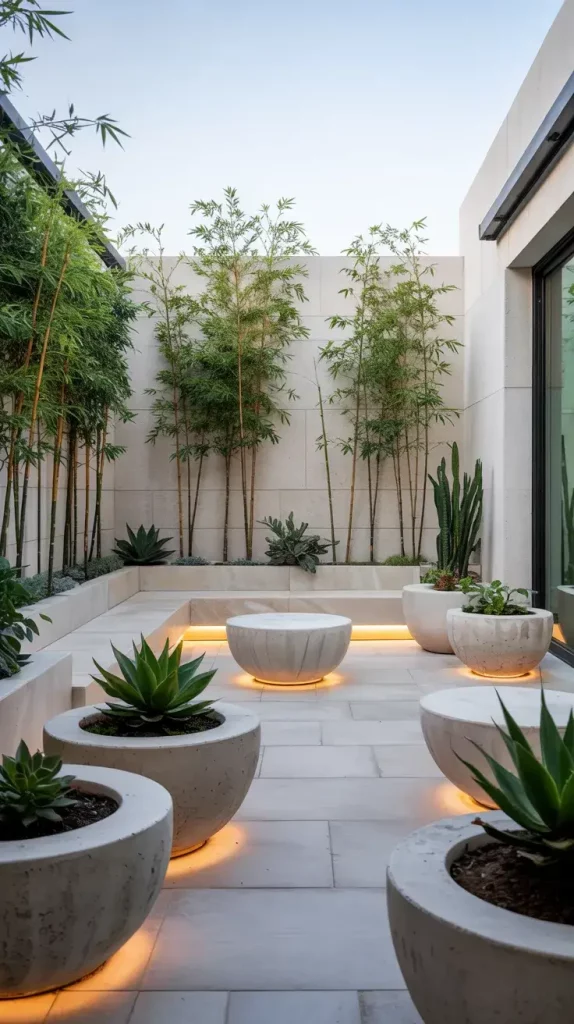
Planters in concrete, ceramic, or metal are selected for both durability and visual weight. Tall vertical planters create privacy, while low sculptural forms define zones without blocking views. Plant choices are intentional, focusing on architectural foliage that complements the terrace’s lines and proportions.
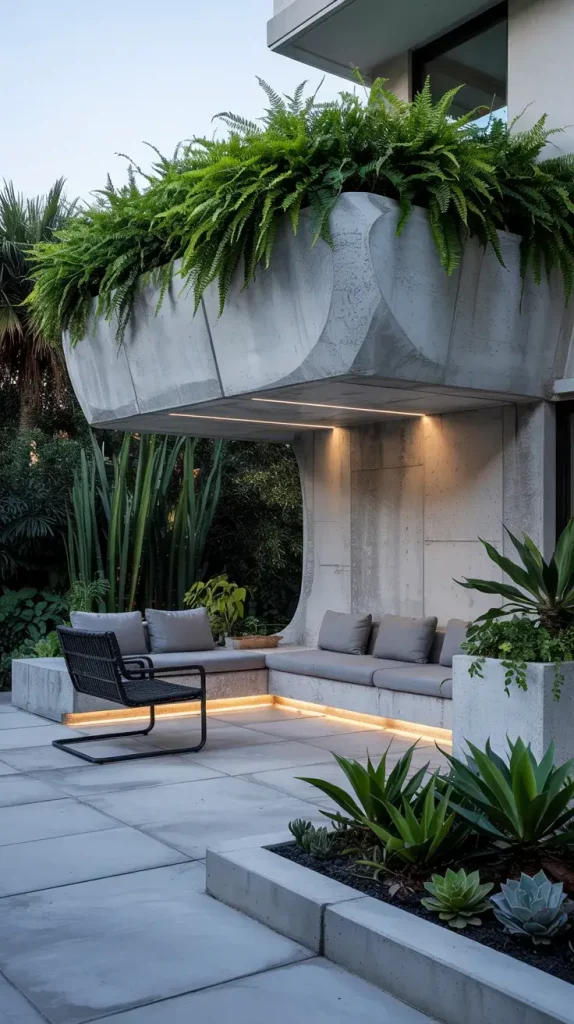
From my experience, designers showcased in Elle Decor often treat plants as design objects, not accessories. I follow this philosophy by integrating greenery early in the planning process rather than adding it at the end.
To elevate this section further, I would introduce integrated irrigation and subtle uplighting within the planters to ensure longevity and nighttime visual impact.
Creative Terrace Ceilings And Overhead Structures
When I design terraces for 2026, I treat the ceiling or overhead structure as an essential design surface rather than a technical necessity. Creative overhead solutions define atmosphere, provide comfort, and visually complete the space. Pergolas, cantilevered roofs, and layered ceiling planes help transform terraces into architectural outdoor rooms rather than open platforms.
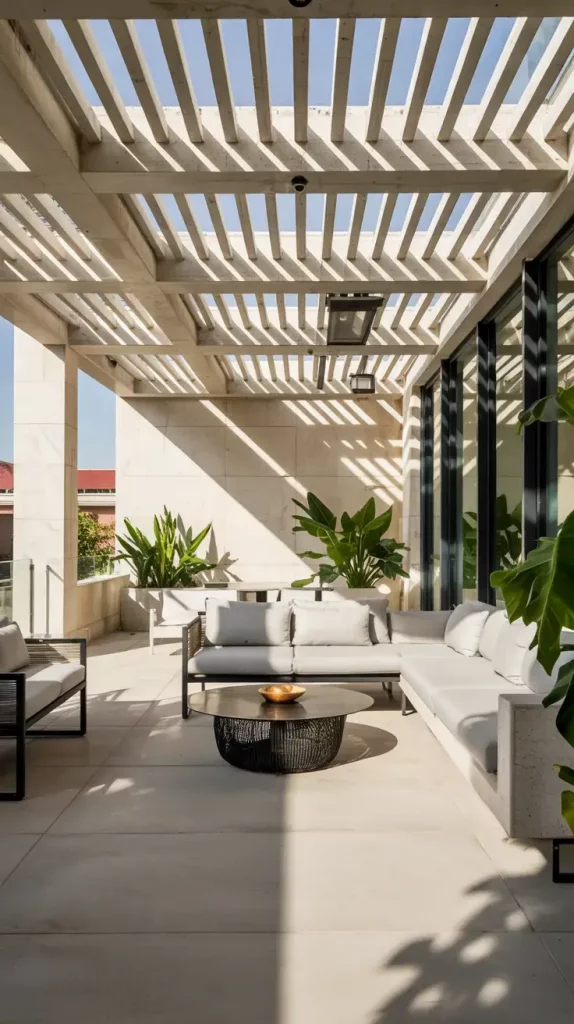
I often use slatted pergolas, tensile fabric canopies, or sculptural metal frames combined with integrated lighting. Wooden ceiling panels add warmth, while matte metal structures create a sharper, more modern and designer look. Adjustable louvers are especially valuable because they allow control over sunlight and airflow without compromising the visual clarity of the design.
From my professional experience, publications like Architectural Digest emphasize that overhead design dramatically increases the perceived value of outdoor spaces. I have found that terraces with well-designed ceilings feel more intentional and are used more consistently throughout the year.
What I would add to this section is acoustic consideration, such as perforated ceiling panels or layered materials, to improve sound comfort in urban environments.
Designer Terrace Ideas With Mixed Materials And Finishes
In 2026, mixed materials define some of the most creative and stylish terrace design ideas I work with. Combining contrasting finishes allows the terrace to feel layered, tactile, and visually rich without becoming overwhelming. The key is balance and intentional transitions between materials.
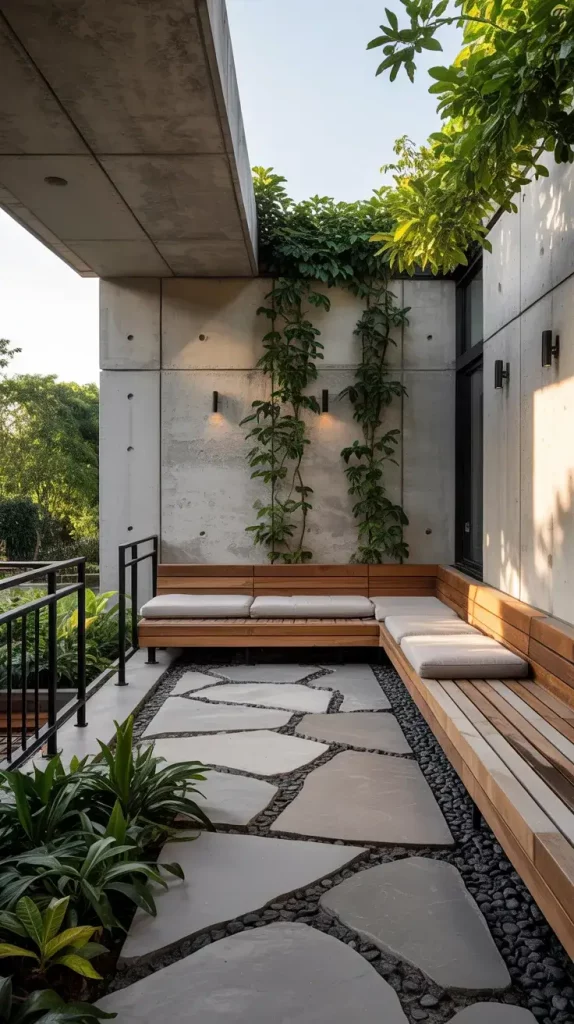
I typically pair stone flooring with warm wood accents, matte metal railings, and textured outdoor fabrics. Concrete elements ground the space, while glass or brushed steel details add refinement. Each finish is selected not only for aesthetics but also for durability and how it ages outdoors.
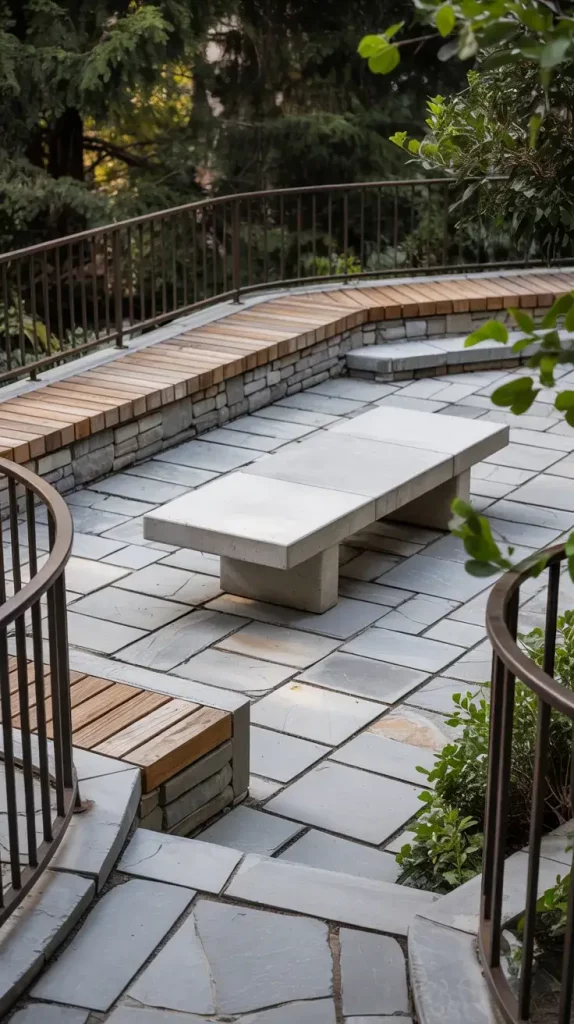
From my perspective, Elle Decor often highlights material contrast as a hallmark of high-end outdoor design, and I fully support this approach. Mixed finishes prevent terraces from feeling flat and allow designers to express individuality while maintaining coherence.
To enhance this section, I would include guidance on consistent color undertones to ensure that different materials visually connect rather than compete.
Unique Terraces Designed As Social Art Spaces
I increasingly see terraces in 2026 designed as unique social environments that function almost like outdoor galleries. These terraces prioritize interaction, movement, and visual storytelling, making them ideal for gatherings, creative events, or relaxed social moments.
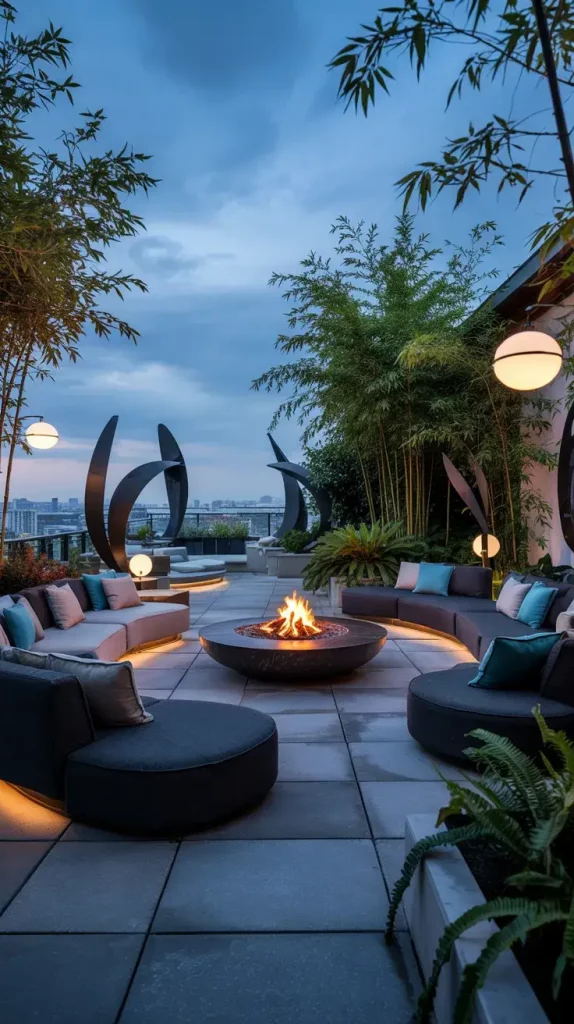
Furniture is arranged to encourage conversation rather than isolation. Modular seating, circular lounge layouts, and movable elements allow the space to adapt easily. Sculptural decor pieces, outdoor art installations, and statement lighting become focal points that spark discussion and engagement.
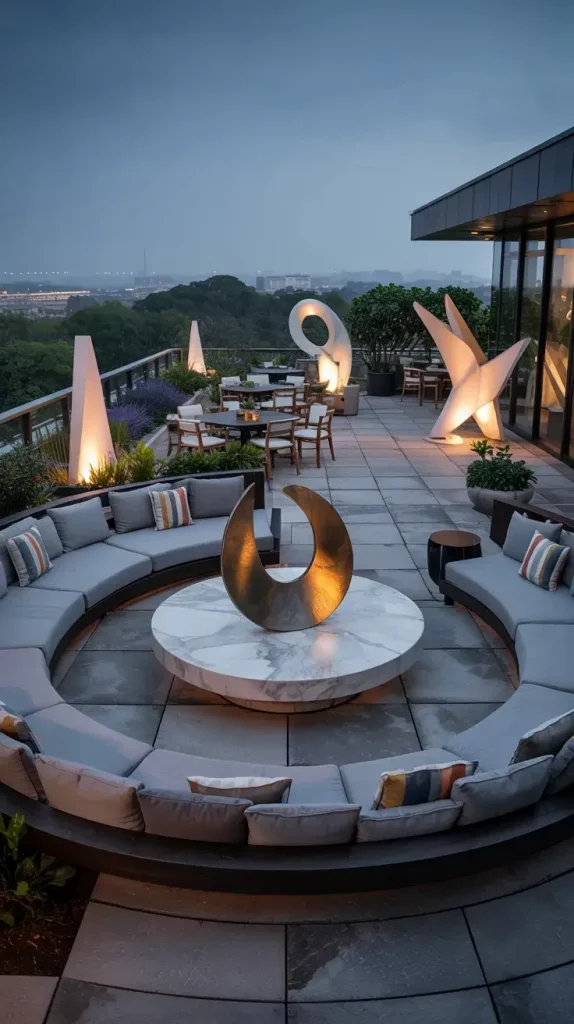
From my experience, designers featured in Design Milk often advocate for flexible social layouts in outdoor spaces, and I find this especially relevant for terraces. A terrace designed as a social art space feels alive and continuously evolving rather than static.
What I would add here is integrated technology, such as discreet outdoor speakers or projection-ready surfaces, to support events and multimedia experiences without dominating the design.
Forward-Thinking Terrace Design Trends Shaping 2026
When looking ahead to 2026, I focus on terrace design trends that prioritize adaptability, sustainability, and visual clarity. Forward-thinking terraces are no longer trend-driven in a decorative sense but are built around long-term use and evolving lifestyles.
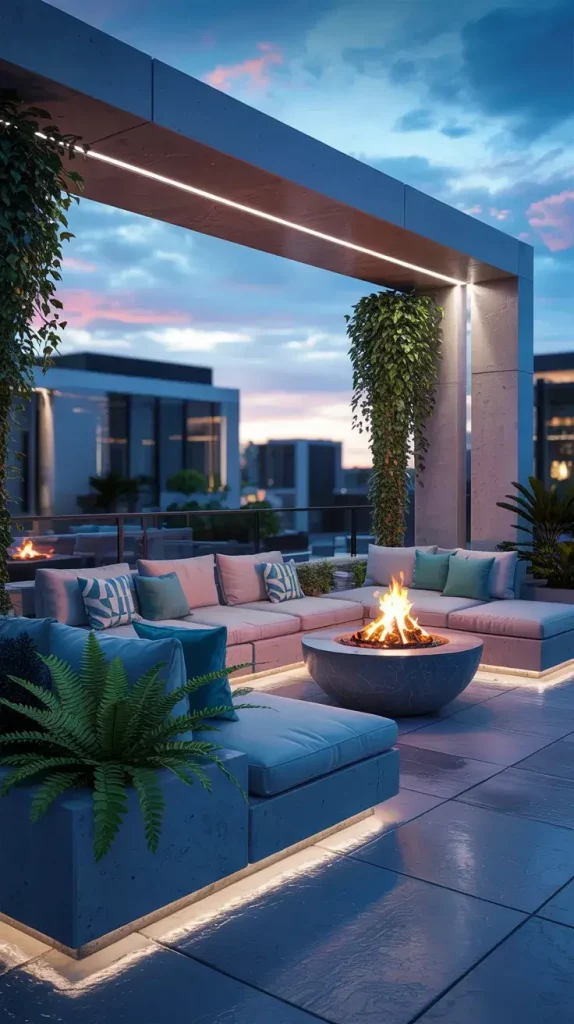
Key trends include modular construction systems, adaptable furniture layouts, and smart lighting solutions that respond to time of day and usage. Design becomes quieter but more intentional, allowing artistic and sculptural elements to stand out without excess ornamentation.
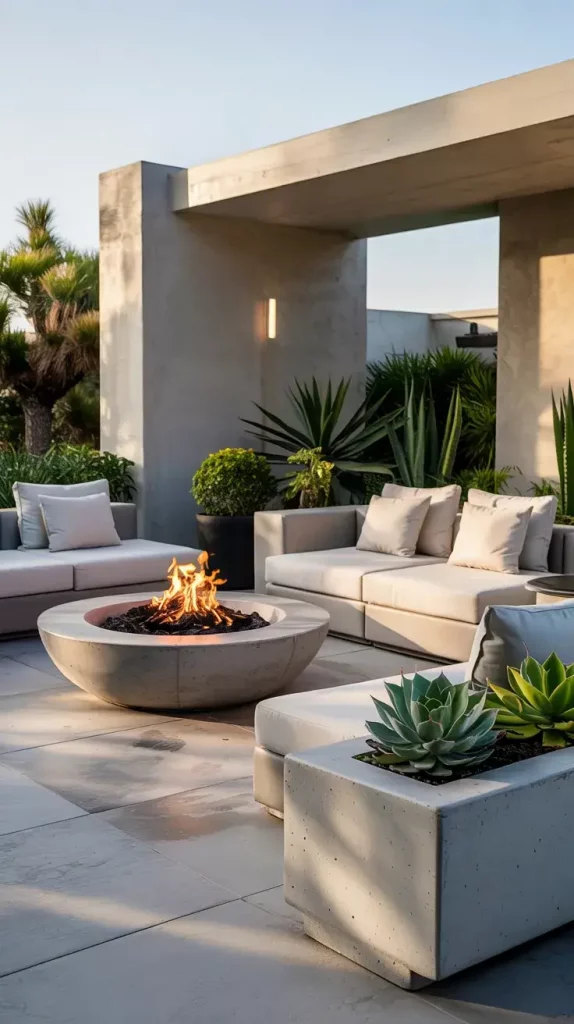
In my professional view, Dezeen consistently highlights how future-focused design values longevity over novelty. I apply this by selecting timeless forms and neutral palettes that allow terraces to remain relevant as tastes evolve.
To complete this section, I would recommend incorporating future-proof infrastructure, such as concealed power access and adaptable mounting points for new technologies.
Future-Ready Terrace Design Ideas With Artistic Identity
Future-ready terrace design in 2026 is ultimately about creating spaces with a strong artistic and designer identity that still function effortlessly in everyday life. I approach these terraces as personal expressions, blending architecture, furniture, and landscape into a cohesive whole.
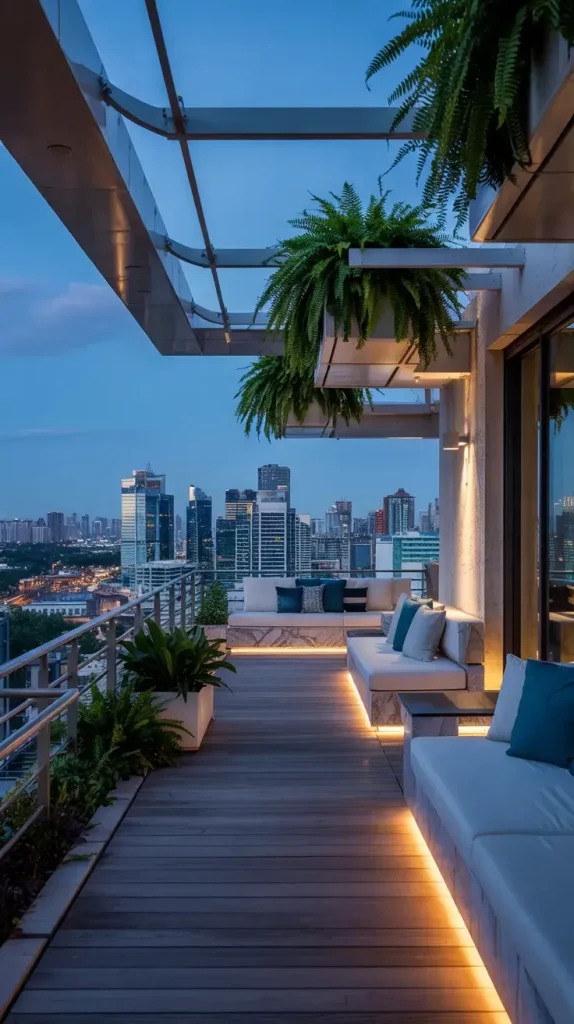
Custom elements play a major role here, from bespoke seating to sculptural railings and integrated lighting features. Every design decision supports a unified vision, ensuring the terrace feels intentional rather than assembled. The result is a space that feels both forward-looking and deeply personal.
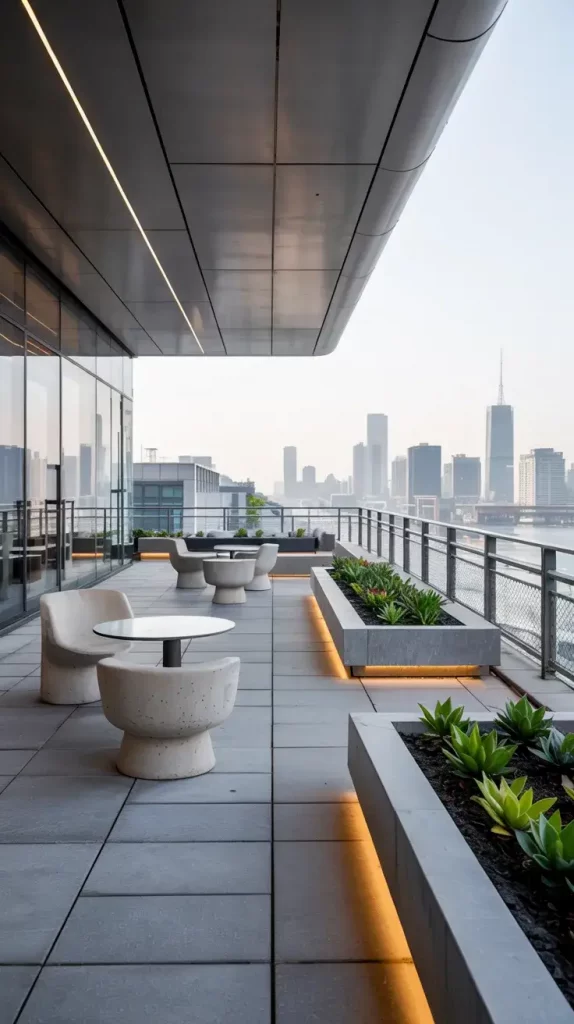
From my experience, well-known designers often stress the importance of narrative in design, and I see this as essential for future-ready terraces. A terrace with artistic identity tells a story and remains emotionally engaging over time.
What I would add to this section is collaboration with artists or fabricators early in the design process to elevate originality and craftsmanship.
Terrace design ideas 2026 highlight a clear shift toward creativity, artistic expression, and architectural individuality. Modern terraces are no longer defined by standard layouts or predictable décor but by sculptural forms, designer details, and bold design decisions that turn outdoor spaces into visual statements. By embracing innovative materials, expressive shapes, and contemporary styling, terraces in 2026 become unique extensions of modern living, offering inspiring, stylish environments that feel both intentional and timeless.