
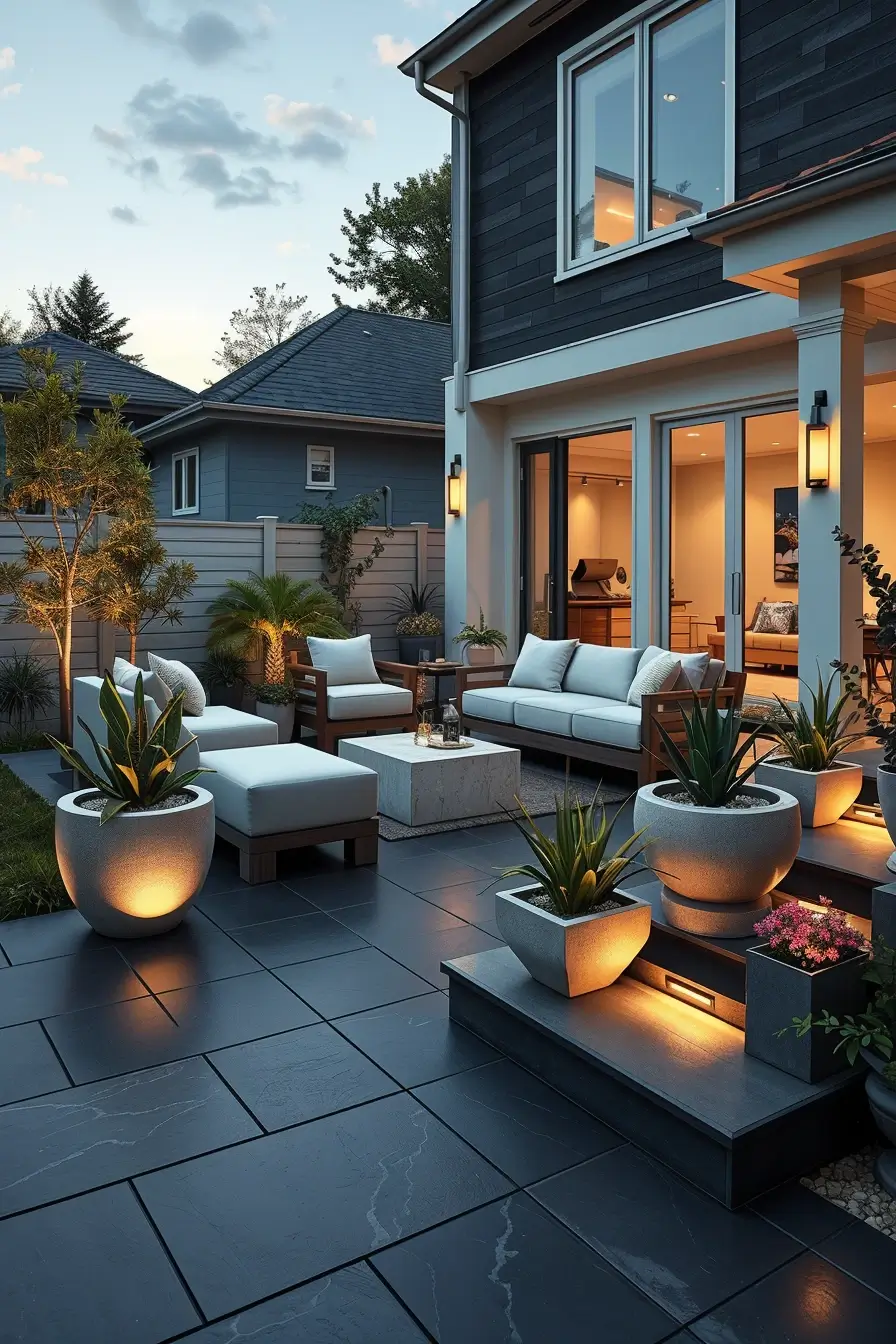
Outdoor tiles for floor 2026 are redefining how we design patios, terraces, pool decks, and backyard living spaces. As outdoor areas continue to evolve into fully functional extensions of the home, flooring has become one of the most important design decisions. In 2026, the focus is not only on durability and weather resistance but also on style, sustainability, texture, and seamless indoor-outdoor transitions.
This year’s trends highlight large-format tiles, natural stone and wood-look finishes, slip-resistant surfaces, and eco-friendly materials that combine performance with aesthetics. Homeowners are choosing outdoor floor tiles that can withstand extreme temperatures, moisture, and heavy foot traffic while still delivering a modern, cohesive look. From minimalist concrete-inspired designs to warm earthy tones and innovative surface technologies, outdoor tile collections are becoming more sophisticated and versatile than ever.
Whether you’re renovating a patio, designing a luxury poolside retreat, or planning a contemporary terrace, the right outdoor tiles for floor 2026 can transform your space into a stylish and practical outdoor oasis. In this guide, we’ll explore the top trends, materials, colors, and layout ideas shaping exterior flooring this year.
Porcelain Outdoor Floor Tiles 2026: Durability Meets Modern Aesthetics
In my projects, I often recommend porcelain outdoor tiles as the most reliable solution for terraces and patios in 2026. These tiles are engineered to resist moisture, frost, UV exposure, and heavy foot traffic. When designing a modern outdoor space, I focus on balancing technical performance with visual appeal. Porcelain tiles now come in matte stone finishes, subtle textures, and contemporary neutral palettes that fit seamlessly into both minimalist and transitional exteriors.
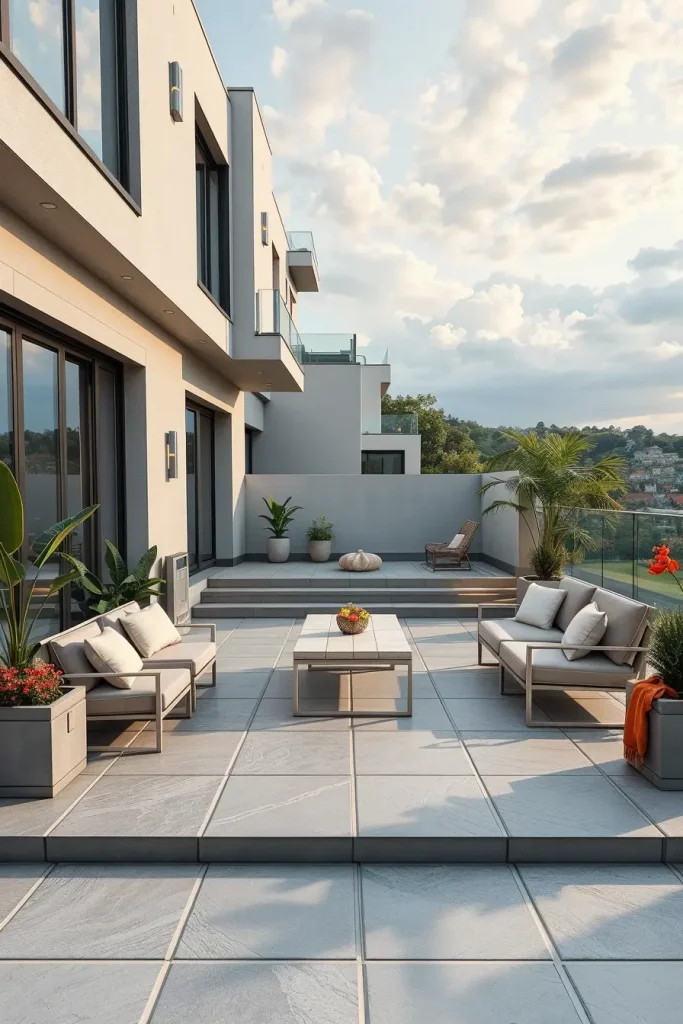
I carefully select furniture that enhances the clean lines of porcelain flooring. Powder coated aluminum lounge sets, modular outdoor sofas with weather resistant cushions, and sleek dining tables with ceramic tops work beautifully with large porcelain slabs. I also recommend built in planters, linear LED lighting along steps, and frameless glass railings to highlight the elegance of the tile surface. Each element should complement the floor rather than compete with it.
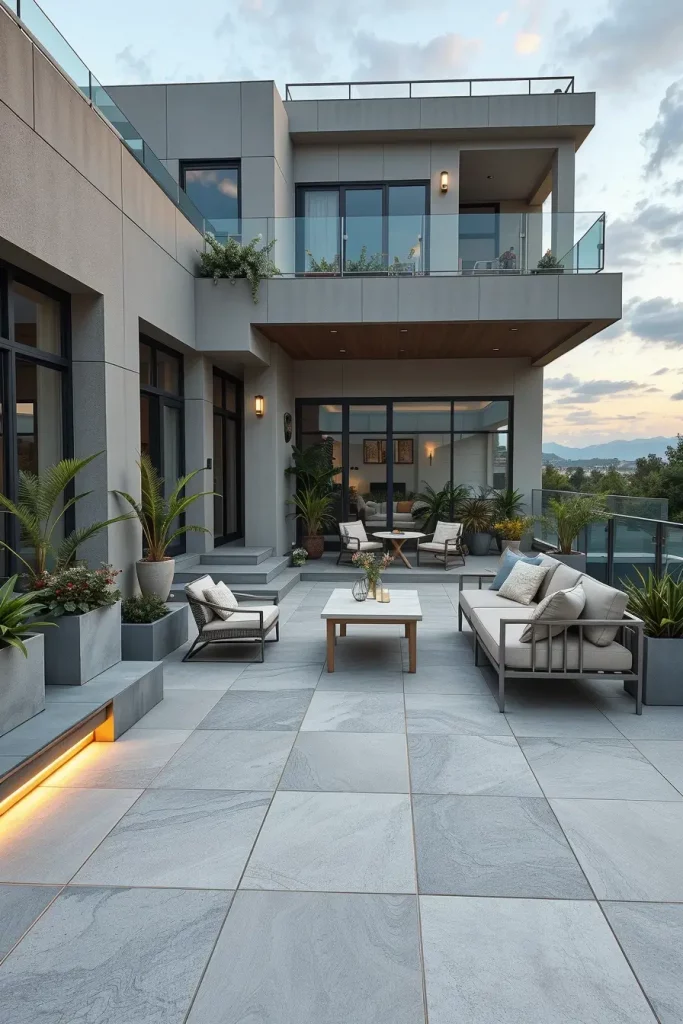
From my experience, reputable US design publications such as Architectural Digest frequently emphasize that porcelain is one of the most future proof materials for exterior flooring due to its low porosity and minimal maintenance. I agree with this assessment. Clients appreciate that they can achieve a luxurious look without constant sealing or intensive care. In my opinion, porcelain is the foundation of high quality patio floor tiles 2026 projects.
What should also be added here is proper installation guidance. I always stress the importance of a stable sub base, correct slope for drainage, and high quality outdoor grout. Without professional installation, even the best tile will underperform. This technical foundation is essential for long term durability.
Large Format Outdoor Tiles For Seamless Contemporary Spaces
Large format outdoor tiles for floor 2026 are transforming exterior design by creating visually seamless surfaces. I use slabs measuring 60×120 cm or larger to reduce grout lines and achieve a continuous, expansive effect. This approach works especially well in modern homes where indoor and outdoor spaces visually merge through sliding glass doors.
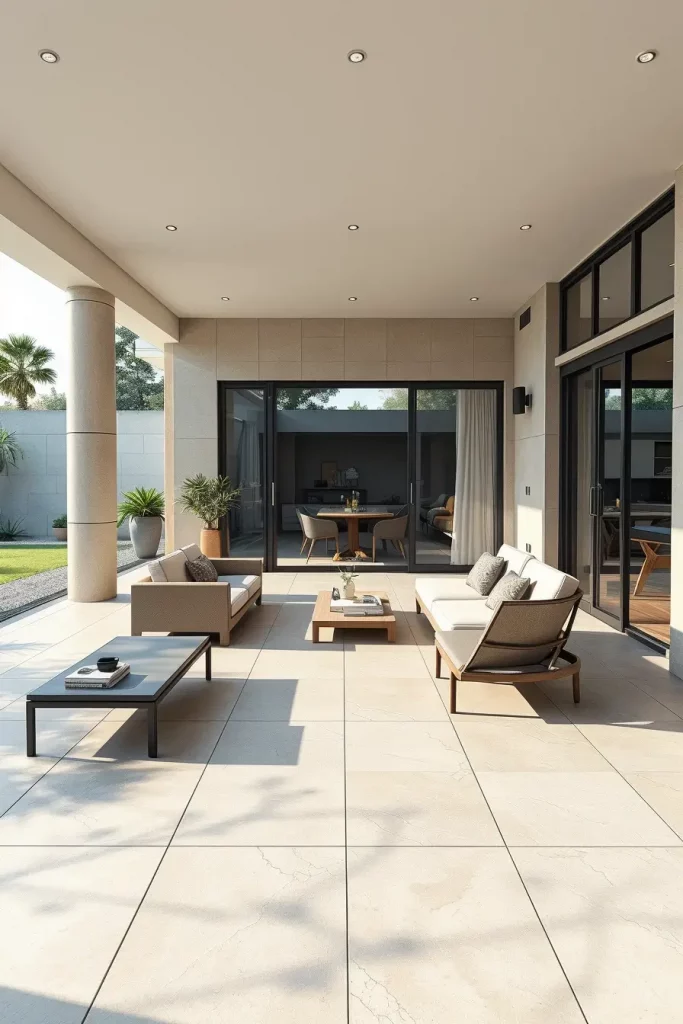
When designing such spaces, I choose minimalist furniture with low profiles. Sectional sofas, floating benches, and streamlined sun loungers maintain openness. I often extend the same tile from the living room to the patio, blurring boundaries and reinforcing a cohesive design language. Neutral shades like warm gray, sand, and soft taupe dominate modern outdoor flooring trends 2026, offering timeless elegance.
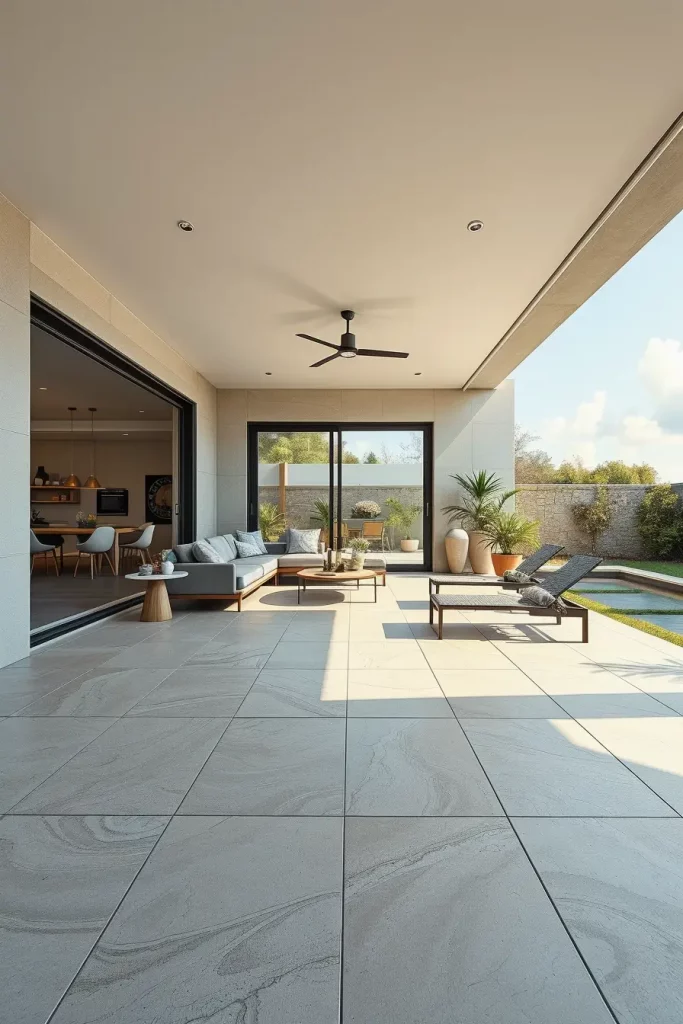
Personally, I find that large format tiles elevate the perceived value of a property. They create a resort like atmosphere and photograph beautifully, which is important for homeowners who value aesthetics. Many US landscape architects recommend large slabs for contemporary homes because they enhance spatial clarity and reduce visual clutter.
In this section, I would also include guidance about expansion joints and structural movement. Large tiles require precise spacing and flexible adhesives to prevent cracking. This technical detail ensures that beauty is matched by structural integrity.
Slip-Resistant Outdoor Tiles For Safety And Style
Safety is a non negotiable element of outdoor floor design ideas 2026. I always prioritize slip resistant finishes, especially around pools, outdoor kitchens, and entryways. Modern slip resistant tiles no longer look industrial or rough. Today, manufacturers offer refined matte textures with R11 or higher ratings that combine safety with contemporary style.
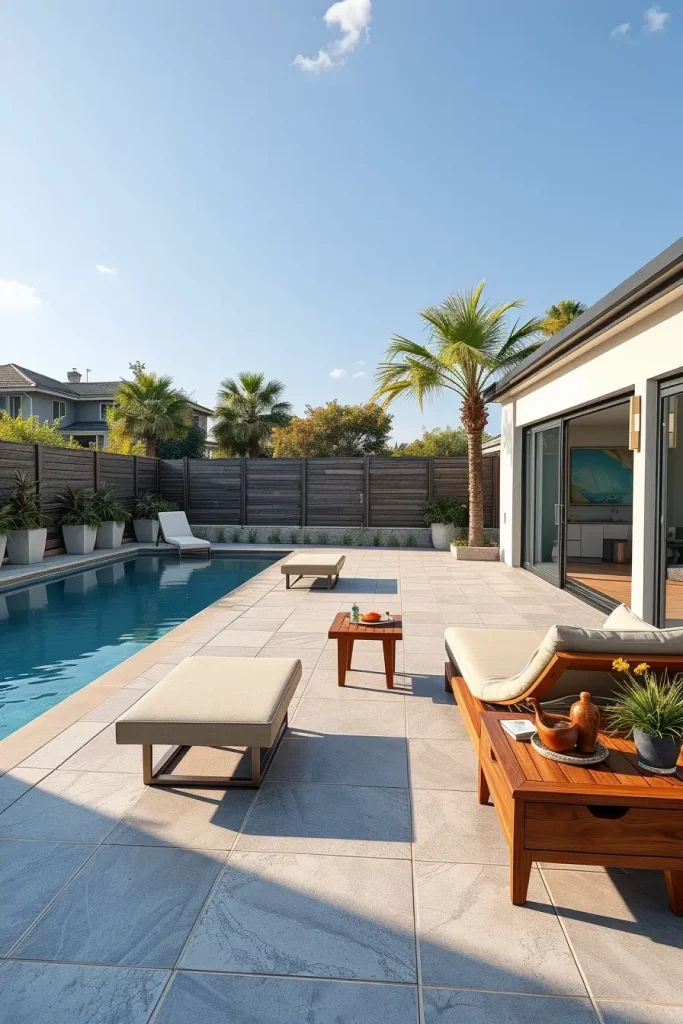
I typically pair these tiles with poolside loungers, outdoor showers with stainless steel fixtures, and teak side tables. Around dining areas, I prefer sturdy chairs with rubber feet to protect the tile surface. Thoughtful placement of rugs made specifically for outdoor use can add softness while preserving safety. The flooring should provide grip even when wet, without compromising the overall aesthetic.
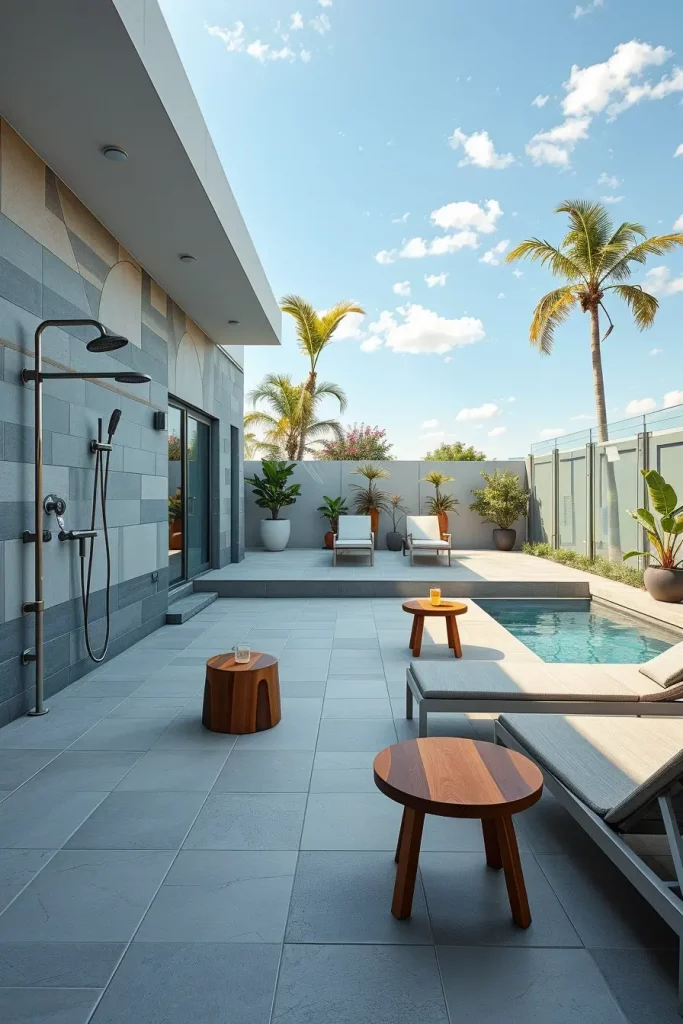
From my professional perspective, safety features should be integrated at the design stage, not added later. Publications such as Better Homes and Gardens consistently highlight the importance of non slip materials in family homes. I completely support this approach. Clients with children or elderly family members especially value this foresight.
To strengthen this section, I would add a recommendation to verify local building codes and slip rating standards. Climate conditions also matter. Regions with frequent rain or frost require higher slip resistance and proper drainage planning.
Wood-Look Outdoor Floor Tiles For Natural Warmth
For homeowners who love the warmth of timber but need durability, wood look outdoor floor tiles are an ideal solution in 2026. These porcelain tiles replicate oak, walnut, or teak textures with remarkable realism while eliminating issues such as rot, splintering, and constant sealing. I use them to create inviting patios that feel connected to nature.
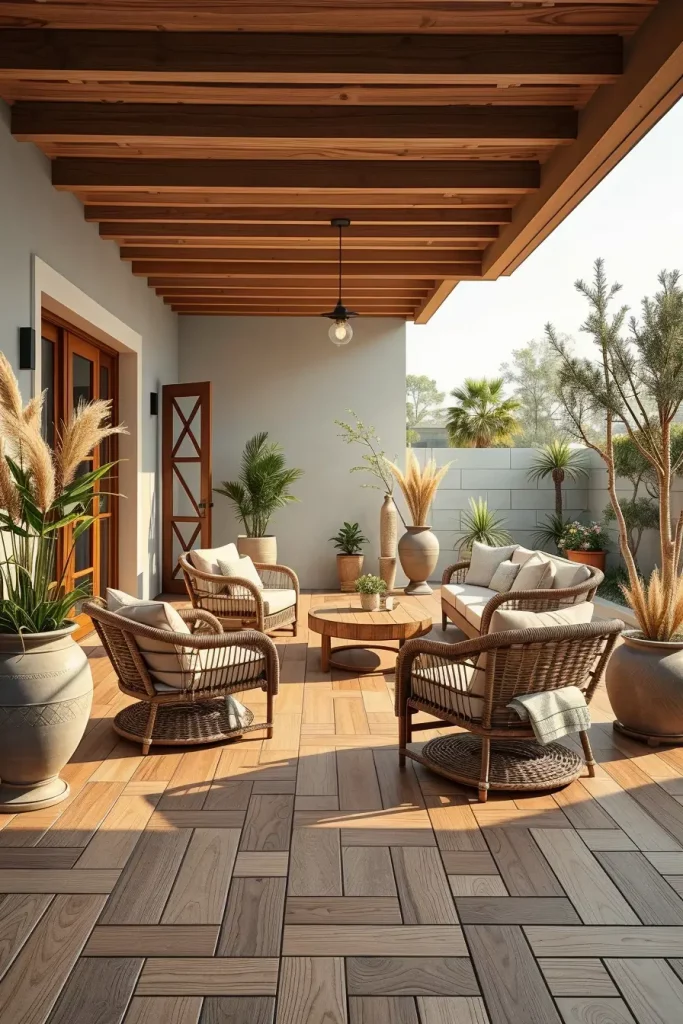
In such designs, I integrate woven outdoor sofas, rattan armchairs, and linen toned cushions to enhance the organic atmosphere. Planters with ornamental grasses, olive trees, or lavender reinforce the natural mood. I often recommend arranging the tiles in a staggered plank layout to mimic traditional hardwood flooring. This layout adds authenticity and visual rhythm to the space.
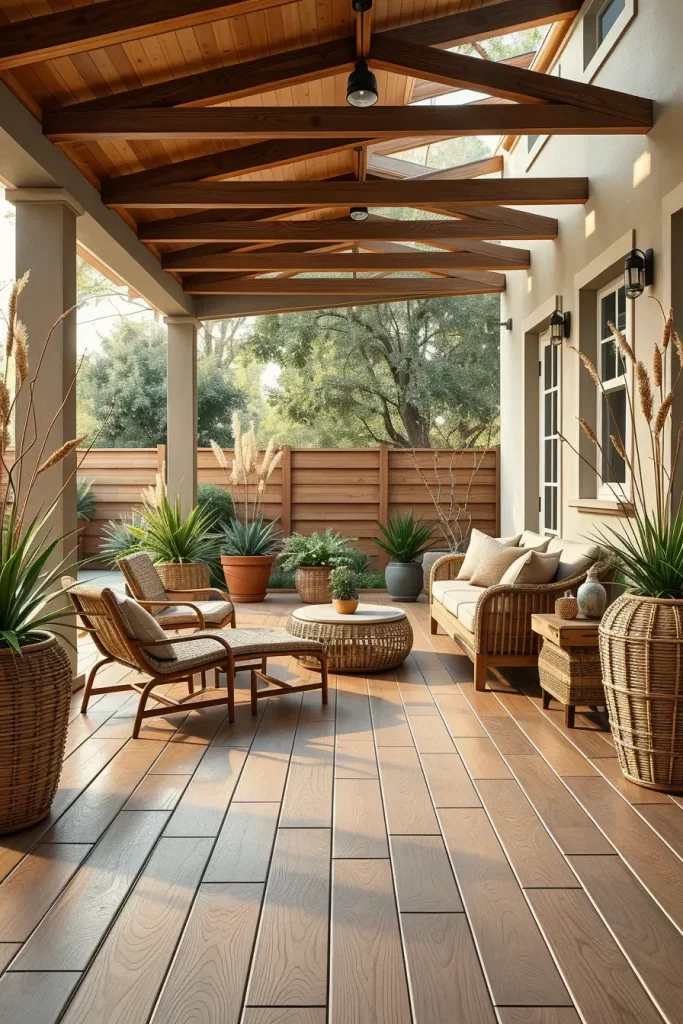
In my opinion, wood look tiles strike a perfect balance between practicality and comfort. Many American designers praise this material for delivering the appearance of natural wood with the performance of porcelain. I have seen clients initially request real decking but ultimately choose tile after understanding long term maintenance costs.
What should be added here is advice on color temperature. I always analyze the facade color and surrounding landscape before selecting a wood tone. Cooler gray woods suit contemporary architecture, while warm honey shades complement Mediterranean or rustic exteriors.
Stone-Effect Outdoor Tiles Inspired By Nature
Stone effect outdoor tiles for floor 2026 bring timeless elegance to terraces and garden pathways. I often choose finishes that resemble travertine, limestone, or slate to create a sophisticated yet grounded atmosphere. These tiles work beautifully in both modern and classic homes, offering texture and subtle variation.
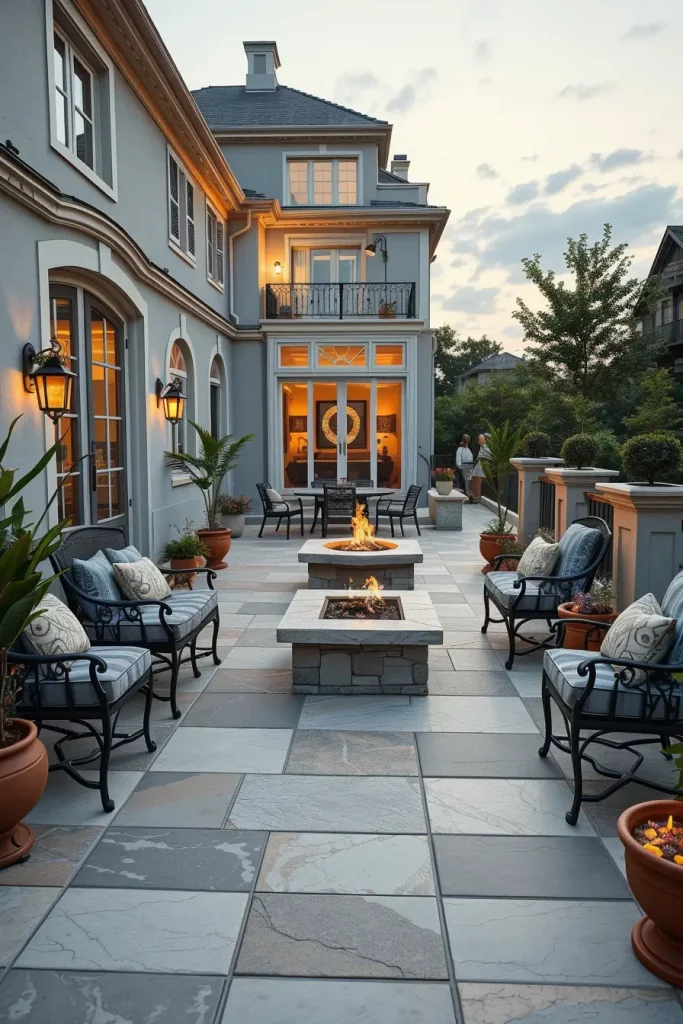
To complement stone effect flooring, I include wrought iron or black aluminum furniture, textured outdoor cushions, and statement planters made of concrete or terracotta. Integrated fire pits or outdoor fireplaces add warmth and contrast against the natural stone tones. Lighting plays a crucial role. I prefer warm LED uplighting to highlight the tile texture during evening hours.
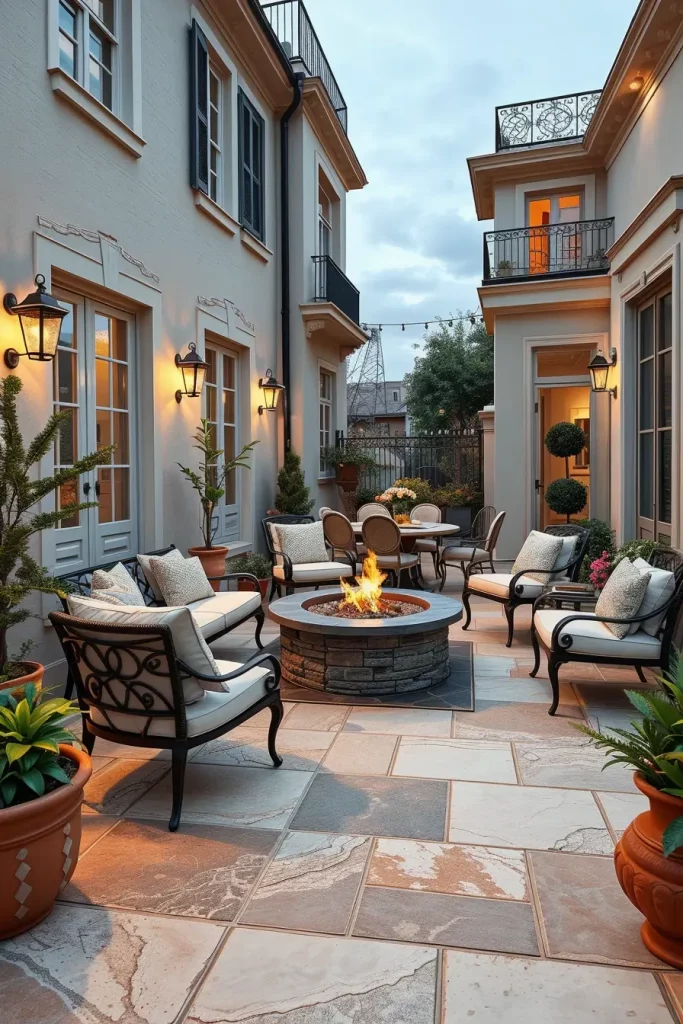
From my experience, stone inspired surfaces create emotional comfort. They connect the built environment with nature. Many landscape designers emphasize biophilic principles, encouraging the use of materials that visually relate to the surrounding environment. I strongly support this philosophy when planning terraces and patios.
In this section, I would also include recommendations about sealing and cleaning. Although porcelain stone effect tiles are low maintenance, regular cleaning preserves their texture and prevents buildup in textured grooves.
Concrete-Look Outdoor Tiles For Minimalist Exteriors
Concrete look outdoor tiles for floor 2026 are a defining feature of contemporary minimalist architecture. In my projects, I use these tiles to create clean, understated surfaces that allow the structure of the home and surrounding landscaping to take center stage. Their soft gray, graphite, or warm cement tones work especially well in urban settings, rooftop terraces, and modern villas with sharp geometric lines. This material embodies the essence of modern outdoor flooring trends 2026 by combining simplicity with durability.
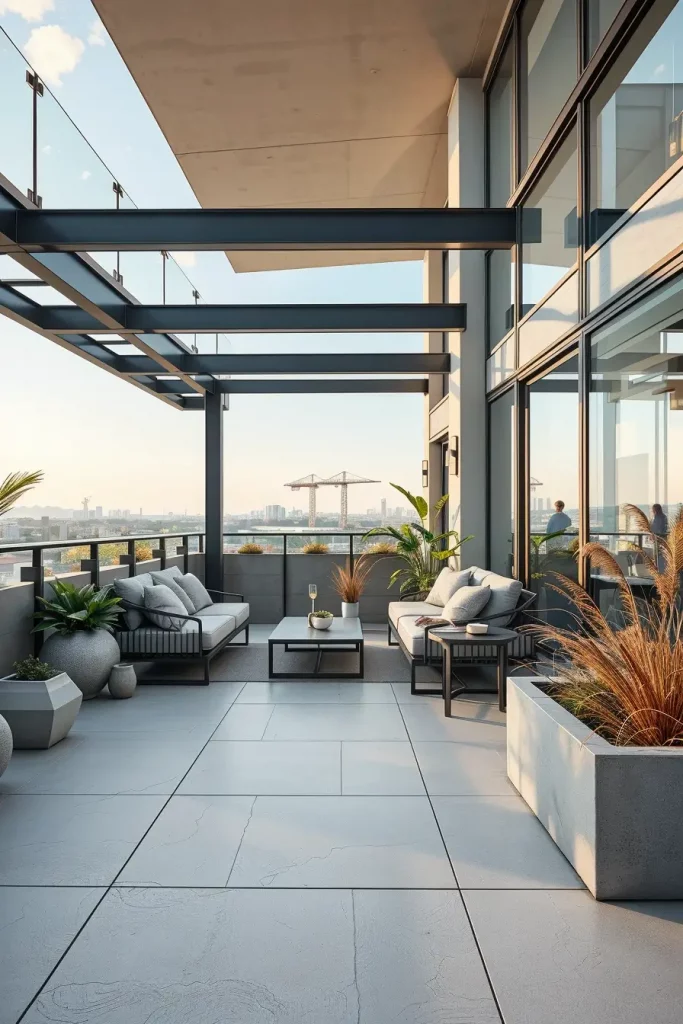
When designing with concrete effect tiles, I choose furniture that enhances the minimalist aesthetic. Low profile modular sofas in neutral fabrics, black metal dining sets, sculptural outdoor lighting, and large rectangular planters create a cohesive composition. I often add subtle greenery such as boxwood spheres or ornamental grasses to soften the structured look. The matte finish of the tile reduces glare and adds a sophisticated tactile quality that elevates the entire terrace design.
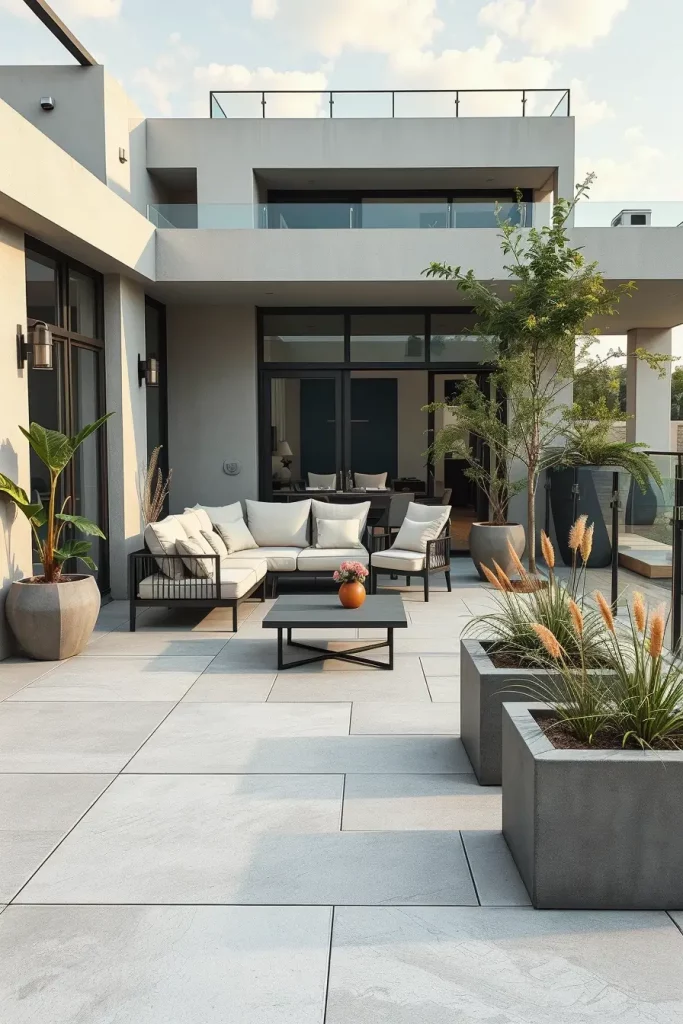
Personally, I appreciate how concrete look tiles create a calm and balanced environment. Many contemporary landscape designers in the US emphasize restraint and material honesty in outdoor design, and I share this philosophy. In my experience, clients who value architectural clarity are particularly drawn to this style because it feels refined without being overwhelming.
What should be added to this section is guidance on integrating drainage channels discreetly within the layout. In minimalist spaces, visible technical elements can disrupt the visual harmony, so concealed solutions are essential for maintaining a seamless appearance.
Sustainable And Eco-Friendly Outdoor Tiles 2026
Sustainability is no longer optional in outdoor floor design ideas 2026. I increasingly work with manufacturers that produce eco friendly tiles using recycled materials and energy efficient production methods. These sustainable outdoor tiles 2026 combine environmental responsibility with high technical performance, offering frost resistance, durability, and long life cycles.
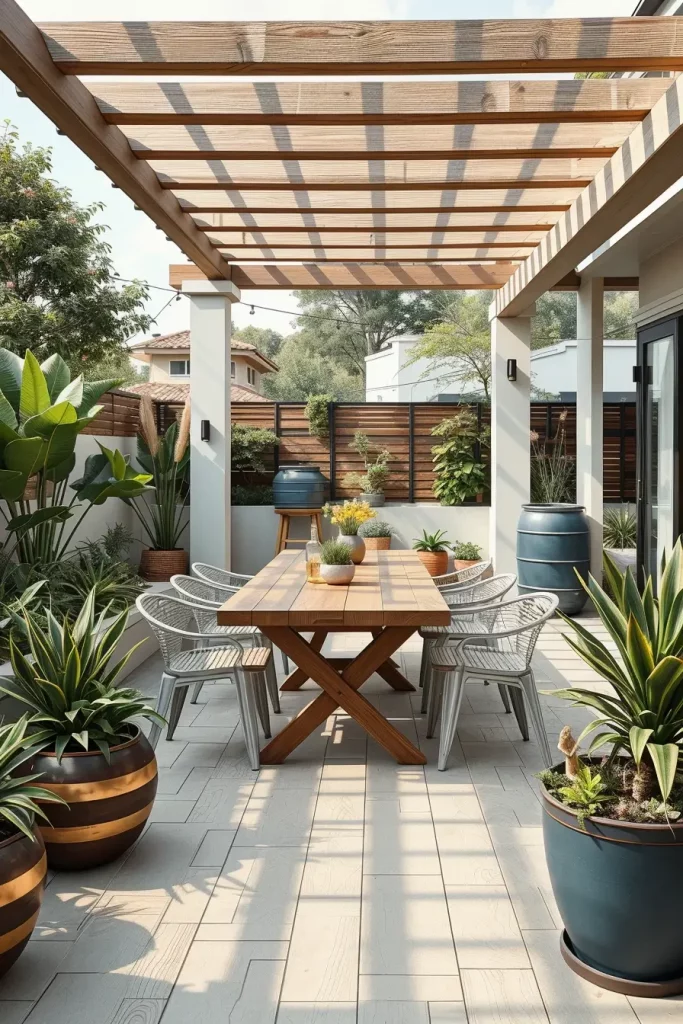
In eco conscious projects, I pair sustainable tiles with responsibly sourced outdoor furniture, such as FSC certified wood tables or recycled aluminum frames. I also integrate rainwater collection systems, permeable tile installations, and native plant landscaping to reduce environmental impact. Light colored tile surfaces can help minimize heat absorption, contributing to more comfortable outdoor microclimates.
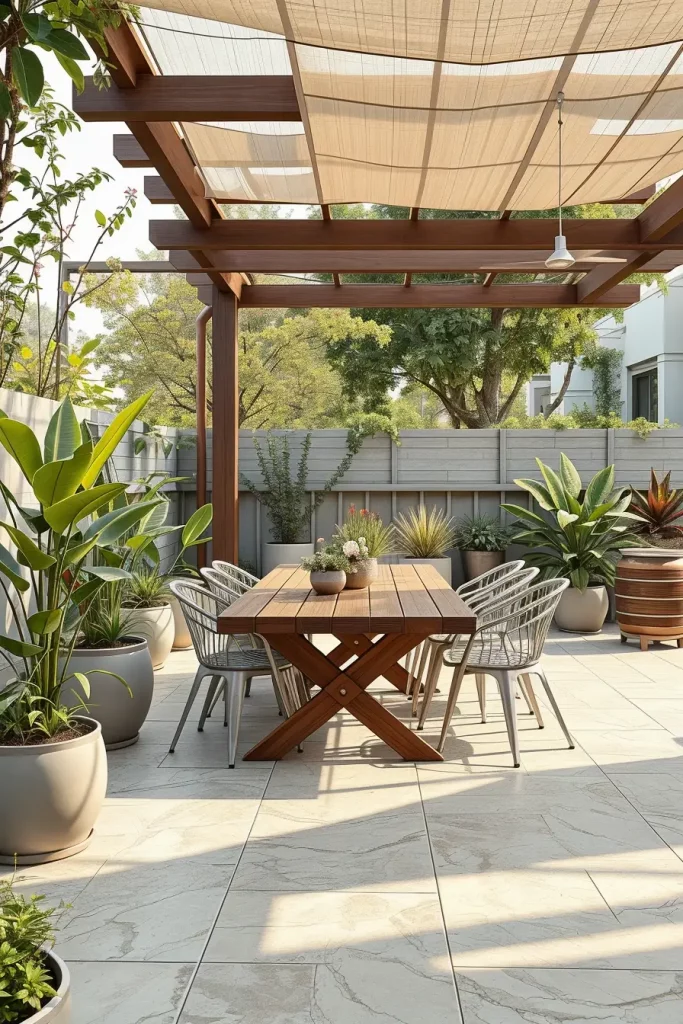
From my professional perspective, clients are becoming more aware of the environmental footprint of construction materials. Publications like Dwell frequently highlight sustainable building practices, and I find that this awareness influences design decisions significantly. I always explain that choosing durable materials is itself a sustainable act, as it reduces replacement frequency and long term waste.
To strengthen this section, I would include specific certification standards such as LEED compatibility or environmental product declarations. Clear documentation reassures homeowners that their flooring choice genuinely aligns with sustainability goals.
Textured Outdoor Tiles For Enhanced Grip And Visual Depth
Textured outdoor tiles for floor 2026 offer both functional and aesthetic benefits. I often recommend slightly structured surfaces for areas exposed to rain, snow, or pool water. These tiles create additional grip while adding subtle visual depth that flat surfaces cannot achieve. In contemporary exteriors, texture becomes a design feature rather than just a safety measure.
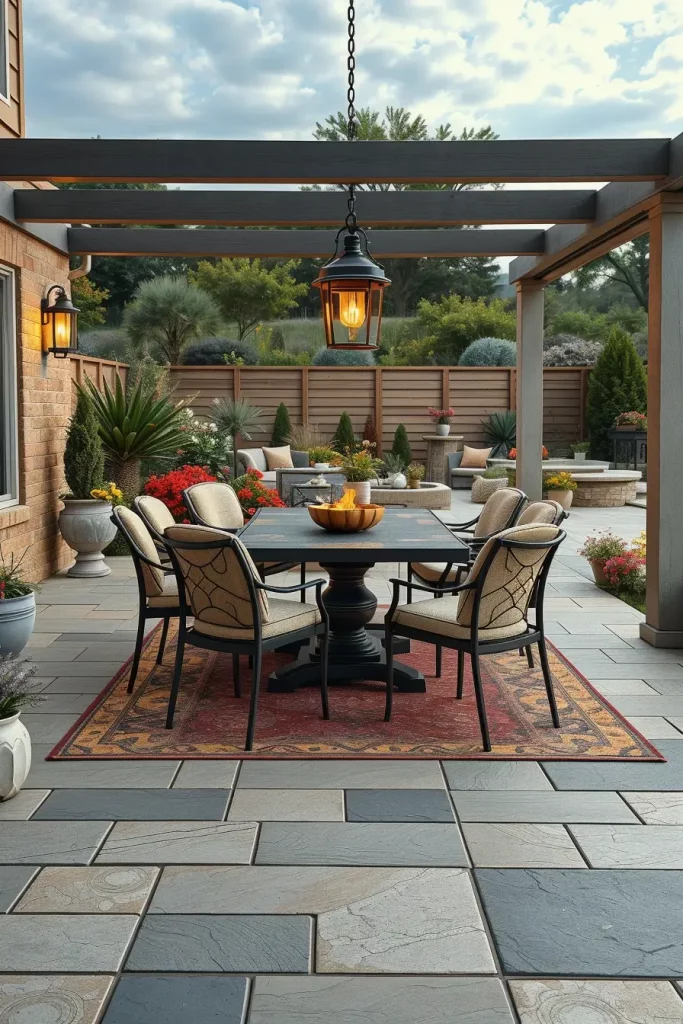
When styling textured tile spaces, I balance them with smooth furniture finishes. For example, sleek outdoor dining tables with ceramic tops contrast beautifully against rough stone effect tiles. Cushioned seating, outdoor rugs designed for moisture resistance, and layered lighting help create a comfortable and inviting atmosphere. The interplay between texture and smooth surfaces enhances the spatial experience.
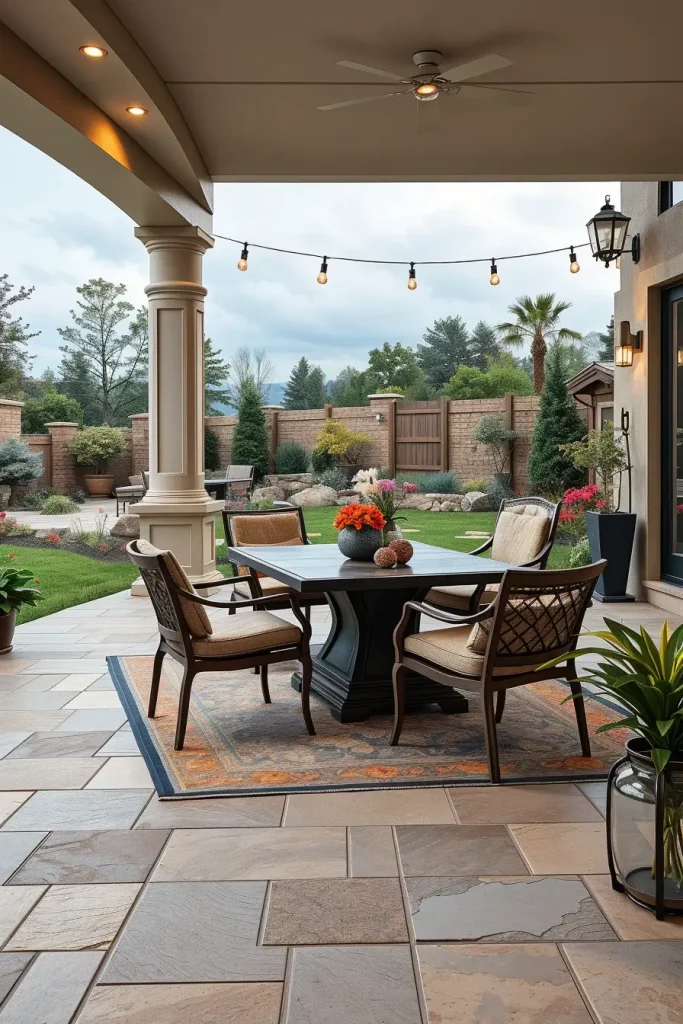
In my opinion, texture brings character to outdoor environments. I have noticed that well chosen textured tiles can make even simple layouts feel thoughtfully designed. Many professional designers recommend using texture strategically to define zones such as dining, lounging, or poolside areas without adding physical barriers.
What is often missing in textured tile discussions is maintenance planning. I always advise clients to consider ease of cleaning and to choose textures that are practical for their climate. Proper spacing and high quality grout prevent dirt accumulation in deeper grooves.
Outdoor Tiles For Patio Floors: Modern Layout Ideas
When working on patio floor tiles 2026, I pay special attention to layout patterns. The arrangement of tiles can dramatically influence how spacious and harmonious a patio feels. Diagonal layouts, herringbone patterns, and mixed size modular designs are becoming increasingly popular in modern outdoor flooring trends 2026.
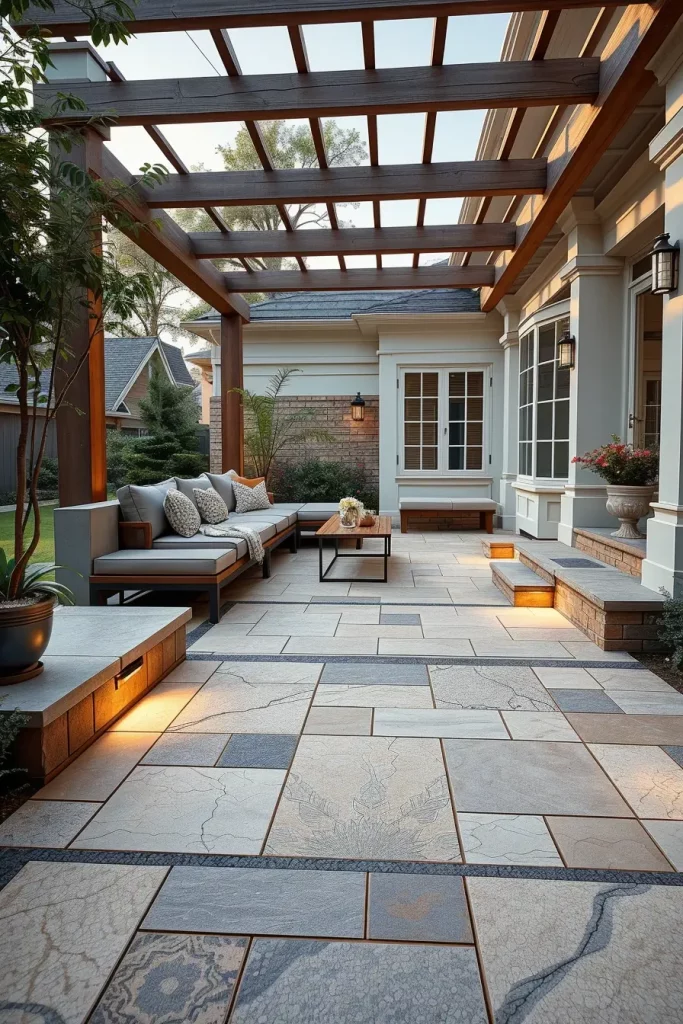
I often use contrasting border tiles to frame seating or dining zones. Outdoor sectionals, pergolas, and built in benches become more defined when the floor pattern subtly outlines their placement. Lighting integrated into steps or along tile borders enhances the geometry at night. The layout should guide movement naturally through the space.
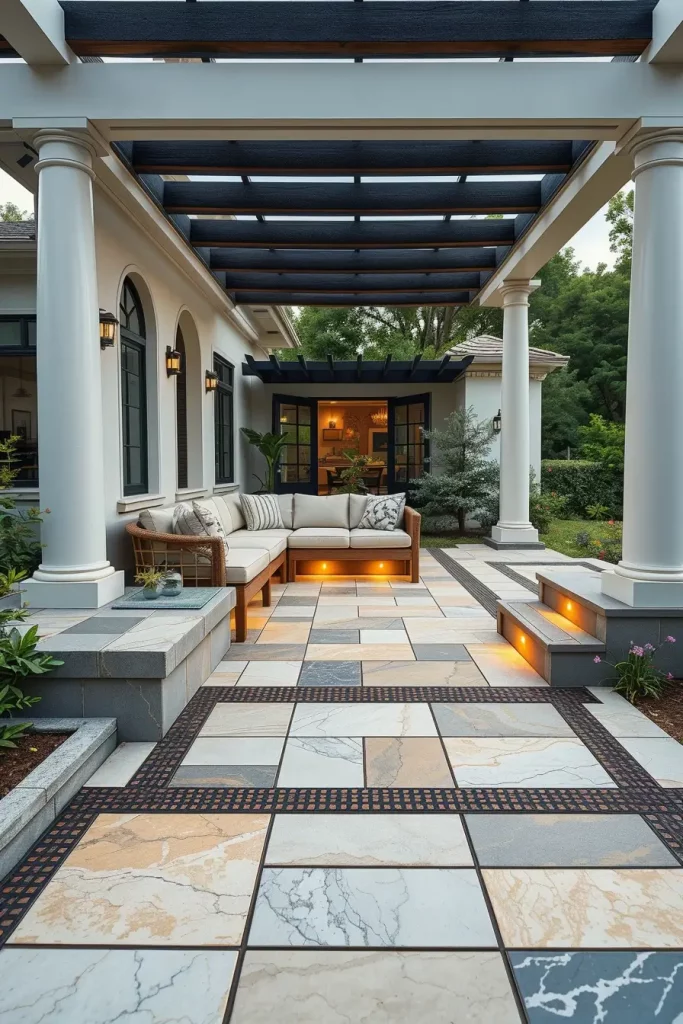
From my experience, thoughtful tile patterns add sophistication without increasing material costs significantly. Many US design experts suggest that flooring layout is as important as material choice, and I completely agree. A well planned patio floor feels intentional and architecturally balanced.
To improve this section, I would add scaled drawings or 3D visualizations during the planning stage. Visual mockups help homeowners understand how patterns will look across larger surfaces before installation begins.
Outdoor Tiles For Terrace Design Trends 2026
Terraces in 2026 are becoming multifunctional outdoor living rooms, and outdoor tiles for floor 2026 play a central role in defining these spaces. I design terraces that accommodate dining, relaxation, and even work areas. Choosing the right tile ensures that the surface remains comfortable underfoot while visually anchoring the design.
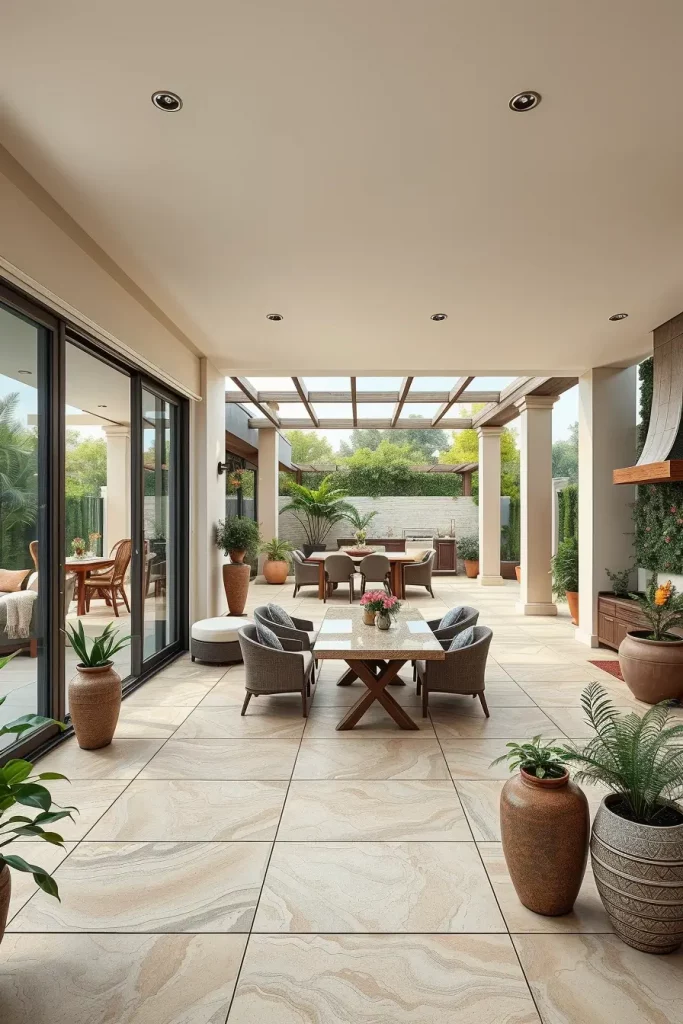
In terrace projects, I incorporate weather resistant lounge sets, dining tables with ceramic or stone tops, outdoor kitchens, and statement lighting fixtures. Large planters, vertical gardens, and pergolas help create shade and structure. The tile color and texture must harmonize with the building facade and surrounding cityscape or landscape.
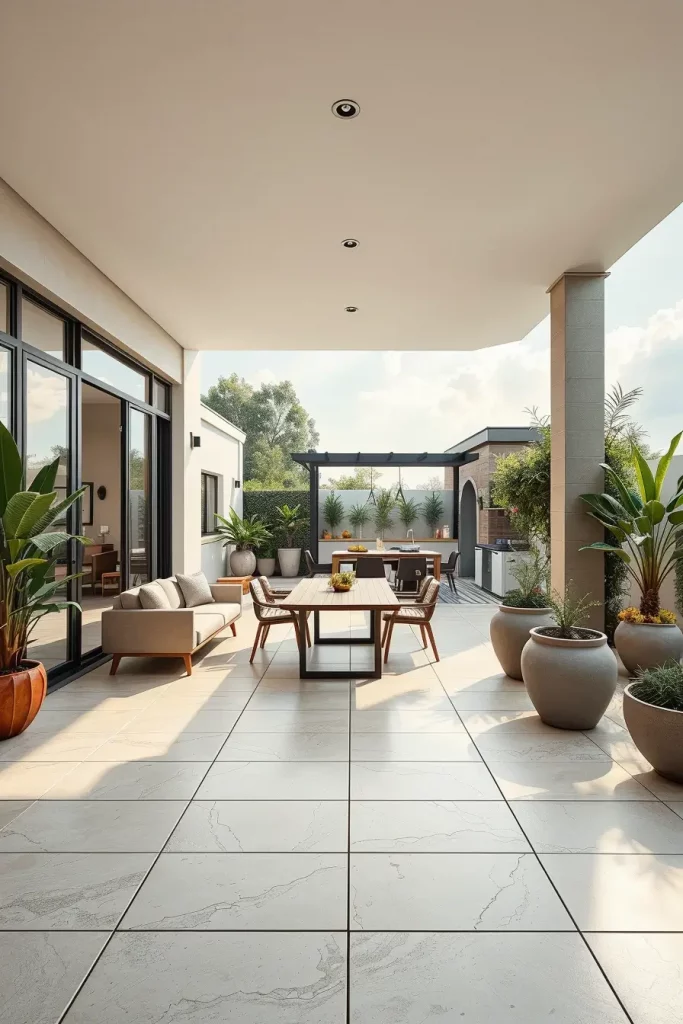
Personally, I see terraces as an extension of the home’s interior. Consistency between indoor and outdoor flooring enhances spatial flow and increases perceived living area. As highlighted in leading architectural media, cohesive material palettes are a defining element of contemporary exterior design.
What should be added here is climate specific planning. I always evaluate sun exposure, wind conditions, and seasonal temperature changes before finalizing tile specifications. This ensures that the terrace remains functional and beautiful throughout the year.
Poolside Outdoor Floor Tiles: Water-Resistant Innovations
When designing a poolside terrace, I always begin with safety and moisture control. In 2026, water-resistant outdoor tiles are no longer just practical—they are technologically advanced surfaces engineered to prevent slipping and water absorption. I recommend porcelain tiles with a low water absorption rate below 0.5 percent, textured finishes, and structured surfaces that provide grip even when wet. These tiles allow the entire outdoor lounge zone to feel cohesive, modern, and durable.
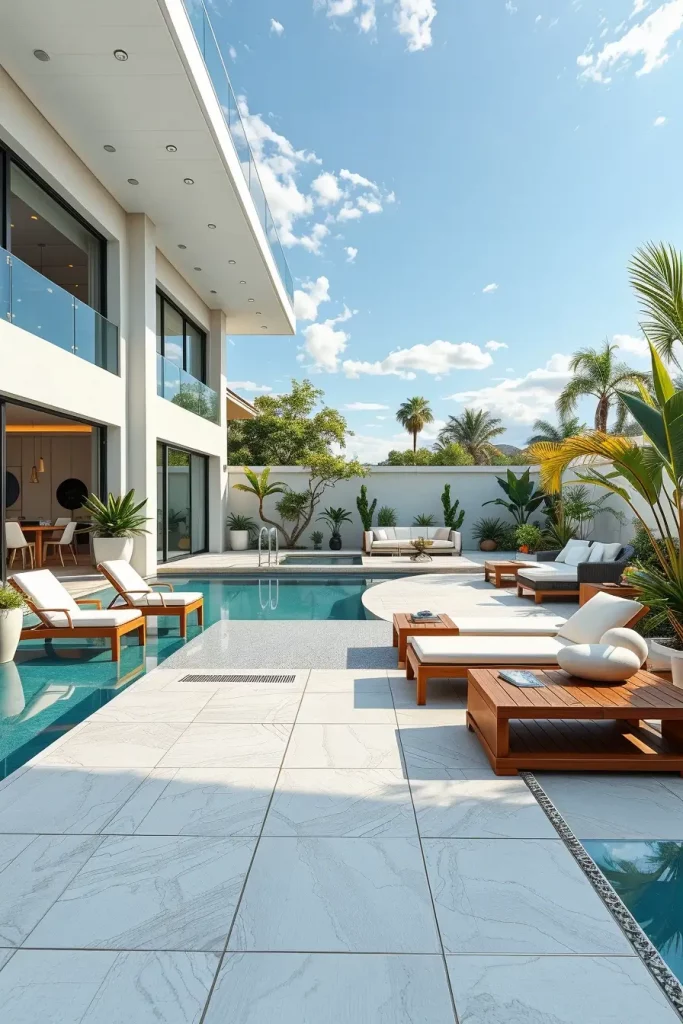
I usually combine large-format porcelain slabs with built-in drainage systems and subtle slopes toward linear drains. Around the pool, I prefer rectified edges for a seamless look and anti-slip rating R11 or higher. I integrate sun loungers with powder-coated aluminum frames, teak side tables, and minimalist outdoor sofas with water-repellent cushions. The flooring must visually connect these elements, often in light stone or travertine-look finishes that enhance the resort-like aesthetic.
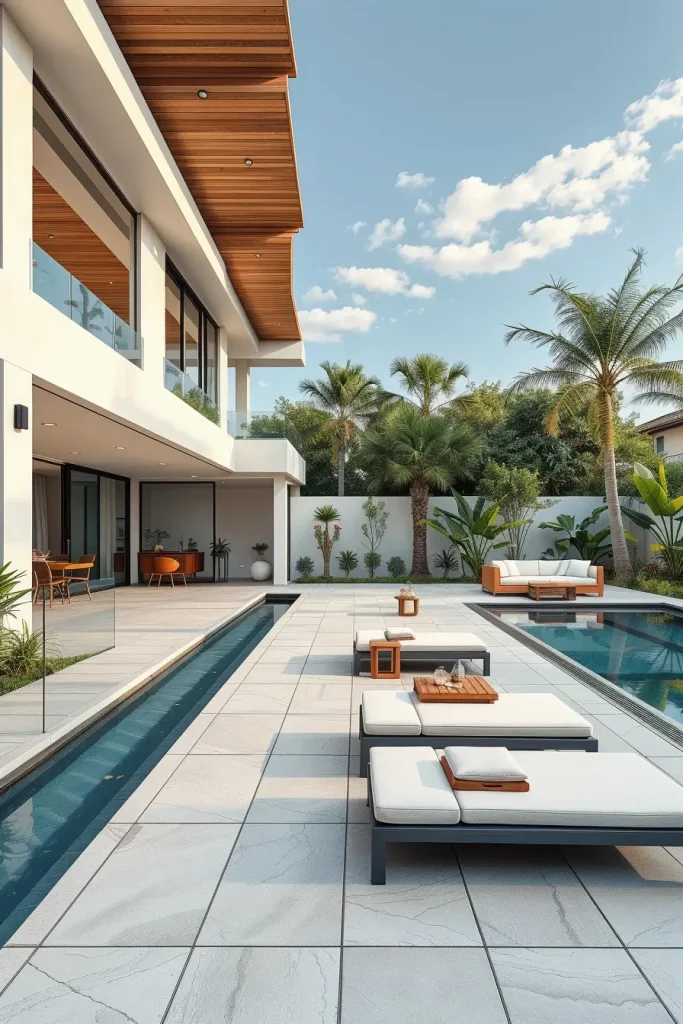
From my experience, designers frequently emphasize that slip resistance should never compromise elegance. Publications like Architectural Digest often highlight how contemporary pool decks use textured porcelain to replicate natural stone while offering superior durability. I fully agree: today’s outdoor tiles for floor 2026 make it possible to balance beauty, hygiene, and long-term performance.
In this section, I would also add information about UV resistance and resistance to pool chemicals such as chlorine or saltwater systems, since these factors significantly impact longevity in pool environments.
Frost-Resistant Outdoor Tiles For Cold Climates
In regions with harsh winters, selecting frost-resistant outdoor tiles is critical. I always check freeze-thaw cycle performance because moisture penetration followed by freezing can cause cracking. For 2026, dense porcelain and technical ceramic tiles dominate this segment. They are engineered to withstand sub-zero temperatures without losing structural integrity, making them ideal for patios, terraces, and garden walkways.
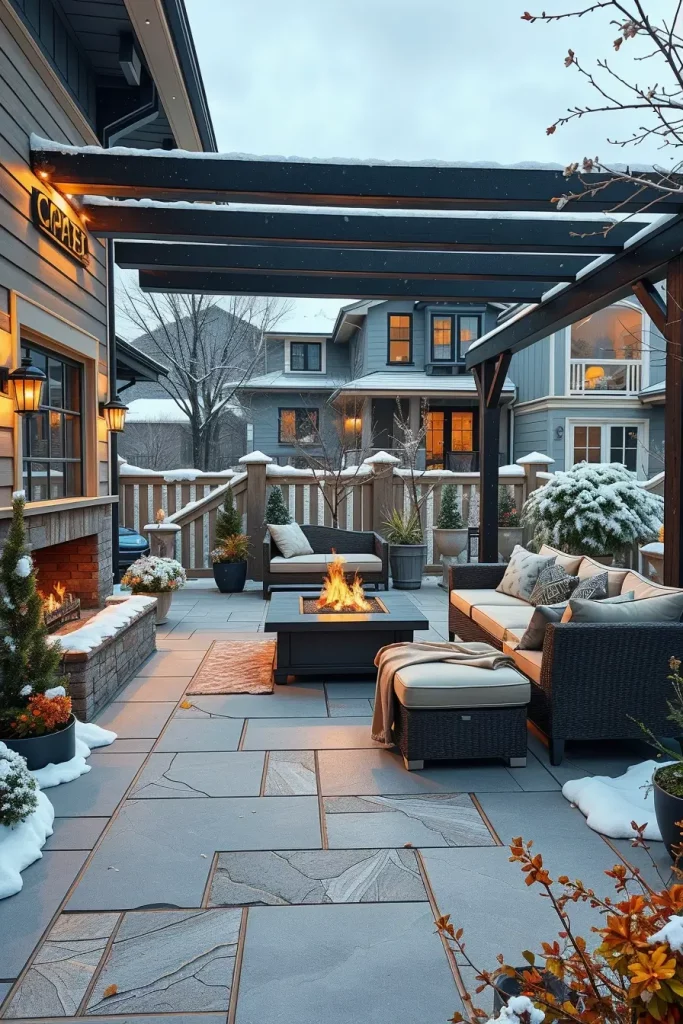
I typically recommend medium to dark stone-look tiles for snowy regions, as they visually contrast with winter landscapes and hide dirt from melted snow. Combined with outdoor fire pits, insulated pergolas, and weatherproof seating, these tiles create functional year-round spaces. I often integrate heated floor systems beneath the tiles, especially for entry zones, to reduce ice formation and improve safety.
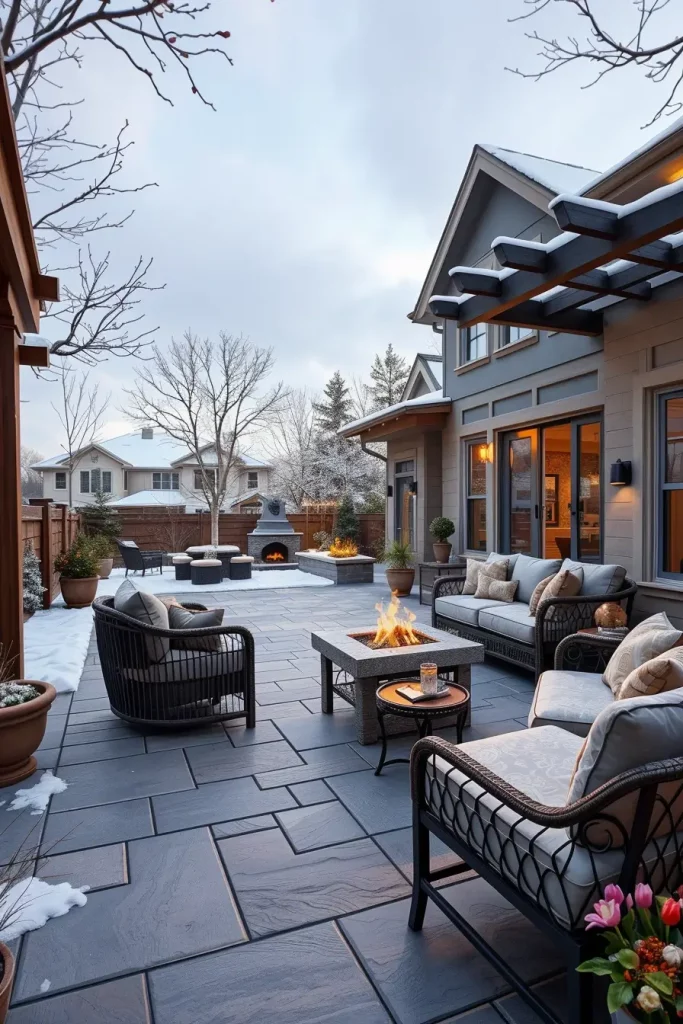
Personally, I have seen many projects fail due to improper installation rather than poor material choice. Industry experts from This Old House often stress the importance of proper underlayment and drainage. I completely support that approach: even the best outdoor floor tiles 2026 will underperform without a well-prepared base.
To complete this section, I would include a short checklist covering installation techniques, expansion joints, and recommended tile thickness for cold climates.
Heat-Reflective Outdoor Tiles For Hot Regions
For hot climates, I prioritize heat-reflective outdoor tiles that reduce surface temperature under direct sunlight. In 2026, manufacturers are developing cool-surface technologies that reflect solar radiation while maintaining color richness. Light-toned porcelain, especially sand, ivory, and soft gray finishes, performs exceptionally well in sunny regions.
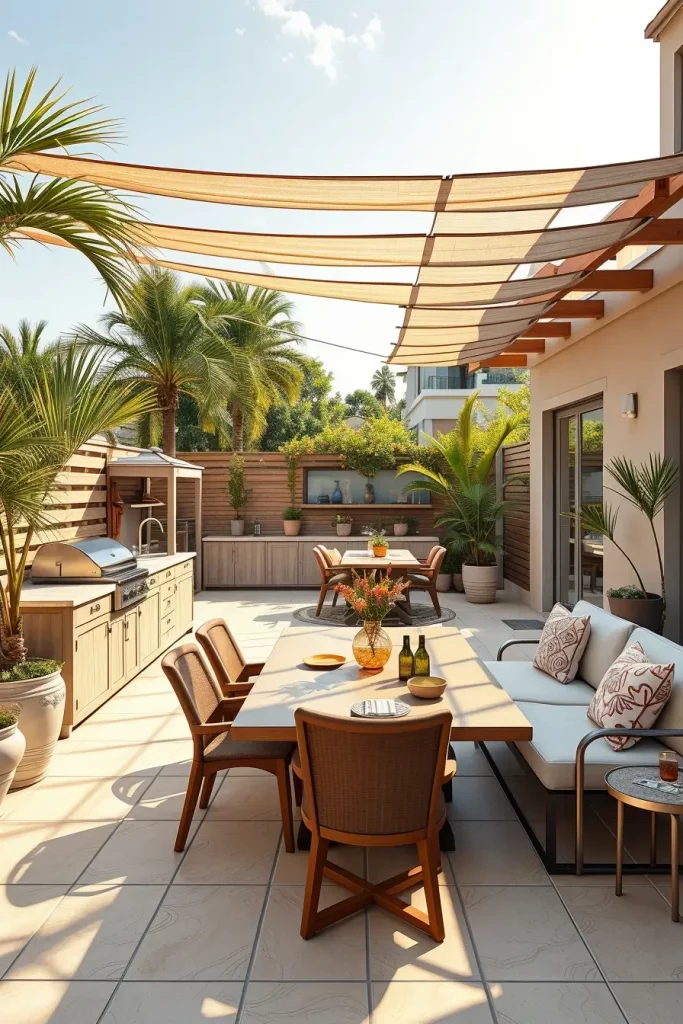
In outdoor kitchens and lounge areas, I combine these tiles with shaded pergolas, built-in BBQ counters, and modular outdoor sofas. The flooring must remain comfortable for barefoot walking, especially around seating zones and dining tables. I often select matte finishes rather than polished surfaces to prevent glare and ensure slip resistance.
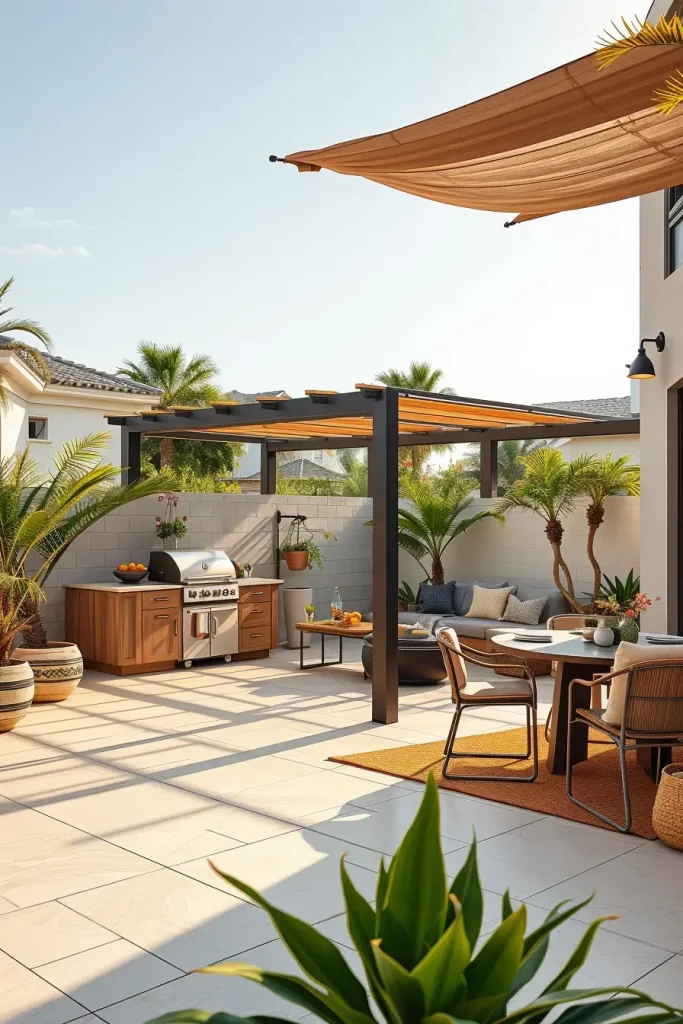
From a professional standpoint, thermal comfort is often underestimated. Landscape architects regularly highlight that surface temperature can impact usability during peak summer hours. In my practice, clients immediately notice the difference when heat-reflective materials are installed. These modern outdoor tiles significantly improve comfort without sacrificing aesthetics.
I would also add information here about Solar Reflectance Index ratings and how homeowners can evaluate tile performance before purchasing.
Neutral Color Outdoor Tiles: Beige, Sand, And Greige Trends
Neutral palettes dominate outdoor floor tiles 2026 trends. Beige, sand, and greige tones create calm, cohesive outdoor environments that blend seamlessly with landscaping. I frequently use neutral porcelain outdoor tiles to visually expand terraces and connect indoor and outdoor living areas.
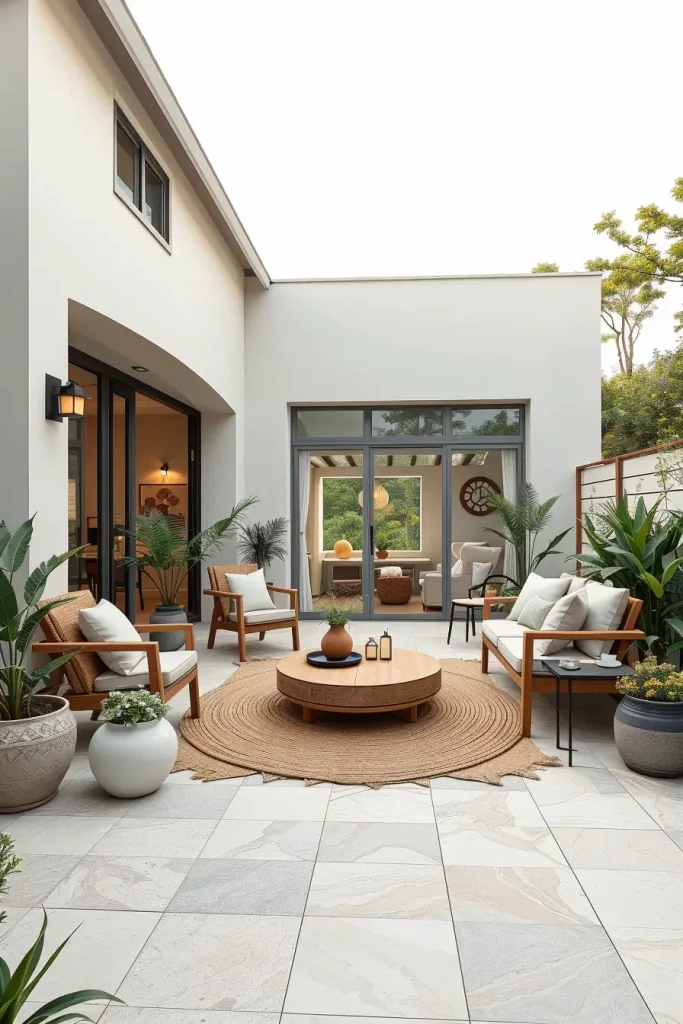
I pair these tones with natural wood furniture, woven outdoor rugs, ceramic planters, and minimalist lighting fixtures. Neutral flooring allows greenery, decorative cushions, and architectural elements to stand out. Large-format tiles in subtle stone or concrete textures enhance spatial continuity and reduce visible grout lines.
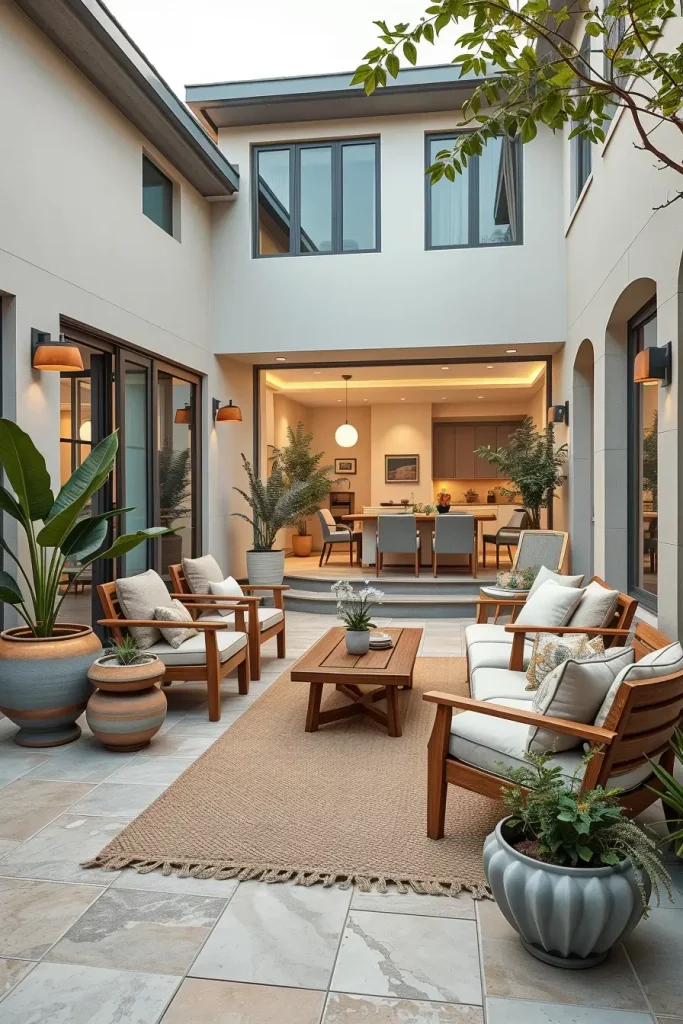
In my opinion, neutral tones are timeless investments. Leading design publications often note that earthy palettes increase property value because they appeal to a wider audience. I find that clients rarely regret choosing balanced, adaptable colors for their outdoor tiles for floor 2026 projects.
To enhance this section, I would include recommendations for grout color selection and edge finishing details that preserve the seamless neutral look.
Dark Outdoor Floor Tiles For Bold Exterior Statements
For clients seeking drama and contrast, dark outdoor floor tiles are a powerful design choice in 2026. Charcoal, graphite, and deep slate tones create striking foundations for contemporary homes. I often use dark porcelain slabs to define modern patios, especially when paired with minimalist architecture.
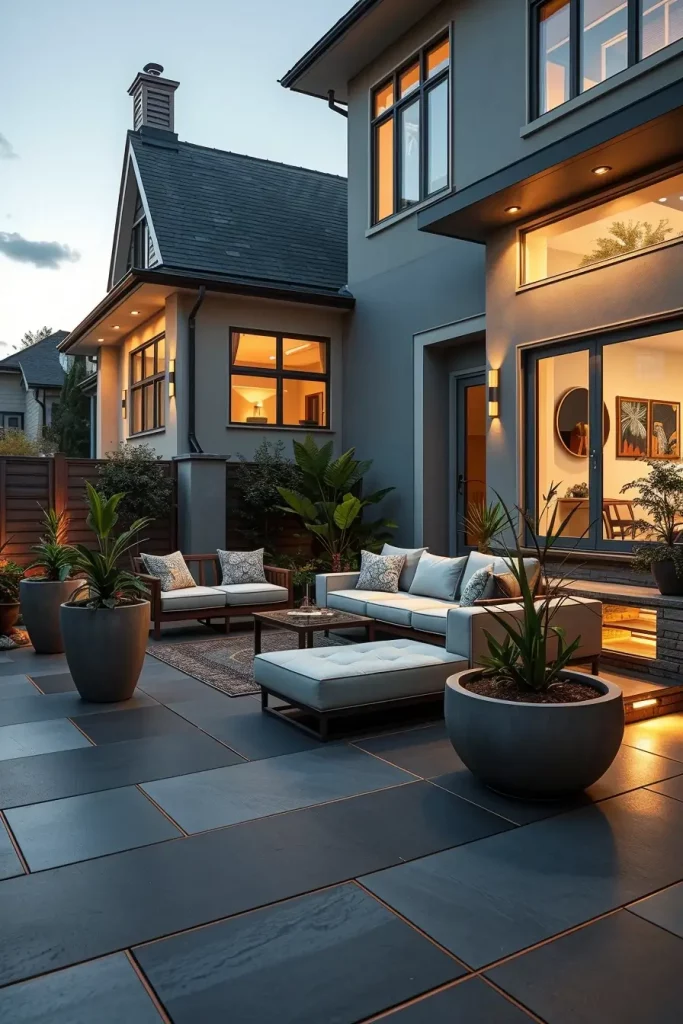
I balance dark flooring with light outdoor furniture, sculptural planters, and integrated LED step lighting. This contrast prevents the space from feeling heavy. Textured matte finishes are essential to maintain slip resistance and reduce visible dust or water stains.
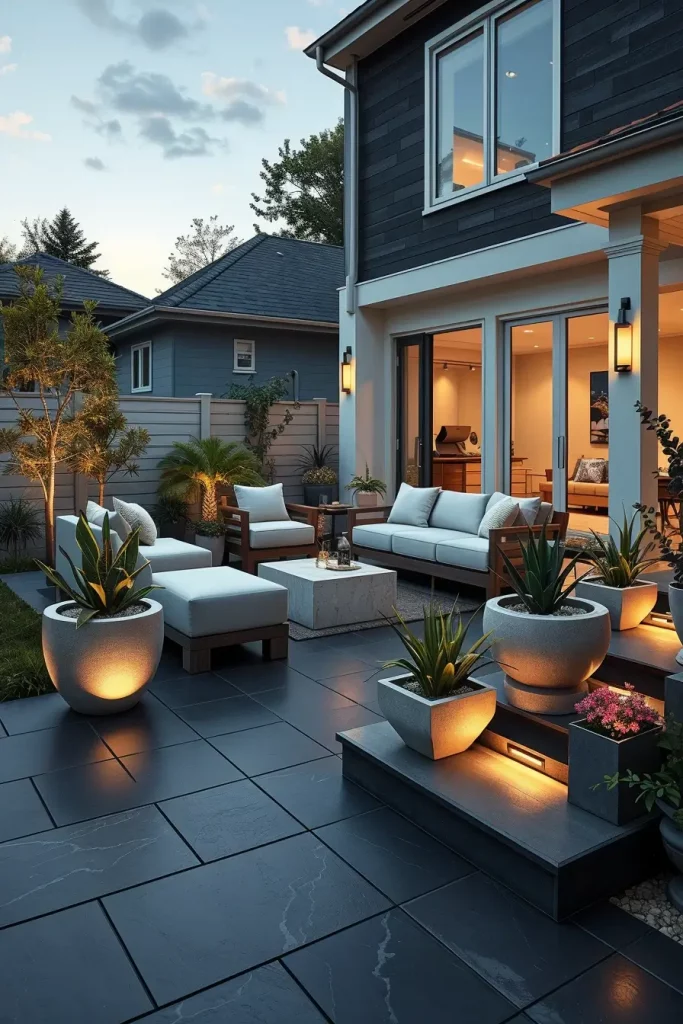
Personally, I believe dark tiles work best in covered or partially shaded areas, where overheating is less of a concern. Many contemporary design case studies demonstrate how bold flooring can transform an ordinary backyard into a sophisticated outdoor lounge.
In this section, I would add guidance on maintenance routines and cleaning frequency to keep dark surfaces looking refined and streak-free.
Patterned Outdoor Tiles For Decorative Outdoor Floors
Patterned outdoor tiles for floor 2026 are becoming a defining feature in expressive exterior design. I use geometric, encaustic-inspired, and Mediterranean motifs to create focal points in patios, courtyards, and outdoor dining zones. These patterned outdoor tiles allow me to visually zone a space without adding physical barriers, which is especially useful in open-concept backyards.
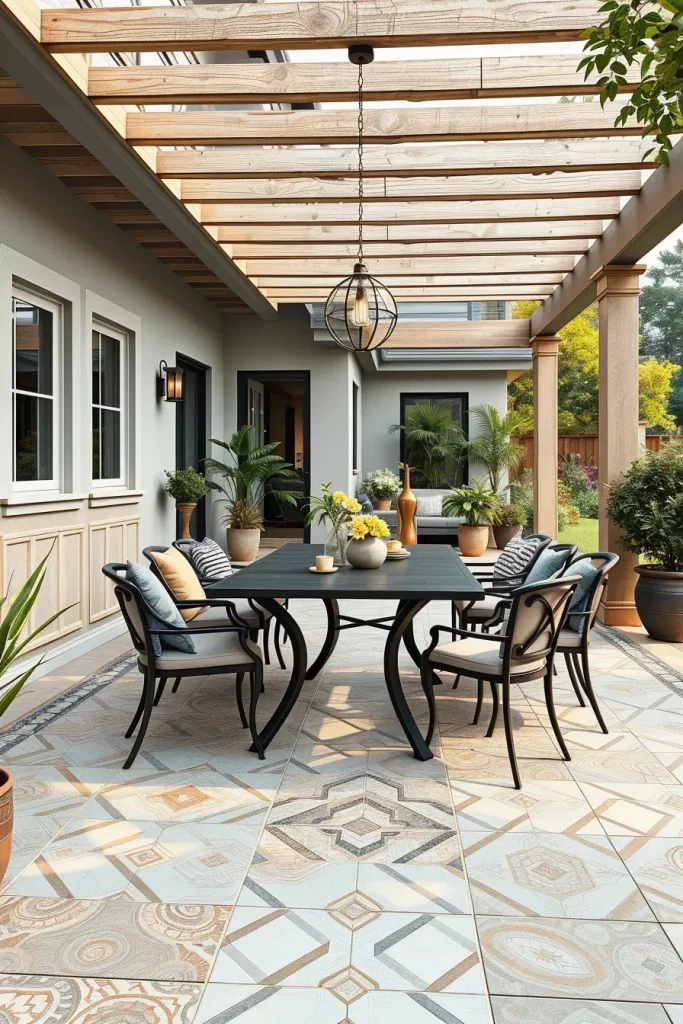
In practice, I often combine patterned porcelain tiles with neutral perimeter tiles to prevent visual overload. For example, I might frame a decorative dining area with subtle greige slabs and place bold patterned tiles directly under the table setting. Wrought-iron or powder-coated dining furniture, textured outdoor cushions, and statement pendant lighting under a pergola complement the decorative flooring. The pattern becomes the anchor of the entire design composition.
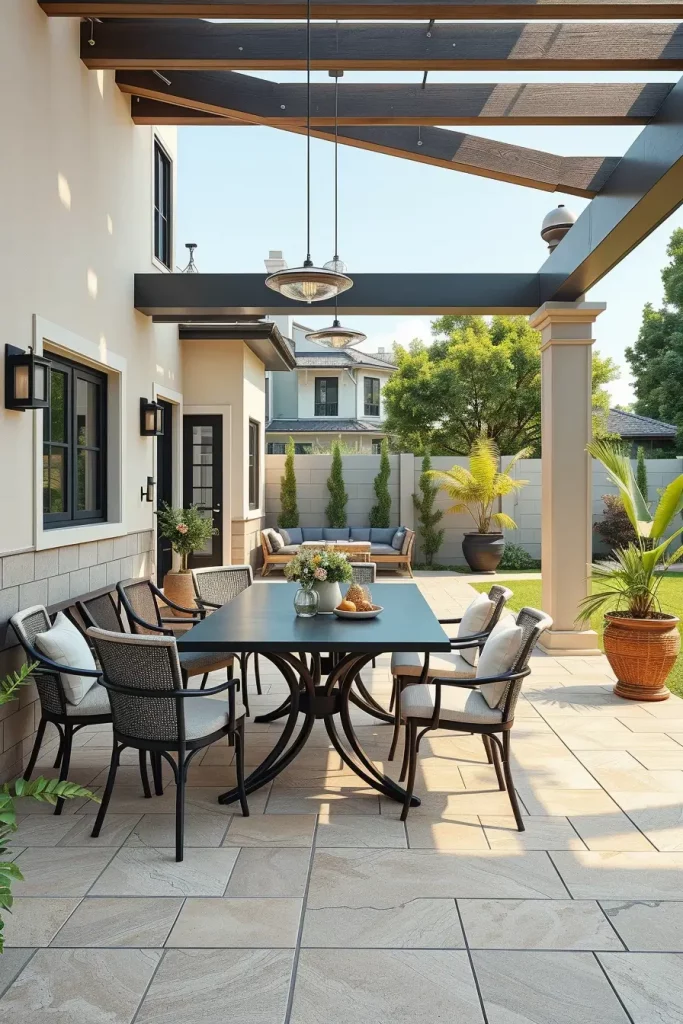
From my professional experience, balance is essential. Many designers featured in Elle Decor emphasize moderation when working with strong visual elements outdoors. I completely agree: patterns should highlight architectural details, not compete with them. High-quality outdoor floor tiles 2026 collections now offer fade-resistant inks and UV-stable finishes, ensuring that patterns remain vibrant over time.
To strengthen this section, I would add recommendations about scale selection. Large patios can support bold, large-scale motifs, while smaller areas benefit from compact, subtle patterns to avoid overwhelming the space.
Outdoor Tiles With Anti-Stain And Easy-Clean Technology
Maintenance has become a top priority for homeowners choosing modern outdoor tiles. In 2026, anti-stain outdoor tiles with advanced surface treatments simplify cleaning and reduce long-term upkeep. I often recommend porcelain tiles with nano-coating or protective glazing that prevents oil, wine, and organic debris from penetrating the surface.
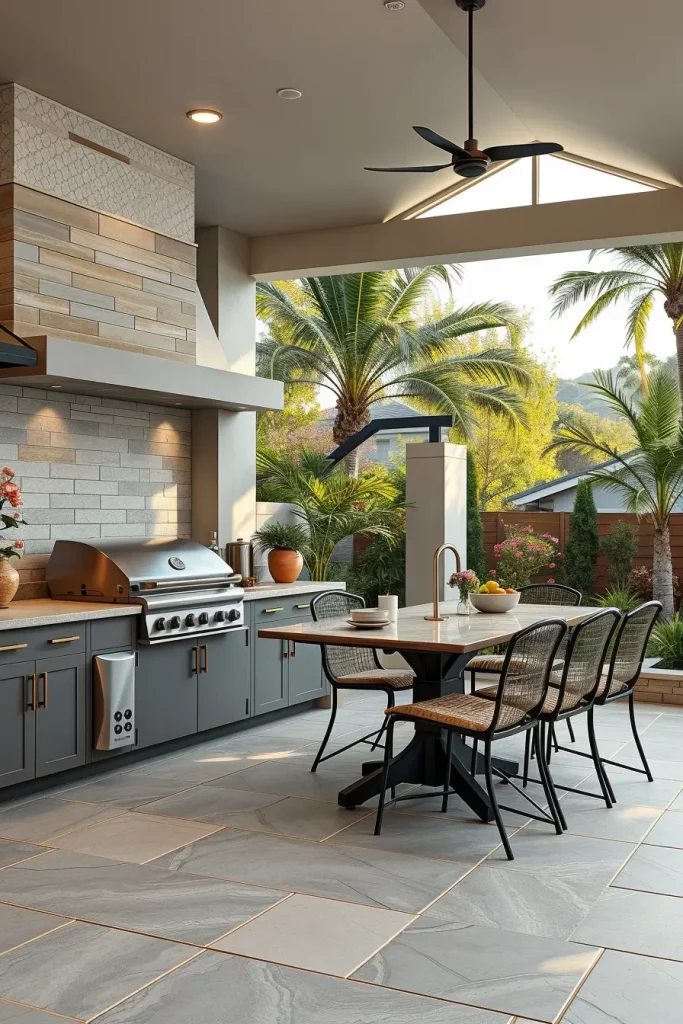
In outdoor kitchens and barbecue zones, I select tiles specifically engineered for grease resistance. I pair them with stainless steel grills, built-in cabinetry, and quartz or sintered stone countertops. The flooring should support heavy foot traffic and occasional spills while remaining easy to maintain. Smooth matte finishes combined with subtle texture strike the perfect balance between cleanability and slip resistance.
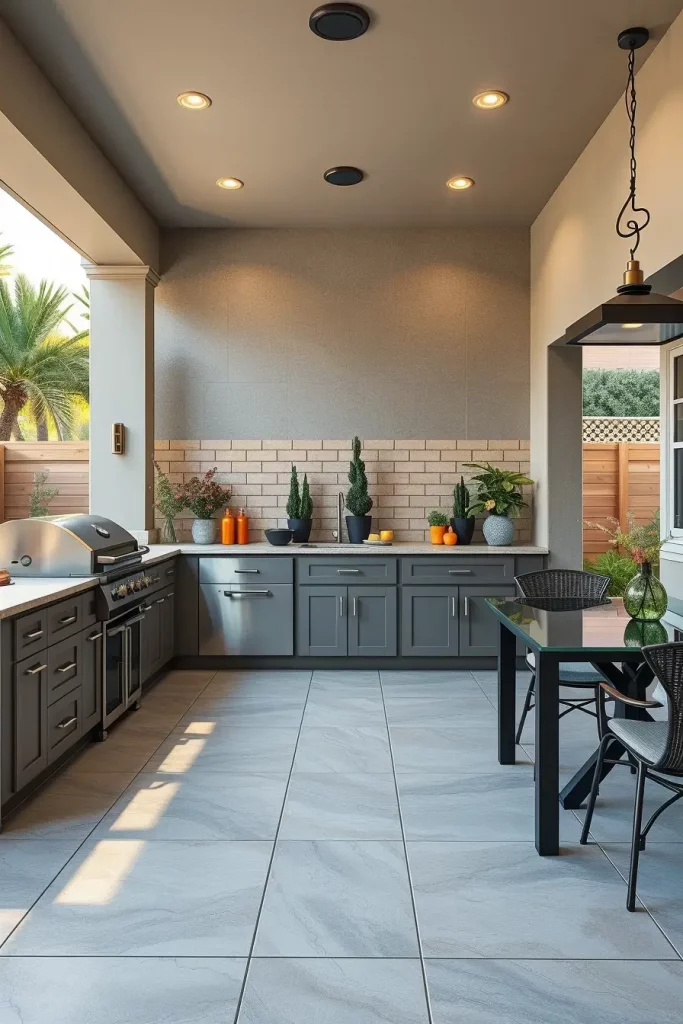
Personally, I have seen how much clients appreciate low-maintenance materials. According to remodeling experts frequently cited in HGTV features, reducing cleaning time significantly improves long-term satisfaction with outdoor renovations. I always advise selecting grout with stain-resistant properties as well, since grout lines often determine how clean a floor looks overall.
In this section, I would also include guidance on recommended cleaning products and seasonal maintenance routines to preserve surface performance.
Modular Outdoor Tile Designs For Flexible Layouts
Flexibility defines many outdoor floor tiles 2026 trends, and modular systems are leading the way. I use modular tile formats when designing adaptable terraces or rooftop patios where layouts may change over time. These systems allow different tile sizes to be combined in structured or random patterns, creating dynamic yet cohesive flooring.
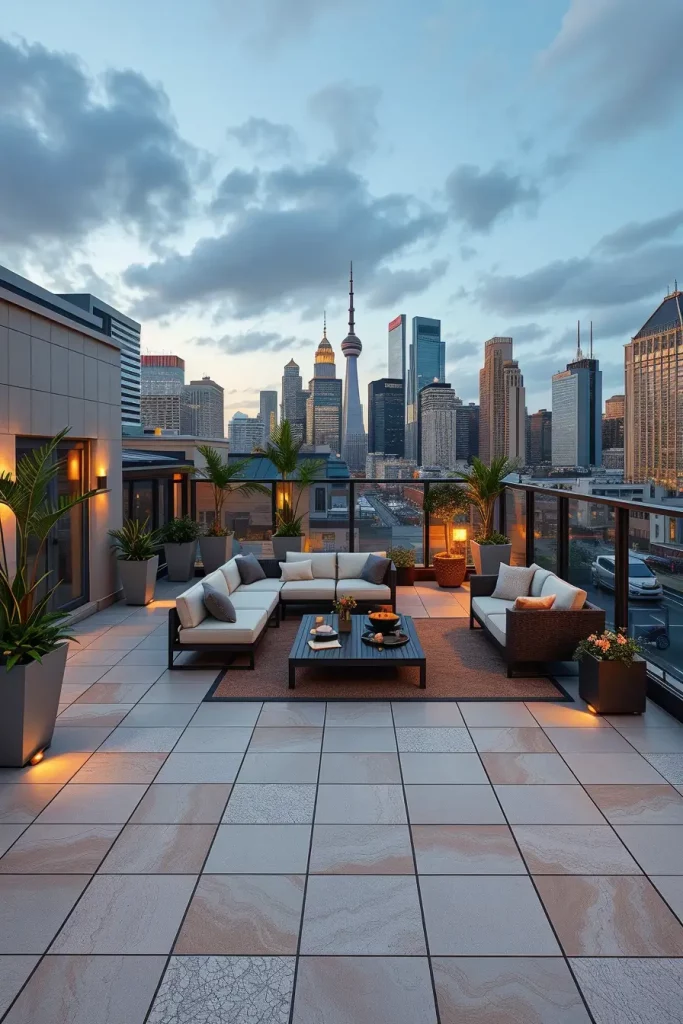
I often mix rectangular and square porcelain units to form rhythmic layouts that visually extend the space. Modular tiles pair well with movable outdoor furniture such as lightweight lounge chairs, modular sectional sofas, and adjustable dining tables. This flexibility ensures that the outdoor environment can evolve with seasonal needs or social gatherings.
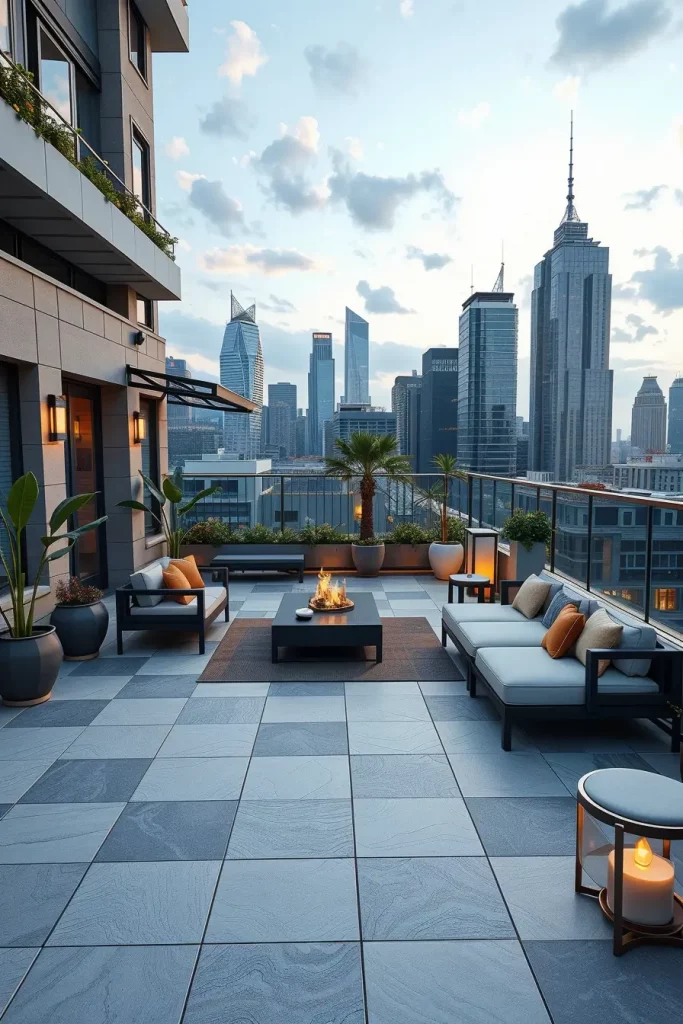
From my perspective, modularity supports both functionality and creativity. Landscape designers frequently highlight that outdoor spaces should adapt to lifestyle changes. I find that modular outdoor tiles for floor 2026 provide that adaptability without sacrificing aesthetic consistency.
To enhance this section further, I would add practical spacing diagrams or installation layout suggestions that demonstrate how modular patterns can be planned effectively before construction.
Outdoor Tiles For Small Spaces: Compact Design Solutions
Designing with outdoor tiles for small spaces requires strategic planning. In compact balconies, courtyards, or narrow patios, I prioritize light-toned tiles and medium formats that visually enlarge the area. Proper tile orientation can elongate or widen the perceived proportions of the space.
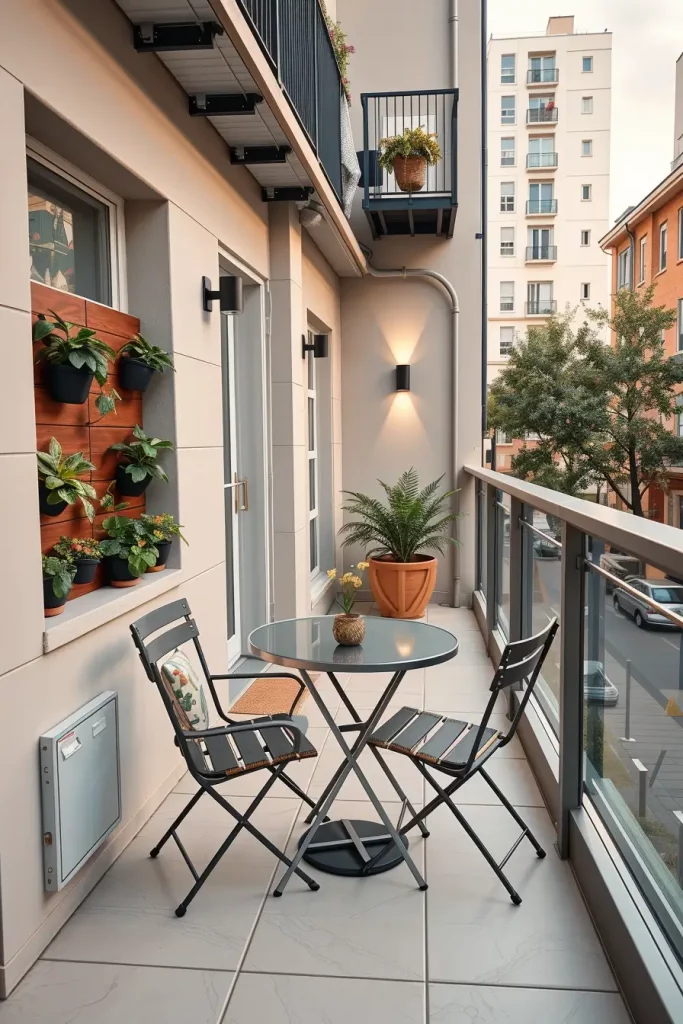
I typically combine compact porcelain tiles with foldable furniture, vertical planters, and built-in benches that maximize functionality. Wall-mounted lighting and slim-profile railings prevent visual clutter. The flooring should create continuity without excessive grout lines, so I often recommend rectified edges with minimal joint spacing.
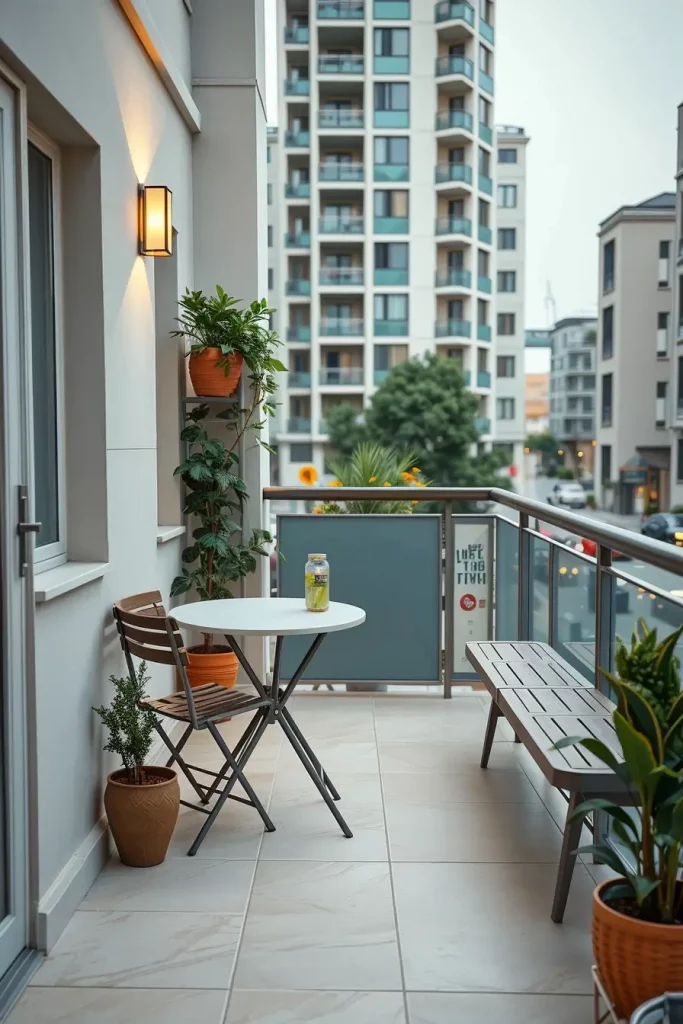
In my experience, small outdoor areas benefit most from cohesive design. Architectural Digest frequently notes that visual simplicity enhances spatial perception. I consistently apply that principle, ensuring that modern outdoor tiles support rather than dominate the compact environment.
To complete this section, I would add advice on drainage solutions for balconies and recommendations for weight limitations in elevated structures.
Outdoor Tiles For Large Backyards And Open Landscapes
Large-scale projects demand durable and visually grounding outdoor floor tiles 2026 solutions. In expansive backyards, I often choose large-format porcelain slabs that reduce grout lines and create a unified surface across lounge, dining, and pathway zones. These tiles anchor the landscape while allowing architectural features and greenery to stand out.
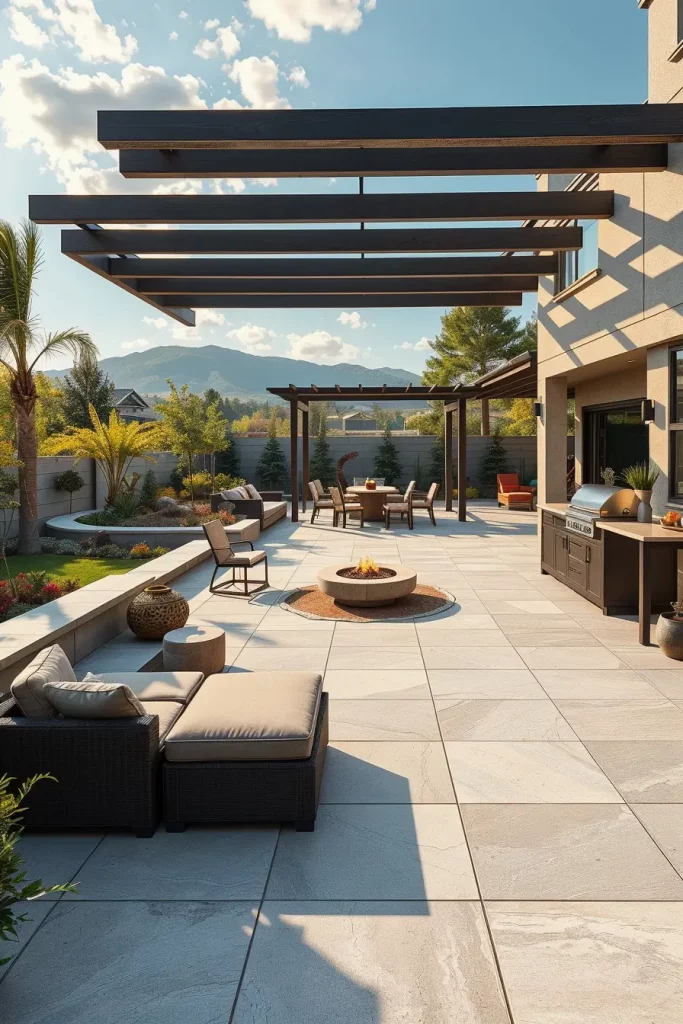
I integrate the flooring with outdoor kitchens, fire pits, pergolas, and pool areas, ensuring that transitions between functional zones feel intentional. Natural stone-look finishes, concrete textures, and subtle matte surfaces work particularly well in open landscapes. Wide walkways framed by grass or gravel enhance the structured yet organic feel of the property.
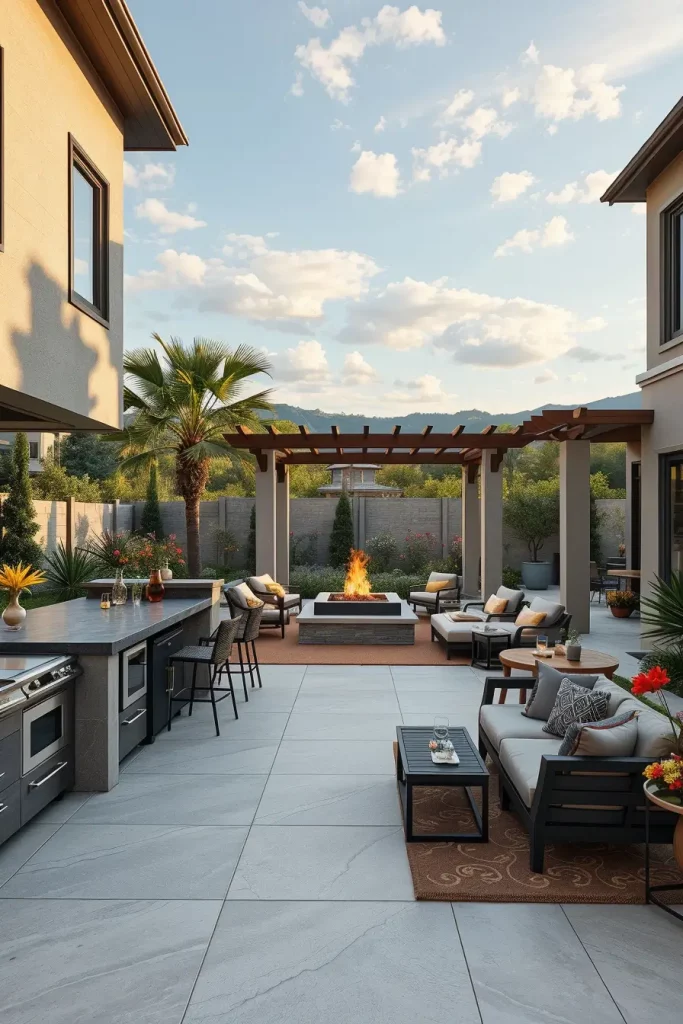
Personally, I find that scale proportion is critical in large outdoor environments. Many landscape architects emphasize that flooring must visually support the size of the property without appearing fragmented. I always recommend selecting thicker tiles for high-load areas and ensuring professional installation to prevent movement over time.
In this section, I would also include suggestions for combining tile surfaces with other materials such as wood decking or natural stone to create layered, multidimensional outdoor compositions.
Outdoor Tiles For Outdoor Kitchen And Barbecue Areas
When I design an outdoor kitchen or barbecue area, I always start with the floor because it defines the functionality of the entire space. In 2026, outdoor tiles for floor 2026 in cooking zones focus on slip resistance, stain resistance, and heat durability. I often recommend porcelain tiles with textured surfaces that mimic natural stone or concrete. These materials withstand grease, temperature fluctuations, and frequent cleaning, making them ideal for active outdoor cooking spaces. A well-planned tile layout visually unites the grill station, dining area, and lounge corner into one cohesive environment.
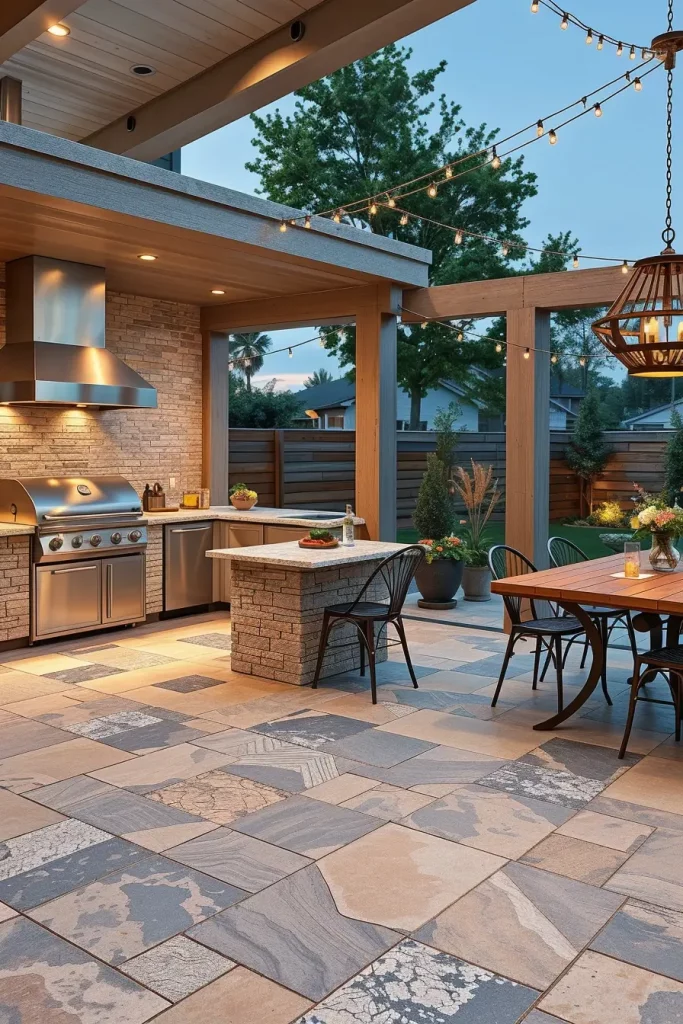
I typically combine large-format anti-slip porcelain tiles with a built-in grill island finished in stone veneer or stainless steel panels. Around the cooking zone, I advise clients to install slightly darker outdoor floor tiles to better conceal potential stains. Outdoor cabinets, weather-resistant countertops, and a solid wood or aluminum dining set should rest on perfectly leveled, frost-resistant tile. I also recommend proper drainage slopes and grout designed specifically for exterior use to prevent moisture damage.
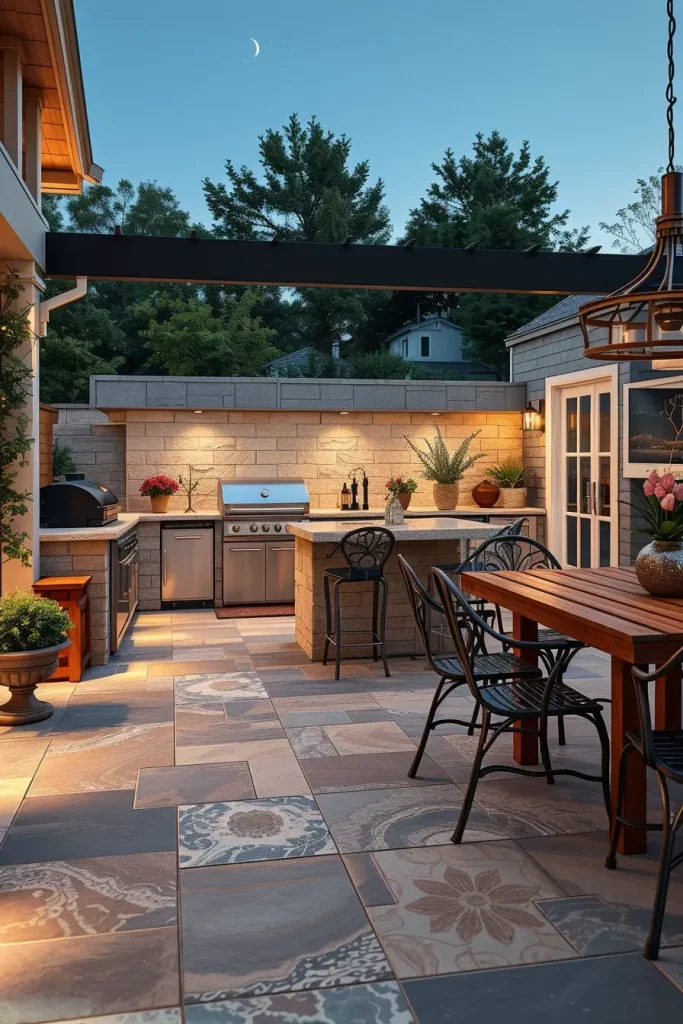
From my experience, publications like Architectural Digest frequently highlight the importance of continuity between indoor and outdoor flooring. I personally support this idea: using similar tones inside the kitchen and outside on the patio visually expands the home. What is often missing in such projects is integrated lighting. I always suggest adding recessed floor lights or subtle step illumination to enhance safety and ambiance in evening gatherings.
In this section, I would also add more detail about grout color selection and expansion joints. Many homeowners overlook these technical details, yet they significantly influence durability and long-term maintenance.
Luxury Outdoor Floor Tiles With Premium Finishes
Luxury in 2026 is defined by texture and authenticity. When selecting luxury outdoor floor tiles, I focus on premium porcelain slabs, natural stone-inspired finishes, and even high-end travertine-look ceramics with rectified edges. These tiles create a seamless, elegant appearance suitable for upscale terraces, pool decks, and rooftop lounges. I find that matte finishes with subtle veining provide a refined aesthetic while maintaining safety underfoot.
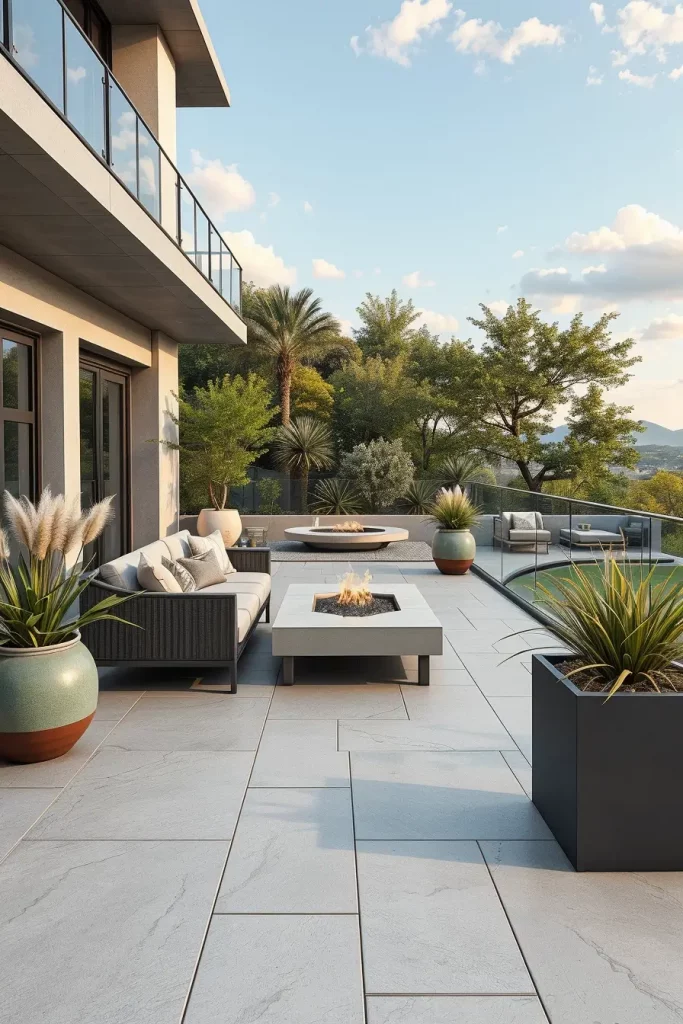
In high-end projects, I often integrate oversized 120×120 cm porcelain slabs combined with minimalist outdoor furniture: low-profile sectional sofas, sculptural coffee tables, and integrated fire pits. The tiles serve as a neutral yet sophisticated backdrop. I recommend pairing them with glass railings, soft outdoor textiles, and built-in planters filled with ornamental grasses to emphasize the architectural quality of the flooring.
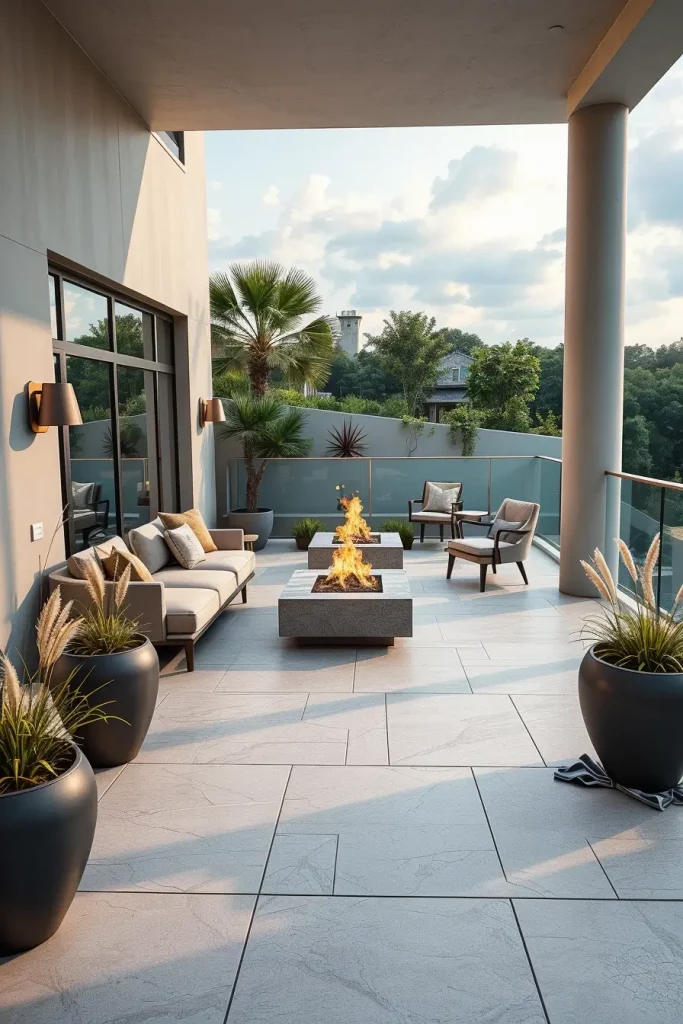
Personally, I believe that true luxury is not only about price but also about performance. According to Elle Decor, durable materials that age gracefully are central to modern luxury design. I agree completely. Investing in premium outdoor flooring trends 2026 ensures long-term value and reduced replacement costs. However, I often advise clients to include professional installation in their budget, as large slabs require precise alignment.
What could be added here is underfloor heating compatibility for cooler climates. In some regions, integrating heating beneath outdoor porcelain tiles significantly extends seasonal usability.
Budget-Friendly Outdoor Tiles Without Compromising Quality
Not every project requires a premium budget, but quality should never be sacrificed. When working with limited funds, I recommend ceramic or standard porcelain budget-friendly outdoor tiles that still meet frost and slip-resistance standards. In 2026, manufacturers offer affordable options that replicate concrete, wood, or slate textures convincingly.
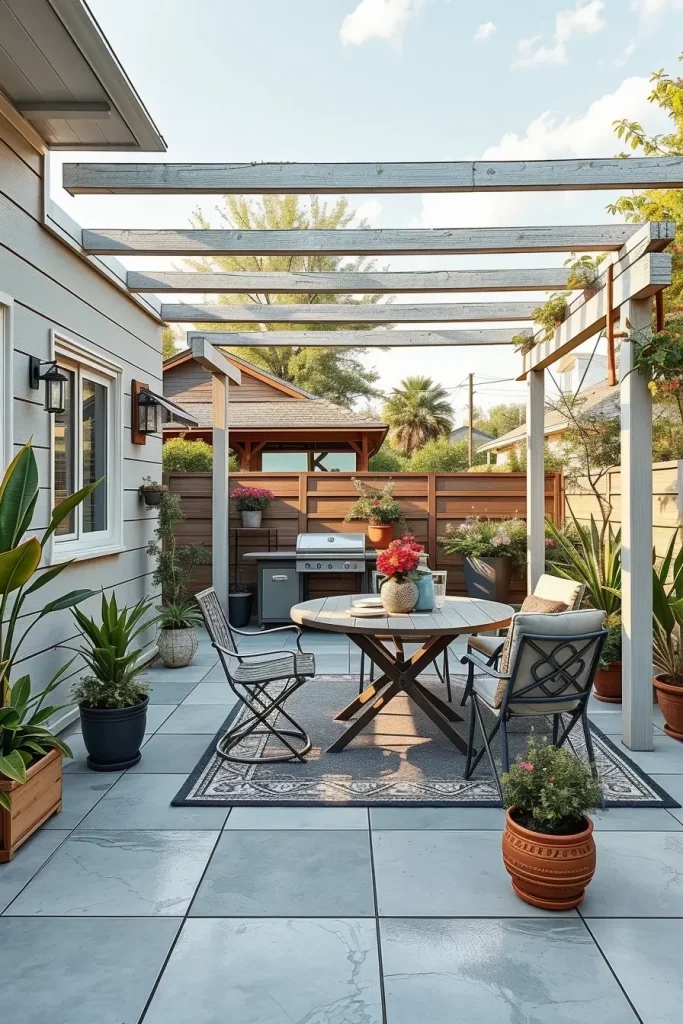
I usually select mid-size tiles, such as 60×60 cm formats, because they are cost-effective and easier to install. Combined with simple aluminum or powder-coated steel outdoor furniture, these tiles create a modern and functional patio. Adding a pergola, outdoor rug, and durable dining set helps elevate the design without significantly increasing expenses. I also suggest choosing neutral shades that remain timeless.
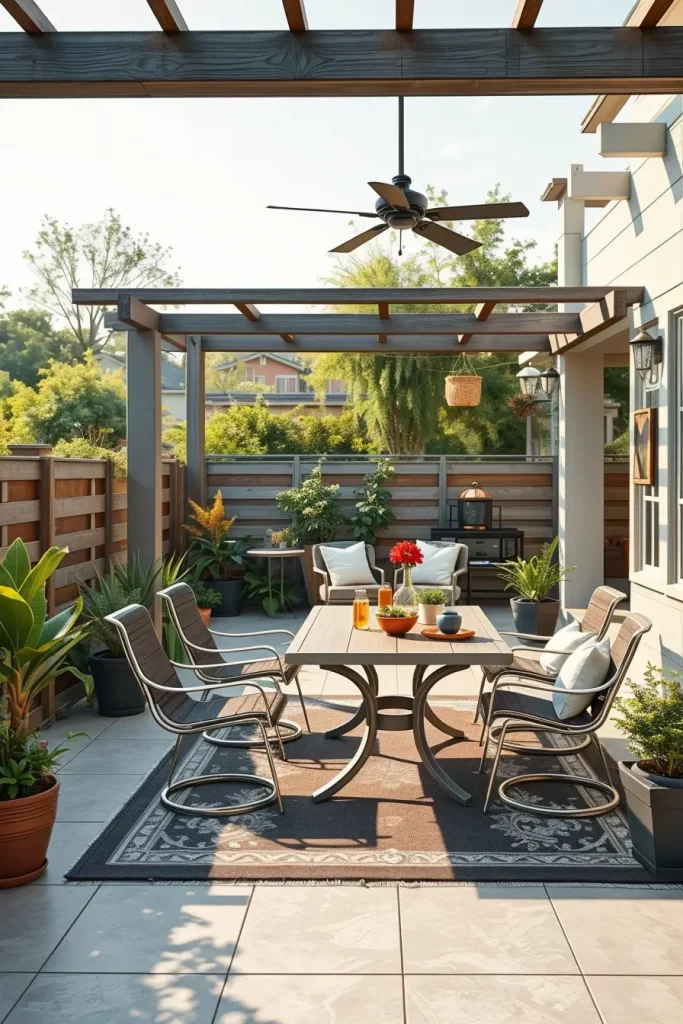
From my professional experience, cost savings should focus on format and brand selection rather than technical performance. I always check PEI ratings and water absorption levels before recommending any product. Many well-known home improvement publications emphasize that outdoor flooring must meet safety standards regardless of price. I strongly agree and advise homeowners not to compromise on anti-slip properties.
This section could benefit from including a cost comparison table and maintenance schedule examples. Understanding long-term maintenance costs is just as important as the initial purchase price.
Smart Outdoor Tiles With Innovative Surface Technology
Technology is transforming outdoor tiles for floor 2026. I am increasingly specifying smart surfaces with self-cleaning coatings, anti-bacterial glazes, and enhanced UV resistance. These innovative tiles are ideal for families with children or high-traffic terraces. Advanced surface treatments help repel dirt and reduce the need for harsh cleaning chemicals.
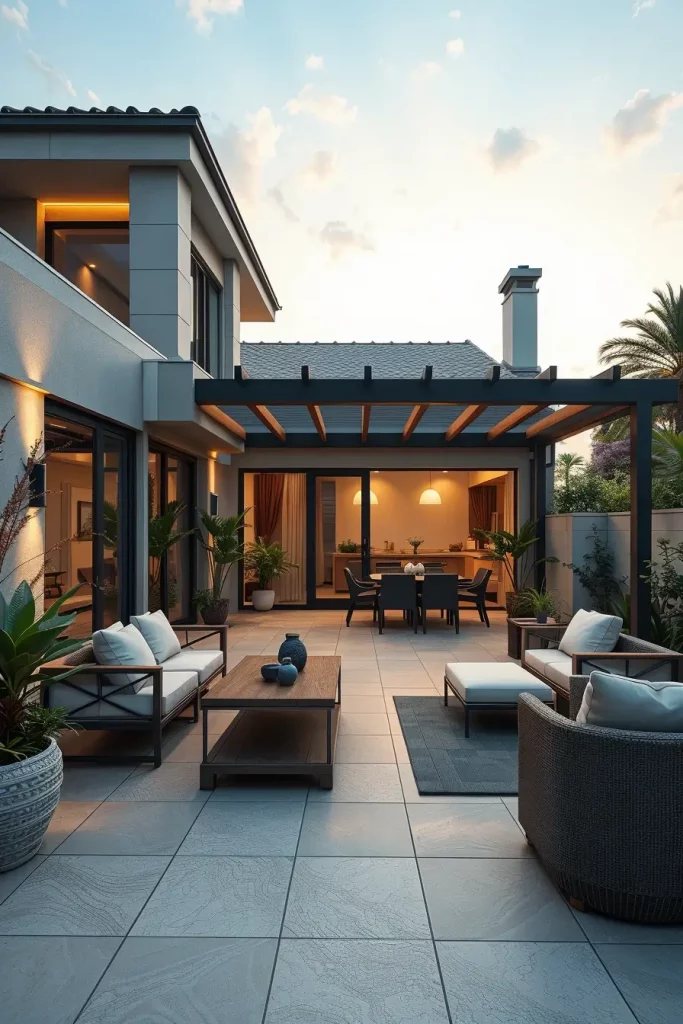
In contemporary homes, I combine these smart tiles with automated outdoor lighting, motorized pergolas, and modular seating systems. The flooring often features subtle texture patterns that improve grip without compromising aesthetics. I pay special attention to tile thickness, especially for rooftop terraces where structural load must be considered.
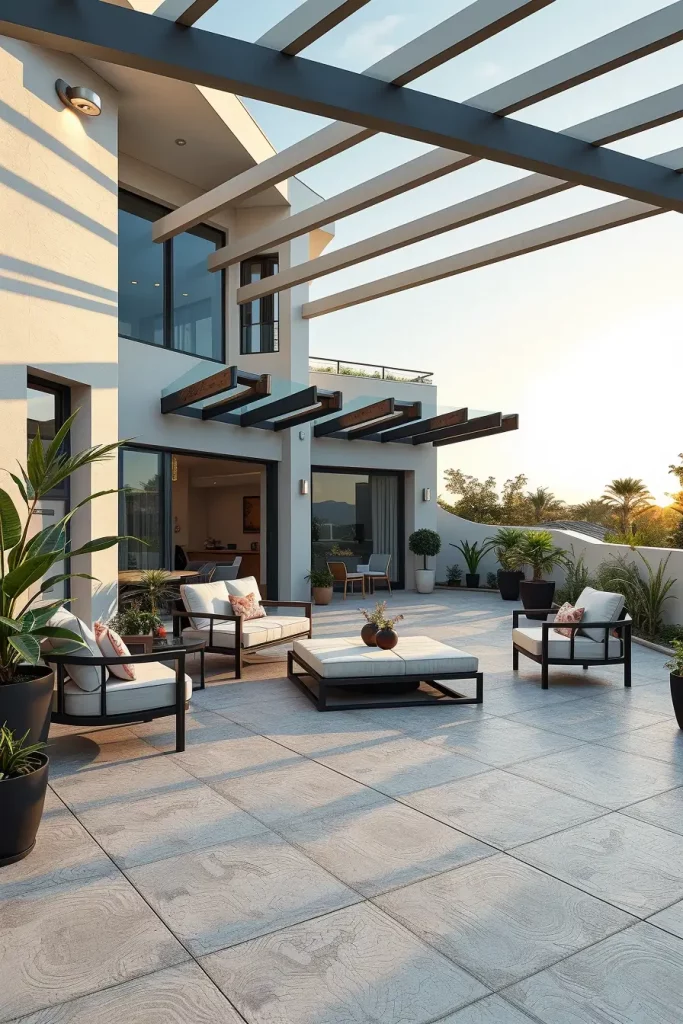
Personally, I find that innovation should always serve practicality. Smart coatings reduce maintenance effort, which is crucial for busy homeowners. As sustainability becomes central in 2026, I also look for eco-certified manufacturing processes and recycled content in tile production.
What may be missing here is more emphasis on compatibility with smart drainage systems and permeable installation methods, which can significantly improve stormwater management.
Mixed Material Outdoor Flooring Combinations 2026
One of the strongest outdoor flooring trends 2026 is combining materials. I often mix porcelain outdoor floor tiles with natural wood decking, gravel inserts, or decorative concrete strips. This layered approach creates visual zoning without building physical barriers. It is especially effective in large gardens or multifunctional backyards.
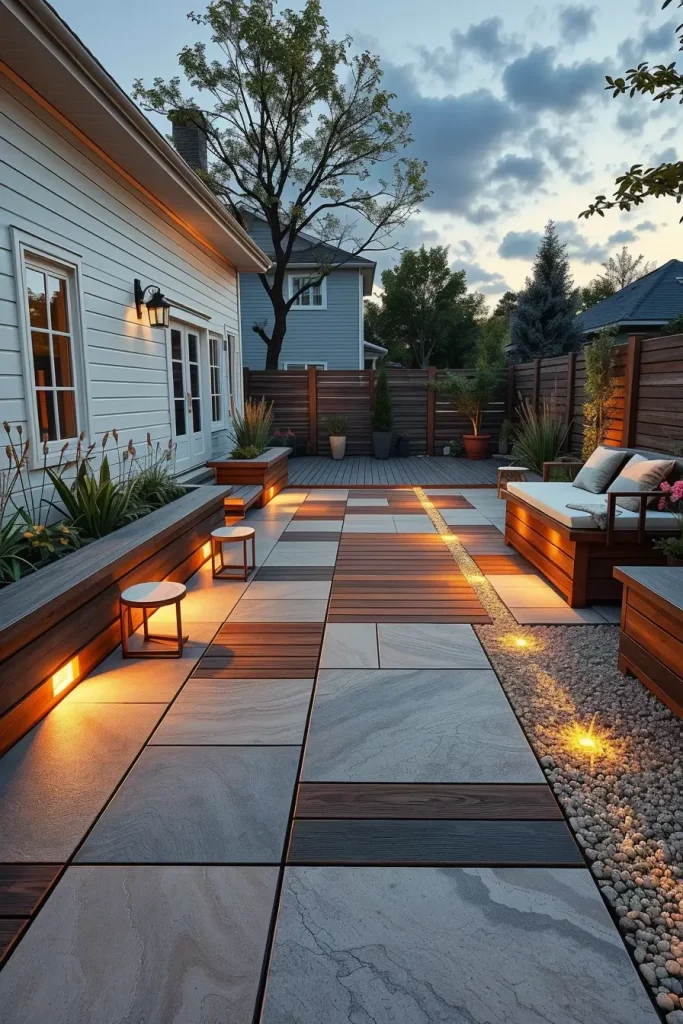
For example, I may design a tiled dining terrace that transitions into a wooden lounge platform. The tiles define the structured cooking and dining area, while the wood softens the relaxation zone. Adding built-in benches, planters, and subtle LED strip lighting between materials enhances the transition and prevents abrupt visual breaks.
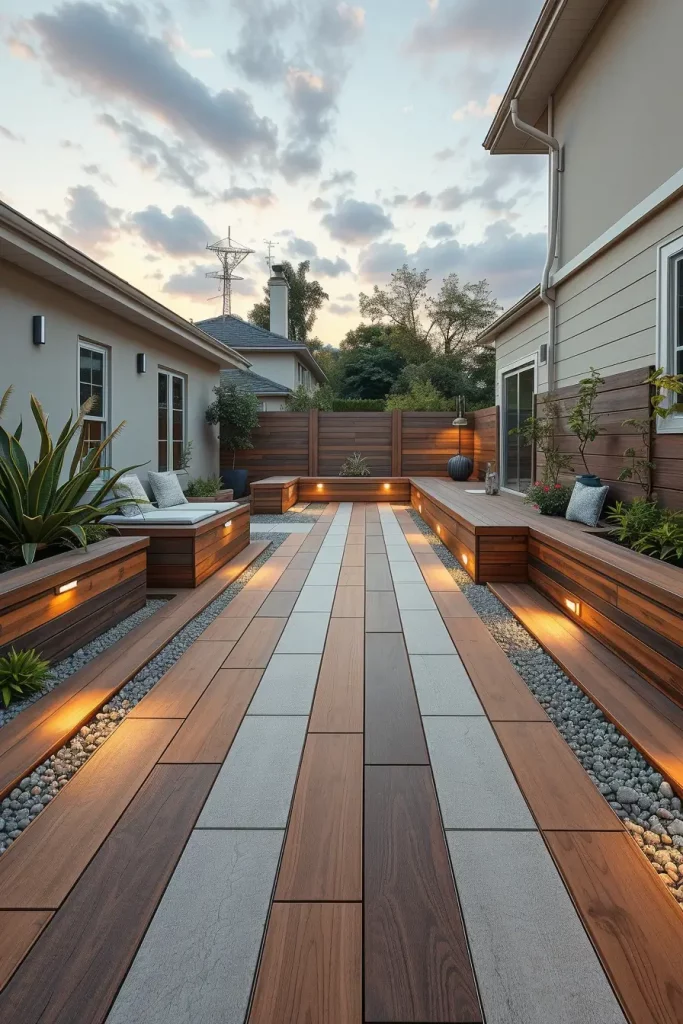
In my opinion, mixed materials bring personality and architectural depth. However, precision is crucial. I always calculate expansion gaps and ensure height alignment between surfaces. I have seen projects fail because installers ignored these technical details. My advice is to plan material transitions from the very beginning of the design process.
To strengthen this section, I would include more discussion about climate compatibility and how different materials respond to humidity and temperature changes.
Outdoor Tile Installation Trends And Layout Patterns
When I plan outdoor tiles for floor 2026, I pay special attention not only to the material itself but also to how it is installed. Layout patterns in 2026 are becoming more architectural and intentional. Large-format slabs laid in linear grid patterns create a clean, modern terrace, while staggered or offset layouts help soften expansive patios. I often recommend rectified porcelain tiles with minimal grout lines to achieve a seamless look that visually enlarges the outdoor area.
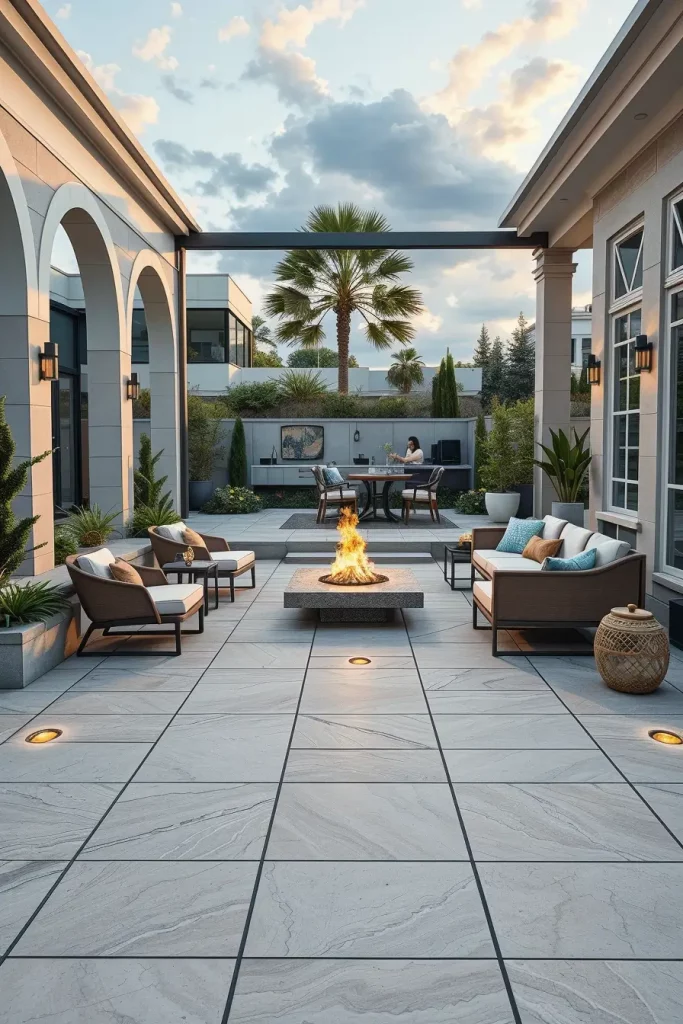
In practical terms, I carefully evaluate substrate preparation, waterproof membranes, and frost-resistant adhesives before installation begins. For contemporary patios, I frequently use 60×120 cm or 90×90 cm outdoor floor tiles arranged in a straight stacked pattern for a refined aesthetic. In more dynamic spaces, I introduce herringbone or modular patterns to create visual rhythm. Outdoor furniture such as low lounge seating, fire pits, and dining tables should align proportionally with the tile grid to maintain harmony in scale and spacing.
From my experience, many installation failures happen due to ignoring expansion joints and drainage slopes. The Tile Council of North America consistently emphasizes the importance of proper substrate and movement joints in exterior applications, and I fully support this professional standard. I personally insist on correct spacing and high-performance grout because durability always outweighs short-term aesthetics.
What is often missing in discussions about layout is lighting coordination. I recommend planning recessed floor lights and step markers at the layout stage to avoid cutting tiles after installation, which can compromise structural integrity.
Low-Maintenance Outdoor Floor Tiles For Busy Homeowners
For many homeowners, the priority in outdoor flooring trends 2026 is minimal upkeep. I frequently recommend dense porcelain tiles with low water absorption rates, as they resist stains, moss growth, and weather damage. Matte finishes with subtle texture provide grip while being easy to clean with basic outdoor maintenance tools. These surfaces are ideal for patios, terraces, and pool surrounds where durability is essential.
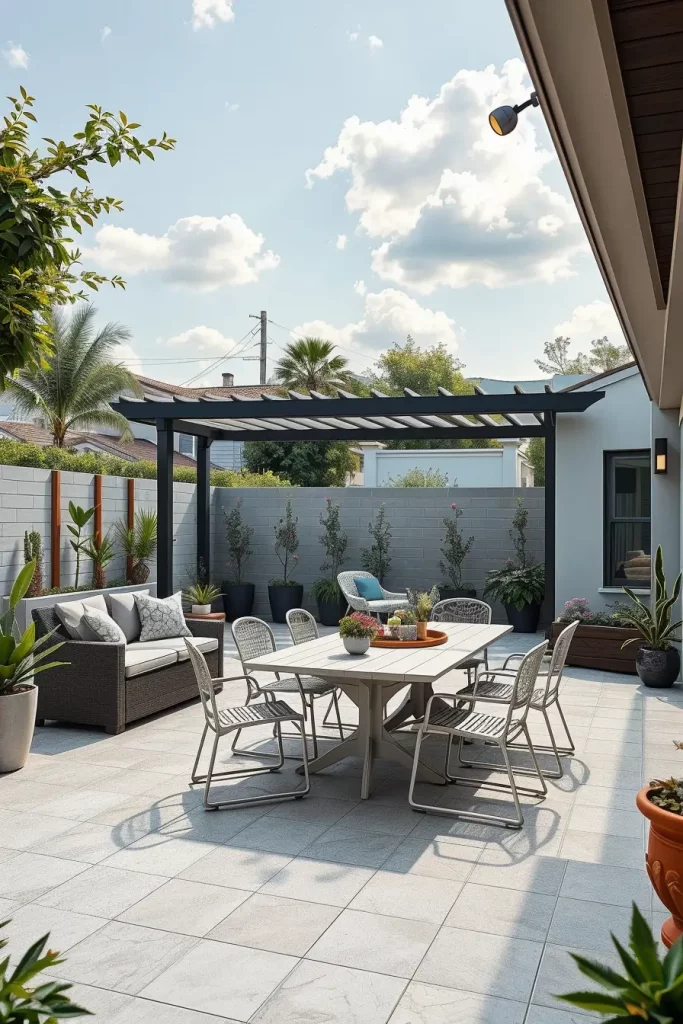
I usually pair low-maintenance outdoor tiles for floor 2026 with aluminum or composite outdoor furniture that does not require seasonal refinishing. Built-in storage benches, raised planters, and covered pergolas also help protect the flooring from excessive debris. I advise clients to select darker grout tones that conceal dirt and reduce visible discoloration over time. A simple drainage system integrated beneath the tile layer further minimizes moisture buildup.
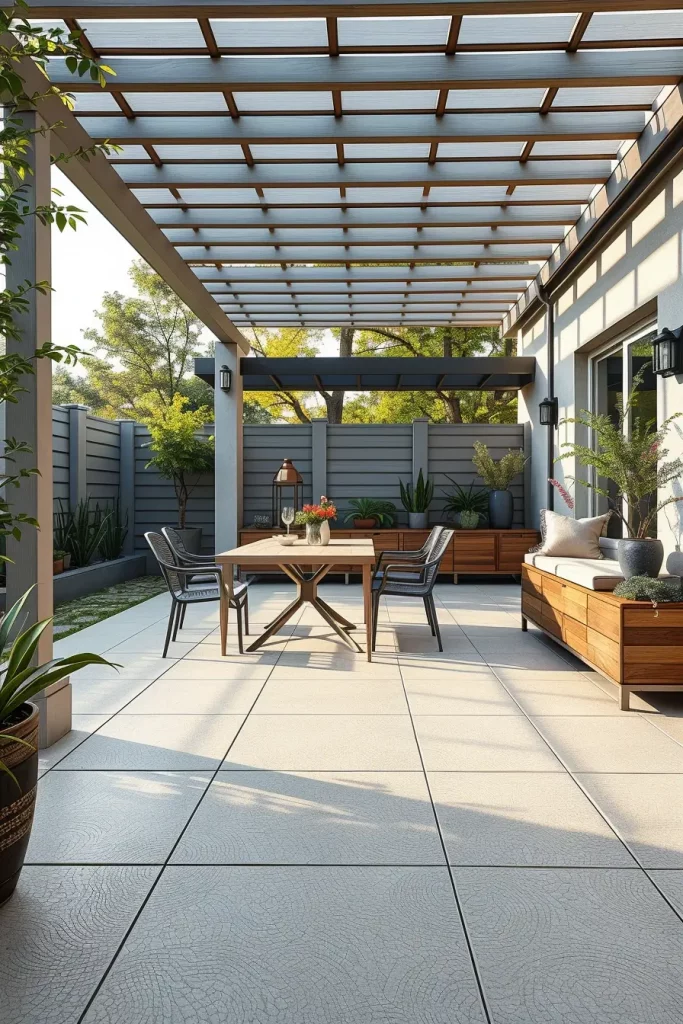
Personally, I believe low maintenance does not mean compromising design. Clean lines, neutral shades, and high-performance materials create a modern aesthetic while simplifying care routines. Many design experts highlight that outdoor spaces should feel relaxing rather than demanding constant attention, and I agree wholeheartedly. I always guide homeowners toward materials that support their lifestyle rather than complicate it.
To enhance this section, I would include a recommended cleaning schedule and product suggestions tailored to different climates. Maintenance varies greatly between humid and dry regions, and this practical information is crucial.
Outdoor Tiles Color Trends 2026: Earthy Tones And Modern Shades
Color plays a decisive role in shaping outdoor flooring trends 2026. I observe a strong movement toward earthy tones such as warm beige, sand, clay, and soft taupe. These shades connect the patio to the natural landscape and create a calming environment. At the same time, modern shades like charcoal gray, graphite, and muted greige remain popular for minimalist homes.
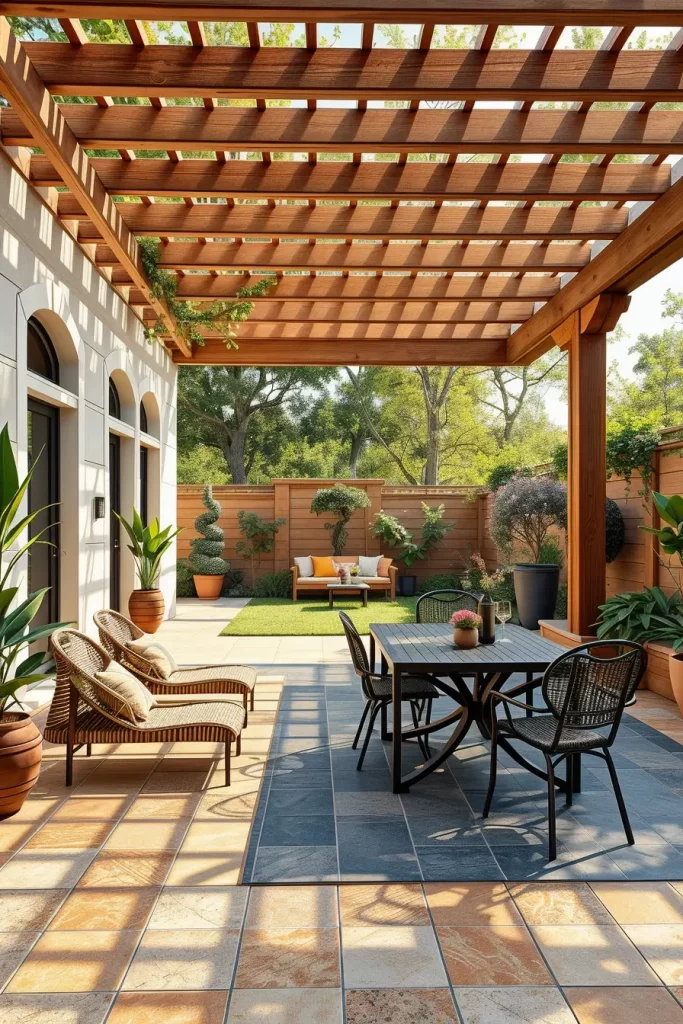
When designing with outdoor floor tiles, I consider the facade color, surrounding greenery, and outdoor furniture palette. Light sandy tiles work beautifully with wooden pergolas and woven lounge chairs, while darker graphite surfaces pair well with black metal frames and contemporary sectional seating. I often introduce subtle contrast by selecting grout one tone darker than the tile to define structure without overpowering the design.
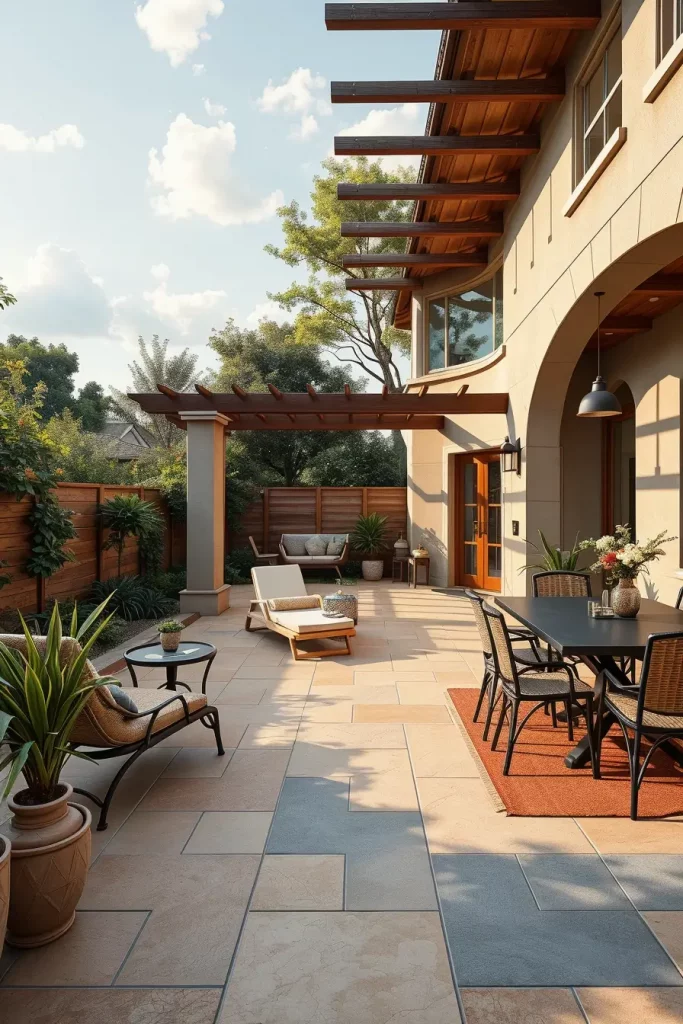
In my professional opinion, timeless colors offer better long-term value than overly bold experiments. I have seen trends shift quickly, but natural palettes remain relevant for years. Publications such as Better Homes and Gardens frequently highlight neutral outdoor schemes as adaptable and resale-friendly. I advise clients to view their patio flooring as a long-term architectural investment rather than a temporary decorative element.
This section could be expanded by discussing how tile color affects heat absorption. Darker surfaces retain more heat in sunny climates, which should be considered when designing pool areas or family gathering spaces.
How To Choose The Best Outdoor Tiles For Floor 2026
Selecting the right outdoor tiles for floor 2026 requires balancing aesthetics, safety, and durability. I always begin by evaluating climate conditions, foot traffic, and intended use. Porcelain tiles with low water absorption and high slip resistance ratings are typically my first recommendation. For pool areas, I ensure that surfaces meet strict anti-slip standards to prevent accidents.
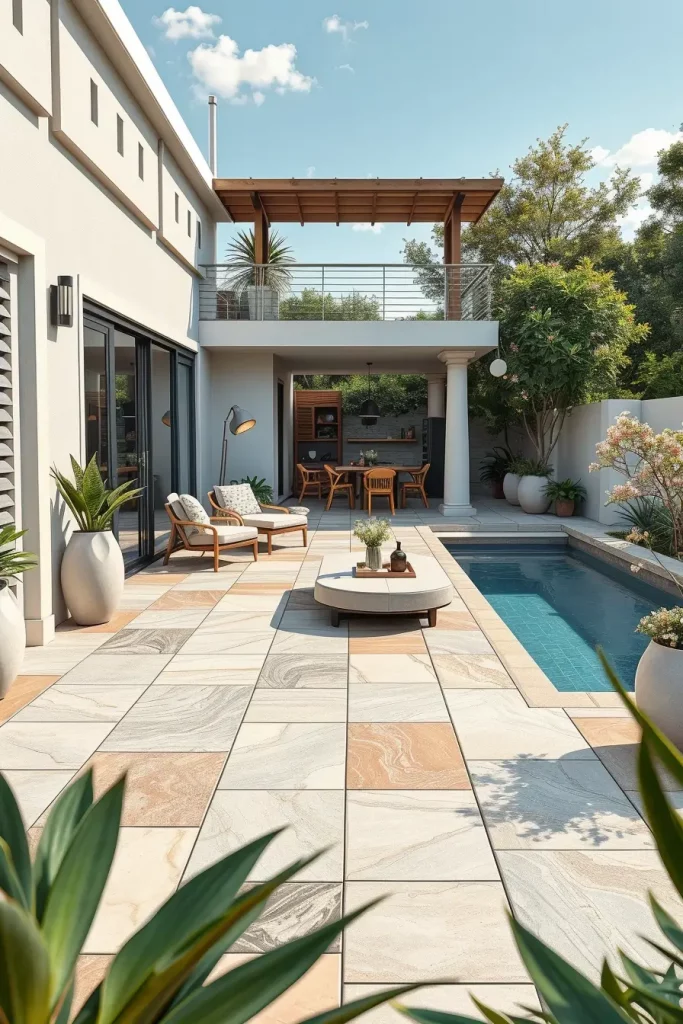
I examine thickness, edge finishing, and load-bearing capacity before finalizing any selection. For elevated terraces or balconies, I sometimes recommend pedestal installation systems that improve drainage and simplify maintenance. Matching the tile style with outdoor furniture, landscape design, and architectural elements is equally important. Cohesive design enhances both visual appeal and functional flow.
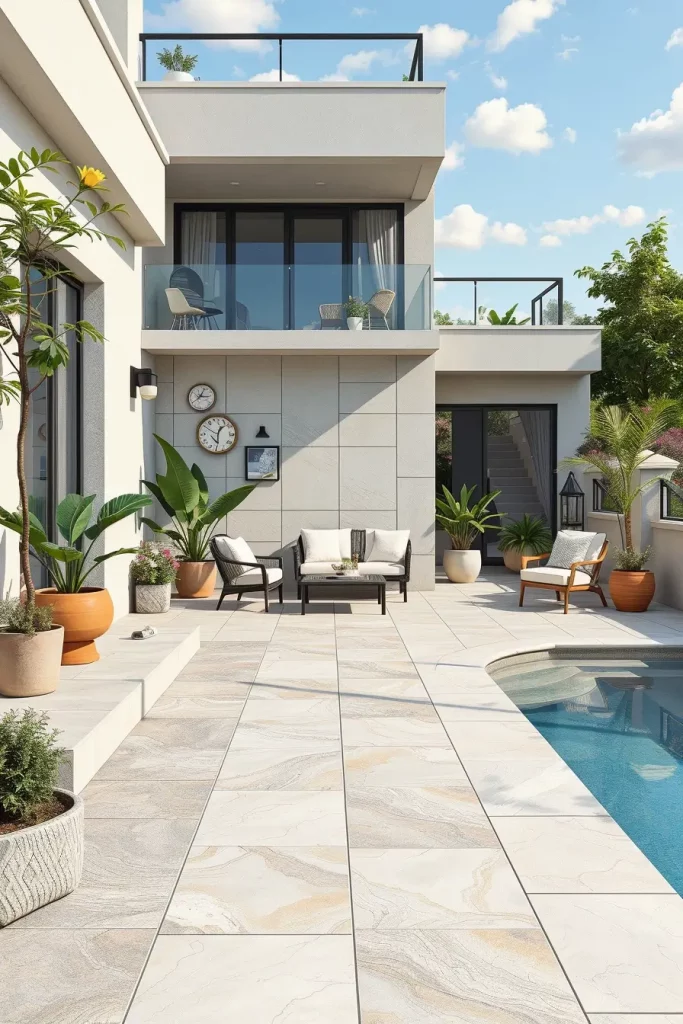
Personally, I advise homeowners to request samples and test them under natural daylight. A tile may look different indoors compared to direct sunlight. I also encourage consulting professional installers early in the planning process to avoid compatibility issues with substrates or waterproofing systems.
What is often overlooked is long-term availability. I suggest choosing collections that manufacturers are likely to continue producing, ensuring future replacements remain consistent in color and texture.
Future Of Outdoor Tiles For Floor Design Beyond 2026
Looking beyond 2026, I see innovation and sustainability shaping the future of outdoor flooring trends 2026 and beyond. Manufacturers are increasingly focusing on recycled materials, carbon-neutral production processes, and advanced surface treatments. I anticipate a rise in permeable tile systems that support eco-friendly drainage and reduce water runoff.
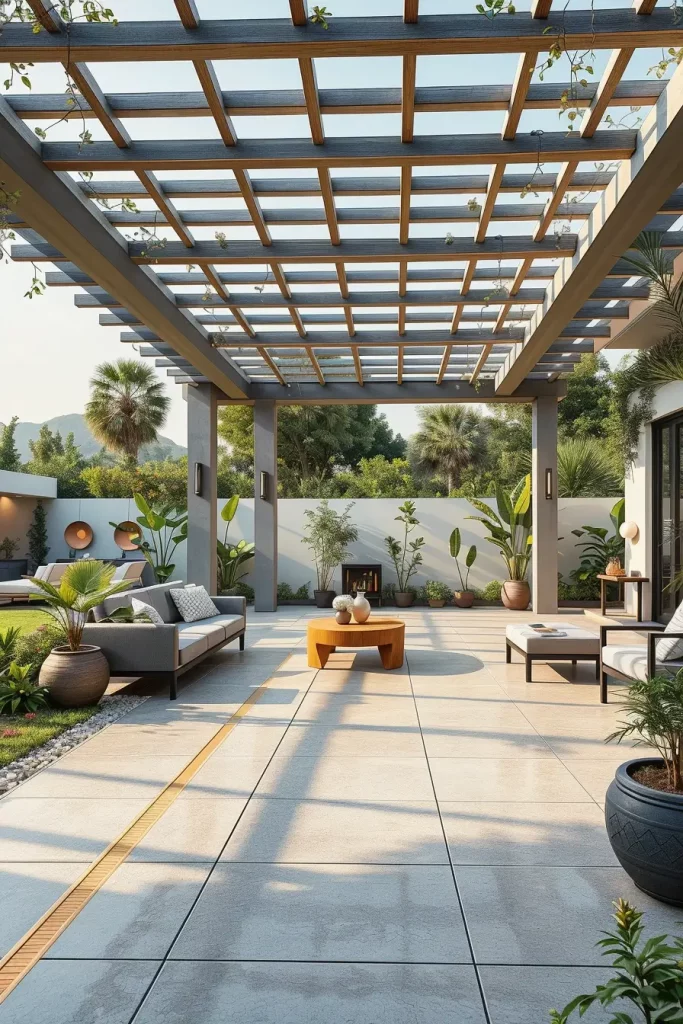
In future projects, I expect to integrate modular outdoor living concepts where flooring, furniture, and landscaping are designed as a cohesive system. Large seamless slabs, integrated lighting channels, and multifunctional outdoor zones will become even more refined. Smart surfaces may evolve to include temperature-regulating properties and enhanced durability.
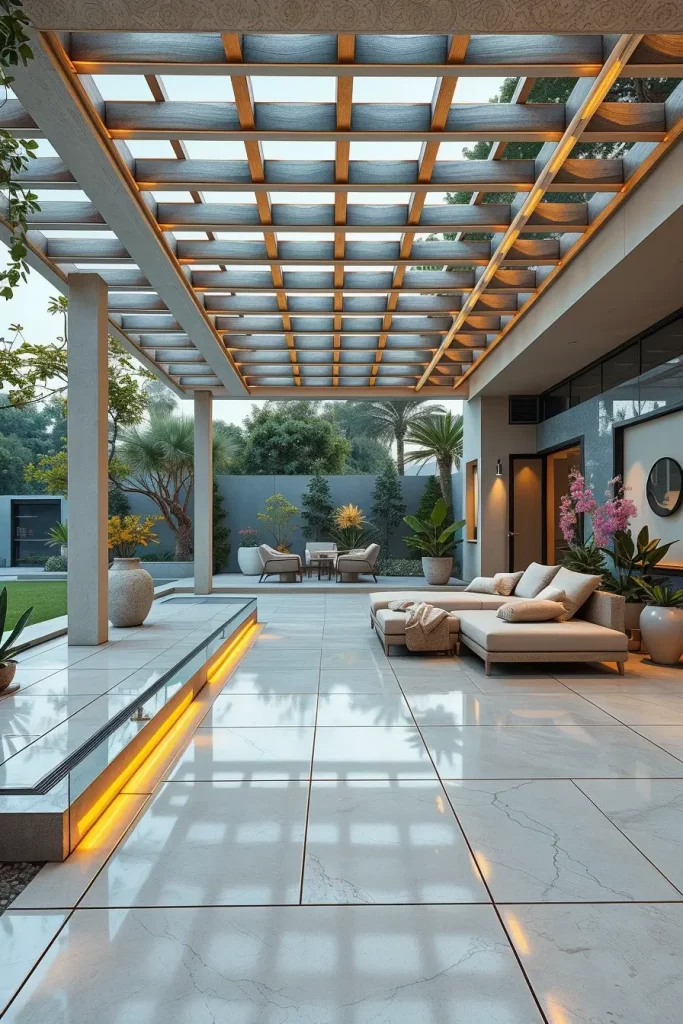
From my professional perspective, outdoor living spaces will continue to gain importance as extensions of the home. Investing in high-quality outdoor tiles for floor 2026 is not simply a design decision but a strategic enhancement of property value and lifestyle quality. I believe the key will remain balance: combining technology, sustainability, and timeless aesthetics.
If you are planning to upgrade your patio or terrace, I encourage you to share your ideas and questions in the comments. Thoughtful discussion helps refine better solutions and inspires more functional, beautiful outdoor spaces for everyone.
Outdoor tiles for floor 2026 prove that exterior design is no longer an afterthought—it’s a key part of creating a beautiful, functional home environment. With advancements in durability, slip resistance, sustainable materials, and modern finishes, today’s outdoor tiles offer the perfect balance between performance and style.
Whether you prefer natural stone textures, wood-look warmth, bold dark tones, or minimalist concrete effects, the trends of 2026 provide endless possibilities for patios, terraces, pool areas, and backyard spaces. By choosing the right material, color, and layout, you can create an outdoor floor that not only withstands the elements but also enhances the overall aesthetic of your home for years to come.