
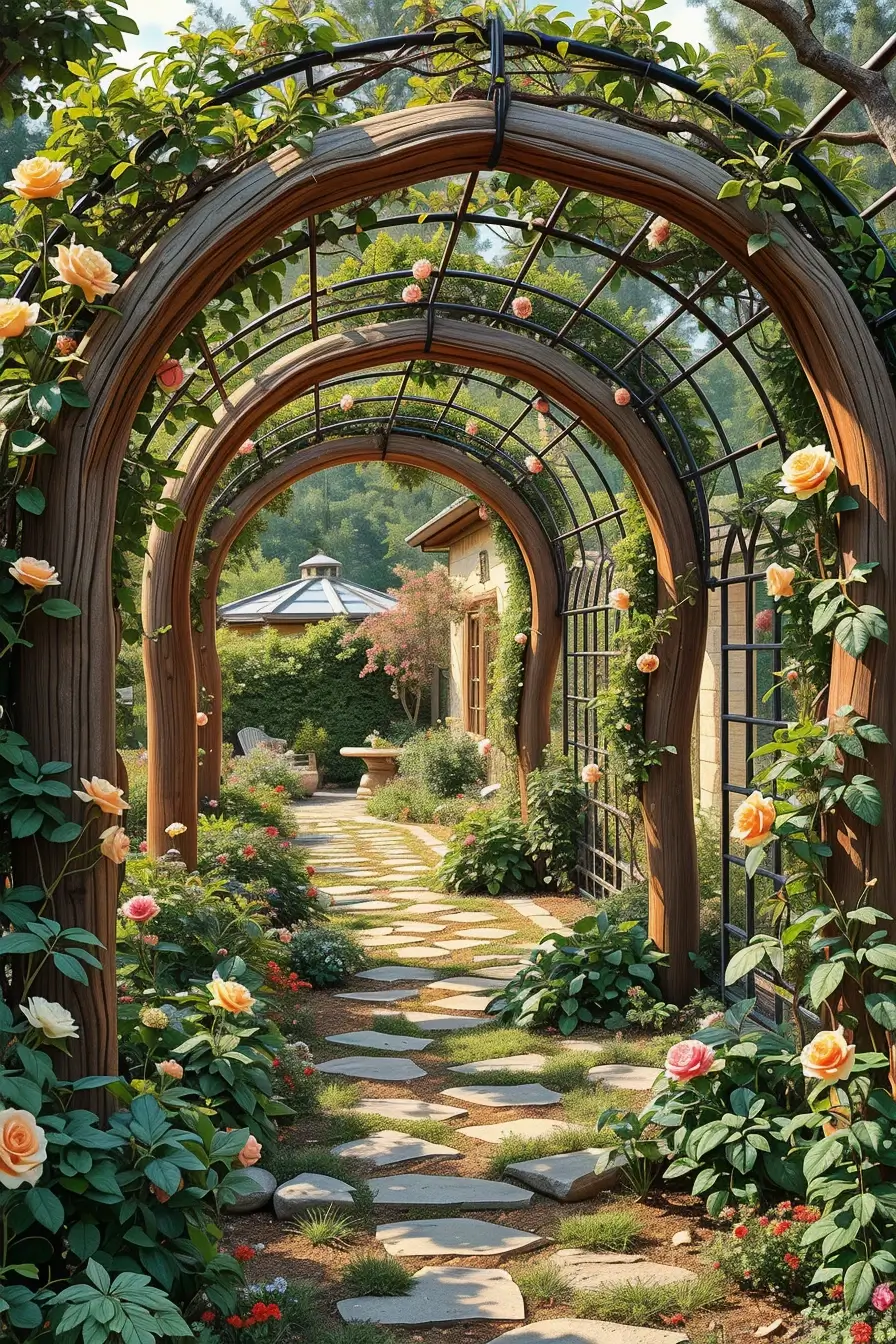
Rustic garden decor in 2026 is evolving into a refined blend of nature, artistry, and modern design sensibility. Homeowners are no longer settling for purely traditional country aesthetics, but instead are embracing sculptural elements, curated textures, and creative compositions that feel both organic and intentional. This year’s trends highlight the beauty of raw materials like weathered wood, natural stone, and aged metal, reimagined through a contemporary lens. At the same time, gardens are becoming more personalized, with handmade details and artistic features turning outdoor spaces into expressive sanctuaries. The balance between wild, untamed greenery and thoughtfully designed layouts defines the new rustic garden style. In this article, we’ll explore inspiring rustic garden decor ideas for 2026 that combine charm, innovation, and timeless natural appeal.
Sculptural Stone Pathways That Define Rustic Garden Flow
I find that sculptural stone pathways are one of the most effective ways to organize a rustic garden while maintaining a natural flow. Instead of traditional straight layouts, I prefer irregular, organic patterns that guide movement intuitively through the space. Large stone slabs, gravel insets, and moss-filled joints create a balance between structure and nature. This approach not only improves navigation but also enhances the overall visual rhythm of the garden.
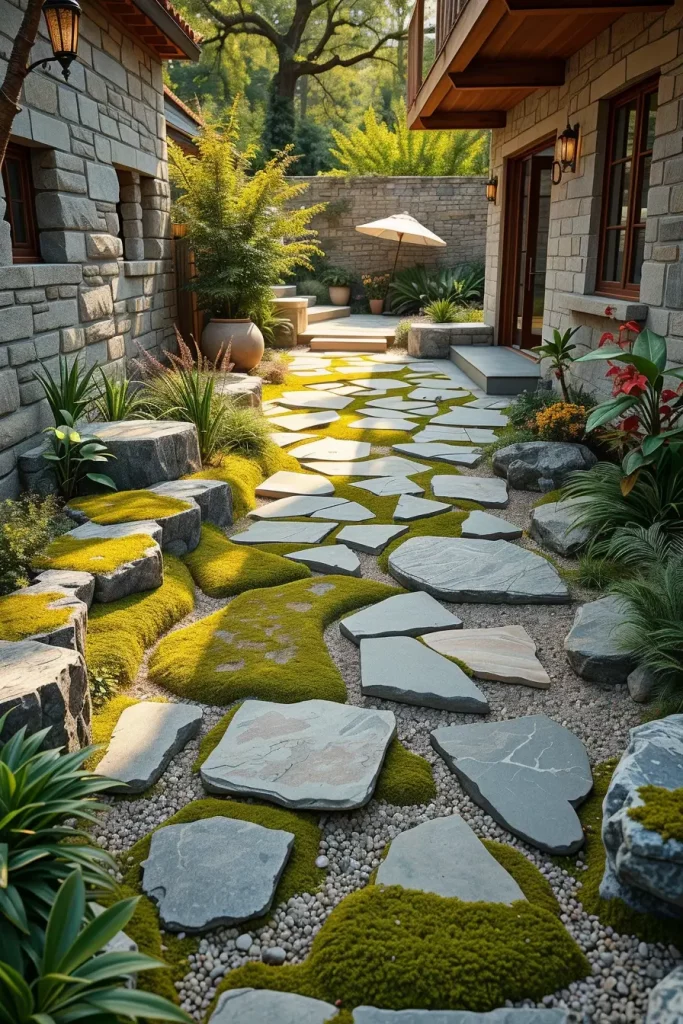
When designing these pathways, I carefully select materials such as limestone, slate, or reclaimed stone to achieve a weathered yet refined appearance. I often combine oversized stepping stones with smaller gravel borders to soften the transitions. Edging the path with low-growing plants like thyme or ornamental grasses adds texture and integrates the pathway seamlessly into the landscape.
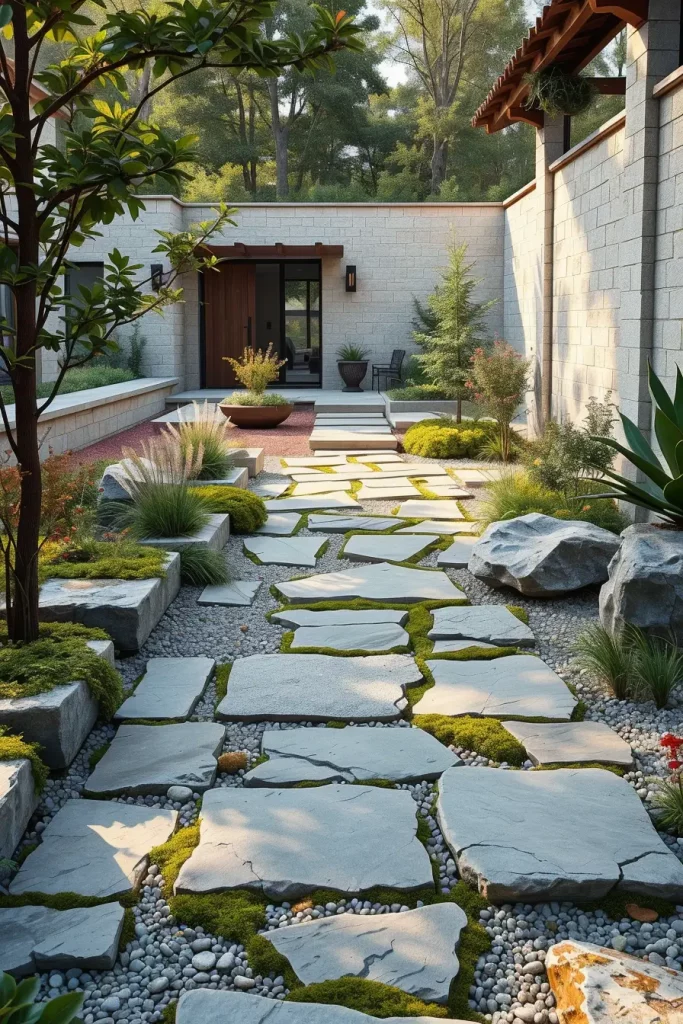
From my experience, the key to success lies in proportion and spacing. I always ensure that each step feels comfortable and natural, avoiding overly symmetrical layouts. Many landscape designers, including those featured in Garden Design Magazine, emphasize that pathways should feel like a journey rather than a corridor, and I strongly agree with that philosophy.
I would also consider adding subtle lighting along the edges or integrating drainage solutions beneath the stones to improve functionality, especially in climates with seasonal rain.
Weathered Wood Features With Contemporary Rustic Appeal
In my projects, weathered wood is essential for achieving a modern rustic garden aesthetic. I like to use aged timber for pergolas, fencing, and vertical accents because it introduces warmth and authenticity. When paired with clean lines and minimal forms, the result feels both contemporary and grounded in nature.
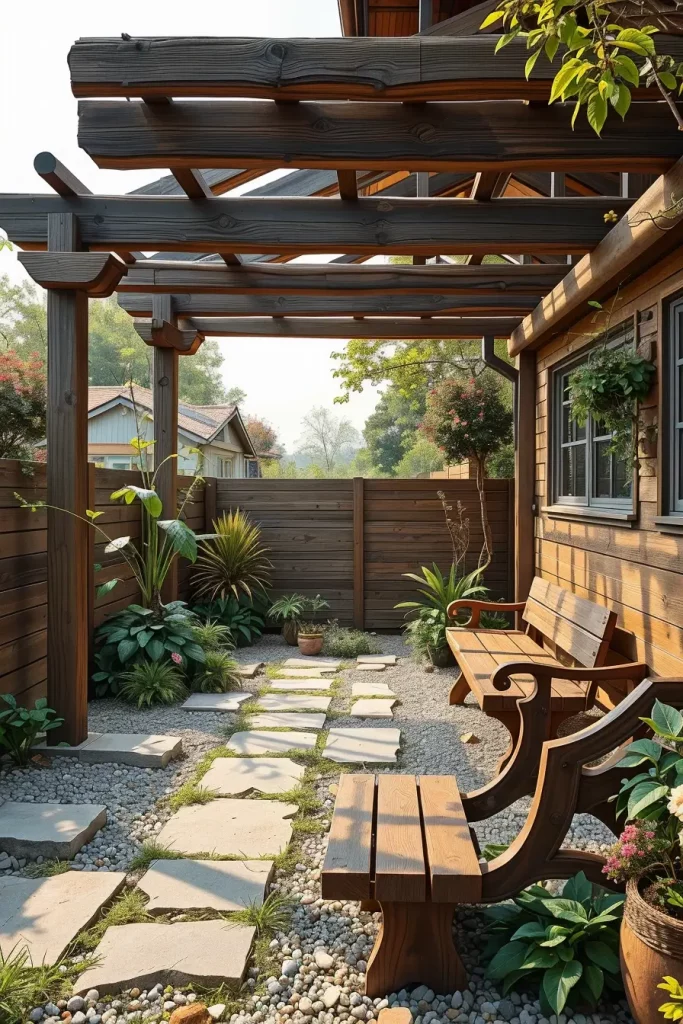
I typically incorporate elements such as reclaimed wood benches, horizontal slat fences, and timber planters. Each piece serves both a functional and decorative purpose. The texture of the wood contrasts beautifully with stone and greenery, creating a layered visual effect. I also pay attention to finishes, often opting for natural oils that preserve the wood’s character rather than masking it.
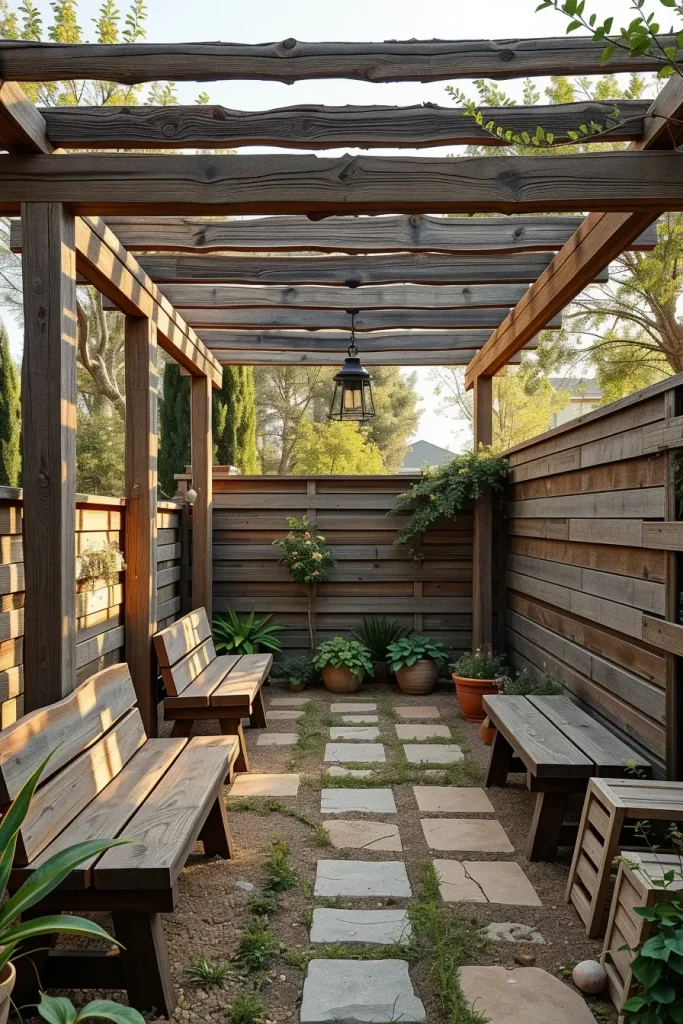
Personally, I’ve noticed that clients respond strongly to the tactile quality of wood. It makes outdoor spaces feel more livable and inviting. Designers often recommend mixing wood tones rather than matching everything perfectly, and I’ve found that this creates a more authentic and relaxed environment.
To enhance this section further, I would add integrated seating or storage within wooden structures, ensuring that the design remains practical without sacrificing its aesthetic appeal.
Artistic Rustic Garden Furniture With Handcrafted Character
I believe that furniture plays a central role in defining the personality of a rustic garden. Choosing handcrafted pieces allows me to introduce a sense of artistry and individuality into the space. I focus on sculptural forms, imperfect finishes, and materials that age beautifully over time.
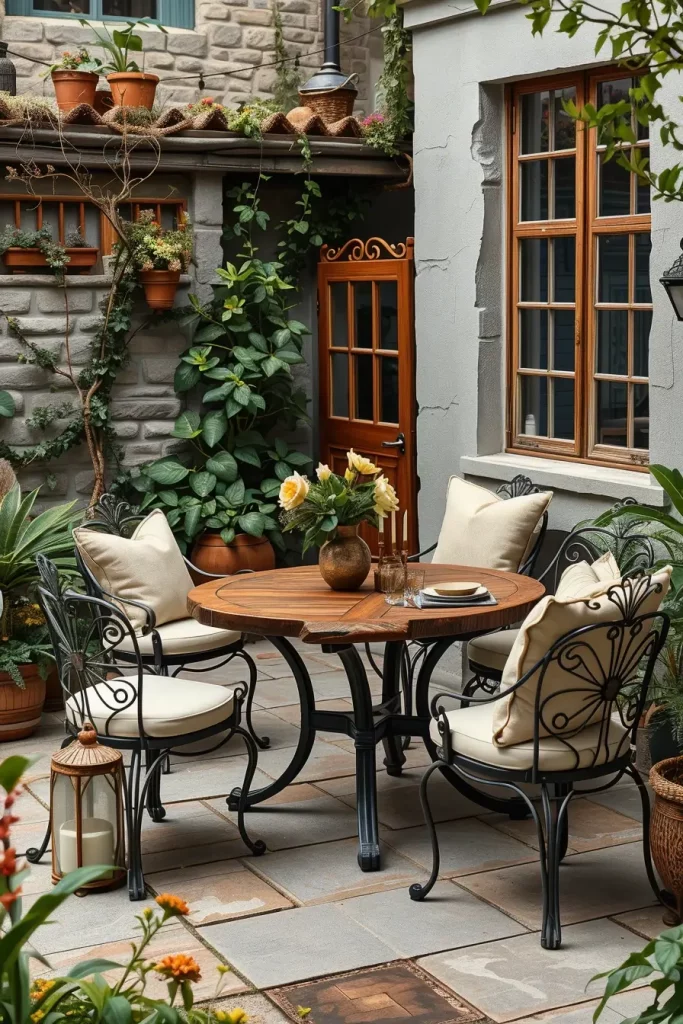
In my designs, I often include wrought iron chairs, solid wood dining tables, and benches with live edges. These elements not only provide functionality but also act as focal points. I like to pair them with neutral cushions and natural fabrics to maintain comfort without overwhelming the rustic theme.
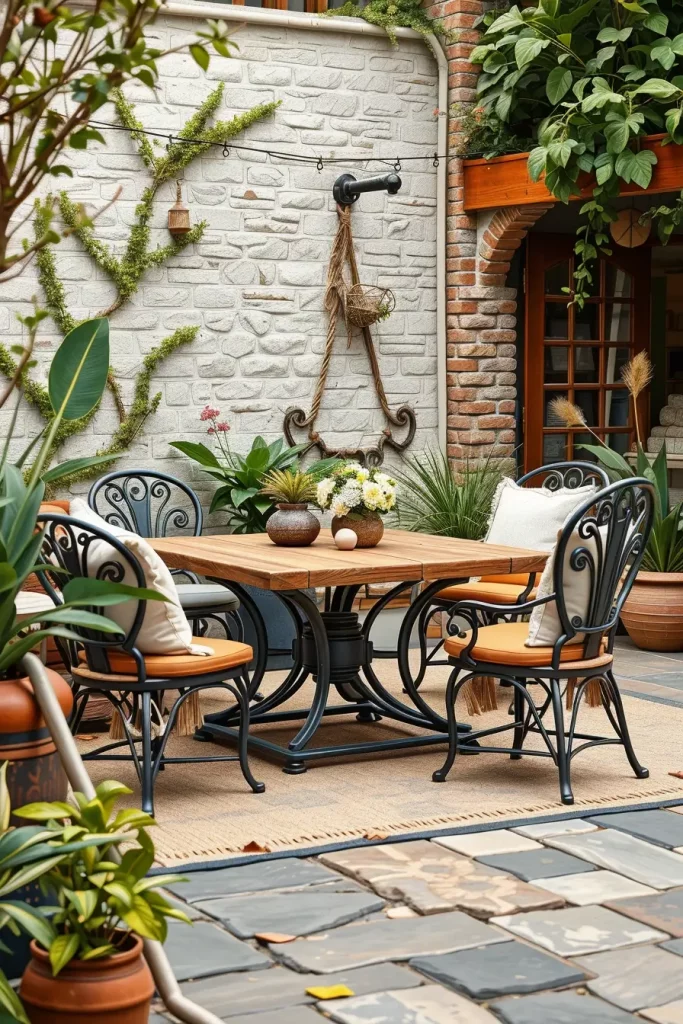
From my perspective, investing in fewer but higher-quality pieces is always the better approach. I’ve seen that well-crafted furniture can elevate even the simplest garden layouts. Publications like Architectural Digest frequently highlight the importance of craftsmanship in outdoor design, and I fully support that viewpoint.
I would also recommend incorporating movable pieces or modular furniture to adapt the space for different occasions, from casual relaxation to social gatherings.
Modern Rustic Pergolas With Organic Architectural Lines
When I design pergolas for rustic gardens, I aim to blend structure with softness. Modern rustic pergolas often feature clean lines combined with natural materials, creating a balance between architecture and landscape. I use them to define zones, provide shade, and add vertical interest.
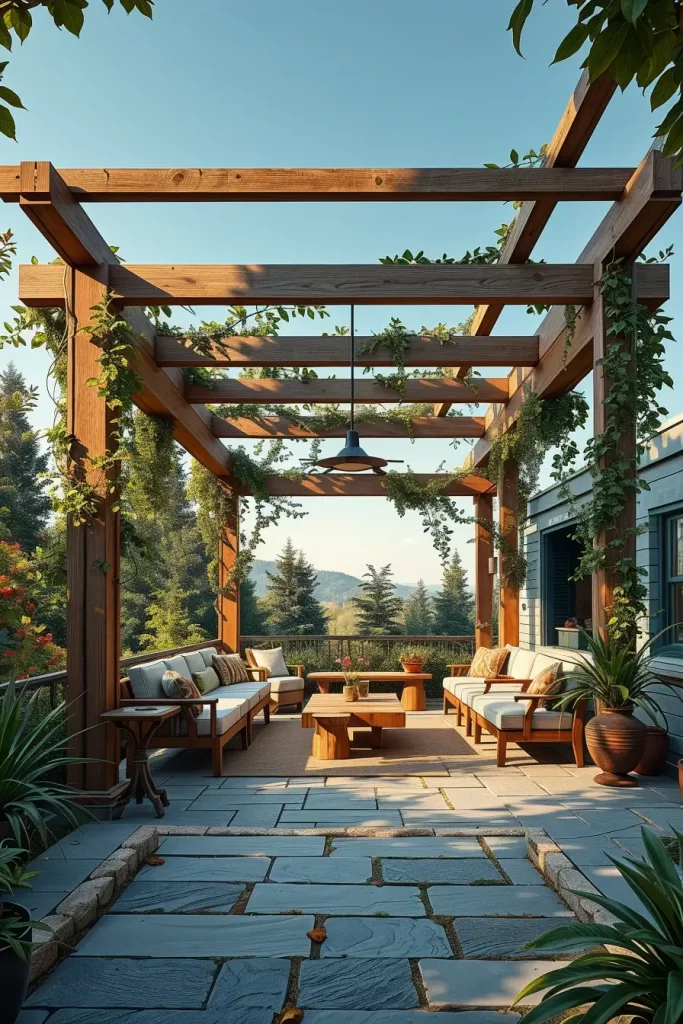
I typically construct pergolas using wood or metal frames softened by climbing plants such as wisteria or grapevines. The interplay between the rigid structure and organic growth creates a dynamic visual effect. I also consider spacing and scale carefully to ensure the pergola complements the surrounding environment.
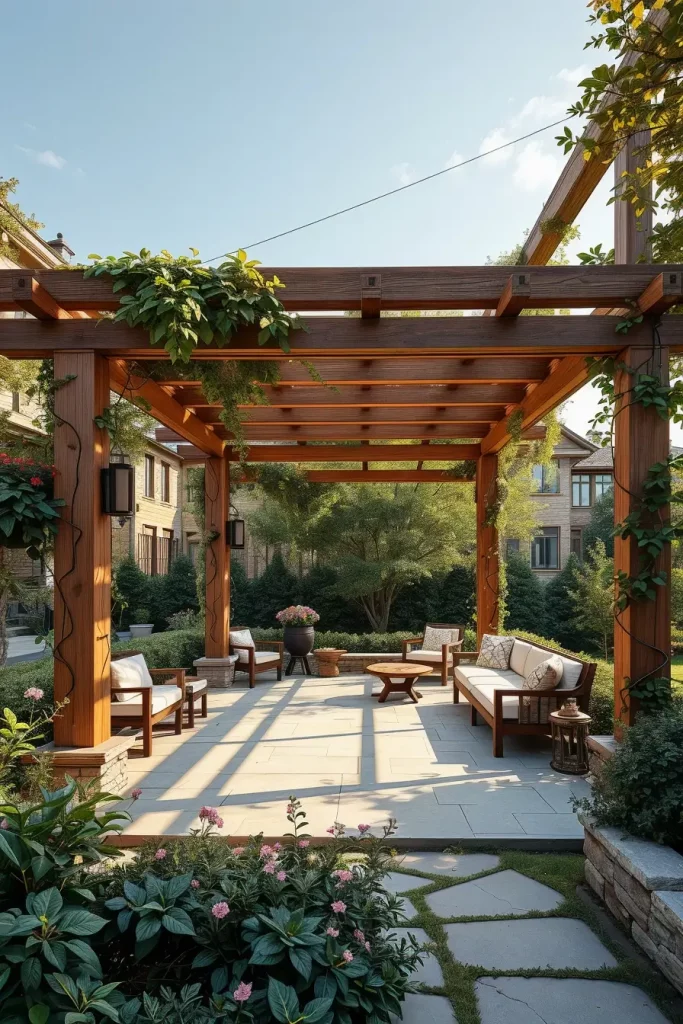
In my experience, pergolas significantly enhance usability by making outdoor spaces more comfortable throughout the day. I often follow recommendations from landscape professionals who suggest integrating pergolas with seating or dining areas to maximize their functionality.
To improve this concept, I would include retractable fabric canopies or subtle lighting installations, allowing the pergola to transition seamlessly from day to evening use.
Creative Use Of Reclaimed Materials In Garden Decor
One of the most creative rustic garden decor ideas 2026 involves using reclaimed materials in unexpected ways. I enjoy transforming old doors, bricks, and metal elements into unique decorative features that add history and character to the garden.
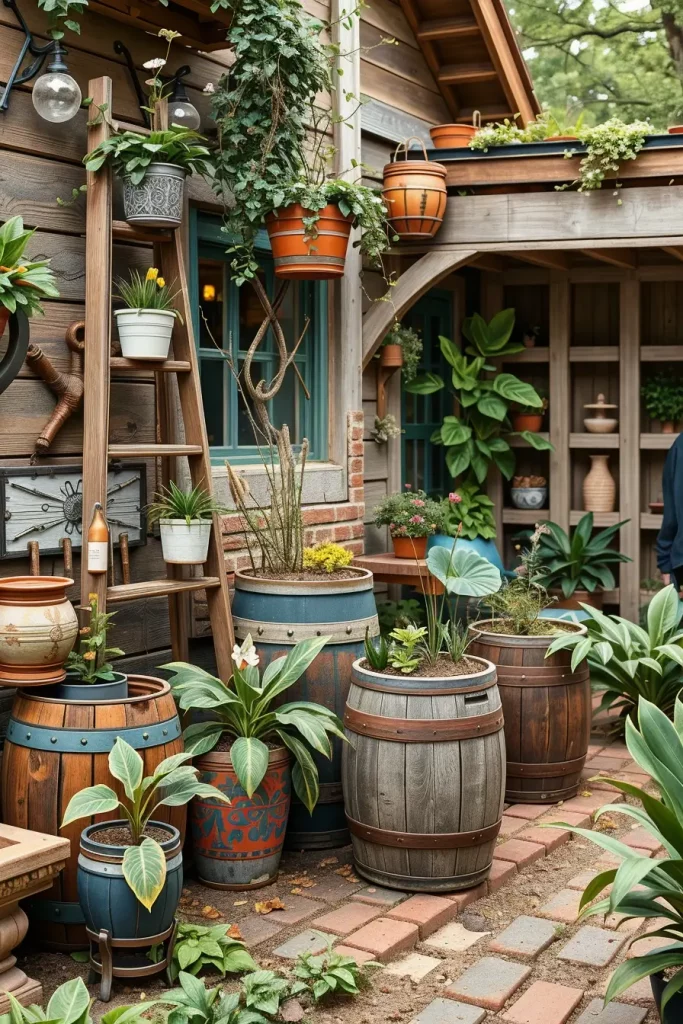
In my work, I repurpose items such as vintage ladders as plant stands, reclaimed bricks for edging, and old barrels as planters. These elements not only reduce waste but also introduce a narrative into the design. Each piece has a story, which adds depth and authenticity to the space.
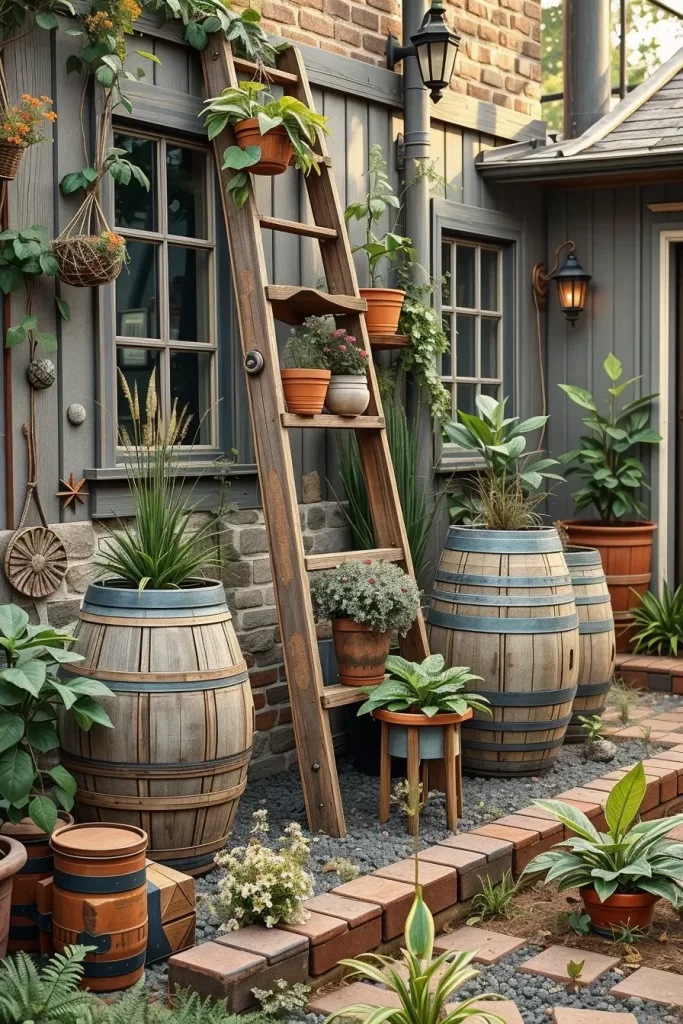
I’ve found that this approach resonates strongly with those who value sustainability. Designers often emphasize that reclaimed materials bring a sense of soul to a project, and I’ve consistently seen how they enrich the overall aesthetic.
I would also suggest carefully balancing reclaimed elements with newer materials to avoid a cluttered look, ensuring the design remains cohesive and visually intentional.
Layered Natural Textures For A Rich Rustic Garden Aesthetic
I always consider layered textures as the foundation of a truly artistic and stylish rustic garden. By combining stone, wood, metal, and greenery, I create depth that makes the space feel immersive rather than flat. This layered approach allows the garden to evolve visually throughout the day as light interacts differently with each surface.
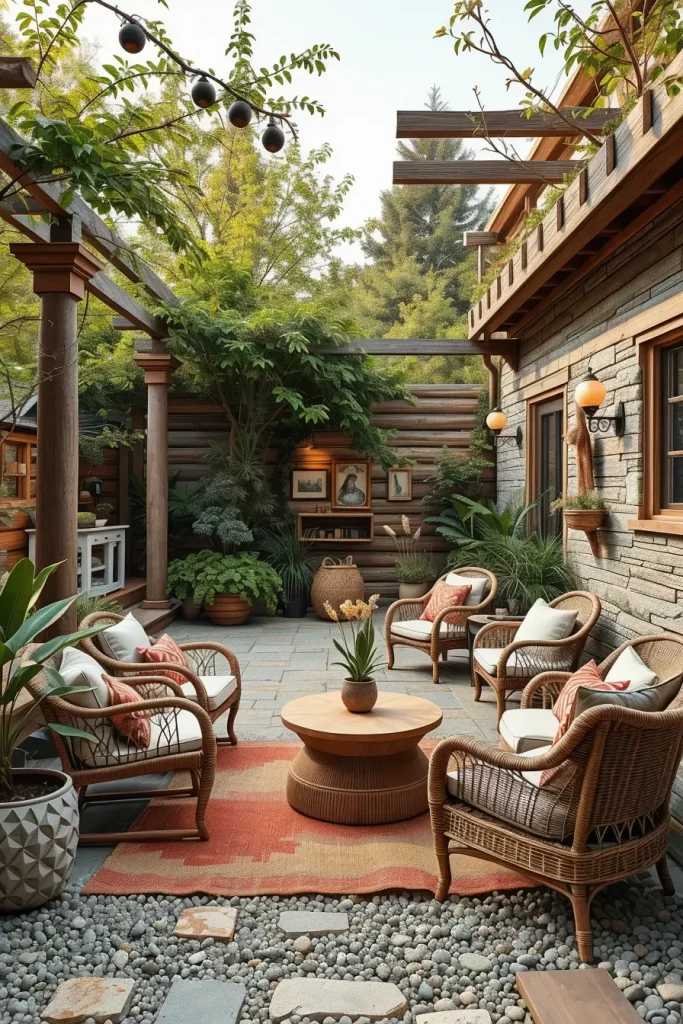
In practice, I incorporate gravel underfoot, rough-hewn timber for structures, woven textiles for seating, and soft planting to tie everything together. I also use elements like bark mulch, ceramic pots, and linen cushions to introduce subtle variations. Each material plays a role, and I carefully balance rough and smooth finishes to avoid visual overload.
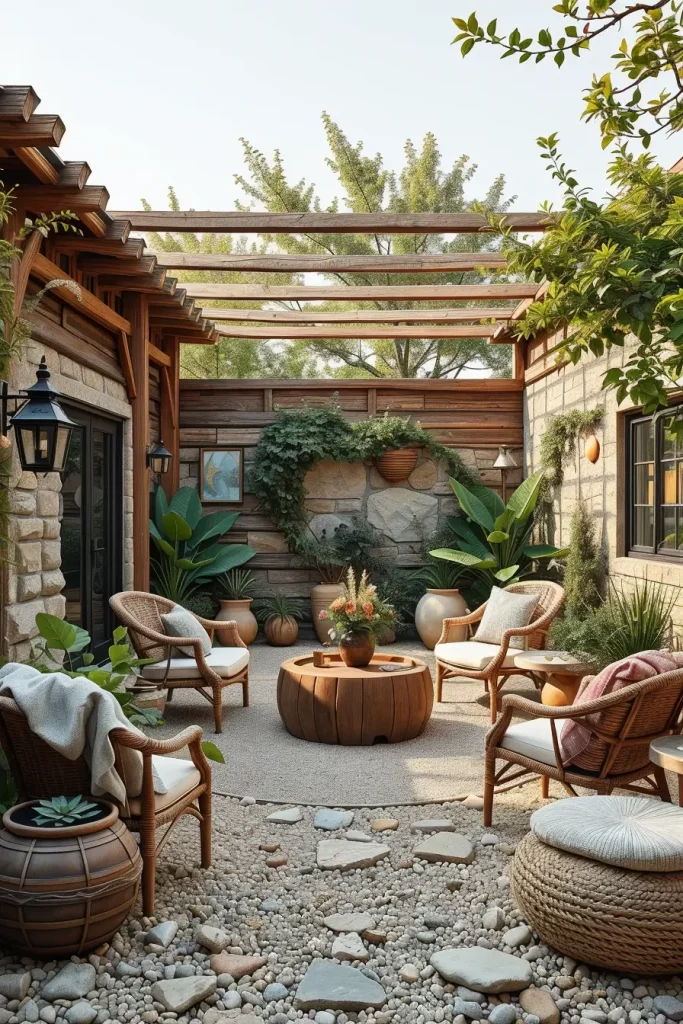
From my experience, the key is restraint. I avoid using too many competing textures and instead focus on a curated palette. Many designers featured in Elle Decor emphasize layering as a way to create warmth without clutter, and I find this especially relevant in rustic outdoor spaces.
To enhance this concept further, I would introduce seasonal elements such as throws or removable textiles that can adapt the garden’s look throughout the year.
Rustic Garden Lighting With Soft Ambient Glow And Artistic Fixtures
Lighting is one of the most transformative elements in a modern rustic garden. I use it to highlight textures, define pathways, and create an inviting atmosphere after sunset. Soft, ambient lighting works best, as it enhances the natural beauty without overpowering it.
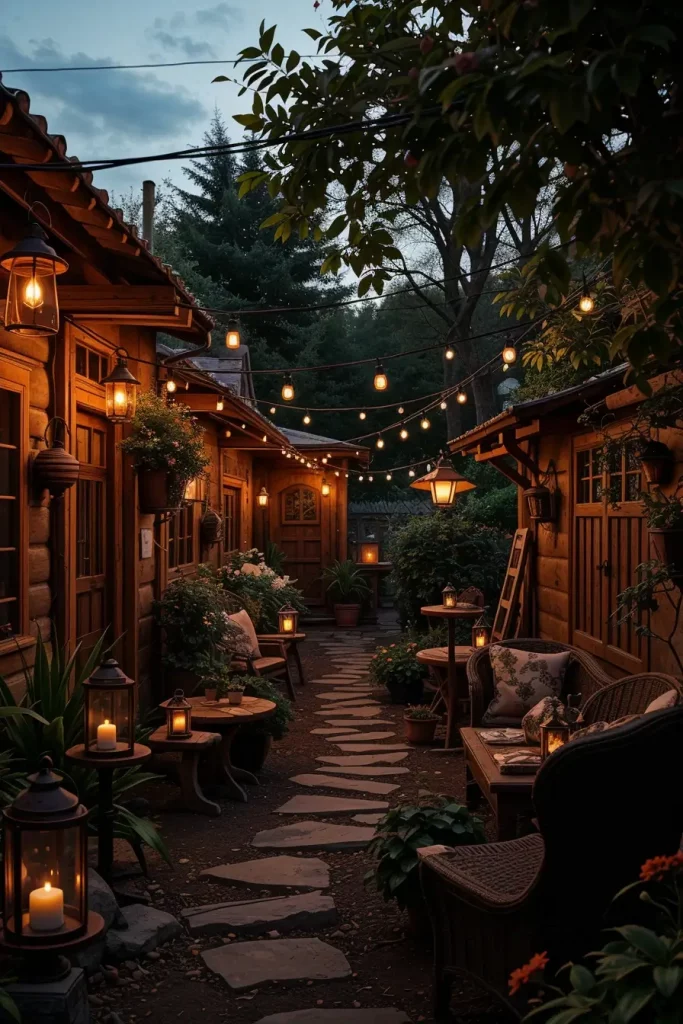
I typically incorporate lantern-style fixtures, string lights, and low-level path lighting. Materials such as aged metal, glass, and wood complement the rustic aesthetic. I also position lights strategically to illuminate focal points like seating areas or sculptural features, ensuring both functionality and ambiance.
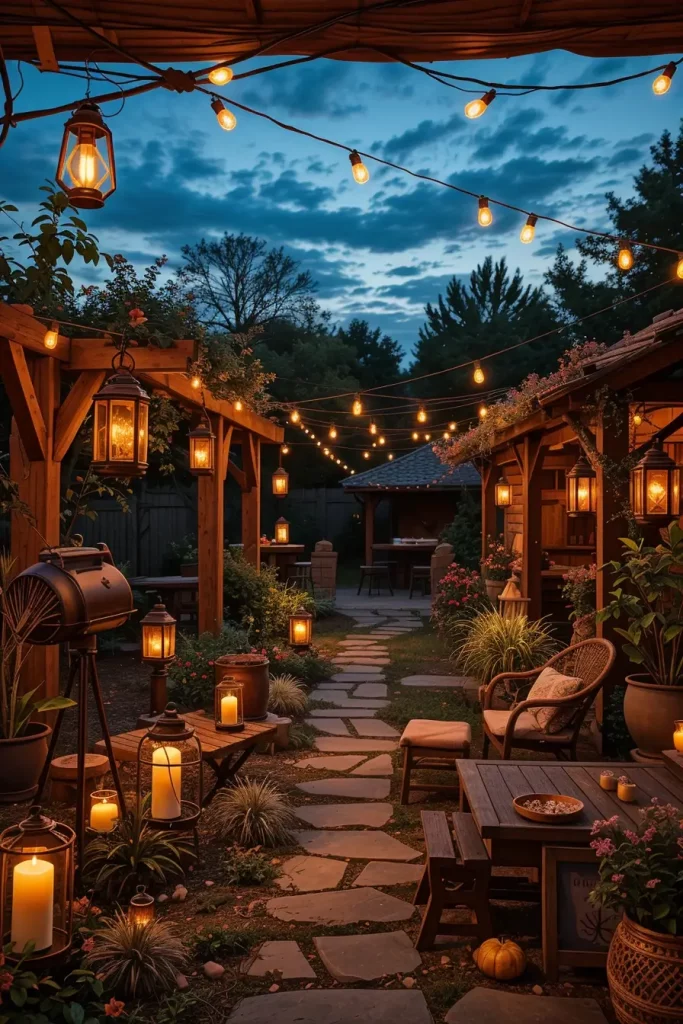
Personally, I’ve found that warm-toned lighting creates the most welcoming effect. Designers often recommend layering light sources at different heights, and I consistently apply this principle to achieve depth and balance in outdoor spaces.
I would also consider adding solar-powered options or smart lighting systems to improve sustainability and ease of use.
Sculptural Planters That Blend Rustic And Modern Design
Sculptural planters are an excellent way to introduce a creative and sculptural element into a rustic garden. I use them to frame spaces, highlight plants, and add artistic interest without overwhelming the natural surroundings.
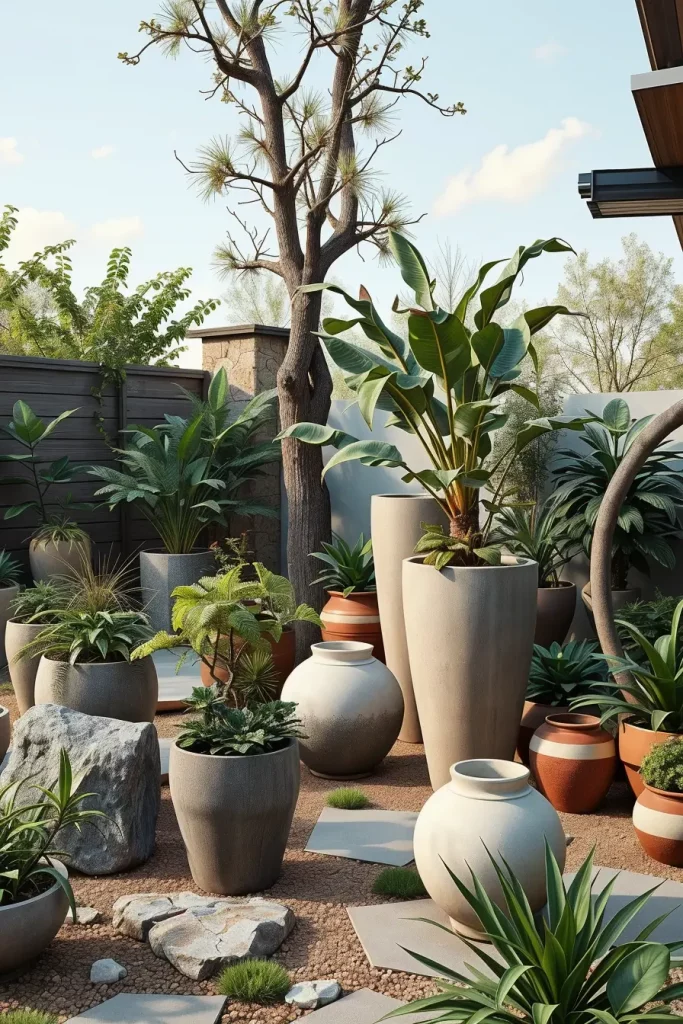
In my designs, I often choose oversized concrete pots, weathered metal containers, or hand-thrown ceramic planters. Their forms range from minimalist to organic, allowing me to create contrast with the surrounding greenery. I also vary heights and group planters to build visual rhythm.
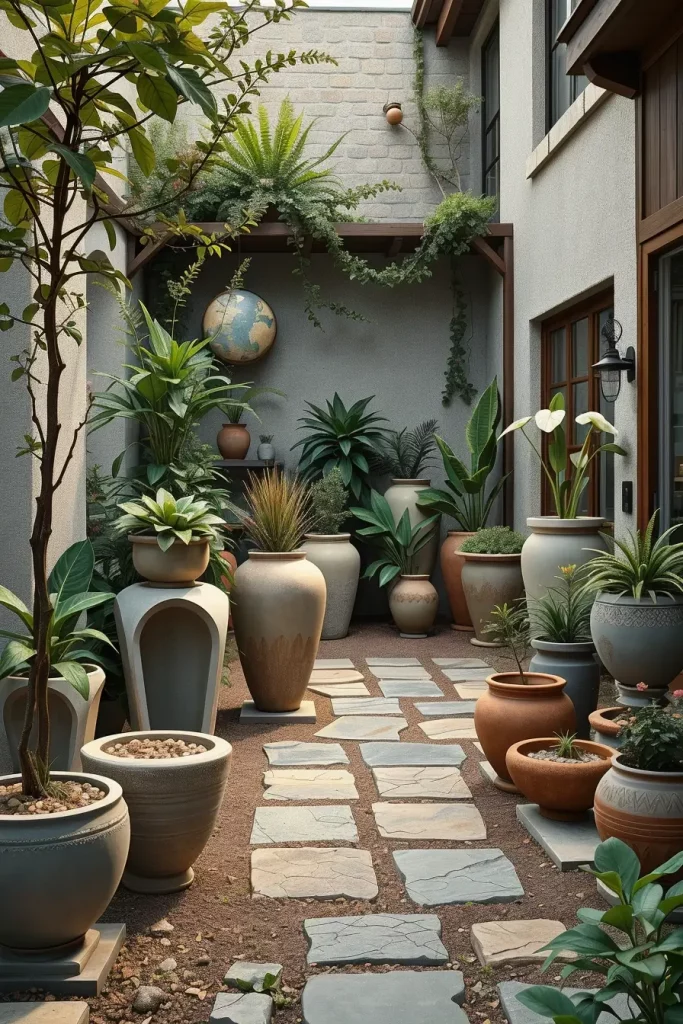
I’ve noticed that statement planters can redefine a space with minimal effort. According to landscape design trends highlighted in Architectural Digest, combining modern shapes with rustic materials is a key direction for outdoor styling, and I frequently incorporate this approach.
To further develop this idea, I would experiment with integrated irrigation systems to maintain plant health while preserving the clean aesthetic.
Minimalist Rustic Garden Layouts With Intentional Simplicity
I approach minimalist rustic gardens by focusing on clarity and intention. Rather than filling the space, I carefully select a few impactful elements that define the layout. This creates a calm and balanced environment that feels both modern and grounded.
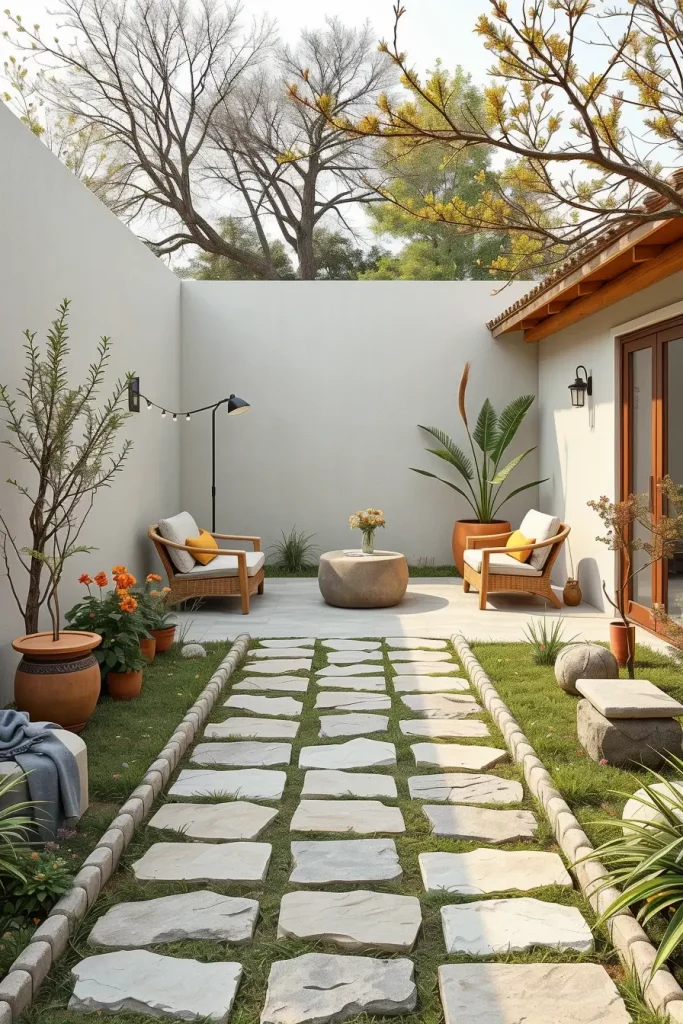
I typically design with open spaces, clean pathways, and limited but meaningful furniture. Neutral tones dominate, with natural materials providing subtle variation. Each element is placed deliberately, ensuring that nothing feels unnecessary or out of place.
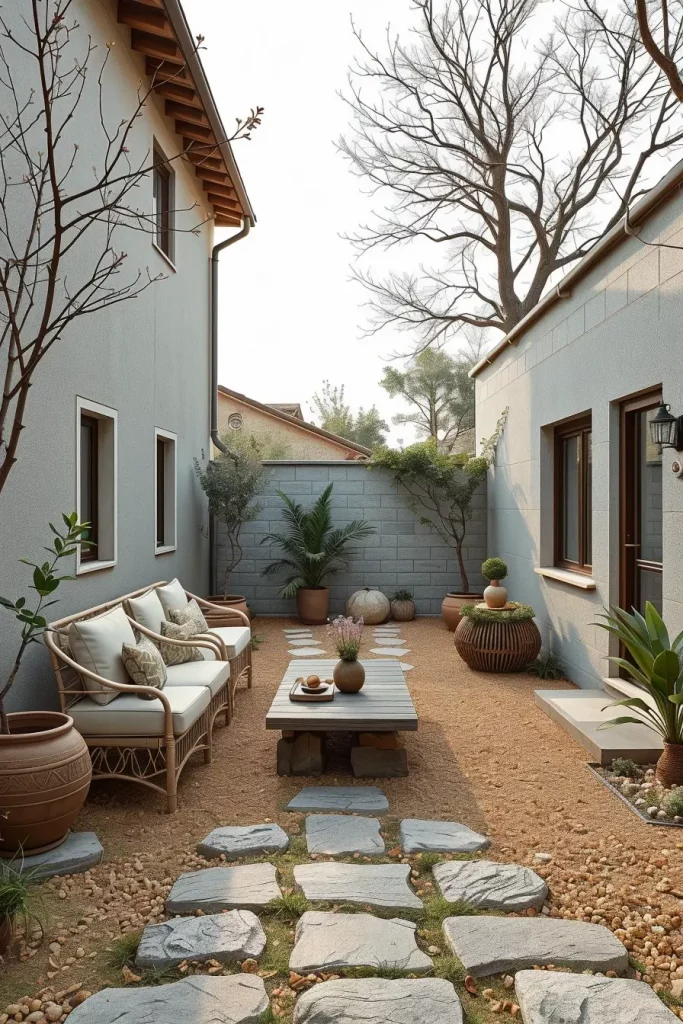
From my perspective, this approach requires discipline. It’s tempting to add more, but I’ve learned that restraint often leads to stronger results. Many contemporary designers advocate for simplicity as a way to highlight craftsmanship and materials, which aligns perfectly with rustic design principles.
I would also recommend incorporating hidden storage or multifunctional features to maintain the clean look while enhancing usability.
Statement Fire Pits As Artistic Focal Points In Rustic Gardens
A fire pit is more than just a functional feature; I see it as a central gathering point that anchors the entire garden. In a stylish rustic setting, a sculptural fire pit can act as a bold focal point while enhancing comfort and usability.
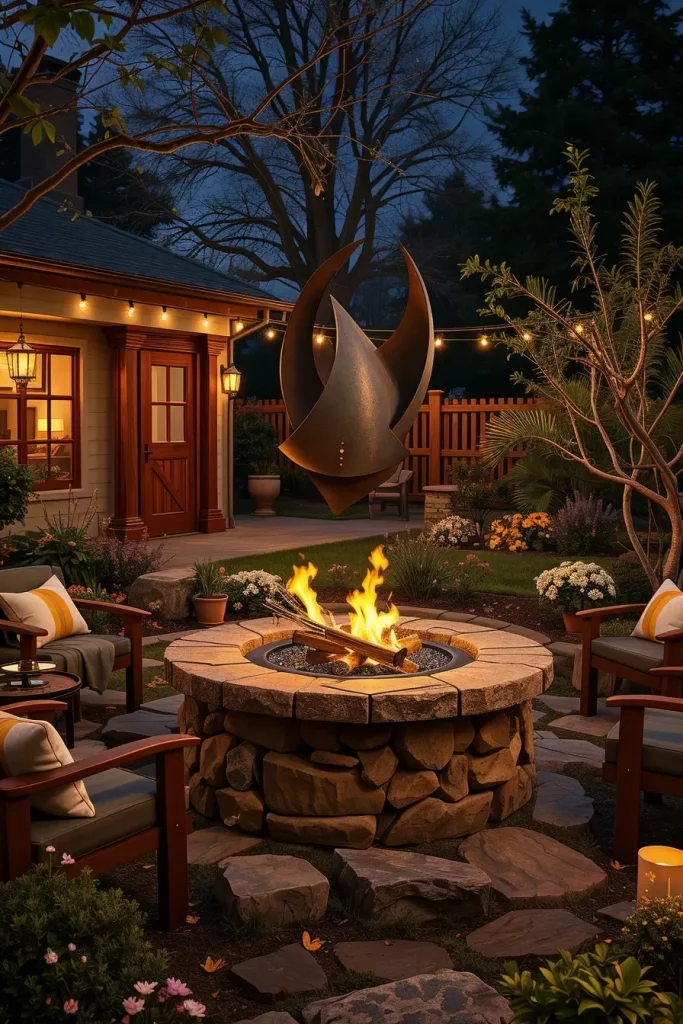
I often design fire pits using materials like stone, corten steel, or concrete. Surrounding them with built-in seating or movable chairs creates a natural social hub. I also pay attention to safety and spacing, ensuring that the feature integrates seamlessly into the overall layout.
In my experience, fire pits significantly extend the usability of outdoor spaces into cooler evenings. Many outdoor design experts emphasize their role in creating atmosphere, and I’ve consistently seen how they bring people together in a meaningful way.
To elevate this feature, I would add subtle lighting, storage for firewood, or even a cooking element to increase functionality without compromising the aesthetic.
Rustic Water Features With Contemporary Sculptural Elements
I find that integrating water features into a rustic garden instantly elevates the atmosphere, especially when paired with sculptural forms. In 2026, the trend leans toward combining raw, natural materials like stone and weathered wood with minimalist geometric fountains or abstract installations. This contrast creates a focal point that feels both grounded and expressive, making the garden not only relaxing but visually engaging.
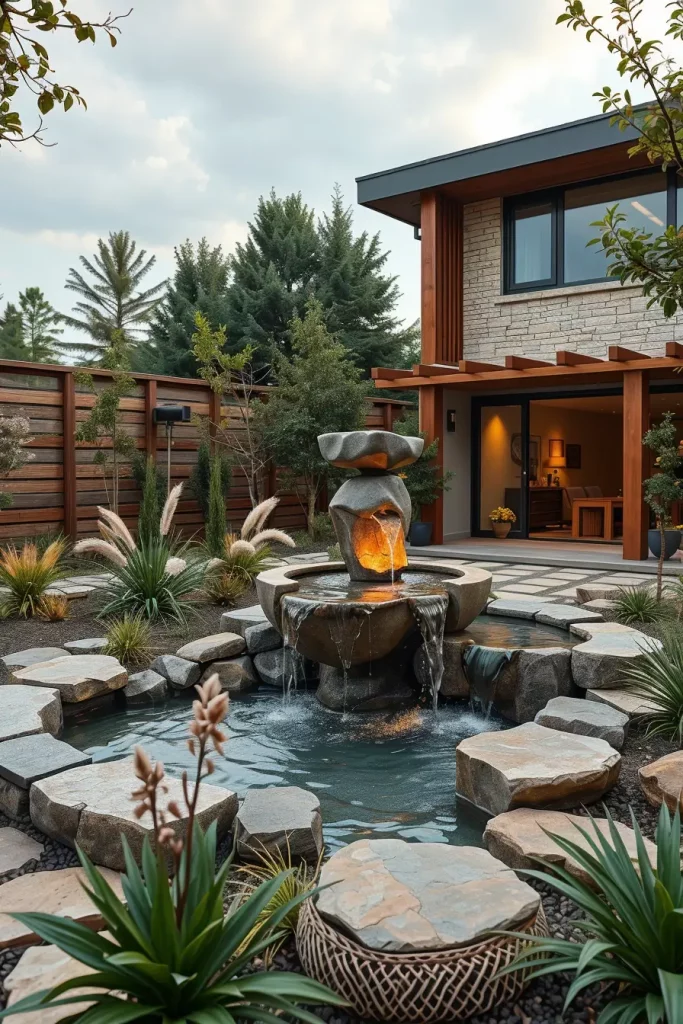
When designing such a feature, I prioritize materials like corten steel, hand-carved stone basins, and concrete structures with soft edges. A small cascading waterfall integrated into a rough stone wall or a freestanding sculptural fountain can add movement and sound. I also consider subtle LED lighting beneath the water surface to enhance the sculptural quality at night without overpowering the rustic aesthetic.
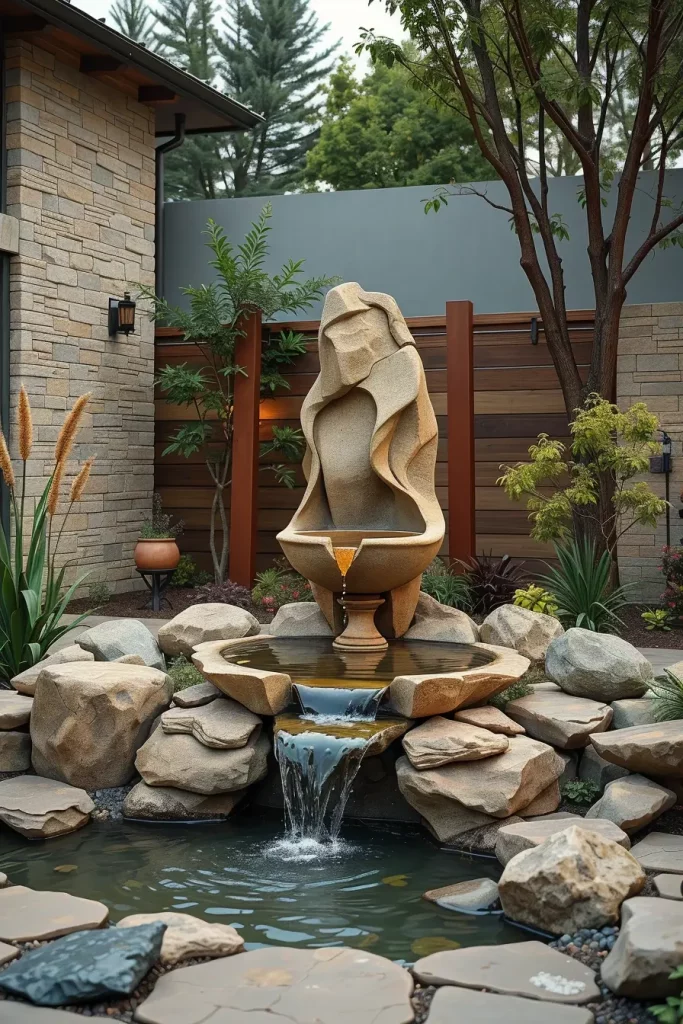
From my experience, the key is restraint. I often follow guidance from landscape designers featured in publications like Architectural Digest, who emphasize balancing natural and modern elements rather than letting one dominate. A well-placed sculptural water feature should feel like it naturally belongs to the space while still making a statement.
To complete this section, I would add more attention to water sustainability, such as recirculating systems and eco-friendly pumps, ensuring the feature is both beautiful and efficient.
Wild Yet Curated Planting Styles For A Natural Rustic Look
I approach planting in rustic gardens as a balance between wild growth and intentional design. The goal is to create a space that feels organic and slightly untamed, yet still visually harmonious. In 2026, this means layering native plants, ornamental grasses, and flowering perennials in a way that mimics natural landscapes while maintaining structure.
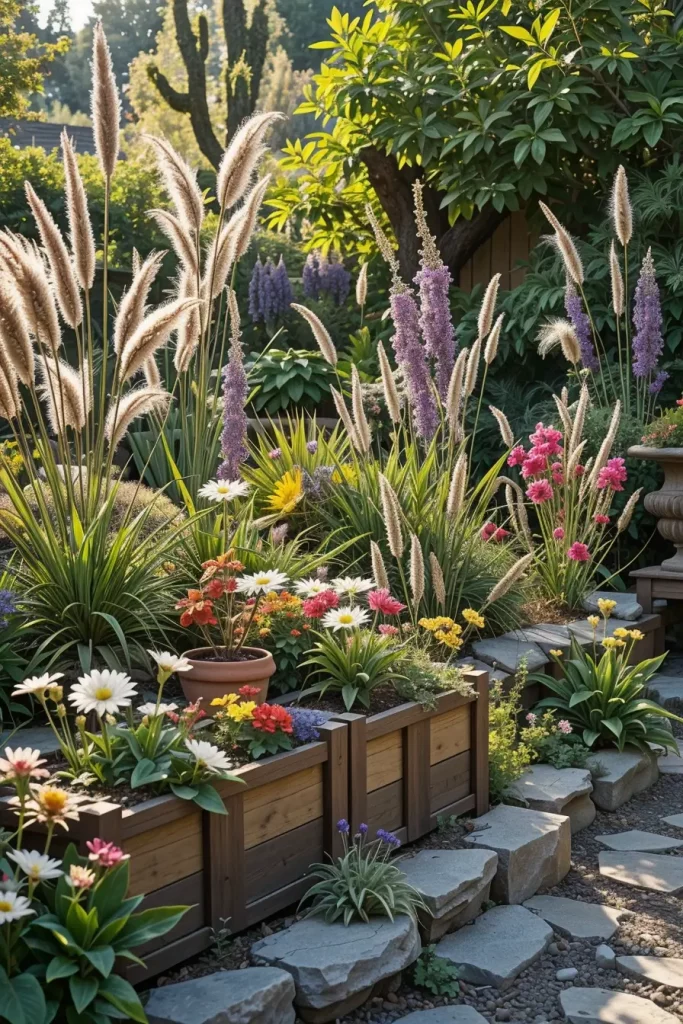
I typically combine plants of varying heights and textures, such as tall grasses, soft ground covers, and seasonal blooms. Wooden planters, reclaimed barrels, and stone edging help define areas without disrupting the natural feel. I also incorporate herbs and edible plants, which not only enhance the rustic aesthetic but add practical value to the garden.
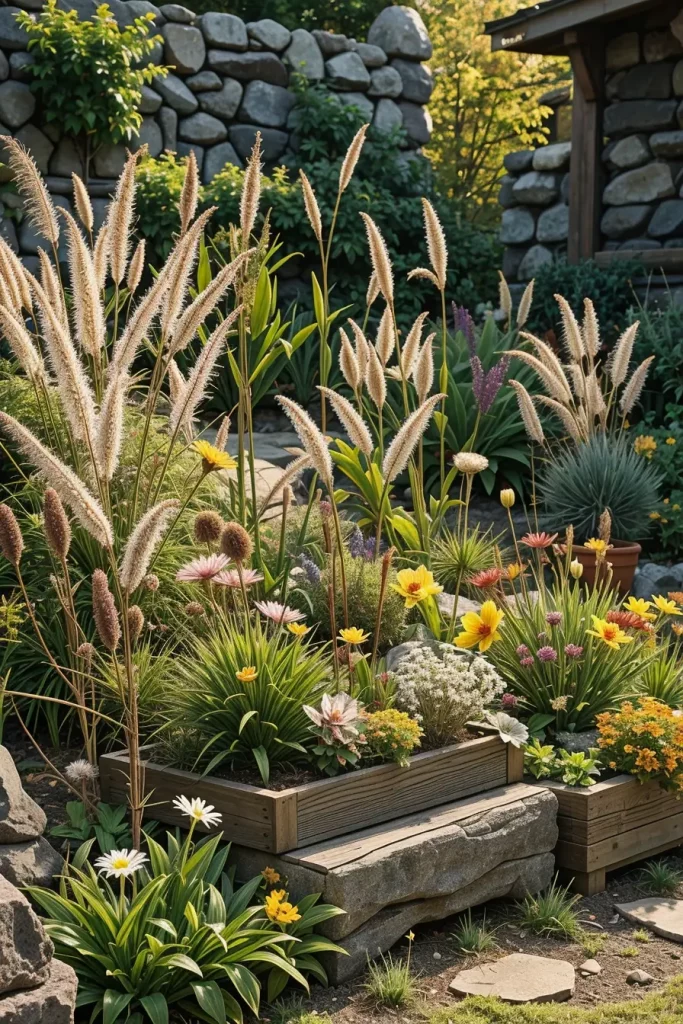
In my opinion, this approach creates a more immersive experience. Designers like Piet Oudolf have long advocated for naturalistic planting, and I find that his principles translate beautifully into rustic settings. The garden feels alive, changing with the seasons, which adds depth and authenticity.
What could enhance this section further is the inclusion of irrigation strategies that support diverse plantings while maintaining sustainability.
Elevated Garden Beds With Modern Rustic Geometry
Elevated garden beds are one of the most practical and visually striking elements I incorporate into rustic garden design. In 2026, these beds are no longer purely functional; they are designed with clean lines and geometric layouts that bring a modern edge to traditional materials like wood and stone.
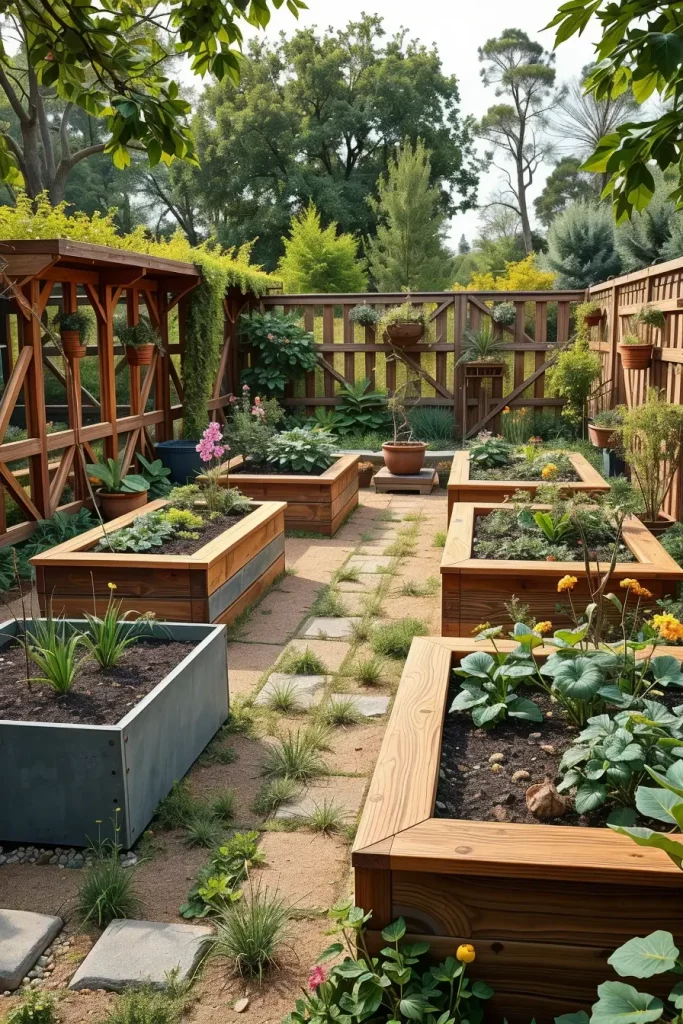
I often use reclaimed timber, corten steel frames, or concrete blocks to construct raised beds. Arranging them in symmetrical or grid patterns creates a sense of order, while the materials keep the rustic character intact. These beds are ideal for growing vegetables, herbs, or decorative plants, and they improve soil control and accessibility.
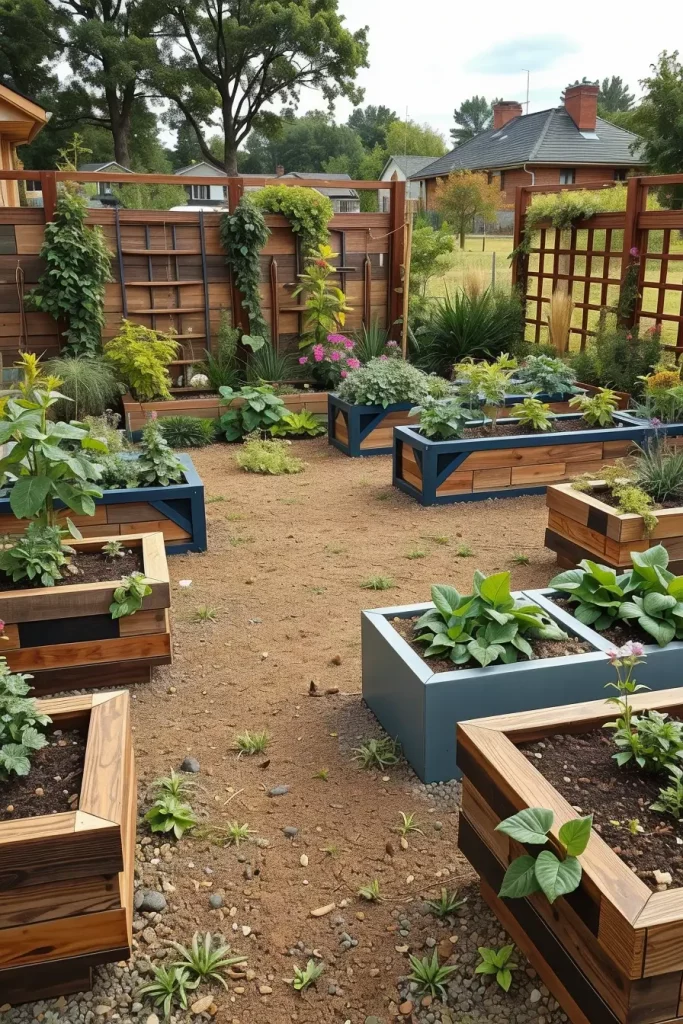
From my perspective, elevated beds are essential for both aesthetics and usability. I have found that clients appreciate how they define the garden space while making maintenance easier. Many landscape experts highlight the importance of structure in garden design, and these beds provide exactly that without compromising the natural feel.
To improve this section, I would include recommendations on soil composition and layering techniques to maximize plant health within raised beds.
Cozy Rustic Seating Areas With Layered Textiles And Wood
Creating a comfortable seating area is, in my view, the heart of any rustic garden. I focus on designing spaces that invite relaxation while maintaining a cohesive aesthetic. In 2026, this means combining sturdy wooden furniture with soft textiles and subtle modern touches.
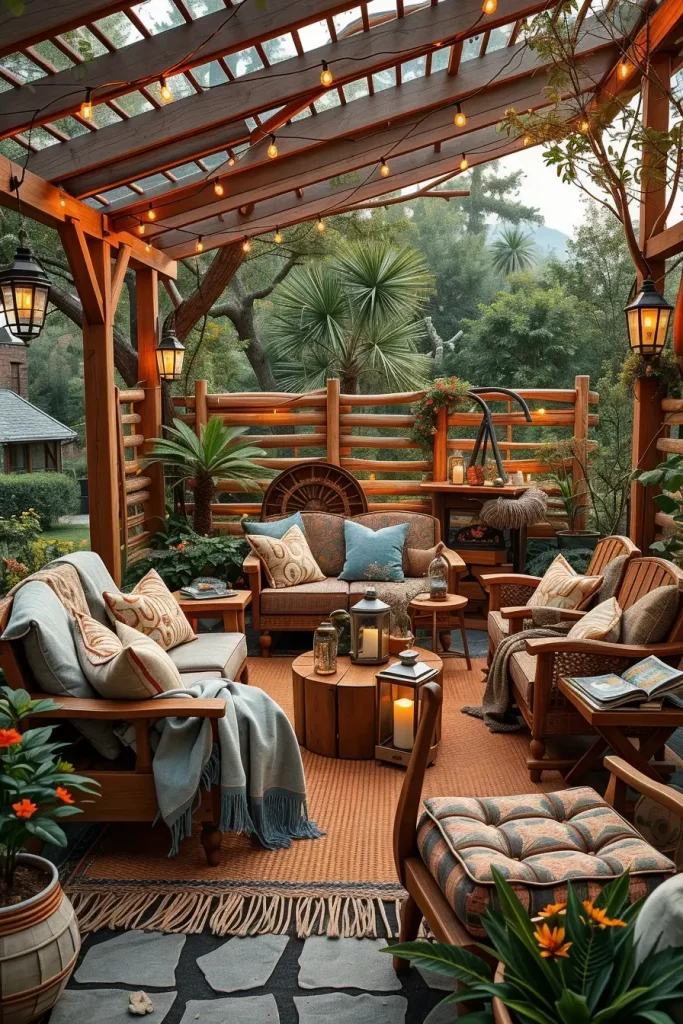
I usually select furniture made from reclaimed wood or teak, paired with neutral-toned cushions, woven throws, and outdoor rugs. Layering these elements adds warmth and texture, making the space feel lived-in and welcoming. Accessories like lanterns, ceramic pots, and low wooden tables enhance the overall atmosphere.
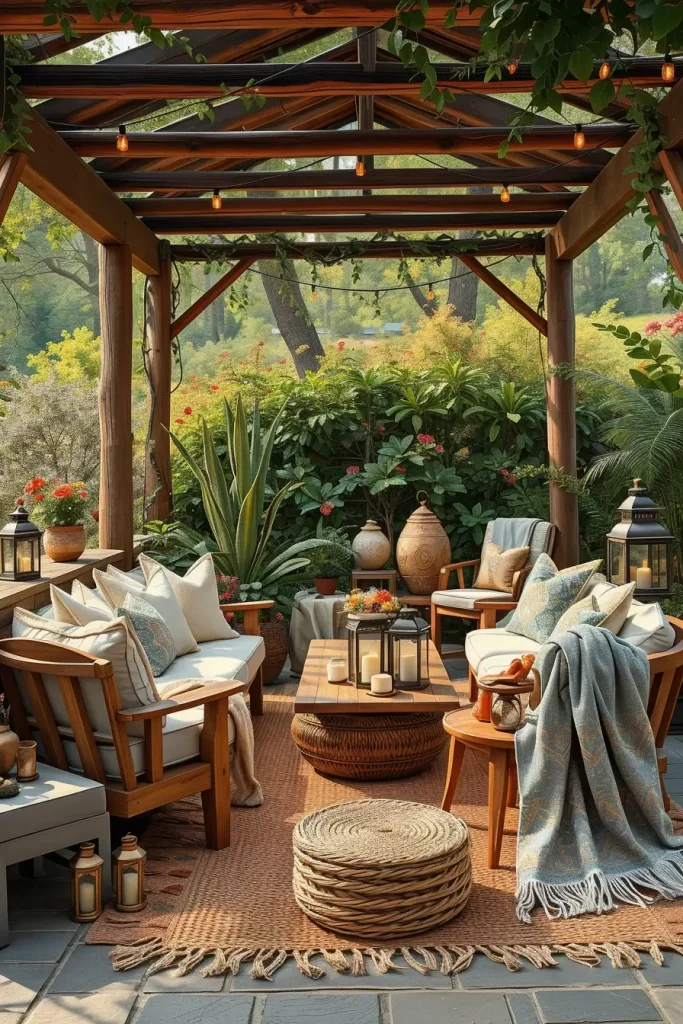
Personally, I believe that comfort should never be sacrificed for style. Drawing inspiration from designers featured in Elle Decor, I aim to create seating areas that feel as inviting as indoor living rooms. A well-designed seating space encourages people to spend more time outdoors, which is ultimately the goal of any garden.
To refine this section further, I would incorporate ideas for weather-resistant fabrics and storage solutions to maintain durability over time.
Artistic Garden Arches And Trellises With Organic Forms
I see garden arches and trellises as opportunities to introduce vertical interest and artistic expression. In rustic gardens, these structures are moving away from rigid forms toward more organic, flowing shapes that complement the natural environment.
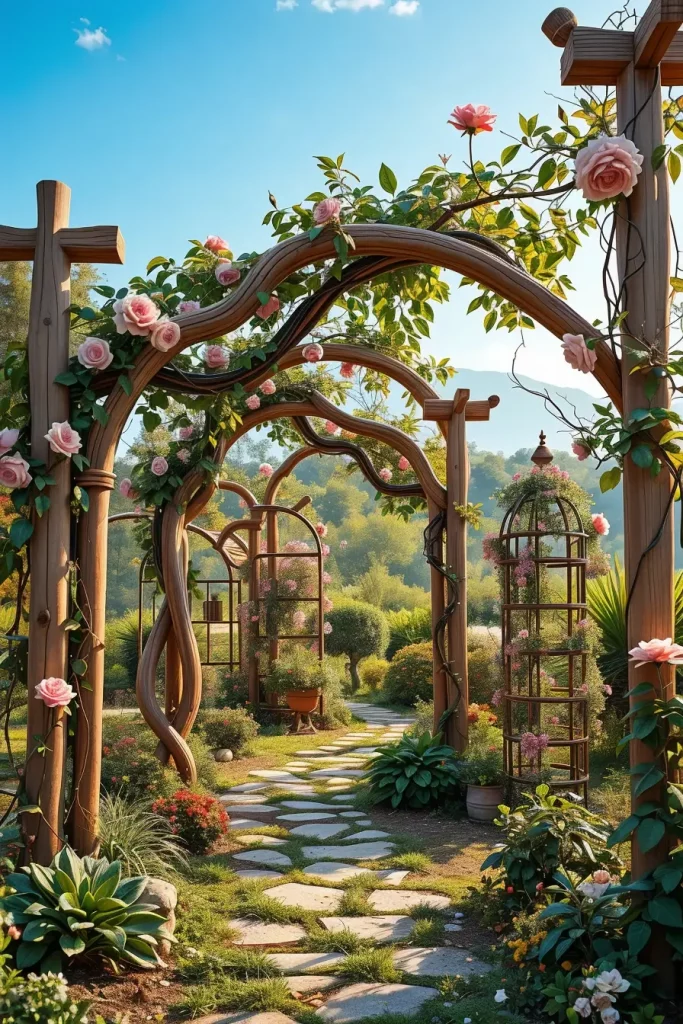
I prefer using materials like bent wood, wrought iron, or aged metal to create arches that feel handcrafted. Climbing plants such as roses, ivy, or wisteria soften the structure and integrate it into the garden. These elements not only provide support for plants but also frame pathways and create visual transitions between spaces.
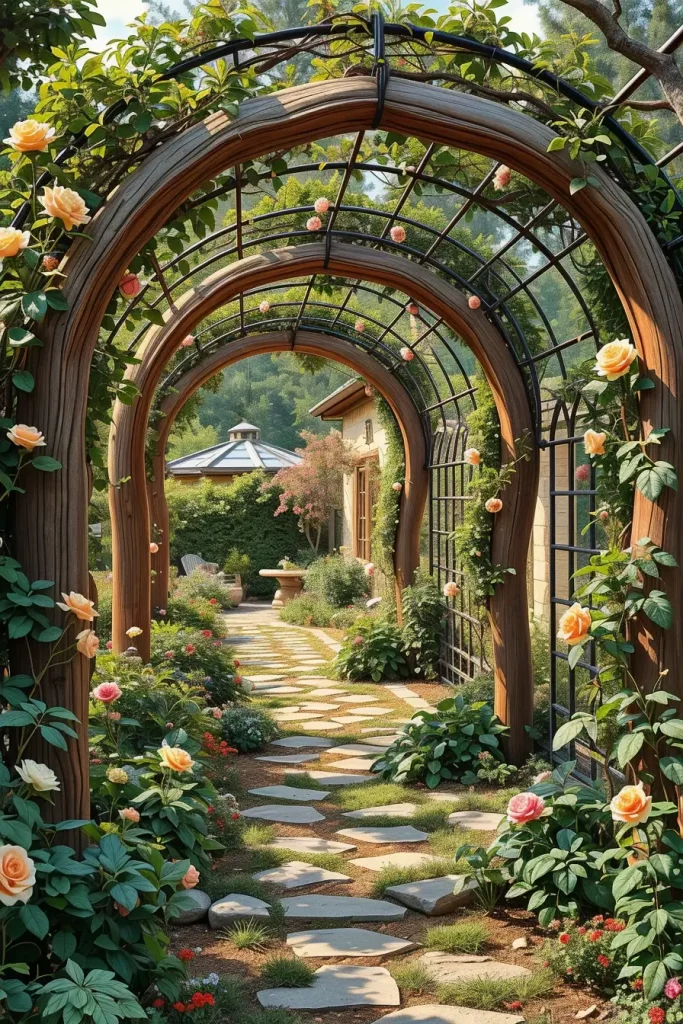
In my experience, these features add a sculptural dimension that enhances the overall design. Many landscape architects emphasize the importance of vertical layering, and I find that arches and trellises achieve this beautifully while maintaining a rustic charm.
What I would add here is guidance on plant selection based on climate and maintenance needs to ensure long-term success.
Rustic Garden Decor With Metal Accents And Aged Finishes
I often incorporate metal elements into rustic gardens to introduce contrast and durability without losing the warmth of natural materials. In 2026, the focus is on aged finishes such as patina, rusted steel, and brushed iron that blend seamlessly with wood and stone. These accents add depth and a slightly industrial edge, making the garden feel both grounded and contemporary.
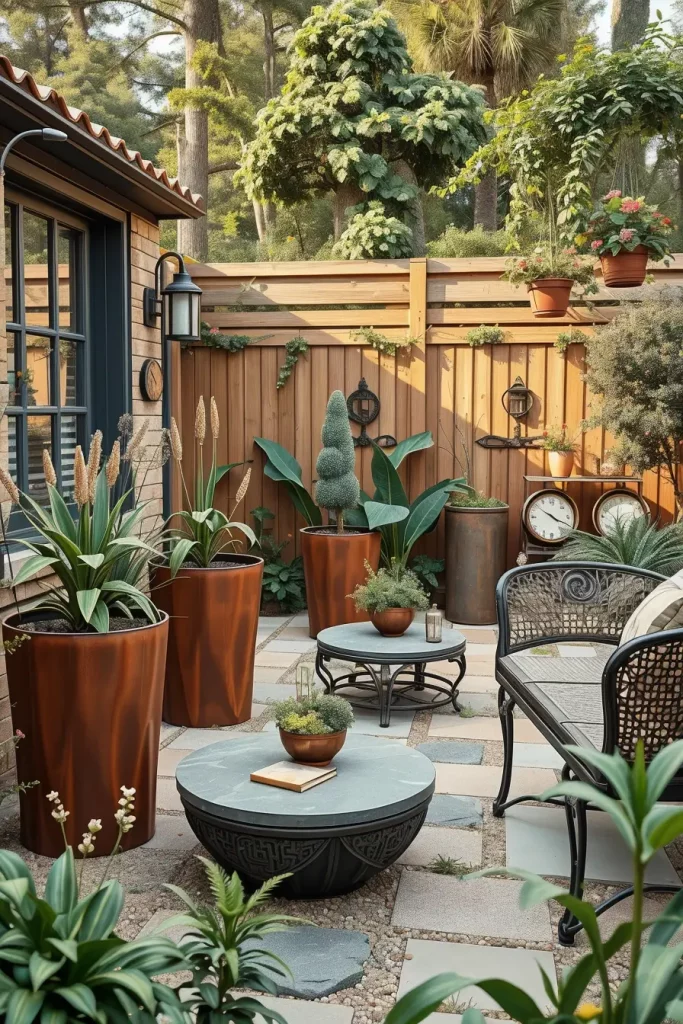
I typically use metal in subtle but impactful ways, such as decorative panels, planters, edging, or sculptural objects. Corten steel is particularly effective because it develops a natural rust-like finish that complements greenery beautifully. I also include items like metal lanterns, vintage-style garden tools as decor, and iron-framed furniture to reinforce the theme.
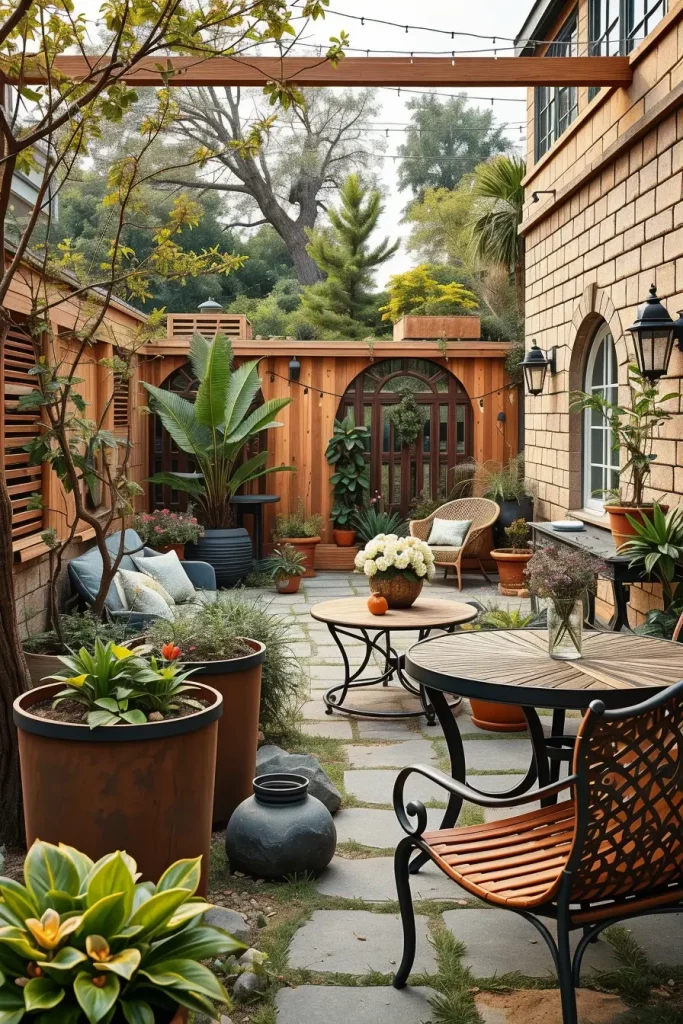
From my experience, metal accents should be used sparingly to avoid overpowering the softness of a rustic setting. Designers featured in Dwell often emphasize material balance, and I find that combining aged metal with organic textures creates a sophisticated yet approachable look.
To strengthen this section, I would add guidance on protecting metal elements from excessive corrosion while maintaining their aesthetic appeal.
Natural Stone Walls And Borders With Sculptural Presence
Natural stone is one of the most timeless elements I rely on when designing rustic gardens. In modern applications, stone walls and borders are treated not just as functional features but as sculptural components that define the space. Their texture and irregularity bring authenticity while anchoring the overall design.
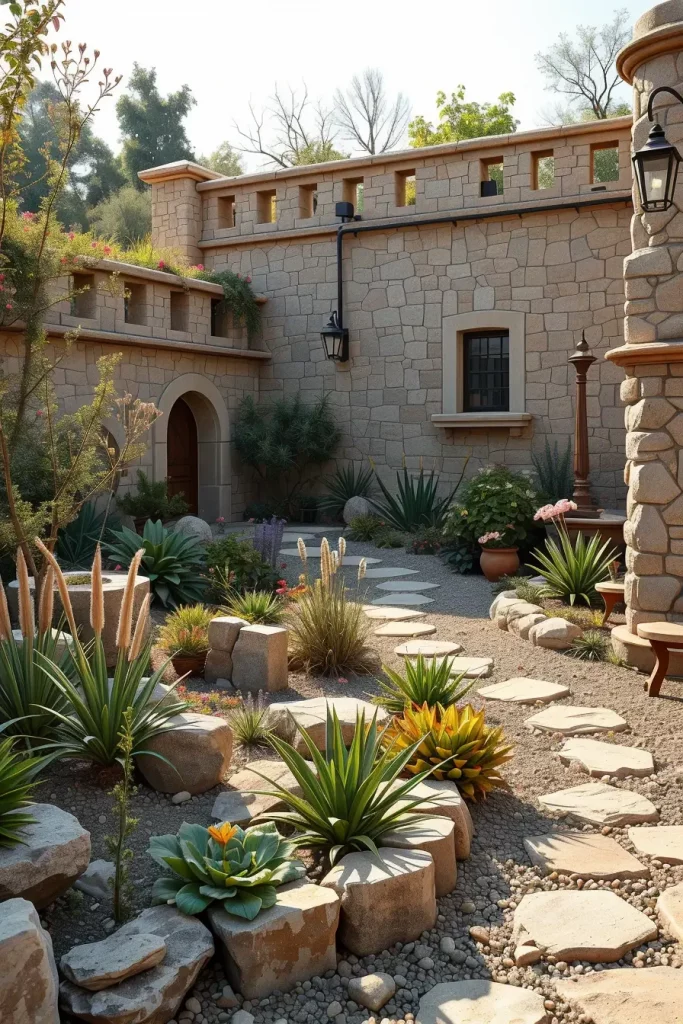
I prefer using locally sourced stone whenever possible, arranging it in dry-stacked or loosely structured formations to maintain a natural look. Low borders can outline planting beds, while taller walls create privacy or elevation changes. The variation in color and shape adds visual interest and reinforces the rustic character.
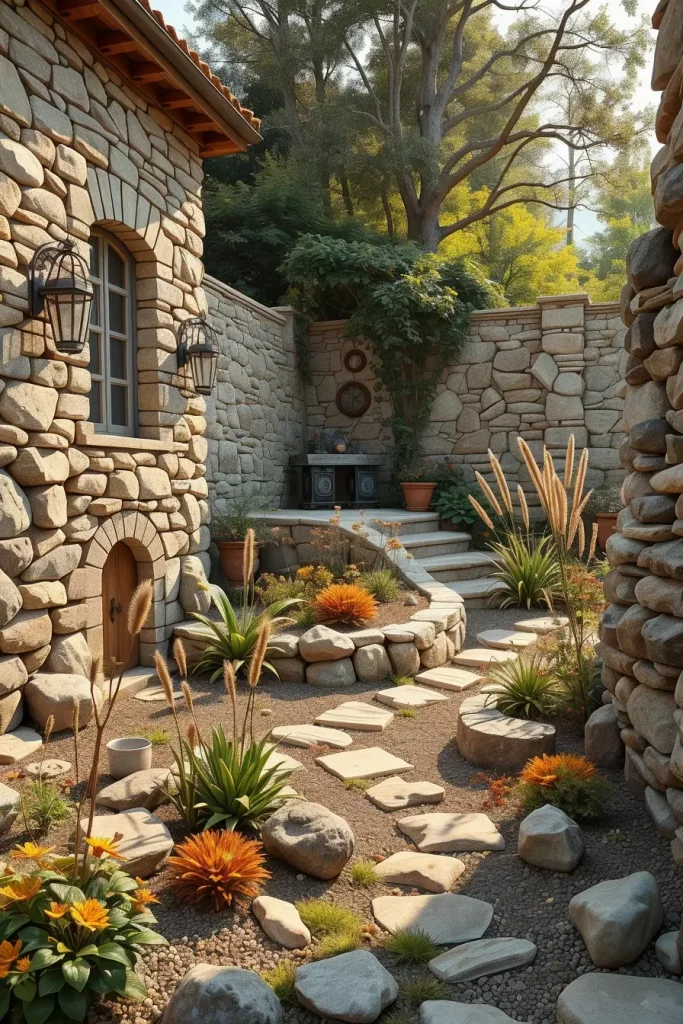
In my opinion, stone elements are essential for creating a sense of permanence. I often draw inspiration from traditional European landscapes, where stone has been used for centuries. This approach aligns with advice from landscape experts who highlight the importance of using materials that age gracefully over time.
What I would add here is the integration of seating or built-in lighting within stone structures to increase both functionality and visual impact.
Creative Outdoor Dining Spaces In Rustic Garden Settings
I believe that outdoor dining areas are a key feature of any well-designed rustic garden. In 2026, these spaces are becoming more creative, blending traditional wooden tables with modern layouts and thoughtful styling. The goal is to create an inviting environment that encourages gatherings and long meals outdoors.
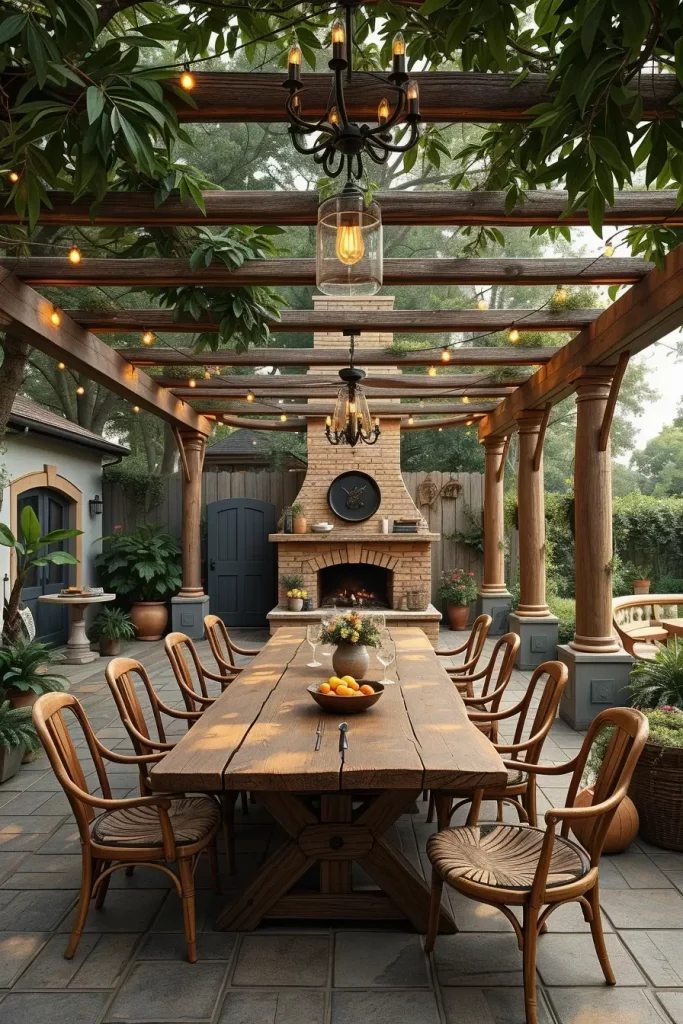
I usually design dining areas with large wooden tables, mismatched chairs, and simple tableware to maintain a relaxed feel. Overhead elements like pergolas or string lights help define the space, while surrounding greenery enhances the atmosphere. I also incorporate elements such as outdoor fireplaces or grills to make the area more functional.
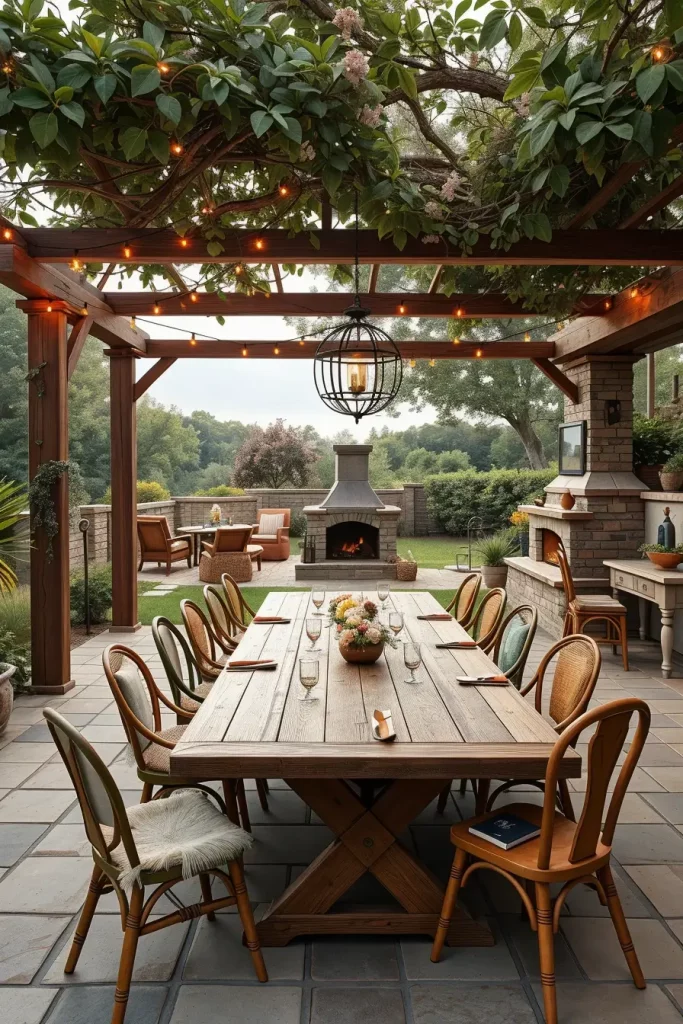
From my perspective, the success of a dining space lies in its ability to feel both comfortable and visually appealing. Many designers featured in House Beautiful recommend creating zones within a garden, and I find that a dedicated dining area adds structure and purpose.
To improve this section, I would include ideas for seasonal adaptability, such as weather protection or heating solutions for cooler evenings.
Rustic Garden Path Lighting With Subtle Modern Integration
Lighting plays a crucial role in how a garden is experienced after sunset, and I always approach it with subtlety in mind. In rustic gardens, path lighting should enhance visibility while maintaining a natural and unobtrusive appearance. In 2026, modern technology is being integrated discreetly into traditional designs.
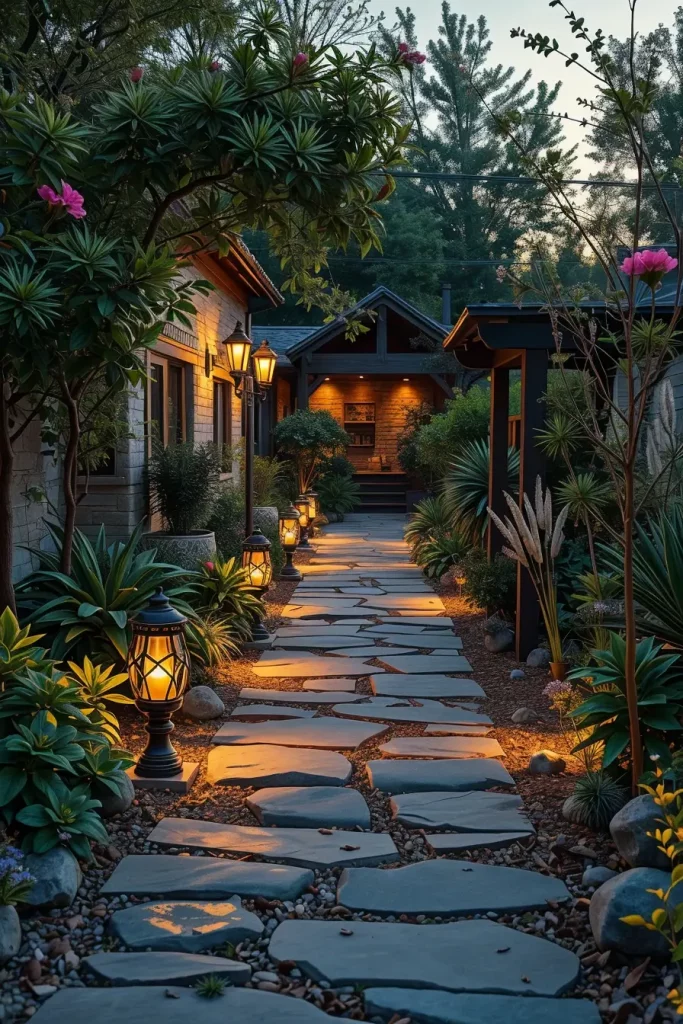
I prefer using low-profile fixtures, such as recessed lights, solar-powered lanterns, or small bollard lights with warm tones. Placing lights along pathways, near steps, and around key features ensures safety without disrupting the ambiance. Materials like aged metal or stone help the fixtures blend seamlessly into the environment.
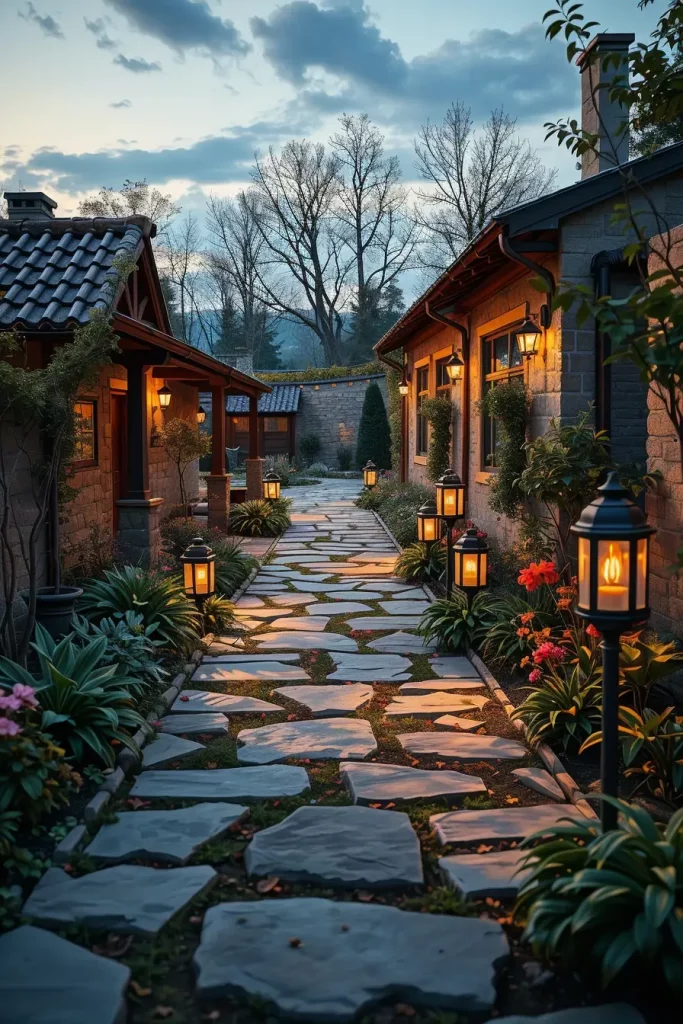
In my experience, less is more when it comes to outdoor lighting. I often follow recommendations from landscape lighting professionals who emphasize layering light rather than over-illuminating. This creates depth and highlights the garden’s best features without overwhelming the space.
To enhance this section, I would suggest incorporating smart lighting systems that allow for adjustable brightness and energy efficiency.
Vertical Rustic Gardens With Innovative Space-Saving Designs
Vertical gardening is an increasingly important solution, especially for smaller outdoor spaces. I see it as an opportunity to maximize greenery while introducing a unique visual element. In rustic gardens, vertical designs combine natural materials with modern structure to create functional and artistic installations.
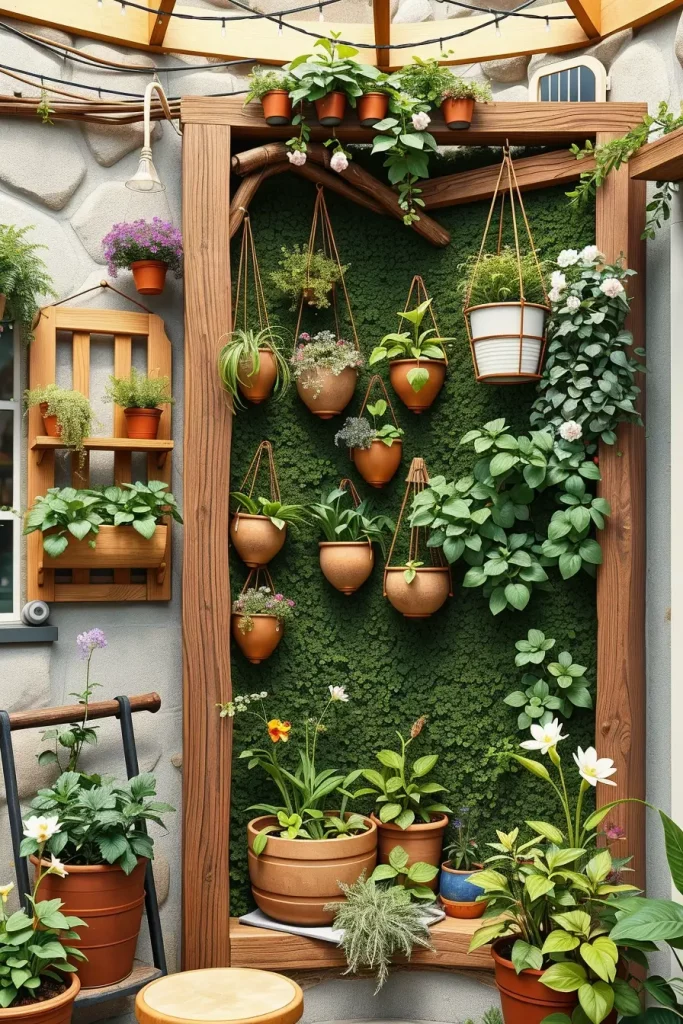
I often use wooden frames, hanging planters, or repurposed pallets to build vertical gardens. These structures can support herbs, flowers, or even small vegetables. Positioning them against walls or fences helps save space while adding texture and depth to the garden.
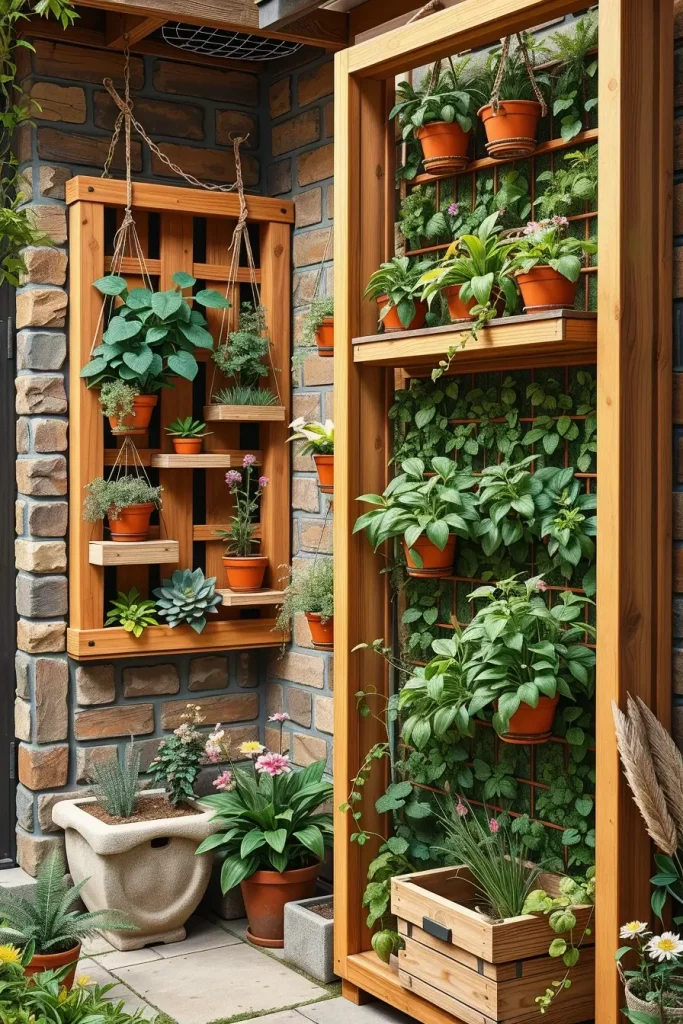
From my point of view, vertical gardens are both practical and visually compelling. They allow for creativity while addressing space limitations, which is particularly relevant in urban settings. Many contemporary designers highlight verticality as a key trend, and I find it integrates naturally into rustic aesthetics.
What could be added here is a focus on irrigation systems and plant selection to ensure that vertical installations remain healthy and easy to maintain.
Earth-Toned Color Palettes For Harmonious Rustic Garden Design
I find that earth-toned palettes are the foundation of any well-designed rustic garden, especially when aiming for harmony and visual calm. In 2026, I focus on warm browns, muted greens, clay reds, and sandy beiges that seamlessly integrate outdoor spaces with the surrounding environment. These tones not only create a grounded atmosphere but also enhance the natural textures of wood, stone, and plants, making the garden feel cohesive and intentional.
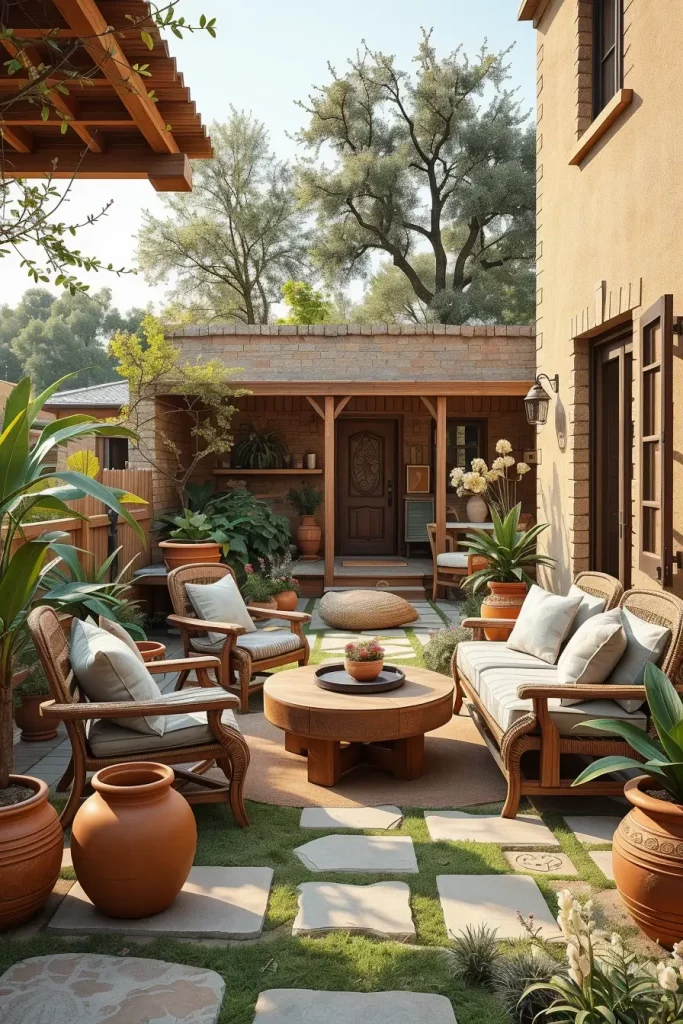
In my designs, I incorporate weathered wooden furniture, terracotta planters, linen outdoor cushions, and stone pathways to reinforce this palette. Each element serves a purpose: wood adds warmth, stone provides structure, and textiles soften the overall composition. I always recommend choosing materials that age beautifully, as patina becomes part of the aesthetic rather than a flaw.
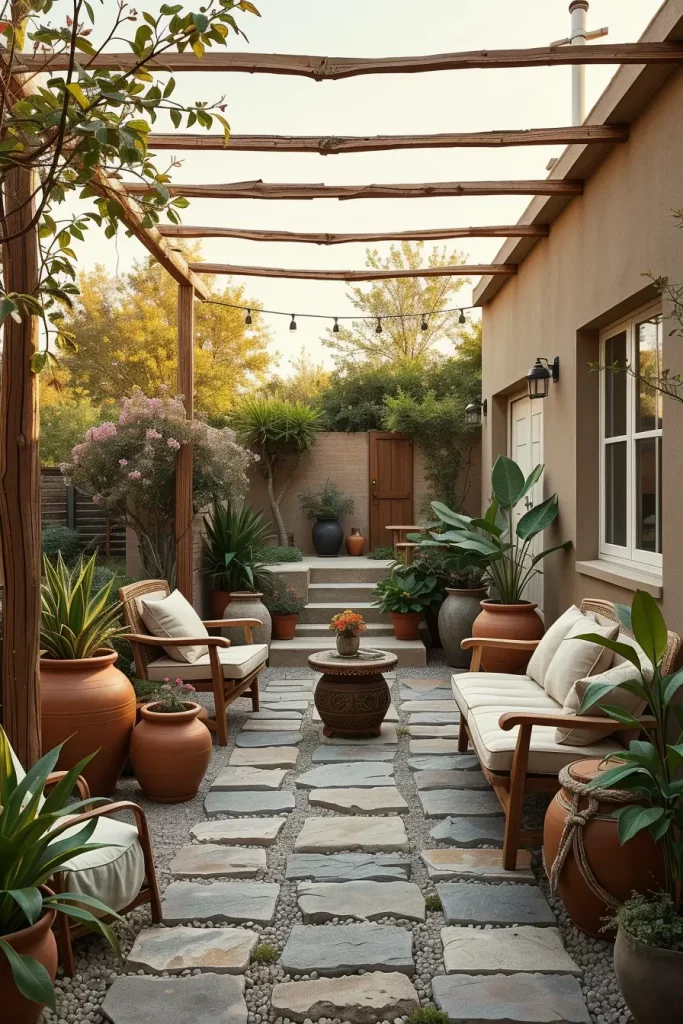
From my experience, designers featured in publications like Architectural Digest often emphasize restraint when working with earthy tones. I agree with this approach, as overcomplicating the palette can disrupt the natural balance. I personally prefer layering tones subtly rather than introducing high contrast.
To enhance this section further, I would add guidance on lighting choices such as warm LED lanterns or solar lights, which complement earth tones and extend usability into the evening.
Handmade Garden Decor Pieces That Add Artistic Personality
I believe handmade decor is what transforms a rustic garden into a truly creative and personal space. In 2026, there is a strong emphasis on individuality, where no two gardens look the same. I often incorporate handcrafted ceramics, forged metal sculptures, and woven elements that introduce texture and storytelling into the design.
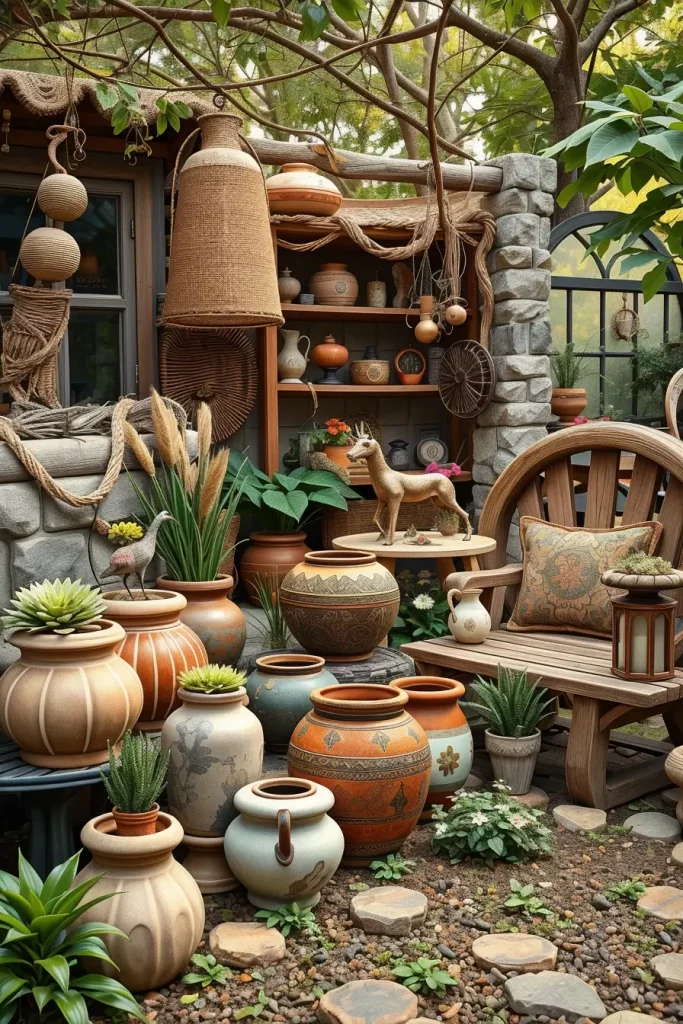
When selecting decor, I focus on pieces like hand-carved benches, clay pots with irregular finishes, and artisanal wind chimes. These elements are not only decorative but also functional, contributing to seating, planting, and ambiance. I always prioritize items that feel authentic rather than mass-produced.
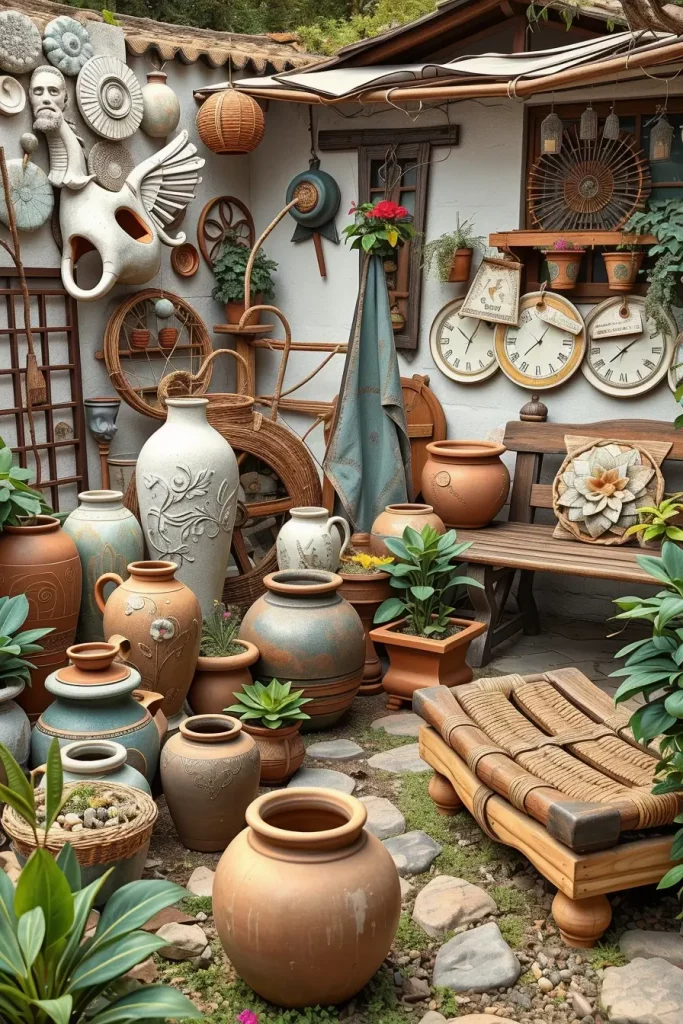
In my opinion, incorporating handmade elements aligns with the growing appreciation for craftsmanship seen in platforms like Elle Decor. I have noticed that clients respond emotionally to pieces that feel unique and human-made, which elevates the entire garden experience.
To strengthen this section, I would include suggestions for sourcing local artisans or even DIY ideas, allowing homeowners to participate in the creative process.
Rustic Garden Fencing With Modern Lines And Natural Materials
I approach fencing as both a functional boundary and a design feature. In modern rustic gardens, I combine clean lines with raw materials to create a sculptural effect. Vertical wooden slats, minimalist stone walls, and mixed-material fences are increasingly popular in 2026.
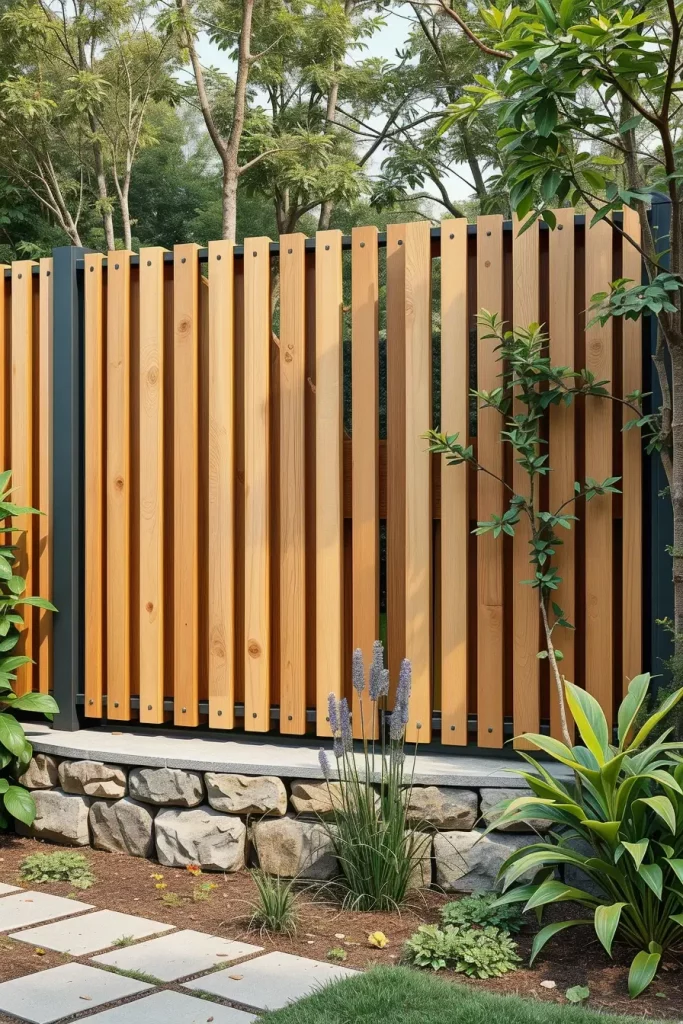
I typically use untreated timber, corten steel accents, and natural stone bases to achieve a balance between modern precision and rustic texture. Each material plays a role: wood softens the look, metal introduces contrast, and stone grounds the structure.
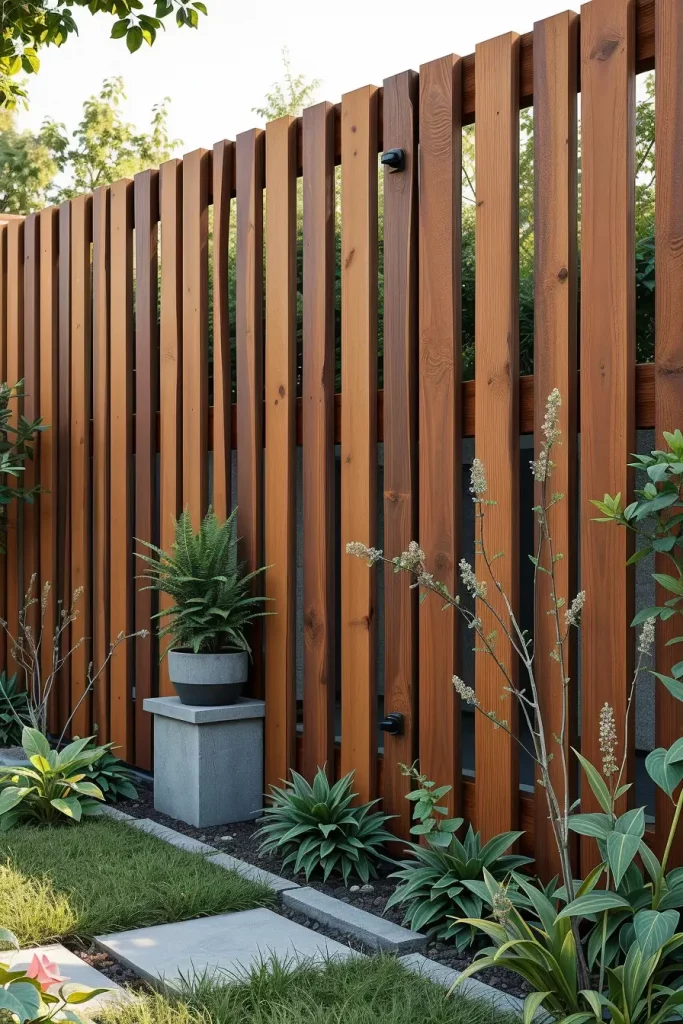
From my experience, clean-lined fencing helps organize the space visually while maintaining openness. I often draw inspiration from contemporary landscape architects who emphasize simplicity and geometry in outdoor design.
What I would add here is the importance of integrating greenery, such as climbing plants or hedges, to soften the structure and enhance privacy without compromising aesthetics.
Multi-Level Rustic Garden Designs With Dynamic Visual Interest
I find multi-level layouts incredibly effective for adding depth and dimension to rustic gardens. By incorporating terraces, steps, and raised platforms, I create a dynamic flow that guides movement and enhances visual interest. This approach is particularly useful for sloped terrains.
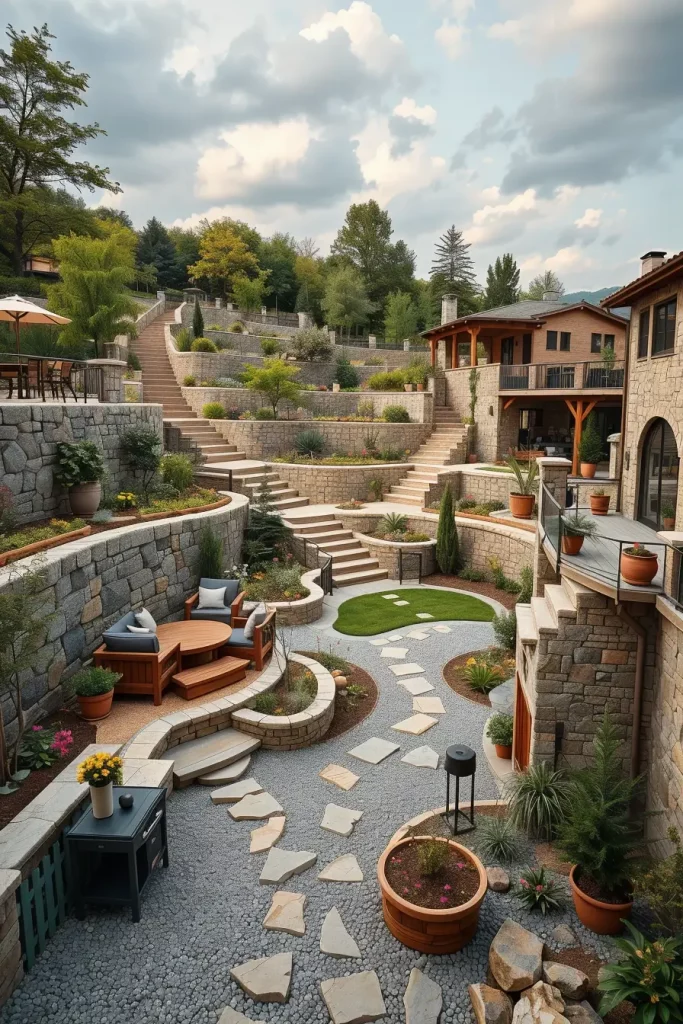
In my designs, I use stone retaining walls, wooden decks, and gravel transitions to define each level. I carefully plan seating areas, planting zones, and pathways so that each level serves a purpose while contributing to the overall composition.
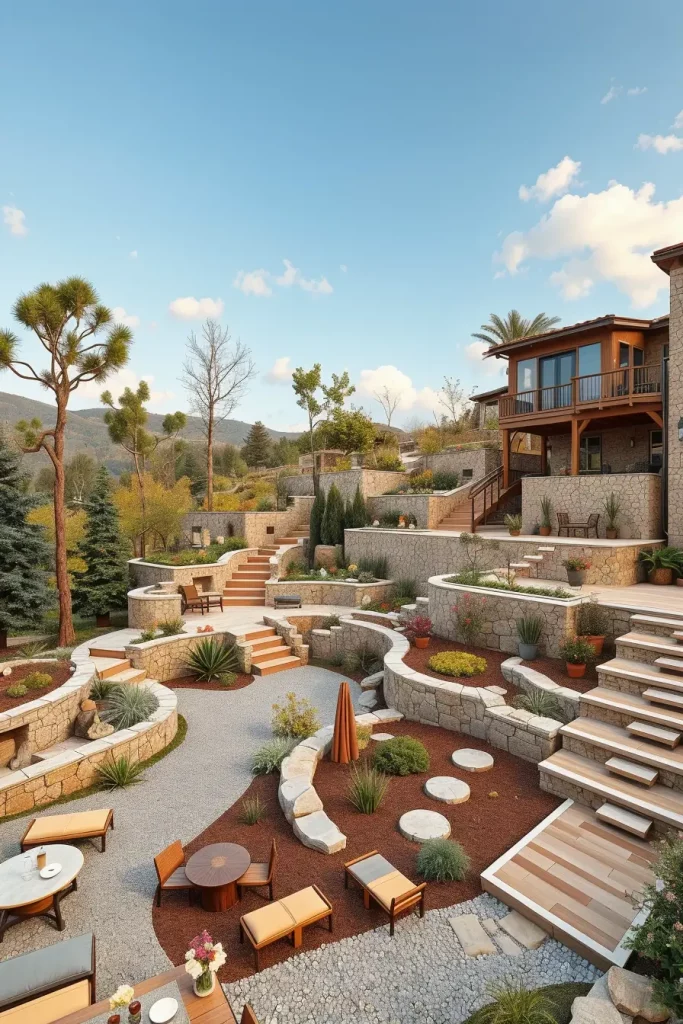
Personally, I see this as one of the most modern interpretations of rustic design. It combines traditional materials with contemporary spatial planning, resulting in a garden that feels both functional and visually engaging.
To improve this section, I would include advice on drainage and structural stability, as these are critical factors in multi-level designs that are often overlooked.
Outdoor Rustic Kitchens With Modern Functional Aesthetics
I consider outdoor kitchens a central feature in rustic garden decor ideas 2026, especially as outdoor living becomes more integrated with daily life. I design these spaces to be both practical and visually aligned with the rustic theme, using natural materials with clean, modern finishes.
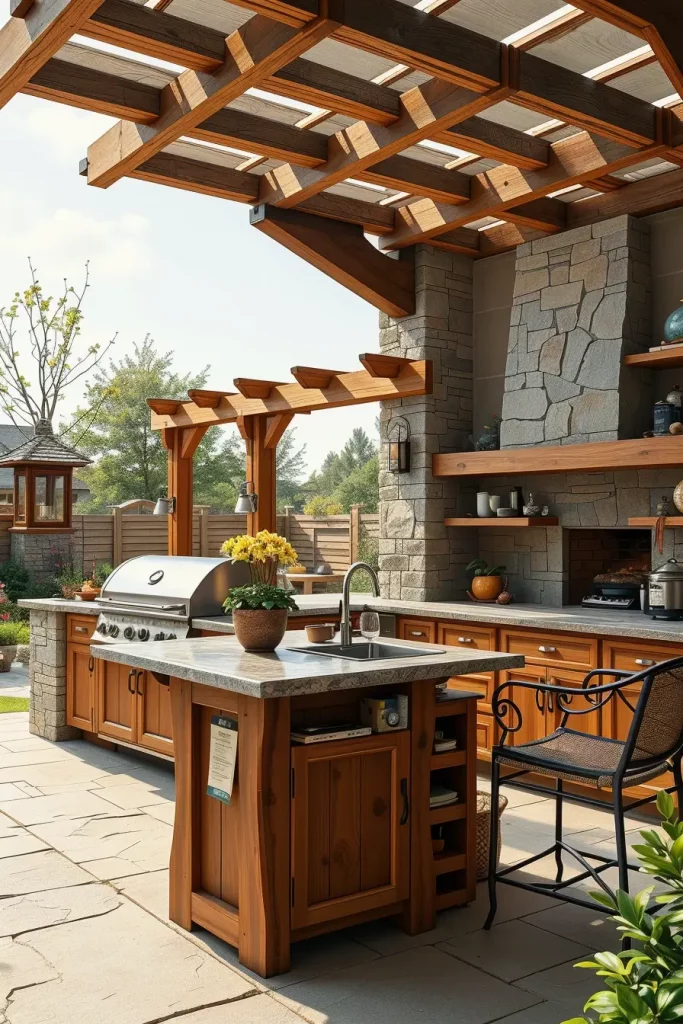
I typically include stone countertops, wooden cabinetry, built-in grills, and open shelving. Each element is chosen for durability and aesthetic consistency. I also incorporate subtle modern touches like matte black fixtures or integrated lighting to enhance usability.
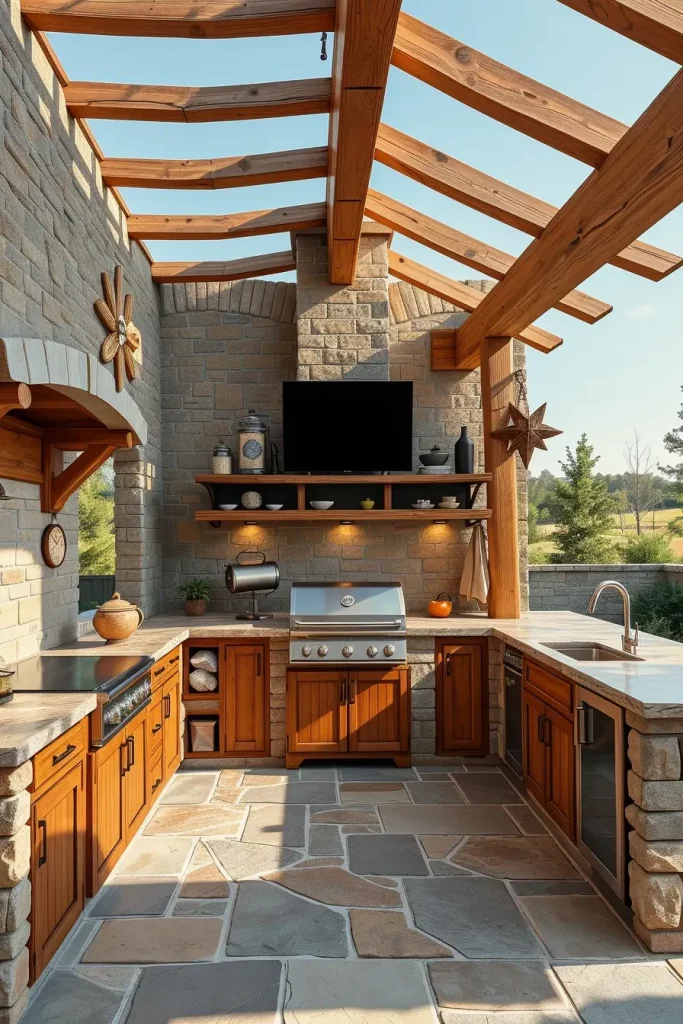
From my perspective, the key is balance. I avoid overly polished finishes and instead focus on textures that feel authentic yet refined. Insights from design experts featured in House Beautiful support this blend of rustic and contemporary elements.
What I would add to this section is the importance of weather protection, such as pergolas or retractable covers, to ensure year-round usability.
Creative Use Of Gravel And Pebbles In Rustic Garden Composition
I often use gravel and pebbles as a versatile foundation in rustic garden decor ideas 2026, especially when aiming for a balance between texture and practicality. These materials allow me to create visually structured spaces while maintaining a natural, relaxed atmosphere. I find that combining different sizes and tones of gravel can subtly define pathways, seating zones, and plant beds without overwhelming the overall design.
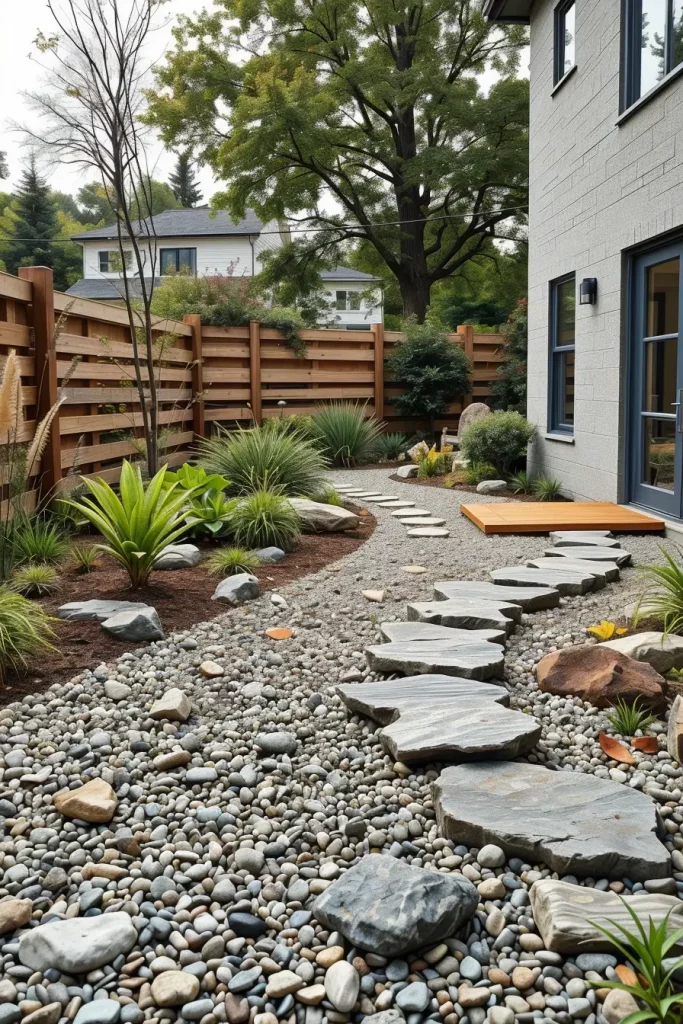
In my projects, I typically layer fine gravel for walking paths and larger pebbles for borders or decorative accents. I also incorporate stepping stones, wooden sleepers, and metal edging to create contrast and prevent displacement. These elements not only improve functionality but also enhance the artistic quality of the garden by introducing rhythm and pattern.
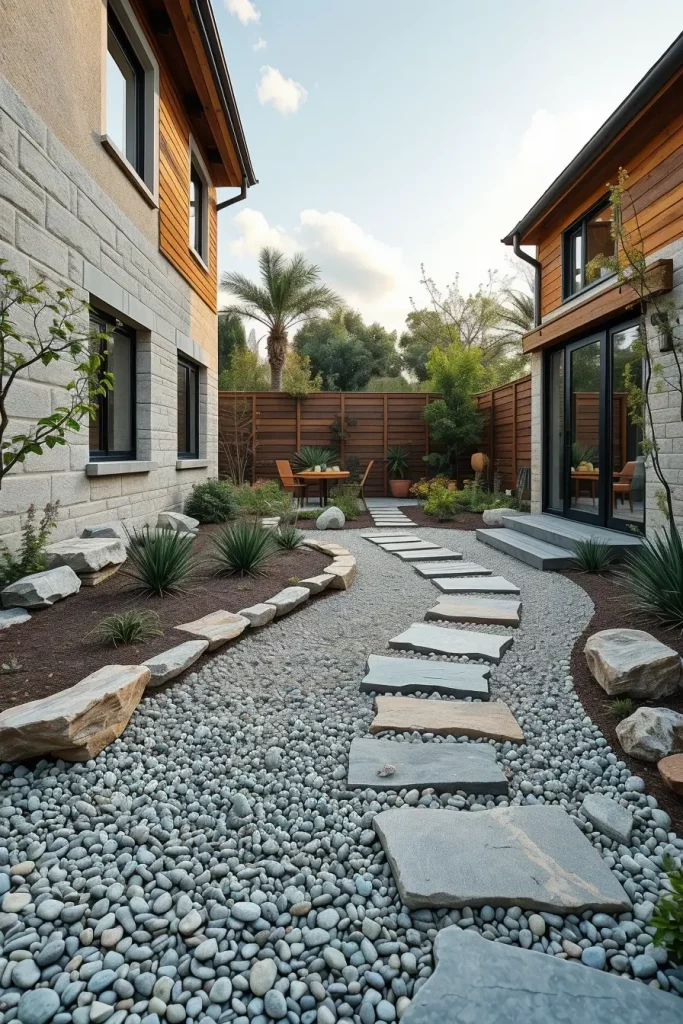
From my experience, many landscape designers highlighted in Gardenista recommend gravel for its low maintenance and excellent drainage properties. I personally value how it reduces water accumulation while still looking refined and intentional.
To strengthen this section, I would add suggestions for combining gravel with drought-resistant plants, creating a cohesive and sustainable composition.
Rustic Garden Decor Inspired By Mediterranean Landscapes
I find Mediterranean-inspired rustic gardens particularly relevant in 2026, especially in warmer climates. This style embraces sun-washed textures, natural stone, and soft neutral tones, creating a relaxed yet stylish outdoor environment. I often design these gardens to feel open, airy, and connected to nature.
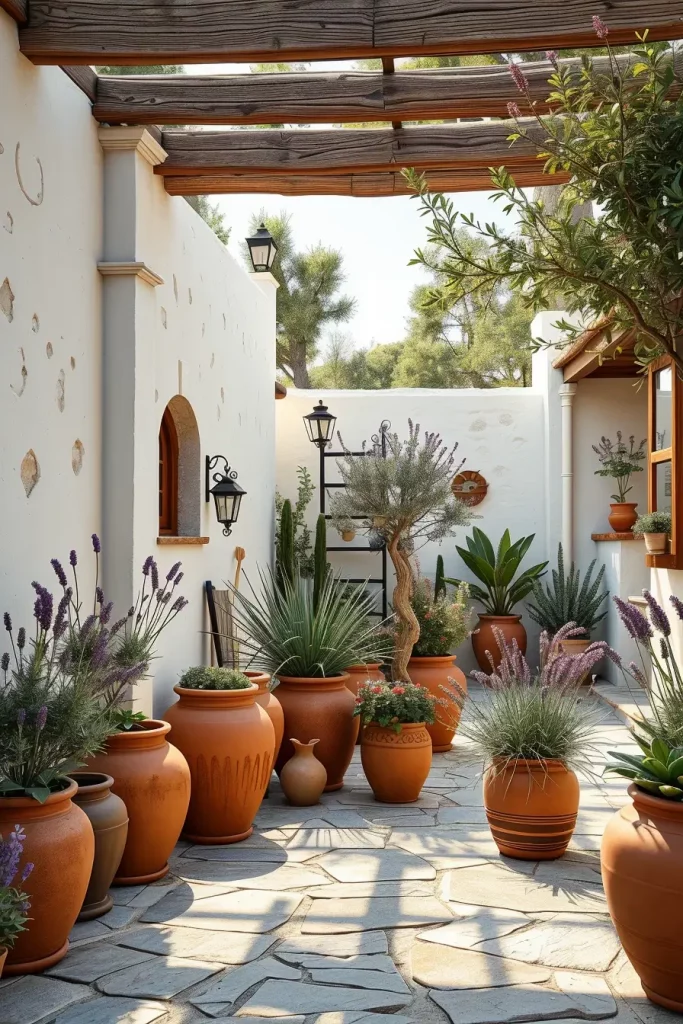
In my work, I include elements such as whitewashed walls, terracotta pots, olive trees, lavender, and wooden pergolas. I also use textured stone flooring and simple outdoor seating to reinforce the Mediterranean character. Each component contributes to a cohesive design that feels both timeless and inviting.
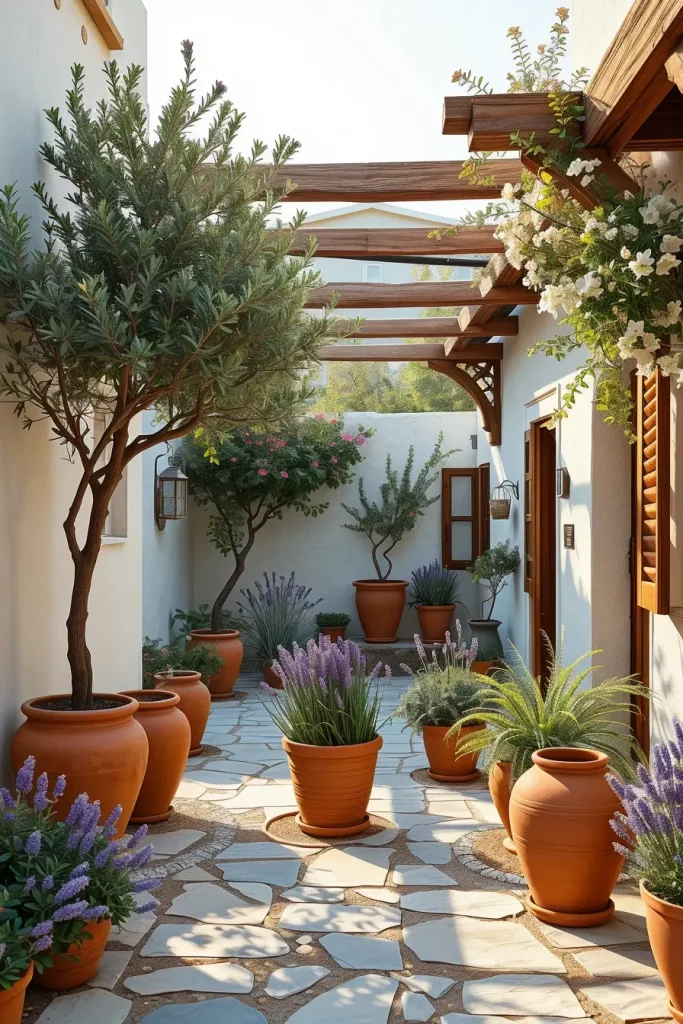
Personally, I draw inspiration from Southern European landscapes, where simplicity and natural beauty are prioritized. Design publications like Veranda often emphasize the importance of authenticity in Mediterranean spaces, which I fully support in my own approach.
What I would add here is the integration of water features, such as small fountains, to enhance the sensory experience and provide a cooling effect.
Seasonal Rustic Garden Styling With Evolving Natural Elements
I believe that one of the most creative aspects of rustic garden design is its ability to evolve with the seasons. In 2026, I focus on designing gardens that remain visually appealing year-round by adapting decor and plant selections to seasonal changes. This approach ensures that the garden never feels static.
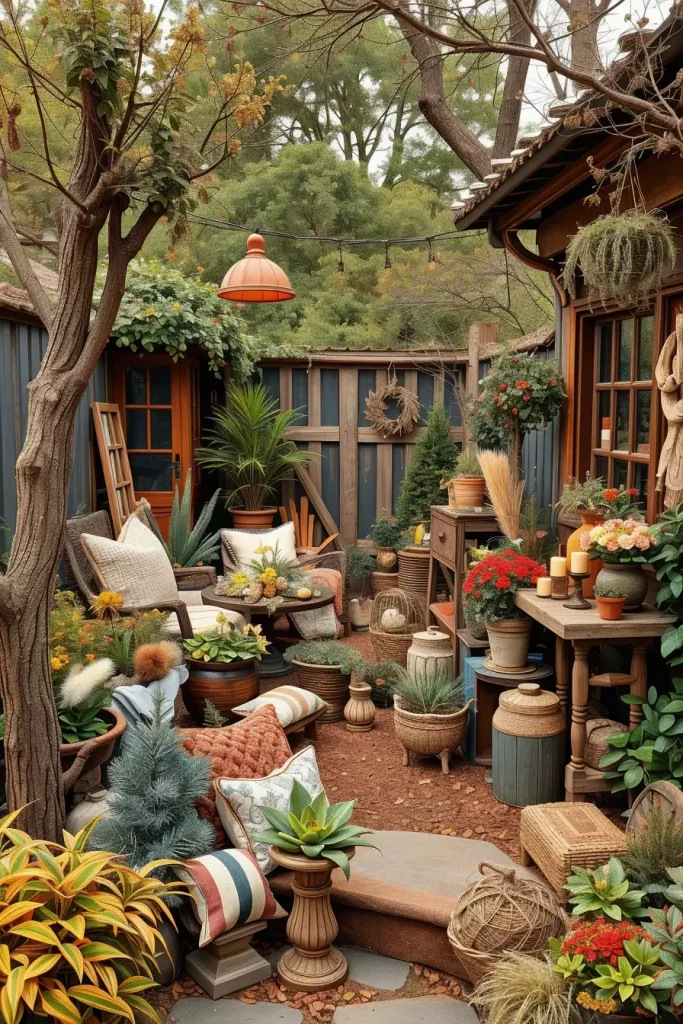
In practice, I rotate elements such as planters, textiles, and decorative accents to reflect the time of year. For example, I use warm-toned fabrics and dried plants in autumn, while spring calls for fresh greenery and lighter textures. I also incorporate seasonal lighting to enhance the atmosphere during different months.
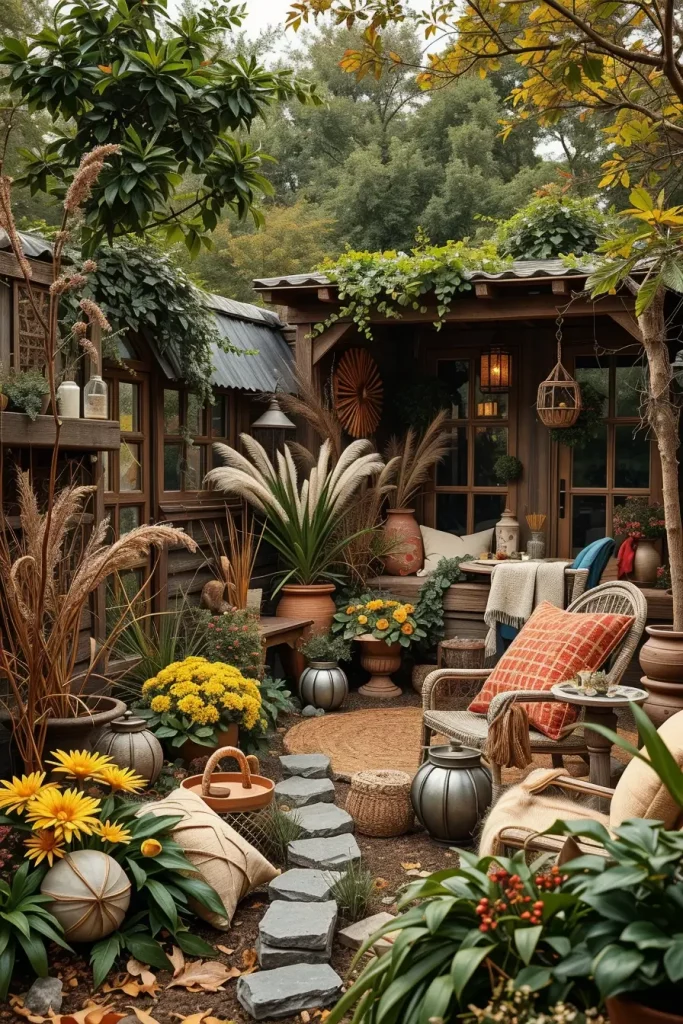
From my perspective, this adaptability adds depth and personality to the garden. I often recommend following advice from Better Homes and Gardens, which highlights the importance of layering seasonal elements for continuous visual interest.
To improve this section, I would include a practical calendar or checklist to help homeowners plan seasonal updates more effectively.
Sustainable Rustic Garden Ideas With Eco-Friendly Materials
Sustainability plays a major role in rustic garden decor ideas 2026, and I always prioritize eco-friendly solutions in my designs. I focus on using reclaimed wood, recycled stone, and natural fibers to minimize environmental impact while maintaining a modern and appealing aesthetic.
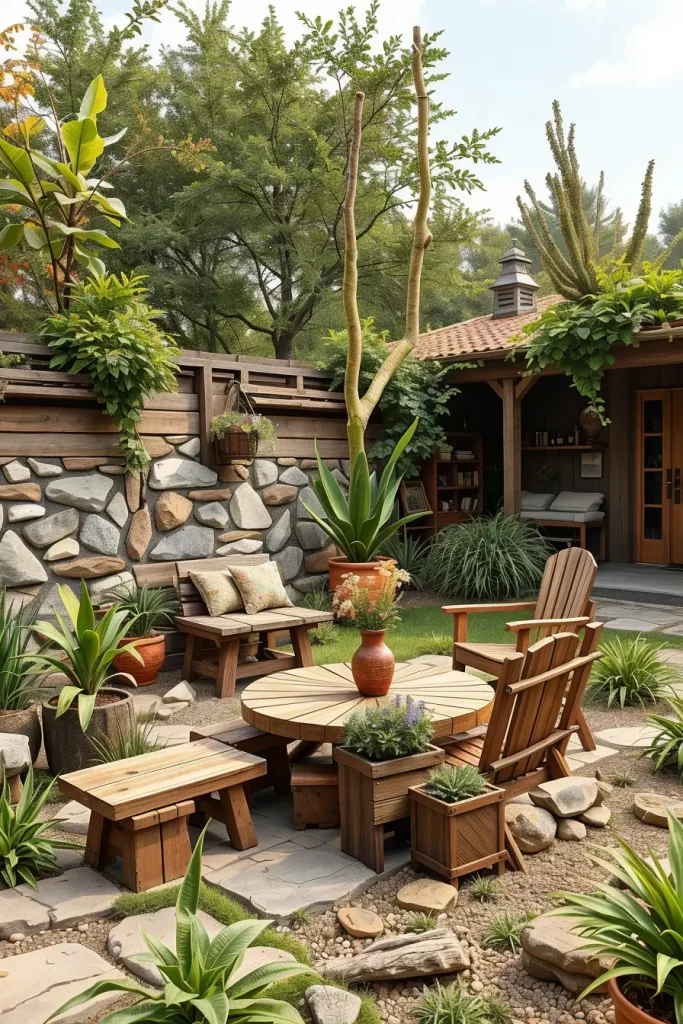
In my designs, I incorporate rainwater collection systems, composting areas, and native plants that require less maintenance and water. I also use permeable materials like gravel and wood decking to support natural drainage. These choices not only benefit the environment but also reduce long-term maintenance costs.
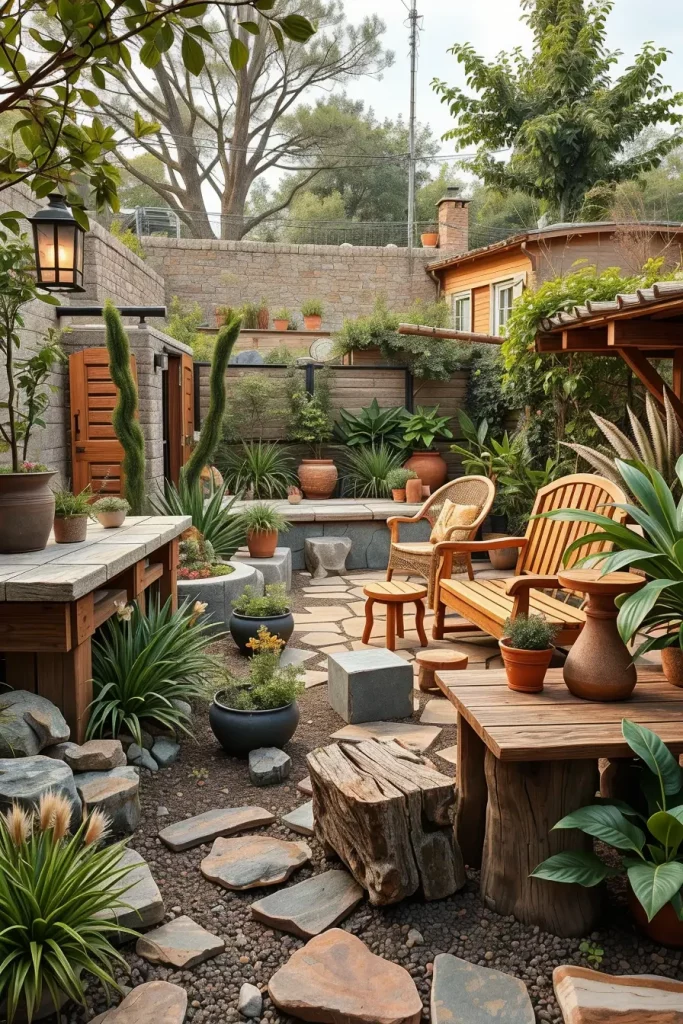
In my opinion, sustainability is no longer optional but essential. Many experts featured in Dwell emphasize designing with longevity in mind, which aligns closely with my own philosophy.
What I would add to this section is guidance on selecting certified sustainable materials and local sourcing to further reduce the environmental footprint.
Rustic Garden Decor Trends 2026: Where Nature Meets Modern Art
In 2026, I see rustic garden design evolving into something far more sculptural and expressive. The focus is on blending organic materials with bold, artistic elements that transform gardens into immersive environments. I approach these designs as a fusion of nature and contemporary art.
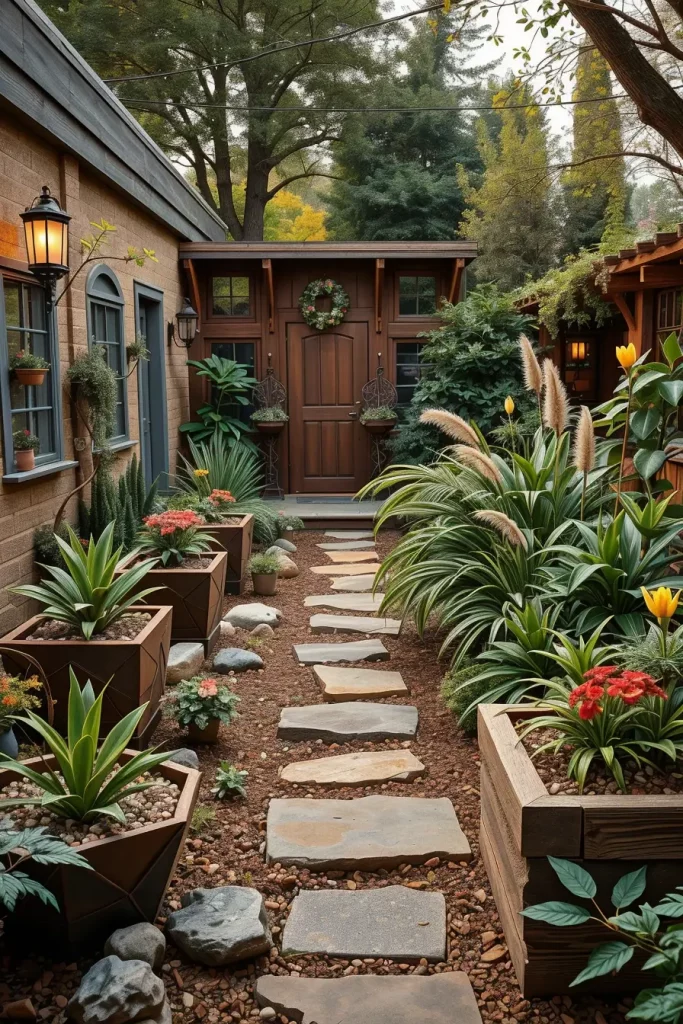
I often incorporate statement pieces such as large-scale metal sculptures, geometric planters, and custom-built seating that doubles as art. I also experiment with asymmetrical layouts and unexpected material combinations to create a sense of movement and intrigue.
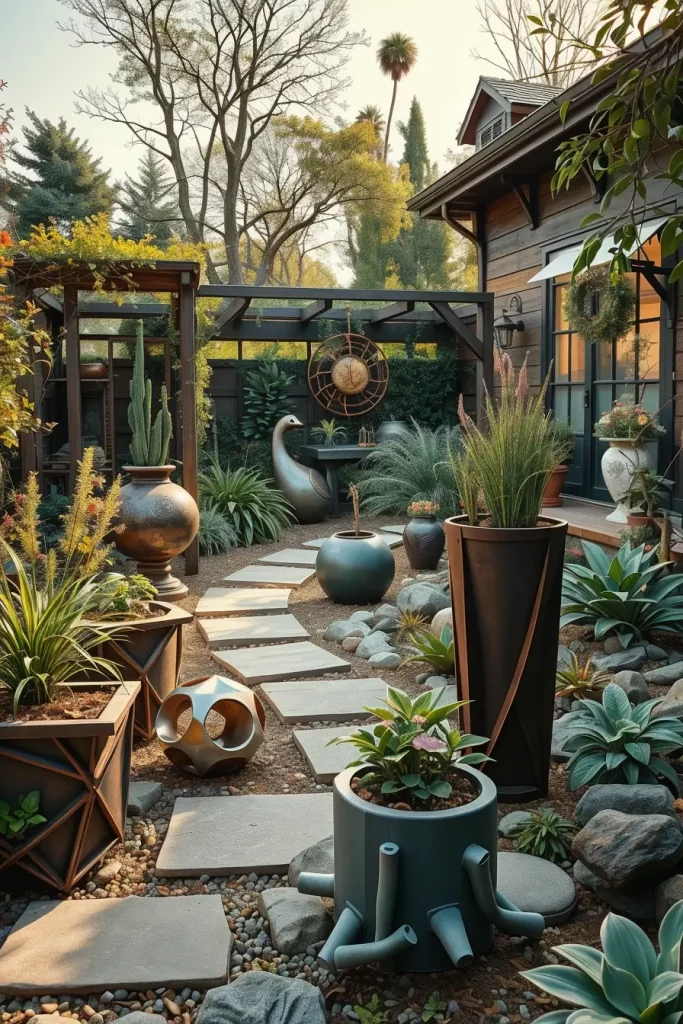
From my experience, this trend reflects a broader shift toward personalization and creativity in outdoor spaces. I find inspiration in modern art installations and apply similar principles to garden design, ensuring that each space feels unique.
To enhance this section, I would suggest including lighting strategies that highlight sculptural elements at night, further emphasizing their artistic impact.
Rustic garden decor in 2026 beautifully blends natural charm with modern creativity, resulting in outdoor spaces that feel both timeless and fresh. By combining organic materials, sculptural elements, and thoughtful design, you can create a garden that reflects both nature’s simplicity and artistic expression. Whether you prefer a minimalist rustic look or a richly layered landscape, the key is to balance authenticity with innovation. These ideas offer endless inspiration to transform any outdoor space into a warm, inviting retreat. Ultimately, a well-designed rustic garden becomes more than just decor—it becomes a personal sanctuary shaped by texture, form, and nature.