
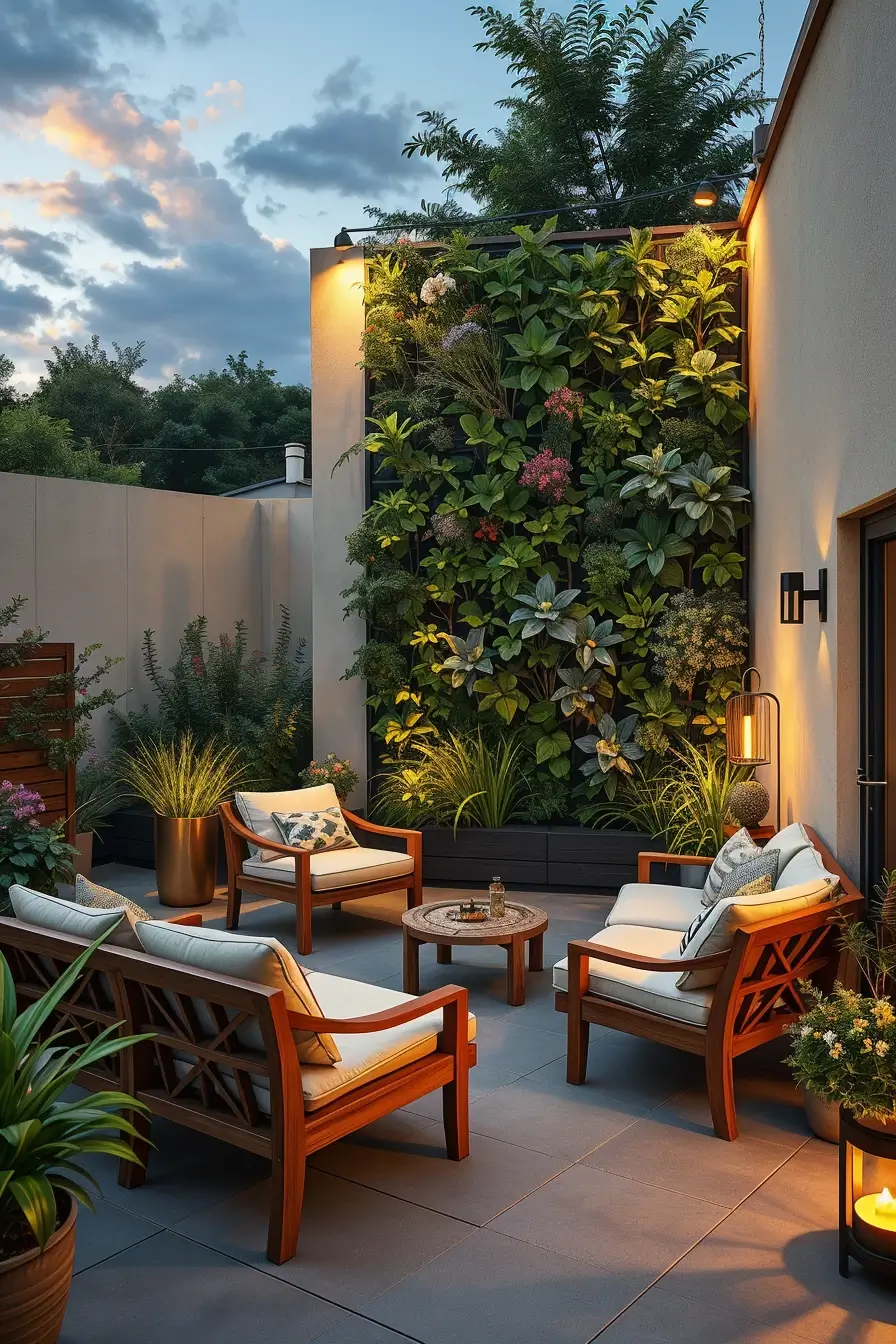
Vertical Garden & Living Wall Ideas 2026 are redefining the way we design outdoor and indoor spaces. As urban living continues to grow and outdoor square footage becomes more limited, homeowners and designers are turning vertical to create lush, functional, and visually striking environments. From compact balcony gardens to dramatic full-scale living walls, vertical greenery is no longer just a trend — it’s a smart, sustainable solution for modern living.
In 2026, vertical gardens combine innovative technology, eco-friendly materials, and bold design aesthetics. Smart irrigation systems, modular wall panels, and climate-adaptive plants make living walls easier to install and maintain than ever before. At the same time, design styles range from minimalist succulent installations to tropical statement walls and rustic farmhouse-inspired greenery.
Whether you’re looking to transform a small apartment balcony, upgrade your patio, add privacy to your backyard, or create a stunning indoor feature wall, vertical garden ideas offer endless possibilities. This guide explores the most inspiring, practical, and forward-thinking Vertical Garden & Living Wall Ideas 2026 to help you turn any blank wall into a thriving green masterpiece.
The Rise Of Vertical Garden & Living Wall Ideas 2026
In 2026, I see vertical garden design evolving from a decorative feature into a central architectural element. Entire walls are now treated as living surfaces, transforming plain facades and interiors into dynamic ecosystems. In residential projects, I often integrate a full-height living wall system in open-plan living rooms or outdoor lounges, creating a seamless connection between architecture and nature. These installations are not just beautiful; they improve air quality, reduce noise, and regulate indoor temperature.
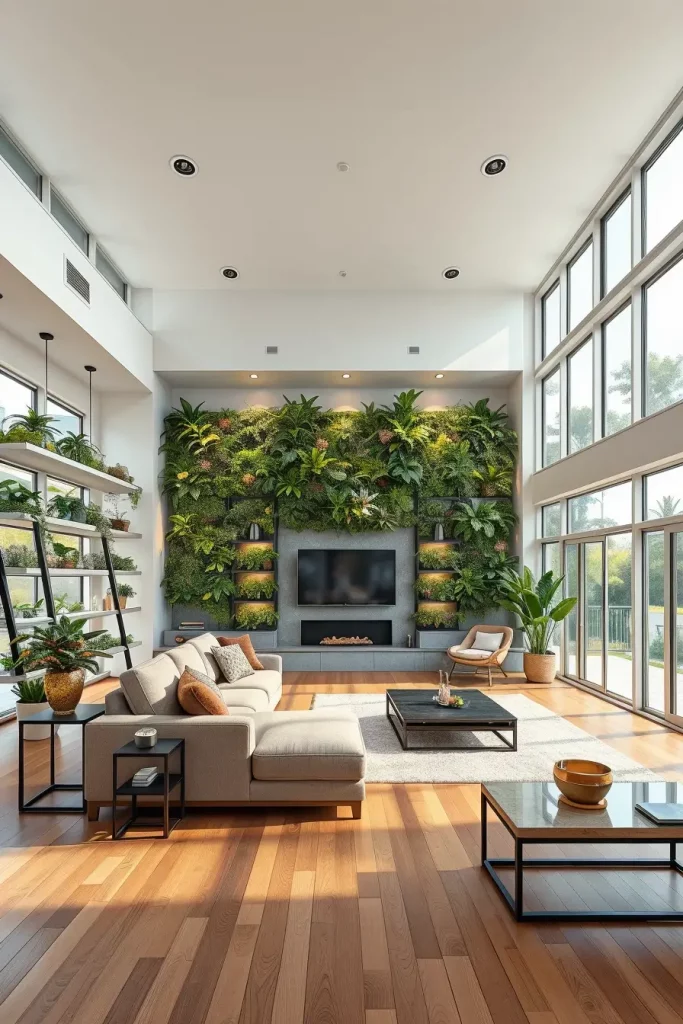
When designing such spaces, I focus on modular panel systems with built-in irrigation and drainage. A neutral contemporary interior with warm wood flooring, soft beige sofas, and black metal accents pairs perfectly with lush green foliage. I typically include adjustable LED grow lights subtly embedded in the ceiling, minimalist planters, and concealed water reservoirs. These elements ensure that the indoor vertical garden remains both functional and visually balanced.
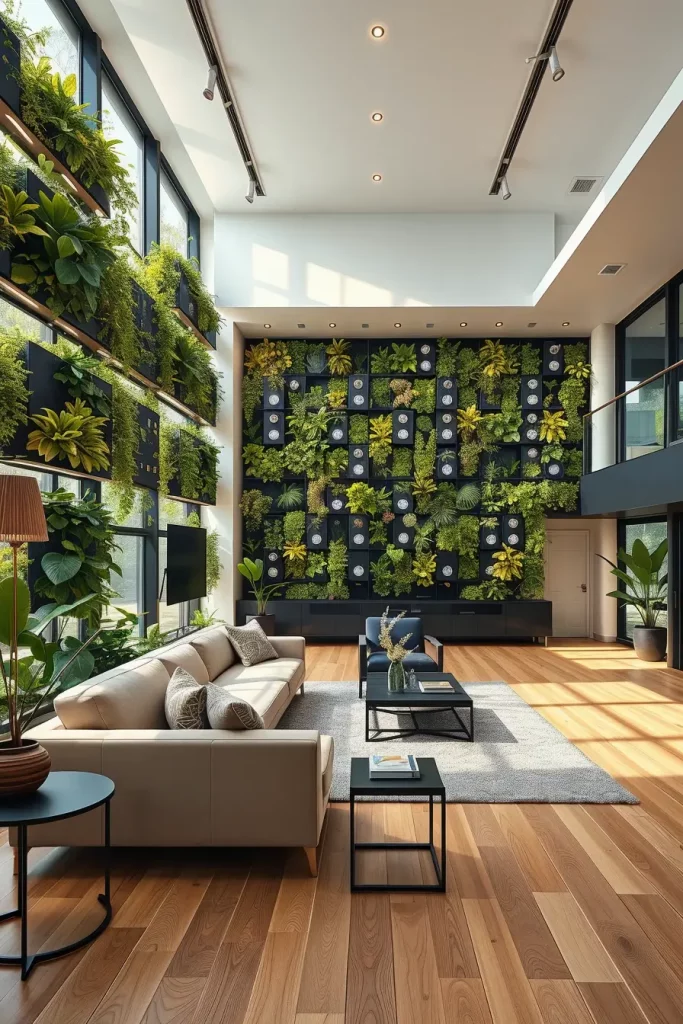
From my experience, clients are increasingly requesting low-maintenance greenery. Architectural Digest has highlighted how biophilic design continues to dominate residential trends in the US, and I completely agree. A thoughtfully designed living wall becomes a focal point without overwhelming the space. To enhance this section further, I would recommend adding acoustic considerations and plant zoning strategies depending on sunlight exposure.
Why Vertical Gardens Are The Must-Have Outdoor Trend Of 2026
Outdoor areas in 2026 are defined by height and layering. Instead of expanding outward, I design upward, especially in urban homes where space is limited. A vertical garden wall on a patio or terrace transforms a simple seating area into a private green retreat. These installations serve as privacy screens, wind barriers, and decorative statements at the same time.
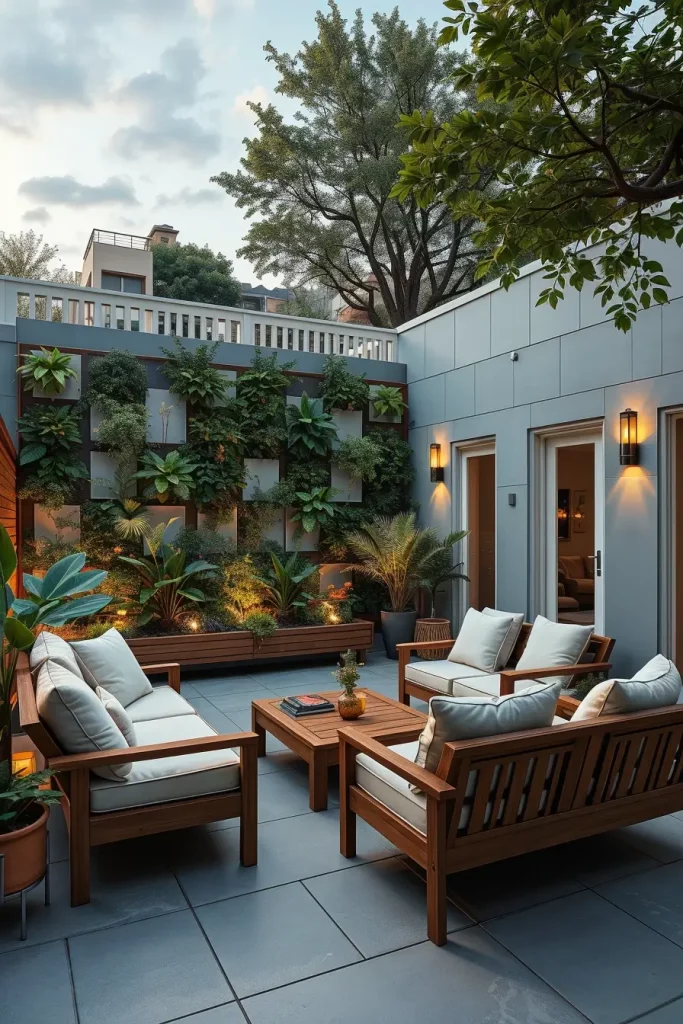
I usually combine weather-resistant steel or aluminum frames with climbing plants, modular herb pockets, and cascading greenery. Outdoor lounge furniture in natural teak, linen cushions in earthy tones, and a concrete or porcelain tile floor create a grounded base. Integrated outdoor lighting, such as wall washers and warm LED strips, highlights the textures of foliage at night. This combination ensures the outdoor vertical garden feels intentional and cohesive rather than improvised.
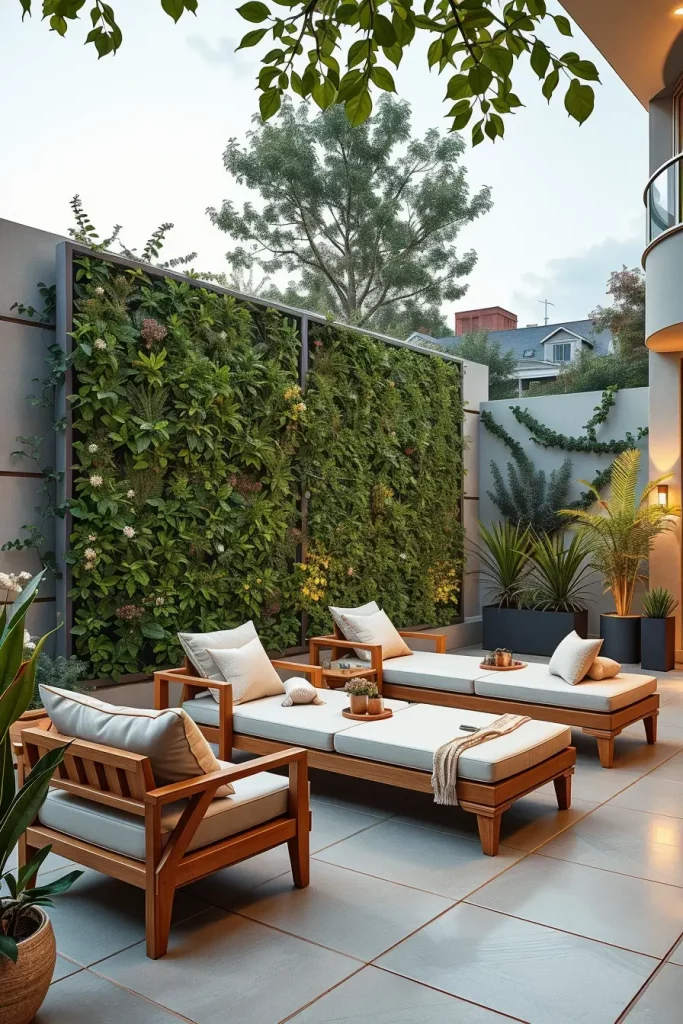
In my projects, I’ve noticed that homeowners appreciate edible vertical gardens with herbs and strawberries integrated into the design. According to Better Homes and Gardens, functional landscaping is becoming a major priority in American outdoor design. I personally recommend including automated irrigation timers to reduce maintenance. What might still be missing here is a seasonal planting guide to ensure year-round visual interest.
Modern Living Wall Systems For Contemporary Homes
Contemporary homes in 2026 demand clean lines and advanced technology, and modern living wall systems perfectly meet this expectation. I frequently install hydroponic or felt-based systems in minimalist interiors, where sleek cabinetry and expansive glass walls dominate the design. The contrast between structured architecture and organic greenery creates visual depth and softness.
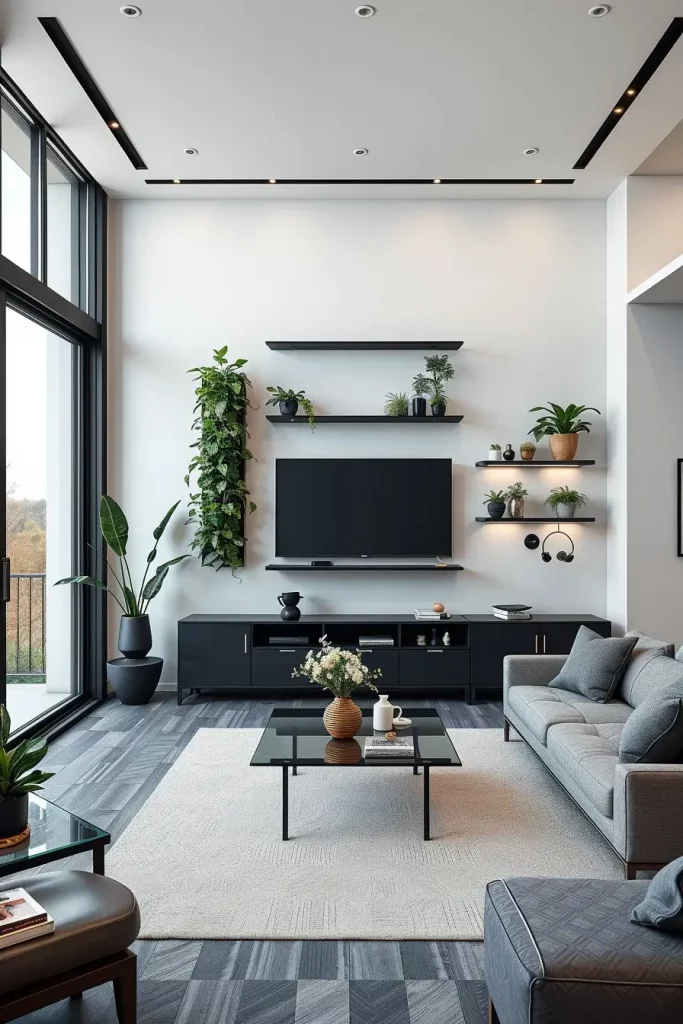
I prioritize modular systems with built-in smart irrigation, moisture sensors, and app-controlled lighting. In a modern living room, I pair the living wall with low-profile sectional sofas, a glass coffee table, and matte black shelving. The plants I select usually include ferns, philodendrons, and moss panels for texture variation. A concealed drip irrigation system ensures the vertical garden remains clean and leak-free.
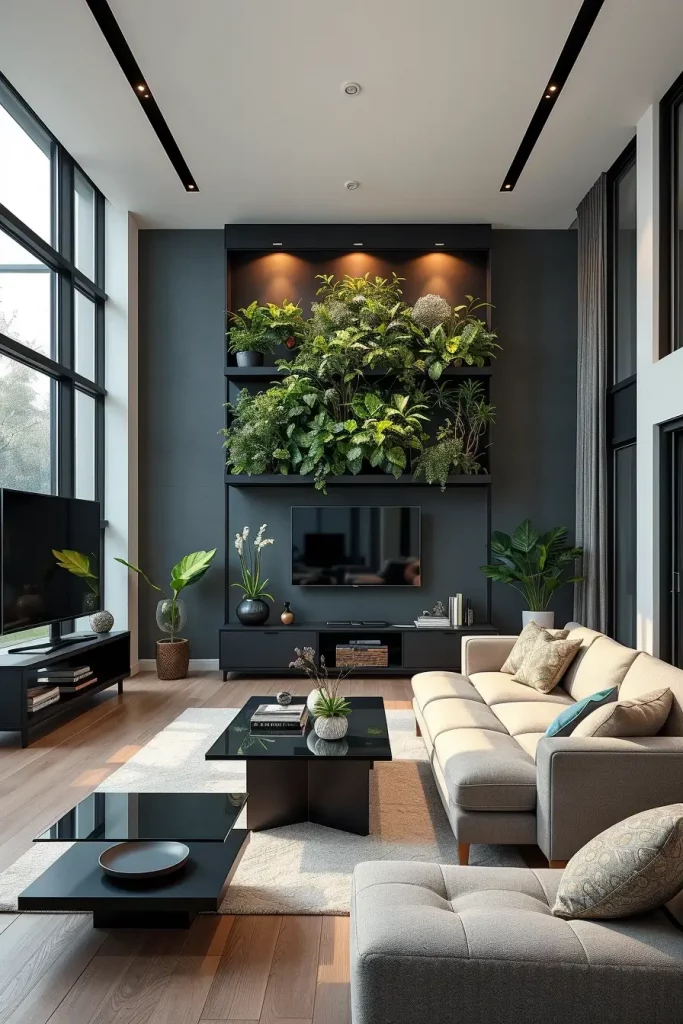
Personally, I believe technology is what differentiates 2026 designs from earlier trends. Smart monitoring reduces the risk of plant failure and gives homeowners confidence. Dwell magazine often emphasizes how tech-integrated homes are shaping the future of design, and I see this firsthand in my work. To strengthen this section, I would include cost comparisons between hydroponic and soil-based systems to help readers evaluate investment levels.
Small Balcony Vertical Garden Ideas For Urban Apartments
Urban apartments demand creativity, and a small balcony vertical garden can completely redefine a compact outdoor area. I often transform narrow balconies into lush vertical sanctuaries using wall-mounted planters and railing systems. Instead of cluttering the floor with pots, I maximize wall space to maintain functionality.
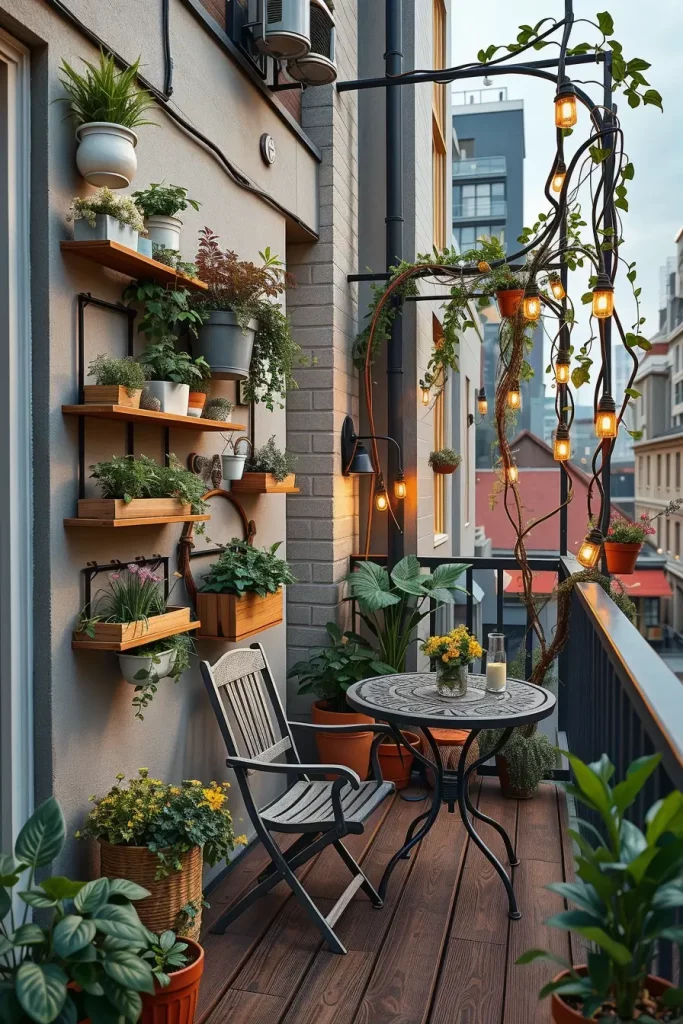
I prefer slim modular panels, hanging planters, and tiered wooden shelving units. Foldable bistro furniture, compact storage benches, and weather-resistant rugs help create a cozy atmosphere without overwhelming the balcony. I also incorporate climbing vines along metal trellises and small herb pockets for functionality. This layered approach allows the vertical garden ideas to feel abundant while maintaining circulation space.
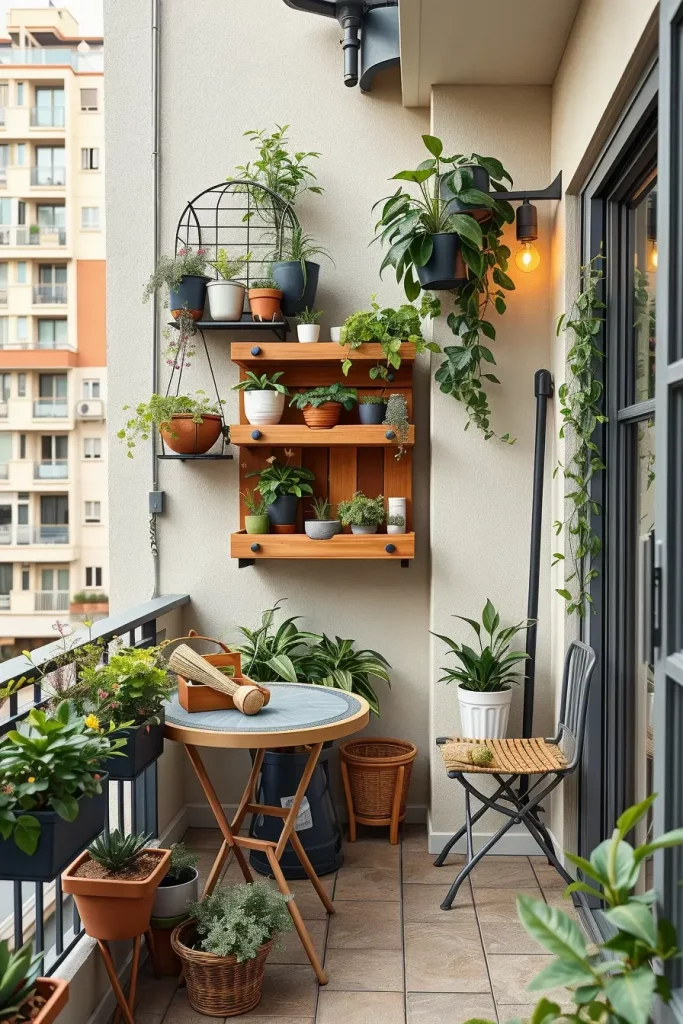
In my opinion, lighting is crucial in small spaces. I add warm string lights or compact wall sconces to highlight foliage in the evening. Real Simple magazine frequently discusses small-space optimization, and I strongly agree that multifunctionality is key. What could enhance this section further is a breakdown of plant varieties suitable for different climate zones, especially for windy high-rise balconies.
DIY Vertical Garden Projects On A Budget
Not every homeowner is ready to invest in high-end systems, and I always appreciate the charm of a well-executed DIY vertical garden. In 2026, affordable solutions are more accessible than ever. Reclaimed wood pallets, metal grids, and stackable planters can be transformed into striking green walls with minimal cost.
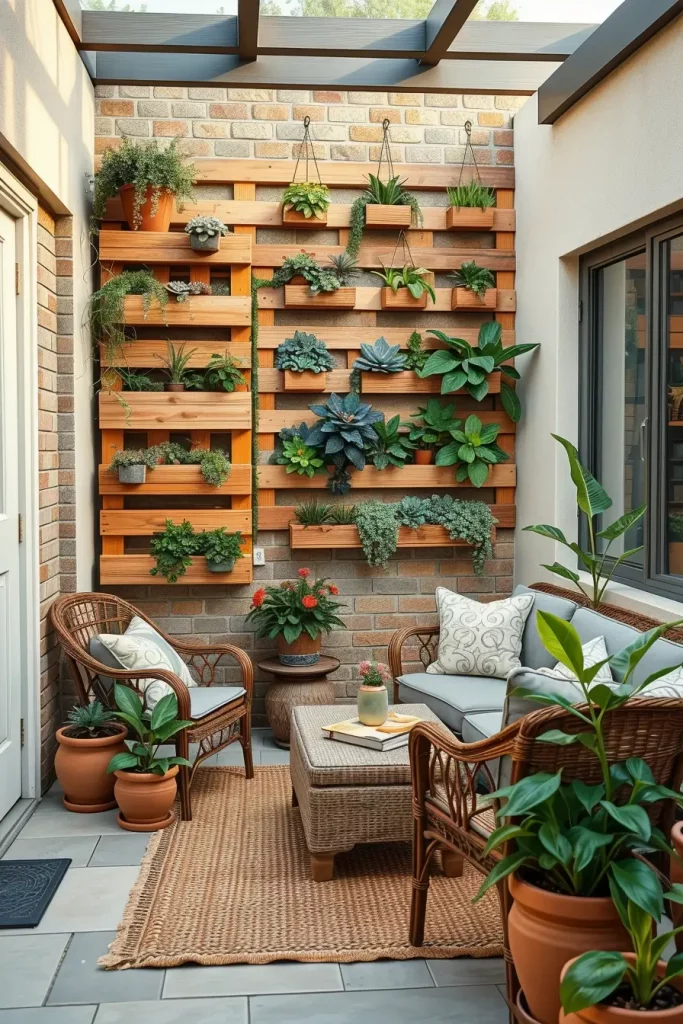
I recommend starting with a sturdy wall-mounted pallet treated for moisture resistance. Add landscape fabric to create planting pockets, then insert lightweight soil and hardy plants like succulents or pothos. Complement the setup with simple outdoor seating, woven rugs, and clay pots to maintain a cohesive aesthetic. Even budget-friendly living wall ideas can look refined when properly styled.
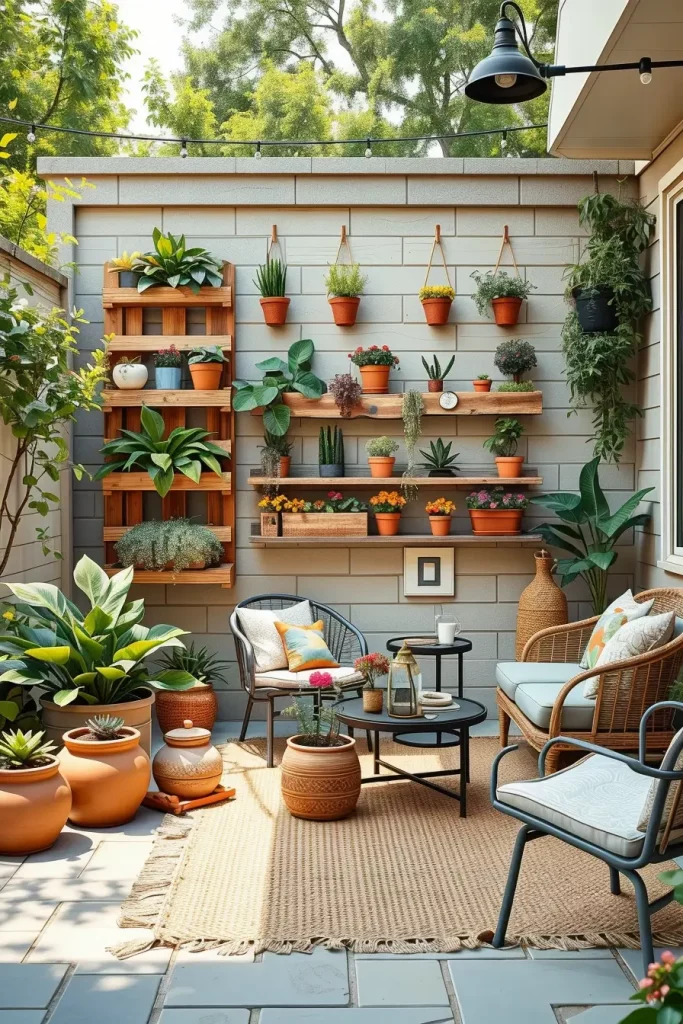
From my experience, the key to successful DIY installations is proper drainage and wall protection. HGTV often advises homeowners to install waterproof backing before mounting any planter system, and I fully support this recommendation. To improve this section, I would add a step-by-step maintenance checklist to prevent common beginner mistakes.
Indoor Living Wall Designs For Stylish Interiors
In 2026, I approach indoor living wall designs as architectural statements rather than decorative additions. A properly designed indoor vertical garden can redefine a living room, dining area, or even a home office by introducing depth, texture, and improved air quality. I often position the living wall as a focal backdrop behind a sofa or dining table, ensuring it becomes the visual anchor of the entire room while maintaining balance within a contemporary layout.
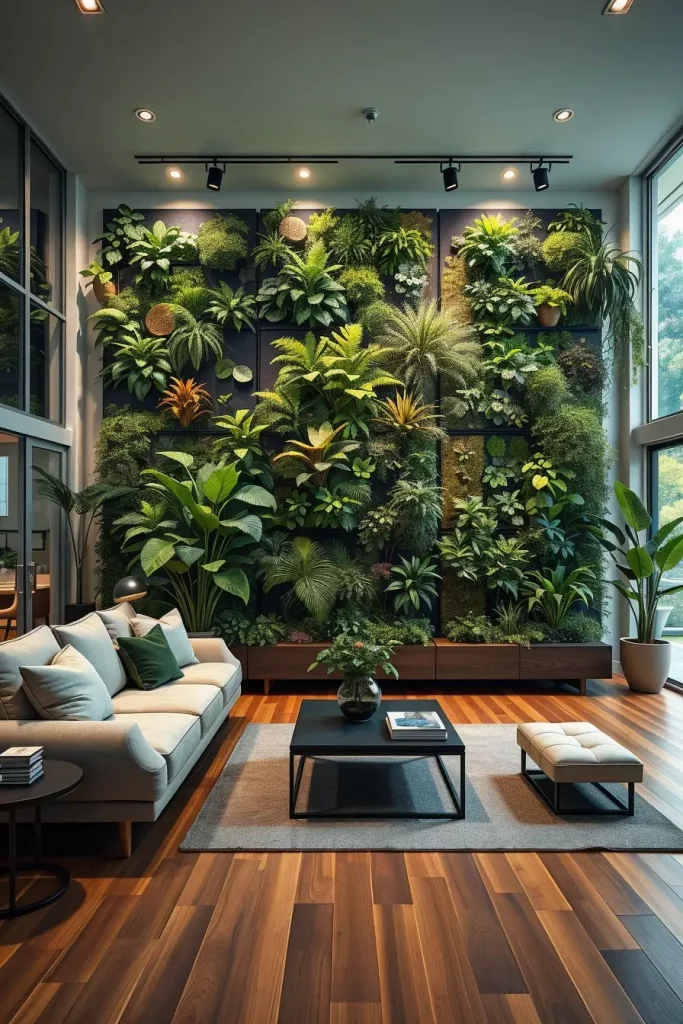
When planning the composition, I combine modular planting panels with integrated irrigation and discreet drainage systems hidden behind moisture-resistant backing. I select layered greenery such as ferns, philodendrons, pothos, and moss inserts to create dimension. Furniture typically includes low-profile upholstered seating, a solid wood dining table, neutral-toned rugs, and soft ambient lighting that highlights the foliage without creating harsh shadows. I also recommend adjustable grow lights if natural daylight is limited, ensuring the living wall system remains vibrant year-round.
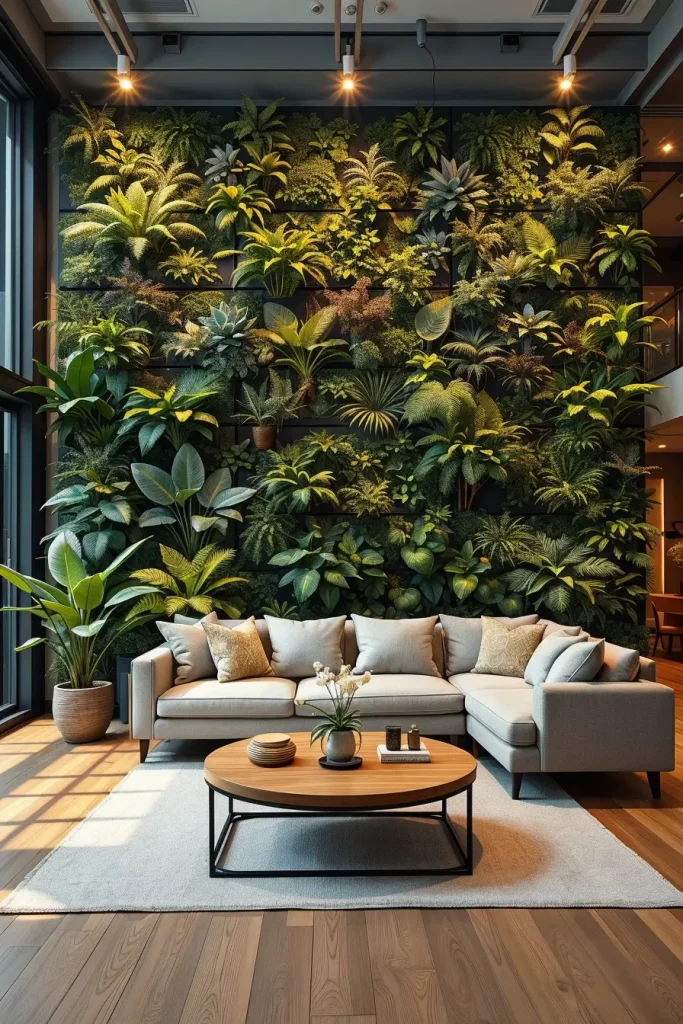
From my experience, scale and proportion are critical. Elle Decor has emphasized that biophilic interiors work best when greenery complements, rather than overwhelms, the space. I always evaluate wall load capacity and humidity levels before installation. To strengthen this section further, I would include acoustic performance considerations, as dense plant layers can significantly reduce echo in open-plan interiors.
Outdoor Vertical Garden Walls For Patios And Terraces
For patios and terraces, I design outdoor vertical garden walls that combine durability with visual softness. In 2026, these walls often act as privacy dividers while doubling as decorative greenery. I typically integrate them into outdoor lounge areas, aligning the green wall with seating arrangements to create an intimate and immersive atmosphere.
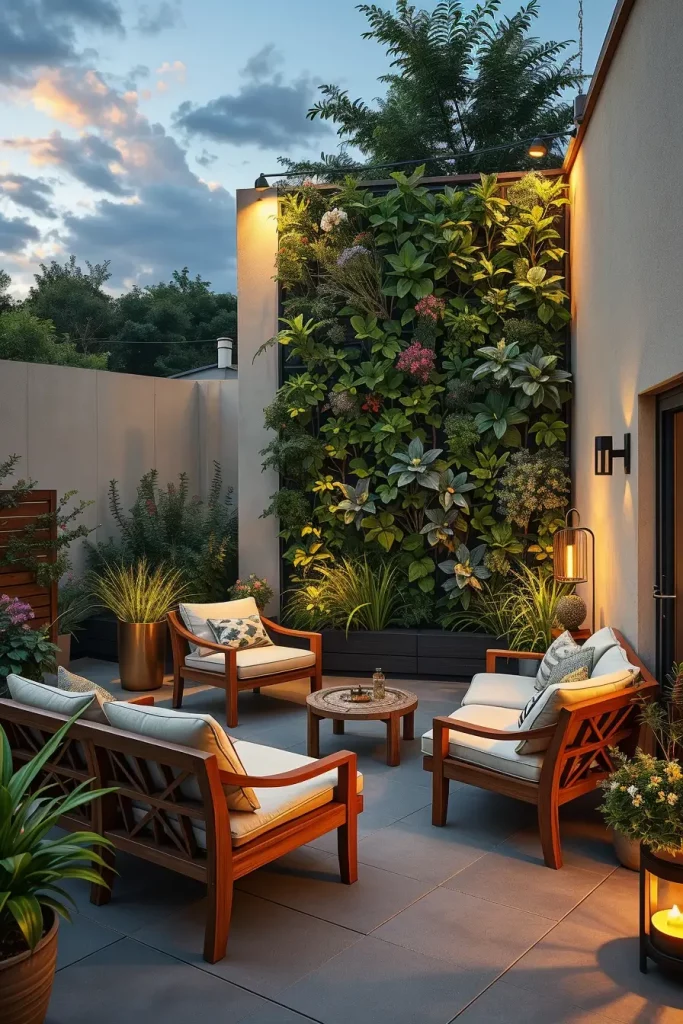
The structure usually consists of powder-coated steel frames or weather-resistant composite panels. I include irrigation lines with programmable timers and select hardy plants such as ornamental grasses, ivy, succulents, and flowering perennials suited to the climate. Outdoor furniture in teak or aluminum frames with neutral cushions ensures cohesion. I also integrate layered lighting, including wall washers and subtle floor uplights, to enhance the texture of the foliage in the evening. This approach transforms the vertical garden wall into a functional architectural feature.
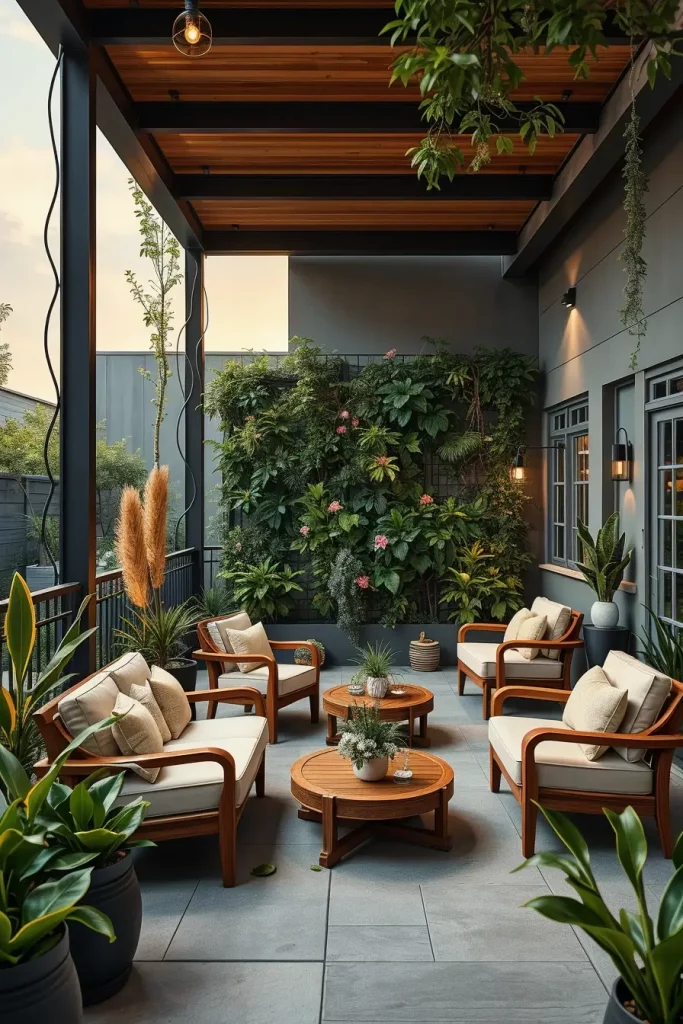
Personally, I believe climate adaptation is essential for outdoor success. According to Better Homes and Gardens, plant zoning and proper drainage are among the most common challenges in exterior installations. I always recommend frost-resistant systems in colder regions. What could further enhance this section is a brief guide to seasonal plant rotation for year-round appeal.
Space-Saving Vertical Garden Ideas For Tiny Yards
In compact outdoor areas, I rely heavily on space-saving vertical garden ideas to maximize greenery without sacrificing movement. Tiny yards benefit enormously from vertical layering, especially when horizontal planting options are limited. I often design narrow green walls along fences or side boundaries to visually expand the area and soften hardscape elements.
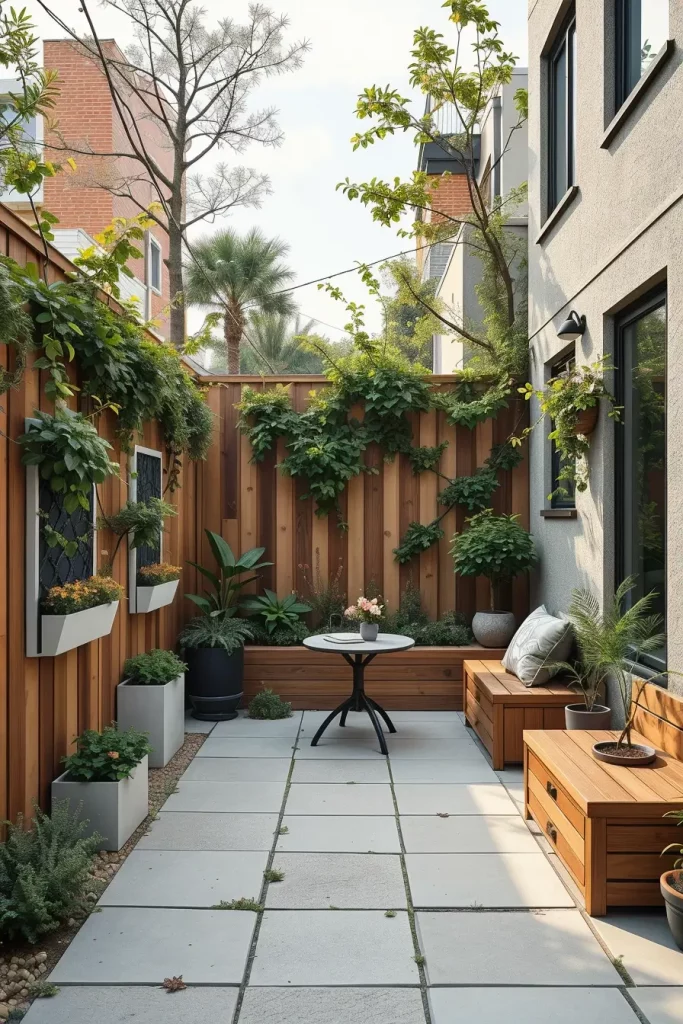
I use slim-profile planter systems, vertical trellises for climbing plants, and stacked modular containers. Light-colored paving, compact outdoor benches with built-in storage, and small café-style tables help maintain openness. I prefer plant varieties like jasmine, creeping fig, strawberries, and compact shrubs that grow upward rather than outward. This strategy ensures the vertical garden design feels lush while preserving usable floor space.
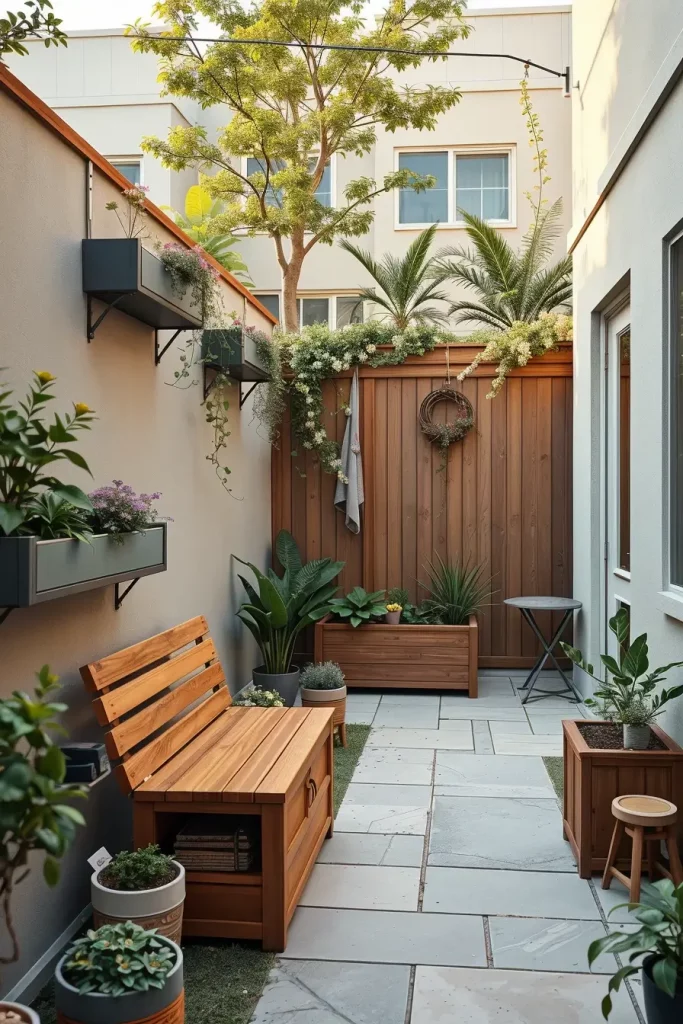
In my practice, I’ve seen how vertical planting can visually double the perceived size of a yard. HGTV frequently highlights vertical landscaping as a solution for urban properties, and I completely agree. To improve this section, I would include irrigation layout diagrams or spacing guidelines to prevent overcrowding over time.
Sustainable Vertical Garden Systems With Eco-Friendly Materials
Sustainability is central to Vertical Garden & Living Wall Ideas 2026, and I prioritize eco-conscious materials in every project. A truly modern sustainable vertical garden system goes beyond aesthetics by reducing water waste and using recycled or renewable components. I often incorporate reclaimed wood frames, recycled plastic planting modules, and organic soil blends.
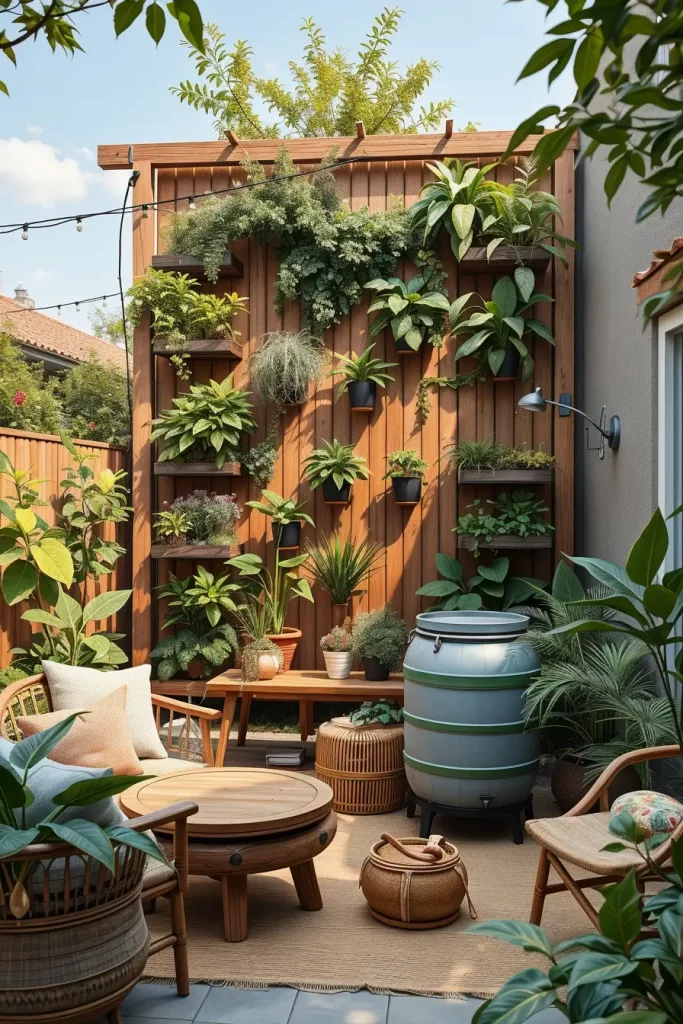
For structural elements, I choose FSC-certified wood or corrosion-resistant aluminum. I integrate rainwater collection tanks that feed drip irrigation systems, significantly reducing water consumption. Furniture in these spaces typically includes natural fiber textiles, bamboo accents, and stone or concrete surfaces. The result is a cohesive environment where the living wall system aligns with environmentally responsible design principles.
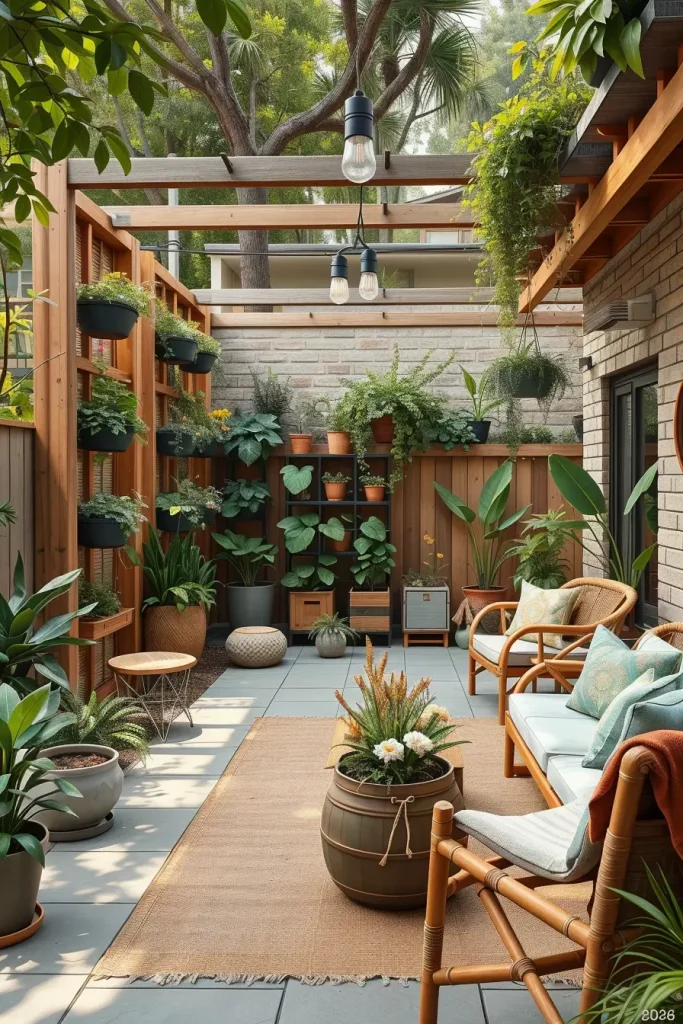
From my professional perspective, sustainability is no longer optional. Architectural Digest has repeatedly emphasized that eco-friendly materials are defining high-end design trends. I always advise clients to calculate long-term water usage and maintenance costs. This section could be enhanced by including lifecycle comparisons between synthetic and natural planting modules.
Smart Irrigation Systems For Living Walls In 2026
Technology plays a transformative role in modern vertical garden design. In 2026, smart irrigation systems are standard in both indoor and outdoor living wall systems. I integrate app-controlled watering schedules, moisture sensors, and automated nutrient dosing to ensure plant health with minimal manual intervention.
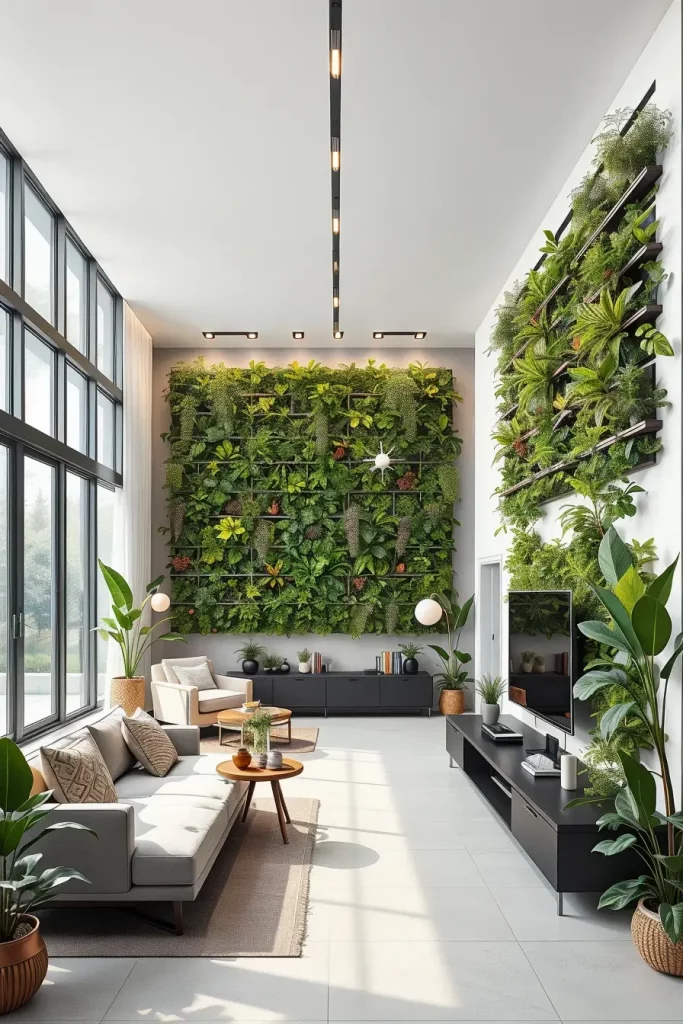
I typically install concealed drip irrigation tubing connected to a programmable controller. Moisture sensors embedded in planting modules monitor hydration levels in real time. In contemporary interiors, these systems remain invisible, preserving the clean aesthetic. Outdoor setups often connect to weather-based controllers that adjust watering frequency based on rainfall data. This approach protects both plants and surrounding finishes.
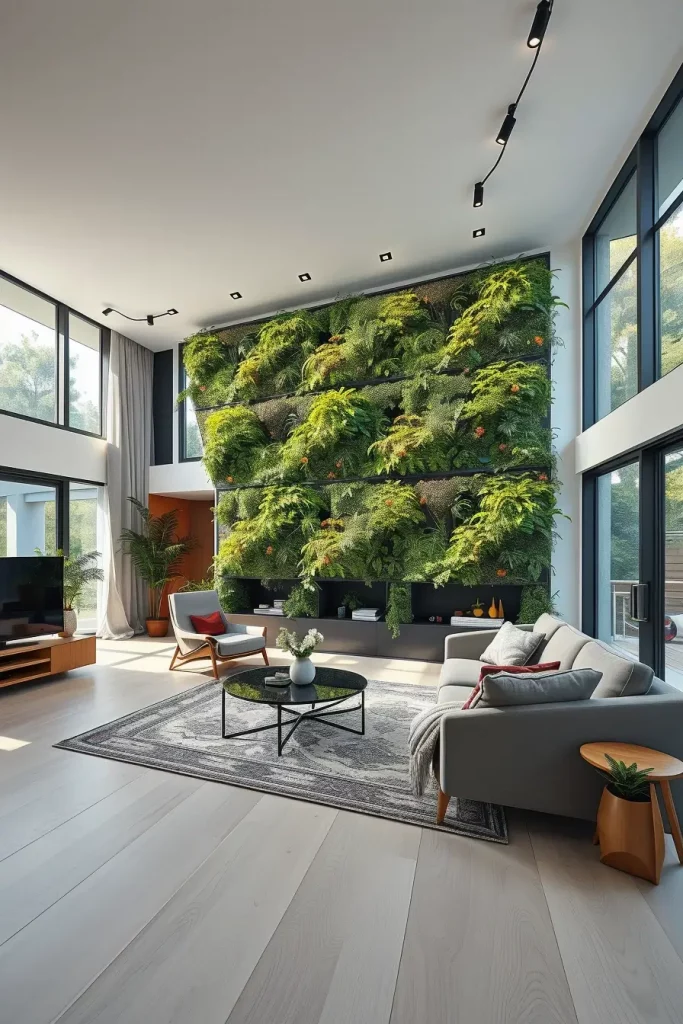
In my experience, smart systems significantly reduce plant loss and long-term maintenance costs. Dwell magazine has highlighted how smart home integration is reshaping residential landscaping, and I see this trend accelerating. To further strengthen this section, I would include guidance on backup power solutions to protect automated systems during outages.
Best Plants For Vertical Gardens In Every Climate
When I design vertical gardens for different regions, I always begin with climate analysis. In 2026, sustainable landscaping means choosing plants that naturally thrive in local conditions. For colder climates, I often recommend hardy ferns, ivy, and heuchera, while in warmer zones I rely on philodendrons, pothos, and ornamental grasses. For dry climates, succulents and sedums dominate. Understanding sun exposure, wind, and irrigation access is essential to making a living wall practical rather than decorative only.
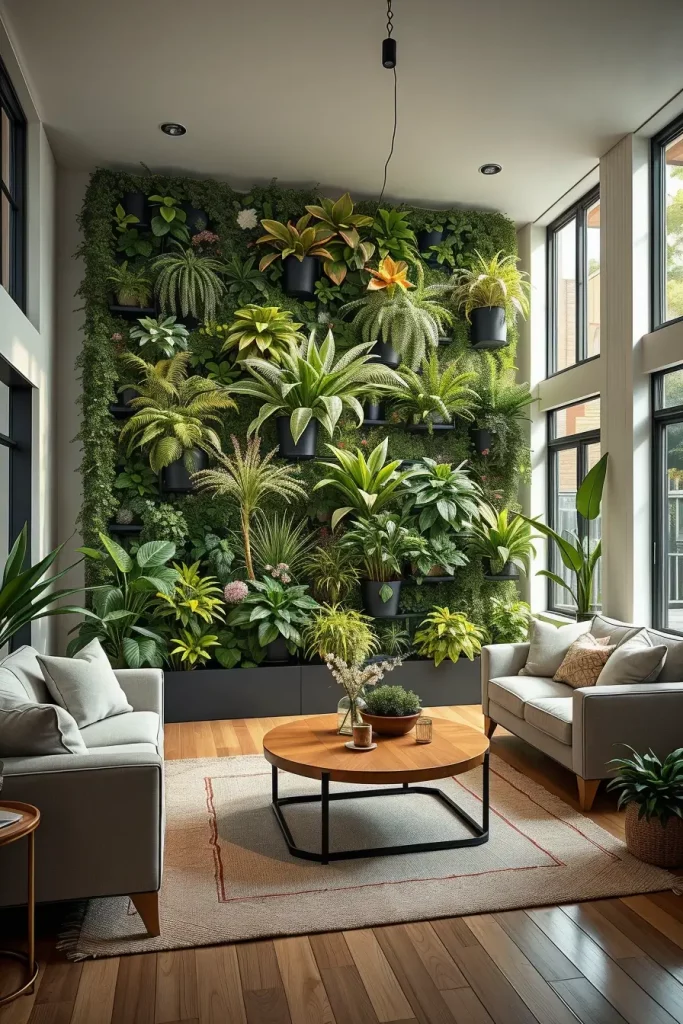
In a full-room setting, I usually integrate the vertical garden as a statement wall in a living room or covered patio. Neutral furniture such as linen sofas, oak coffee tables, and textured wool rugs allow the greenery to stand out. Built-in irrigation systems, concealed drainage trays, and slim metal frames ensure the wall remains clean and architectural. I prefer matte black or brushed brass planters for a modern look, especially in contemporary interiors.
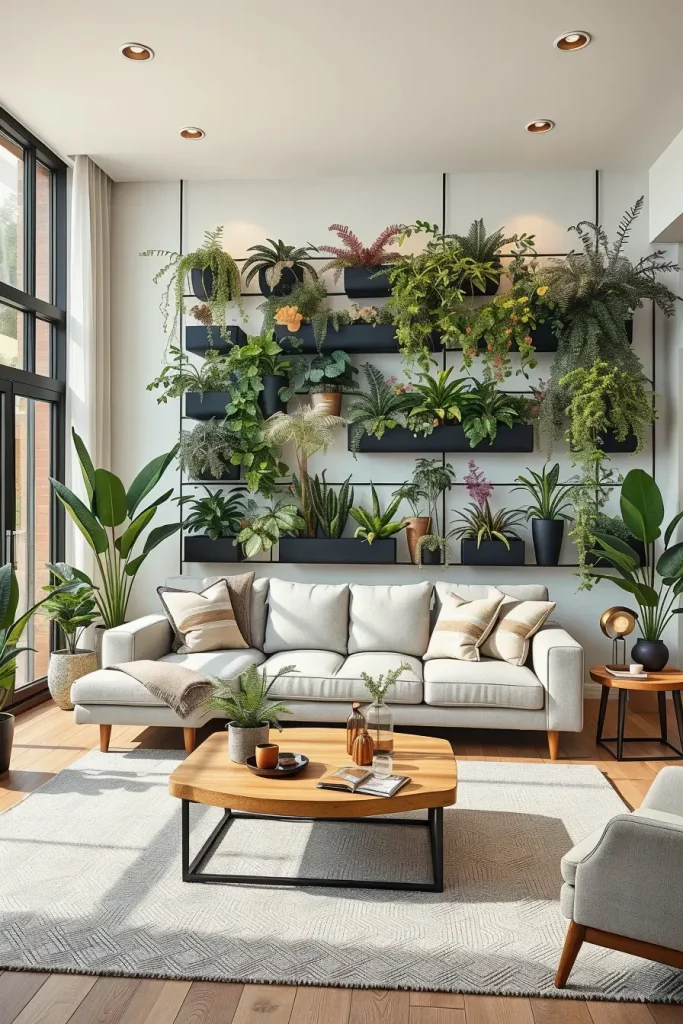
Personally, I’ve found that following advice from landscape designers featured in Architectural Digest helps maintain balance: mix structural plants with trailing species for depth. I also recommend grouping plants by watering needs to simplify maintenance. What’s often missing from many installations is proper grow lighting for shaded interiors. I always add discreet LED grow lights integrated into ceiling tracks to ensure long-term plant health.
Low-Maintenance Living Wall Ideas For Busy Homeowners
A low-maintenance living wall is essential for homeowners who love greenery but lack time. I design these systems with automated irrigation, moisture sensors, and self-contained modular pockets. The goal is to minimize daily involvement while maintaining a fresh, vibrant appearance. Plants like snake plant, pothos, ZZ plant, and philodendron are resilient and forgiving.
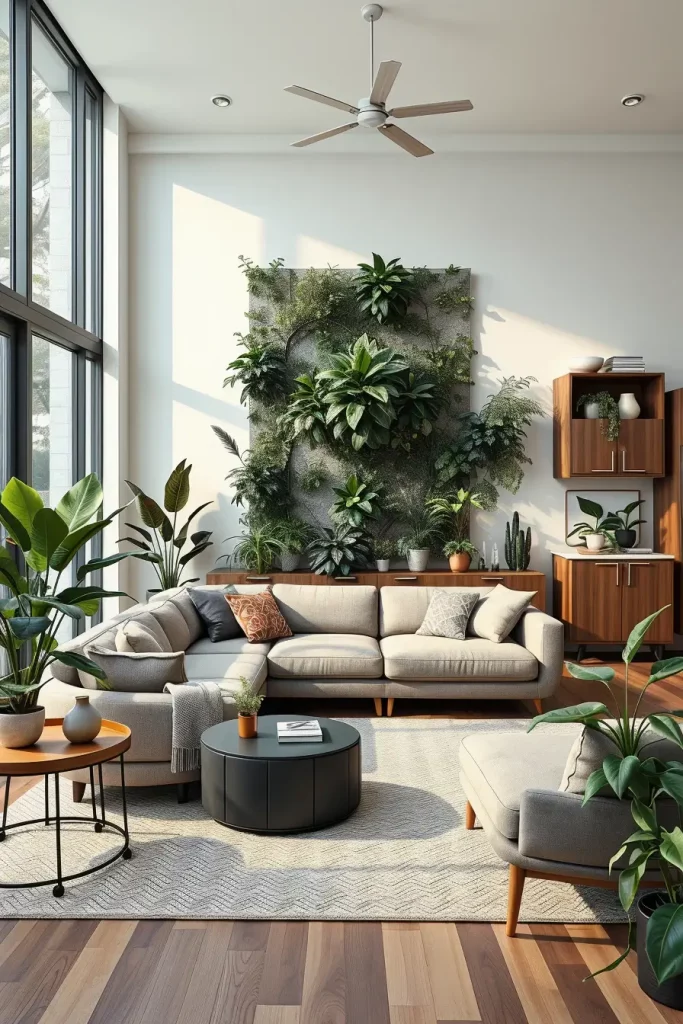
In a modern open-plan living room, I position the living wall behind a streamlined sectional sofa, paired with minimalist shelving and concealed planters. Floating cabinets in walnut or ash wood help balance the organic texture of greenery. I always include a drip irrigation system connected to a timer, ensuring consistent hydration without manual watering.
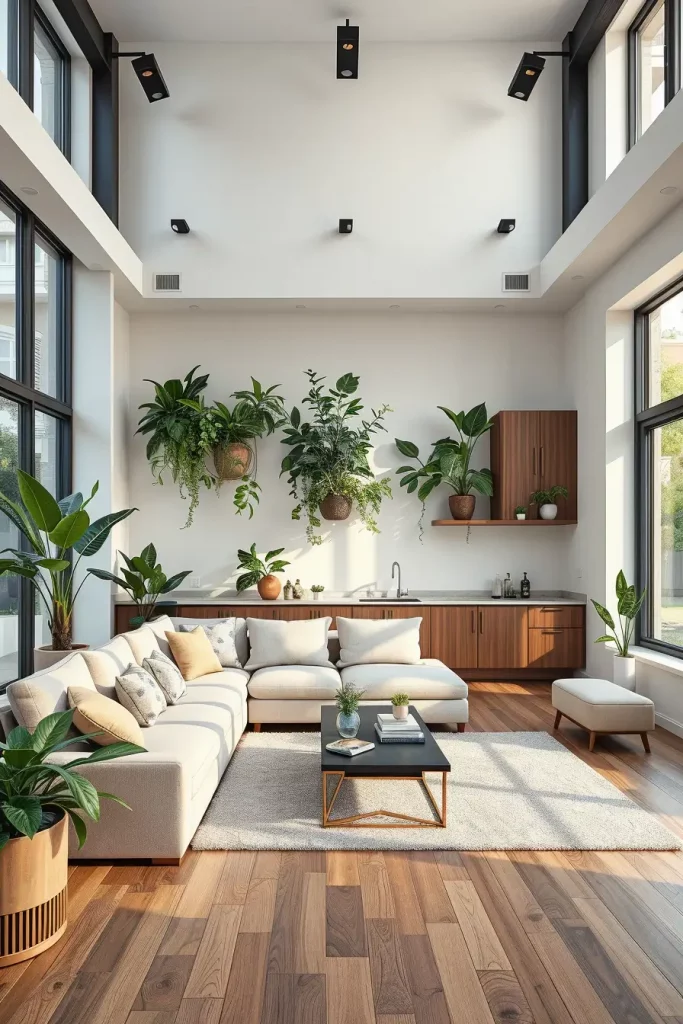
From experience, simplicity is sophistication. As noted by Better Homes and Gardens, choosing plants with similar care requirements dramatically reduces maintenance stress. I also recommend installing a water-resistant backing panel behind the structure to protect walls. Many homeowners forget to plan access panels for maintenance; I always ensure the design includes hidden but accessible service points.
Vertical Herb Garden Ideas For Kitchens And Balconies
A vertical herb garden brings functionality into small urban spaces. In kitchens, I often install slim wall-mounted planters near windows to maximize sunlight. On balconies, tiered vertical frames or pocket systems make efficient use of limited square footage. Herbs like basil, rosemary, thyme, mint, and parsley thrive in these systems when properly drained.
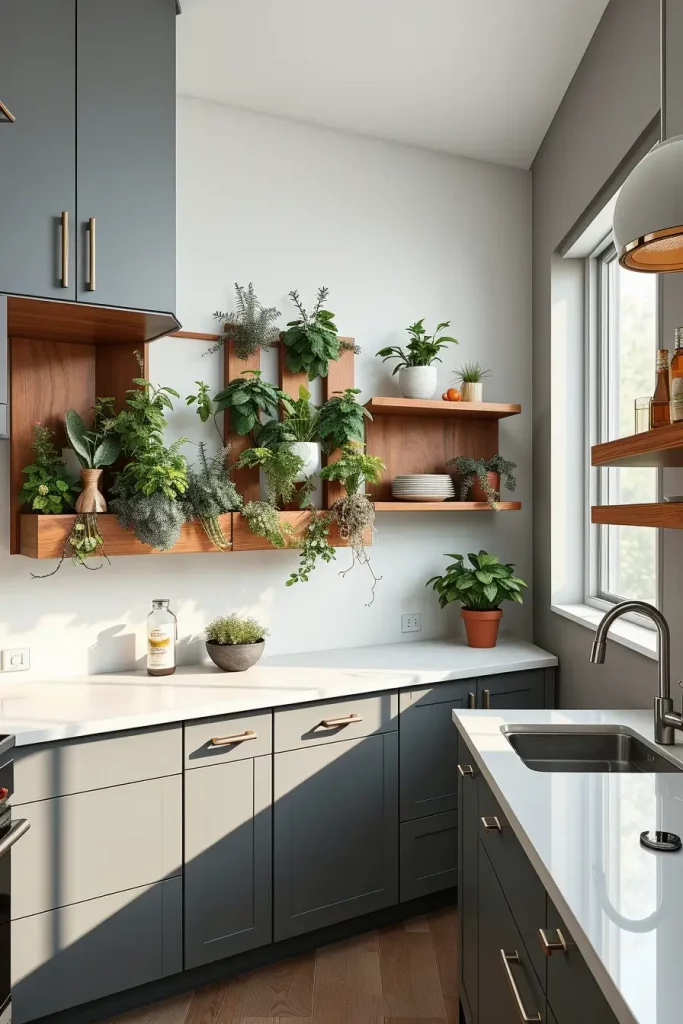
In a modern kitchen interior, I combine the herb wall with matte cabinetry, quartz countertops, and open wooden shelving. Stainless steel rails with hanging tools complement the greenery. On balconies, compact café tables, rattan chairs, and weather-resistant planters create a cozy yet practical atmosphere. Proper drainage trays and lightweight soil mixtures are essential to prevent structural strain.
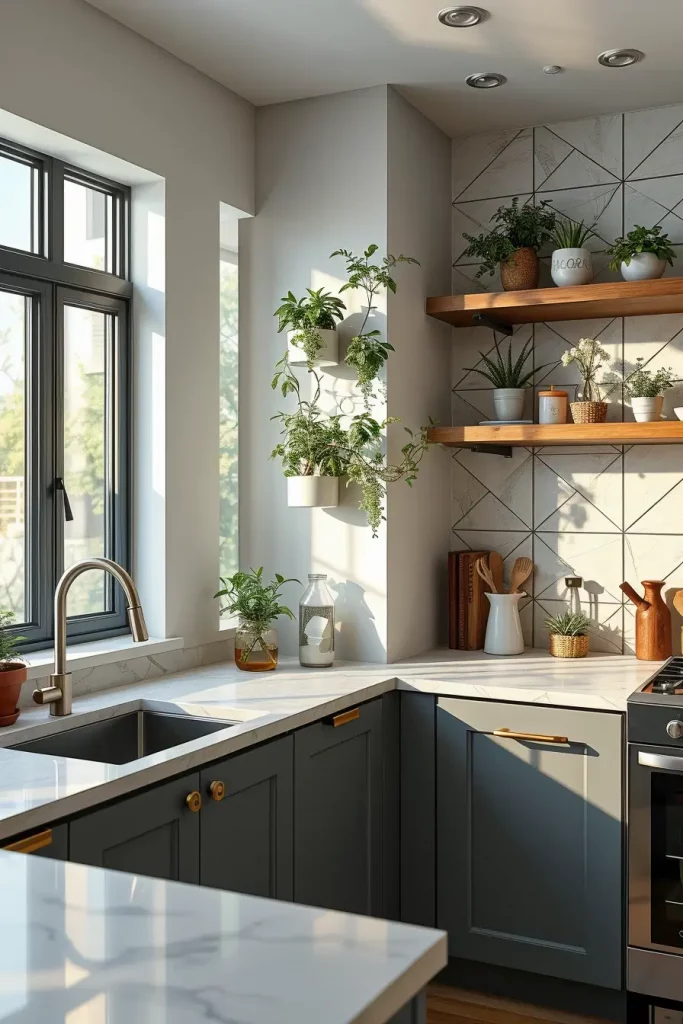
I personally love the sensory experience of cooking with fresh herbs just steps away. Designers featured in House Beautiful emphasize that edible greenery enhances both aesthetics and lifestyle. What I always add to these spaces is a small task light above the herb wall for evening cooking, ensuring usability year-round.
Flowering Living Wall Designs For Colorful Outdoor Spaces
For homeowners who want vibrant outdoor impact, flowering living wall designs provide dramatic color and texture. I typically design these for patios or garden lounges where the wall becomes a backdrop for seating areas. Petunias, begonias, geraniums, and fuchsias offer seasonal color, while evergreen foliage maintains structure year-round.
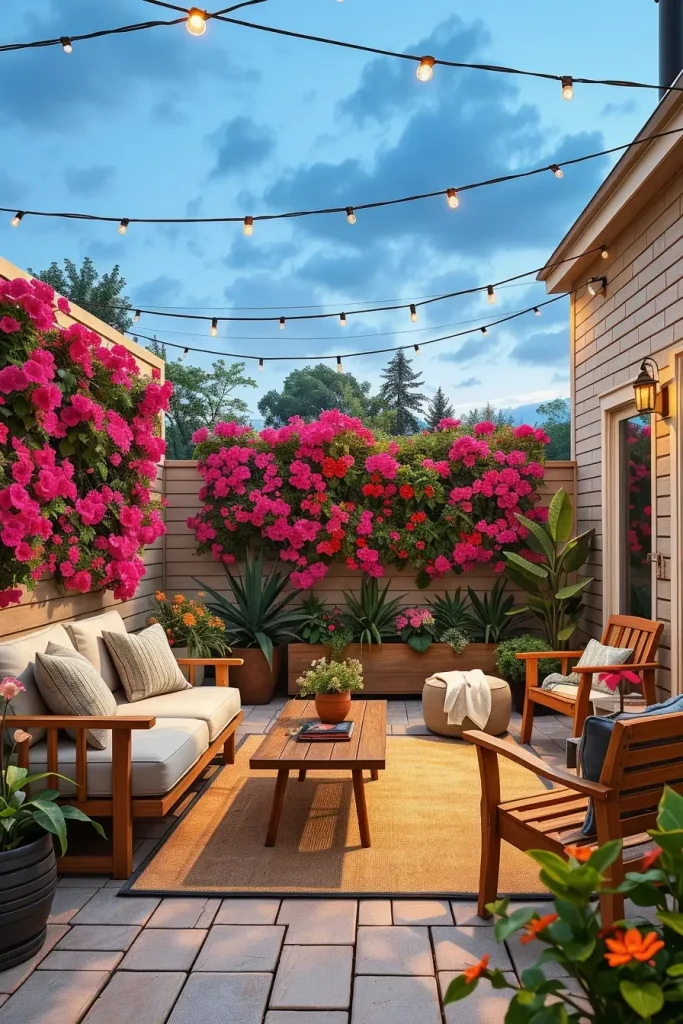
In a complete patio layout, I position weather-resistant sofas, teak coffee tables, and neutral outdoor rugs in front of the flowering wall. String lighting above and subtle ground spotlights below enhance the visual drama at night. I always ensure irrigation lines are discreetly hidden within the panel system to maintain a clean look.
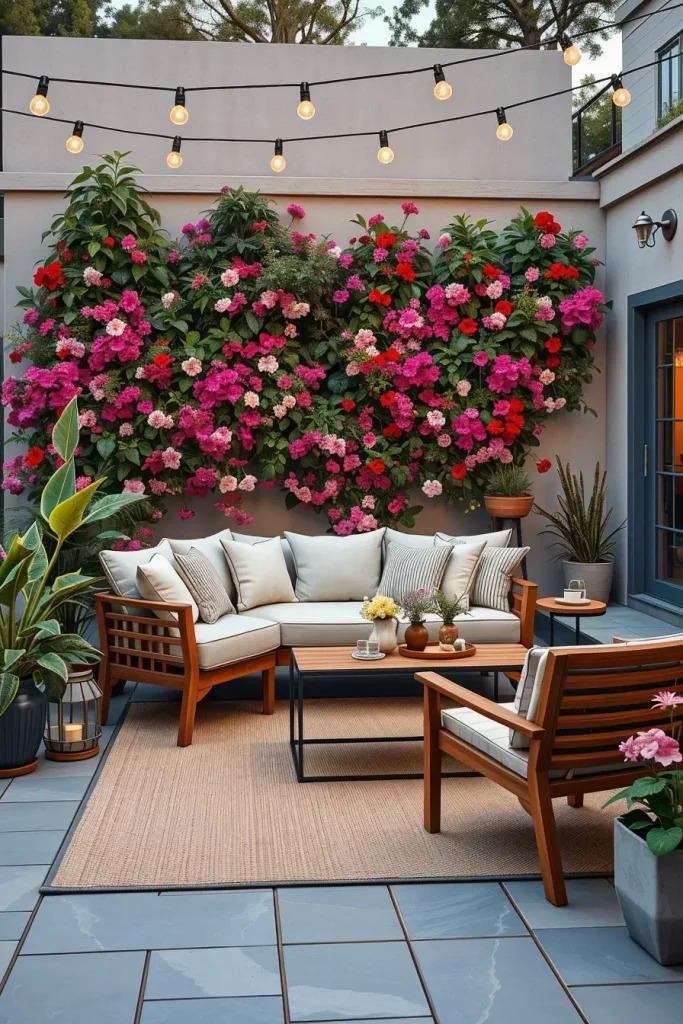
In my experience, seasonal rotation is key. I advise clients to plan for plant swaps twice a year to maintain vibrancy. Southern Living often highlights layering heights and colors for depth, which I strongly agree with. Many outdoor walls lack wind protection; I usually incorporate partial pergolas or side screens to shield delicate blooms.
Edible Vertical Garden Ideas For Sustainable Living
Edible vertical garden ideas align perfectly with sustainable living trends in 2026. I often integrate leafy greens, strawberries, cherry tomatoes, and compact peppers into vertical systems on terraces or backyard walls. These gardens combine practicality with eco-conscious design, reducing grocery trips and encouraging homegrown produce.
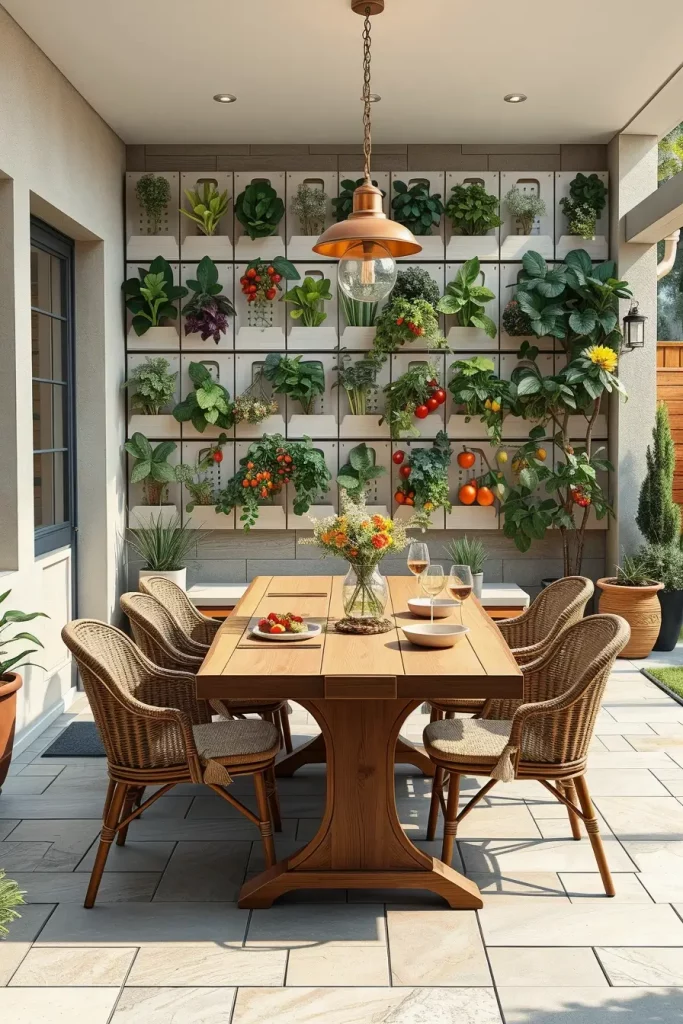
In a contemporary outdoor dining area, I design the edible wall near a wooden dining table with woven chairs and pendant lighting. Raised modular panels with drip irrigation make harvesting easy. I recommend food-safe containers and organic soil blends to ensure healthy yields.
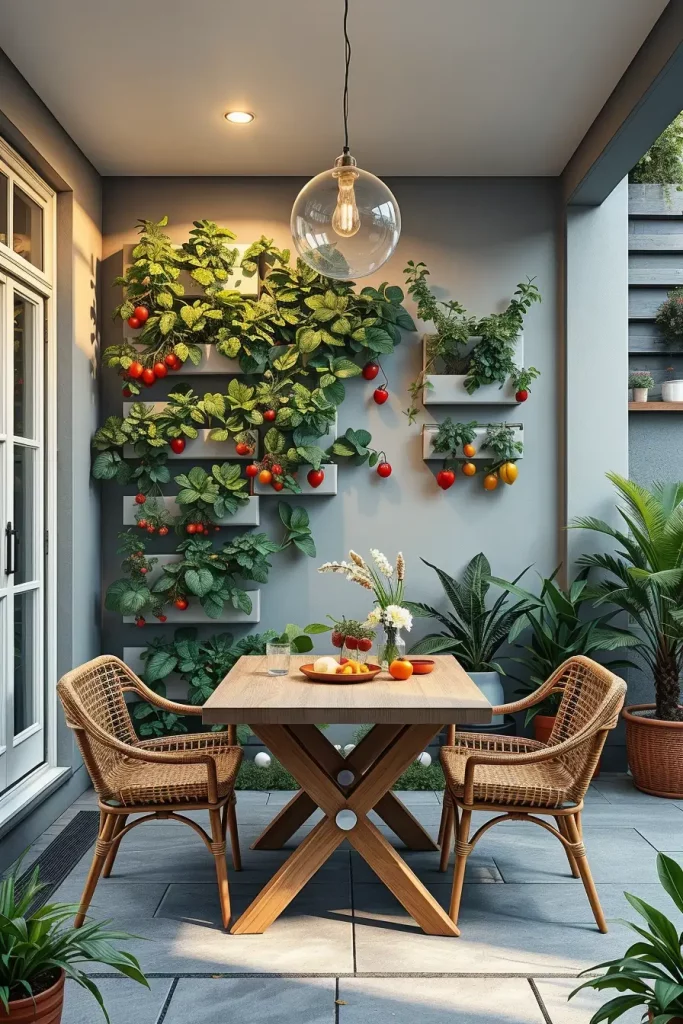
Personally, I believe edible living walls redefine luxury as self-sufficiency. Publications like Dwell have emphasized the merging of sustainability and design, which resonates strongly with my projects. What I always add is a composting station nearby to close the sustainability loop and reduce organic waste.
Modular Vertical Garden Panels For Easy Installation
When clients ask me for flexibility and simplicity, I often recommend modular vertical garden panels. In 2026, these systems have become more refined, lightweight, and adaptable to both interior and exterior applications. I typically design them for living rooms, home offices, terraces, or even entryways where homeowners want the impact of a living wall design without structural complexity. Modular systems allow individual panels to be replaced or rearranged, which makes them practical for evolving interiors.
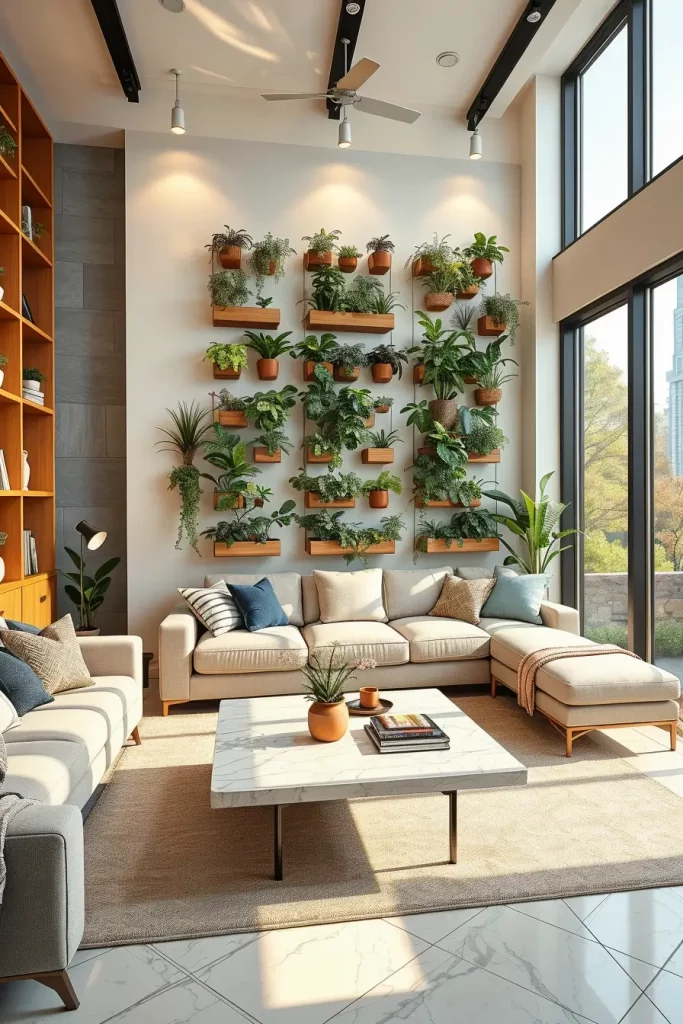
In a full modern living room, I position the modular system on a feature wall opposite large windows. I combine powder-coated aluminum frames with interchangeable plant trays, ensuring easy maintenance. Furniture usually includes a low-profile sectional sofa, a stone or travertine coffee table, and built-in shelving in warm wood tones to balance the greenery. Integrated drip irrigation and hidden reservoirs are essential components. I also prefer magnetic or click-in panel systems for quick access during plant replacement.
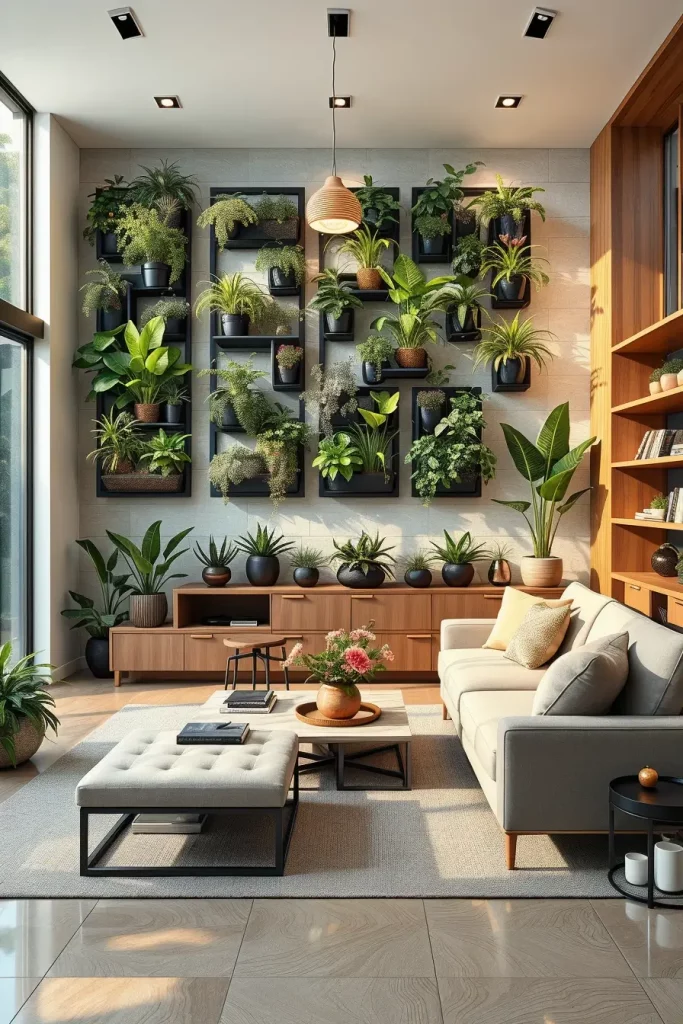
From my experience, modular systems are ideal for renters or homeowners who anticipate redesigning their space in the future. As noted by designers featured in Dwell, adaptability is becoming a defining characteristic of modern sustainable interiors. What I always add to these systems is a protective waterproof backing and proper ventilation spacing behind the panels to prevent moisture buildup, which many DIY installations overlook.
Luxury Living Wall Designs For Modern Architecture
Luxury Vertical Garden & Living Wall Ideas 2026 often merge biophilic design with cutting-edge architecture. In high-end homes, I integrate double-height living walls in entry foyers or along staircases to create a dramatic vertical statement. These installations are carefully engineered with professional irrigation, drainage systems, and architectural lighting to highlight texture and depth.
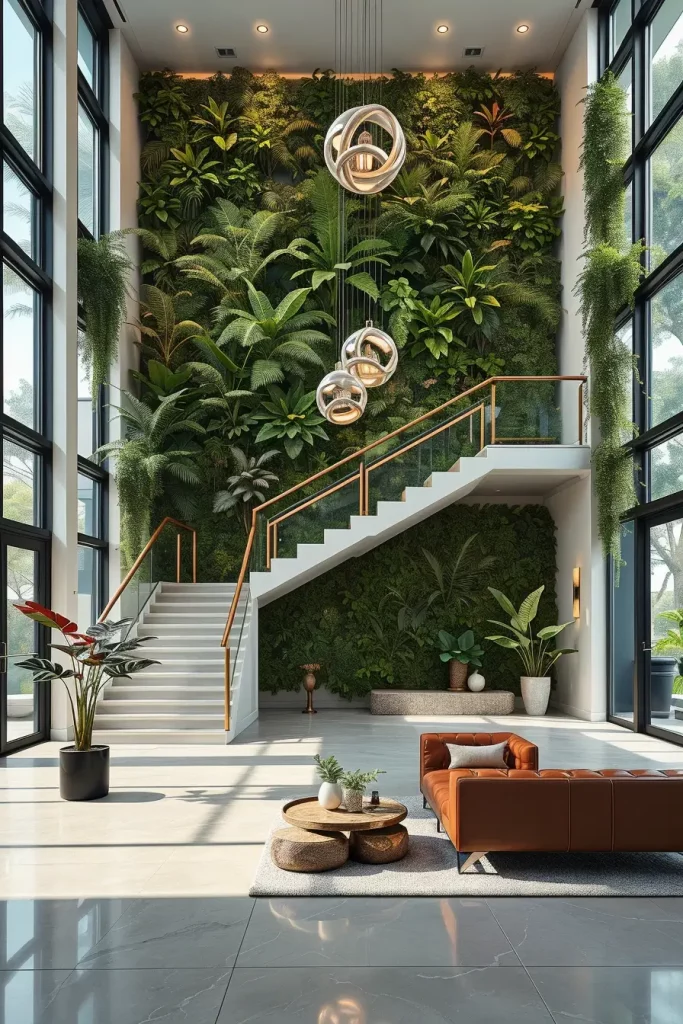
In a modern architectural setting, I typically pair the living wall with floor-to-ceiling glass windows, floating staircases, polished concrete floors, and minimalist furniture in leather or bouclé. Sculptural lighting fixtures enhance the vertical dimension, while concealed LED uplights emphasize plant layers. I select lush foliage such as philodendrons, monsteras, ferns, and moss panels to create a dense, luxurious effect.
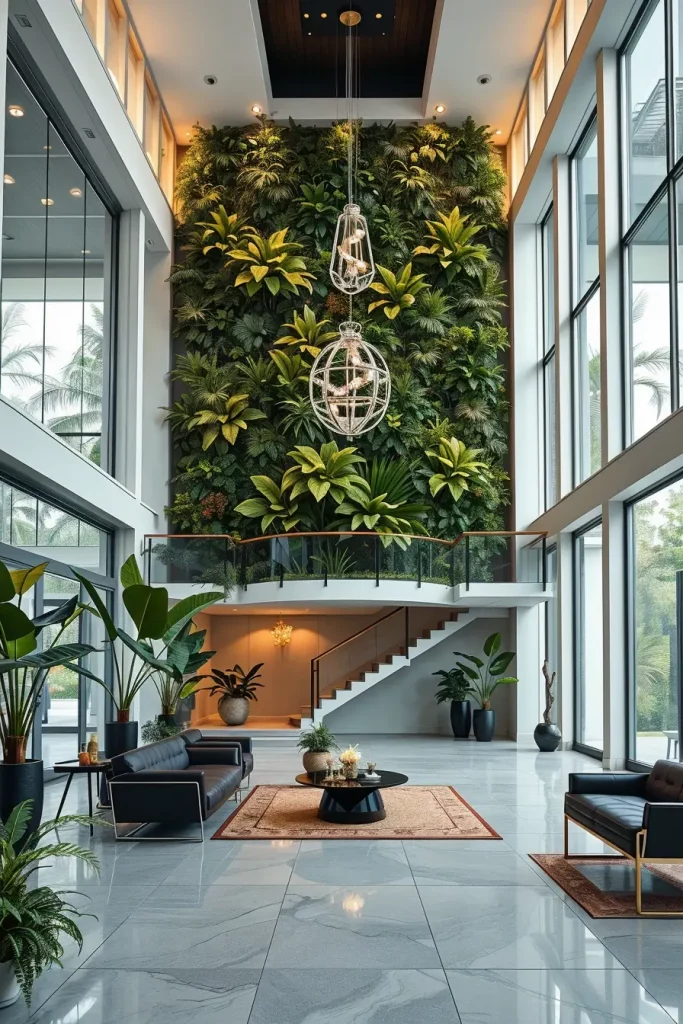
Personally, I believe luxury living walls should feel intentional rather than decorative. Architectural Digest frequently emphasizes proportion and scale in statement features, and I fully agree. What is often missing in large-scale installations is acoustic consideration. I recommend integrating acoustic backing panels behind the greenery to improve sound absorption, especially in open-plan modern homes.
Rustic And Farmhouse-Style Vertical Garden Inspiration
For clients who love warmth and character, I design rustic and farmhouse-style vertical gardens that blend natural textures with greenery. In these spaces, the living wall becomes a cozy focal point rather than a sleek architectural feature. I often install them in dining rooms, sunrooms, or covered porches where wood and greenery naturally complement each other.
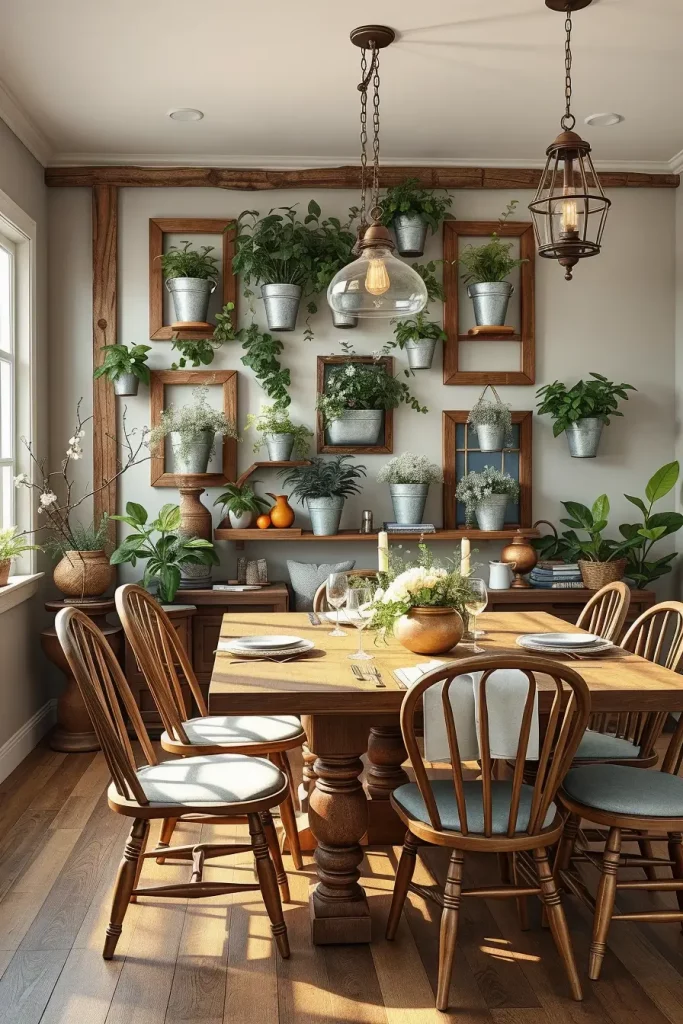
I typically use reclaimed wood frames, wrought iron brackets, and galvanized metal planters to support trailing ivy, herbs, and seasonal flowers. Furniture often includes a solid wood farmhouse table, spindle-back chairs, linen cushions, and vintage-inspired lighting. Soft neutral walls and natural fiber rugs allow the greenery to feel organic and integrated.
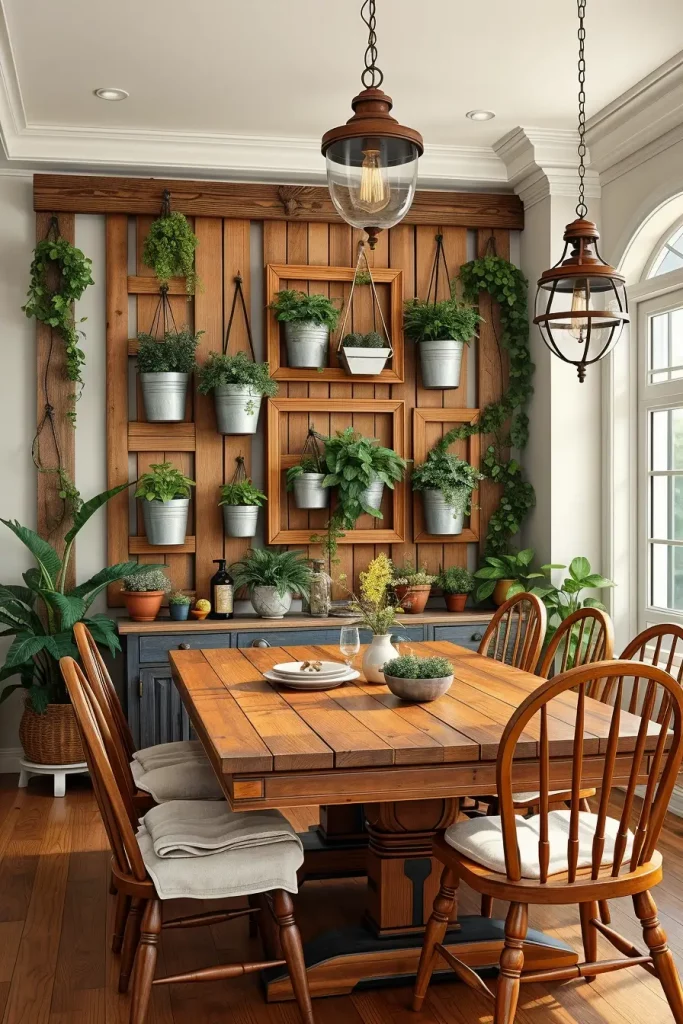
In my experience, balance is crucial in farmhouse interiors. Too much greenery can overwhelm the rustic charm. Better Homes and Gardens often highlights layering textures rather than colors, which I follow closely. What I always ensure in farmhouse vertical gardens is proper sealing of wooden structures to prevent moisture damage while maintaining the authentic aesthetic.
Vertical Succulent Walls For Minimalist Decor
A vertical succulent wall is one of the most effective solutions for minimalist interiors. I design these for contemporary apartments or modern offices where clean lines and subtle textures dominate. Succulents require minimal watering, making them ideal for compact systems and low-maintenance living wall concepts.
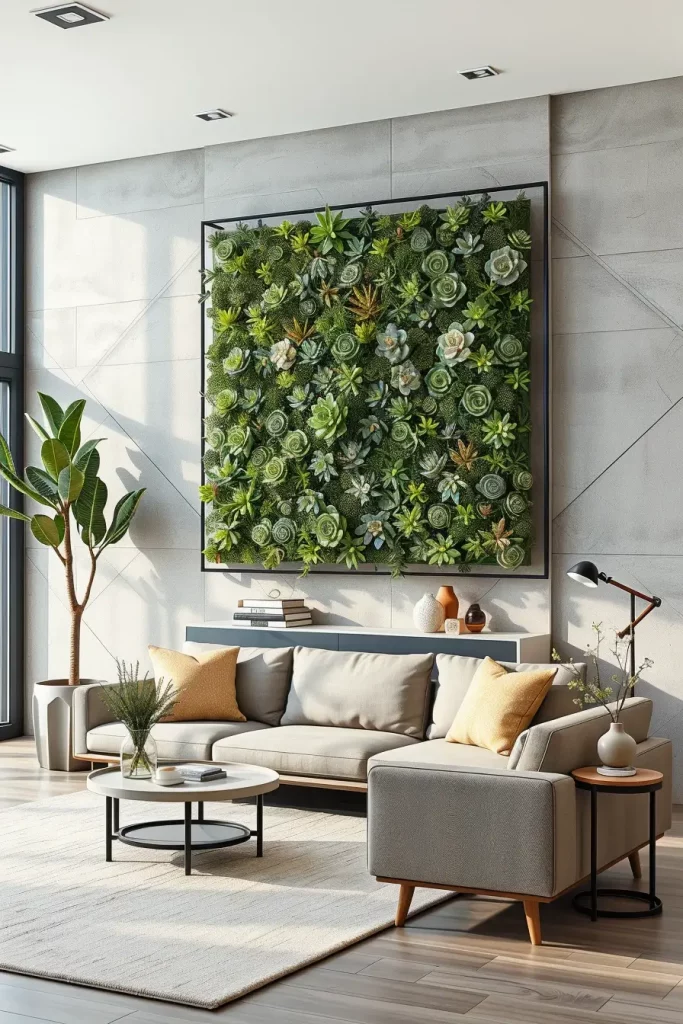
In a minimalist living room, I position the succulent wall above a streamlined console or behind a neutral-toned sofa. Concrete or microcement walls, slim black frames, and simple geometric shelving enhance the modern feel. I carefully arrange echeveria, sedum, crassula, and haworthia in patterned compositions to create visual interest without overwhelming the space.
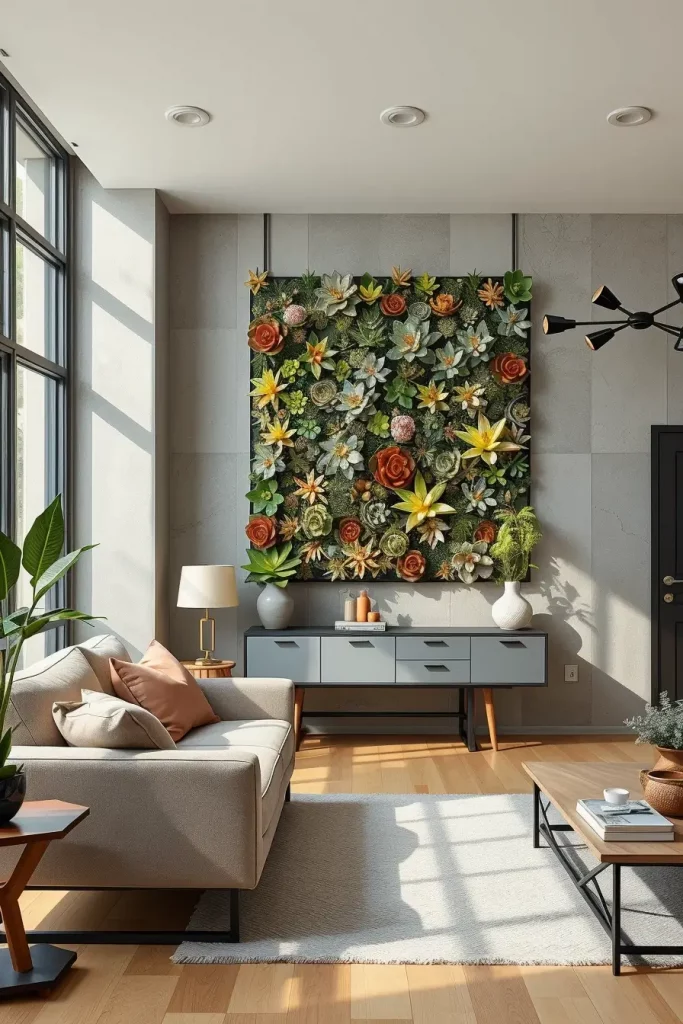
Personally, I appreciate how succulent walls introduce greenery without disrupting minimalism. Designers frequently featured in Elle Decor recommend repeating shapes and tones for cohesion, which is particularly important with succulents. What I add to these installations is precise drainage planning and breathable growing medium to prevent root rot, which is the most common issue with succulent walls.
Tropical Living Wall Ideas For Exotic Vibes
Tropical living walls bring bold personality and immersive atmosphere into both indoor and outdoor spaces. I often design these for poolside patios, sunrooms, or large living rooms with abundant natural light. In 2026, tropical greenery is a strong trend within Vertical Garden & Living Wall Ideas 2026, reflecting a desire for escapism and connection to nature.
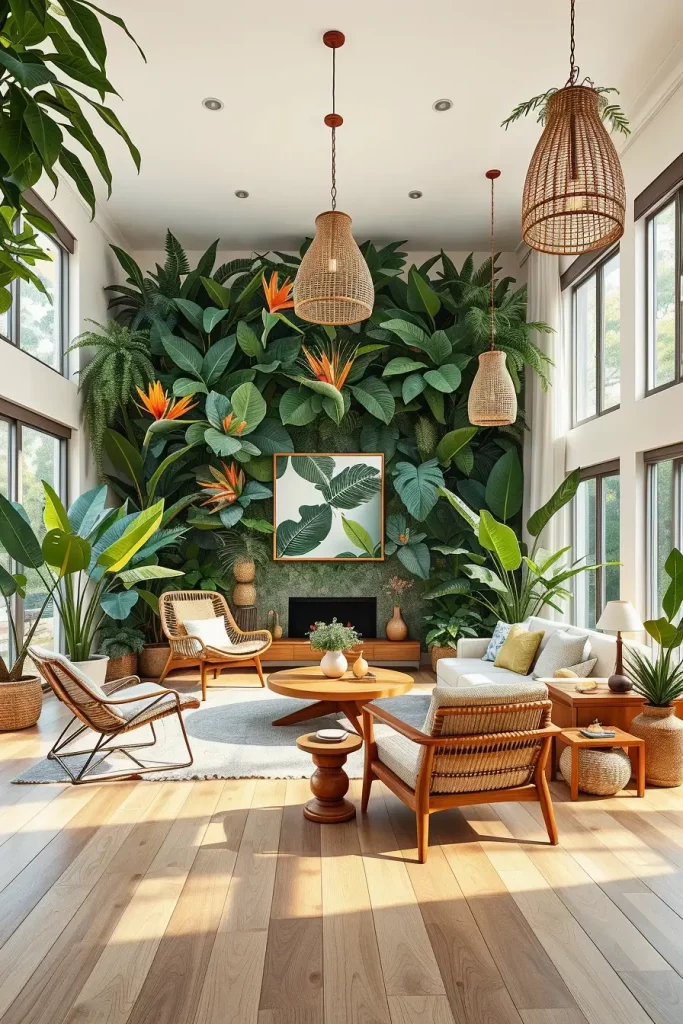
I combine large-leaf plants like monstera, bird of paradise, philodendron, and calathea with layered textures for depth. In a full-room design, I integrate rattan lounge chairs, light oak or teak furniture, textured linen cushions, and woven pendant lighting. Natural stone flooring or light wood planks enhance the tropical ambiance. Proper humidity control and irrigation are critical to maintaining plant health.
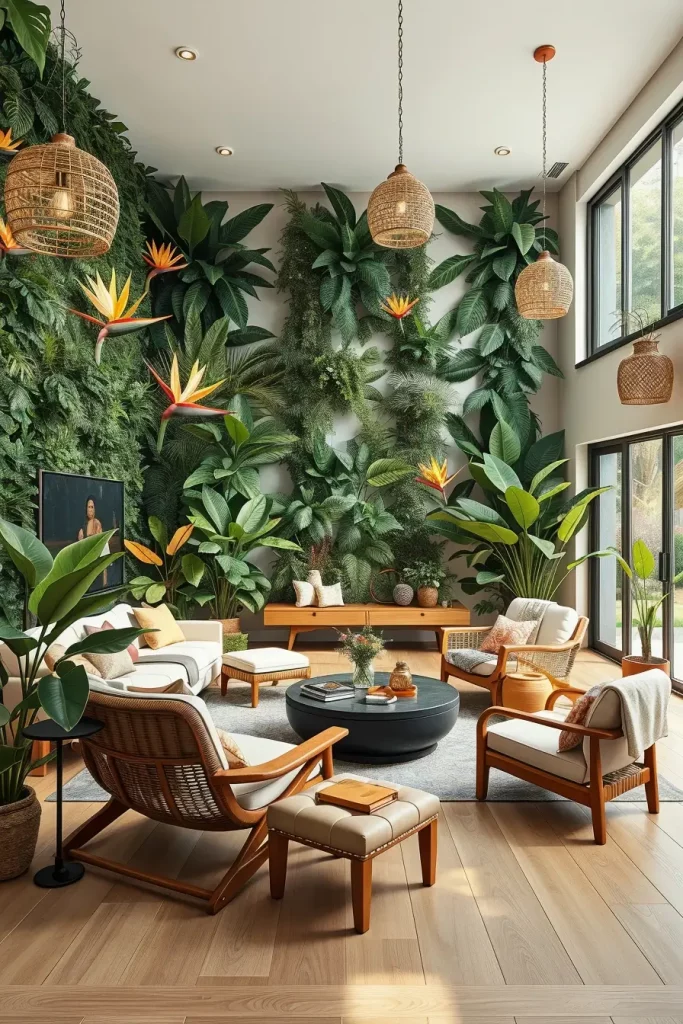
From my professional experience, tropical walls require careful planning of airflow and lighting. House Beautiful often emphasizes the importance of indirect bright light for tropical plants, which I consistently apply. What I recommend adding to these designs is a discreet misting system or humidifier to replicate tropical conditions, especially in drier climates.
If you’re inspired by these ideas, I’d love to hear which vertical garden style fits your space best. Share your thoughts or questions in the comments, and let’s explore how to bring more greenery into your home in 2026.
Vertical Garden Privacy Screens For Outdoor Spaces
When I design outdoor areas in 2026, I often recommend vertical garden privacy screens as both a functional and aesthetic solution. These structures create natural boundaries without the heaviness of traditional fences. In patios, terraces, and rooftop decks, a vertical garden privacy wall softens the architecture while providing shade and visual protection from neighbors. I typically position them to block direct sightlines while still allowing airflow, making the space feel open yet secluded.
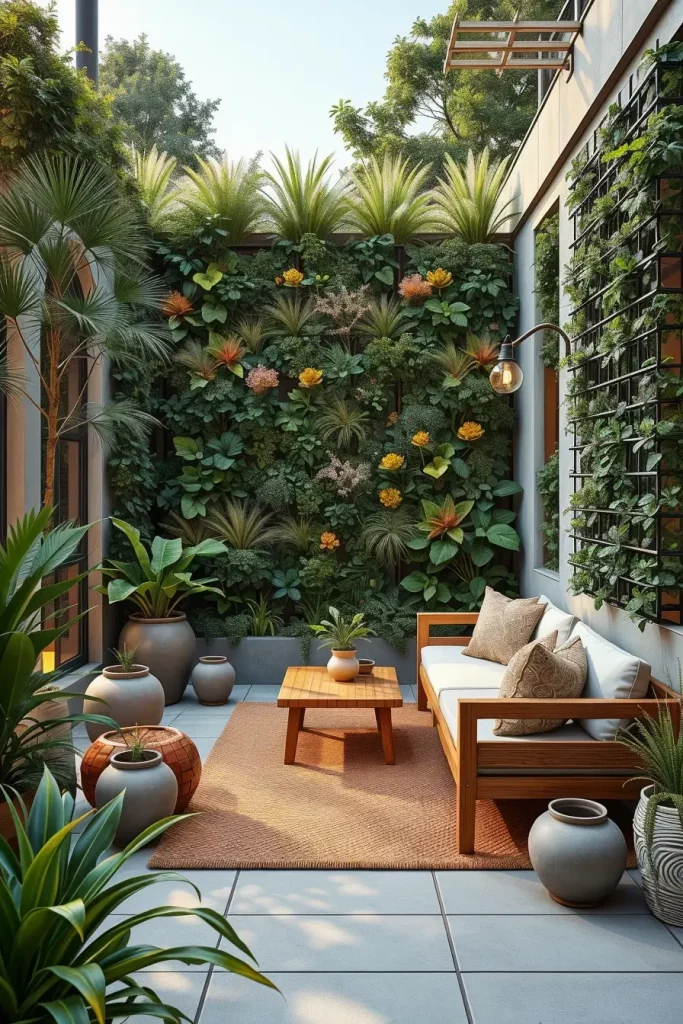
I carefully select modular living wall systems with built-in irrigation to ensure long-term plant health. For outdoor privacy screens, I prefer dense plantings such as ornamental grasses, ferns, climbing ivy, and flowering perennials arranged in layered panels. I integrate outdoor lounge furniture like weather-resistant sectionals, teak coffee tables, textured outdoor rugs, and ceramic planters to complement the greenery. Lighting, such as subtle LED strips along the frame, enhances usability at dusk while maintaining a calm ambiance.
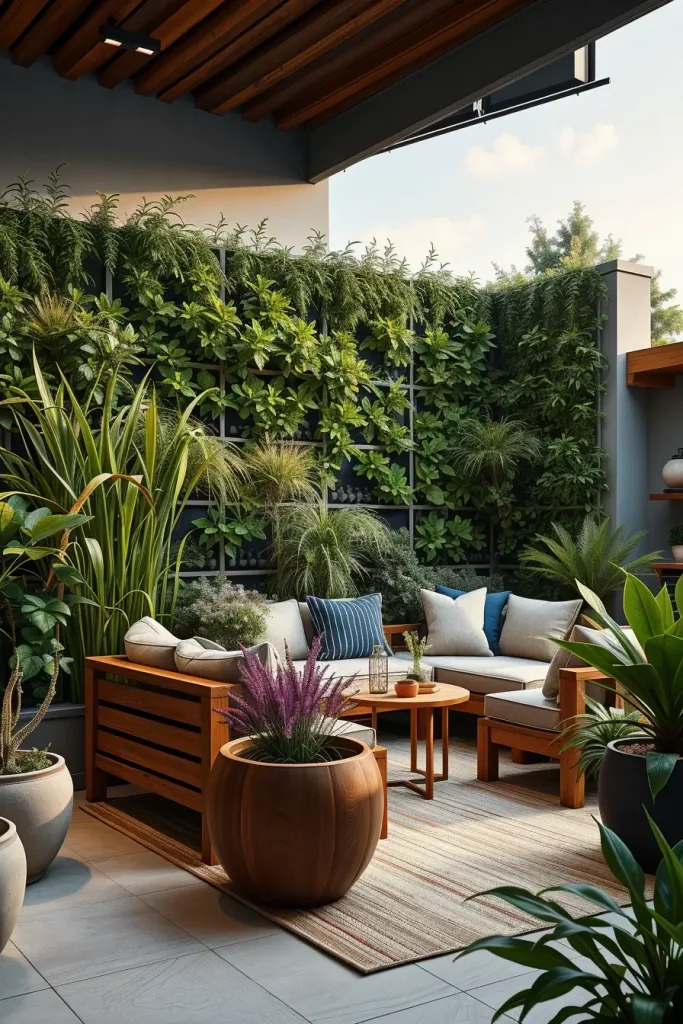
In my experience, clients are often surprised by how much these green screens reduce noise and heat exposure. Architectural Digest frequently highlights biophilic design as a long-term investment rather than a trend, and I fully agree. A well-installed vertical privacy garden increases comfort while boosting property value. I always advise including a proper drainage system and considering wind exposure to ensure structural stability.
What should be added here is a brief consultation with a landscape professional to assess weight load and sun orientation. I always evaluate wall materials and structural support before installation to prevent future issues.
Office And Commercial Living Wall Design Trends 2026
In commercial interiors, living wall design trends 2026 focus heavily on employee well-being and sustainability. I often incorporate large-scale indoor vertical gardens in reception areas and open-plan offices to create a memorable first impression. These installations are no longer decorative extras; they are integrated architectural features that reflect corporate values and environmental responsibility.
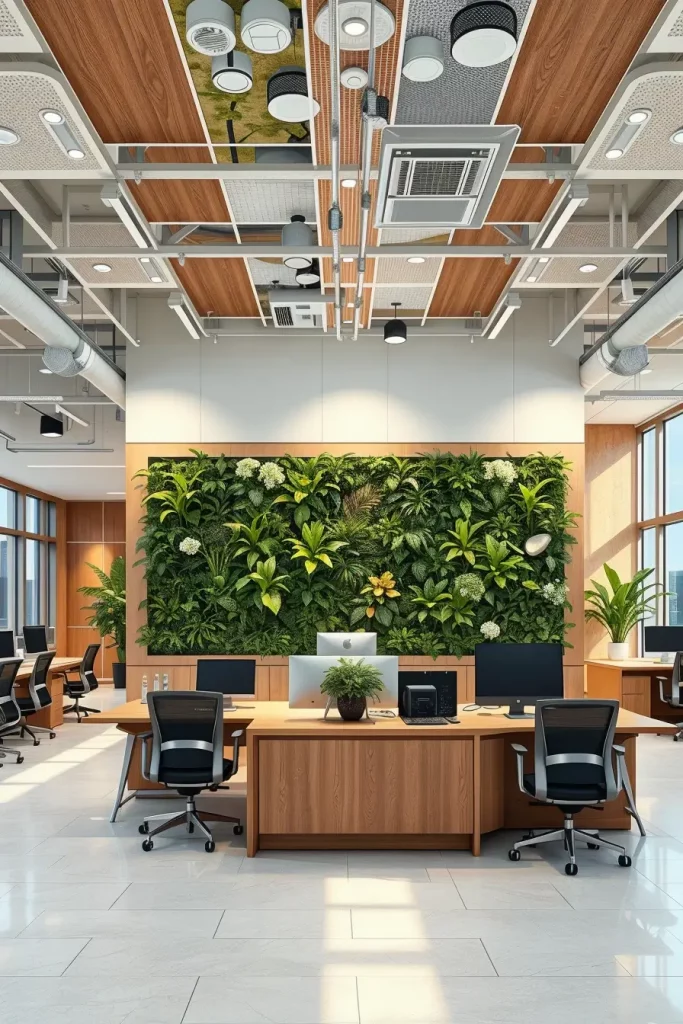
I usually pair full-height plant walls with minimalist furniture, acoustic ceiling panels, ergonomic workstations, and natural wood finishes. Neutral color palettes allow the greenery to stand out. Built-in irrigation and automated monitoring systems are essential in office settings to maintain consistent plant health. I also recommend incorporating seating areas near the green wall to encourage informal meetings in a calming environment.
From my professional perspective, research published in environmental psychology studies shows that biophilic design can reduce stress and increase productivity. I have personally seen teams gravitate toward areas near living walls during brainstorming sessions. The presence of greenery fosters creativity and comfort in subtle but measurable ways.
To complete this concept, I recommend integrating brand elements subtly within the greenery, such as logo outlines formed with contrasting plants. Proper maintenance contracts should also be included in the planning phase to ensure longevity.
Vertical Garden Lighting Ideas For Stunning Night Effects
Lighting transforms a vertical garden from a daytime feature into a dramatic evening focal point. I often design layered lighting plans that highlight texture, depth, and plant variation. In both indoor and outdoor settings, strategic lighting enhances the architectural value of modern vertical garden ideas while ensuring safety and usability.
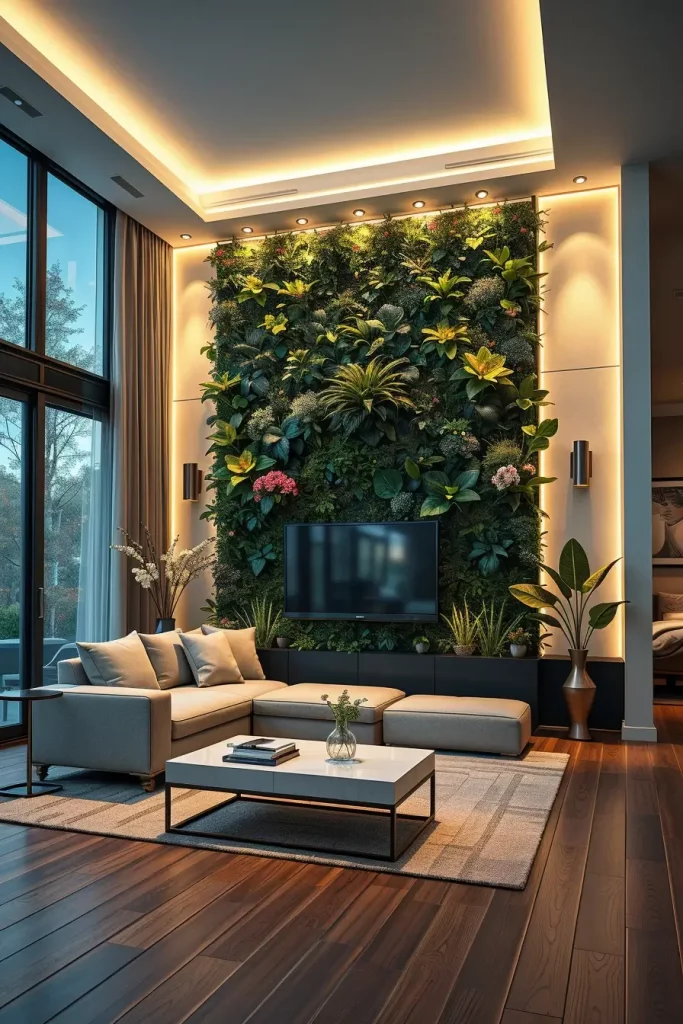
I typically use a combination of concealed LED strip lighting behind panels, adjustable spotlights from above, and ground-mounted uplights for outdoor installations. Warm white lighting creates a welcoming atmosphere in residential interiors, while cooler tones can emphasize contemporary office environments. Smart lighting systems connected to timers or apps provide flexibility and energy efficiency.
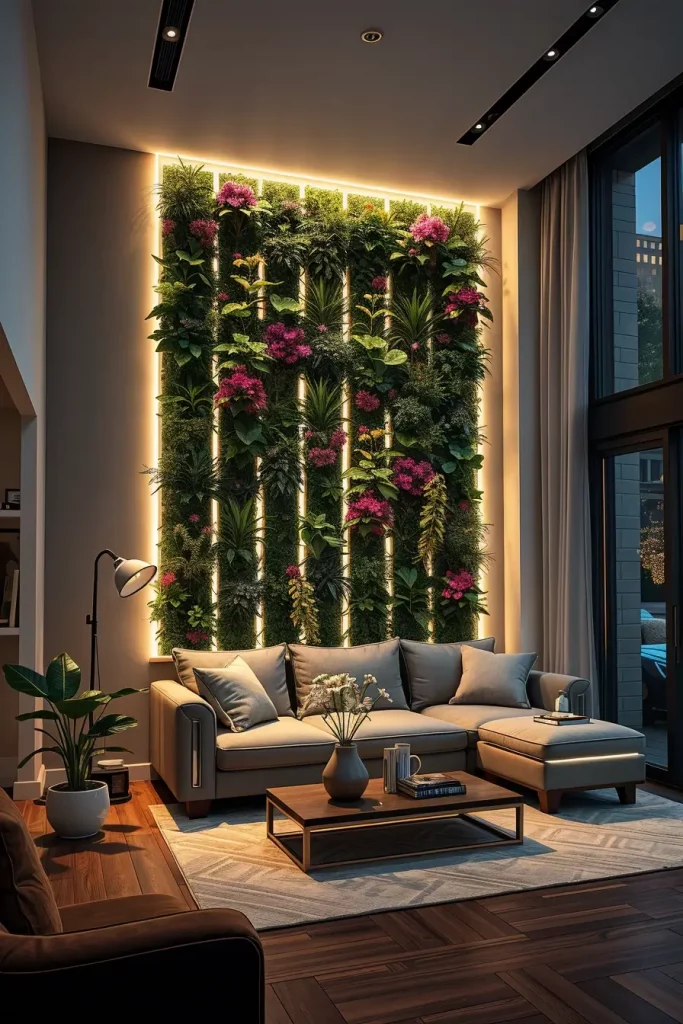
In my experience, lighting should never overpower the plants. Instead, it should accentuate leaf shapes and natural shadows. Designers frequently emphasize that lighting is as important as plant selection in vertical garden design, and I strongly agree. When done correctly, the result feels sophisticated rather than theatrical.
What I always add to lighting plans is moisture-resistant fixtures and proper cable concealment. Safety and durability must remain priorities, especially in outdoor installations.
Seasonal Plant Rotation Tips For Living Walls
Seasonal adaptability is essential for maintaining vibrant living walls year-round. I plan living wall systems with plant diversity in mind, allowing easy replacement of seasonal species without disrupting the entire structure. This ensures that the wall remains dynamic and visually appealing in every season.
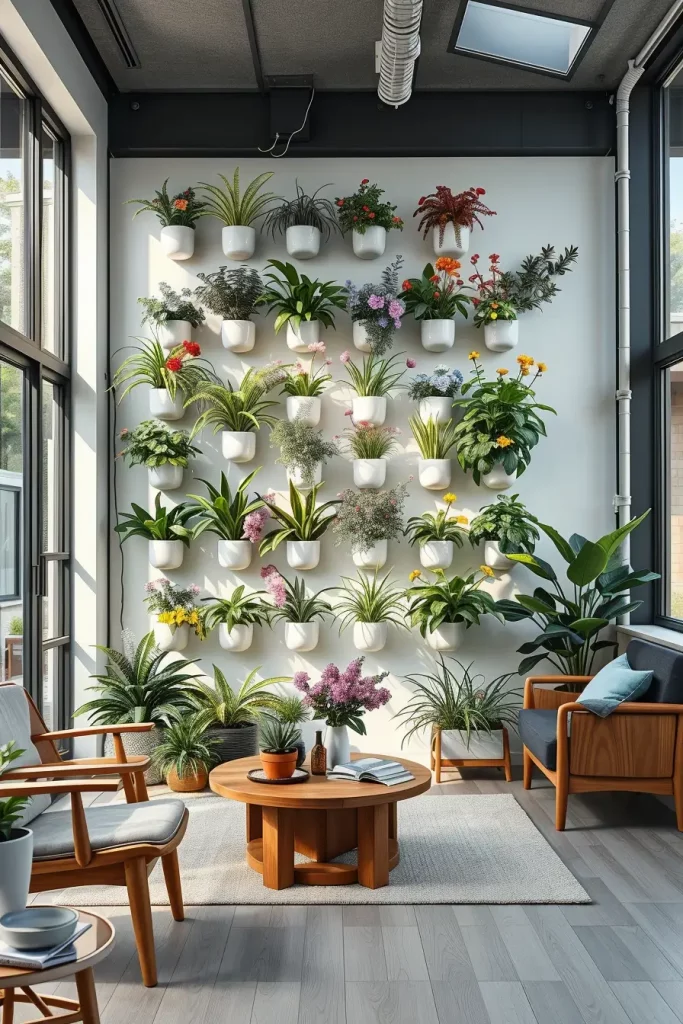
I recommend selecting evergreen base plants for structure, then incorporating seasonal accents such as flowering annuals or foliage with changing colors. Modular pocket systems allow for simple plant swaps. I also consider irrigation adjustments, fertilizer schedules, and sunlight changes throughout the year to protect plant health.
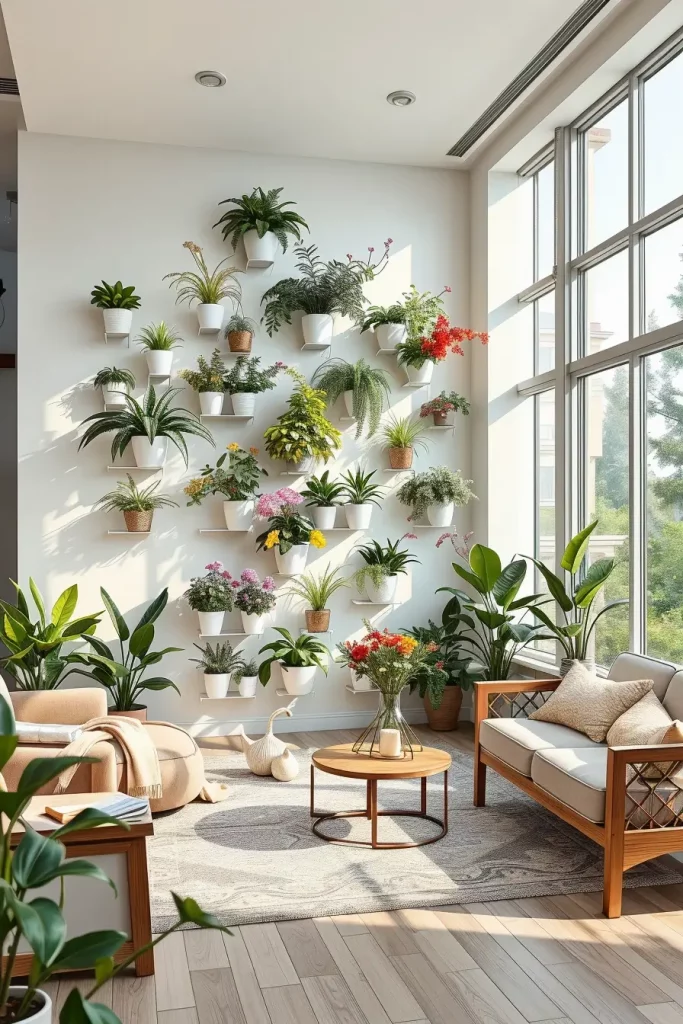
Personally, I see seasonal rotation as an opportunity to refresh interior design without major renovation. It keeps the space feeling alive and responsive to nature. Many professional horticulturists recommend planning at least two seasonal transitions annually, and I follow this guideline carefully.
To improve this section, I would include a maintenance calendar and guidance on selecting climate-appropriate species. Consulting a local nursery ensures plant success and reduces replacement costs.
Artificial Living Wall Alternatives For Zero Maintenance
For clients who love the aesthetic but cannot commit to plant care, artificial vertical garden installations offer a practical alternative. In 2026, high-quality artificial greenery has become remarkably realistic, making it a viable option for residential and commercial interiors.
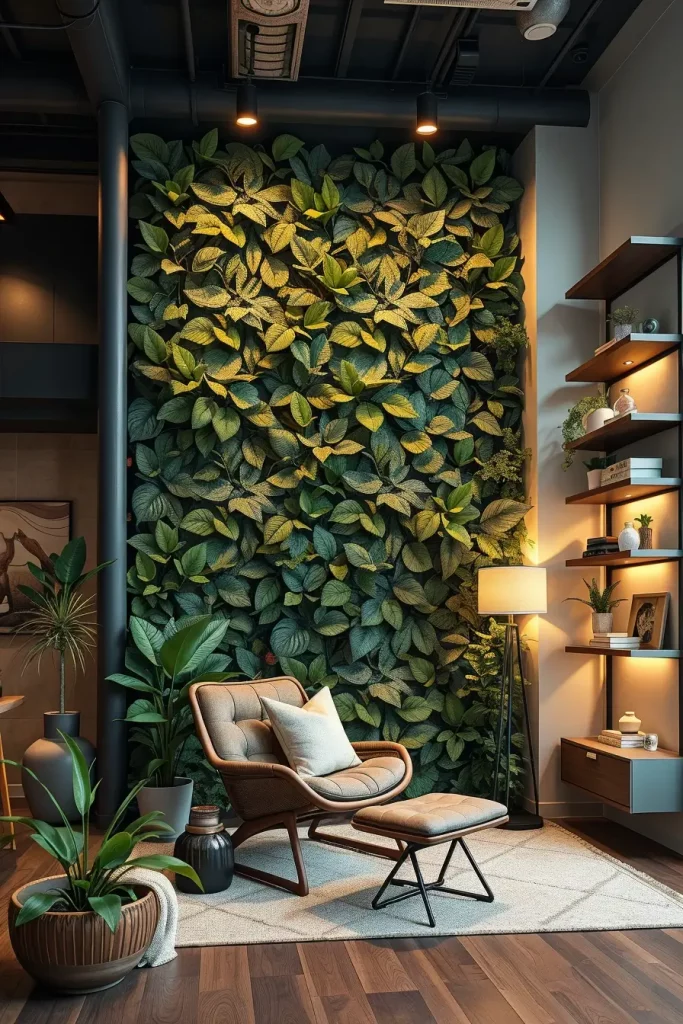
I choose UV-protected artificial panels with varied leaf textures and tones to avoid a flat appearance. I often combine faux greenery with natural materials such as wood slats, stone accents, or metal frames to maintain authenticity. Indoor settings may include accent chairs, floating shelves, and sculptural lighting that complement the green wall backdrop.
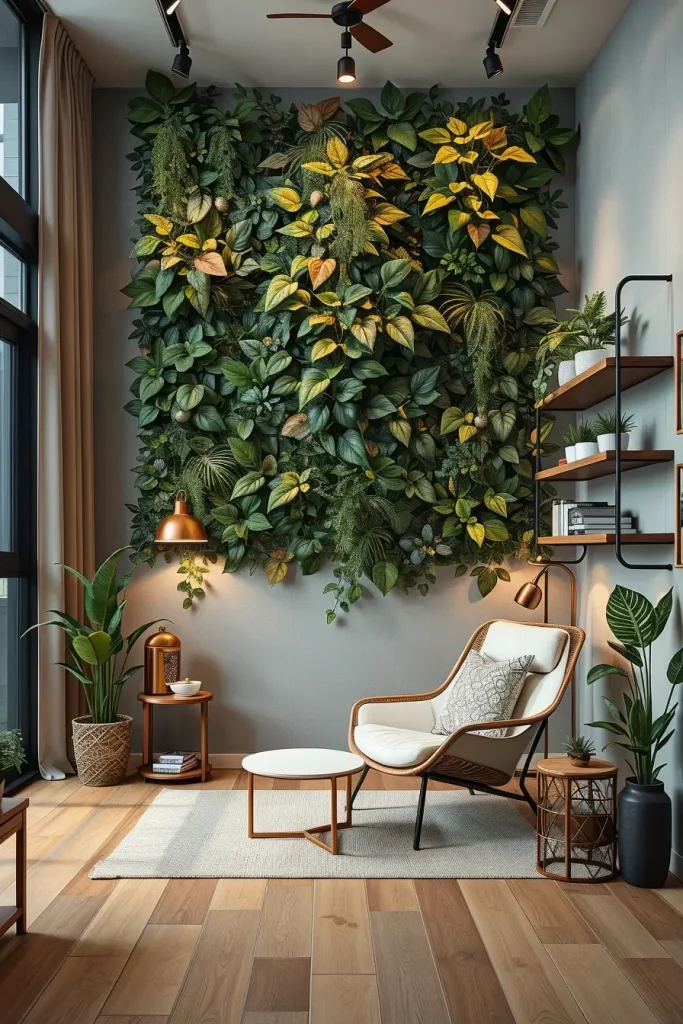
From my professional experience, artificial walls are ideal for low-light areas, rental properties, or high-traffic commercial zones. While they do not improve air quality like real living wall systems, they provide consistent appearance without irrigation or pruning requirements.
If anything is missing here, it is guidance on quality assessment. I always recommend checking fire ratings, UV resistance, and installation hardware to ensure safety and durability.
Metal Frame Vertical Garden Structures For Modern Homes
When I design vertical garden design concepts for modern homes, I often turn to metal frame structures for their clean lines and durability. These frames provide strong architectural support while maintaining a light visual presence. In contemporary interiors and façades, powder-coated steel or aluminum frames allow me to create structured grids that hold modular planting panels securely. I find this especially effective in loft-style apartments, modern townhouses, and minimalist outdoor courtyards where geometry plays a key role.
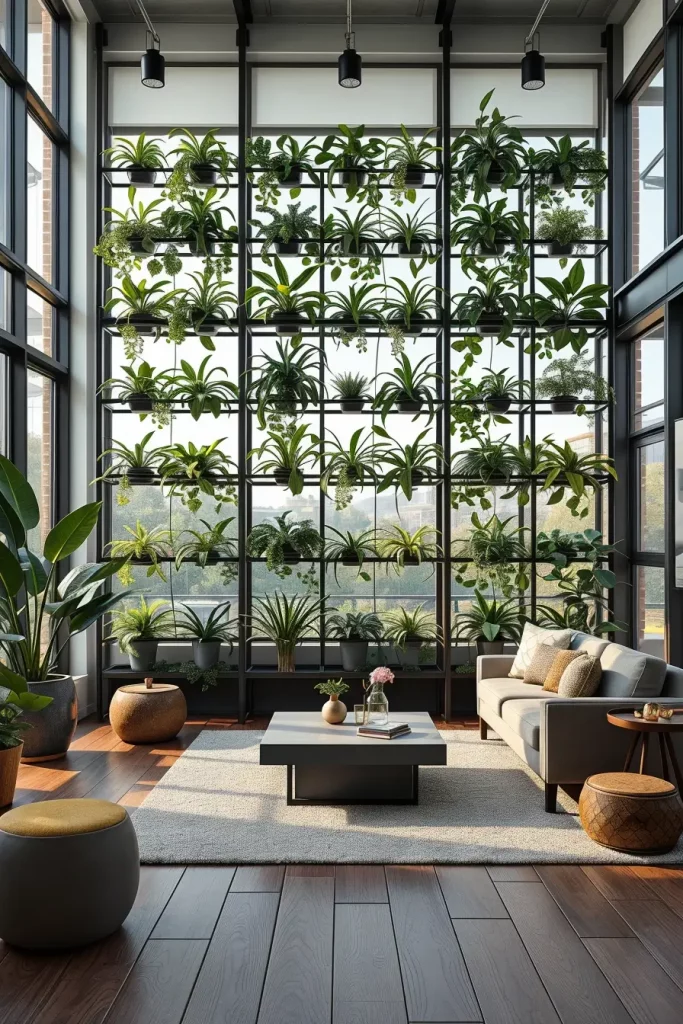
I typically combine black or charcoal metal frames with structured planting modules filled with cascading greenery such as pothos, philodendron, and ornamental grasses. The contrast between industrial metal and soft foliage enhances the overall aesthetic. To complete the composition, I integrate streamlined furniture like low-profile sectionals, concrete coffee tables, and slim outdoor loungers. Built-in drip irrigation systems are discreetly hidden within the frame to maintain the sleek appearance. This approach ensures the living wall systems look intentional and architectural rather than improvised.
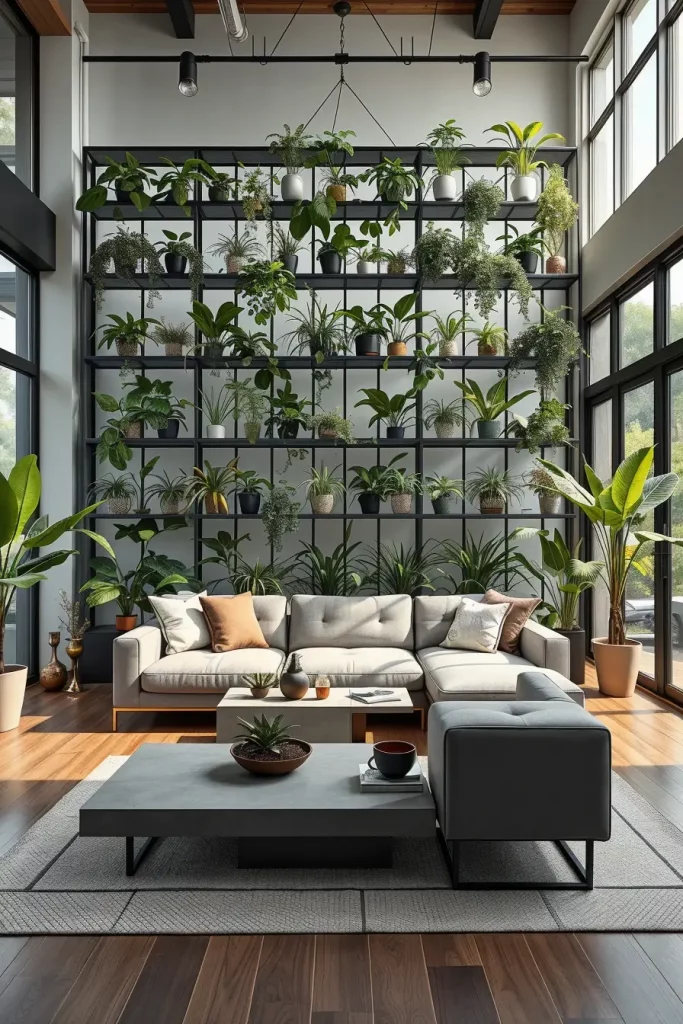
In my experience, metal structures provide long-term stability and are ideal for clients seeking a modern, low-maintenance solution. Many contemporary designers emphasize mixing natural and industrial materials to create balance, and I strongly support this principle. A well-designed metal-framed vertical garden becomes a focal point without overwhelming the space.
What should be added here is a discussion of corrosion resistance and weight distribution. I always recommend weather-resistant coatings for outdoor installations and consulting a structural specialist when mounting large-scale systems indoors.
Wooden Pallet Vertical Garden Ideas For DIY Lovers
For those who appreciate hands-on creativity, wooden pallet vertical gardens remain a practical and affordable option in Vertical Garden & Living Wall Ideas 2026. I often suggest this idea for balconies, small patios, and backyard corners where space is limited. Pallet systems offer flexibility and charm, particularly in rustic, farmhouse, or bohemian-inspired outdoor settings.
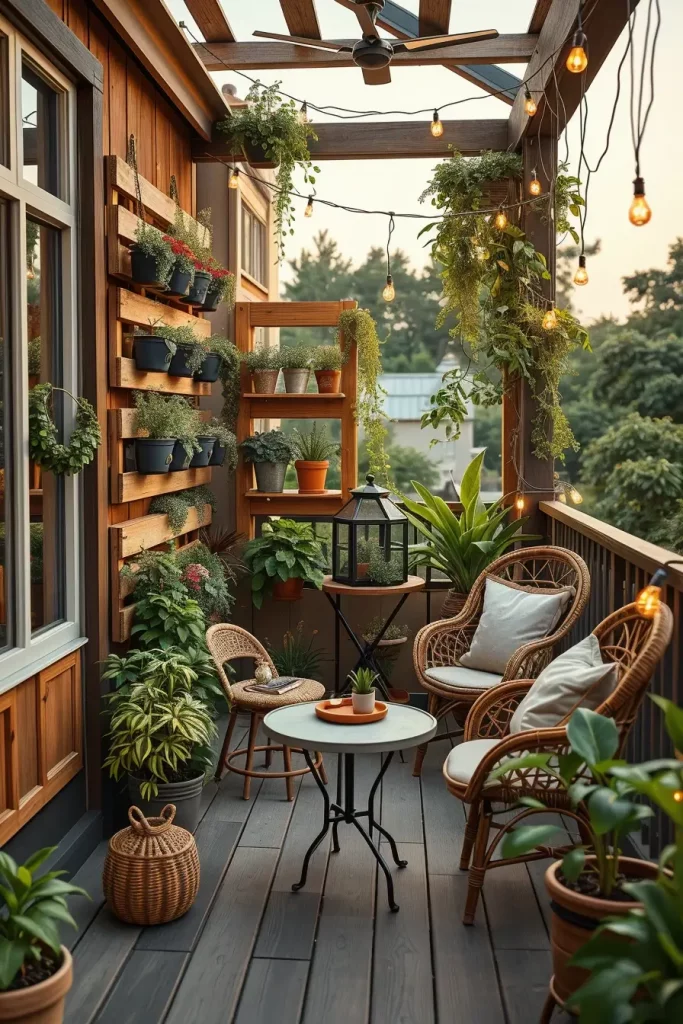
I begin by treating the wood to protect it from moisture and pests. Then I add landscape fabric backing and secure planting pockets for herbs, succulents, or trailing plants. I usually pair pallet gardens with simple outdoor seating such as wicker chairs, small café tables, linen cushions, and string lights for a cozy atmosphere. This combination creates a relaxed, welcoming environment while maintaining practicality.
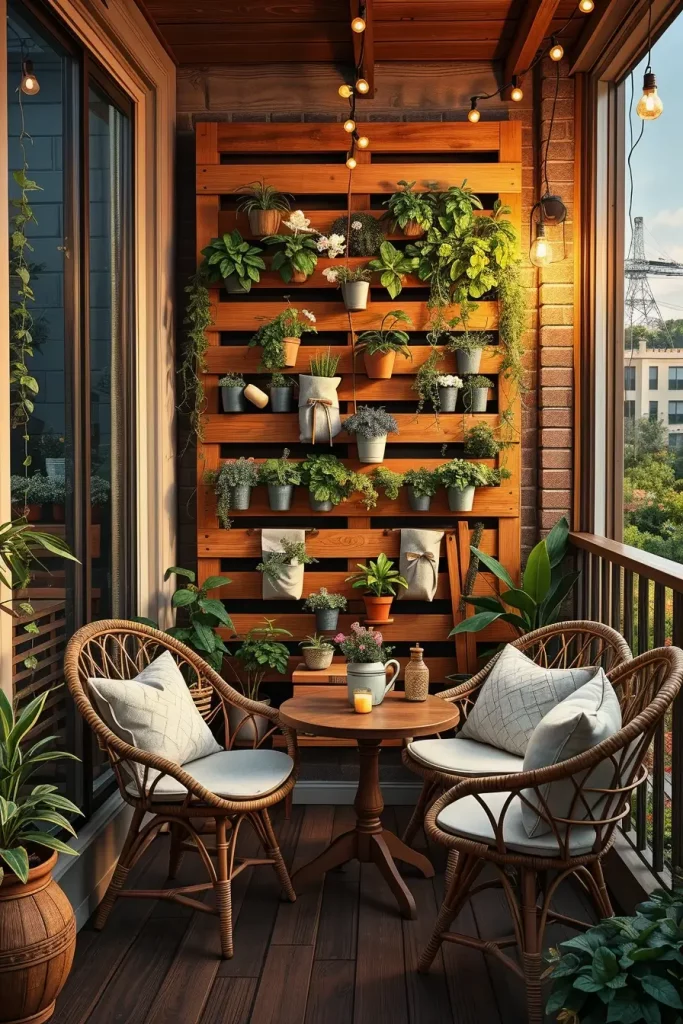
Personally, I appreciate pallet vertical gardens because they make greenery accessible to beginners. They are ideal for growing kitchen herbs or seasonal flowers. DIY-focused publications often emphasize sustainability and upcycling, and I find this approach both environmentally responsible and visually appealing.
To improve this setup, I always recommend adding a simple drip irrigation kit or self-watering inserts to reduce maintenance. Proper wall anchoring is also essential to ensure safety and longevity.
Vertical Garden Wall Art Combinations With Decor Elements
In 2026, vertical gardens are increasingly integrated with art and decor to create immersive design statements. I often blend greenery with sculptural elements, mirrors, or textured wall panels to enhance depth and visual interest. This concept works particularly well in entryways, dining areas, and creative studio spaces where design expression is important.
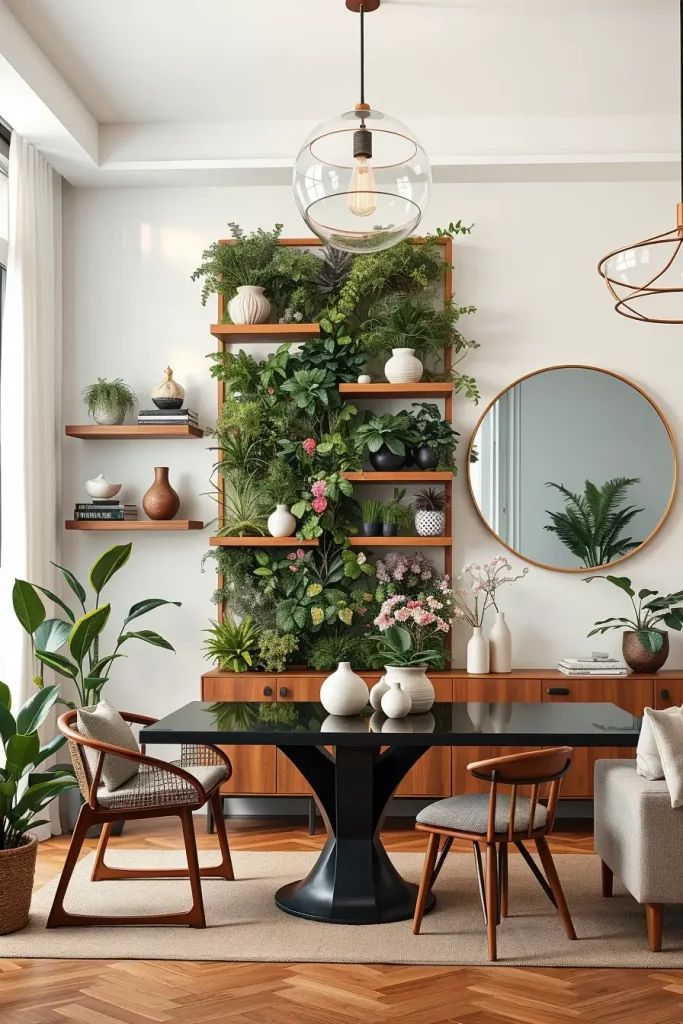
I typically combine modular plant panels with floating wooden shelves displaying ceramics, books, and minimalist sculptures. Mirrors can reflect light and make the greenery appear more expansive. Accent chairs, modern sideboards, and statement lighting fixtures complete the room composition. By layering plants with decorative elements, I transform the vertical garden into a multifunctional design feature rather than a simple plant display.
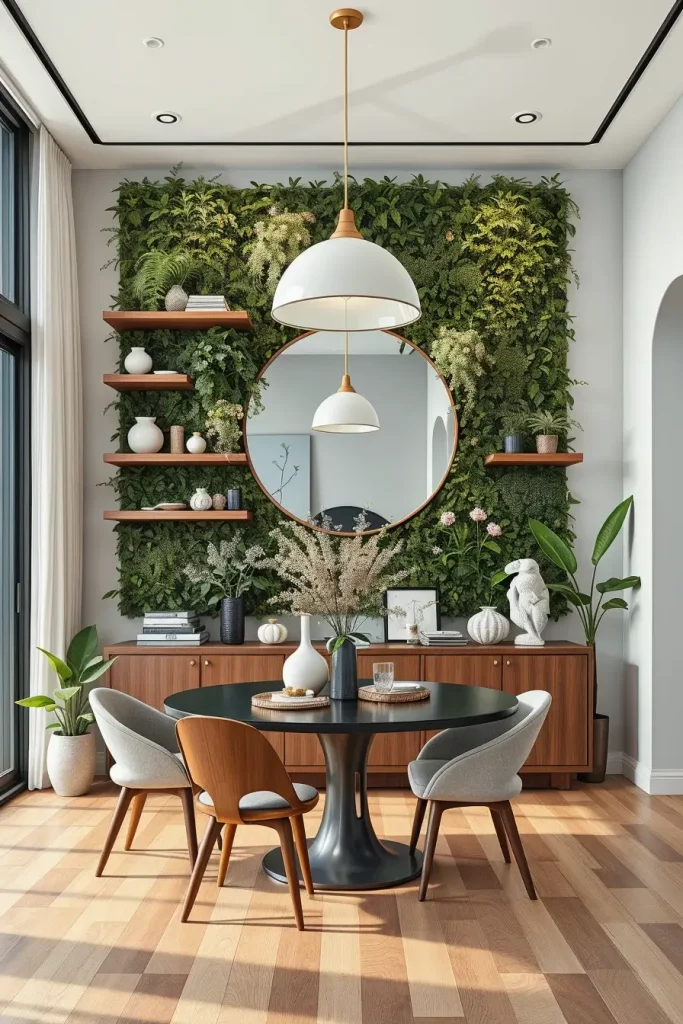
From my perspective, this approach allows homeowners to personalize their living walls. Design experts often discuss creating focal points that combine texture and dimension, and I find that plant-and-art compositions achieve exactly that. It adds sophistication while maintaining a natural atmosphere.
What is often missing in such designs is proper spacing. I always ensure adequate airflow between plants and decorative items to prevent moisture buildup and maintain plant health.
Budget-Friendly Living Wall Ideas For Renters
Renters often believe that installing a living wall system is impossible without permanent modifications, but that is no longer true. I frequently design temporary or freestanding vertical garden solutions that do not damage walls. These portable systems provide flexibility and can move with the tenant.
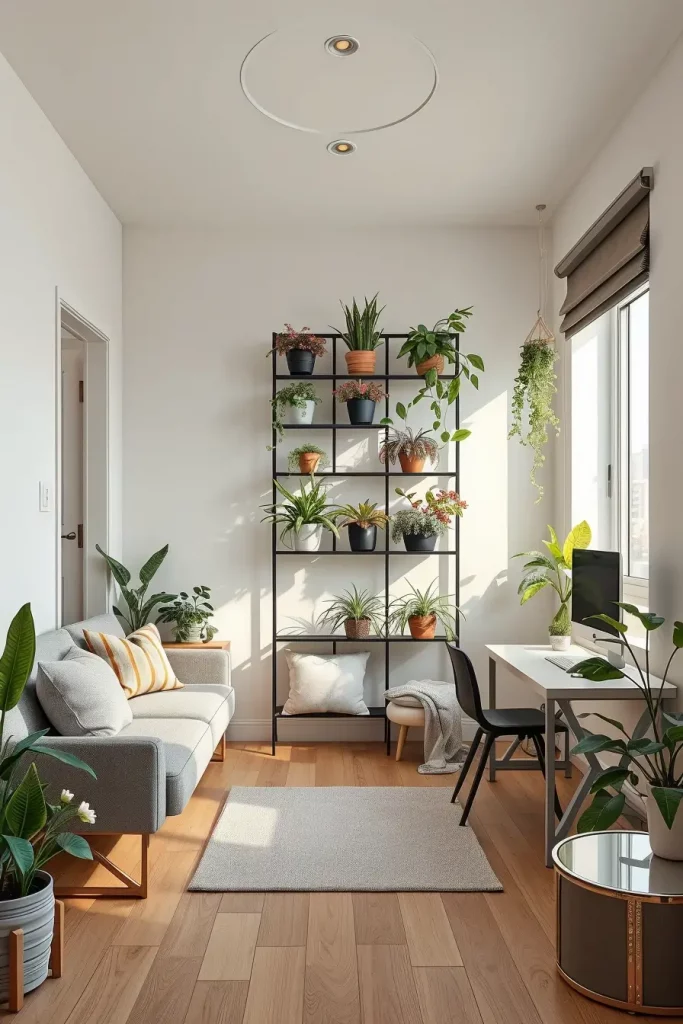
I recommend lightweight freestanding frames with removable planting trays or stackable planter units. Adhesive wall hooks for small modular panels are also effective when used carefully. In compact apartments, I combine these solutions with multifunctional furniture such as foldable desks, compact sofas, and slim storage units to maximize space efficiency. The result is a fresh, green interior without structural alterations.
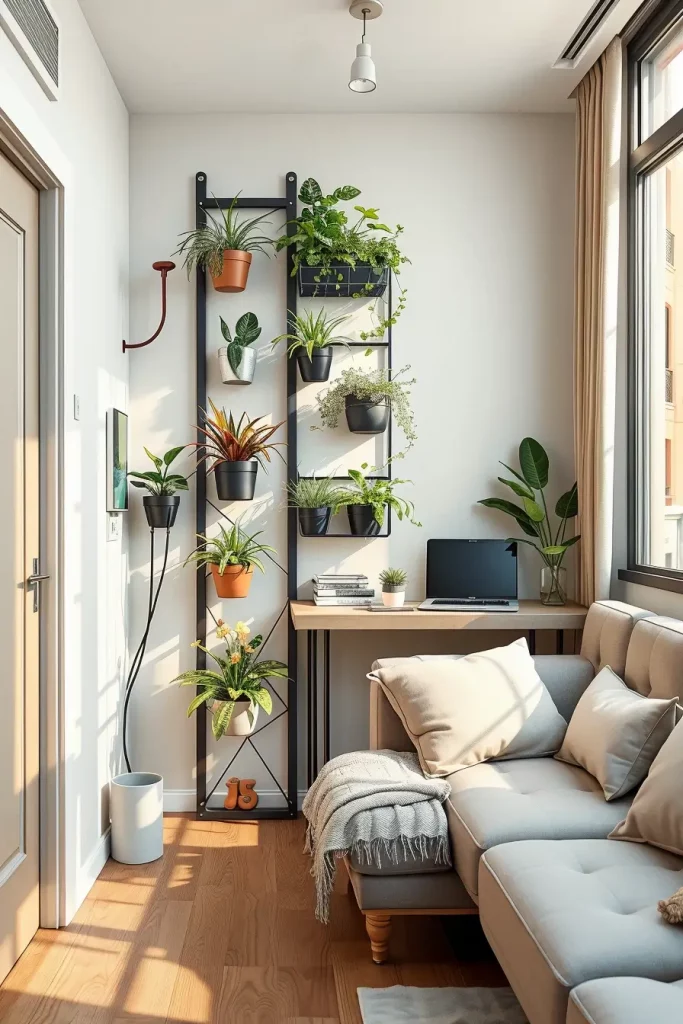
In my professional opinion, flexibility is key for renters. Many interior designers suggest focusing on modularity and mobility in rental spaces, and I consistently follow this advice. Portable vertical gardens allow personalization without risking lease agreements.
To complete this idea, I would add guidance on checking landlord policies and choosing moisture-protected backing panels to avoid wall damage.
Common Vertical Garden Mistakes And How To Avoid Them
Even the most beautiful modern vertical garden ideas can fail if planning is overlooked. One of the most common mistakes I encounter is selecting plants without considering light exposure. Indoor installations often suffer when shade-loving species are placed in direct sunlight or vice versa.
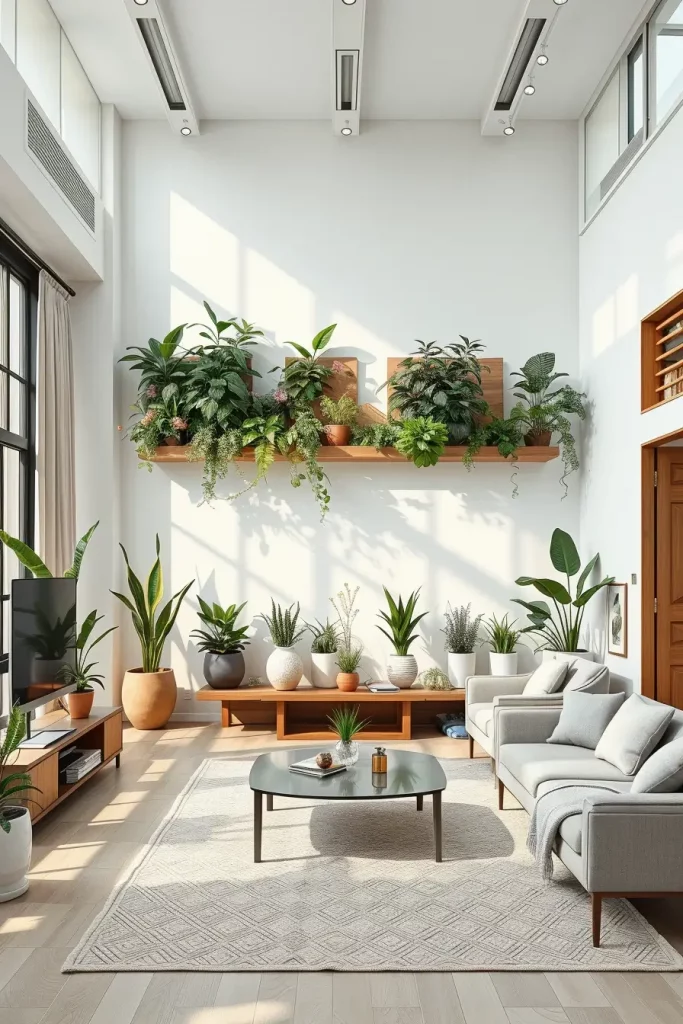
I always emphasize proper irrigation planning, structural support, and drainage. Overwatering is another frequent issue, especially in DIY projects. Choosing incompatible plants with different water requirements can also lead to uneven growth. Additionally, neglecting maintenance access makes pruning and plant replacement unnecessarily complicated.
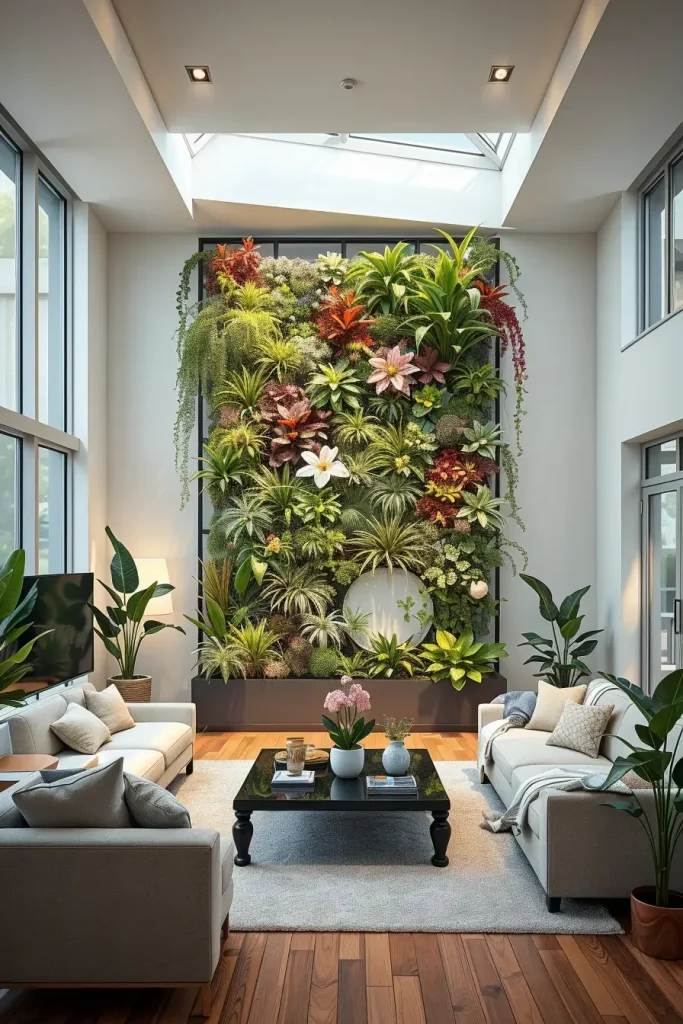
From my experience, successful vertical garden design relies on thoughtful preparation. Industry experts regularly stress the importance of starting with a clear plan, and I fully agree. Investing in quality materials and consulting specialists when necessary prevents costly repairs later.
If anything should be added, it is a routine inspection schedule. I advise checking irrigation lines, plant health, and mounting systems every few months to maintain both beauty and safety.
Vertical Garden & Living Wall Ideas 2026 prove that great design doesn’t depend on square footage — it depends on creativity. By transforming blank walls into lush, living features, you can maximize space, improve air quality, enhance privacy, and add undeniable visual impact to any home or commercial setting.
Whether you choose a DIY pallet garden, a sleek modular system, a vibrant flowering wall, or a low-maintenance artificial option, vertical gardening offers solutions for every style and budget. As sustainability and smart technology continue to shape modern design, living walls are becoming more accessible, efficient, and adaptable than ever before.
In 2026, going vertical isn’t just a trend — it’s a smarter, greener way to live beautifully.