
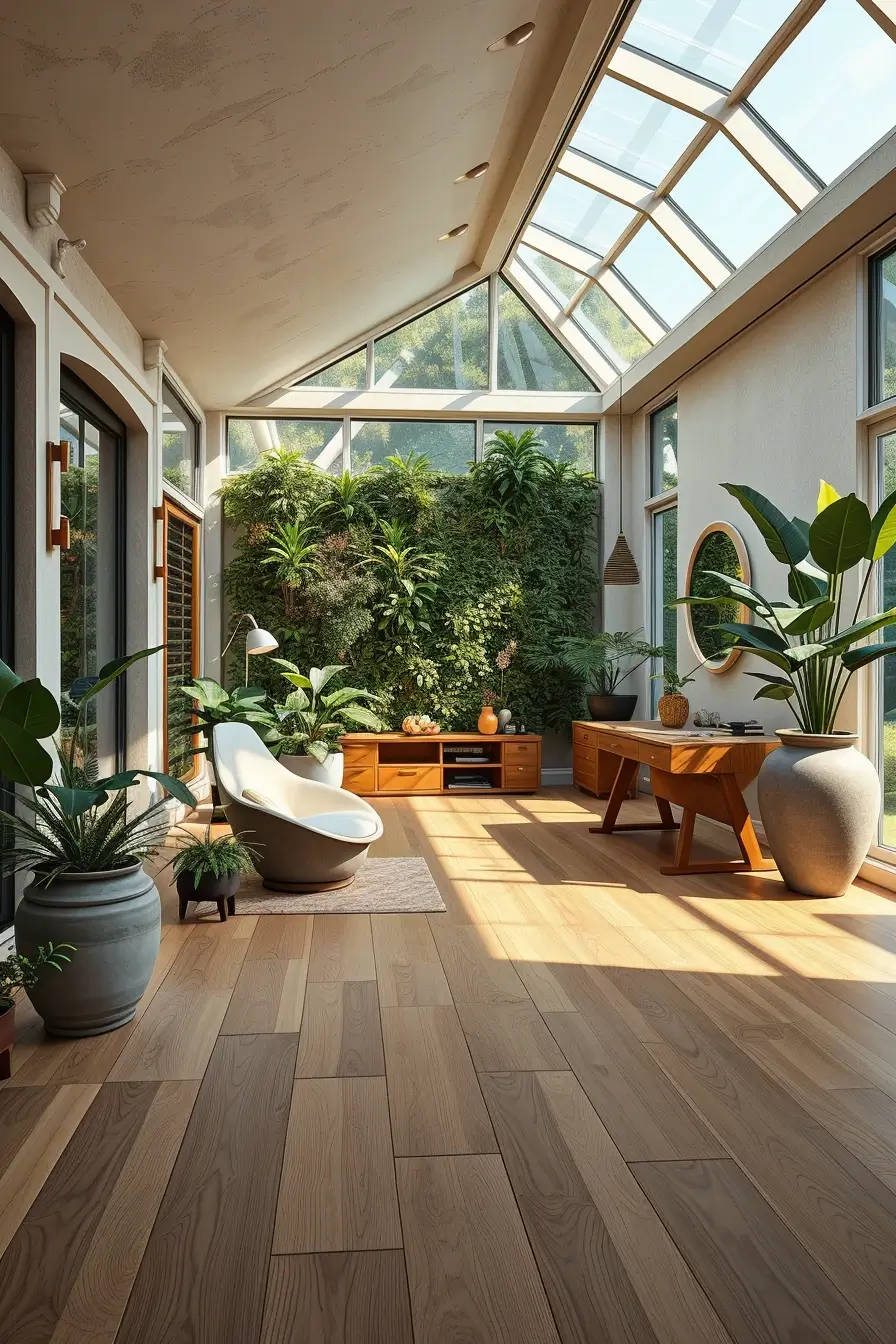
Garden room extensions 2026 are redefining how we use outdoor space, transforming ordinary backyards into stylish, modern, and highly functional living environments. No longer just simple add-ons, today’s garden rooms are architectural statements—designed with sleek lines, expansive glazing, sustainable materials, and smart technology integration. In 2026, the focus shifts toward unique, designer solutions that seamlessly blend indoor comfort with outdoor beauty, creating spaces that feel both luxurious and practical.
From elegant home offices and creative studios to serene wellness retreats and entertainment lounges, modern garden room extensions are tailored to reflect personal lifestyle and contemporary design trends. Homeowners are prioritizing clean aesthetics, energy efficiency, and year-round usability, making these spaces not only visually impressive but also highly valuable investments. In this article, we’ll explore the most innovative ideas, materials, layouts, and architectural features shaping stylish garden room extensions in 2026.
The Evolution Of Garden Room Extensions: From Simple Add-Ons To Designer Statements
When I look at the transformation of garden rooms over the past decade, I clearly see how they have shifted from basic outdoor annexes to carefully curated architectural features. In garden room extensions 2026, I focus on proportion, materials, and visual harmony with the main house. Today’s extensions are no longer secondary structures; they are fully integrated, insulated, and designed for year-round use. I always ensure the exterior cladding, rooflines, and glazing reflect the character of the property while introducing a refined, designer identity.
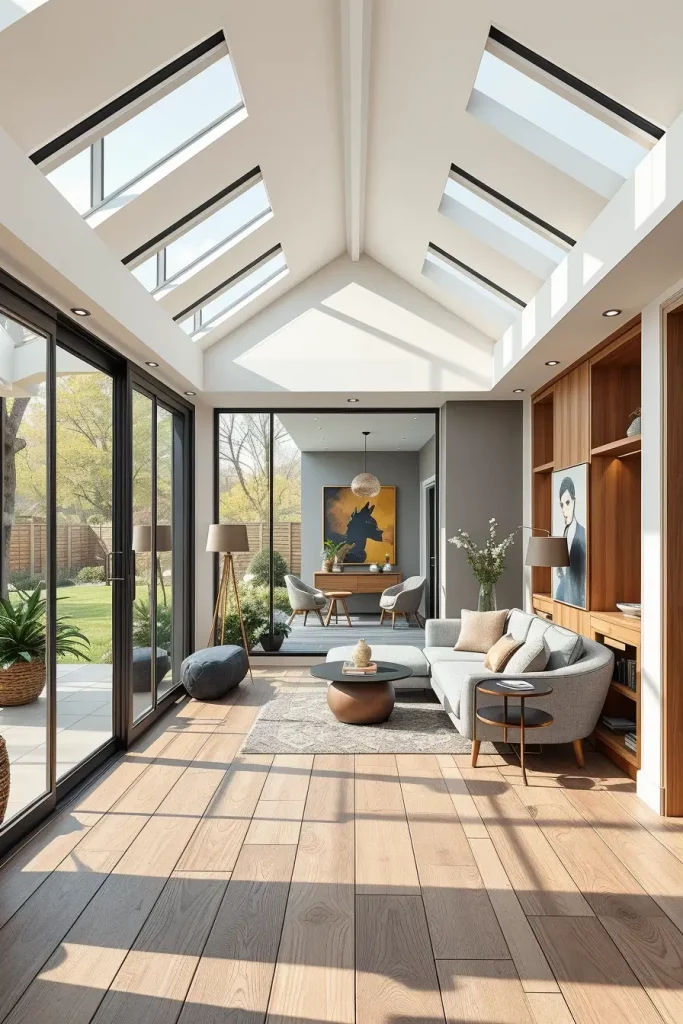
Inside, I select materials that reinforce this evolution. I often use engineered wood flooring for warmth, floor-to-ceiling glazing for natural light, and concealed lighting tracks to maintain a clean ceiling line. Built-in storage units are essential because they eliminate clutter and support the room’s architectural clarity. I also recommend a carefully chosen central furniture piece, such as a sculptural sofa or a custom desk, to anchor the space and elevate it from a simple add-on to a stylish, cohesive interior.
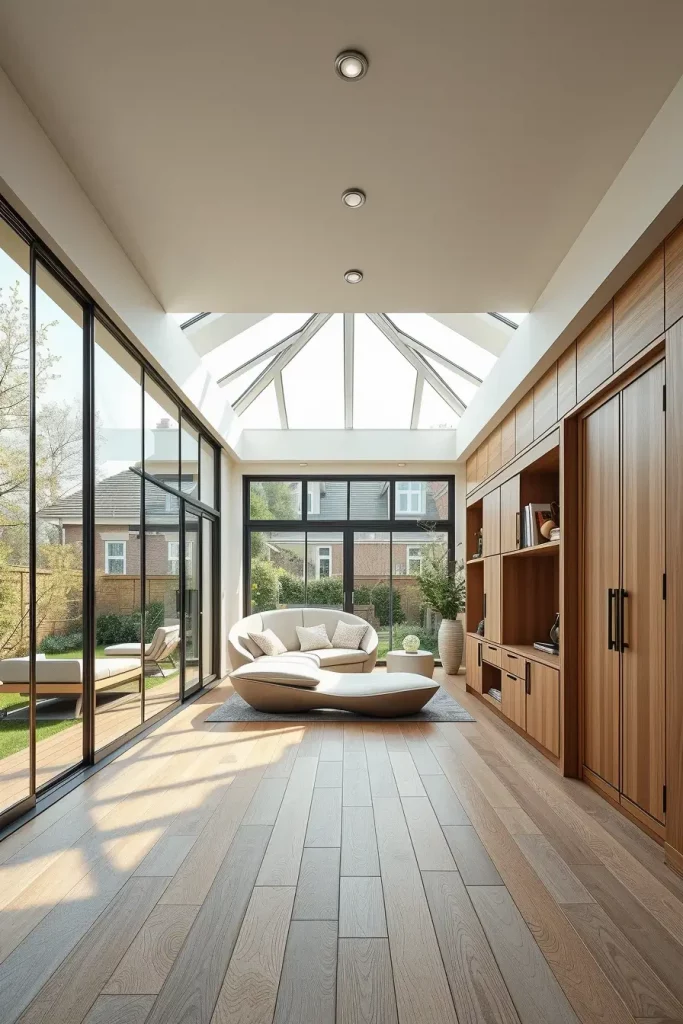
From my professional perspective, publications like Architectural Digest frequently highlight how secondary spaces are becoming statement rooms rather than afterthoughts. I agree with this approach. In my own projects, I treat a garden room as seriously as a primary living space. What is often missing in many designs, however, is a clear transition zone between the house and the extension. I always recommend adding a glazed corridor, sliding partition, or level flooring continuity to make the experience seamless and intentional.
Modern Garden Rooms That Blur The Line Between Indoors And Outdoors
One of the strongest directions in modern garden rooms is dissolving the boundary between interior and landscape. In my designs, I prioritize large sliding or folding glass doors that open entirely onto the garden. This allows the extension to function as both a sheltered interior and an outdoor pavilion. I pay close attention to orientation, ensuring sunlight enters naturally while avoiding overheating through strategic shading solutions.
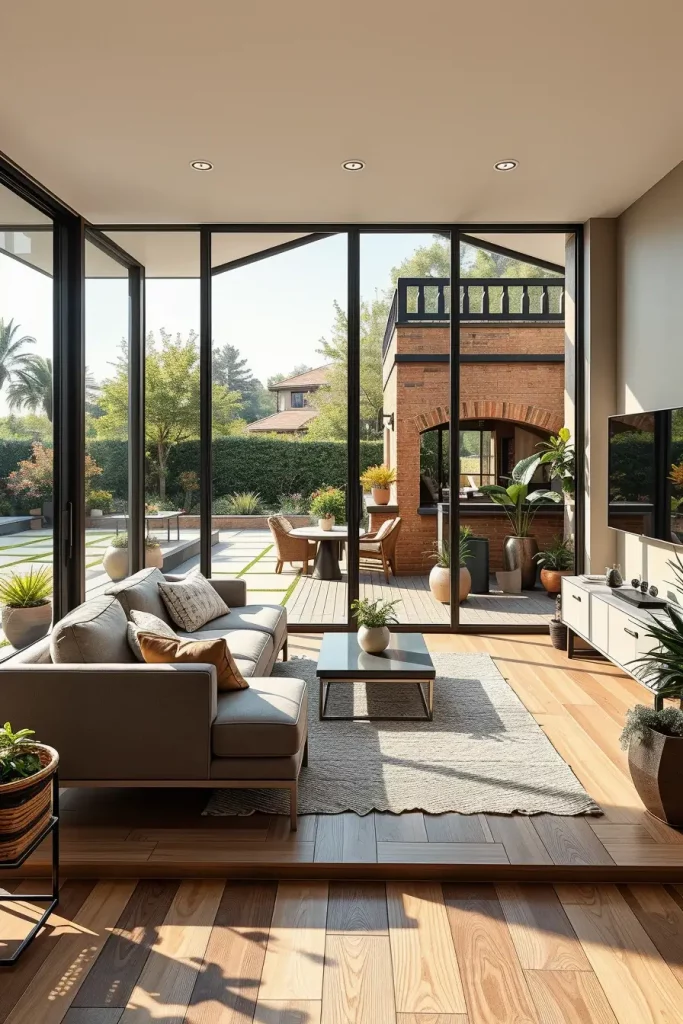
Furniture selection plays a critical role here. I often choose low-profile modular sofas, weather-resistant fabrics, and lightweight lounge chairs that visually connect to outdoor seating. A neutral color palette inspired by natural tones helps unify the interior and exterior. I incorporate textured rugs, minimal coffee tables, and built-in planters positioned near glazing to create visual continuity. Every element must support the feeling that the garden is an extension of the room itself.
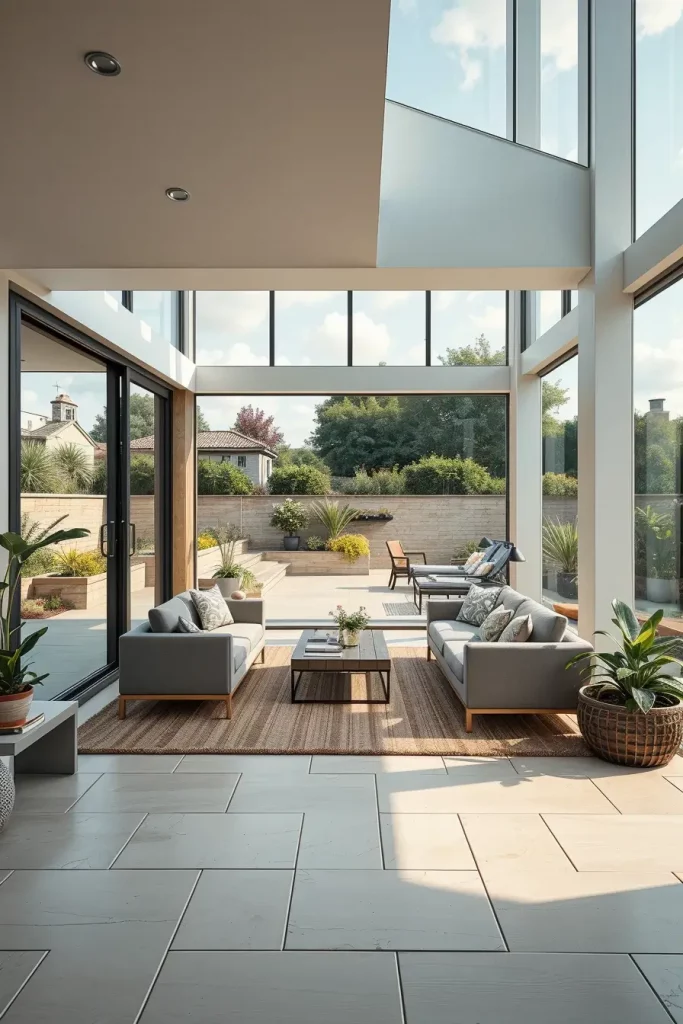
In my experience, designers featured in Dwell emphasize the importance of material consistency when blurring indoor and outdoor spaces. I follow this principle by repeating wood finishes or stone surfaces both inside and on adjacent terraces. What I find is often missing in many projects is proper ventilation strategy. I always recommend incorporating operable skylights or discreet ventilation panels to maintain air quality while preserving the aesthetic purity of the space.
Luxury Garden Room Extensions With Panoramic Glass Walls
For homeowners seeking a high-end solution, I design luxury garden room extensions with expansive panoramic glass walls. In garden room extensions 2026, structural glazing systems allow for minimal framing, creating uninterrupted views. I carefully coordinate structural supports so they remain visually discreet while ensuring safety and durability. This approach transforms the garden room into a light-filled architectural showcase.
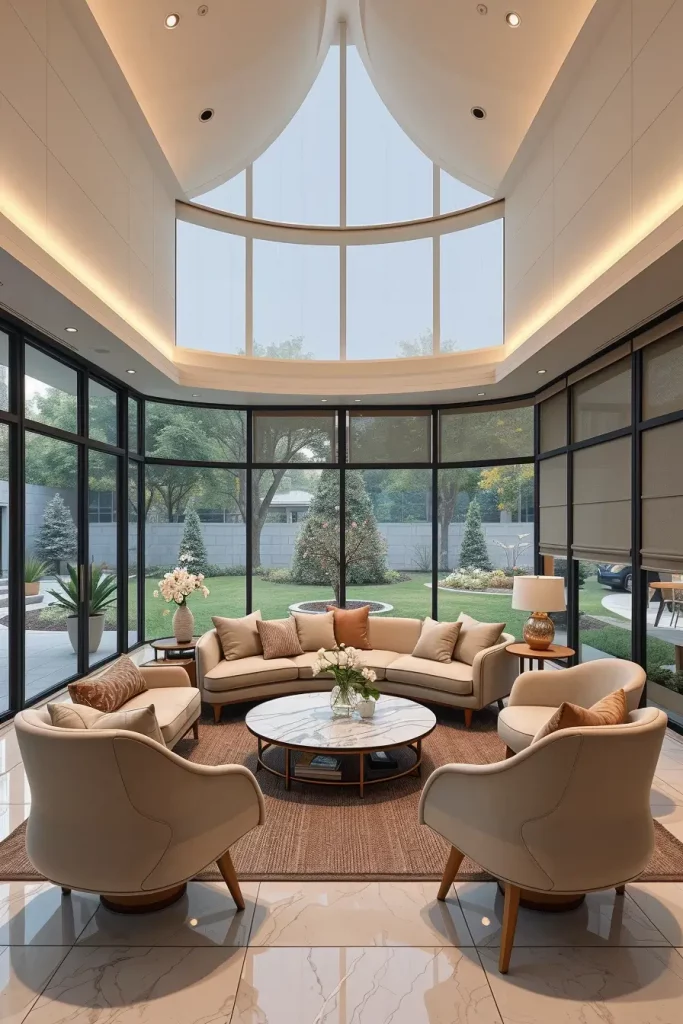
Inside, I typically include statement furniture pieces such as a curved sofa, sculptural armchairs, and a large central coffee table in stone or marble finish. Layered lighting is essential, so I integrate recessed ceiling lights, concealed LED strips, and floor lamps to balance the natural daylight that floods the space. High-quality window treatments, such as motorized sheer blinds, provide privacy without blocking views. Every piece contributes to a refined, designer atmosphere.
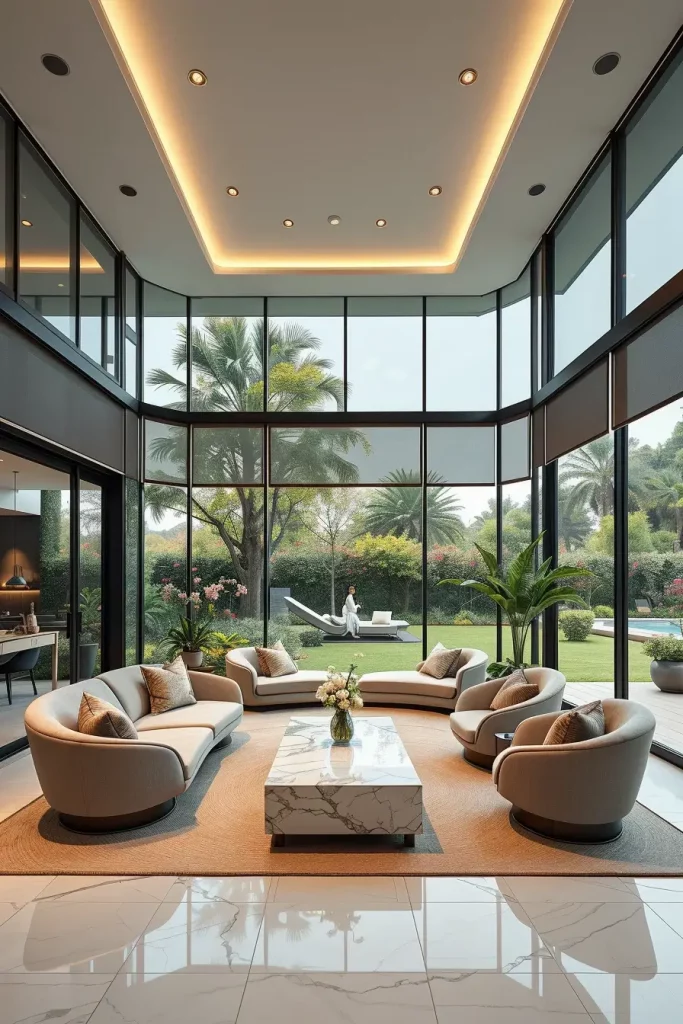
From my professional standpoint, luxury is not about excess but about precision and quality. I often reference guidance from Elle Decor, which emphasizes craftsmanship and material authenticity. I always advise clients to invest in high-performance glazing for thermal efficiency. What is sometimes overlooked in panoramic designs is acoustic comfort. I recommend adding upholstered panels, area rugs, or soft furnishings to soften sound reflections and enhance overall comfort.
Minimalist Garden Room Design Trends For 2026
In 2026, minimalism in garden rooms is not about emptiness but about intentional simplicity. When designing a minimalist unique garden room, I focus on clean lines, restrained color palettes, and hidden storage solutions. I remove unnecessary ornamentation and allow architectural geometry to define the aesthetic. The result is a calm, structured environment that supports both work and relaxation.
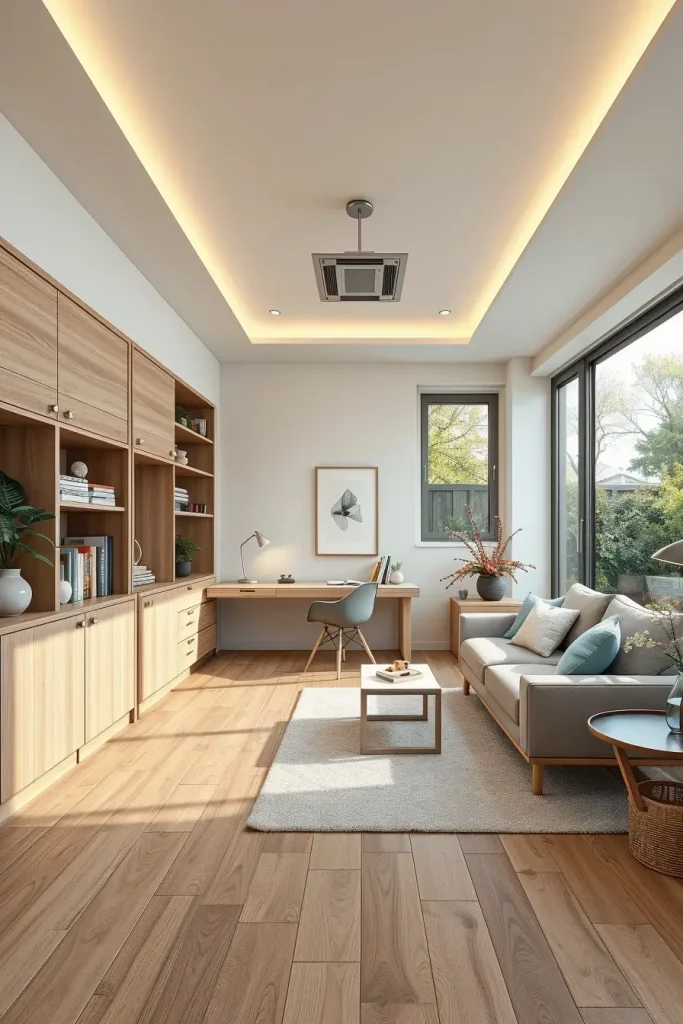
Furniture in these spaces must be functional and proportionate. I often choose a streamlined desk, a slim-profile sofa, and built-in shelving that blends with the walls. Integrated lighting systems replace visible fixtures, and floor finishes remain consistent throughout the space. I ensure that every item has a purpose, eliminating redundancy. This creates a highly modern environment that feels open yet fully usable.
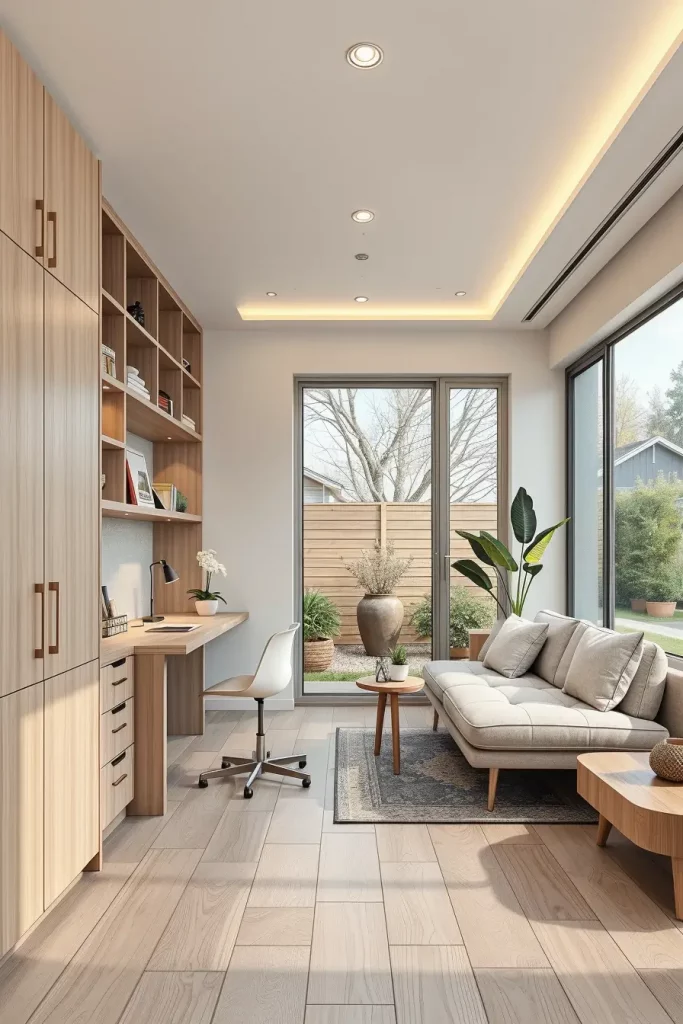
Personally, I find minimalist garden rooms especially effective for remote work or creative studios. Many US-based designers advocate for decluttered spaces to enhance focus and well-being, and I have observed the same results in my projects. What is frequently missing in minimalist designs is warmth. I recommend incorporating subtle textures, such as natural wood or soft upholstery, to prevent the space from feeling sterile.
Sustainable And Eco-Friendly Garden Room Extensions For Contemporary Homes
Sustainability is becoming central to garden room extensions 2026. When I design eco-conscious garden rooms, I prioritize responsibly sourced timber, recycled insulation materials, and high-performance glazing. I also consider passive solar design, positioning windows to maximize daylight while reducing energy consumption. A sustainable extension should not only look stylish but also operate efficiently throughout the year.
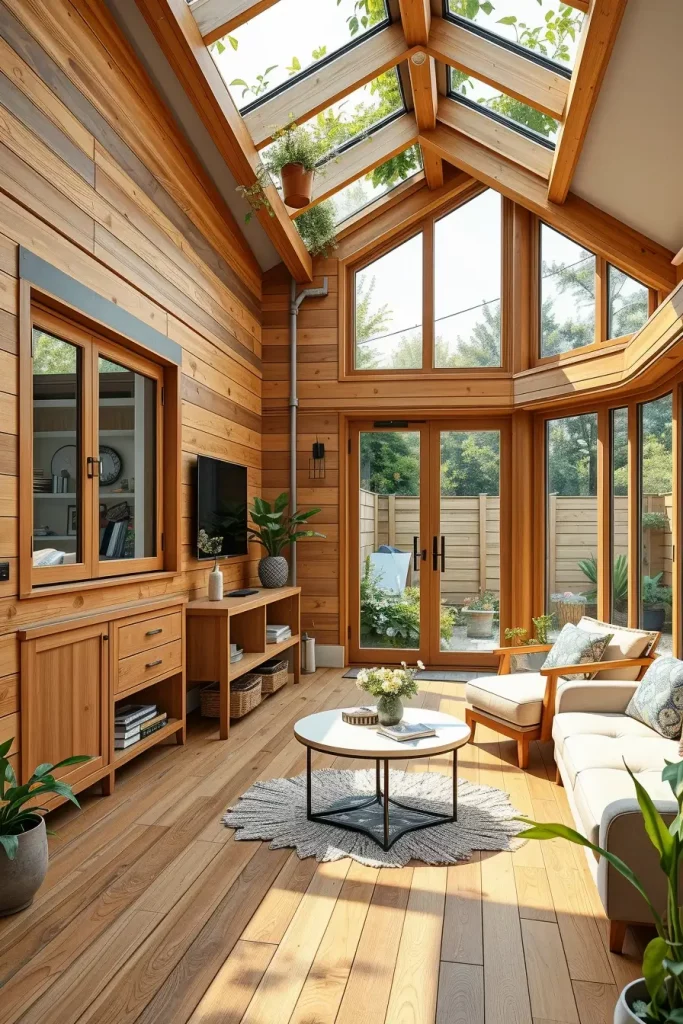
Interior choices reinforce this approach. I often specify energy-efficient lighting, durable flooring made from sustainable materials, and furniture crafted from certified wood. Built-in storage reduces the need for excess furnishings, while smart shading systems help regulate internal temperature. Every material and object must contribute to longevity and environmental responsibility.
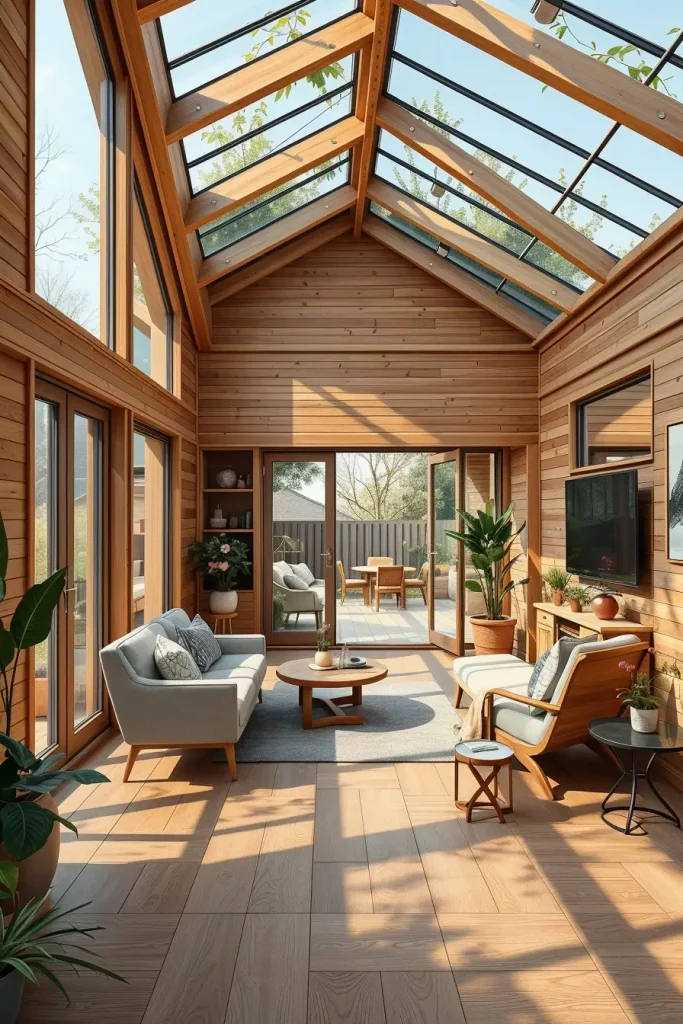
In my opinion, sustainability is no longer optional; it is a defining characteristic of thoughtful designer architecture. Media outlets such as Dezeen frequently highlight projects where environmental strategy is integrated from the start, not added later. What I believe is sometimes missing is water management planning. I recommend incorporating green roofs, rainwater collection systems, or permeable paving around the extension to enhance its ecological performance.
Smart Technology Integration In Garden Room Extensions 2026
In garden room extensions 2026, smart technology is no longer a luxury addition but an integral part of the architectural concept. When I design a modern garden room, I plan electrical systems, hidden wiring, and automation from the earliest stages. I ensure that lighting, heating, cooling, and security systems are seamlessly integrated into the structure so that technology enhances the space without dominating it visually. The goal is to maintain a stylish, clean interior while ensuring maximum efficiency and comfort.
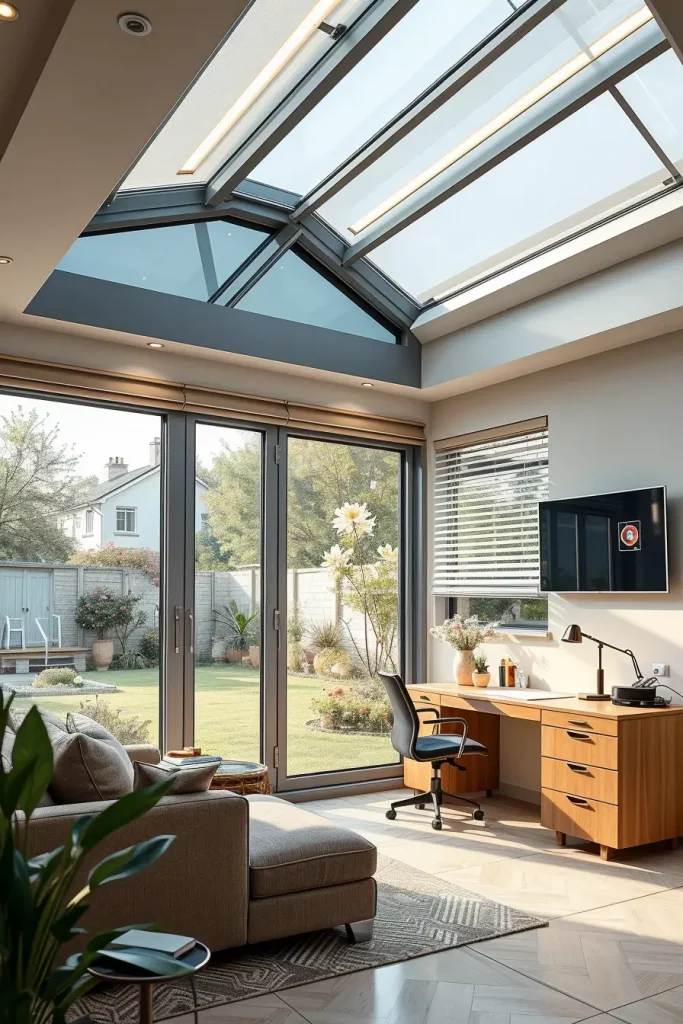
I typically incorporate smart climate control systems with discreet wall-mounted panels or app-based controls. Automated blinds are essential for rooms with expansive glazing, allowing natural light management throughout the day. I also recommend integrated ceiling speakers, concealed LED lighting strips, and motion-sensor exterior lights to improve both ambiance and security. Built-in desks with cable management systems keep workspaces organized and aligned with the overall designer aesthetic.
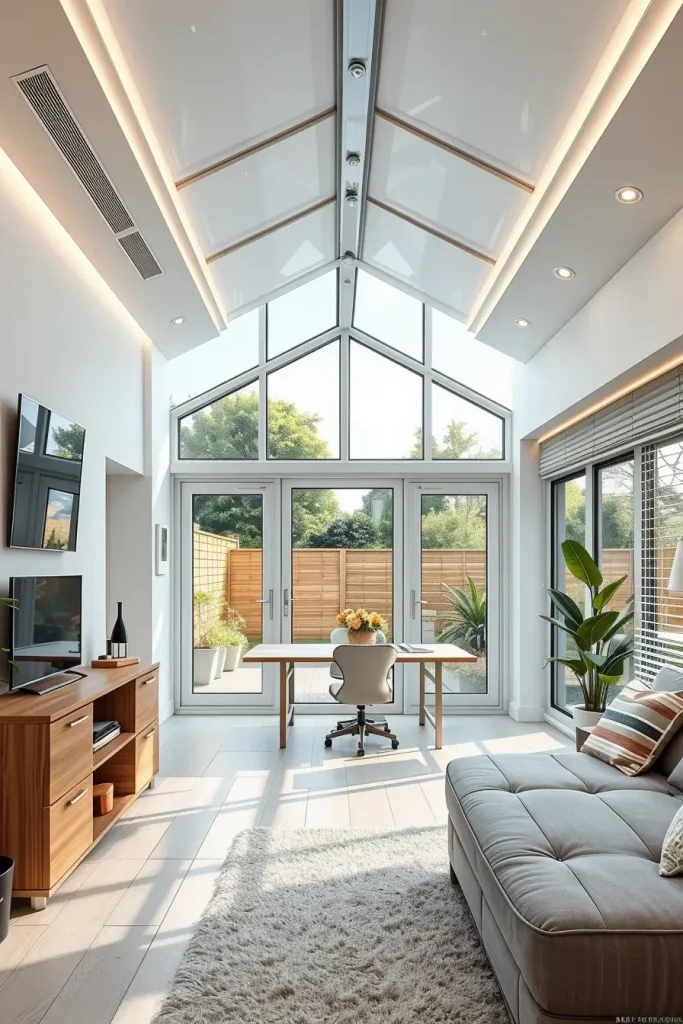
From my professional experience, technology works best when it remains almost invisible. Many American interior experts emphasize that smart homes should feel intuitive rather than complicated. I completely agree. What is often missing in tech-focused garden rooms is backup planning. I always recommend ensuring manual overrides for blinds and ventilation, as well as sufficient outlets for future upgrades. A truly unique garden room must anticipate technological evolution without constant renovation.
Multi-Functional Garden Rooms For Work, Wellness, And Relaxation
One of the most practical directions I see in garden room extensions 2026 is multi-functionality. Clients increasingly request spaces that adapt throughout the day. In the morning, the room may function as a home office; by afternoon, it becomes a yoga studio; in the evening, a reading lounge. I design these rooms with zoning principles in mind, carefully organizing layout and circulation to allow flexibility without visual clutter.
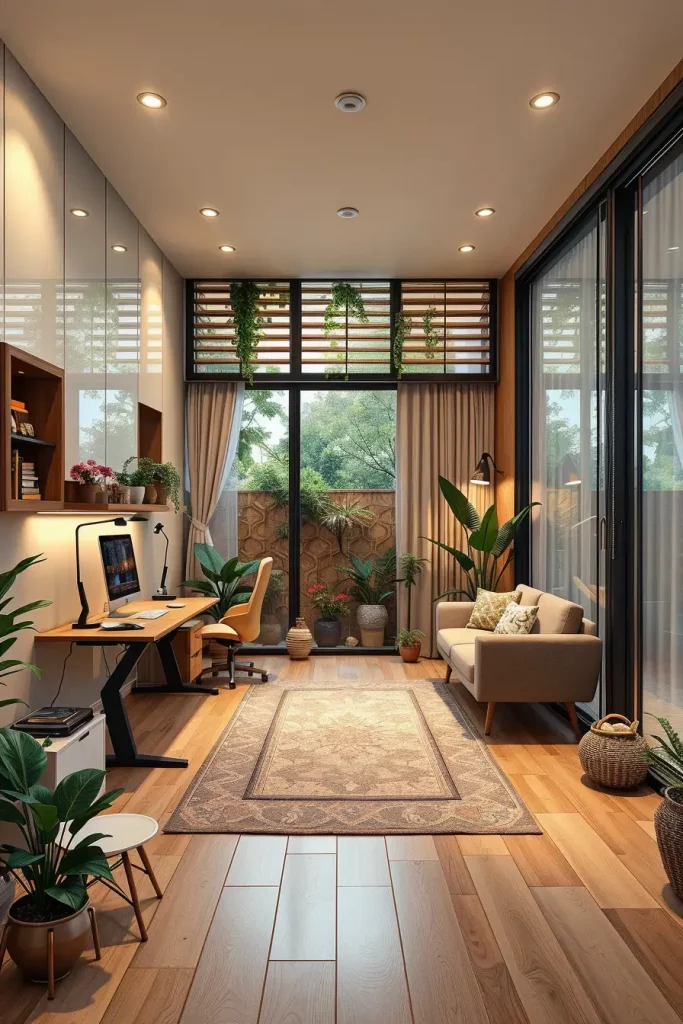
Furniture selection is key. I often include a modular sofa that can be reconfigured, a height-adjustable desk, and built-in cabinetry for storing wellness equipment. Foldable partitions or sliding panels can discreetly separate zones when needed. Soft area rugs define relaxation areas, while ergonomic chairs support productive work sessions. Lighting also adapts, with task lighting for work and dimmable ambient fixtures for relaxation. Every element contributes to a cohesive, modern and stylish environment.
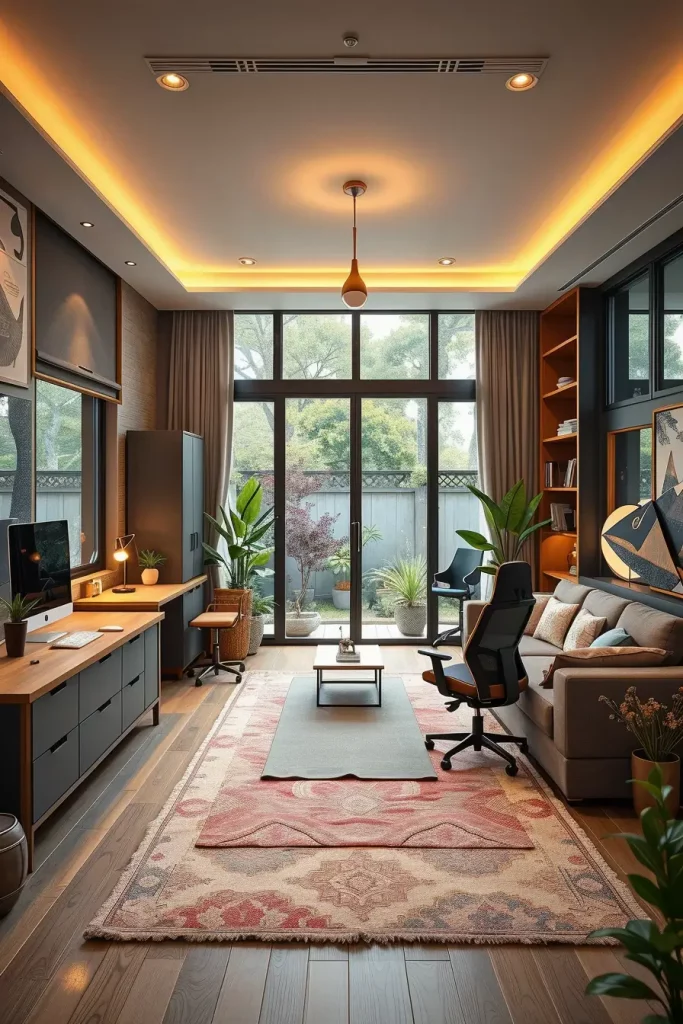
Personally, I find that multi-functional garden rooms significantly improve work-life balance. Publications such as House Beautiful often highlight flexible home layouts as essential for contemporary living. I share this view. What is sometimes overlooked is acoustic treatment. I always suggest adding upholstered wall panels or sound-absorbing ceiling elements to ensure the room remains comfortable during video calls or meditation sessions.
Designer Garden Rooms With Bespoke Architectural Details
For homeowners seeking distinction, I create designer garden rooms with bespoke architectural details. In these projects, I focus on custom rooflines, statement ceiling treatments, and tailored glazing proportions. Architectural elements such as vertical slat facades, cantilevered overhangs, or feature lighting strips transform the extension into a sculptural object within the garden. These features make the structure feel intentional and unique, rather than simply attached.
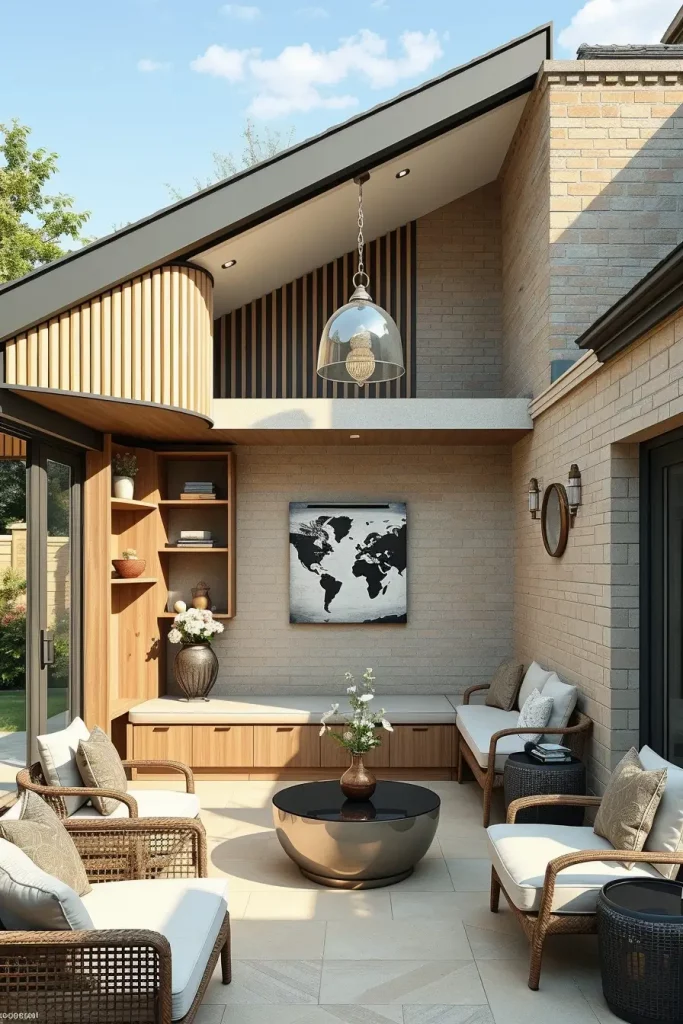
Inside, I often design custom-built shelving, integrated seating benches, and tailored cabinetry that aligns perfectly with the room’s geometry. Statement pendant lights or recessed ceiling coffers enhance the architectural language. I may incorporate textured wall panels or accent walls that subtly contrast with neutral flooring. Each element is selected to elevate the overall composition while maintaining a modern and cohesive look.
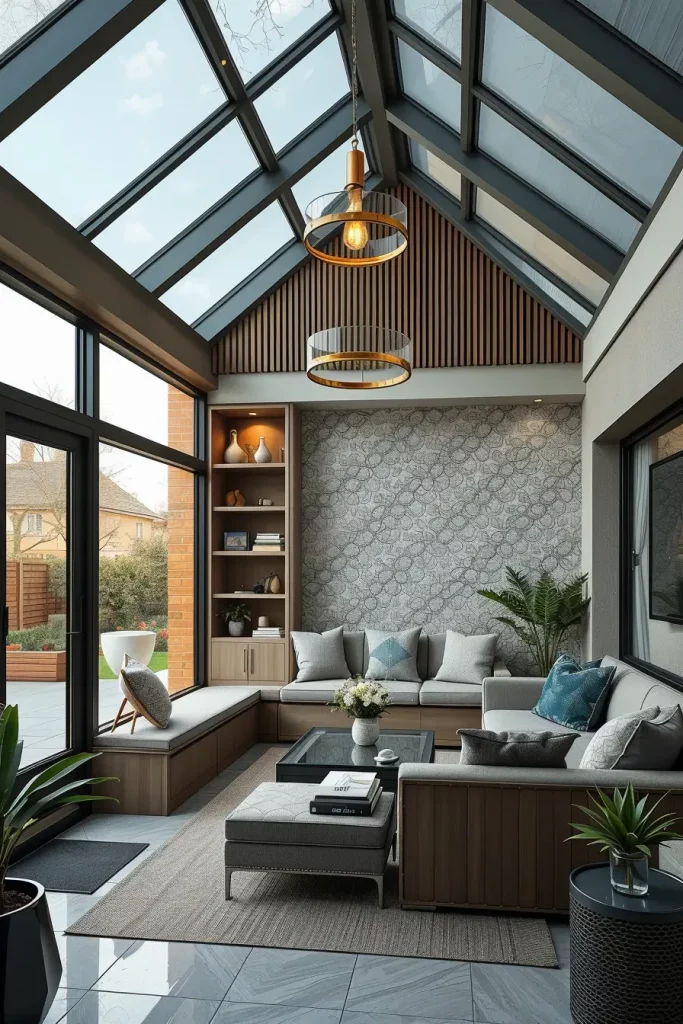
In my experience, bespoke detailing is what differentiates a high-quality extension from a standard prefabricated solution. Architectural Digest frequently notes that personalization adds long-term value to a property. I strongly agree. What I believe is sometimes missing in highly detailed projects is proportional balance. I always carefully review scale and symmetry to ensure the architectural features enhance rather than overwhelm the space.
Compact Garden Room Extensions For Small Urban Gardens
Not every property offers expansive outdoor space, which is why compact garden room extensions 2026 are becoming increasingly relevant in urban areas. When I design for small gardens, I focus on efficiency and vertical expansion rather than horizontal sprawl. I carefully analyze sightlines to ensure the extension does not visually dominate the outdoor area. Thoughtful placement allows the garden to remain functional while adding a valuable interior zone.
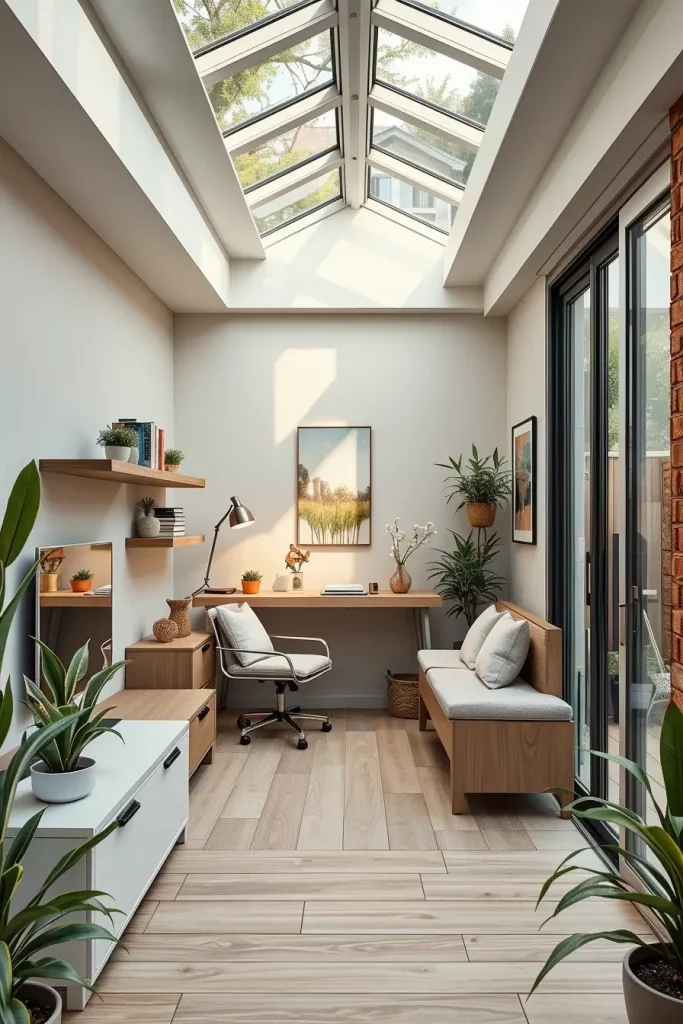
In compact interiors, built-in storage is essential. I often include wall-mounted desks, floating shelves, and multifunctional seating with hidden compartments. Light colors and reflective surfaces help visually enlarge the space. I prioritize slim-profile furniture and integrated lighting to avoid overcrowding. Even in a smaller footprint, I aim to create a stylish, fully usable room that feels purposeful rather than cramped.
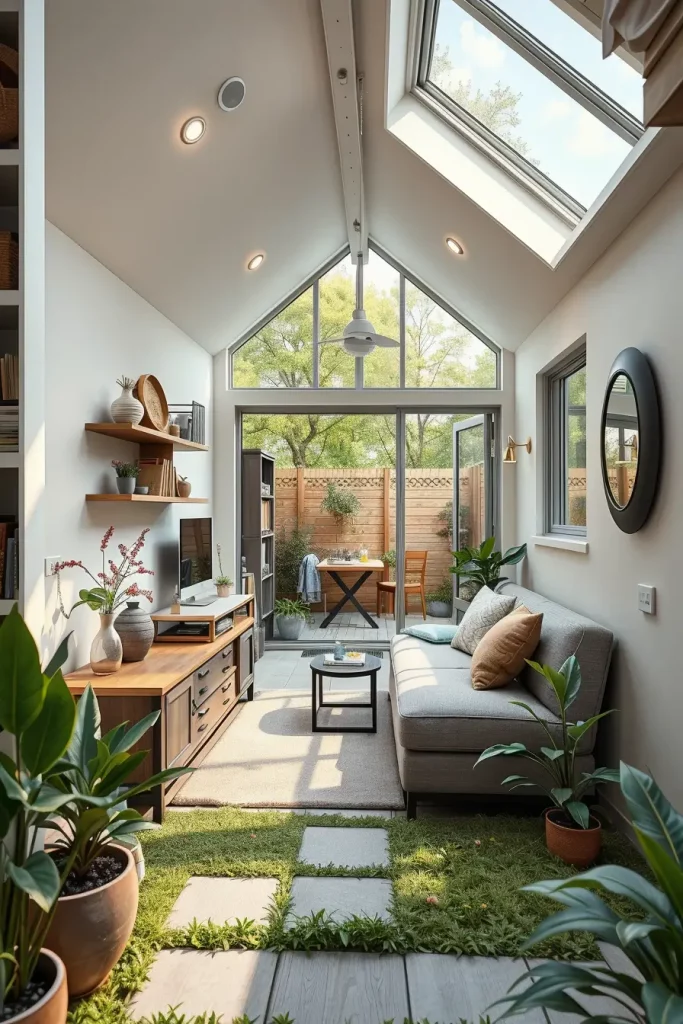
From my perspective, small-scale projects demand even greater precision than large ones. Designers featured in Dwell frequently demonstrate how limited space can inspire creative solutions. I have found that adding skylights or high-level windows can significantly improve natural light without sacrificing privacy. What is often missing in compact designs is outdoor integration. I recommend a small adjoining deck or paved area to visually extend the room’s footprint.
Open-Plan Garden Room Concepts With Seamless Flow
Open-plan concepts remain a defining feature of modern garden rooms. When I design an open-plan unique garden room, I focus on visual continuity between the main house and the extension. Consistent flooring materials, aligned ceiling heights, and matching color palettes create a harmonious flow. Large sliding glass partitions can be opened completely, allowing the garden room to become part of a broader living area.
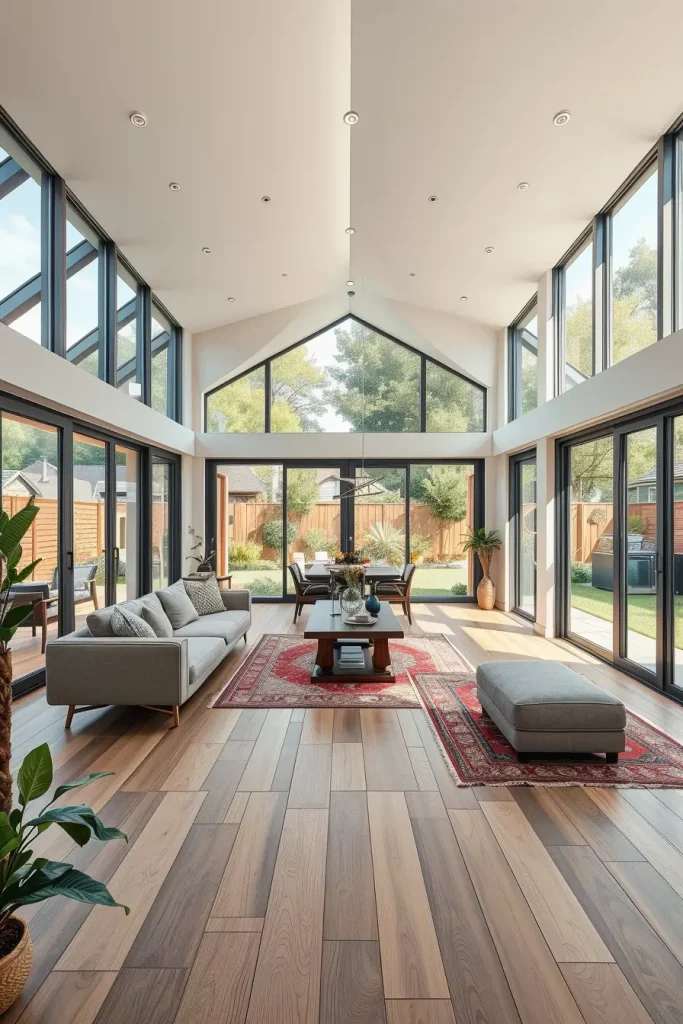
Furniture arrangement supports this openness. I typically position a sectional sofa to subtly define the lounge area without blocking circulation. A central dining table or workspace island can act as a focal point. Area rugs help distinguish zones without physical barriers. Integrated ceiling lighting ensures even illumination throughout the open space. The result is a cohesive, designer environment that feels expansive and connected.
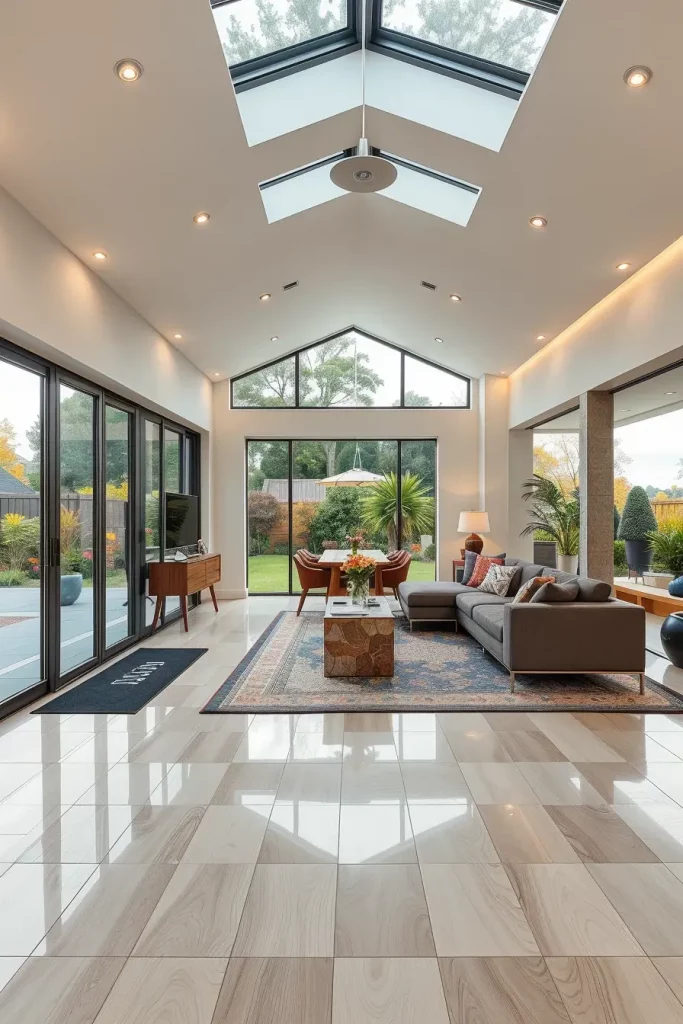
In my professional opinion, open-plan garden rooms enhance both property value and daily functionality. Many contemporary architects emphasize fluid layouts as essential to modern living, and I have seen this principle consistently improve client satisfaction. What I always ensure, however, is that open spaces still offer flexibility. Incorporating sliding panels or concealed partitions allows homeowners to adjust privacy levels when needed, maintaining both openness and adaptability.
Scandinavian-Inspired Garden Room Extensions With Clean Lines
I see Scandinavian-inspired garden rooms continuing to dominate garden room extensions 2026 because of their clarity, balance, and quiet sophistication. In these spaces, I focus on clean architectural lines, pale timber cladding, and soft neutral palettes that enhance natural light. The layout is always intentional: open floor space, minimal visual clutter, and strong connection to the surrounding garden through wide glazing. This approach makes the extension feel larger than its footprint and ensures it remains practical for daily use, whether as a lounge, reading room, or hybrid workspace.
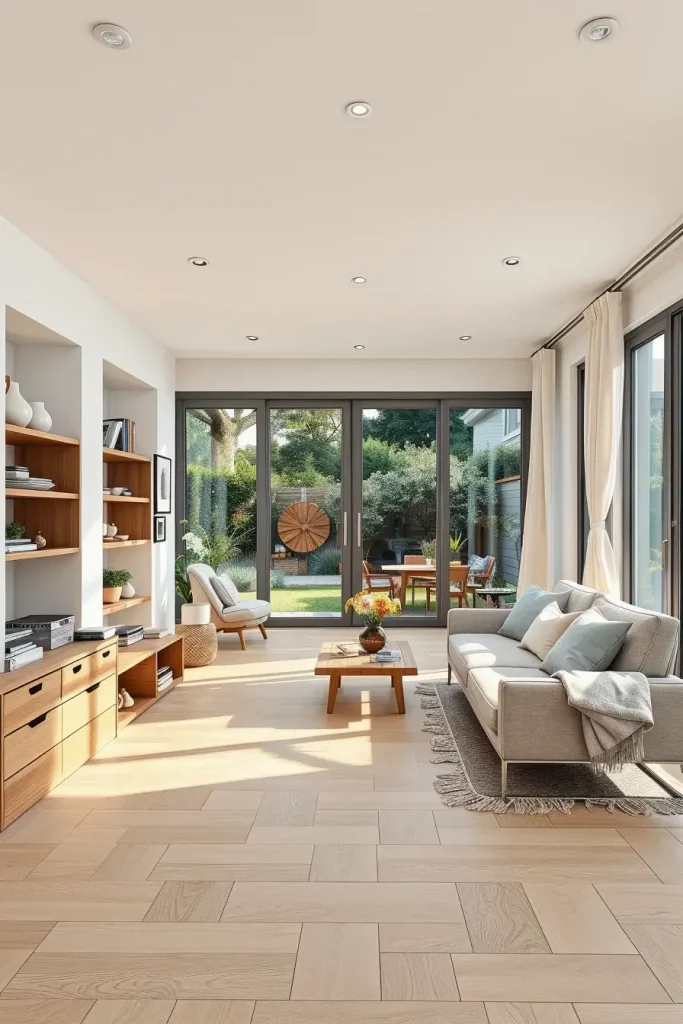
When designing such interiors, I include light oak flooring, matte white walls, and built-in storage benches that double as seating. A low-profile sofa in textured fabric, a slimline wooden coffee table, and open shelving in natural wood create harmony without overwhelming the space. I often integrate concealed storage to maintain that calm, uninterrupted look. Soft wool throws, linen curtains, and subtle ceramic decor pieces are essential because they add warmth without compromising the minimalist identity. Every item must justify its presence in both form and function.
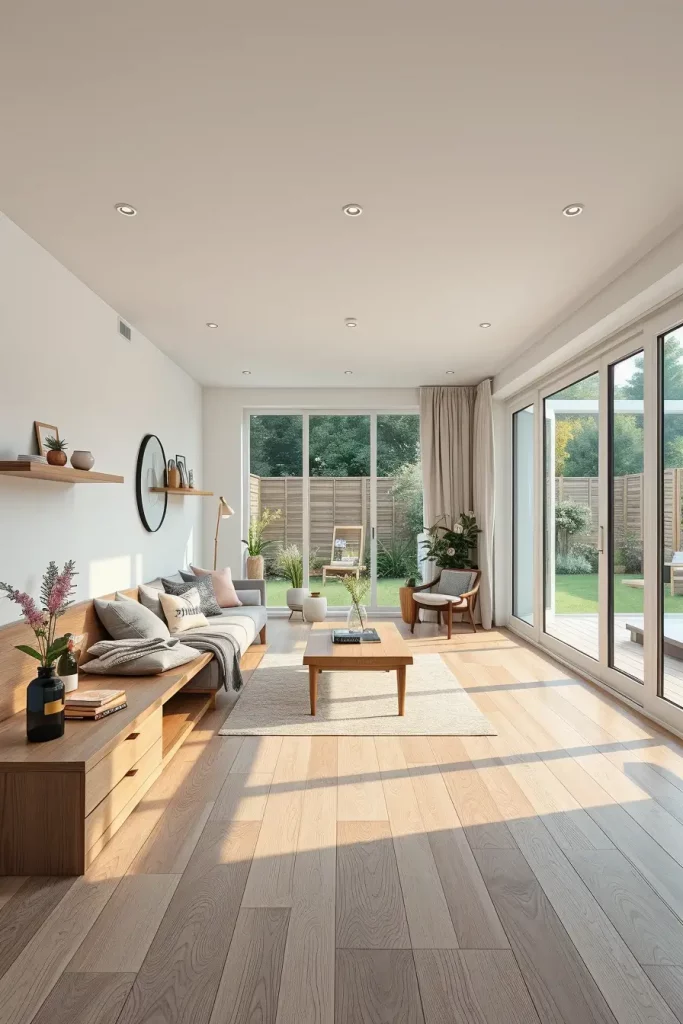
In my experience, publications like Architectural Digest frequently highlight how Scandinavian design thrives on light, proportion, and craftsmanship rather than excess. I agree with that philosophy. I find that when clients embrace restraint and invest in quality materials instead of decorative overload, the garden room feels timeless rather than trend-driven. That balance between simplicity and comfort is what makes these stylish and modern spaces so enduring.
What should also be added to such a project is integrated underfloor heating and layered lighting. I always recommend discreet LED strips and wall sconces to maintain the clean look while ensuring usability in darker months. Without thoughtful lighting planning, the room may feel flat despite its beautiful finishes.
Industrial-Style Garden Rooms With Modern Finishes
For homeowners who want a bolder statement, I design industrial-style garden rooms that reinterpret raw materials in a refined way. In garden room extensions 2026, industrial does not mean unfinished or cold; instead, it combines exposed structural elements with polished detailing. I often use black steel framing, concrete-effect wall panels, and large-format porcelain tiles to create a confident architectural shell that contrasts beautifully with greenery outside.
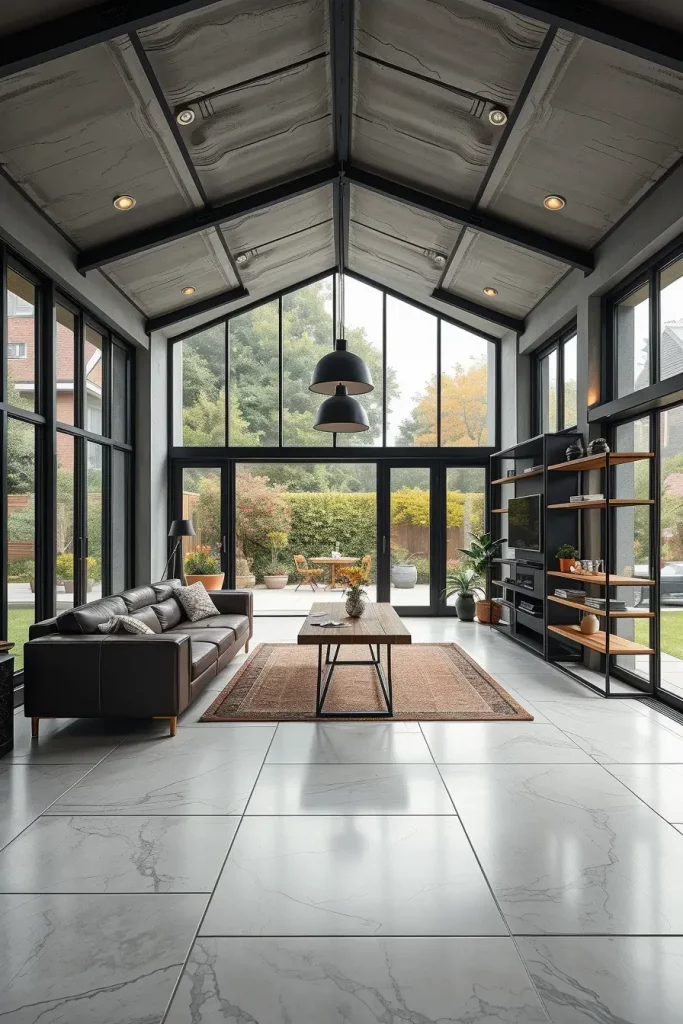
Inside, I include modular leather seating, a solid wood dining or work table with metal legs, and open metal shelving units. Pendant lights in matte black or brushed brass add character, while textured rugs soften the hard surfaces underfoot. I deliberately balance rough and smooth finishes so the room feels curated rather than harsh. A statement media unit or integrated sound system can transform the space into a multifunctional lounge for evenings with friends.
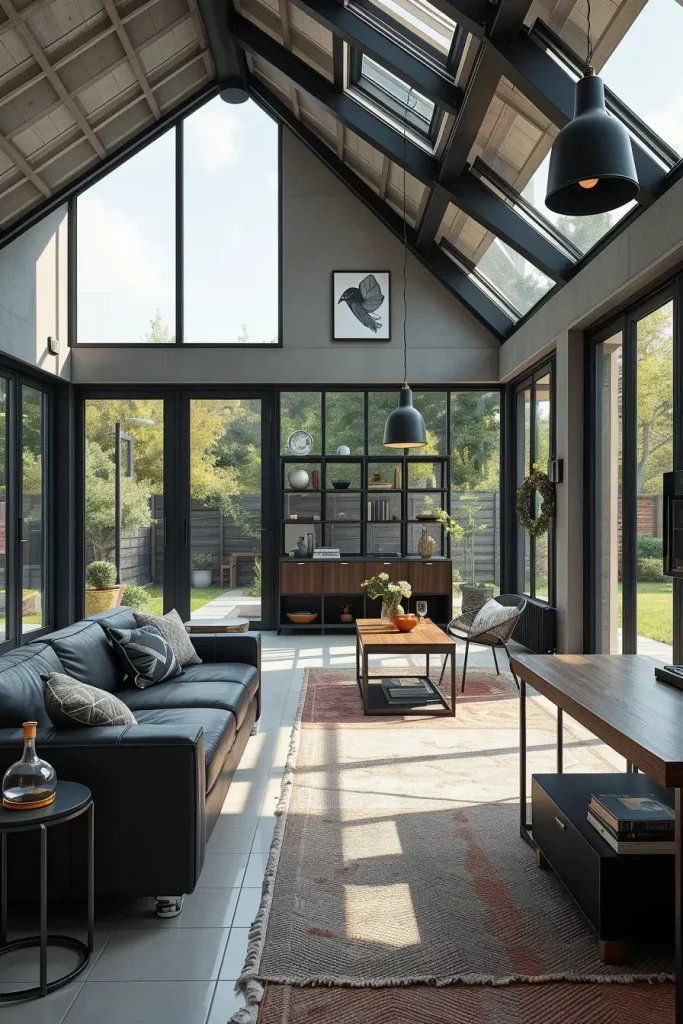
From my professional standpoint, the key to making industrial work in a garden setting is proportion. As noted by interior designers featured in Dezeen, mixing raw materials with warm accents prevents the aesthetic from becoming sterile. I always incorporate wood tones or upholstered elements to ensure comfort. When done thoughtfully, these designer spaces feel both edgy and inviting.
What is often missing in industrial garden rooms is acoustic treatment. I recommend adding acoustic panels disguised as artwork or textured wall features to improve sound quality, especially if the space is used for entertainment or remote work.
Garden Office Extensions: Stylish Remote Workspaces For 2026
With remote and hybrid work becoming standard, I believe garden office extensions are among the most practical unique garden rooms of this era. In 2026, I prioritize ergonomic layouts, strong natural light, and separation from the main house to enhance focus. I design these offices with floor-to-ceiling glazing facing the garden, ensuring the user feels connected to nature while maintaining privacy through strategic landscaping.
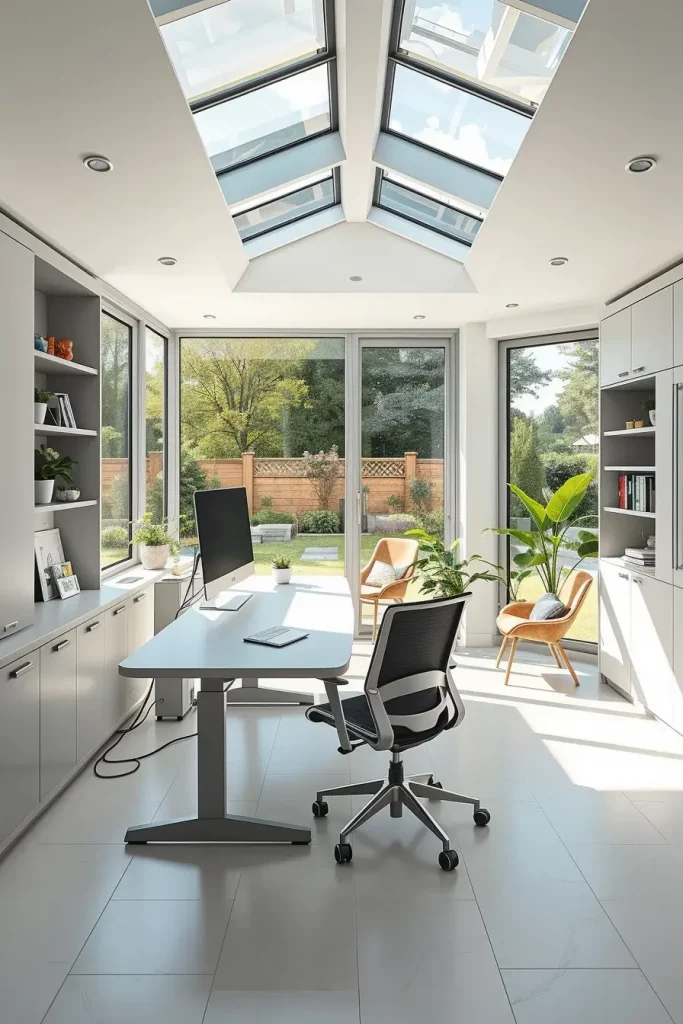
A height-adjustable desk, ergonomic chair, and built-in wall storage are non-negotiable in my projects. I also integrate concealed cable management systems to maintain a clean, distraction-free environment. A compact lounge chair or window bench can serve as a reading corner for breaks. Neutral color palettes with subtle accent tones help stimulate concentration without visual fatigue.
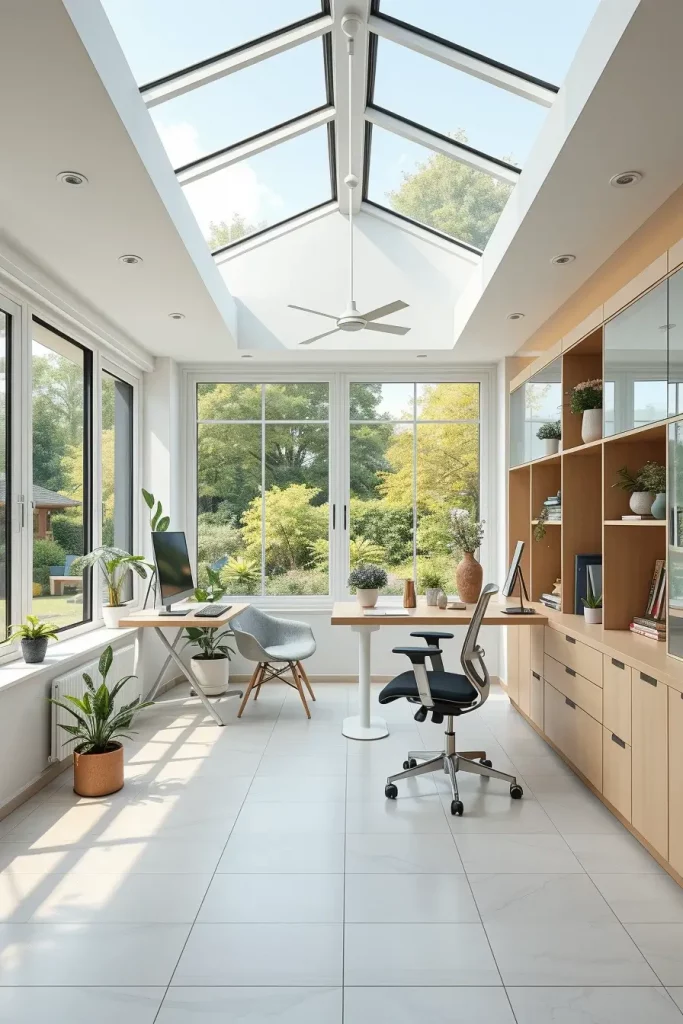
Personally, I have found that incorporating biophilic design elements significantly improves productivity. Research cited by Harvard Business Review supports the idea that natural light and greenery enhance cognitive performance. I regularly include indoor plants and natural materials to create a calm, professional atmosphere. This transforms the garden office into a stylish, future-ready workspace.
What should be added more often is proper climate control. I strongly recommend high-performance insulation and smart ventilation systems to ensure the space remains comfortable year-round, particularly during extreme temperatures.
Garden Lounge Rooms Designed For Entertaining In Style
If the goal is social connection, I design garden lounge rooms that feel like boutique hospitality spaces. In garden room extensions 2026, entertaining areas blur the line between indoor and outdoor living. I often incorporate wide sliding glass doors that open fully onto a patio, creating a seamless transition during gatherings.
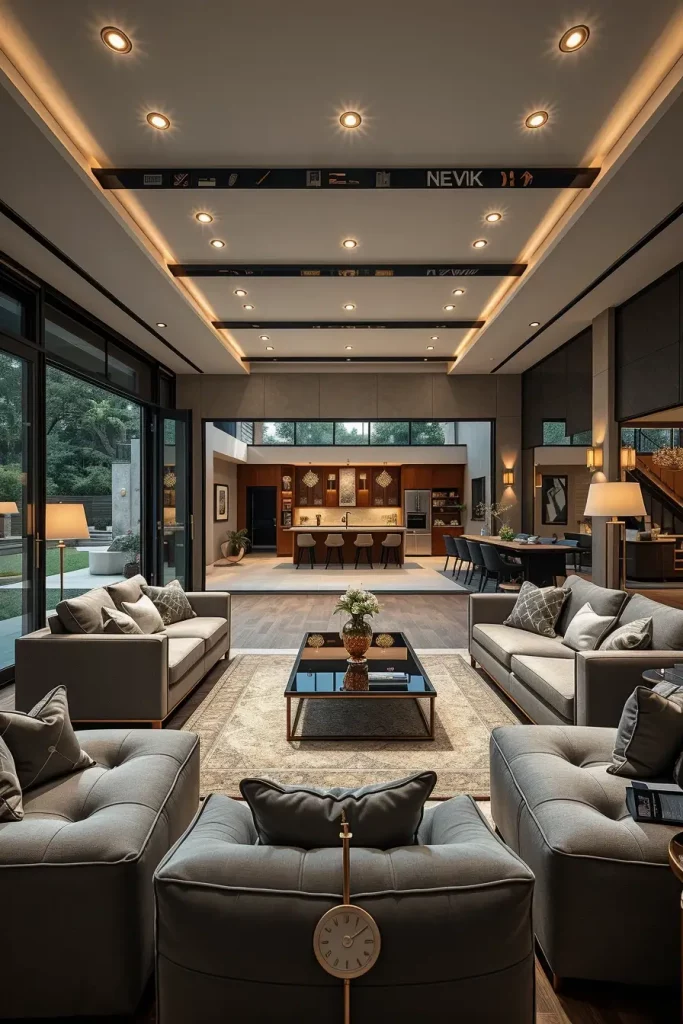
Furniture plays a central role here. I choose deep, comfortable sofas, modular seating that can be rearranged for events, and a central coffee or cocktail table. Built-in cabinetry for glassware, a compact bar unit, and integrated speakers elevate the experience. Layered lighting, including recessed ceiling lights and statement floor lamps, sets the mood for evening entertaining.
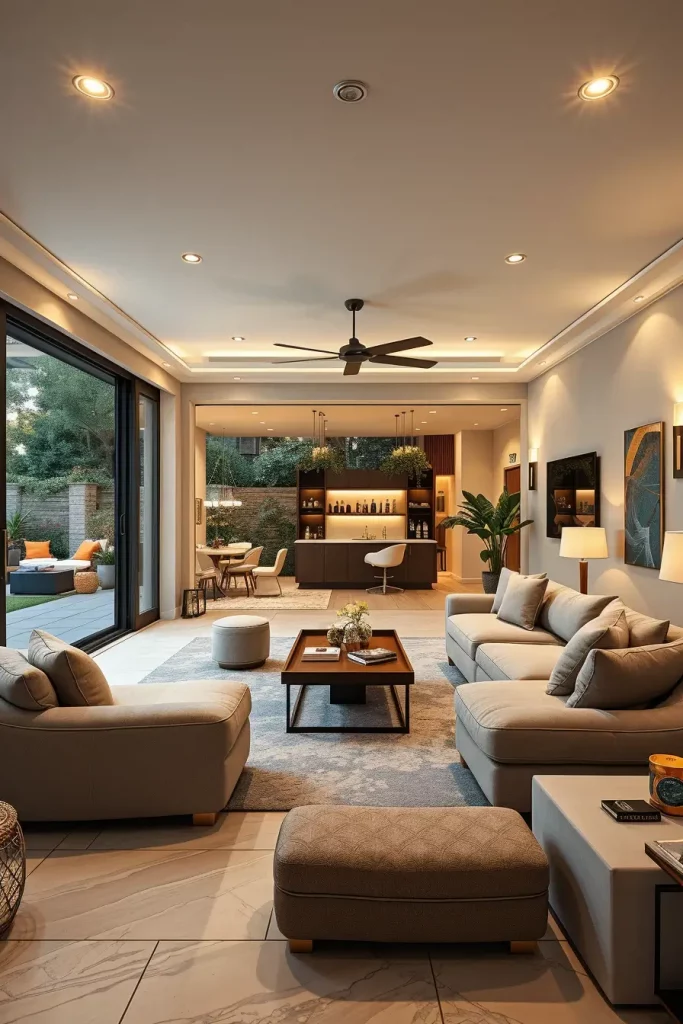
In my professional view, entertaining spaces must be adaptable. Designers featured in Elle Decor often emphasize flexibility and layered textures for social areas. I agree wholeheartedly. I ensure that fabrics are durable yet refined, and that surfaces are easy to maintain after gatherings. This keeps the room both modern and practical.
One aspect that should not be overlooked is outdoor flow. I always advise extending the same flooring material from inside to the terrace to create visual continuity. Without this, the lounge may feel disconnected from the garden it is meant to celebrate.
Year-Round Garden Room Extensions With Advanced Insulation
A truly successful garden room must function in every season. For garden room extensions 2026, I focus heavily on advanced insulation systems, triple-glazed windows, and thermally efficient wall panels. These elements ensure the space remains comfortable in winter while preventing overheating in summer. I approach insulation not as an afterthought but as a design foundation.
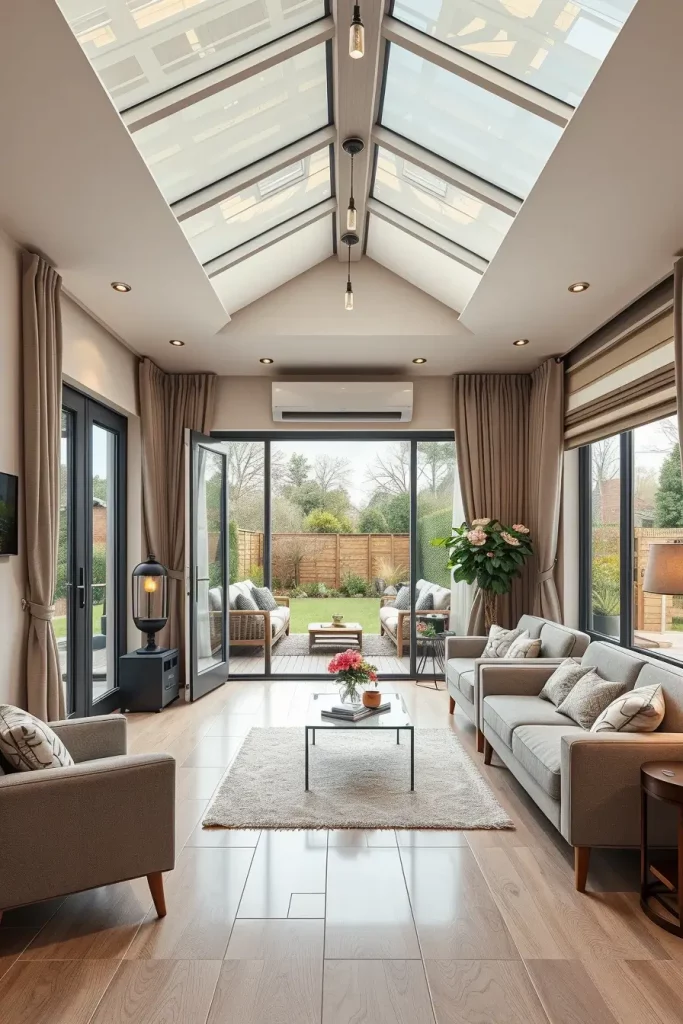
Inside such rooms, I often include underfloor heating, smart thermostats, and discreet air conditioning units. Soft furnishings like thick curtains and insulated blinds contribute both to comfort and energy efficiency. The aesthetic remains elegant and designer, but the hidden performance features are what truly define the quality of the space.
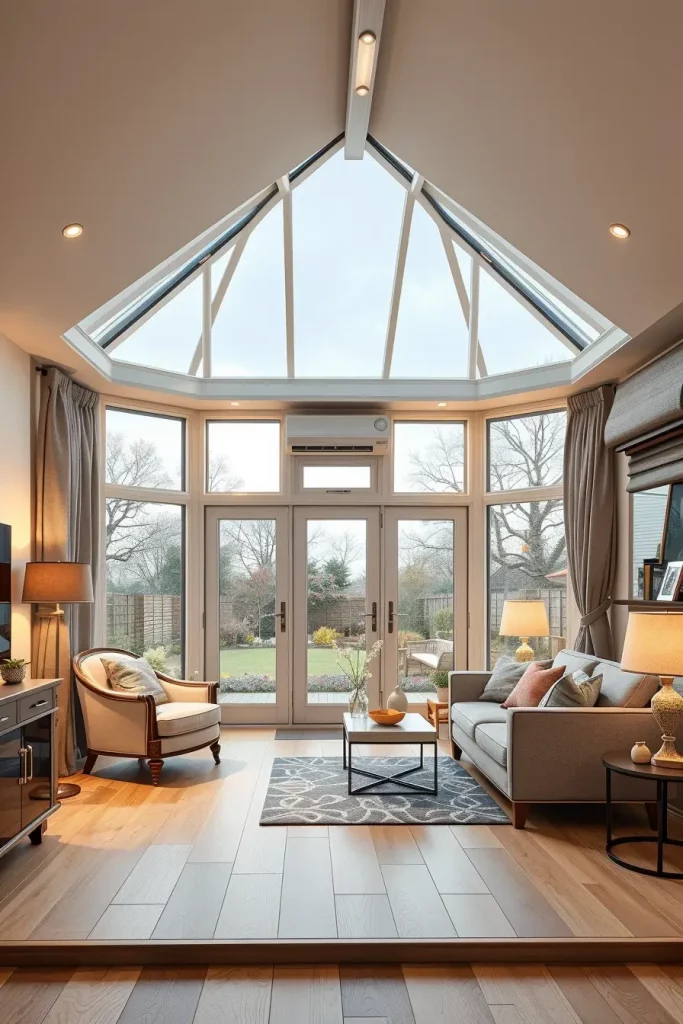
From my experience, energy-efficient design is no longer optional. According to guidance frequently referenced by U.S. Green Building Council publications, thermal performance significantly affects long-term costs and environmental impact. I always explain to clients that investing in insulation upfront ensures the room remains usable and valuable throughout the year.
What is often missing in these projects is strategic shading. I recommend adding external louvers or roof overhangs to control solar gain. Without them, even well-insulated rooms may struggle during peak summer heat.
Frameless Sliding Doors And Floor-To-Ceiling Windows In Modern Garden Rooms
In my projects for garden room extensions 2026, I increasingly rely on frameless sliding doors and expansive floor-to-ceiling windows to create a seamless dialogue between architecture and landscape. These glass systems dissolve visual barriers, making even compact extensions feel generous and open. I always consider orientation carefully, positioning glazing to frame the most attractive garden views while controlling glare and privacy. The result is a space flooded with natural light that feels both modern and intentionally designed.
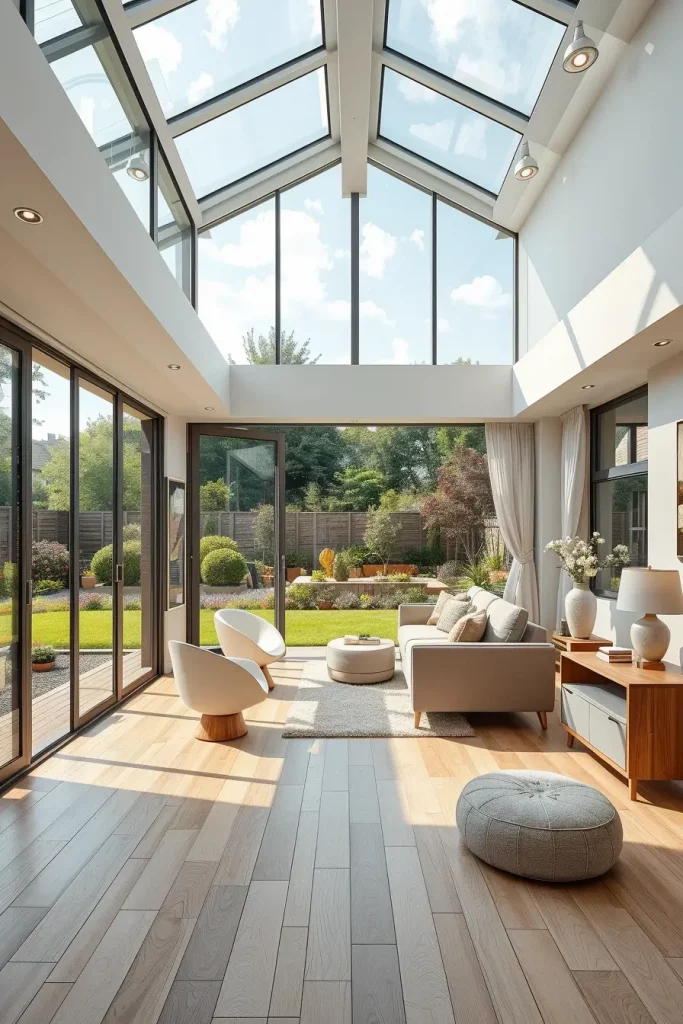
When specifying these elements, I choose slim-profile aluminum or thermally broken steel systems that combine elegance with performance. I often integrate recessed tracks so the sliding panels disappear smoothly into the wall cavity. Inside, I balance the transparency with structured furniture placement: a linear sofa facing the garden, a sculptural armchair near the glazing, and low-profile storage to maintain unobstructed sightlines. Sheer curtains or motorized blinds are essential additions, allowing flexibility throughout the day without compromising the minimalist aesthetic.
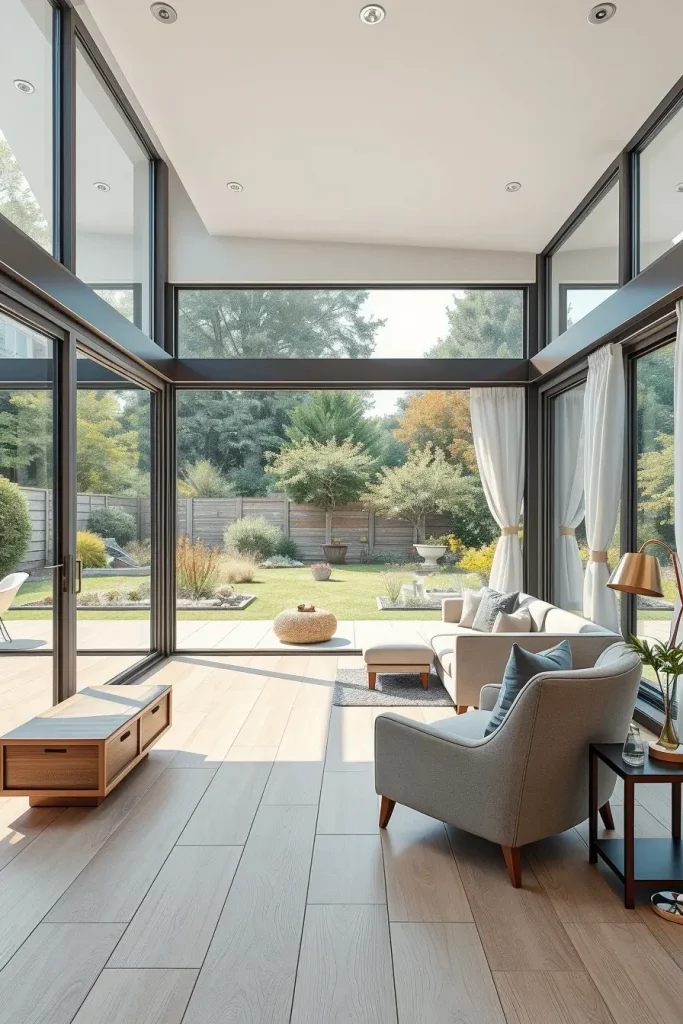
From my professional perspective, the key is structural planning. As frequently emphasized in architectural publications such as Dezeen, expansive glazing must be supported by proper load-bearing design and high-spec insulation. I always collaborate with structural engineers early in the process to ensure safety and longevity. In my experience, when glazing is thoughtfully integrated, these stylish and designer garden rooms become true architectural highlights.
What should also be added to such projects is exterior landscaping alignment. I recommend extending decking lines and garden pathways directly toward the glazing to enhance symmetry and visual continuity. Without this alignment, even the most impressive glass walls may not achieve their full architectural impact.
Garden Room Extensions With Statement Lighting Design
Lighting design has become one of the defining features of unique garden rooms in 2026. I approach lighting not simply as illumination, but as a core architectural layer that shapes mood and usability. In garden rooms, where large windows dominate during the day, evening lighting must create warmth and intimacy without overwhelming the space. I typically plan a layered scheme that includes ambient, task, and accent lighting.
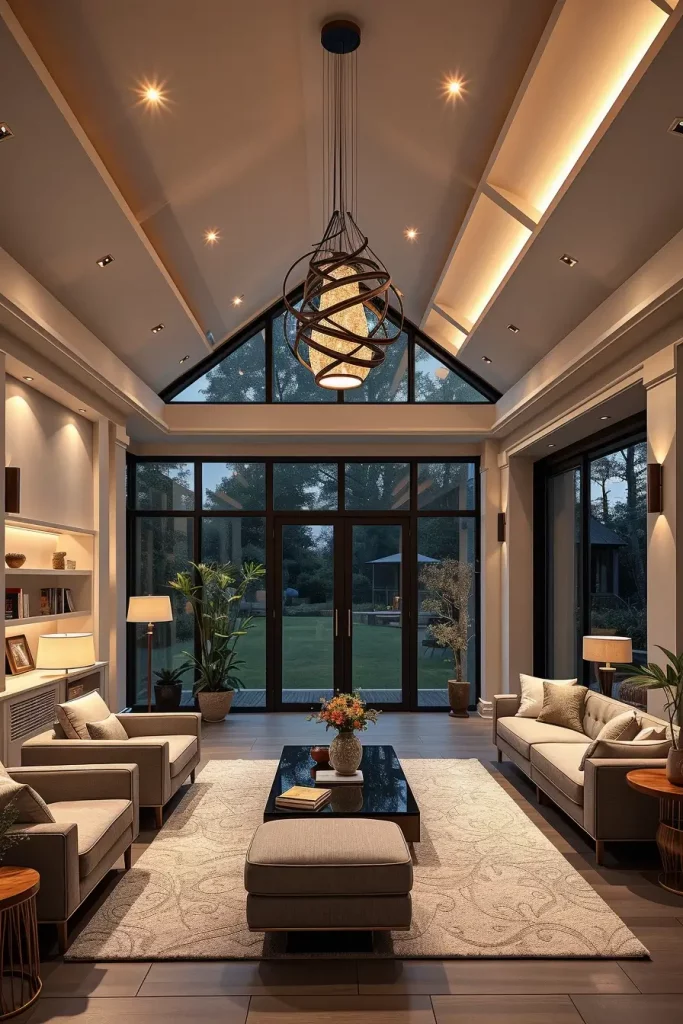
I often install recessed ceiling lights with dimmable controls, complemented by sculptural pendant fixtures that serve as focal points. Wall-mounted sconces add depth, while LED strip lighting under shelving or along ceiling coves introduces subtle drama. Floor lamps near lounge seating enhance comfort, and task lighting over desks or reading areas ensures practicality. Every fixture is selected to match the room’s material palette, whether Scandinavian, industrial, or contemporary.
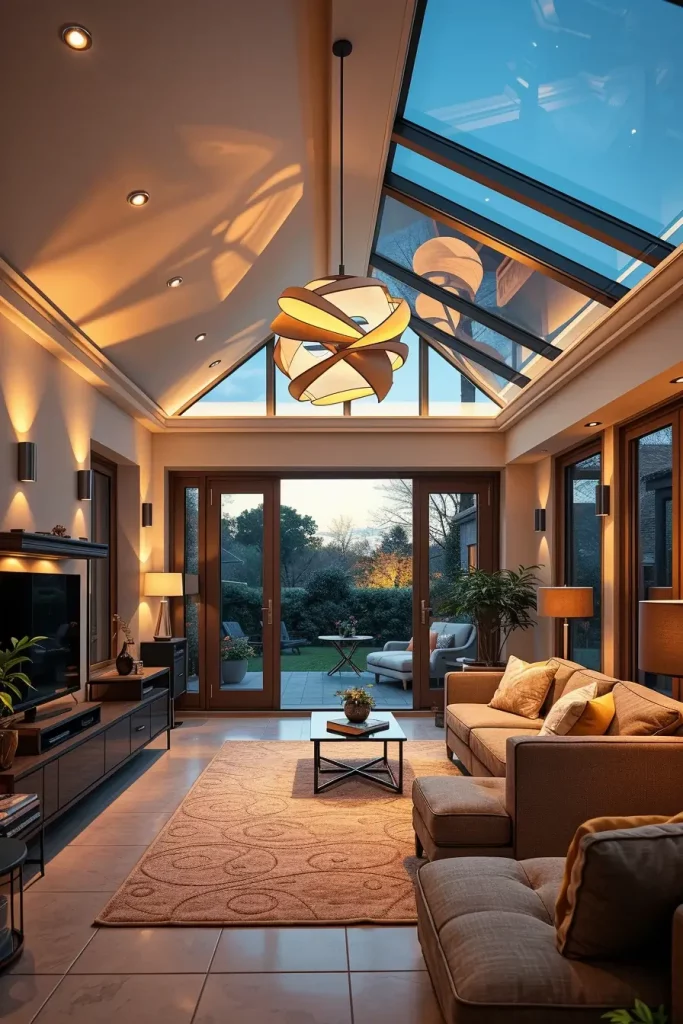
Personally, I believe lighting is what transforms a well-designed extension into a truly memorable one. Designers featured in Architectural Digest often stress the importance of layered lighting for residential spaces, and I have found this principle especially relevant in garden rooms. With large expanses of glass, evening lighting defines how the room is perceived from both inside and outside the home. A well-lit garden room becomes a glowing architectural feature after sunset.
What is sometimes missing is smart lighting integration. I recommend installing app-controlled systems that allow users to adjust brightness and temperature throughout the day. This ensures that the garden room adapts to work, relaxation, and entertaining with ease.
Contemporary Garden Studios For Art, Music, And Creativity
Creative studios are among the most exciting garden room extensions 2026 trends. I design these spaces as personal sanctuaries for artistic expression, whether for painting, music production, or writing. The layout must prioritize flexibility and natural light while also supporting focus and privacy. I often orient windows to maximize consistent daylight without harsh glare, especially important for visual artists.
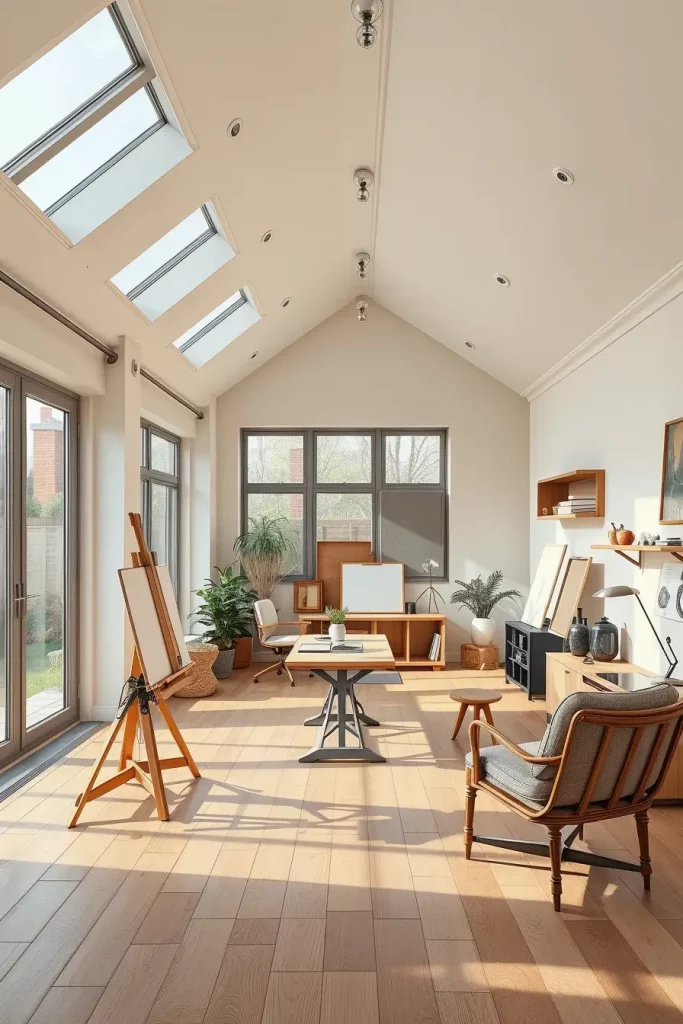
Furniture and layout vary depending on the creative discipline. For art studios, I include large worktables, easels, and wall-mounted storage for supplies. In music studios, I integrate acoustic panels, soundproofing insulation, and built-in shelving for instruments and equipment. A comfortable lounge chair or small sofa is always included to encourage reflection and rest between creative sessions. The finishes remain neutral, allowing the occupant’s work to become the focal point.
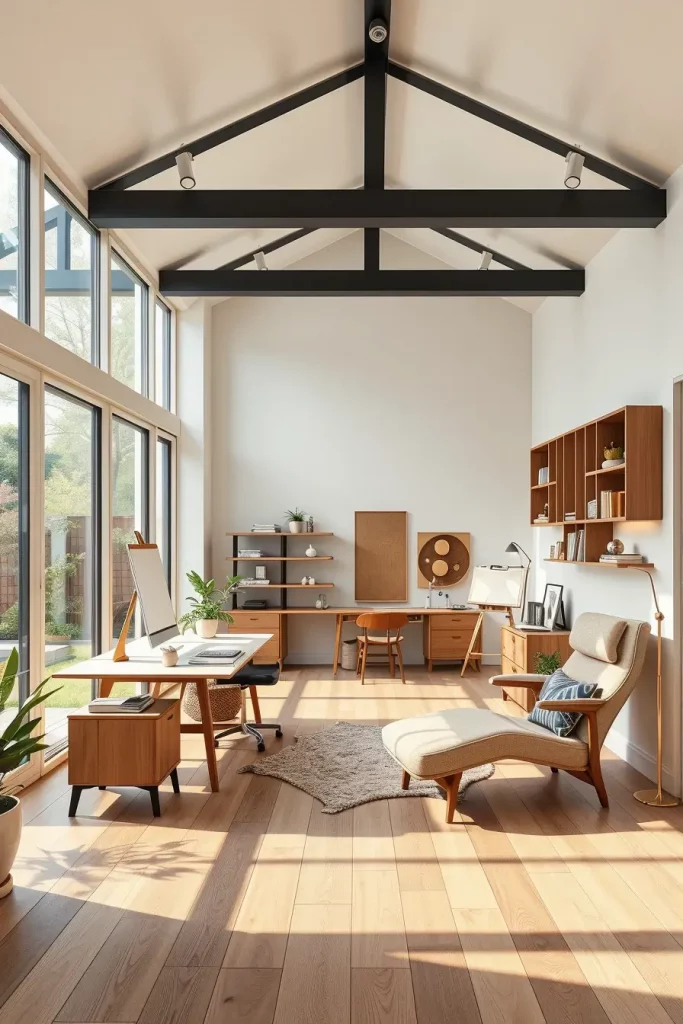
In my experience, dedicating a separate structure for creativity dramatically improves productivity. Many designers and psychologists note that having a defined space for creative work enhances mental clarity. I have seen clients flourish once they move their artistic practice into a purpose-built, modern garden studio. These rooms become deeply personal and profoundly inspiring.
What should be added more frequently is proper acoustic and climate planning. I always advise enhanced insulation, controlled ventilation, and soundproof doors to ensure the studio functions effectively without disturbing the main household or neighbors.
High-End Materials Defining Garden Room Extensions 2026
Material selection is what distinguishes ordinary extensions from truly designer garden rooms. In 2026, I see a strong emphasis on sustainable hardwood cladding, large-format porcelain slabs, engineered stone countertops, and architectural-grade glass. These materials provide both visual sophistication and long-term durability. I carefully consider texture and tone, ensuring that interior finishes complement the surrounding landscape.
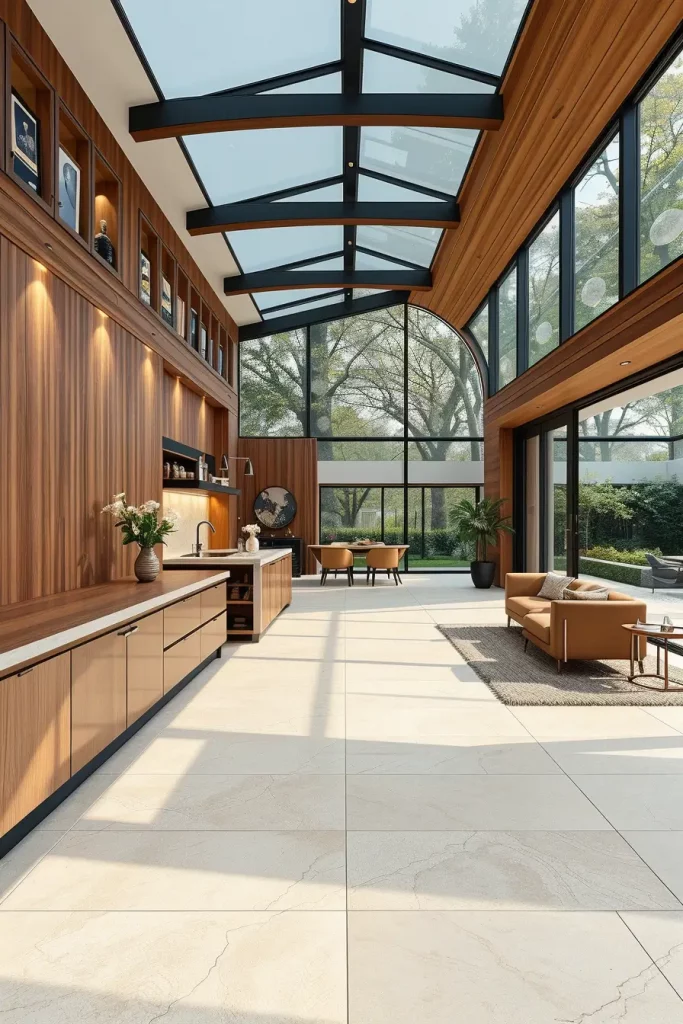
Inside, I often incorporate custom cabinetry in natural wood veneers, matte lacquer finishes, and integrated storage solutions. Flooring choices range from wide-plank engineered wood to polished concrete, depending on the aesthetic direction. High-performance roofing membranes and composite decking materials enhance exterior longevity. Every surface must balance beauty with resilience, especially in a structure that bridges indoor and outdoor environments.
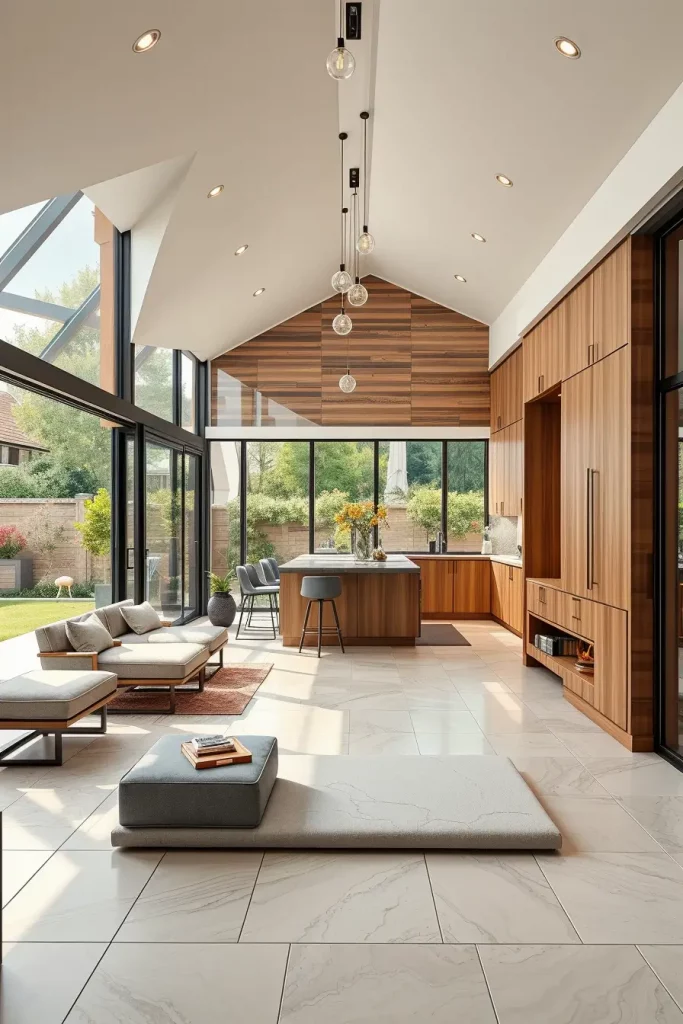
From my professional viewpoint, investing in premium materials pays off significantly over time. Publications such as Elle Decor frequently highlight how tactile materials elevate contemporary spaces. I have found that when clients prioritize quality finishes, their stylish garden rooms maintain their appeal for years rather than appearing dated after a short period.
What is often missing in discussions about materials is maintenance planning. I always recommend selecting finishes that are easy to clean and resistant to moisture and UV exposure, ensuring the garden room remains pristine despite seasonal changes.
Modular Garden Room Extensions With Flexible Layouts
Modularity is transforming how I approach unique garden rooms in 2026. Rather than designing fixed-purpose spaces, I create flexible layouts that can evolve over time. Modular construction allows for faster installation and future expansion, making it an appealing solution for homeowners seeking adaptability. These extensions can begin as offices and later transition into lounges, gyms, or guest suites.
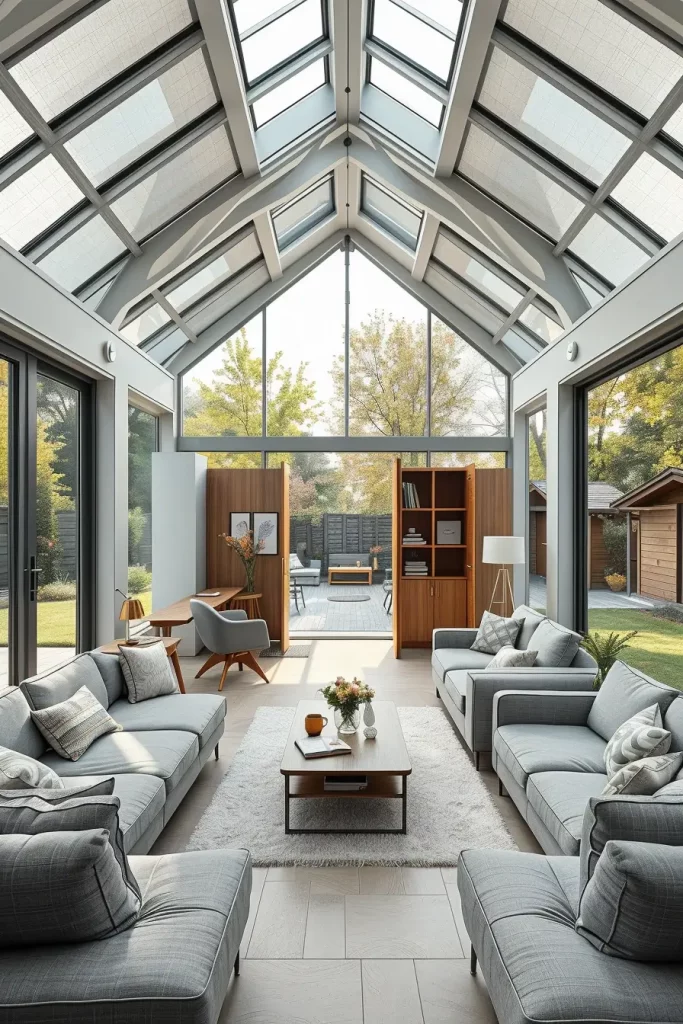
Inside, I incorporate movable partitions, modular seating, and adaptable storage systems. Fold-away desks, convertible sofa beds, and stackable chairs ensure the space can be reconfigured easily. Sliding panels or pocket doors help divide areas without permanently closing them off. The aesthetic remains cohesive and modern, but the functionality is dynamic.
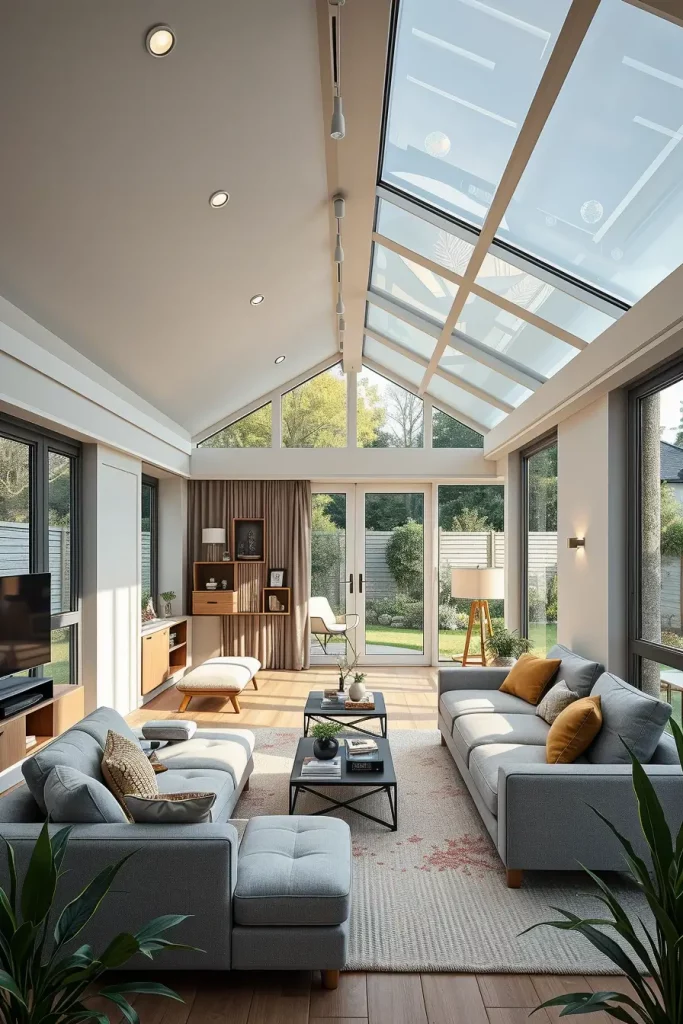
In my experience, flexibility is one of the most valuable qualities in residential design. As lifestyles shift, a garden room should not become obsolete. By planning adaptable layouts from the start, I ensure the extension continues to serve the homeowner’s needs for years. This forward-thinking mindset defines the next generation of garden room extensions 2026.
One important addition is future-proof infrastructure. I always advise pre-installing extra electrical conduits and data wiring so that technology upgrades can be implemented without major renovation. This foresight significantly increases the long-term usability of the space.
Unique Roof Designs Transforming Garden Room Architecture
When I design garden room extensions 2026, I pay particular attention to the roof structure because it defines the entire architectural identity of the space. In 2026, flat minimalist roofs, asymmetric slopes, and floating cantilevered overhangs are transforming what used to be simple backyard additions into striking designer statements. I focus on proportions, drainage engineering, insulation, and light integration to ensure that the roof is not just aesthetic but also highly functional. Integrated skylights, concealed gutter systems, and slim roof edges help create a seamless transition between architecture and landscape.
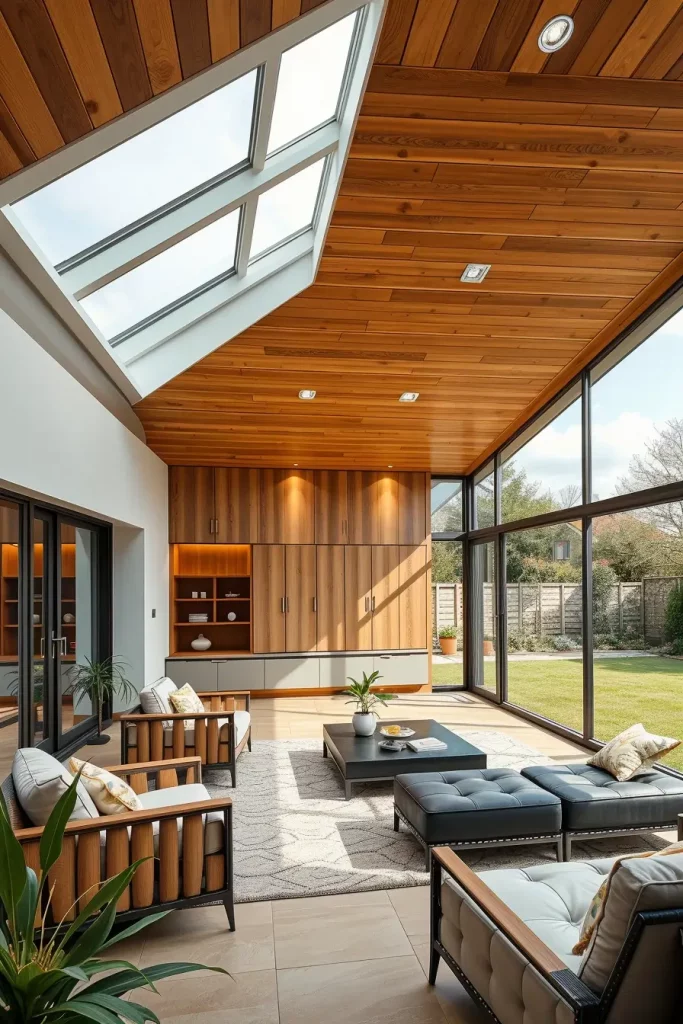
Inside the space, I coordinate ceiling finishes with the roof design. For example, if I use a dramatic angled roofline, I complement it with warm wood ceiling panels, recessed linear LED lighting, and acoustic insulation panels for comfort. Floor to ceiling glazing enhances the geometry, while built in storage walls keep the room uncluttered. I always recommend incorporating high performance glazing and thermal breaks because these elements ensure year round usability. Modern outdoor soffit lighting and hidden drainage channels also contribute to the clean look that defines modern garden architecture.
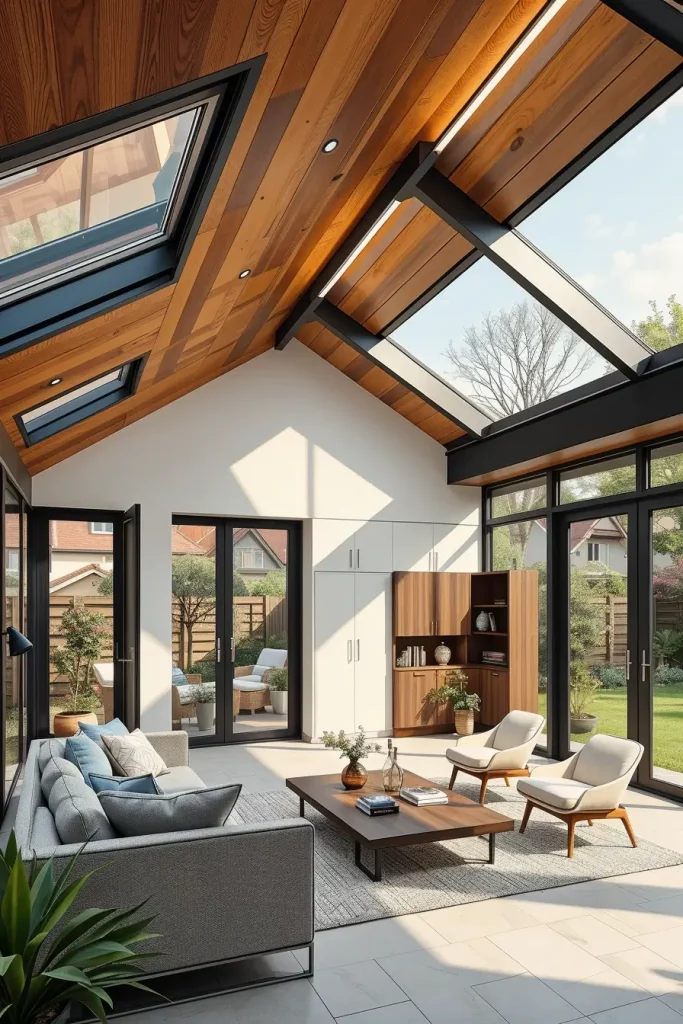
From my experience, clients are often surprised at how much a roof can elevate the perception of a backyard structure. Architectural Digest has frequently highlighted the importance of silhouette in contemporary residential design, and I strongly agree. A carefully designed roof transforms a simple garden room into a sculptural feature. I always advise homeowners to invest in structural engineering early in the planning phase to avoid limitations later.
What should be added here is a clear discussion of local building codes and planning permissions. I always remind clients that roof height, pitch, and proximity to boundaries can affect approvals. Including this consideration in the early design stage prevents costly revisions and ensures that the final result remains both compliant and visually impressive.
Indoor-Outdoor Garden Room Extensions With Private Courtyards
One of the most exciting directions in garden room extensions 2026 is the integration of private courtyards. I often design layouts where sliding glass walls open onto a compact landscaped patio, creating a fluid indoor outdoor experience. This approach transforms the extension into a multi seasonal living space rather than a closed room at the edge of the yard. By positioning the courtyard strategically, I enhance privacy, natural light, and cross ventilation.
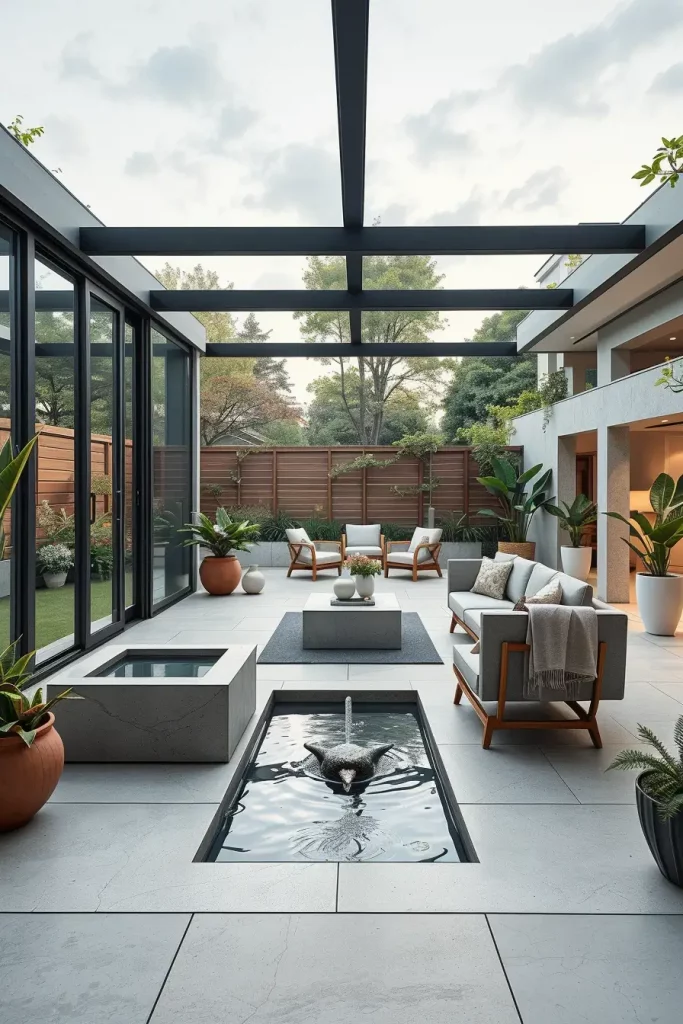
Inside, I choose low profile modular sofas, weather resistant lounge chairs, and ceramic or porcelain flooring that continues from interior to exterior. Built in planters, minimalist water features, and concealed lighting define the courtyard while maintaining a stylish atmosphere. I always recommend durable outdoor fabrics, powder coated aluminum frames, and subtle neutral color palettes to ensure longevity. A retractable pergola or slim canopy system adds protection without compromising openness.
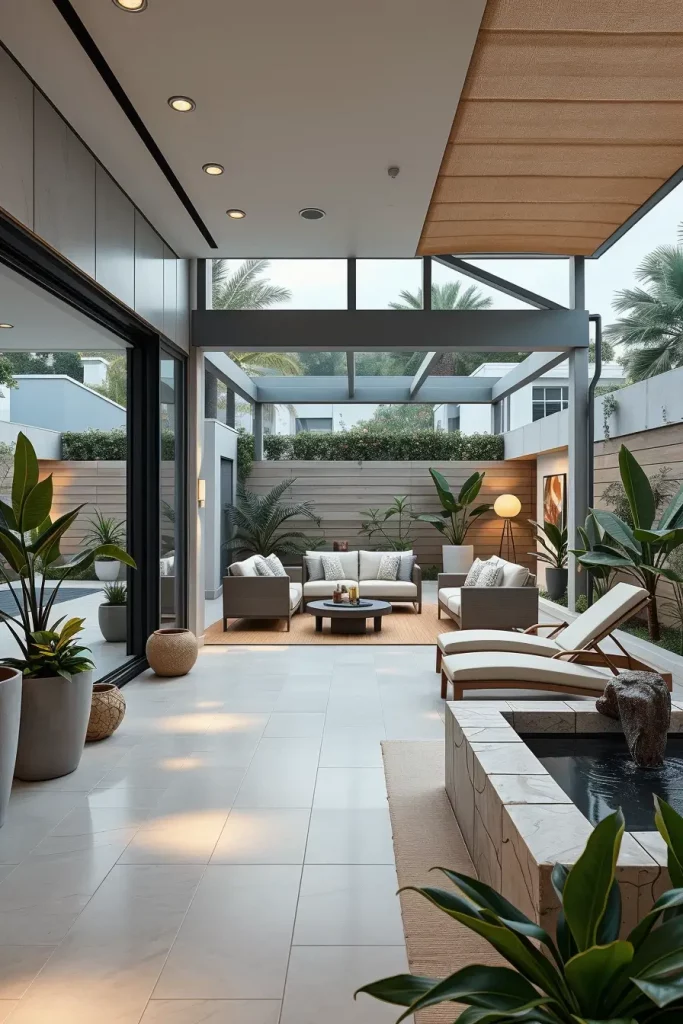
In my professional experience, this type of design dramatically changes how homeowners use their property. Publications like Dwell have emphasized the importance of flexible indoor outdoor living, especially post pandemic. I have seen clients use these spaces for remote work, evening gatherings, and even quiet meditation. The emotional value of stepping directly into a private courtyard cannot be underestimated.
What is often missing in such projects is a detailed irrigation and drainage plan. I make sure that water management systems are discreetly integrated beneath decking or stone paving. Without this planning, the courtyard can quickly become difficult to maintain. Proper drainage ensures that the beauty of the space remains intact for years.
Biophilic Design Elements In Modern Garden Rooms
In 2026, unique garden rooms are deeply influenced by biophilic design principles. When I incorporate biophilic elements, I focus on natural light, organic textures, and visual connections to greenery. Large panoramic windows, skylights, and sliding glass panels maximize daylight penetration. I often use natural oak flooring, textured plaster walls, and indoor green walls to create a sense of calm and connection to nature.
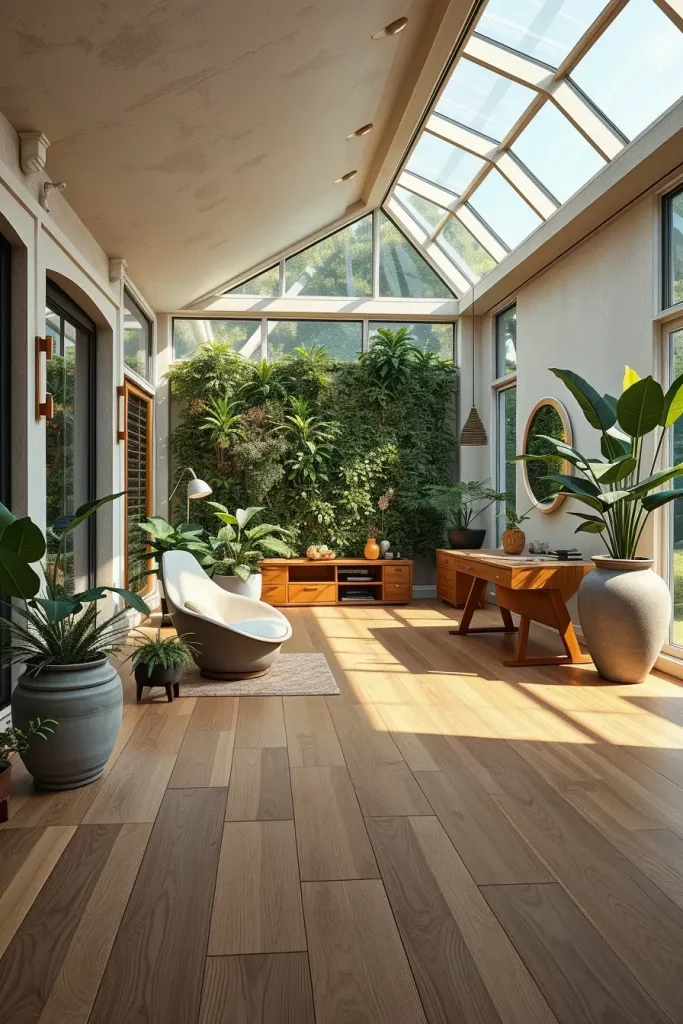
Furniture plays a crucial role. I select sculptural lounge chairs in natural fabrics, solid wood desks, and stone accent tables to reinforce authenticity. Indoor plants in oversized ceramic planters bring life into the room, while layered lighting mimics the rhythm of daylight. I carefully balance materials so that the room feels grounded but still undeniably modern and designer in its execution.
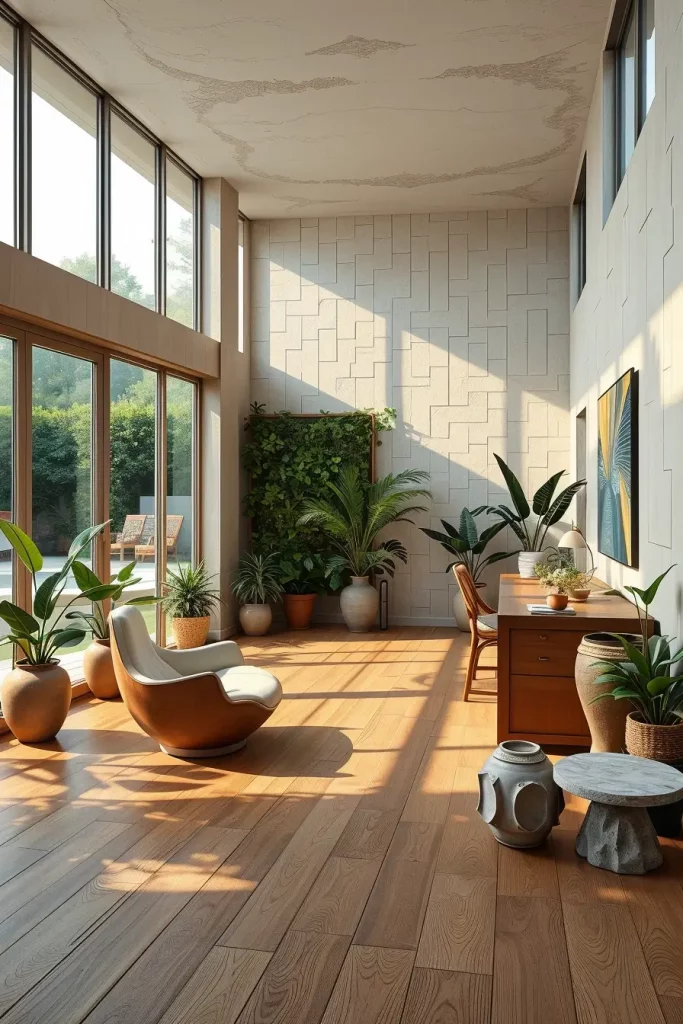
Personally, I believe biophilic design is not a trend but a necessity. The American Society of Interior Designers has repeatedly emphasized the psychological benefits of incorporating natural elements into living spaces. I have observed that clients report higher productivity and relaxation when surrounded by natural textures and abundant light. The atmosphere becomes restorative rather than purely decorative.
To strengthen this concept further, I recommend integrating smart climate control systems. Automated ventilation and humidity sensors ensure plant health and indoor comfort. This technological layer enhances practicality without diminishing the organic aesthetic.
Garden Gym And Wellness Room Extensions With Spa-Like Ambiance
A growing number of homeowners are converting garden room extensions 2026 into private wellness sanctuaries. When I design a garden gym or spa inspired retreat, I prioritize acoustic insulation, high performance flooring, and natural ventilation. The layout must accommodate both exercise equipment and relaxation zones without feeling crowded. I often divide the room subtly using glass partitions or shelving units.
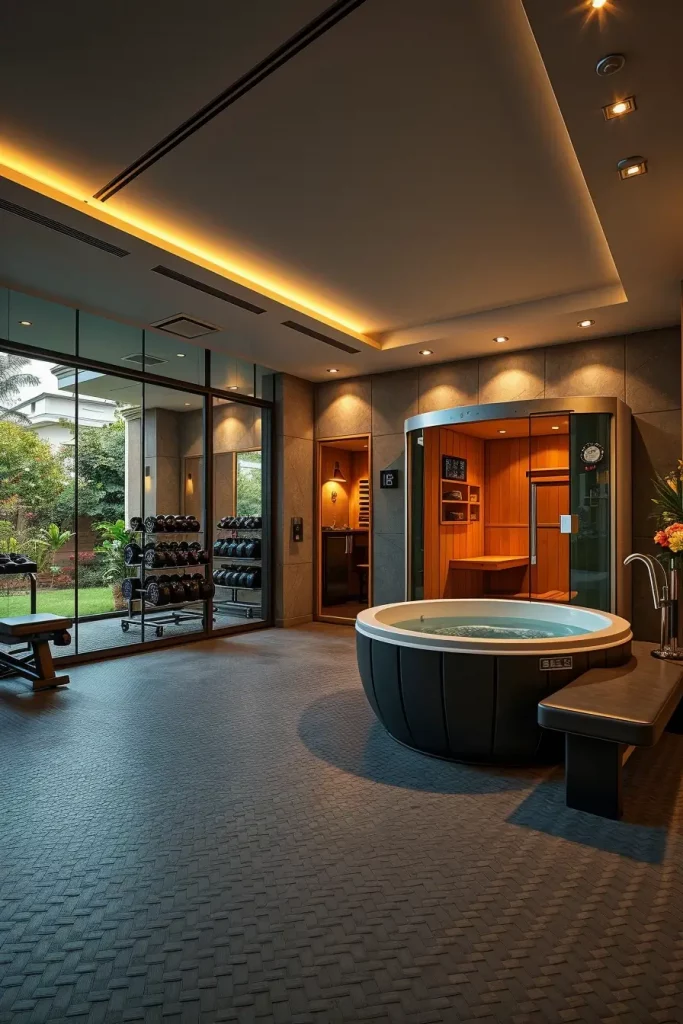
For the gym area, I recommend rubberized flooring, wall mounted storage for weights, and mirrored panels to enhance spatial perception. In the wellness section, I introduce a sauna cabin, a freestanding soaking tub, or a compact steam shower if plumbing allows. Soft ambient lighting, textured wall panels, and built in benches create a tranquil spa atmosphere. I always integrate concealed speakers and smart lighting systems to personalize the experience.
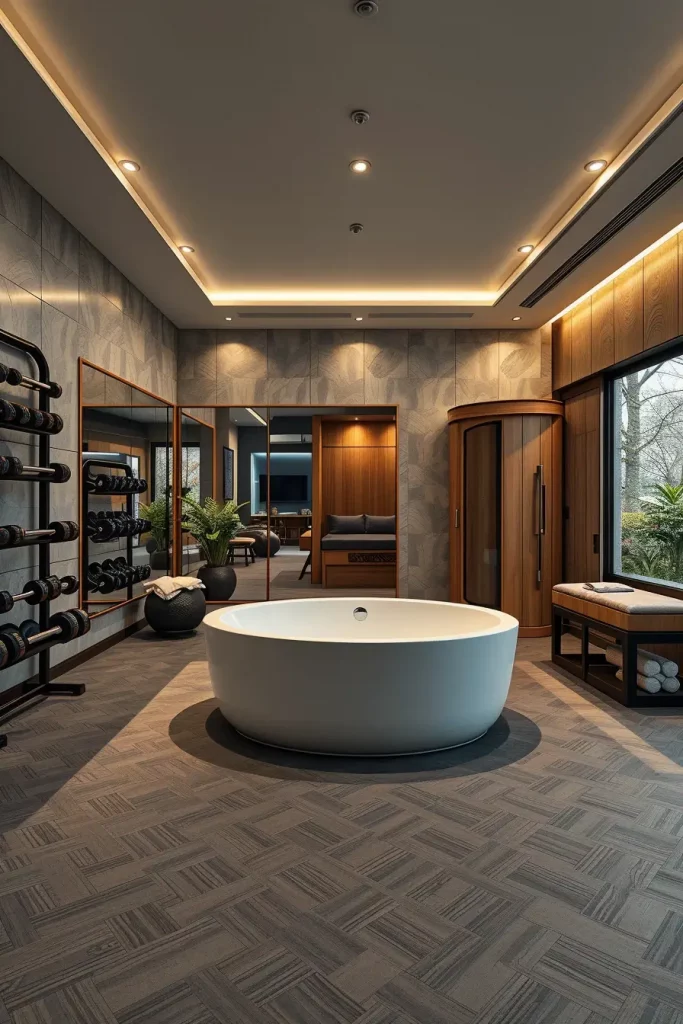
From my perspective, this type of stylish and unique garden room dramatically improves lifestyle quality. Wellness publications frequently highlight the importance of accessible home fitness spaces, and I have seen firsthand how convenient it is for families to maintain routines when a gym is just steps from the main house. The privacy and separation from household noise make a significant difference.
What is sometimes overlooked is structural reinforcement for heavy equipment and moisture control systems for spa elements. I ensure that flooring substrates and ventilation systems are engineered appropriately to prevent long term damage. Without this technical foundation, even the most beautiful wellness room can deteriorate.
Black-Framed Garden Room Extensions For Bold Contemporary Appeal
Black framed glazing systems have become a defining feature of modern and designer garden room extensions 2026. I often use slim aluminum frames in matte black to create strong visual contrast against natural surroundings. This approach gives the extension a confident architectural presence while maintaining transparency. The dark frames highlight clean lines and emphasize geometry.
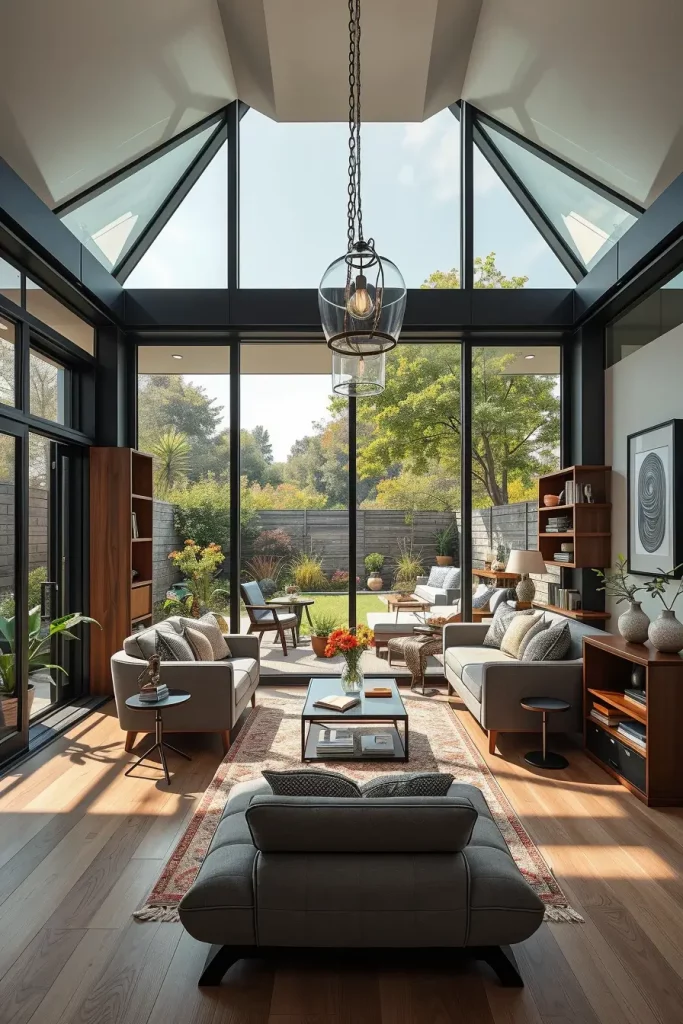
Inside, I balance the bold exterior with warm materials such as walnut cabinetry, soft neutral upholstery, and textured area rugs. Statement pendant lighting, minimalist shelving, and curated art pieces reinforce the stylish aesthetic. I prefer integrated blinds or smart glass technology to maintain privacy without interrupting the clean design language.
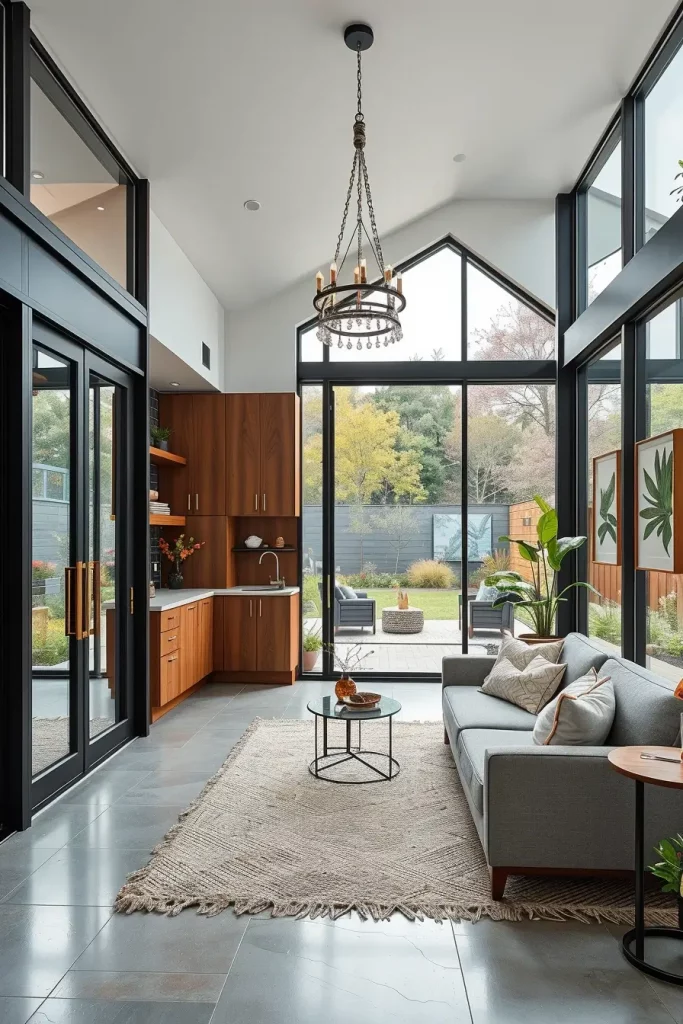
In my experience, black framed garden rooms appeal to homeowners who want a statement piece rather than a subtle addition. Elle Decor and other leading design platforms often showcase similar contrasts between dark frames and light interiors. I find that this combination photographs beautifully and adds long term resale appeal.
To complete this concept, I always recommend careful landscape coordination. Dark frames look most striking when paired with structured greenery, gravel paths, and architectural planting schemes. Without thoughtful landscaping, the visual impact can be diminished.
Scandinavian Wood And Natural Texture Trends In Garden Rooms
In 2026, I see a strong shift toward Scandinavian inspired wood architecture in garden room extensions 2026, where simplicity meets warmth. I design these spaces with clean lines, pale timber cladding, and expansive glazing that allows natural light to wash across textured surfaces. The focus is on balance, proportion, and a restrained palette that enhances the surrounding greenery rather than competing with it. This approach creates stylish, modern, and calm environments that feel intentional and refined.
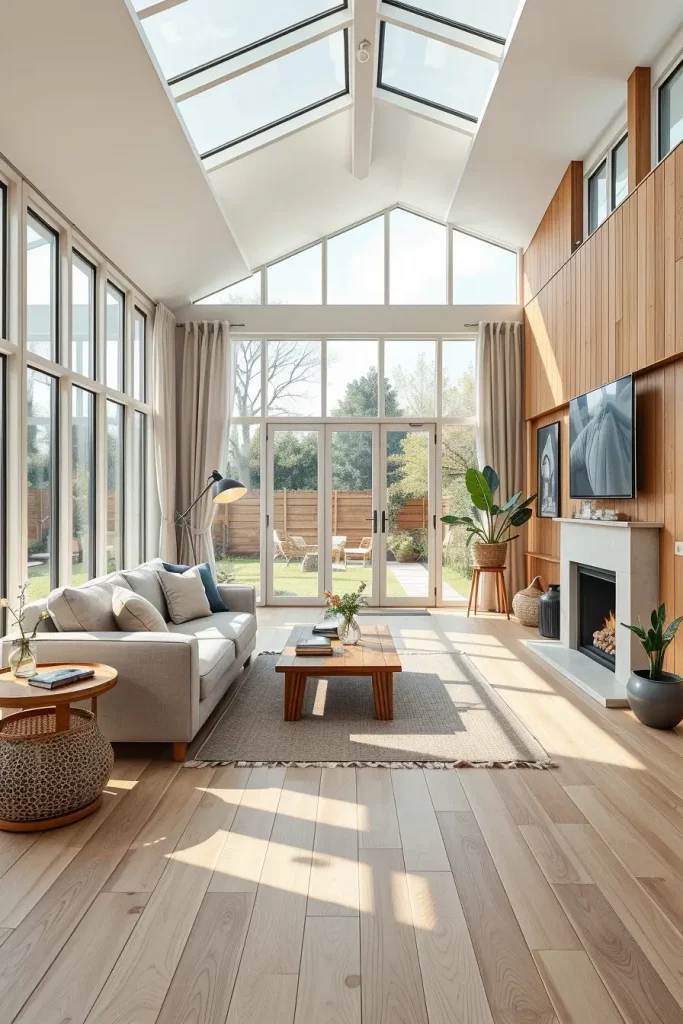
When selecting materials and furniture, I prioritize light oak floors, vertical wood wall panels, and built in storage crafted from natural veneers. I often include a low profile sofa in soft wool upholstery, a simple wooden coffee table, and open shelving that displays curated decor pieces. Linen curtains, woven rugs, and matte ceramic accessories add tactile depth without overwhelming the room. Every piece serves a purpose, reinforcing the understated yet designer identity of the space.
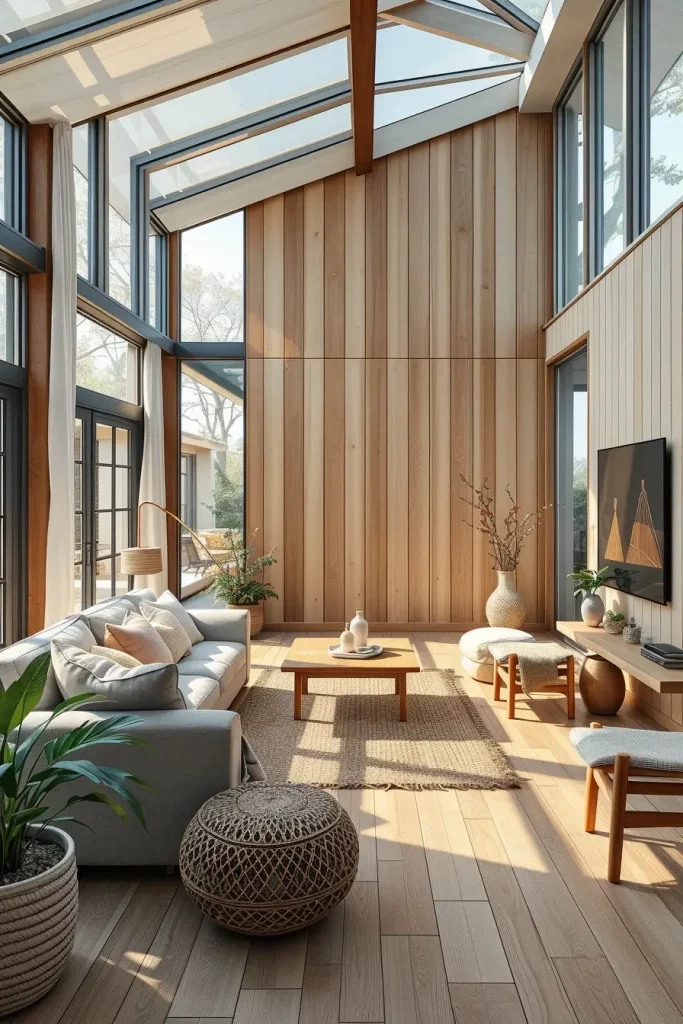
From my professional perspective, Scandinavian principles remain relevant because they combine practicality with emotional comfort. Publications like Dezeen frequently highlight the longevity of Nordic design due to its focus on light and material honesty. I find that clients appreciate how these rooms feel welcoming year round, especially during colder seasons when natural textures add warmth.
To enhance this concept further, I recommend integrating underfloor heating and high performance insulation. These technical elements are essential for maintaining comfort while preserving the clean aesthetic that defines Scandinavian inspired unique garden rooms.
Custom-Built Garden Room Extensions Tailored To Lifestyle Needs
One of the most important aspects of garden room extensions 2026 is personalization. I approach each project as a reflection of the homeowner’s daily routine, whether the space is intended for remote work, art, music, or family gatherings. Instead of applying a generic template, I evaluate orientation, privacy, acoustics, and circulation patterns to create a room that truly supports the user’s lifestyle. This process results in highly unique garden rooms that feel integrated rather than added on.
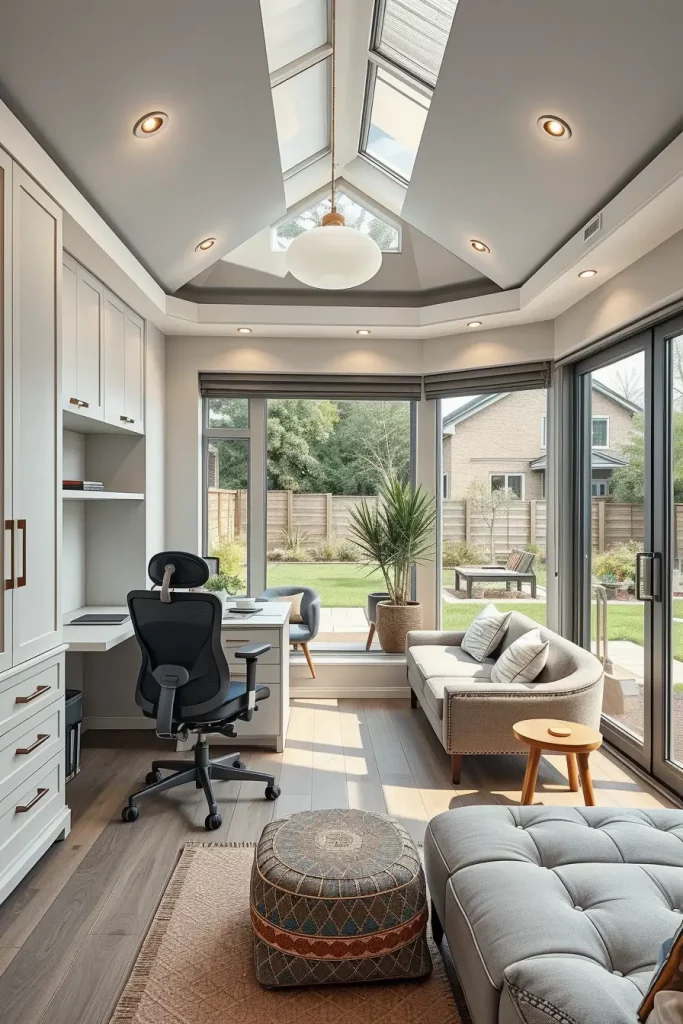
In practical terms, I design custom cabinetry, integrated desks, hidden storage compartments, and flexible seating arrangements. For a home office extension, I incorporate ergonomic chairs, adjustable height desks, and acoustic wall panels. For a creative studio, I add built in shelving, durable flooring, and large task lighting fixtures. Smart home systems, automated blinds, and energy efficient glazing ensure the space remains comfortable and efficient throughout the year.
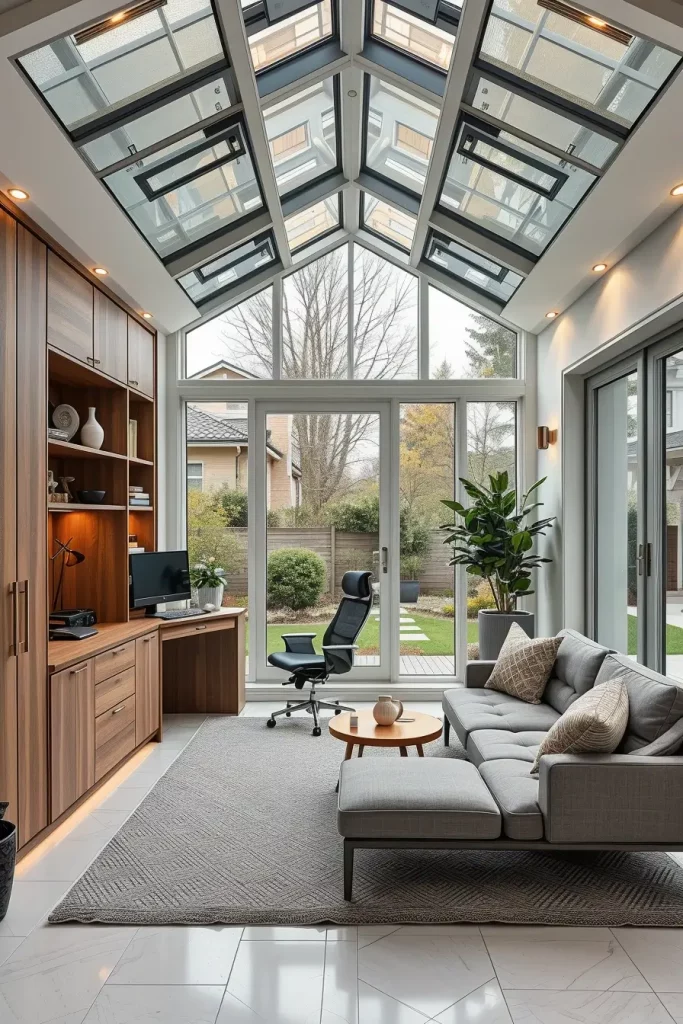
Personally, I believe customization is what separates a simple extension from a truly designer solution. The New York Times has often emphasized the value of tailored home improvements, noting that thoughtful personalization enhances both usability and satisfaction. I have seen how a well planned layout can dramatically improve productivity and overall quality of life.
What is often missing in lifestyle focused extensions is future proofing. I always encourage clients to consider how their needs may change over the next decade. Flexible partitions, modular furniture, and additional electrical capacity allow the room to evolve without requiring major renovations.
Designer Furniture And Decor Ideas For Modern Garden Rooms
Furniture selection plays a defining role in shaping the identity of modern garden room extensions 2026. I view furniture not as decoration but as an extension of architecture. Sculptural lounge chairs, streamlined sectionals, and statement coffee tables establish visual hierarchy while maintaining openness. I pay careful attention to scale, ensuring that each piece complements the room’s dimensions and glazing proportions.
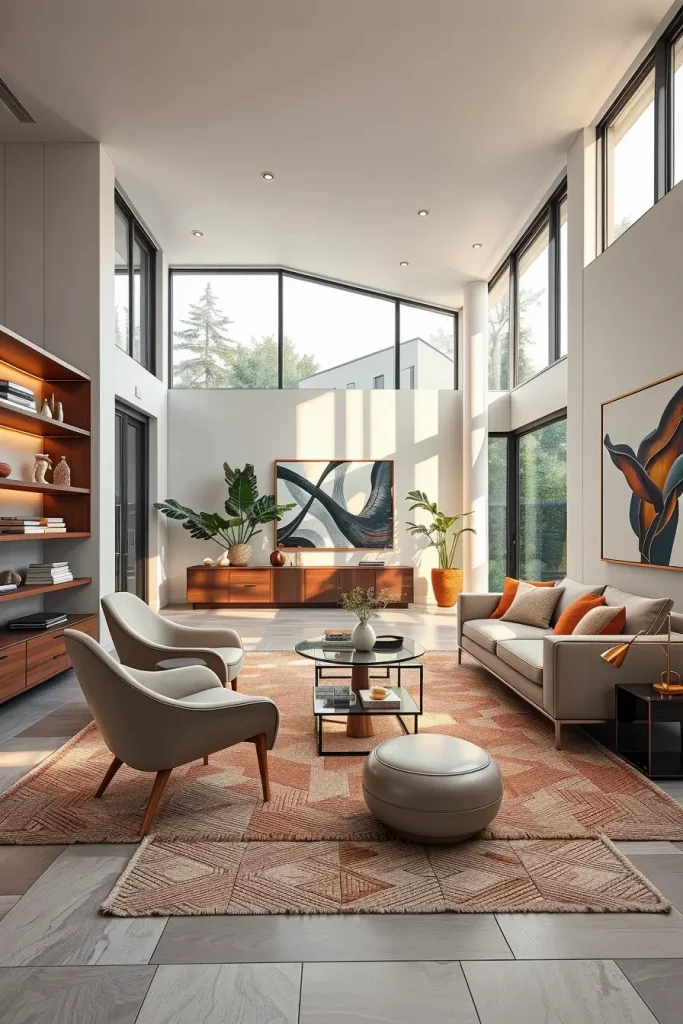
I typically select materials such as boucle upholstery, brushed metal accents, and tempered glass surfaces to enhance the contemporary character. Built in media units, floating shelves, and concealed storage maintain clarity and prevent visual clutter. Accent lighting, oversized art pieces, and textured rugs introduce personality while preserving a cohesive, stylish atmosphere. I also ensure that outdoor facing furniture is resistant to UV exposure to maintain longevity.
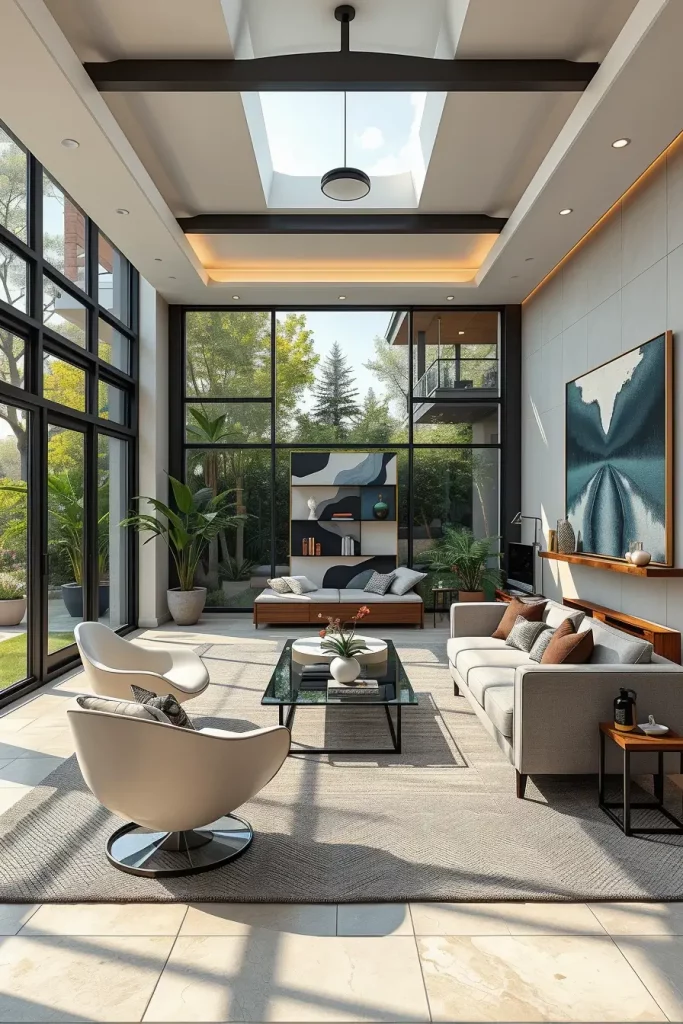
From my experience, investing in high quality furniture significantly elevates the perception of a garden room. Leading US design platforms such as Architectural Digest consistently emphasize that fewer, better pieces create more impact than overcrowded layouts. I advise clients to focus on craftsmanship and durability rather than fleeting trends.
To complete the design, I suggest incorporating layered lighting strategies. Combining recessed ceiling lights, floor lamps, and wall sconces ensures flexibility for different activities and moods. Proper lighting enhances both functionality and aesthetic appeal.
Increasing Property Value With High-End Garden Room Extensions
Beyond aesthetics, garden room extensions 2026 represent a strategic investment. I approach these projects with a clear understanding that high quality materials, structural integrity, and thoughtful design can significantly increase property value. When a garden room is seamlessly integrated into the landscape and main residence, it becomes an asset rather than an accessory.
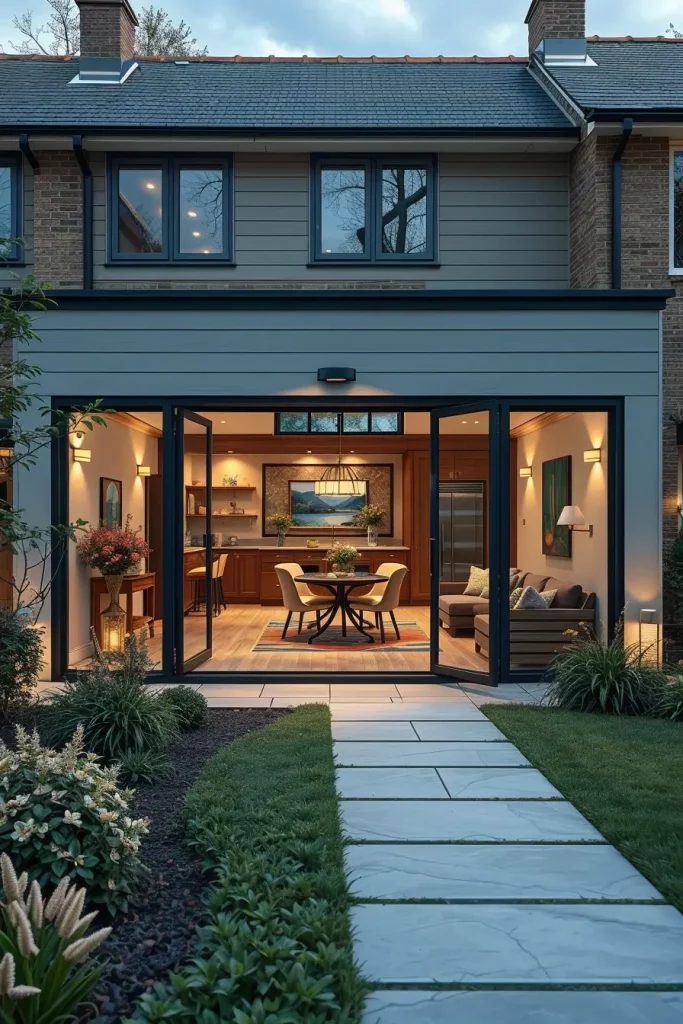
I focus on durable cladding materials, energy efficient glazing systems, and advanced insulation to ensure long term performance. Integrated storage, multifunctional layouts, and premium finishes enhance market appeal. Landscaped pathways, exterior lighting, and cohesive planting schemes further reinforce the perception of a complete architectural addition.
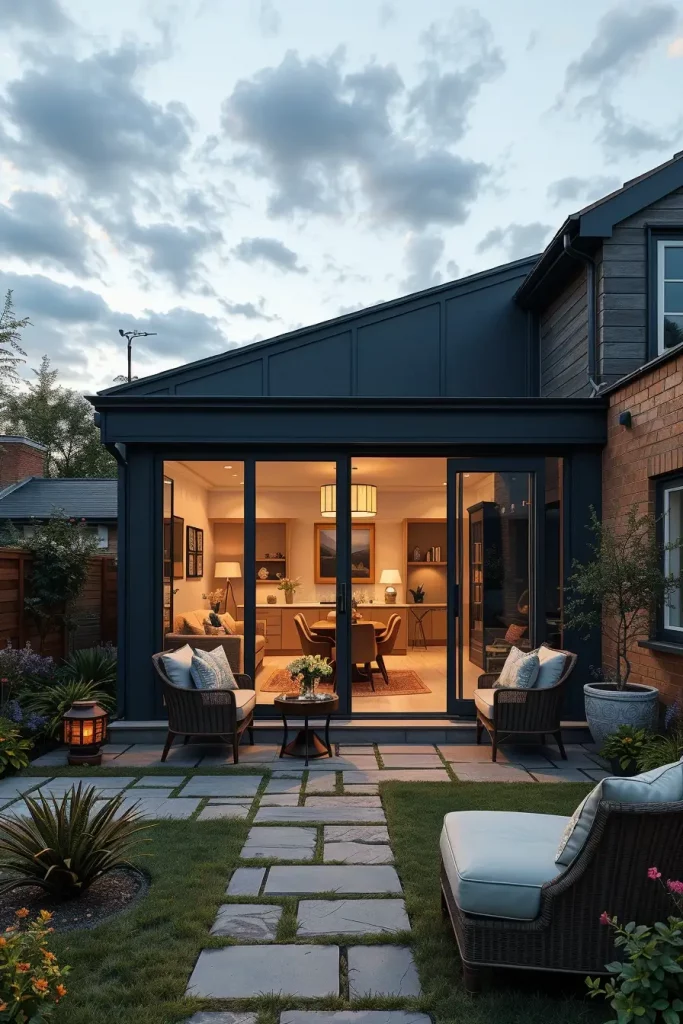
In my professional opinion, real estate experts often highlight the importance of usable square footage in boosting resale potential. By creating a modern and highly functional garden room, homeowners effectively expand their living space without altering the main structure. I have seen properties stand out in competitive markets simply because of a thoughtfully designed extension.
What should be added here is a financial planning strategy. I always recommend consulting with local real estate professionals to understand regional buyer preferences. Aligning design decisions with market demand maximizes return on investment.
Why Garden Room Extensions 2026 Represent The Ultimate Backyard Upgrade
When I reflect on the evolution of garden room extensions 2026, I see more than a design trend. I see a transformation in how we perceive outdoor space. These extensions combine architecture, technology, and lifestyle flexibility into cohesive environments that redefine backyard living. From bold black frames to natural wood textures, each approach offers a unique garden room experience tailored to contemporary needs.
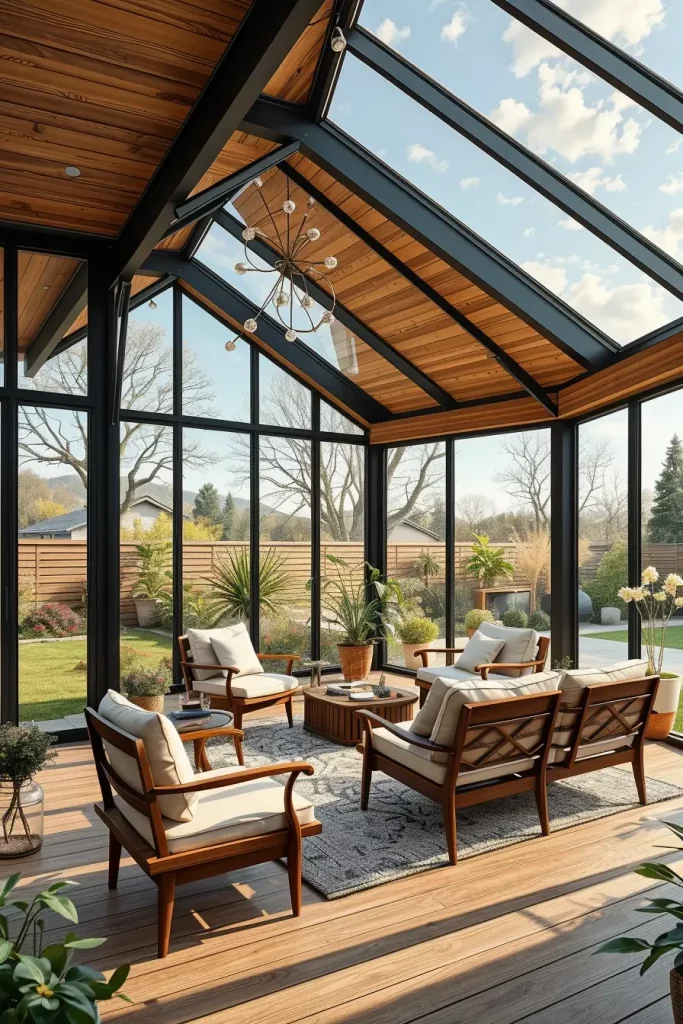
In terms of functionality, these rooms provide dedicated areas for work, wellness, entertainment, and creativity. Advanced insulation, smart systems, and sustainable materials ensure year round usability. Carefully curated furniture, thoughtful lighting, and integrated landscaping elevate the overall atmosphere, making each extension feel intentionally designer and distinctly stylish.
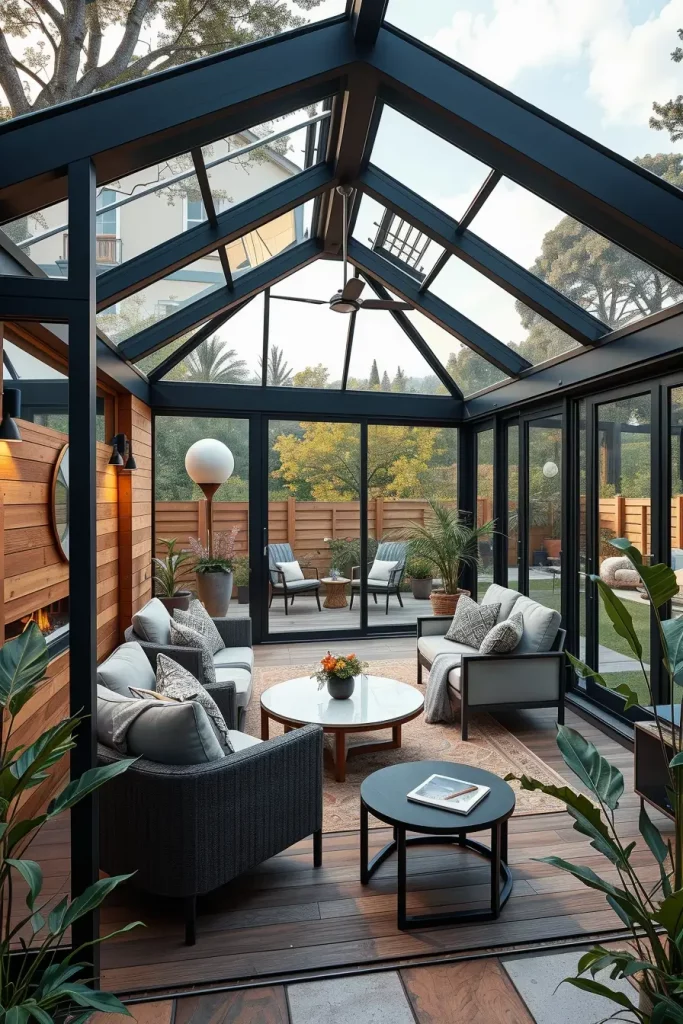
From my perspective, the ultimate value lies in adaptability. As our routines continue to evolve, having a flexible, independent structure in the backyard offers freedom and privacy. Media outlets across the US increasingly highlight multi functional home improvements as essential for modern living, and I fully agree. A well designed garden room becomes a sanctuary that enhances daily life.
To truly position these extensions as the ultimate upgrade, I recommend incorporating sustainable technologies such as solar panels, rainwater harvesting systems, and eco conscious insulation. These additions future proof the space and align with growing environmental priorities.
Garden room extensions 2026 represent more than just additional square footage — they reflect a new way of living that values design, flexibility, and connection to nature. With modern architecture, smart technology, sustainable materials, and unique designer details, these spaces transform gardens into sophisticated extensions of the home. Whether used as a stylish office, a wellness retreat, or an elegant lounge, a thoughtfully designed garden room is one of the most inspiring and future-forward upgrades you can make.