
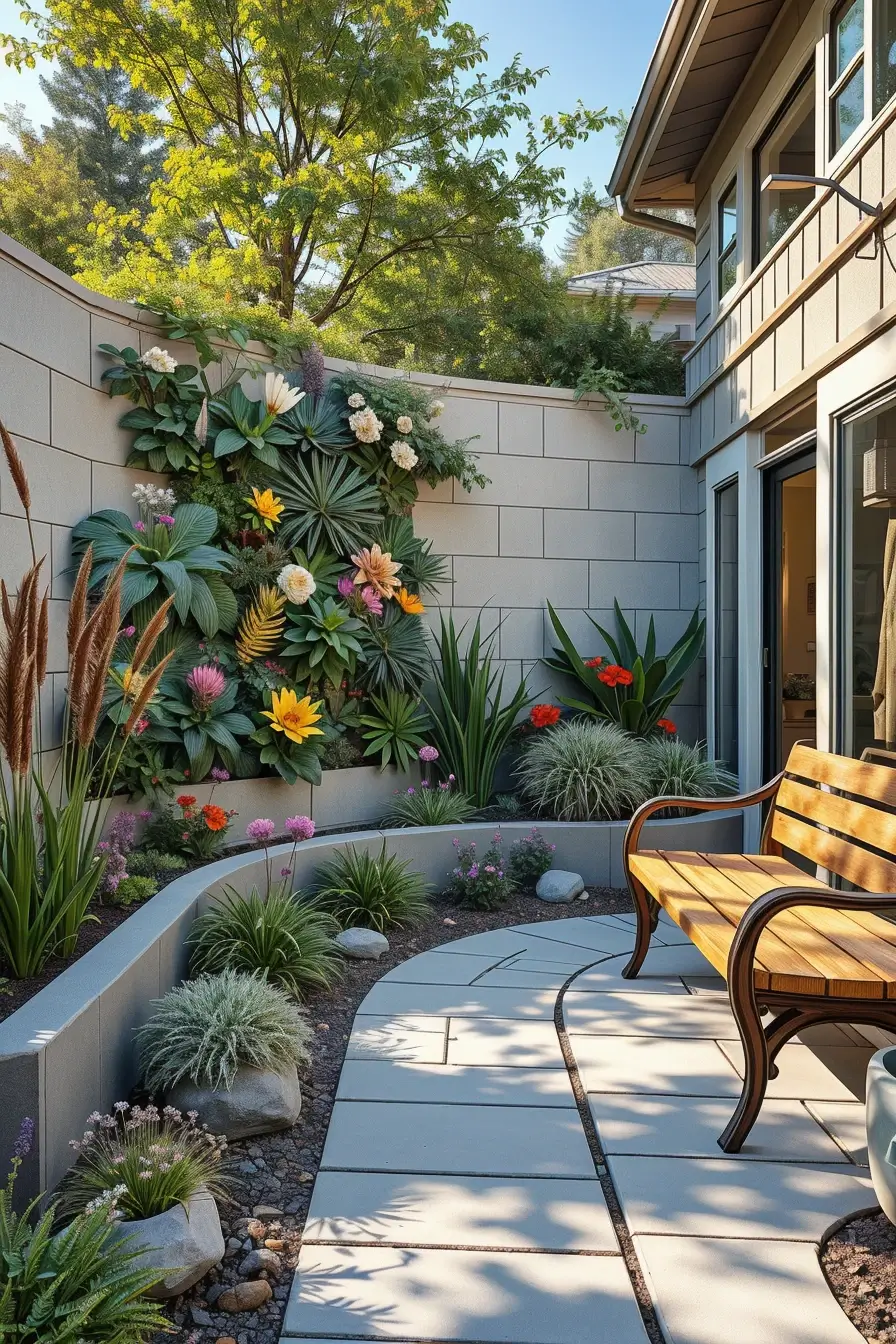
Vertical Garden Ideas 2026 are redefining how we experience greenery in modern living spaces. As cities grow denser and outdoor areas become more limited, vertical gardens offer an innovative, space-saving solution that blends nature with contemporary design. From compact apartment balconies to expansive backyard walls, living walls are transforming blank surfaces into vibrant, functional ecosystems.
In 2026, vertical garden trends go beyond simple plant displays. Smart irrigation systems, sustainable materials, hydroponic technology, and climate-responsive designs are making green walls more accessible and easier to maintain than ever before. Homeowners are embracing biophilic design principles, integrating lush greenery into interiors to improve air quality, enhance well-being, and create visually striking focal points.
Whether you’re dreaming of a minimalist indoor plant wall, a tropical outdoor oasis, or a practical vertical herb garden for your kitchen, this guide explores the most inspiring and forward-thinking Vertical Garden Ideas 2026 has to offer. Get ready to discover creative solutions that combine sustainability, functionality, and style — turning any wall into a thriving green masterpiece.
Biophilic Design Trends Shaping Vertical Gardens In 2026
In 2026, I see biophilic design becoming the foundation of modern interiors, and vertical gardens are at the heart of this transformation. When I design a space with a living wall, I focus on creating a seamless connection between architecture and nature. Floor to ceiling greenery panels are integrated into open plan living rooms, home offices, and even bedrooms. Natural light, organic textures, and neutral color palettes enhance the calming effect. These vertical gardens are not decorative extras but essential architectural elements that improve air quality and psychological comfort.
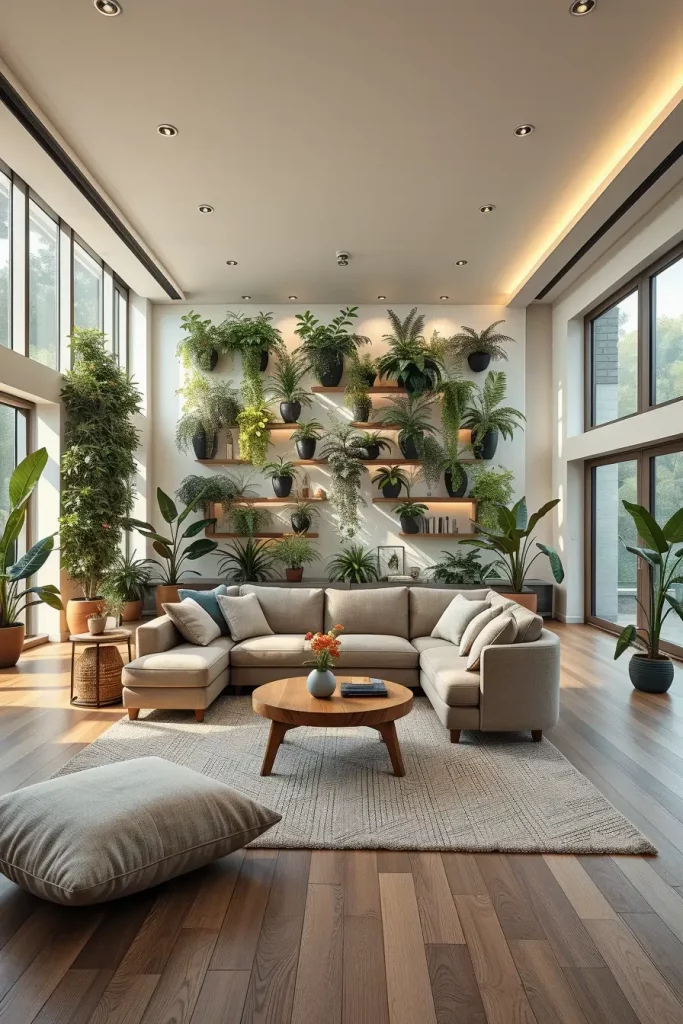
When selecting materials and furnishings, I intentionally combine wood flooring, linen upholstery, clay decor, and matte metal frames to support the natural concept. I often recommend built in planters with concealed irrigation, LED grow lights hidden in ceiling coves, and modular planting pockets filled with ferns, pothos, philodendrons, and moss panels. A low profile sofa in earthy tones, a solid oak coffee table, and textured rugs complement the living wall without competing with it. Every element must feel cohesive and grounded.
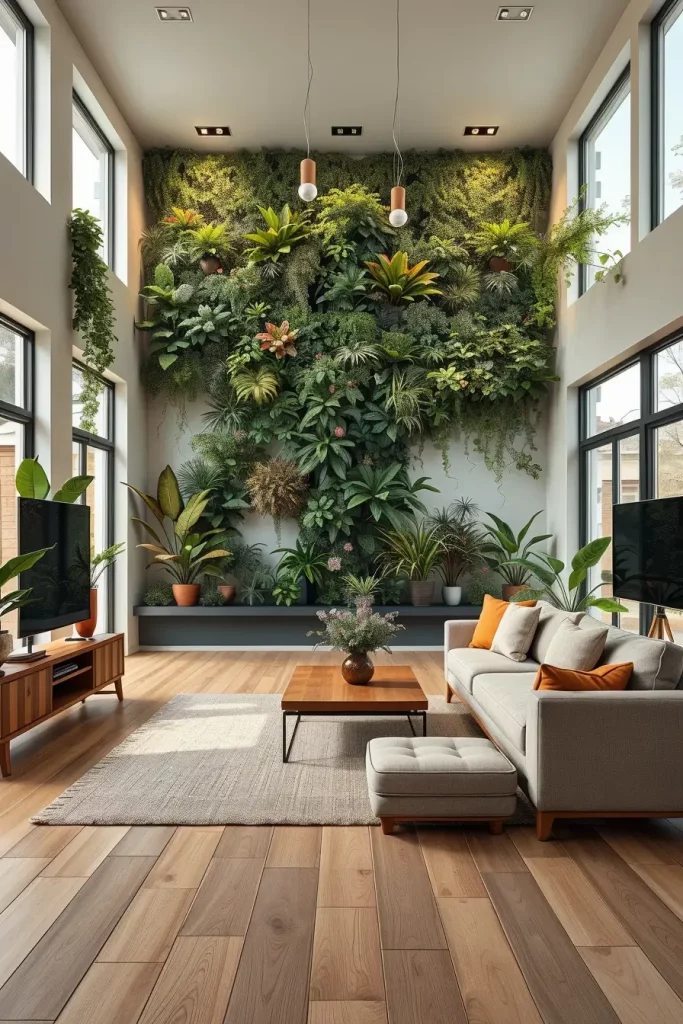
From my professional perspective, biophilic interiors are no longer a trend but a necessity. According to research frequently highlighted by publications like Architectural Digest, integrating natural elements into interiors significantly enhances well being and productivity. I consistently notice that clients feel more relaxed and focused in rooms featuring living walls. The investment pays off not only aesthetically but functionally.
What should be added to this section is a clear lighting strategy plan. I always emphasize the importance of balancing natural and artificial light to maintain plant health throughout the year, especially in climates with long winters. Without proper lighting calculations, even the most beautiful vertical installation may fail.
Modular Living Wall Systems For Modern Homes
Modular systems are transforming living wall systems into accessible, flexible design solutions. In my projects, I prioritize modular panels because they allow homeowners to scale their vertical garden ideas over time. These systems fit perfectly into modern homes with clean lines and open layouts. They can be mounted on structural walls or integrated into custom cabinetry, making them suitable for both renovations and new builds.
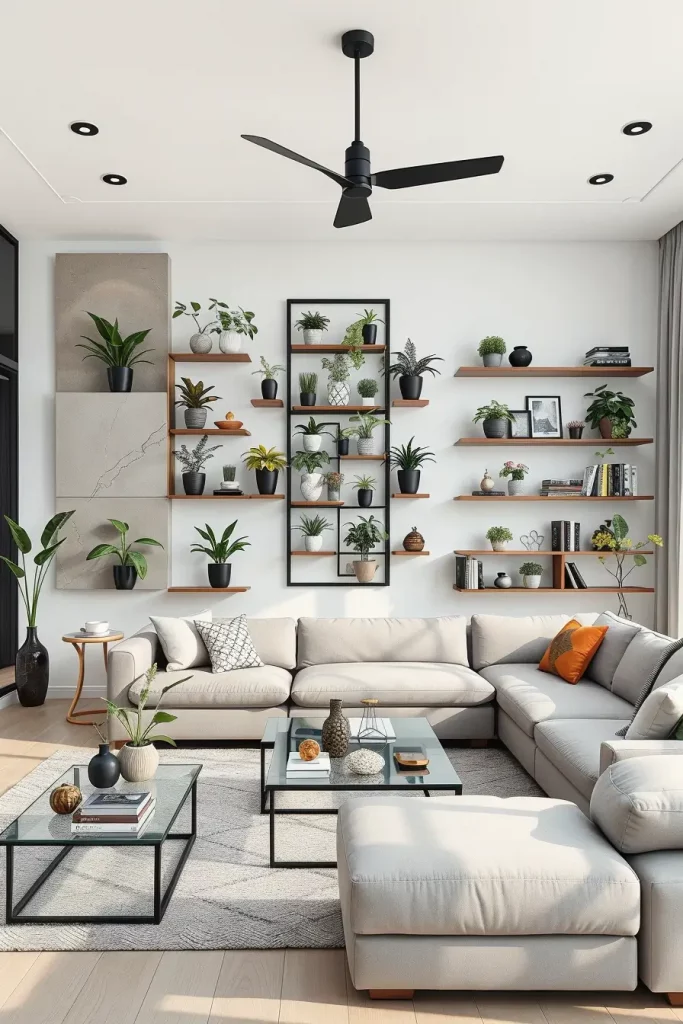
I carefully select lightweight aluminum frames, recycled plastic planting trays, and clip in irrigation channels that simplify maintenance. Modular grids allow me to mix plant varieties while maintaining a structured composition. I often integrate floating shelves around the vertical garden to display ceramics and books, creating a balanced design. In contemporary interiors, I combine the greenery with minimalist furniture such as a sleek sectional sofa, a glass dining table, and slim black lighting fixtures to keep the focus on the plants.
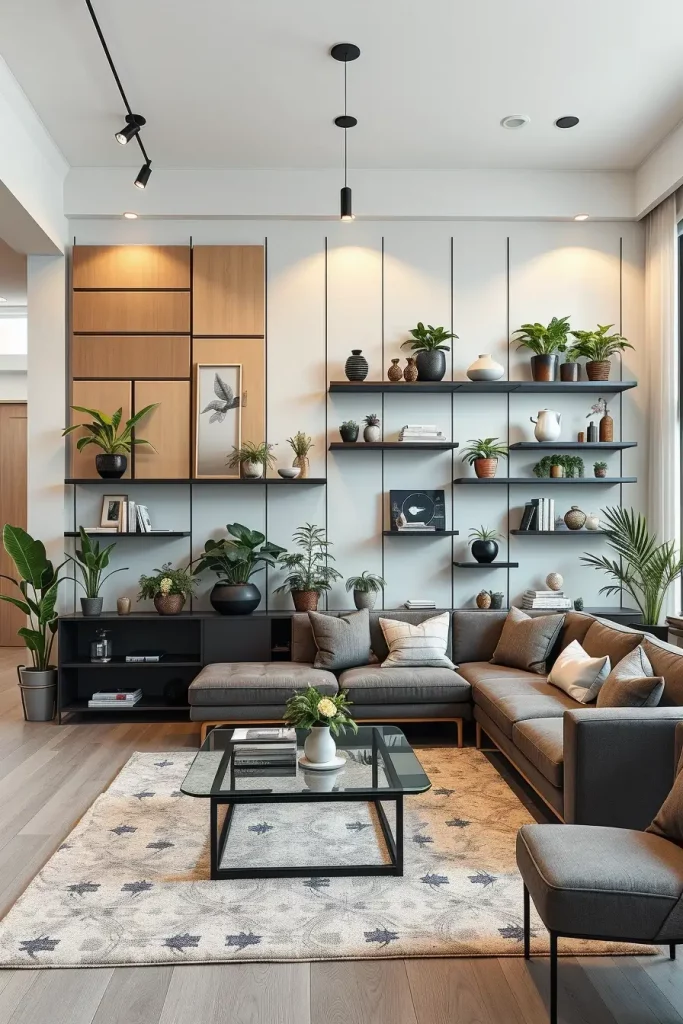
Personally, I value modular systems because they offer flexibility. If a plant fails or a client wants to refresh the look, individual modules can be replaced without dismantling the entire wall. This adaptability aligns perfectly with sustainable design principles and modern lifestyles where interiors evolve over time.
To strengthen this section, I would add a cost comparison between custom built living walls and prefabricated modular systems. Many homeowners hesitate due to budget concerns, and understanding long term maintenance savings could make the decision easier.
Indoor Vertical Gardens For Small Apartments
In compact urban apartments, indoor vertical gardens are often the smartest solution for incorporating greenery without sacrificing floor space. I frequently design narrow plant walls in entryways, above sofas, or along kitchen corridors. In small apartments, vertical greenery visually enlarges the space by drawing the eye upward and adding depth to otherwise flat walls. This is especially effective in studios and one bedroom layouts.
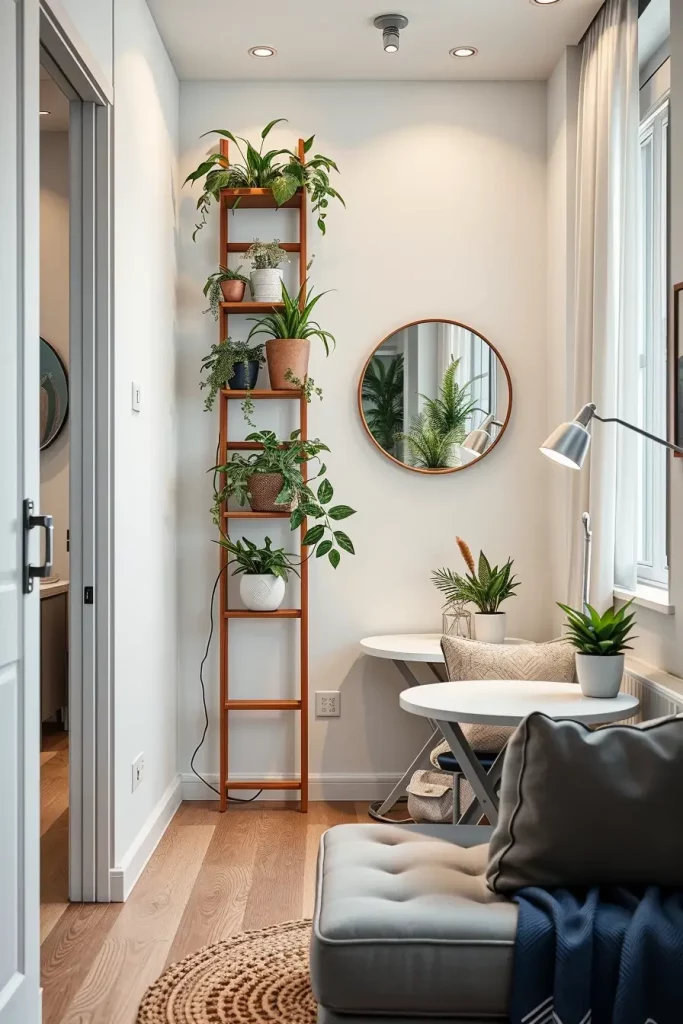
I typically use slim profile wall mounted planters, ladder style plant shelves, and integrated grow light strips to ensure healthy growth. A compact sofa, multifunctional storage bench, foldable dining table, and light colored walls help keep the space open. I prefer low maintenance plants such as snake plants, ZZ plants, and trailing ivy for small apartment modern vertical garden design concepts. Mirrors placed opposite the plant wall amplify natural light and enhance the sense of space.
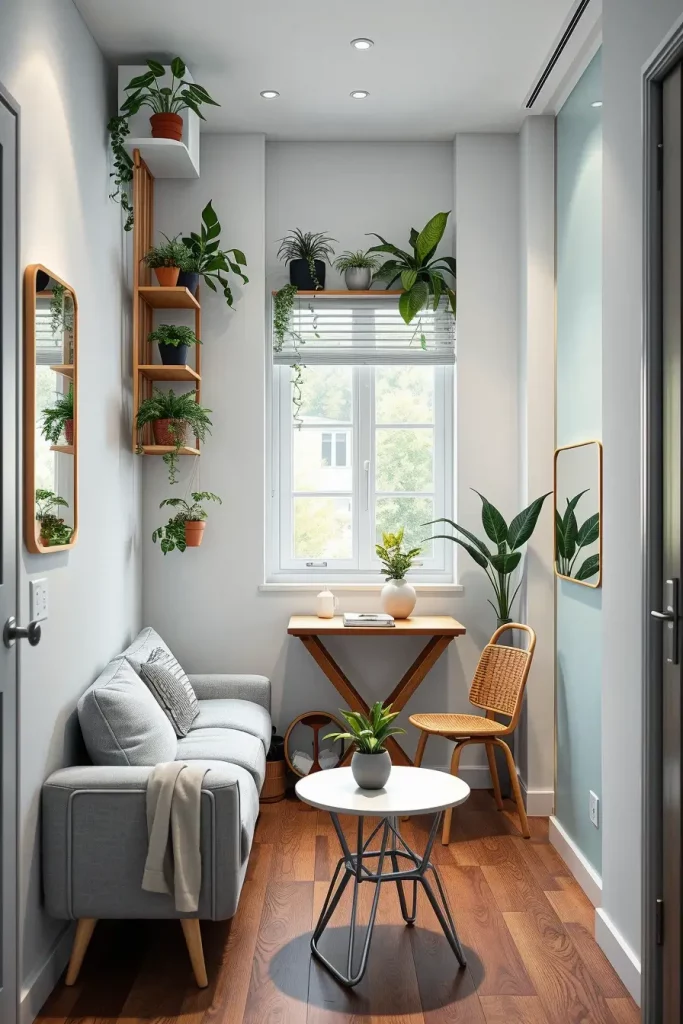
From my experience, small space vertical gardens require thoughtful planning. I always measure humidity levels and consider ventilation before installation. Many clients are surprised to learn that proper airflow is just as important as watering. Media outlets like Dwell often emphasize functional minimalism in small homes, and I fully agree with this approach when integrating greenery.
What should be added here is a maintenance calendar tailored for apartment dwellers. Busy urban residents benefit from a clear watering and pruning schedule to ensure their vertical gardens remain healthy year round.
Outdoor Vertical Garden Ideas For Patios And Balconies
Outdoor vertical garden ideas are redefining patios and balconies in 2026. In urban environments where outdoor space is limited, I use vertical structures to create privacy and lush ambiance. A balcony wall covered in climbing plants or modular planter panels instantly transforms a concrete setting into a green retreat. These solutions are especially valuable in dense city neighborhoods.
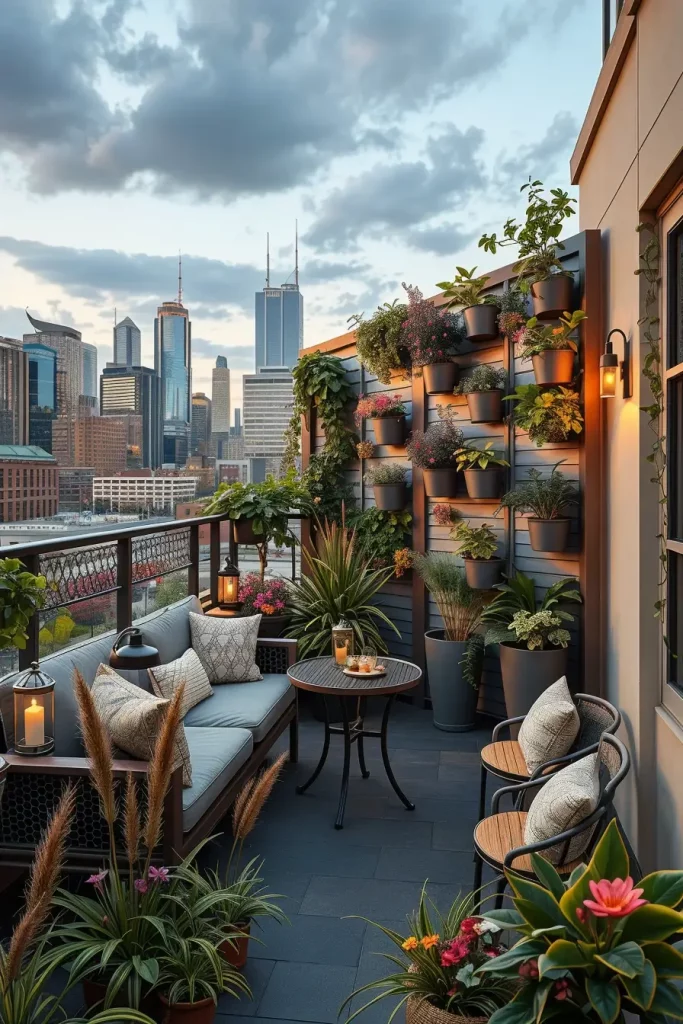
I incorporate weather resistant metal frames, treated wood slats, and durable planter boxes with drainage systems. Outdoor sofas with waterproof cushions, compact bistro tables, and solar powered lanterns complete the design. I prefer mixing ornamental grasses, flowering vines, and hardy perennials that can withstand seasonal changes. Irrigation systems with timers ensure consistent watering during hot summer months.
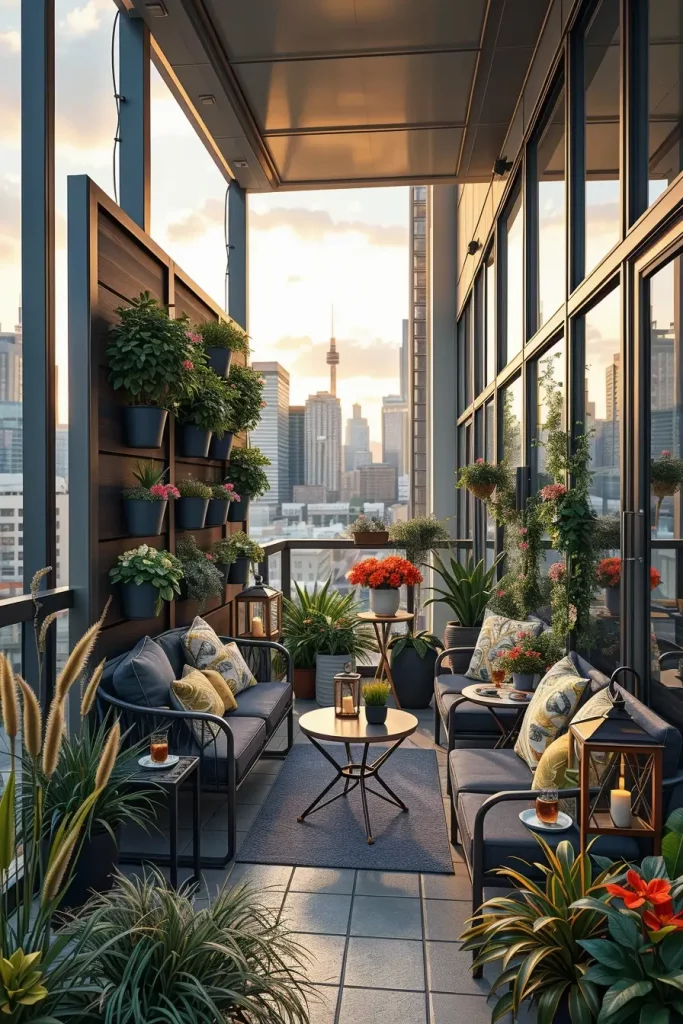
In my professional opinion, vertical gardens on balconies significantly enhance property value and lifestyle quality. They create microclimates that reduce heat and improve comfort. I always recommend consulting local building regulations before installation to ensure structural safety.
To improve this section, I would add wind protection strategies such as reinforced mounting brackets and plant selection guidelines for high rise balconies exposed to strong gusts.
Smart Vertical Gardens With Automated Irrigation Systems
Technology is playing a major role in Vertical Garden Ideas 2026, particularly with smart systems that simplify plant care. I increasingly integrate automated irrigation and moisture sensors into vertical gardens for both residential and commercial interiors. These systems monitor soil moisture, regulate watering schedules, and reduce water waste, making them ideal for busy homeowners.
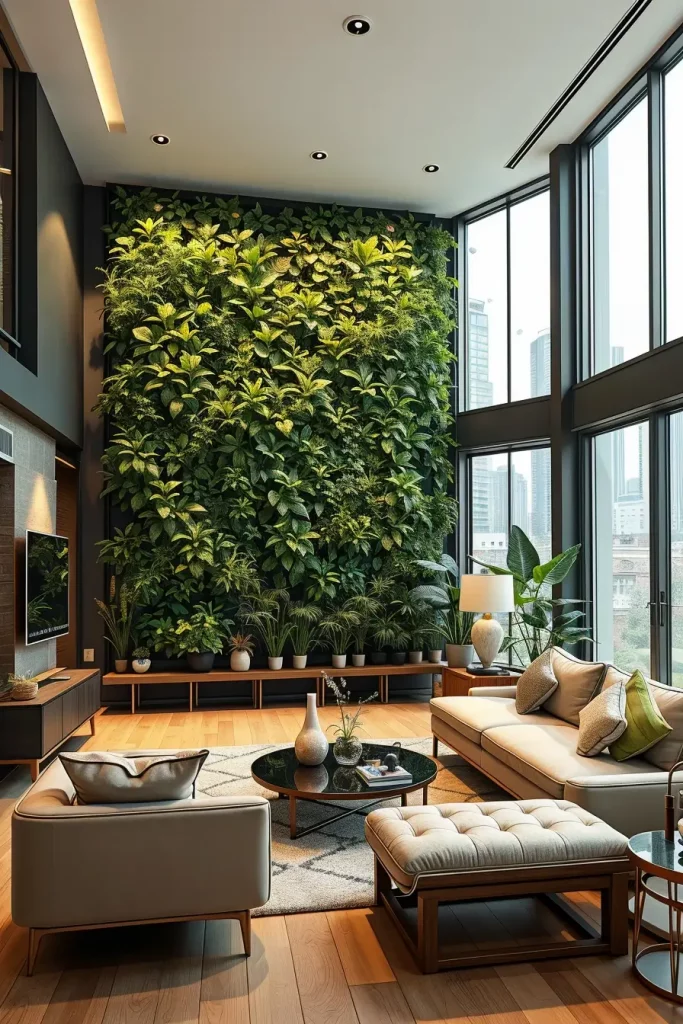
I typically install concealed drip irrigation lines connected to smart controllers that can be managed via mobile apps. LED grow lights with programmable timers support plant growth in low light rooms. The surrounding interior usually features streamlined furniture, neutral color palettes, and integrated storage to maintain a clean, modern aesthetic. I make sure that all technical components remain hidden to preserve the visual impact of the living wall.
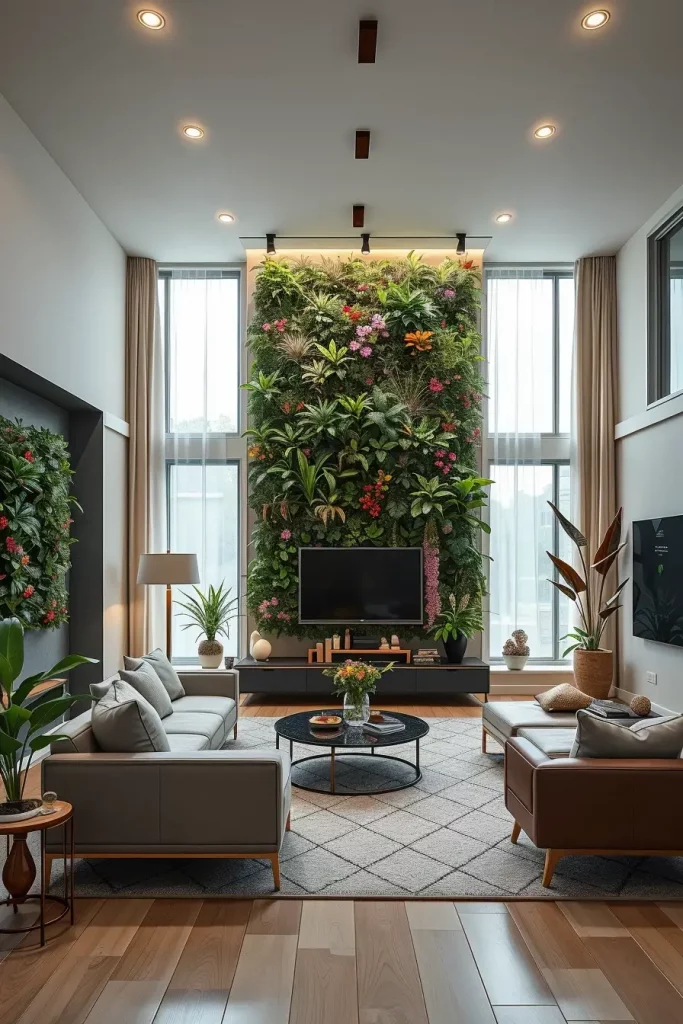
From my experience, automation significantly increases the success rate of indoor gardens. Clients feel more confident investing in living walls when they know maintenance is simplified. Smart technology aligns perfectly with sustainable living goals by optimizing water usage.
What should be added to this section is a discussion about backup systems in case of technical failure. I always advise including manual override options to prevent plant damage during power outages.
Sustainable Vertical Garden Solutions Using Recycled Materials
Sustainability is no longer optional in Vertical Garden Ideas 2026. When I develop eco conscious vertical gardens, I prioritize recycled and reclaimed materials that reduce environmental impact without compromising aesthetics. In modern interiors, I often integrate living walls made from repurposed wood panels, recycled metal frames, and modular pockets created from reclaimed plastic. These installations look refined and contemporary while supporting responsible design practices. A sustainable vertical garden becomes both a visual feature and a statement of values.
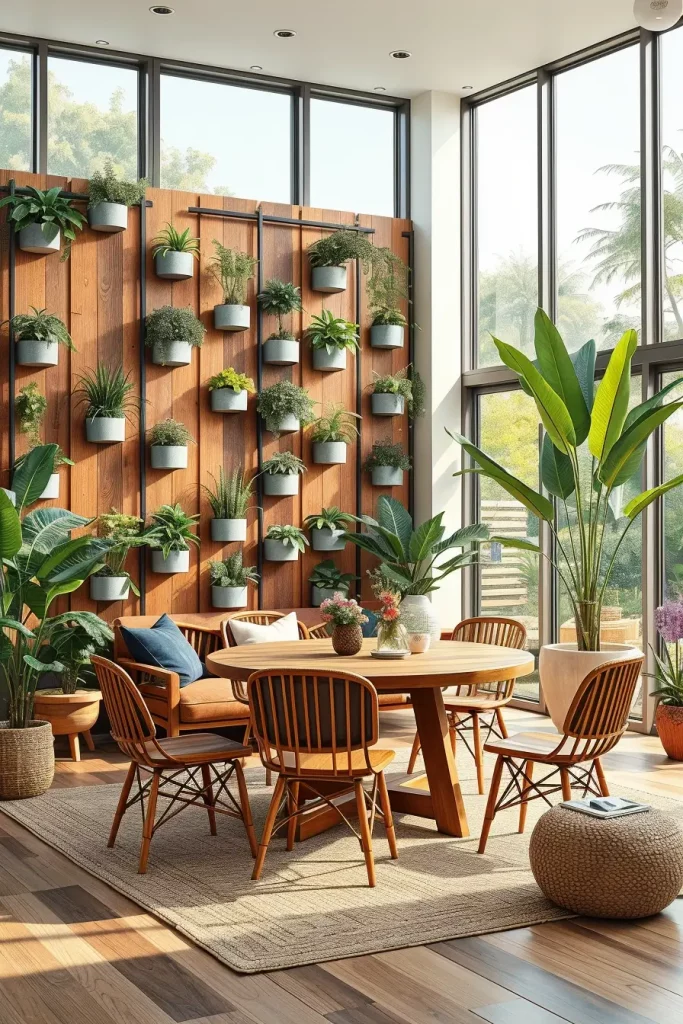
I carefully select reclaimed timber for wall backing, ensuring it is properly treated for moisture resistance. Recycled felt planting pockets are excellent for lightweight installations, especially in apartments. I also incorporate rainwater collection systems for outdoor walls and organic soil blends free from synthetic fertilizers. Furniture choices support the concept: bamboo chairs, reclaimed wood dining tables, natural fiber rugs, and low VOC paint finishes. Every detail contributes to a cohesive eco friendly interior.
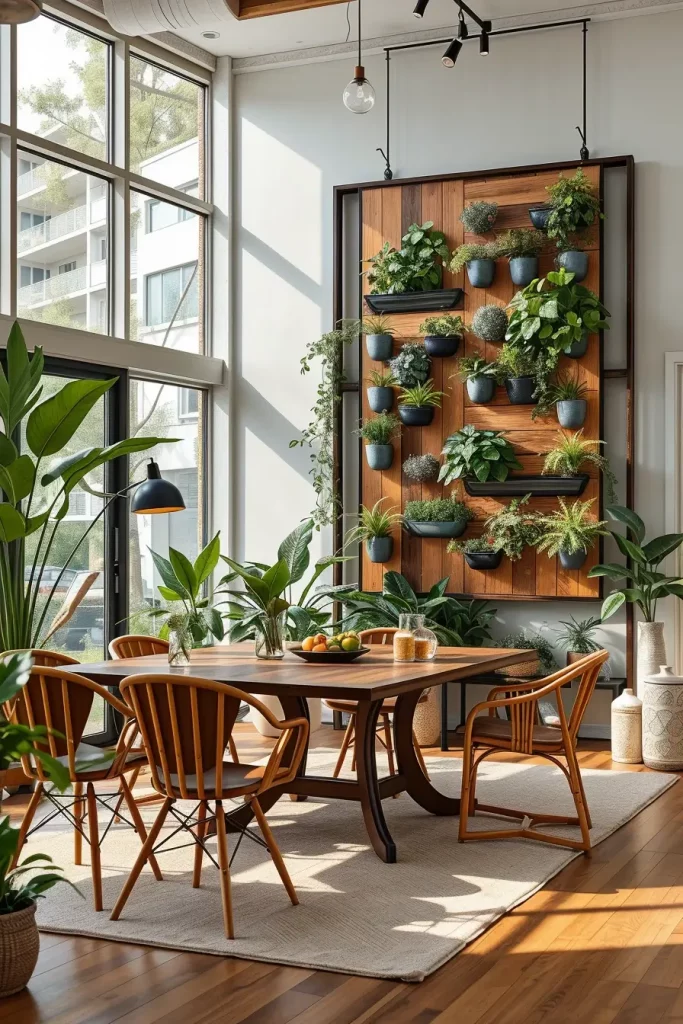
From my experience, clients increasingly ask for transparency regarding materials. Publications like Architectural Digest frequently highlight sustainable sourcing as a defining factor in contemporary design, and I fully support this direction. I have found that recycled materials often add character and texture that new products cannot replicate. The imperfections create warmth and authenticity.
What should be added to this section is a lifecycle perspective. I always recommend evaluating not only the origin of materials but also their durability and recyclability at the end of their use. Sustainable design must consider long term environmental impact.
Hydroponic Vertical Gardens For Urban Living
Hydroponic systems are redefining modern vertical garden design in dense cities. In projects where soil based systems are impractical, I install hydroponic living walls that rely on nutrient rich water solutions. These systems are particularly effective in contemporary kitchens, home offices, and commercial interiors. Without heavy soil, the structure remains lighter and cleaner, making it ideal for high rise apartments.
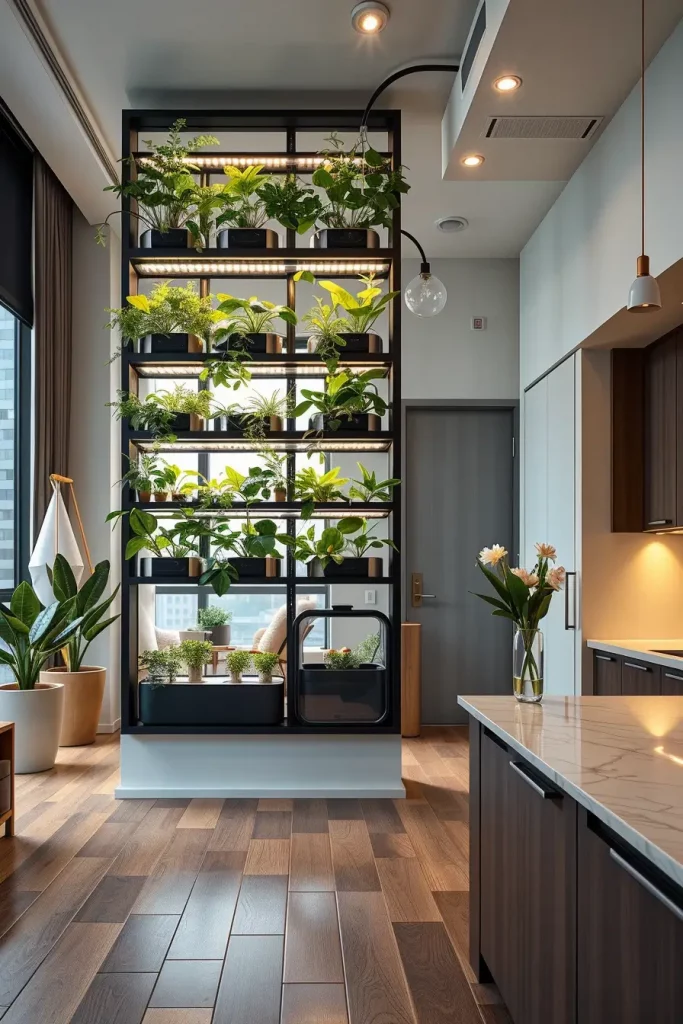
I integrate vertical hydroponic panels with built in reservoirs, nutrient pumps, and discreet LED lighting. Stainless steel or matte black framing complements modern interiors, while sleek cabinetry and quartz countertops enhance the technological aesthetic. I typically recommend leafy greens, herbs, and decorative foliage that thrive in hydroponic conditions. Proper ventilation and humidity control are essential to maintain plant health and indoor comfort.
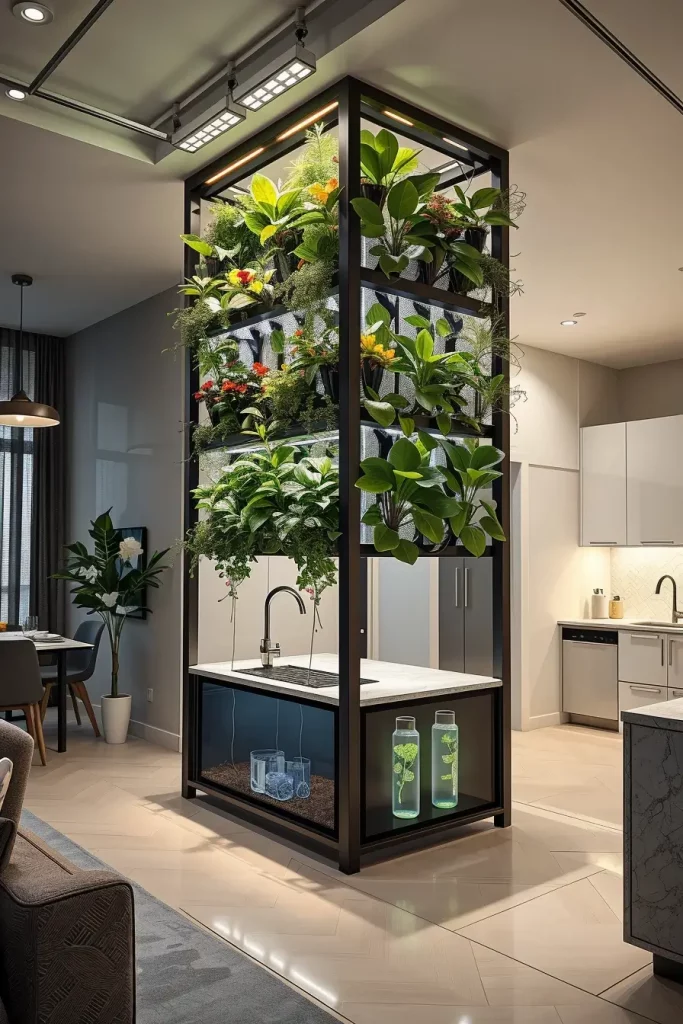
In my professional opinion, hydroponic vertical gardens represent the future of urban greenery. They use less water than traditional soil systems and allow for faster plant growth. I have observed that clients appreciate the clean, innovative appearance and the ability to grow edible plants indoors year round.
To strengthen this section, I would add a clear maintenance guide explaining nutrient balance monitoring and periodic system cleaning. Hydroponic setups require precision, and homeowners must understand these responsibilities before installation.
Vertical Herb Gardens For Functional Kitchen Design
A vertical herb garden transforms the kitchen into a dynamic and functional space. In Vertical Garden Ideas 2026, I see more homeowners integrating greenery directly into culinary zones. Instead of decorative plants alone, kitchens now feature structured indoor vertical gardens filled with basil, rosemary, mint, thyme, and parsley. This approach merges aesthetics with practicality.
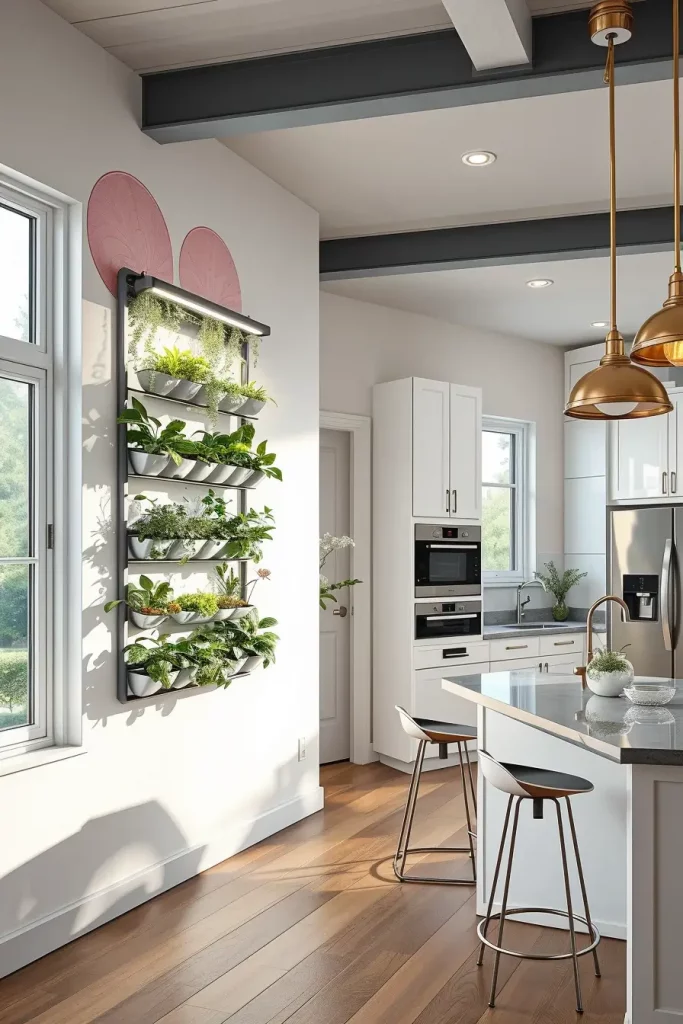
I usually position herb walls near natural light sources, such as beside a window or above a backsplash with integrated grow lights. Custom shelving, stainless steel appliances, and minimalist cabinetry provide a clean backdrop. I prefer wall mounted planter rails or modular pockets that allow easy harvesting. A central island with bar stools, pendant lighting, and open shelving complements the living herb wall while maintaining balance in the space.
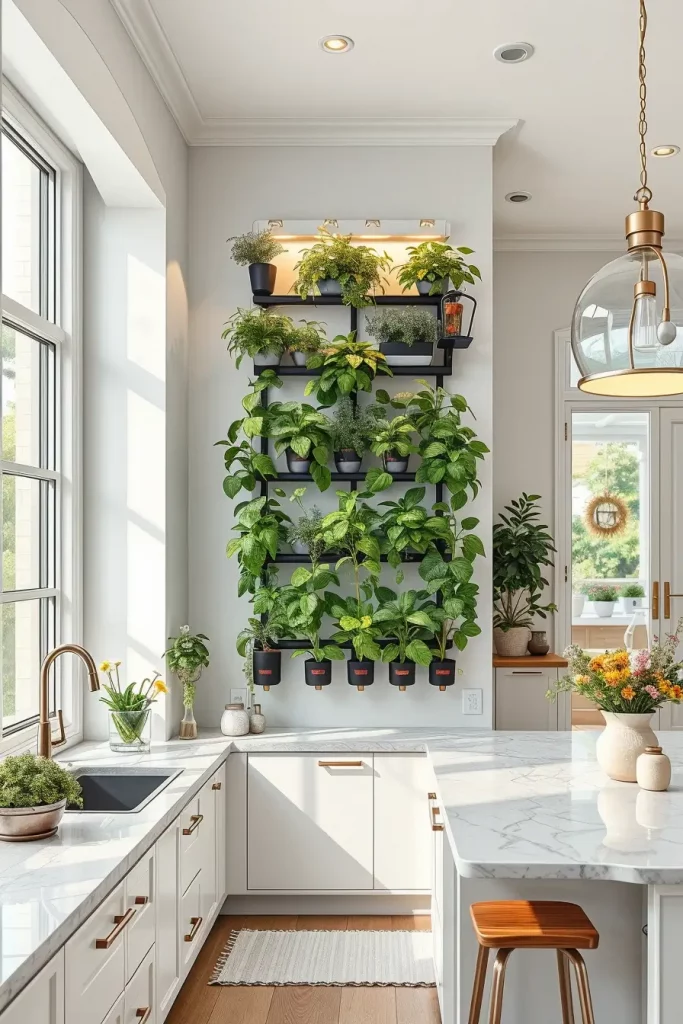
From my experience, having fresh herbs within reach encourages healthier cooking habits. Many US based culinary and design publications emphasize the importance of functional design in kitchens, and I strongly agree. A vertical herb garden adds fragrance, texture, and daily convenience.
What should be added here is a discussion about drainage protection for kitchen walls. I always ensure waterproof backing panels and proper drip control systems are installed to prevent long term damage.
Edible Living Walls: Growing Vegetables Vertically
Edible living walls are becoming a central feature in both residential and community spaces. I design these vertical vegetable systems for patios, sunrooms, and even bright interior spaces. By growing lettuce, strawberries, peppers, and compact tomato varieties vertically, homeowners maximize productivity without expanding their footprint.
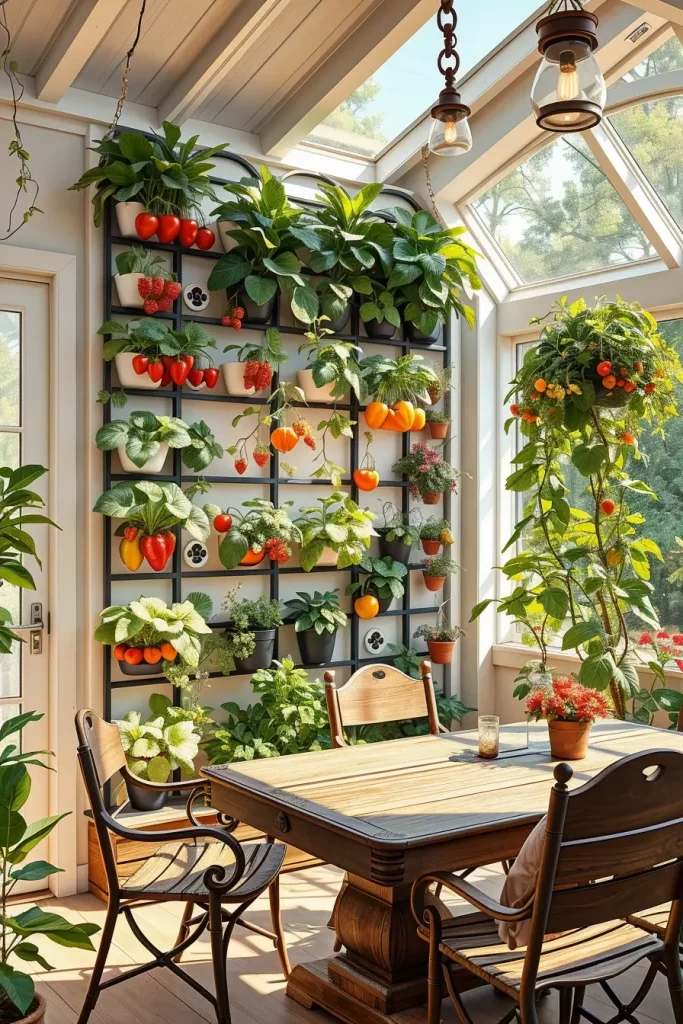
I incorporate sturdy support frames, deep planting modules, and reinforced irrigation lines to handle heavier crops. Outdoor edible walls often include trellis systems and adjustable shelving to support plant growth stages. Complementary elements such as rustic outdoor dining sets, weather resistant storage benches, and warm ambient lighting create a welcoming garden atmosphere. Indoors, I combine vegetable walls with natural wood cabinetry and large windows for sufficient sunlight.
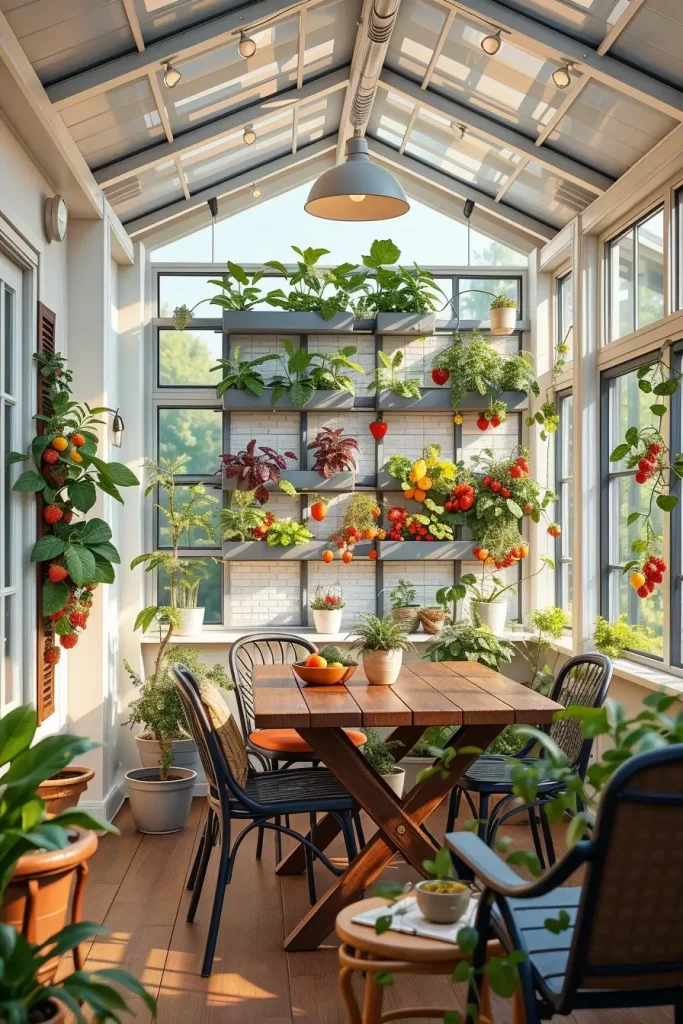
In my professional practice, edible walls promote food independence and sustainability. I have noticed that families become more engaged in gardening when produce is easily accessible. However, these systems require careful plant rotation planning and seasonal adjustments.
To enhance this section, I would include a crop planning chart that outlines planting schedules for different climates. Without strategic planning, productivity may decline over time.
Minimalist Vertical Garden Designs For Contemporary Spaces
Minimalism and greenery are no longer opposites. In modern vertical garden design, I often create streamlined installations that complement contemporary architecture. Clean lines, limited plant varieties, and monochromatic palettes define this approach. A single expansive plant wall in a neutral interior can have a stronger impact than multiple decorative elements.
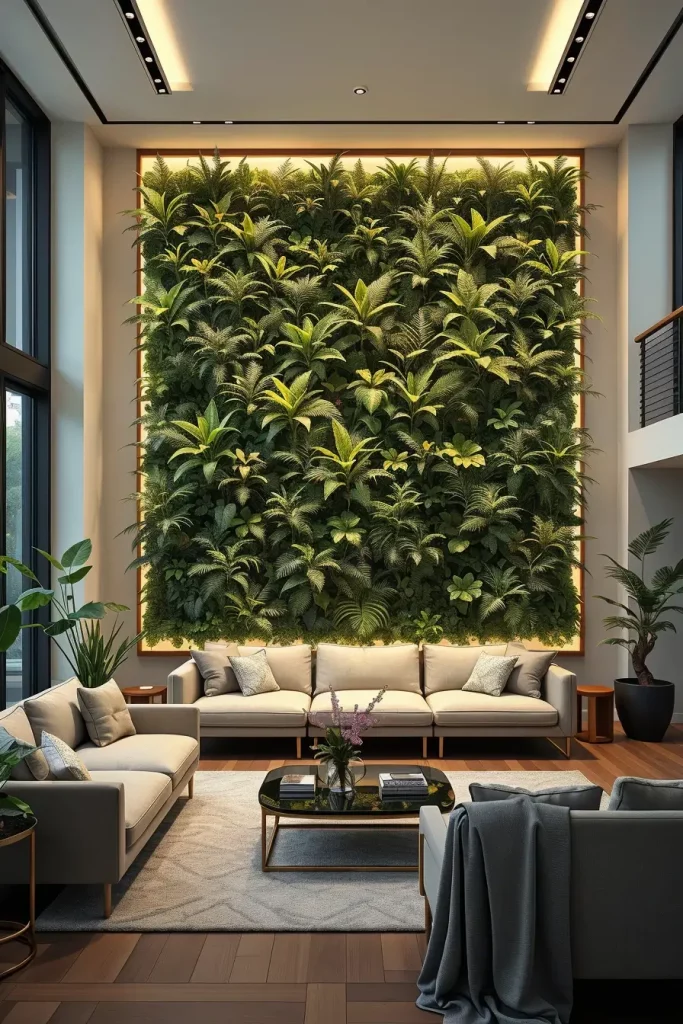
I focus on structured plant arrangements using repeating species such as ferns or philodendrons to create uniform texture. Hidden irrigation systems, flush mounted frames, and integrated lighting maintain visual simplicity. Furniture is carefully selected: low profile sofas, sculptural armchairs, glass tables, and subtle decor accents. The room remains uncluttered, allowing the vertical garden to serve as the primary focal point.
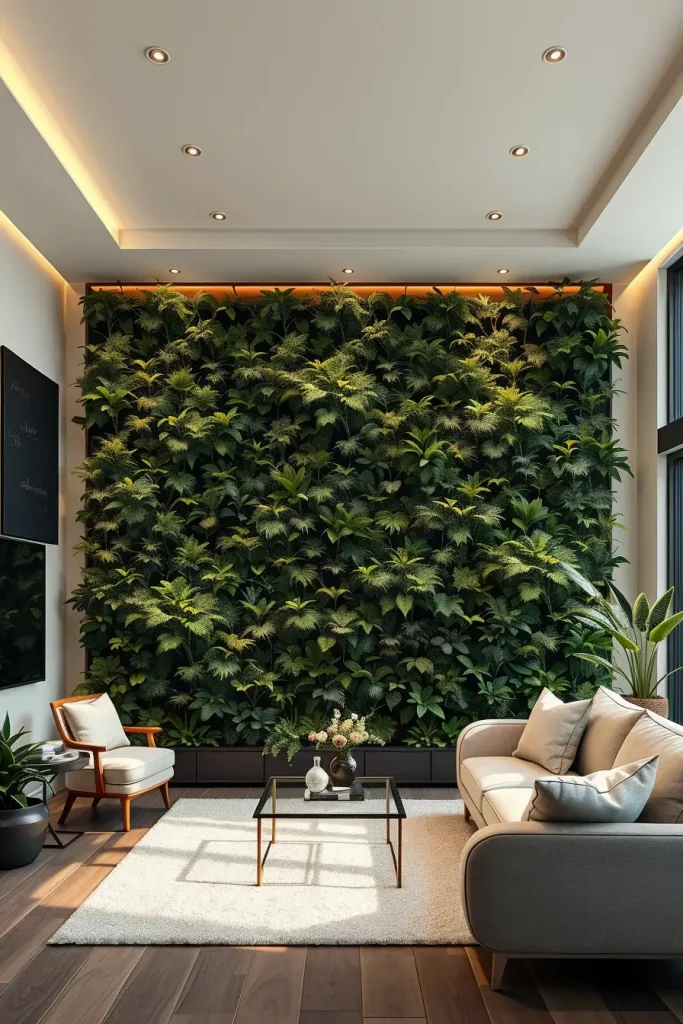
From my perspective, minimalist living walls require discipline. Every detail must be intentional, and plant maintenance must be consistent to preserve clean lines. I find that this style appeals to clients who appreciate calm, organized environments.
What should be added to this section is a plant selection guide focused on low maintenance species that maintain consistent shape and color. In minimalist interiors, even minor irregularities can disrupt the overall composition.
Boho-Inspired Vertical Garden Walls With Natural Textures
In my experience, a boho-inspired vertical garden works best when it feels layered, relaxed, and organic. I design these spaces using warm earthy tones, woven textures, and cascading greenery that soften hard architectural lines. Whether placed in a living room or on a covered patio, this approach turns a simple wall into a tactile focal point while maintaining the functionality expected from modern vertical gardens in 2026.
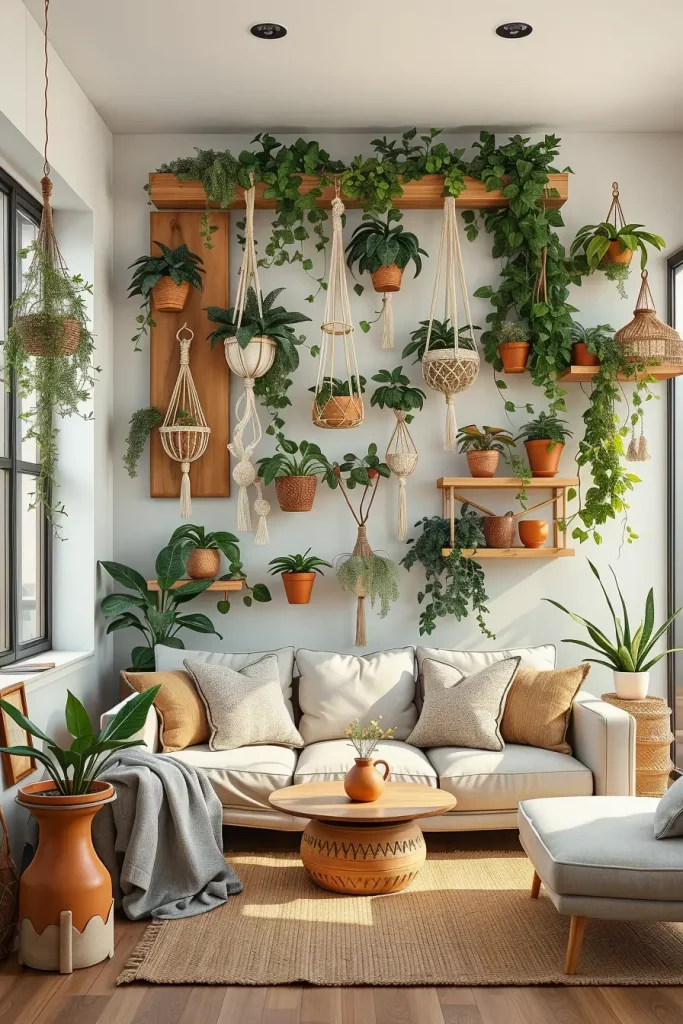
I typically incorporate wooden wall-mounted planters, macramé plant holders, terracotta pots, and a reclaimed wood or rattan shelving system. A linen sofa, textured throw pillows, jute rug, and handcrafted ceramic accents complete the composition. I prefer trailing plants like pothos, philodendron, and ivy to create movement, while integrating modular wall panels that ensure proper drainage and airflow. Each piece supports the balance between aesthetics and plant health.
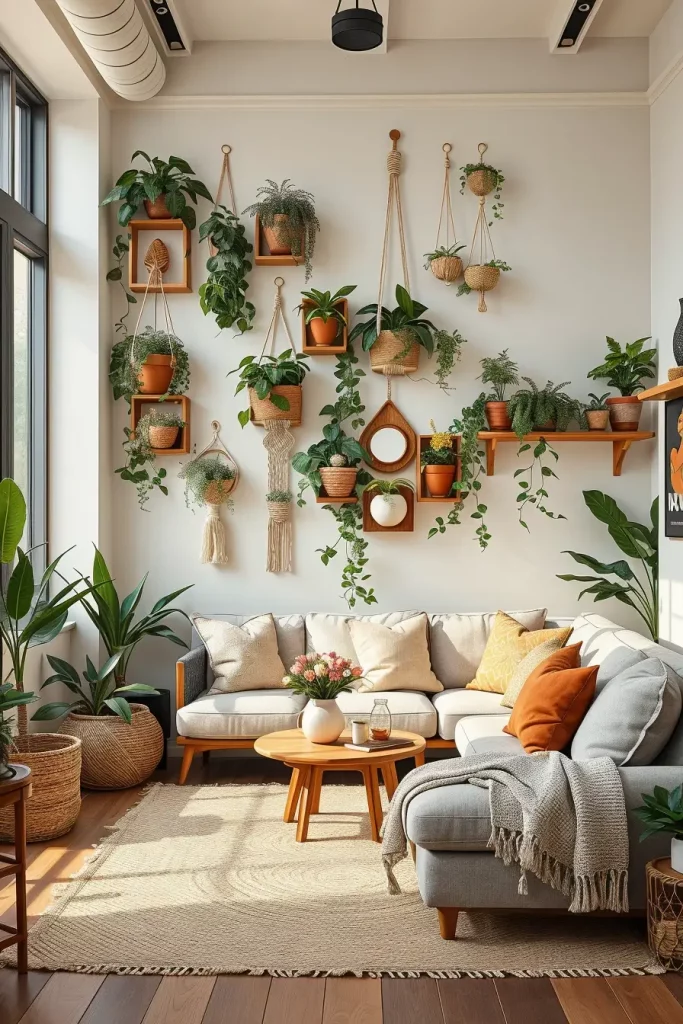
Personally, I find that boho vertical gardens encourage a slower, more mindful atmosphere. Architectural Digest has repeatedly highlighted the importance of natural materials in biophilic interiors, and I agree that texture is just as important as greenery. The key is avoiding visual clutter while embracing curated imperfection.
To enhance this section further, I would recommend integrating a discreet drip irrigation system behind the panels and adding information about humidity control, especially for indoor applications in colder climates.
Vertical Succulent Gardens For Low-Maintenance Greenery
When clients request low-effort yet visually striking living walls, I often recommend vertical succulent gardens. These designs are ideal for busy homeowners who want structured greenery without intensive watering routines. In both indoor and outdoor settings, succulents provide geometric beauty and year-round visual consistency.
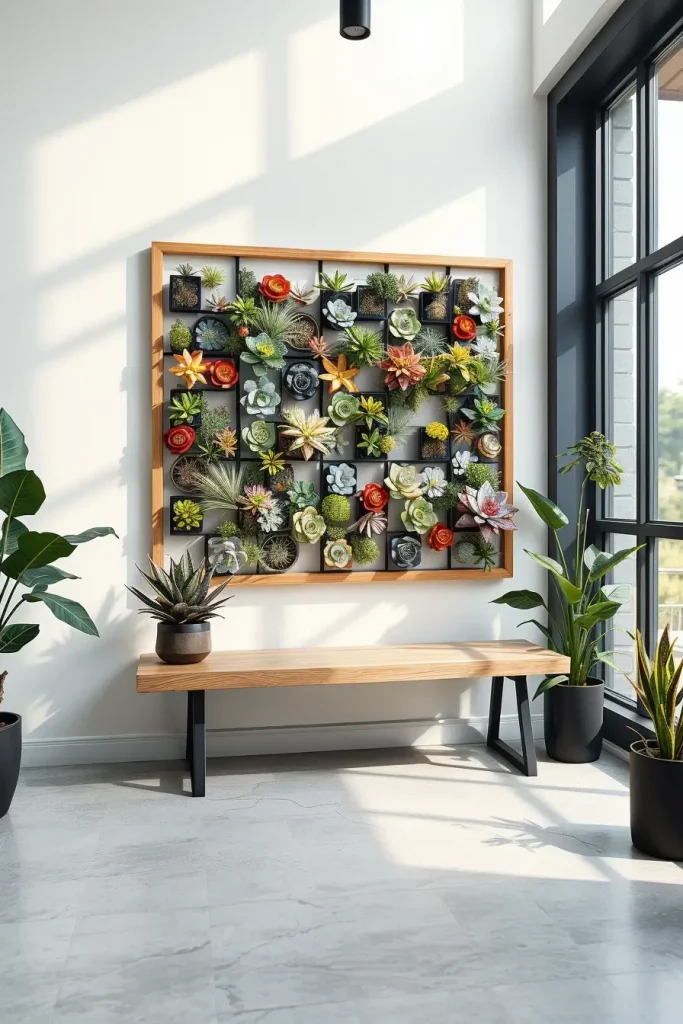
I usually install framed grid systems with shallow planting pockets that accommodate echeveria, sedum, and crassula varieties. A minimalist bench in light oak, concrete planters, and matte black metal accents complement the structured plant forms. Proper soil mix and integrated drainage are essential, and I always ensure adequate indirect sunlight or install full-spectrum grow lights for interior spaces.
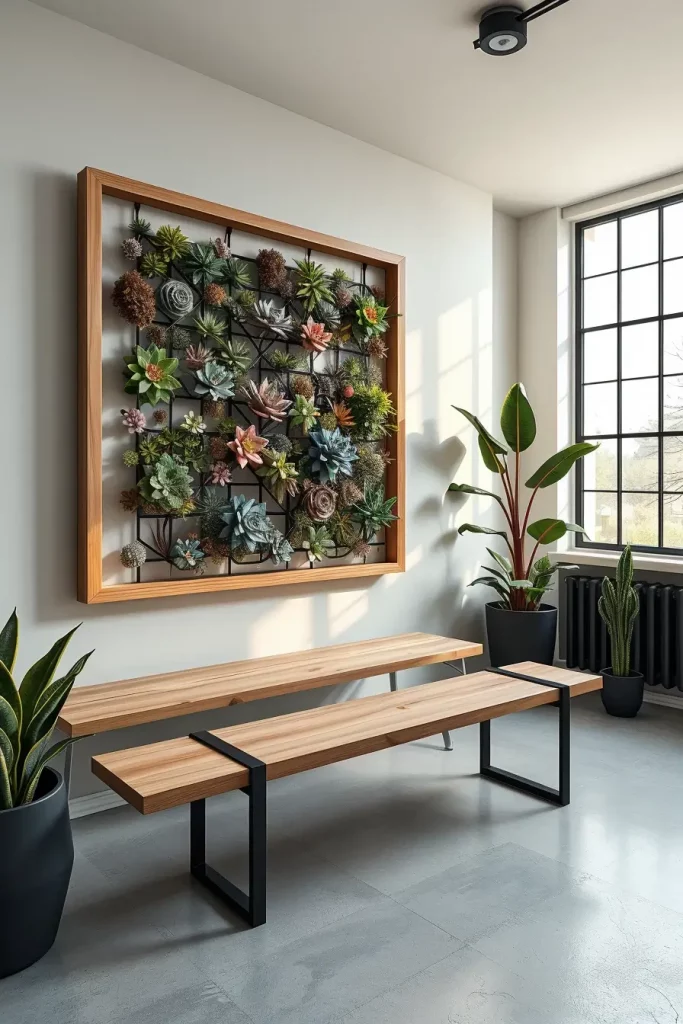
From my perspective, succulent walls represent the perfect intersection of design and practicality. Better Homes and Gardens frequently emphasizes drought-tolerant planting strategies for sustainable homes, and this approach aligns seamlessly with sustainable gardening principles. I have seen these installations thrive for years with minimal intervention when designed correctly.
What is often missing in such projects is a discussion about seasonal temperature changes. I always advise adding frost protection strategies for outdoor installations in cooler regions.
Tropical Vertical Garden Concepts For Lush Interiors
For homeowners who want dramatic impact, tropical vertical garden ideas 2026 are unmatched. I design these installations to create immersive environments filled with layered foliage, bold textures, and vibrant greens. They work beautifully in open-plan living rooms, spa-style bathrooms, or sunrooms where humidity supports plant vitality.
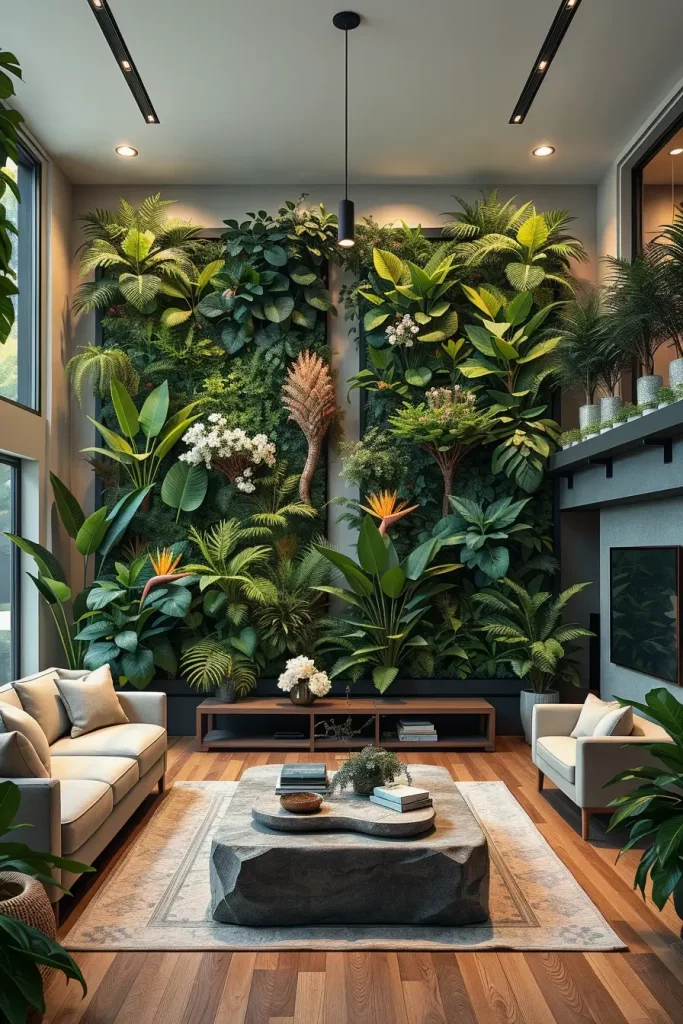
In these spaces, I integrate large-leaf plants such as monstera, bird of paradise, ferns, and calatheas within modular hydroponic wall systems. Complementary furniture often includes low-profile neutral sofas, natural stone coffee tables, and warm wood flooring. Strategic placement of mirrors enhances depth, while concealed irrigation systems maintain consistent moisture levels.
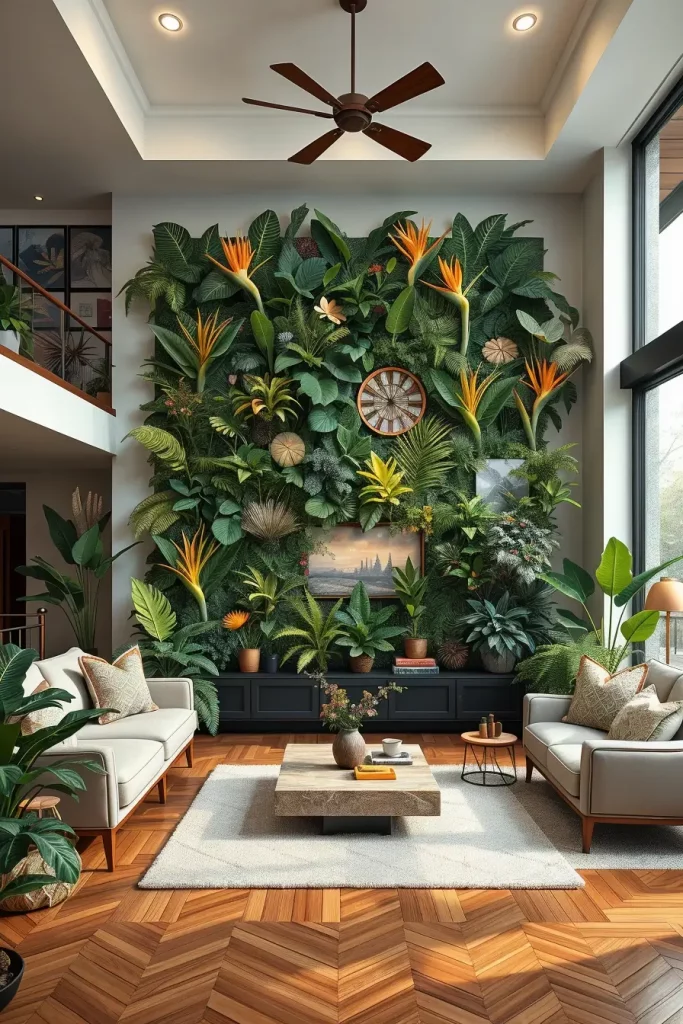
In my professional opinion, tropical living walls create the strongest biophilic connection. Research published in environmental psychology journals shows that exposure to dense greenery reduces stress levels. I always recommend layering plants at varying heights to mimic natural ecosystems rather than arranging them in flat patterns.
To improve this concept further, I suggest adding a humidity monitoring system and ensuring proper ventilation to prevent mold growth, especially in enclosed interiors.
Vertical Garden Privacy Screens For Backyards
Outdoor vertical gardens can serve as elegant privacy screens while elevating backyard aesthetics. I often design these installations for urban homes where space is limited and neighboring properties are close. A vertical plant wall can replace traditional fencing while offering softness and ecological benefits.
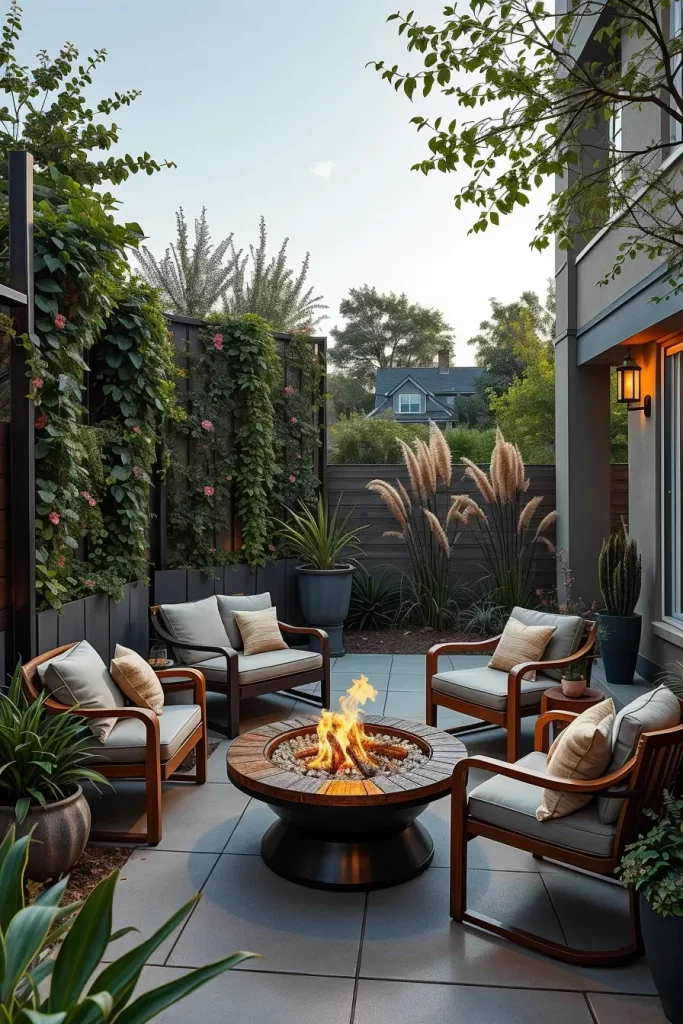
I prefer freestanding metal or powder-coated steel frames with integrated planter boxes. Climbing jasmine, boxwood, ornamental grasses, and flowering vines create layered density. Outdoor lounge furniture in weather-resistant teak, neutral cushions, and a fire pit establish a cohesive environment. Proper anchoring and wind resistance are crucial for safety.
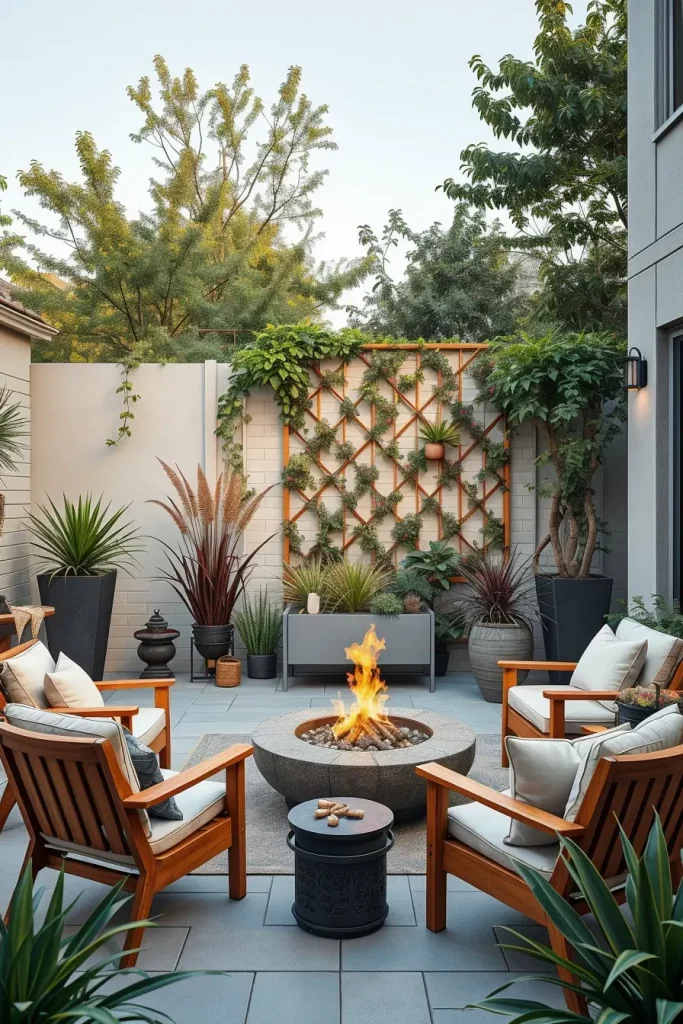
I have noticed that clients appreciate how these living privacy screens reduce noise and create a secluded retreat. According to landscape architects featured in Dwell magazine, layered planting significantly enhances backyard usability. I agree that thoughtful plant selection ensures year-round coverage.
To make this solution even more effective, I recommend incorporating solar-powered irrigation timers and selecting plant varieties suited to the local climate zone.
Balcony Vertical Garden Ideas For Compact City Living
In compact apartments, balcony living walls maximize vertical space without sacrificing floor area. I design these gardens to combine functionality with urban style, turning even a small balcony into a refreshing green escape.
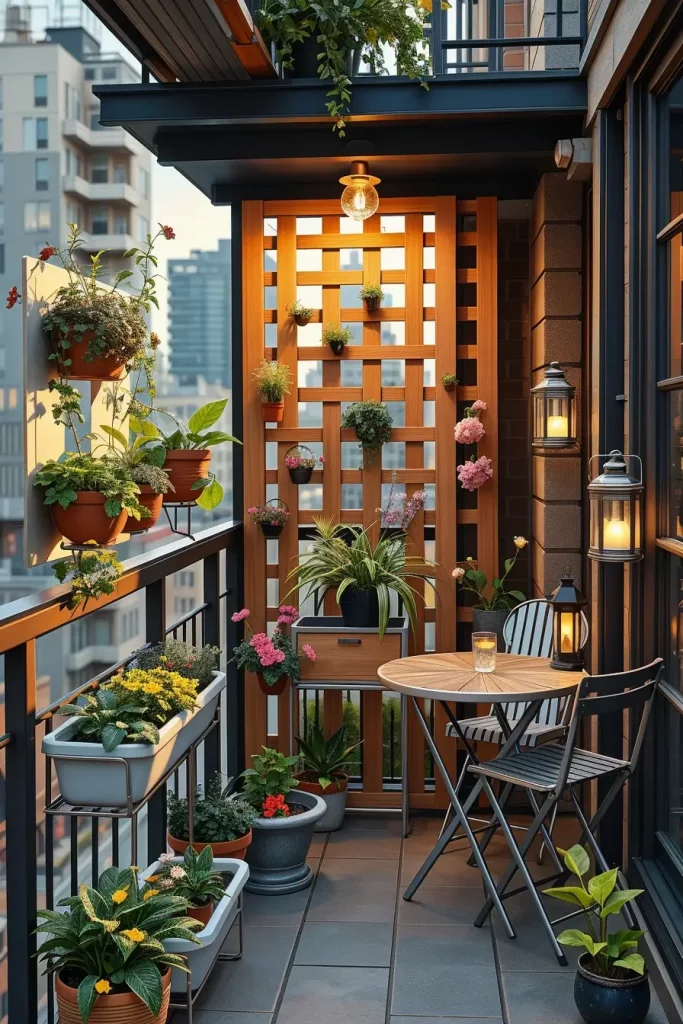
I typically use stackable planter systems, railing-mounted pots, and slim vertical trellis panels. Compact outdoor furniture such as foldable bistro sets, slim storage benches, and lightweight lanterns maintain mobility. Herbs, strawberries, and compact flowering plants provide both beauty and practicality. Drainage trays and waterproof backing protect building structures.
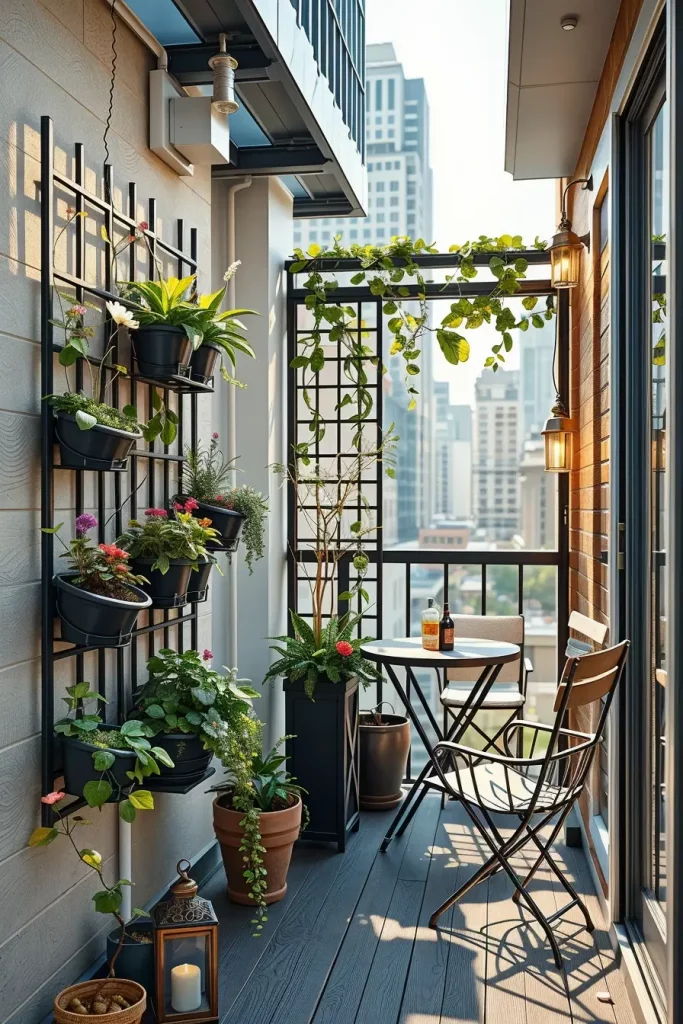
From my experience, balcony vertical gardens dramatically improve daily well-being in dense city environments. I often advise clients to prioritize lightweight materials and modular systems for flexibility. Urban gardening experts frequently recommend edible plant integration to maximize limited space, and I strongly support this multifunctional approach.
One improvement I always suggest is incorporating wind-resistant plant choices and installing secure fastening systems to meet building safety standards.
DIY Vertical Garden Projects For Creative Homeowners
When I work with homeowners who enjoy hands-on projects, I often recommend DIY vertical gardens that balance creativity with functionality. In 2026, many of the most inspiring Vertical Garden Ideas 2026 come from personalized installations that reflect individual style. Whether placed in a living room, garage-turned-studio, or backyard patio, a well-designed DIY living wall can look just as refined as a professionally installed system.
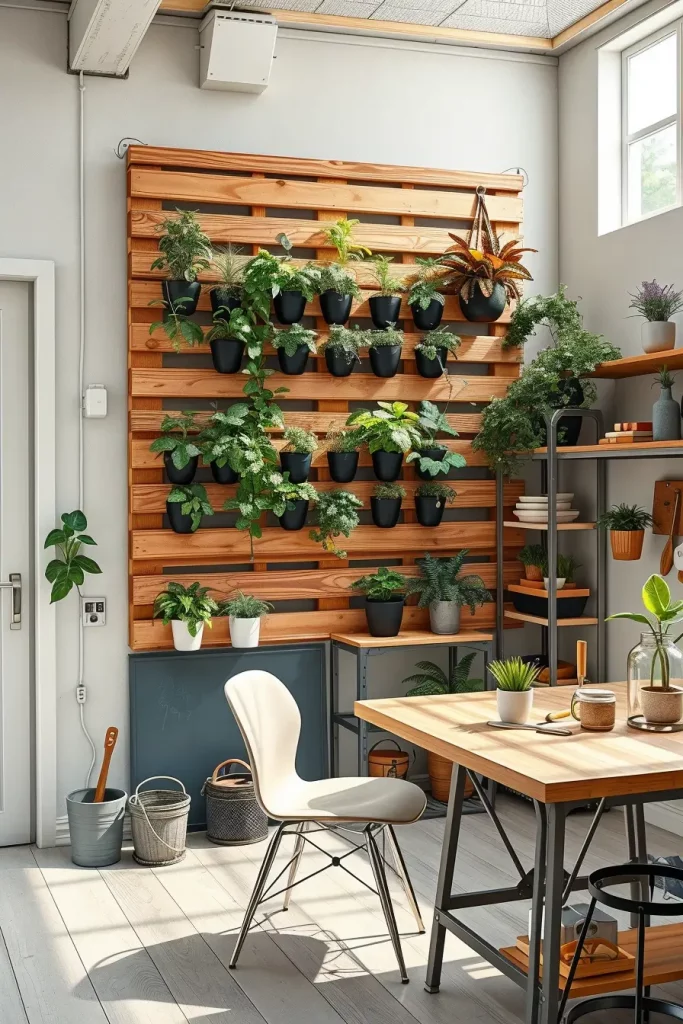
I usually suggest starting with modular wooden pallets, wall-mounted pocket planters, or stackable recycled containers. A sturdy backing panel with waterproof membrane is essential to protect interior walls. I pair these systems with simple furniture such as a worktable in natural wood, metal shelving for tools, and neutral seating that keeps the focus on the greenery. Choosing easy-care plants like pothos, herbs, lettuce, and ferns ensures long-term success without overwhelming maintenance.
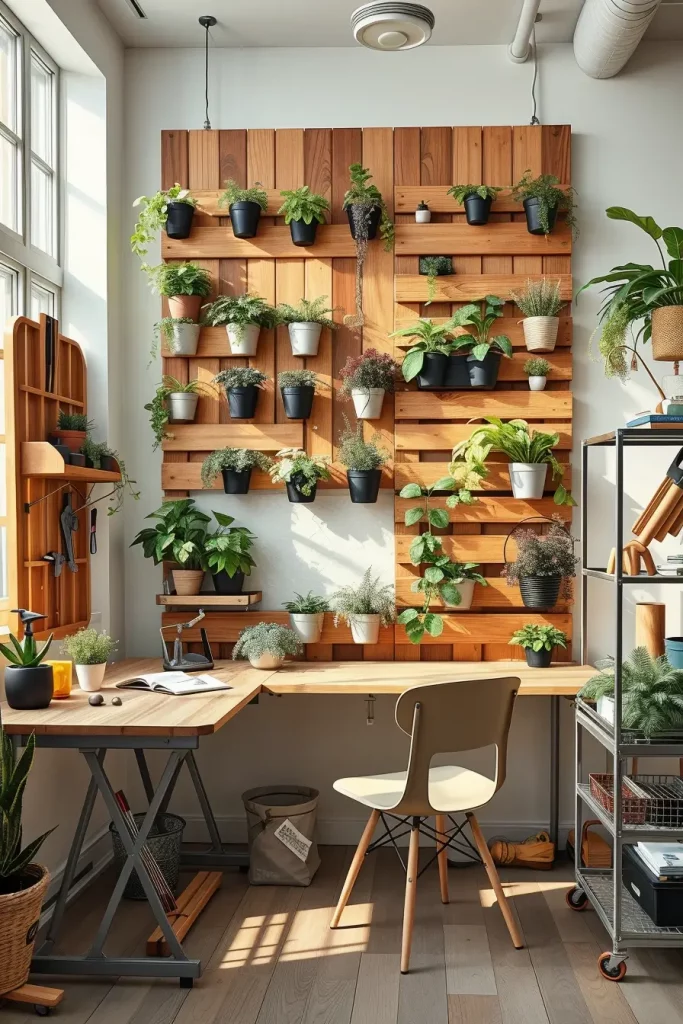
From my experience, DIY vertical gardens give homeowners a deeper connection to their space. Martha Stewart Living frequently emphasizes planning drainage and weight distribution before planting, and I fully agree. Proper anchoring and soil selection determine whether the installation thrives or fails.
To strengthen this section, I would add a checklist covering wall load capacity, irrigation access, and lighting requirements, since these technical aspects are often overlooked in creative enthusiasm.
Vertical Garden Lighting Ideas To Enhance Ambiance
Lighting is one of the most underestimated elements in living walls. I have seen beautifully designed vertical gardens lose impact simply because lighting was not properly integrated. In 2026, lighting design is inseparable from modern garden design, especially in interiors where natural light is limited.
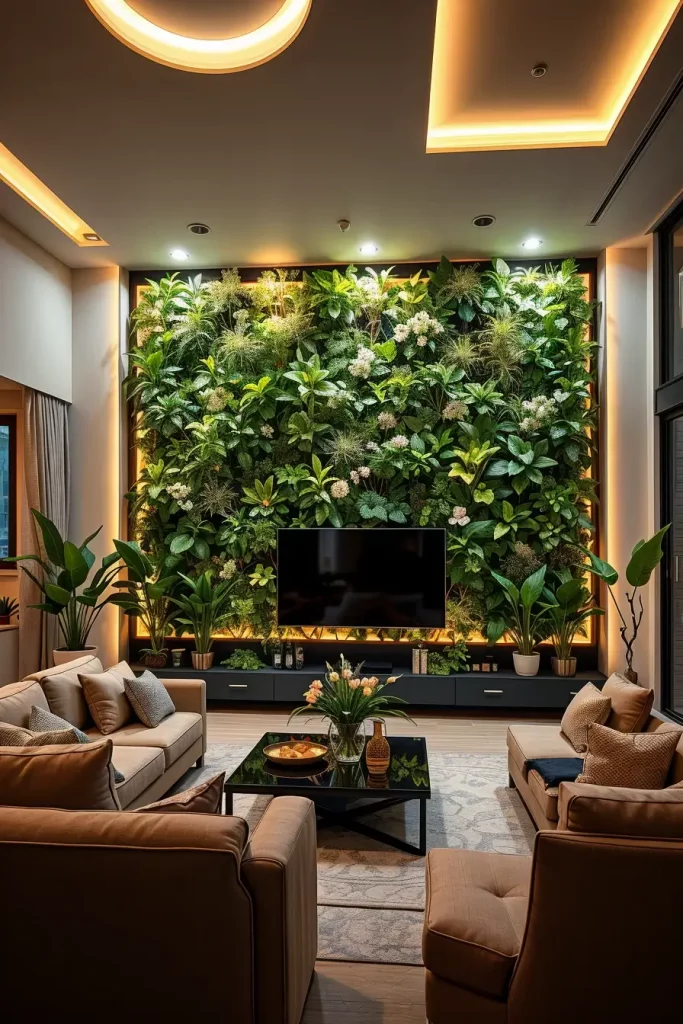
I typically incorporate adjustable LED grow lights for plant health, paired with warm accent lighting to create atmosphere. Recessed ceiling lights, slim wall washers, and concealed strip lighting behind panels enhance depth and texture. Furniture placement matters as well. I prefer low-profile sofas, sleek coffee tables, and matte finishes that allow the illuminated greenery to remain the focal point.
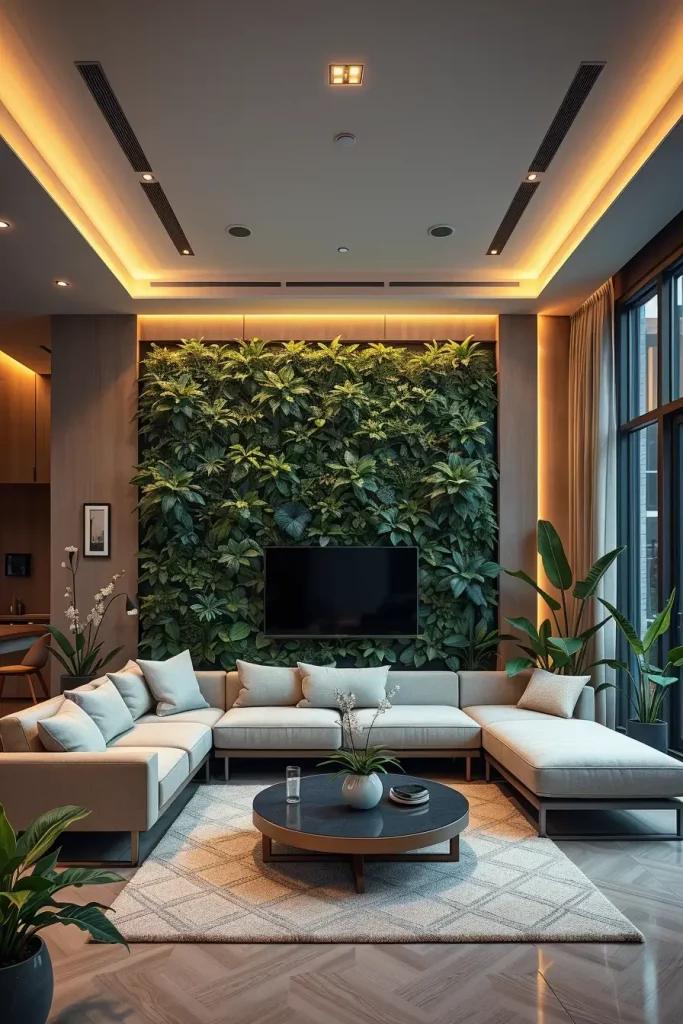
Personally, I find that layered lighting transforms a vertical garden into a living art installation. Designers featured in Elle Decor often recommend combining task lighting with ambient illumination, and I apply the same principle to plant walls. Balanced lighting not only supports plant growth but also defines the emotional tone of the room.
What is often missing is automation. I strongly advise integrating smart timers and dimming systems to maintain consistent light cycles and energy efficiency.
Eco-Friendly Irrigation And Water-Saving Technologies
Sustainability defines many Vertical Garden Ideas 2026, and irrigation systems play a critical role in that shift. I always prioritize eco-conscious watering solutions that reduce waste while supporting plant health. Efficient systems make sustainable gardening achievable even in dense urban environments.
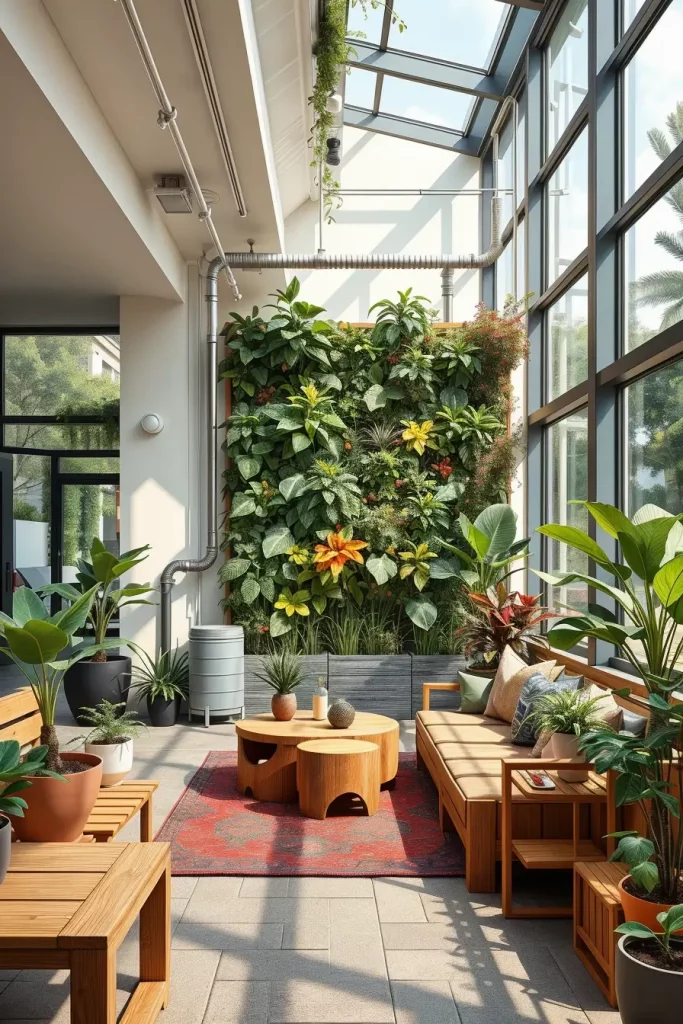
I commonly install drip irrigation with moisture sensors that adjust watering based on real-time conditions. Hidden reservoirs, greywater reuse systems, and rainwater harvesting tanks are particularly effective for exterior vertical gardens. I complement these systems with permeable flooring, reclaimed wood furniture, and planters made from recycled materials to reinforce the sustainability concept throughout the space.
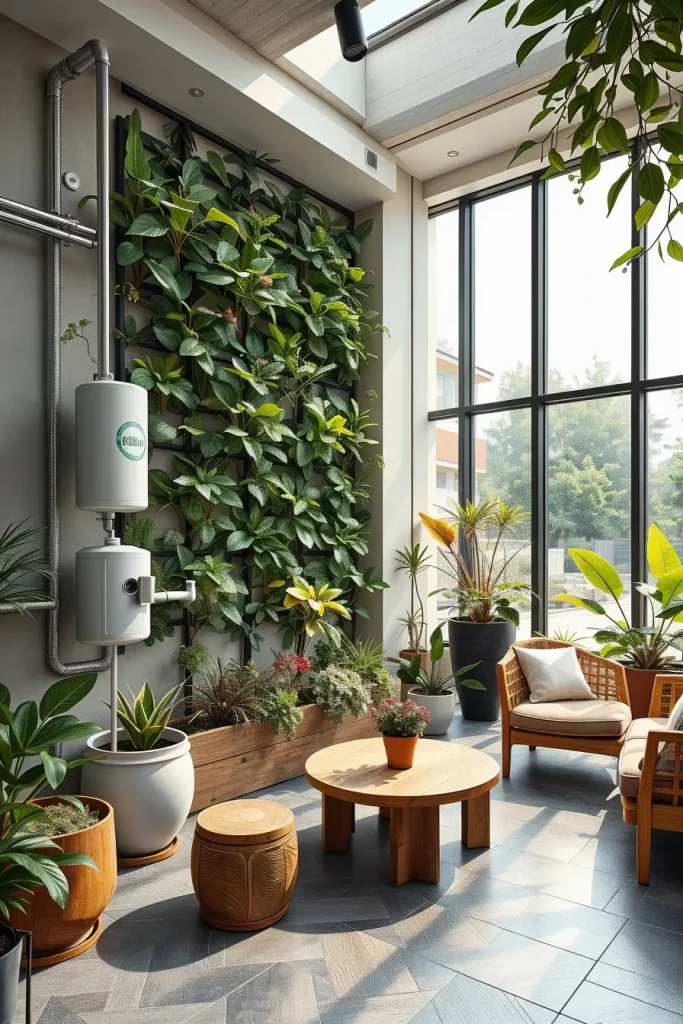
In my opinion, water-saving technology is not optional anymore. The Environmental Protection Agency in the US has long advocated for efficient irrigation to reduce household water consumption, and vertical gardens benefit immensely from this approach. Smart systems reduce plant stress and minimize maintenance time.
To enhance this section further, I would include guidance on local water regulations and climate considerations, since irrigation requirements vary significantly by region.
Vertical Gardens With Native Plants For Climate Adaptation
Designing vertical gardens with native plants is one of the smartest strategies I apply in both interior and exterior projects. Native species adapt naturally to local climates, reducing maintenance demands while supporting biodiversity. This approach aligns perfectly with current living walls trends focused on resilience and ecological balance.
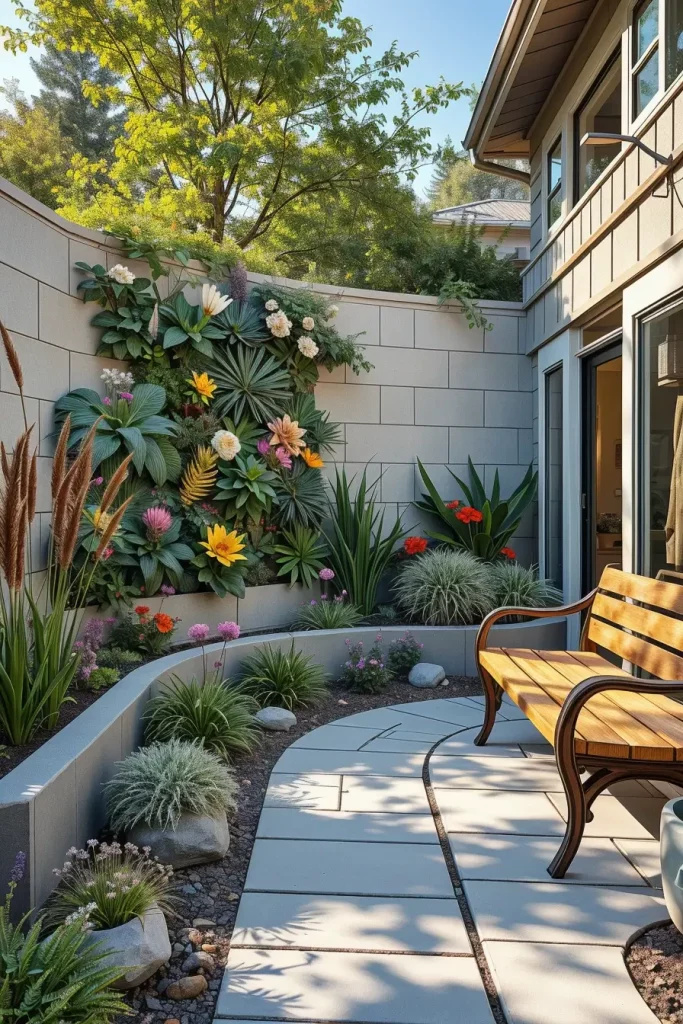
I usually select plant varieties that thrive in the regional climate zone, combining ornamental grasses, flowering perennials, and hardy shrubs for outdoor installations. For interiors, I incorporate native shade-tolerant plants that adapt well to controlled environments. I pair these gardens with natural stone pathways, wooden benches, and neutral architectural finishes that highlight the organic character of the planting design.
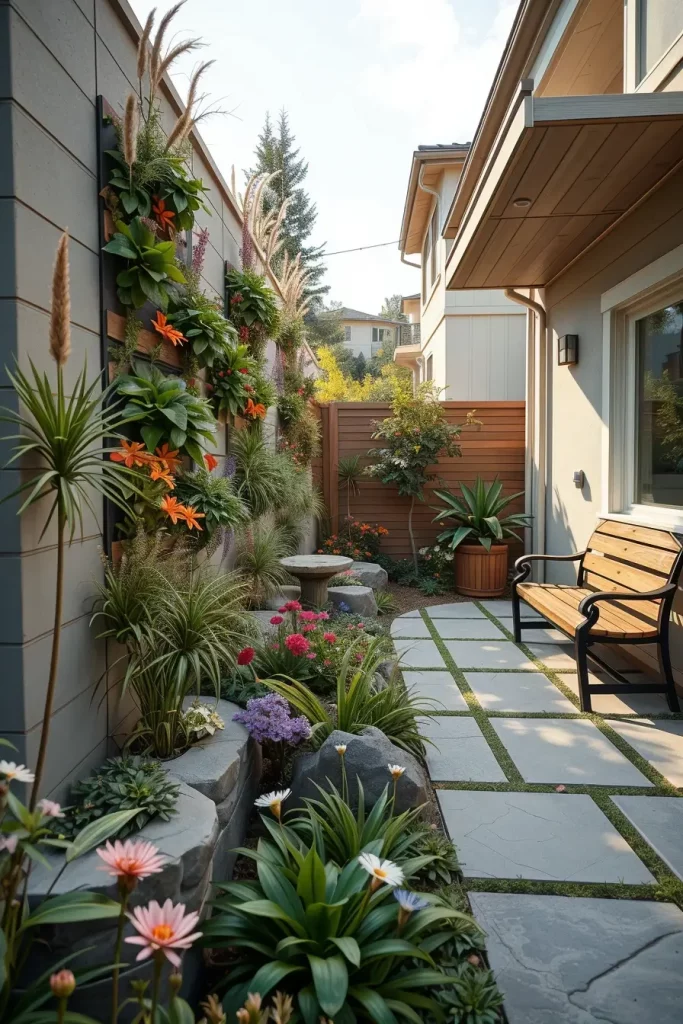
From my professional perspective, native plant integration strengthens both aesthetics and sustainability. Landscape architects frequently highlight the ecological benefits of supporting pollinators and reducing chemical inputs. I have found that native vertical gardens often require less fertilizer and fewer interventions.
What could be expanded here is a guide to researching local plant databases or consulting regional horticultural extensions before finalizing plant selections.
Living Wall Art: Decorative Green Installations
In 2026, living walls increasingly blur the line between horticulture and art. I design these installations as statement features, often in entryways, dining rooms, or commercial-inspired residential spaces. Unlike purely functional plant walls, these are curated compositions that emphasize color, pattern, and visual rhythm.
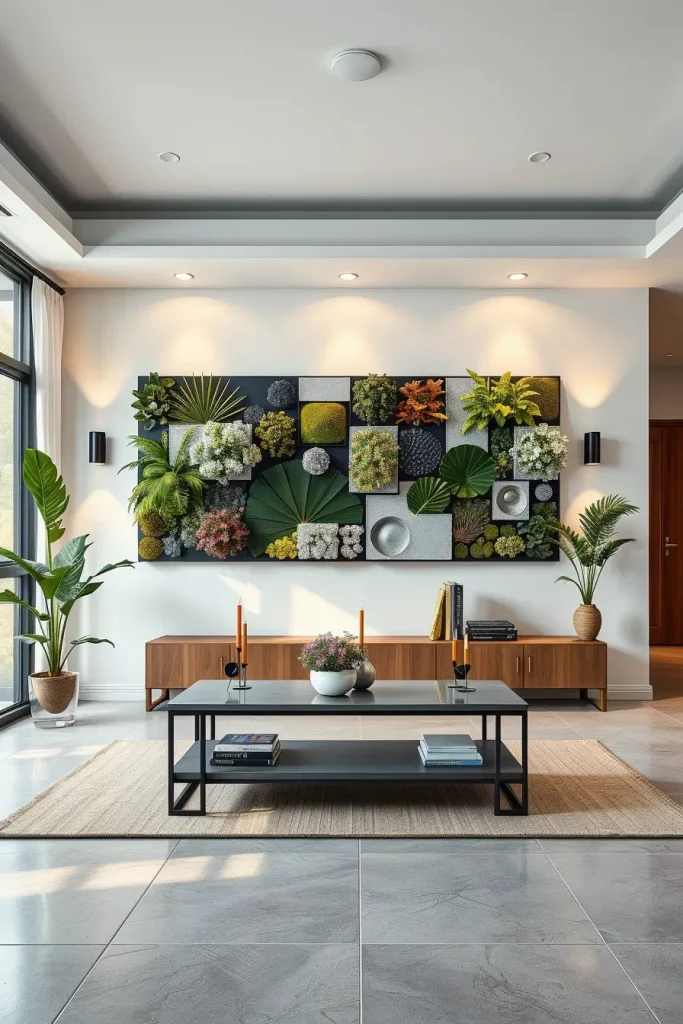
I frequently use modular panel systems arranged in geometric layouts or asymmetrical compositions. Moss panels, contrasting foliage colors, and integrated shelving for sculptural decor create dimension. Minimalist furniture such as a sleek console table, contemporary lighting fixtures, and polished concrete or wood floors ensure that the living wall remains the central visual anchor of the entire room.
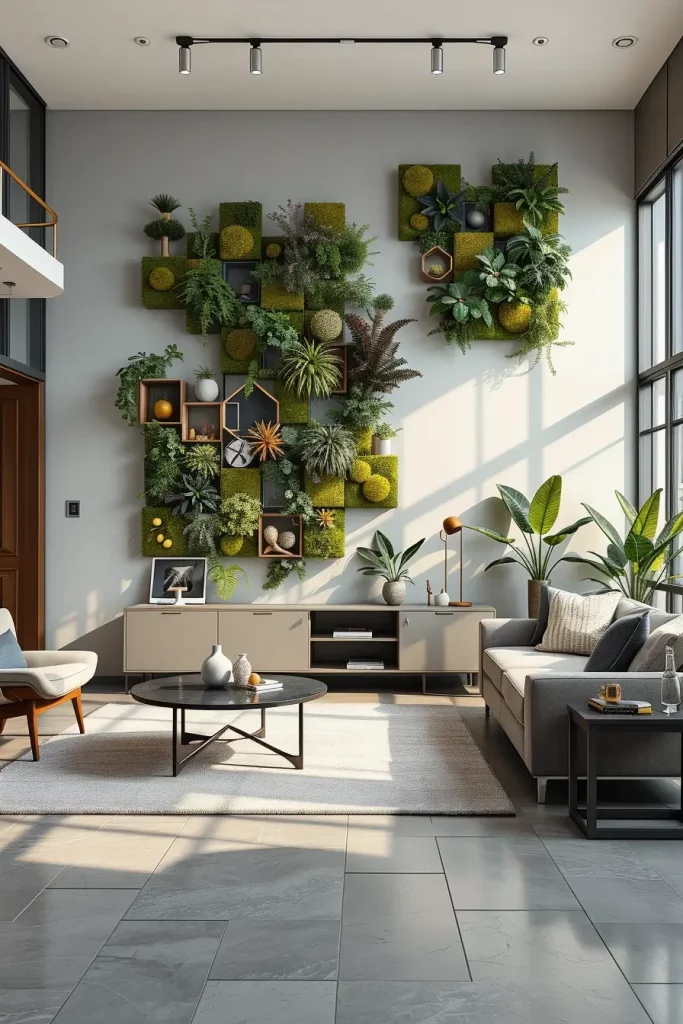
Personally, I see living wall art as the most expressive form of Vertical Garden Ideas 2026. Architectural Digest has highlighted how biophilic design enhances emotional well-being, and I have observed similar results in my own projects. When designed thoughtfully, these installations elevate interiors beyond decoration into immersive experiences.
To complete this section, I would recommend including acoustic benefits of moss walls and discussing professional maintenance services for larger decorative installations.
Office And Commercial Vertical Garden Installations
When I design office and commercial spaces with vertical gardens, I focus on creating an immersive yet professional atmosphere. A full-height living wall in a reception area or open workspace instantly softens hard architectural lines, improves acoustics, and enhances indoor air quality. In 2026, vertical garden systems for offices are modular, integrated with automated irrigation, and often connected to smart building controls. I prioritize balanced lighting, circulation flow, and visibility so the installation feels intentional rather than decorative.
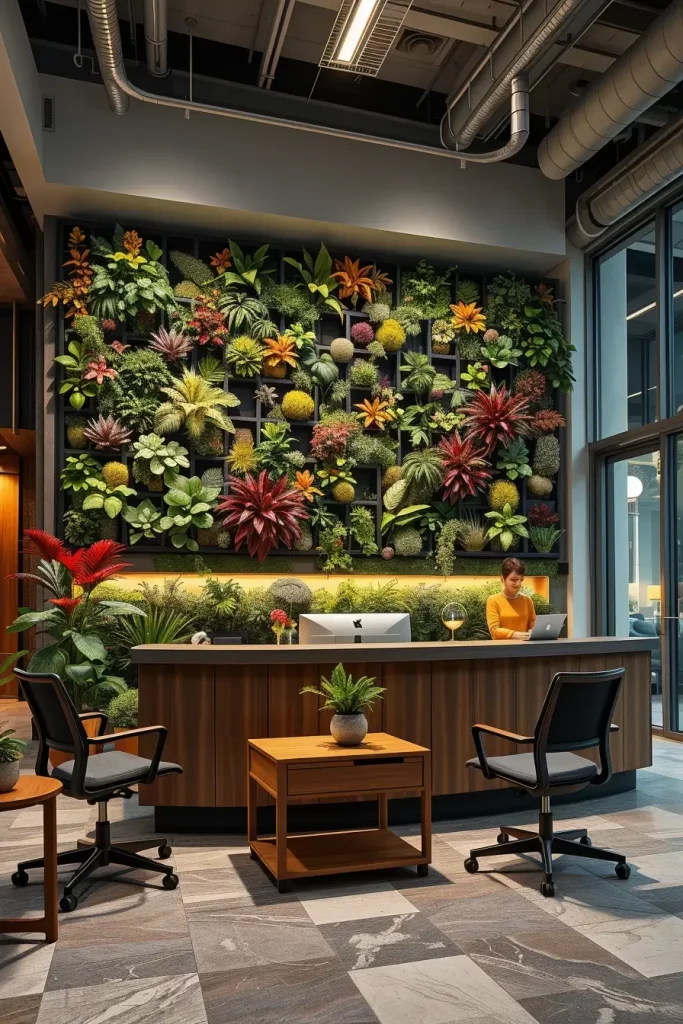
In these spaces, I typically incorporate preserved moss panels combined with live plant modules to reduce maintenance while maintaining lush texture. Built-in LED grow lights are discreetly embedded in ceiling tracks, and I often pair the green wall with minimalist furniture such as ergonomic workstations, acoustic panels, and natural wood conference tables. Neutral color palettes allow the greenery to become the focal point. I also recommend adding biophilic elements like wooden slat dividers and stone flooring to reinforce the connection to nature.
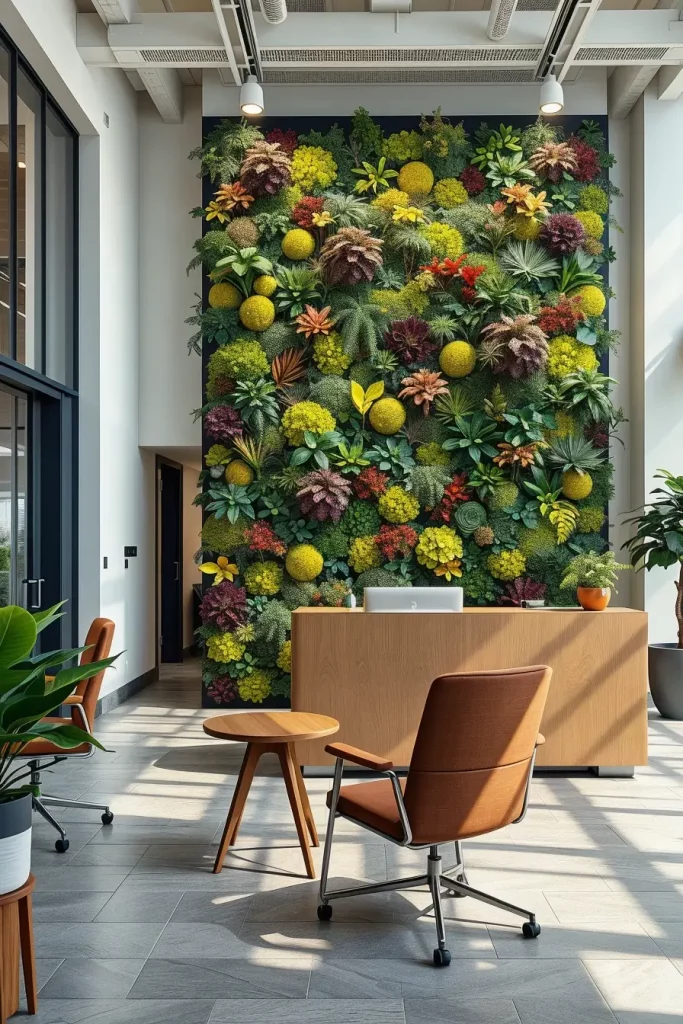
From my experience, commercial clients see measurable benefits from green walls. According to research frequently cited by publications like Interior Design Magazine, biophilic environments can enhance employee productivity and reduce stress levels. I’ve observed that clients respond positively not only to the aesthetics but also to the branding impact a large-scale living wall provides.
What should be added here is a clear irrigation access plan and a scheduled maintenance contract. I always advise including a concealed service hatch and proper drainage system, because long-term performance depends on professional upkeep.
Vertical Garden Furniture Integration Concepts
In residential interiors, I approach vertical garden ideas as part of the overall furniture concept rather than as a standalone feature. A green wall integrated behind a sofa or dining area creates depth and a natural backdrop for daily living. I design these installations so they enhance the functionality of the space, especially in open-plan layouts where zoning is essential.
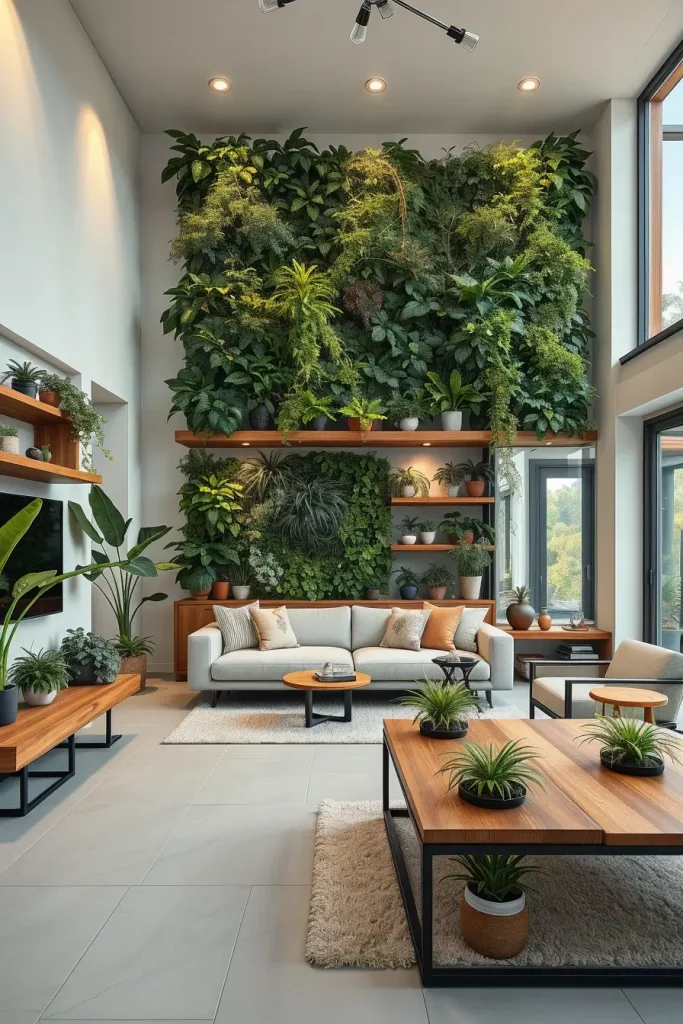
I often integrate shelving, built-in benches, or media units directly into the structure of the green wall. Floating wooden shelves allow trailing plants to cascade naturally, while built-in seating with hidden planters maximizes space efficiency. In smaller homes, wall-mounted planters above a compact desk can create a productive home office environment without sacrificing floor space. Materials like oak, black metal frames, and matte finishes pair beautifully with vibrant foliage.
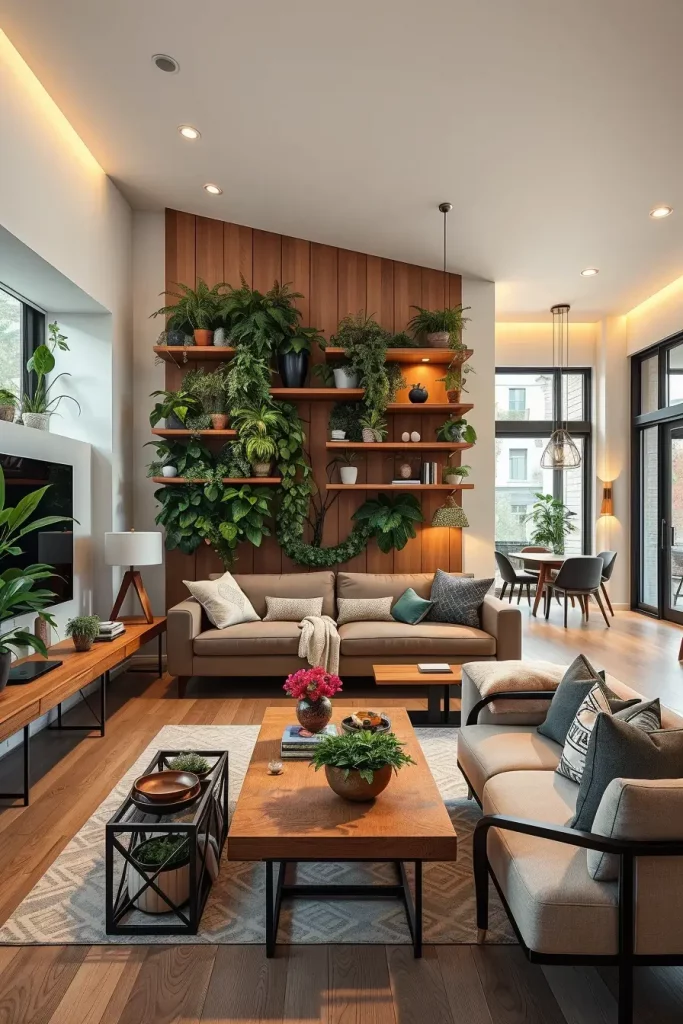
Personally, I believe that integrating greenery with furniture elevates both elements. I have found that when the garden becomes part of the architecture, it feels cohesive rather than decorative. Designers featured in Architectural Digest often emphasize layered textures in biophilic design, and I strongly agree with that approach.
What is often missing in such designs is proper task lighting. I always recommend adjustable wall-mounted lights to ensure both plants and functional areas receive adequate illumination.
Seasonal Planting Strategies For Year-Round Green Walls
Designing a vertical garden that thrives year-round requires strategic plant selection. I carefully choose species based on light exposure, humidity levels, and regional climate. In 2026, climate-responsive vertical gardens are becoming more popular, especially in areas with extreme seasonal changes. Layering evergreen plants with seasonal flowering varieties ensures continuous visual interest.
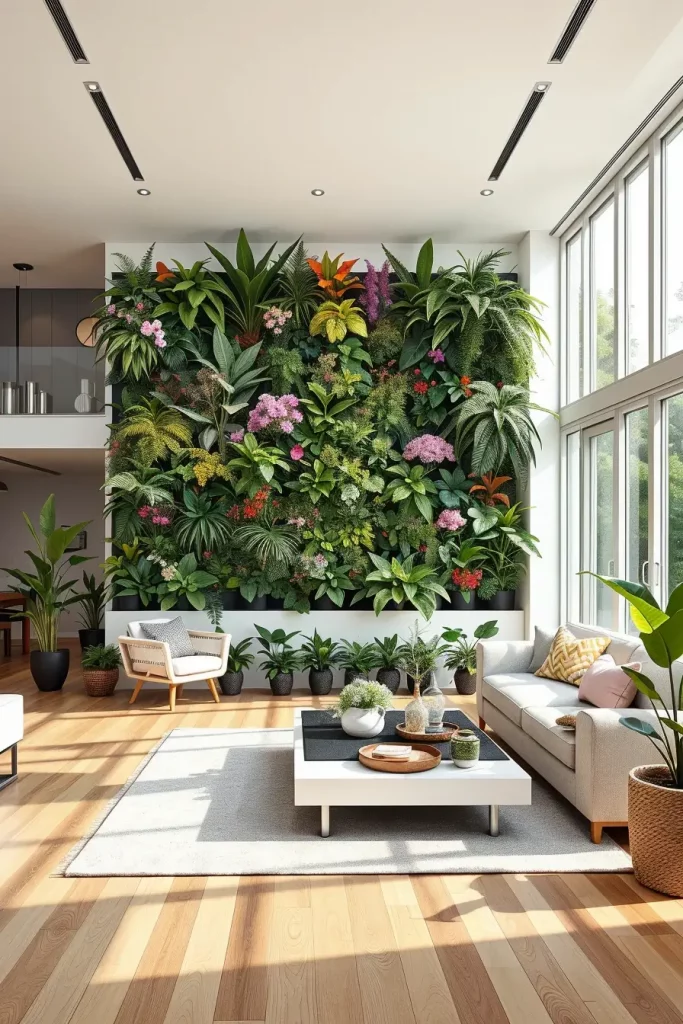
For interiors, I often combine ferns, philodendrons, pothos, and moss for consistent greenery, while incorporating flowering plants like anthuriums or orchids for seasonal variation. Outdoors, I might include hardy perennials, ornamental grasses, and cold-resistant ivy. Modular planting pockets allow easy rotation when seasons change. Automatic drip irrigation systems with moisture sensors help maintain ideal conditions throughout the year.
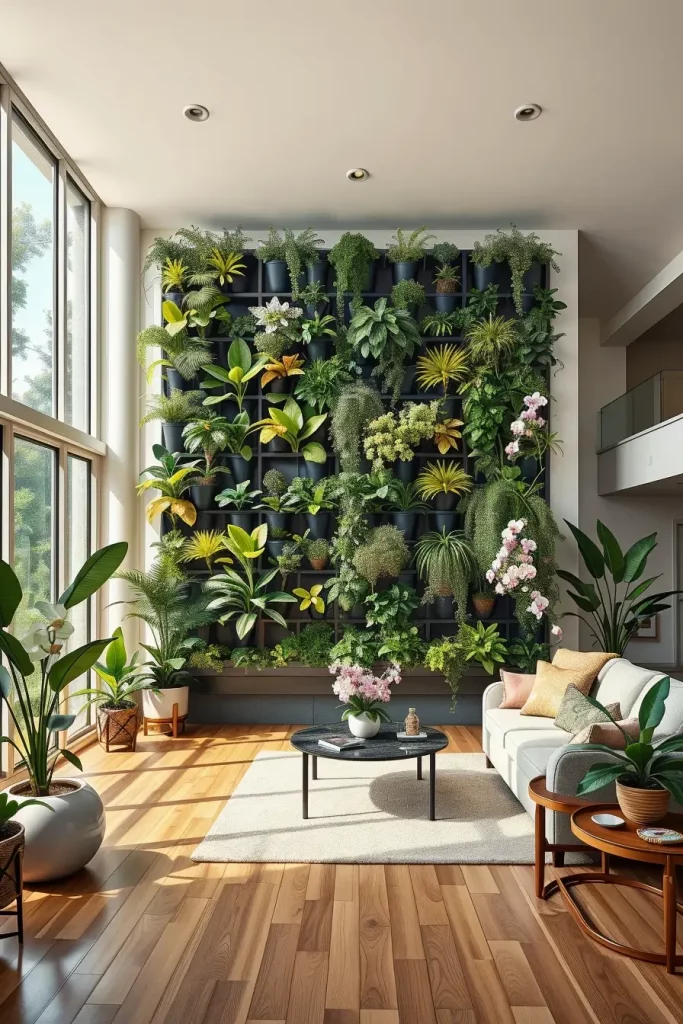
In my professional opinion, thoughtful seasonal planning prevents costly replacements and ensures longevity. The American Society of Landscape Architects frequently highlights sustainability as a top design priority, and I align my projects with that philosophy.
This section would benefit from adding a plant rotation calendar and clear labeling system to help homeowners maintain planting schedules efficiently.
Vertical Garden Maintenance Tips For Long-Term Success
No matter how stunning a green wall appears on installation day, long-term success depends on maintenance. I always emphasize that green wall design is a living system that requires monitoring. Proper drainage, airflow, and access to irrigation lines are essential structural considerations from the beginning.
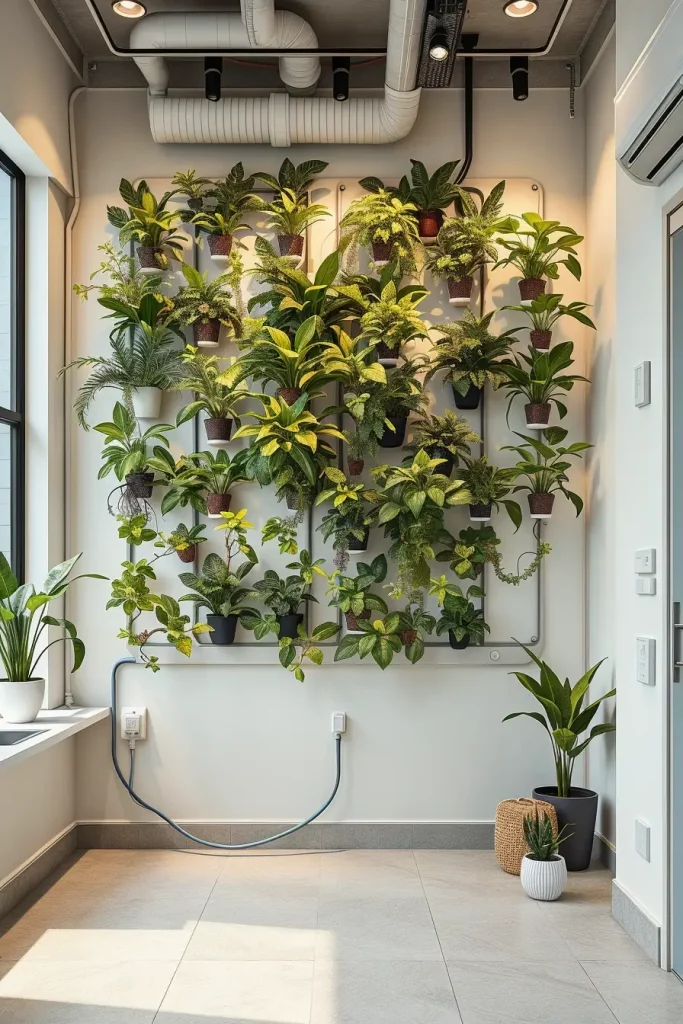
I recommend installing automated irrigation systems with timers and moisture sensors. Removable plant panels make pruning and replacement easier. Good ventilation prevents mold and root rot, especially in indoor environments. I also suggest using lightweight, breathable substrates rather than heavy soil to protect wall integrity.
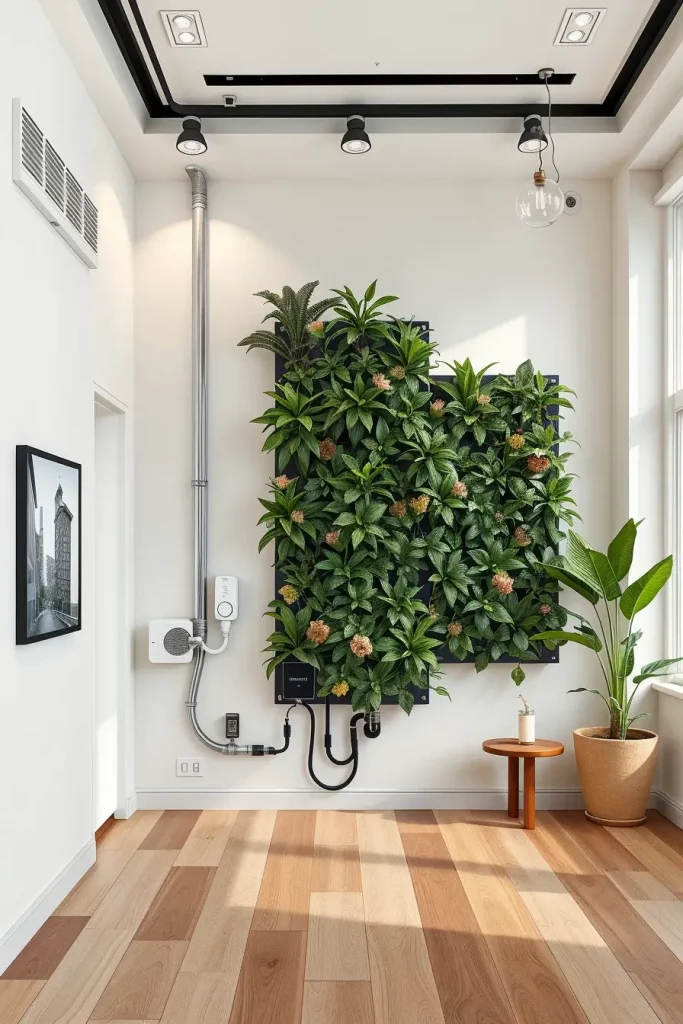
From my experience, clients who commit to a maintenance routine enjoy thriving vertical gardens for years. I encourage quarterly professional inspections for commercial installations and bi-monthly checks for residential projects.
What many people overlook is the importance of structural load assessment. Before installing any vertical garden systems, I always consult with a contractor to confirm wall support capacity.
Budget-Friendly Vertical Garden Ideas For Beginners
Not every vertical garden requires a large investment. I often design simple, budget-friendly systems for beginners who want to experiment with vertical garden ideas at home. Wall-mounted pocket planters, repurposed wooden pallets, and modular plastic panels can create impressive results without complex infrastructure.
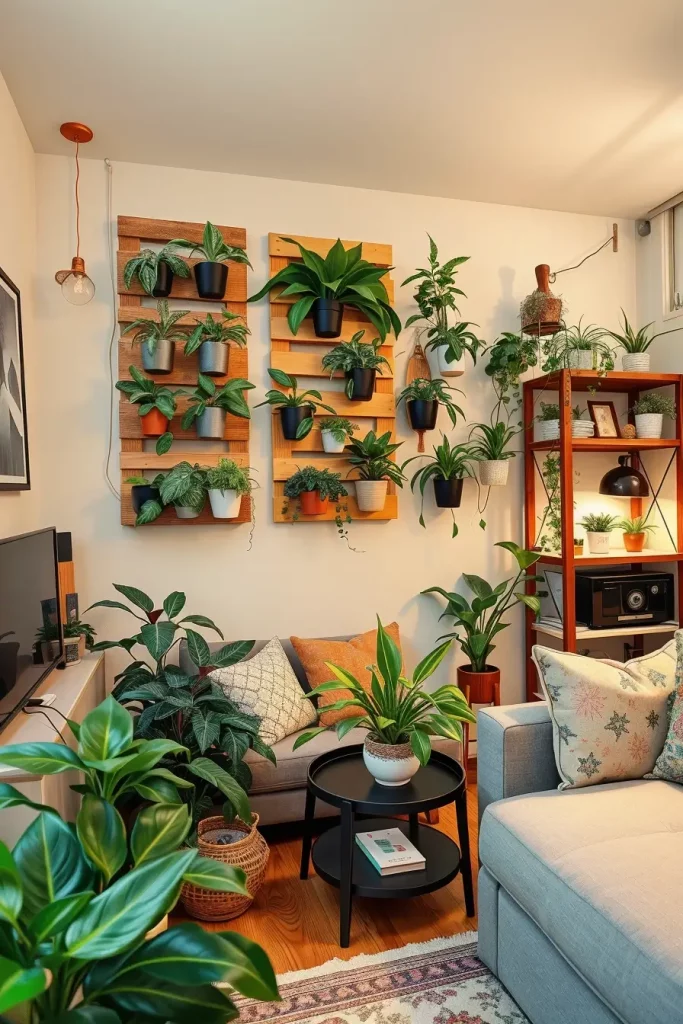
In small apartments, I recommend lightweight fabric planters attached to sturdy wall anchors. A narrow metal frame shelf with cascading plants can also function as both decor and storage. Affordable grow lights with adjustable brightness ensure plants thrive even in low-light conditions. I typically suggest starting with easy-care plants like pothos, spider plants, and herbs.
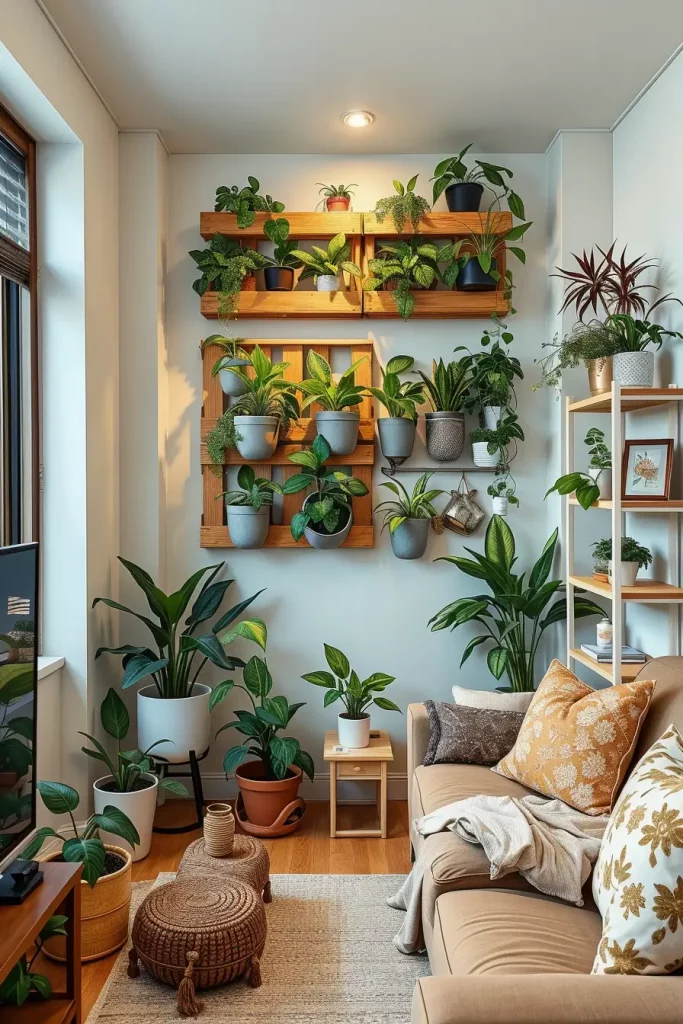
In my opinion, starting small builds confidence. Many homeowners feel intimidated by large-scale installations, but even a modest green wall can transform a room. Publications like Better Homes and Gardens often emphasize beginning with manageable plant varieties, and I agree with that approach.
What should be added to beginner projects is a clear watering schedule and a simple drainage tray system to prevent water damage.
Luxury Vertical Garden Designs For High-End Spaces
When I work on premium residences or boutique hospitality projects, I treat Vertical Garden Ideas 2026 as architectural statements rather than decorative additions. In luxury interiors, a full-height green wall often spans two floors, framed by marble, glass, or custom millwork. I carefully coordinate proportions so the living wall complements double-height ceilings, panoramic glazing, and sculptural staircases. In high-end spaces, the green wall design must feel curated, refined, and seamlessly integrated into the architecture.
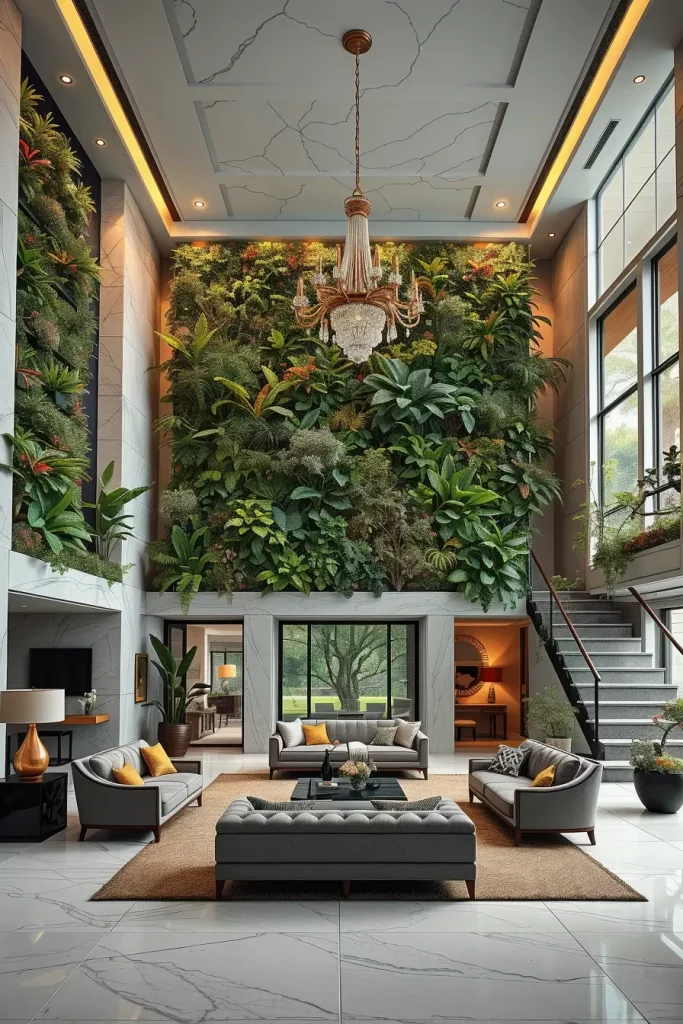
I typically specify custom stainless steel or powder-coated aluminum vertical garden systems with concealed irrigation and integrated drainage channels. Exotic plant species such as rare philodendrons, mature strelitzia, or sculptural bonsai inserts add exclusivity. I pair these installations with designer furniture, natural stone flooring, statement lighting fixtures, and bespoke cabinetry. Smart climate control systems ensure optimal humidity and temperature levels without compromising comfort.
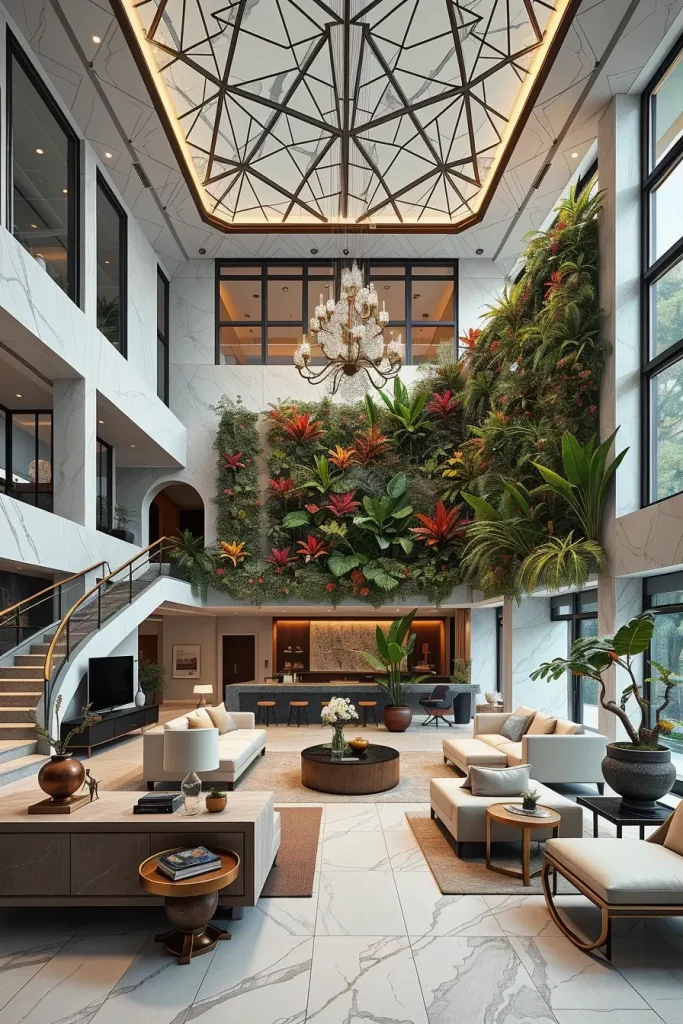
In my professional experience, luxury clients value both visual impact and longevity. Architectural Digest frequently highlights biophilic design in upscale homes, noting how greenery enhances wellness and property value. I have seen firsthand how a thoughtfully executed living wall becomes the defining feature of an interior.
What is often missing in luxury projects is a dedicated horticultural consultant from the planning stage. I always recommend involving plant specialists early to guarantee long-term plant health and aesthetic consistency.
Vertical Garden Ideas For Schools And Public Spaces
Designing vertical gardens for schools and public environments requires balancing durability, safety, and educational value. I focus on creating interactive installations that inspire learning while remaining low-maintenance. In 2026, vertical garden ideas for public spaces increasingly incorporate sustainability messaging and environmental awareness into the design itself.
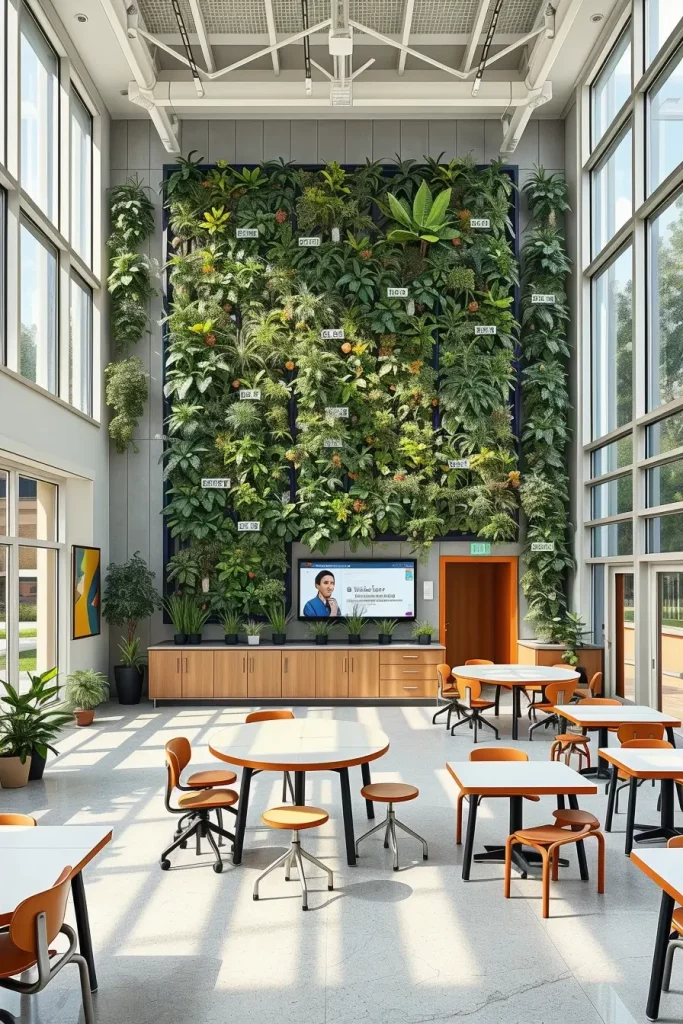
I often integrate labeled plant sections, modular panels for student participation, and accessible irrigation systems. Durable materials such as powder-coated frames and impact-resistant planting trays ensure longevity. In school interiors, I combine greenery with flexible seating, collaborative tables, and natural light to create healthy learning environments. Outdoor public installations may include native plants that support local biodiversity.
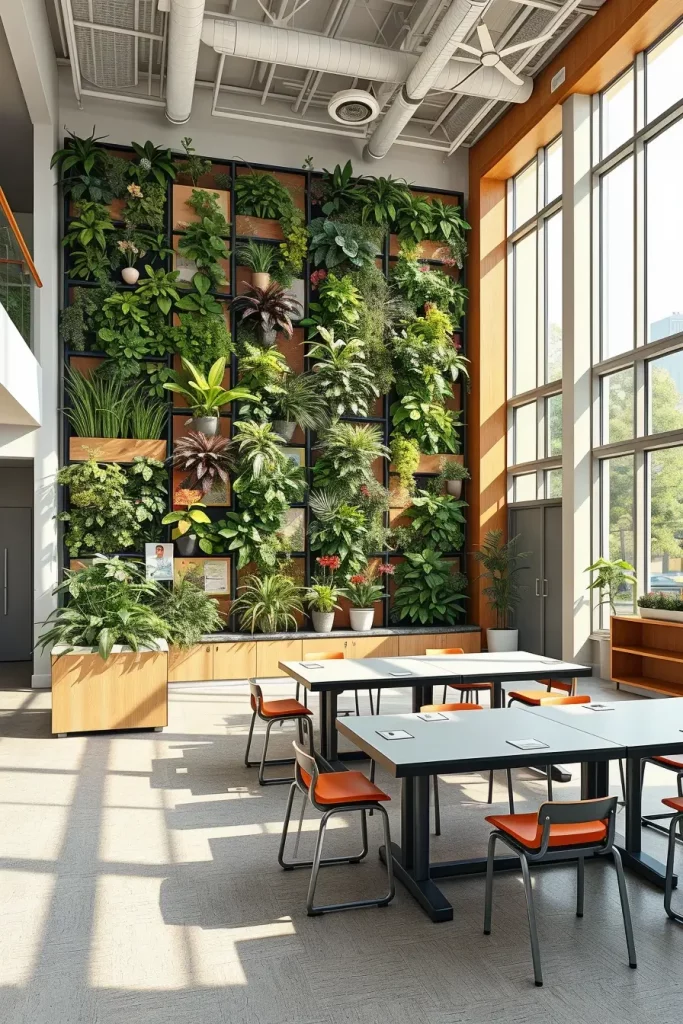
From my perspective, these projects go beyond aesthetics. Research frequently cited by the American Institute of Architects supports the idea that biophilic environments improve concentration and well-being. I have observed that students engage more actively in spaces enriched with natural elements.
What should be added here is a structured educational component, such as a maintenance program or gardening curriculum, to maximize the long-term impact of the installation.
Space-Saving Vertical Garden Systems For Tiny Homes
In compact living environments, I approach vertical garden systems as multifunctional design solutions. Tiny homes demand efficiency, so I prioritize lightweight, wall-mounted modules that maximize vertical surfaces without overwhelming the room. A slim living wall near a window can visually expand the space while improving air quality.
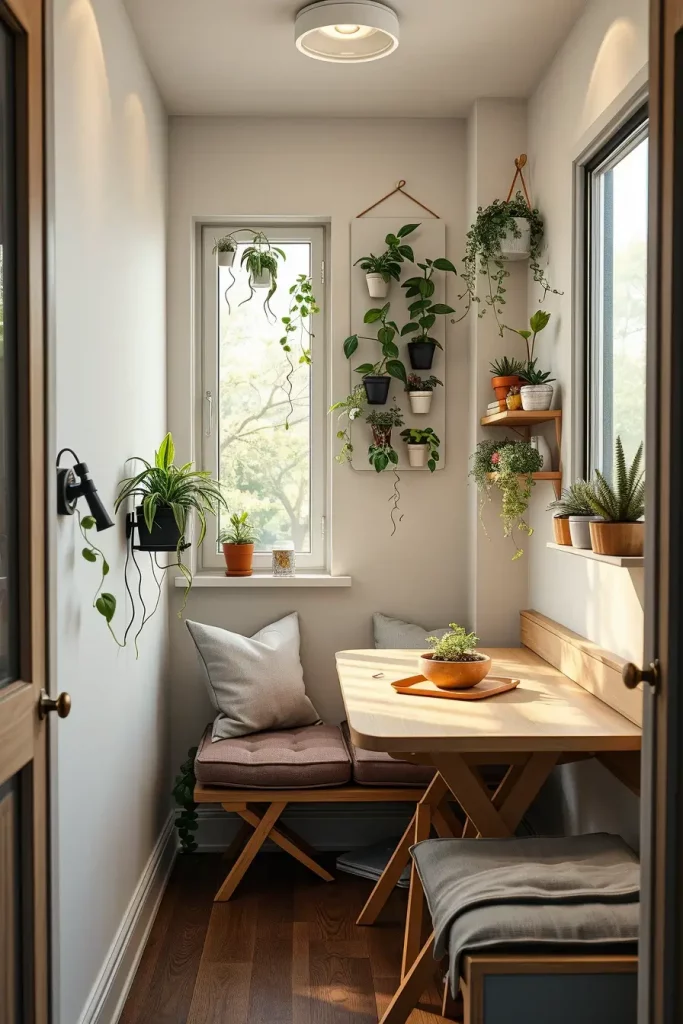
I often incorporate foldable tables, built-in storage benches, and narrow shelving units integrated with planters. Compact hydroponic panels are especially effective in kitchens, allowing homeowners to grow herbs without occupying counter space. Light-toned walls and reflective surfaces enhance brightness, while cascading greenery softens sharp edges in small layouts.
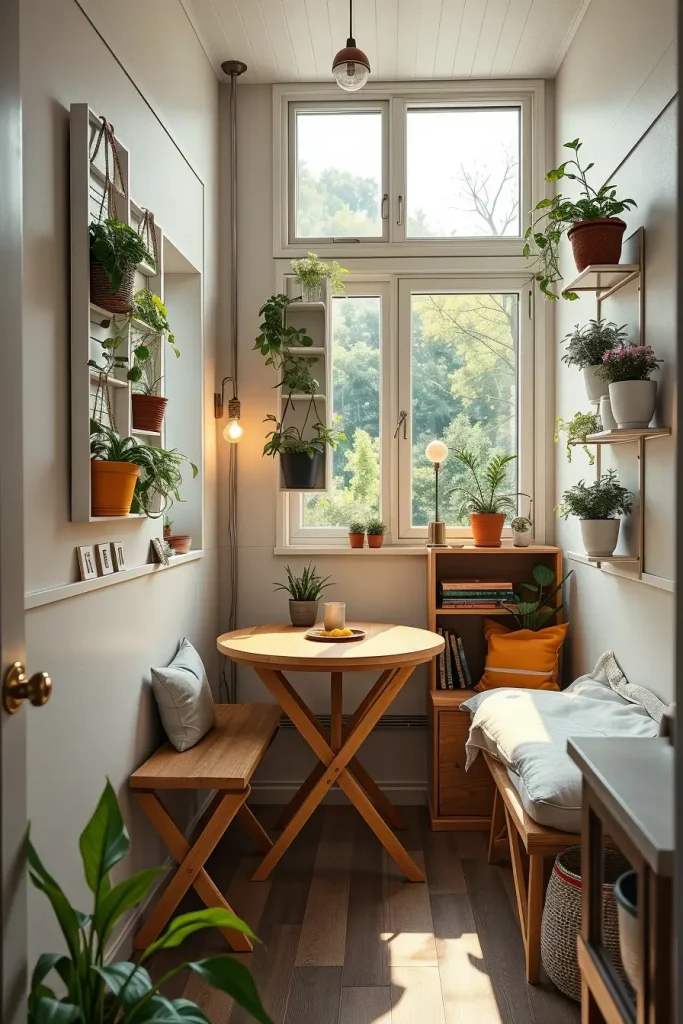
Personally, I believe vertical gardens are transformative in tiny homes. They bring vitality and movement into minimal interiors. Designers featured in Dwell magazine frequently highlight space-efficient biophilic solutions, and I fully support this direction for urban living.
What is often overlooked in small spaces is weight distribution. I always verify wall strength and use lightweight growing media to ensure structural safety.
Climate-Responsive Vertical Gardens For Extreme Weather
As climate conditions become more unpredictable, climate-responsive vertical gardens are gaining importance. In regions with extreme heat, cold, or humidity, I carefully select plant species and structural materials that can withstand environmental stress. Outdoor installations must include wind-resistant framing and advanced drainage systems.
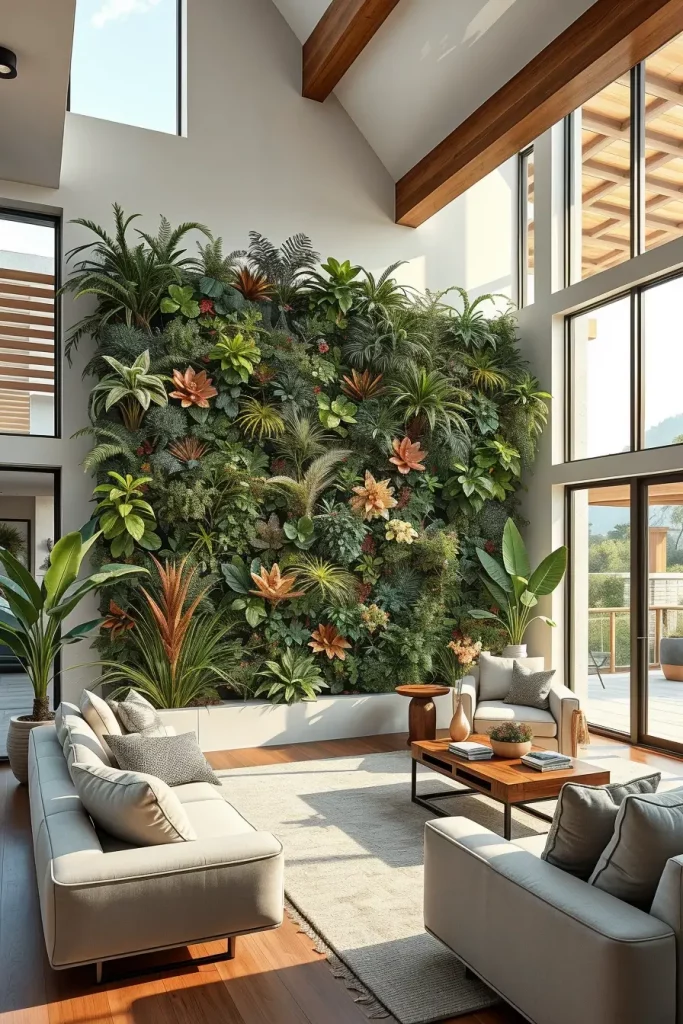
I typically use insulated backing panels, frost-resistant irrigation lines, and UV-protected planters for harsh climates. In hot regions, drought-tolerant species such as succulents and ornamental grasses perform well, while colder climates benefit from hardy evergreens and seasonal rotation strategies. Shading structures or pergolas can protect plants from excessive sun exposure.
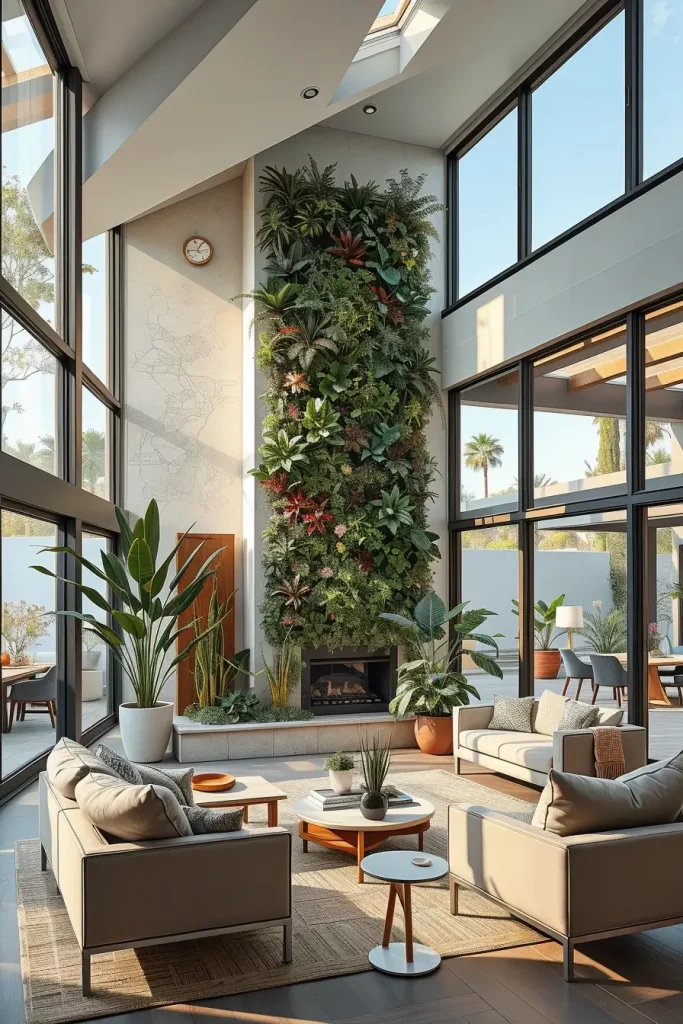
In my experience, adapting the design to local climate conditions ensures longevity and reduces maintenance costs. Landscape Architecture Magazine often emphasizes resilience in modern planting design, and I apply those principles consistently.
What should be added here is a climate analysis report during the planning stage. I always recommend evaluating sun patterns, prevailing winds, and seasonal temperature shifts before finalizing plant selection.
The Evolution Of Vertical Garden Design: What To Expect Beyond 2026
Looking ahead, I see Vertical Garden Ideas 2026 as only the beginning of a broader transformation in architecture and interior design. Technology is increasingly integrated into green wall design, from AI-powered irrigation monitoring to smart nutrient delivery systems. Living walls are becoming interactive, adaptive, and data-driven.
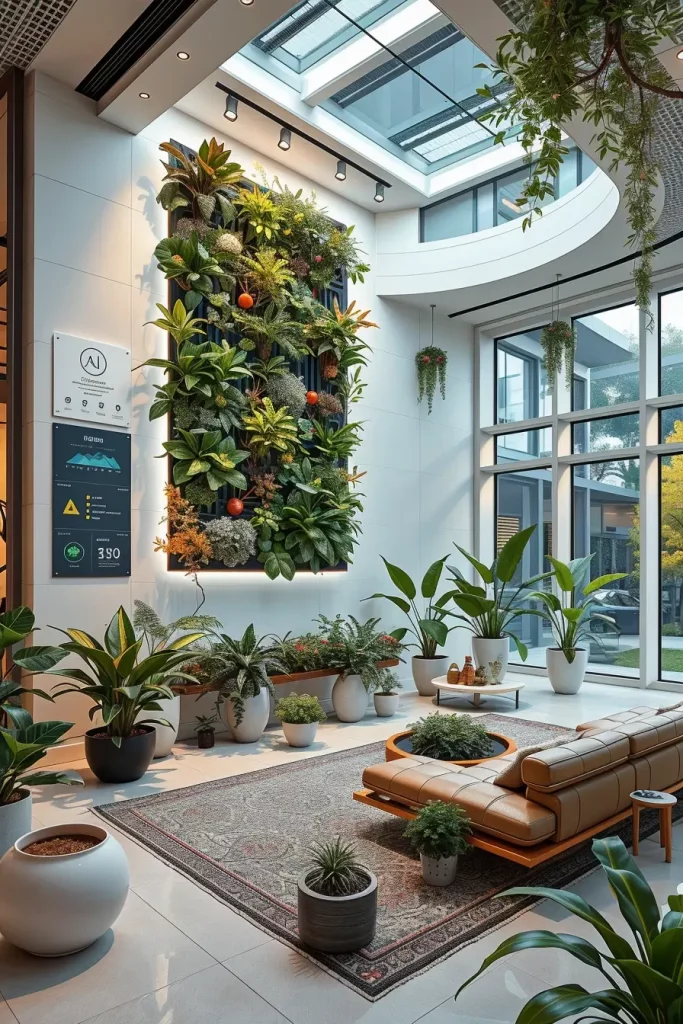
I anticipate more integration with renewable energy systems, such as solar-powered irrigation pumps. Future vertical garden systems may include self-sustaining ecosystems with pollinator habitats and edible plant sections. Materials will likely become even more sustainable, with recycled composites and biodegradable planting modules.
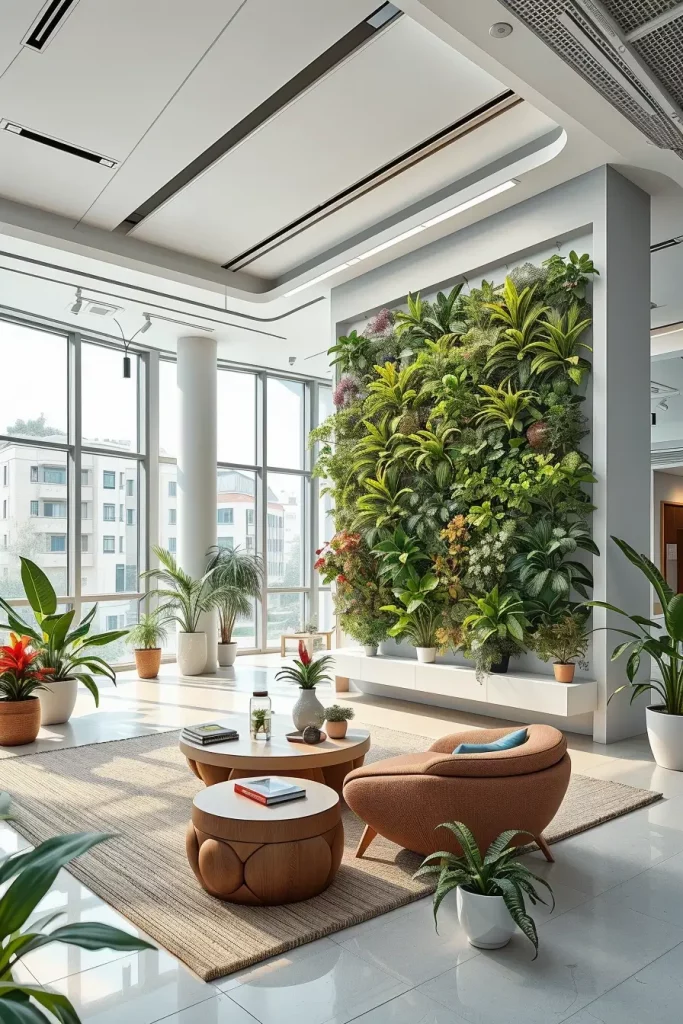
From my perspective, the evolution of vertical gardens reflects a larger cultural shift toward environmental responsibility. As designers and homeowners continue to prioritize wellness and sustainability, living walls will become standard features rather than luxury additions.
To fully prepare for this future, I recommend investing in scalable systems that allow expansion and technological upgrades. Flexibility will define the next generation of vertical garden design.
Vertical Garden Ideas 2026 prove that even the smallest spaces can become lush, inspiring green retreats. With smart technology, sustainable materials, and creative design solutions, living walls are no longer a luxury — they are an accessible way to bring nature closer to everyday life. From functional herb gardens to statement-making green installations, vertical gardens combine beauty, practicality, and environmental responsibility.
As we move toward more conscious and space-efficient living, vertical gardens continue to evolve, offering innovative ways to transform blank walls into thriving ecosystems. Whether indoors or outdoors, simple or high-tech, the right vertical garden design can elevate your space and reconnect you with nature in a modern, meaningful way.