
60 Dark And Moody Interiors That Bring Elegance, Drama, And Cozy Sophistication To Every Room

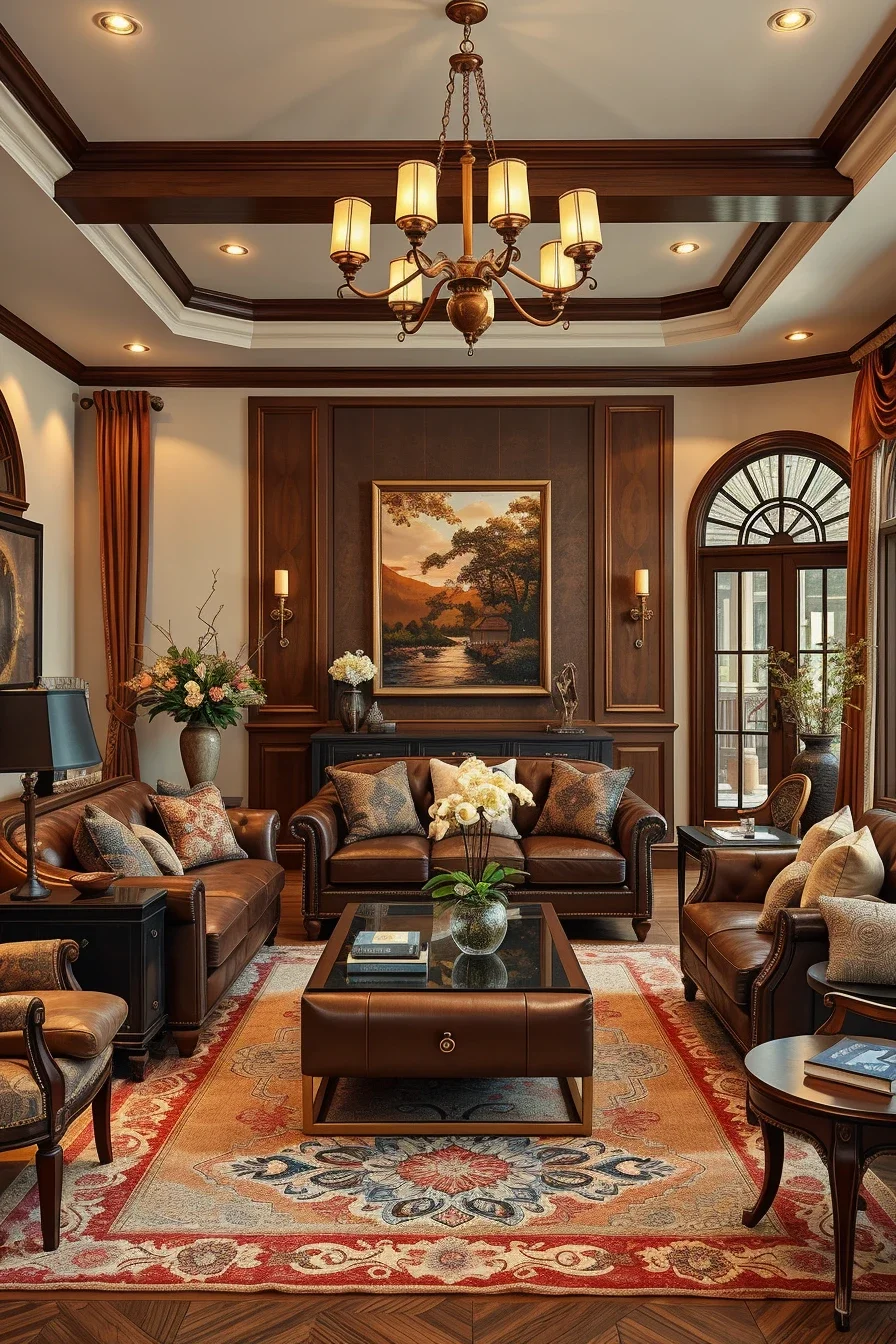
Dark and moody interiors have become one of the most captivating trends in modern home design, offering a perfect balance of elegance, comfort, and drama. By embracing deep color palettes, rich textures, and carefully layered lighting, these spaces create an atmosphere that feels both luxurious and inviting. Contrary to popular belief, dark interiors do not make a room feel smaller when designed thoughtfully; instead, they add depth, character, and sophistication. From charcoal walls and navy accents to velvet furnishings and warm metallic details, every element contributes to a refined aesthetic. Whether you prefer a contemporary look or a more traditional style, dark and moody design can be adapted to suit a variety of homes and personal tastes. In this article, you’ll discover inspiring ideas, practical decorating tips, and creative ways to bring dramatic beauty into every room of your home.
The Allure Of Dark And Moody Interiors
I find that dark and moody interiors offer a unique balance between drama and comfort. Unlike bright minimalist spaces, darker rooms create a sense of intimacy that encourages relaxation and conversation. Deep colors absorb excess visual noise and allow architectural details, furniture, and decorative accents to stand out in a more intentional way. When designed correctly, these interiors feel sophisticated rather than overwhelming.
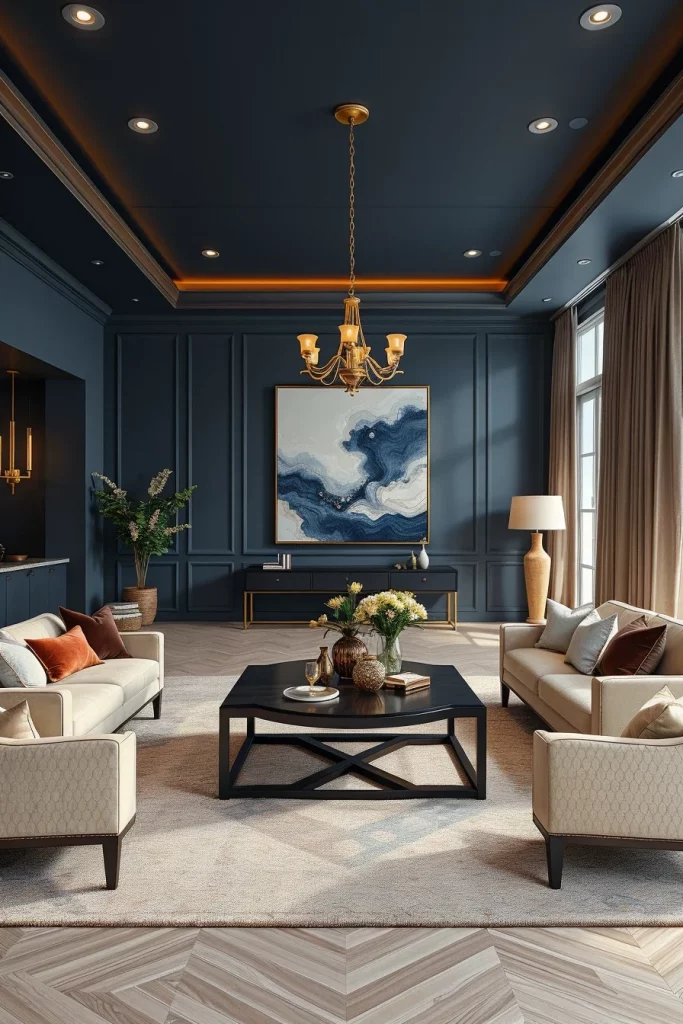
When creating this style, I focus on substantial furniture pieces with clean lines and luxurious materials. Velvet sofas, dark wood coffee tables, leather armchairs, and textured area rugs contribute to the layered atmosphere that defines moody spaces. Decorative elements such as oversized artwork, antique brass fixtures, and sculptural lighting help establish visual interest without cluttering the room.
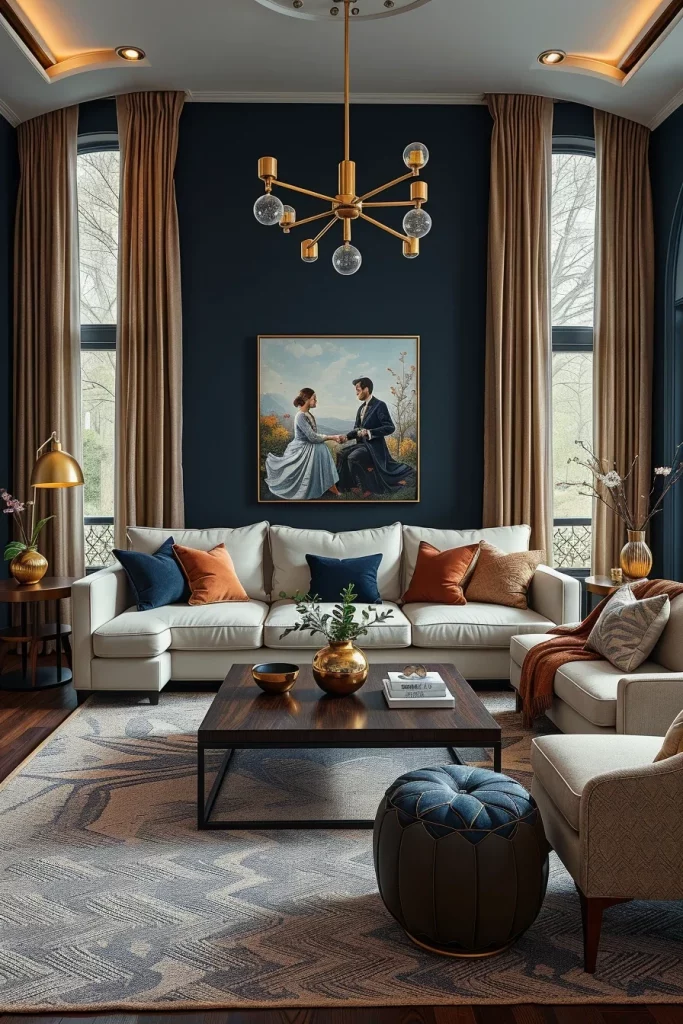
In my experience, many respected interior designers recommend embracing darkness rather than fighting it. Publications such as Architectural Digest frequently highlight how darker palettes can create a cocoon-like effect that feels elegant and timeless. I have found that homeowners are often surprised by how welcoming a dark room can become when balanced with proper lighting and texture.
To complete this type of space, I would also incorporate layered lighting solutions. Wall sconces, floor lamps, and dimmable ceiling fixtures allow the atmosphere to adapt throughout the day while preventing the room from feeling flat or shadowy.
Choosing A Deep Color Palette For Dramatic Spaces
I believe that selecting the right color palette is the foundation of successful dark and moody interiors. Deep shades create visual impact, but the key is choosing colors that complement one another rather than compete for attention. Rich charcoal, navy blue, forest green, and chocolate brown often work beautifully together while maintaining a cohesive aesthetic.
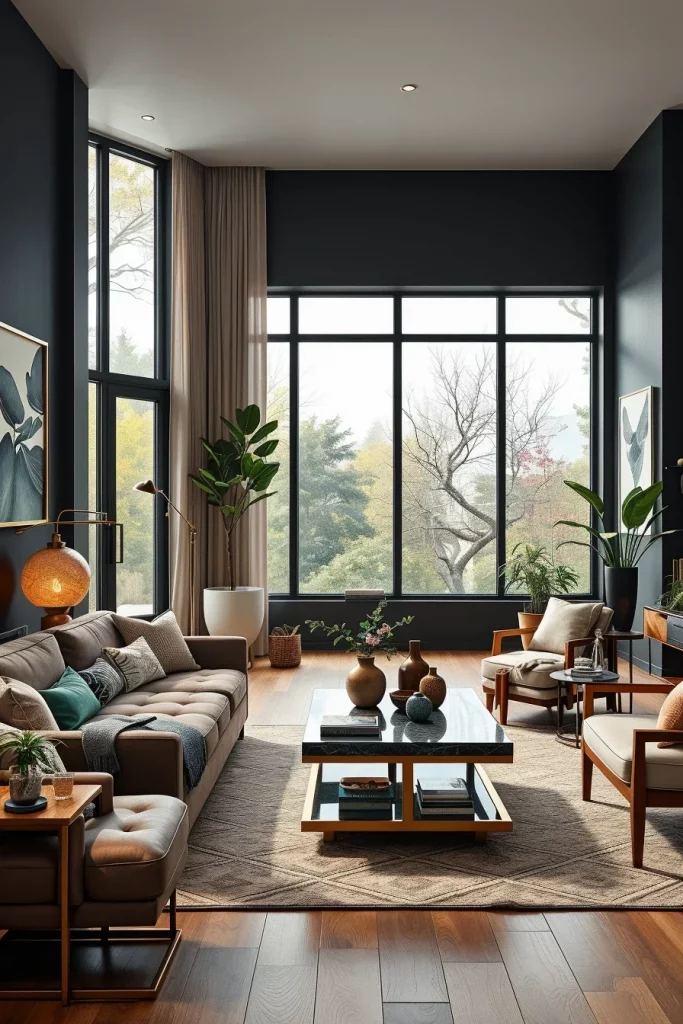
When planning a dramatic palette, I usually begin with a dominant wall color and then introduce secondary tones through upholstery, curtains, and decorative accessories. Dark-colored cabinetry, textured fabrics, and matte finishes help establish depth, while metallic accents provide subtle contrast. The combination creates a layered environment that feels curated rather than monochromatic.
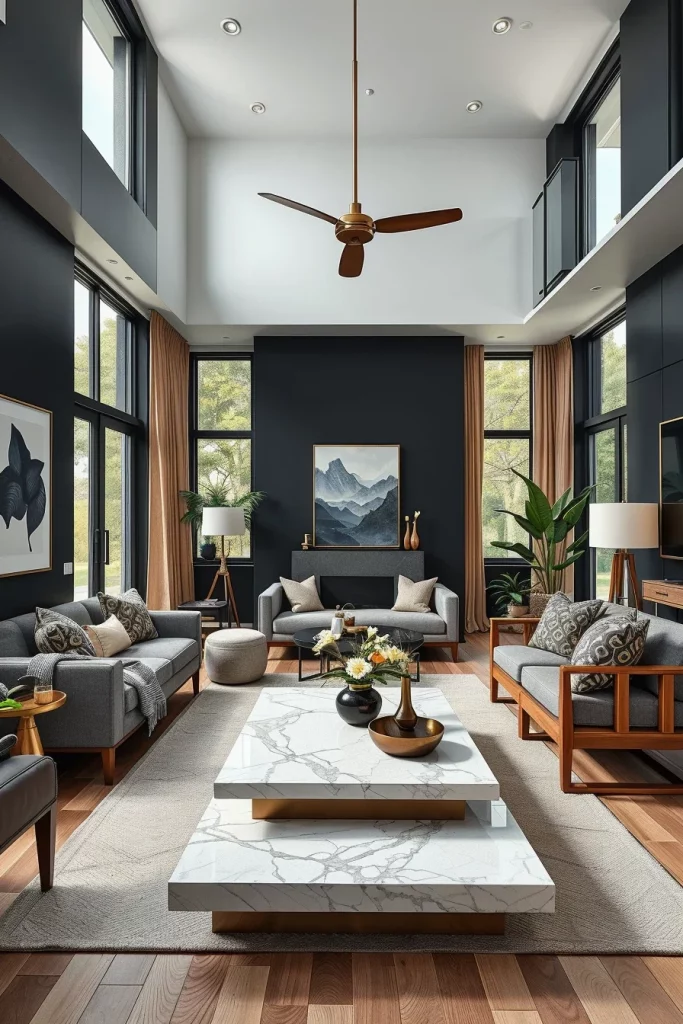
From my perspective, the most successful dramatic interiors use variation within a limited color range. Instead of introducing many unrelated colors, I prefer to explore different shades and undertones of the same family. This approach allows the room to feel cohesive while still offering plenty of visual complexity.
I also recommend adding natural materials such as wood, stone, and linen. These elements soften the intensity of darker colors and create a more balanced and approachable atmosphere.
Charcoal Walls That Create Instant Sophistication
I often recommend charcoal walls to clients who want a bold transformation without committing to pure black. Charcoal provides depth and elegance while remaining versatile enough to complement both traditional and contemporary interiors. The color creates a sophisticated backdrop that allows furniture and artwork to become focal points.
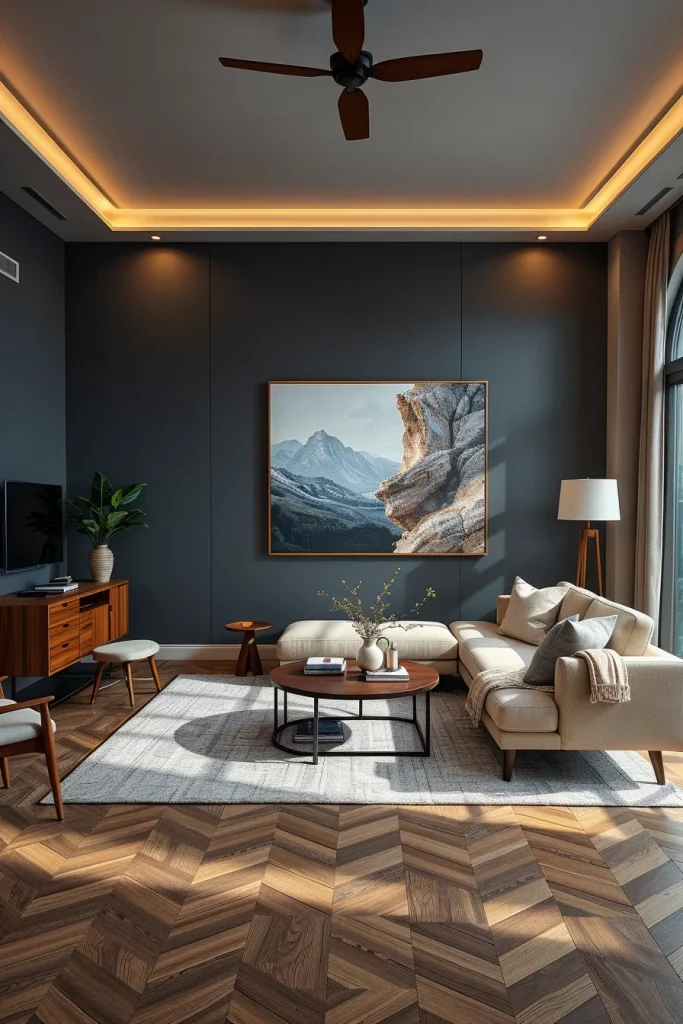
To maximize the effect, I pair charcoal walls with warm wood furnishings, plush seating, and layered textiles. A cream-colored sofa, walnut coffee table, and textured throw pillows introduce contrast while maintaining the room’s refined aesthetic. Large mirrors can also help reflect light and prevent the space from feeling too enclosed.
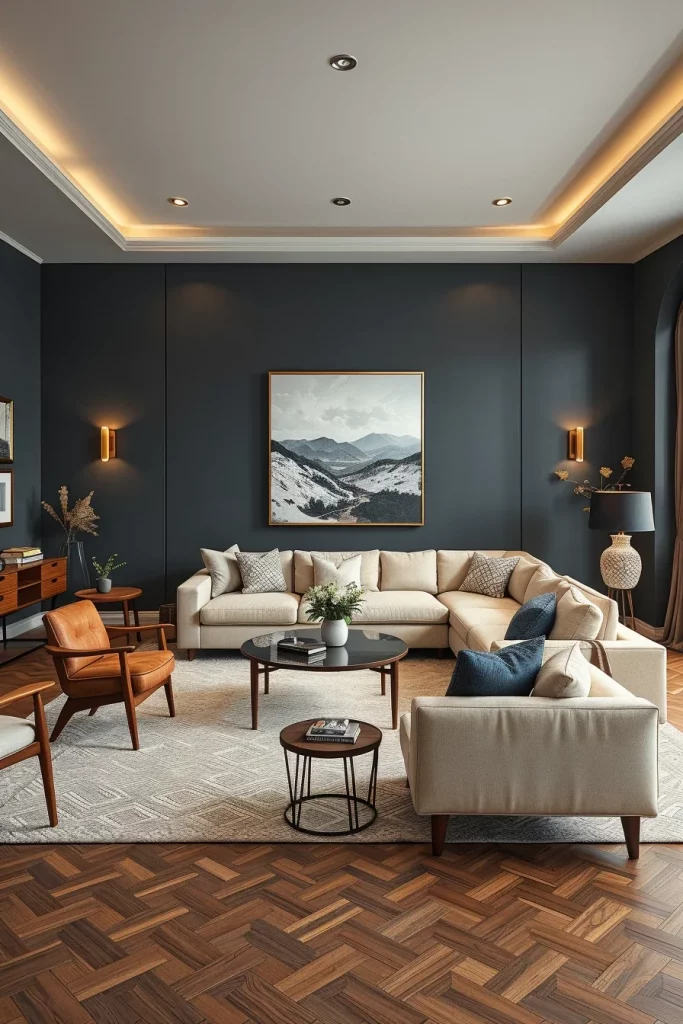
In my experience, charcoal works exceptionally well in living rooms, dining rooms, and home offices. Many professional designers appreciate its ability to create mood without sacrificing flexibility. It adapts beautifully to changing décor styles and seasonal updates.
I would also add statement lighting with warm-toned bulbs. This enhances the richness of the wall color and creates a welcoming ambiance during both daytime and evening hours.
Decorating With Rich Black Tones Without Overwhelming A Room
I consider black one of the most powerful colors in interior design. When used thoughtfully, rich black tones create extraordinary elegance and depth. The secret is balancing dark surfaces with texture, light, and carefully selected accents to avoid a heavy appearance.
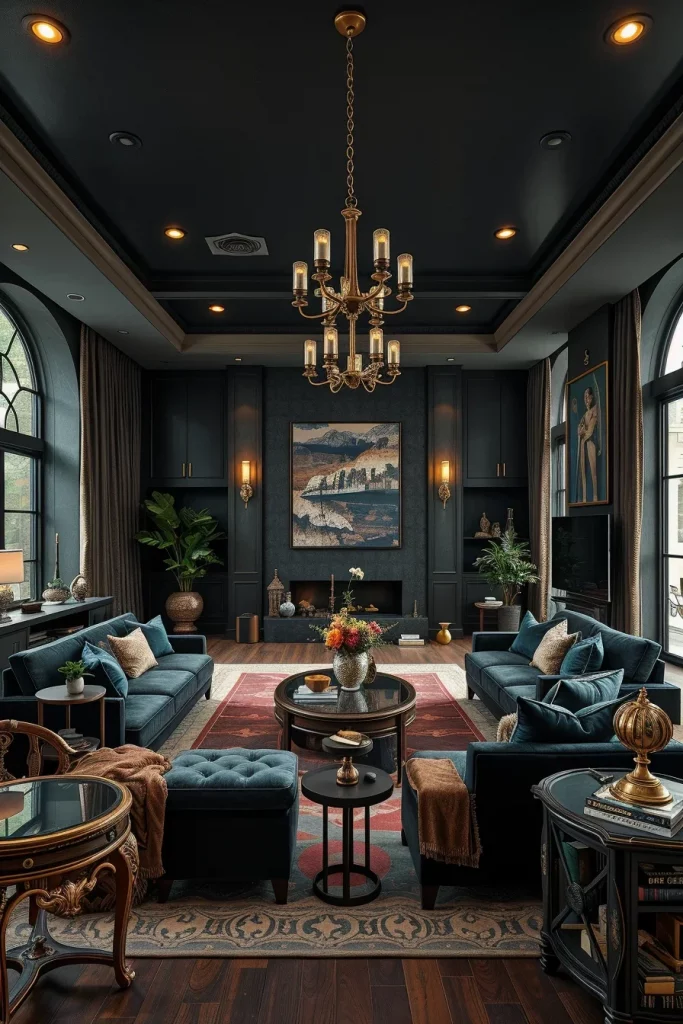
For furnishings, I often choose black cabinetry, accent walls, shelving units, or statement furniture pieces. To maintain visual balance, I introduce materials such as marble, brushed brass, natural wood, and soft textiles. These contrasting elements break up large areas of darkness while adding sophistication and warmth.
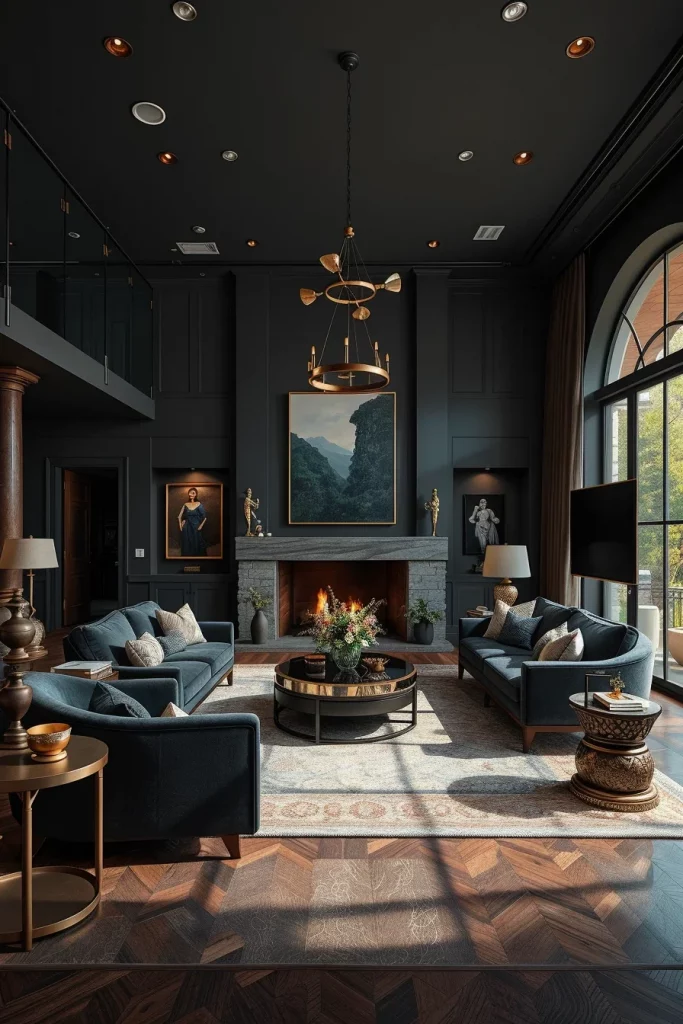
Personally, I have found that black interiors benefit greatly from intentional lighting design. Large windows, layered lighting fixtures, and reflective surfaces help distribute light throughout the room. This strategy prevents the space from feeling closed in and allows the darker palette to appear luxurious rather than intimidating.
One element I would add is greenery. Indoor plants create natural contrast against black surfaces and introduce a sense of freshness that enhances the overall composition.
Moody Navy Interiors With Timeless Appeal
I frequently use navy blue when designing dark and moody interiors because it offers depth without the intensity of black. Navy creates a timeless atmosphere that feels both classic and contemporary. Its versatility makes it suitable for living rooms, bedrooms, dining areas, and even kitchens.
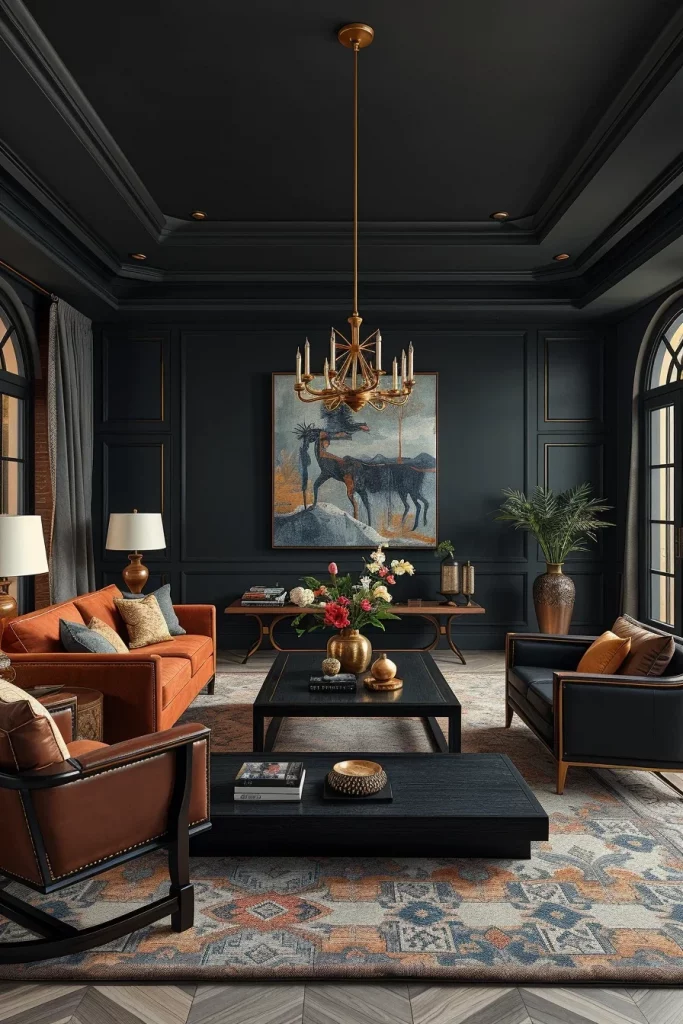
To build a cohesive navy interior, I often combine navy walls with light upholstery, brass hardware, and dark wood furniture. Upholstered seating, elegant drapery, and textured rugs help soften the richness of the color while creating visual comfort. Navy also pairs beautifully with cream, beige, and muted gray accents.
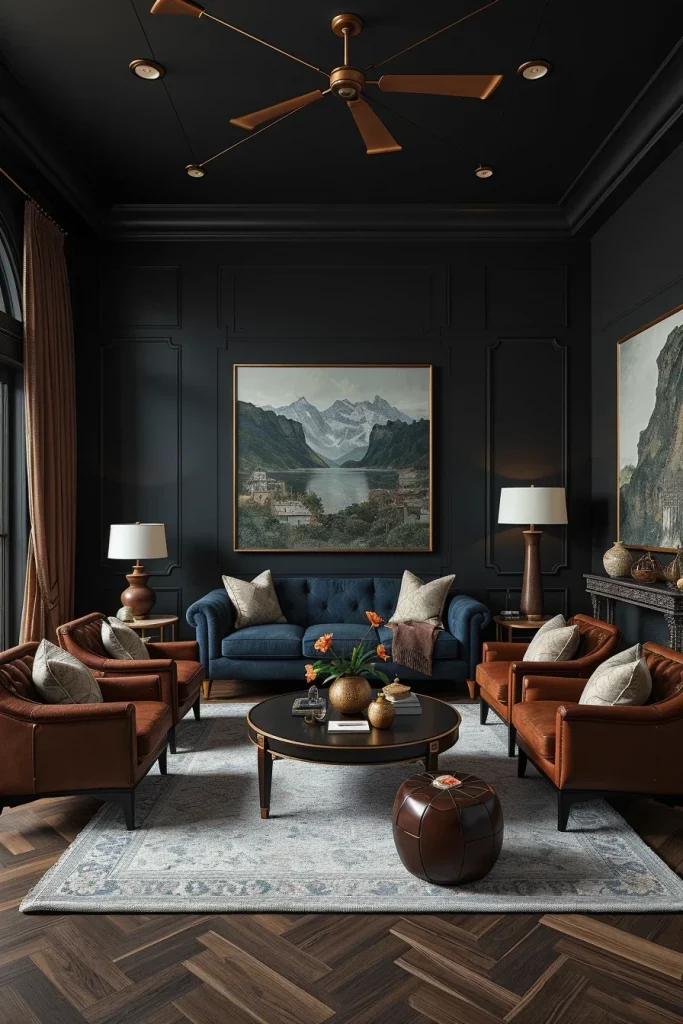
From my perspective, navy remains one of the safest choices for homeowners exploring darker palettes. Design experts frequently praise its ability to feel dramatic yet approachable. I appreciate how it creates a luxurious environment without dominating the entire room.
To further enhance the space, I would introduce layered textiles such as velvet cushions, woven throws, and textured curtains. These additions create depth and make the room feel more inviting.
Forest Green Spaces Inspired By Nature
I often recommend forest green for homeowners who want to embrace the beauty of nature while maintaining the elegance of dark and moody interiors. This rich color creates a calming atmosphere that feels grounded and sophisticated. Forest green works especially well in living rooms and bedrooms where comfort and relaxation are priorities. The shade adds character without feeling overpowering and pairs beautifully with a variety of materials.
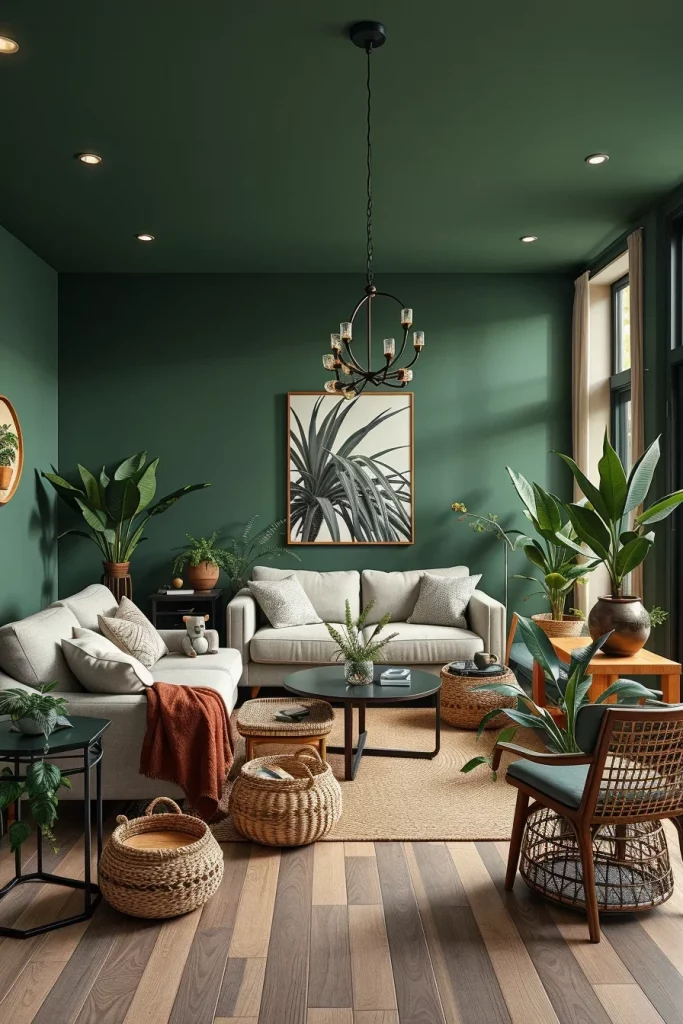
When designing a forest green space, I like to combine the wall color with natural wood furniture, linen upholstery, and black metal accents. A comfortable sofa in a neutral tone, wooden coffee tables, and woven baskets help reinforce the organic feel of the room. Indoor plants naturally complement the palette and strengthen the connection to nature while adding texture and freshness.
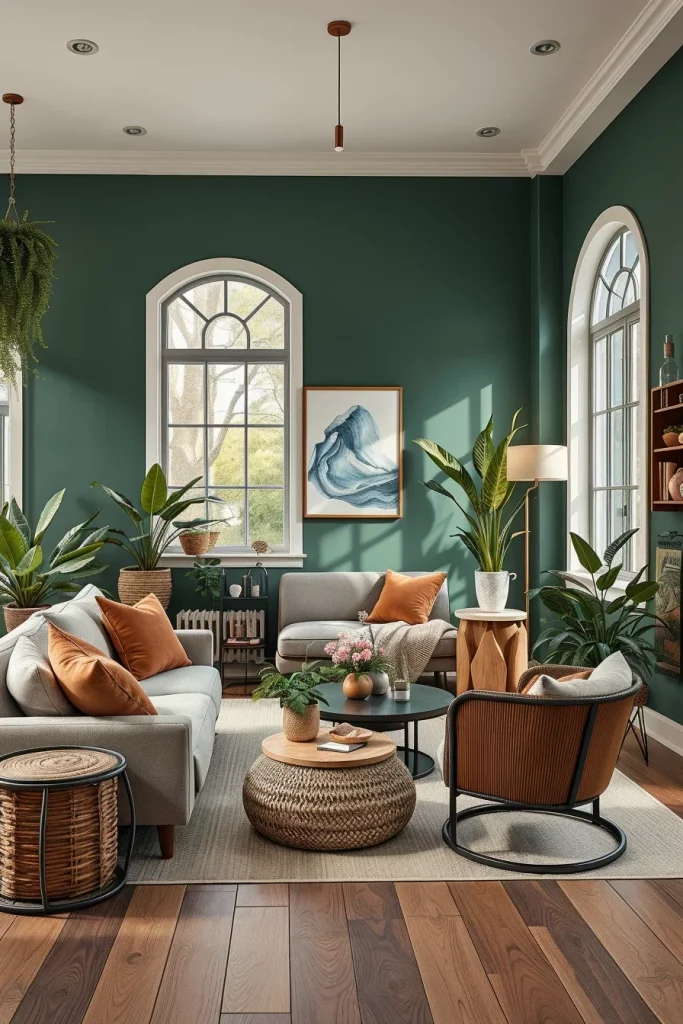
In my experience, forest green is one of the most versatile dark colors available. Many designers appreciate its ability to adapt to both traditional and contemporary interiors. I have found that it creates a sense of tranquility while still delivering the dramatic visual impact many homeowners desire.
To complete the design, I would add layered lighting and textured fabrics. Velvet cushions, wool throws, and soft curtains help create a welcoming environment while enhancing the richness of the green tones.
Warm Chocolate Brown Accents For Cozy Elegance
I find that chocolate brown introduces warmth and comfort into dark interiors without sacrificing sophistication. While some homeowners focus exclusively on black or gray tones, chocolate brown adds a softer dimension that feels inviting and timeless. It works particularly well in family rooms, libraries, and dining areas where a cozy atmosphere is important.
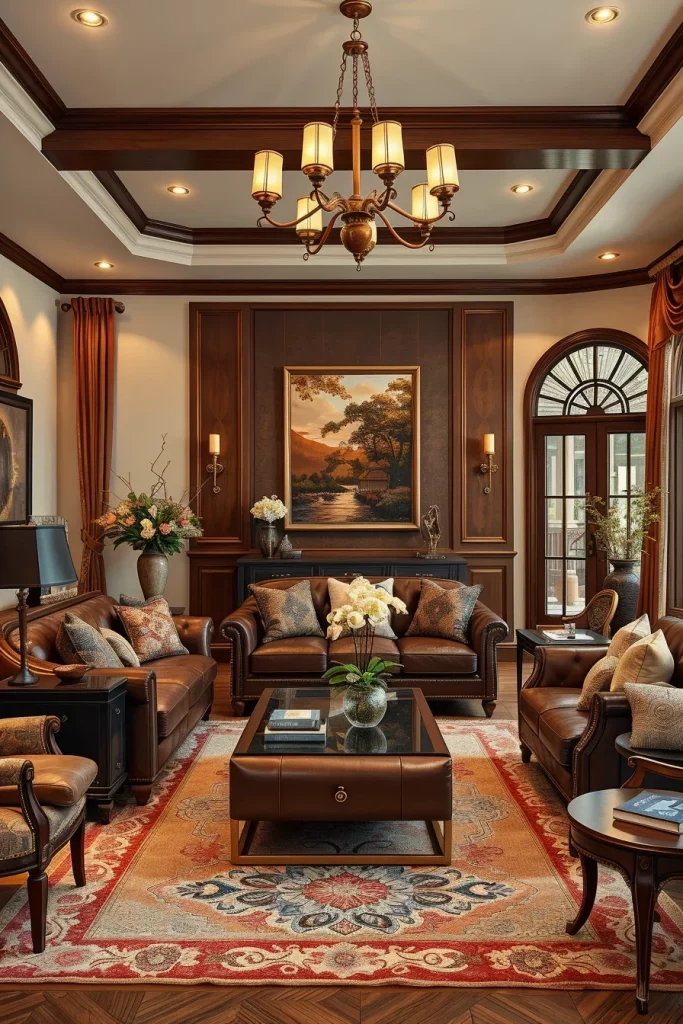
For furnishings, I often select brown leather seating, dark wood cabinetry, and richly stained furniture pieces. These elements create visual warmth while complementing darker wall colors. Soft area rugs, textured curtains, and decorative ceramics further contribute to the layered and welcoming aesthetic.
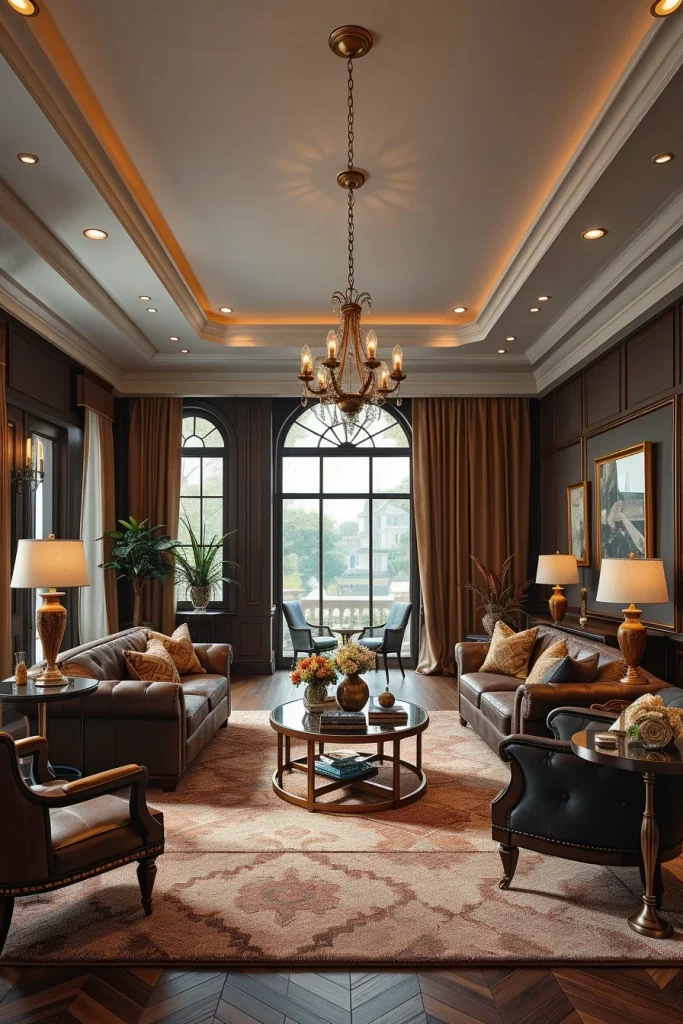
Personally, I appreciate how chocolate brown balances dramatic interiors. Interior design experts frequently recommend incorporating warmer shades into dark palettes to prevent spaces from feeling too cold or severe. I have consistently seen this approach create more comfortable and livable environments.
I would also include warm metallic finishes such as antique brass or bronze. These details reflect light beautifully and enhance the luxurious quality of the space.
Layering Dark Shades For Depth And Dimension
One of the most effective techniques I use in dark and moody interiors is layering multiple dark shades throughout the room. Rather than relying on a single color, combining charcoal, navy, forest green, and brown tones creates visual depth that feels sophisticated and dynamic. This approach helps prevent interiors from appearing flat or one-dimensional.
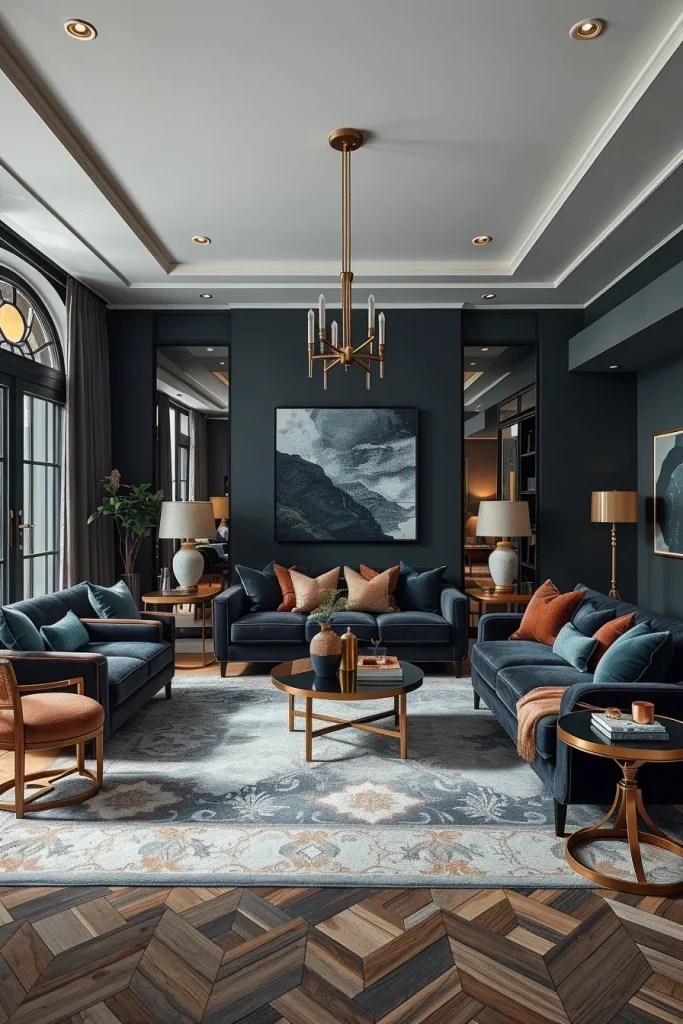
When layering colors, I typically begin with the largest surfaces such as walls and flooring. I then introduce complementary shades through furniture, textiles, and accessories. Dark velvet seating, richly colored drapery, and textured rugs create subtle transitions between tones while maintaining a cohesive design.
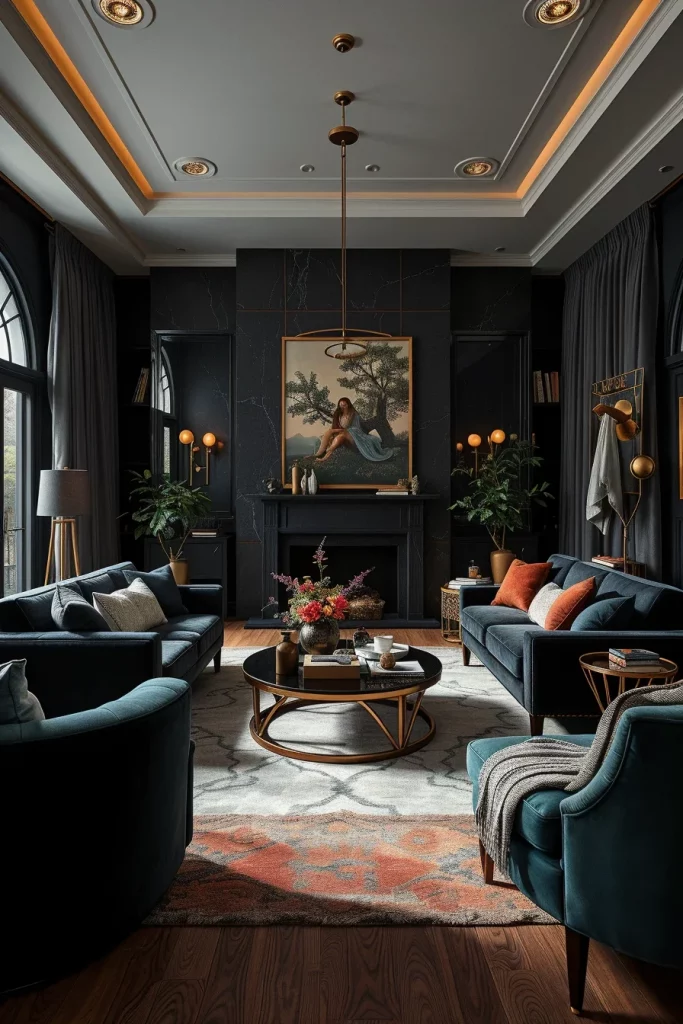
From my perspective, layering is what separates a professionally designed space from one that simply uses dark paint. The interaction between various shades creates complexity and interest. I often encourage homeowners to experiment with textures as well, since texture plays an equally important role in establishing depth.
To strengthen this effect, I would incorporate reflective surfaces such as mirrors, glass accessories, or metallic accents. These elements catch available light and highlight the different layers within the room.
Statement Ceilings In Dark And Dramatic Colors
I believe that ceilings are one of the most overlooked design opportunities in modern homes. A dark ceiling can completely transform the character of a room by drawing the eye upward and creating a dramatic architectural statement. Deep charcoal, navy, and black ceilings work particularly well in spaces with adequate natural light and generous ceiling height.
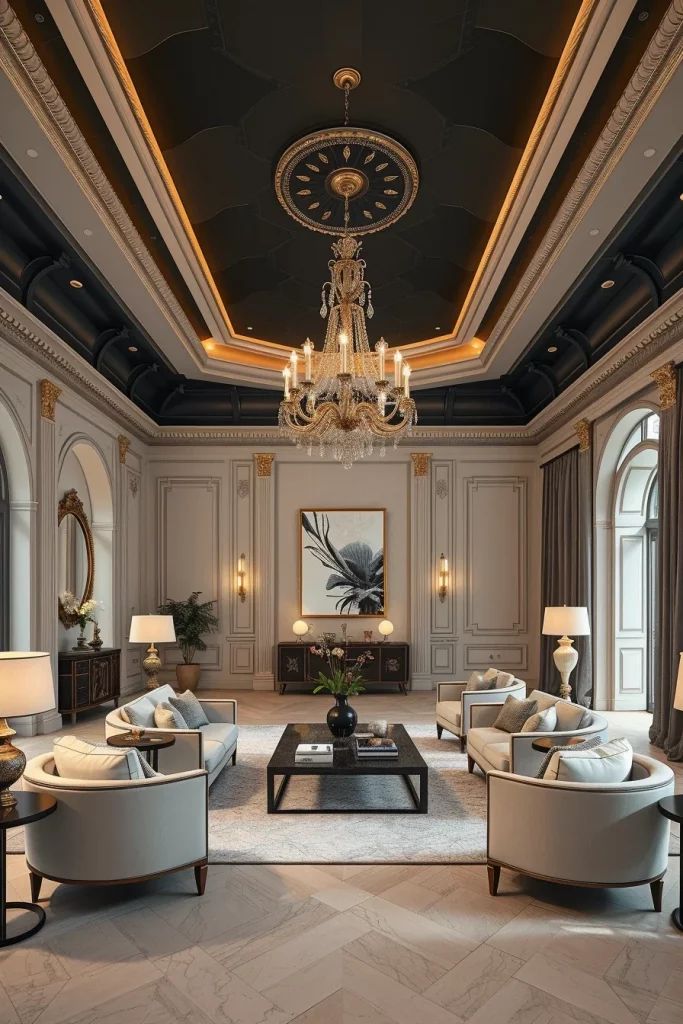
To balance a dark ceiling, I usually pair it with lighter furnishings and carefully selected lighting fixtures. Elegant chandeliers, recessed lighting, and wall sconces help illuminate the space while emphasizing the ceiling’s visual impact. Furniture with clean lines prevents the room from feeling overly busy and allows the architectural elements to shine.
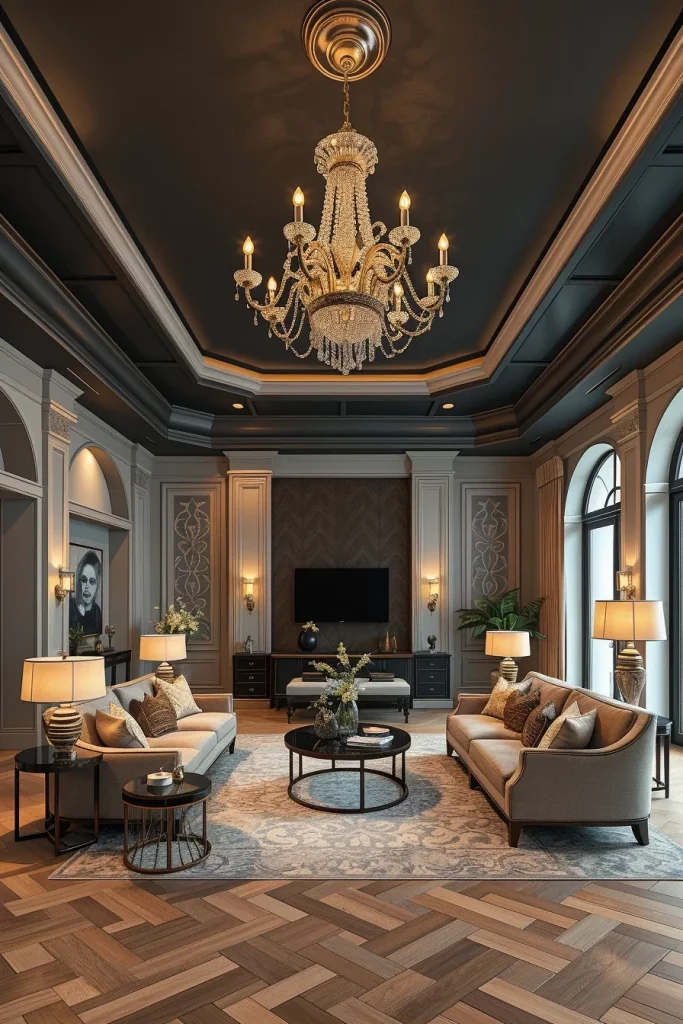
In my experience, many homeowners hesitate to paint ceilings dark because they fear the room will feel smaller. However, I have often found the opposite effect. A dark ceiling can blur visual boundaries and create a more immersive environment when executed thoughtfully.
I would also consider decorative ceiling moldings or beams painted in complementary shades. These details add texture and architectural interest while reinforcing the room’s sophisticated aesthetic.
Creating Contrast With Light Architectural Features
I have found that contrast is essential when designing successful dark and moody interiors. While dark colors establish the mood, lighter architectural features prevent the space from feeling overly heavy. White trim, light-colored moldings, stone fireplaces, and bright window frames create visual balance and highlight architectural details.
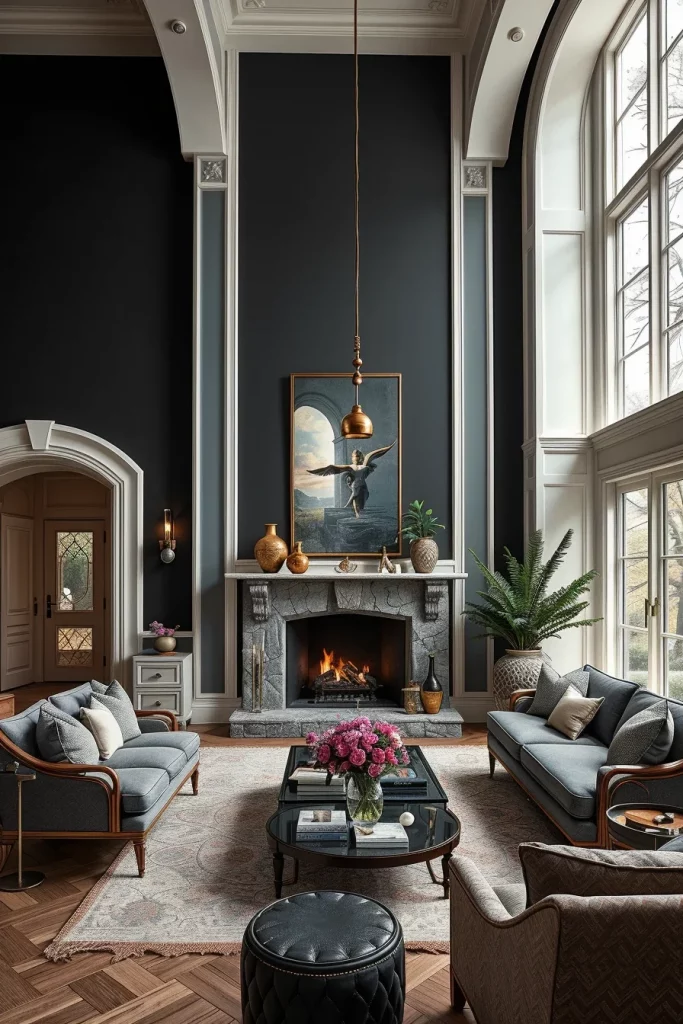
When designing with contrast, I often use dark walls alongside crisp white baseboards, ceilings, or built-in shelving. Natural stone surfaces and light-toned flooring can also help break up darker areas while introducing texture. This combination creates a striking visual effect that feels refined and intentional.
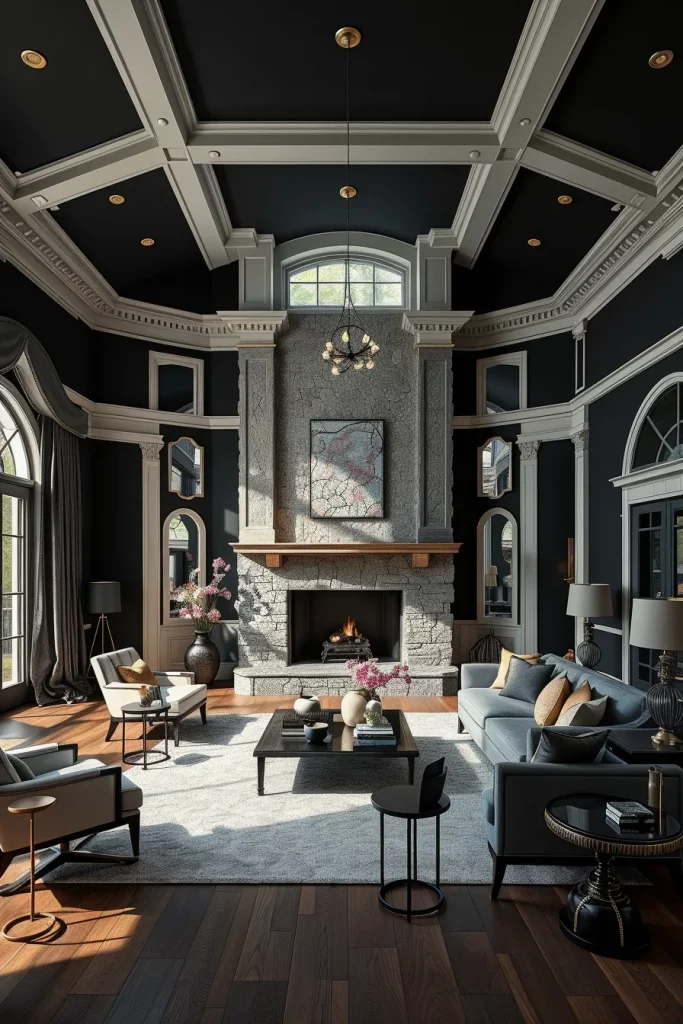
Personally, I consider contrast one of the most important principles in dark interior design. Many leading designers emphasize the importance of balancing dark and light elements to maintain harmony. I have seen even the darkest rooms feel bright and welcoming when architectural features are used strategically.
To further enhance the design, I would introduce artwork with lighter tones and carefully positioned mirrors. These additions reflect light throughout the room and create additional visual contrast without disrupting the overall mood.
Luxurious Velvet Furniture In Moody Interiors
When I design dark and moody interiors, velvet is often one of the first materials I consider. Its soft texture naturally reflects light, creating subtle highlights that prevent dark rooms from feeling flat or lifeless. Deep jewel tones such as emerald green, navy blue, charcoal, and burgundy work particularly well in moody spaces because they add richness while maintaining the sophisticated atmosphere. Velvet furniture instantly introduces warmth and visual depth, making the room feel inviting and luxurious.
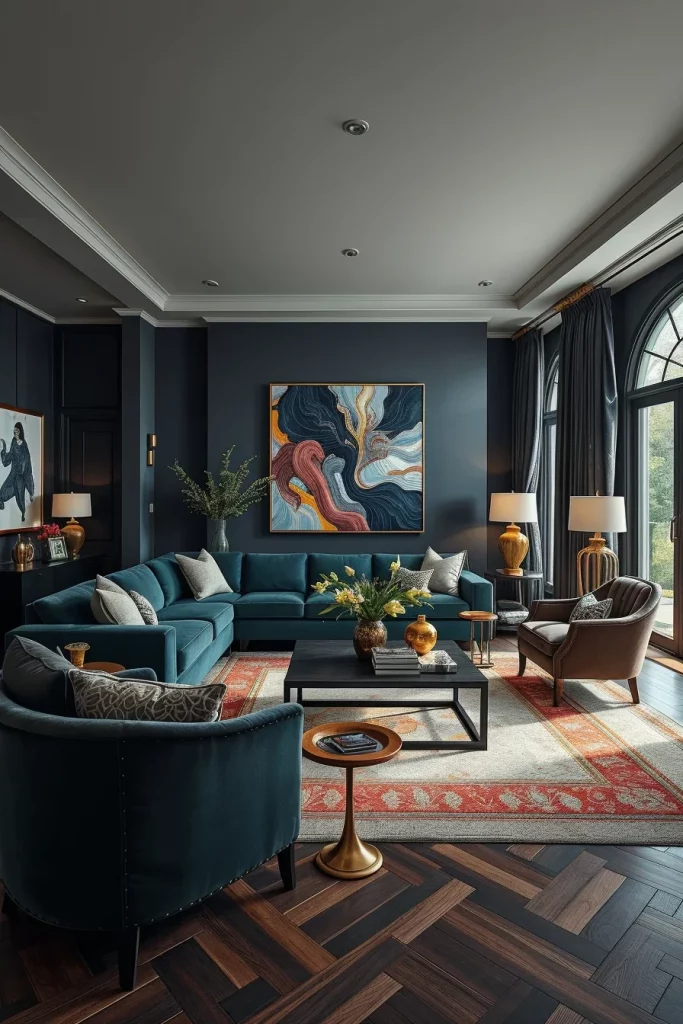
I often recommend a large velvet sofa as the centerpiece of the room. Accent chairs upholstered in matching or complementary velvet tones create cohesion, while velvet ottomans add both comfort and functionality. Decorative cushions with varying textures, dark wood coffee tables, and layered area rugs help balance the softness of velvet. Together, these elements create a carefully curated interior that feels elegant without appearing overly formal.
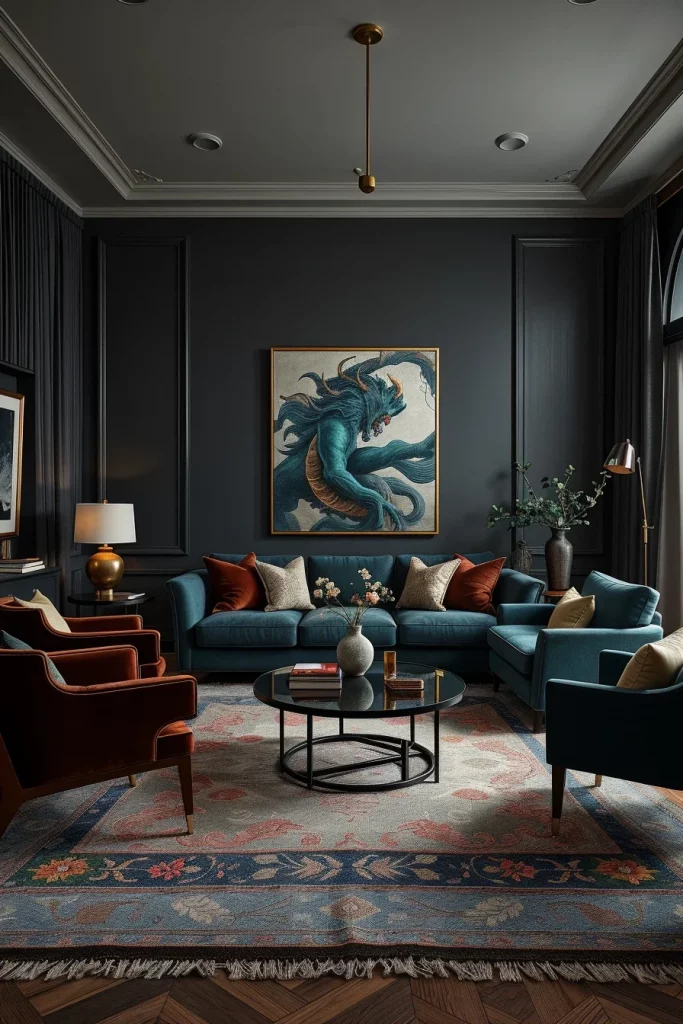
In my experience, many designers featured in respected publications such as Architectural Digest frequently emphasize the importance of texture when decorating dark rooms. I agree with this approach because texture creates movement and prevents monochromatic color schemes from feeling dull. Velvet is particularly effective because it changes appearance throughout the day as natural and artificial light interact with its surface.
To complete this type of space, I would add oversized artwork, warm metallic accessories, and carefully selected lighting fixtures. These details enhance the luxurious atmosphere while ensuring that the room maintains visual interest from every angle.
Leather Seating That Adds Character And Warmth
Leather seating is one of my favorite additions to dark and moody interiors because it introduces a timeless quality that becomes more beautiful with age. Unlike many materials, leather develops a unique patina that adds personality and authenticity to a space. Dark leather furniture pairs naturally with moody color palettes, helping create interiors that feel grounded and sophisticated.
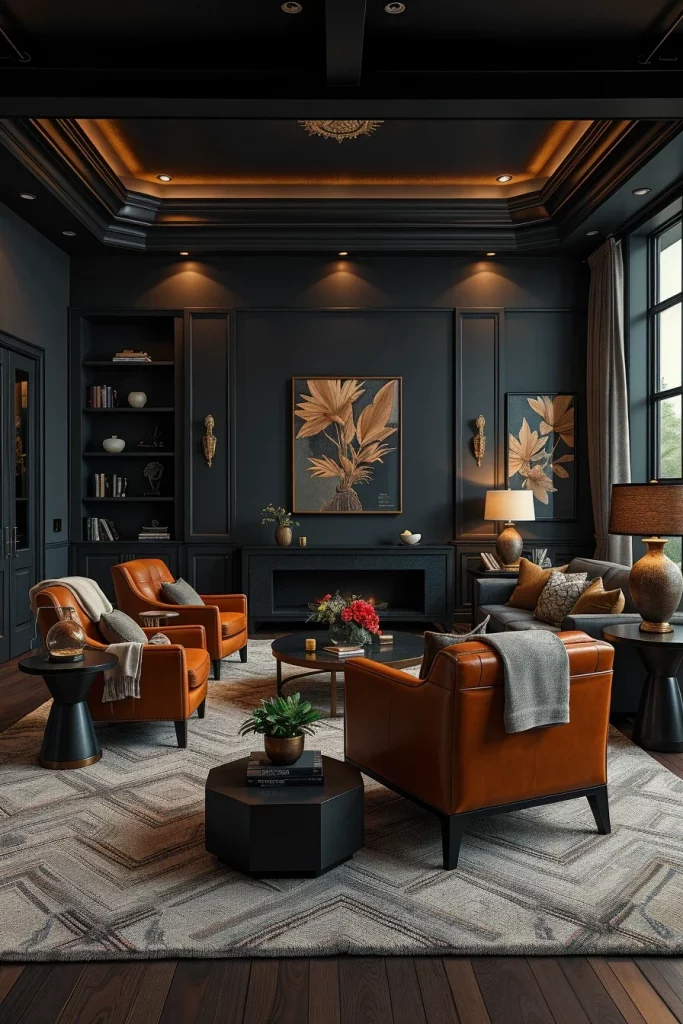
I often incorporate leather armchairs, sectionals, or accent benches in shades of cognac, espresso, or deep brown. These pieces work exceptionally well alongside dark painted walls, black shelving, and rich wood finishes. Leather also provides a practical advantage because it is durable and relatively easy to maintain, making it suitable for both family homes and entertaining spaces.
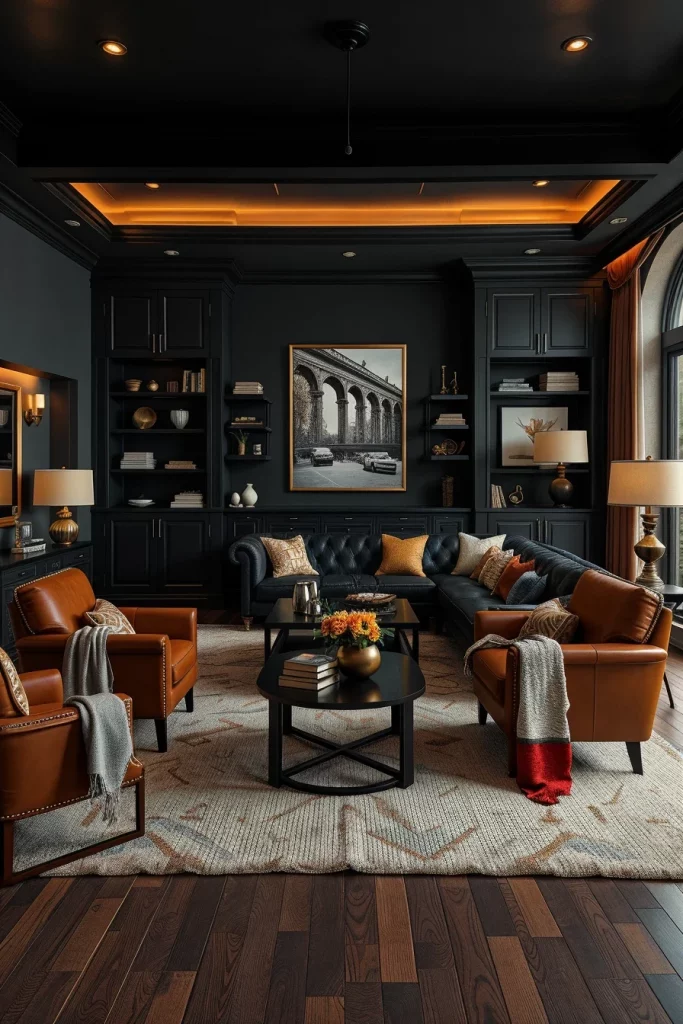
From my perspective, leather creates an ideal balance between luxury and comfort. Many professional designers recommend combining leather with softer materials such as wool throws, velvet cushions, and textured rugs. I have found that this combination creates a layered aesthetic that feels comfortable while maintaining the dramatic appeal associated with moody interiors.
To further enhance the design, I would include antique-inspired accessories, bookshelves, and warm accent lighting. These additions strengthen the welcoming atmosphere while highlighting the natural beauty of the leather furniture.
Dark Wood Furniture For A Refined Atmosphere
Dark wood furniture plays a crucial role in establishing the elegance associated with dark and moody interiors. Rich wood finishes introduce natural warmth while reinforcing the room’s sophisticated character. Walnut, mahogany, and dark oak are particularly effective because they bring depth without overwhelming the overall design scheme.
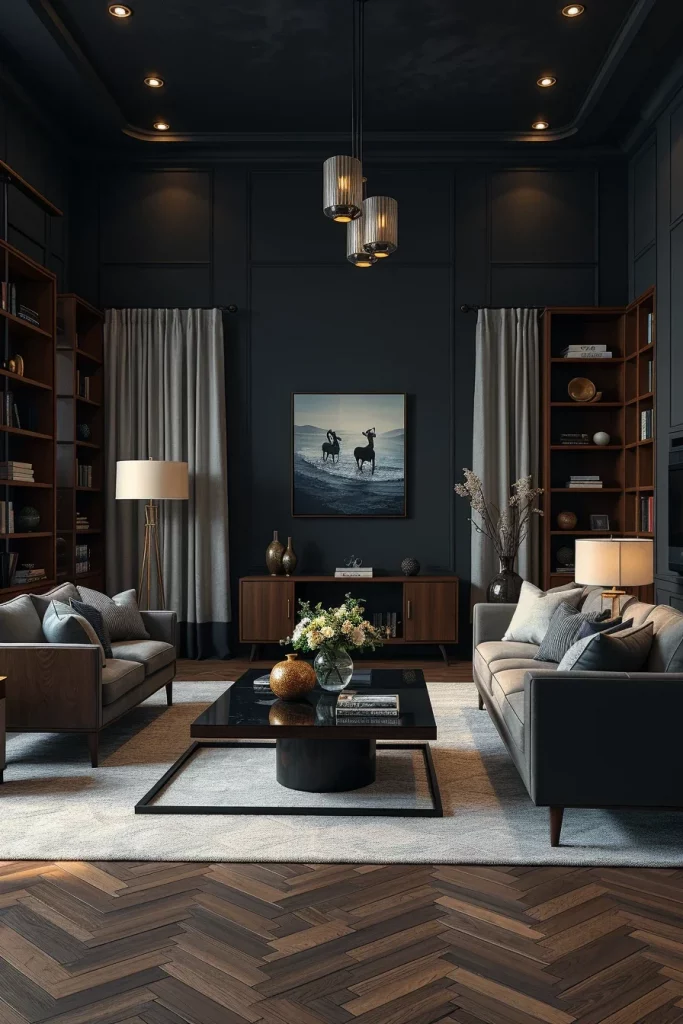
When selecting furniture, I focus on substantial pieces that showcase beautiful craftsmanship. A dark wood sideboard, coffee table, media console, or bookshelf can serve as an anchor for the entire room. These elements create visual stability while complementing dark wall colors and dramatic decorative accents.
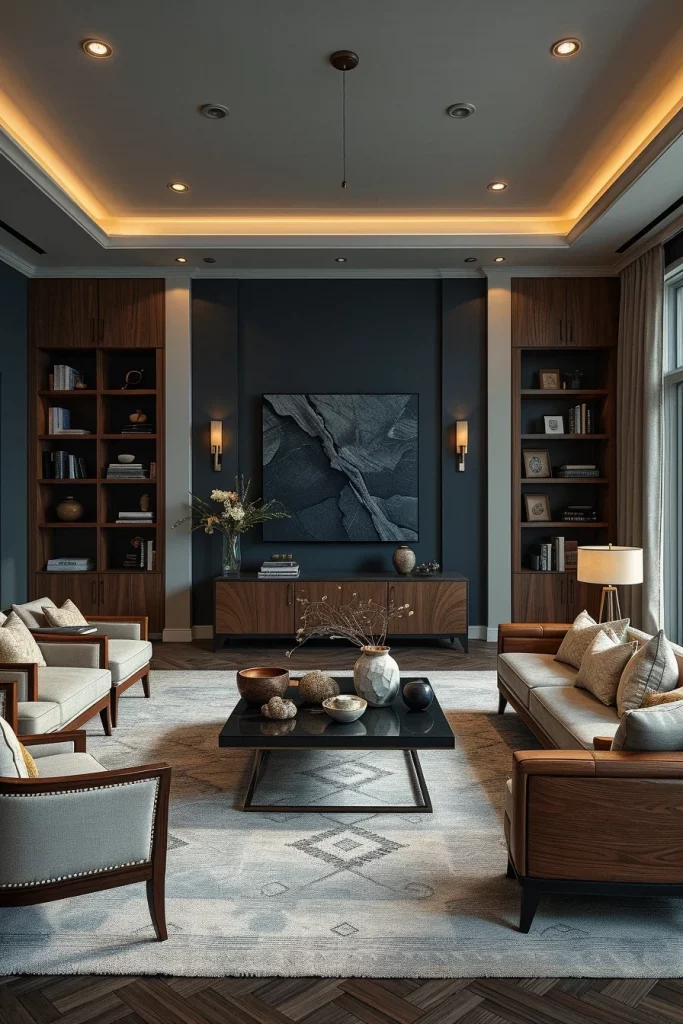
I have noticed that some homeowners hesitate to use dark furniture because they fear it will make the room feel smaller. In practice, I often find the opposite to be true. Well-designed dark furniture blends harmoniously with moody walls, creating a seamless look that can make a room feel larger and more cohesive. The key is balancing darker elements with strategic lighting and varied textures.
I would also incorporate natural materials such as stone accessories, linen curtains, and ceramic decor. These additions soften the richness of the wood while introducing subtle contrast that keeps the space visually engaging.
Using Metallic Accents To Brighten Dark Rooms
One of the most effective ways I enhance dark and moody interiors is through carefully selected metallic accents. Metals reflect light and create visual highlights that prevent dark spaces from feeling too heavy. Even a few metallic details can dramatically transform the atmosphere of a room.
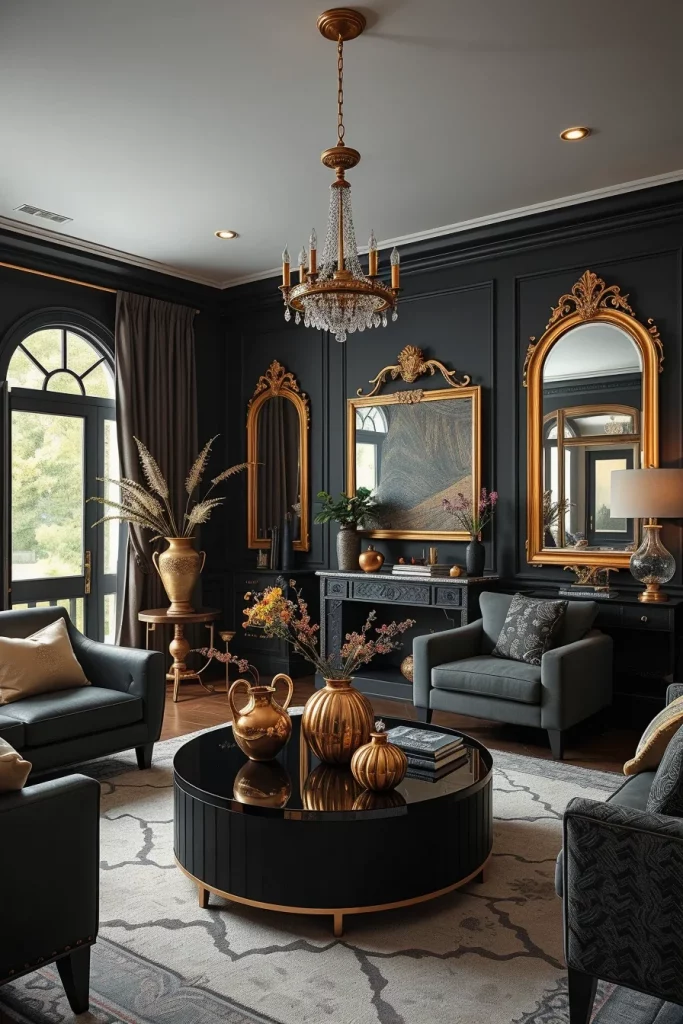
I typically use brass, bronze, aged gold, or blackened steel finishes depending on the overall style of the space. Metallic-framed mirrors, decorative trays, table lamps, cabinet hardware, and coffee table accessories all contribute to a refined appearance. These accents catch both natural and artificial light, adding dimension and elegance throughout the room.
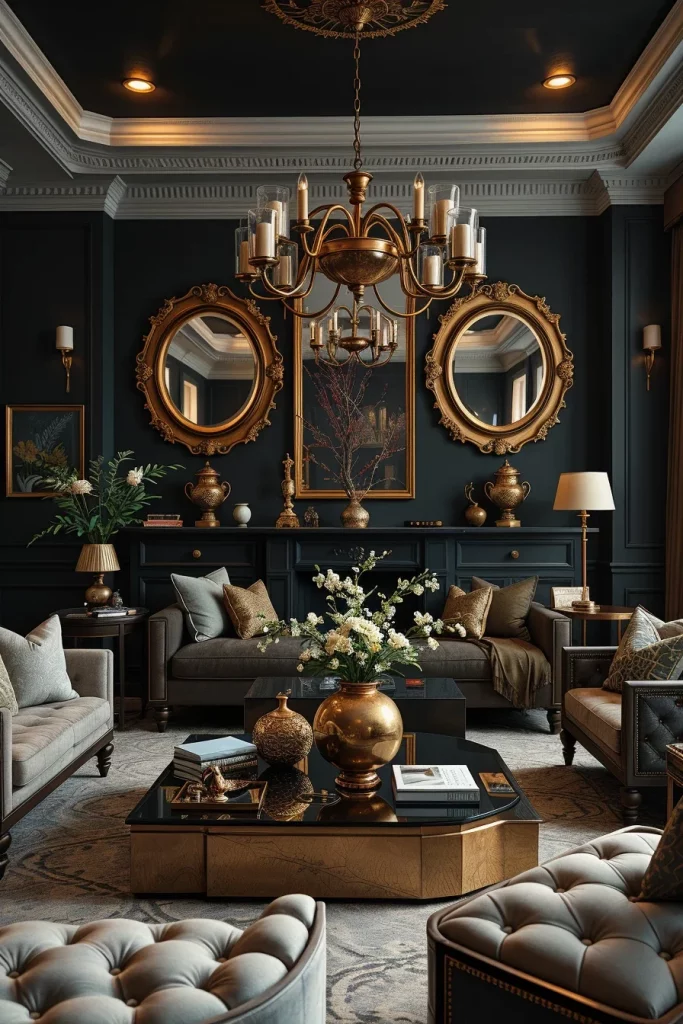
In my experience, restraint is important when incorporating metallic elements. Rather than filling a room with shiny surfaces, I prefer strategically placing a few impactful pieces. This approach maintains the sophistication of the dark palette while introducing enough contrast to create balance.
To strengthen the design further, I would add large mirrors and reflective surfaces positioned opposite light sources. This simple technique increases brightness while preserving the intimate atmosphere that makes moody interiors so appealing.
The Beauty Of Layered Lighting In Moody Spaces
Layered lighting is one of the most important design principles I follow when creating dark and moody interiors. Without proper lighting, even the most beautifully decorated dark room can feel uninviting. A layered approach allows me to control brightness, highlight architectural features, and create different moods throughout the day.
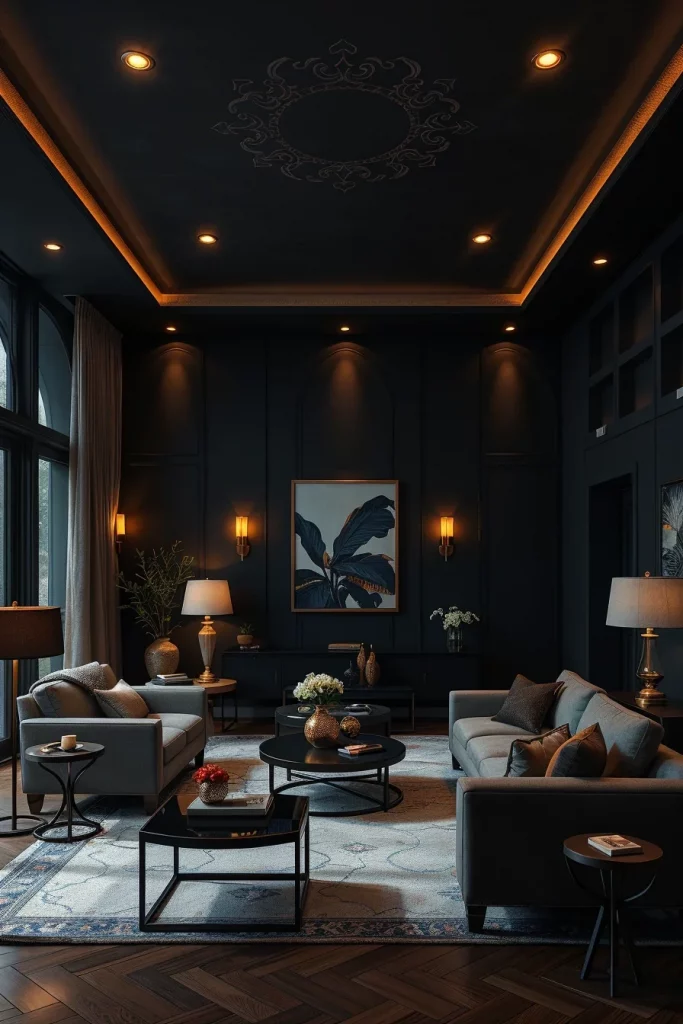
I typically combine ambient, task, and accent lighting to achieve balance. Recessed ceiling lights provide general illumination, while floor lamps and table lamps introduce softer pools of light. Wall sconces, picture lights, and under-shelf lighting help emphasize textures, artwork, and architectural details. This combination creates depth and prevents harsh shadows.
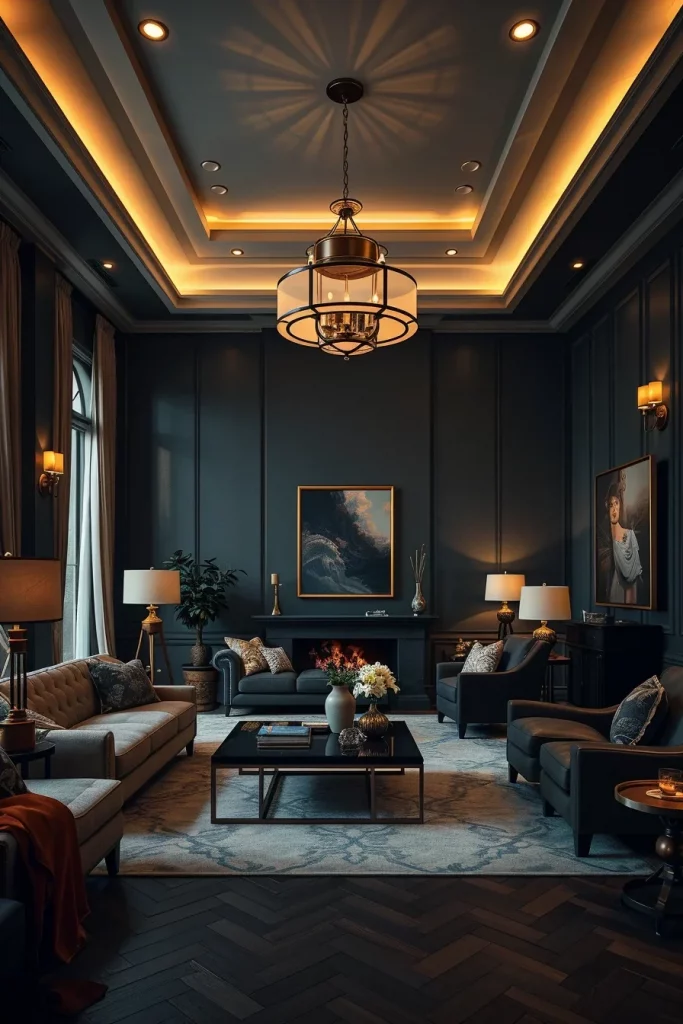
I often advise homeowners to install dimmer switches whenever possible. Many interior designers recommend this strategy because it allows lighting levels to be adjusted according to the activity and time of day. I have found that dimmable lighting significantly enhances the versatility of moody interiors, making them suitable for both entertaining and relaxation.
To complete the lighting scheme, I would include candles, decorative lanterns, and statement fixtures that complement the room’s overall design aesthetic. These elements contribute additional warmth while reinforcing the intimate atmosphere that defines successful dark interiors.
Dramatic Chandeliers That Become Focal Points
A dramatic chandelier can completely transform dark and moody interiors by introducing elegance, scale, and visual interest. When I design darker spaces, I often use a statement chandelier as the room’s centerpiece because it naturally draws the eye upward and creates a sense of luxury. Whether the style is contemporary, industrial, or classic, the right fixture helps establish the character of the entire room.
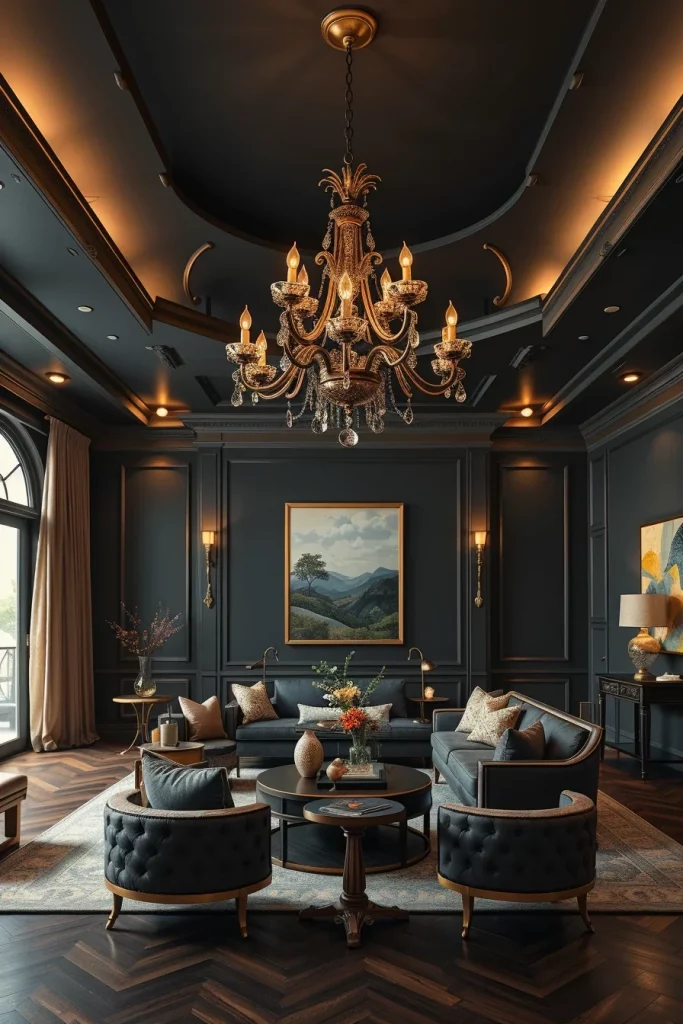
I typically select chandeliers with sculptural forms, layered glass, aged brass finishes, or black metal frames. In living rooms, they help define seating areas, while in dining rooms they create intimacy above the table. I find that oversized fixtures work particularly well in moody interiors because they balance the depth of dark walls and furniture. The chandelier should feel substantial enough to anchor the room without overwhelming the surrounding décor.
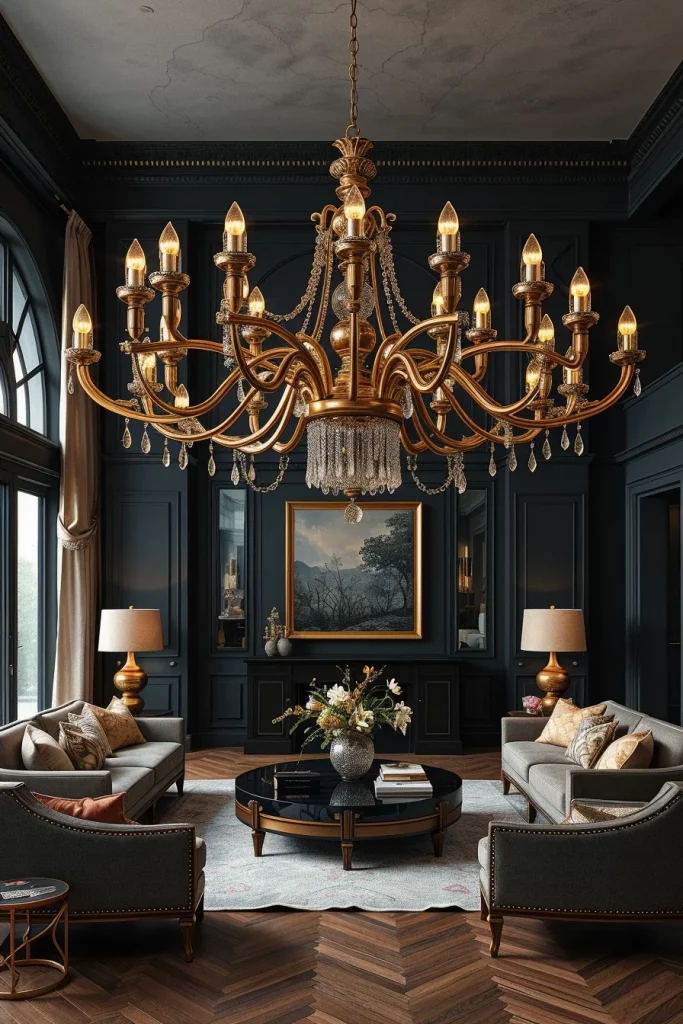
From my experience, many leading interior designers recommend treating lighting fixtures as functional art. I agree with this philosophy because a well-chosen chandelier contributes beauty even when it is turned off. During the evening, the fixture creates reflections and highlights that add movement to the room and prevent dark surfaces from appearing static.
To enhance this design approach, I would pair the chandelier with complementary wall sconces and metallic decorative accents. These supporting elements reinforce the room’s visual hierarchy and create a cohesive lighting scheme.
Ambient Lighting Ideas For A Cozy Mood
Creating a cozy atmosphere is essential in dark and moody interiors, and ambient lighting plays a major role in achieving that goal. I focus on producing soft, diffused illumination that enhances comfort while preserving the dramatic nature of the design. Proper ambient lighting ensures that dark rooms feel inviting rather than gloomy.
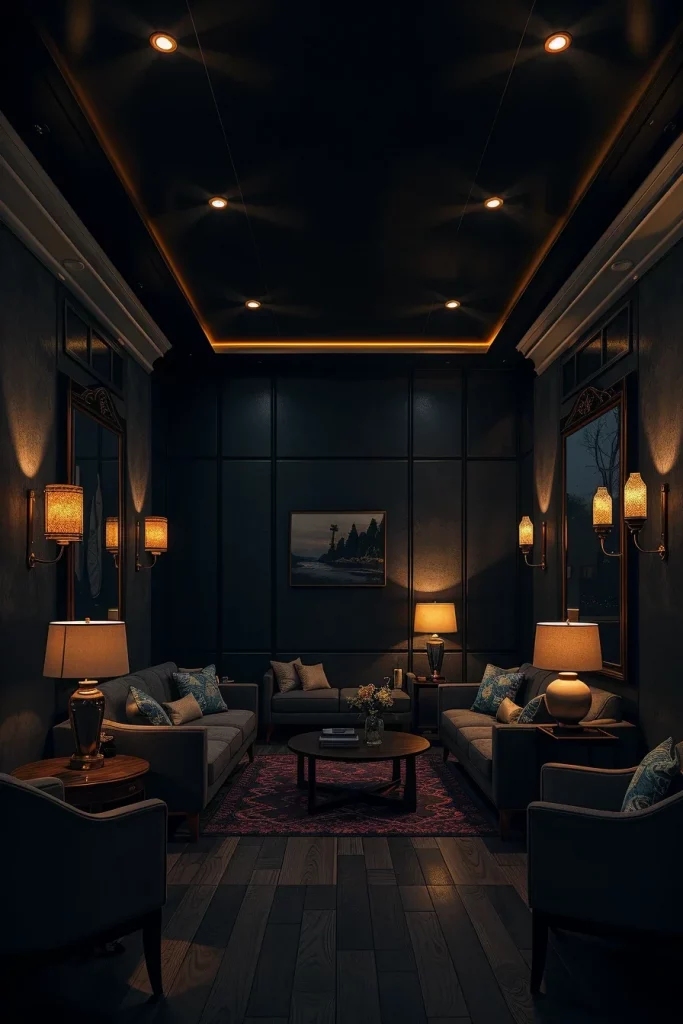
I often incorporate table lamps with fabric shades, floor lamps positioned near seating areas, and concealed LED strips behind shelving or architectural features. These light sources create a gentle glow that fills the room without introducing harsh brightness. Warm light temperatures are especially important because they complement dark colors and rich materials.
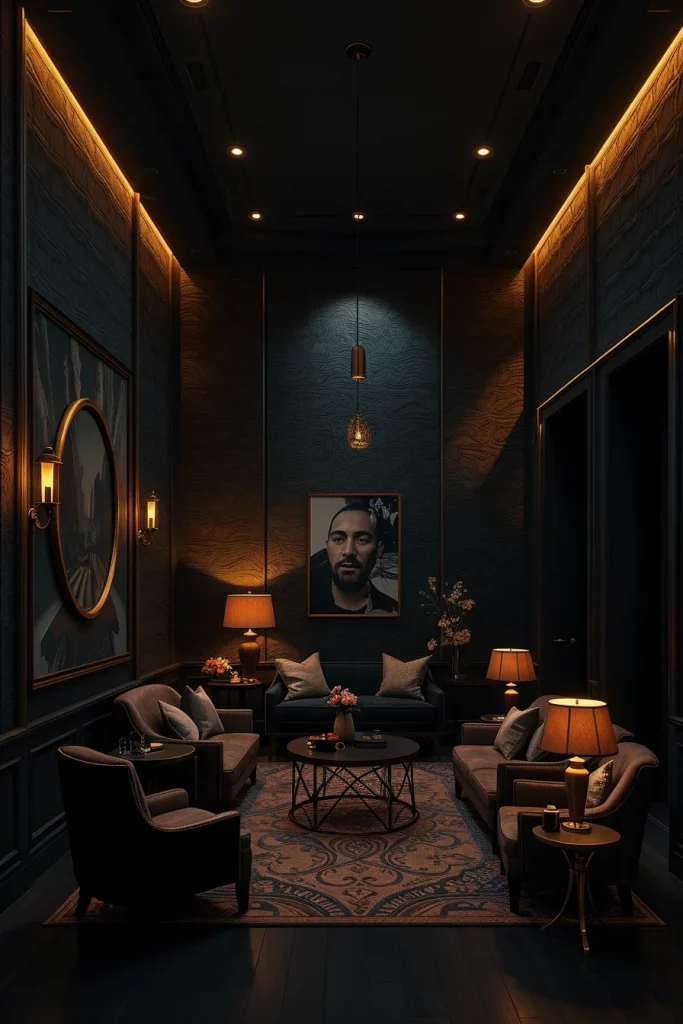
In my projects, I have found that layering multiple low-level light sources creates a more sophisticated result than relying on a single overhead fixture. This strategy allows different parts of the room to feel intimate and visually balanced. It also provides flexibility for entertaining, reading, or relaxing throughout the day.
To make the space even more welcoming, I would add candles, lanterns, and decorative lighting elements that contribute additional warmth. These details help reinforce the comfortable and luxurious atmosphere that defines successful moody interiors.
Floor-To-Ceiling Curtains For Elegant Drama
Floor-to-ceiling curtains are one of the simplest ways I add grandeur to dark and moody interiors. Their vertical lines draw attention upward, making ceilings appear taller while softening the architectural structure of the room. Long drapery panels also introduce texture and movement, which are essential in darker color schemes.
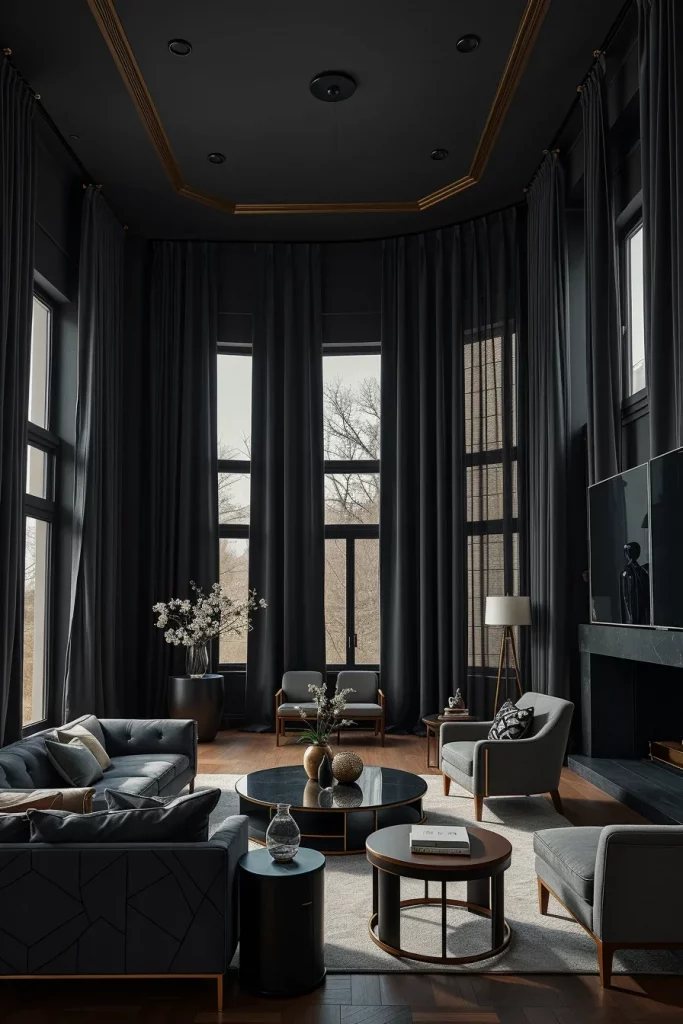
I usually choose heavy fabrics such as velvet, linen blends, or textured woven materials in deep tones like charcoal, navy, forest green, or chocolate brown. These fabrics enhance privacy, improve acoustics, and contribute to the cozy feeling associated with moody spaces. When installed close to the ceiling, curtains create a custom, designer-inspired appearance.
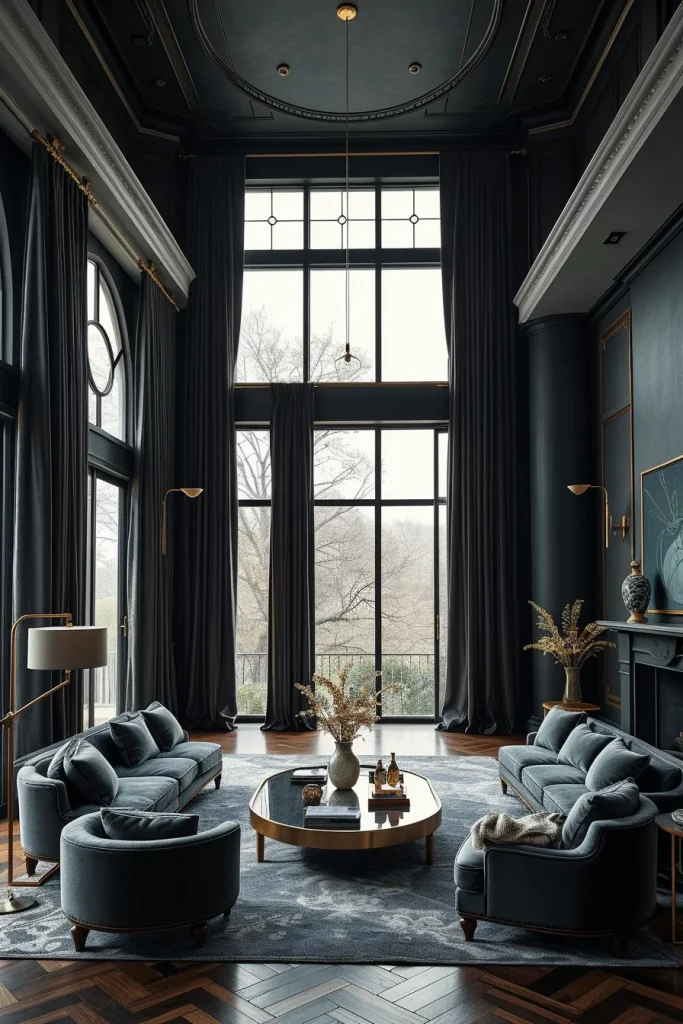
I often recommend allowing curtains to gently touch or slightly puddle on the floor. This technique adds elegance and creates a more luxurious effect. Many professional designers use this approach because it makes windows appear larger and helps the room feel more sophisticated.
To complete the window treatment, I would include decorative curtain hardware in brass or black finishes and consider layering sheer panels behind the main drapes. This combination allows for flexible light control while maintaining visual richness.
Dark And Moody Living Room Design Inspiration
The living room is often the ideal place to explore the beauty of dark and moody interiors. I enjoy using deep wall colors, layered textures, and carefully selected furnishings to create spaces that feel both dramatic and comfortable. A successful moody living room balances darkness with warmth so that the space remains inviting for everyday use.
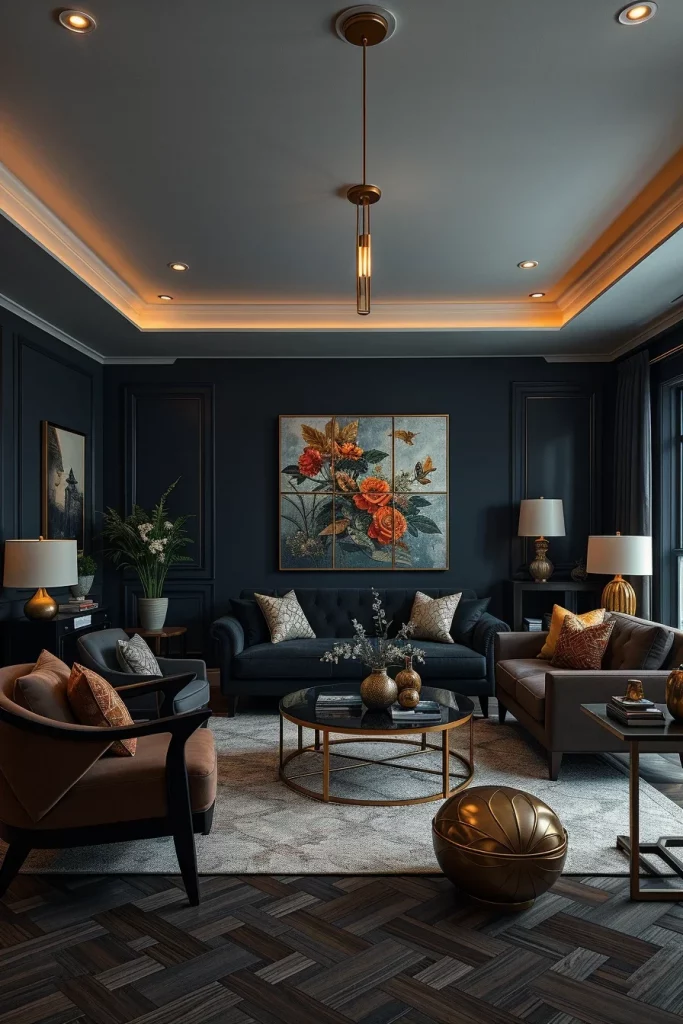
My preferred furniture arrangement includes a substantial sofa, comfortable accent chairs, and a statement coffee table. I often combine dark paint colors with textured rugs, wood furniture, metallic accents, and layered lighting. These elements work together to create depth while preventing the room from feeling one-dimensional.
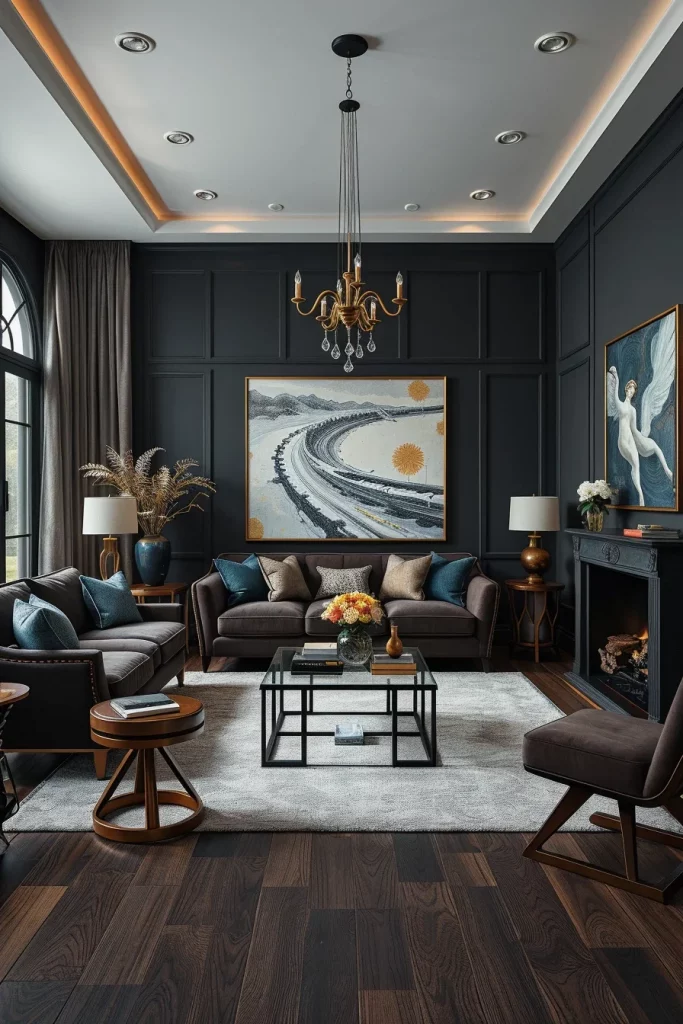
In my experience, contrast is one of the most important principles in moody living room design. Even when the palette is dark, there should be variation in texture, finish, and material. This keeps the room visually engaging and highlights the unique qualities of each design element.
To further elevate the space, I would add oversized artwork, bookshelves, sculptural accessories, and natural greenery. These finishing touches introduce personality and ensure the room feels curated rather than overly styled.
Sophisticated Dark Dining Room Concepts
A dark dining room can create one of the most memorable experiences within dark and moody interiors. I often use rich colors and dramatic lighting to establish an atmosphere that encourages conversation and enhances special gatherings. Dark dining spaces feel intimate and elegant, making them particularly suitable for entertaining.
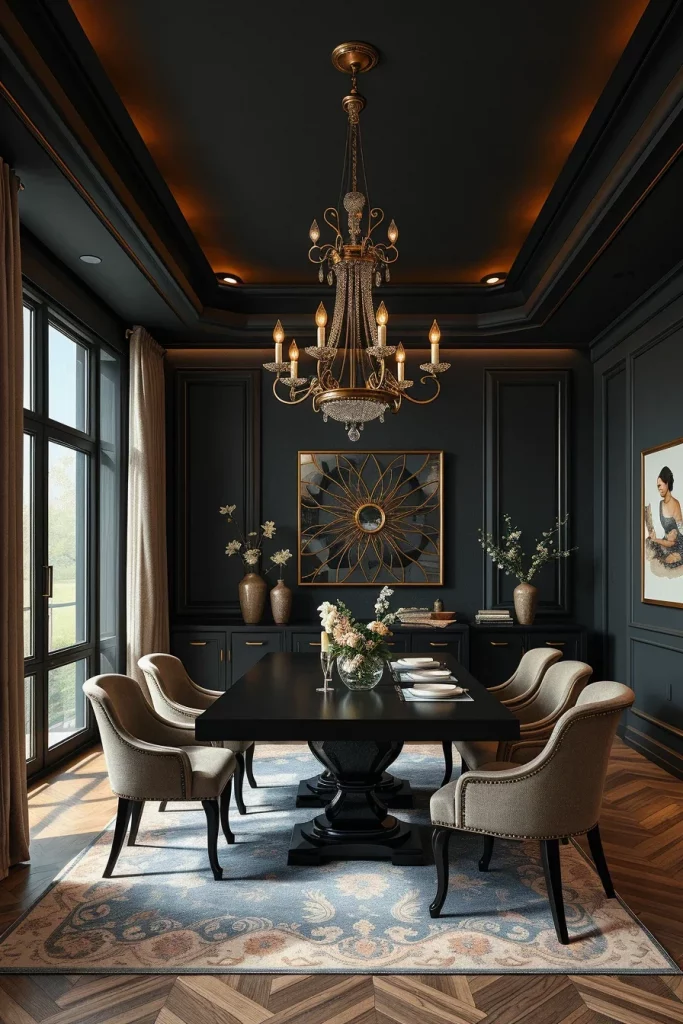
I typically begin with a substantial dining table crafted from dark wood and surround it with upholstered chairs that provide comfort during long meals. Statement lighting above the table serves as both a practical and decorative feature. I also incorporate mirrors, artwork, and carefully selected accessories to create layers of visual interest.
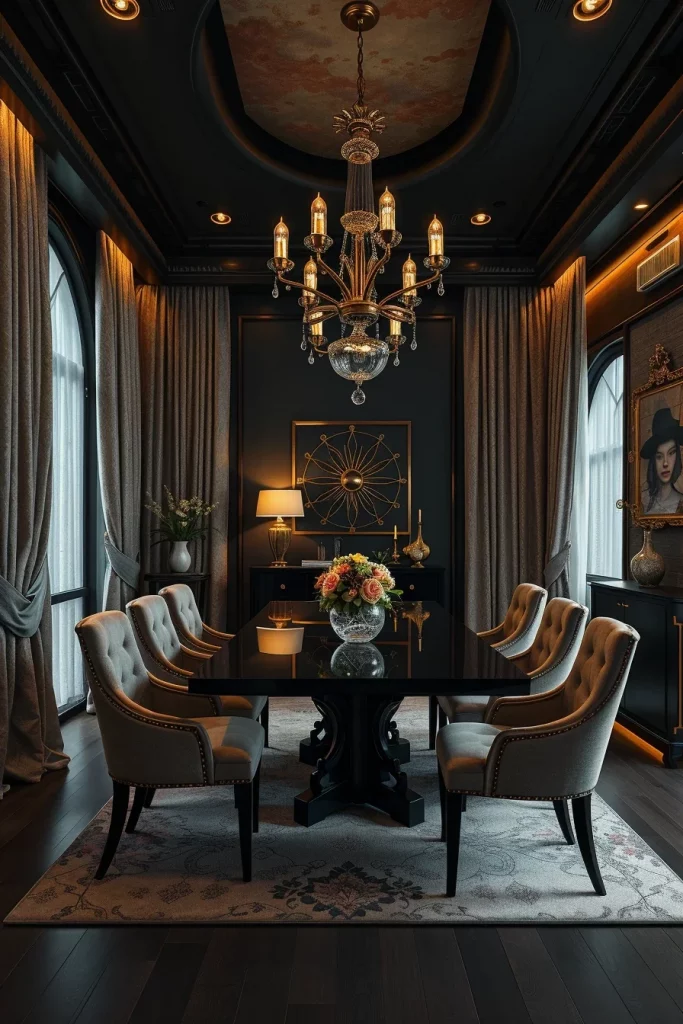
I have found that darker dining rooms benefit greatly from thoughtful lighting placement. A chandelier combined with wall sconces and candlelight creates a warm glow that flatters both the room and its occupants. This approach enhances the dining experience while maintaining the dramatic mood of the space.
To complete the design, I would add textured curtains, decorative table styling, and metallic accents that reflect light throughout the room. These details help balance the darker palette while reinforcing the sophisticated character of the interior.
Moody Bedroom Retreats With Luxurious Comfort
I believe that a moody bedroom should feel like a private sanctuary where comfort and sophistication coexist. Deep charcoal, midnight blue, forest green, and warm espresso tones create a cocooning atmosphere that encourages relaxation. In many of my favorite dark and moody interiors, bedrooms become the perfect place to embrace rich colors because they naturally support rest and tranquility. Strategic lighting, layered bedding, and soft materials prevent the room from feeling overly heavy.
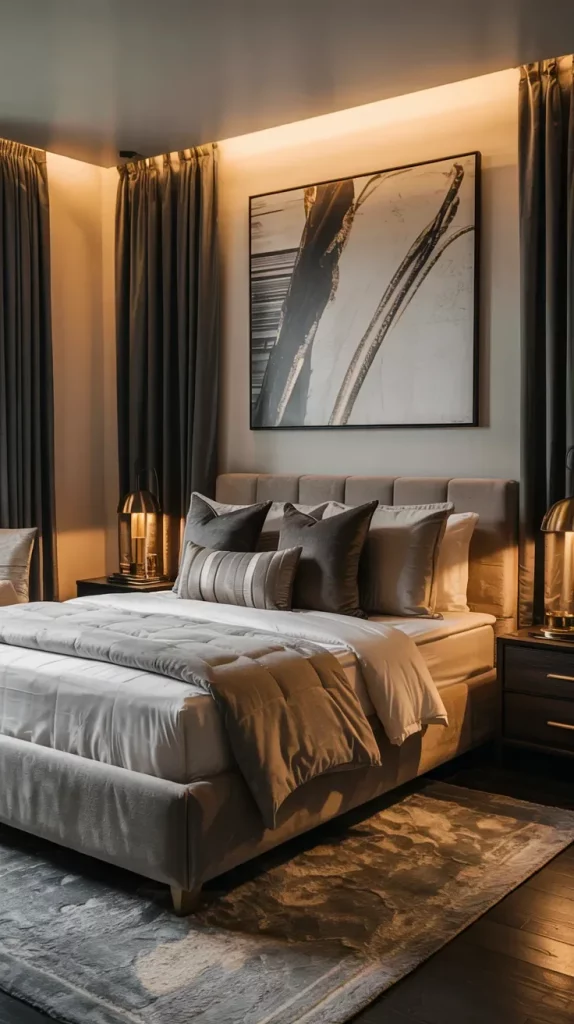
When designing this type of retreat, I focus on a substantial upholstered bed as the centerpiece. Velvet headboards, high-quality linen bedding, oversized pillows, and textured throws add visual depth while maintaining comfort. Dark wood nightstands, brass accents, and elegant wall sconces contribute to a luxurious aesthetic. Floor-to-ceiling curtains in deep hues help frame the room while enhancing privacy and softness.
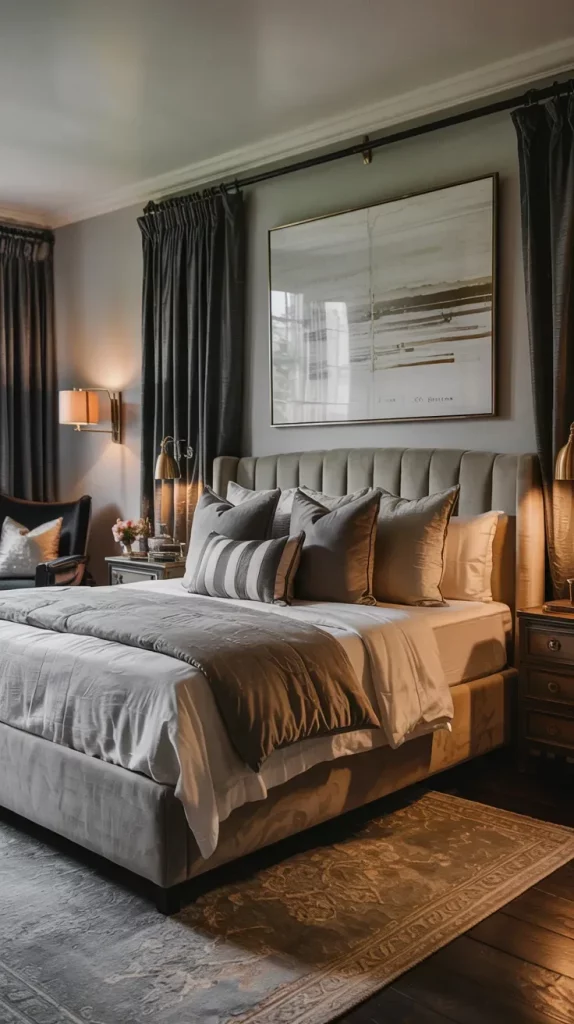
I often draw inspiration from recommendations featured by leading interior publications such as Architectural Digest, which frequently highlights the importance of layered lighting in darker spaces. From my experience, combining ambient lighting, bedside lamps, and subtle accent lighting makes the room feel inviting at every hour of the day.
To complete the space, I would add a plush area rug, oversized artwork, and a comfortable reading chair. These elements introduce additional texture and functionality while making the bedroom feel fully curated and intentionally designed.
Dark Kitchen Designs That Feel Modern And Inviting
Many homeowners worry that dark kitchens may appear too heavy, but I have found the opposite can be true when the design is carefully balanced. Deep cabinetry in black, graphite, or dark walnut creates a sophisticated foundation while modern finishes keep the room feeling fresh. Well-planned dark and moody interiors often use kitchens as statement spaces that combine elegance with practicality.
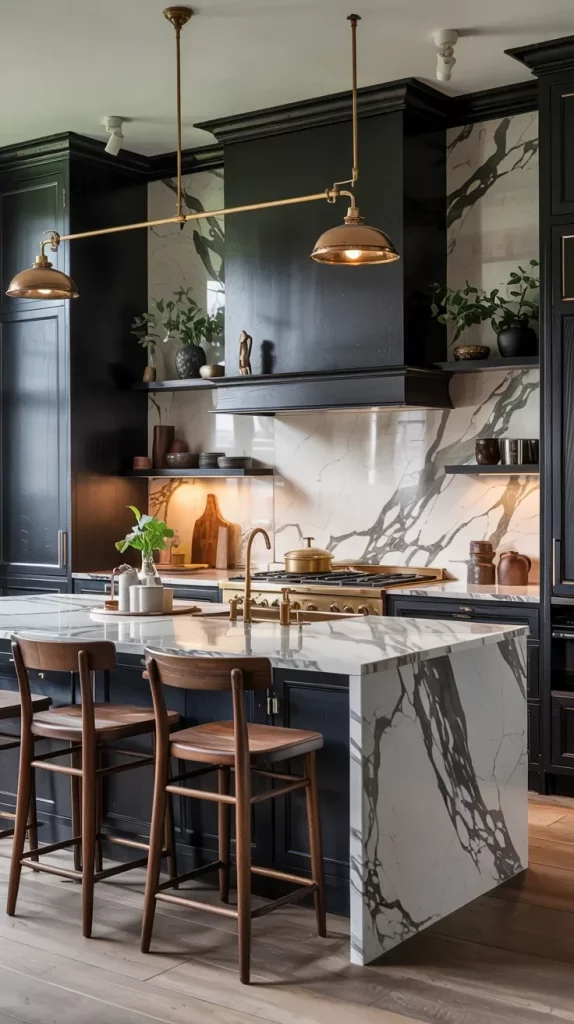
I typically recommend matte cabinetry paired with natural stone countertops featuring dramatic veining. Integrated appliances, minimal hardware, and large kitchen islands help maintain a streamlined appearance. Warm metallic finishes such as brushed brass or aged bronze introduce contrast, while open shelving provides opportunities to display carefully selected decor and tableware.
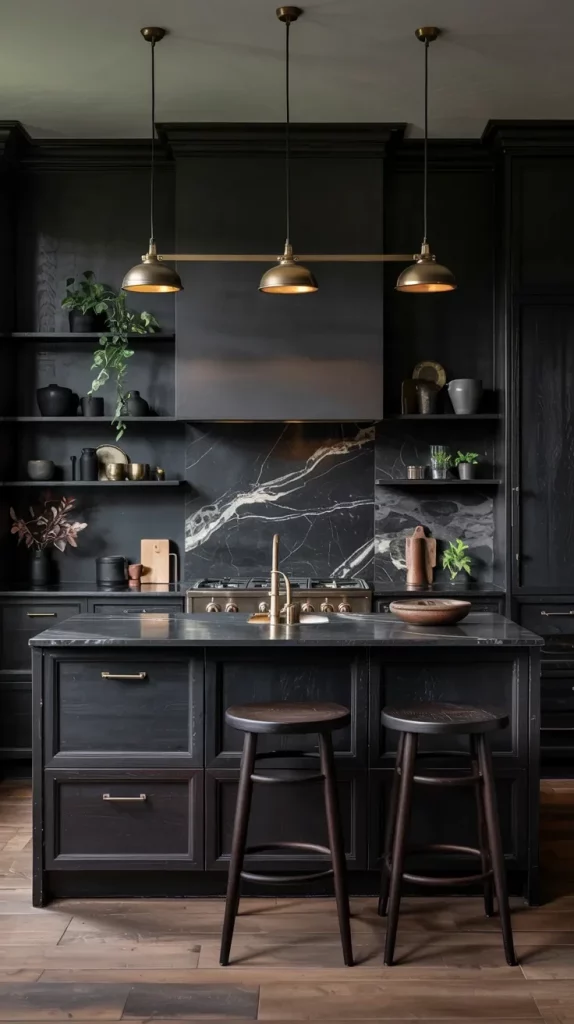
In my experience, lighting is the most important element in a dark kitchen. Pendant lights above the island, under-cabinet lighting, and strategically placed recessed fixtures ensure the space remains functional and welcoming. Large windows or glass doors also help balance darker finishes with natural light.
I would also incorporate organic elements such as wood bar stools, handcrafted ceramics, and greenery. These additions soften the overall look and prevent the kitchen from feeling overly formal or sterile.
Creating A Spa-Like Moody Bathroom
A moody bathroom can transform everyday routines into a luxurious experience. I often recommend deep charcoal tiles, dark stone surfaces, and rich paint colors that create a calm and restorative environment. The goal is to design a personal retreat that feels both elegant and relaxing while maintaining the functionality required in a bathroom.
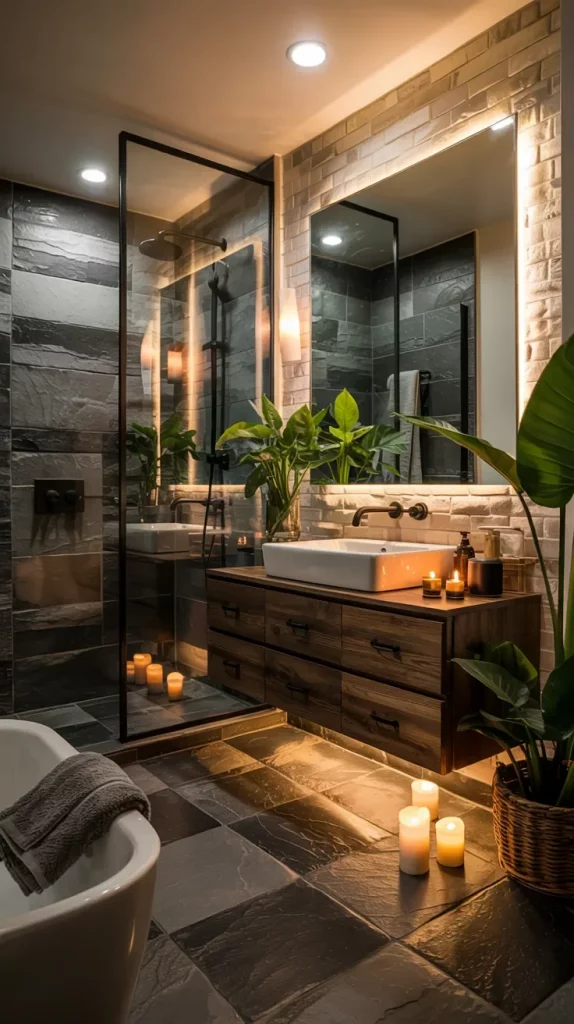
For furnishings and finishes, I prefer floating vanities in dark wood, black fixtures, and oversized mirrors with subtle metallic frames. Textured stone surfaces introduce natural variation, while frameless glass showers keep the room visually open. Soft towels, elegant storage solutions, and carefully selected accessories contribute to a refined atmosphere.
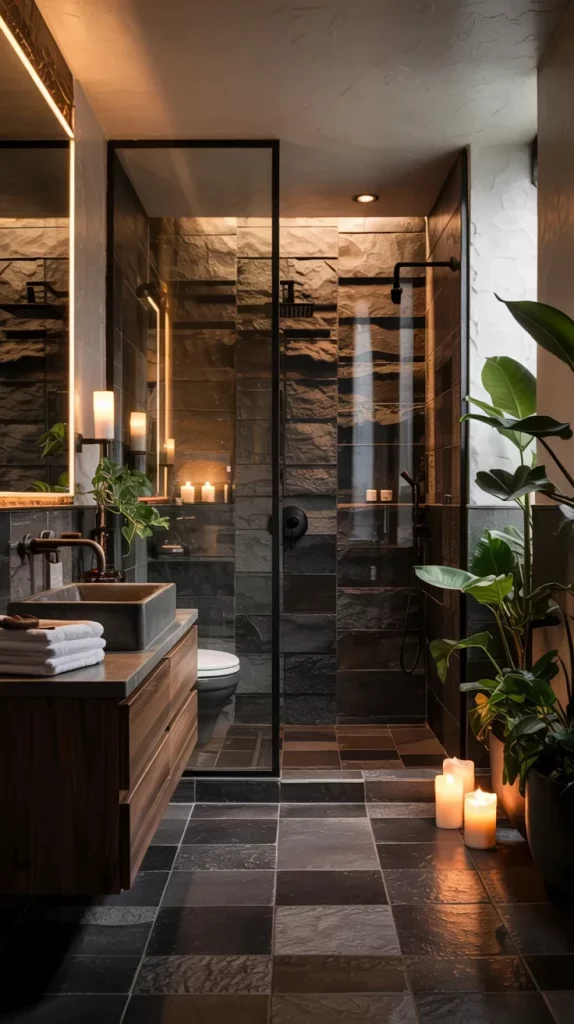
From my perspective, one of the most effective techniques is layering different materials within a similar color palette. This approach creates depth without relying on excessive decoration. Many respected interior designers recommend focusing on texture rather than contrast when designing darker bathrooms, and I have found this advice consistently successful.
To elevate the spa-like experience further, I would include scented candles, dimmable lighting, heated flooring, and indoor plants that thrive in humid environments. These additions make the room feel indulgent and highly personalized.
Home Office Ideas With Dark And Inspiring Style
A thoughtfully designed dark home office can significantly improve focus and creativity. I often use deep navy, charcoal, or dark olive walls to establish a sophisticated backdrop that minimizes distractions. Within dark and moody interiors, home offices can feel particularly impactful because the darker palette creates a sense of concentration and purpose.
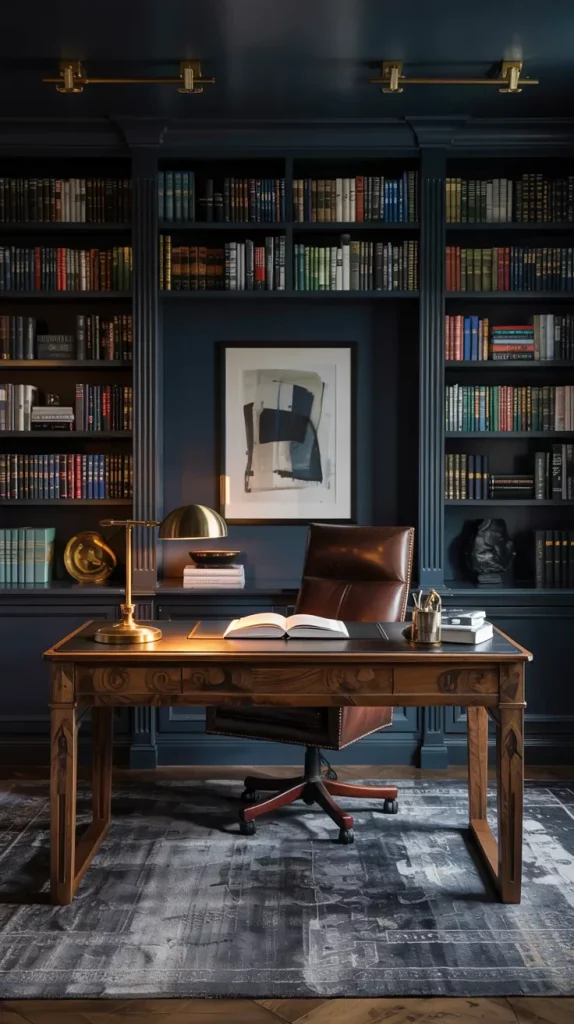
My preferred furniture choices include a substantial wooden desk, an ergonomic leather chair, and built-in shelving finished in complementary dark tones. These pieces provide both functionality and visual cohesion. Brass hardware, carefully selected task lighting, and curated accessories help introduce character without creating clutter.
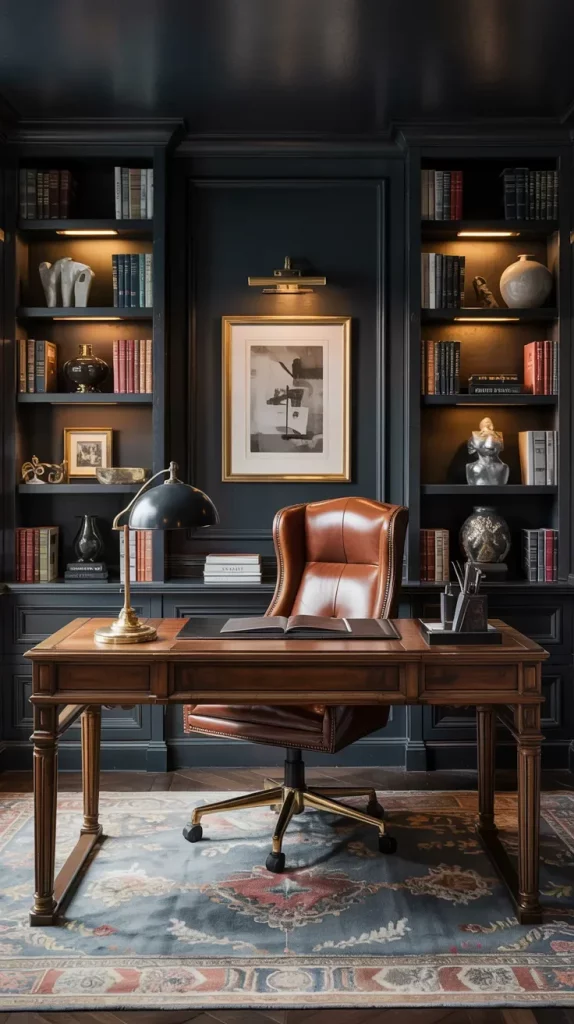
I have noticed that darker offices often encourage a more focused work environment. Publications such as House Beautiful frequently highlight the psychological benefits of creating dedicated workspaces with intentional color schemes. In my own projects, darker palettes often help define the office as a distinct and productive zone within the home.
I would also add artwork, decorative book collections, and acoustic textiles such as curtains or rugs. These elements improve comfort while enhancing the room’s visual sophistication and practicality.
Gallery Walls And Artwork For Dramatic Interiors
Artwork plays a critical role in defining the personality of dark and moody interiors. I view gallery walls as an opportunity to introduce storytelling, contrast, and visual interest. Against dark walls, artwork often appears more vibrant and impactful, creating dramatic focal points throughout the home.
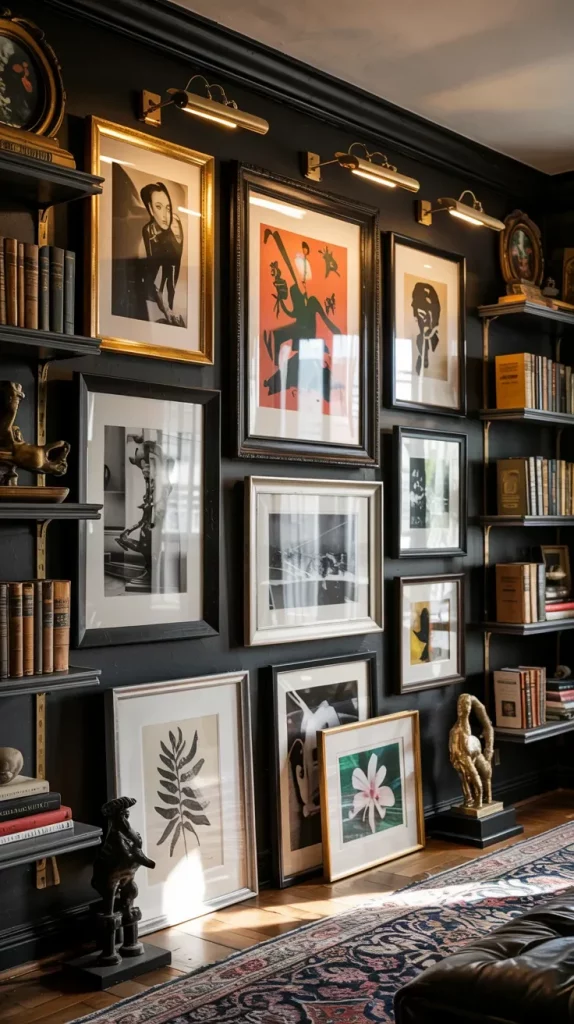
When designing gallery walls, I prefer a combination of framed photography, abstract paintings, vintage illustrations, and sculptural wall pieces. Black, brass, or dark wood frames maintain cohesion while allowing individual pieces to stand out. Strategic spacing and thoughtful composition help create a balanced arrangement that feels intentional rather than crowded.
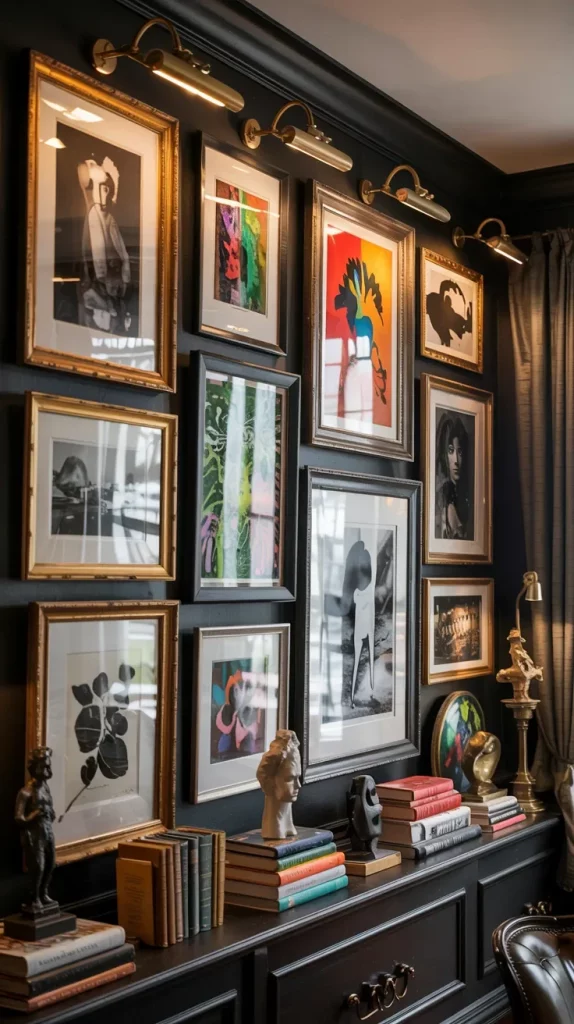
In my experience, the most successful gallery walls reflect the homeowner’s interests and experiences. Rather than following trends, I encourage selecting pieces with personal meaning. This approach results in interiors that feel authentic and timeless rather than overly staged.
To enhance the display, I would incorporate picture lights, floating shelves, and occasional three-dimensional objects. These additions create layers of visual depth while reinforcing the dramatic atmosphere that defines moody design.
Incorporating Natural Textures Into Dark Spaces
Natural textures are essential for creating balance within dark and moody interiors. While deep colors establish drama and sophistication, organic materials bring warmth and comfort that prevent the space from feeling overwhelming. I often use natural textures to soften darker palettes and create a more welcoming environment. The contrast between rich colors and tactile materials gives the room a layered, designer-quality appearance.
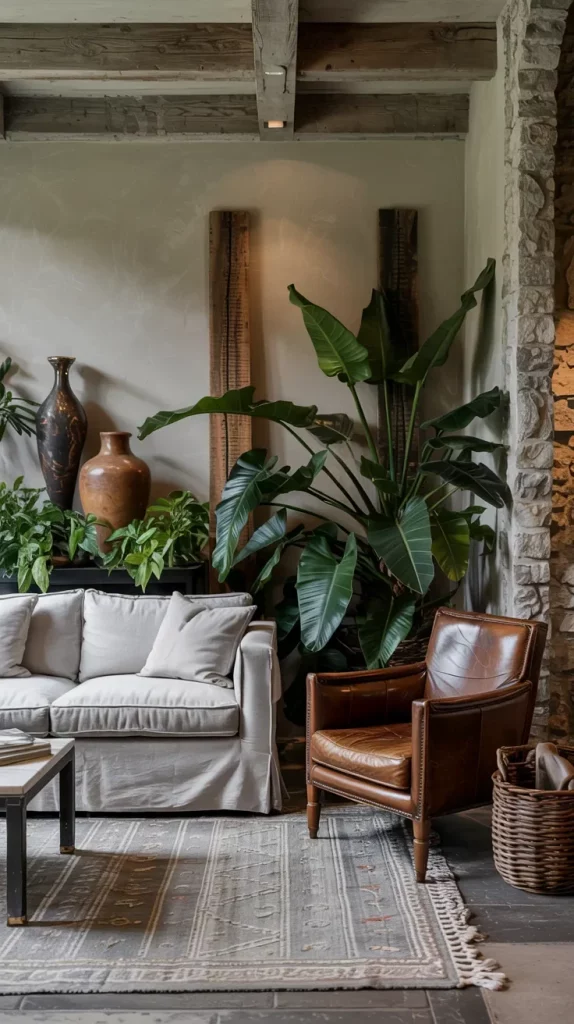
I frequently incorporate materials such as reclaimed wood, natural stone, linen, wool, leather, and rattan. Dark wood beams, textured plaster walls, and handcrafted furniture add character while maintaining the moody aesthetic. Soft woven rugs and linen upholstery introduce subtle variation that enriches the overall design. These elements help create visual depth while making the room feel comfortable and lived-in.
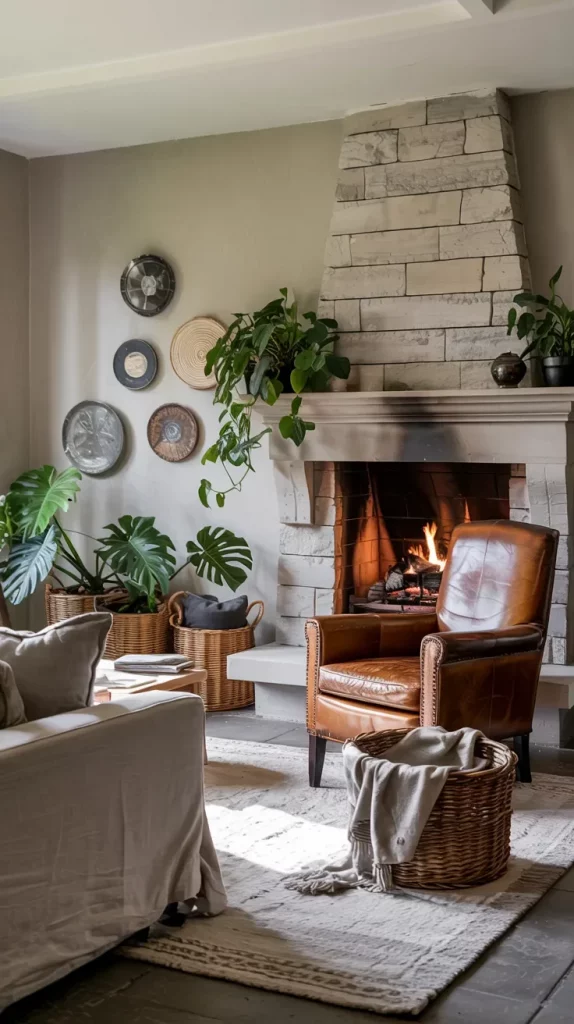
From my experience, the most successful dark spaces are those that embrace imperfections found in natural materials. Design experts often emphasize the importance of texture when working with darker color schemes because texture reflects light differently throughout the day. This variation keeps the room visually dynamic and engaging.
To further enhance the design, I would add ceramic vases, live plants, woven baskets, and natural wood accessories. These finishing touches help establish a stronger connection to nature while complementing the dramatic atmosphere of the room.
Seasonal Styling Tips For Moody Home Decor
One of the advantages of dark and moody interiors is their adaptability throughout the year. I find that a strong dark foundation allows homeowners to update their spaces seasonally without making major design changes. By adjusting accessories, textiles, and decorative accents, the room can feel fresh and relevant regardless of the season.
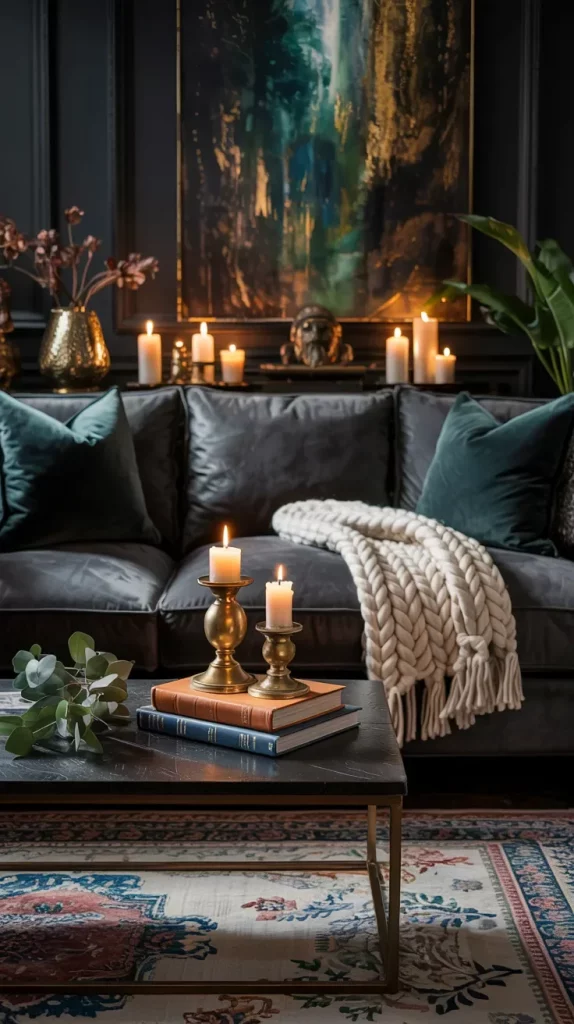
During autumn and winter, I like to introduce heavier fabrics such as velvet, wool, and faux fur. Rich tones like burgundy, rust, and deep green complement dark interiors beautifully. In spring and summer, lighter linen throws, fresh greenery, and natural woven accessories help brighten the space while preserving its moody character.
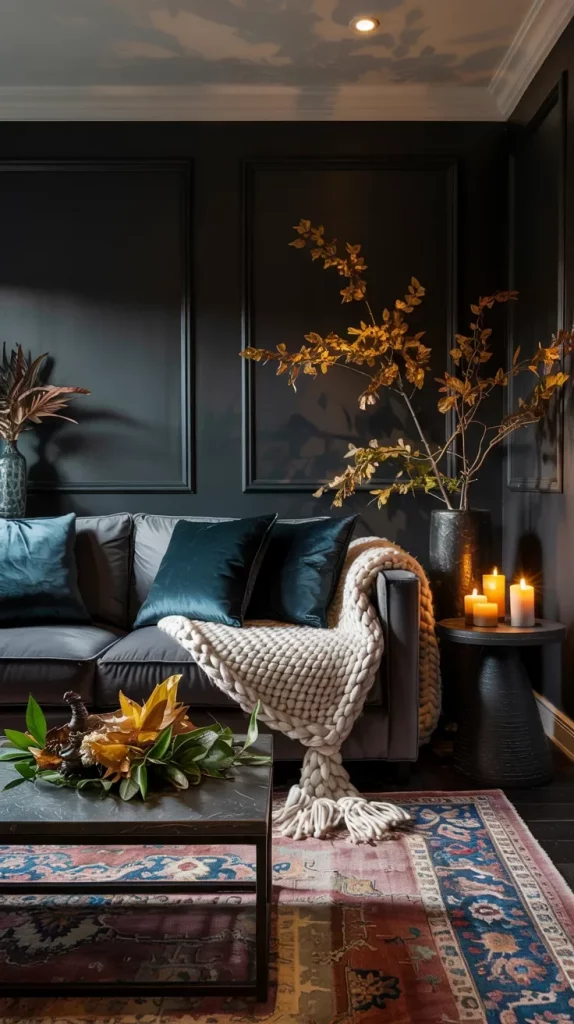
I have found that seasonal decorating works best when changes remain subtle. Rather than replacing major furniture pieces, I focus on decorative pillows, artwork, candles, florals, and tabletop accessories. This approach keeps the design cohesive while allowing the room to evolve naturally throughout the year.
I would also recommend rotating decorative objects and incorporating seasonal scents through candles or diffusers. These details create a multi-sensory experience that makes the home feel thoughtfully styled in every season.
Balancing Dark Interiors In Small Rooms
Many people assume dark colors make small rooms feel cramped, but I have found that darker palettes can actually create depth when used correctly. In compact spaces, dark and moody interiors often feel intimate, sophisticated, and intentionally designed. The key is to carefully balance color, lighting, and proportion.
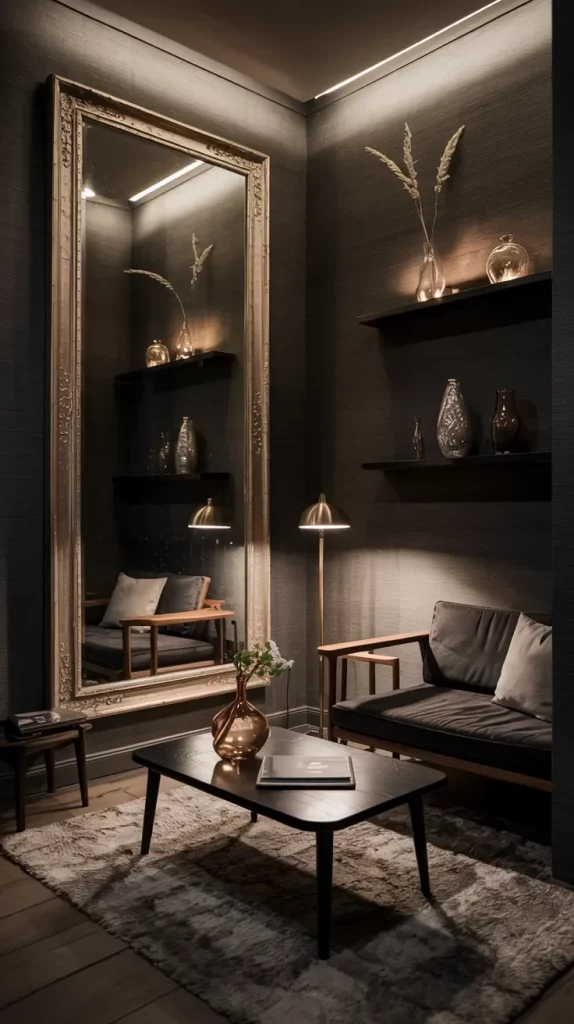
I typically begin with dark walls and then introduce lighter accents through furniture, artwork, or textiles. Mirrors play an important role by reflecting light and visually expanding the room. Multi-functional furniture, floating shelves, and streamlined silhouettes help maximize available space without creating visual clutter.
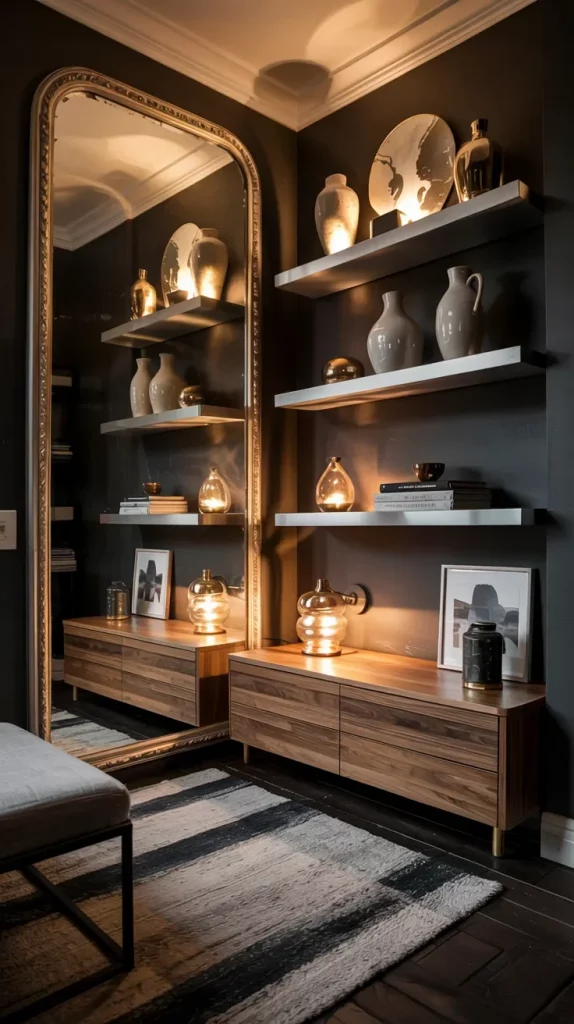
In my experience, lighting becomes even more important in smaller rooms. Layered lighting strategies that include ceiling fixtures, wall sconces, table lamps, and accent lighting help maintain brightness and functionality. Proper illumination ensures that the room feels inviting rather than enclosed.
To improve the overall balance, I would add reflective finishes such as glass, polished metals, and glossy decorative accessories. These elements bounce light throughout the room and enhance the sense of openness while preserving the moody aesthetic.
Common Mistakes To Avoid In Dark And Moody Decorating
Designing beautiful dark and moody interiors requires thoughtful planning, and there are several common mistakes that I consistently try to avoid. One of the biggest errors is relying solely on dark colors without incorporating texture, lighting, or contrast. A successful moody room should feel layered and sophisticated rather than flat or overwhelming.
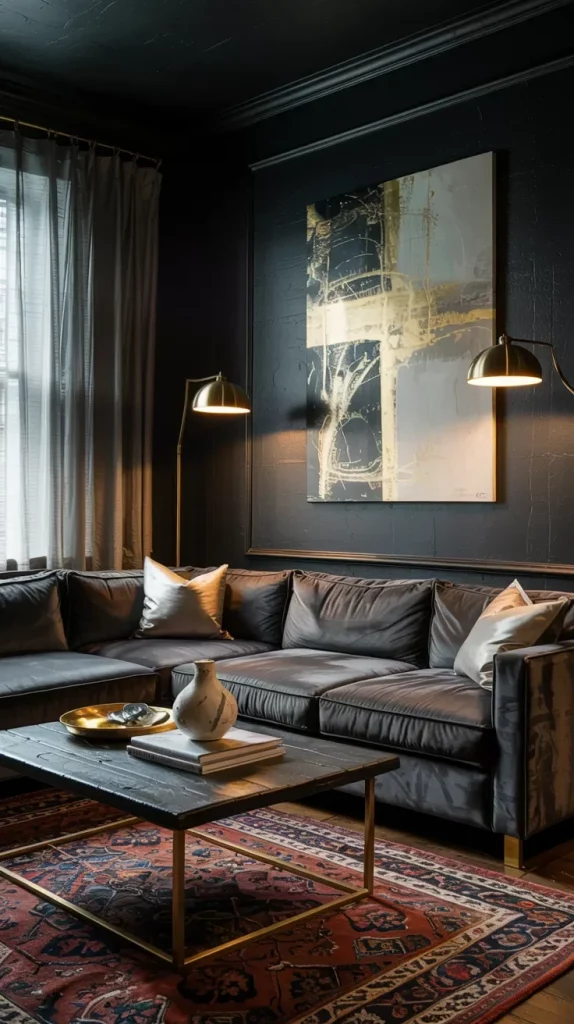
Another mistake I often see is inadequate lighting. Deep wall colors absorb more light than lighter shades, making it essential to include multiple light sources throughout the room. I also recommend avoiding excessive matching, as rooms with too many identical finishes can feel one-dimensional.
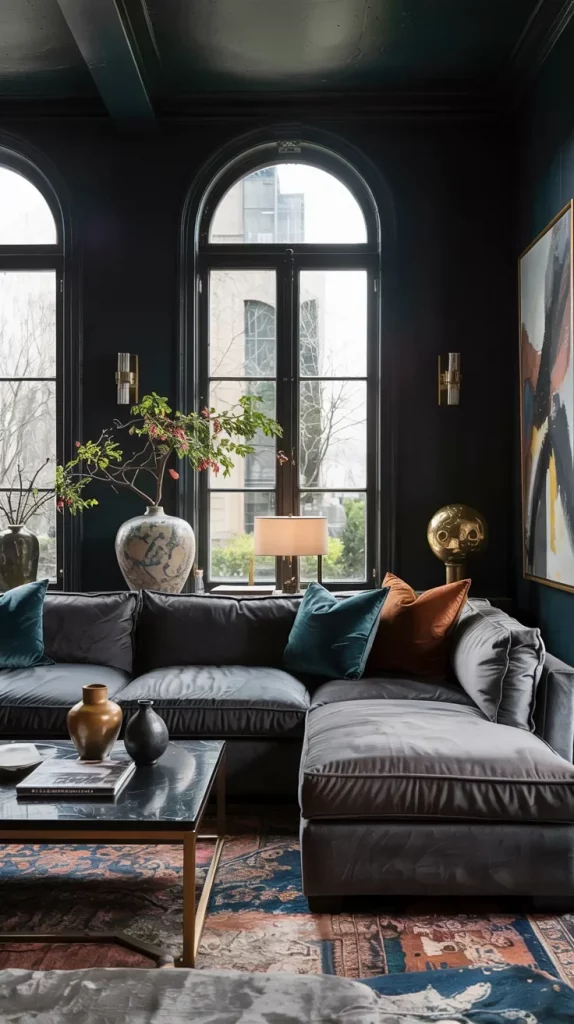
From my perspective, scale is another important consideration. Oversized furniture can overwhelm a room, while pieces that are too small may appear disconnected from the overall design. Creating a balanced composition requires careful attention to proportions and spatial relationships.
I would also avoid over-accessorizing the space. Dark interiors benefit from intentional curation rather than excessive decoration. Carefully selected furnishings and meaningful decor create a more refined and timeless appearance.
Designing A Dark And Moody Home That Feels Timeless
A timeless approach to dark and moody interiors focuses on quality, balance, and enduring design principles rather than short-lived trends. I believe the most successful moody homes combine classic architectural details, rich color palettes, and carefully chosen furnishings that remain relevant for years. The result is a home that feels sophisticated and welcoming regardless of changing styles.
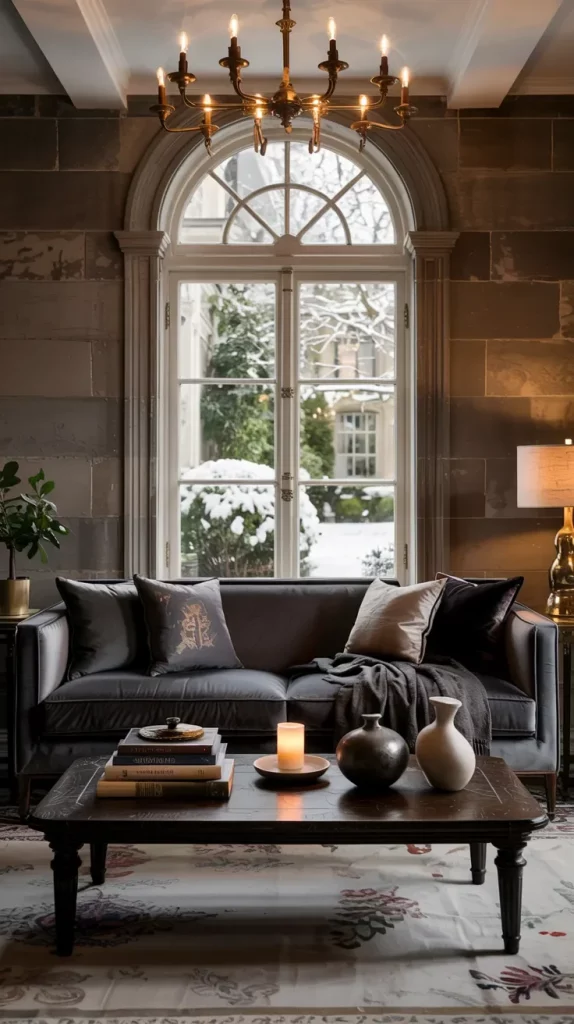
When selecting furniture, I prioritize well-crafted pieces with clean lines and durable materials. Dark wood finishes, luxurious upholstery, natural stone surfaces, and elegant lighting fixtures provide a foundation that ages beautifully. These investments contribute to a cohesive design that maintains its appeal over time.
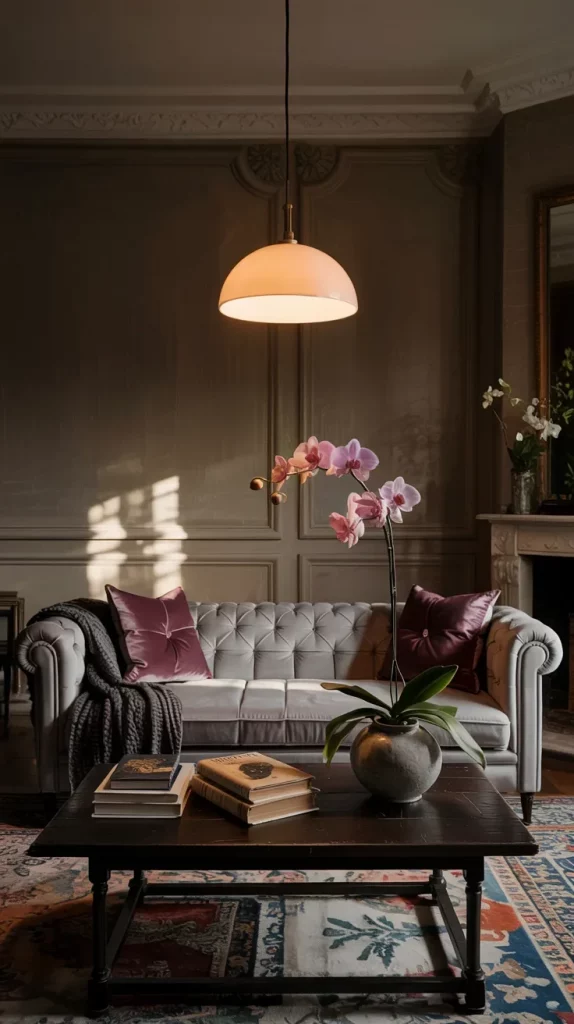
In my experience, timeless interiors rely on restraint and consistency. Rather than chasing every new trend, I focus on creating harmony between colors, materials, and furnishings. Many respected designers recommend building a strong foundational palette and introducing trends only through easily replaceable accessories.
To ensure lasting success, I would incorporate personalized artwork, meaningful decorative objects, and high-quality textiles. These details add individuality and warmth while helping the home feel authentic and uniquely tailored to its owners.
Dark and moody interiors prove that bold design choices can create spaces that feel both sophisticated and welcoming. By combining deep colors, layered textures, and thoughtful lighting, you can achieve a timeless look filled with character and warmth. Whether you incorporate subtle dark accents or fully embrace a dramatic aesthetic, these design ideas can transform any room into a stylish and memorable retreat.