
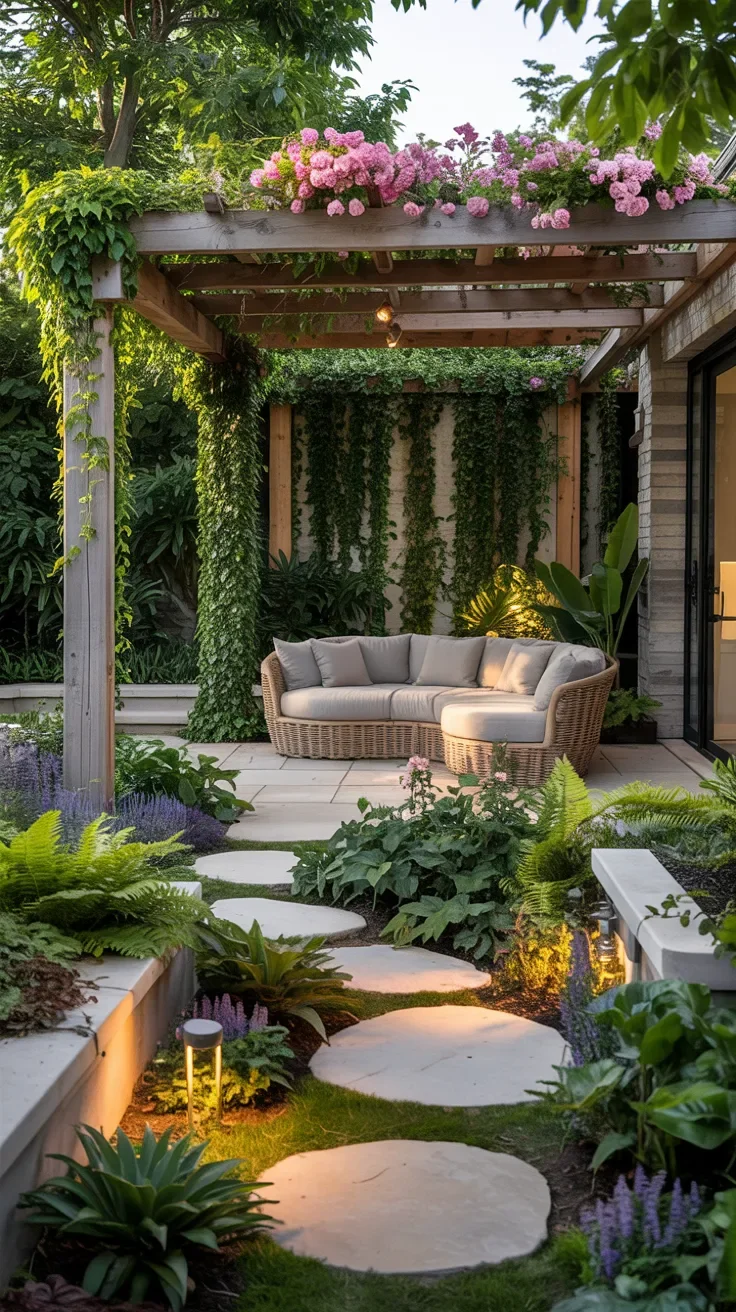
Biophilic outdoor design 2026 is redefining the way homeowners create relaxing and sustainable exterior spaces. This trend focuses on blending natural materials, lush greenery, water features, and organic textures to build a deeper connection between people and nature. Modern outdoor spaces are no longer just functional patios or gardens — they are becoming wellness-inspired retreats designed for comfort, mindfulness, and eco-conscious living. In 2026, biophilic design embraces everything from native landscaping and vertical gardens to earthy furniture palettes and seamless indoor-outdoor transitions. These ideas help transform backyards into peaceful sanctuaries that support biodiversity while enhancing the beauty of the home. In this article, you’ll discover inspiring biophilic outdoor design ideas, trending materials, and creative ways to bring nature into every corner of your outdoor living space.
Nature-First Patio Layouts For Modern Backyards
I see more homeowners embracing patio layouts that prioritize flow, greenery, and natural movement instead of rigid geometric planning. In biophilic outdoor design 2026, patios are no longer treated as isolated seating zones; they become extensions of the surrounding landscape. I recommend curved pathways, layered planting beds, and open lounge areas that visually connect with lawns, gardens, and trees. This creates a softer and more calming atmosphere that encourages people to spend more time outdoors throughout the day.
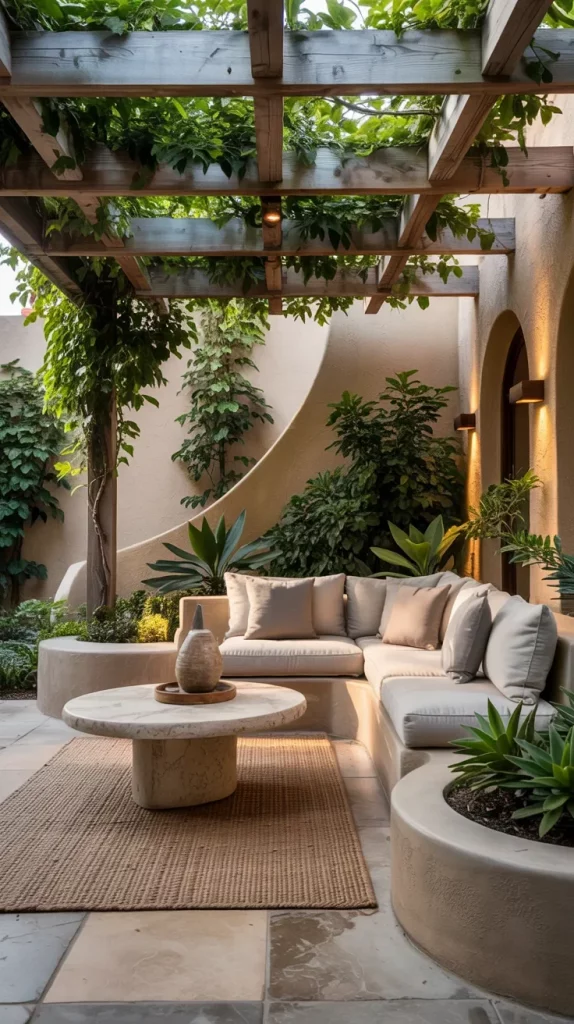
I usually include low-profile outdoor sofas, teak lounge chairs, stone coffee tables, and textured outdoor rugs because these materials help maintain a natural appearance while still feeling modern. Pergolas with climbing vines, oversized ceramic planters, and integrated wooden benches work especially well in contemporary backyard layouts. I also find that neutral shades such as sand, clay, olive, and warm gray help unify the patio with the surrounding environment while supporting the overall concept of nature-inspired outdoor living.
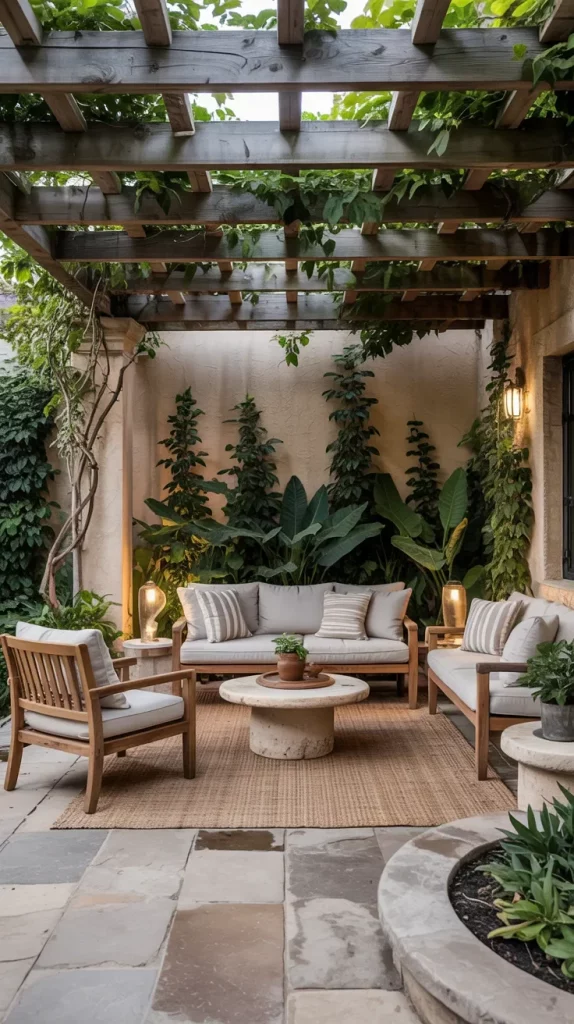
From my experience, one of the biggest mistakes homeowners make is overcrowding the patio with unnecessary furniture. I prefer leaving enough open space for natural movement and visual balance. Many American landscape designers, including professionals featured in Architectural Digest, have recently emphasized that modern outdoor design should feel immersive rather than decorative. I strongly agree with this approach because a patio should support relaxation instead of visual clutter.
I also recommend adding layered outdoor lighting around pathways and planting zones because it enhances the natural textures during the evening. Warm ambient lighting combined with subtle garden illumination makes the patio feel more welcoming and increases functionality after sunset.
Organic Materials That Define Biophilic Outdoor Spaces In 2026
One of the defining features of biophilic outdoor design 2026 is the growing use of organic materials that age naturally and blend into the environment. I often recommend combining stone, reclaimed wood, terracotta, limestone, and textured concrete to create outdoor spaces that feel grounded and authentic. Modern homeowners are moving away from glossy synthetic finishes and choosing surfaces with visible texture, grain, and imperfection because these materials create a more calming outdoor atmosphere.
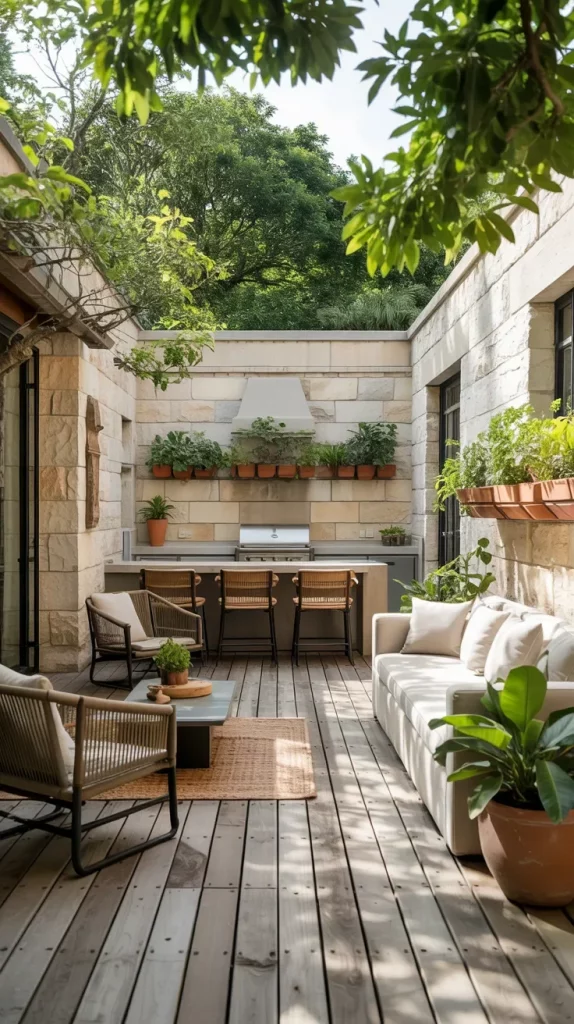
I frequently use natural wood decking, hand-finished stone walls, clay planters, and woven outdoor furniture because they introduce warmth and visual depth. Outdoor kitchens made with raw stone countertops and wood cabinetry have become especially popular in modern backyards. I also notice that sustainable composite materials designed to mimic natural textures are improving significantly, allowing homeowners to achieve durability without sacrificing aesthetics. These details support the growing interest in sustainable outdoor spaces while maintaining long-term practicality.
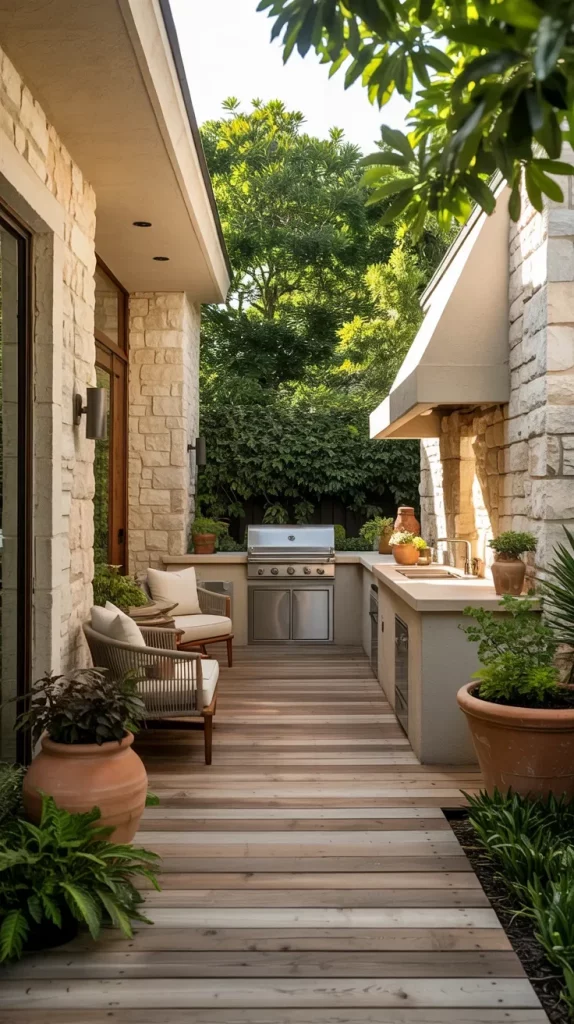
Personally, I believe texture is one of the most important elements in biophilic design. Smooth surfaces alone rarely create the sense of connection people want from outdoor living spaces. Designers featured in Elle Decor frequently discuss how tactile materials help outdoor environments feel more emotionally engaging, and I have found this to be true in real projects. Even small additions like textured stone pavers or woven lanterns can dramatically improve the overall atmosphere.
I also encourage homeowners to consider how materials will evolve over time. Weathered wood, natural patina on stone, and slightly aged metals often make outdoor areas feel more authentic and connected to nature rather than overly manufactured.
Living Green Walls That Transform Outdoor Retreats
Vertical greenery has become one of the most influential trends in biophilic outdoor design 2026 because it allows homeowners to introduce abundant plant life even in compact spaces. I often recommend living green walls for patios, courtyards, pool areas, and outdoor dining zones because they instantly soften modern architecture and create a more immersive environment. These installations not only improve aesthetics but also help reduce heat, filter noise, and introduce a calming natural texture into outdoor retreats.
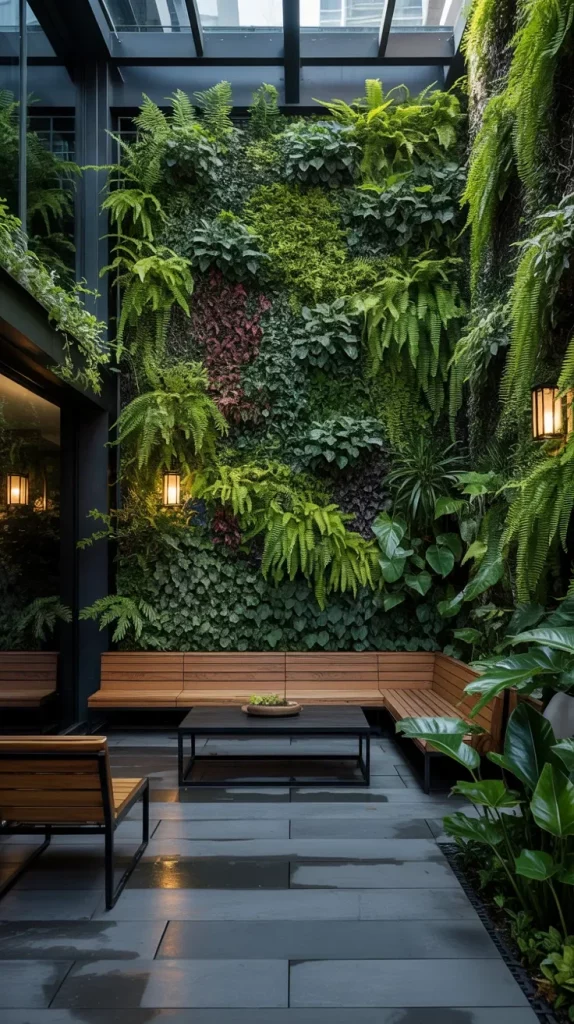
I usually design green walls using layered ferns, ivy, ornamental grasses, trailing plants, and native greenery that can adapt to the local climate. Black steel frames combined with natural wood accents create a modern contrast while keeping the design balanced and organic. I also like integrating hidden irrigation systems because they simplify maintenance and ensure healthier plant growth over time. When paired with stone flooring and warm lighting, living walls can completely transform the mood of a backyard.
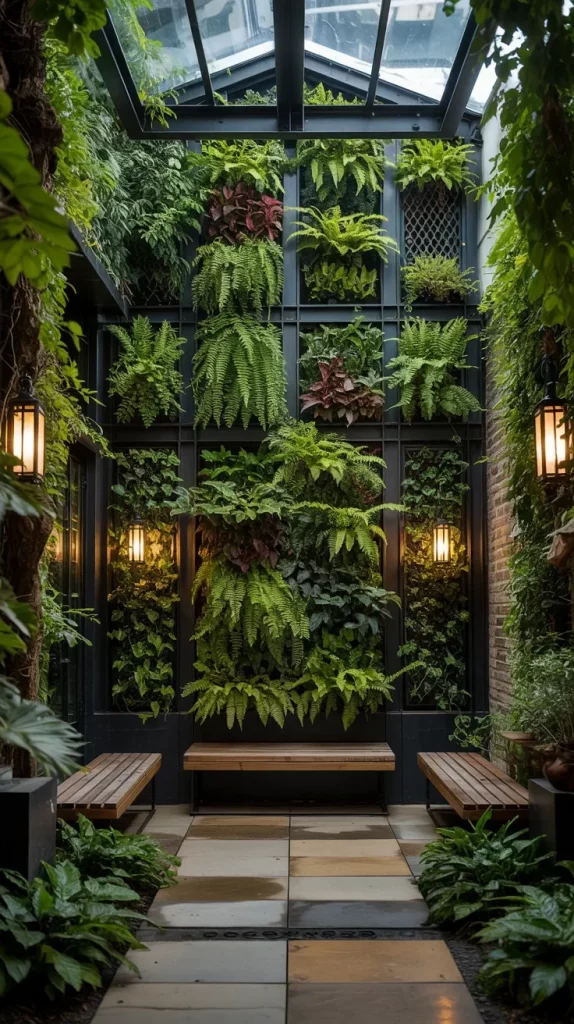
In my experience, homeowners often underestimate how impactful vertical greenery can be in smaller outdoor areas. Even a single plant wall behind a seating area can create the feeling of a secluded garden retreat. Publications like Dwell have recently highlighted the growing demand for layered greenery in exterior spaces, especially as homeowners seek more restorative outdoor environments. I personally think green walls work best when combined with natural materials and minimal furniture so the plants remain the focal point.
I also recommend incorporating built-in seating near green walls because it encourages people to spend more time enjoying the atmosphere. Natural wood benches, soft neutral cushions, and subtle lantern lighting help complete the experience without overwhelming the greenery.
Sustainable Backyard Landscaping Trends For 2026
Sustainability continues to shape nearly every aspect of biophilic outdoor design 2026, especially when it comes to landscaping choices. I increasingly see homeowners choosing drought-tolerant plants, permeable pathways, rainwater collection systems, and low-maintenance gardens that reduce environmental impact while still looking elegant. Modern landscaping is becoming more intentional, focusing on biodiversity, water efficiency, and long-term resilience rather than purely decorative planting.
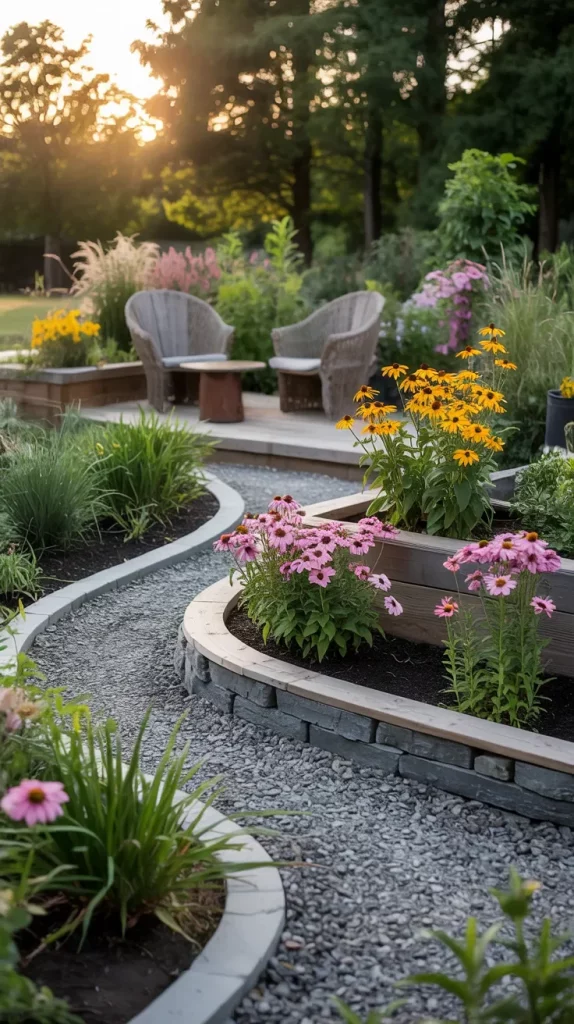
I often recommend gravel pathways, native grasses, layered planting beds, and recycled stone materials because they create a more environmentally responsible landscape without sacrificing beauty. Raised garden beds with edible herbs and pollinator-friendly flowers are also becoming popular additions to sustainable outdoor spaces. I particularly like combining wild natural planting with structured architectural elements because it creates a balanced and contemporary appearance that feels curated but relaxed.
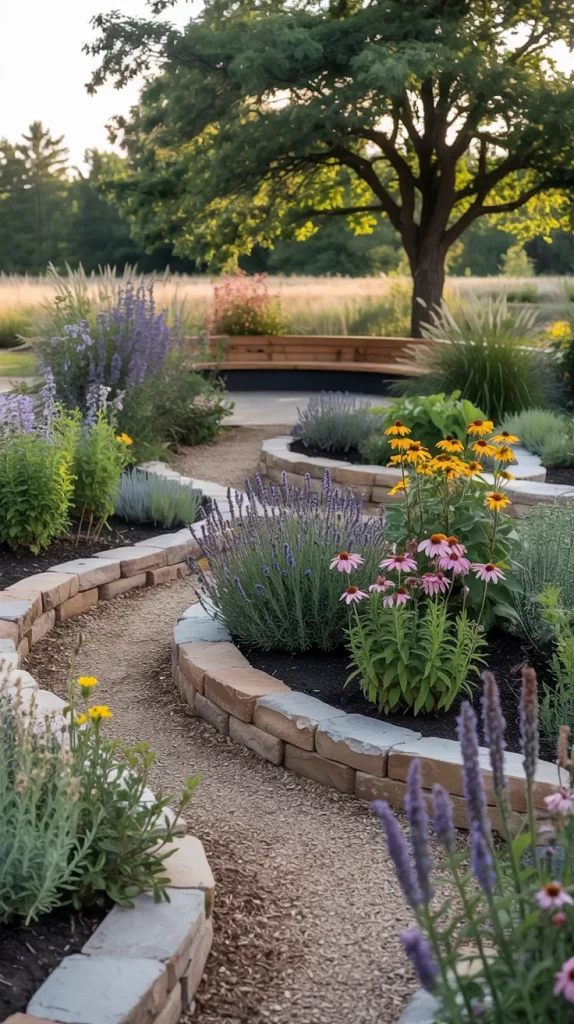
From my perspective, sustainable landscaping works best when it supports the lifestyle of the homeowner rather than creating unnecessary maintenance demands. I have noticed that clients appreciate outdoor environments more when they are practical and easy to manage throughout the year. Better Homes & Gardens has recently discussed the importance of climate-adaptive landscaping, and I completely agree that durability and environmental responsibility are becoming essential parts of modern outdoor design.
I also encourage adding shaded seating areas and natural mulch around planting zones because these elements help retain moisture while improving comfort during warmer seasons. Small adjustments like these can significantly improve the usability and sustainability of the entire backyard.
Outdoor Water Features Inspired By Natural Ecosystems
Water features in biophilic outdoor design 2026 are becoming more organic, subtle, and ecosystem-inspired rather than highly decorative or artificial. I often recommend natural ponds, minimalist fountains, shallow reflecting pools, and stone waterfalls that integrate seamlessly into the surrounding landscape. The goal is to create movement, sound, and visual calm without making the feature feel disconnected from the environment.
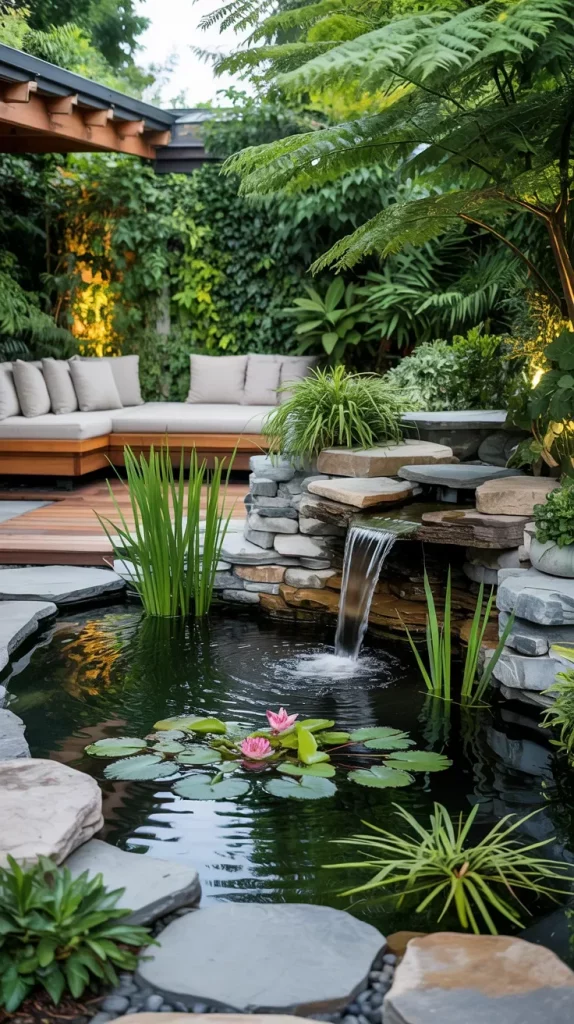
I usually incorporate stacked stone edges, aquatic plants, gravel borders, and soft landscape lighting to make water features feel more natural and immersive. Wooden decks positioned near reflecting pools or ponds can create a relaxing lounge area that encourages mindfulness and quiet outdoor living. I also find that combining water with surrounding greenery significantly improves the sensory experience of a backyard because it introduces movement and soothing sound into the space.
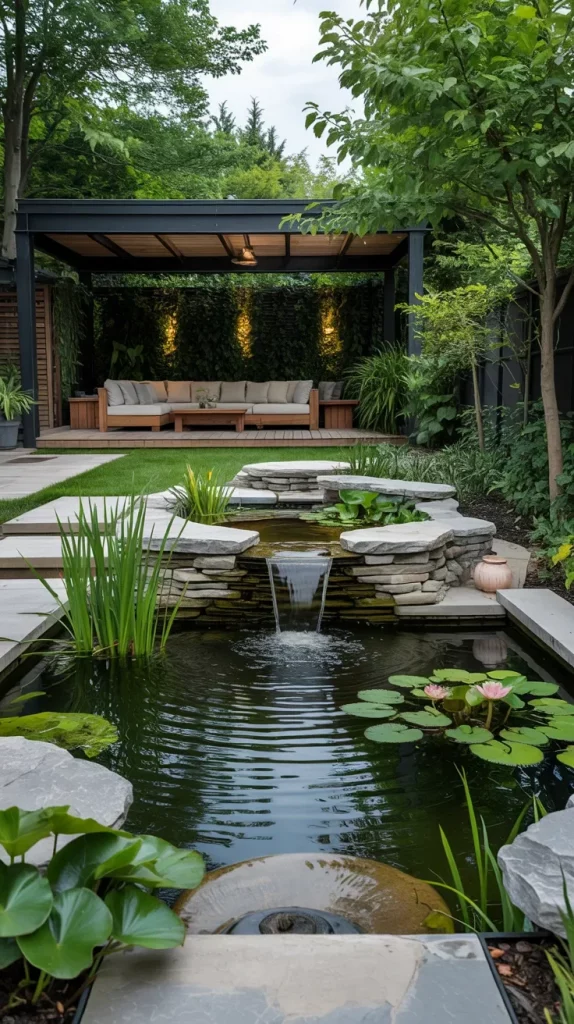
Personally, I think water features are most successful when they appear understated and integrated into the landscape rather than oversized or ornamental. Many landscape architects featured in Luxe Interiors + Design emphasize the emotional benefits of water in exterior spaces, particularly its ability to reduce stress and create a more peaceful environment. I have seen firsthand how even compact water installations can completely change the atmosphere of a patio or garden.
I also recommend considering eco-friendly filtration systems and native aquatic plants because they improve water quality while supporting a healthier outdoor ecosystem. These details make the feature more sustainable and easier to maintain over time.
Native Plants That Elevate Biophilic Garden Design
One of the most effective ways to strengthen biophilic outdoor design 2026 is by incorporating native plants that naturally adapt to the local environment. I often recommend building outdoor spaces around regional greenery because native species usually require less maintenance, less water, and better support local biodiversity. Modern biophilic gardens are moving away from overly formal landscaping and embracing layered, natural planting that feels connected to the surrounding ecosystem. This approach creates a more authentic outdoor atmosphere while improving the long-term sustainability of the garden.
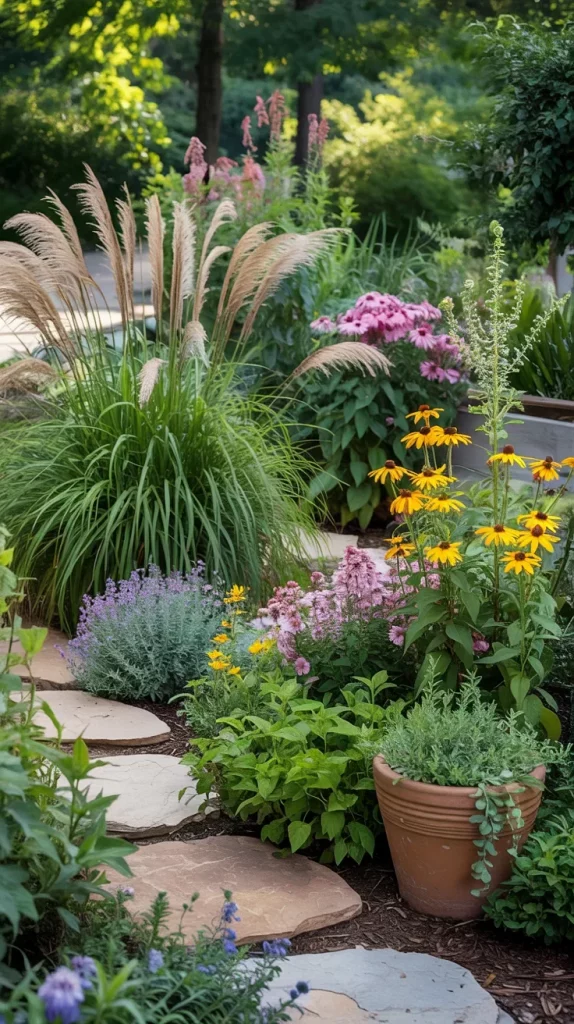
I usually combine ornamental grasses, flowering perennials, native shrubs, and small trees to create visual texture and seasonal variation. Stone pathways surrounded by dense planting beds help soften the structure of the backyard while maintaining functionality. I also like using large clay planters, natural mulch, and weathered wood edging because these materials complement the organic character of native gardens. In many cases, I find that pollinator-friendly flowers such as echinacea, lavender, and salvia can dramatically improve both the visual appeal and ecological value of outdoor spaces.
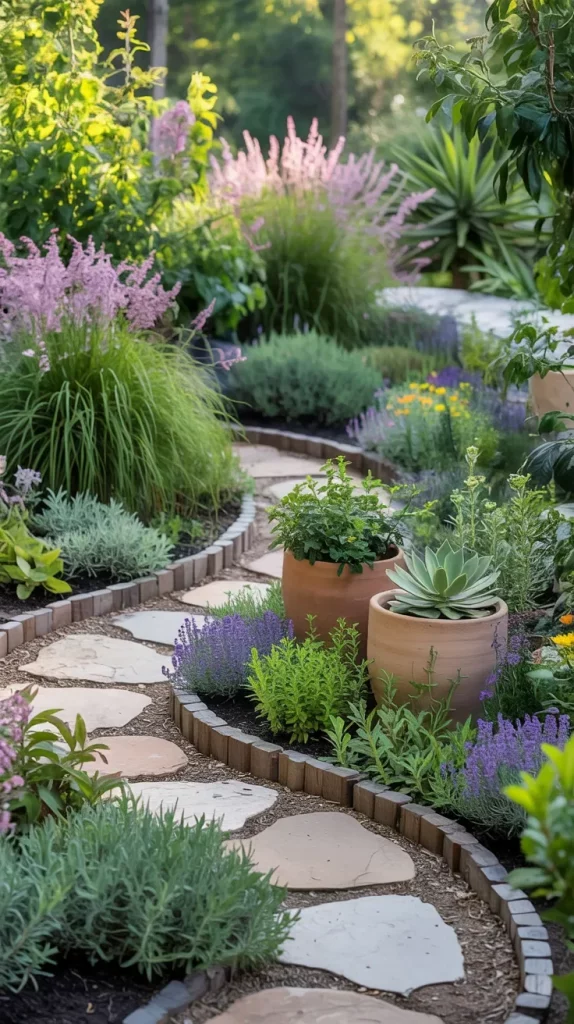
From my experience, native gardens often feel calmer and more balanced than heavily manicured landscapes. I personally appreciate how these spaces evolve naturally throughout the seasons instead of looking static year-round. Landscape professionals featured in Garden Design magazine frequently highlight the importance of designing with local ecosystems in mind, and I believe this philosophy is becoming central to modern outdoor living. Homeowners increasingly want gardens that feel alive and naturally integrated rather than overly controlled.
I also recommend adding natural stone seating areas within native planting zones because they encourage people to slow down and experience the landscape more closely. Simple seating surrounded by layered greenery can completely change how a backyard feels and functions.
Earth-Toned Outdoor Furniture Ideas For Relaxing Spaces
Furniture plays a major role in shaping the atmosphere of biophilic outdoor design 2026, and I see earthy tones becoming dominant in modern exterior styling. Instead of bright synthetic colors, homeowners are choosing furniture inspired by sand, clay, olive, taupe, charcoal, and warm wood finishes. These tones help outdoor areas feel softer, more grounded, and visually connected to natural surroundings. I find that earthy palettes create a timeless aesthetic that remains elegant even as trends evolve.
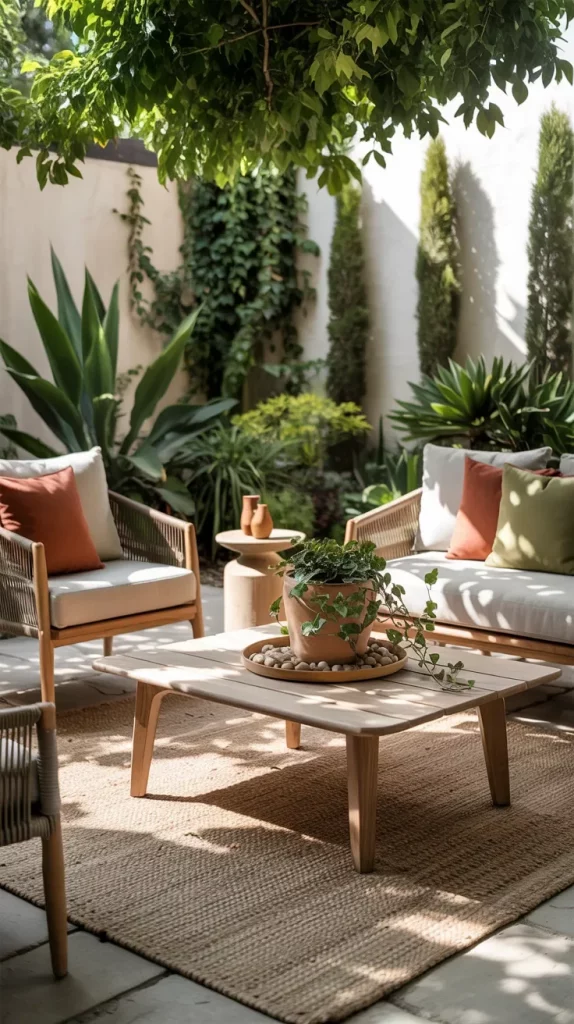
I often recommend deep outdoor lounge seating with textured cushions, low teak coffee tables, woven accent chairs, and oversized ceramic planters. Linen-inspired fabrics and weather-resistant boucle materials are becoming increasingly popular because they introduce comfort without feeling overly formal. I also like combining matte black lanterns, jute outdoor rugs, and stone side tables to create a layered but minimalist appearance. These combinations work especially well in modern patios designed around organic outdoor living ideas.
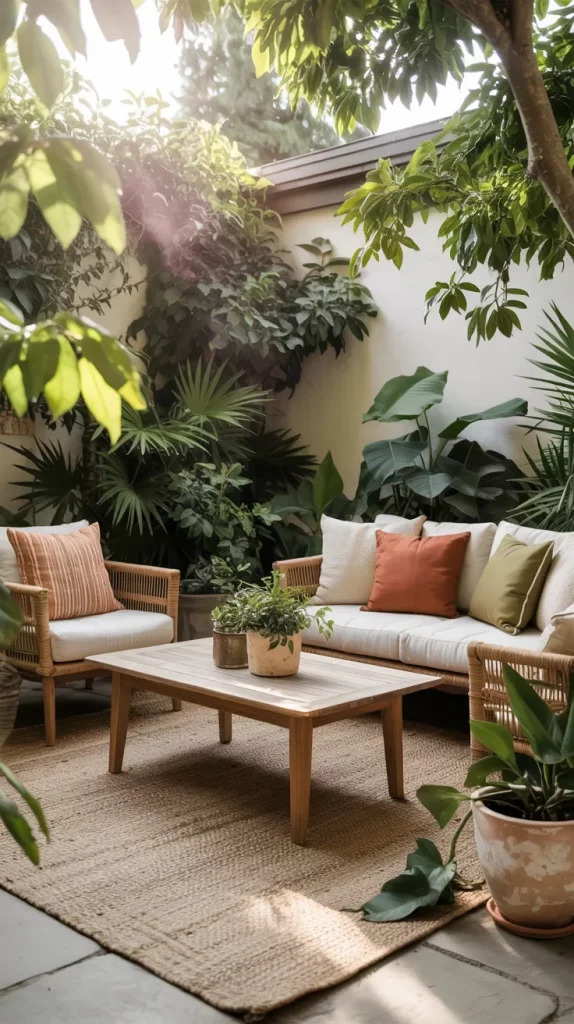
Personally, I think comfort should always guide outdoor furniture selection. I have worked on many projects where visually impressive furniture ultimately failed because it did not support everyday use. Designers from House Beautiful have recently emphasized the importance of creating outdoor rooms that feel as comfortable as indoor living spaces, and I fully agree with that perspective. Outdoor furniture should encourage people to spend more time outside instead of serving purely decorative purposes.
I also recommend incorporating movable seating and modular furniture pieces because they provide flexibility for entertaining, relaxing, or seasonal adjustments. Practical layouts help outdoor spaces remain functional throughout the year.
Open-Air Wellness Zones With A Natural Aesthetic
Wellness-focused outdoor environments are becoming a defining part of biophilic outdoor design 2026 as homeowners seek spaces that support relaxation and mental well-being. I increasingly design open-air wellness zones that combine natural materials, soft landscaping, and calming layouts to create peaceful retreats directly at home. These areas often include meditation corners, yoga platforms, shaded lounges, or spa-inspired seating zones surrounded by greenery. The emphasis is always on creating an atmosphere that feels restorative and uncluttered.
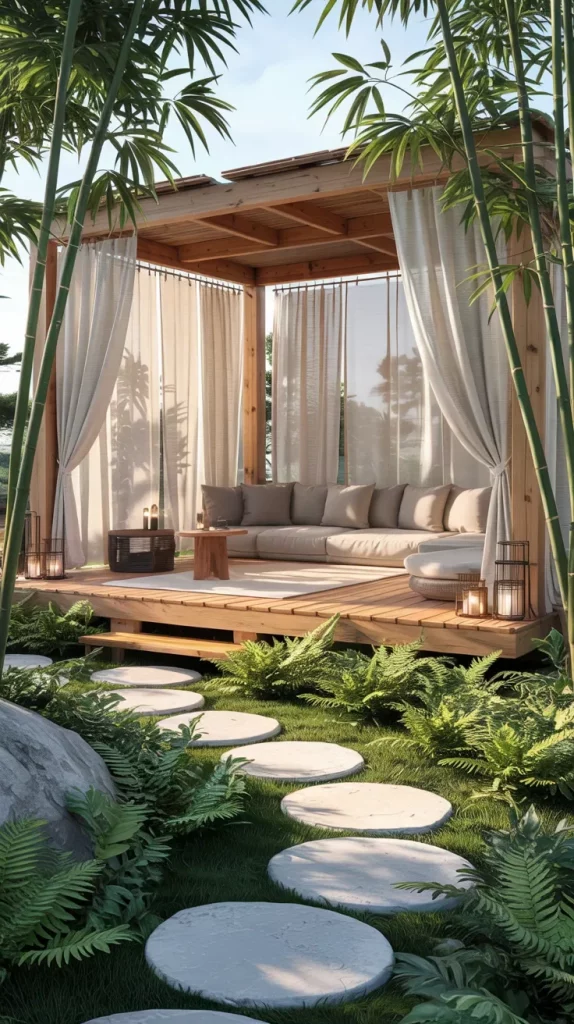
I typically incorporate wooden decking, linen outdoor curtains, stone pathways, and low-profile lounge furniture because these materials contribute to a calm and natural visual balance. Water features, lantern lighting, and layered planting also help soften the environment and reduce the harshness often found in contemporary architecture. I find that neutral color palettes combined with tactile materials significantly improve the sensory experience of outdoor wellness spaces. Even small additions such as outdoor floor cushions or woven privacy screens can dramatically enhance comfort.
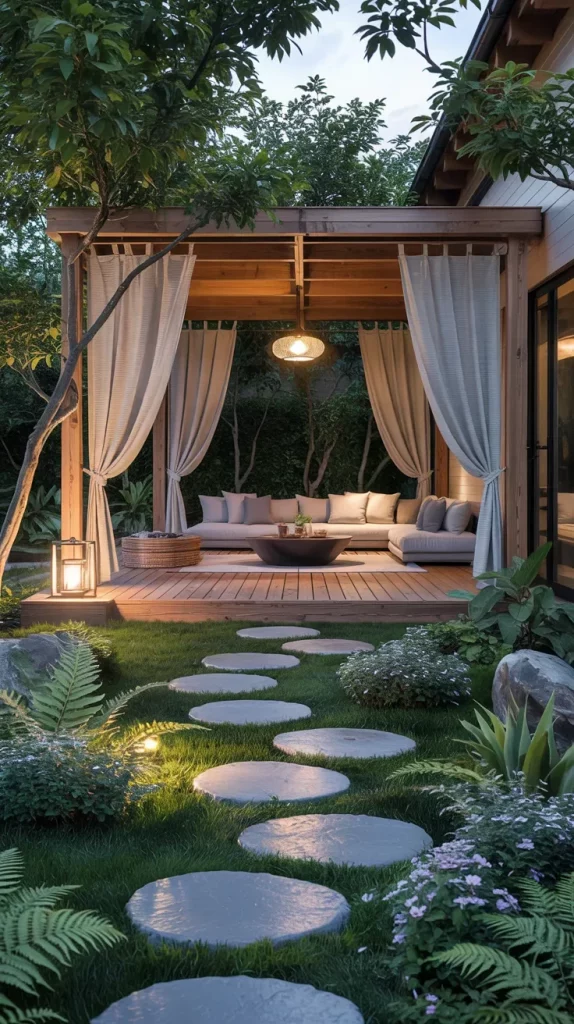
From my perspective, outdoor wellness design works best when it feels intentional but uncomplicated. I personally avoid overcrowding these spaces because visual simplicity often contributes more to relaxation than decorative excess. Wellness experts and designers featured in publications like Vogue Living frequently discuss the emotional benefits of nature-connected environments, and I have seen how effective these spaces can be in everyday life. Many homeowners are now prioritizing outdoor well-being just as much as interior comfort.
I also recommend adding subtle shade solutions like pergolas or retractable fabric canopies because they improve usability during warmer seasons while preserving the natural openness of the space.
Eco-Friendly Deck Designs With Organic Texture
Decking trends within biophilic outdoor design 2026 are shifting toward environmentally responsible materials and more natural surface finishes. I often recommend decks that blend seamlessly into the surrounding landscape rather than standing out as separate architectural elements. Organic textures, muted colors, and sustainable construction methods are becoming increasingly important in modern backyard design. Homeowners are paying closer attention to how outdoor materials feel visually and physically, not just how they perform.
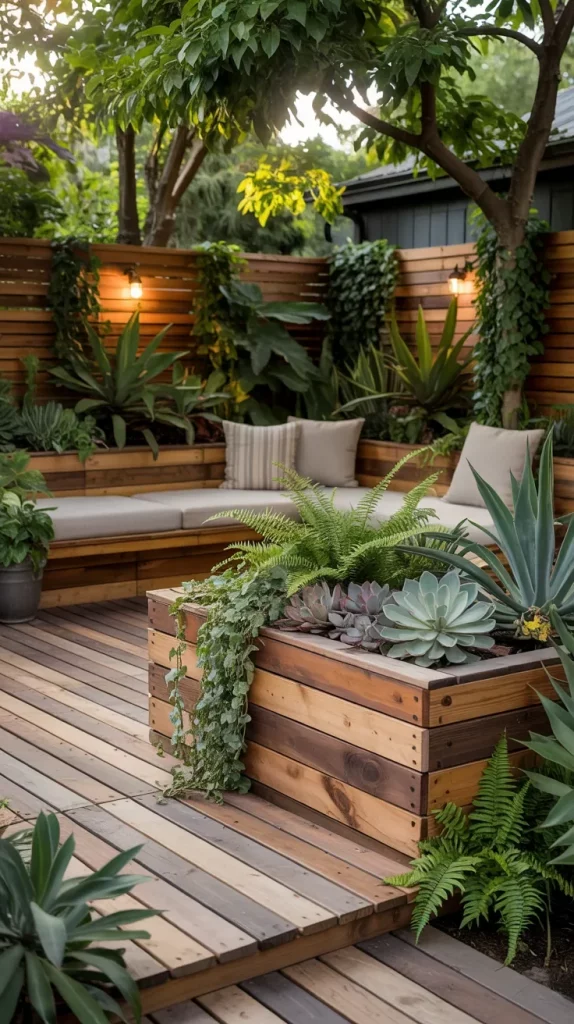
I usually work with reclaimed wood, thermally modified timber, or high-quality composite decking that mimics authentic wood grain. Wide deck boards in warm natural shades help create a more spacious and grounded appearance. I also like integrating built-in seating, planter boxes, and soft lighting directly into the deck structure because these details improve both aesthetics and practicality. When paired with lush greenery and textured stone, organic decking creates a cohesive and welcoming outdoor environment.
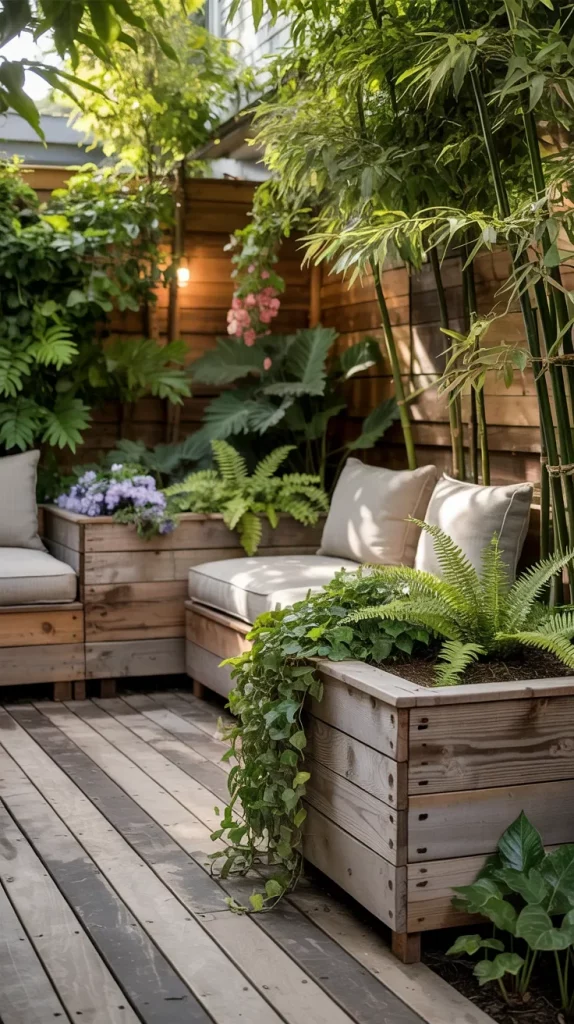
Personally, I think deck design should support connection with nature instead of competing against it. I often notice that simpler deck layouts with natural finishes age far better than highly decorative trends. Many outdoor design professionals featured in Veranda have recently highlighted the importance of tactile materials and sustainable craftsmanship, and I strongly agree with that direction. A deck should feel comfortable underfoot and visually harmonious with the landscape around it.
I also recommend incorporating partial shade and layered planting around deck edges because this softens transitions between architecture and greenery. These details make the outdoor space feel more immersive and balanced.
Seamless Indoor-Outdoor Living Concepts For Modern Homes
One of the strongest movements within biophilic outdoor design 2026 is the desire to blur the boundary between interior and exterior living spaces. I increasingly see homeowners wanting outdoor areas that feel like natural extensions of their interiors rather than completely separate zones. Large sliding glass doors, continuous flooring materials, and coordinated color palettes help create this seamless transition. The result is a home environment that feels brighter, larger, and more connected to nature.
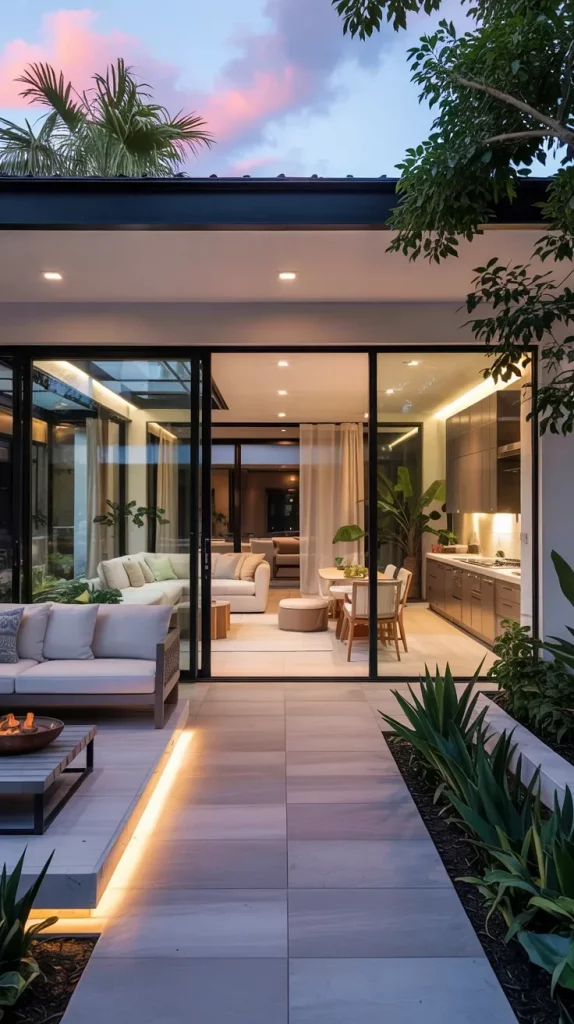
I often recommend using matching wood tones, neutral textiles, and complementary furniture styles across both indoor and outdoor areas. Covered patios with outdoor kitchens, fireplaces, and dining zones are especially effective for extending everyday living into the landscape. I also find that indoor plants positioned near transitional spaces help visually connect the architecture with surrounding greenery. Modern lighting design plays an important role as well because consistent warm lighting creates a smoother flow between spaces during the evening.
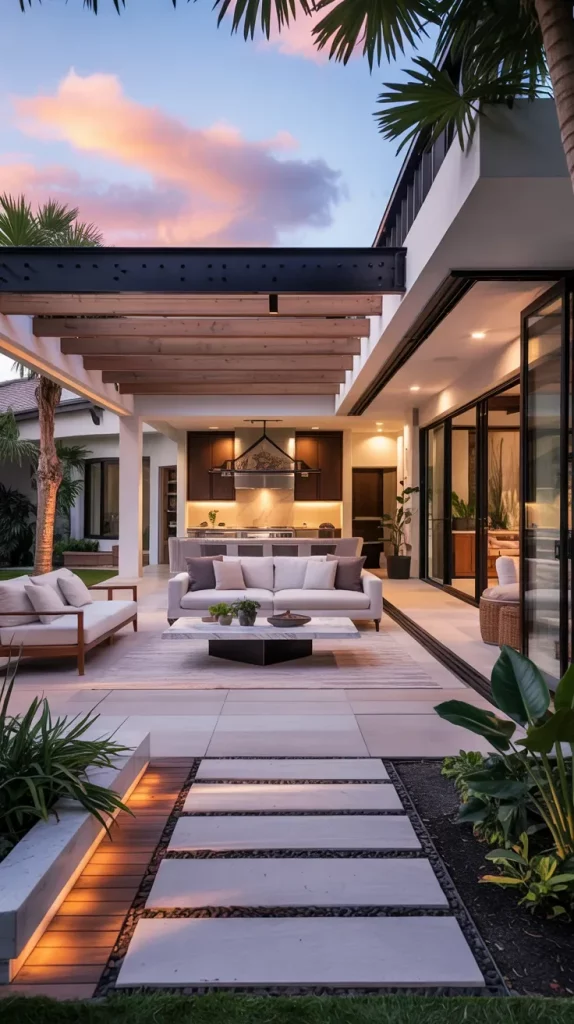
From my experience, seamless indoor-outdoor living improves not only aesthetics but also the overall functionality of modern homes. I personally appreciate how these layouts encourage people to interact more naturally with outdoor environments throughout the year. Architectural Digest has recently featured many homes designed around fluid indoor-outdoor concepts, and I believe this approach represents the future of residential design. Outdoor spaces are no longer secondary additions—they are becoming central to how people experience their homes.
I also encourage homeowners to consider seasonal adaptability when designing these transitions. Retractable screens, weather-resistant fabrics, and flexible seating arrangements help maintain comfort while preserving the open and connected atmosphere.
Shade Structures Inspired By Forest Canopies
I see forest-inspired shade structures becoming one of the defining features of biophilic outdoor design 2026 because they create a natural sense of shelter without making outdoor spaces feel enclosed. Instead of traditional solid patio covers, I prefer layered pergolas with curved wooden beams, woven canopies, and filtered light effects that mimic sunlight passing through tree branches. These structures work especially well in large backyards and poolside lounges because they soften harsh sunlight while maintaining airflow and visual openness. I also notice that homeowners increasingly want outdoor spaces that feel emotionally calming, and canopy-inspired shade systems help create that atmosphere naturally.
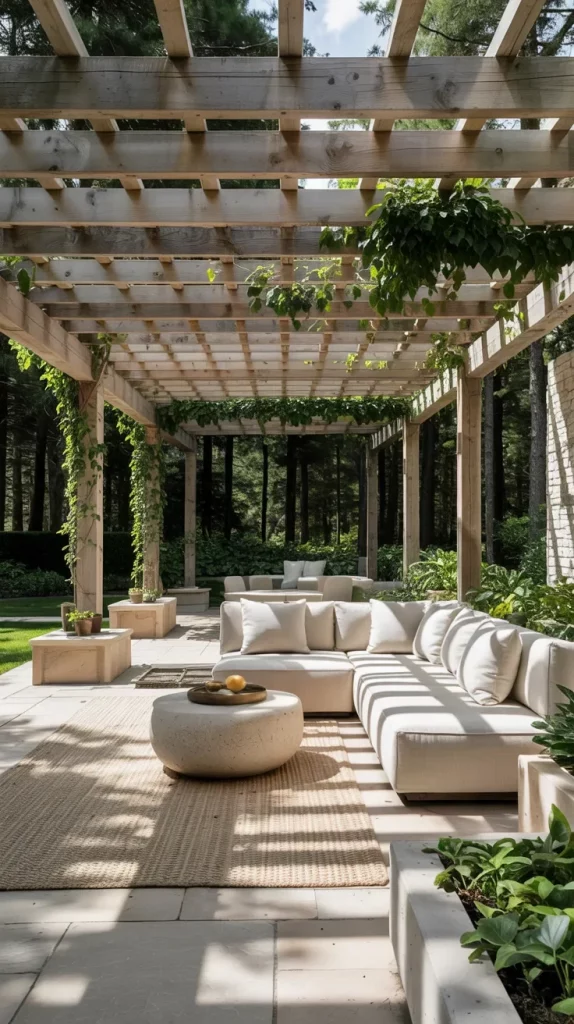
When I design these spaces, I focus heavily on organic materials and tactile finishes. I often recommend cedar, teak, or thermally modified wood because these materials age beautifully outdoors and strengthen the connection between architecture and landscape. Oversized linen outdoor curtains, hanging lanterns, rattan lounge furniture, and low-profile modular seating help reinforce the relaxed forest aesthetic. I also like incorporating climbing vines such as jasmine or ivy around the pergola posts because they gradually blend the structure into the surrounding greenery. Large stone planters and textured outdoor rugs make the seating area feel complete and visually grounded.
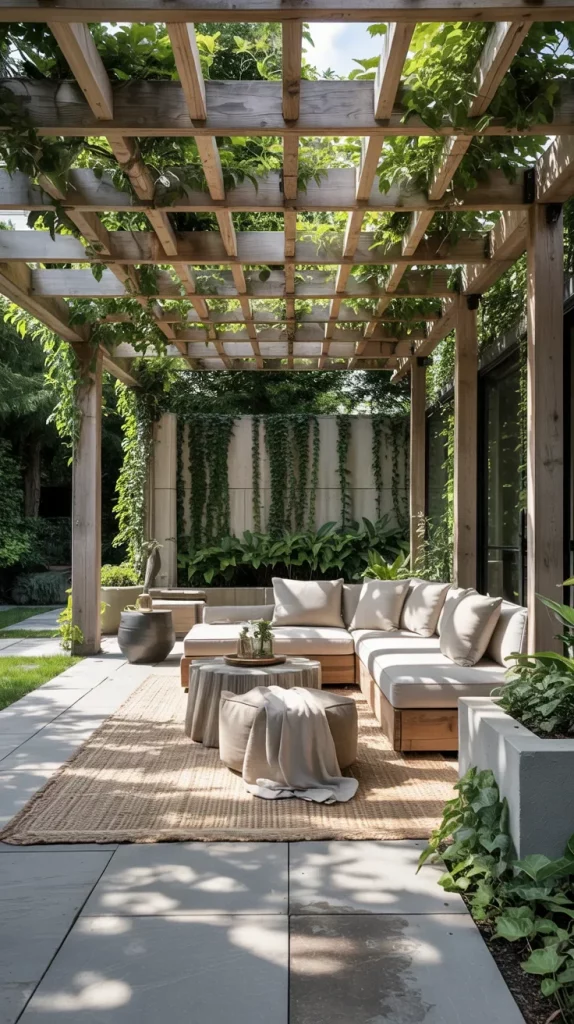
In my experience, the most successful canopy-inspired patios avoid looking too symmetrical or overly polished. Designers featured in publications like Architectural Digest often emphasize the importance of “imperfect natural layering” in biophilic spaces, and I strongly agree with that philosophy. I personally prefer mixing refined furniture with slightly rustic elements because the contrast creates a more authentic outdoor environment. Soft indirect lighting placed within wooden beams also helps create a relaxing evening atmosphere that feels similar to sitting beneath trees at sunset.
I also believe these outdoor spaces benefit from subtle sensory elements that are often overlooked. I recommend adding soft water features nearby, textured gravel walkways, and native aromatic plants like lavender or rosemary to enrich the experience. These details help the outdoor area engage multiple senses, which is one of the key goals of modern biophilic outdoor design 2026.
Minimalist Biophilic Courtyard Ideas For Small Spaces
I believe minimalist courtyards are becoming increasingly important because many homeowners want nature-focused outdoor living even in compact urban environments. In biophilic outdoor design 2026, small courtyards are no longer treated as secondary spaces but as intentional wellness retreats that maximize light, greenery, and natural materials. I often recommend keeping the layout simple with clean architectural lines, restrained furniture selections, and layered planting zones that create depth without cluttering the space. Neutral tones combined with soft greenery make even the smallest courtyard feel open and breathable.
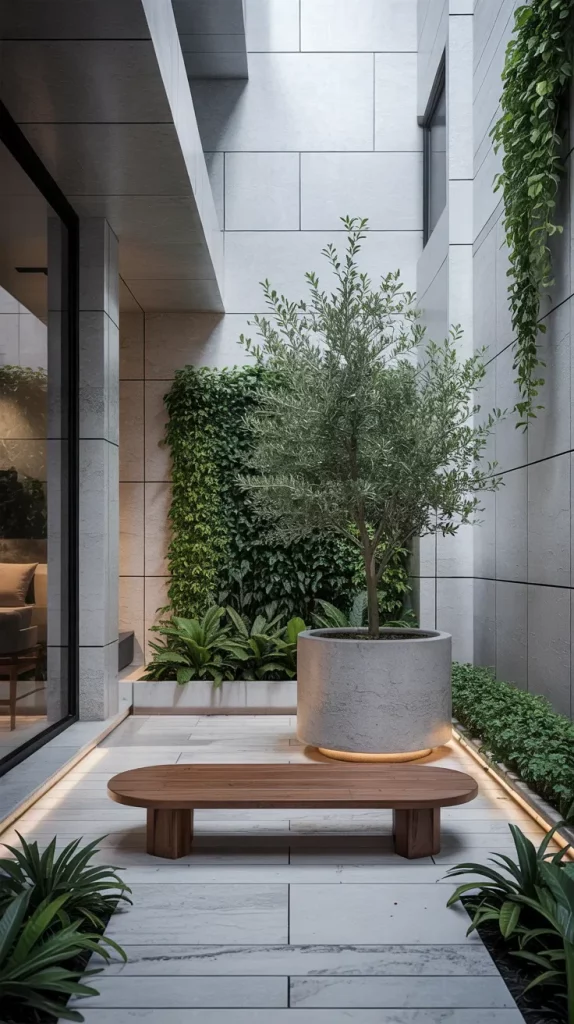
When working with compact outdoor areas, I prioritize multifunctional pieces that maintain visual simplicity. Built-in wooden benches with hidden storage, slim concrete planters, floating stone pavers, and vertical timber screens are especially effective because they provide structure while preserving openness. I frequently use limestone, travertine, and warm-toned wood to soften minimalist architecture and prevent the courtyard from feeling sterile. Compact water bowls, sculptural olive trees, and integrated seating niches add personality without overwhelming the design.
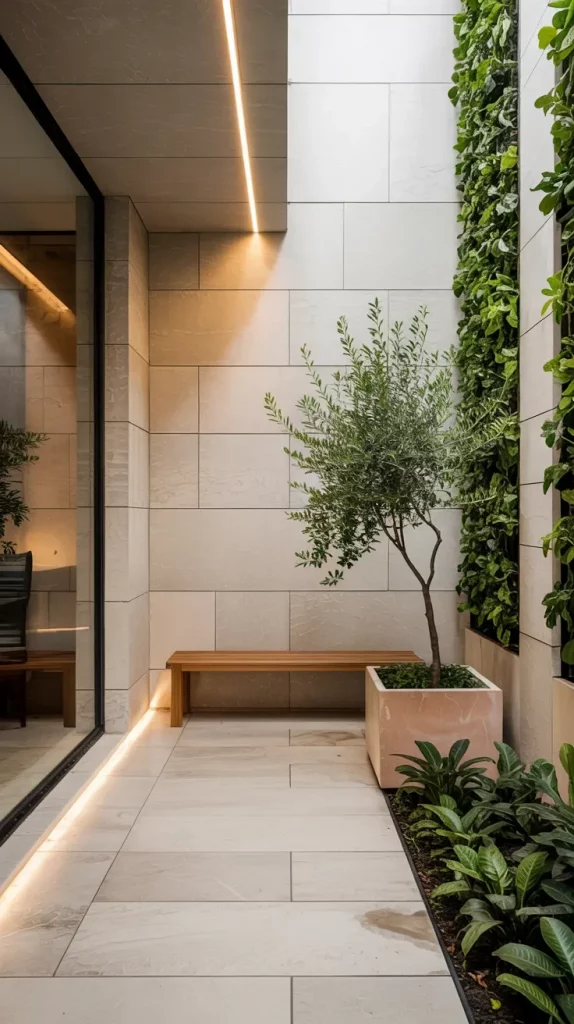
Personally, I think the biggest mistake people make in small outdoor spaces is adding too many decorative elements. I prefer limiting the palette to a few high-quality materials and focusing instead on texture, natural light, and proportion. Many landscape designers featured in Elle Decor recommend using fewer but larger plants in compact spaces because it creates a stronger visual impact, and I completely agree with that approach. One mature tree or oversized planter often feels far more luxurious than multiple small scattered pots.
I also encourage homeowners to think carefully about privacy and atmosphere in urban courtyards. Frosted glass dividers, bamboo screens, and climbing greenery can soften neighboring walls while maintaining natural light. Soft ambient lighting integrated into steps or planters also helps transform minimalist courtyards into elegant evening retreats that align perfectly with modern biophilic outdoor design 2026.
Natural Stone Pathways For Elegant Outdoor Flow
Natural stone pathways are one of the most effective ways to create visual movement and cohesion in outdoor spaces. In biophilic outdoor design 2026, pathways are no longer purely functional; they are carefully designed features that guide people through gardens while enhancing the connection between architecture and nature. I often use irregular stone layouts because they feel more organic and less rigid than perfectly symmetrical designs. Curved pathways surrounded by layered planting beds create a softer and more immersive outdoor experience.
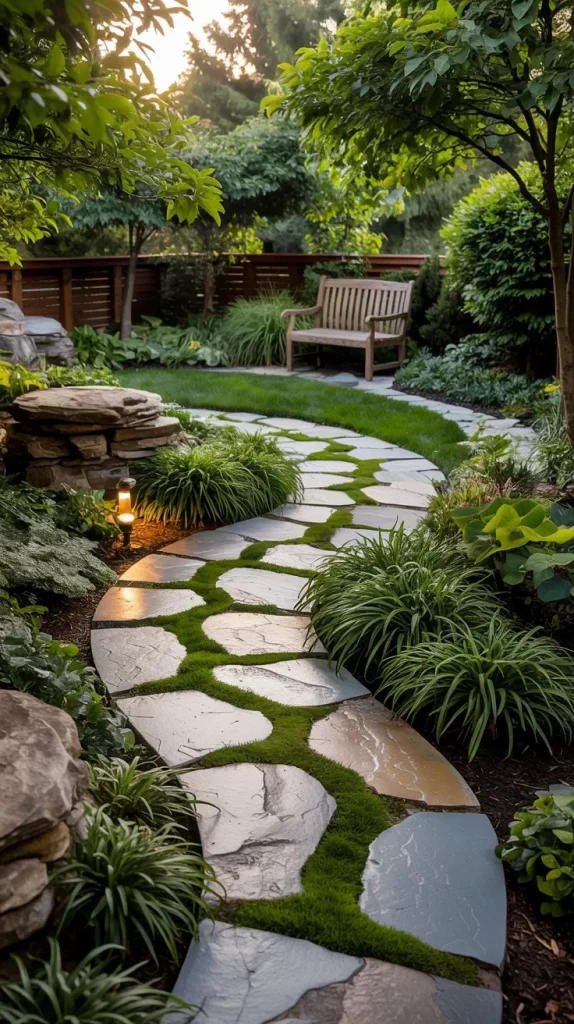
I usually recommend materials like bluestone, slate, travertine, or decomposed granite because they age beautifully and blend naturally into outdoor environments. Wide stepping stones separated by moss, creeping thyme, or ornamental grasses create a more relaxed aesthetic than traditional concrete walkways. I also like integrating low landscape lighting along the edges because it improves safety while highlighting the texture of the stone during the evening. Large ceramic planters, weathered wooden benches, and subtle water features can further enrich the pathway experience.
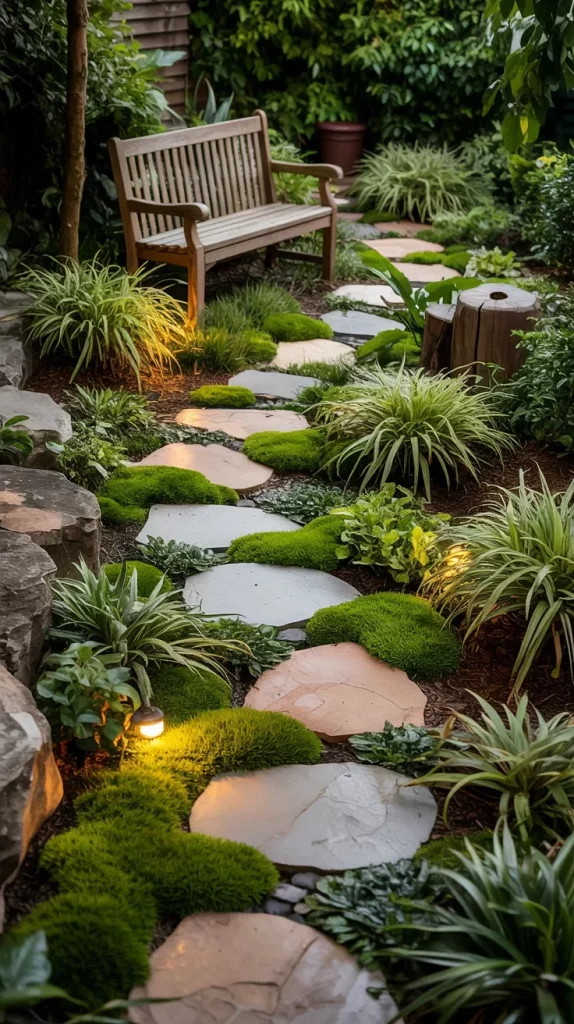
In my opinion, pathway design should always consider how people emotionally move through the space. I have noticed that slower curved pathways encourage people to pause and interact with the landscape more intentionally. Landscape architects frequently discuss the importance of “destination points” in garden design, and I find that adding a seating area, sculpture, or fire feature at the end of a pathway gives the outdoor layout stronger purpose and flow.
I also recommend paying close attention to drainage and sustainability when planning stone pathways. Permeable surfaces, gravel joints, and rain-absorbing planting beds reduce runoff while maintaining the natural appearance of the design. These practical details make pathways not only visually elegant but also highly functional within sustainable biophilic outdoor design 2026 concepts.
Smart Outdoor Lighting Inspired By Nature
Lighting plays a major role in shaping the atmosphere of outdoor spaces, and I believe the trend toward nature-inspired illumination will continue dominating biophilic outdoor design 2026. Instead of harsh floodlights or overly bright fixtures, I prefer layered lighting systems that imitate the softness of moonlight, firelight, and filtered natural glow. Warm lighting placed strategically among plants and architectural elements creates a more relaxing and immersive outdoor environment. The goal is to make the space feel calm and organic rather than artificially illuminated.
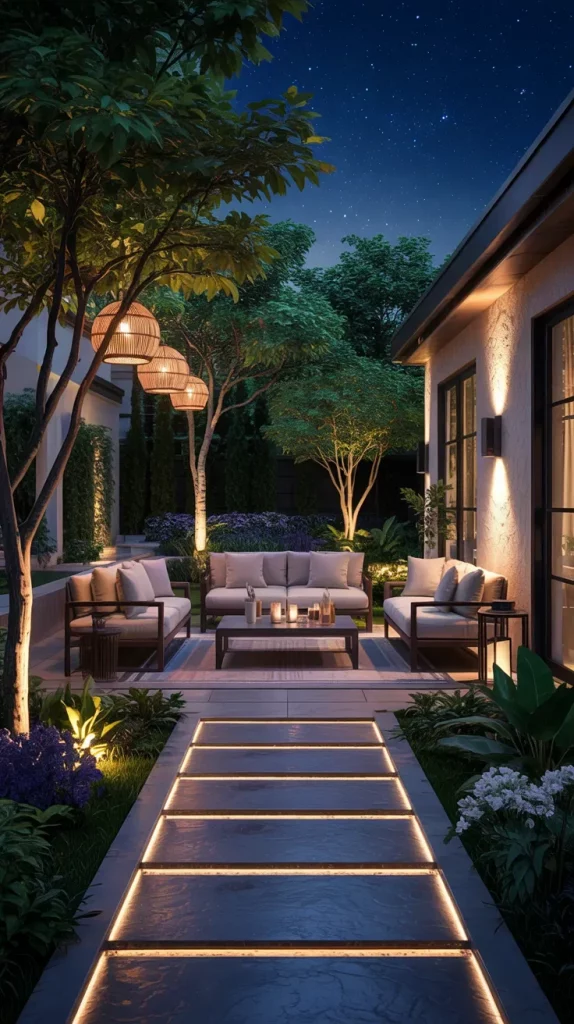
I often use concealed LED strips beneath benches, low-voltage path lighting, woven pendant lanterns, and recessed uplighting near trees or textured walls. Smart lighting systems are especially useful because homeowners can adjust brightness and warmth depending on the season or occasion. I also recommend solar-powered fixtures whenever possible because they support sustainability while reducing long-term energy costs. Materials like bronze, matte black metal, and woven natural fibers help lighting fixtures blend seamlessly into outdoor surroundings.
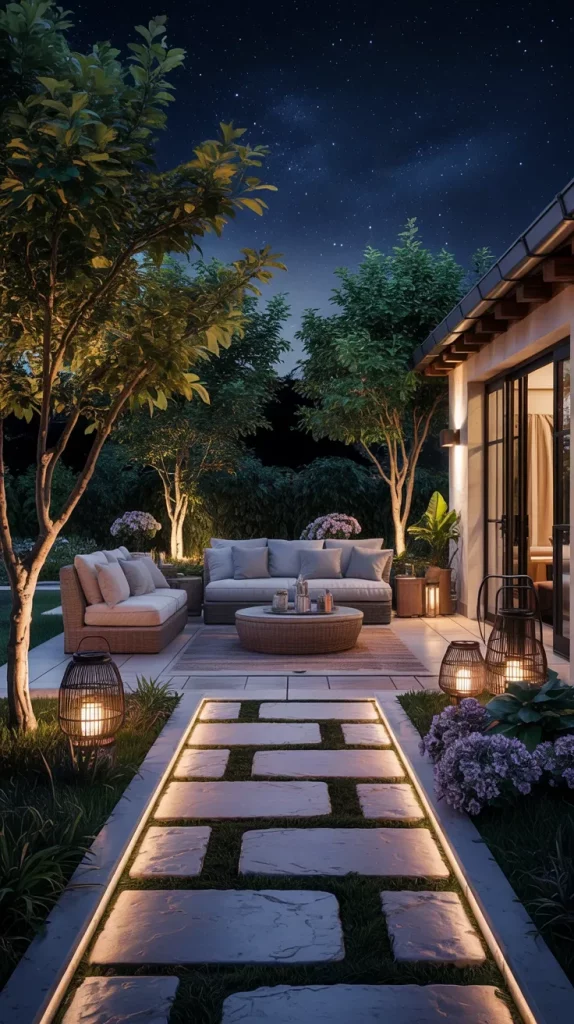
Personally, I think outdoor lighting should never dominate the landscape. I prefer subtle illumination that highlights textures and creates depth instead of overpowering the natural beauty of plants and materials. Many designers featured in House Beautiful emphasize that shadow and contrast are just as important as brightness in outdoor design, and I strongly agree with that principle. Soft layered lighting creates a much more sophisticated atmosphere than overly bright patio installations.
I also recommend integrating lighting into planting beds, water features, and vertical gardens to create visual continuity throughout the space. Motion-sensitive pathways, dimmable lounge lighting, and hidden uplighting beneath trees help outdoor areas feel more dynamic and functional while still preserving the peaceful mood associated with biophilic outdoor design 2026.
Outdoor Dining Areas Surrounded By Greenery
Outdoor dining spaces are evolving into immersive garden experiences where nature becomes part of the atmosphere rather than just the backdrop. In biophilic outdoor design 2026, dining areas are designed to feel integrated with surrounding greenery through layered planting, natural materials, and open-air layouts. I often position dining zones near garden borders, vertical greenery, or shaded pergolas because it creates a stronger connection between people and the landscape. These spaces feel more inviting and emotionally restorative than traditional patios with minimal planting.
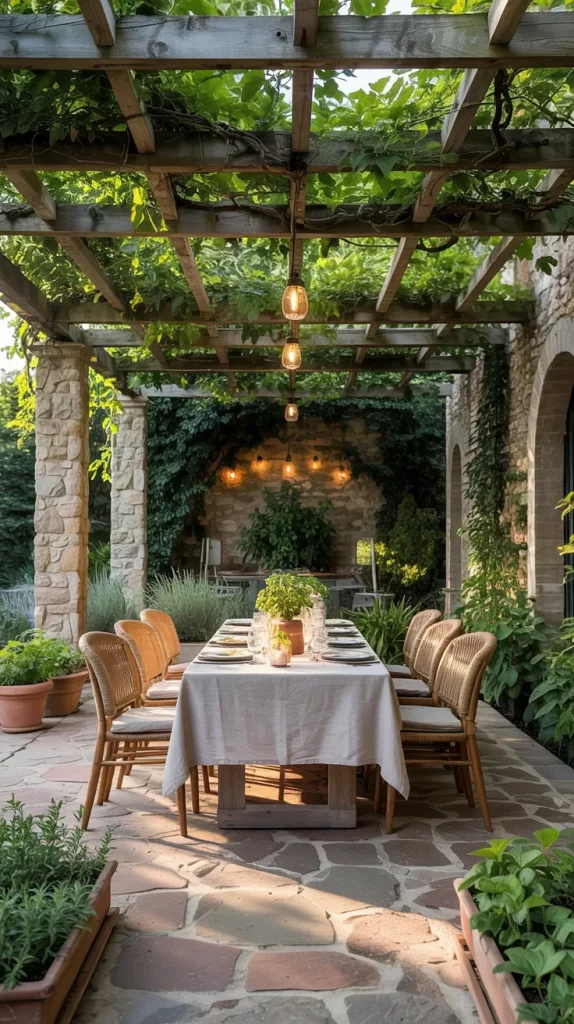
When designing outdoor dining areas, I usually recommend large wooden dining tables, woven dining chairs, linen textiles, and ceramic table décor because they reinforce the organic aesthetic. Built-in planters overflowing with herbs and ornamental grasses help soften hardscaping while adding texture and fragrance to the dining experience. I also like incorporating outdoor kitchens with stone countertops and concealed storage because they improve functionality without disrupting the natural appearance of the space. Oversized pendant lanterns and candlelight help create a warm evening atmosphere.
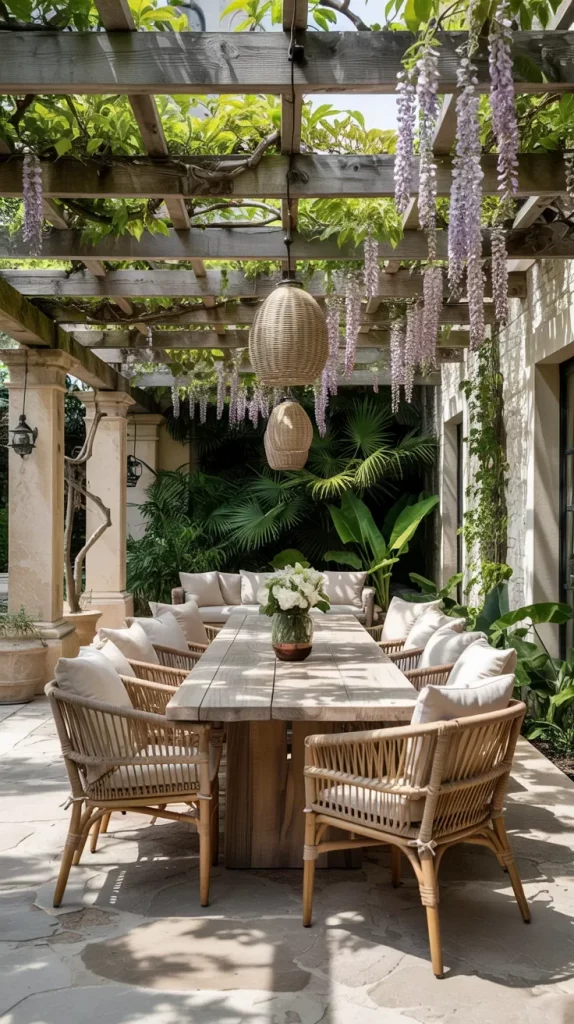
In my experience, outdoor dining spaces become much more successful when they feel layered and lived-in rather than overly staged. I personally prefer mixing structured furniture with softer planting styles because it creates balance between refinement and comfort. Designers from Better Homes & Gardens frequently recommend using edible landscaping near dining areas, and I think herbs, citrus trees, and berry plants make outdoor entertaining feel more interactive and memorable.
I also encourage homeowners to think about seasonal flexibility when planning these areas. Retractable shade systems, portable heaters, and weather-resistant fabrics help extend the usability of outdoor dining spaces throughout the year. These practical additions make outdoor entertaining more comfortable while preserving the organic elegance central to biophilic outdoor design 2026.
Rain Gardens And Sustainable Drainage Design Ideas
I believe rain gardens are becoming one of the most practical and visually impressive elements of biophilic outdoor design 2026 because they combine sustainability with natural beauty. Instead of treating drainage as a hidden technical issue, modern outdoor spaces now integrate water management directly into the landscape design. I often recommend creating shallow planted basins that collect rainwater naturally while adding texture and movement to the yard. These gardens not only reduce runoff and erosion but also create a softer, more ecological outdoor atmosphere that feels connected to the surrounding environment.
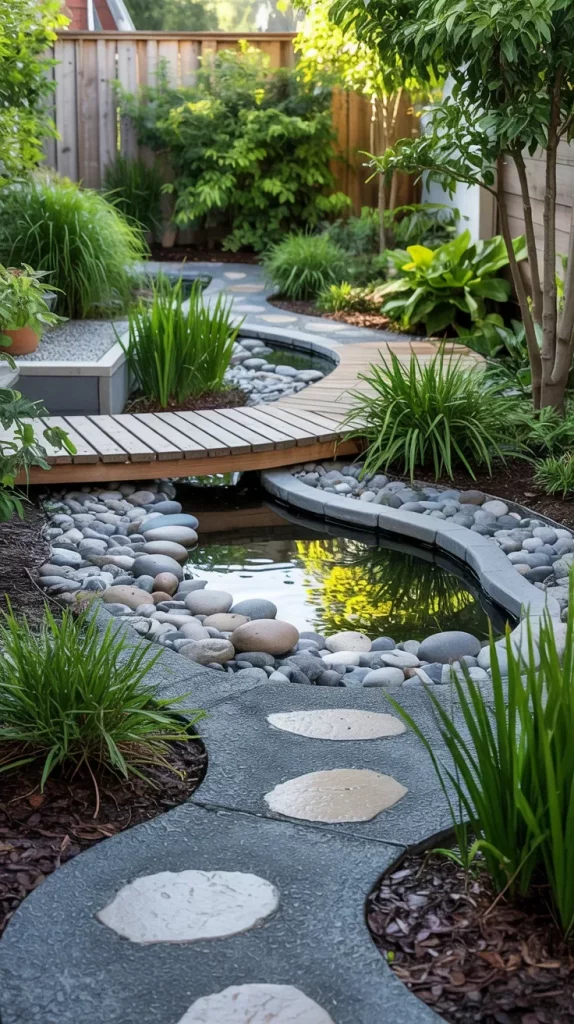
When designing rain gardens, I usually work with layered native plants that tolerate both wet and dry conditions. Ornamental grasses, sedges, black-eyed Susans, ferns, and flowering perennials help create a lush appearance while supporting local ecosystems. I also prefer using natural river stones, permeable gravel, and irregular edging to maintain an organic visual flow. Wooden footbridges, sculptural boulders, and weathered stone accents can turn functional drainage zones into elegant landscape features. I find that combining these materials creates a more immersive and calming outdoor environment.
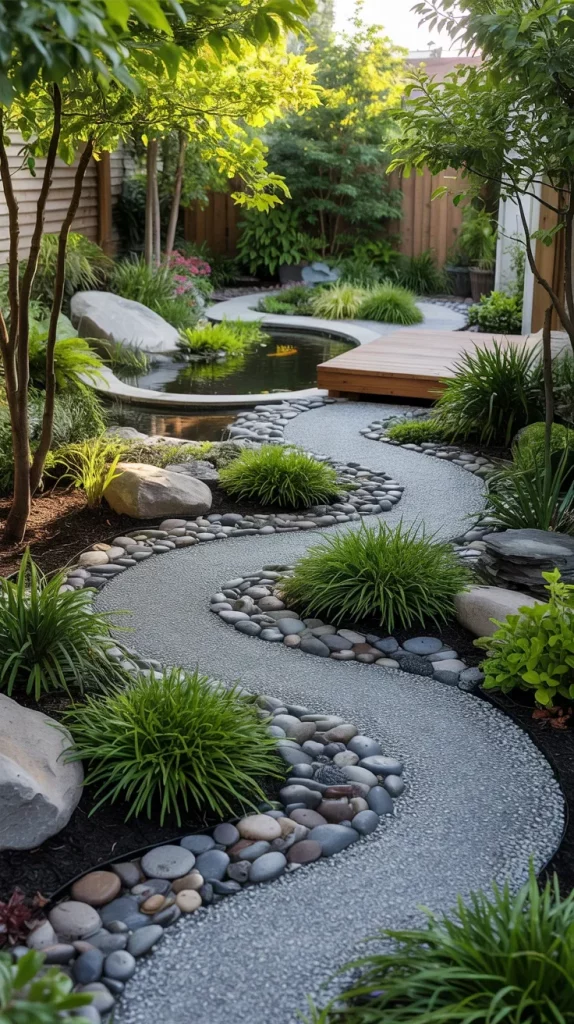
In my experience, homeowners often underestimate how much visual impact water-sensitive landscaping can have on the overall design. Publications like Dwell and Gardenista frequently highlight sustainable landscapes that work with nature rather than against it, and I strongly support that approach. I personally prefer rain gardens that feel slightly wild and layered because they resemble natural ecosystems instead of overly manicured landscaping. The result feels more authentic and emotionally relaxing.
I also recommend integrating rain chains, underground water storage systems, and permeable walkways around these gardens to improve long-term functionality. These additions strengthen the environmental benefits of the project while maintaining the sophisticated aesthetic expected in modern biophilic outdoor design 2026.
Vertical Gardens That Bring Life To Compact Outdoor Spaces
Vertical gardens are redefining how greenery is used in compact outdoor spaces, especially in urban homes where ground space is limited. In biophilic outdoor design 2026, living walls are no longer just decorative accents but central architectural features that create immersive natural environments. I often use vertical planting systems to soften blank walls, increase privacy, and introduce layered textures into patios and courtyards. These installations immediately make outdoor areas feel fresher, more vibrant, and more connected to nature.
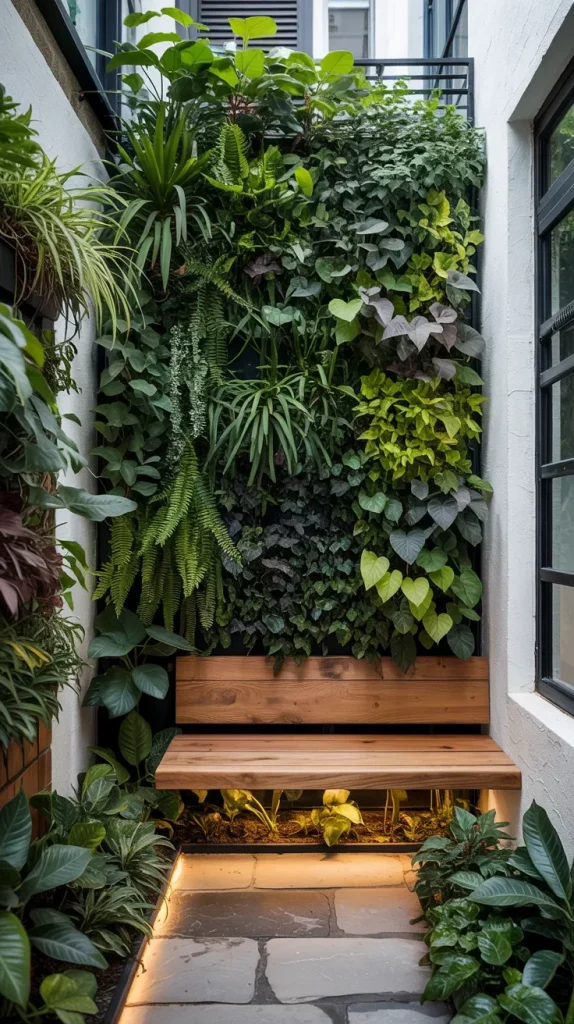
When creating vertical gardens, I usually combine trailing plants, structured greenery, and aromatic herbs to achieve visual depth. Modular planting panels, reclaimed wood frames, matte black metal structures, and integrated irrigation systems help maintain a clean and contemporary appearance. I also like pairing living walls with floating benches, compact water features, and natural stone flooring because these materials balance the lushness of the greenery. Soft integrated lighting helps emphasize texture during the evening and gives the garden a more luxurious atmosphere.
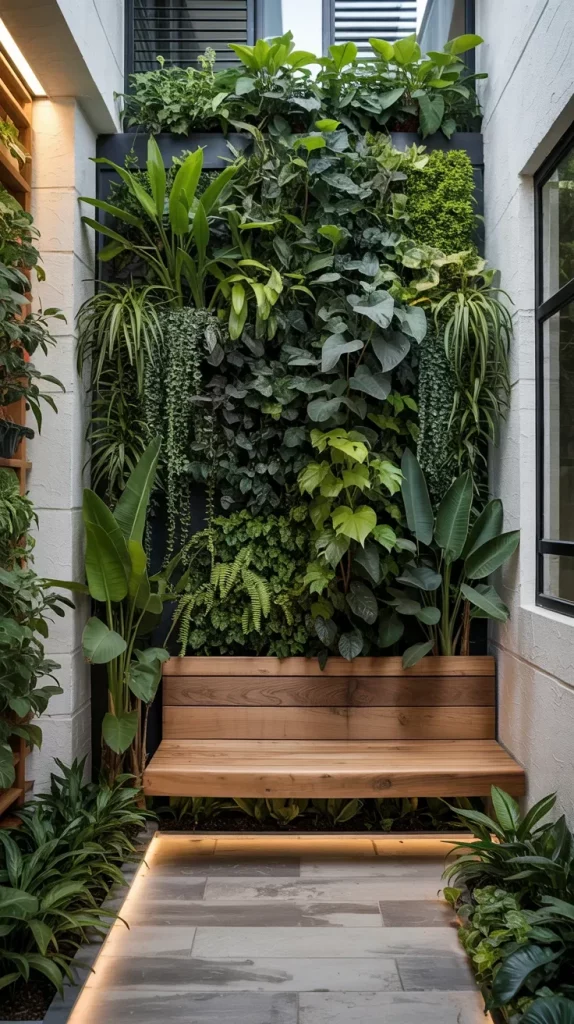
Personally, I think vertical gardens work best when they are treated as part of the architecture rather than temporary decoration. I often recommend selecting a restrained plant palette with varying shades of green because it creates a more elegant and cohesive result. Landscape designers featured in Veranda frequently discuss the importance of texture layering in outdoor design, and I completely agree that combining large leaves, fine grasses, and cascading plants creates far more visual interest than relying solely on flowers.
I also encourage homeowners to include practical features within these spaces. Hidden irrigation systems, weather-resistant seating, and integrated drainage panels make vertical gardens easier to maintain over time. These details help ensure that compact outdoor areas remain functional while fully embracing the natural sophistication of biophilic outdoor design 2026.
Biophilic Fire Pit Areas For Cozy Backyard Gatherings
I see fire pit lounges becoming increasingly important in biophilic outdoor design 2026 because they encourage people to spend more time outdoors throughout the year. Modern fire pit areas are designed to feel warm, intimate, and naturally integrated into the landscape rather than isolated patio features. I often position these gathering spaces near layered planting beds, natural stone walls, or sunken seating areas because the surrounding greenery softens the overall composition and creates a more inviting atmosphere. Fire naturally draws people together, which makes these spaces ideal for both entertaining and quiet relaxation.
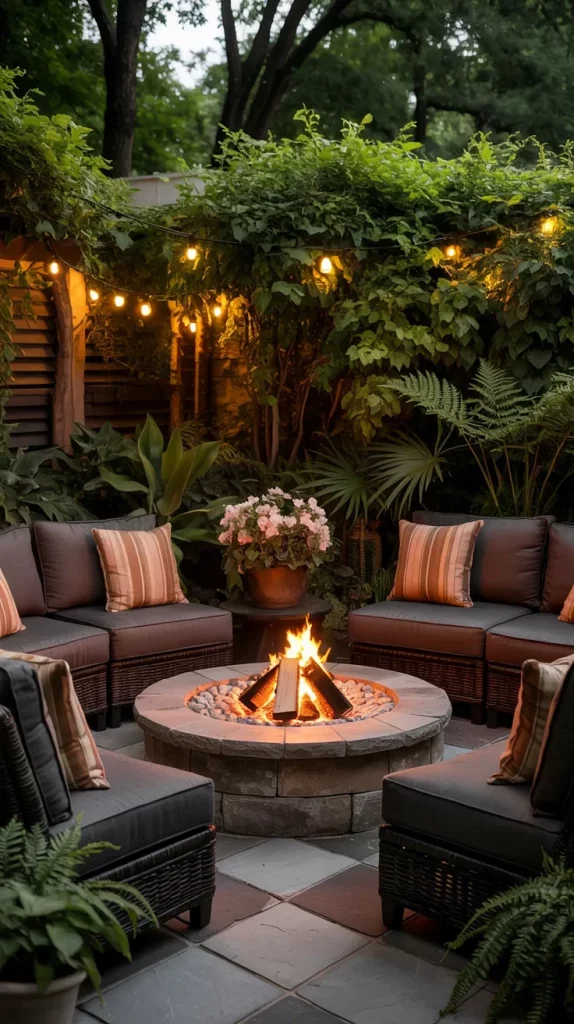
When designing biophilic fire pit zones, I prefer using natural materials such as limestone, textured concrete, reclaimed wood, and weathered steel. Deep outdoor lounge seating with soft neutral cushions helps make the area feel comfortable without appearing overly formal. I also recommend adding oversized lanterns, woven throws, and low wooden side tables because these details strengthen the cozy atmosphere. Surrounding the fire pit with ornamental grasses, native shrubs, and layered lighting creates a softer transition between hardscape and landscape.
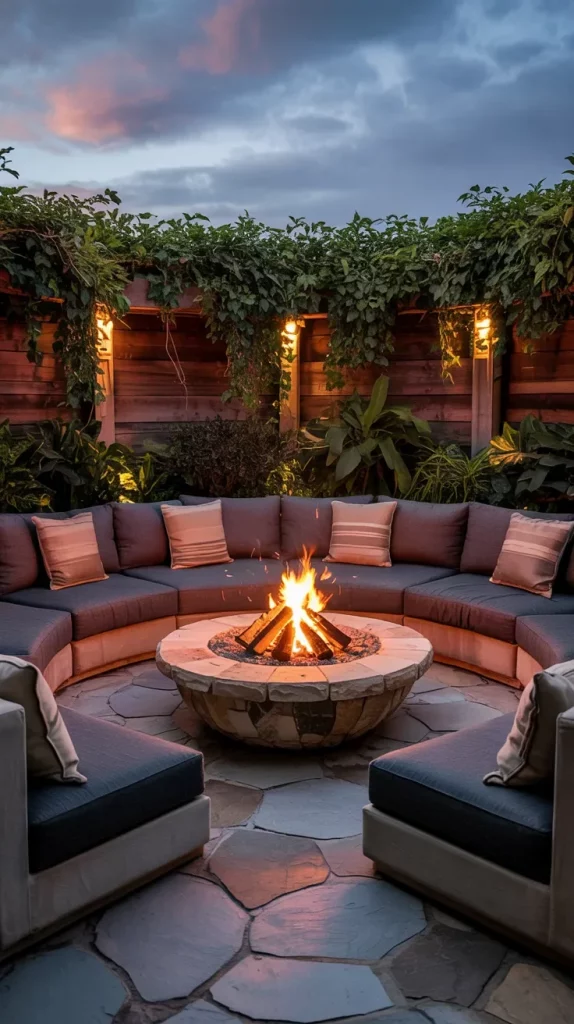
In my experience, the most successful outdoor lounges balance warmth with openness. I personally avoid overcrowding fire pit areas with excessive furniture because generous spacing allows the surrounding nature to remain visually dominant. Designers from HGTV often emphasize the importance of creating “conversation-focused layouts” around outdoor fire features, and I find circular or semi-circular seating arrangements work especially well for this purpose.
I also think it is important to include practical weather considerations within these spaces. Built-in wood storage, wind-resistant fire tables, and subtle overhead shelter systems can significantly improve comfort and usability throughout different seasons. These thoughtful details help create outdoor gathering spaces that feel luxurious yet grounded in the principles of biophilic outdoor design 2026.
Rustic Wooden Pergolas With Modern Organic Styling
Rustic pergolas are evolving into refined architectural focal points that combine traditional craftsmanship with contemporary organic styling. In biophilic outdoor design 2026, pergolas are no longer treated as simple shade structures but as extensions of the home’s natural aesthetic. I often use oversized timber beams, asymmetrical layouts, and integrated greenery to create pergolas that feel sculptural yet welcoming. These structures work beautifully over outdoor lounges, dining areas, and garden walkways because they help visually organize the landscape while maintaining openness.
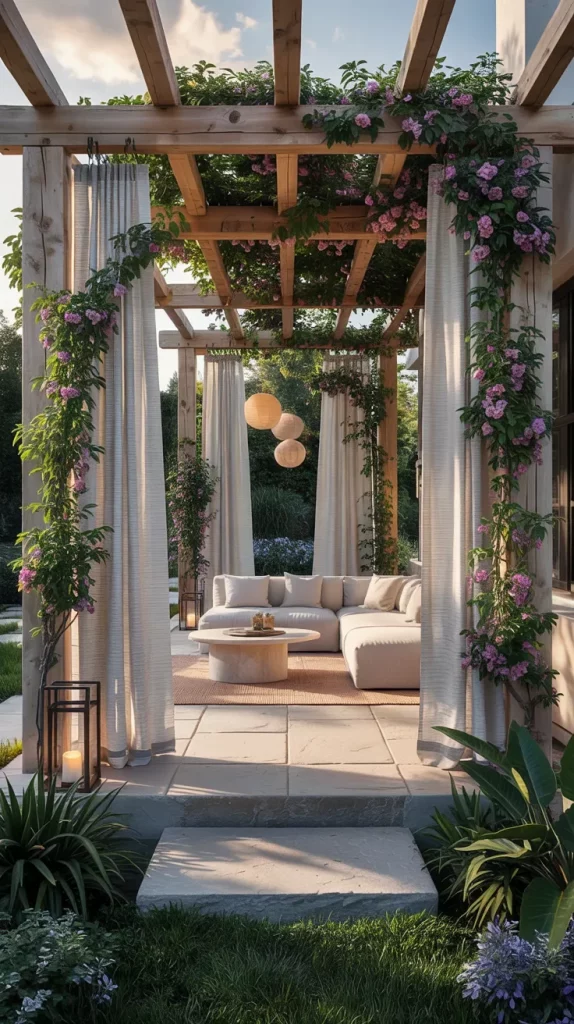
I usually recommend natural wood species such as cedar, oak, or teak because they develop character over time and reinforce the connection between built and natural environments. Linen drapery, suspended lanterns, textured outdoor fabrics, and handcrafted ceramic décor help soften the architectural structure. I also like incorporating climbing roses, wisteria, or jasmine around the pergola because living greenery adds movement, fragrance, and seasonal variation. Pairing rustic wood with minimalist furniture creates an appealing balance between modern and organic design.
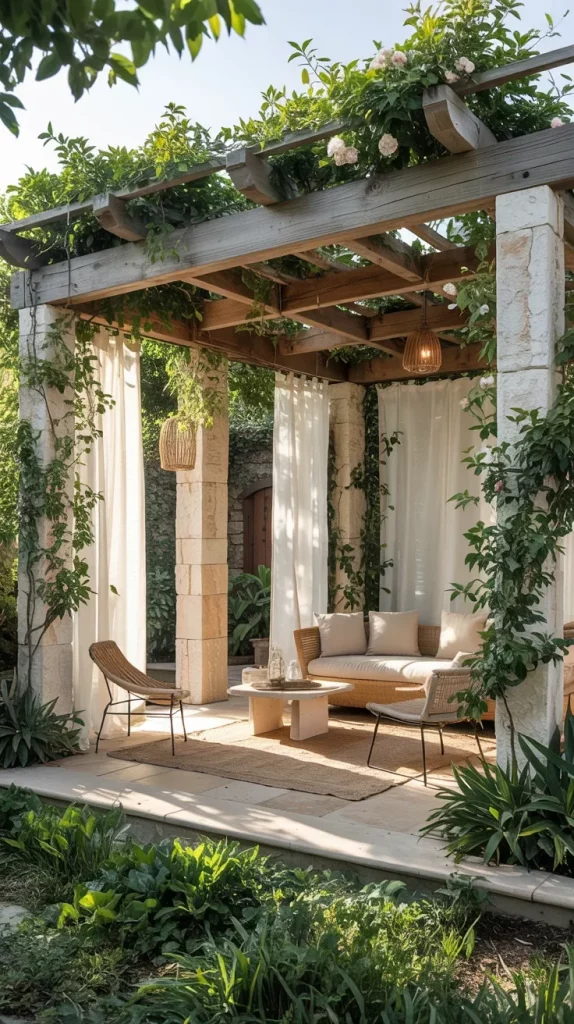
Personally, I think the key to modern rustic styling is restraint. I prefer avoiding overly decorative pergola details and instead focusing on clean proportions, quality materials, and natural texture. Many outdoor designers featured in Architectural Digest recommend blending rustic materials with contemporary silhouettes to prevent outdoor spaces from feeling outdated, and I strongly agree with that design philosophy. A simple but thoughtfully detailed pergola often feels more luxurious than heavily ornamented structures.
I also encourage homeowners to think about how pergolas function throughout the entire day. Adjustable shade panels, integrated lighting, and nearby planting beds help these structures remain comfortable and visually dynamic from morning to evening. These additions make pergolas a central feature within sophisticated biophilic outdoor design 2026 landscapes.
Wildlife-Friendly Garden Designs For Biodiversity
Wildlife-friendly landscaping is becoming one of the most meaningful directions within biophilic outdoor design 2026 because it allows homeowners to actively support biodiversity while creating beautiful outdoor spaces. Instead of designing gardens purely for aesthetics, I now see more people prioritizing pollinator habitats, native planting, and ecological balance. I often recommend layered garden designs with flowering perennials, native shrubs, ornamental grasses, and small water sources because these features naturally attract birds, butterflies, and beneficial insects. The result is a garden that feels alive, dynamic, and deeply connected to nature.
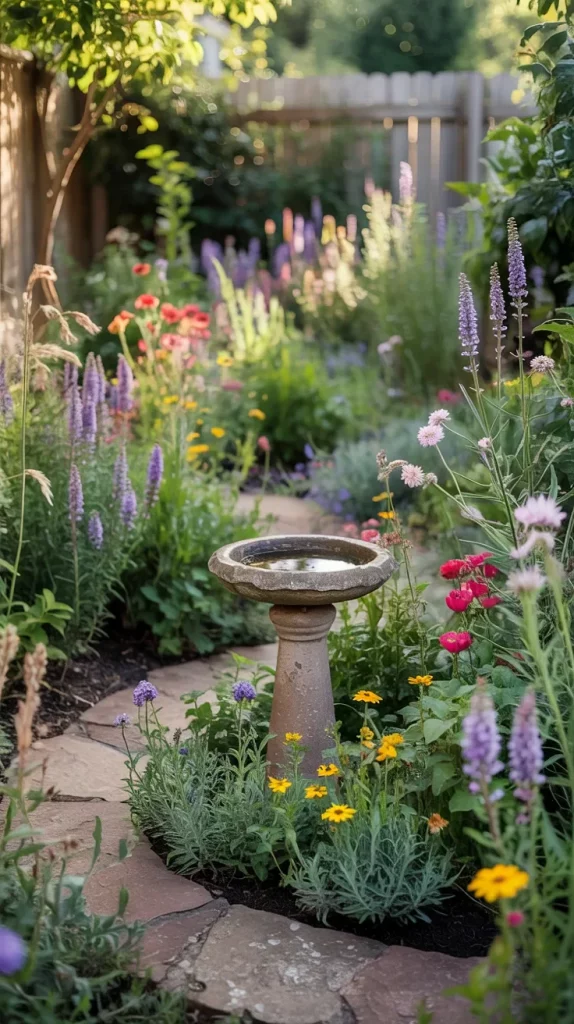
When planning biodiversity-focused landscapes, I usually prioritize native plant species because they require less maintenance and better support local ecosystems. Wildflower meadows, bird-friendly berry shrubs, natural stone water bowls, and untreated wooden garden elements help create habitats that feel both functional and visually elegant. I also recommend avoiding overly manicured lawns in favor of layered planting zones that create richer textures and more ecological value. Gravel paths and rustic wooden seating areas allow people to enjoy the landscape without disrupting the natural environment.
In my experience, wildlife-friendly gardens often become the most emotionally rewarding outdoor spaces. I personally enjoy seeing how seasonal changes attract different birds and pollinators throughout the year. Environmental designers frequently emphasize that sustainable landscapes should feel interactive and evolving rather than static, and I completely agree with that perspective. Gardens designed for biodiversity create a much stronger emotional connection than purely decorative outdoor spaces.
I also encourage homeowners to include practical ecological features such as bee hotels, rainwater collection systems, and pesticide-free planting strategies. These details improve the health of the landscape while reinforcing the sustainable principles that define modern biophilic outdoor design 2026.
Outdoor Meditation Spaces Inspired By Natural Landscapes
I believe one of the strongest directions in biophilic outdoor design 2026 is the creation of meditation spaces that feel fully integrated into the surrounding environment. Instead of building formal patios with sharp boundaries, I prefer designing quiet outdoor zones that imitate natural landscapes through layered greenery, uneven stone pathways, soft grasses, and flowing water features. These meditation areas work especially well in smaller backyards because they prioritize atmosphere over size. I often recommend positioning the space near mature trees or natural shade to create a cooler and more calming environment throughout the day.
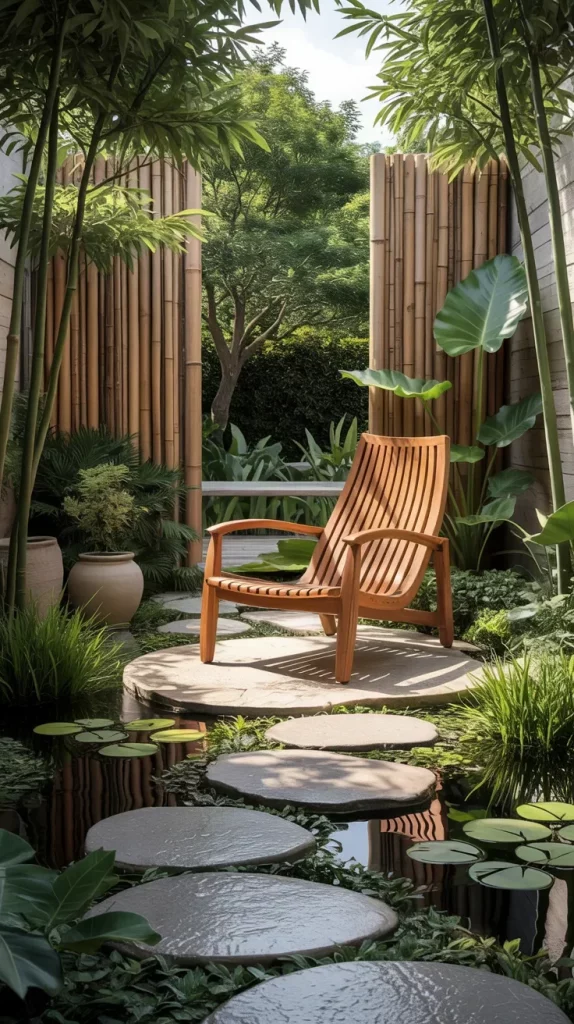
When I design these outdoor meditation areas, I focus on tactile and organic materials that encourage relaxation. Teak lounge chairs, low-profile linen cushions, weathered stone benches, bamboo privacy screens, and hand-crafted ceramic planters all contribute to a balanced and grounded aesthetic. I also find that incorporating shallow reflecting pools or compact fountains significantly improves the sensory experience because the sound of moving water naturally softens urban noise. Native plants and ornamental grasses should surround the seating area to create movement and texture without requiring excessive maintenance.
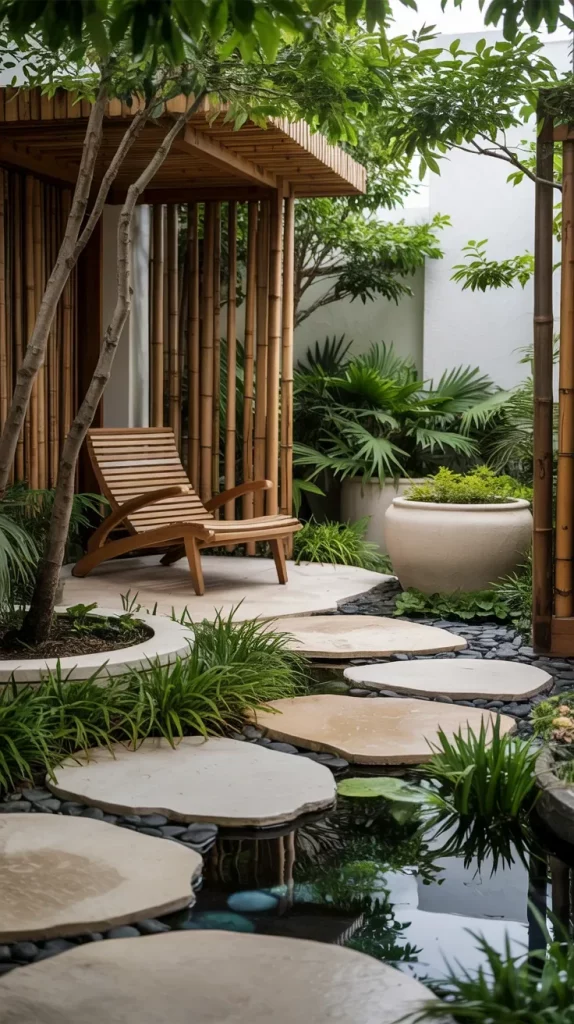
In my experience, the most successful meditation spaces avoid excessive decoration. Many American landscape designers, including professionals featured in Architectural Digest, emphasize restraint and natural layering rather than overcrowding outdoor wellness areas with trendy accessories. I personally agree with this approach because minimal visual distractions help the outdoor environment feel more authentic and restorative. Soft indirect lighting hidden beneath pathways or inside stone planters can also extend the usability of the space into the evening while maintaining a peaceful atmosphere.
I would also include subtle aromatherapy elements such as lavender, rosemary, jasmine, or eucalyptus near the seating area. These plants not only strengthen the connection to nature but also introduce calming scents that improve the overall outdoor experience. I find that combining scent, sound, shade, and texture creates a much more immersive form of outdoor biophilic design than relying on visual aesthetics alone.
Tropical Biophilic Backyard Trends For 2026
Tropical-inspired backyards are becoming increasingly refined in biophilic outdoor design trends, especially for homeowners who want resort-style outdoor living with a stronger natural connection. I see many contemporary outdoor spaces moving away from bright tropical themes and instead focusing on layered greenery, warm wood textures, shaded lounges, and natural airflow. The goal is to recreate the feeling of a private eco-resort while maintaining a sophisticated and modern appearance. Dense planting combined with organic architectural lines creates a lush environment that feels immersive without appearing overly themed.
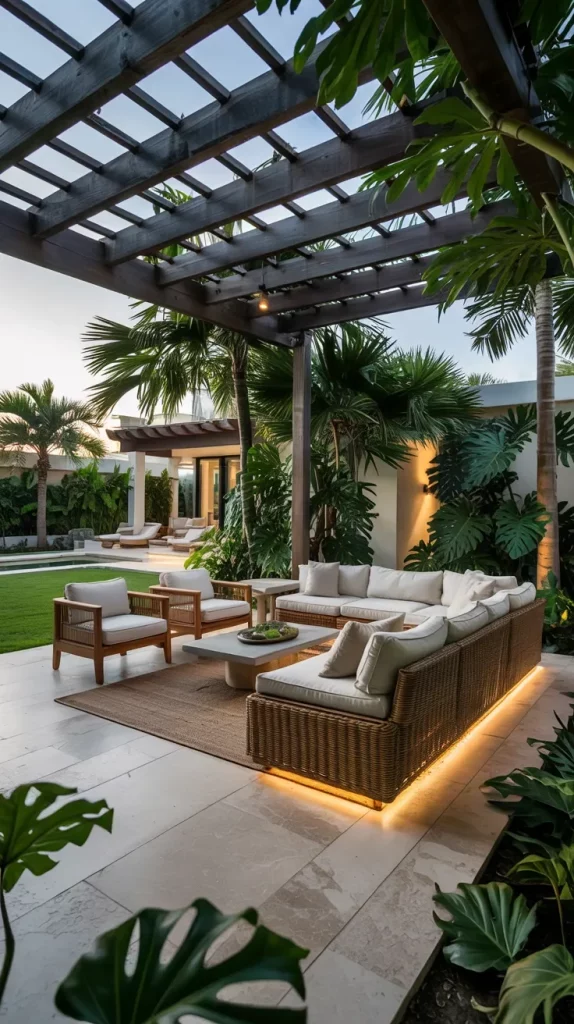
I usually recommend oversized wooden pergolas, woven outdoor furniture, natural travertine flooring, and soft neutral fabrics for this type of backyard. Large tropical plants such as banana trees, palms, monstera, and birds of paradise help define the space while creating natural privacy and cooling shade. Outdoor sectionals with textured cushions and low teak coffee tables work especially well because they keep the environment relaxed and visually connected to nature. I also prefer integrating hidden lighting beneath planters and seating platforms to highlight the greenery during evening hours.
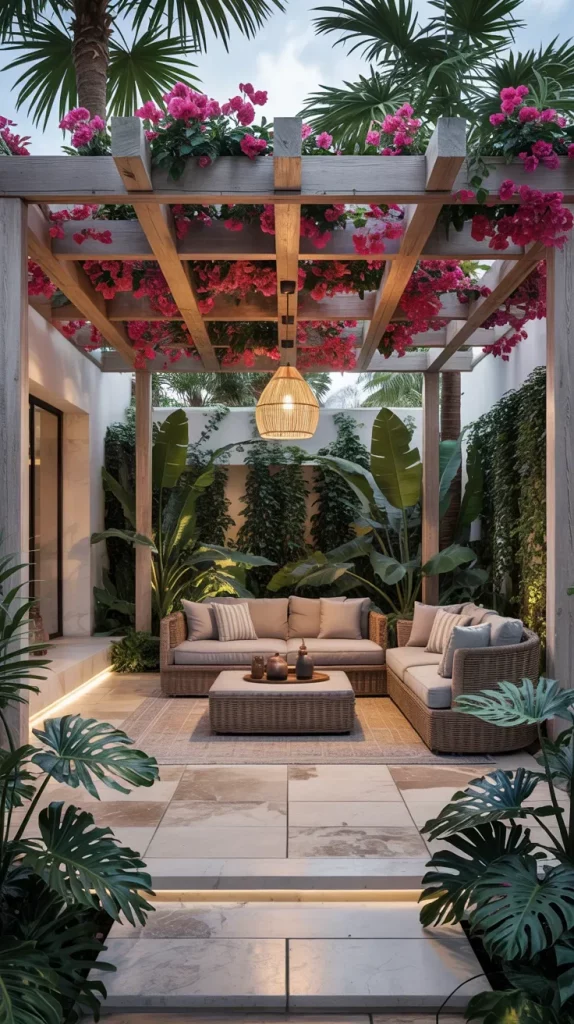
From my perspective, tropical outdoor spaces succeed when they balance comfort with ecological awareness. I often reference sustainable landscaping advice from Better Homes & Gardens, which encourages drought-conscious planting strategies even within lush tropical-inspired designs. In my own projects, I like using rainwater collection systems and permeable stone surfaces to make these spaces more environmentally responsible without sacrificing luxury. This combination reflects the future direction of sustainable outdoor living in 2026.
I would also recommend incorporating outdoor ceiling fans, retractable linen curtains, and natural shade structures to improve comfort during warmer seasons. These additions help the space remain functional throughout the year while preserving the relaxed tropical atmosphere homeowners are seeking in modern biophilic backyard ideas.
Desert-Inspired Outdoor Designs With Organic Warmth
One of the most elegant directions within biophilic outdoor design 2026 is the rise of desert-inspired outdoor environments that combine minimalism with organic warmth. I appreciate this style because it creates calm and visually balanced spaces while reducing water consumption and maintenance requirements. Warm sandy tones, textured stone surfaces, clay finishes, and sculptural drought-resistant plants define this outdoor aesthetic. These landscapes feel especially effective in modern homes where clean architecture can be softened with natural materials and earthy colors.
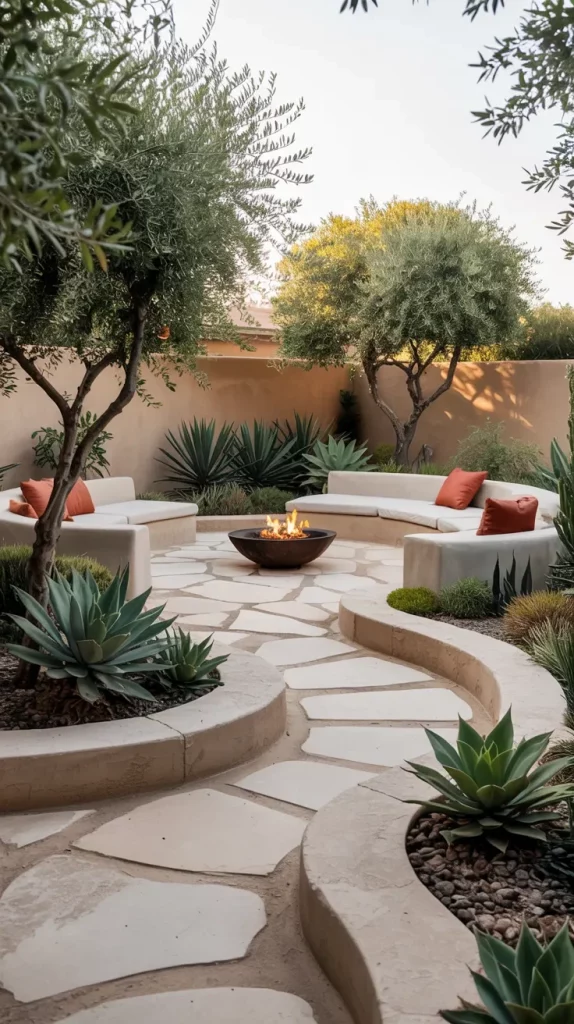
When planning desert-inspired outdoor spaces, I typically use limestone pathways, gravel gardens, adobe-style planters, and built-in concrete seating softened by neutral linen cushions. Olive trees, agave, cacti, desert grasses, and terracotta pottery add texture without overcrowding the environment. I also find that curved architectural lines work particularly well because they imitate natural terrain and reduce the rigid appearance often associated with modern outdoor spaces. Fire bowls and outdoor fireplaces are another important feature because they enhance warmth and usability during evenings.
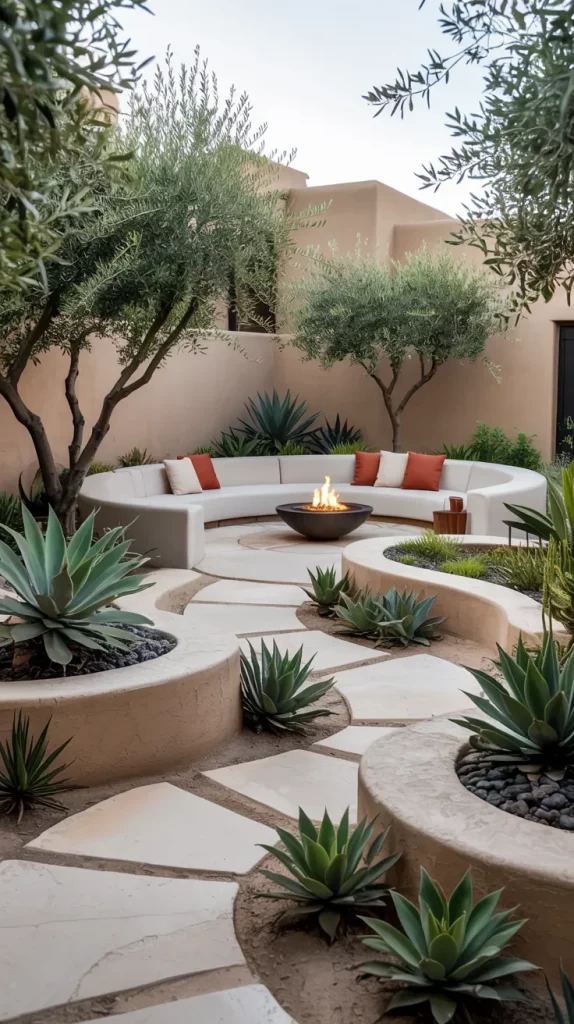
Personally, I think desert-inspired landscapes are among the most timeless forms of eco-friendly outdoor design because they focus on simplicity, sustainability, and natural texture rather than temporary trends. Designers frequently featured in Dwell magazine often emphasize the importance of negative space in desert landscaping, and I strongly agree with that principle. Allowing empty space between elements creates visual calm and makes every material feel more intentional.
I would additionally include textured plaster walls, handmade lanterns, and shaded courtyard corners to complete the atmosphere. These elements help transform the backyard into a cohesive outdoor retreat while maintaining the grounded and natural aesthetic that defines modern desert-inspired design.
Scandinavian Biophilic Patio Trends For Contemporary Homes
Scandinavian-inspired patios continue to influence modern outdoor design ideas because they combine functionality, simplicity, and strong connections to natural light and materials. In my experience, this design style works particularly well for homeowners who want outdoor spaces that feel clean, calming, and adaptable throughout different seasons. The foundation usually includes pale wood surfaces, minimalist furniture, layered textiles, and neutral color palettes balanced with greenery and natural stone. The result is an outdoor space that feels warm without becoming visually overwhelming.
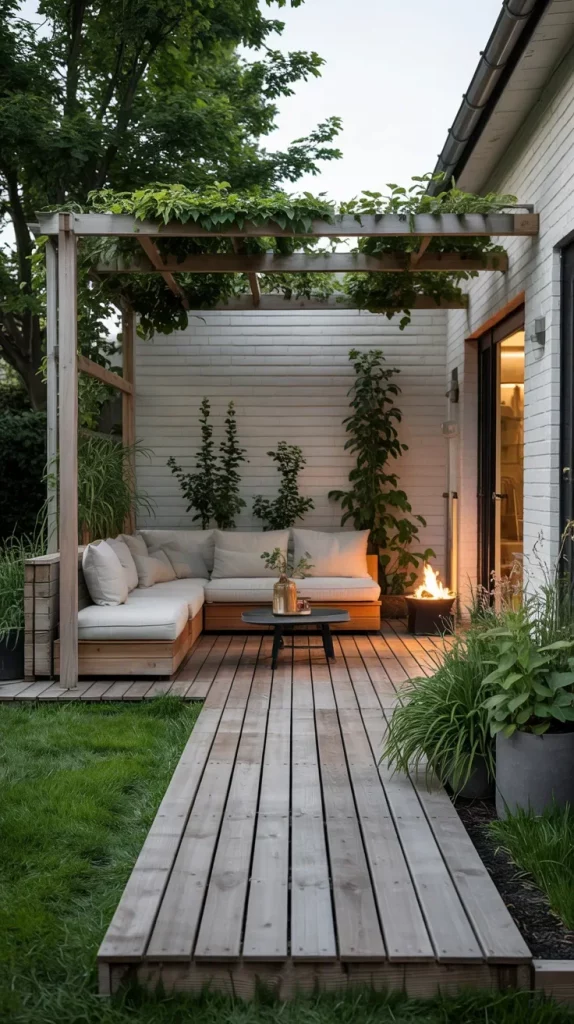
I often recommend light oak decking, matte black accents, soft wool outdoor throws, and modular seating with weather-resistant linen fabrics. Compact fire pits, slim pergolas, and minimalist planters filled with native grasses or small evergreen trees help maintain the Scandinavian aesthetic while adding texture and practicality. I also prefer using indirect lighting and lantern-style fixtures because harsh lighting can disrupt the peaceful atmosphere that defines this style. Every piece of furniture should feel functional and visually lightweight to preserve openness.
In my opinion, Scandinavian outdoor spaces succeed because they prioritize comfort and intentional living rather than decoration alone. I frequently notice that homeowners spend more time outdoors when the space feels uncluttered and adaptable. Several Nordic design publications emphasize the importance of “soft minimalism” in exterior design, and I think this philosophy perfectly supports the principles of biophilic patio design. Comfortable seating, natural textures, and balanced lighting create outdoor environments that feel welcoming in every season.
I would also suggest adding compact outdoor storage benches and layered natural textiles to improve both practicality and comfort. These additions help the patio remain visually organized while supporting the relaxed atmosphere that modern Scandinavian outdoor spaces are known for.
Outdoor Kitchens Designed With Natural Materials And Greenery
Outdoor kitchens are evolving into full lifestyle spaces within biophilic outdoor design 2026, and I see a strong shift toward natural materials that visually connect cooking areas with the surrounding landscape. Instead of highly polished entertainment zones, homeowners now prefer kitchens that feel integrated into the garden itself. Stone counters, reclaimed wood cabinetry, clay finishes, and greenery-covered pergolas help create a softer and more organic outdoor cooking environment. These kitchens are designed not only for entertaining but also for daily outdoor living.
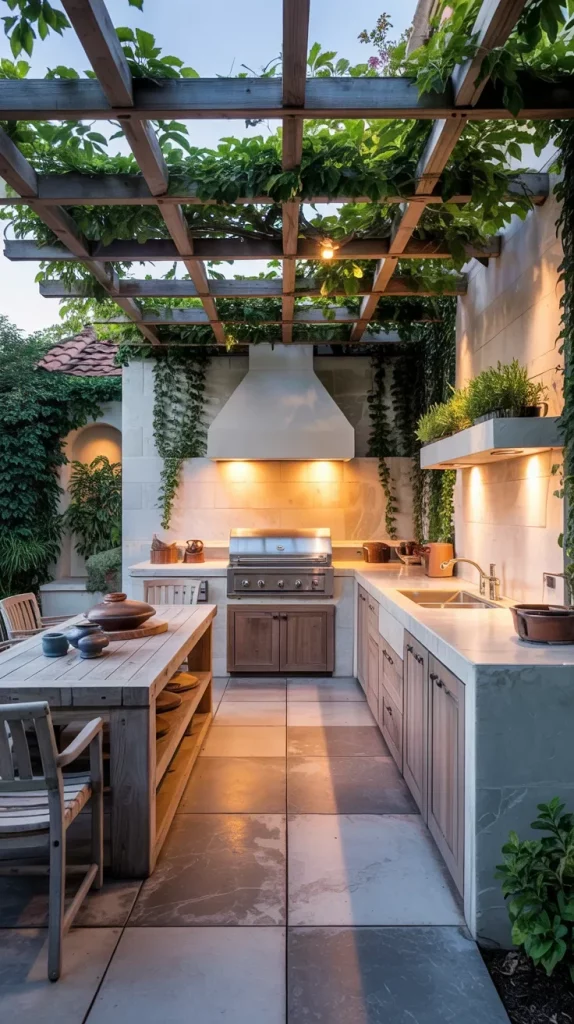
I usually incorporate natural stone countertops, teak dining tables, built-in herb gardens, and textured ceramic decor into these outdoor kitchens. Integrated planters filled with rosemary, basil, mint, and lavender bring fragrance and practicality directly into the cooking space. I also recommend open shelving made from reclaimed wood because it introduces warmth while keeping outdoor dining essentials easily accessible. Large sliding glass connections between the indoor and outdoor kitchen areas further strengthen the seamless biophilic experience.
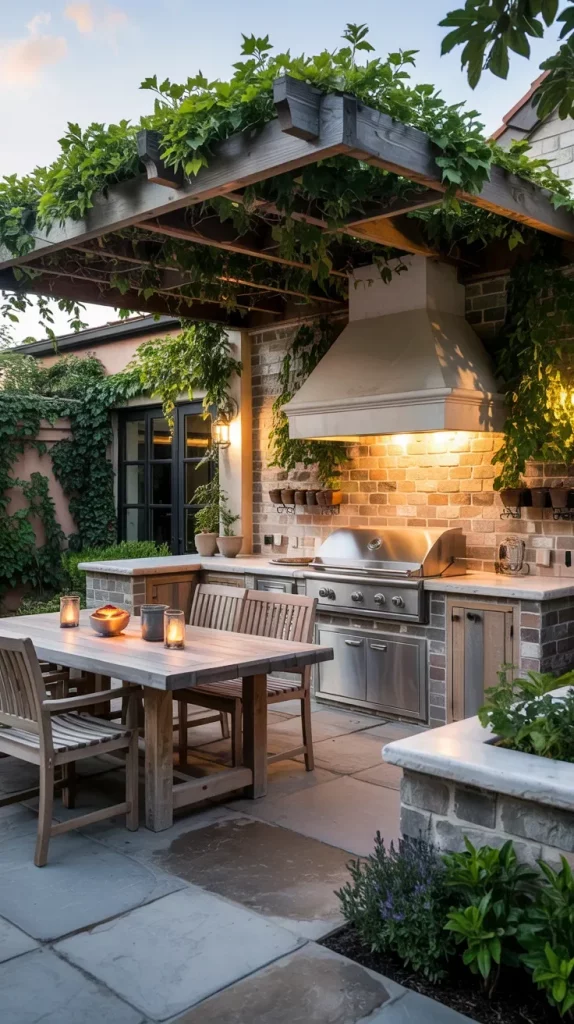
From my perspective, outdoor kitchens become far more inviting when greenery is treated as part of the architecture rather than simple decoration. Many landscape architects featured in Elle Decor highlight the importance of blending vegetation with structural elements, and I fully support this approach. Climbing vines across pergolas, vertical herb gardens, and layered plant borders soften hard surfaces and make the outdoor kitchen feel more connected to nature.
I would additionally include shaded dining zones, natural linen seating, and subtle integrated lighting to improve comfort during evening gatherings. These details help transform the kitchen into a fully immersive outdoor living space that supports both functionality and relaxation.
Zen Garden Concepts For Peaceful Outdoor Living
Zen-inspired landscapes remain one of the most influential directions in biophilic outdoor design 2026 because they create peaceful environments that encourage mindfulness and simplicity. I often recommend this approach for homeowners who want outdoor spaces that feel emotionally calming without requiring excessive decoration or maintenance. Natural balance is the main focus in these gardens, with carefully arranged stone pathways, raked gravel, sculptural greenery, and water features working together to create a visually quiet atmosphere. I find that even compact backyards can feel expansive when unnecessary visual clutter is removed.
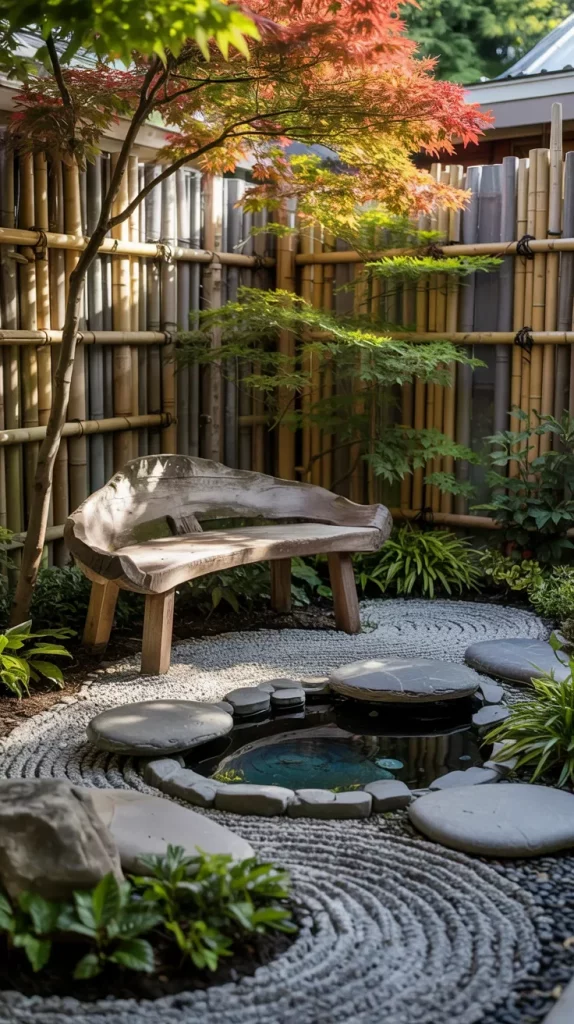
When designing a Zen garden, I usually prioritize natural textures and restrained furniture choices. Low wooden benches, smooth river stones, weathered lanterns, bamboo fencing, and shallow reflecting pools help create an authentic outdoor retreat. Japanese maple trees, moss gardens, and ornamental grasses soften the structure of the space while preserving a clean and intentional aesthetic. I also prefer using muted earthy tones because strong colors can disrupt the calm visual rhythm that makes these outdoor environments effective.
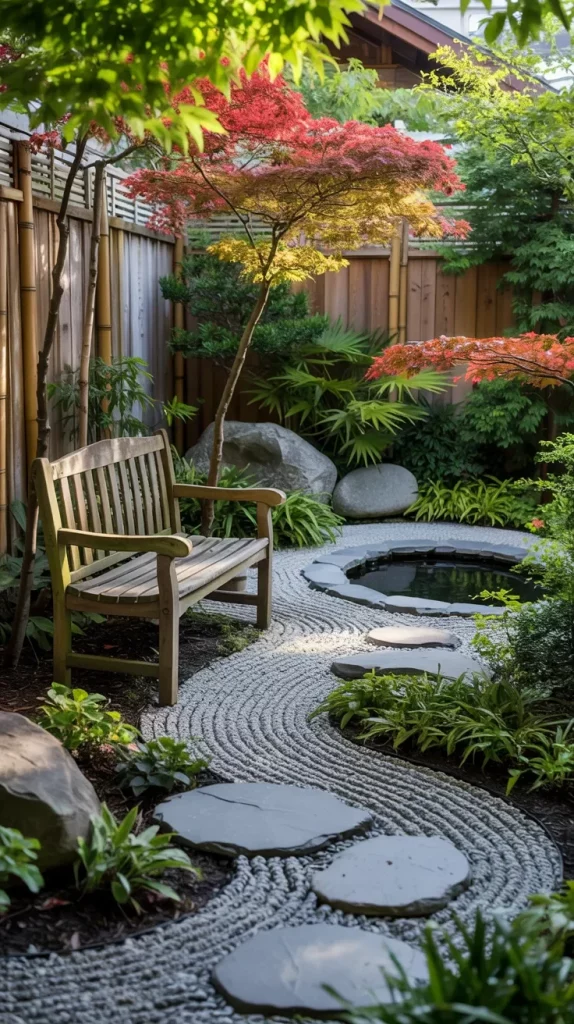
In my experience, the most successful Zen-inspired outdoor spaces focus on sensory balance rather than decorative trends. Designers featured in traditional Japanese landscape studies often emphasize asymmetry and empty space, and I believe these principles are extremely relevant to modern outdoor wellness design. Gentle sounds from water fountains, soft evening lighting, and layered natural textures help create a more immersive experience that supports relaxation throughout the day.
I would also include transitional pathways between the home and the garden to strengthen the connection between indoor and outdoor living. Wooden stepping platforms, gravel corridors, and minimalist greenery around entrances can help the entire property feel unified within the broader concept of biophilic outdoor living.
Multi-Level Backyard Designs Inspired By Natural Terrain
One of the most practical trends in modern biophilic outdoor design is the use of multi-level layouts inspired by natural terrain formations. I frequently recommend layered backyard designs because they improve both functionality and visual depth while making outdoor spaces feel larger and more dynamic. Instead of flattening the landscape, this design approach embraces elevation changes through terraces, stone stairs, retaining walls, and sunken lounge areas. These layered environments naturally guide movement and create distinct outdoor experiences within one cohesive space.
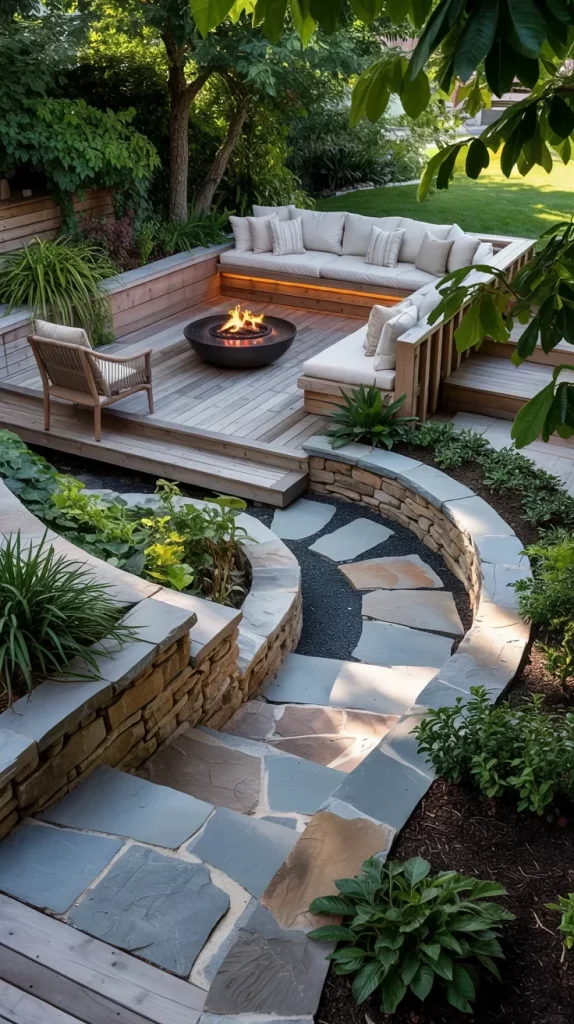
I typically incorporate natural stone retaining walls, wood decking platforms, integrated seating, and terraced planting beds when designing multi-level backyards. Lower-level fire pit lounges work especially well because they create intimate gathering spaces protected from wind and noise. Elevated dining terraces connected by stone pathways also improve the flow between entertainment and relaxation zones. I often use cascading greenery and layered ornamental grasses to soften structural transitions and make the entire landscape feel more organic.
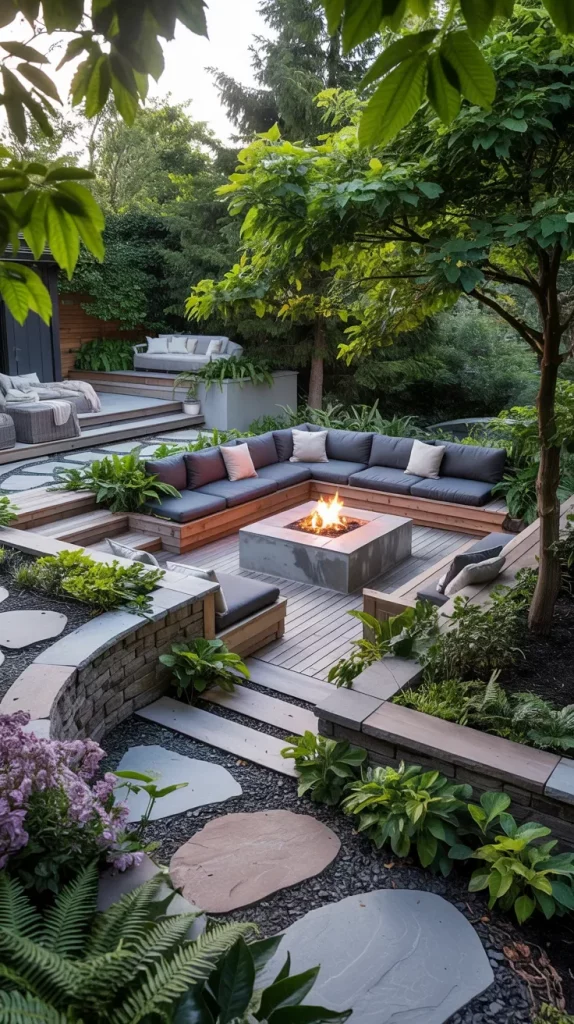
Personally, I think multi-level outdoor environments reflect one of the most intelligent directions in sustainable landscape design because they work with the natural conditions of the property rather than against them. Many professional landscape architects in the United States now encourage homeowners to preserve natural slopes whenever possible to improve drainage and reduce excessive construction. I fully support this philosophy because it creates outdoor spaces that feel more authentic and environmentally responsive.
I would additionally recommend integrating hidden lighting beneath stairs and retaining walls to highlight elevation changes during the evening. This approach improves both safety and atmosphere while emphasizing the natural geometry that makes multi-level outdoor spaces so visually engaging.
Eco-Conscious Outdoor Decor Trends For 2026
Sustainability is becoming a defining feature of biophilic outdoor design 2026, especially as homeowners seek outdoor spaces that are both visually appealing and environmentally responsible. I have noticed a growing preference for decor that combines recycled materials, low-impact manufacturing, and long-lasting natural textures. Instead of disposable seasonal accessories, outdoor spaces in 2026 are being designed with timeless and durable pieces that age beautifully over time. This shift creates environments that feel more intentional and less dependent on short-term trends.
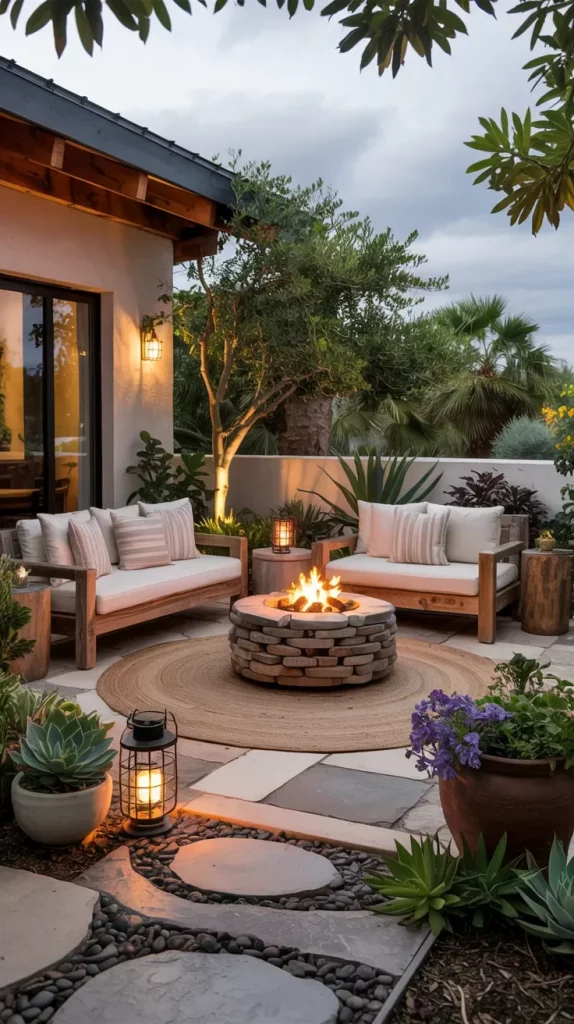
When selecting eco-conscious outdoor decor, I usually recommend reclaimed wood furniture, recycled metal accents, solar-powered lighting, natural fiber rugs, and handmade ceramic planters. Outdoor fabrics made from recycled materials are also becoming more sophisticated and visually refined, making them ideal for modern patios and lounges. I find that combining these sustainable elements with native landscaping creates outdoor environments that feel luxurious without becoming wasteful or overly commercialized.
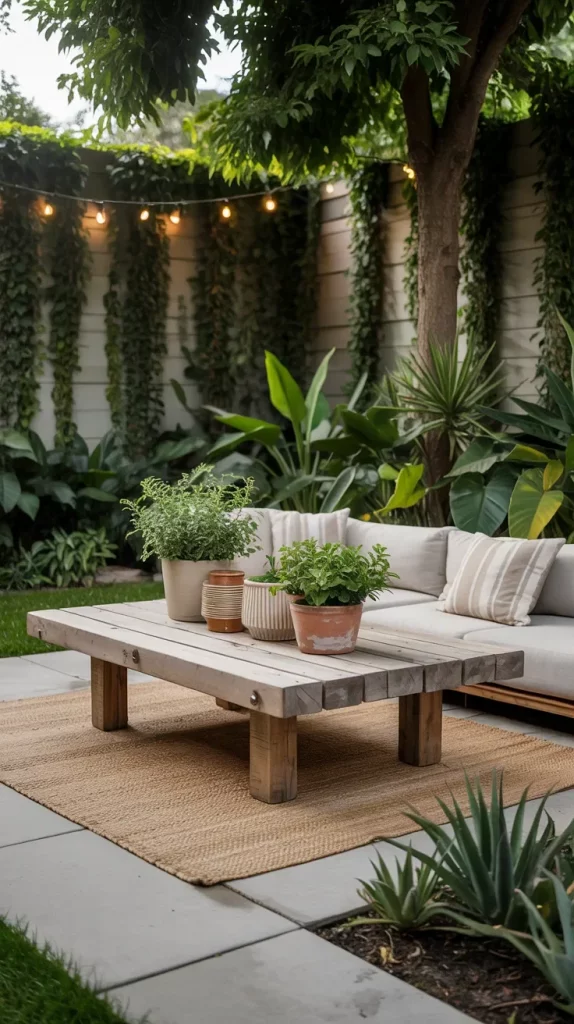
In my opinion, the future of eco-friendly outdoor living depends on quality rather than quantity. Publications such as House Beautiful increasingly highlight the importance of investing in fewer but more durable outdoor pieces, and I strongly agree with this approach. Sustainable design should not feel restrictive or unfinished. Instead, it should create outdoor spaces that remain beautiful and functional for many years while reducing environmental impact.
I would also incorporate rainwater collection systems, composting planters, and energy-efficient outdoor lighting to strengthen the ecological performance of the space. These additions support both sustainability and practicality while helping homeowners build a stronger connection with the natural environment around them.
Natural Privacy Screens Using Plants And Organic Elements
Natural privacy solutions are becoming essential within biophilic backyard ideas because homeowners increasingly want outdoor spaces that feel secluded without relying on harsh fencing or artificial barriers. I prefer using layered greenery and organic materials because they create privacy while improving the visual softness of the landscape. Living screens made from dense planting, climbing vines, and textured wood elements allow outdoor spaces to feel protected without becoming closed off or visually heavy.
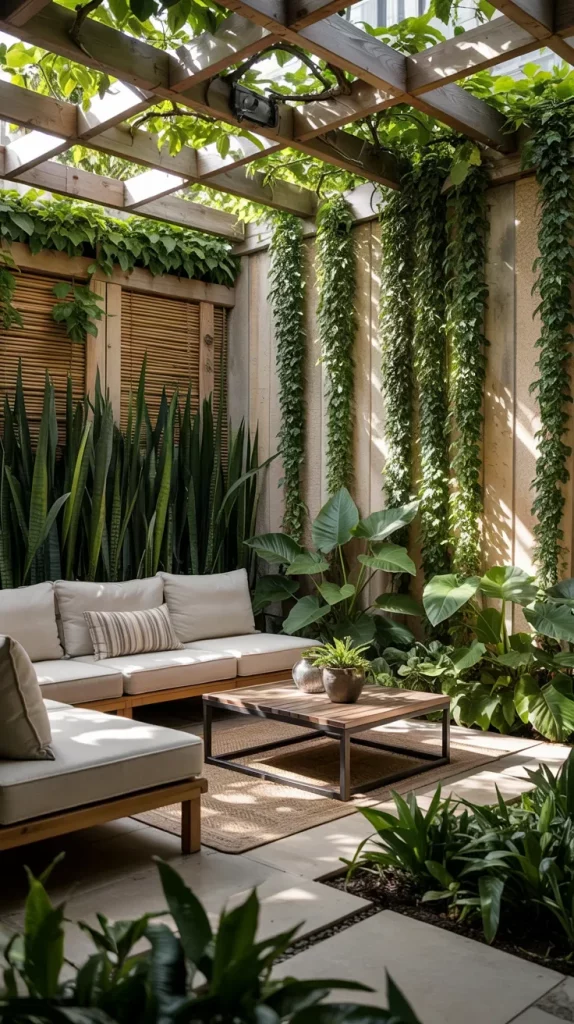
I often use tall ornamental grasses, bamboo clusters, vertical gardens, and wooden lattice structures combined with climbing plants to create flexible privacy zones. Evergreen shrubs and layered planters also work well because they provide year-round screening while contributing texture and depth to the outdoor environment. I find that mixing different plant heights and leaf textures creates a more natural and visually dynamic result compared to uniform hedges or solid walls.
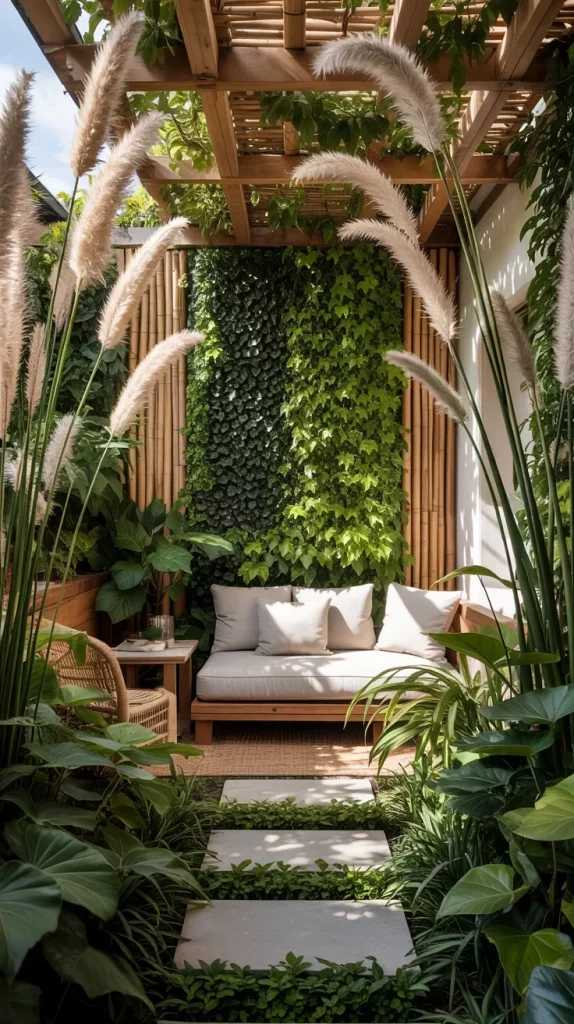
From my perspective, natural privacy systems are one of the most effective ways to improve comfort in contemporary outdoor design. Many landscape professionals now recommend replacing traditional fencing with softer planted barriers that improve biodiversity and reduce heat reflection around the property. I personally think this strategy creates outdoor spaces that feel more welcoming and connected to nature rather than isolated from it.
I would additionally recommend incorporating pergolas with hanging greenery, outdoor curtains made from natural linen, and layered lighting to soften the edges of the space during evening hours. These details help the backyard feel more immersive while maintaining privacy and visual openness at the same time.
Future Trends Shaping Biophilic Outdoor Design In 2026
The future of biophilic outdoor design 2026 is moving toward spaces that combine wellness, sustainability, smart technology, and natural aesthetics into one cohesive environment. I see homeowners prioritizing outdoor areas that support relaxation, social interaction, and ecological responsibility rather than purely decorative landscaping. Future outdoor spaces will increasingly feel like extensions of the home itself, with flexible layouts designed for dining, working, meditation, and entertainment surrounded by layered greenery and organic materials.
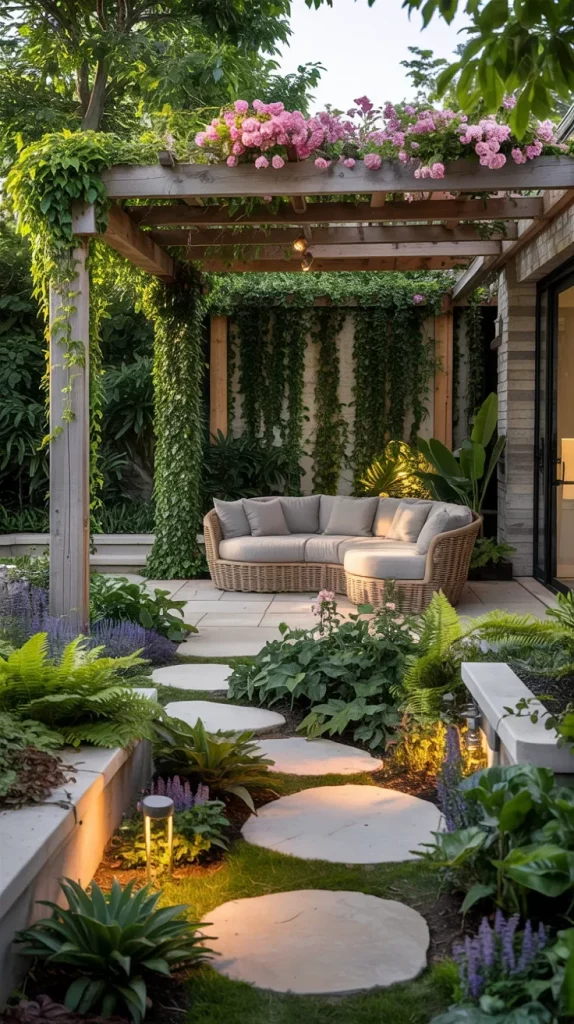
I expect natural stone surfaces, climate-responsive pergolas, modular outdoor furniture, integrated planters, and smart irrigation systems to become standard features in modern outdoor environments. Technology will remain subtle rather than dominant, supporting comfort through automated lighting, water management, and temperature control without disrupting the natural atmosphere. I also believe that furniture with curved forms, recycled materials, and earthy textures will continue shaping the future of outdoor biophilic design because these elements create softer and more welcoming environments.
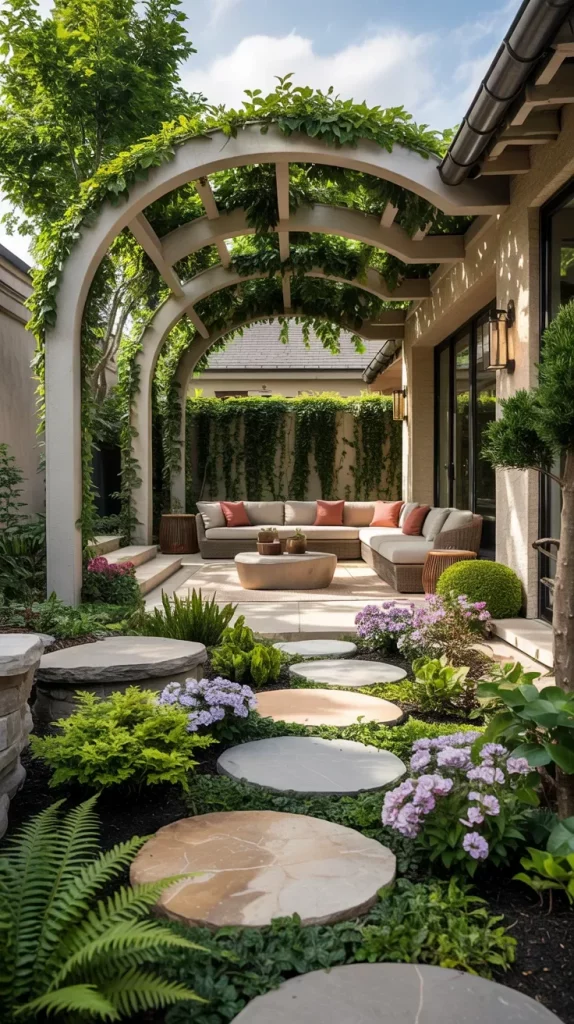
In my experience, the strongest outdoor spaces are those that prioritize emotional comfort as much as visual appearance. Leading designers and landscape publications increasingly emphasize wellness-centered outdoor living, and I fully agree that this direction will define the next generation of exterior design. Homeowners are no longer satisfied with decorative patios alone. They want outdoor spaces that improve daily life, reduce stress, and strengthen their relationship with nature.
I would also expect to see more edible gardens, pollinator-friendly landscaping, shaded wellness zones, and regenerative planting strategies integrated into residential outdoor spaces over the next several years. These features represent a more thoughtful and long-term approach to sustainable outdoor design trends that will continue influencing homes well beyond 2026.
Biophilic outdoor design 2026 is all about creating harmonious spaces that reconnect people with nature through thoughtful, sustainable design. From organic materials and native plants to calming water features and wellness-inspired layouts, these trends make outdoor living more beautiful and meaningful. Whether you have a spacious backyard or a compact patio, incorporating biophilic elements can transform your exterior into a peaceful and refreshing retreat. By embracing these ideas, homeowners can create outdoor environments that feel timeless, relaxing, and deeply connected to the natural world.