
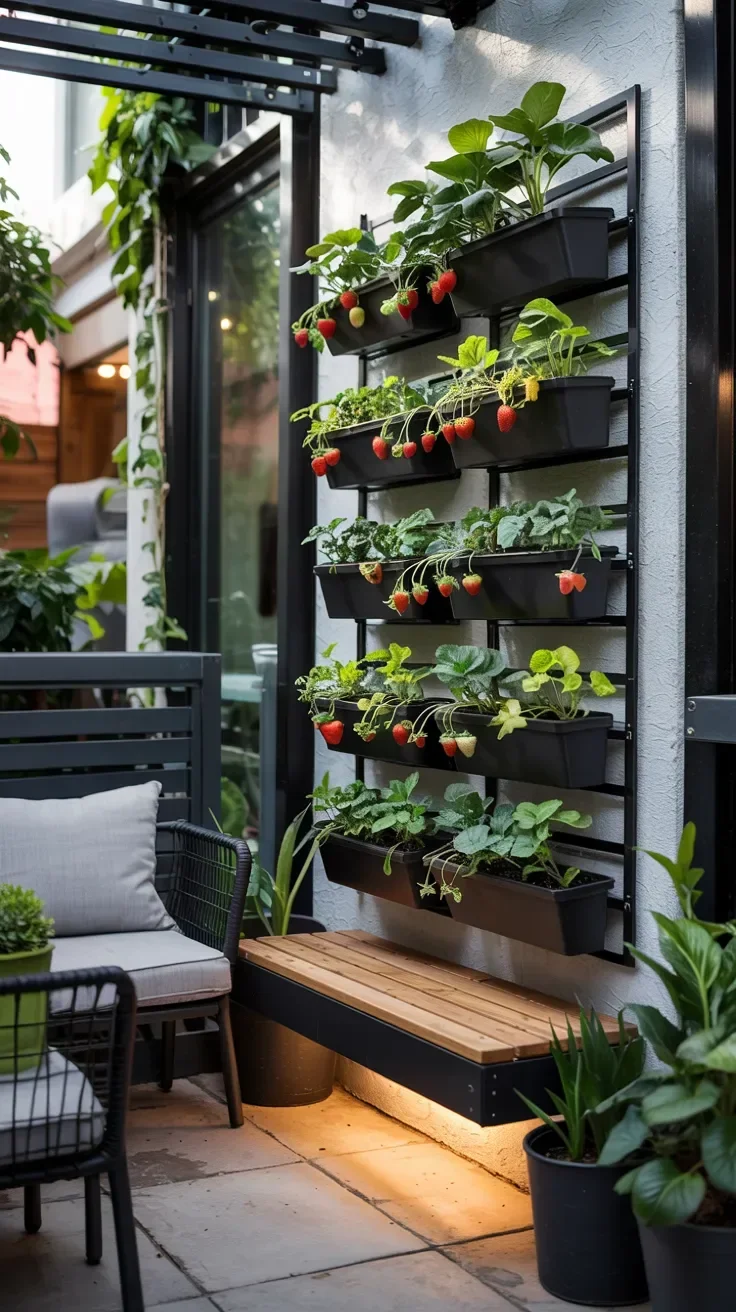
Edible gardens and foodscaping 2026 are redefining the way people design and enjoy outdoor living spaces. Modern homeowners are blending decorative landscaping with productive gardens to create beautiful environments filled with vegetables, herbs, fruit trees, and edible flowers. This growing trend focuses on sustainability, wellness, and the desire to make outdoor areas both functional and visually impressive. From compact urban patios to spacious backyard retreats, foodscaping ideas are becoming more stylish, creative, and easier to maintain than ever before. Natural textures, eco-friendly materials, smart irrigation systems, and pollinator-friendly plants are shaping the future of edible landscape design in 2026. In this article, you will discover inspiring edible garden ideas, modern foodscaping trends, and practical ways to transform any outdoor space into a productive and elegant oasis.
Top Foodscaping Trends Transforming Residential Gardens In 2026
In 2026, I see outdoor spaces becoming more intentional, layered, and visually refined as homeowners embrace foodscaping ideas, sustainable landscaping, and multifunctional garden layouts. Modern edible gardens are no longer designed like traditional vegetable plots with rigid rows and exposed soil. Instead, I notice curved pathways, integrated seating areas, textured greenery, and architectural planting combinations that create a polished outdoor atmosphere. One of the biggest trends involves combining decorative shrubs with edible plants so the entire landscape feels cohesive rather than divided into ornamental and productive zones. I also see increased use of natural stone, warm wood, corten steel edging, and ambient garden lighting to elevate the overall appearance of these outdoor spaces.
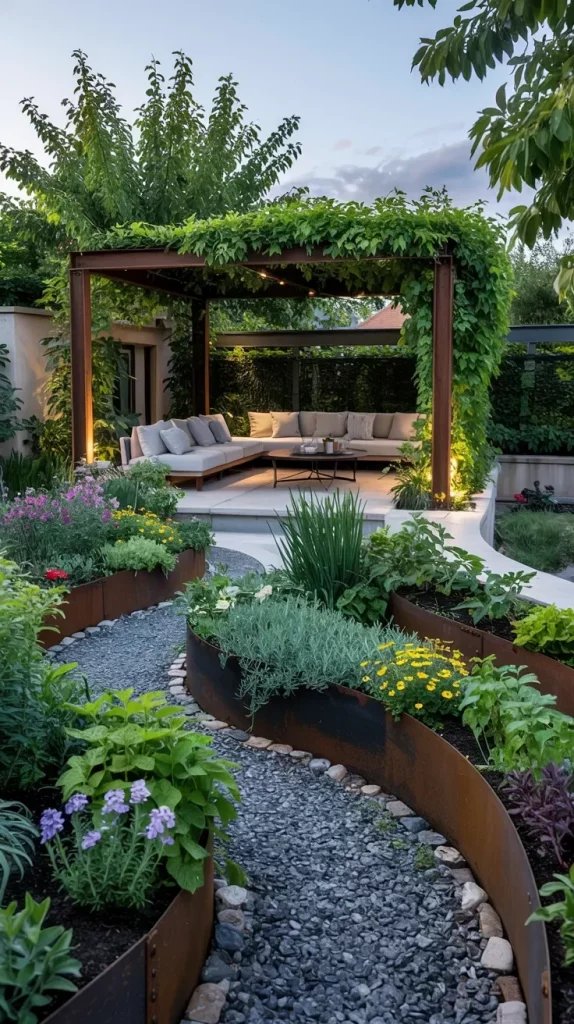
When I design a modern foodscaping garden, I focus heavily on structure and circulation. Raised beds with smooth finishes, gravel walkways, pergolas, and weather-resistant lounge furniture help organize the garden while making it comfortable for daily use. I often recommend oversized ceramic planters filled with herbs near outdoor dining spaces because they create both fragrance and practicality. Built-in benches, modern fire pits, and compact outdoor kitchens are becoming essential features in edible landscaping trends 2026 because homeowners want their gardens to function as complete outdoor living environments. Layered planting also matters significantly, especially when combining kale, lettuce, lavender, rosemary, and flowering perennials together for texture and color variation.
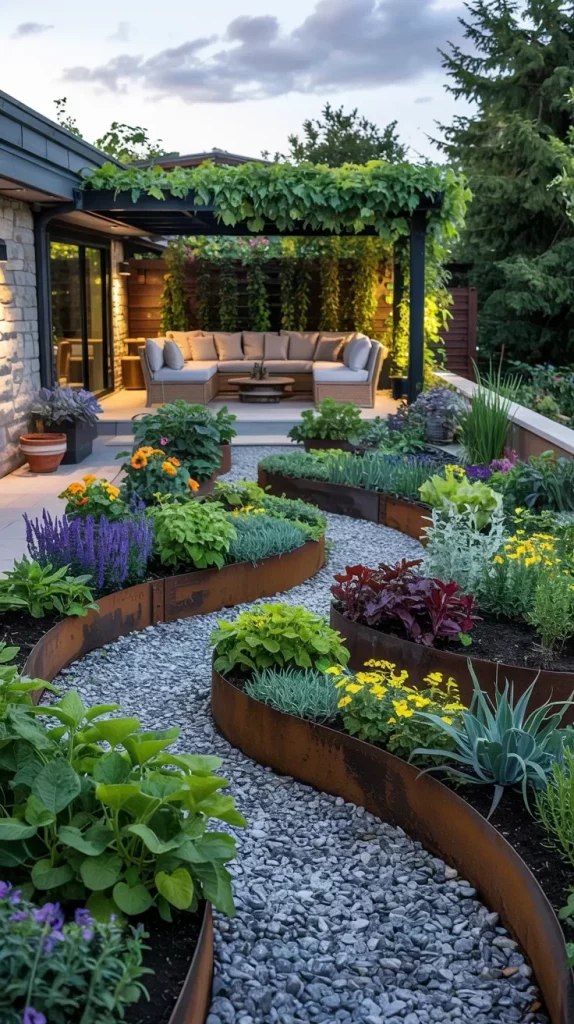
From my experience, successful foodscaping depends on balancing aesthetics with maintenance. I appreciate how designers featured in publications like Architectural Digest and Better Homes & Gardens increasingly emphasize sustainability, drought-tolerant planting, and organic gardening methods. I personally find that the most successful edible gardens are the ones that look beautiful year-round, even outside harvest season. Structural greenery, decorative pathways, and vertical garden elements help maintain visual interest during colder months while ensuring the space remains elegant and inviting.
I also recommend adding subtle lighting systems throughout the landscape because many edible gardens lose their visual impact after sunset. Warm integrated lighting beneath raised beds, along pathways, and around fruit trees can dramatically improve the atmosphere and extend outdoor usability well into the evening.
How To Blend Ornamental Plants With Edible Crops Beautifully
One of the most important concepts in modern edible garden design is learning how to combine ornamental plants with edible crops naturally and elegantly. I always encourage homeowners to avoid separating vegetables into isolated sections because this often creates a utilitarian appearance that feels disconnected from the rest of the landscape. Instead, I prefer layered planting strategies where colorful lettuces, purple basil, rainbow chard, and compact peppers are integrated directly into ornamental borders. This creates a softer and more visually dynamic environment that feels curated rather than agricultural. In 2026, mixed planting styles are becoming central to luxury outdoor design because they blur the line between beauty and productivity.
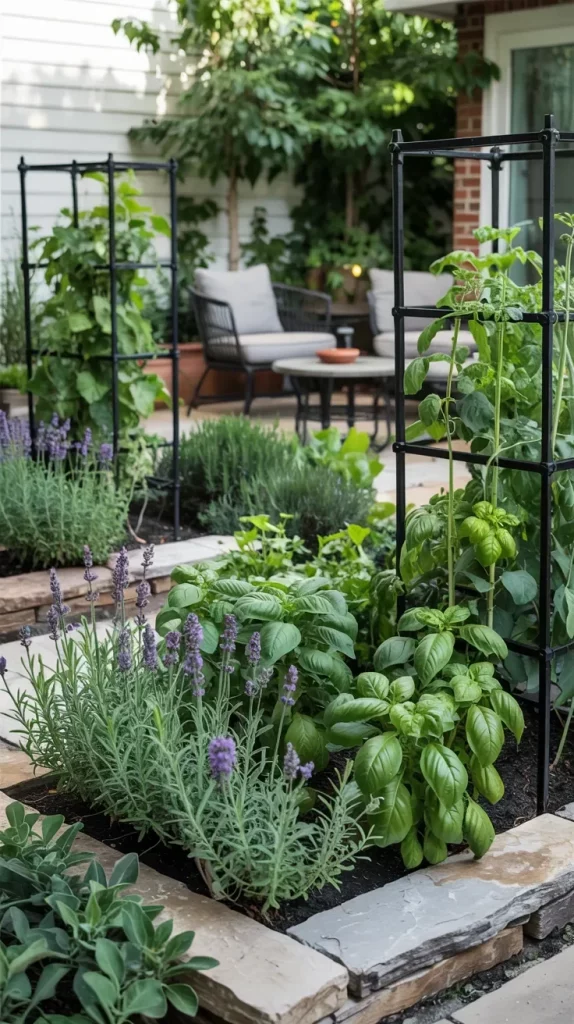
I often use ornamental grasses, flowering salvias, hydrangeas, and evergreen shrubs as structural anchors while weaving edible plants between them. This technique allows vegetables and herbs to appear intentional and decorative. Raised planters with matte finishes, stone edging, and sculptural containers help elevate the presentation even further. I also recommend using climbing vegetables like beans or cucumbers on black metal trellises because they introduce vertical interest while maximizing space. Outdoor dining furniture made from teak or powder-coated aluminum works especially well in these gardens because it complements the organic textures without overwhelming the landscape.
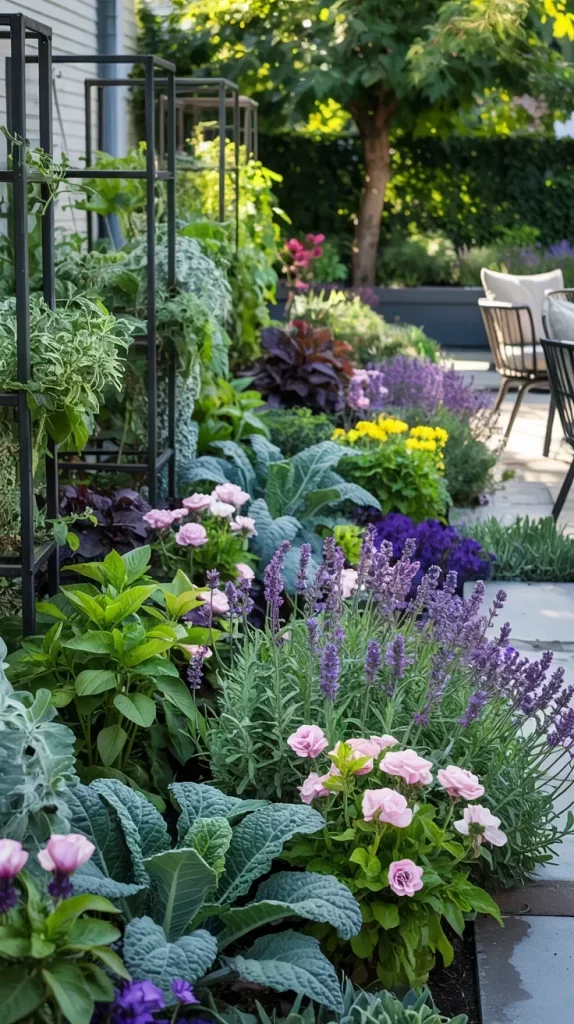
Personally, I find that color coordination is one of the most overlooked aspects of foodscaping. Pairing silver-green herbs with darker foliage plants creates contrast, while edible flowers soften the entire composition. I often reference approaches seen in contemporary European garden design, where edible plants are treated with the same visual importance as traditional ornamentals. In my experience, gardens feel far more sophisticated when vegetables are integrated subtly instead of displayed in rigid rows.
Another detail I recommend adding is a transition zone between entertaining areas and planting beds. Decorative gravel, oversized pavers, or low retaining walls can visually organize the space and prevent the garden from feeling crowded or overly dense.
Small Backyard Foodscaping Ideas For Compact Urban Spaces
Compact outdoor spaces can still support highly functional and beautiful small edible gardens when designed strategically. In urban environments, I often focus on vertical gardening, layered planting, and multifunctional furniture to maximize every square meter. Instead of overwhelming a small backyard with large planting beds, I prefer using slim raised planters, narrow pathways, and wall-mounted herb systems that preserve openness. One of the defining features of urban foodscaping in 2026 is the ability to create relaxing outdoor living spaces while still producing herbs, vegetables, and fruits efficiently.
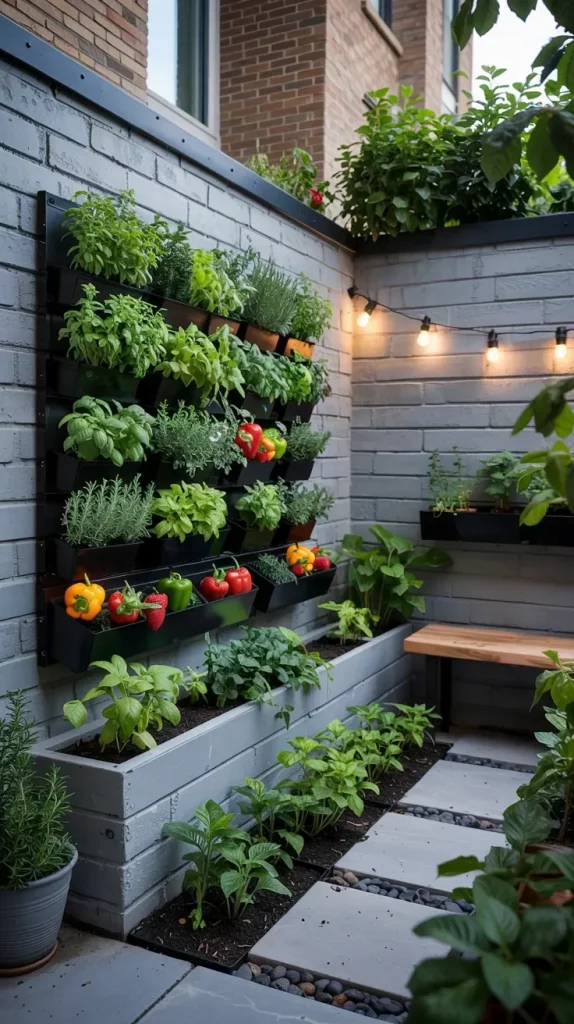
I frequently recommend built-in benches with hidden storage because they help maintain a clean visual appearance while offering practical functionality. Foldable dining tables, compact sectional seating, and lightweight outdoor chairs also work well in these environments because they prevent the space from feeling visually heavy. Vertical trellises with tomatoes, peas, or strawberries are excellent additions because they add greenery without occupying valuable floor space. I also like incorporating mirrors, light-colored stone, and integrated lighting to visually expand compact gardens while creating a cozy evening atmosphere.
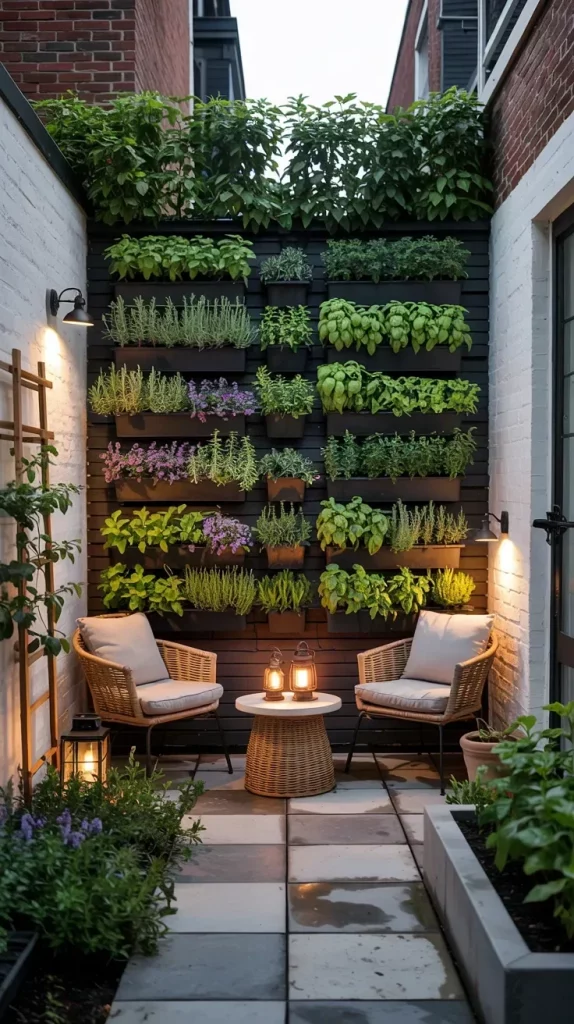
From my perspective, urban foodscaping works best when simplicity guides the overall layout. I have noticed that overcrowding is one of the biggest mistakes homeowners make in smaller spaces. Curated planting combinations, restrained color palettes, and consistent materials help maintain visual harmony. Publications like Dwell and Gardenista frequently highlight minimal outdoor spaces that prioritize texture and layering over excessive decoration, and I strongly agree with this approach.
I also encourage homeowners to include movable containers because flexibility becomes extremely valuable in smaller gardens. Portable planters allow seasonal rearrangement while making it easier to adapt the space as plants mature throughout the year.
Raised Bed Edible Garden Layouts That Look Luxurious
Raised beds are becoming one of the defining elements of luxury edible gardens because they provide structure, organization, and visual sophistication. In 2026, I see homeowners moving away from basic timber boxes and investing in architectural raised beds made from stone, corten steel, concrete, and composite materials. These elevated planting systems help gardens appear intentional and professionally designed while also improving drainage and accessibility. I personally prefer layouts that combine symmetrical bed arrangements with wide walkways and integrated seating because they create a calm and organized outdoor atmosphere.
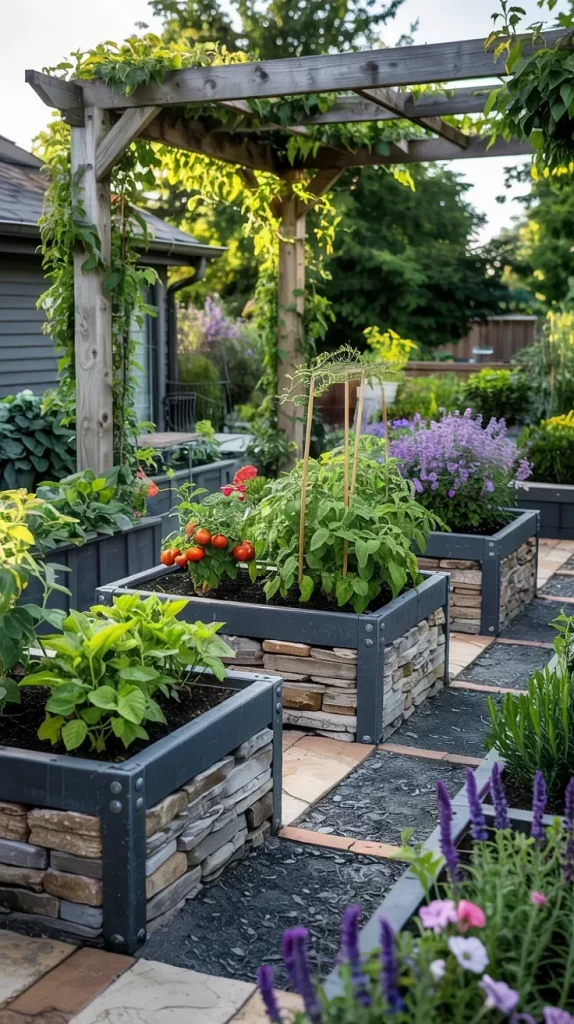
Material selection plays a major role in determining how luxurious a raised bed garden feels. I often recommend smooth limestone edging, black steel frames, and warm-toned wood accents because they complement both modern and cottage-inspired landscapes. Wide gravel pathways between planting zones help improve circulation while adding texture and visual contrast. Outdoor lanterns, pergolas, and subtle irrigation systems also contribute to a polished appearance while making maintenance easier. I especially like combining edible plants with ornamental flowers along the edges of raised beds to soften the overall design.
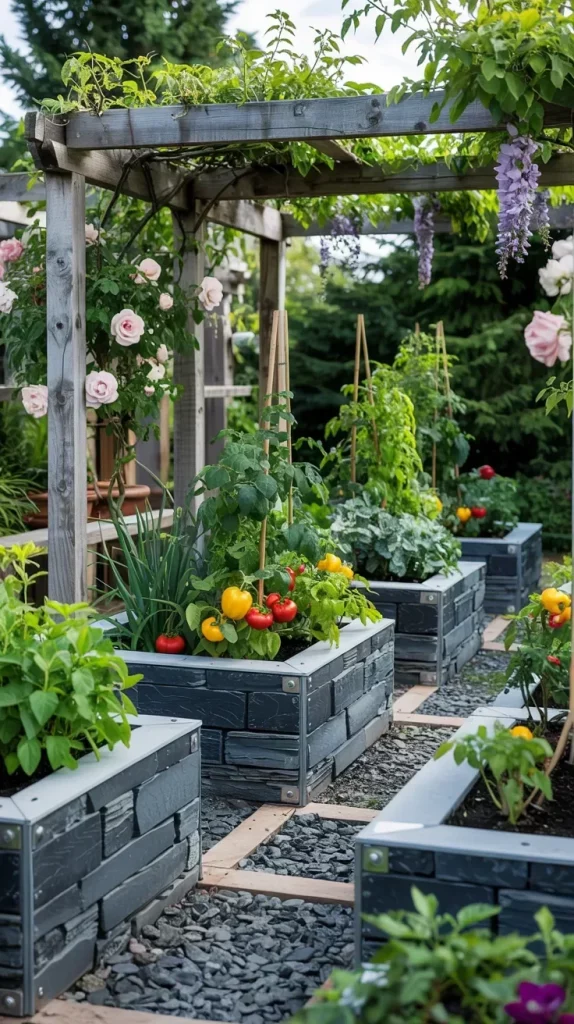
From my experience, raised bed gardens become far more successful when homeowners think about sightlines and symmetry early in the planning stage. I often reference contemporary landscape projects that use repetition and geometric layouts to create a resort-like atmosphere. Even highly productive gardens can feel elegant when every detail, from planter material to pathway width, is carefully coordinated.
I also recommend incorporating a dedicated prep station or potting bench nearby because it improves functionality and keeps gardening tools organized. These additions help the garden feel complete rather than purely decorative.
Front Yard Foodscaping Designs That Boost Curb Appeal
Front yard foodscaping is becoming increasingly popular because homeowners want landscapes that provide both visual appeal and practical value. Instead of traditional lawns that require constant watering and maintenance, I now see more people replacing large grass areas with layered edible landscapes filled with herbs, berries, fruit trees, and flowering vegetables. The key to successful front yard edible landscaping is creating a balanced composition that still feels elegant and welcoming from the street. In 2026, the most attractive front yard gardens combine structured pathways, ornamental borders, and productive planting in a highly organized way.
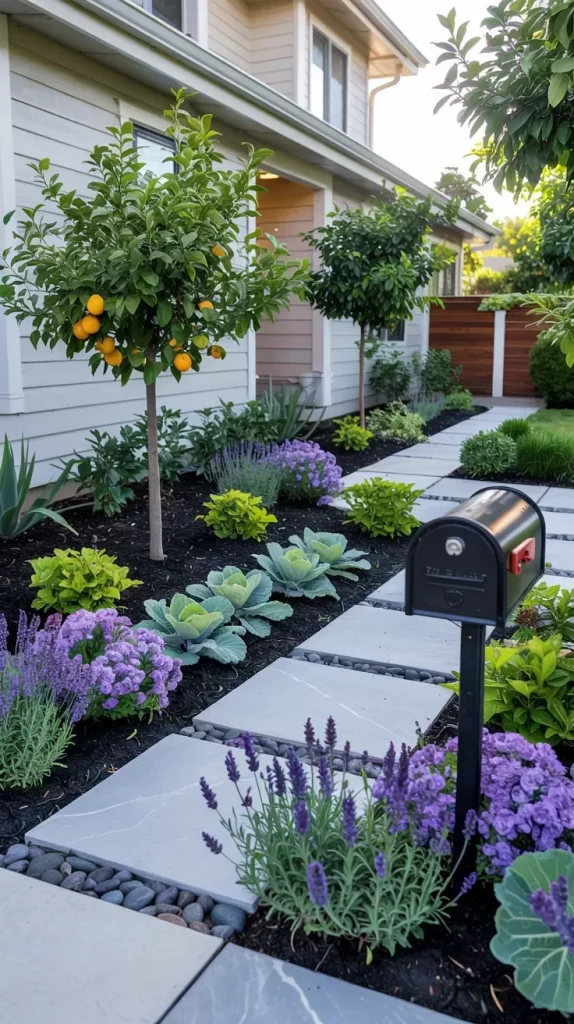
I usually recommend beginning with architectural plants and evergreen shrubs to establish structure before introducing edible varieties. Compact fruit trees, rosemary hedges, decorative kale, lavender, and colorful lettuces work beautifully in visible front-facing gardens because they maintain strong visual appeal throughout multiple seasons. Stone walkways, black garden edging, and layered lighting systems can elevate the design significantly while keeping the landscape polished. I also find that modern mailbox designs, sculptural planters, and minimalist fencing help connect the edible landscape with the architecture of the home itself.
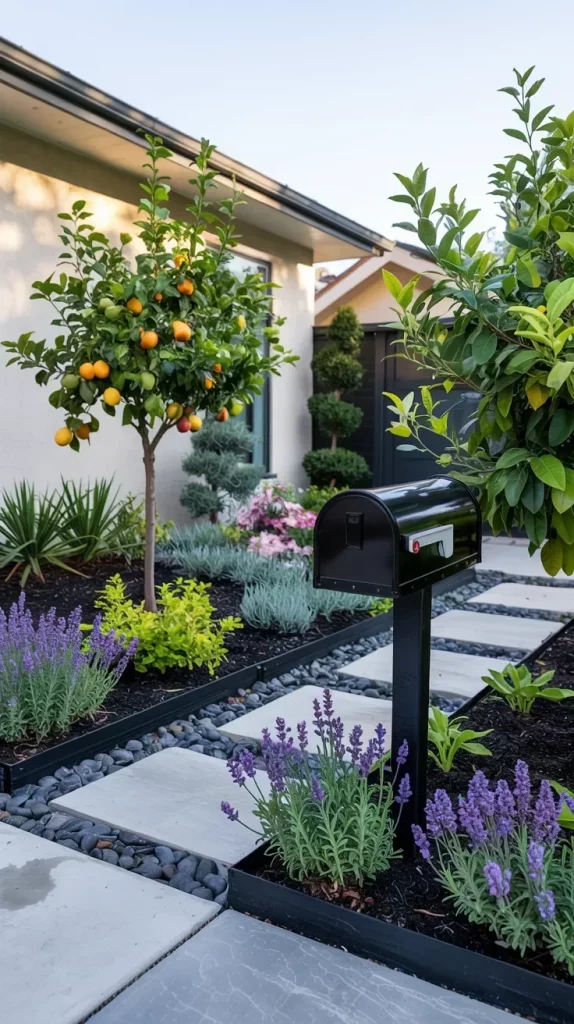
Personally, I appreciate how front yard foodscaping encourages more interaction with outdoor spaces. Many designers featured in Sunset Magazine and Better Homes & Gardens emphasize creating welcoming, community-oriented landscapes rather than isolated private gardens. I strongly agree with this philosophy because productive front yards often become conversation starters while encouraging more sustainable daily living habits.
I also suggest incorporating seasonal flowers among edible plants because they improve pollination while ensuring the landscape remains vibrant and decorative throughout the year.
Modern Cottage-Style Edible Gardens For Relaxed Outdoor Living
Modern cottage-inspired gardens are evolving significantly in edible gardens and foodscaping 2026, combining relaxed outdoor living with refined landscaping details. I often see homeowners embracing softer layouts filled with layered greenery, winding stone pathways, climbing roses, herbs, and productive planting beds that feel organic rather than overly structured. Unlike traditional cottage gardens that sometimes appear visually crowded, modern interpretations use cleaner lines, restrained color palettes, and carefully selected materials to create balance. The overall atmosphere feels welcoming, comfortable, and highly connected to nature while still supporting vegetable and herb production.
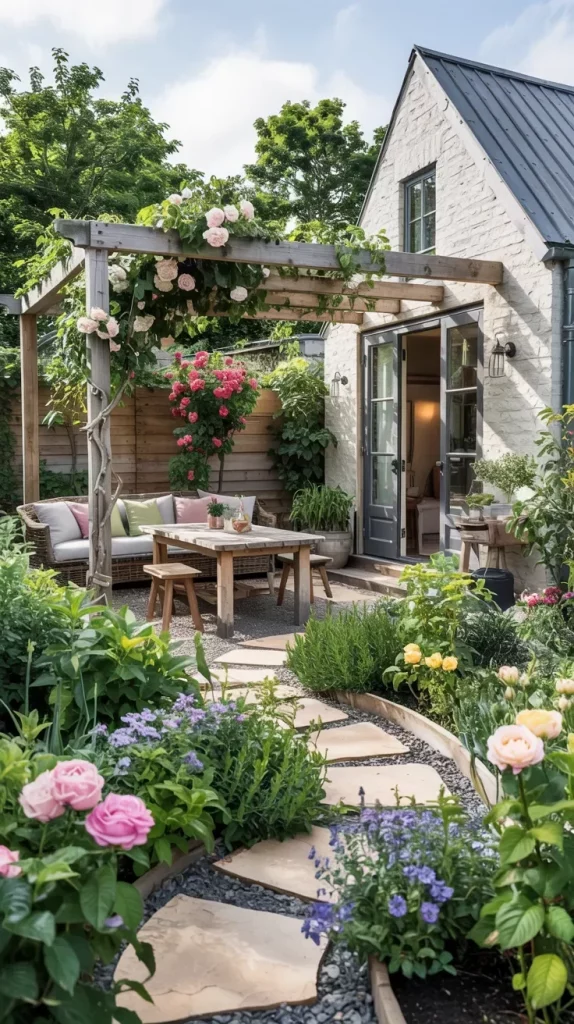
When I design a cottage-style edible garden, I focus heavily on comfort and texture. Wooden pergolas, linen outdoor cushions, weathered stone planters, and natural wood dining tables create an inviting environment that encourages people to spend more time outdoors. I also like combining edible plants like thyme, sage, kale, and strawberries with ornamental flowers such as foxgloves, echinacea, and hydrangeas to soften the planting scheme. Gravel pathways, rustic benches, and vintage-inspired lanterns work particularly well because they add charm without making the space feel outdated. Layered planting heights are also important because they help create the relaxed, immersive feeling associated with cottage gardens.
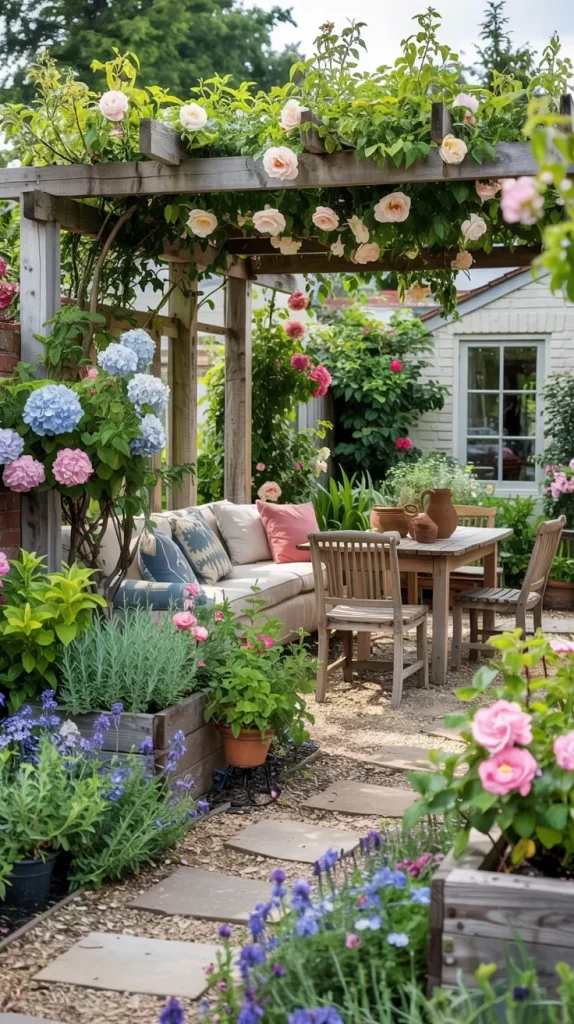
From my perspective, one of the reasons these gardens are becoming so popular is because they support slower outdoor living. I personally appreciate how these landscapes encourage people to cook, entertain, and relax outdoors while staying connected to seasonal planting cycles. Many contemporary landscape designers now recommend combining edible gardening with hospitality-focused outdoor spaces, and I completely agree with this direction because it makes the garden feel genuinely livable instead of purely decorative.
I also recommend including a dedicated seating corner surrounded by herbs and flowering plants because these intimate spaces create a stronger emotional connection to the garden while making the landscape feel more personal and inviting.
Best Vegetables To Grow In Stylish Foodscaping Gardens
Selecting the right vegetables is essential when creating visually balanced and productive foodscaping garden ideas. In modern landscapes, I avoid plants that quickly become untidy or visually overwhelming unless they are carefully contained. Instead, I focus on vegetables that provide strong texture, rich color variation, and compact growth habits. Kale, rainbow chard, red lettuce, ornamental cabbages, peppers, and eggplants are especially effective because they contribute decorative value while remaining highly functional. In 2026, homeowners are increasingly prioritizing edible plants that look attractive throughout multiple stages of growth rather than only during harvest season.
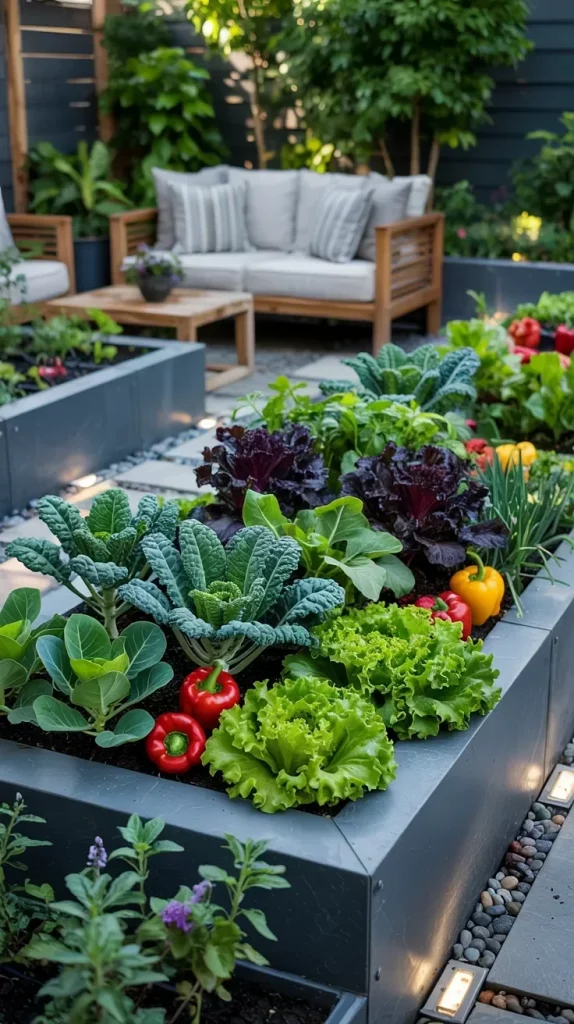
I usually arrange vegetables according to color, height, and foliage texture to maintain visual harmony across the garden. Raised planters with dark finishes help vibrant vegetables stand out while keeping the landscape organized. I often pair silver-green herbs with purple vegetables or deep green leafy crops to create natural contrast throughout the space. Compact drip irrigation systems, mulched pathways, and integrated garden lighting also improve both functionality and appearance. Near entertaining zones, I like incorporating edible containers filled with basil, mint, and lettuce because they offer easy harvesting while enhancing the atmosphere around dining spaces.
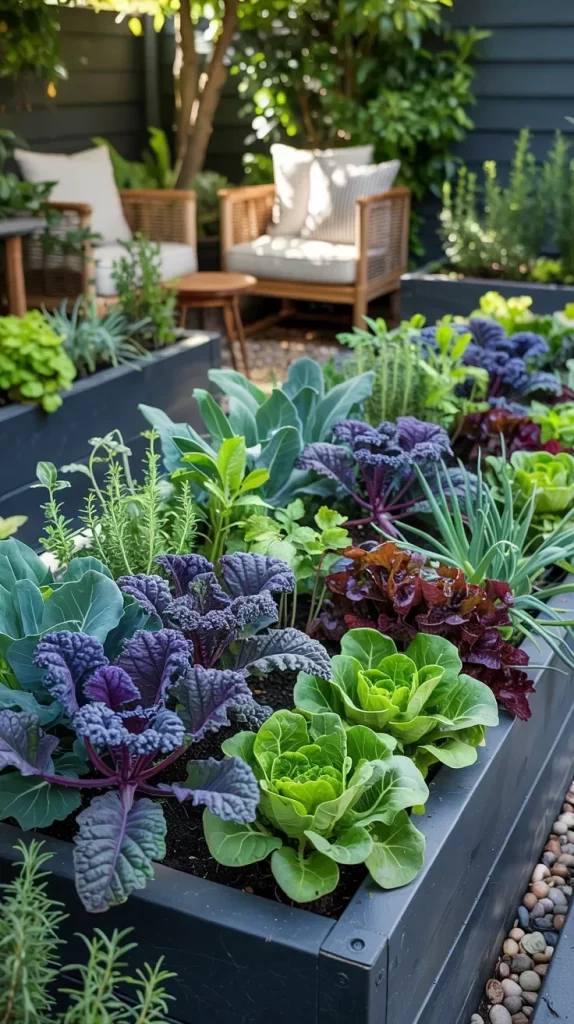
Personally, I believe successful foodscaping depends on choosing vegetables that support both aesthetics and usability. I have seen many gardens become visually chaotic because too many varieties were introduced without considering scale or maintenance. Contemporary outdoor design increasingly emphasizes restraint and cohesion, and I strongly support this approach because it allows every planting detail to feel intentional and elegant.
I also encourage homeowners to rotate seasonal vegetables strategically throughout the year. This keeps the landscape productive while preventing empty or visually unbalanced planting areas during seasonal transitions.
Fruit Trees That Add Structure And Beauty To Outdoor Spaces
Fruit trees are becoming foundational elements in modern edible landscaping because they provide height, structure, shade, and seasonal interest simultaneously. Rather than hiding fruit trees in isolated orchard-style layouts, I now see them integrated directly into patios, courtyards, and decorative planting borders. Olive trees, dwarf citrus, espalier apples, figs, and plums are especially popular in 2026 because they combine sculptural beauty with practical harvesting potential. These trees help anchor outdoor spaces visually while contributing softness and movement to the surrounding landscape.
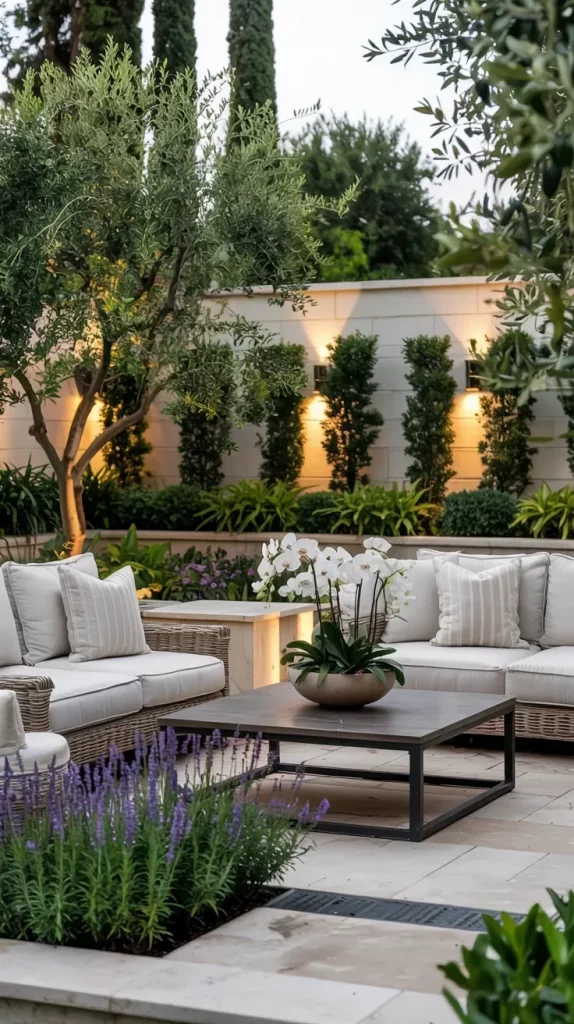
When positioning fruit trees, I carefully consider sightlines, sunlight, and spatial balance. Dwarf varieties are particularly useful because they fit comfortably into smaller gardens while remaining easy to maintain. I often combine fruit trees with low ornamental grasses, flowering perennials, and stone planters to create layered compositions that feel elegant year-round. Modern outdoor furniture placed beneath tree canopies also helps transform productive gardens into comfortable outdoor retreats. Warm uplighting around trunks and branches can dramatically enhance evening ambiance while emphasizing the architectural shape of the trees themselves.
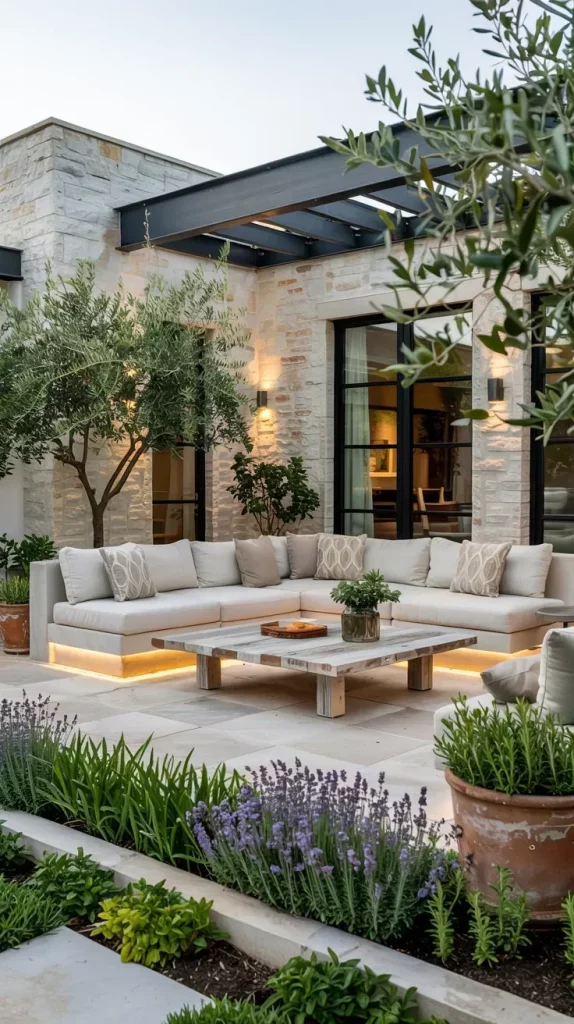
From my experience, fruit trees make edible gardens feel far more established and timeless. I personally appreciate how they create changing seasonal experiences, from spring blossoms to autumn harvests. Many respected landscape architects recommend using trees as focal points within foodscaping layouts because they provide permanence and visual grounding. I strongly agree because even relatively small gardens immediately feel more mature and sophisticated once carefully selected trees are introduced.
I also recommend incorporating proper underplanting beneath fruit trees instead of leaving exposed soil. Low herbs, decorative mulch, and shade-tolerant edible plants help the area feel finished while improving moisture retention and visual continuity.
Herb Garden Styling Ideas For Contemporary Landscapes
Modern herb gardens are becoming far more design-oriented as homeowners incorporate them directly into patios, courtyards, and outdoor entertaining areas. In edible landscaping trends 2026, herbs are valued not only for cooking but also for fragrance, texture, and decorative structure. I frequently design herb gardens that function almost like outdoor extensions of the kitchen, using clean-lined planters, integrated seating, and architectural layouts to maintain a contemporary appearance. Herbs such as rosemary, basil, thyme, oregano, sage, and mint are especially effective because they provide visual richness while remaining highly practical.
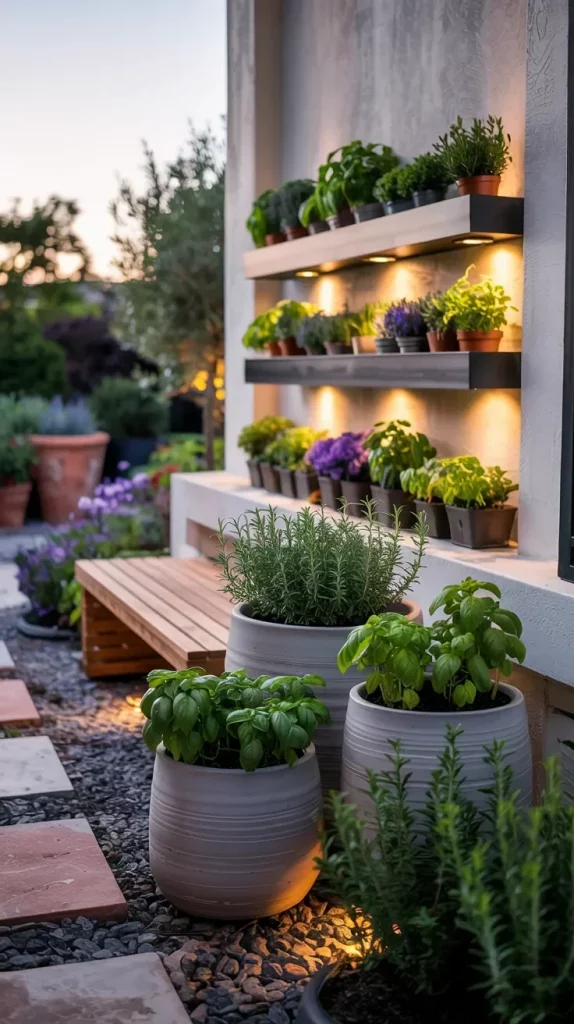
I often use oversized ceramic pots, black steel planters, or floating wall-mounted containers to organize herb displays in a clean and modern way. Teak benches, compact dining sets, and outdoor shelving systems work beautifully alongside herb gardens because they create functional gathering spaces around the planting areas. I also like introducing subtle lighting beneath planters and along pathways because herbs become highly atmospheric during evening hours. Combining herbs with gravel, limestone pavers, and textured greenery helps create a sophisticated Mediterranean-inspired aesthetic that feels timeless yet modern.
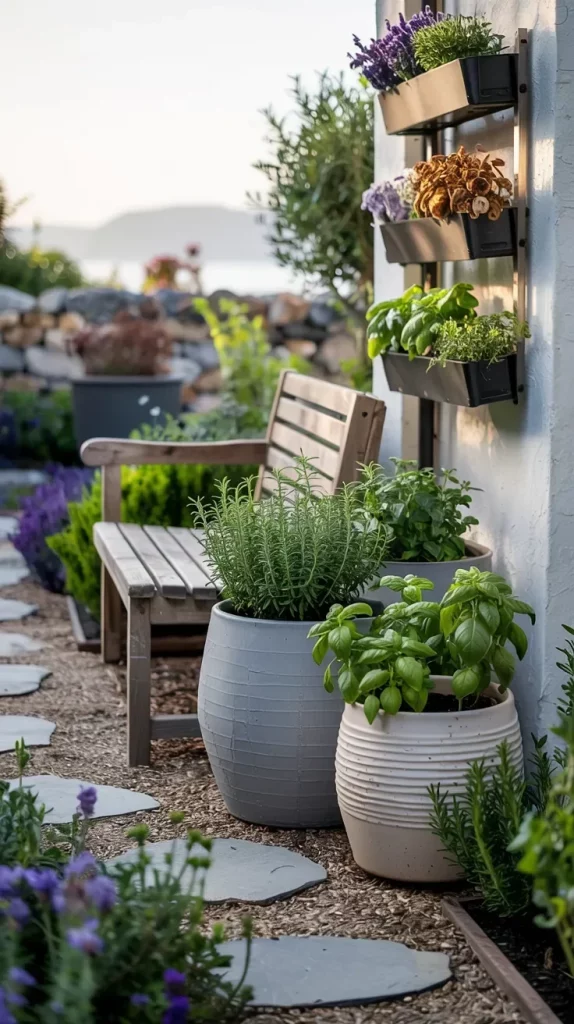
Personally, I believe herb gardens are among the most accessible forms of foodscaping because they require relatively little space while offering immediate daily use. I often encourage homeowners to position herbs close to kitchens and dining spaces so harvesting becomes part of everyday routines. Contemporary designers frequently emphasize sensory landscaping, and I strongly support incorporating fragrant herbs because they make outdoor spaces feel more immersive and memorable.
I also suggest adding vertical herb walls or tiered shelving in smaller gardens because these features maximize planting opportunities while contributing strong visual structure to compact outdoor environments.
Edible Flower Gardens That Create Colorful Outdoor Designs
Edible flowers are playing a major role in foodscaping trends 2026 because they combine ornamental beauty with culinary functionality. I increasingly see homeowners integrating flowers like nasturtiums, calendula, violas, chamomile, lavender, and borage into decorative planting schemes that feel vibrant and artistic. Unlike traditional flower gardens designed purely for appearance, edible flower landscapes create a more interactive experience while supporting pollinators and biodiversity. The result is an outdoor environment that feels layered, colorful, and highly dynamic throughout the growing season.
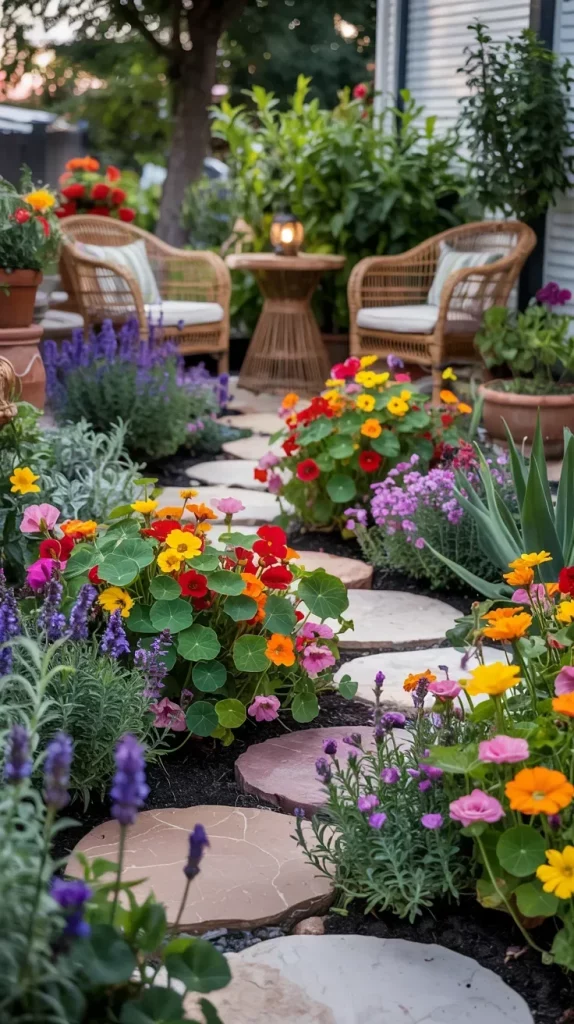
I usually arrange edible flowers in sweeping clusters mixed with herbs and vegetables to create natural movement across the landscape. Raised stone planters, curved garden borders, and natural gravel pathways help soften the design while keeping it organized. Outdoor furniture made from wood, wicker, or matte black metal works especially well in these gardens because it complements the organic textures without distracting from the planting compositions. I also like incorporating water features and lantern lighting because they enhance the calm atmosphere while drawing attention to colorful flower beds during evening hours.
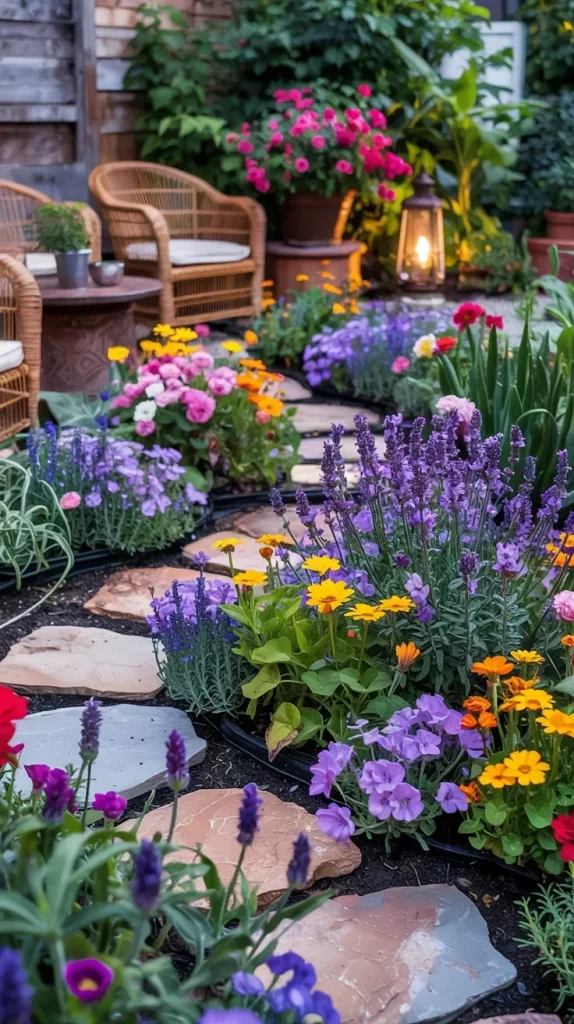
From my experience, edible flower gardens often become the most photographed areas of a property because they feel highly immersive and visually expressive. I personally appreciate how these gardens change continuously throughout the season, creating evolving combinations of texture and color. Many modern landscape designers now prioritize pollinator-friendly planting strategies, and I fully support this direction because it improves both ecological value and garden vitality.
I also recommend adding dedicated harvesting paths within edible flower gardens because accessibility is often overlooked. Comfortable access encourages regular use while preventing damage to delicate flowering plants.
Sustainable Gardening Practices Shaping Foodscaping In 2026
I see sustainable outdoor design becoming the foundation of modern edible gardens and foodscaping 2026 because homeowners now want landscapes that conserve water, reduce waste, and provide fresh produce year-round. In my experience, the most successful foodscaping layouts combine raised garden beds, layered greenery, compost systems, and natural pathways that integrate beautifully into the overall exterior design. I prefer using reclaimed wood planters, gravel walkways, and native edible plants because they create a relaxed but polished atmosphere while lowering maintenance needs. The entire garden should feel balanced and intentional rather than overly agricultural.
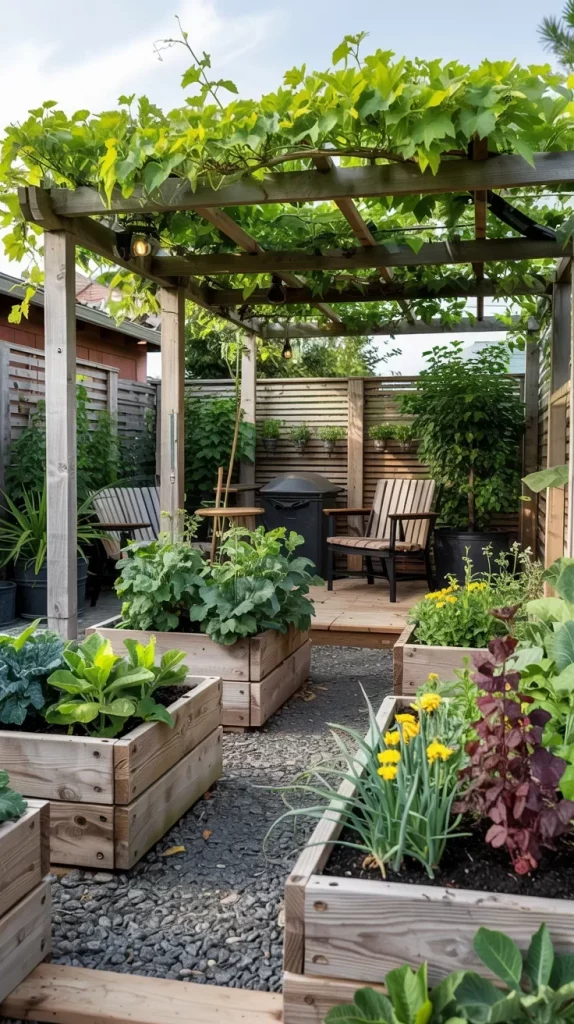
When I design sustainable edible landscapes, I always focus on practical materials that also improve the appearance of the outdoor space. I recommend large corten steel planters, cedar raised beds, rainwater barrels, and weather-resistant outdoor seating that allows homeowners to fully enjoy the garden environment. Modern pergolas with climbing vegetables or grapevines are especially useful because they provide shade while maximizing growing space. I also find that solar-powered lighting and organic mulch help create a warm atmosphere during evening hours while supporting environmentally conscious gardening practices.
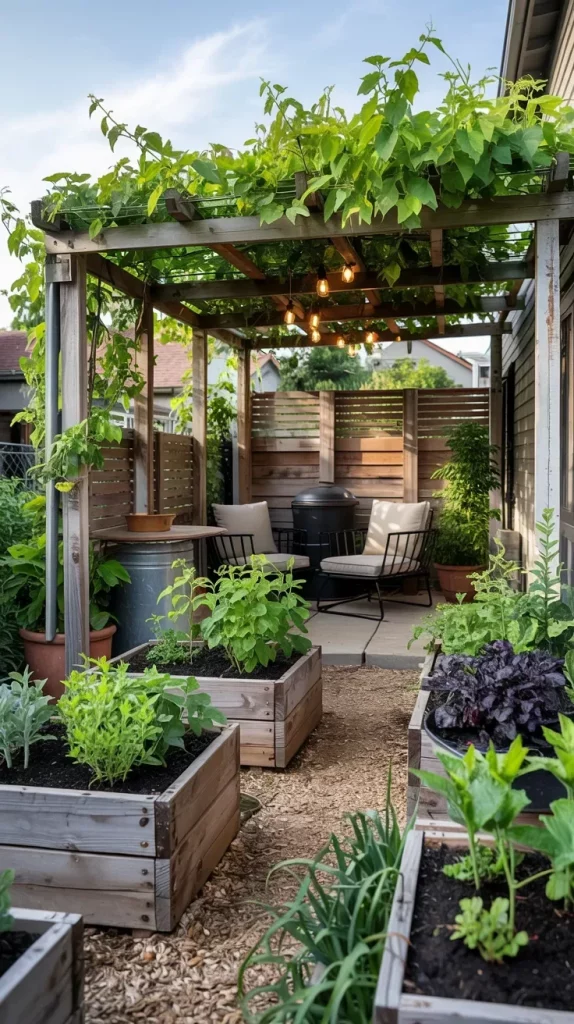
I personally believe that sustainability works best when it feels natural instead of forced. Many landscape designers featured in American gardening publications now emphasize biodiversity and soil health as the future of productive landscaping, and I completely agree with this approach. In several projects I have worked on, compost integration and natural pollinator habitats significantly improved plant growth while also making the outdoor space more visually dynamic. I always encourage homeowners to view sustainability as a long-term investment rather than a temporary trend.
I would also add a dedicated composting corner hidden behind decorative screens or vertical herb walls because composting is often overlooked in modern edible garden design. In my opinion, integrating compost systems directly into the landscape helps maintain consistency throughout the entire outdoor environment while supporting healthier soil and more productive harvests.
Drought-Tolerant Edible Gardens For Eco-Friendly Landscaping
I have noticed that drought-resistant landscaping is becoming one of the most important components of modern foodscaping ideas in warmer climates. Homeowners increasingly want edible gardens that remain attractive and productive even during long dry seasons. I often recommend combining Mediterranean herbs, olive trees, rosemary hedges, lavender borders, and drought-tolerant vegetables because these plants create texture and color without requiring excessive irrigation. The result feels sophisticated, practical, and highly sustainable.
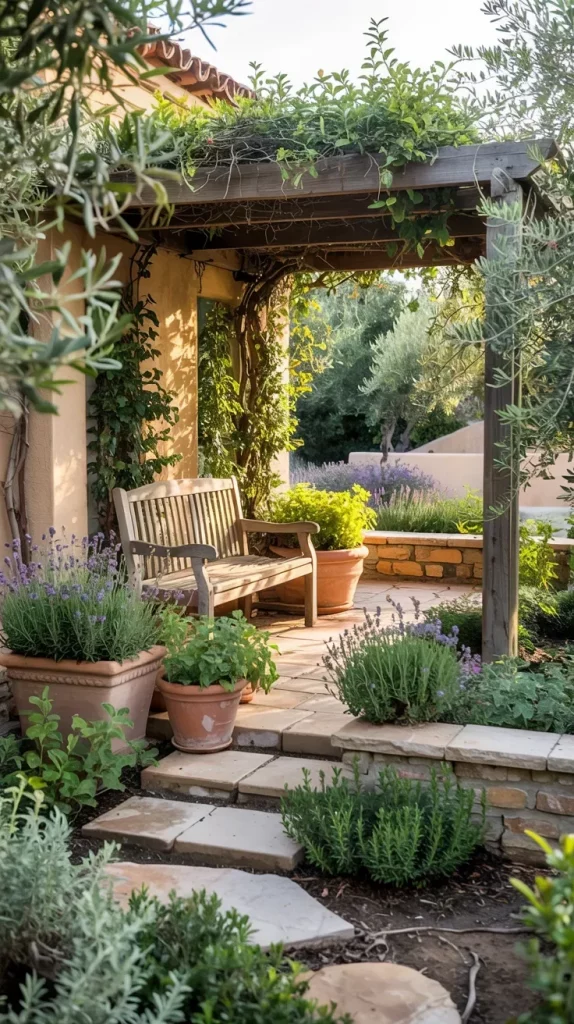
When planning drought-tolerant edible gardens, I prefer using terracotta containers, decomposed granite pathways, and stone retaining walls because these materials complement dry-climate planting schemes beautifully. I also recommend deep raised beds with high-quality soil mixtures that retain moisture efficiently. Outdoor dining areas with teak furniture, linen cushions, and shaded pergolas fit perfectly into this style because they create a luxurious outdoor retreat connected directly to the garden. Every design element should contribute to both comfort and water efficiency.
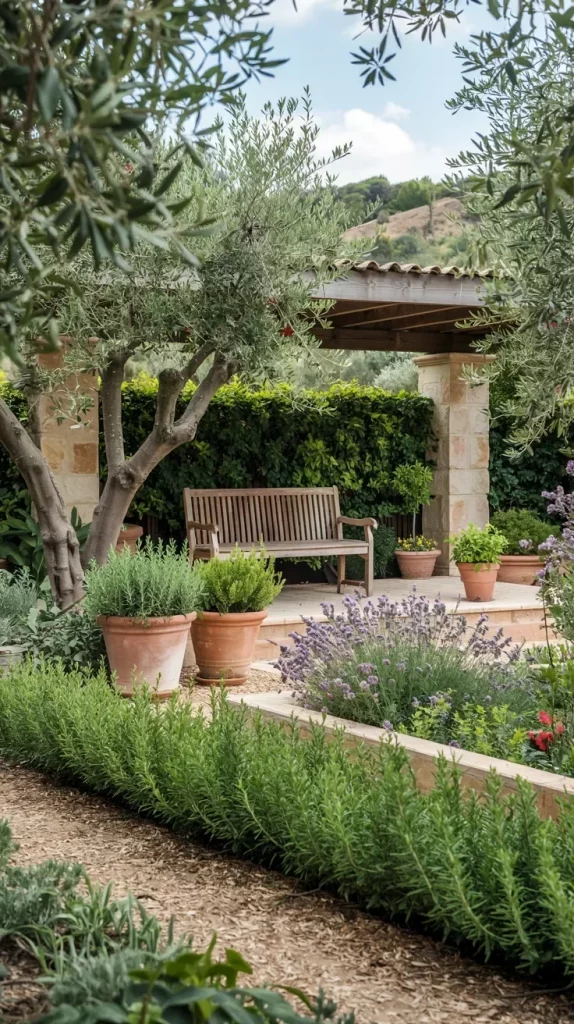
From my experience, proper zoning is critical in dry-climate foodscaping. I usually group plants with similar watering requirements together because this significantly simplifies irrigation management. Several landscape professionals in the United States now recommend drip irrigation combined with heavy mulching to reduce evaporation, and I have seen excellent results using this method in residential projects. The gardens remain visually lush without excessive water consumption.
I would also include decorative ceramic water features or small reflecting basins because they help soften the appearance of drought-resistant gardens while adding a calming atmosphere. Even minimal water elements can make edible landscapes feel more luxurious and balanced.
Vertical Foodscaping Ideas For Patios, Balconies, And Tiny Yards
I believe vertical gardening will dominate urban edible gardens and foodscaping 2026 because more homeowners and apartment residents are searching for creative ways to maximize limited outdoor space. Vertical foodscaping transforms small patios and balconies into productive green environments without overcrowding the area. I often use wall-mounted planters, stacked herb towers, hanging strawberries, and climbing vegetables to create visually layered spaces that feel modern and organized. Even compact outdoor areas can become highly productive with proper planning.
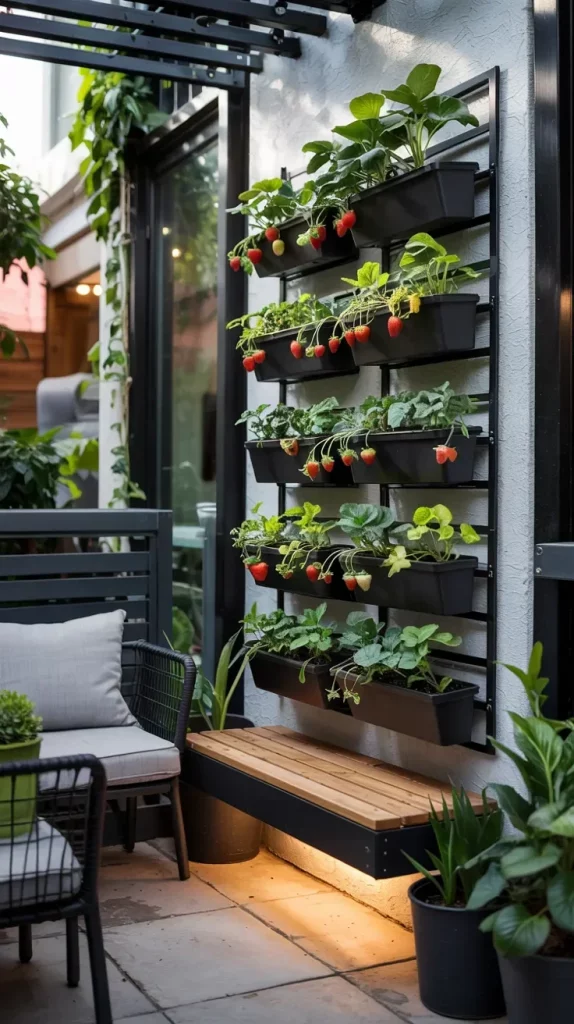
When designing vertical foodscaping layouts, I focus heavily on furniture placement and visual balance. I recommend slim-profile outdoor furniture, foldable dining sets, built-in benches with hidden storage, and lightweight ceramic containers because they preserve valuable floor space. Black metal trellises, wood slat privacy walls, and integrated LED lighting also help create a contemporary appearance while supporting climbing edible plants. I especially like combining herbs with flowering vines because the mix creates both texture and seasonal color variation.
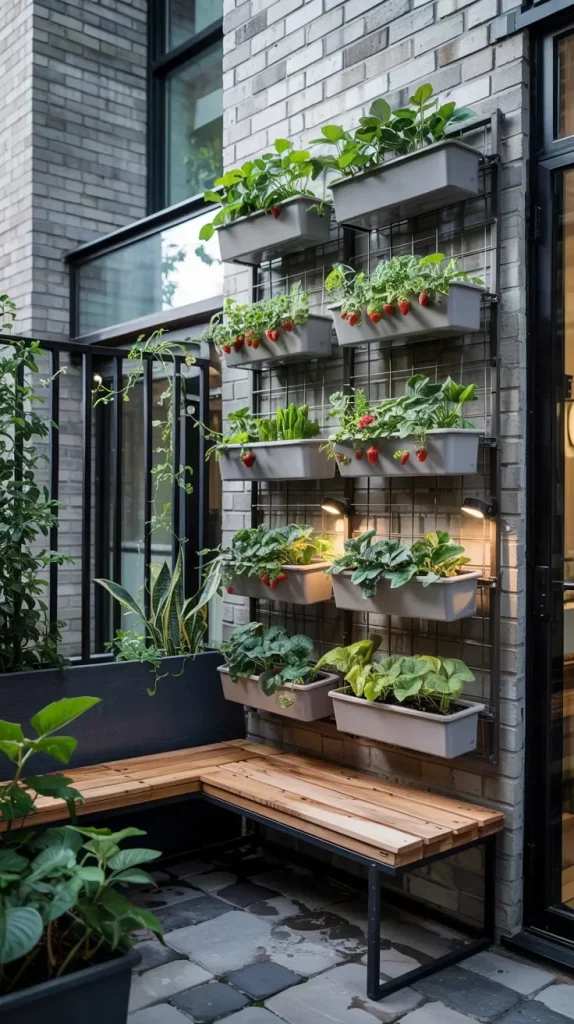
I personally think one of the biggest mistakes in small-space foodscaping is overcrowding. I always advise clients to prioritize airflow and sunlight rather than trying to grow too many plants at once. Many modern urban gardening experts now recommend modular growing systems because they simplify maintenance and allow homeowners to expand their gardens gradually. In my own observations, simpler vertical layouts are usually easier to maintain and visually more elegant.
I would also add compact weatherproof shelving or built-in cabinetry for storing gardening tools and containers because organization becomes extremely important in smaller outdoor environments. Functional storage helps maintain a clean and uncluttered appearance throughout the space.
Luxury Greenhouse Concepts For Modern Edible Gardens
I see luxury greenhouses becoming one of the defining trends in upscale foodscaping ideas for 2026 because they combine architecture, sustainability, and food production in one sophisticated structure. Modern greenhouses are no longer purely functional spaces; they are now designed as elegant garden extensions with carefully curated interiors. I often recommend black-framed glass structures with natural stone flooring, oversized windows, and integrated seating areas because they create a refined atmosphere suitable for both gardening and relaxation.
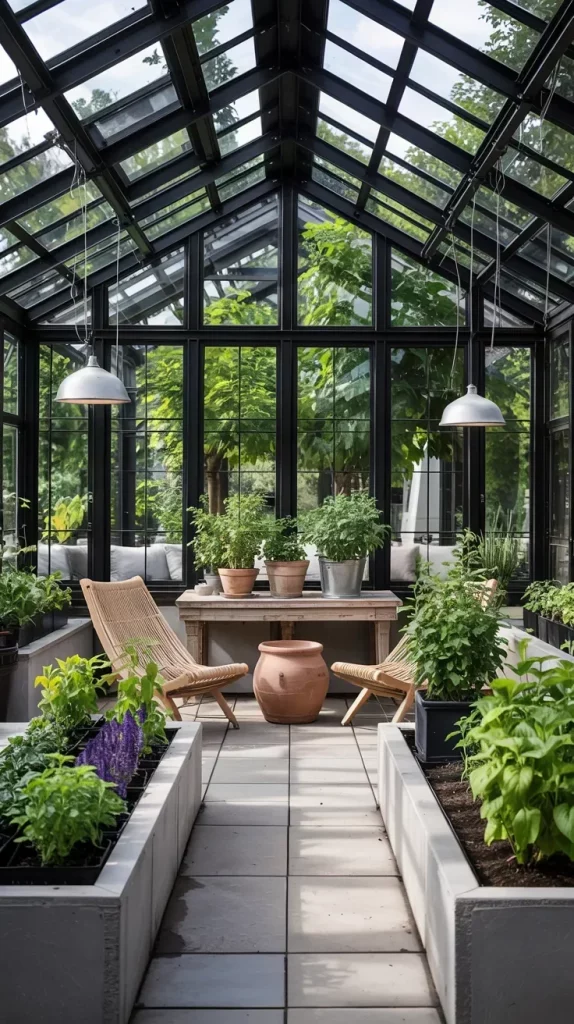
Inside luxury greenhouses, I prefer combining raised planting beds with decorative shelving, ceramic containers, and stylish potting stations that blend seamlessly with the architecture. Comfortable lounge chairs, rustic wood tables, pendant lighting, and linen textiles help transform the greenhouse into a true living space rather than a simple utility area. I also find that automatic ventilation systems and climate-controlled irrigation significantly improve long-term plant health while reducing maintenance efforts for homeowners.
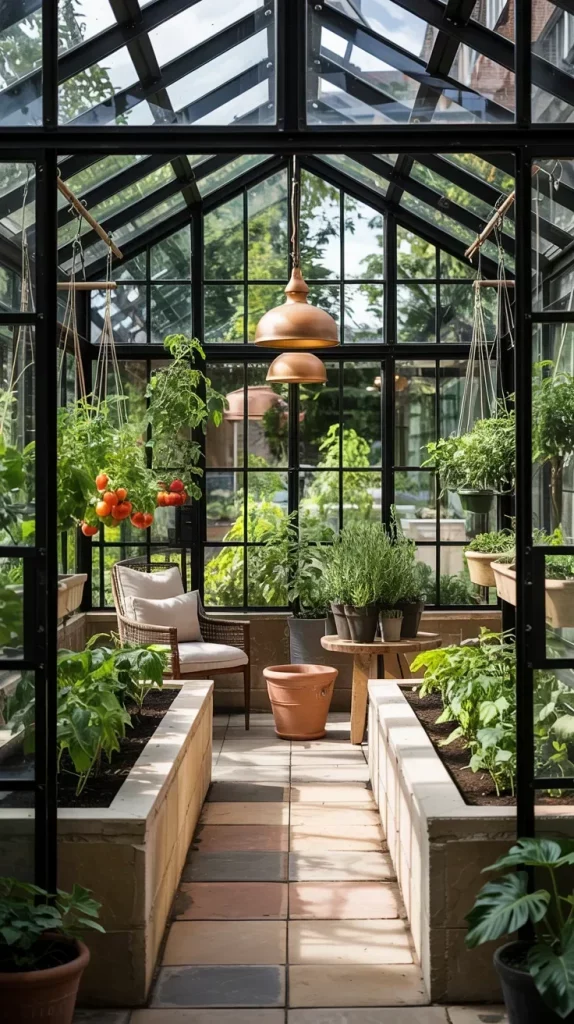
From my perspective, successful greenhouse design depends on creating a balance between productivity and comfort. I have noticed that many professional designers now incorporate café-inspired seating zones inside greenhouses because people want to spend more time enjoying the environment they create. Personally, I think edible gardening becomes much more rewarding when the space encourages relaxation and daily use rather than functioning only as a growing area.
I would also include dedicated propagation shelves with integrated grow lighting because year-round seed starting and herb cultivation add another level of practicality to luxury greenhouse layouts. These additions improve functionality while maintaining the sophisticated appearance of the space.
Smart Irrigation Systems For Productive Foodscaping Layouts
I believe smart irrigation technology is transforming the future of edible gardens and foodscaping 2026 because homeowners now expect landscapes to be both efficient and easy to manage. Advanced irrigation systems allow gardens to remain productive while significantly reducing water waste. I often design edible landscapes with hidden drip irrigation lines, moisture sensors, and programmable watering zones because these systems support healthier plant growth while preserving the visual cleanliness of the garden layout. A well-organized irrigation plan also prevents unnecessary maintenance problems later.
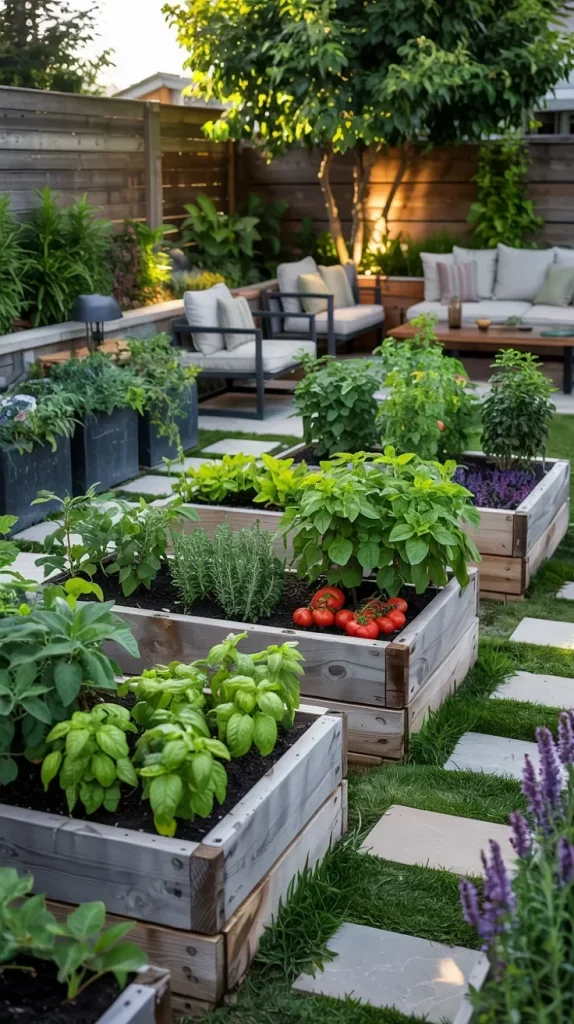
When integrating smart irrigation into modern foodscaping, I focus on keeping all technical elements discreet and visually harmonious with the landscape design. I prefer underground tubing systems, concealed valve boxes, and weather-resistant smart controllers connected to mobile applications. Stone pathways, structured planting beds, and integrated lighting help maintain a polished exterior appearance while the irrigation system works efficiently behind the scenes. I also recommend shaded seating areas near productive garden zones because homeowners naturally spend more time outdoors when the environment feels comfortable and organized.
In my experience, automation dramatically improves consistency in edible garden maintenance. Many landscaping specialists now recommend combining weather-based irrigation controllers with mulch-heavy planting methods to optimize water efficiency, and I have seen impressive results using this strategy in residential gardens. Personally, I appreciate how smart systems allow homeowners to focus more on enjoying their gardens instead of constantly adjusting watering schedules manually.
I would also add rainwater harvesting tanks connected directly to irrigation systems because this feature strengthens the sustainability aspect of modern foodscaping. Decorative storage tanks or concealed underground reservoirs can improve long-term water management without disrupting the aesthetics of the landscape.
Companion Planting Ideas For Healthier And More Beautiful Gardens
I believe companion planting has become one of the smartest strategies in modern foodscaping ideas because it combines visual harmony with natural garden efficiency. In my experience, pairing vegetables, herbs, and flowers together creates healthier edible gardens while also making the landscape look more layered and professionally designed. I often combine tomatoes with basil, marigolds with peppers, and lettuce beneath taller plants because these combinations improve plant health and maximize available space. The result feels organic, colorful, and intentionally curated instead of overly structured.
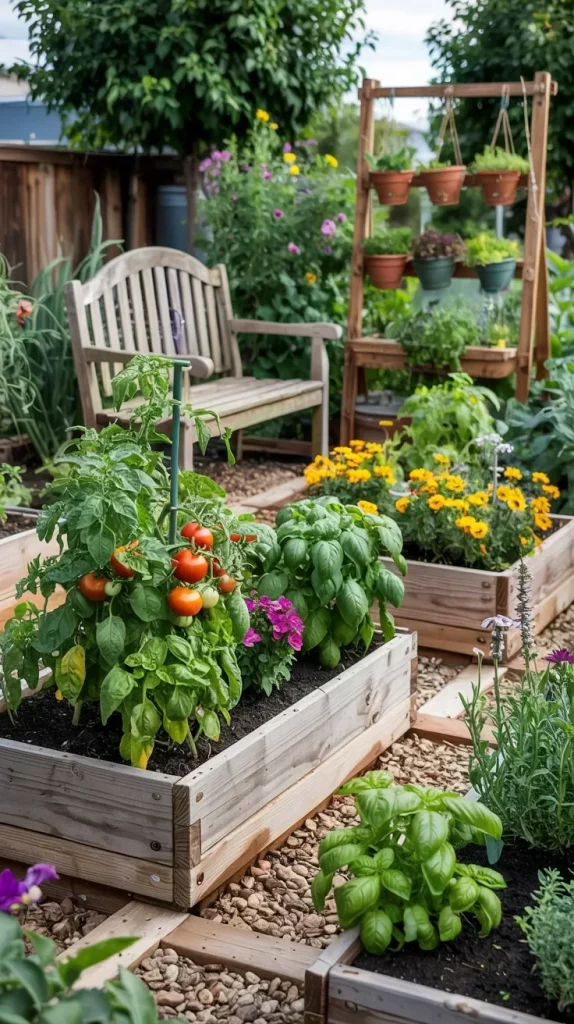
When planning companion planting layouts, I focus heavily on texture and color variation to create a visually appealing garden composition. I recommend raised cedar beds with divided planting zones, curved stone edging, and decorative gravel pathways that help organize the landscape without making it feel rigid. Outdoor benches, ceramic herb containers, and climbing trellises also work beautifully because they add height and visual structure throughout the garden. I particularly like mixing edible flowers into vegetable beds because they soften the appearance and attract beneficial pollinators at the same time.
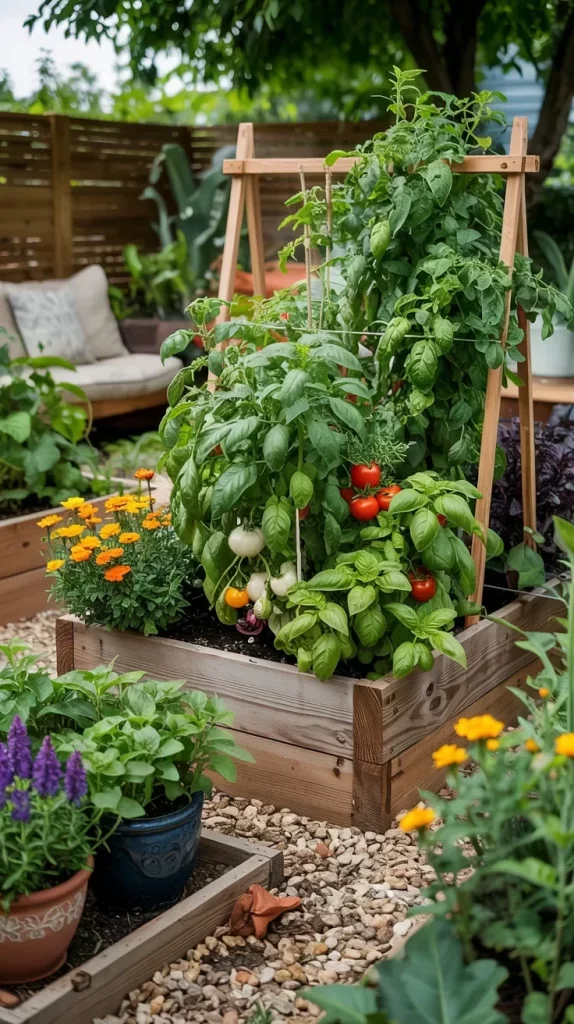
From my own experience, companion planting significantly reduces common garden maintenance issues when planned correctly. Many American gardening specialists recommend biodiversity-focused planting methods because they naturally discourage pests and support stronger soil conditions. I have personally seen gardens become more productive simply by reorganizing plants into compatible groupings rather than planting single-crop rows. This approach also creates a more natural and relaxed exterior design aesthetic.
I would also add small seating corners surrounded by aromatic herbs and flowering vegetables because these intimate spaces encourage homeowners to spend more time interacting with their gardens. Comfortable garden seating helps transform edible landscapes into fully functional outdoor living environments.
Pollinator-Friendly Edible Gardens Filled With Biodiversity
I see pollinator-friendly landscaping becoming essential in edible gardens and foodscaping 2026 because biodiversity directly supports healthier plant growth and more productive harvests. Modern homeowners increasingly want gardens that attract bees, butterflies, and beneficial insects while still maintaining a refined exterior appearance. I often design edible landscapes with layered flower borders, native flowering herbs, fruit trees, and vegetable beds that create a vibrant ecosystem filled with movement and seasonal color. The overall atmosphere feels lively, balanced, and environmentally responsible.
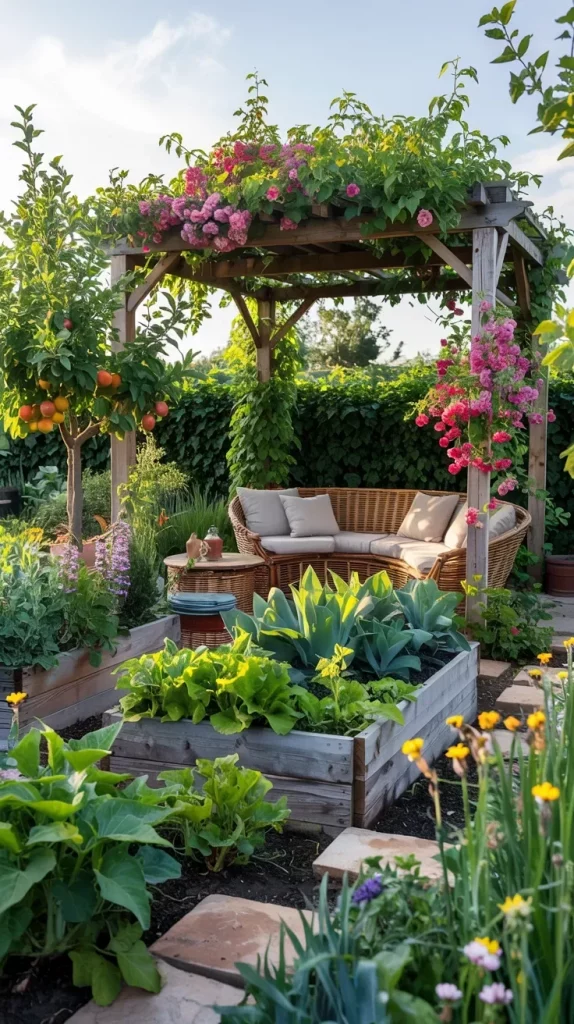
When designing pollinator-friendly gardens, I recommend using natural stone pathways, wildflower borders, rustic wood fencing, and comfortable outdoor lounge furniture to create a welcoming and visually connected environment. Pergolas covered with flowering vines or espalier fruit trees work especially well because they provide vertical interest while supporting pollinator activity. I also like adding shallow water features or decorative ceramic bowls because pollinators benefit from accessible water sources during warmer months. These small details make the garden feel more complete and functional.
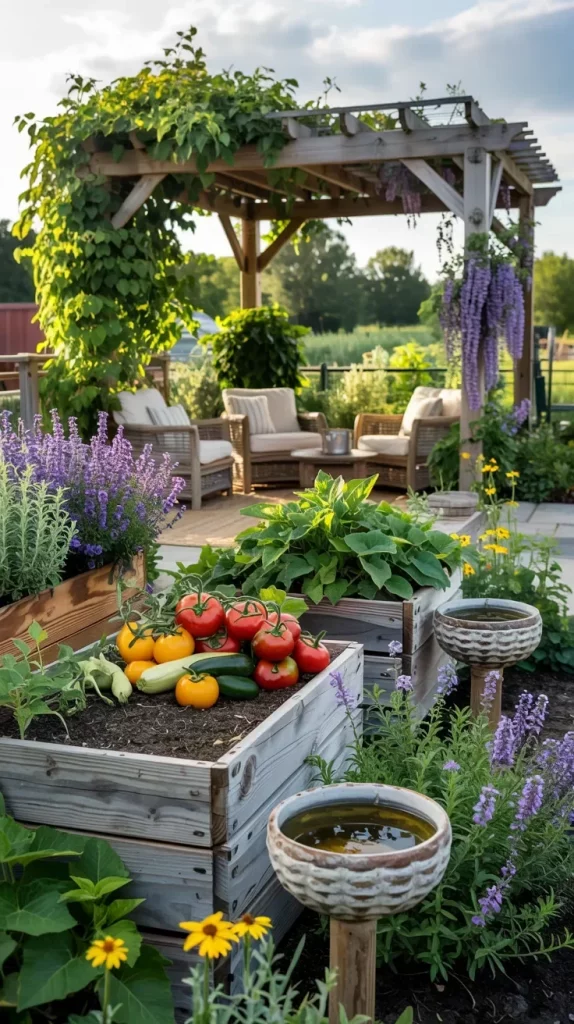
Personally, I think biodiversity creates some of the most beautiful edible landscapes because the garden constantly changes throughout the seasons. Several landscape designers and ecological gardening experts in the United States now encourage reducing monoculture planting in residential gardens, and I strongly support this philosophy. In gardens where I introduced more flowering herbs and native species, I noticed increased pollinator activity and healthier vegetable production within a single growing season.
I would also include layered lighting throughout pollinator-friendly gardens because warm evening illumination highlights textures, flowers, and architectural plants beautifully after sunset. Soft lighting helps extend the usability of outdoor spaces while maintaining a calm natural atmosphere.
Mediterranean-Inspired Foodscaping Designs For Warm Climates
I believe Mediterranean-inspired landscaping perfectly reflects the future of elegant foodscaping ideas because it combines practicality, beauty, and climate-conscious planting in one timeless design style. In warm regions, I often recommend combining olive trees, citrus plants, lavender, rosemary, grapevines, and drought-resistant vegetables because these plants create a luxurious but relaxed outdoor atmosphere. Textured stone surfaces, sun-washed colors, and layered greenery help the garden feel welcoming and naturally integrated with the home’s architecture.
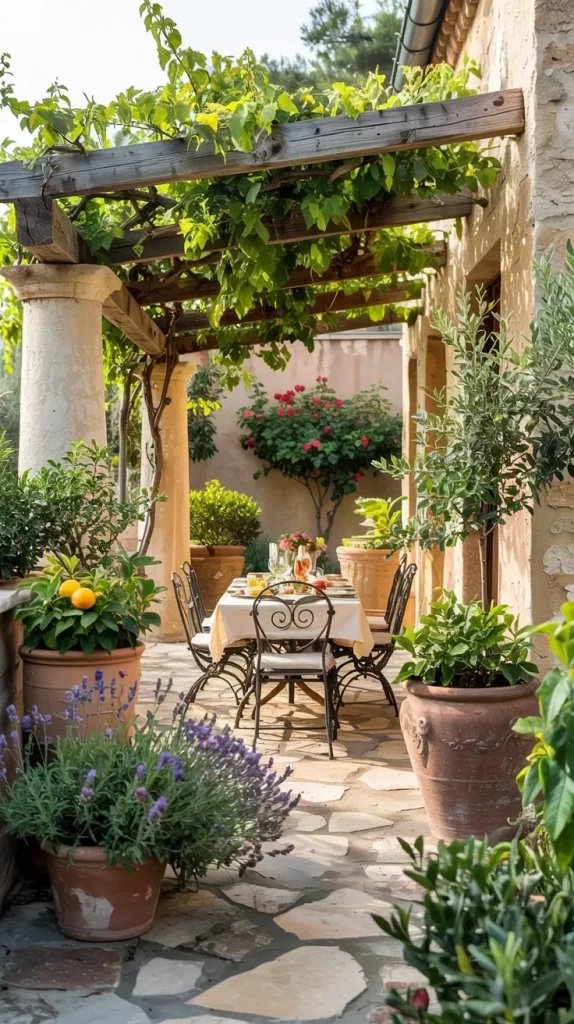
When planning Mediterranean foodscaping layouts, I focus on natural materials and shaded outdoor living spaces. I frequently use terracotta pots, limestone walkways, stucco walls, wrought iron furniture, and wooden pergolas draped with climbing edible plants because these details strengthen the warm European-inspired aesthetic. Outdoor dining areas become especially important in this design style, so I recommend large rustic tables, linen cushions, and ambient lantern lighting to encourage long evenings spent outdoors surrounded by productive gardens.
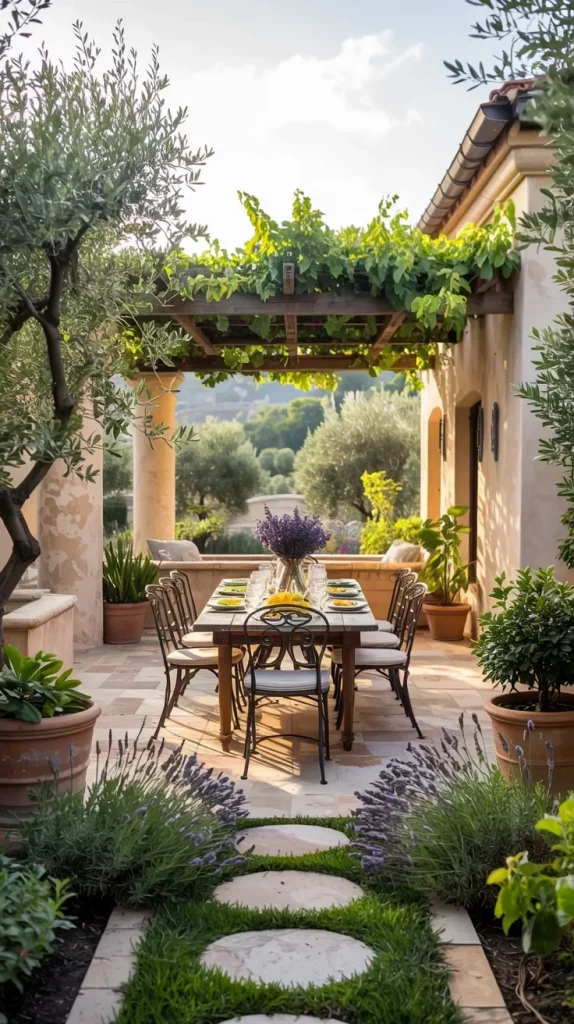
From my perspective, Mediterranean foodscaping works best when the design feels effortless rather than overly decorated. Many designers featured in modern landscaping publications emphasize restraint and simplicity in Mediterranean gardens, and I completely agree with this approach. I have found that limiting the material palette while focusing on texture and greenery creates a far more sophisticated result. The garden should feel naturally aged and deeply connected to the surrounding climate.
I would also add an outdoor kitchen or wood-fired cooking area near the edible garden because it strengthens the connection between harvesting and dining. In my experience, this feature transforms the landscape into a complete outdoor lifestyle environment rather than simply a decorative garden.
Rustic Farmhouse Edible Garden Styles Trending In 2026
I have noticed that rustic farmhouse aesthetics continue to influence edible gardens and foodscaping 2026 because homeowners are drawn to spaces that feel warm, nostalgic, and highly functional. Farmhouse-inspired edible gardens combine practical growing areas with relaxed outdoor living spaces that encourage everyday use. I often use weathered wood raised beds, vintage-style fencing, gravel pathways, and oversized vegetable plots because these elements create a charming but organized landscape design. The atmosphere should feel comfortable and lived-in rather than overly polished.
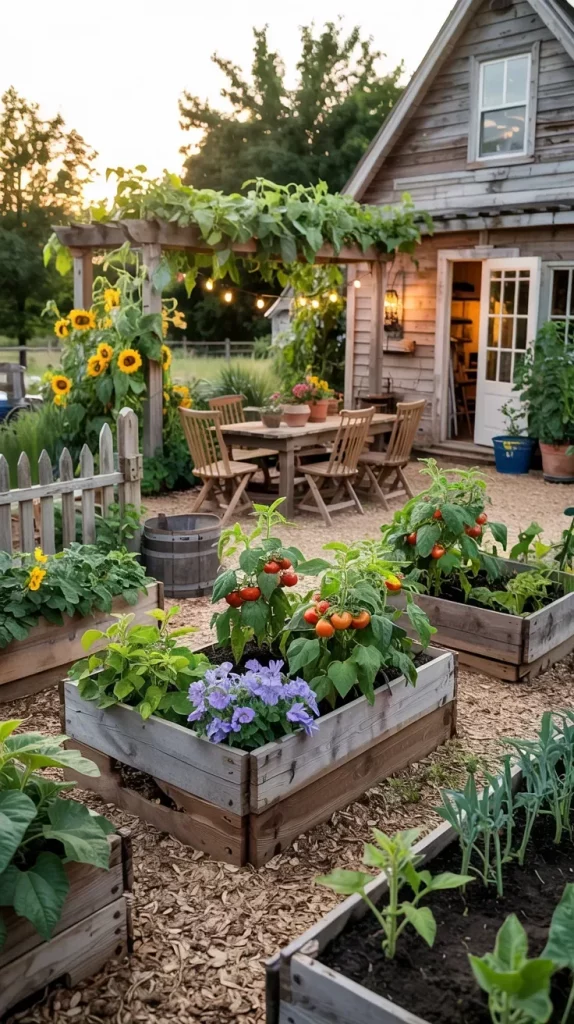
When designing farmhouse-style foodscaping layouts, I recommend incorporating antique-inspired furniture, galvanized metal containers, reclaimed wood benches, and open shelving for herbs and gardening tools. Large farmhouse tables beneath pergolas or string lighting create inviting gathering spaces that connect directly to the productive garden areas. I also like using climbing beans, sunflowers, and espalier fruit trees because they add vertical texture while reinforcing the traditional countryside aesthetic.
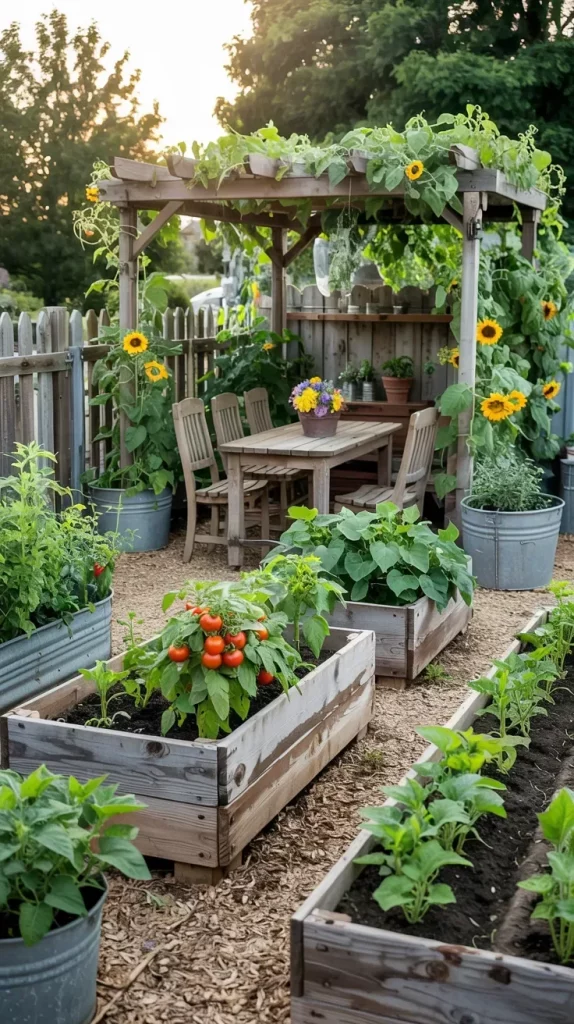
Personally, I think rustic edible gardens become more beautiful when imperfections are embraced rather than hidden. Many American garden designers now encourage mixing ornamental flowers directly into vegetable gardens to soften the structure and increase visual interest. In my own projects, this combination creates landscapes that feel more authentic and emotionally inviting. A slightly informal appearance often makes farmhouse foodscaping more appealing and easier to maintain over time.
I would also include decorative storage sheds or small greenhouse structures finished in natural wood because they strengthen the farmhouse atmosphere while providing essential storage and growing space. Functional architecture helps tie the entire garden composition together.
Minimalist Edible Landscaping Ideas With Clean Modern Lines
I believe minimalist landscaping is becoming one of the most sophisticated directions for modern foodscaping ideas because it allows edible gardens to feel highly organized, elegant, and architecturally integrated. In minimalist edible landscapes, I focus on symmetry, restrained color palettes, and carefully structured planting layouts that emphasize simplicity rather than abundance. Rectangular raised beds, geometric paving, and neatly trimmed herbs create clean visual lines while still supporting productive gardening. The result feels calm, contemporary, and highly intentional.
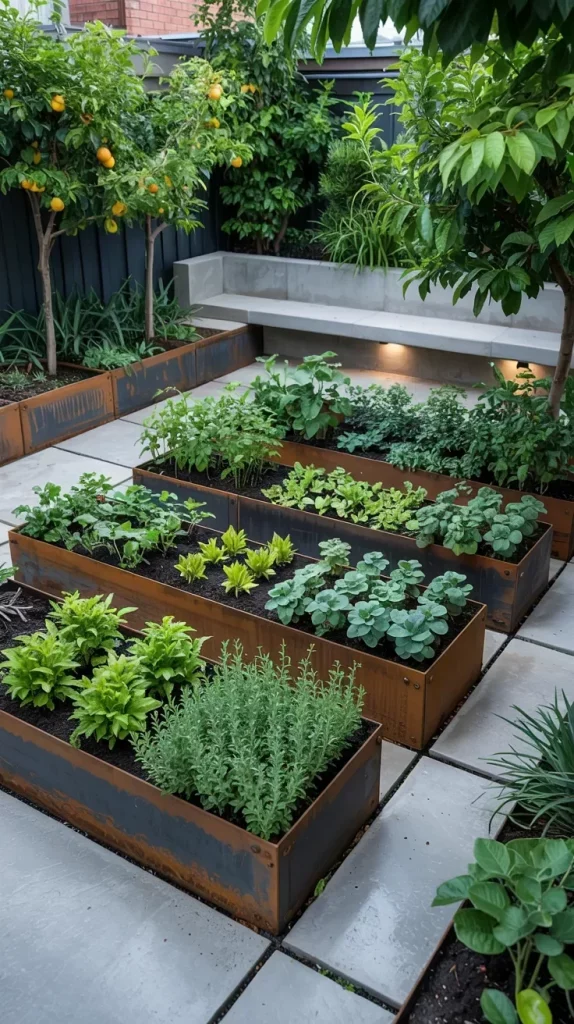
When creating minimalist edible gardens, I recommend sleek corten steel planters, concrete pathways, integrated bench seating, and monochromatic outdoor furniture because these materials reinforce the modern design language. I also prefer limiting plant varieties and repeating them consistently throughout the landscape to maintain visual cohesion. Structured olive trees, compact herbs, leafy greens, and espalier fruit trees work especially well because they provide greenery without overwhelming the clean architectural composition. Subtle lighting integrated into pathways and planter edges also enhances the evening atmosphere beautifully.
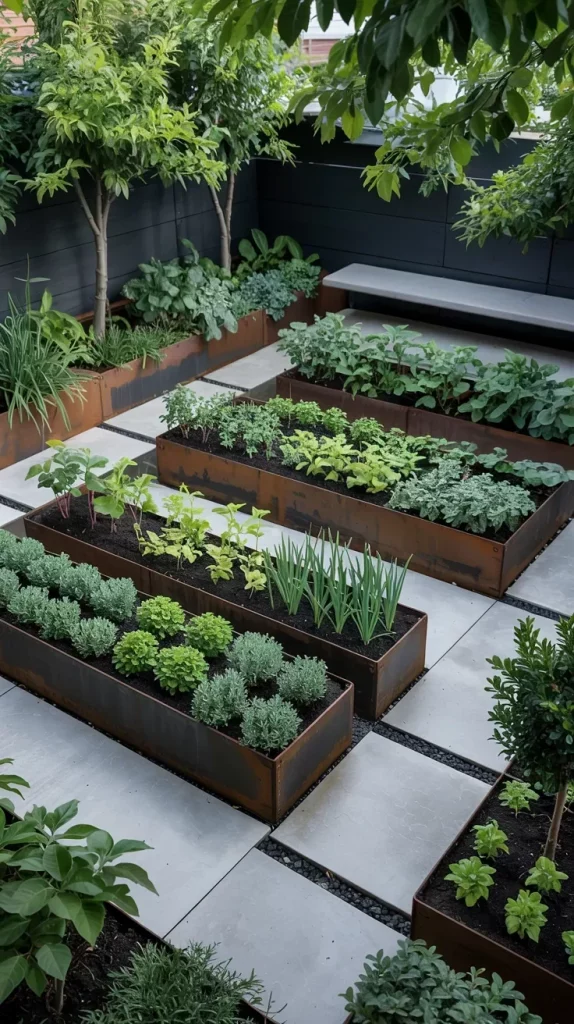
From my experience, minimalist foodscaping requires careful editing and discipline to remain visually successful. Many contemporary landscape architects now recommend prioritizing negative space and proportion in edible garden design, and I fully agree with this philosophy. I have found that restrained layouts often feel more luxurious and easier to maintain than highly crowded planting schemes. Minimalism allows every design element to stand out more clearly.
I would also add hidden storage compartments and integrated irrigation systems because visible clutter can easily disrupt the clean appearance of minimalist landscapes. Keeping tools, hoses, and accessories concealed helps preserve the simplicity and elegance of the overall design.
Outdoor Dining Spaces Surrounded By Productive Gardens
I have noticed that one of the strongest trends in edible gardens for 2026 is the integration of outdoor dining areas directly into productive landscapes. Instead of separating patios from planting beds, I now see homeowners creating immersive garden dining experiences surrounded by herbs, vegetables, berry bushes, and compact fruit trees. This design approach makes the outdoor space feel alive, functional, and visually layered throughout the seasons. I prefer layouts where raised cedar garden beds frame the dining zone while gravel pathways and natural stone patios provide structure and elegance.
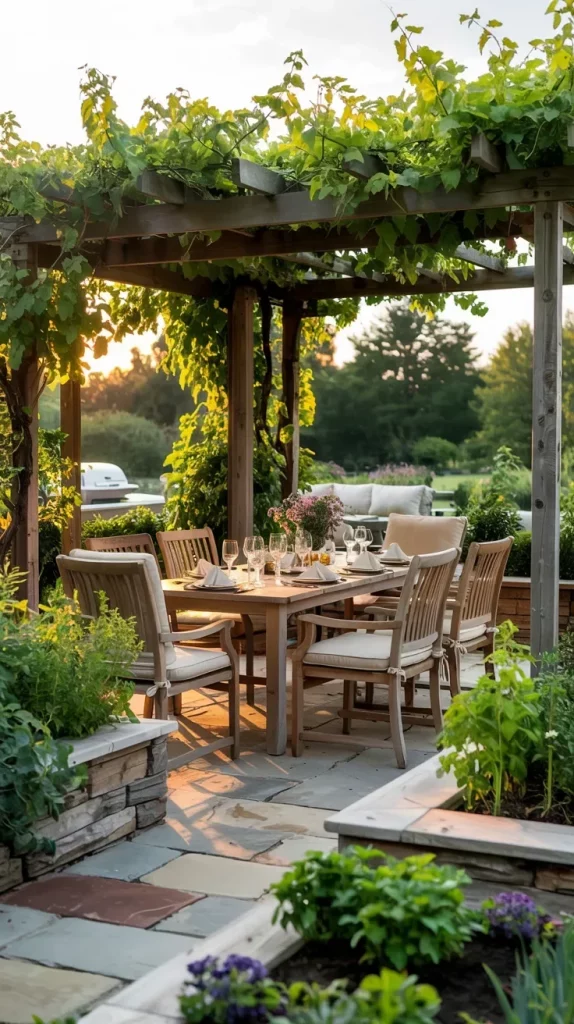
When designing these spaces, I usually recommend a large weather-resistant dining table made from teak, eucalyptus, or powder-coated aluminum because these materials age beautifully outdoors. Comfortable cushioned dining chairs, oversized ceramic planters with rosemary and lavender, and built-in benches with hidden storage all contribute to a polished appearance. I also find that pergolas with climbing grapevines or espalier fruit trees create a shaded environment that naturally blends architecture with food production. Soft neutral textiles, linen table settings, and integrated irrigation systems complete the space while maintaining practicality.
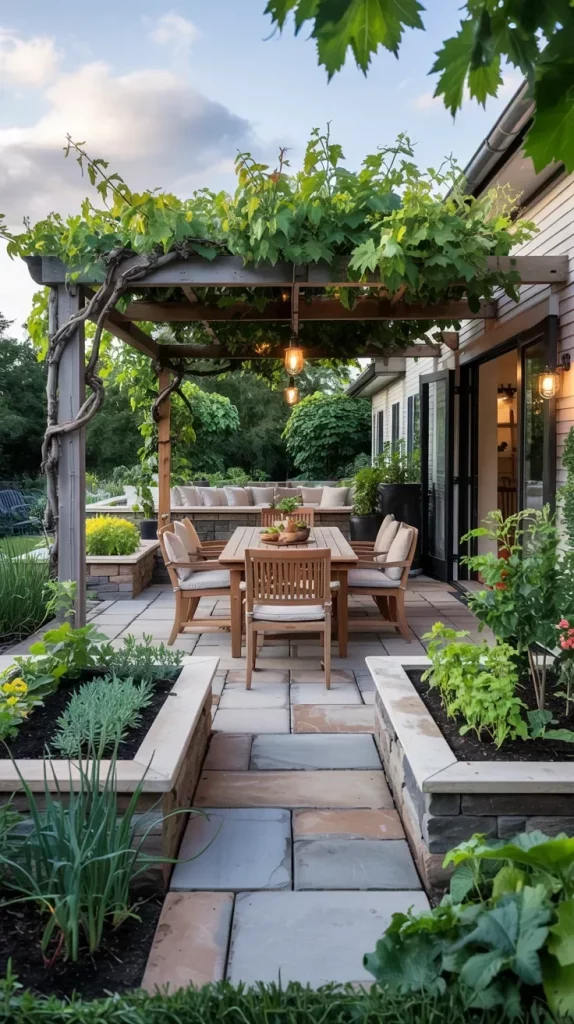
In my experience, outdoor dining spaces become more successful when homeowners prioritize convenience. I often suggest planting kitchen herbs closest to the dining area so they can be harvested quickly while cooking or entertaining. Many landscape designers featured in publications like Architectural Digest and Gardenista also emphasize layered lighting and textured greenery to create a resort-like atmosphere in productive gardens. I personally believe this balance between comfort and cultivation defines the future of foodscaping 2026.
I also recommend incorporating weatherproof outdoor cabinetry or compact prep stations near the dining zone. Small additions like countertop herb planters, portable pizza ovens, or built-in beverage coolers make the space feel intentional and increase the functionality of modern edible landscapes.
Best Containers And Planters For Stylish Foodscaping Projects
In modern foodscaping ideas, containers and planters have become essential design elements rather than simple gardening tools. I increasingly see homeowners using sculptural planters to create elegant compositions that support vegetables, herbs, and dwarf fruit trees while complementing contemporary architecture. Oversized matte-black containers, textured stone planters, and corten steel raised beds work especially well in minimalist outdoor environments because they add structure without overwhelming the landscape.
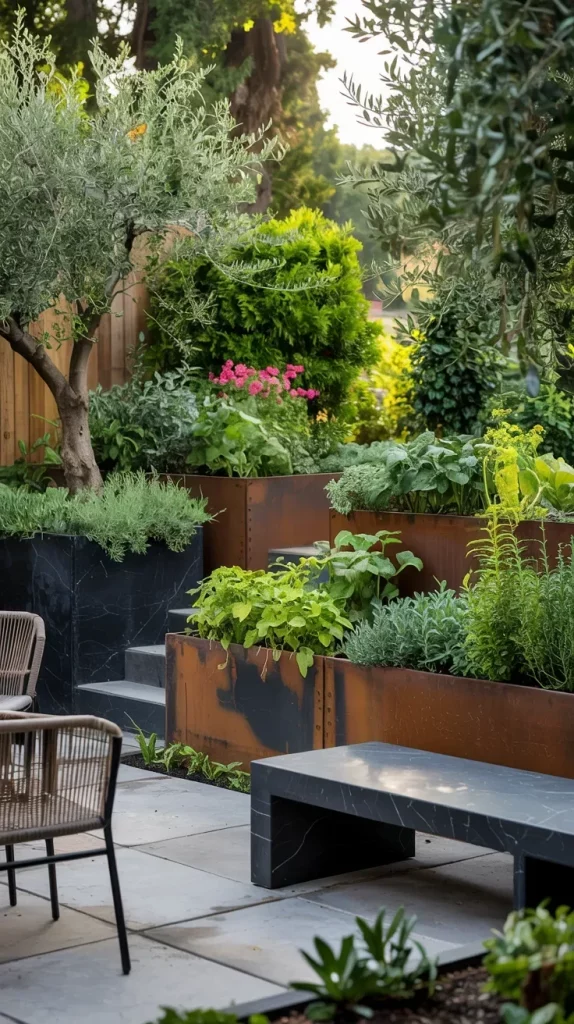
I usually recommend mixing planter sizes and heights to create visual movement throughout the garden. Tall containers with olive trees or fig trees establish focal points, while lower ceramic herb planters soften pathways and patios. Self-watering planters are especially useful in 2026 because they simplify maintenance while supporting healthier plant growth. I also find that modular vertical planters are ideal for compact patios and urban balconies where maximizing growing space is essential. Materials such as fiberglass, galvanized steel, and sustainably sourced wood perform best because they combine durability with refined aesthetics.
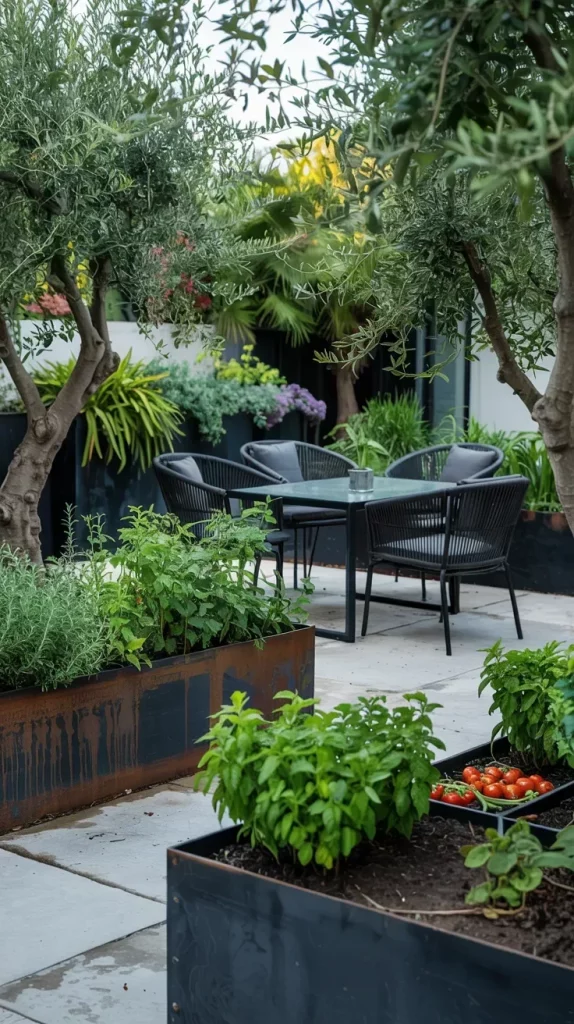
Personally, I believe stylish planters can completely transform small outdoor areas into sophisticated edible retreats. I often encourage clients to coordinate planter colors with outdoor furniture finishes and architectural materials to create a cohesive appearance. Designers featured in Better Homes & Gardens frequently highlight how repeating textures and finishes throughout a landscape can visually unify productive gardens with modern outdoor living spaces. I strongly agree with this approach because it creates a cleaner and more intentional design.
I also advise adding concealed drip irrigation systems inside larger planters to improve long-term plant health. Decorative gravel toppings, moss layers, and integrated lighting around containers further enhance the luxury appearance of modern edible gardens while keeping maintenance manageable.
Seasonal Planting Strategies For Year-Round Harvests
One of the most practical aspects of foodscaping 2026 is designing gardens that remain productive throughout the entire year. I always encourage homeowners to think seasonally instead of planting everything at once in spring. A well-structured edible garden should evolve naturally across the seasons while maintaining visual appeal even during colder months. I often organize planting zones around cool-season vegetables, warm-season crops, perennial herbs, and evergreen edible plants to ensure continuous harvests and layered texture.
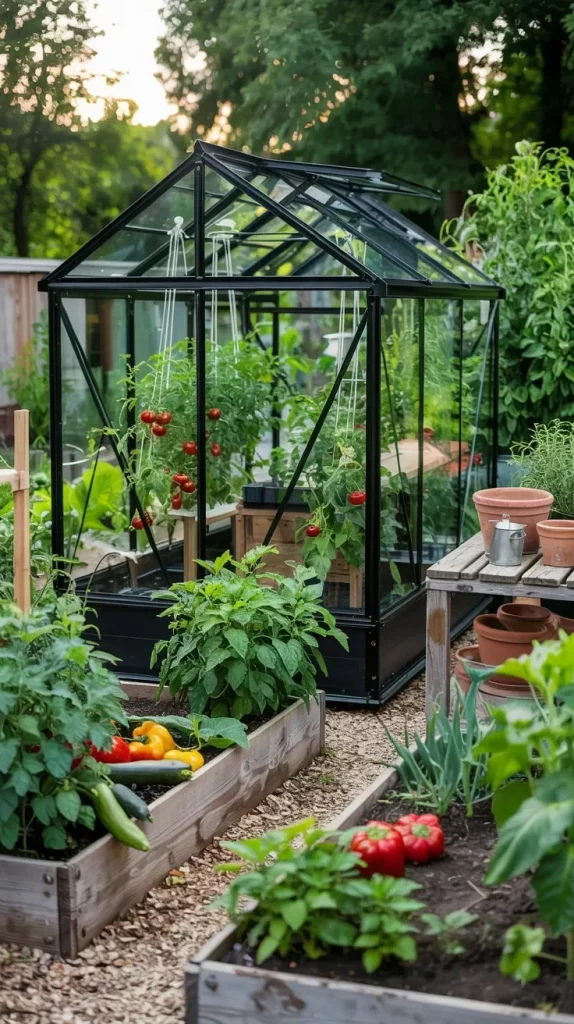
In terms of layout, I prefer combining raised beds with greenhouse structures, cold frames, and movable container gardens. Modern greenhouses with black aluminum frames and glass panels have become especially popular because they function as architectural focal points while extending the growing season. I also recommend adding wooden potting benches, storage cabinets for tools, and compact composting stations because these features improve workflow and organization. Seasonal color can be maintained through ornamental kale, rainbow chard, purple basil, and flowering herbs that provide both beauty and productivity.
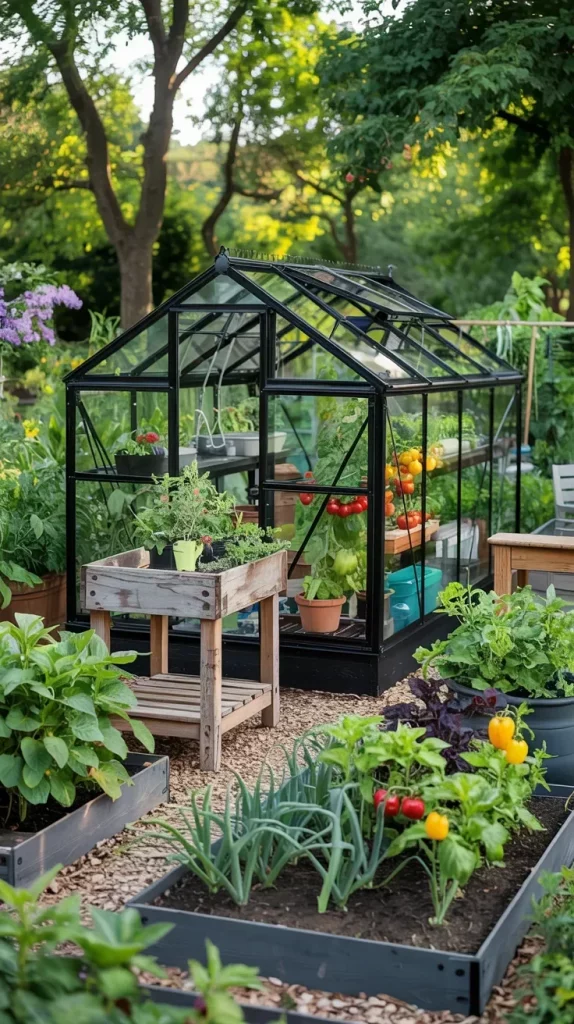
I have personally found that succession planting dramatically improves the efficiency of edible landscapes. Replacing finished crops immediately with seasonal alternatives keeps gardens active and visually full throughout the year. Experts from publications like Sunset Magazine often recommend combining edible plants with ornamental species to prevent gardens from appearing sparse during transitional seasons. I use this strategy frequently because it helps productive gardens maintain their decorative value year-round.
Another important addition is proper weather protection. Shade cloths for summer, frost covers for winter, and efficient irrigation timers help stabilize plant health across changing conditions. I also encourage homeowners to include seating areas near productive zones so the garden remains inviting regardless of the season.
Backyard Chicken And Edible Garden Combinations For Sustainable Living
One of the most innovative developments in foodscaping 2026 is the integration of backyard chickens into productive garden ecosystems. I increasingly see homeowners combining elegant chicken coops with raised vegetable beds, herb gardens, and composting systems to create highly sustainable outdoor environments. When designed thoughtfully, these spaces feel refined and organized rather than purely agricultural. I personally prefer layouts where chicken areas are partially screened by espalier fruit trees, climbing vines, or decorative fencing to maintain a clean visual balance.
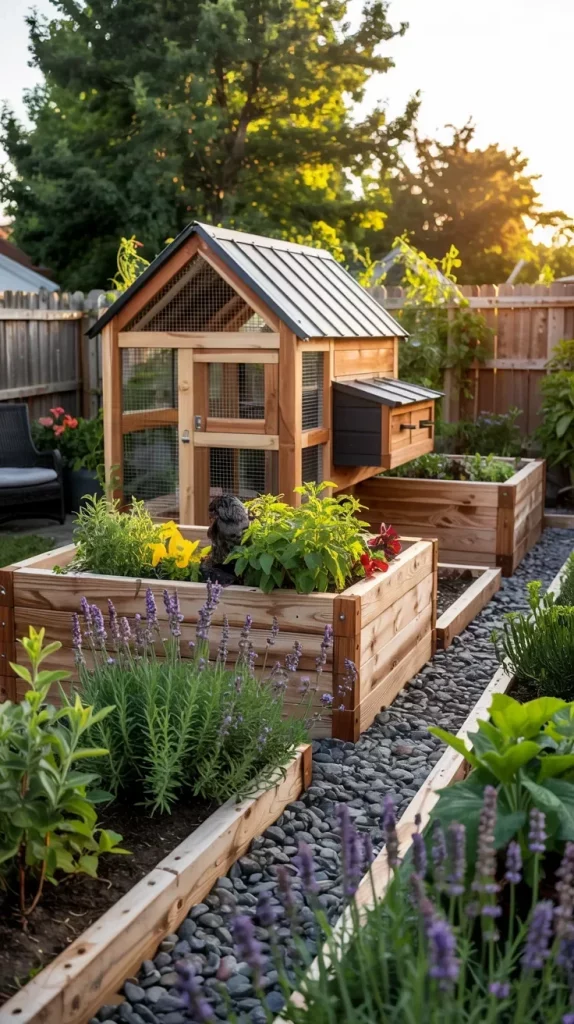
I usually recommend modern chicken coops made from stained cedar, black metal mesh, and corrugated roofing because these materials complement contemporary outdoor aesthetics. Surrounding the coop with gravel pathways, lavender borders, and raised planter beds helps visually integrate the structure into the overall landscape. I also find that multifunctional features such as rainwater collection barrels, compost bins, and built-in storage benches improve efficiency while supporting sustainable gardening practices. Outdoor seating near the garden allows homeowners to fully enjoy the atmosphere created by these productive spaces.
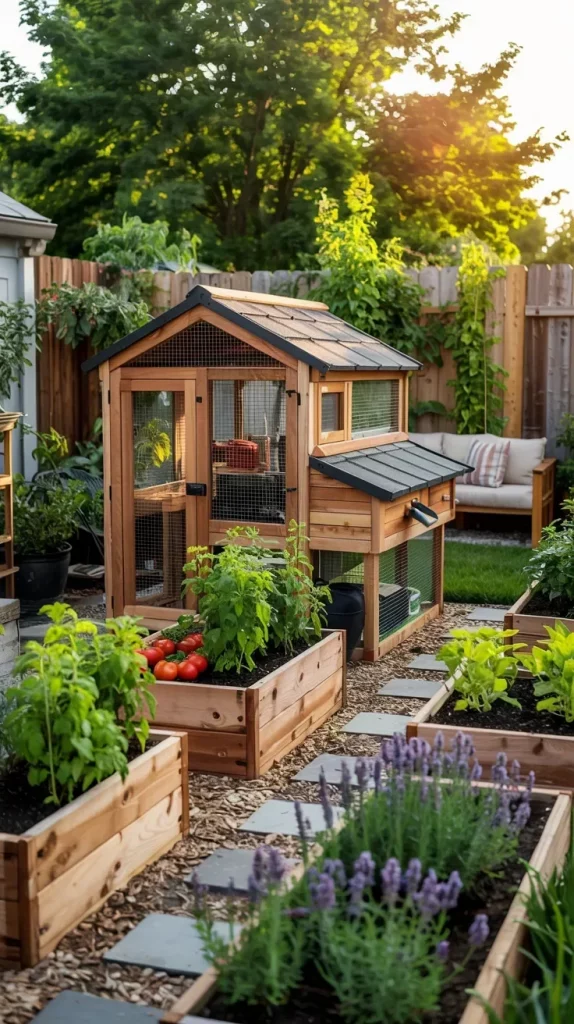
In my experience, combining chickens with edible gardens significantly improves soil quality and reduces organic waste through composting. I often advise clients to rotate chicken access to certain planting zones carefully so the landscape remains healthy and balanced. Sustainable living publications and modern homesteading experts frequently highlight how integrated ecosystems create more resilient gardens while reducing maintenance costs over time. I believe this approach represents one of the most practical long-term directions for modern edible landscapes.
I also recommend adding low-voltage pathway lighting and decorative fencing to elevate the visual appearance of the garden after sunset. Proper ventilation, predator protection, and organized feed storage are essential additions that help maintain both safety and aesthetic quality in these multifunctional outdoor spaces.
Organic Pest Control Methods For Healthy Foodscaping Gardens
I have found that one of the biggest priorities in modern edible gardens is maintaining healthy plants without relying on harsh chemicals. In 2026, homeowners increasingly prefer organic pest control systems that protect vegetables, herbs, and fruit trees while preserving the beauty of the landscape. I usually design gardens with biodiversity in mind because balanced ecosystems naturally reduce pest problems over time. Companion planting, pollinator-friendly flowers, and layered planting arrangements all contribute to healthier and more resilient outdoor spaces.
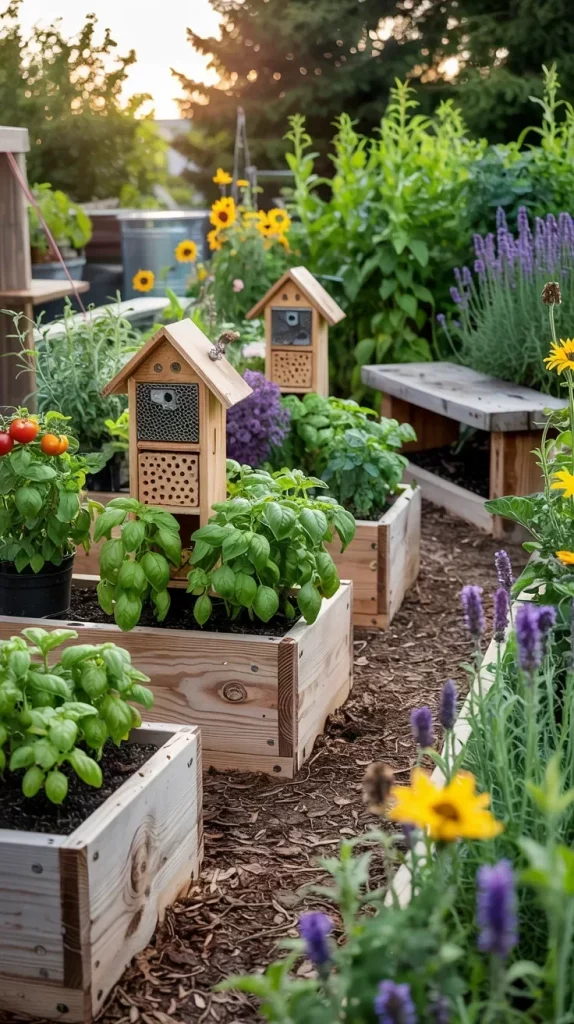
When organizing an effective organic garden, I often recommend raised cedar beds combined with integrated drip irrigation and mulched pathways to minimize weeds and moisture-related diseases. Decorative insect hotels, copper garden edging, and natural cedar trellises can also support beneficial insects while enhancing the visual appeal of the landscape. I frequently suggest adding outdoor storage benches or compact garden cabinets to keep organic sprays, pruning tools, and compost supplies organized. These practical additions help maintain a clean and sophisticated garden environment without sacrificing functionality.
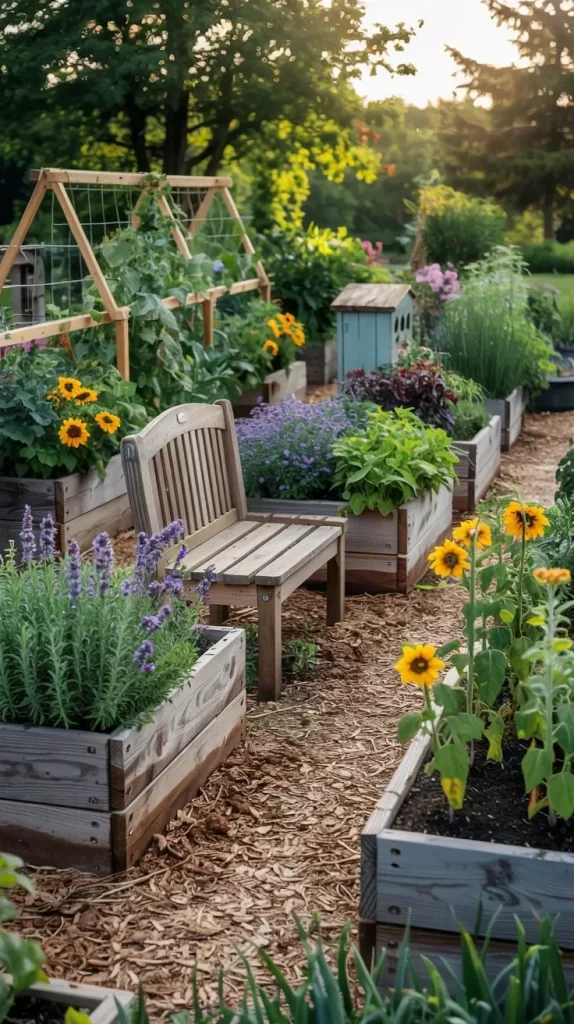
Personally, I believe prevention is far more effective than reactive pest control. I usually encourage homeowners to inspect plants regularly, rotate crops seasonally, and introduce beneficial insects such as ladybugs and lacewings. Garden experts featured in publications like Fine Gardening often emphasize that healthy soil is the foundation of natural pest resistance. I strongly agree because nutrient-rich soil consistently produces stronger plants with fewer disease issues in my own projects.
I also recommend incorporating small water features and native flowering plants to attract birds and pollinators that naturally help control insect populations. Combining ecological balance with thoughtful design creates a more sustainable and visually appealing version of foodscaping 2026.
Native Plants That Work Perfectly In Edible Landscapes
In many modern foodscaping ideas, native plants are becoming just as important as vegetables and herbs because they improve biodiversity while reducing maintenance needs. I often integrate native grasses, flowering perennials, and drought-tolerant shrubs directly into edible landscapes to create gardens that feel natural and visually dynamic. Native species adapt better to local climate conditions, support pollinators, and help productive gardens remain healthy with less irrigation and fewer chemical interventions.
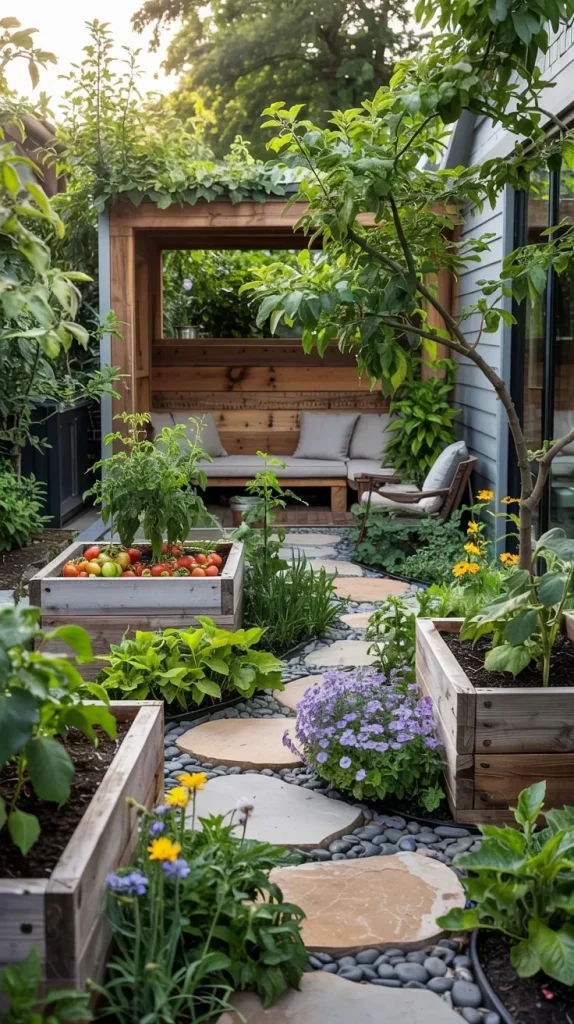
I usually combine native flowering plants with raised vegetable beds, fruit trees, and herb borders to soften the overall appearance of the landscape. Ornamental grasses provide movement and texture, while flowering natives attract bees and butterflies that support crop production. I also recommend natural stone pathways, reclaimed wood garden edging, and weathered steel accents because these materials pair beautifully with more naturalistic planting styles. Comfortable outdoor seating areas surrounded by layered greenery further enhance the relaxing atmosphere of these productive landscapes.
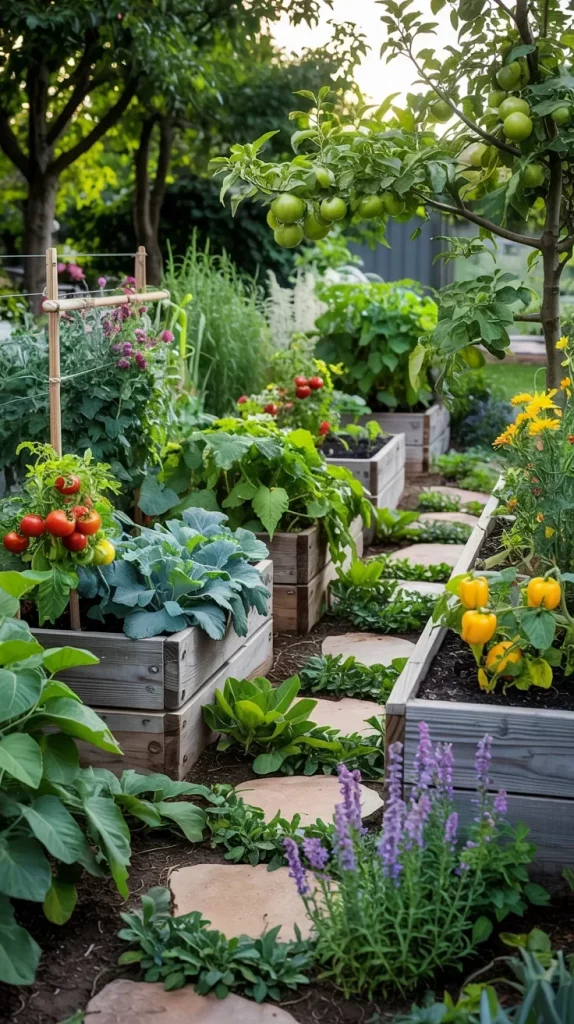
From my experience, native plants make edible gardens feel more integrated into the surrounding environment instead of appearing overly formal. I often suggest selecting species that provide seasonal interest through flowers, berries, or textured foliage so the garden remains visually appealing year-round. Many landscape architects featured in American gardening publications emphasize that mixing ornamental and edible plants creates more balanced and resilient ecosystems. I fully support this strategy because it improves both functionality and aesthetics.
I also encourage homeowners to include shaded seating corners and pollinator habitats within native edible gardens. Bird baths, stone sculptures, and low-maintenance mulch layers can further enrich the landscape while helping the space feel cohesive and professionally designed.
Outdoor Lighting Ideas For Beautiful Evening Garden Ambiance
Lighting has become one of the most transformative features in foodscaping 2026 because it extends the usability of outdoor spaces well into the evening. I now see homeowners treating edible gardens as full outdoor living environments rather than daytime-only spaces. Well-designed lighting highlights architectural plants, creates depth throughout the landscape, and enhances the atmosphere around patios, pathways, and dining zones. I personally prefer layered lighting systems that combine practicality with subtle visual warmth.
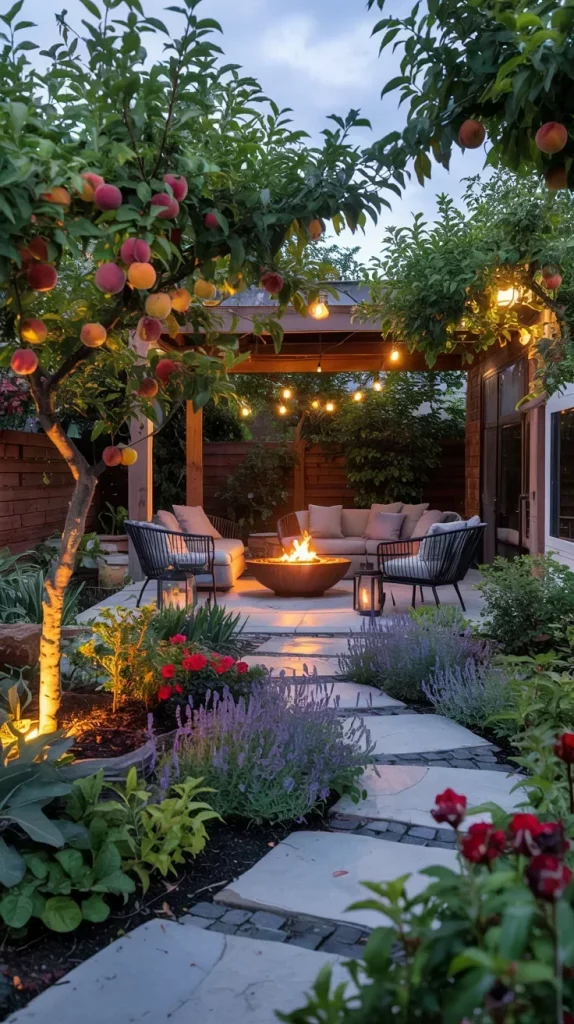
I usually recommend a combination of low-voltage pathway lights, integrated step lighting, hanging lanterns, and string lights suspended across pergolas or seating areas. Warm LED lighting works especially well because it complements natural materials like wood, stone, and terracotta planters. I also find that uplighting fruit trees or vertical herb walls creates dramatic focal points without overwhelming the garden. Outdoor dining tables with rechargeable lanterns, fire pits, and soft textile accents help transform productive landscapes into elegant entertaining spaces.
In my experience, lighting should always feel intentional and understated. I avoid overly bright fixtures because they can disrupt the calm atmosphere that makes edible gardens so inviting in the evening. Designers featured in luxury outdoor living magazines frequently recommend using indirect lighting techniques to create a softer and more sophisticated appearance. I use this strategy often because it highlights the textures and layers that define modern edible landscapes.
I also advise incorporating smart lighting systems with timers or app-based controls for convenience and energy efficiency. Solar-powered fixtures, hidden cable management, and moisture-resistant materials are additional features that improve both performance and long-term durability in outdoor environments.
Budget-Friendly Foodscaping Ideas With High-End Visual Appeal
One of the most appealing aspects of modern edible gardens is that beautiful landscapes do not always require enormous budgets. I often help homeowners create high-end outdoor environments by focusing on strategic upgrades that deliver the greatest visual impact. In 2026, many affordable foodscaping projects rely on layering textures, repeating materials, and using multifunctional design elements to create cohesive and elegant spaces without excessive spending.
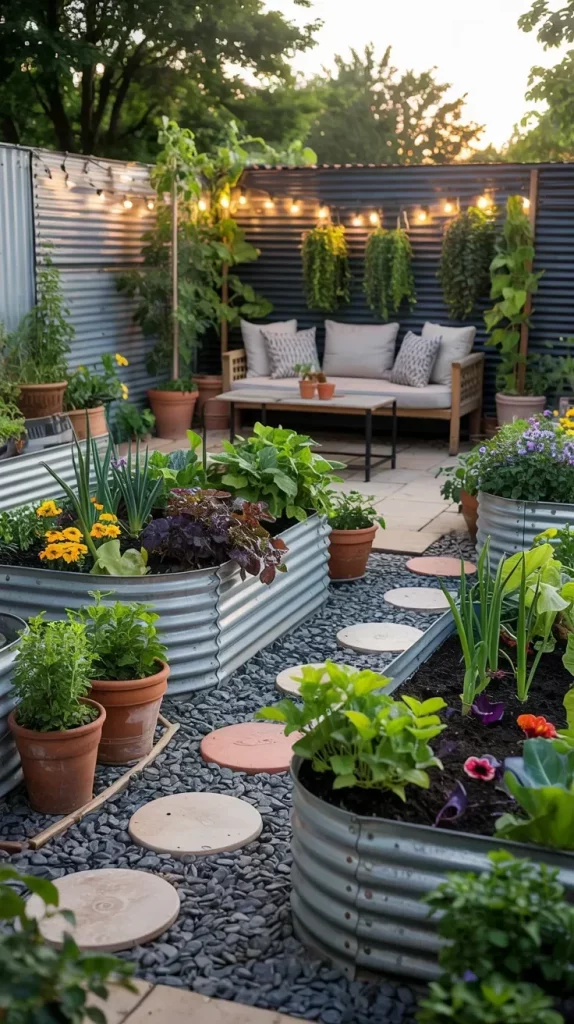
I usually recommend starting with simple raised garden beds made from stained wood or corrugated metal because they immediately create structure and organization. Gravel pathways, solar lighting, and inexpensive terracotta planters can dramatically elevate the appearance of the garden while remaining budget-friendly. I also suggest incorporating secondhand outdoor furniture, DIY trellises, and vertical herb gardens because these additions maximize functionality without overwhelming the budget. Neutral outdoor textiles and coordinated planters help unify the design and create a polished result.
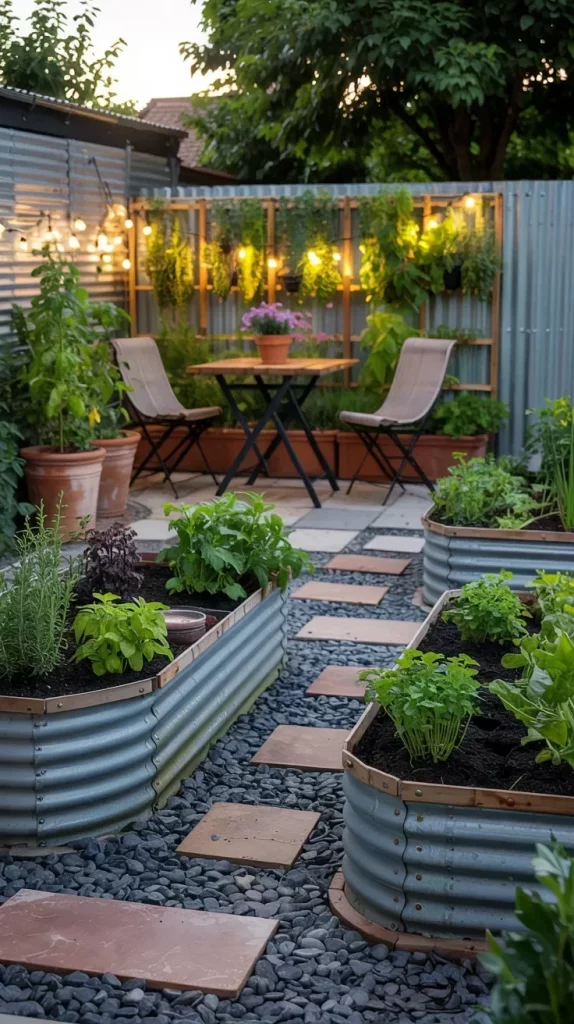
Personally, I believe thoughtful styling matters more than expensive materials. I have seen modest edible gardens look exceptionally refined when homeowners focus on consistency and careful plant selection. Many professional designers featured in home improvement publications recommend limiting the material palette and repeating shapes throughout the garden for a cleaner visual effect. I often apply this principle because it creates a more luxurious atmosphere even in smaller spaces.
I also encourage homeowners to prioritize long-term investments such as efficient irrigation systems, durable seating, and healthy soil preparation. These foundational upgrades improve the garden over time and support a more sustainable version of foodscaping ideas.
Future Innovations Shaping Edible Gardens And Foodscaping Beyond 2026
The future of foodscaping 2026 is moving toward smarter, more sustainable outdoor environments that blend technology with ecological design. I increasingly see homeowners investing in automated irrigation systems, AI-assisted garden monitoring, hydroponic installations, and climate-responsive planting strategies. These innovations allow edible landscapes to become more efficient while maintaining the warmth and beauty that define modern outdoor living. I believe future gardens will function as complete lifestyle ecosystems rather than simple decorative backyards.
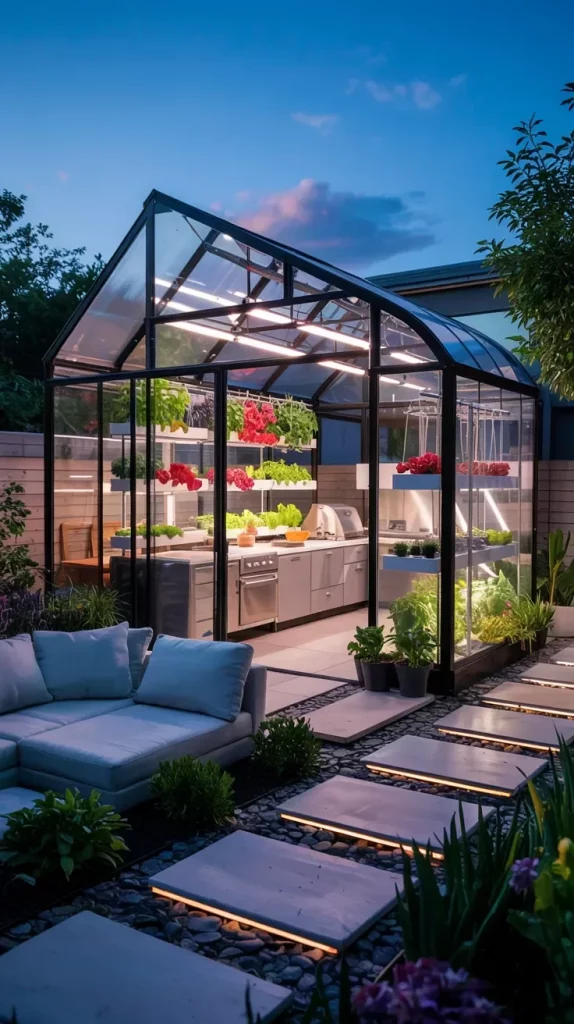
In terms of design, I expect modular greenhouses, solar-powered lighting systems, vertical hydroponic walls, and multifunctional outdoor kitchens to become even more common. Furniture is also evolving to support flexible outdoor living, with weatherproof modular seating, integrated storage, and adaptable dining systems gaining popularity. I personally find that combining natural materials like wood and stone with discreet smart technology creates the most balanced and timeless result. The goal is to make productive gardens feel effortless while still maintaining visual sophistication.
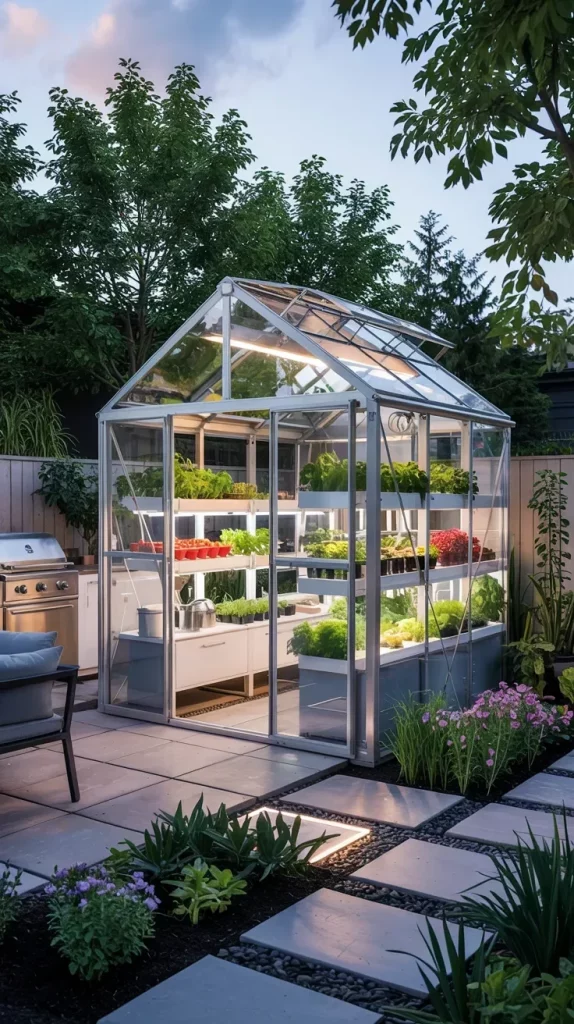
From my perspective, sustainability will continue shaping every aspect of edible landscape design beyond 2026. Water conservation systems, compost integration, pollinator habitats, and regenerative planting methods are already becoming standard features in high-end gardens. Experts in environmental landscape design frequently emphasize that the future of outdoor living depends on creating resilient ecosystems that support both people and biodiversity. I strongly agree because long-term functionality is becoming just as important as aesthetics in modern garden planning.
I also believe future edible landscapes will place greater emphasis on wellness and community. Outdoor meditation areas, shared neighborhood gardens, and multifunctional gathering spaces may become defining elements of next-generation edible gardens as homeowners continue seeking stronger connections with nature and sustainable living.
Edible gardens and foodscaping 2026 prove that outdoor spaces can be both stunning and highly functional. By combining decorative landscaping with fresh fruits, vegetables, herbs, and pollinator-friendly plants, homeowners can create sustainable environments that support healthier lifestyles and modern outdoor living. Whether you prefer a minimalist garden, a rustic farmhouse design, or a lush urban oasis, foodscaping offers endless creative possibilities for every type of space. With thoughtful planning and stylish design choices, an edible garden can become one of the most beautiful and rewarding features of any home.