
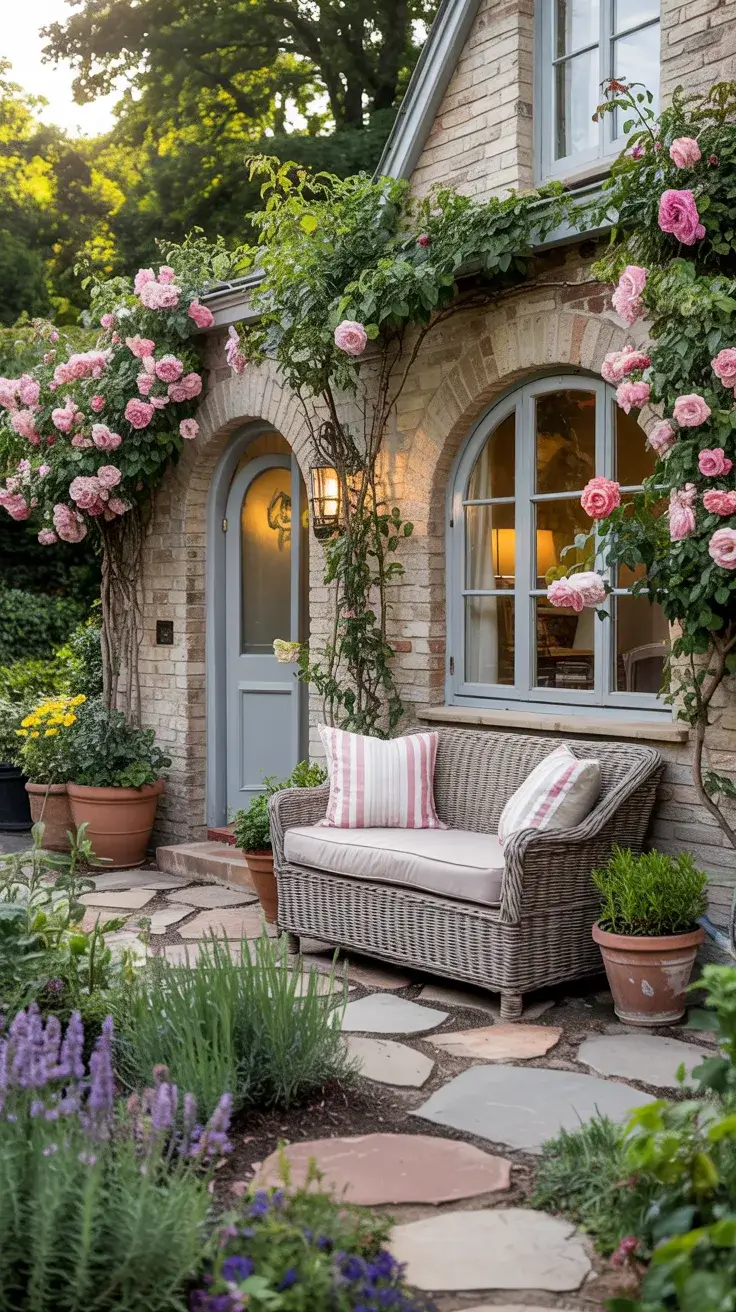
The garden cottage aesthetic 2026 brings a fresh, romantic vision to outdoor living, blending timeless charm with modern sensibilities. Rooted in nature, this style celebrates soft greenery, delicate florals, and thoughtfully curated vintage details that feel both cozy and elegant. In 2026, the trend evolves with sustainable materials, layered textures, and a more personalized approach to garden design. From charming pathways to inviting seating nooks, every element is designed to create a peaceful escape right at home. Whether you have a spacious backyard or a compact patio, the garden cottage look can be adapted to suit any space. This guide will explore inspiring ideas and practical tips to help you bring this dreamy aesthetic to life.
Color Palettes That Define Garden Cottage Design 2026
I always start with color because it sets the emotional tone of the entire space. In the garden cottage aesthetic 2026, I lean toward muted, nature-inspired palettes—sage green, dusty rose, soft cream, and warm taupe. These tones create a calming backdrop that reflects the surrounding garden and allows other design elements to shine without overwhelming the senses.
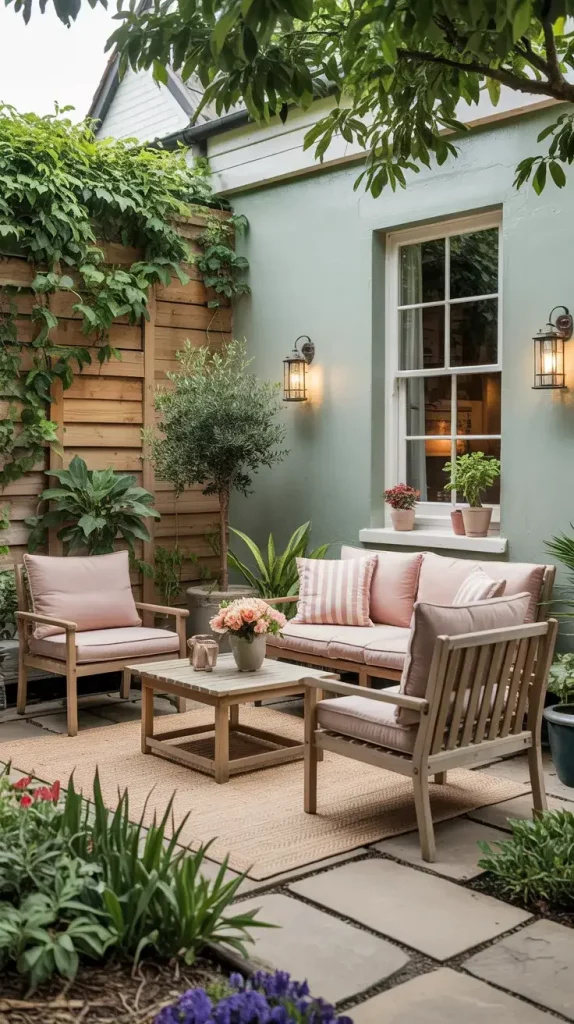
I typically combine painted wood finishes with weathered surfaces to enhance depth. For example, I use pale green shutters, off-white walls, and natural wood accents to create harmony. Soft pastel cushions and ceramic planters in faded hues reinforce the cottage feel while still looking updated and intentional.
From my experience, following guidance from publications like Architectural Digest, subtle contrast is key. I avoid overly saturated colors and instead layer tonal variations. This approach keeps the space visually interesting while maintaining a cohesive and relaxing atmosphere.
If anything feels missing in this palette, I add small darker accents—like wrought iron details or charcoal planters—to ground the softness and prevent the design from feeling too washed out.
Natural Materials That Bring Cottage Gardens To Life
When designing a garden cottage space, I always prioritize natural materials because they connect the structure to its surroundings. In 2026, the focus is on authenticity—stone, wood, linen, and clay are essential for achieving a grounded and organic look. These materials age beautifully and enhance the lived-in charm of the space.
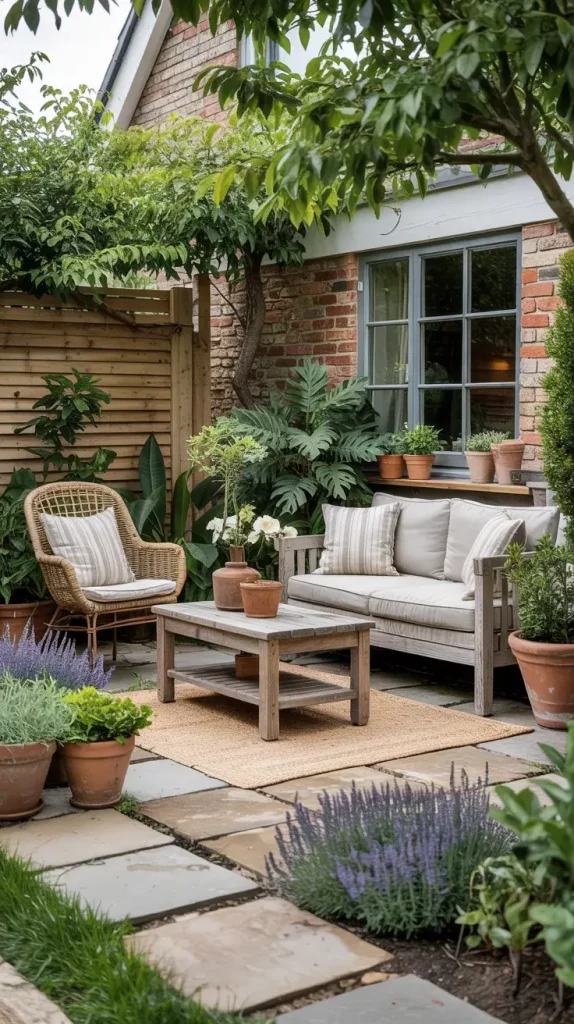
I often incorporate reclaimed wood for furniture, stone pathways, and terracotta pots. Linen cushions and cotton throws add softness, while wicker or rattan elements introduce texture. Each material serves a purpose, not just aesthetically but also functionally, ensuring durability in outdoor conditions.
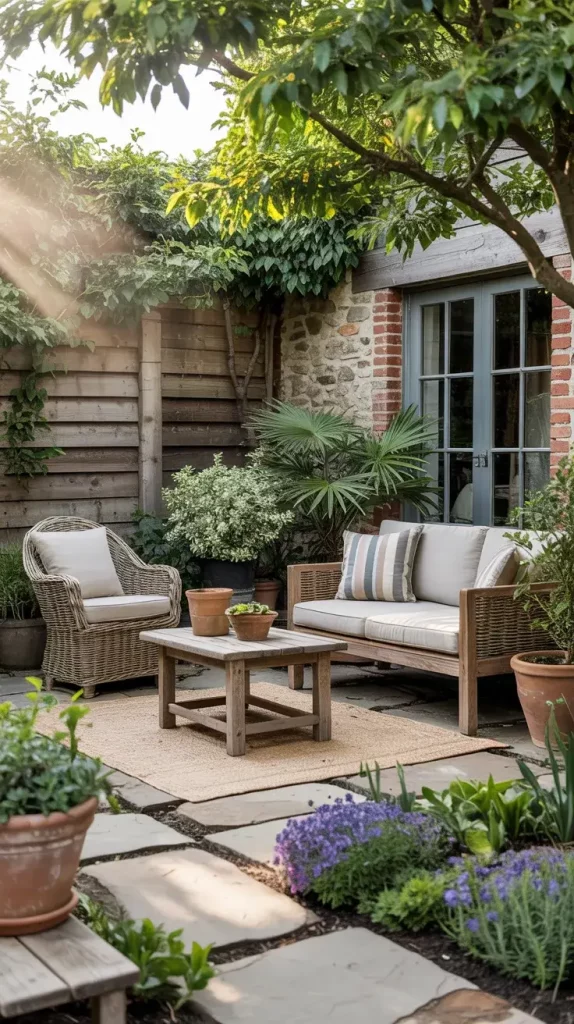
Personally, I’ve found that mixing finishes—like rough stone with smooth wood—creates a more dynamic environment. Designers frequently emphasize that contrast in texture adds richness, and I fully agree based on my own projects.
If the space feels incomplete, I usually add handcrafted elements such as ceramic bowls or woven baskets. These details reinforce authenticity and make the design feel more personal.
Vintage And Rustic Furniture Ideas For Garden Cottage Spaces
Furniture is where the personality of the garden cottage aesthetic 2026 truly comes alive. I focus on vintage-inspired pieces that feel collected over time rather than bought all at once. This creates a sense of history and charm that defines cottage style.
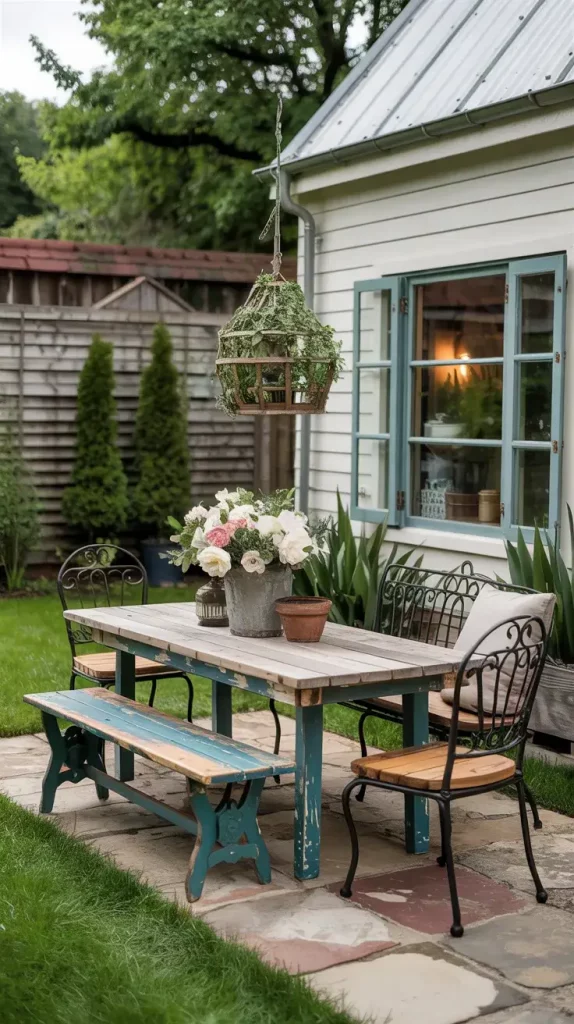
I typically include distressed wooden tables, wrought iron chairs, and painted benches with subtle wear. These pieces not only look beautiful but also provide practical seating and dining options. Adding a repurposed cabinet or an antique side table can instantly elevate the space.
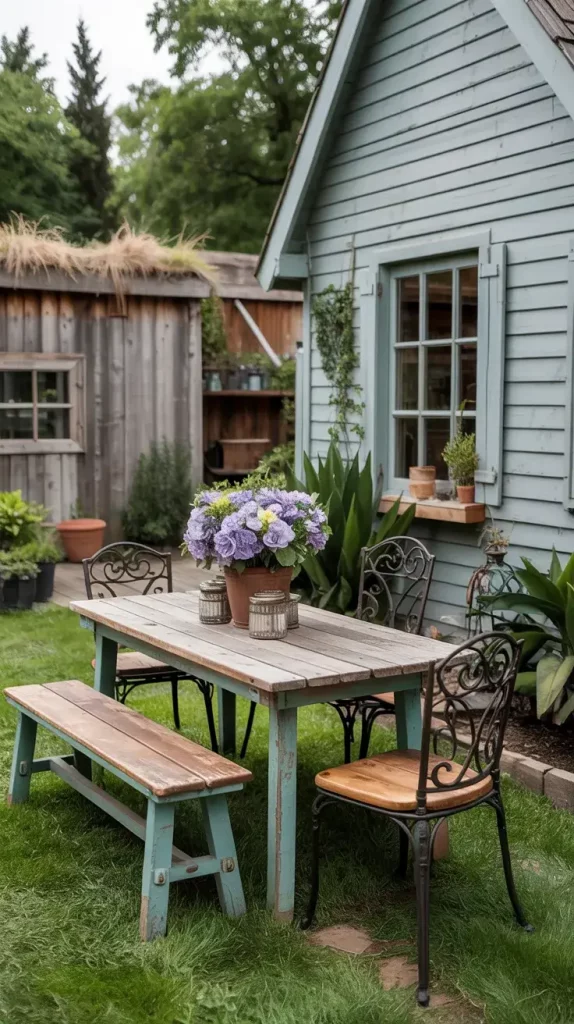
From my perspective, authenticity matters more than perfection. I often recommend sourcing items from flea markets or choosing new pieces with a vintage finish. Many designers highlight the importance of storytelling in interiors, and I see furniture as a key part of that narrative.
To complete the setup, I sometimes add soft cushions or throws to balance the rustic textures and make the furniture more inviting for everyday use.
Cozy Seating Arrangements For A Relaxed Garden Cottage Feel
Comfort is essential when creating a garden retreat. I design seating areas that encourage relaxation and conversation, often arranging furniture in small, intimate groupings. This approach makes the space feel welcoming and functional.
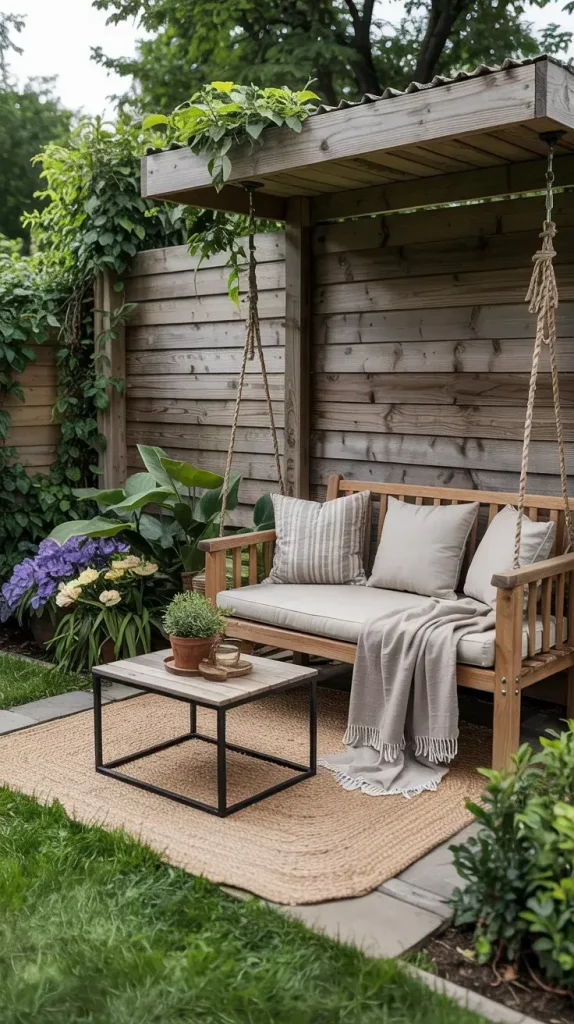
I usually combine different seating options—such as a wooden bench, cushioned chairs, and even a hanging swing. Layering textiles like soft blankets and patterned cushions enhances comfort while adding visual interest. Placement is also important; I position seating to take advantage of shade and garden views.
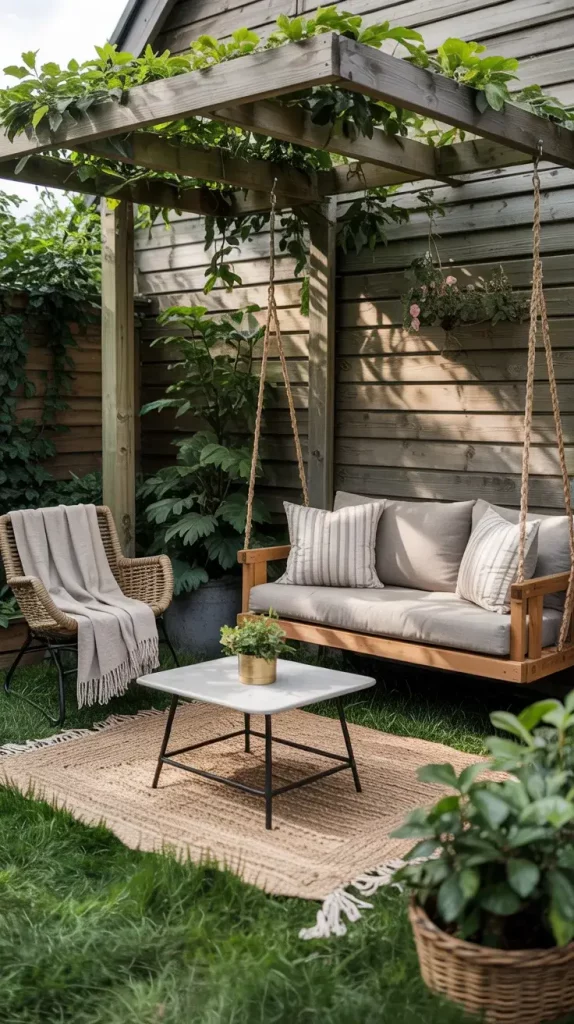
In my experience, flexibility is key. Modular or lightweight furniture allows for easy rearrangement depending on the occasion. Design experts often emphasize adaptability in outdoor spaces, and I’ve found this advice incredibly practical.
If something feels missing, I add a small side table or a central focal point like a fire pit or coffee table to anchor the seating area and make it more functional.
Floral Patterns And Textiles That Elevate The Cottage Look
Textiles play a crucial role in softening the overall design. I use floral patterns to reinforce the cottage theme while ensuring they feel modern rather than outdated. In 2026, the trend leans toward subtle, watercolor-style prints and delicate botanical motifs.
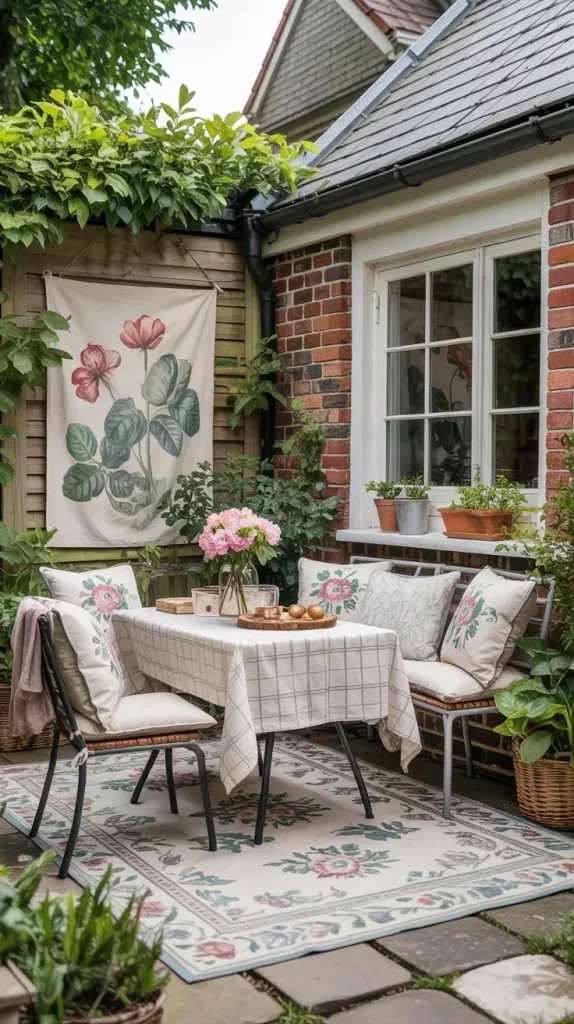
I incorporate these patterns through cushions, tablecloths, and outdoor rugs. Mixing different floral designs works well when they share a similar color palette. Linen and cotton fabrics are my go-to choices because they are breathable and visually light.
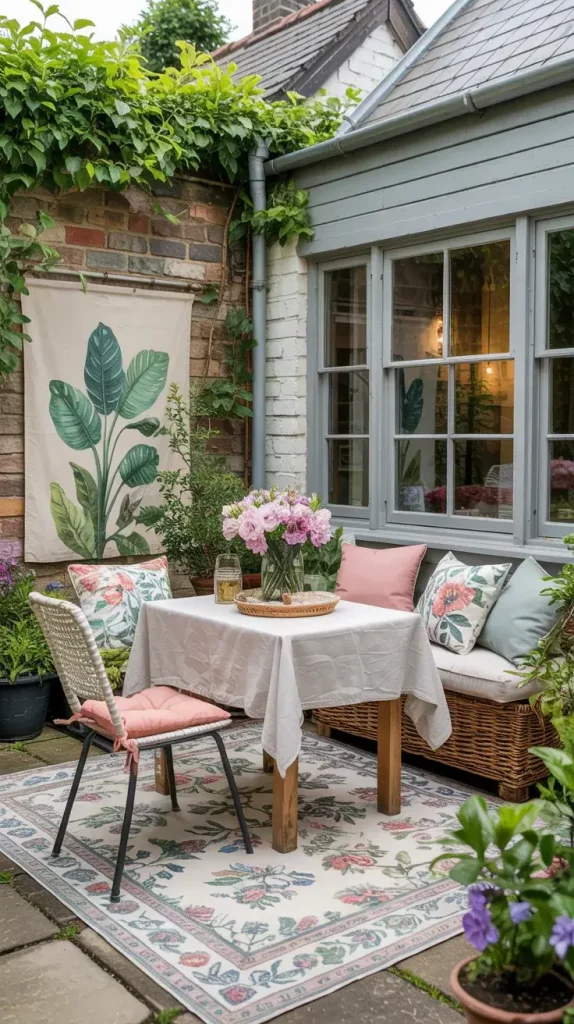
From my perspective, balance is essential. I avoid overloading the space with patterns and instead pair them with solid colors to maintain harmony. Many interior designers recommend this approach to prevent visual clutter, and I’ve seen it work consistently.
To enhance the look further, I sometimes add embroidered details or lace accents, which bring an extra layer of charm without overwhelming the design.
Layering Textures For A Warm And Inviting Garden Atmosphere
I always consider texture as one of the most powerful tools in shaping a welcoming outdoor space. In the garden cottage aesthetic 2026, layering textures helps create depth and warmth without relying on excessive decoration. I combine soft textiles, rough natural surfaces, and smooth finishes to achieve a balanced and visually engaging environment that feels lived-in yet refined.
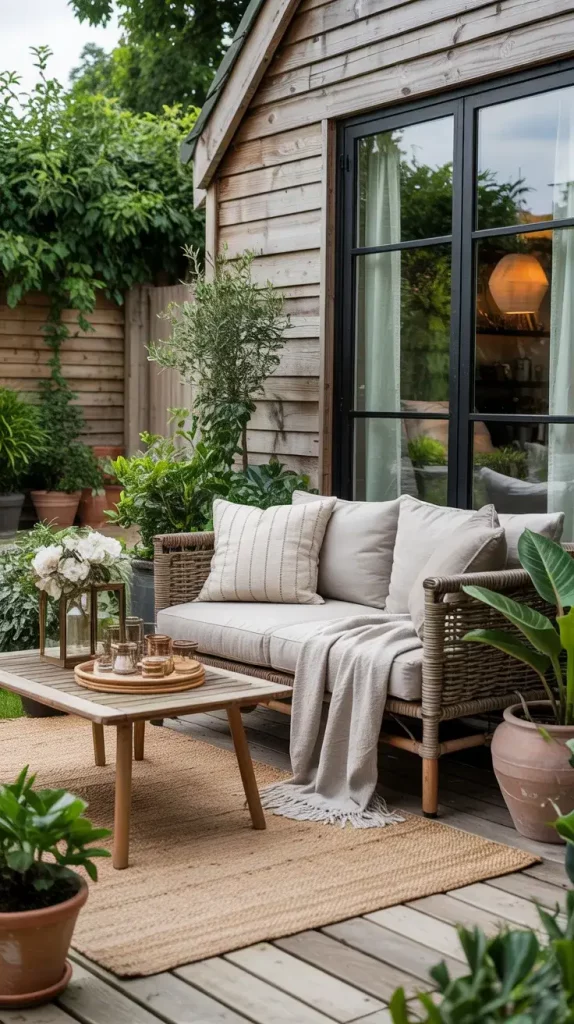
I typically start with foundational elements like wooden decking or stone flooring, then add layers such as woven rugs, linen cushions, and knitted throws. Rattan furniture, ceramic pots, and aged metal accents further enrich the space. Each layer serves both a visual and tactile purpose, making the area more comfortable and dynamic.
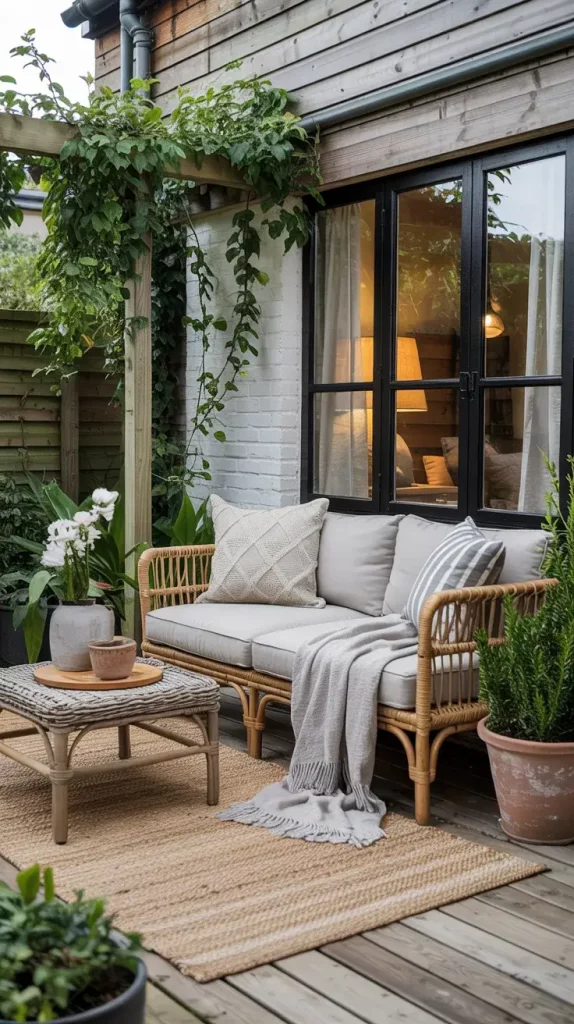
From my experience, the key is not to overcomplicate the composition. Designers often emphasize restraint, and I follow that principle by sticking to a cohesive palette while varying textures. This approach ensures the space feels curated rather than cluttered.
If I feel the design lacks dimension, I introduce subtle contrasts—such as pairing soft fabrics with raw wood or adding a textured wall feature like climbing ivy—to complete the look.
Incorporating Climbing Plants And Vines Into Your Garden Design
Climbing plants are essential in achieving the romantic, slightly wild look that defines the garden cottage aesthetic 2026. I use them to soften architectural lines and create a seamless transition between built structures and natural surroundings. They add vertical interest and make even small spaces feel lush and immersive.
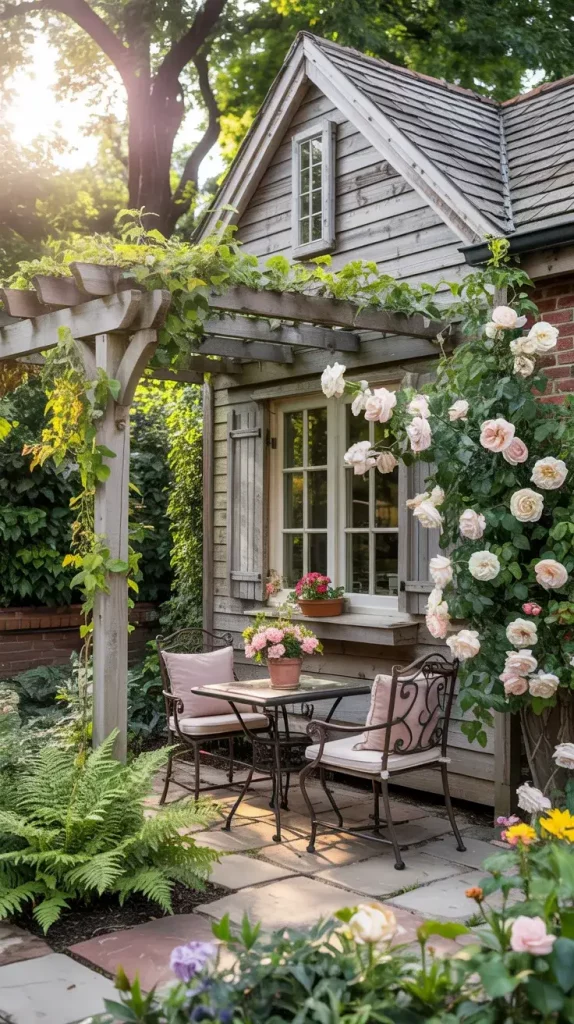
I often choose plants like ivy, climbing roses, or wisteria and train them along trellises, pergolas, or fences. These elements not only support plant growth but also become decorative features themselves. Wooden or metal structures work especially well, adding both function and style.
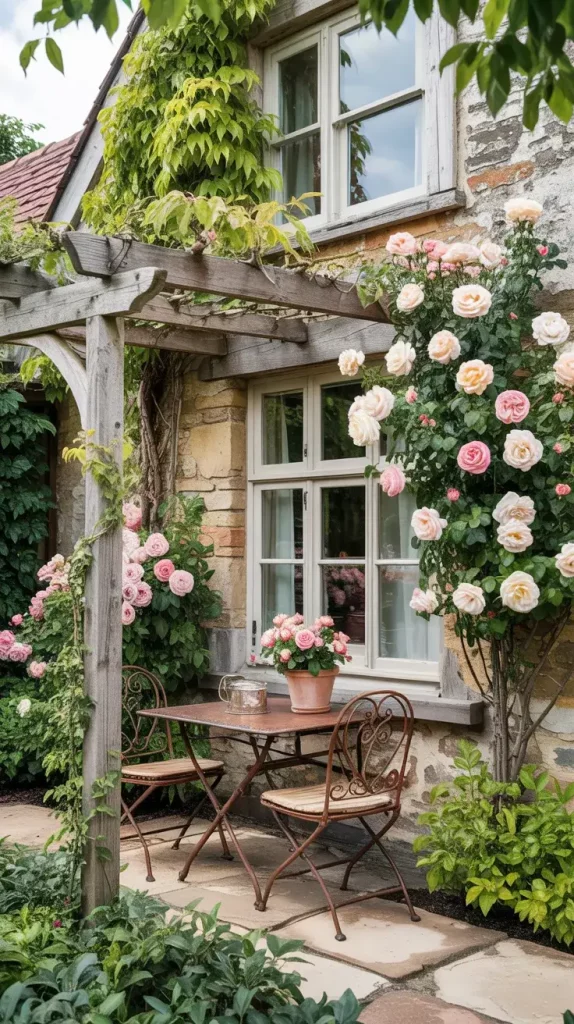
Personally, I find that patience is key when working with climbing plants. It takes time for them to fully develop, but the result is worth the effort. Many landscape designers highlight the importance of vertical layering, and I’ve seen how it transforms a flat garden into a multidimensional space.
To enhance this section further, I sometimes add subtle lighting within the vines, which highlights their form in the evening and creates a magical atmosphere.
Best Flowers For Achieving A True Cottage Garden Aesthetic
Selecting the right flowers is crucial for creating an authentic cottage garden feel. I focus on varieties that look slightly untamed yet harmonious, which is a defining characteristic of the garden cottage aesthetic 2026. The goal is to achieve a natural, effortless beauty rather than a perfectly manicured look.
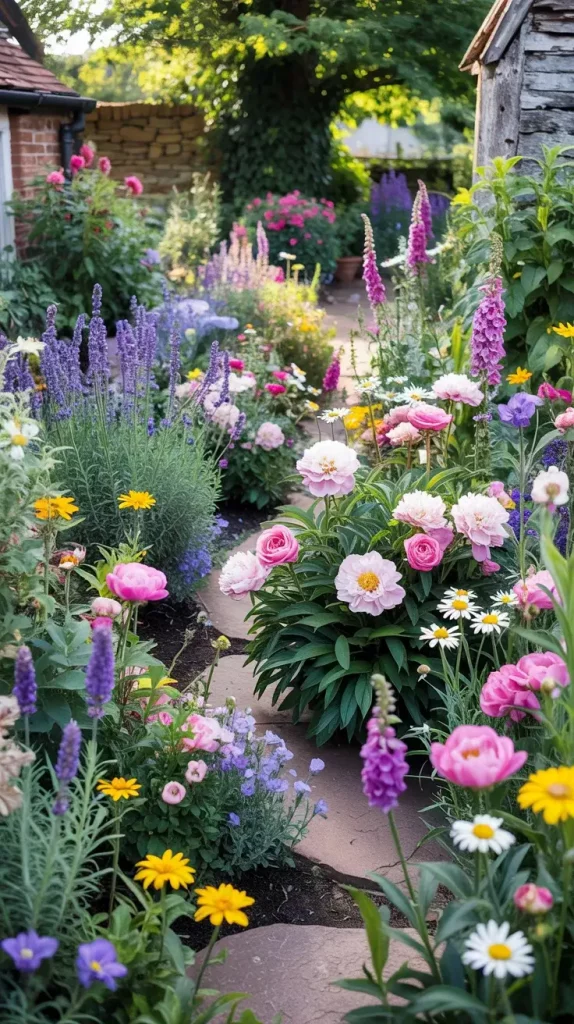
I typically include a mix of perennials and seasonal blooms such as lavender, peonies, daisies, and foxgloves. These flowers provide a range of heights, colors, and textures, contributing to a layered and dynamic composition. I also like to mix herbs like rosemary or thyme for added fragrance and functionality.
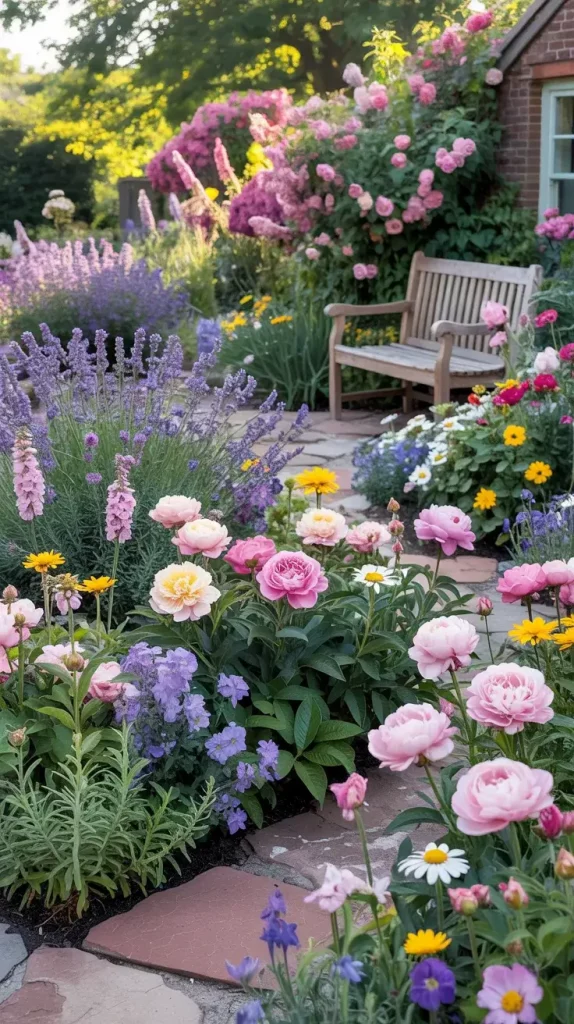
In my experience, planting in clusters rather than straight lines creates a more organic appearance. Garden experts often recommend this approach to mimic nature, and I’ve found it to be both practical and visually appealing.
If something feels missing, I add a few unexpected elements like wildflowers or ornamental grasses to break uniformity and enhance the natural flow of the garden.
Creating Charming Garden Pathways And Walkways
Pathways are more than just functional elements; they guide movement and shape the overall experience of the garden. In the garden cottage aesthetic 2026, I design pathways that feel organic and slightly whimsical, encouraging exploration and discovery.
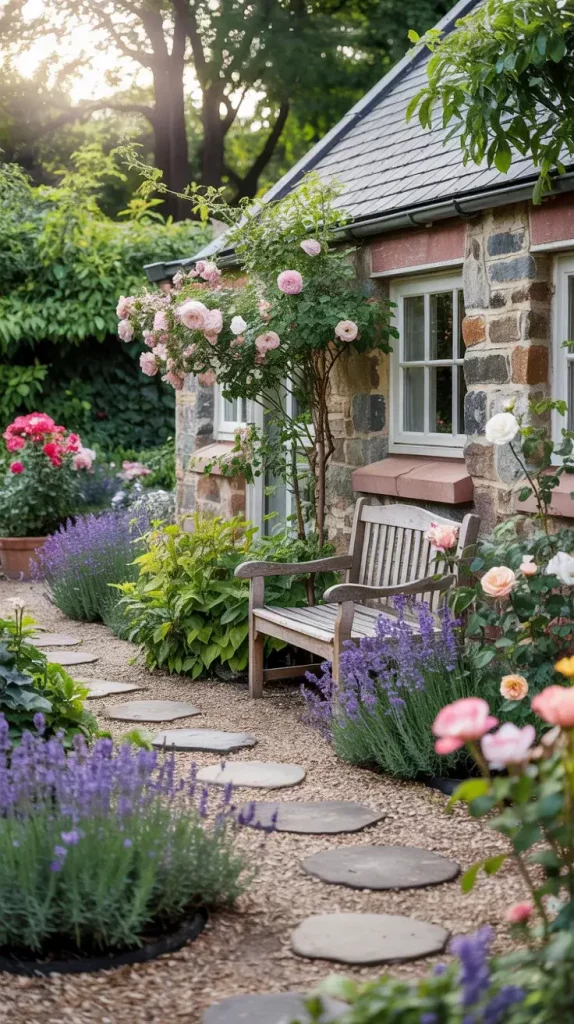
I often use materials like gravel, stepping stones, or brick to create a soft, informal look. Curved paths work particularly well, as they add a sense of mystery and make the garden feel larger. Edging the pathway with plants or flowers enhances its charm and integrates it into the surrounding landscape.
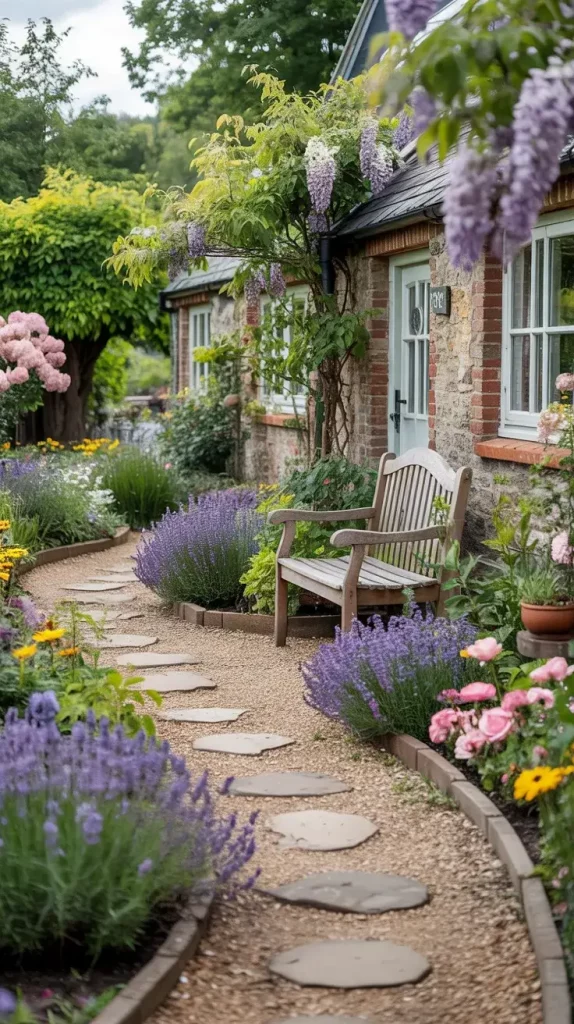
From my perspective, proportion and placement are critical. The path should feel natural within the space, not forced or overly structured. Many landscape designers emphasize flow and balance, and I always keep this in mind when planning layouts.
To improve this section, I sometimes incorporate small focal points along the path, such as a bench, a planter, or a decorative feature, to create visual interest and encourage pauses.
Decorative Garden Lighting Ideas For Magical Evenings
Lighting transforms a garden cottage space, especially in the evening. I see it as an essential element in the garden cottage aesthetic 2026, as it enhances both functionality and atmosphere. Soft, warm lighting creates a cozy and inviting environment that extends the usability of the space beyond daylight hours.
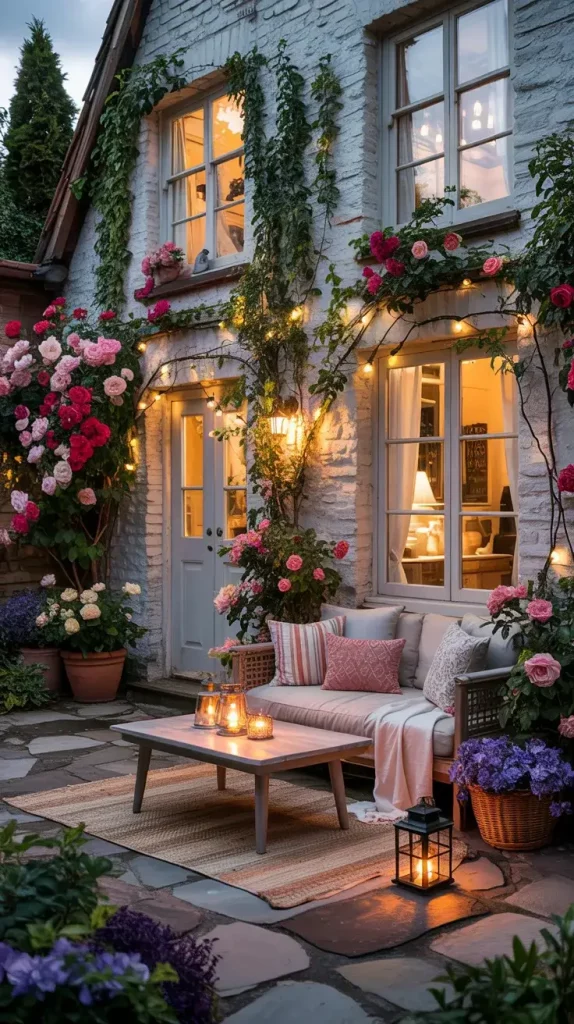
I typically use a combination of string lights, lanterns, and solar-powered fixtures. Draping lights over pergolas or through tree branches adds a magical touch, while lanterns placed along pathways or seating areas provide subtle illumination. Candles can also be used for an extra layer of warmth and charm.
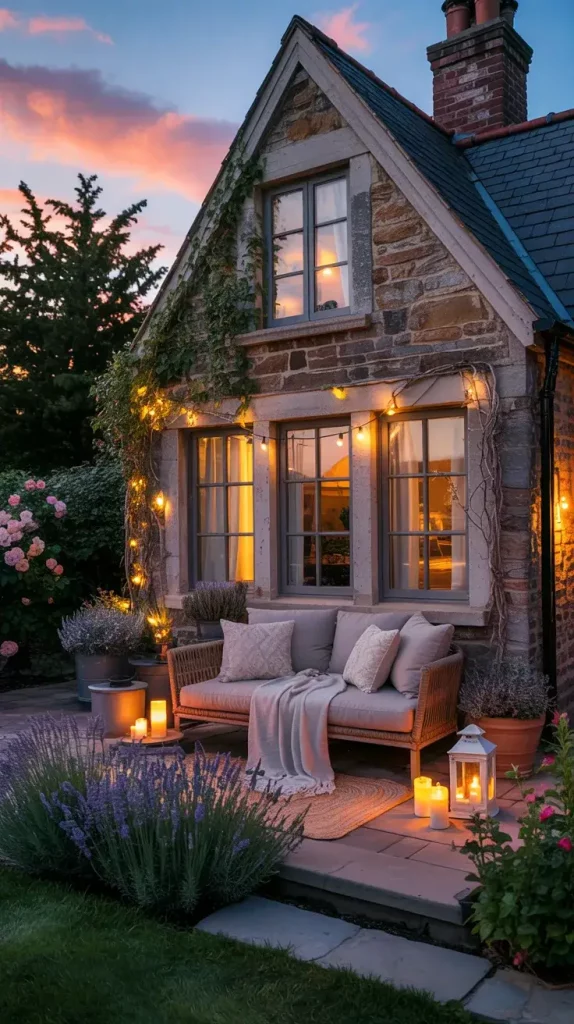
In my experience, layering light sources is the most effective strategy. Designers often recommend combining ambient and accent lighting, and I’ve found this approach creates depth and highlights key features of the garden.
If the lighting feels insufficient, I add hidden fixtures to highlight plants or architectural details, ensuring the space remains both practical and visually captivating.
Small Garden Cottage Ideas For Compact Outdoor Spaces
I often find that small outdoor areas benefit the most from intentional design, especially when embracing the garden cottage aesthetic 2026. In compact spaces, every element must serve both a functional and visual purpose. I focus on layering textures and greenery vertically to maximize space without overcrowding. Climbing plants, tiered planters, and light-colored surfaces help create the illusion of openness while maintaining that cozy cottage feel.
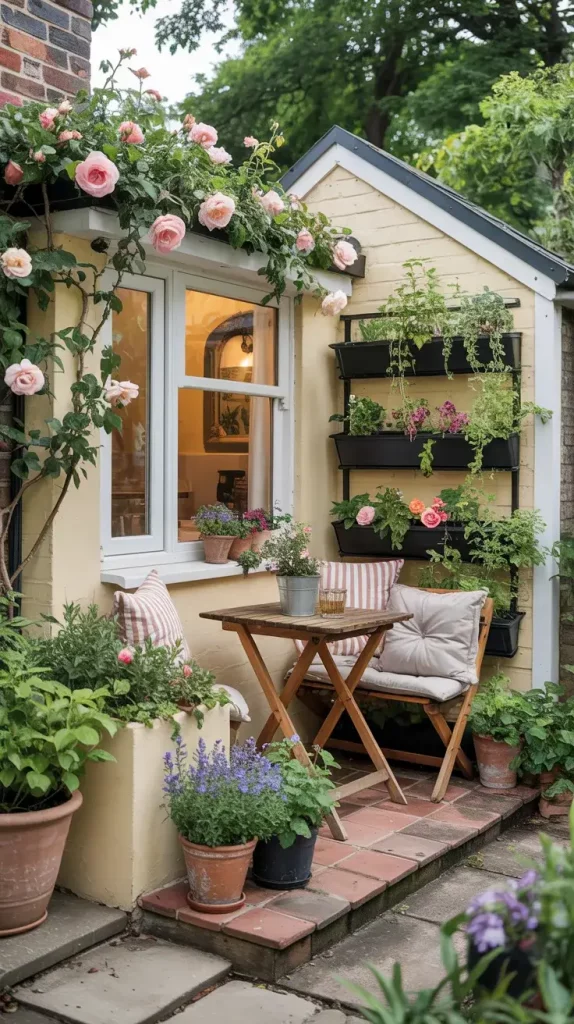
When selecting furniture, I prefer foldable wooden chairs, narrow benches with hidden storage, and petite bistro tables that don’t dominate the area. Soft cushions in floral or muted pastel tones add comfort while reinforcing the cottage theme. I also incorporate hanging lanterns or wall-mounted lighting to free up floor space while enhancing ambiance.
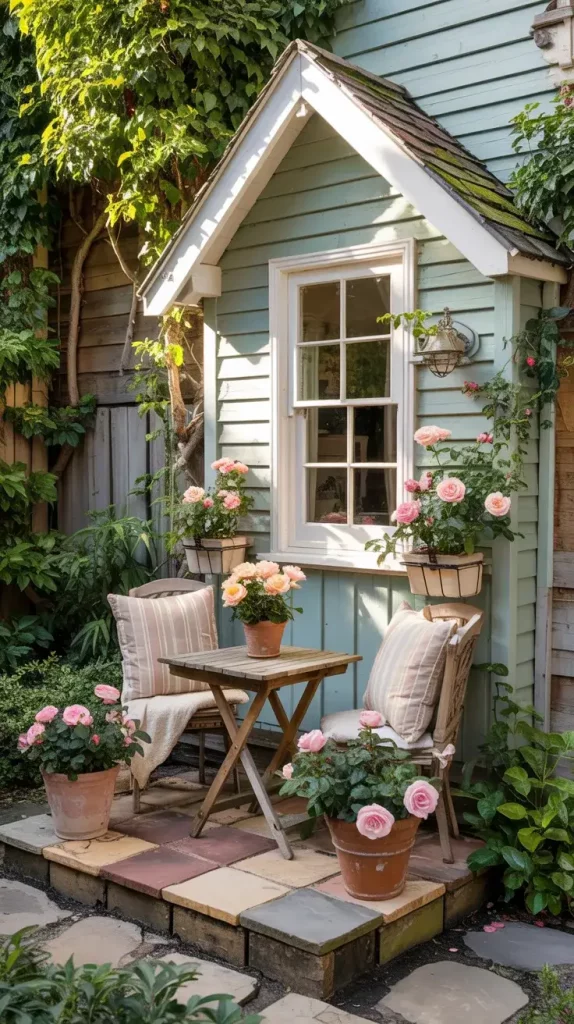
From my experience, the key to making a small garden feel expansive lies in consistency. As often highlighted by publications like Architectural Digest, repeating materials and colors creates visual harmony. I always stick to a unified palette and avoid overly bulky decor pieces that disrupt flow.
To improve this setup further, I recommend adding a small focal point such as a vertical herb garden or a compact water feature. This not only enhances functionality but also gives the space a defined identity.
How To Design A Garden Cottage Patio With Personality
Designing a patio with personality is where creativity truly shines in garden cottage design ideas. I approach patio design as an extension of indoor living, ensuring it feels just as inviting and expressive. I focus on mixing textures like stone, wood, and soft textiles to create depth and warmth.
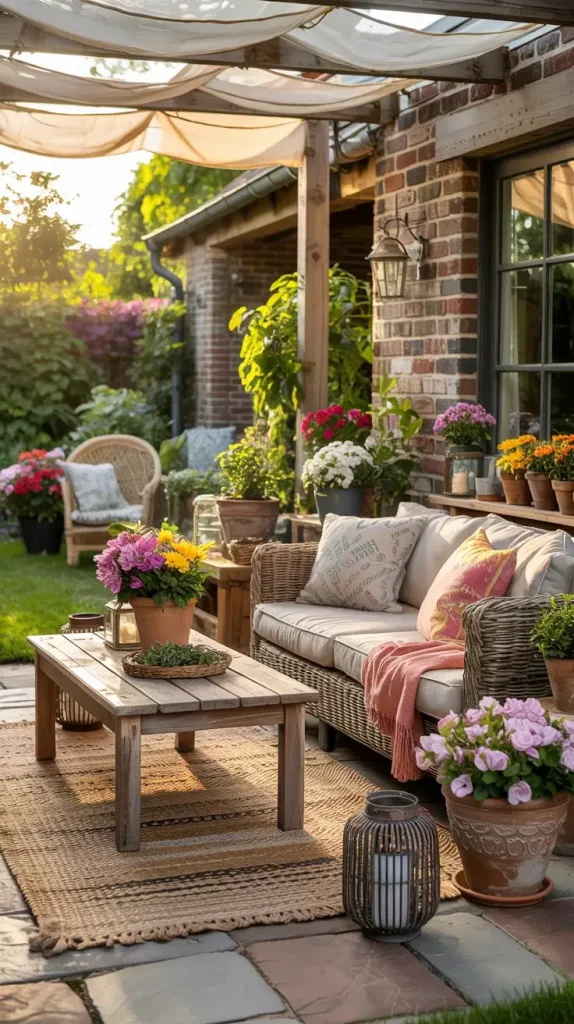
I carefully select furniture pieces such as wicker sofas, reclaimed wood coffee tables, and layered outdoor rugs. Each element contributes to a lived-in, welcoming atmosphere. Decorative accents like patterned cushions, vintage-style lanterns, and ceramic pots help personalize the space without overwhelming it.
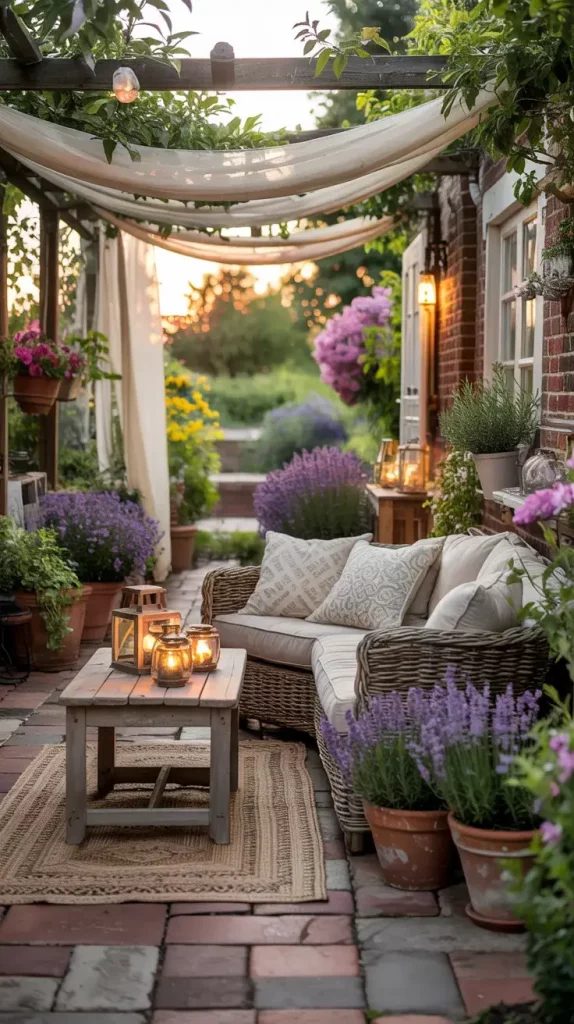
In my opinion, personality comes from storytelling. I often incorporate items that reflect personal taste, such as handmade decor or heirloom-style pieces. Designers featured in Better Homes & Gardens often emphasize the importance of authenticity, and I fully agree that curated imperfections make a space feel real.
To elevate the patio further, I suggest adding a pergola or fabric canopy. This creates a defined zone and adds architectural interest while providing shade and comfort.
Mixing Old And New Decor In Garden Cottage Styling
Blending vintage charm with modern elements is essential in achieving a balanced garden cottage aesthetic 2026. I focus on integrating antique-inspired pieces with contemporary finishes to avoid a dated look. This combination allows the space to feel both nostalgic and fresh.
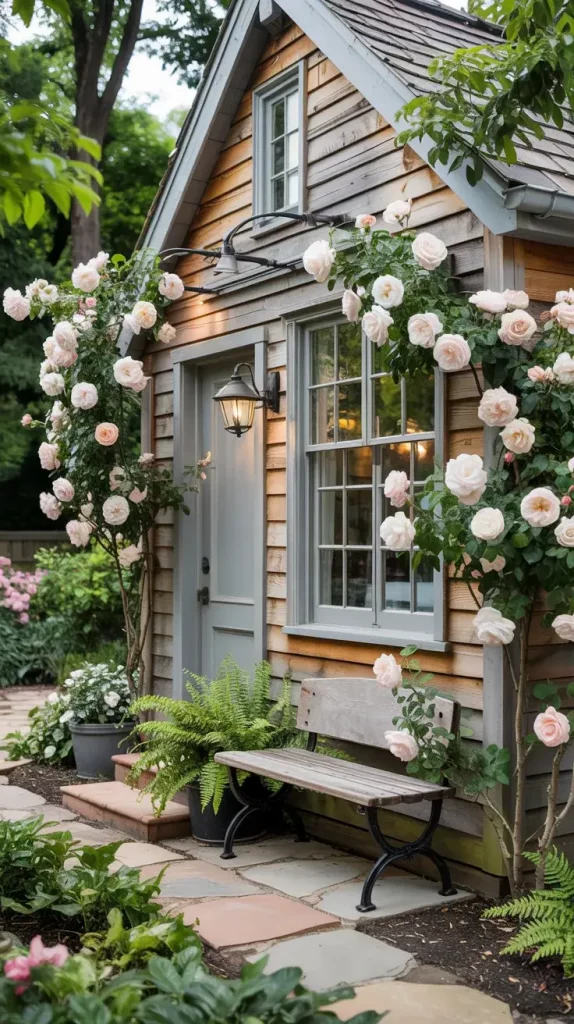
I typically include weathered wooden furniture alongside sleek metal accents or minimalist lighting. For example, an old-style bench paired with modern outdoor cushions creates contrast while maintaining cohesion. I also use distressed finishes and subtle modern textures to bridge the gap between eras.
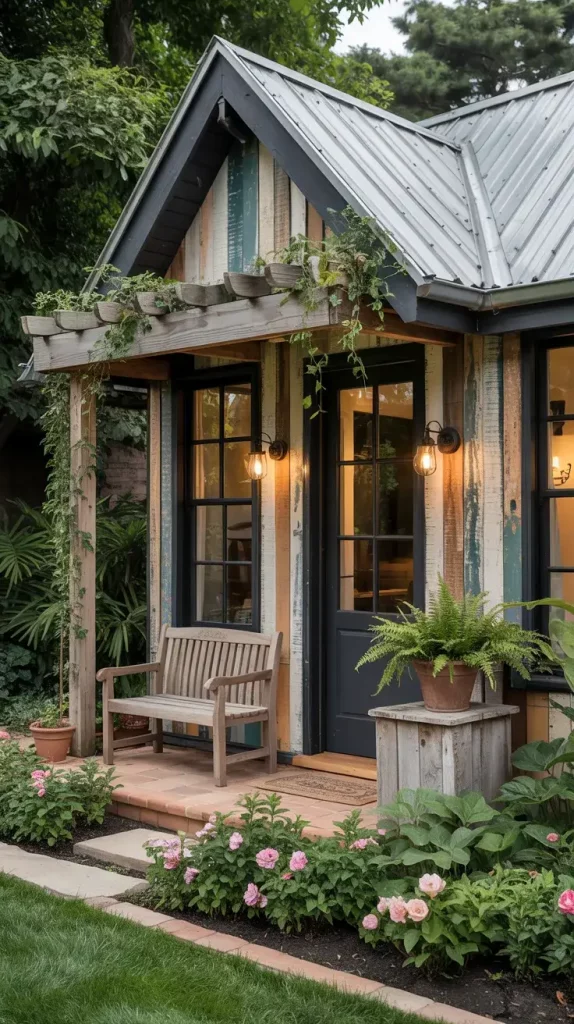
From my perspective, balance is crucial. I avoid overloading the space with too many vintage items, as it can feel cluttered. According to Elle Decor, mixing styles works best when there is a clear dominant theme, and I always ensure the cottage aesthetic remains the foundation.
To enhance this approach, I recommend incorporating one statement piece, such as a vintage-inspired fountain or a modern fire pit, to anchor the design and tie everything together.
DIY Decor Ideas For A Personalized Cottage Garden
Creating DIY decor is one of the most effective ways to personalize a garden cottage aesthetic 2026 space. I enjoy designing elements that reflect individuality while staying aligned with the overall theme. Handmade details bring authenticity and warmth that store-bought items often lack.
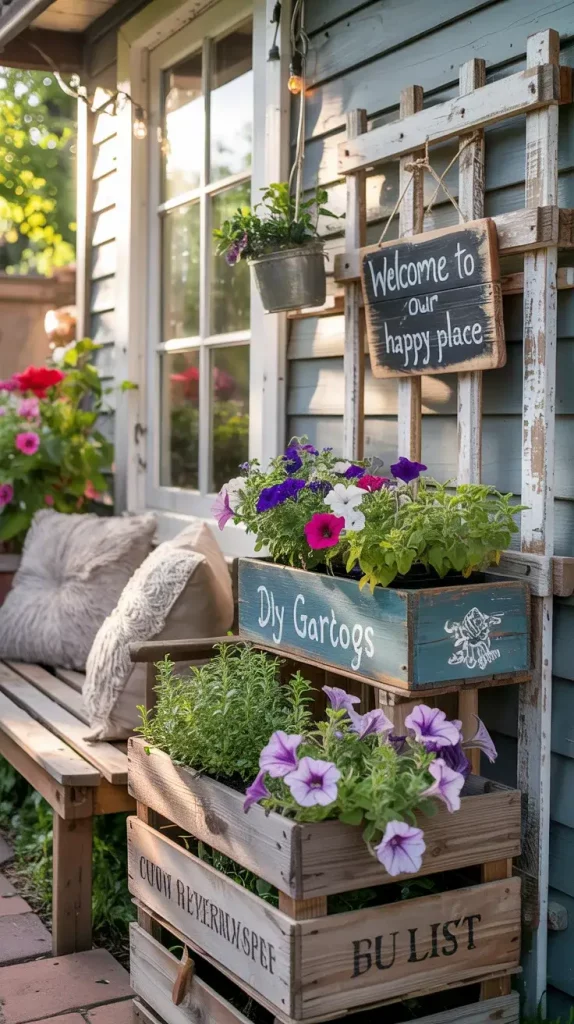
I often use repurposed materials such as wooden crates, glass jars, and old metal containers to create planters and decorative accents. Hand-painted signs, custom cushions, and DIY trellises add character while remaining budget-friendly. These elements allow for creativity without compromising style.
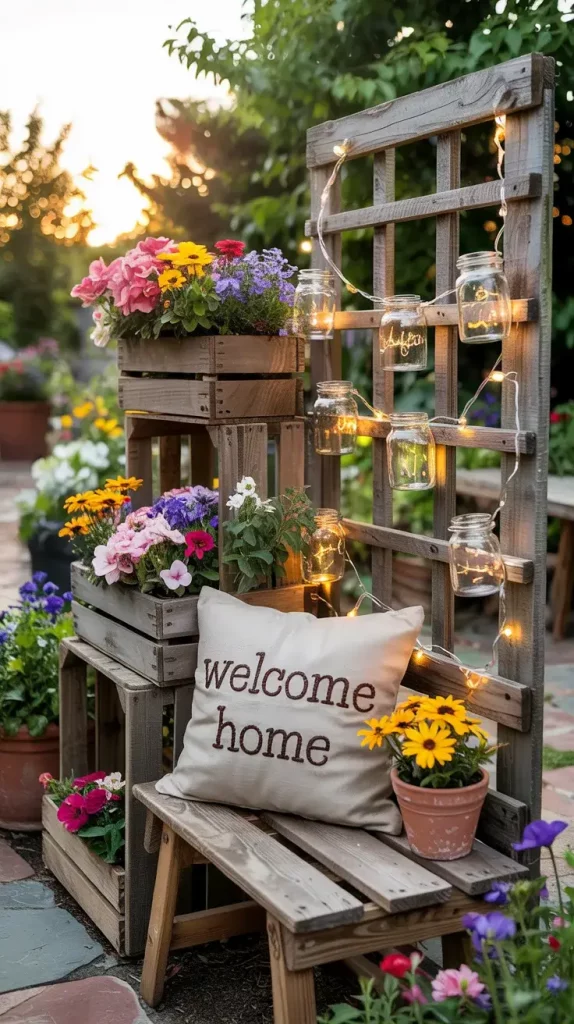
In my experience, DIY projects also make the space feel more meaningful. Many designers featured in HGTV highlight the emotional connection that handcrafted decor brings, and I find this especially true in garden settings.
To complete the look, I suggest incorporating subtle lighting such as string lights or solar-powered lanterns. These additions enhance the atmosphere and highlight the handcrafted elements beautifully.
Water Features That Enhance Cottage Garden Serenity
Water features play a significant role in enhancing the tranquility of garden cottage design ideas. I always consider them essential for creating a calming outdoor environment. Even in small spaces, the sound of water can transform the overall experience.
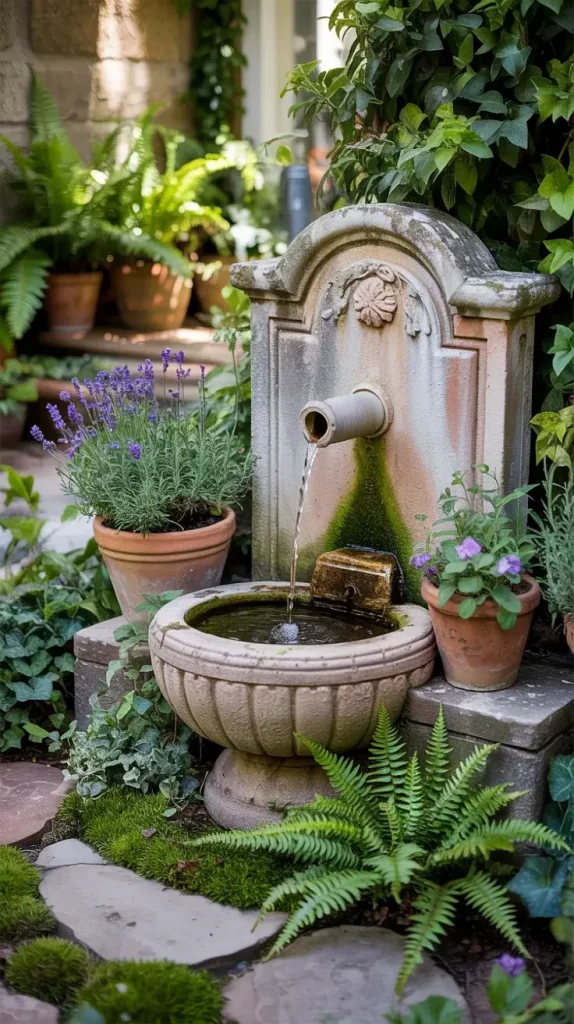
I prefer compact fountains, ceramic bowls with gentle water flow, or small cascading features that integrate seamlessly with surrounding greenery. Natural materials like stone and terracotta help maintain the cottage aesthetic while ensuring durability.
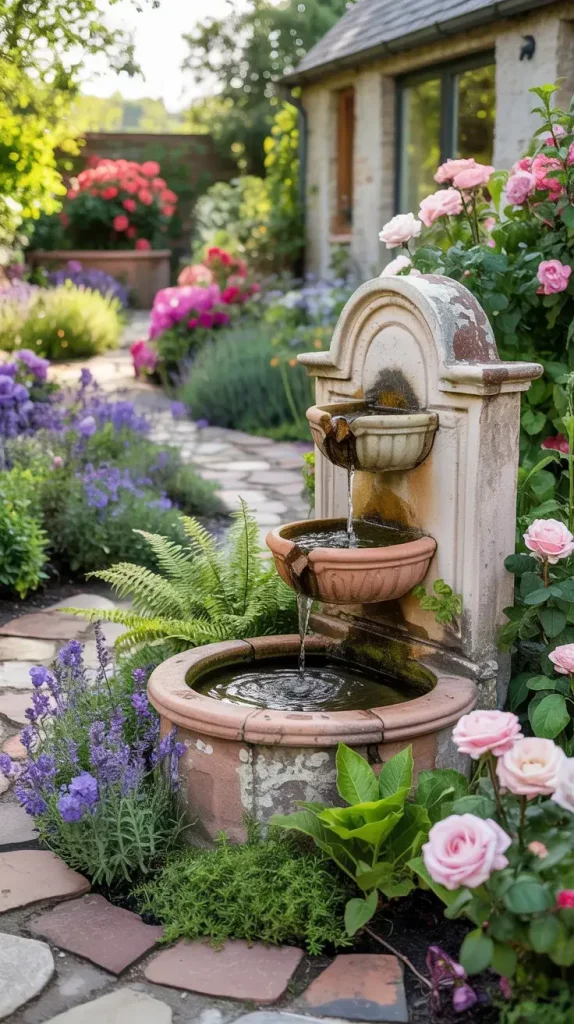
From my perspective, water elements add a sensory layer that elevates the space beyond visual appeal. As often noted by landscape experts in Garden Design Magazine, the presence of water encourages relaxation and mindfulness, which aligns perfectly with cottage-style living.
To further improve this section, I recommend adding surrounding plants such as ferns or moss to soften the edges of the water feature and create a more natural, immersive feel.
Garden Cottage Aesthetic For Different Seasons In 2026
I approach seasonal styling as an essential part of maintaining a fresh and relevant garden cottage aesthetic 2026. Each season brings an opportunity to subtly transform the space without completely redesigning it. In spring and summer, I emphasize lightness with blooming flowers, airy textiles, and natural light, while autumn and winter call for warmer tones, layered fabrics, and more structured greenery.
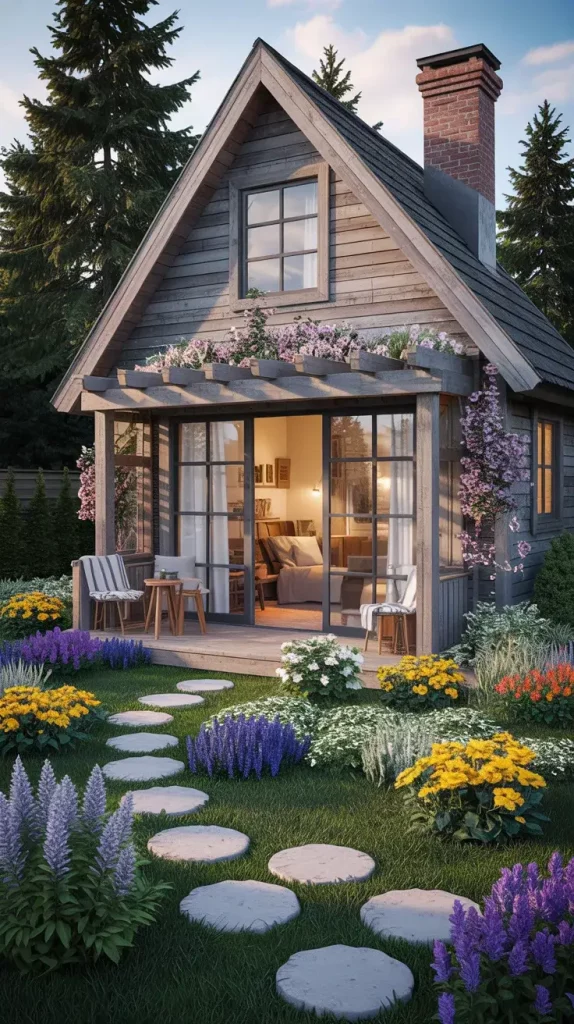
I select adaptable furniture and decor that can transition throughout the year. For example, I use neutral wooden seating as a base and swap cushions, throws, and table settings depending on the season. Planters are also key, allowing me to rotate seasonal plants like lavender in summer or evergreens in winter to maintain visual interest.
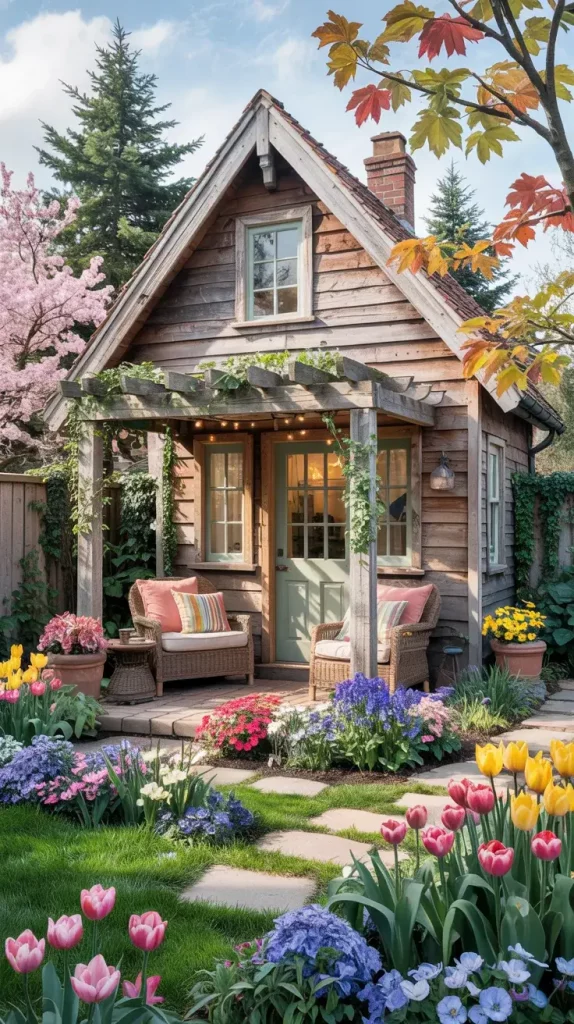
From my experience, flexibility is what makes seasonal styling successful. As often noted by Martha Stewart Living, rotating small decor elements instead of large furniture pieces is both practical and cost-effective. I always prioritize items that can be easily updated without disrupting the overall harmony of the space.
To enhance this approach, I recommend incorporating a small storage solution nearby. This allows for easy access to seasonal decor and ensures smooth transitions throughout the year.
Sustainable And Eco-Friendly Garden Cottage Design Tips
Sustainability plays a major role in shaping garden cottage design ideas for 2026. I focus on creating spaces that are not only beautiful but also environmentally responsible. This includes using natural materials, reducing waste, and designing with longevity in mind.
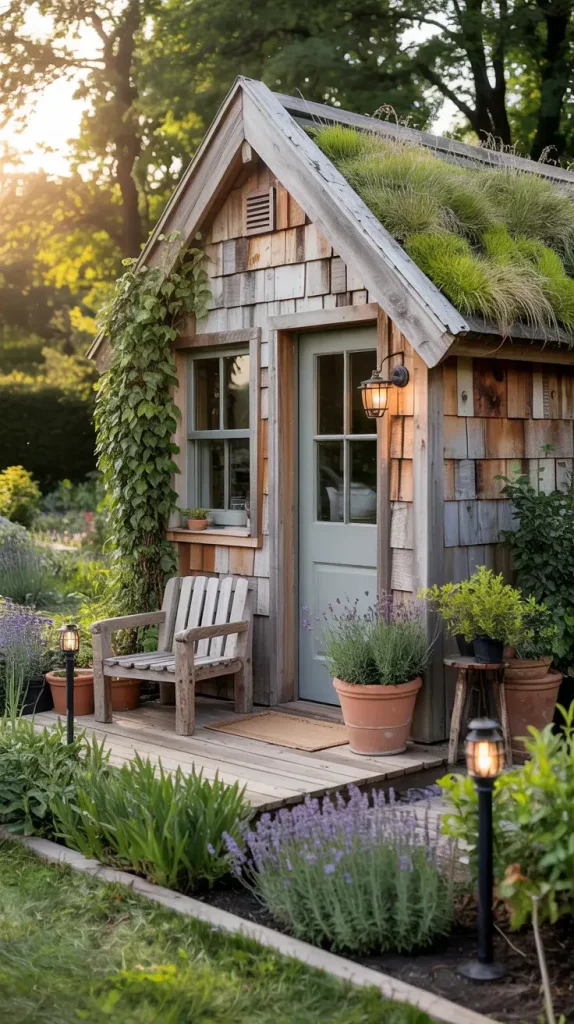
I prioritize reclaimed wood furniture, eco-friendly textiles, and solar-powered lighting. Rainwater collection systems and drought-resistant plants are also valuable additions that improve efficiency while maintaining aesthetic appeal. Every item I choose is intentional, ensuring it contributes to both function and sustainability.
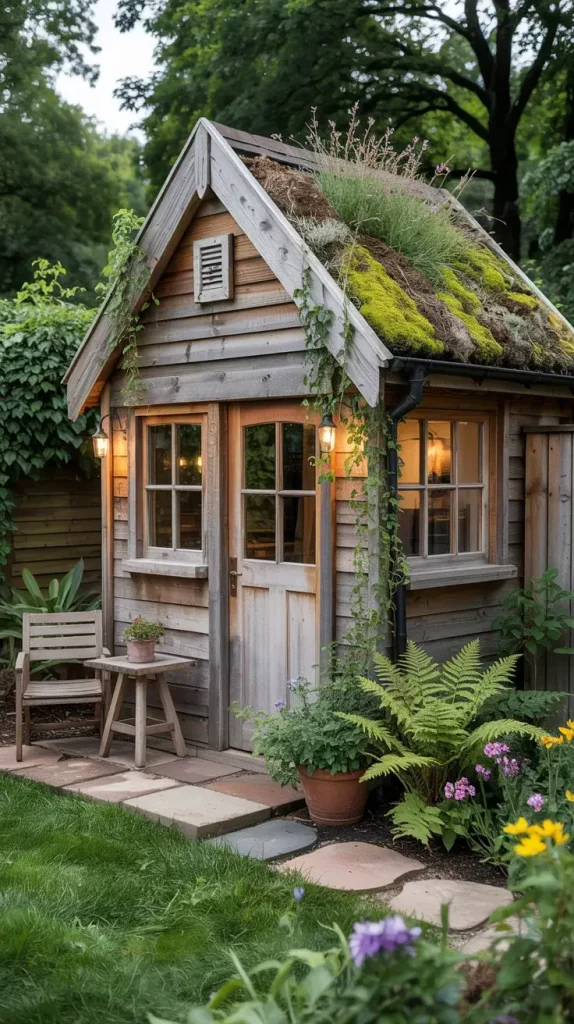
In my opinion, sustainable design does not limit creativity but enhances it. According to experts featured in Dwell Magazine, eco-conscious choices often lead to more thoughtful and unique spaces. I find that natural imperfections in materials add authenticity and depth to the cottage aesthetic.
To improve sustainability further, I suggest integrating composting areas or small kitchen gardens. These additions make the space more self-sufficient and aligned with modern environmental values.
Creating A Reading Nook In Your Garden Cottage Space
A reading nook is one of the most inviting elements I incorporate into a garden cottage aesthetic 2026. It transforms the space into a personal retreat where comfort and tranquility are prioritized. I usually place it in a quiet corner surrounded by greenery to enhance the sense of escape.
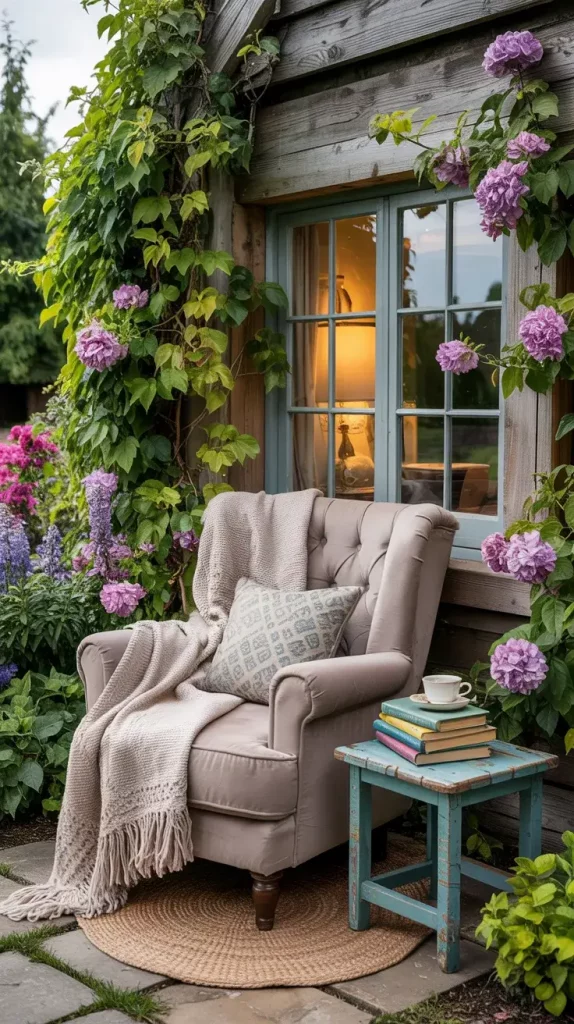
I choose comfortable seating such as cushioned armchairs, daybeds, or even a hammock depending on the available space. Soft throws, layered pillows, and a small side table for books or tea complete the setup. I also ensure proper lighting, either through natural sunlight or warm-toned lamps, to make the nook usable throughout the day.
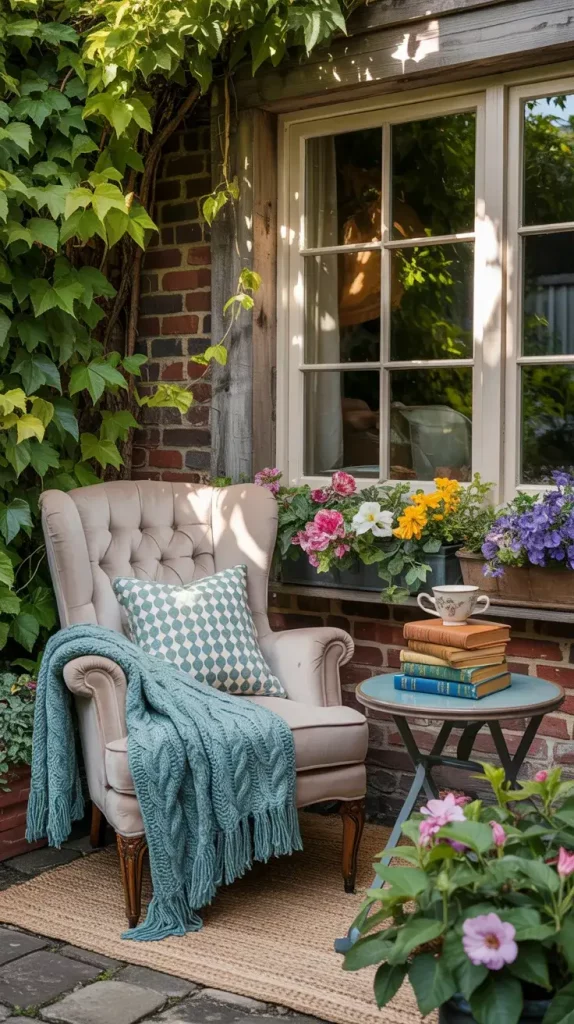
From my experience, the success of a reading nook lies in its atmosphere. Designers from House Beautiful often emphasize comfort over aesthetics, and I agree that functionality should never be compromised. I always test seating and layout to ensure it truly invites relaxation.
To make this space even better, I recommend adding subtle elements like a small bookshelf or weather-resistant storage for books. This keeps everything accessible and organized.
Outdoor Dining Ideas Inspired By Garden Cottage Charm
Outdoor dining is an essential part of embracing garden cottage design ideas, especially for those who enjoy hosting. I design dining areas that feel intimate and welcoming, blending practicality with rustic elegance. The goal is to create a space where meals become memorable experiences.
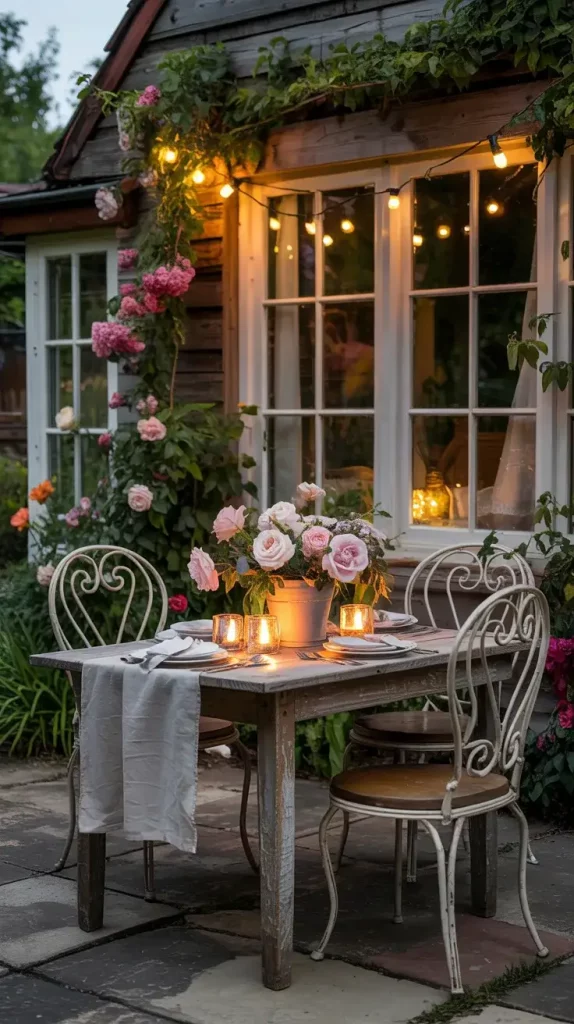
I select wooden or wrought iron tables paired with comfortable chairs, often enhanced with cushions for added comfort. Table settings play a major role, so I incorporate ceramic dishes, linen tablecloths, and simple floral centerpieces. Lighting, such as string lights or lanterns, helps create a warm ambiance during evening gatherings.
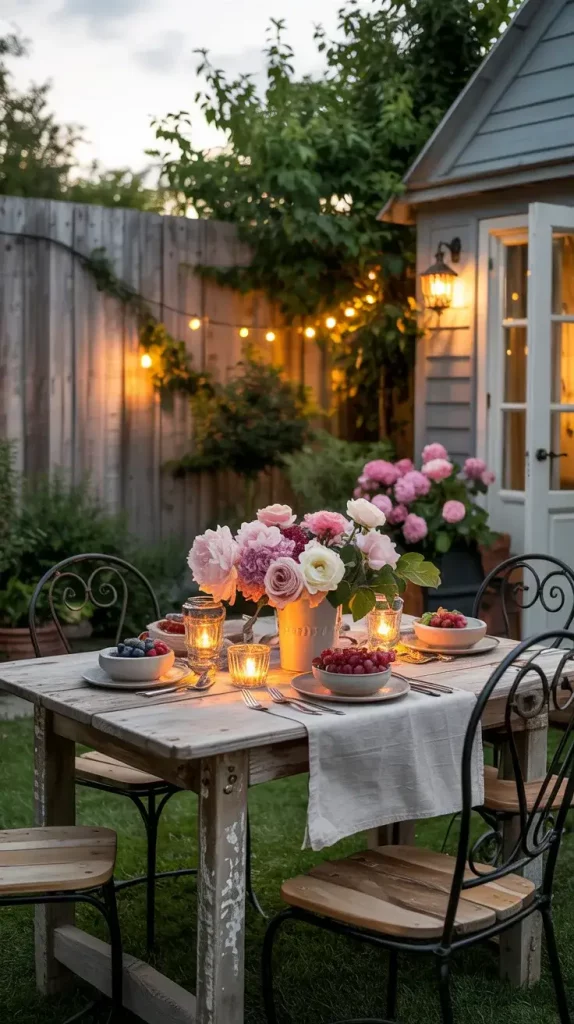
In my opinion, the charm of outdoor dining comes from simplicity. As highlighted in Southern Living, natural materials and understated decor often have the strongest impact. I always avoid overly formal setups and instead focus on relaxed, inviting arrangements.
To complete the dining space, I suggest adding a nearby serving station or bar cart. This improves functionality and keeps everything within reach during gatherings.
Fencing And Boundaries That Complement Cottage Gardens
Fencing and boundaries are often overlooked, yet they play a crucial role in defining a garden cottage aesthetic 2026. I view them as both functional and decorative elements that frame the entire space. The right boundary can enhance privacy while contributing to the overall design.
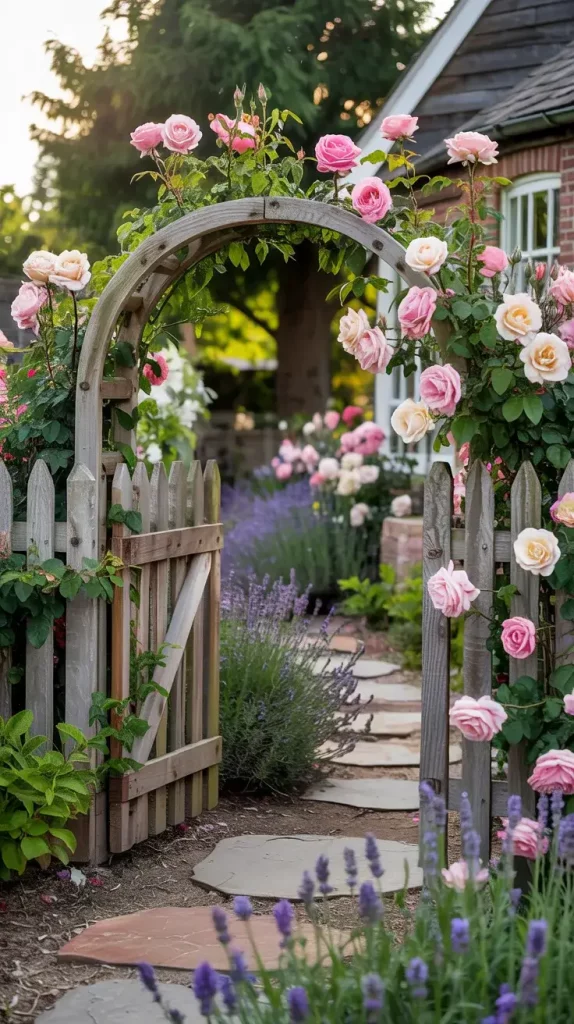
I prefer materials like wood, wrought iron, or natural hedges. Picket fences, in particular, are a classic choice that instantly evokes a cottage feel. I often soften boundaries with climbing plants such as roses or ivy, allowing the fence to blend seamlessly into the garden.
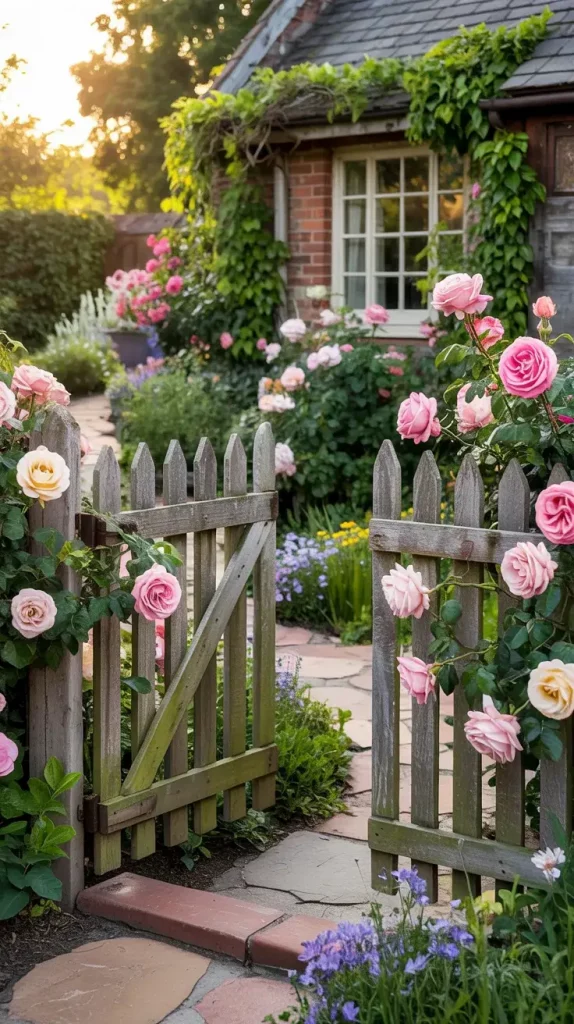
From my perspective, boundaries should never feel restrictive. Experts in Gardenista often highlight the importance of integrating fences with the landscape rather than isolating them. I always aim for a balance between structure and openness.
To enhance this section, I recommend incorporating entry points such as arched gates or pathways. These features add charm and create a welcoming transition into the garden space.
Using Garden Arches And Trellises For Visual Interest
I find that incorporating arches and trellises instantly adds structure and vertical depth to a garden cottage space. In the context of garden cottage aesthetic 2026, these elements are no longer purely decorative but serve as architectural anchors that guide movement and define zones. Whether framing a pathway or highlighting an entry into a seating area, arches create a natural transition between spaces while maintaining that soft, romantic cottage feel.
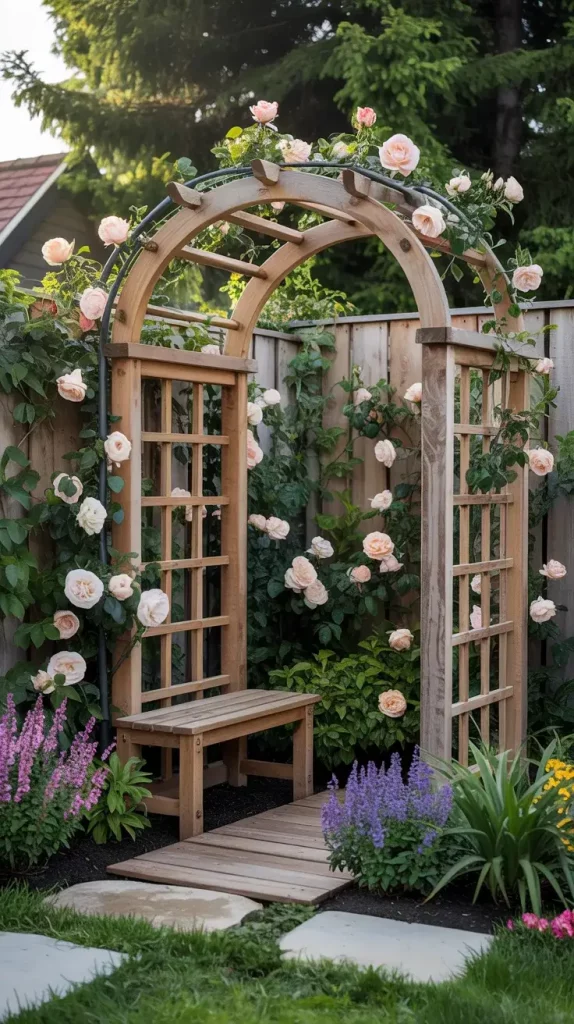
From my experience, choosing the right materials is essential. I often recommend weathered wood or powder-coated metal trellises for durability and visual harmony. Climbing plants such as roses, clematis, or jasmine should be carefully selected to complement the overall palette. I also like to integrate small benches or planters at the base of arches to enhance both functionality and visual layering.
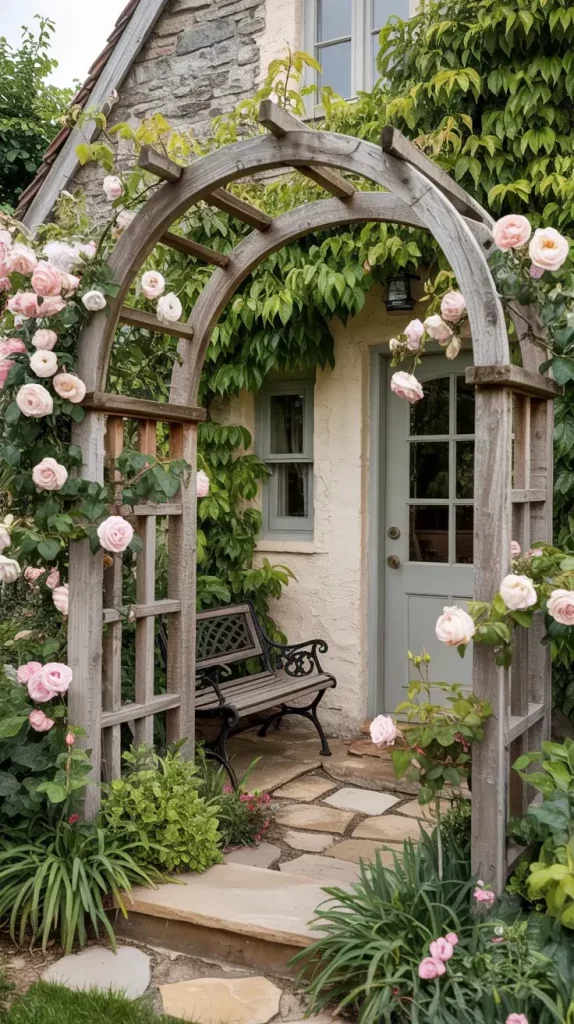
Personally, I’ve noticed that well-placed arches can make even a small garden feel expansive. According to insights often shared in publications like Architectural Digest, vertical gardening elements are becoming key in modern cottage layouts because they maximize space without overcrowding. I always advise clients to think of trellises as both structural and storytelling features within the garden.
To elevate this section further, I would add subtle lighting such as warm string lights or integrated solar fixtures around the arches. This enhances usability in the evening and strengthens the cozy atmosphere that defines a true cottage aesthetic.
Herb And Vegetable Gardens With Cottage Style Appeal
In my approach to cottage garden design trends 2026, I always emphasize the importance of blending beauty with productivity. Herb and vegetable gardens are no longer hidden away but are thoughtfully integrated into the main landscape. Raised beds, informal layouts, and mixed planting styles allow these spaces to feel organic rather than utilitarian.
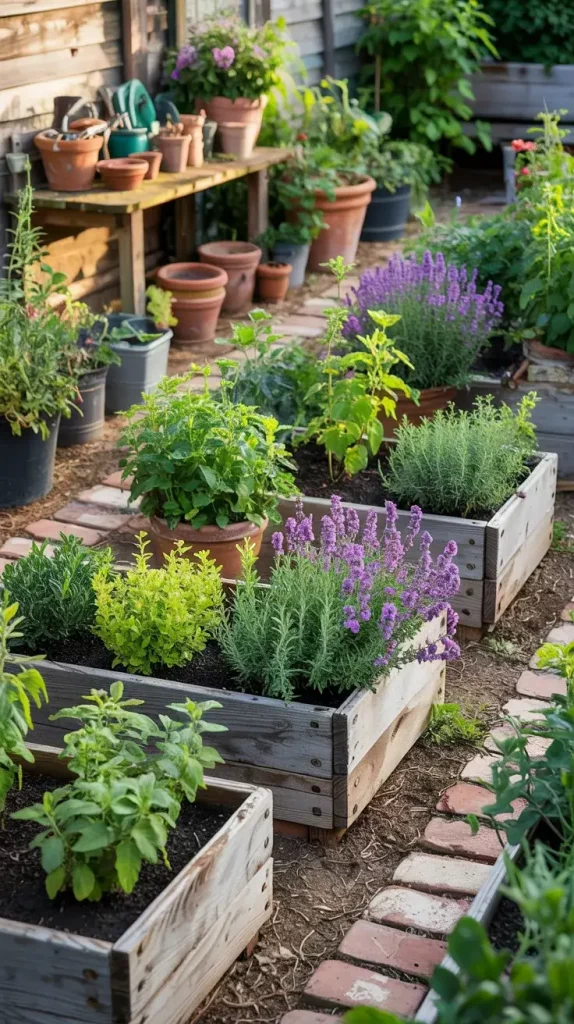
I usually incorporate materials like reclaimed wood or stone for raised beds, paired with gravel or brick pathways for easy access. Herbs such as lavender, thyme, and rosemary not only serve culinary purposes but also add texture and fragrance. I recommend grouping plants based on height and color to maintain visual balance while still embracing the slightly wild cottage look.
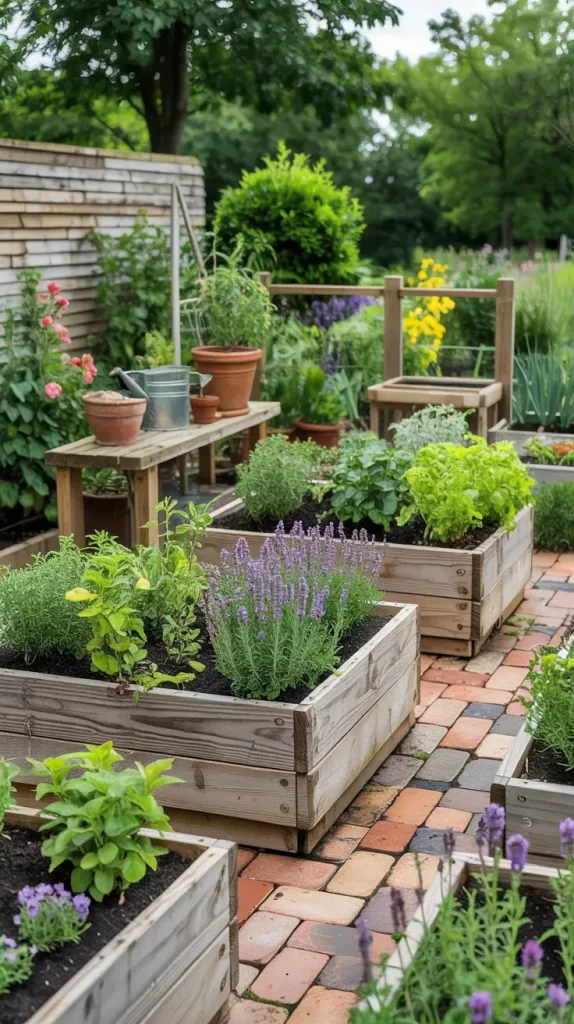
From my perspective, this is one of the most rewarding elements of a garden. There’s something incredibly satisfying about harvesting fresh ingredients from a space that is also visually stunning. Many designers highlighted in Better Homes and Gardens suggest mixing edible plants with ornamental flowers to soften the overall look, and I strongly agree with this approach.
What I would add here is a small potting station or rustic workbench. This not only increases practicality but also reinforces the lived-in, authentic feel that defines the garden cottage aesthetic 2026.
Decorating With Antique And Flea Market Finds
I believe that authenticity is at the heart of any successful cottage garden, and incorporating antique or flea market finds is one of the most effective ways to achieve this. In garden cottage aesthetic 2026, the focus is on curated imperfection rather than overly styled spaces. Each piece should feel like it has a story.
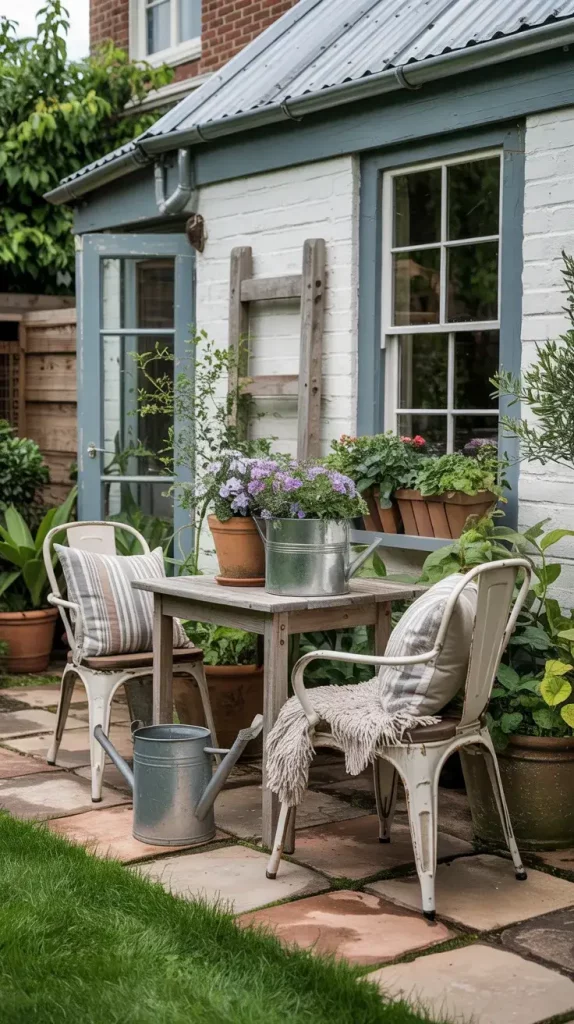
When I design these spaces, I often include items like vintage watering cans, wrought iron chairs, distressed wooden tables, or old ceramic pots. These elements add character and depth while breaking away from mass-produced decor. I always recommend mixing textures such as metal, wood, and aged stone to create a layered and visually rich environment.
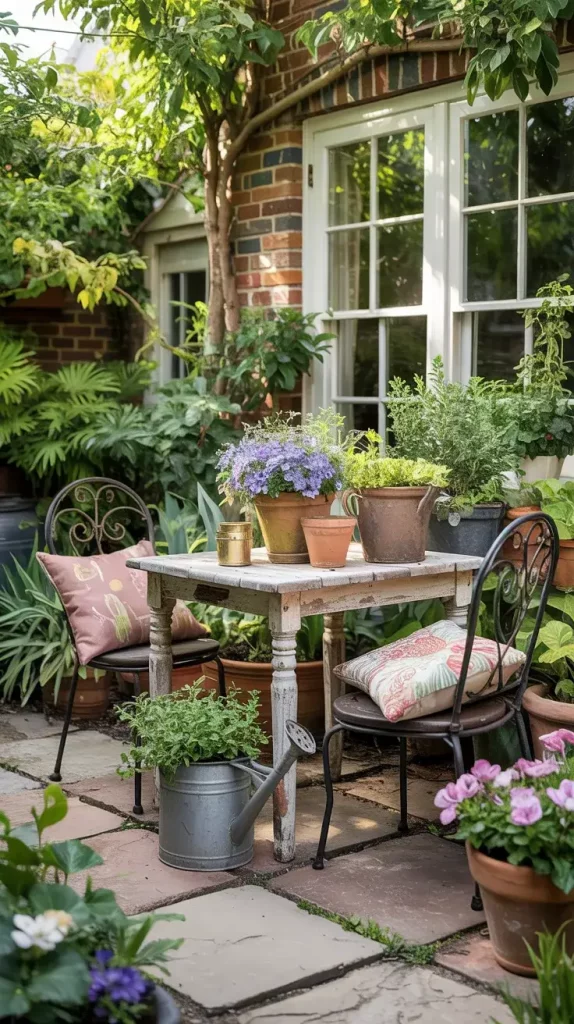
In my experience, the key is restraint. It’s easy to overdo it with vintage items, which can make the space feel cluttered rather than charming. I often follow the advice seen in Elle Decor, which emphasizes balance between old and new elements to keep the space fresh and relevant.
To enhance this section, I would suggest incorporating subtle modern touches such as neutral outdoor cushions or minimalist planters. This ensures that the space feels updated while still honoring its vintage roots.
Soft Landscaping Ideas For A Natural Cottage Garden Flow
Soft landscaping plays a crucial role in achieving the effortless look associated with cottage garden design trends 2026. I focus on creating a sense of movement and flow through layered planting, curved pathways, and varied textures. The goal is to avoid rigid lines and instead embrace a more organic layout.
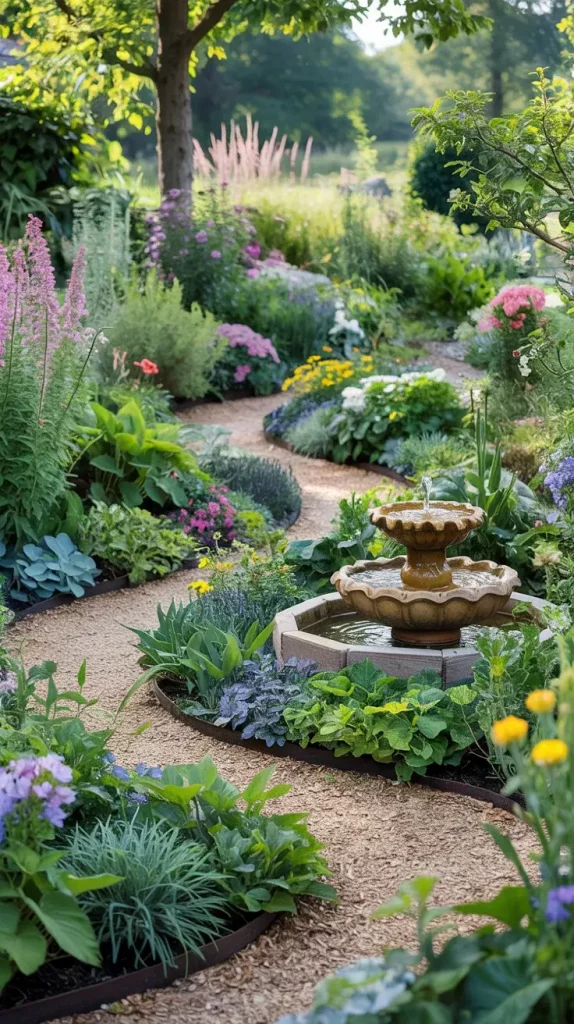
I typically use a mix of perennials, ornamental grasses, and flowering shrubs to create depth. Plants are arranged in loose clusters rather than strict rows, allowing them to grow naturally over time. Materials like gravel, stepping stones, and mulch help define pathways without disrupting the softness of the design.
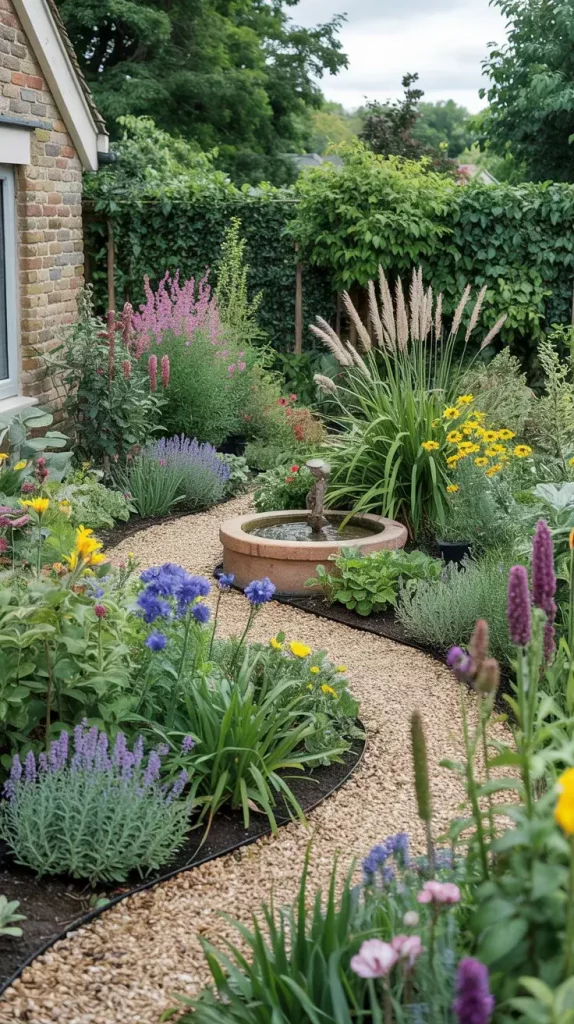
From my point of view, this approach not only enhances visual appeal but also supports biodiversity. A well-planned cottage garden can attract pollinators and create a more sustainable ecosystem. Many landscape designers featured in Garden Design Magazine highlight the importance of planting diversity, which I always incorporate into my projects.
What I would add here is a water feature such as a small fountain or birdbath. This introduces sound and movement, further enhancing the sensory experience of the garden.
Creating Privacy While Maintaining An Open Garden Feel
Balancing privacy with openness is one of the more challenging aspects of garden cottage aesthetic 2026, but it is entirely achievable with the right approach. I focus on using natural elements to create subtle boundaries rather than harsh divisions.
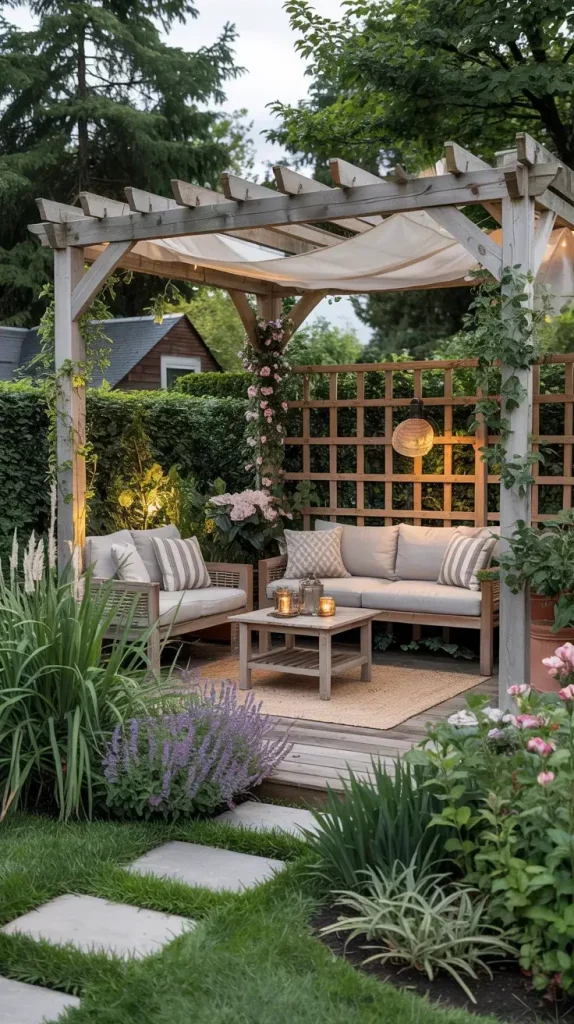
I often incorporate hedges, tall grasses, or climbing plants on trellises to create semi-private zones. Pergolas with light draping or lattice panels can also define spaces without completely enclosing them. Outdoor seating areas benefit greatly from this approach, as they feel intimate without being isolated.
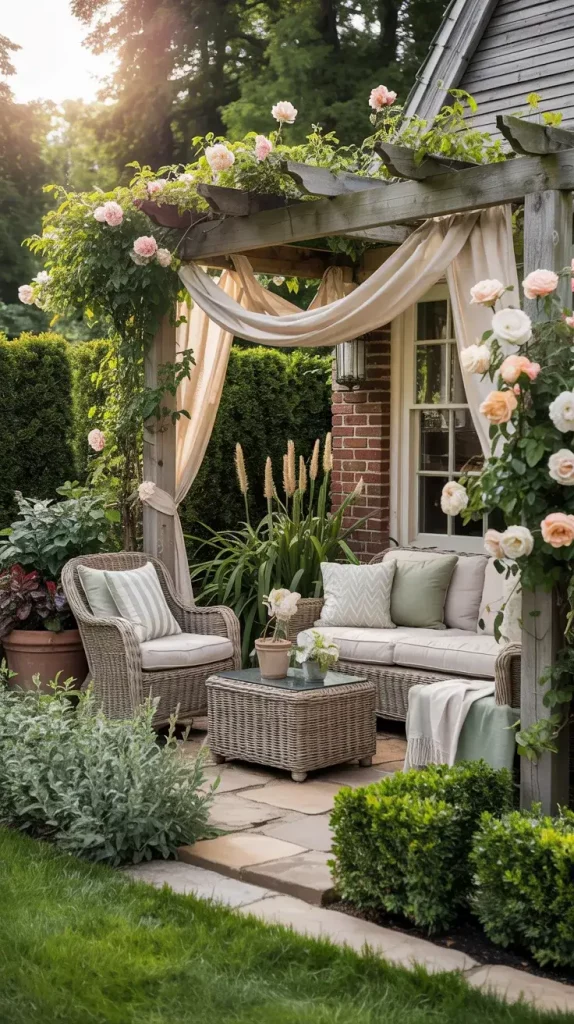
In my experience, layering is key. By combining different heights and textures, I can create depth and privacy simultaneously. This technique is frequently recommended by landscape architects because it maintains airflow and light while still offering a sense of seclusion.
To improve this section further, I would include outdoor curtains or movable screens. These provide flexibility, allowing the space to adapt depending on the occasion or level of privacy needed.
Garden Cottage Aesthetic For Entertaining Guests Outdoors
I always consider entertaining as an essential part of garden cottage aesthetic 2026, where outdoor spaces are designed to feel as comfortable and inviting as interior rooms. Creating a welcoming environment begins with thoughtful zoning, where dining, lounging, and social areas are subtly defined without disrupting the natural flow of the garden. I aim to design spaces that encourage conversation while still allowing guests to enjoy the surrounding greenery.
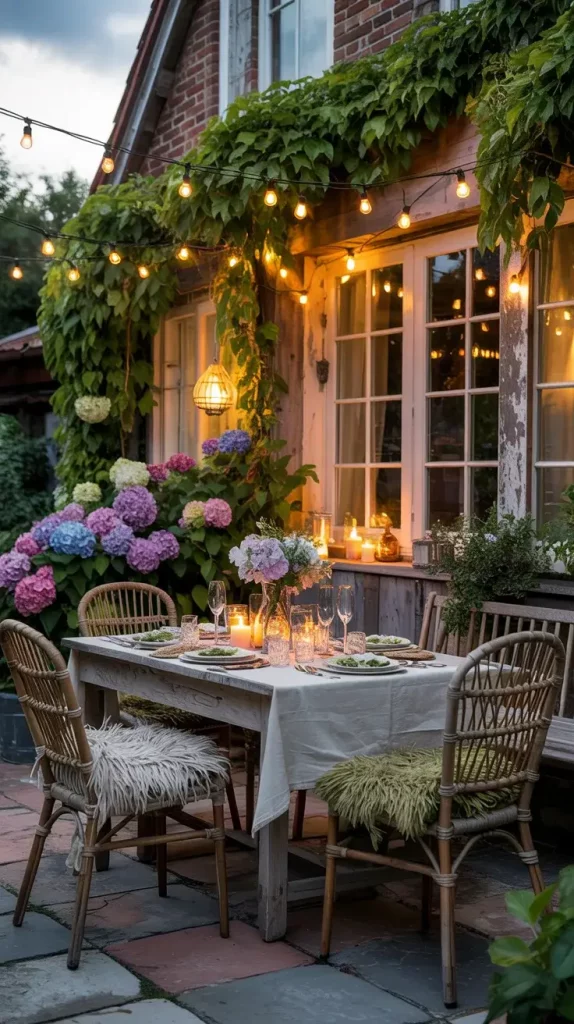
When selecting furniture, I prefer durable yet charming pieces such as wooden dining tables, woven chairs, and cushioned benches in soft, neutral tones. Layering textiles like linen tablecloths, outdoor rugs, and cozy throws enhances comfort and visual warmth. Lighting also plays a critical role, and I often incorporate string lights, lanterns, or candles to create a soft ambiance that extends gatherings into the evening.
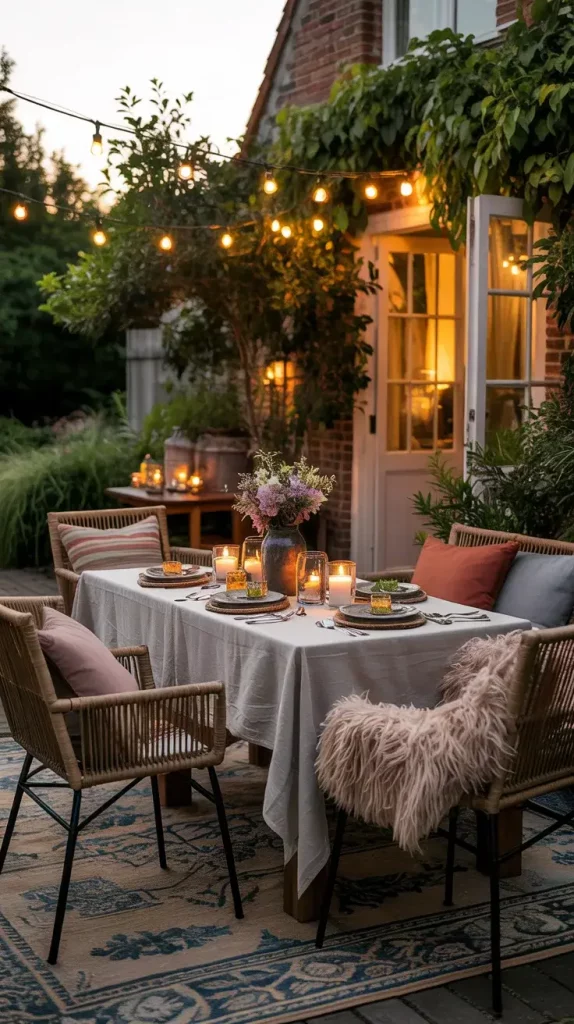
From my experience, the most memorable outdoor spaces feel effortless rather than overly styled. I often draw inspiration from advice shared in Better Homes and Gardens, which highlights the importance of blending practicality with atmosphere. I always ensure there is enough surface space for serving food and drinks, as well as flexible seating options to accommodate different group sizes.
To complete this setup, I would add a small outdoor bar cart or a built-in serving station. This detail not only improves functionality but also enhances the hosting experience, making the garden feel truly livable and well-designed.
Budget-Friendly Ways To Achieve The Cottage Garden Look
Creating a beautiful cottage garden design trends 2026 space does not require a large budget, and I often help clients achieve this look with thoughtful, cost-effective solutions. The key is to focus on layering and repurposing rather than purchasing everything new. A cottage garden thrives on character, which can often be achieved through simple, affordable choices.
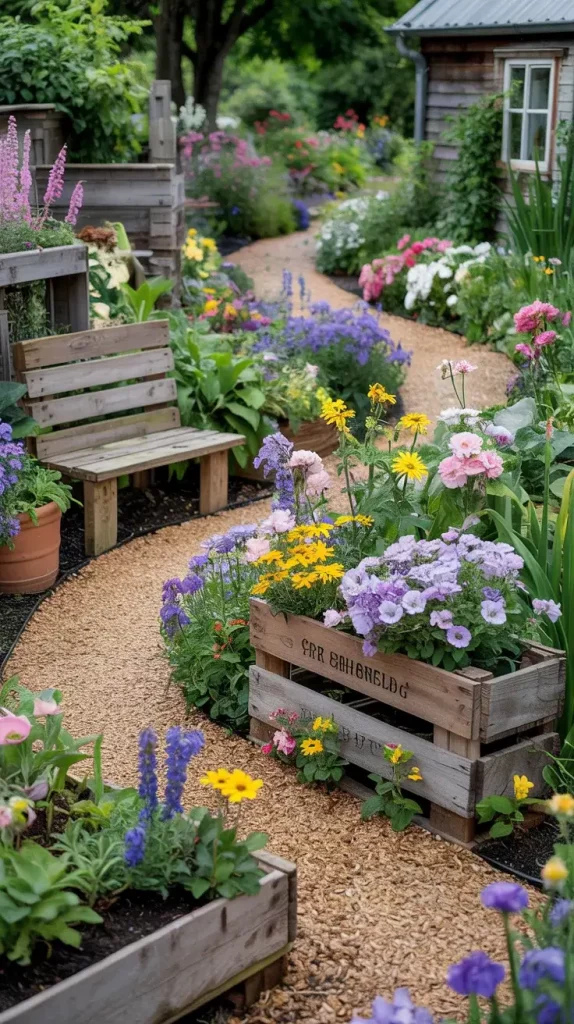
I recommend starting with plants, as they provide the most visual impact for the lowest cost. Perennials, seeds, and cuttings are excellent options for building a lush garden over time. Repurposed materials such as old crates, pallets, or reclaimed wood can be transformed into planters, seating, or decorative accents. I also encourage sourcing items from flea markets or second-hand shops to maintain authenticity without overspending.
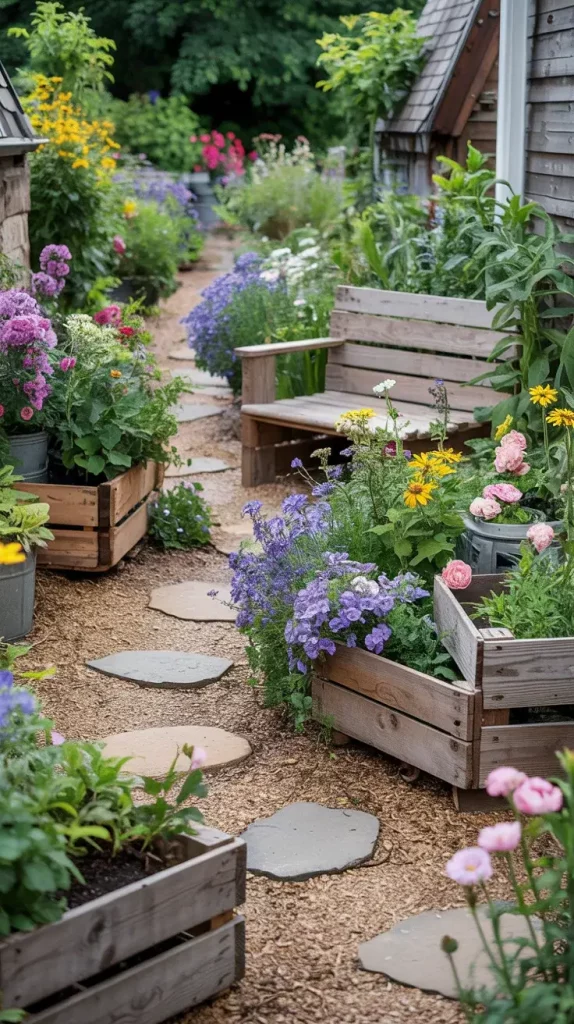
In my opinion, creativity is far more valuable than budget in this style of design. Many experts featured in Garden Design Magazine emphasize that cottage gardens should feel personal and evolving, rather than perfectly finished. I always remind clients that imperfections often add more charm than polished, expensive elements.
What I would add here is a simple DIY pathway using gravel or stepping stones. This small addition can significantly improve both functionality and visual appeal without increasing costs.
Final Thoughts On Embracing Garden Cottage Aesthetic 2026
I see garden cottage aesthetic 2026 as a perfect balance between tradition and modern living, where comfort, beauty, and practicality come together seamlessly. This style allows for personal expression while still following key design principles that ensure harmony and usability. By focusing on natural materials, layered planting, and thoughtful details, it is possible to create a garden that feels both timeless and current.
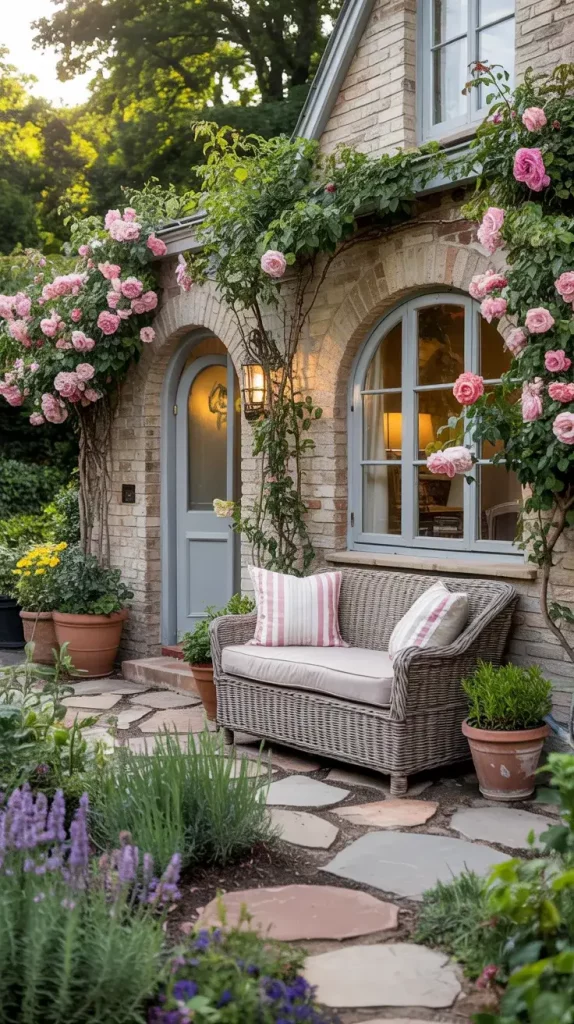
Throughout my work, I’ve learned that the most successful cottage gardens are those that evolve over time. Rather than aiming for perfection from the start, I always encourage a gradual approach where elements are added and refined as the space develops. This not only makes the process more manageable but also results in a more authentic and lived-in environment.
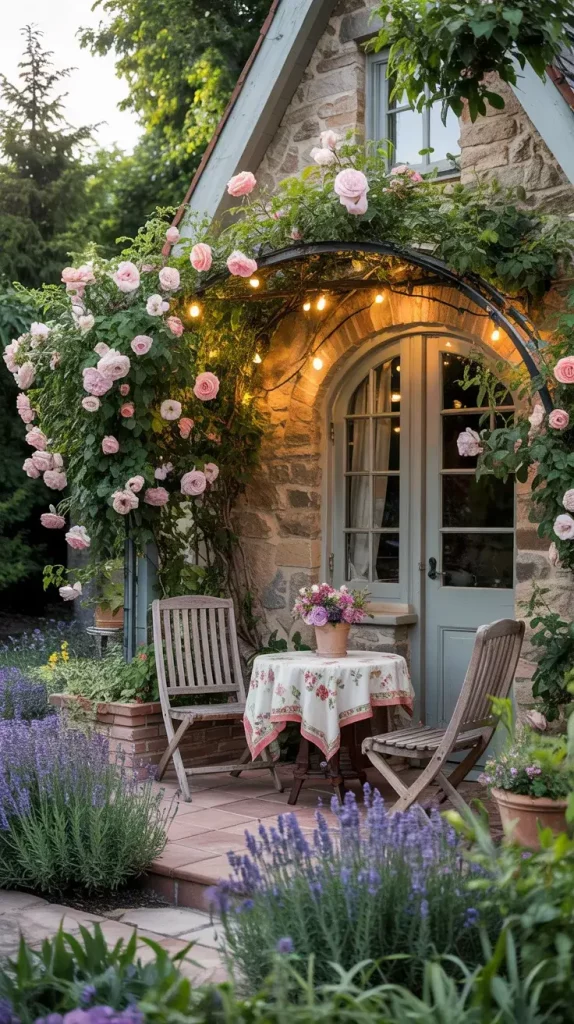
Ultimately, embracing this aesthetic is about creating a space that feels welcoming, functional, and uniquely yours. Whether you are working with a large garden or a small outdoor area, the principles of cottage garden design trends 2026 can be adapted to suit your needs while maintaining their signature charm.
If you’re inspired by these ideas, I’d love to hear how you plan to transform your own garden space. Share your thoughts and experiences, and let’s continue exploring this beautiful design style together.
The garden cottage aesthetic 2026 is all about creating a space that feels personal, peaceful, and deeply connected to nature. By blending vintage charm with modern sustainability and thoughtful design, you can transform any outdoor area into a cozy retreat. Small details—like soft textiles, layered greenery, and handcrafted decor—make a big impact in achieving this look. Whether you start with a few plants or redesign your entire garden, the key is to embrace comfort and authenticity. Let your outdoor space reflect your personality while maintaining that timeless cottage charm. In the end, it’s not just a style—it’s a way of living more slowly and beautifully.