
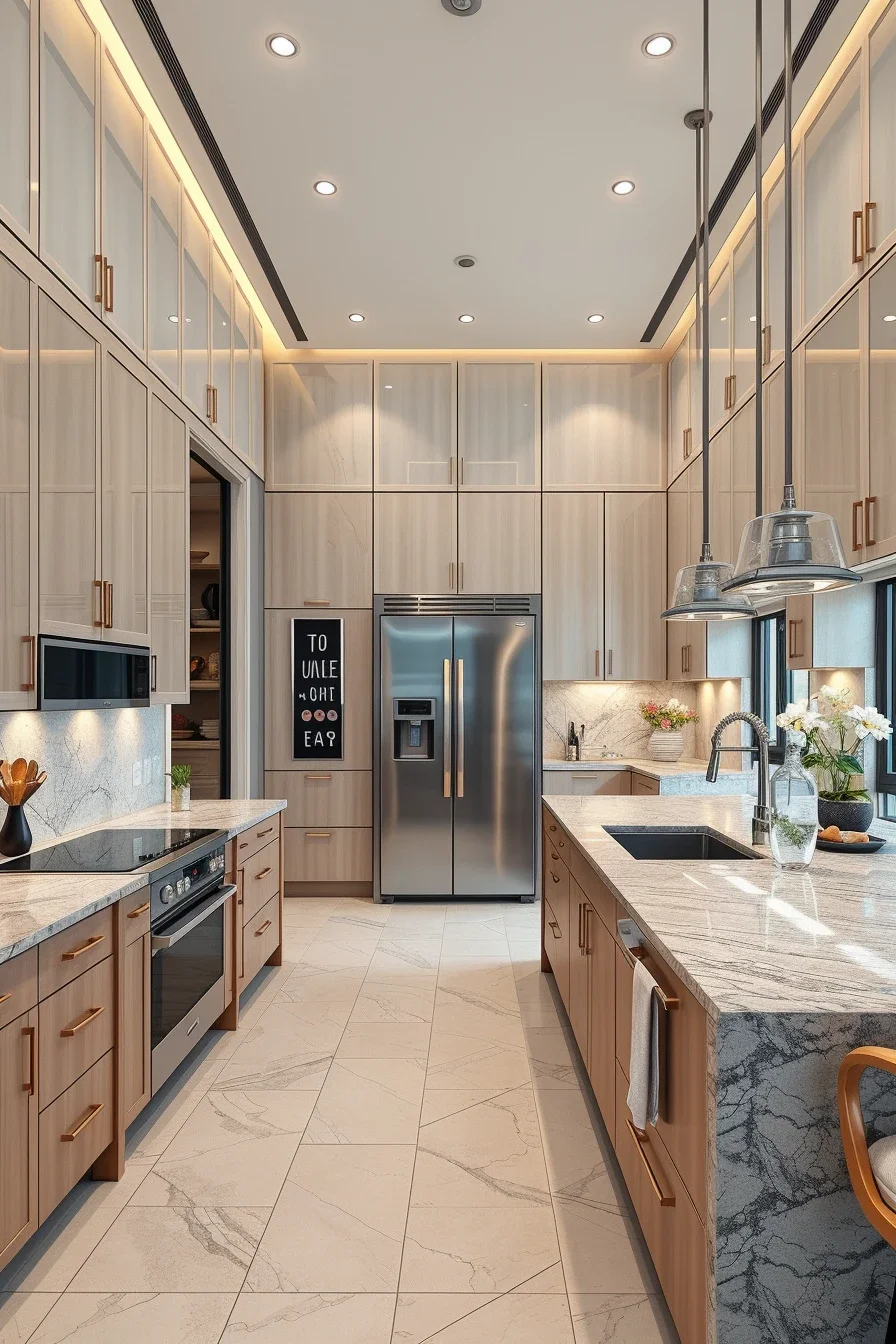
A high-end modern kitchen is more than a place to prepare meals—it is the centerpiece of a beautifully designed home that combines elegance, innovation, and everyday functionality. From custom cabinetry and premium materials to smart appliances and carefully planned layouts, every detail contributes to a refined living experience. Modern luxury kitchens emphasize clean lines, open spaces, and timeless finishes that remain stylish for years. Whether you’re planning a complete renovation or looking for inspiration to elevate your current space, the right design choices can make a dramatic difference. This guide explores the essential elements, standout features, and creative ideas that define today’s most sophisticated kitchen interiors. Discover how to create a high-end modern kitchen that perfectly balances beauty, comfort, and exceptional performance.
High-End Modern Kitchen Design Essentials
When I design or evaluate a high-end modern kitchen, I always begin with the overall architectural vision instead of individual decorative elements. Every surface, finish, and proportion should contribute to a calm, sophisticated atmosphere where nothing feels unnecessary. Clean geometry, generous natural light, carefully selected materials, and balanced symmetry create a kitchen that feels timeless rather than trendy. I find that simplicity becomes much more impressive when every detail is executed with exceptional quality.
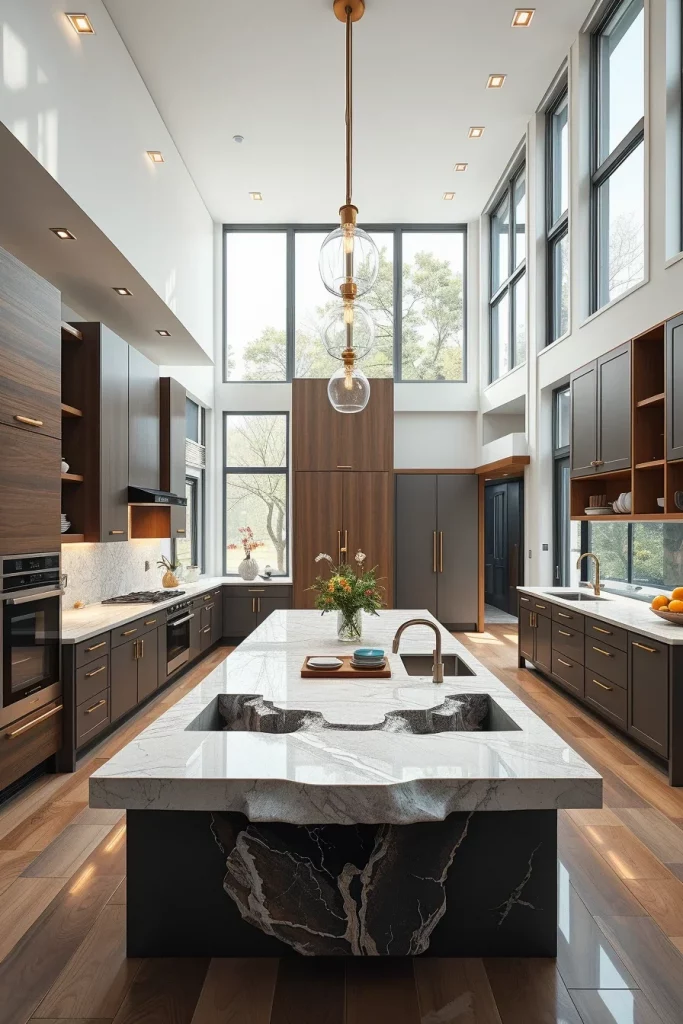
I pay close attention to premium cabinetry, oversized islands, natural stone surfaces, integrated storage, and carefully coordinated finishes. Seamless cabinet fronts, concealed handles, elegant wood veneers, matte lacquer, textured stone, and minimalist shelving all contribute to a refined appearance. Every appliance should complement the cabinetry instead of interrupting the visual flow, while flooring, backsplashes, and ceiling details should connect the entire room into one cohesive design.
From my experience, the most impressive kitchens are never overcrowded with decorative pieces. Designers featured by Architectural Digest and House Beautiful frequently emphasize restraint, proportion, and material quality instead of excessive ornamentation. I completely agree with this philosophy because a carefully edited space remains visually appealing for many years without feeling outdated.
I also recommend incorporating thoughtful architectural details such as hidden pantry storage, soft-close hardware, custom drawer organization, and layered lighting. These practical upgrades significantly improve daily use while preserving the luxurious appearance of the kitchen.
Luxury Kitchen Layouts With Open-Concept Flow
I believe that an open-concept layout is one of the defining characteristics of a luxurious contemporary kitchen. Instead of separating cooking from dining and entertaining, the entire space becomes connected through consistent materials, balanced proportions, and uninterrupted visual lines. A spacious layout also allows natural light to travel freely throughout the home, making every area feel brighter and more welcoming.
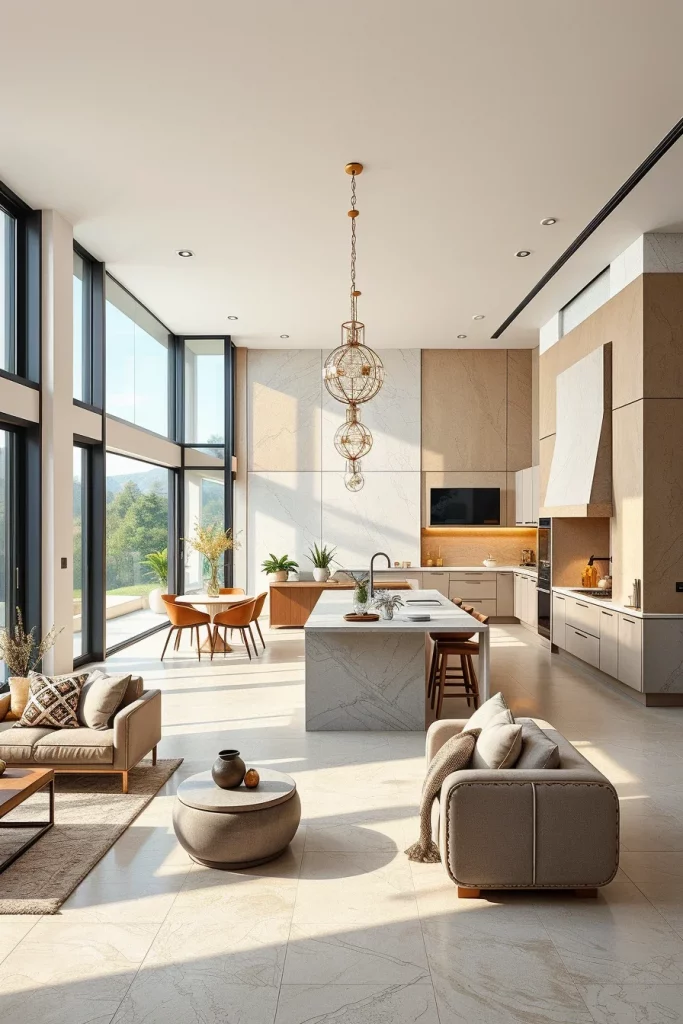
When planning an open kitchen, I focus on efficient movement between the cooking zone, sink, refrigerator, and preparation areas while maintaining comfortable circulation around the island. Wide walkways, generous countertop space, concealed storage, and coordinated flooring help the kitchen blend naturally with the surrounding living and dining spaces. Carefully positioned seating further strengthens the connection between family life and entertaining.
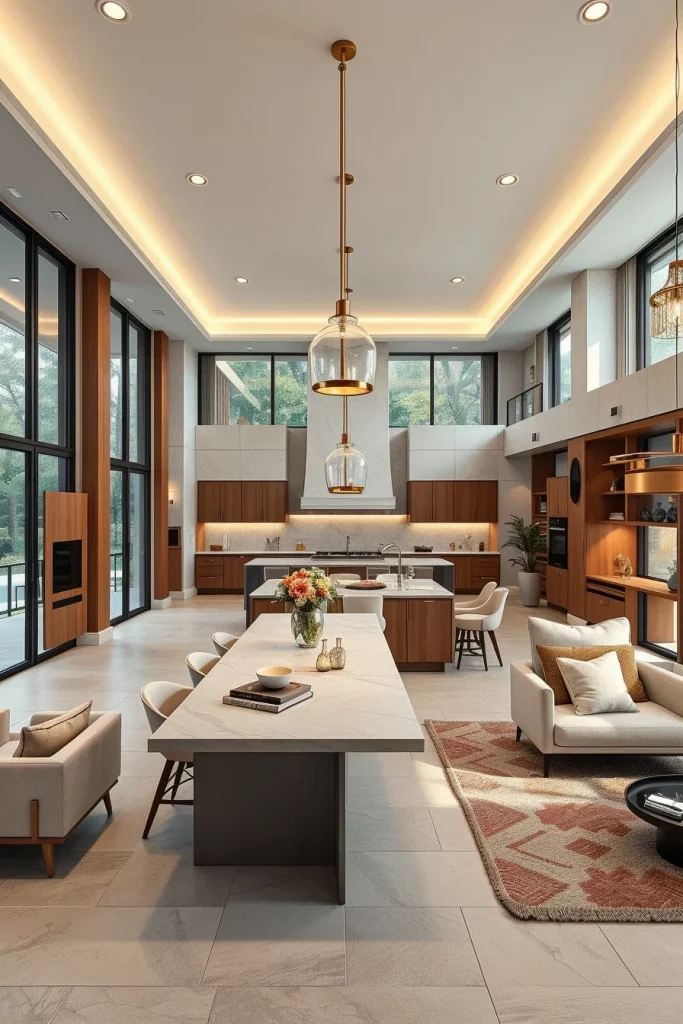
Personally, I appreciate layouts that encourage conversation while preparing meals. Interior designers often recommend prioritizing functionality before aesthetics, and I have found that this approach consistently produces kitchens that remain practical for years while still looking elegant.
To complete this layout, I would include large windows, oversized sliding glass doors, and subtle ceiling treatments that visually define each functional area without interrupting the openness of the design.
Statement Kitchen Islands That Define The Space
A statement island often becomes the centerpiece of a high-end modern kitchen because it combines beauty with exceptional functionality. I see the island as much more than additional workspace—it serves as a gathering place, an architectural feature, and the visual anchor that organizes the entire room. Large proportions and carefully selected materials immediately create a luxurious impression.
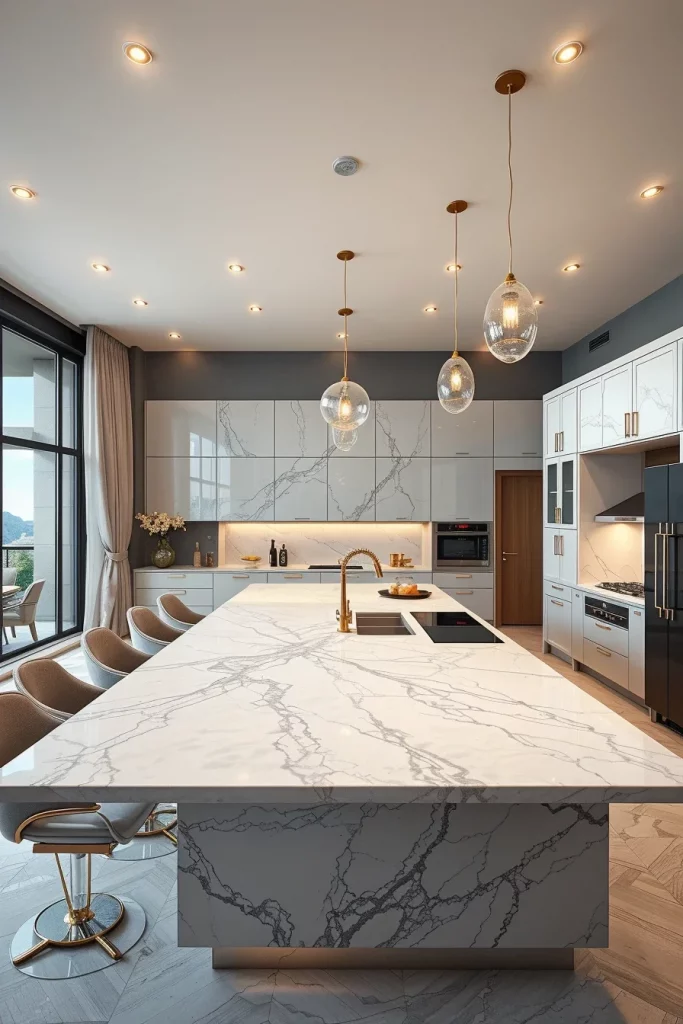
I recommend designing the island with waterfall stone edges, integrated seating, hidden storage, electrical outlets, and generous preparation space. Premium natural stone with striking veining creates a dramatic focal point, while custom cabinetry underneath provides organized storage without sacrificing elegance. Comfortable bar seating transforms the island into a place for casual dining, conversation, or working from home.
In my opinion, investing in an oversized island is worthwhile whenever the room allows it. Many leading kitchen designers suggest making the island proportional to the overall space rather than simply maximizing its size. I completely agree because proper scale creates a more harmonious interior.
If space permits, I would also integrate a secondary prep sink, wine refrigerator, or induction cooktop into the island, making it even more practical while preserving its clean contemporary appearance.
Premium Cabinet Designs With Seamless Finishes
Premium cabinetry defines the personality of a luxury kitchen more than almost any other element. I always look for perfectly aligned cabinet fronts, flawless finishes, and custom craftsmanship that creates a continuous visual surface throughout the room. Seamless cabinetry contributes to a minimalist aesthetic while maximizing storage efficiency.
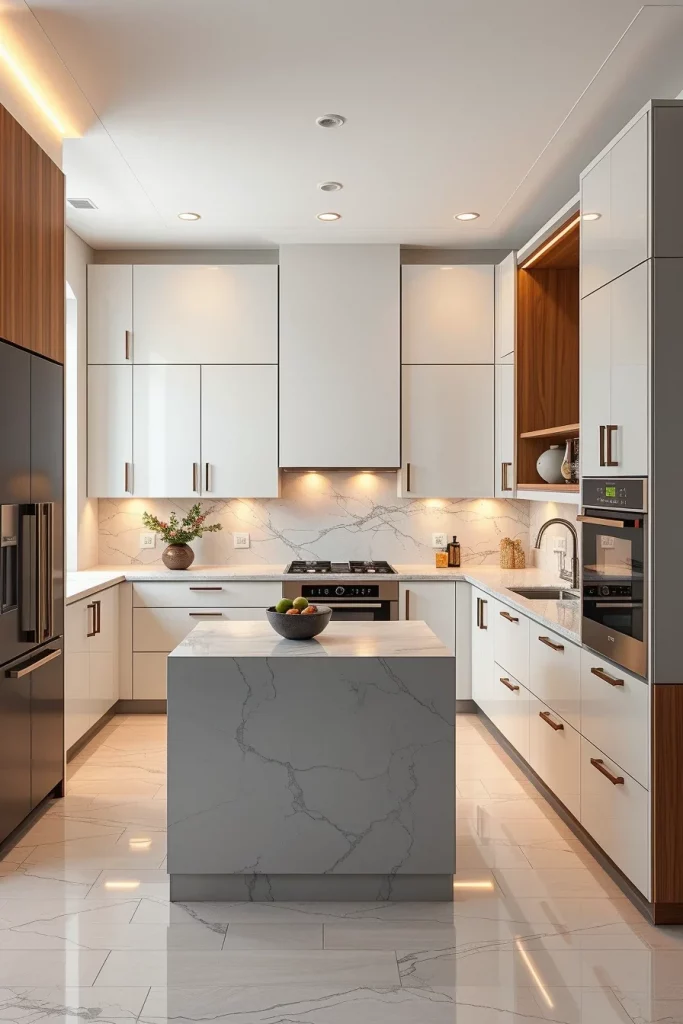
I often recommend full-overlay doors, handleless opening systems, hidden hinges, integrated lighting, and custom interior organizers. Matte lacquer, natural wood veneers, textured finishes, smoked glass, and precision-engineered hardware all contribute to a refined appearance. Every cabinet should feel intentional, from deep drawers for cookware to specialized compartments for utensils and small appliances.
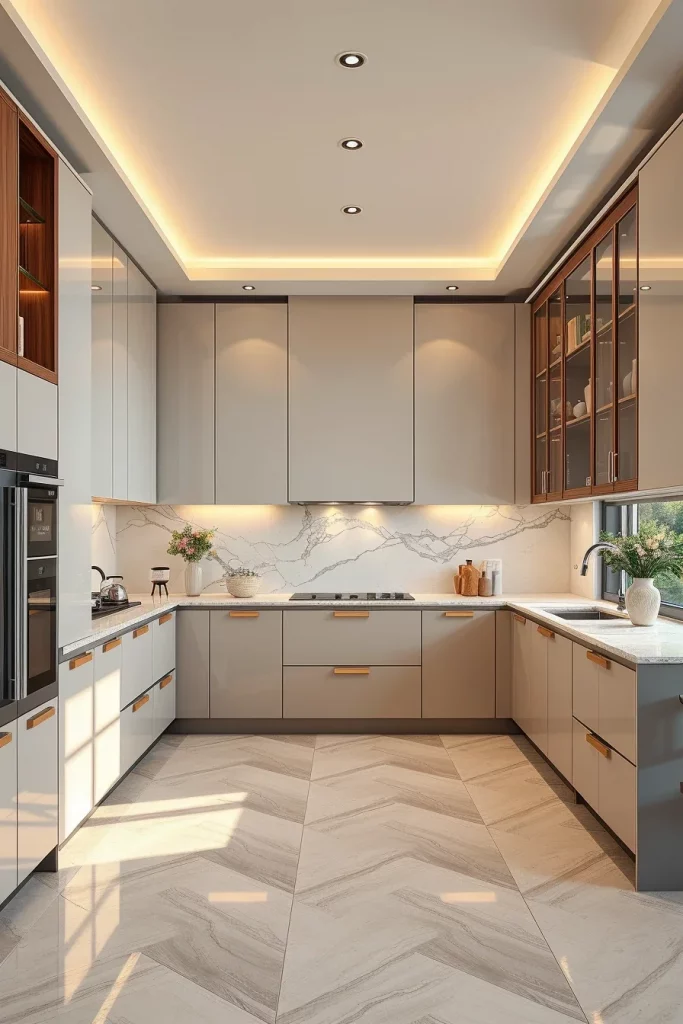
From my experience, quality cabinetry is one of the best long-term investments in any renovation. Professional kitchen designers frequently emphasize that superior construction is just as important as beautiful finishes because cabinets are used every day for many years.
To make these cabinets even more functional, I would include built-in charging stations, concealed recycling systems, pull-out pantry storage, and custom drawer dividers designed specifically for the homeowner’s lifestyle.
Floor-To-Ceiling Cabinetry For A Sleek Look
Whenever ceiling height allows, I strongly recommend floor-to-ceiling cabinetry because it immediately makes the kitchen appear larger, cleaner, and more sophisticated. Full-height cabinets eliminate awkward empty spaces above standard cabinetry while creating strong vertical lines that emphasize architectural elegance. The result is a seamless wall of storage that feels custom-designed for the home.
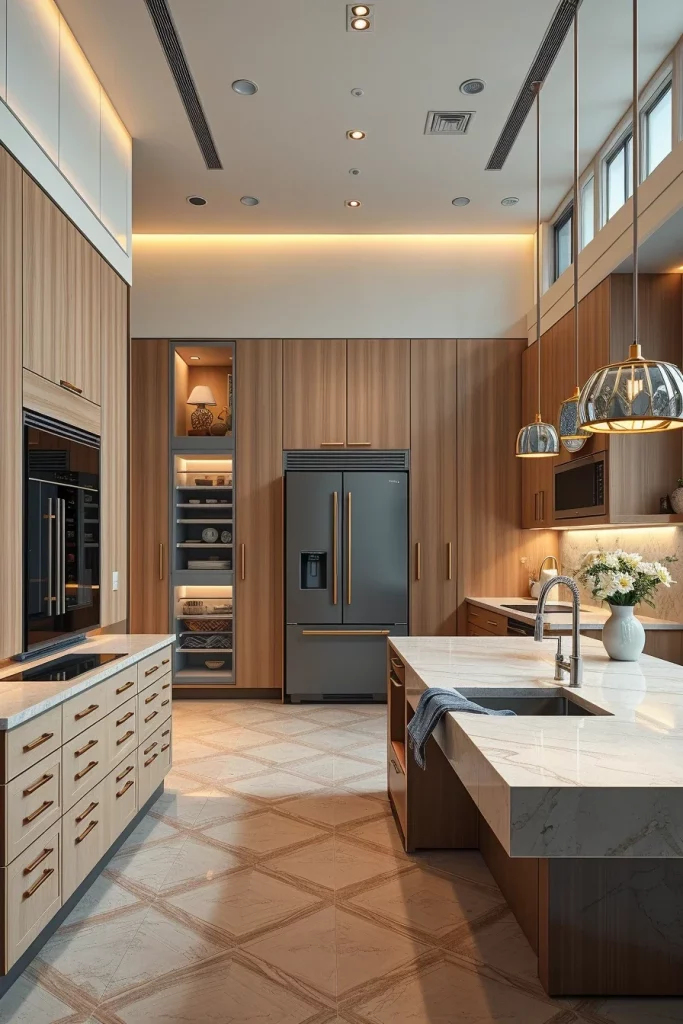
I typically combine tall pantry cabinets, integrated refrigeration, appliance garages, and concealed storage behind matching cabinet fronts. This approach keeps countertops clear while maximizing every inch of available storage. Soft interior lighting, adjustable shelving, and carefully planned compartments ensure that even upper cabinets remain practical for everyday use.
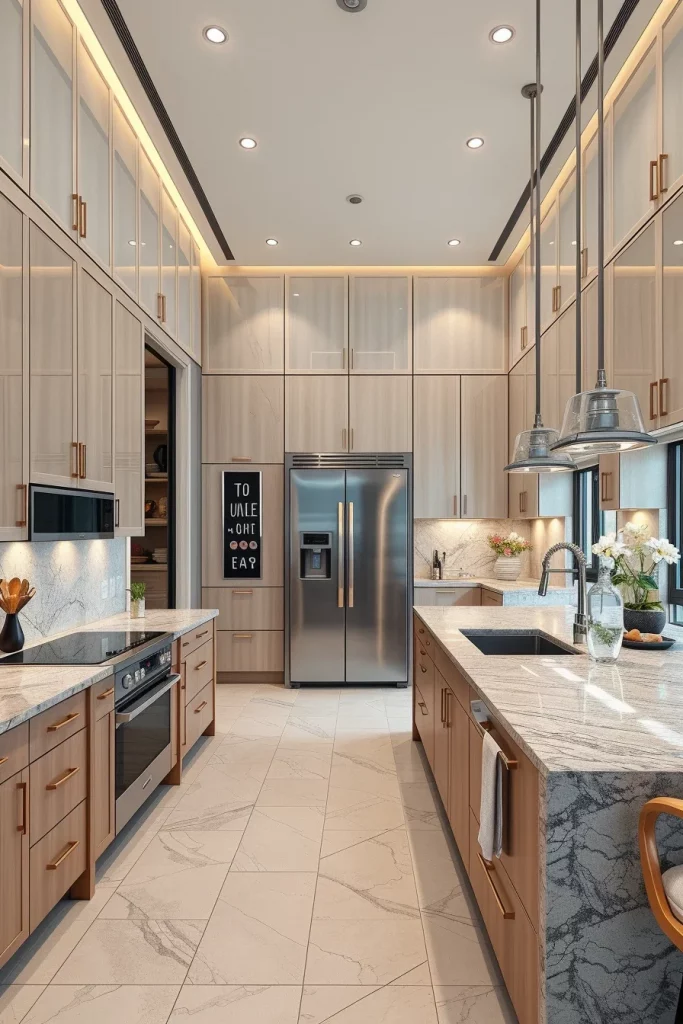
I have noticed that many luxury homes featured by respected interior design publications rely on full-height cabinetry to achieve a calm, uncluttered appearance. Rather than displaying numerous decorative accessories, they allow premium materials and precise craftsmanship to become the primary design statement.
I would also consider extending matching panels around doorways or integrating hidden passage doors into the cabinetry whenever possible. These architectural details further strengthen the seamless, custom-built appearance of the entire kitchen.
Modern Color Palettes For Upscale Kitchens
I believe that color is one of the most influential elements in a high-end modern kitchen because it sets the atmosphere before anyone notices the furniture or finishes. Rather than relying on bold contrasts, I prefer sophisticated palettes that create depth through subtle variations in tone and texture. Warm whites, soft taupes, charcoal gray, deep espresso, greige, muted olive, and rich black create interiors that feel timeless while allowing premium materials to stand out naturally. A carefully balanced palette also makes the kitchen appear larger and more harmonious.
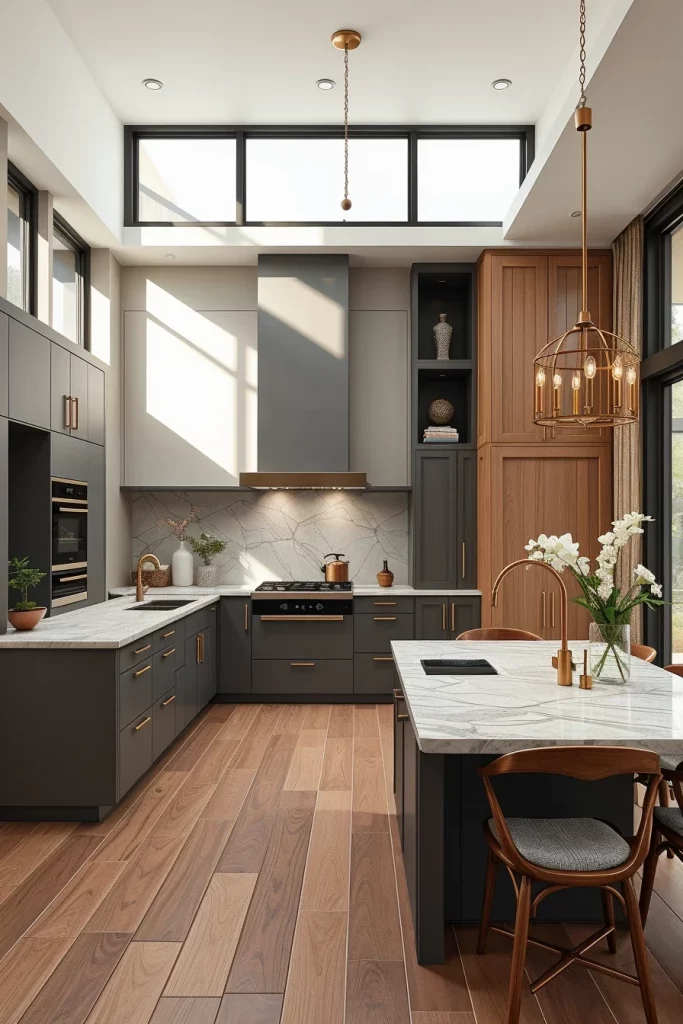
When selecting finishes, I combine matte cabinetry with natural stone countertops, textured backsplashes, brushed metal fixtures, and warm wood accents. This combination prevents the room from feeling flat while maintaining a calm and elegant appearance. I also recommend keeping large surfaces within the same color family and introducing contrast through lighting, seating, or decorative accessories rather than excessive color changes. This creates a sophisticated environment that remains visually comfortable for everyday living.
In my experience, restrained color palettes age much better than fashionable color trends. Designers featured in Elle Decor often recommend building a luxury interior around timeless neutral foundations that can easily adapt to changing accessories over time. I agree with this approach because it allows homeowners to refresh the kitchen without replacing expensive cabinetry or countertops.
To complete this color scheme, I would include coordinated window treatments, subtle decorative ceramics, natural greenery, and carefully selected artwork that complements the overall palette without overwhelming the space.
Natural Stone Countertops With Dramatic Veining
Natural stone countertops instantly communicate quality and craftsmanship in a high-end modern kitchen. I particularly appreciate surfaces with bold veining because they transform functional countertops into architectural focal points. Whether using marble, quartzite, or premium granite, dramatic stone patterns introduce movement and natural beauty that cannot be perfectly replicated by manufactured materials.
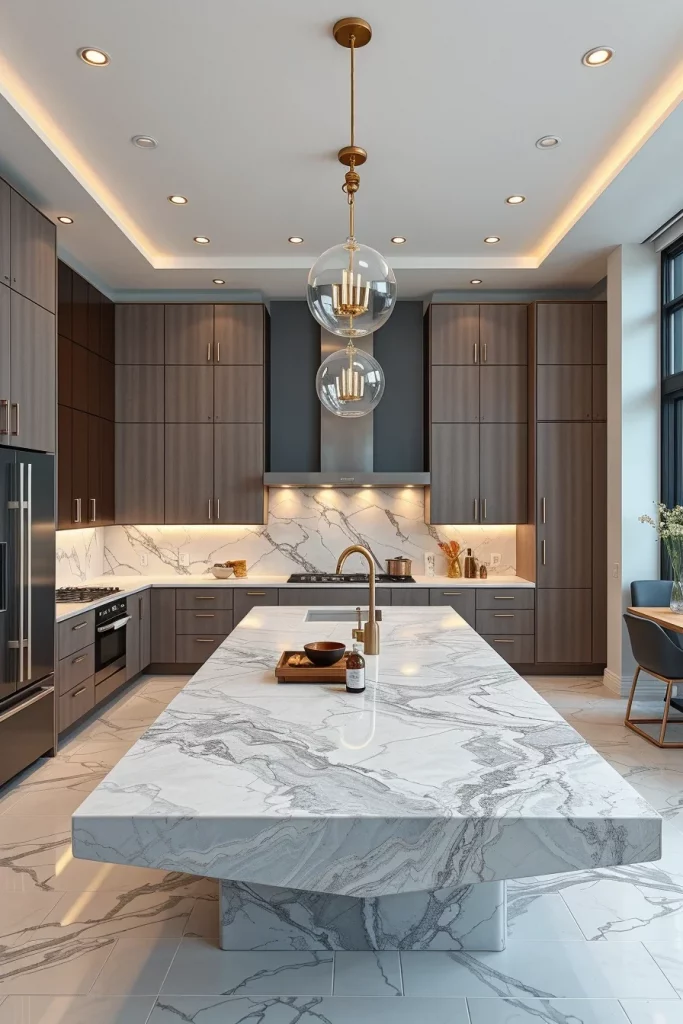
I usually recommend extending the same slab across the backsplash and waterfall island to create a seamless appearance. This continuous application highlights the natural veining while reducing unnecessary visual interruptions. Premium stone also pairs beautifully with integrated sinks, concealed outlets, and minimalist fixtures, reinforcing the clean contemporary aesthetic. Proper sealing and routine maintenance ensure that these surfaces remain beautiful for many years.
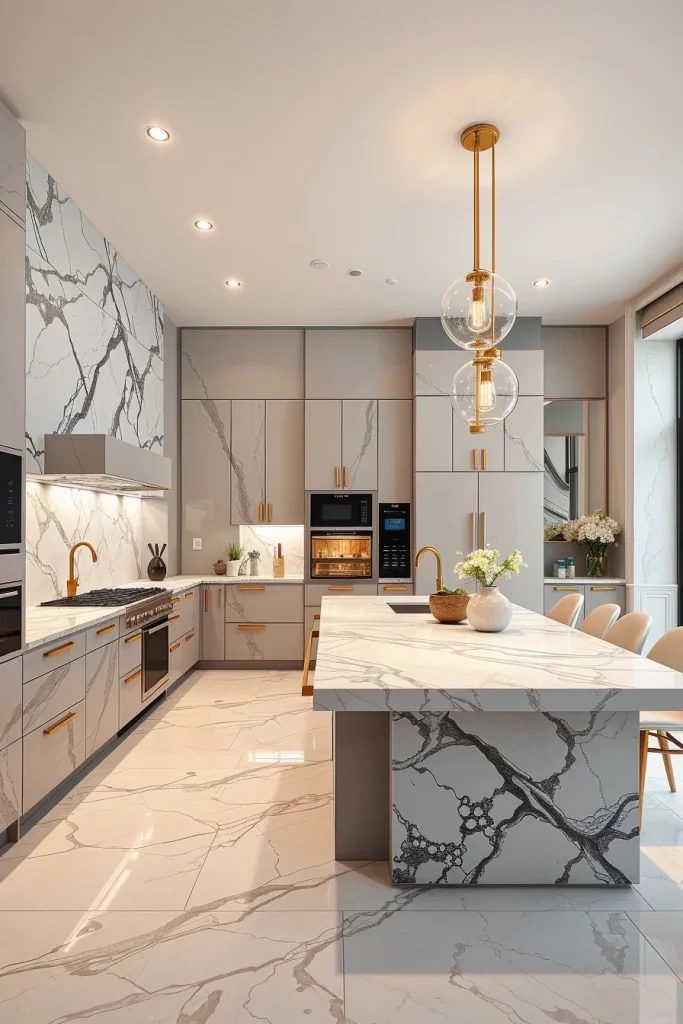
Personally, I believe investing in exceptional stone is worthwhile because it becomes one of the defining visual features of the entire kitchen. Many respected interior designers recommend selecting stone first and coordinating cabinetry around it rather than treating the countertop as a secondary decision. I have found this strategy produces more balanced and sophisticated interiors.
I would also consider adding open shelving with subtle integrated lighting nearby so the natural texture and veining of the stone remain the primary visual attraction throughout the space.
Integrated Appliances For A Clean Contemporary Style
One of the defining characteristics of a modern luxury kitchen is the absence of visual clutter, and integrated appliances play a major role in achieving this effect. I prefer concealing refrigerators, dishwashers, and even coffee stations behind matching cabinet panels so that the kitchen reads as one continuous architectural composition. This creates a calm environment where the cabinetry becomes the dominant design feature rather than individual appliances.
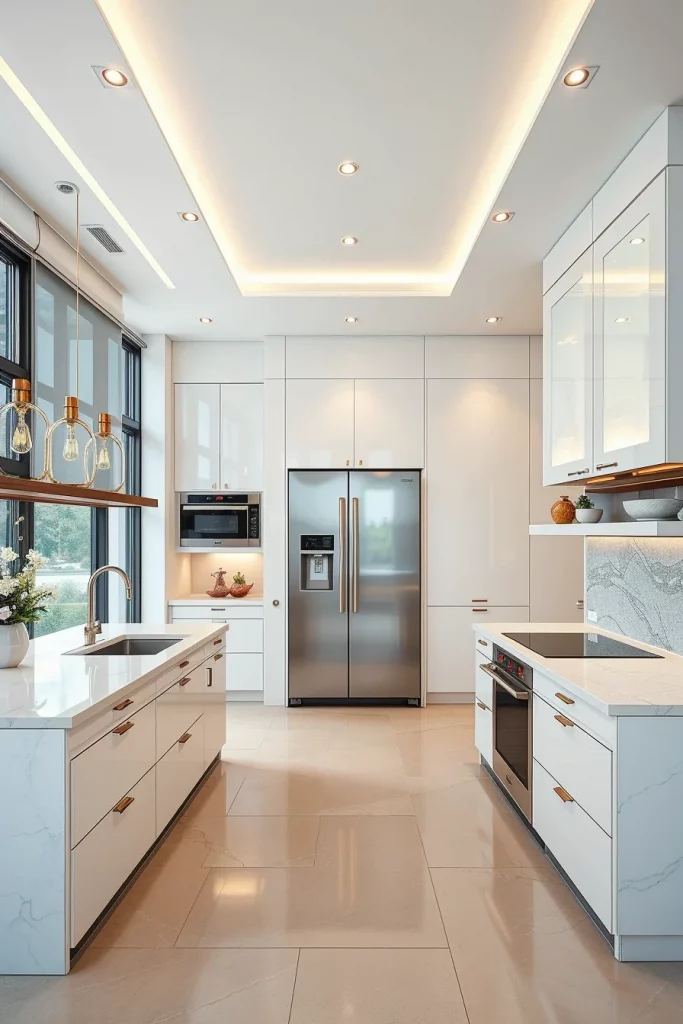
I typically combine panel-ready refrigeration, built-in ovens, induction cooktops, integrated ventilation, hidden microwaves, and appliance garages to maintain clean surfaces throughout the room. Carefully positioned storage allows small appliances to remain accessible while staying completely out of sight when not in use. This balance between convenience and aesthetics significantly improves the overall experience of using the kitchen.
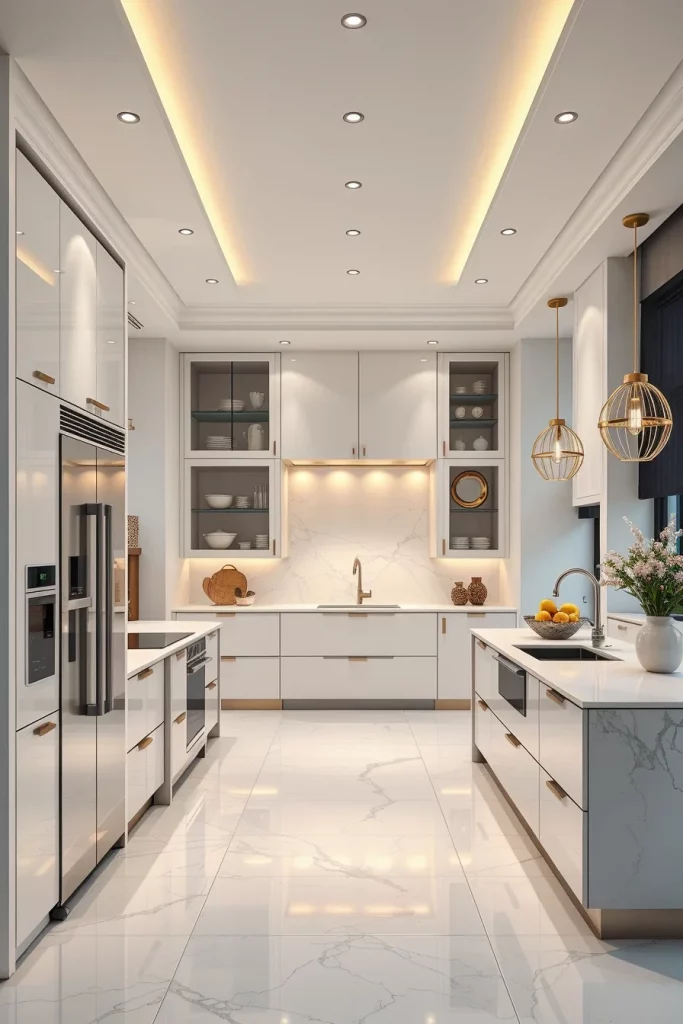
From my perspective, integrated appliances make even moderately sized kitchens appear more spacious because uninterrupted cabinet lines visually expand the room. Kitchen experts frequently recommend this approach in premium renovations because it creates a custom-built appearance that remains elegant for decades.
I would also include hidden charging drawers, concealed recycling compartments, and integrated water filtration systems to improve everyday functionality without compromising the minimalist design.
Smart Kitchen Technology For Everyday Convenience
Technology has become an essential component of every high-end modern kitchen, but I believe it should remain almost invisible. The most successful smart kitchens simplify everyday routines without introducing unnecessary complexity. Voice-controlled lighting, automated climate systems, intelligent appliances, and discreet charging solutions allow the space to function more efficiently while preserving its refined appearance.
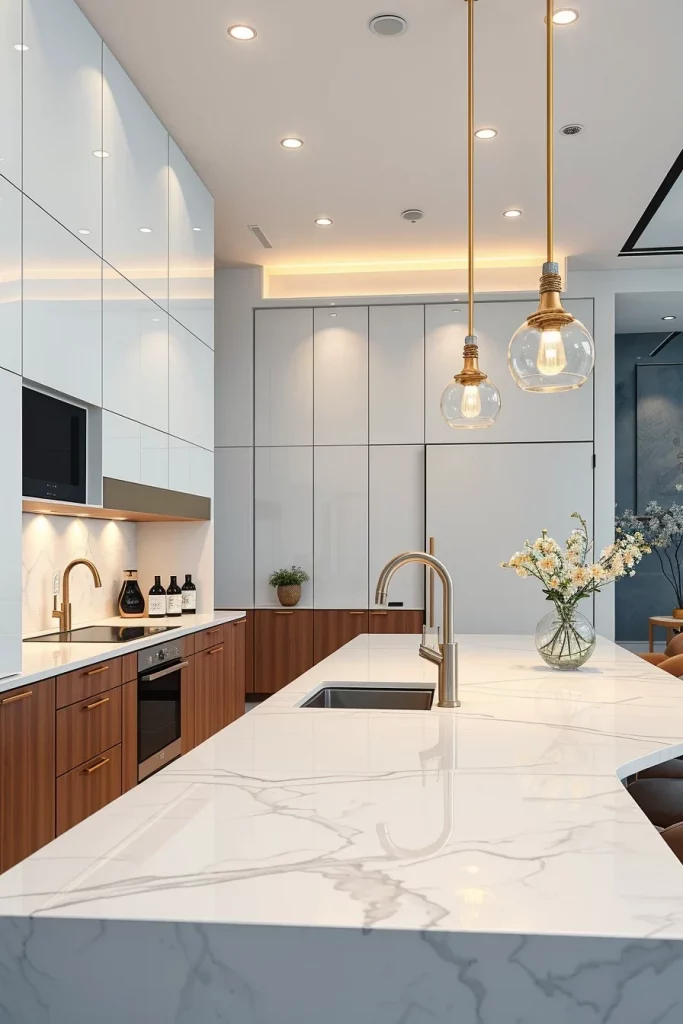
I recommend incorporating smart ovens, connected refrigerators, touchless faucets, wireless charging stations, automated lighting controls, and programmable ventilation systems. These technologies improve cooking efficiency, reduce energy consumption, and provide greater flexibility for busy households. Hidden control panels and mobile applications allow homeowners to operate many systems without disrupting the clean design of the room.
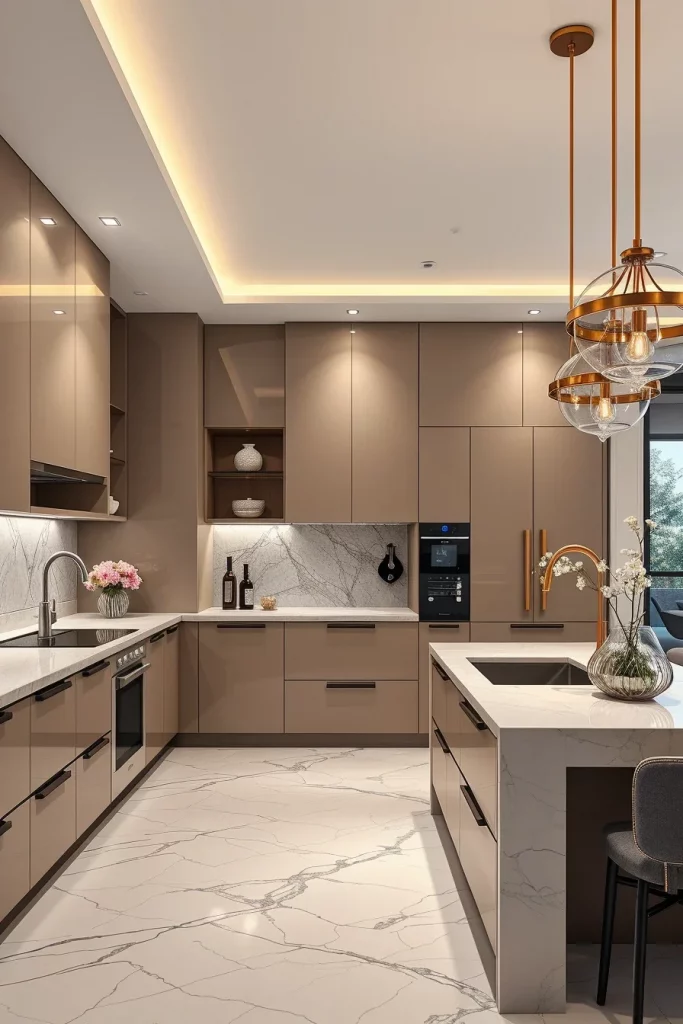
In my opinion, technology should always support the homeowner rather than become the focal point of the kitchen. Design professionals frequently suggest investing in reliable systems that will continue receiving software updates and long-term support instead of purchasing every available smart feature. I think this creates a more dependable and enjoyable experience.
I would further enhance this kitchen by integrating motorized window shades, intelligent pantry inventory systems, and customizable lighting scenes that automatically adjust throughout the day.
Designer Lighting Ideas For High-End Kitchens
Lighting is the finishing element that transforms an attractive kitchen into an exceptional one. I approach lighting as a layered design strategy rather than relying on a single source of illumination. By combining ambient, task, and accent lighting, I can highlight architectural details, improve functionality, and create a welcoming atmosphere for every activity throughout the day.
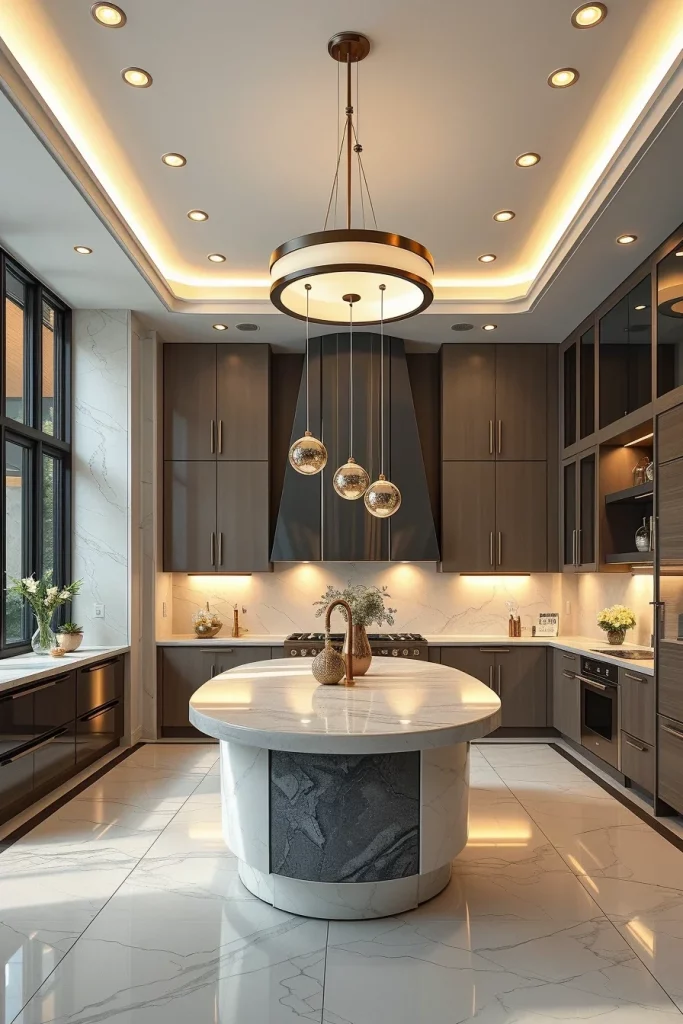
I usually specify oversized pendant lights above the island, recessed ceiling lighting, under-cabinet LED strips, illuminated display shelving, and discreet toe-kick lighting. Decorative fixtures become sculptural focal points while task lighting ensures comfortable food preparation. Warm color temperatures and dimmable controls allow the mood of the kitchen to change effortlessly between cooking, entertaining, and relaxing.
I have found that professionally planned lighting dramatically improves how premium materials appear. Publications such as Architectural Digest often emphasize that even the finest cabinetry and natural stone lose much of their impact without thoughtful illumination. I completely agree because lighting reveals texture, depth, and craftsmanship that may otherwise go unnoticed.
To finish this lighting plan, I would include smart dimming controls, statement chandeliers for larger kitchens, and subtle architectural lighting that softly highlights ceiling details, open shelving, and textured wall surfaces without creating glare.
Minimalist Hardware And Handleless Cabinet Trends
One of the first features I recommend when designing a high-end modern kitchen is handleless cabinetry with perfectly aligned surfaces. This approach immediately creates a calm, architectural appearance that makes the entire room feel larger and more refined. Instead of allowing decorative hardware to dominate the design, I prefer clean cabinet fronts that emphasize proportion, premium materials, and flawless craftsmanship. Integrated finger pulls or push-to-open mechanisms help maintain uninterrupted lines while making the kitchen practical for everyday use.
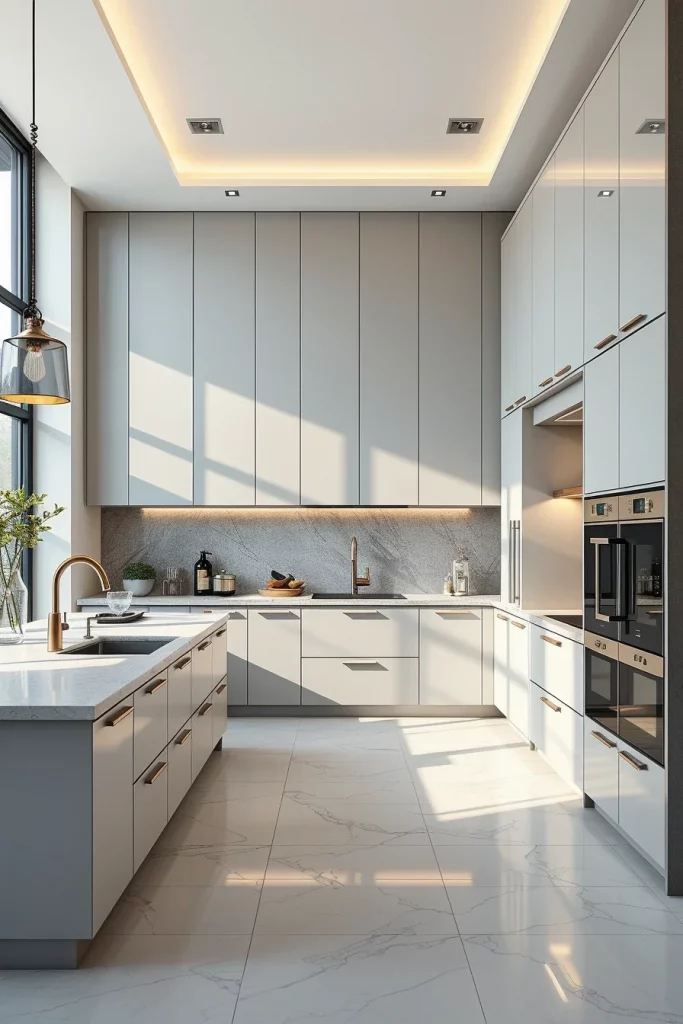
I usually combine matte lacquer, natural stone, textured wood veneers, and satin metal accents to give the cabinetry visual depth without overwhelming the space. Full-height cabinets maximize storage while concealing appliances behind matching panels, allowing the room to appear seamless from every angle. Soft-close drawers, interior organizers, hidden lighting, and precision joinery improve functionality without affecting the minimalist appearance. Every cabinet should contribute to both aesthetics and efficiency.
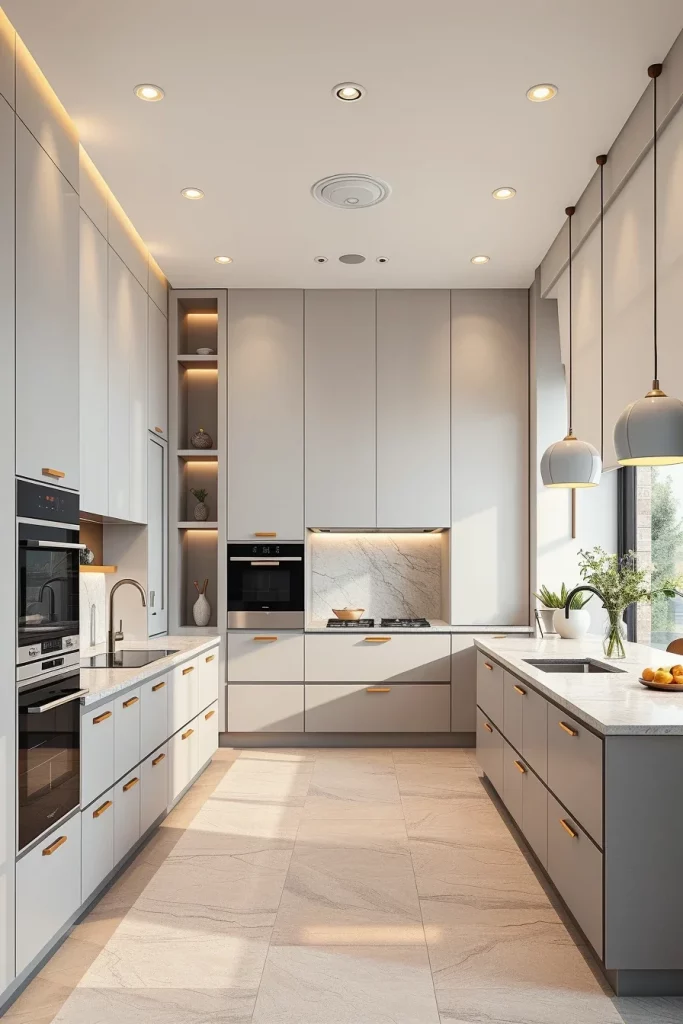
I appreciate the design philosophy often highlighted by Architectural Digest and leading American interior designers, who consistently emphasize restraint instead of unnecessary decoration. In my experience, investing in exceptional cabinetry produces a more timeless result than following temporary design trends. The simplicity of handleless cabinets allows statement lighting, natural stone, and carefully selected furniture to become the visual focal points.
I would also include integrated charging stations, concealed power outlets, and interior drawer lighting because these practical additions improve daily convenience while preserving the clean appearance that defines a premium contemporary kitchen.
Custom Backsplash Designs That Elevate The Interior
A custom backsplash is one of my favorite opportunities to introduce personality into a luxury kitchen while maintaining visual harmony. Rather than treating the backsplash as a separate decorative element, I prefer extending the countertop material vertically to create one continuous surface. This approach gives the room a custom-built appearance and highlights the beauty of premium materials.
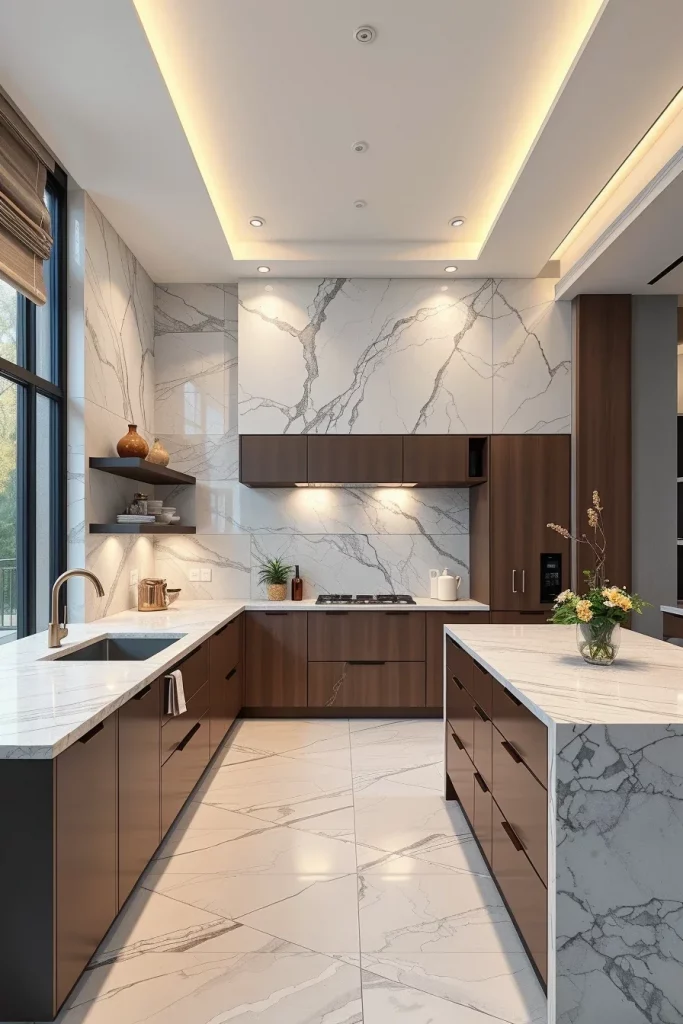
Large porcelain slabs, natural quartzite, marble-look sintered stone, or bookmatched stone panels create dramatic yet sophisticated visual interest. I often extend the backsplash behind floating shelves, concealed outlets, and integrated lighting to ensure every detail feels intentional. Keeping grout lines to a minimum also enhances cleanliness while reinforcing the modern aesthetic.
Many respected interior publications, including House Beautiful, recommend choosing durable materials that combine elegance with long-term performance. I agree with this approach because the backsplash experiences daily exposure to moisture, heat, and cooking splashes. Selecting premium surfaces ensures the kitchen remains beautiful for many years with minimal maintenance.
I also recommend adding subtle LED lighting beneath upper cabinets or open shelving to emphasize the texture, veining, or natural movement within the backsplash material during the evening.
Elegant Kitchen Flooring For A Refined Finish
Flooring establishes the visual foundation of every luxury kitchen, and I believe it deserves as much attention as cabinetry or countertops. I usually recommend large-format porcelain tiles or premium engineered hardwood because both options provide a sophisticated appearance while supporting everyday durability. Fewer grout joints create a cleaner visual effect and make the room appear more expansive.
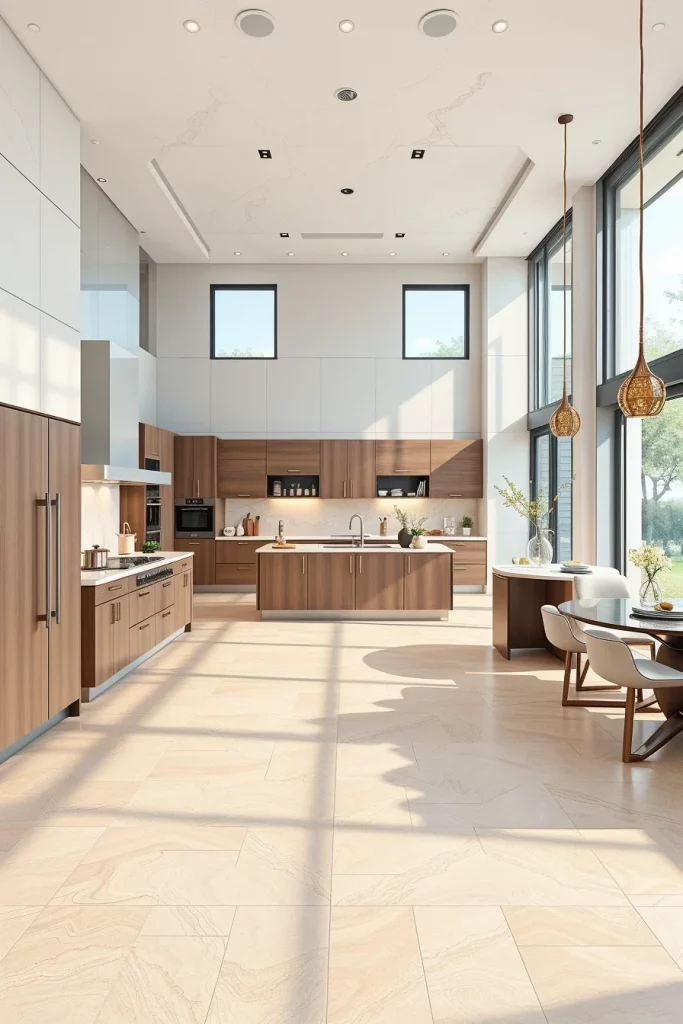
The flooring should complement the cabinetry instead of competing with it. Soft neutral colors, subtle stone textures, and consistent finishes allow furniture, lighting, and architectural details to stand out naturally. Radiant floor heating adds comfort while remaining completely hidden, making it one of the most worthwhile investments in upscale kitchen design. I also appreciate slip-resistant finishes that improve safety without changing the elegant appearance.
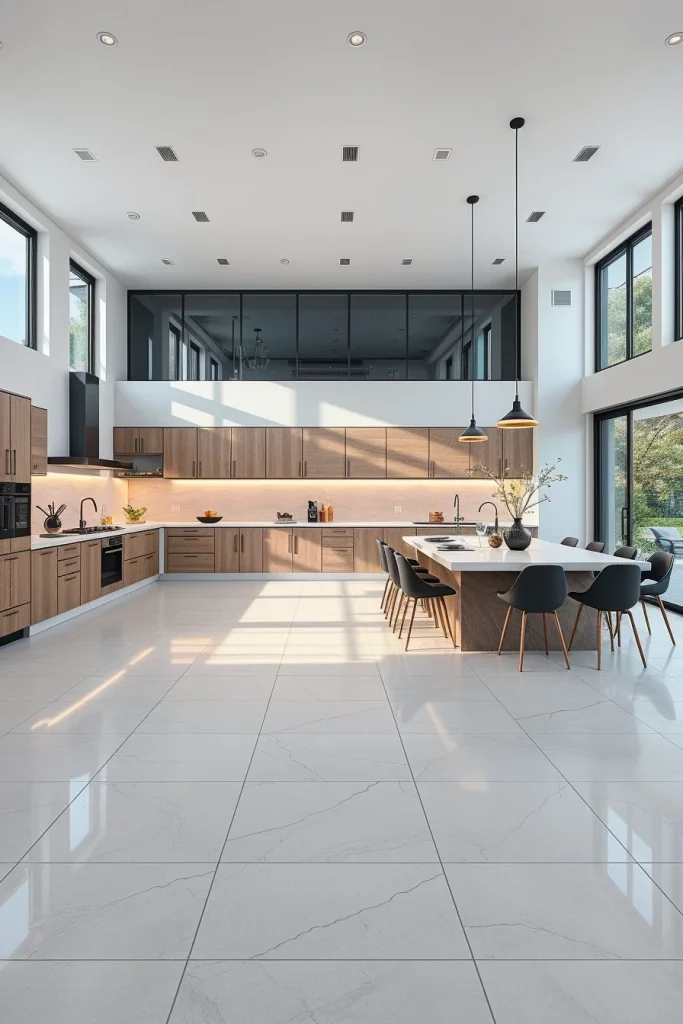
Professional designers frequently recommend maintaining visual continuity between adjacent living spaces, and I have found this advice especially valuable in open-concept homes. Using the same flooring throughout connected spaces creates a seamless transition that enhances the feeling of spaciousness and architectural balance.
To complete this section, I would include discreet floor vents, flush thresholds, and carefully selected baseboards because these finishing details reinforce the polished appearance expected in a premium kitchen.
Mixed Materials That Add Depth And Texture
One design principle I consistently rely on is combining complementary materials to create warmth, depth, and visual sophistication. A kitchen becomes far more interesting when smooth stone, textured wood, brushed metals, smoked glass, and matte finishes interact naturally. Instead of relying on a single surface throughout the room, I carefully balance contrasting textures while maintaining a restrained color palette.
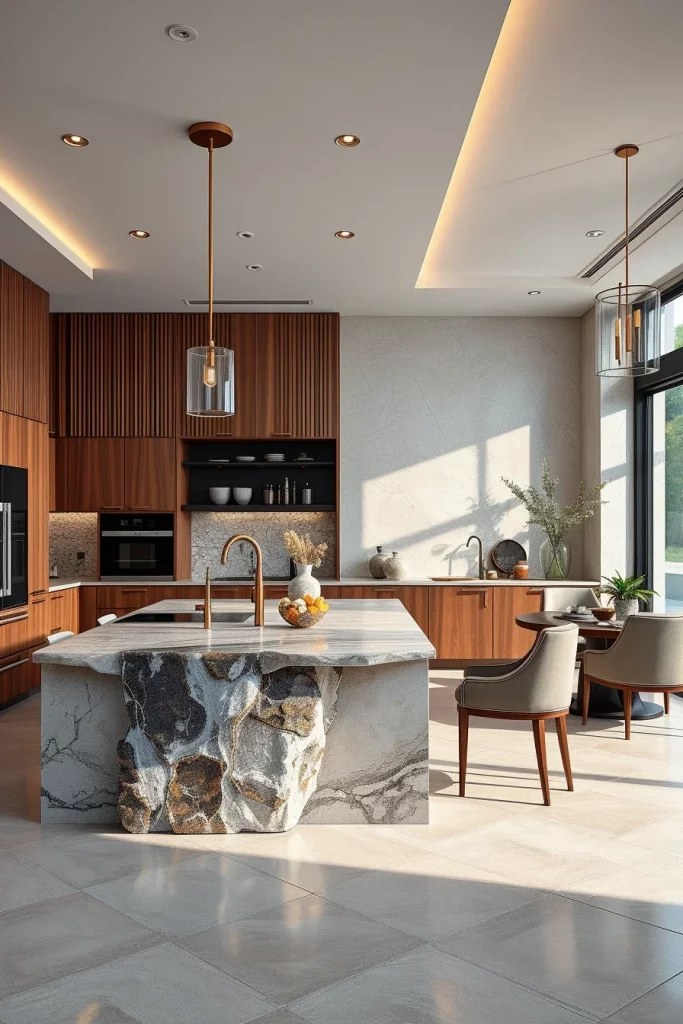
For example, I often combine waterfall stone islands with ribbed wood cabinetry, bronze accents, upholstered dining chairs, and textured plaster walls. This layered approach creates visual richness without making the room feel busy. Carefully selected materials also improve the tactile experience, making every surface feel intentional and luxurious.
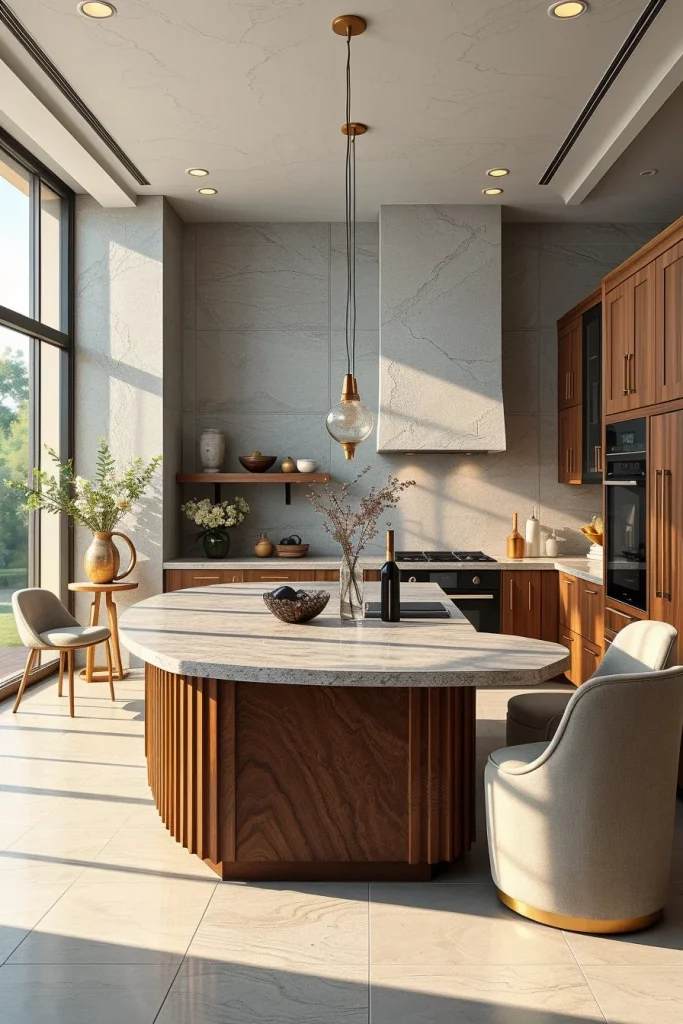
Interior designers featured by Elle Decor frequently emphasize layering materials instead of introducing excessive color variation. I completely agree because texture creates lasting sophistication while bold color trends often become outdated. By focusing on material quality, the kitchen maintains its elegance regardless of changing design fashions.
I would also incorporate carefully selected decorative accessories such as handcrafted ceramic pieces, sculptural bowls, and understated artwork to strengthen the layered aesthetic without overwhelming the clean architectural composition.
Oversized Windows And Natural Light Concepts
Natural light has the power to transform every element of a modern kitchen, which is why I always prioritize oversized windows whenever the architecture allows. Large glazing creates a stronger connection between the interior and outdoor landscape while making premium materials appear richer throughout the day. Sunlight reveals subtle textures, enhances stone veining, and gives the kitchen a welcoming atmosphere.
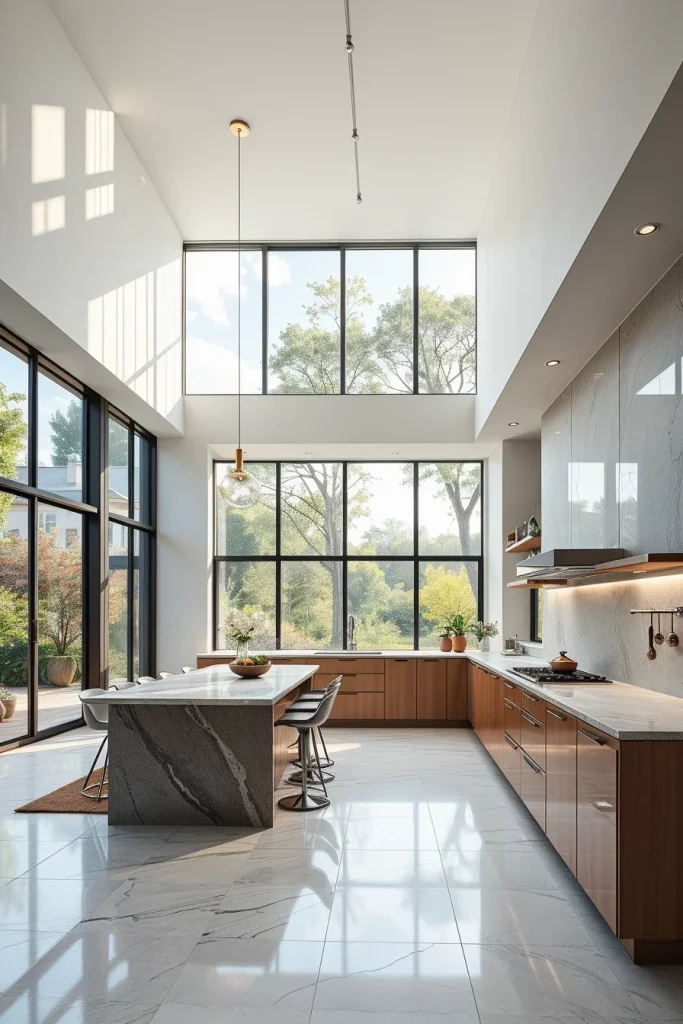
I typically position the main island to face the windows so cooking, entertaining, and everyday family activities benefit from natural daylight. Slim window frames, concealed roller shades, and high-performance glazing preserve unobstructed views while improving energy efficiency. When privacy is necessary, I prefer automated translucent shades that soften incoming light without blocking it completely.
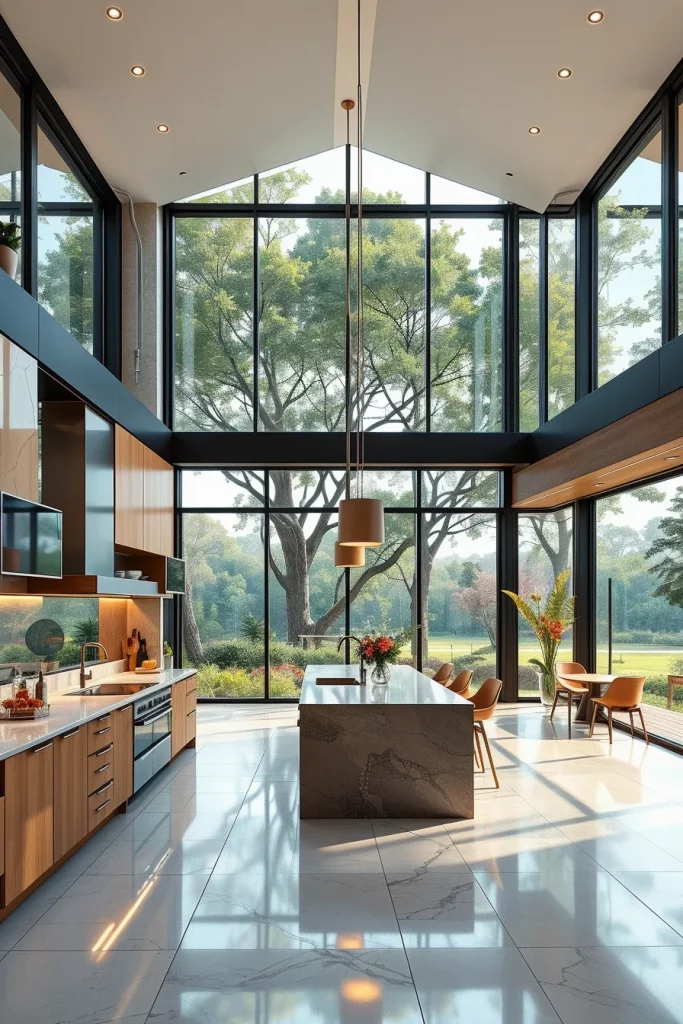
Many leading American designers encourage maximizing daylight before relying on artificial lighting, and my own experience strongly supports this philosophy. Kitchens with abundant natural illumination feel healthier, more spacious, and significantly more enjoyable to use throughout every season.
To complete the design, I recommend adding layered artificial lighting that includes recessed ceiling fixtures, under-cabinet illumination, pendant lighting, and interior cabinet lighting so the room remains equally functional after sunset.
Luxury Dining Areas Connected To The Kitchen
I believe one of the defining characteristics of a high-end modern kitchen is its seamless connection to the dining area. Rather than treating the kitchen and dining room as separate spaces, I prefer creating one cohesive environment where cooking, entertaining, and everyday living naturally come together. An open layout encourages conversation while allowing every carefully selected material and architectural detail to flow from one area to the next. This creates a welcoming atmosphere that feels both elegant and functional.
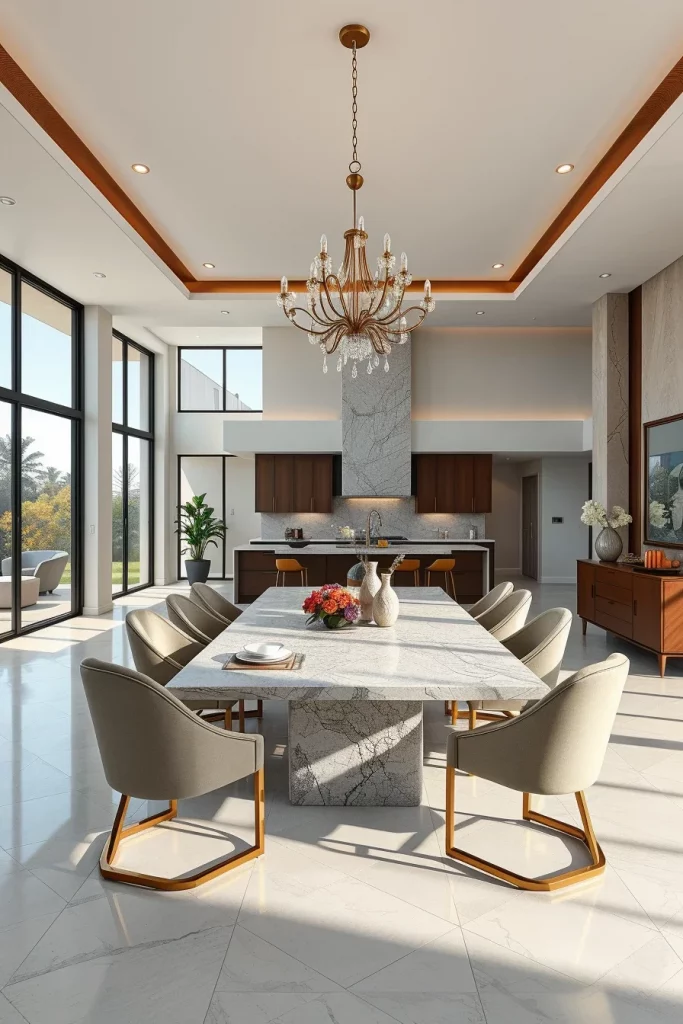
When designing the dining area, I usually select a statement dining table crafted from natural stone, solid wood, or sintered stone with sculptural pedestal bases. Upholstered dining chairs with soft fabrics, refined leather, or boucle textures introduce comfort without compromising sophistication. A large contemporary chandelier centered above the table defines the dining zone, while an area rug adds warmth and improves acoustics. I also incorporate custom sideboards or built-in cabinetry that provide additional storage while maintaining visual continuity with the kitchen.
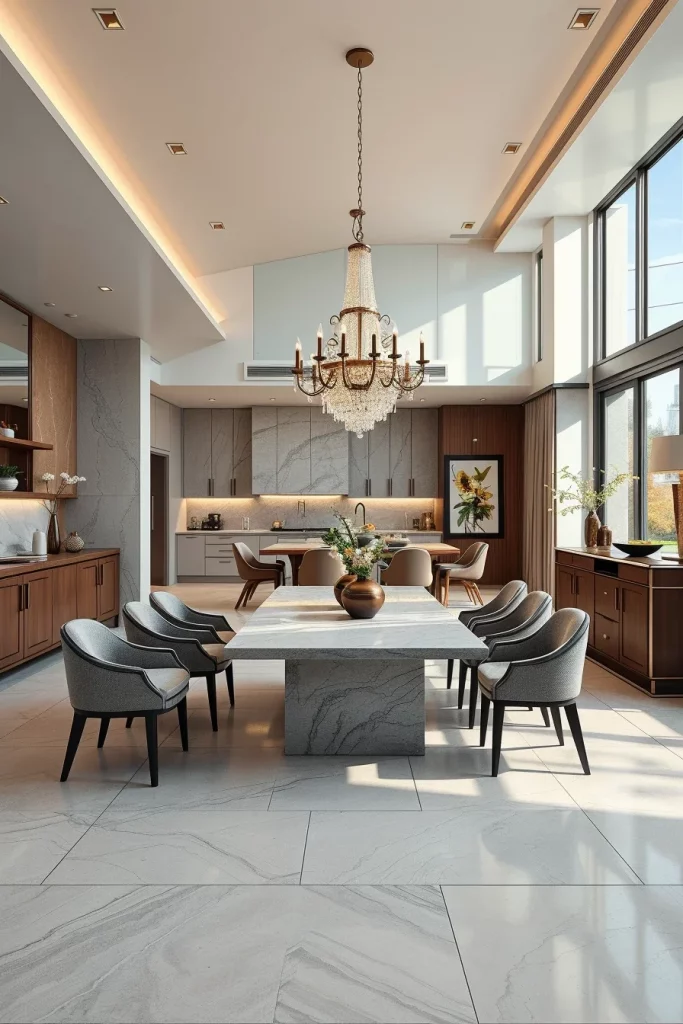
Many American designers featured in publications such as Veranda recommend designing dining spaces that encourage longer gatherings instead of focusing only on visual appeal. I completely agree with this philosophy because luxury should improve everyday living rather than simply impress guests. In my own projects, I always prioritize comfortable seating, generous circulation, and balanced lighting to make the dining area inviting throughout the day.
I would complete this space with carefully selected decorative accessories, oversized artwork, fresh greenery, and dimmable lighting controls that allow the atmosphere to change effortlessly from casual breakfasts to elegant evening dinners.
Hidden Storage Solutions For A Clutter-Free Kitchen
One feature I consistently recommend in every premium kitchen is hidden storage that keeps countertops completely free from unnecessary objects. A clean environment allows expensive finishes and architectural details to become the focal point instead of small appliances or everyday utensils. I find that concealed organization makes the kitchen appear significantly larger while improving efficiency during cooking.
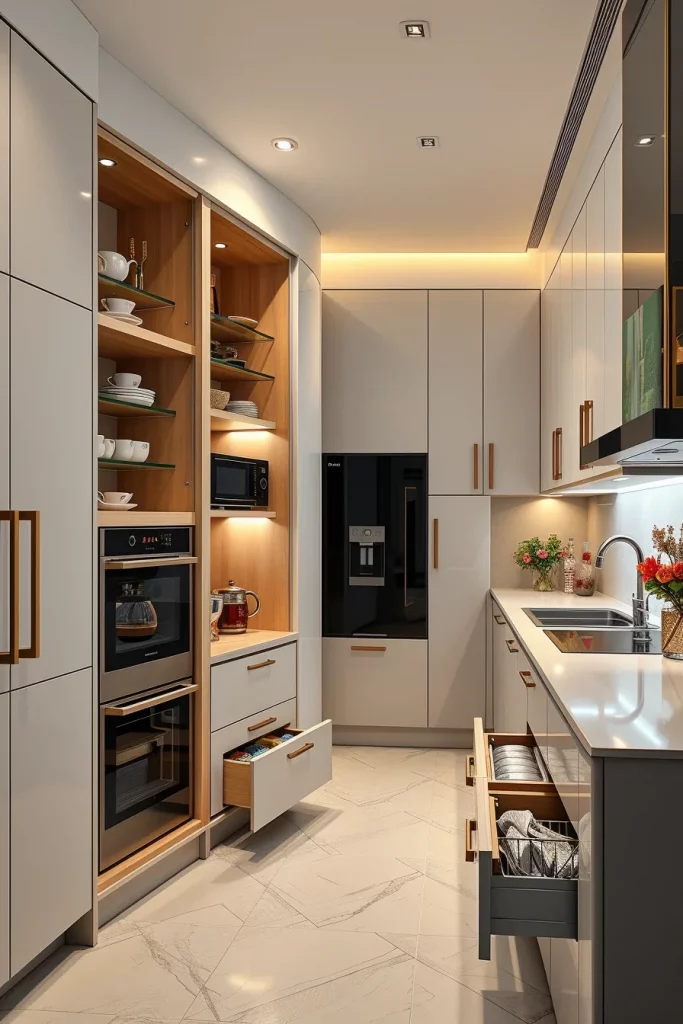
I frequently install appliance garages, pull-out pantry systems, hidden recycling compartments, concealed coffee stations, deep drawer organizers, and vertical storage for baking trays. Custom drawer dividers ensure every utensil has a designated place, while lift-up cabinets provide convenient access to frequently used appliances. Hidden charging stations and integrated cable management also contribute to a cleaner workspace without visible clutter.
Professional kitchen designers often emphasize that luxury is closely connected to organization rather than decoration alone. I share this perspective because a thoughtfully organized kitchen feels more relaxing and enjoyable to use every day. Investing in customized storage solutions often provides greater long-term value than adding purely decorative elements.
I would also recommend incorporating hidden ventilation grilles, concealed paper towel dispensers, and integrated waste sorting systems to preserve the uninterrupted appearance that defines contemporary luxury kitchens.
Walk-In Pantry Designs For Premium Homes
Whenever space allows, I strongly recommend including a walk-in pantry because it dramatically improves both organization and functionality. Instead of filling the main kitchen with food packages and small appliances, the pantry provides a dedicated area where everything remains easily accessible but completely hidden from view. This keeps the primary kitchen visually calm and uncluttered.
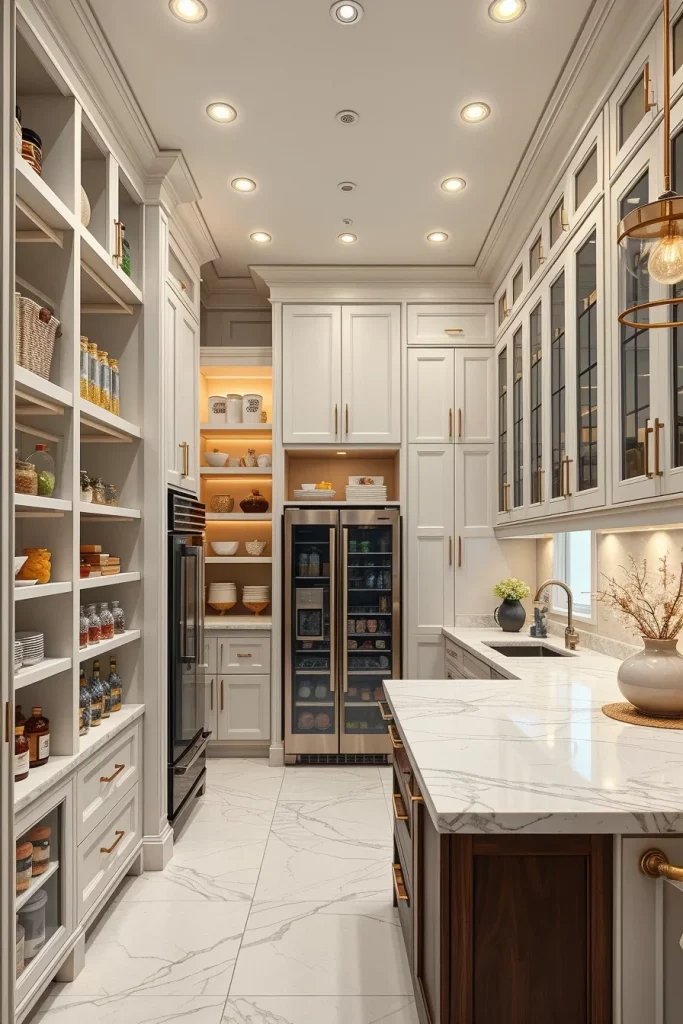
I usually design walk-in pantries with full-height shelving, custom cabinetry, quartz countertops, secondary sinks, beverage refrigerators, microwave drawers, and generous task lighting. Adjustable shelving allows storage to evolve over time, while clear containers and labeled organizers maintain a refined appearance. Matching finishes between the pantry and the kitchen help both spaces feel connected as part of one carefully designed interior.
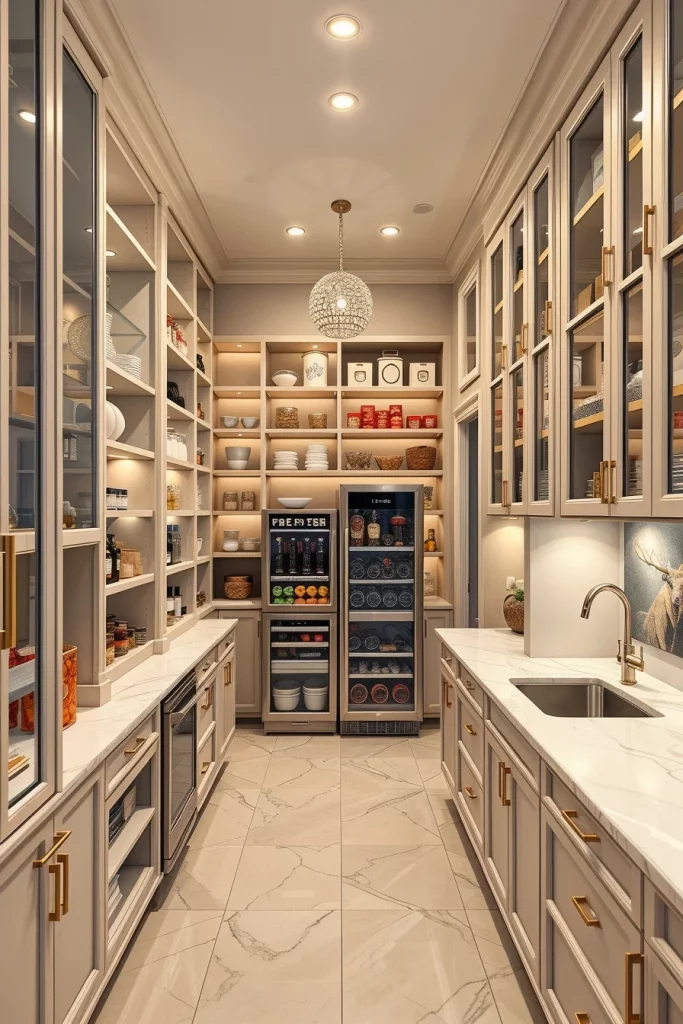
Many luxury home designers recommend treating the pantry as an extension of the kitchen rather than a utility room. I completely agree because homeowners spend considerable time using this space every day. Premium materials, durable countertops, and thoughtful lighting make the pantry as enjoyable as the main kitchen itself.
I also suggest including dedicated storage for serving pieces, seasonal appliances, wine collections, and bulk groceries so the primary kitchen remains elegant regardless of daily activity.
Double Kitchen Islands For Large Luxury Spaces
For expansive homes, I consider double kitchen islands one of the most impressive features available in contemporary design. Separating preparation and entertaining into two distinct islands allows multiple people to cook, socialize, and work simultaneously without interrupting one another. The result is a kitchen that feels exceptionally spacious and highly functional.
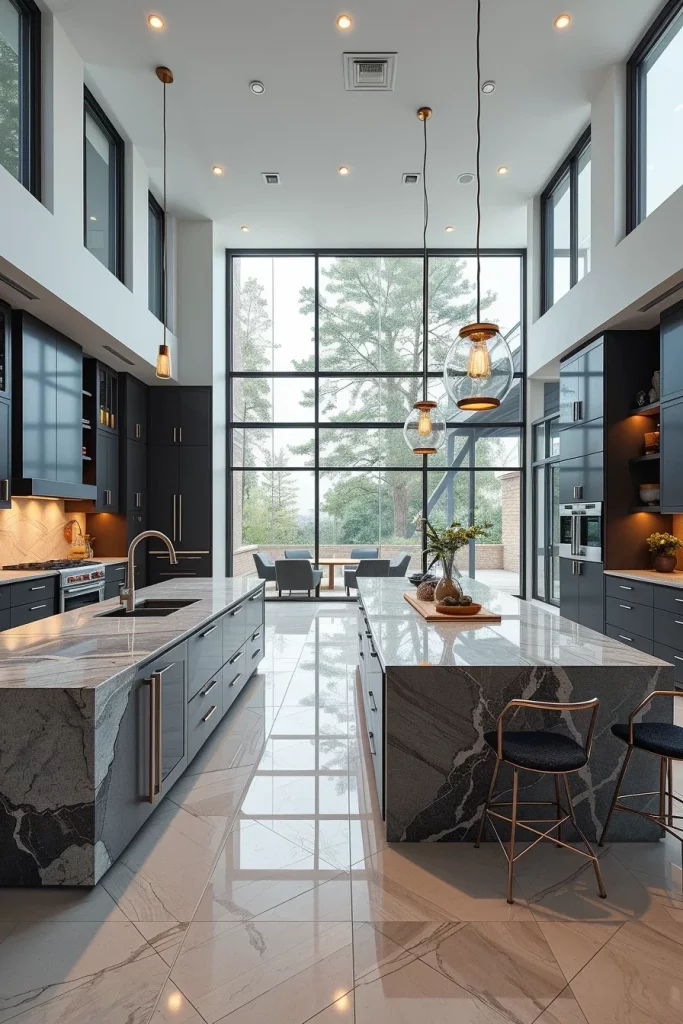
I often dedicate one island to food preparation with an integrated sink, dishwasher, and generous workspace, while the second island becomes a gathering area featuring bar seating, waterfall stone surfaces, and decorative lighting. Premium materials such as quartzite, marble-look porcelain, and natural stone create dramatic visual impact, especially when paired with sculptural pendant fixtures positioned above each island.
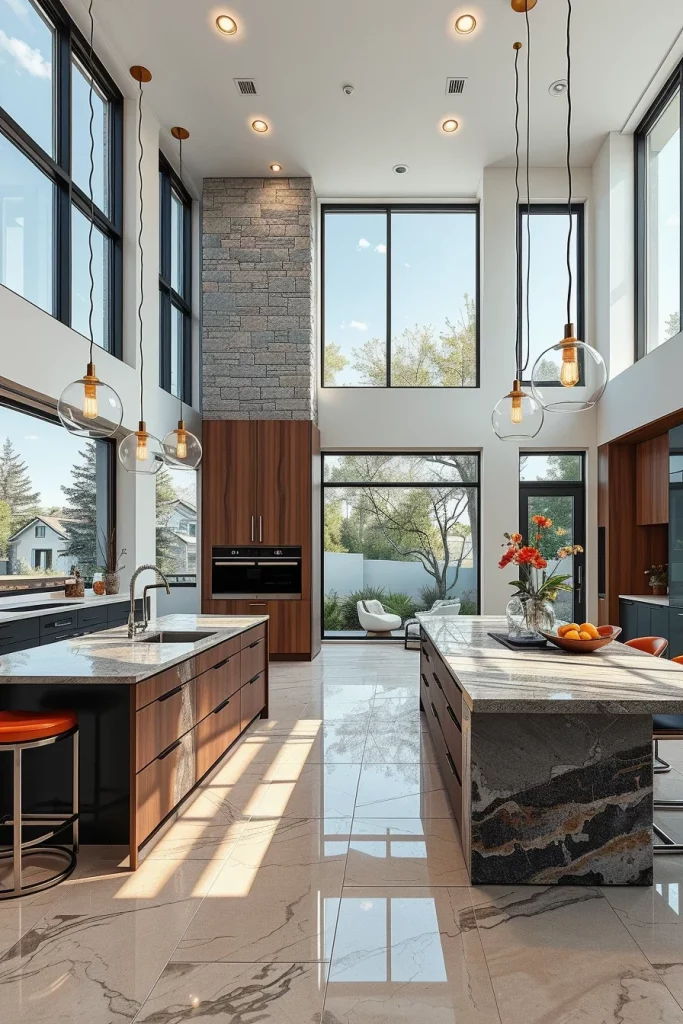
Architectural Digest frequently showcases luxury kitchens that utilize multiple islands to improve workflow while creating memorable entertaining spaces. I appreciate this approach because it balances everyday practicality with sophisticated design. The additional workspace also increases flexibility during family gatherings and holiday celebrations.
To maximize efficiency, I recommend adding integrated electrical outlets, refrigerated drawers, hidden storage, and carefully planned circulation around both islands so movement remains effortless even when several people occupy the kitchen.
Contemporary Range Hoods As Design Features
Rather than hiding the ventilation system, I often transform the range hood into one of the kitchen’s strongest architectural statements. A beautifully designed hood naturally draws attention to the cooking area while reinforcing the overall style of the room. Whether the design is minimalist or sculptural, the hood should feel fully integrated into the surrounding cabinetry and finishes.
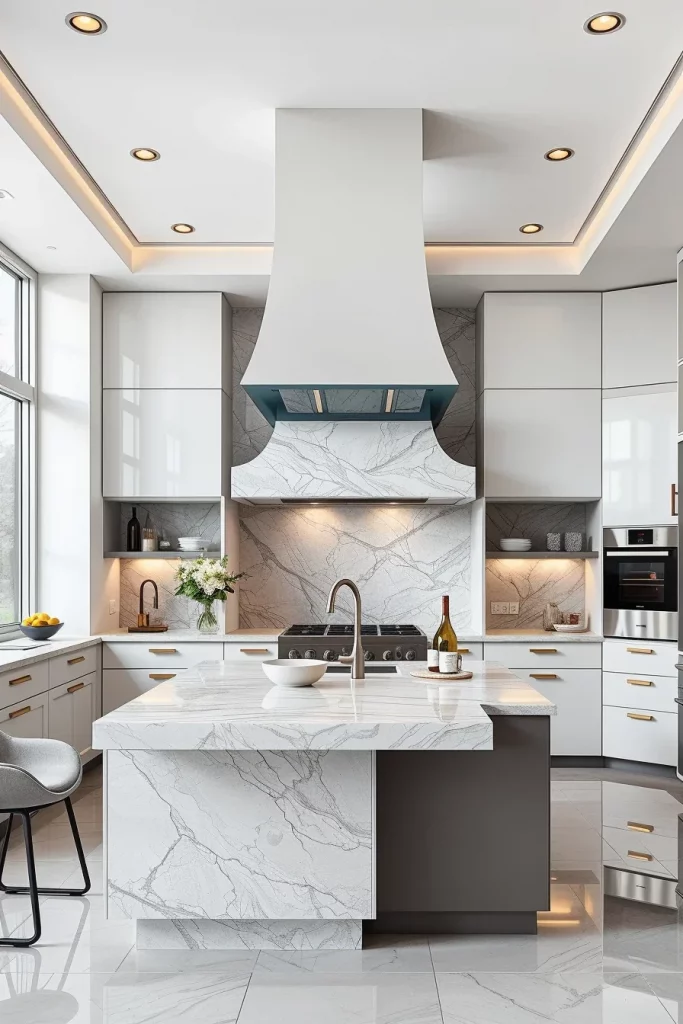
I frequently specify custom plaster hoods, natural stone surrounds, brushed metal cladding, or wood veneer panels that coordinate with the cabinetry. Integrated ventilation technology maintains excellent performance while preserving clean lines. Carefully positioned task lighting beneath the hood improves visibility during cooking without disrupting the minimalist appearance.
Leading interior designers regularly demonstrate that functional elements can also become sculptural focal points. I have found that investing in a custom-designed range hood elevates the entire kitchen because it introduces architectural character without unnecessary ornamentation. When combined with premium materials and balanced proportions, the hood becomes a defining design feature.
I would complete this focal wall with a dramatic full-height backsplash, concealed storage beside the cooking zone, and carefully selected decorative accessories that enhance symmetry without competing with the statement hood.
High-End Faucets And Designer Sink Combinations
I always consider the sink area one of the hardest-working zones in a high-end modern kitchen, so it deserves much more attention than many homeowners initially expect. Rather than treating the faucet and sink as separate purchases, I recommend selecting them as one coordinated design feature. A large integrated workstation sink paired with a sleek architectural faucet instantly creates a refined appearance while making everyday tasks significantly more comfortable. The clean geometry of both elements establishes visual balance without overwhelming the surrounding cabinetry.
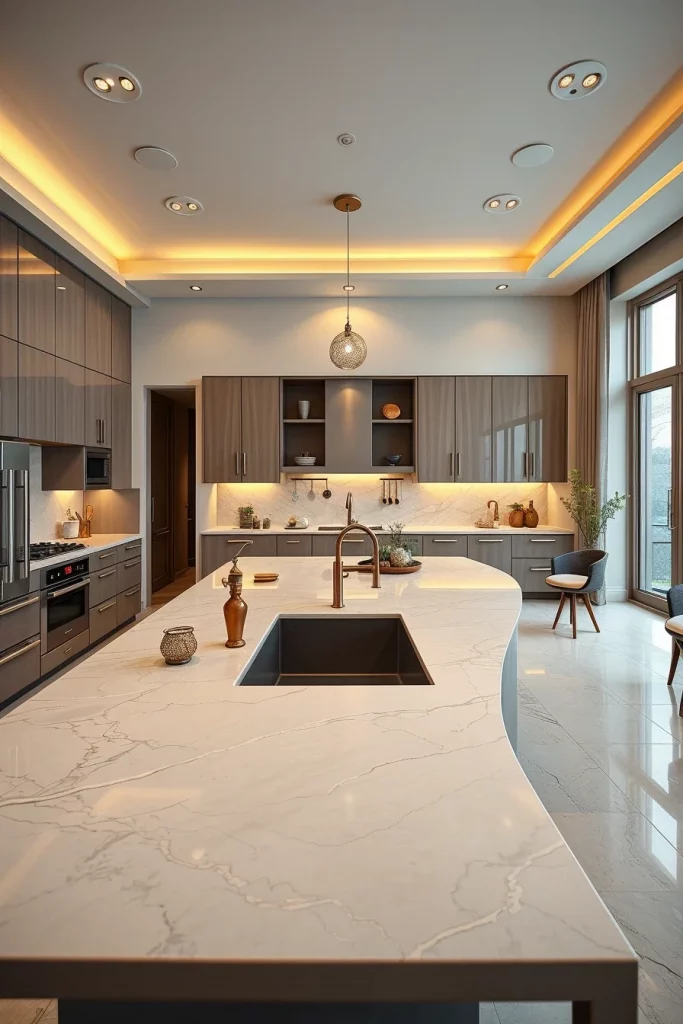
When selecting fixtures, I usually prefer solid brass construction with premium finishes such as brushed stainless steel, satin nickel, matte black, or brushed brass. A pull-down spray faucet with magnetic docking, touch or touchless activation, filtered water integration, and precise temperature control adds genuine convenience. I also like combining these fixtures with deep composite granite or handcrafted stainless steel sinks because they resist scratches, reduce noise, and maintain their appearance for years. Accessories like custom cutting boards, drying racks, and integrated colanders increase functionality without creating clutter.
Many American kitchen designers, including recommendations frequently featured by Architectural Digest and House Beautiful, emphasize investing in plumbing fixtures because they receive constant daily use. I completely agree with that philosophy. In my experience, premium faucets continue to perform smoothly long after less expensive alternatives begin showing wear, making them a worthwhile investment in both performance and appearance.
To complete this section, I would also recommend incorporating under-sink organization systems, hidden waste sorting, leak detection sensors, and soft LED cabinet lighting. These additions improve everyday functionality while maintaining the clean appearance expected from a high-end modern kitchen.
Glass Elements That Enhance Modern Kitchen Interiors
Glass has become one of my favorite materials for adding openness without sacrificing sophistication. In a high-end modern kitchen, carefully placed glass elements reflect natural light, visually enlarge the room, and introduce subtle elegance without making the space feel busy. I often incorporate large glass cabinet doors, smoked glass display cabinets, oversized windows, and minimalist glass partitions that preserve openness between living spaces.
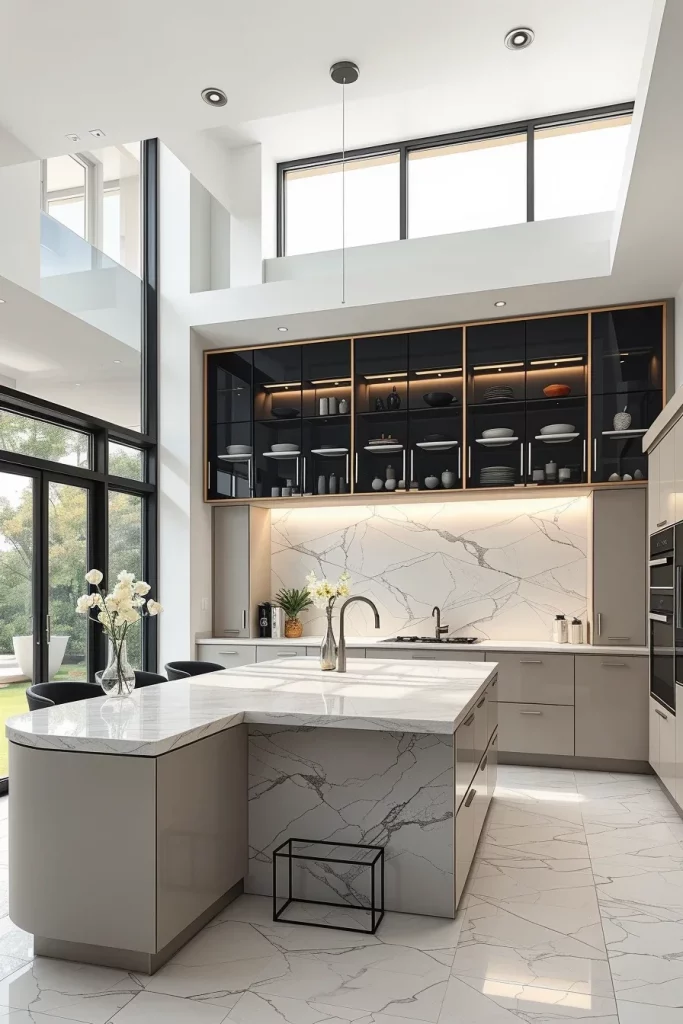
I like pairing fluted, clear, bronze, or smoked glass with slim aluminum frames and integrated LED lighting. Display cabinets become ideal locations for carefully curated dinnerware, sculptural accessories, or decorative glassware while keeping everything protected from dust. Glass backsplashes are another practical feature because they are easy to clean and provide seamless reflective surfaces that brighten the entire room. Frameless glass doors leading toward outdoor living spaces also strengthen the visual connection between interior and exterior environments.
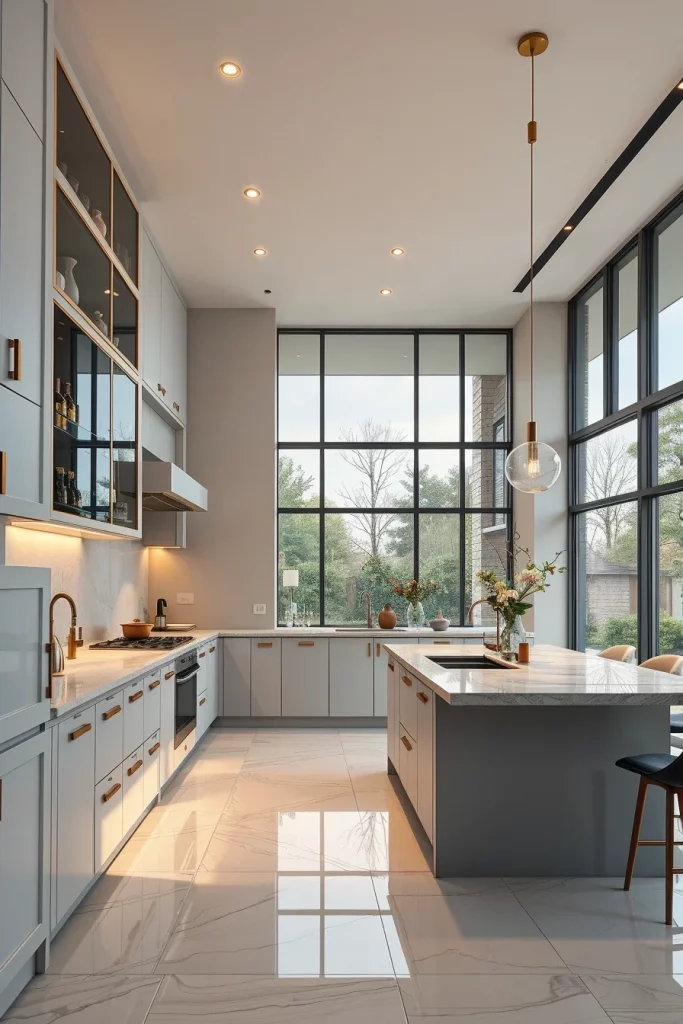
Interior designers regularly note that transparency creates visual calm by allowing the eye to travel naturally throughout a room. I have found this particularly valuable in kitchens with darker cabinetry or dramatic stone surfaces. Balanced correctly, glass softens heavier materials and creates an inviting atmosphere that still feels luxurious.
I would also consider adding hidden cabinet lighting with adjustable color temperature and anti-reflective glass coatings. These details enhance the beauty of glass while minimizing fingerprints and unwanted glare during daily use.
Ceiling Designs That Complete A Luxury Kitchen
The ceiling often becomes the forgotten surface during kitchen renovations, yet I believe it has enormous influence over the finished appearance. In a high-end modern kitchen, the ceiling should visually frame the entire space rather than simply covering it. I frequently recommend layered ceiling designs that subtly define cooking, dining, and entertaining zones while maintaining a cohesive architectural language.
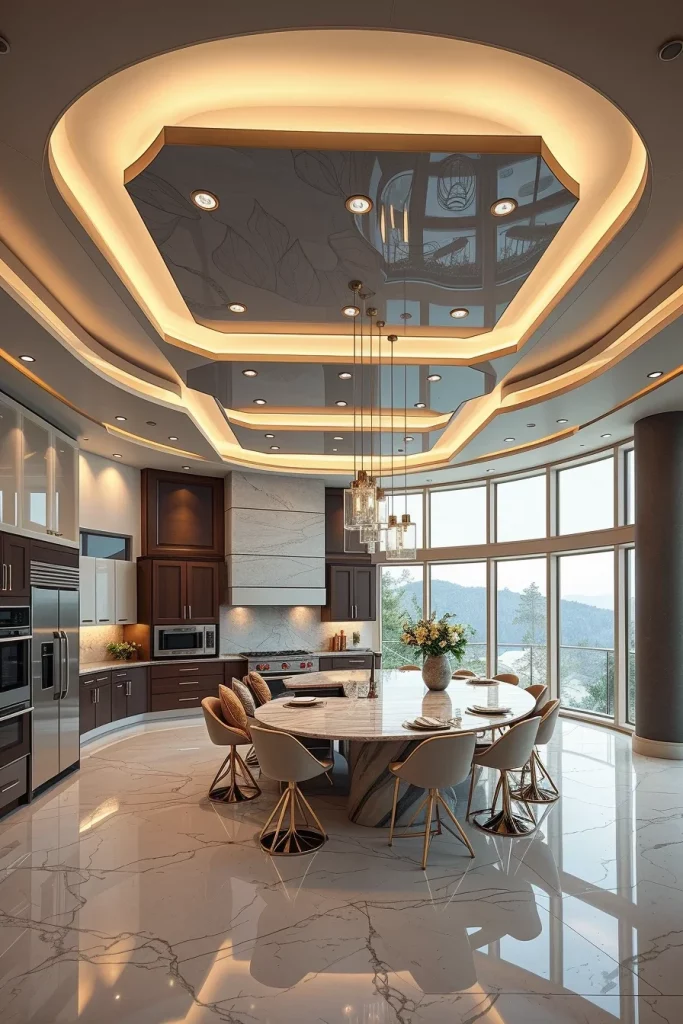
My preferred approach includes recessed perimeter lighting, concealed LED coves, carefully positioned architectural downlights, and linear lighting integrated into ceiling details. Depending on ceiling height, elegant wood-look panels, acoustic treatments, floating ceiling sections, or slim structural beams can introduce depth without making the room feel heavy. Every lighting layer should contribute to comfortable task lighting as well as relaxing evening ambiance.
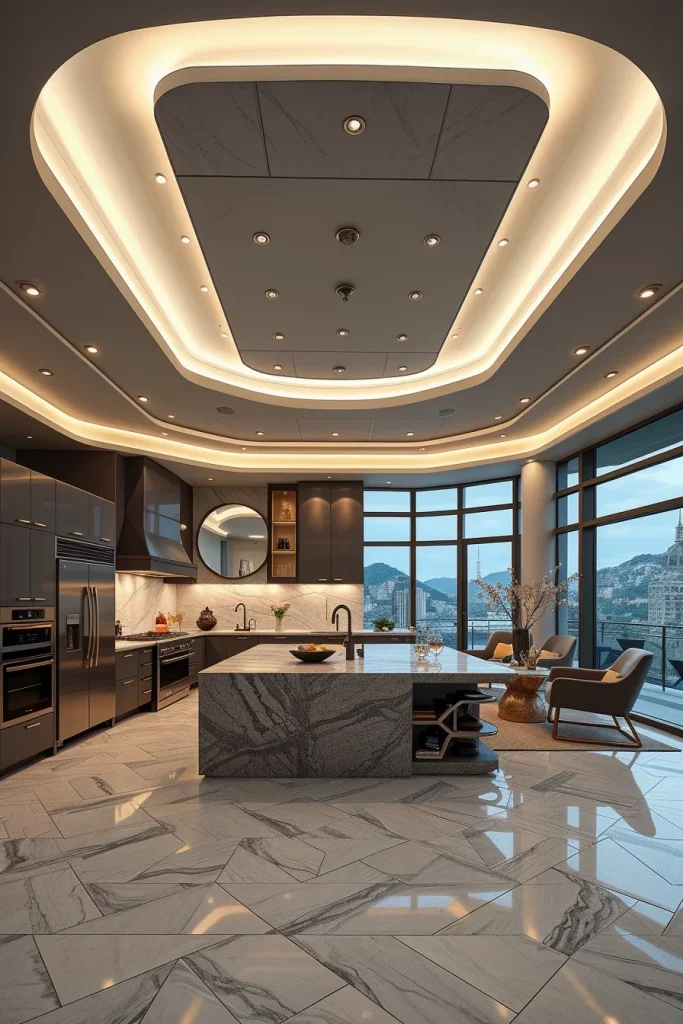
Several respected American interior publications consistently emphasize layered lighting instead of relying on a single central fixture, and I completely agree. In my projects, combining ambient, task, and accent lighting produces a far more comfortable kitchen while highlighting premium materials like natural stone, textured cabinetry, and statement islands.
To elevate the ceiling design even further, I would include integrated ventilation solutions, discreet ceiling speakers, smart lighting controls, and carefully planned electrical access for future upgrades. These details improve both aesthetics and long-term functionality.
Built-In Coffee Stations And Beverage Centers
One of my favorite additions to a high-end modern kitchen is a dedicated beverage area that keeps everyday routines organized. Rather than spreading coffee machines and accessories across the countertops, I prefer designing a fully integrated coffee station hidden behind elegant pocket doors or seamlessly incorporated into tall cabinetry. This creates a cleaner kitchen while making morning routines much more enjoyable.
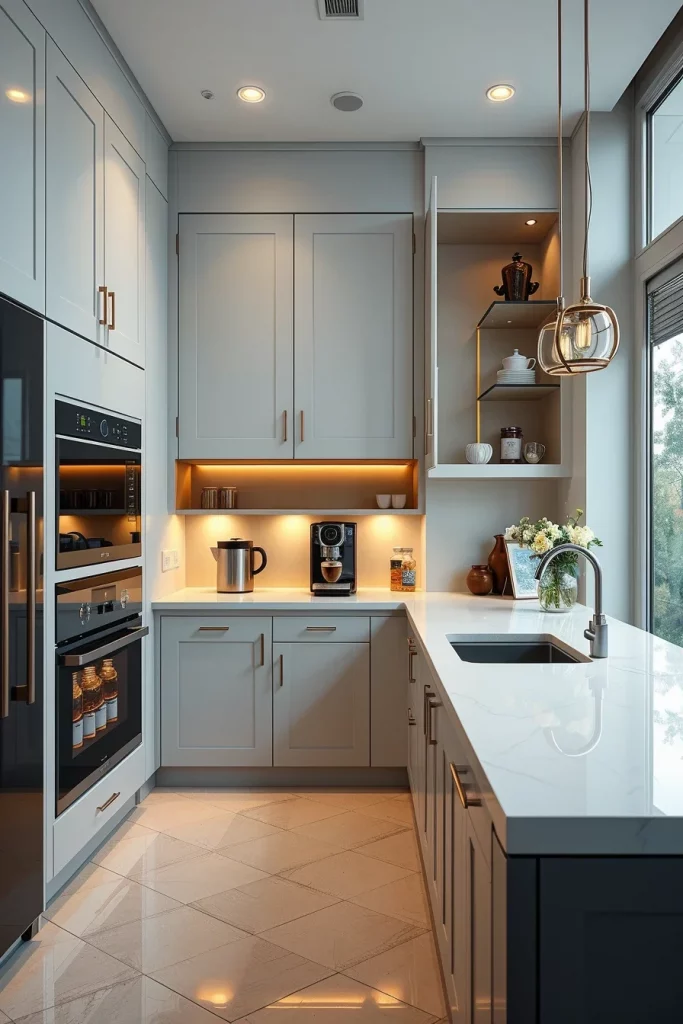
A complete beverage center typically includes a built-in espresso machine, integrated grinder, warming drawer, refrigerated beverage storage, filtered water supply, hidden electrical outlets, open shelving for mugs, and custom drawers for coffee beans, tea, and accessories. I also appreciate incorporating quartz or porcelain countertops that resist stains and moisture while remaining easy to maintain.
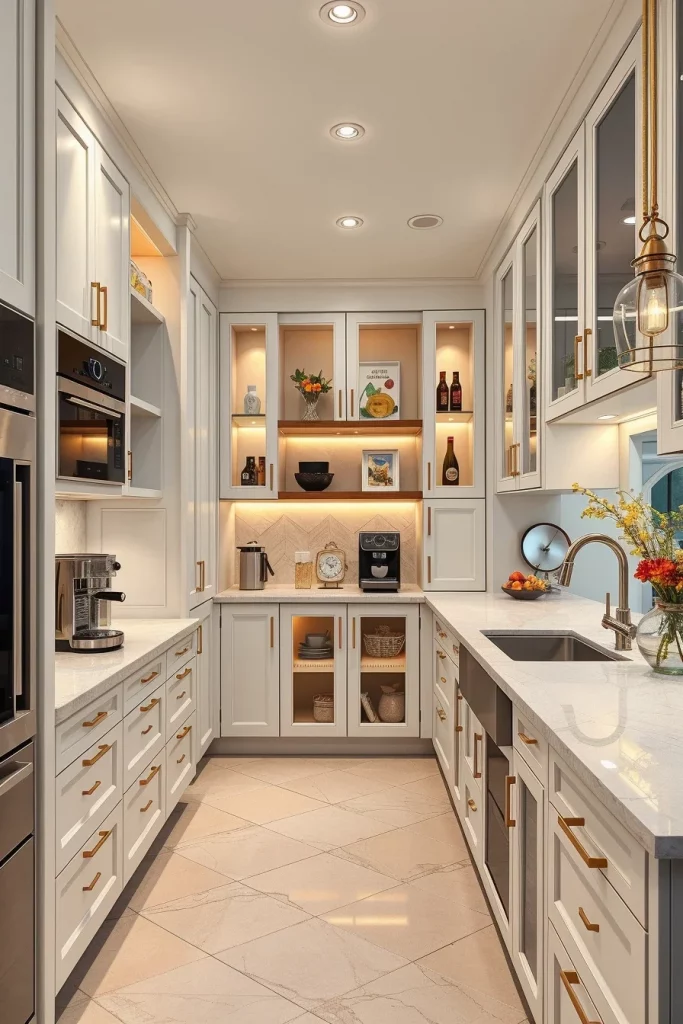
Many luxury kitchen designers recommend designing specialized activity zones instead of concentrating every function around the main island. I have found that dedicated beverage stations reduce congestion during busy mornings and make entertaining guests much more comfortable because drinks can be prepared independently from meal preparation.
I would also add concealed charging stations, adjustable shelf lighting, decorative display niches, and excellent ventilation around built-in appliances to improve both usability and appliance longevity.
Sculptural Furniture For A Sophisticated Kitchen
Furniture has the power to transform a functional kitchen into an unforgettable living space. In a high-end modern kitchen, I often introduce sculptural furniture with graceful curves, clean proportions, and carefully selected materials that complement the surrounding architecture. Rather than filling the room with oversized pieces, I prefer fewer, beautifully designed furnishings that become visual focal points while preserving generous circulation space.
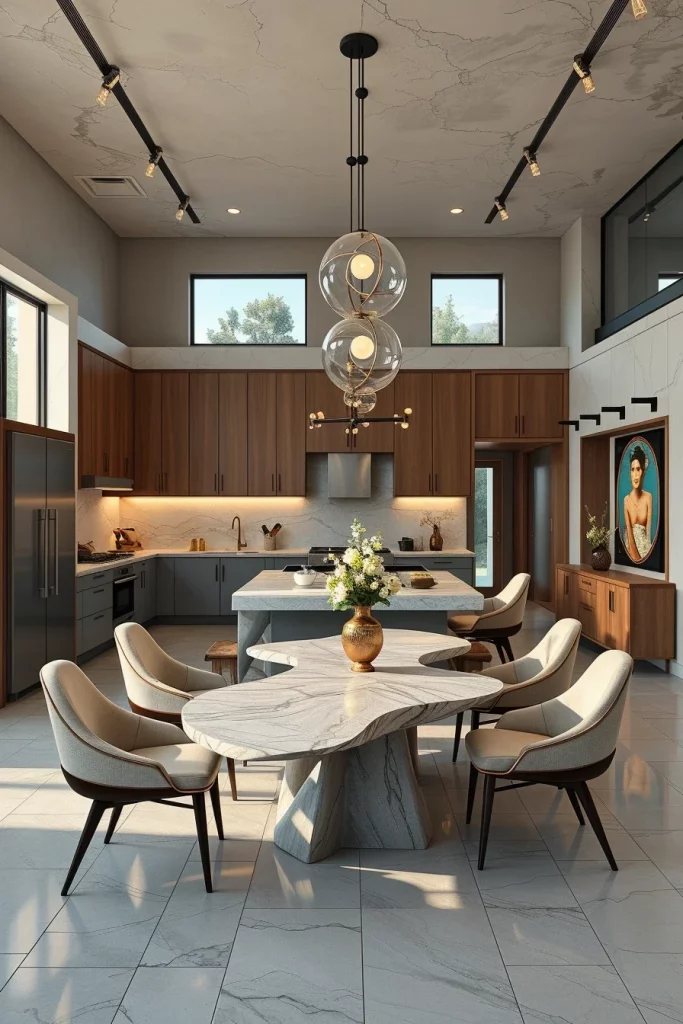
My favorite selections include curved kitchen islands, organically shaped dining tables, upholstered dining chairs with refined silhouettes, floating display shelving, minimalist bar stools, elegant sideboards, and sculptural pendant lighting positioned above gathering spaces. Soft neutral upholstery, natural stone surfaces, brushed metal accents, and textured finishes create depth without competing for attention. Every furniture piece should contribute equally to comfort and visual harmony.
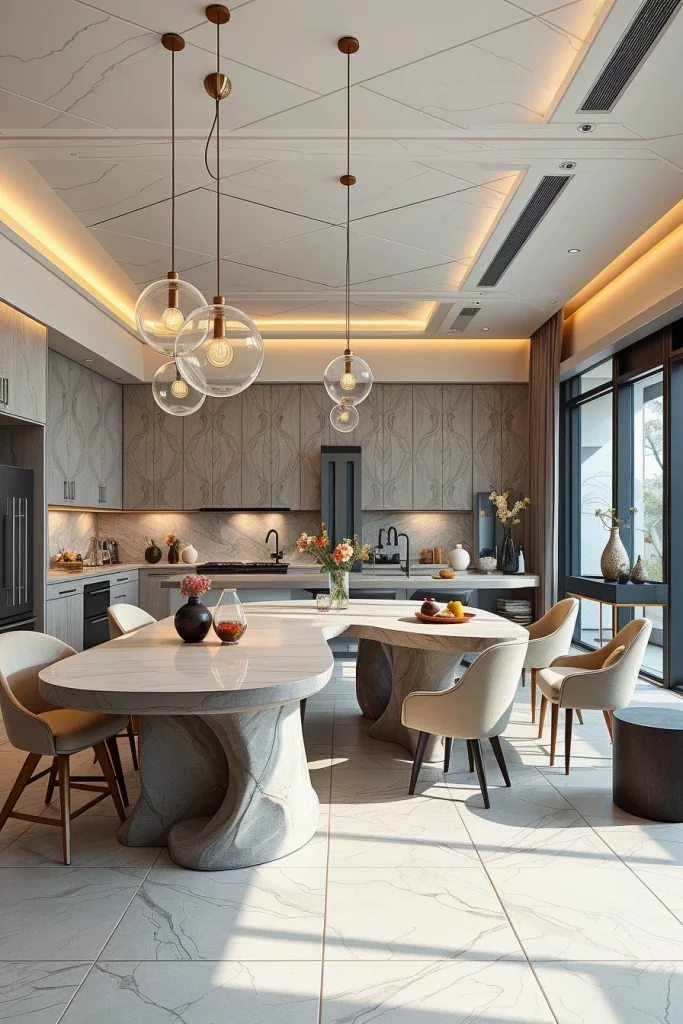
Architectural Digest frequently showcases kitchens where sculptural furniture serves as functional artwork rather than simple decoration. I share that philosophy because thoughtfully designed furniture introduces personality while maintaining timeless elegance. When every piece has a clear purpose, the room feels curated instead of crowded.
To complete this space, I would also incorporate carefully selected artwork, decorative ceramics, oversized vases, premium textiles, and layered lighting that highlights the furniture’s architectural forms without distracting from the overall composition.
Indoor-Outdoor Kitchen Connections With Modern Style
I believe one of the defining characteristics of a truly high-end modern kitchen is its seamless connection to outdoor living spaces. When the kitchen flows naturally toward a terrace, covered patio, or landscaped backyard, the entire home feels larger and more inviting. I often recommend oversized sliding glass walls, floor-to-ceiling windows, and consistent flooring materials that visually connect the interior with the exterior. This approach allows natural light to become an essential design element while creating a sophisticated environment for everyday living and entertaining.
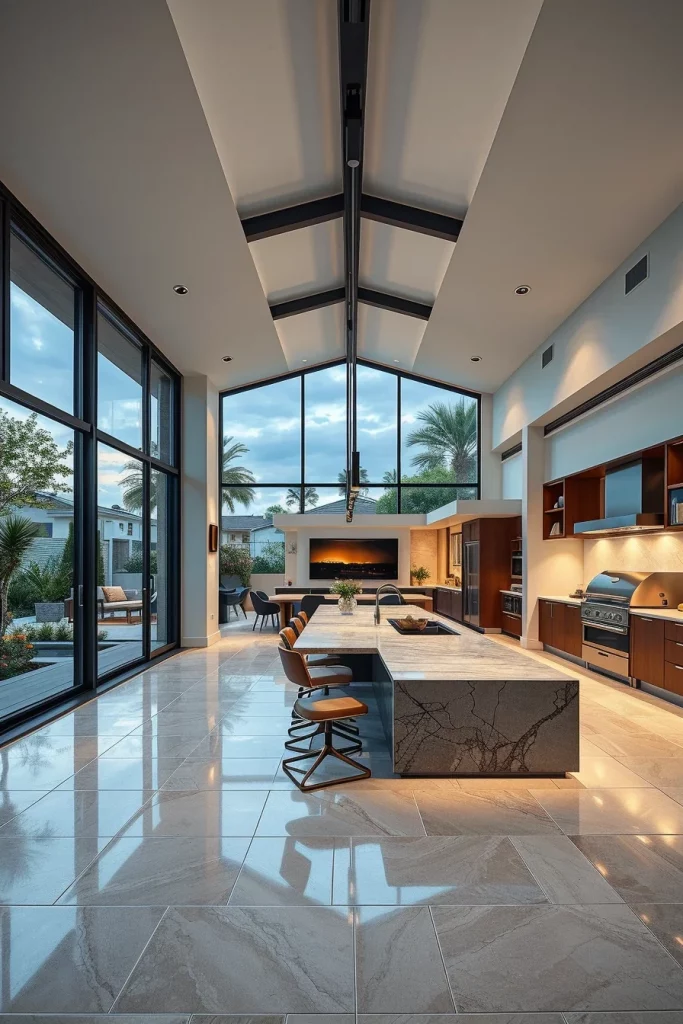
When planning this type of layout, I like selecting weather-resistant furniture that visually complements the indoor dining area. Outdoor kitchens equipped with built-in grills, concealed storage, beverage refrigerators, and stone countertops continue the luxury experience beyond the walls of the home. Comfortable lounge seating, architectural planters, linear fire features, and integrated landscape lighting help create a unified atmosphere where indoor and outdoor spaces feel like one carefully designed environment.
Many respected American designers featured in Elle Decor and Architectural Digest encourage eliminating visual barriers between interior and exterior spaces whenever possible. I completely agree because natural light and uninterrupted views dramatically improve both the appearance and functionality of a high-end kitchen. In my experience, these connections also increase property value while making the home feel more relaxing throughout every season.
To strengthen this concept even further, I would include automated shades, concealed drainage systems for outdoor cooking areas, weather-resistant cabinetry, integrated ceiling heaters, and smart lighting controls that allow both spaces to transition effortlessly from daytime gatherings to elegant evening entertaining.
Personalized Finishing Touches For Exclusive Interiors
The smallest details often make the greatest impression in a high-end modern kitchen. Once the architectural elements and major furniture pieces are complete, I focus on personalized finishing touches that give the space its own identity. Carefully selected accessories, artwork, decorative objects, and customized storage solutions create a kitchen that feels thoughtfully curated rather than professionally staged. Every detail should contribute to the overall harmony without adding unnecessary visual clutter.
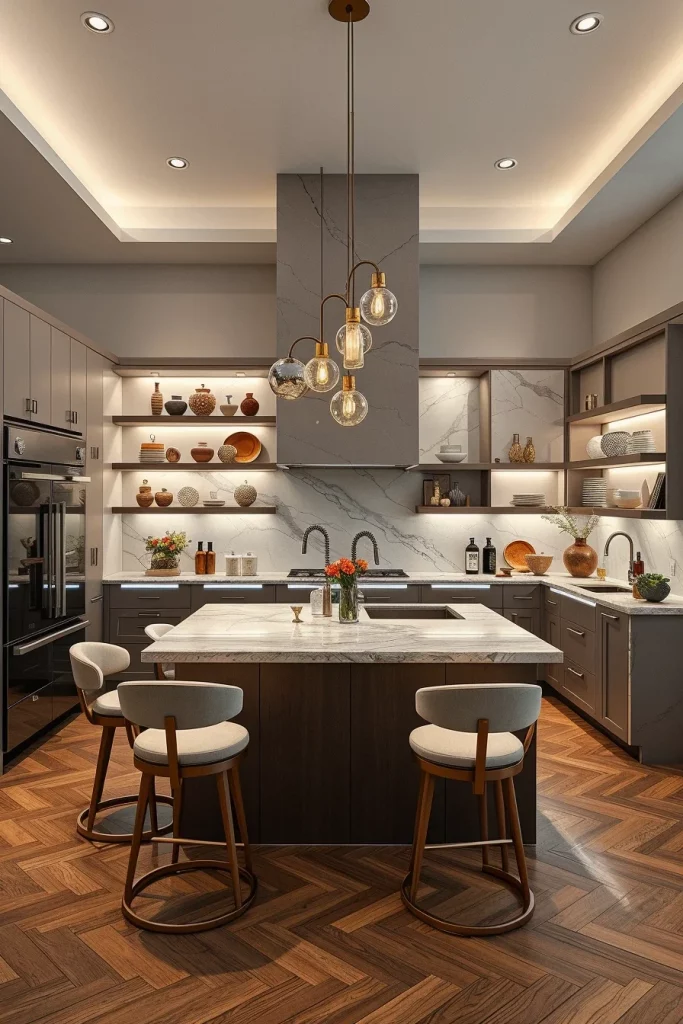
I enjoy incorporating handcrafted ceramic pieces, oversized sculptural bowls, designer bar stools, elegant pendant lighting, custom hardware, floating display shelves, and integrated LED shelving that highlights carefully selected decorative accessories. Natural stone trays, premium coffee table books, decorative glass vases, and understated sculptures introduce personality while preserving the minimalist character that defines modern luxury. Every accessory should have both aesthetic value and a practical purpose within the room.
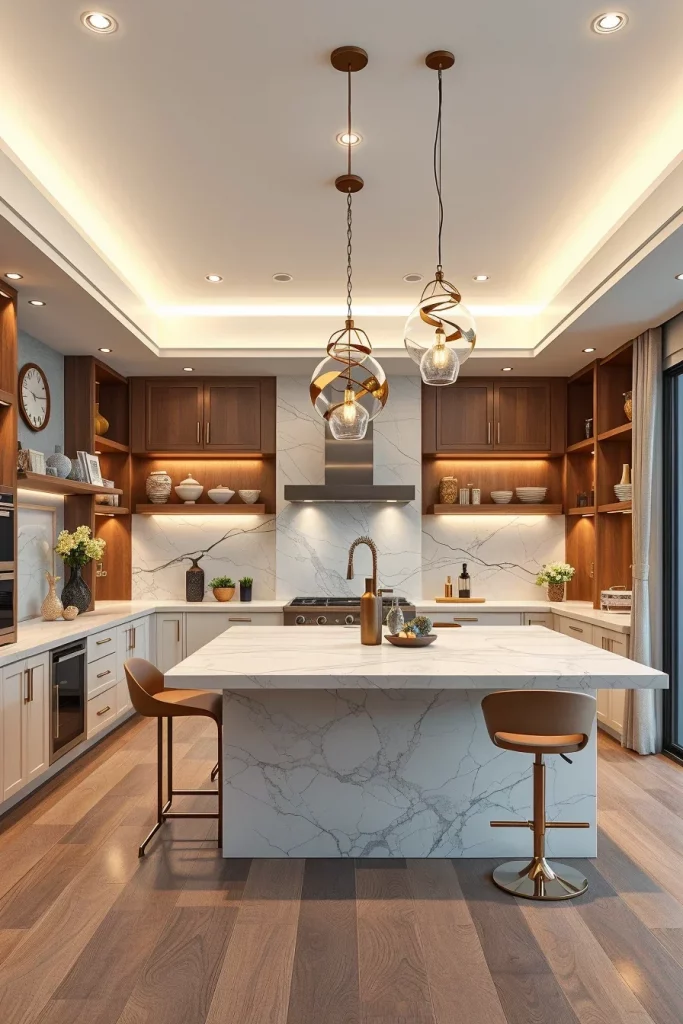
Interior designers frequently remind homeowners that luxury comes from thoughtful editing rather than excessive decoration. I have found this advice extremely valuable because removing unnecessary accessories often creates a stronger visual impact than continually adding new items. A restrained approach allows premium materials and architectural details to remain the true focal points of the kitchen.
I would also recommend incorporating custom drawer organizers, hidden charging stations, personalized display niches, premium textiles, and fresh seasonal decorative accents that can be updated throughout the year without changing the timeless foundation of the overall design.
Timeless Design Choices That Preserve Long-Term Value
In my opinion, the most successful high-end modern kitchen is one that still looks beautiful ten or fifteen years after installation. Rather than following short-lived trends, I prefer investing in timeless materials, balanced proportions, and neutral color palettes that continue to feel elegant as design preferences evolve. High-quality craftsmanship consistently outperforms temporary fashion, making every investment more valuable over time.
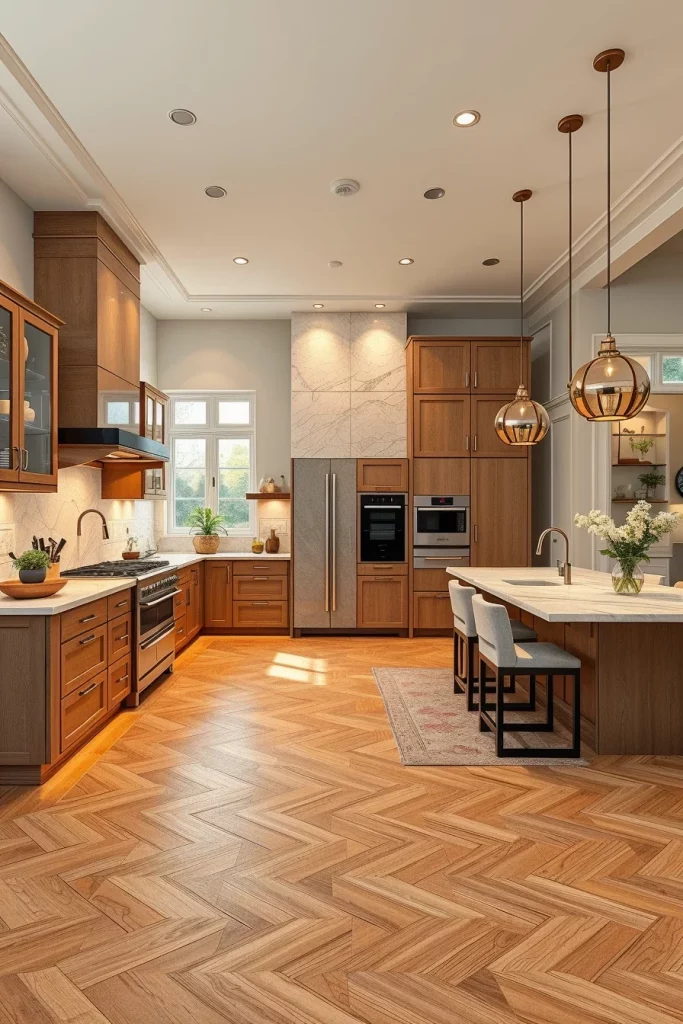
I usually recommend natural stone countertops, custom cabinetry with simple profiles, integrated appliances, durable porcelain surfaces, premium hardwood flooring, and carefully selected metal finishes that age gracefully. Flexible storage systems, spacious islands, concealed technology, and adaptable lighting layouts ensure that the kitchen remains practical as family needs change. These features maintain both functionality and visual appeal without requiring frequent renovations.
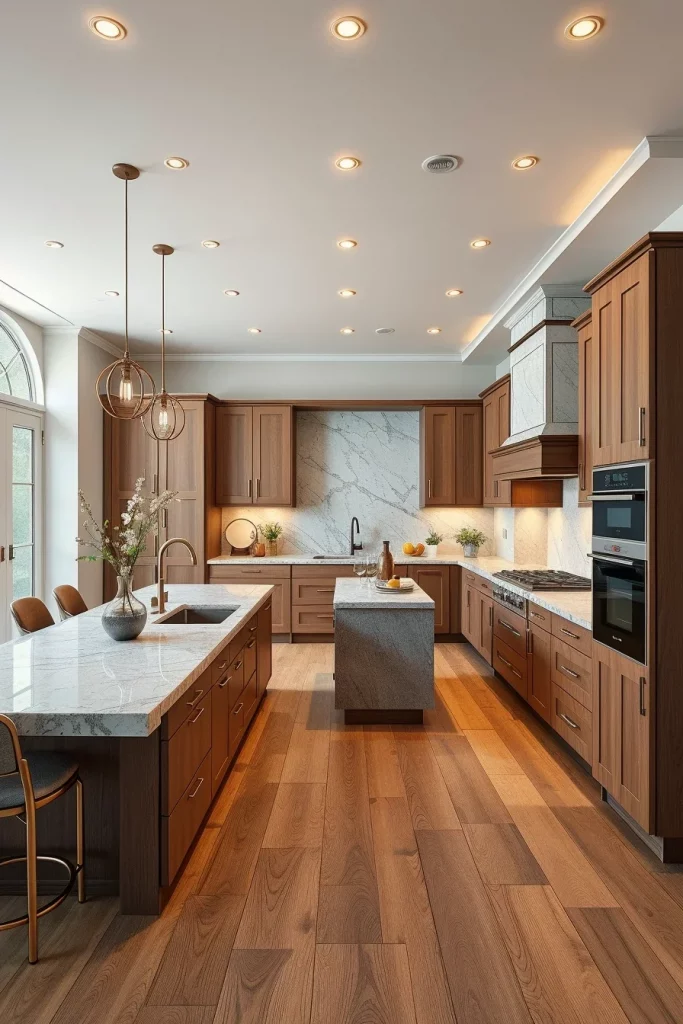
Many professionals featured by House Beautiful and Architectural Digest emphasize that timeless kitchens are defined by quality instead of decoration. I share this perspective because durable materials and thoughtful planning reduce maintenance costs while preserving the home’s overall value. In my experience, restrained elegance consistently outperforms highly fashionable design trends.
To maximize long-term performance, I would also incorporate smart home infrastructure, energy-efficient appliances, replaceable lighting systems, sustainable materials, and cabinetry designed for future appliance upgrades without major structural modifications.
Common Mistakes To Avoid In High-End Modern Kitchen Design
Even generous budgets cannot guarantee exceptional results if fundamental planning mistakes are overlooked. I often see homeowners investing heavily in premium finishes while ignoring workflow, storage, lighting, or ergonomic principles. A truly high-end modern kitchen should feel effortless to use, and that only happens when functionality receives the same attention as appearance. Beautiful materials alone cannot compensate for poor planning.
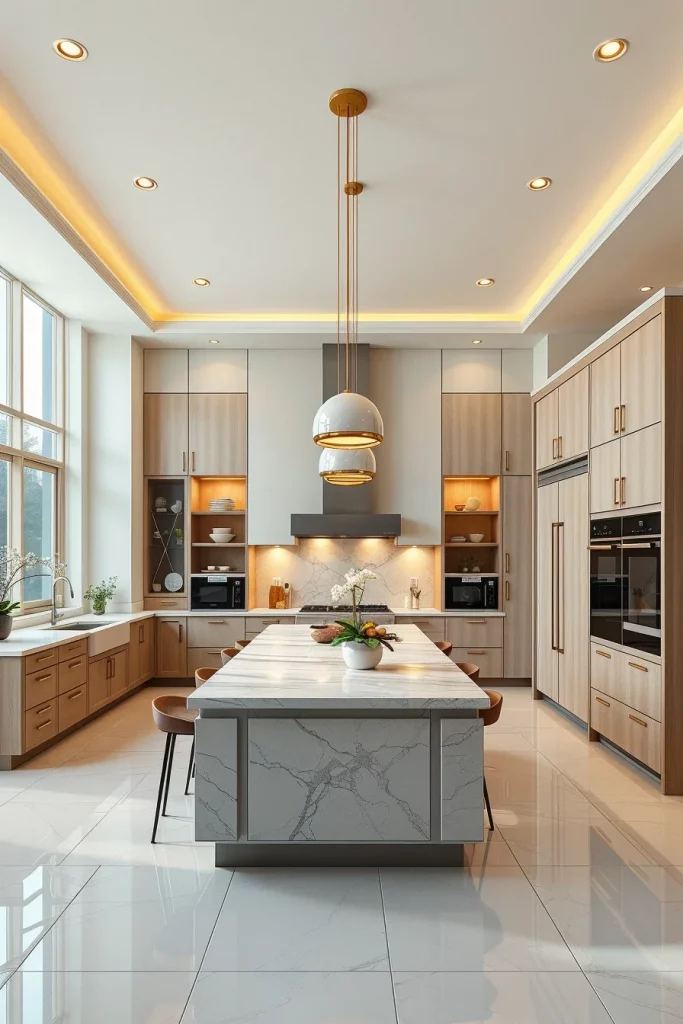
One of the most common mistakes is selecting oversized islands that restrict movement throughout the room. I also frequently notice insufficient task lighting, poorly planned storage, mismatched appliance finishes, overcrowded open shelving, and decorative features that compete for attention instead of creating visual balance. Ignoring ventilation quality, electrical planning, and everyday storage needs often creates frustration after the renovation is complete.
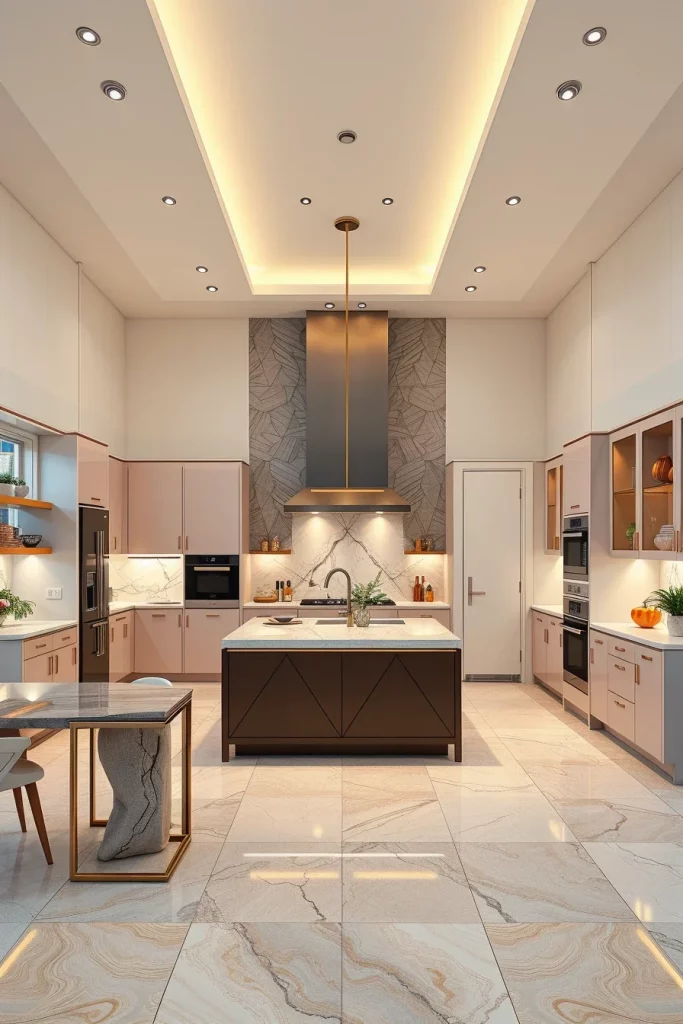
Professional kitchen designers consistently recommend planning every daily activity before selecting finishes or furniture, and I completely agree with this process. I always encourage clients to think about cooking routines, entertaining habits, appliance usage, and storage requirements first because these decisions shape every other design choice that follows.
I would additionally recommend preparing detailed electrical layouts, allocating contingency budgets for unexpected upgrades, coordinating appliance dimensions before cabinet fabrication, and investing in professional lighting design to avoid costly modifications later.
Creating A High-End Modern Kitchen That Blends Beauty And Function
For me, designing a high-end modern kitchen has never been about choosing the most expensive materials. The true goal is creating a space where exceptional craftsmanship, intelligent planning, and timeless aesthetics work together naturally. Every design decision should improve both everyday functionality and the overall atmosphere of the home. When these elements remain balanced, the kitchen becomes far more than a place for cooking—it becomes the central gathering space for family and friends.
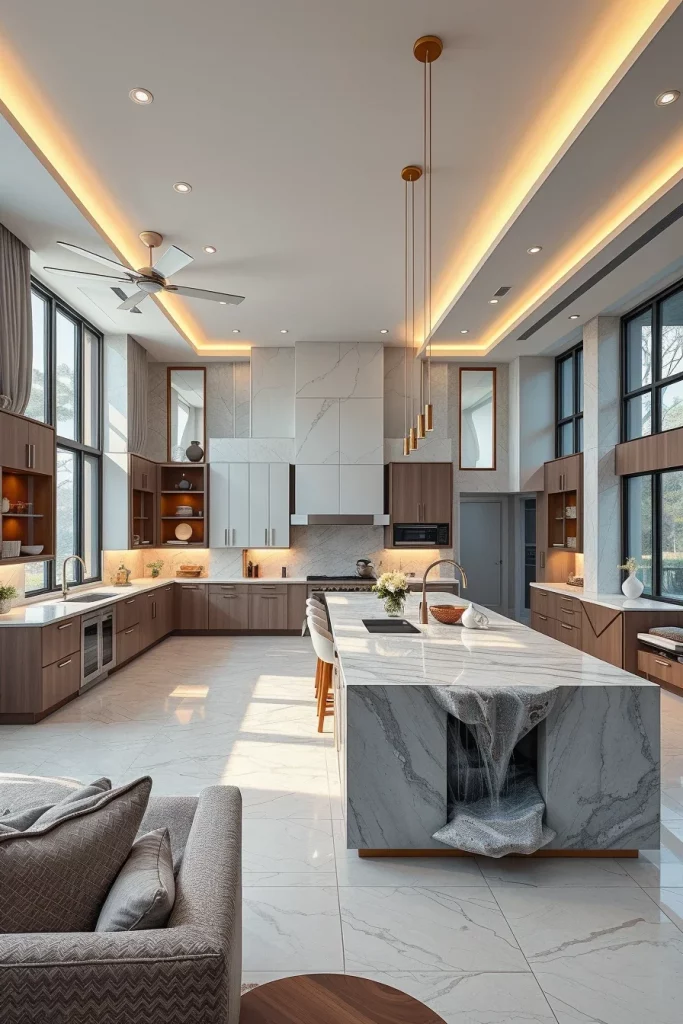
I believe successful kitchens combine premium cabinetry, architectural lighting, natural stone, integrated appliances, ergonomic layouts, and carefully selected furniture into one cohesive composition. Hidden storage, personalized organization systems, seamless technology, and durable finishes ensure that the room continues to perform beautifully while maintaining its elegant appearance through years of daily use. Every component should support comfort, efficiency, and lasting quality.
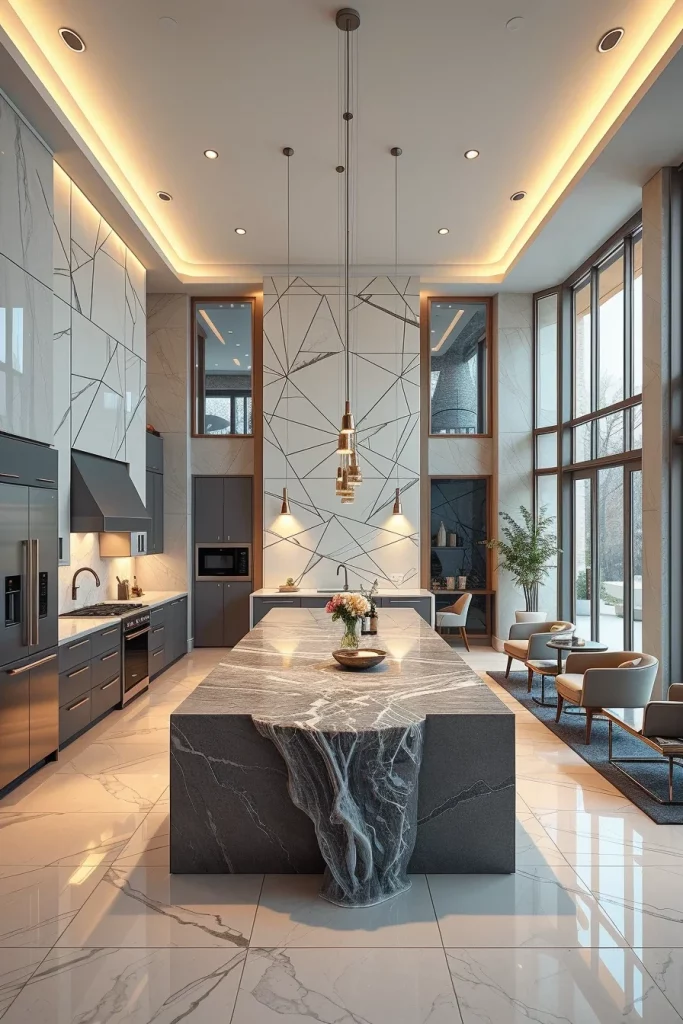
Looking back at every project I have studied, I consistently find that the most memorable kitchens are those where beauty never compromises practicality. Advice from respected American interior designers repeatedly reinforces this philosophy, and my own experience leads me to the same conclusion. A thoughtfully designed kitchen should simplify everyday life while remaining visually inspiring every time you enter the room.
To complete the entire project, I would recommend scheduling regular maintenance for premium materials, updating smart home technology as needed, refreshing decorative accessories seasonally, and preserving the clean, uncluttered appearance that defines a truly high-end modern kitchen.
A thoughtfully designed high-end modern kitchen combines sophisticated aesthetics with practical functionality, creating a space that enhances everyday living. By selecting premium materials, integrating smart technology, and focusing on timeless design, you can build a kitchen that remains both beautiful and efficient for years to come. Whether your style is sleek and minimalist or warm and contemporary, the right design choices will transform your kitchen into the true heart of your home.