
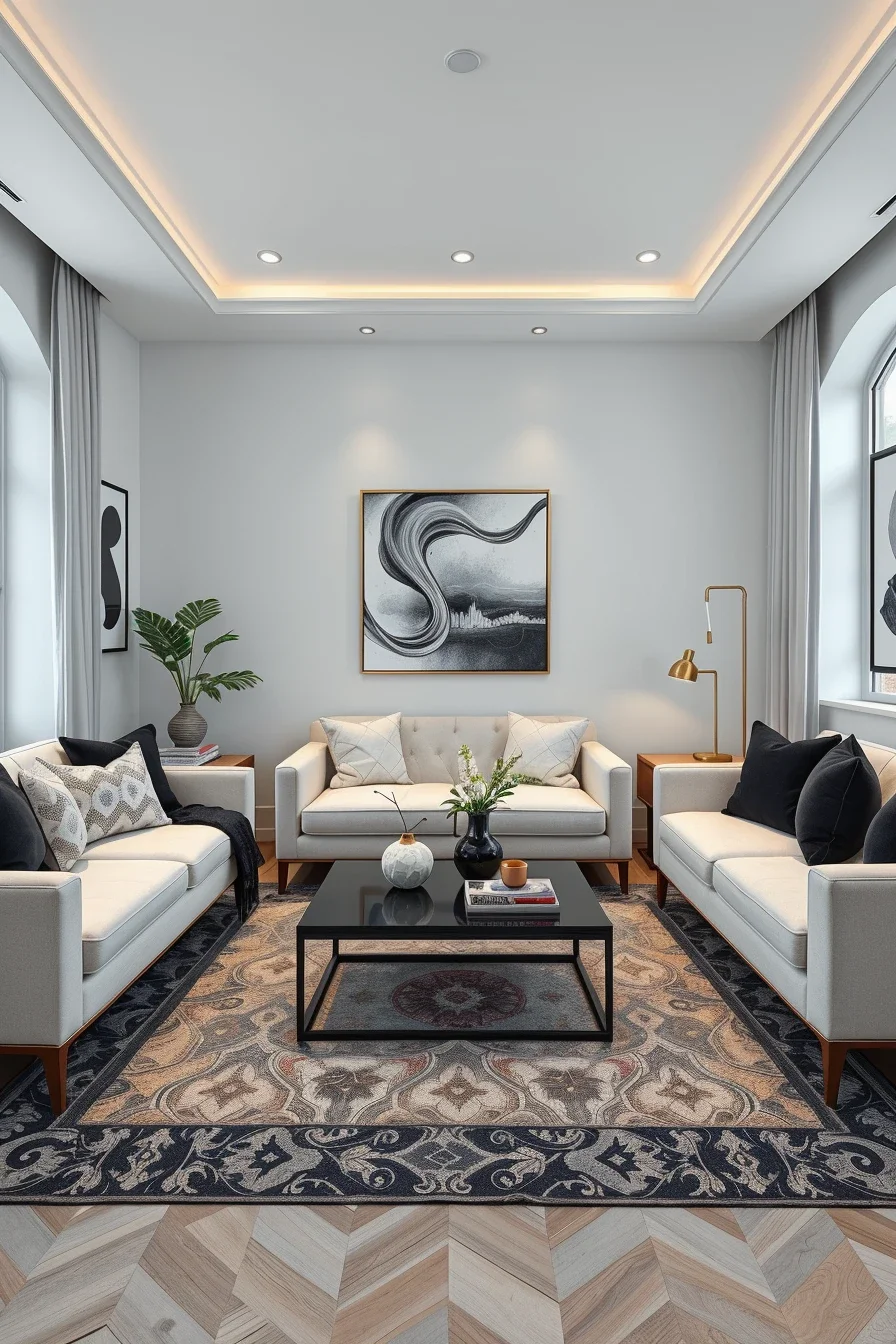
A well-designed small apartment living room can feel just as stylish, comfortable, and functional as a much larger space. With the right layout, furniture choices, and decorative details, even the most compact living area can become a beautiful focal point of the home. Creative design solutions help maximize every square foot while maintaining a sense of openness and personality. From modern minimalist interiors to cozy bohemian retreats, there are countless ways to transform a small living room into a space that reflects your unique style. Thoughtful use of color, lighting, storage, and texture can make a room appear larger and more inviting. In this article, you’ll discover inspiring small apartment living room design ideas that combine practicality with stunning aesthetics.
Maximizing Space With A Multifunctional Living Room Layout
When I work on a small apartment living room design, I always begin with the layout because every square foot matters. A multifunctional arrangement allows one room to serve several purposes, such as relaxing, entertaining guests, working remotely, or even dining. By carefully planning furniture placement, I can create distinct zones without making the room feel crowded. Open pathways and flexible furnishings help maintain a sense of spaciousness while increasing usability.
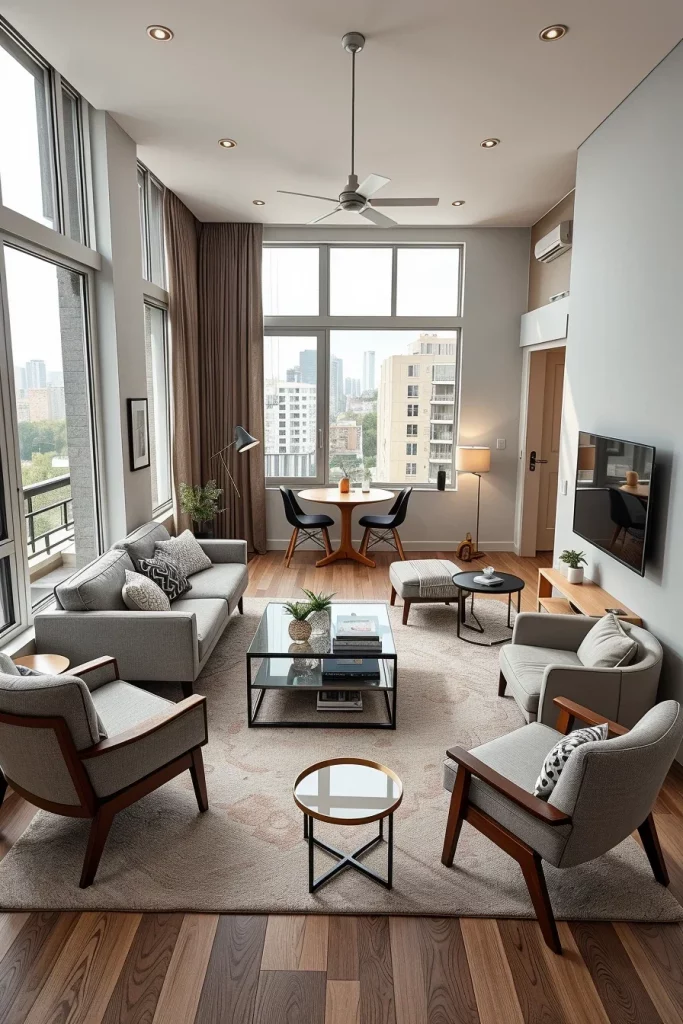
I recommend selecting a compact sectional sofa, a nesting coffee table, and lightweight accent chairs that can be moved when needed. A fold-out desk or wall-mounted workspace can easily transform part of the living room into a productive home office. Area rugs help visually define different zones while maintaining cohesion throughout the space. Multifunctional furniture ensures that every item contributes to both style and practicality.
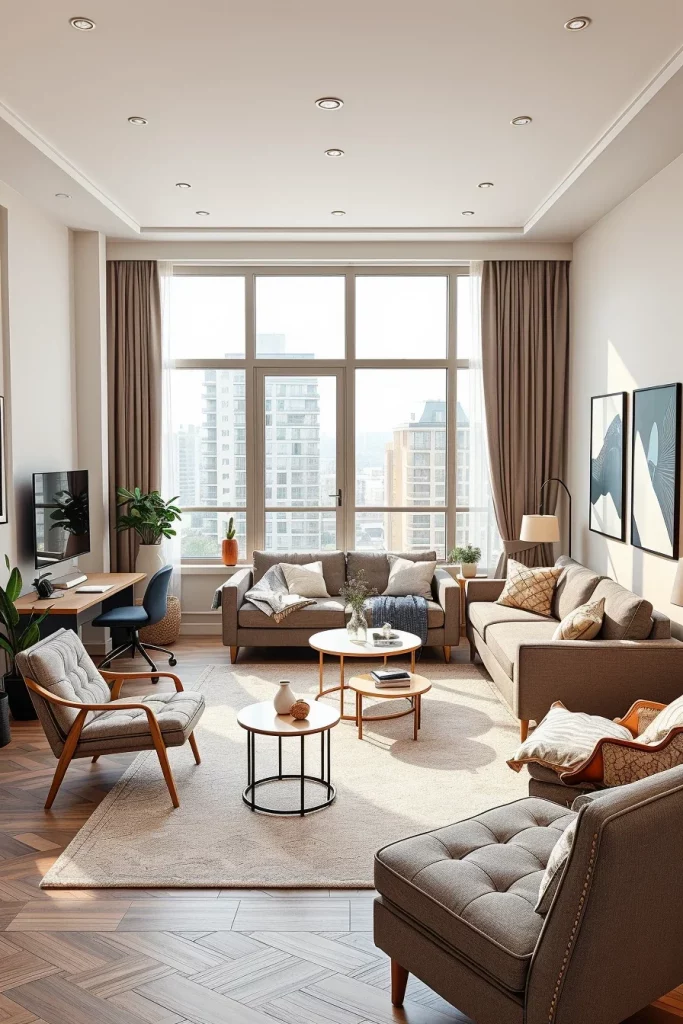
From my experience, professional designers frequently emphasize the importance of flexibility in compact interiors. Publications such as Architectural Digest often showcase adaptable furniture solutions that allow homeowners to maximize functionality without compromising aesthetics. I have found that even small adjustments in furniture placement can dramatically improve traffic flow and comfort.
To complete this layout, I would add layered lighting with ceiling fixtures, floor lamps, and task lighting. This combination enhances each functional zone while creating a warm and inviting atmosphere throughout the room.
Creating A Bright And Airy Living Room With Light Color Palettes
One of the most effective ways I make a small living room feel larger is through a carefully selected light color palette. Soft whites, warm creams, pale grays, and subtle beige tones reflect natural light and create an open, expansive appearance. This approach is particularly valuable in apartments where square footage is limited and maximizing brightness is a priority.
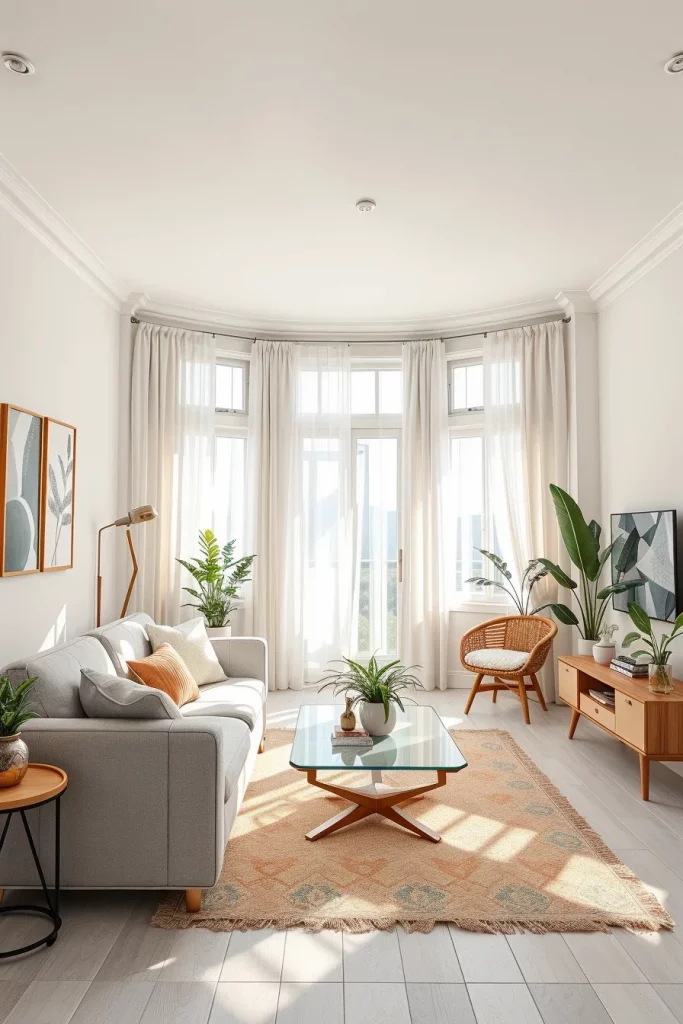
I often combine a light-colored sofa with neutral walls, sheer curtains, and natural wood accents. Glass coffee tables and reflective surfaces help distribute light throughout the room without adding visual weight. Decorative elements such as linen cushions, ceramic accessories, and simple artwork introduce personality while maintaining a clean and airy atmosphere.
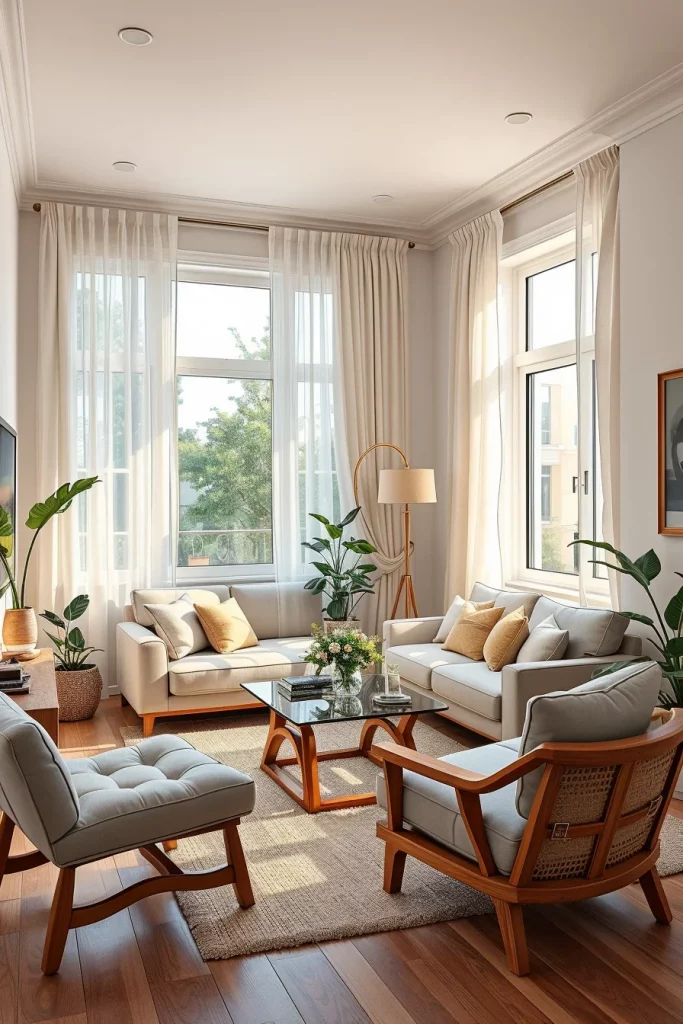
In my opinion, the success of this design style depends on balance rather than uniformity. I like incorporating subtle variations in texture and tone to prevent the room from feeling sterile. Designers featured in Elle Decor frequently recommend layering neutrals to add visual interest while preserving the sense of openness.
If something is missing from this concept, it is usually greenery. I always suggest adding a few indoor plants to introduce freshness, natural color, and an organic element that complements the light palette beautifully.
Designing A Cozy Small Apartment Living Room With Layered Textures
A compact living room can still feel warm and luxurious when textures are thoughtfully layered. In many small apartment living room design projects, I focus on creating comfort through materials rather than excessive decoration. Combining soft fabrics, natural fibers, and tactile finishes adds depth and character without overwhelming the space.
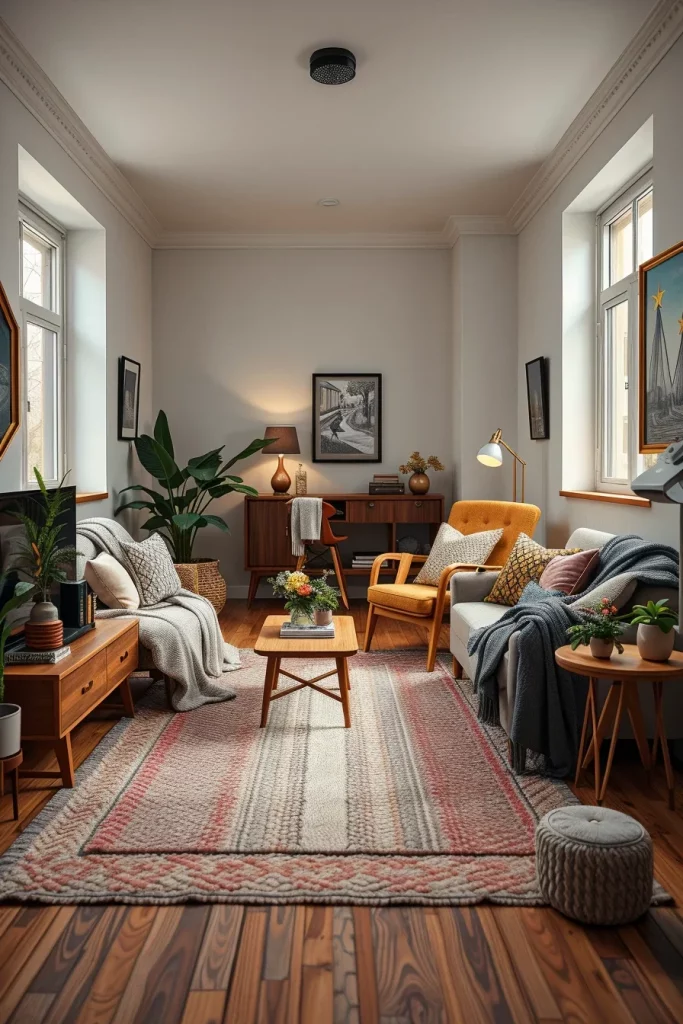
I typically start with a comfortable upholstered sofa and build around it using knitted throws, velvet cushions, woven baskets, and textured rugs. Wood furniture introduces warmth, while boucle or linen accent chairs provide additional visual variety. Even small decorative details, such as ceramic vases and textured wall art, contribute to a richer and more inviting environment.
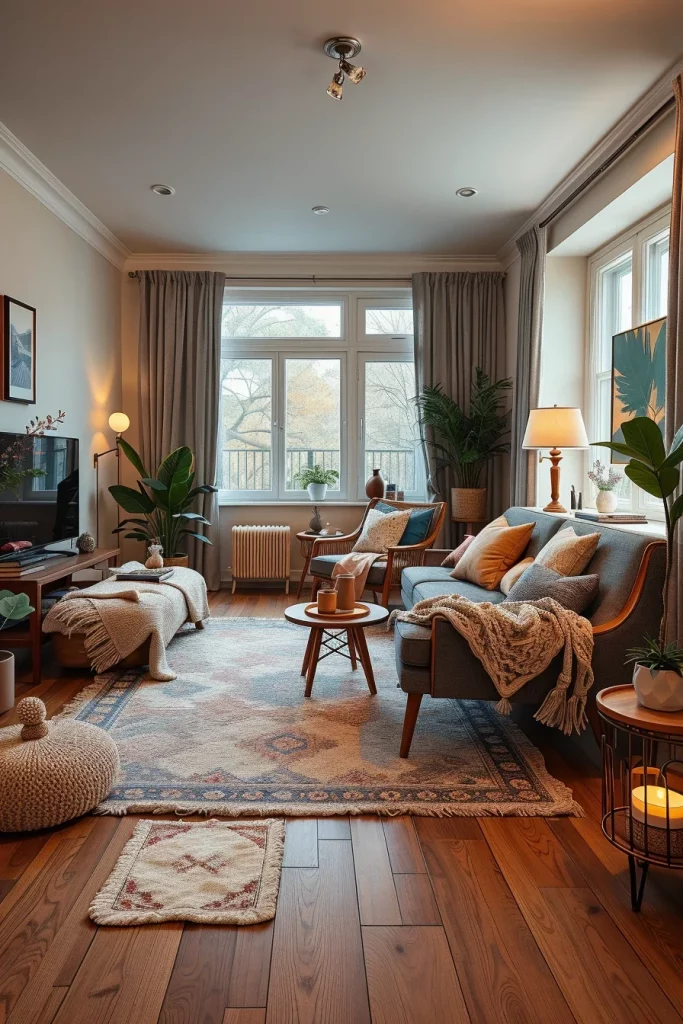
Personally, I find that texture is one of the most overlooked elements in compact interiors. While many people focus solely on color, the interaction between different materials creates the cozy atmosphere that makes a living room truly enjoyable. I often draw inspiration from contemporary interior projects that prioritize tactile comfort alongside visual appeal.
To enhance this design further, I would include soft ambient lighting and layered window treatments. These additions reinforce the cozy atmosphere and make the room feel more welcoming throughout the day and evening.
Using Floor-To-Ceiling Shelving For Smart Storage And Style
Storage is often one of the biggest challenges in apartment living, which is why I frequently recommend floor-to-ceiling shelving. Vertical storage takes advantage of unused wall space and helps keep the living room organized without consuming valuable floor area. This strategy combines practicality with strong visual impact.
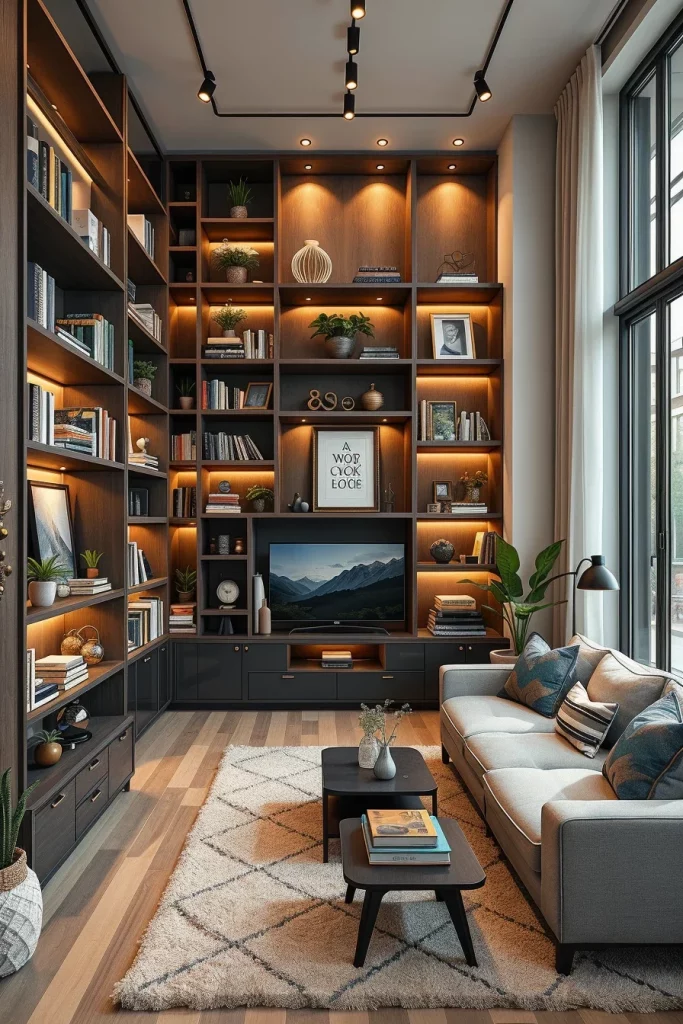
I prefer custom or modular shelving systems that can accommodate books, decorative accessories, storage baskets, and personal collections. Open shelves create opportunities for styling, while closed cabinets conceal clutter. Integrating lighting within shelving units can also highlight decorative objects and add sophistication to the room.
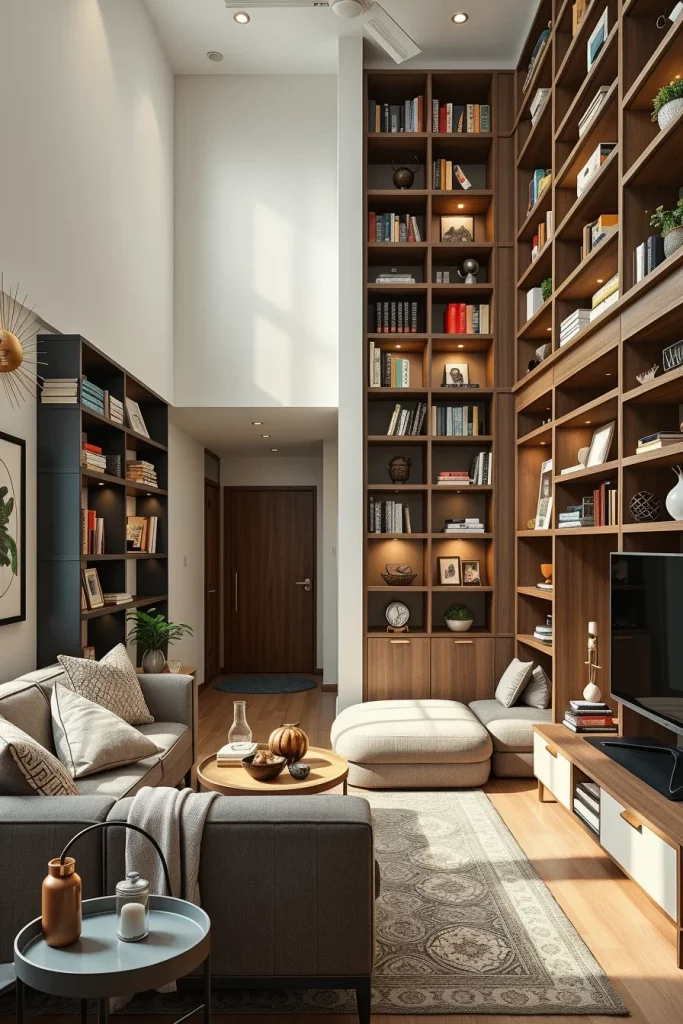
From my perspective, successful shelving design requires careful curation. Instead of filling every shelf, I leave intentional empty spaces that allow displayed items to stand out. Many interior designers recommend this approach because it prevents the room from appearing busy or overcrowded.
I would also consider incorporating a built-in media center within the shelving system. This creates a seamless look while reducing the need for additional furniture pieces.
Decorating With Statement Mirrors To Expand Visual Space
Mirrors are one of my favorite tools for making a small apartment living room appear larger. A well-positioned statement mirror reflects both natural and artificial light, creating the illusion of greater depth and openness. This simple design feature can significantly enhance the perception of space.
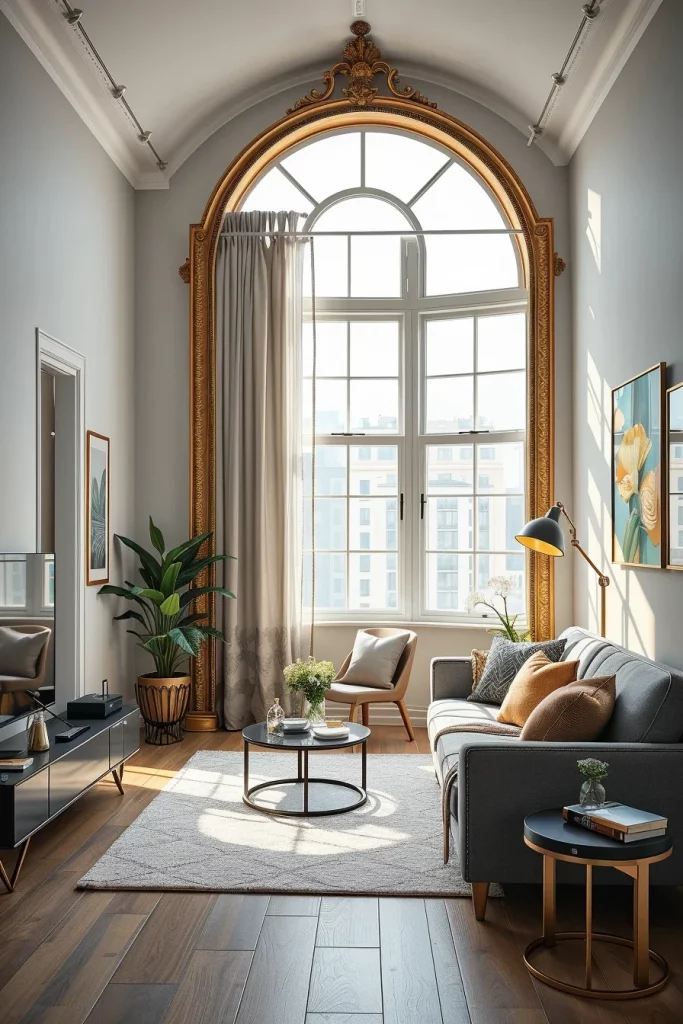
I often choose oversized mirrors with elegant frames that complement the room’s overall style. Positioning a mirror opposite a window maximizes daylight reflection, while placing one above a sofa or console table creates a strong focal point. Metallic finishes and unique shapes can introduce additional visual interest without taking up physical space.
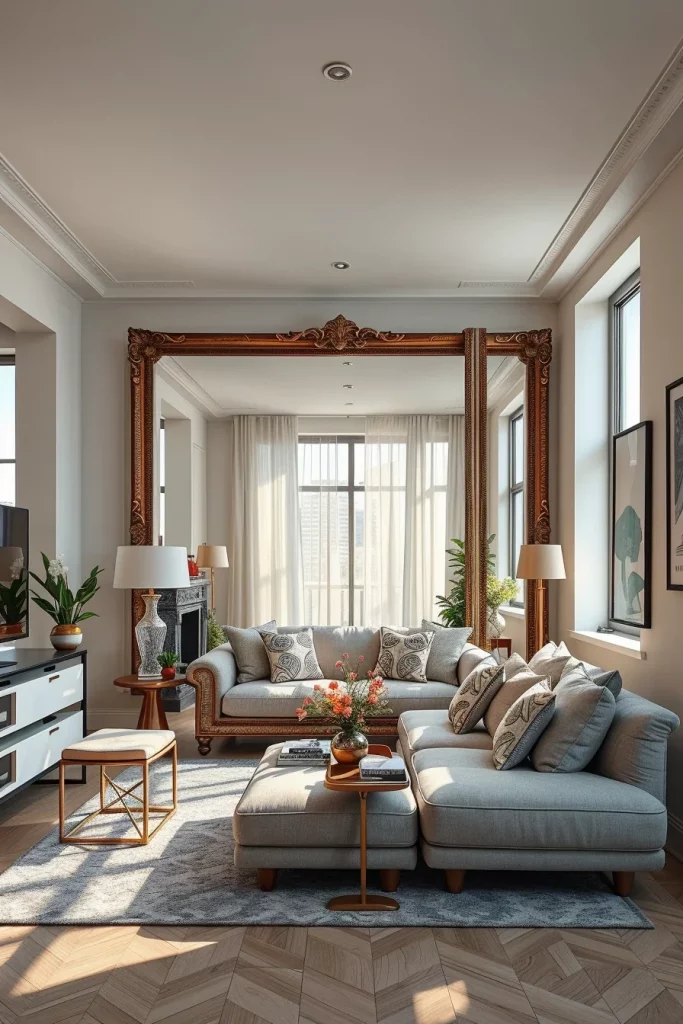
In my experience, mirrors offer one of the highest visual returns for the least amount of effort. Many respected interior design publications regularly feature mirrors as a key element in small-space decorating because of their ability to transform room proportions instantly.
To complete this look, I would pair the mirror with carefully selected wall sconces or nearby lighting fixtures. The combination enhances brightness and creates a sophisticated layered effect that elevates the entire living area.
Incorporating Scandinavian Simplicity In A Compact Living Room
When I want to create a calm and highly functional interior, Scandinavian design is one of my preferred approaches for a small apartment living room design. This style focuses on simplicity, natural materials, and purposeful furniture while maintaining a warm and inviting atmosphere. The clean lines and uncluttered appearance help even the smallest room feel larger and more organized.
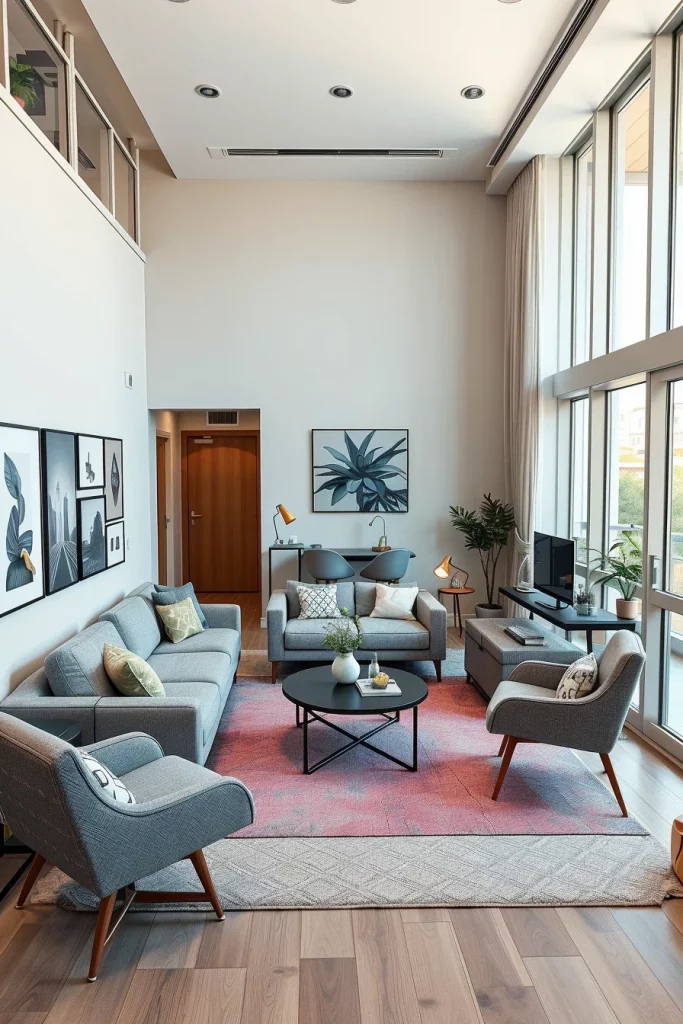
I typically include a streamlined sofa in a light neutral shade, a simple wooden coffee table, and functional storage pieces that blend seamlessly into the space. Natural wood finishes, soft textiles, and minimalist lighting fixtures contribute to the signature Scandinavian aesthetic. I also like incorporating subtle decorative accents such as ceramic vases, woven baskets, and understated artwork to create visual interest without overwhelming the room.
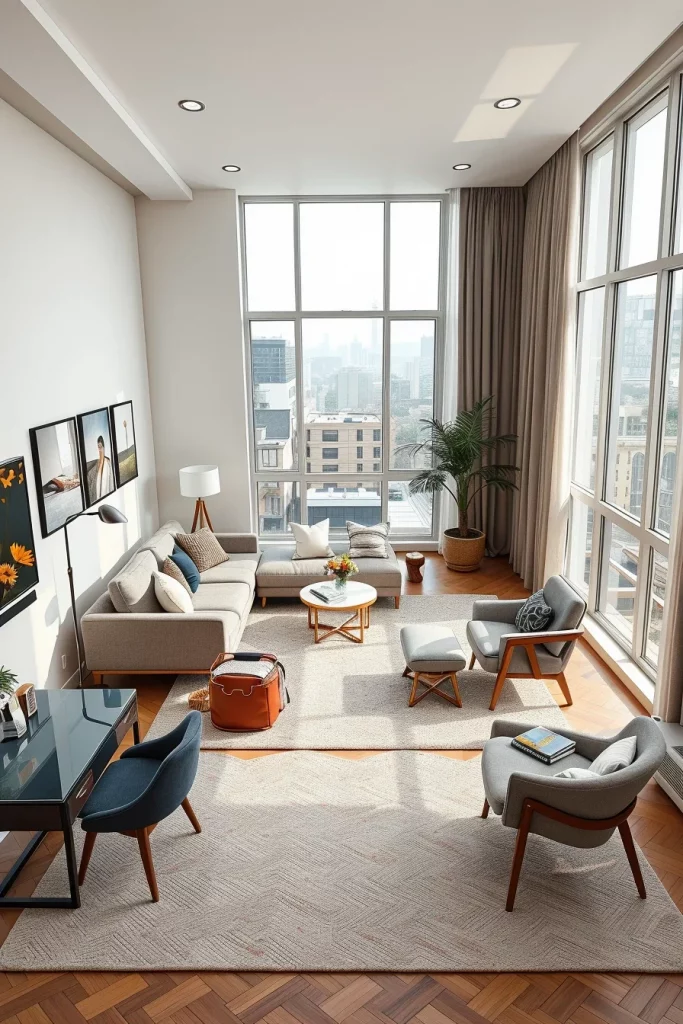
In my experience, Scandinavian interiors succeed because they prioritize quality over quantity. Many Nordic-inspired designers emphasize choosing fewer but better pieces that serve practical purposes while enhancing the overall design. I find that this philosophy works exceptionally well in apartment living where every item should earn its place.
To strengthen this concept, I would add layered lighting that includes floor lamps and table lamps with warm bulbs. This addition creates the cozy atmosphere that is essential to authentic Scandinavian interiors.
Adding A Bold Accent Wall To Transform A Small Living Area
A bold accent wall can completely change the character of a compact living room without requiring a full renovation. In many small apartment living room design projects, I use a feature wall to introduce personality, depth, and visual drama while keeping the rest of the room balanced. This approach creates a strong focal point that draws attention and enhances the overall design.
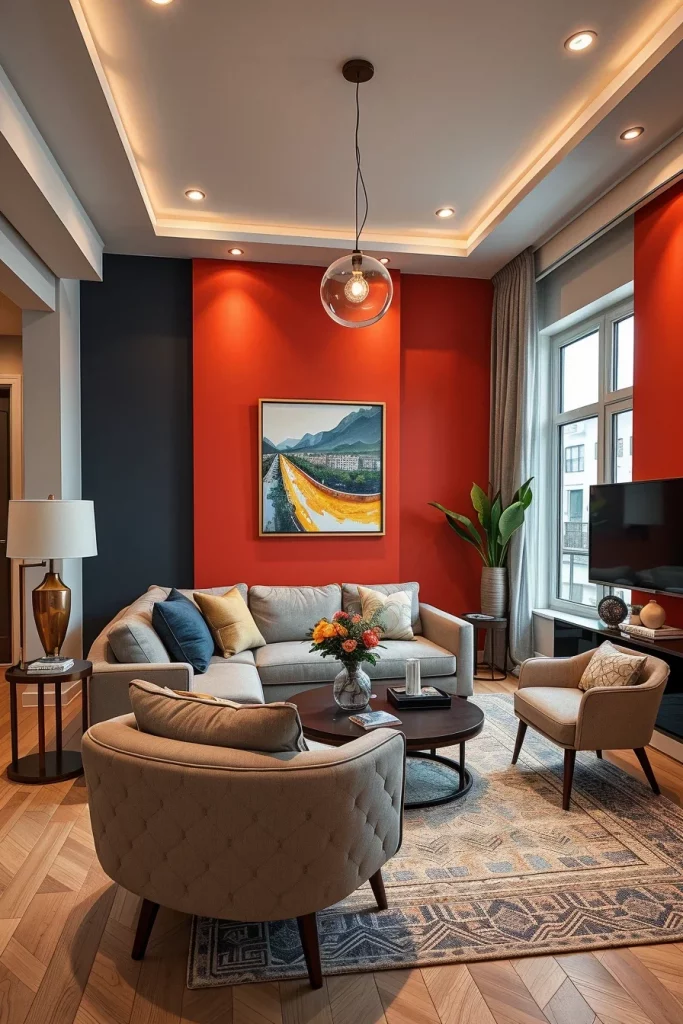
I often select deep paint colors, textured wall panels, wood slats, or statement wallpaper to define the accent wall. Pairing the feature wall with neutral furniture allows the design element to stand out while maintaining harmony throughout the space. I also recommend complementing the wall with artwork, shelving, or decorative lighting that enhances its impact.
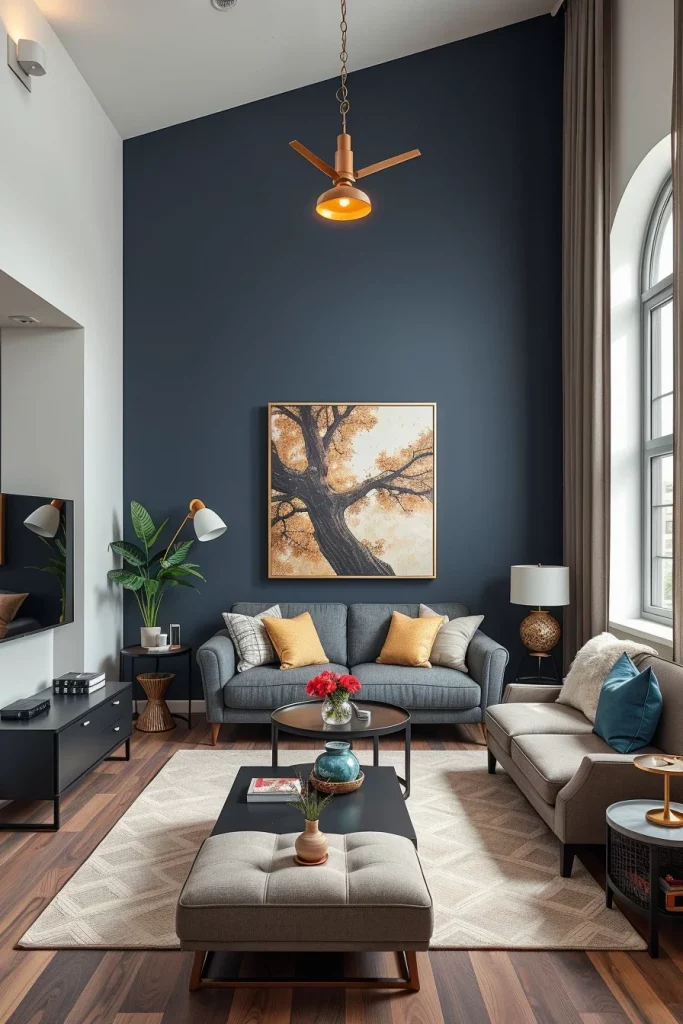
Personally, I have found that an accent wall works best when it highlights a natural focal point such as the sofa area or entertainment center. Designers featured in House Beautiful frequently recommend limiting bold design elements to one primary surface, which helps maintain visual balance in smaller rooms.
If I were refining this design further, I would incorporate decorative lighting that highlights the accent wall during evening hours. This creates additional dimension and makes the feature even more effective.
Choosing Space-Saving Furniture With Hidden Storage Features
One of the smartest strategies for apartment living is investing in furniture that offers hidden storage. In a small apartment living room design, these pieces help reduce clutter while maximizing available space. Functional furniture solutions allow homeowners to maintain a clean and organized environment without sacrificing comfort or style.
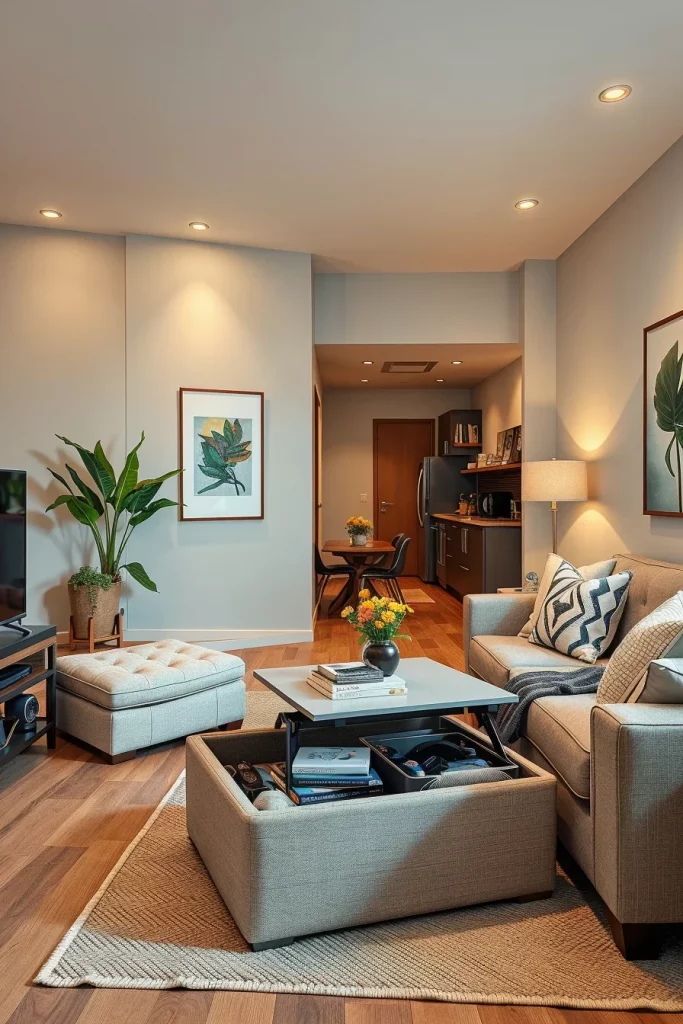
I often recommend storage ottomans, lift-top coffee tables, sofas with built-in compartments, and media consoles that conceal everyday items. These furnishings provide convenient places to store blankets, electronics, books, and seasonal accessories. By reducing visible clutter, the room immediately feels larger and more relaxing.
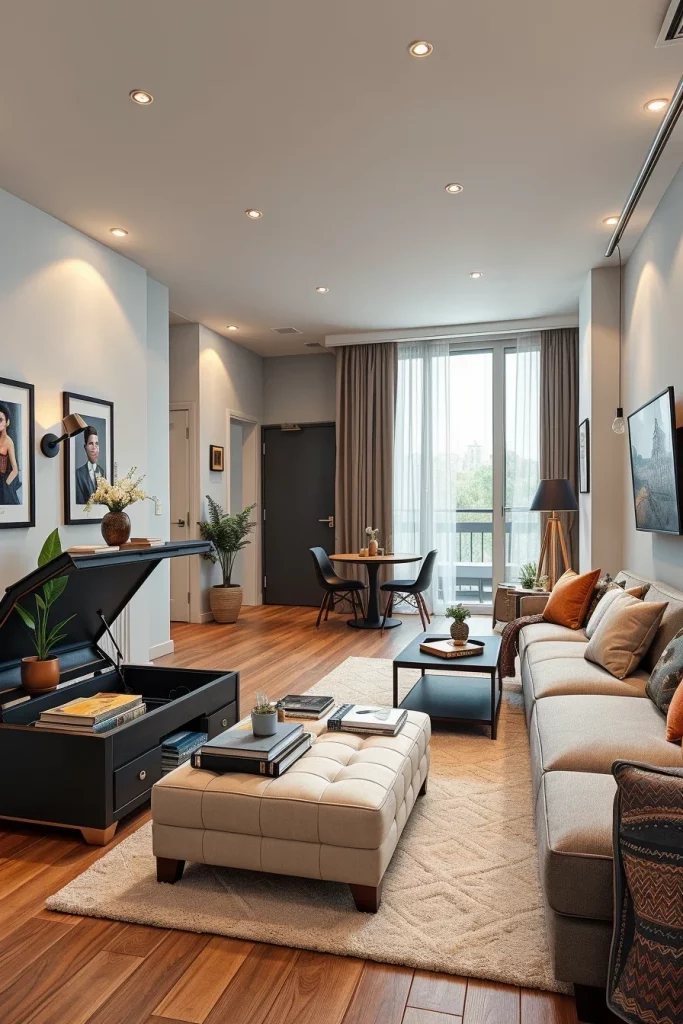
From my perspective, hidden storage is one of the most valuable investments for compact interiors. I frequently notice that clients experience a significant improvement in daily organization once they introduce multifunctional furniture into their living spaces. Practicality and aesthetics work together exceptionally well in these designs.
To make this concept even stronger, I would add a few decorative storage baskets that coordinate with the room’s color palette. They provide additional organization while contributing texture and style.
Styling A Modern Minimalist Small Apartment Living Room
Modern minimalism is an excellent choice for anyone seeking a sophisticated and uncluttered living environment. When creating a minimalist small apartment living room design, I focus on simplicity, functionality, and carefully selected furnishings that support a clean visual aesthetic. The result is a space that feels calm, spacious, and highly intentional.
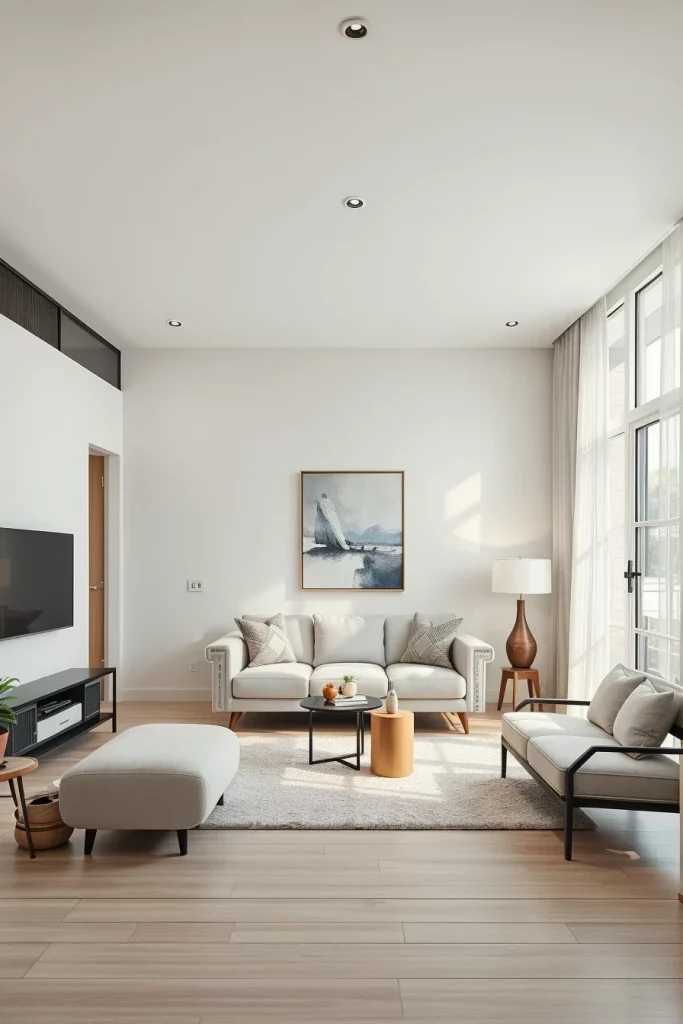
I usually choose a streamlined sofa, a simple coffee table, and a limited selection of decorative accessories. Neutral colors dominate the palette, while subtle textures provide visual depth. Hidden storage solutions and clean-lined furniture help maintain the organized appearance that defines minimalist interiors.
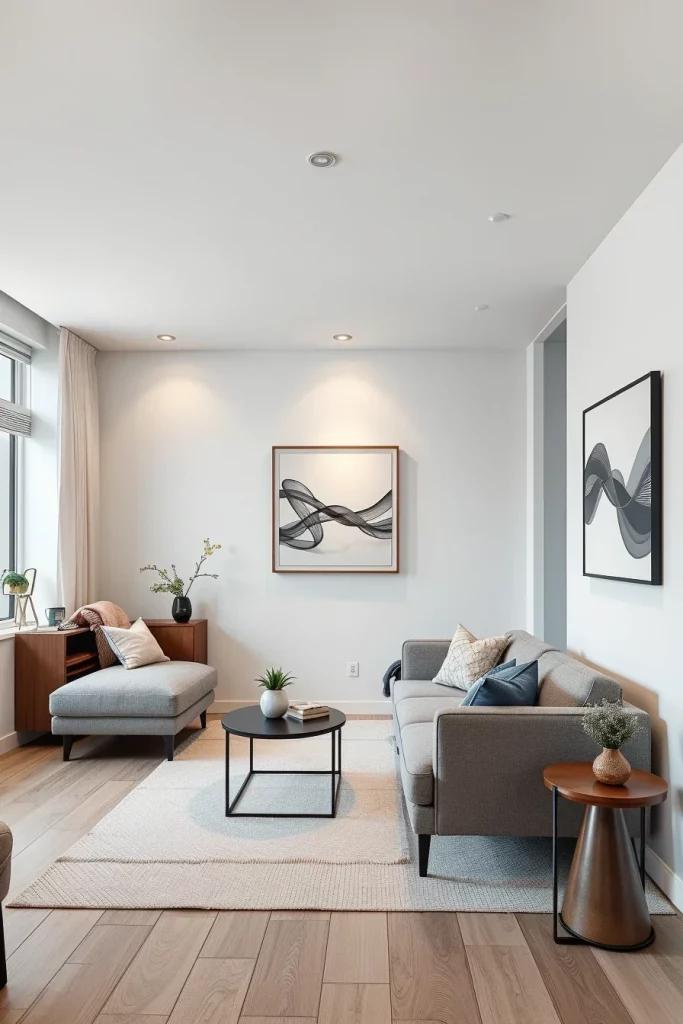
In my experience, successful minimalism is not about removing personality but about being selective. Publications such as Dwell often highlight the importance of meaningful objects and thoughtful design choices rather than excessive decoration. I find that a curated approach creates a more comfortable and visually appealing environment.
To complete the design, I would incorporate a few statement pieces such as a sculptural lamp or a large piece of contemporary artwork. These elements add character while preserving the minimalist aesthetic.
Creating A Boho-Inspired Living Room Full Of Personality
For homeowners who enjoy expressive and eclectic interiors, a boho-inspired living room offers endless opportunities for creativity. This style allows me to combine colors, patterns, textures, and global influences to create a unique and welcoming atmosphere. Even within a compact apartment, a bohemian design can feel comfortable, vibrant, and highly personalized.
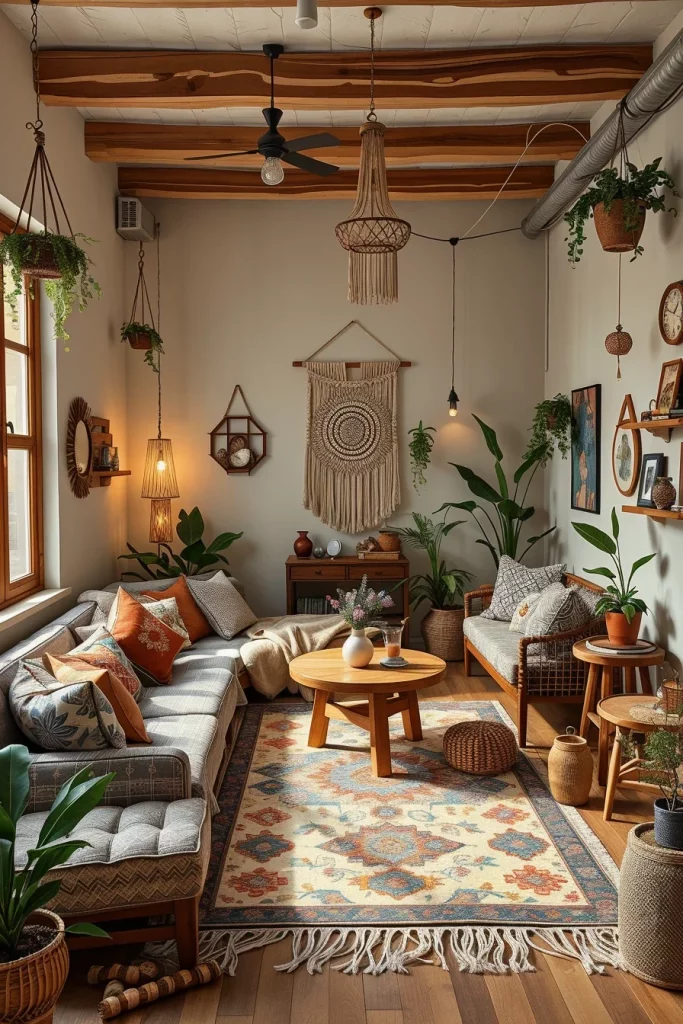
I often incorporate a comfortable sofa layered with patterned cushions, woven rugs, natural wood furniture, and decorative accessories collected from various cultural influences. Hanging plants, macramé wall art, and handcrafted decor help reinforce the relaxed and artistic character of the room. The goal is to create a curated look that feels authentic rather than overly styled.
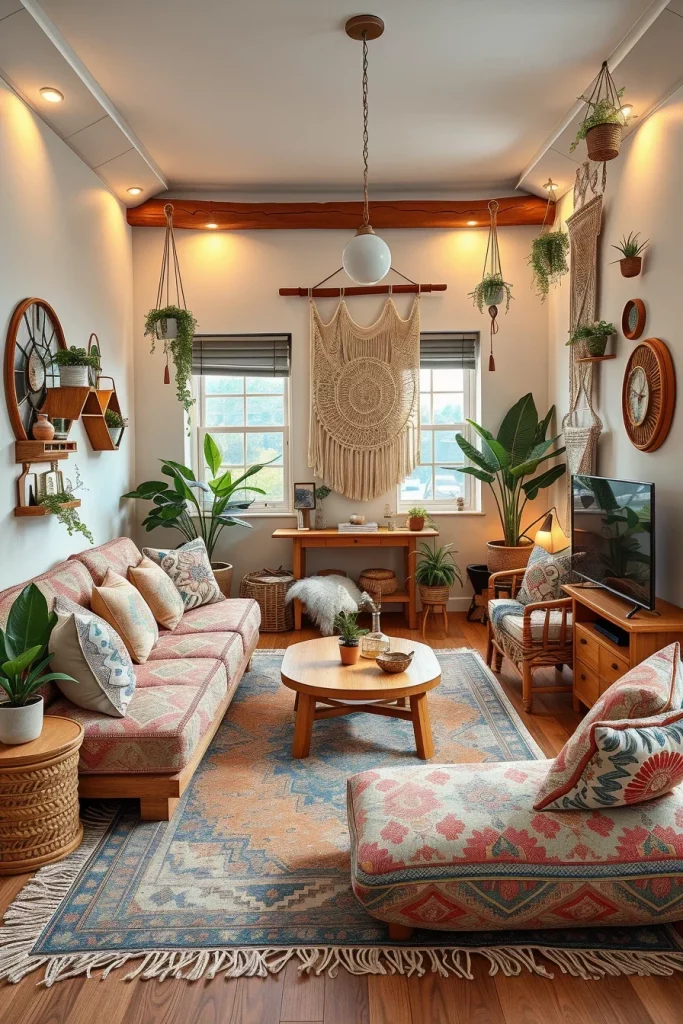
Personally, I enjoy how bohemian interiors tell a story through their decorative elements. Many interior designers encourage mixing vintage and contemporary pieces to achieve a collected-over-time appearance. I find this approach particularly effective in apartments because it adds individuality and warmth.
To enrich this design even further, I would add layered lighting using pendant lights, floor lamps, and candles. These elements enhance the cozy ambiance and highlight the room’s diverse textures and decorative details.
Designing A Luxe Small Living Room With Elegant Finishes
When I design a luxury-inspired living room in a compact apartment, I focus on creating visual richness without adding clutter. One of my favorite approaches is to use refined materials such as marble-look surfaces, brushed brass accents, velvet upholstery, and layered lighting. These details instantly elevate the room while maintaining a clean and balanced layout. In small apartment living room design, luxury is often achieved through thoughtful choices rather than oversized furniture.
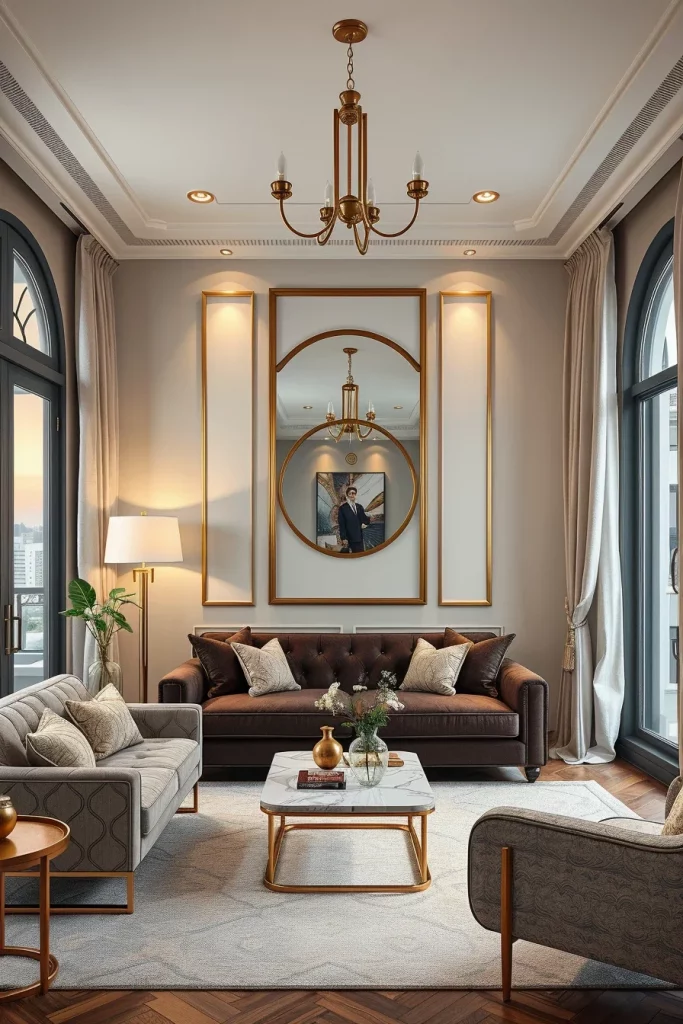
I typically recommend a streamlined sofa with tailored lines, a sophisticated coffee table with metal detailing, and a neutral area rug that defines the seating zone. Decorative elements such as oversized mirrors, sculptural table lamps, and elegant drapery help create a polished atmosphere. Every piece should contribute both beauty and functionality, ensuring that the room remains comfortable despite its compact dimensions.
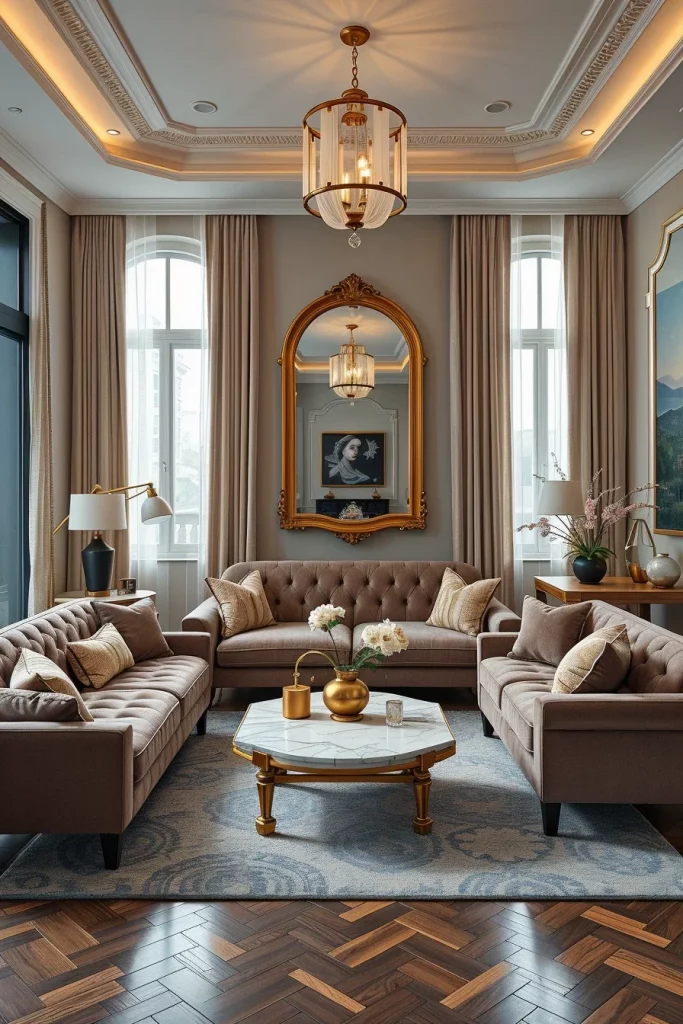
In my experience, many professional designers featured in interior publications such as Architectural Digest emphasize the importance of quality over quantity in smaller rooms. I agree with this principle because a few carefully selected luxury elements often create a stronger impression than a room filled with unnecessary accessories. This approach helps maintain visual openness while delivering an upscale aesthetic.
To complete this design, I would add subtle ambient lighting through wall sconces or concealed LED strips. These details create depth, enhance evening comfort, and further reinforce the luxurious atmosphere.
Using Vertical Decor To Draw The Eye Upward
One of the most effective techniques I use in small apartment living room design is emphasizing vertical space. Drawing the eye upward makes ceilings appear taller and creates the illusion of a larger room. Tall bookshelves, floor-to-ceiling curtains, and vertical wall paneling can significantly enhance the sense of height without increasing the room’s footprint.
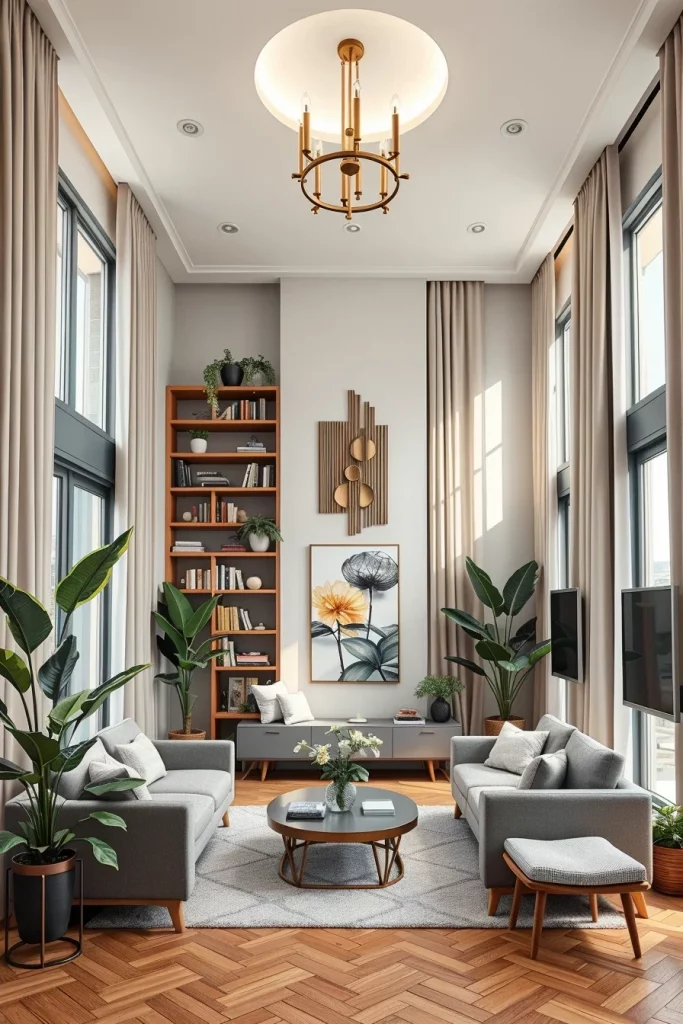
I often incorporate narrow shelving units, elongated artwork, and tall indoor plants to reinforce vertical movement throughout the space. Full-height curtains mounted close to the ceiling are especially effective because they visually stretch the walls. Decorative wall molding and vertically arranged gallery displays can achieve a similar effect while adding personality.
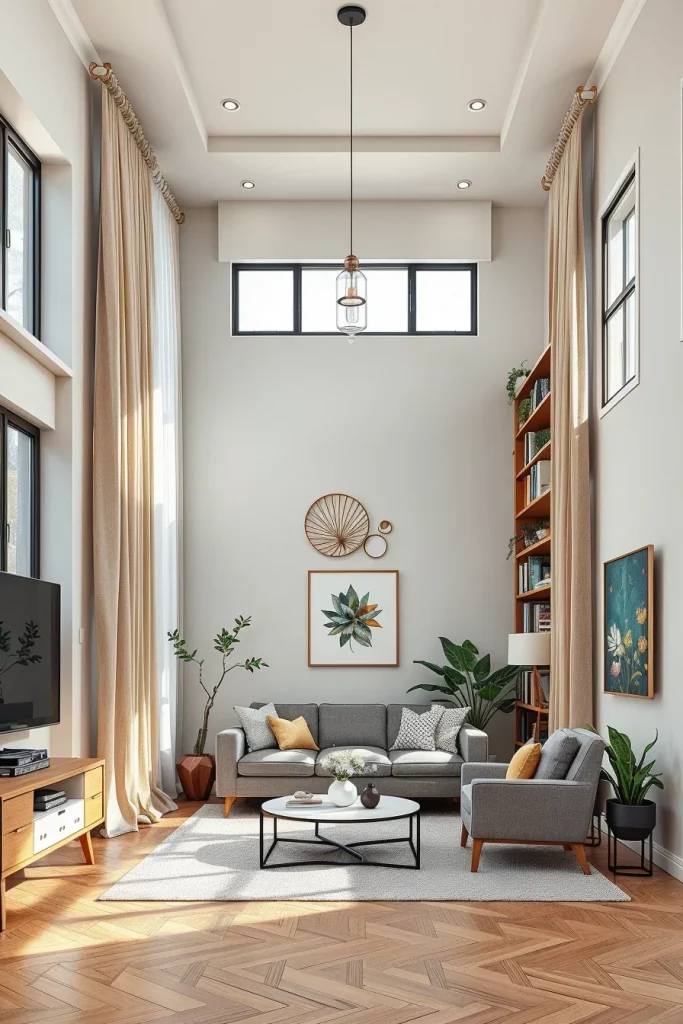
From my perspective, this strategy delivers some of the highest visual impact for the least amount of floor space. Many interior designers recommend treating walls as valuable real estate, and I have consistently found that utilizing vertical surfaces improves both storage capacity and aesthetics.
If I were enhancing this room further, I would introduce a statement pendant light with a vertical silhouette. This additional design element would strengthen the upward visual flow and create an elegant focal point.
Building A Functional Living Room Around A Compact Sectional Sofa
A compact sectional sofa can completely transform a small apartment living room by maximizing seating while maintaining an efficient layout. When I plan a room around a sectional, I focus on creating clear traffic paths and ensuring that every piece of furniture serves a purpose. This strategy is particularly useful for households that entertain guests or need flexible seating arrangements.
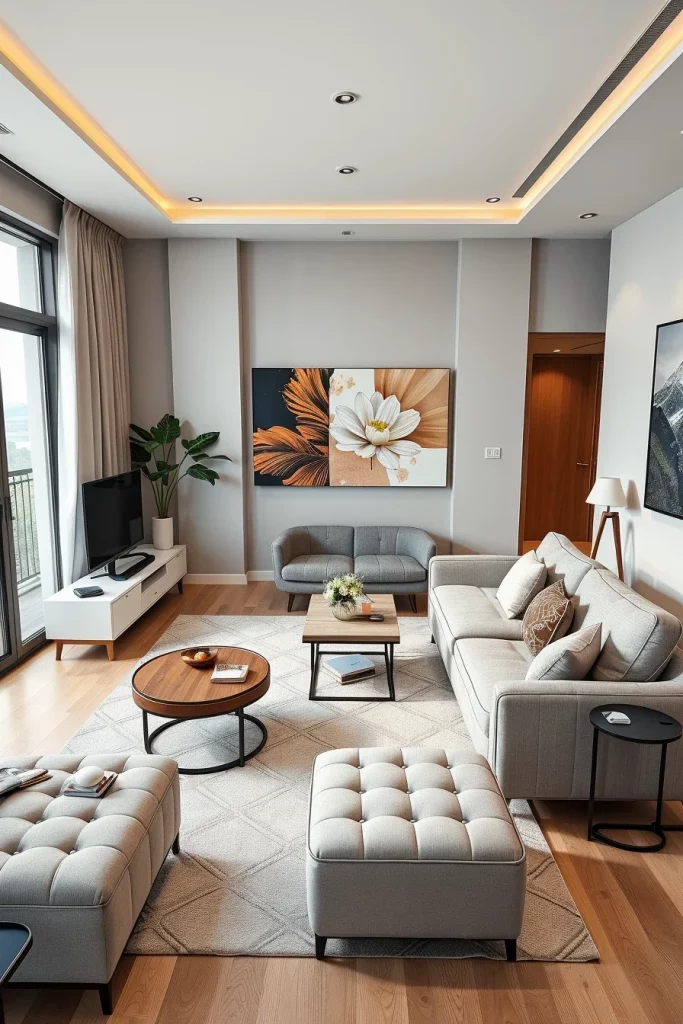
I usually select a sectional with clean lines and a relatively low profile to prevent the room from feeling crowded. Pairing it with nesting tables, a storage ottoman, and a slim media console helps maintain functionality without sacrificing style. Multifunctional furniture is essential because it allows residents to enjoy comfort while minimizing visual clutter.
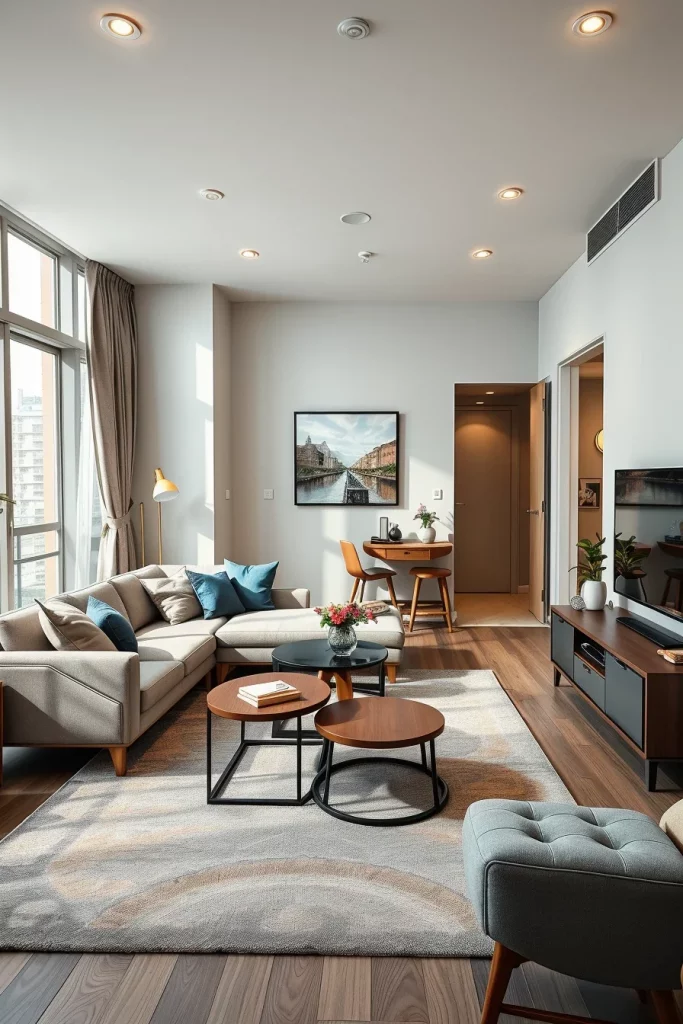
In my experience, sectional sofas work especially well when positioned to define the living area within an open-plan apartment. By establishing clear zones, the furniture helps organize the entire home. Designers frequently recommend furniture that supports multiple functions, and I have found this advice particularly valuable in smaller interiors.
To improve this arrangement further, I would incorporate hidden storage solutions such as lift-top tables or built-in shelving. These additions help keep everyday items organized and preserve the room’s clean appearance.
Bringing Nature Indoors With Plants And Organic Decor
Natural elements can dramatically improve the atmosphere of a small living room. I often use plants, natural textures, and organic materials to create warmth and balance. Incorporating greenery into small apartment living room design introduces color, texture, and a sense of tranquility without requiring major renovations.
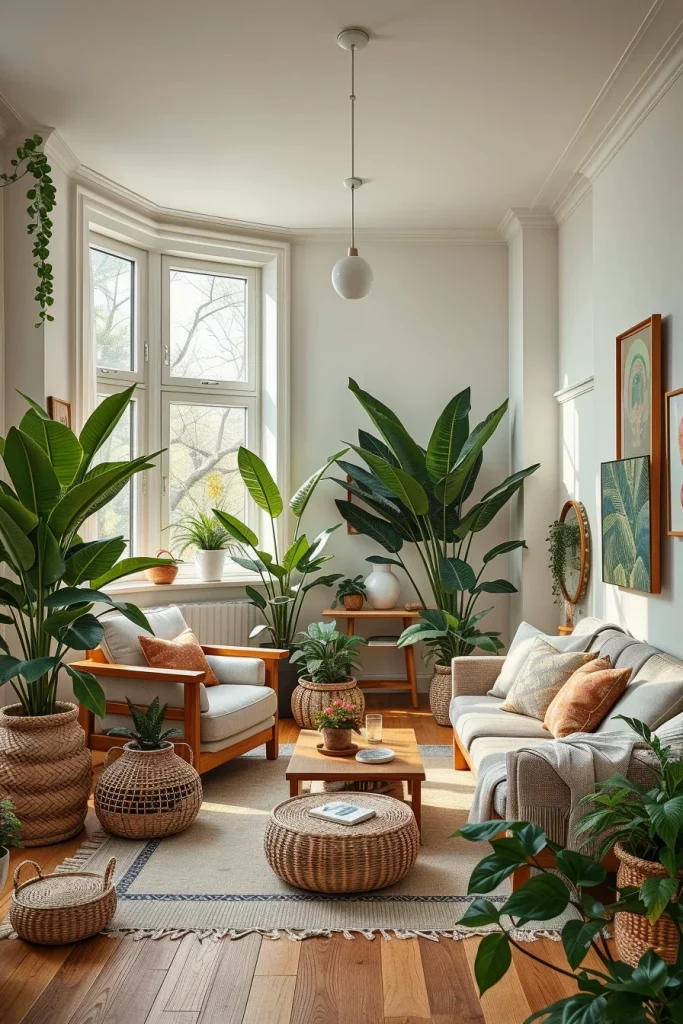
I like to combine potted trees, hanging plants, woven baskets, wooden furniture, and linen textiles. These elements work together to soften architectural lines and create a welcoming environment. Even a few carefully selected plants can make a compact space feel more vibrant and connected to nature.
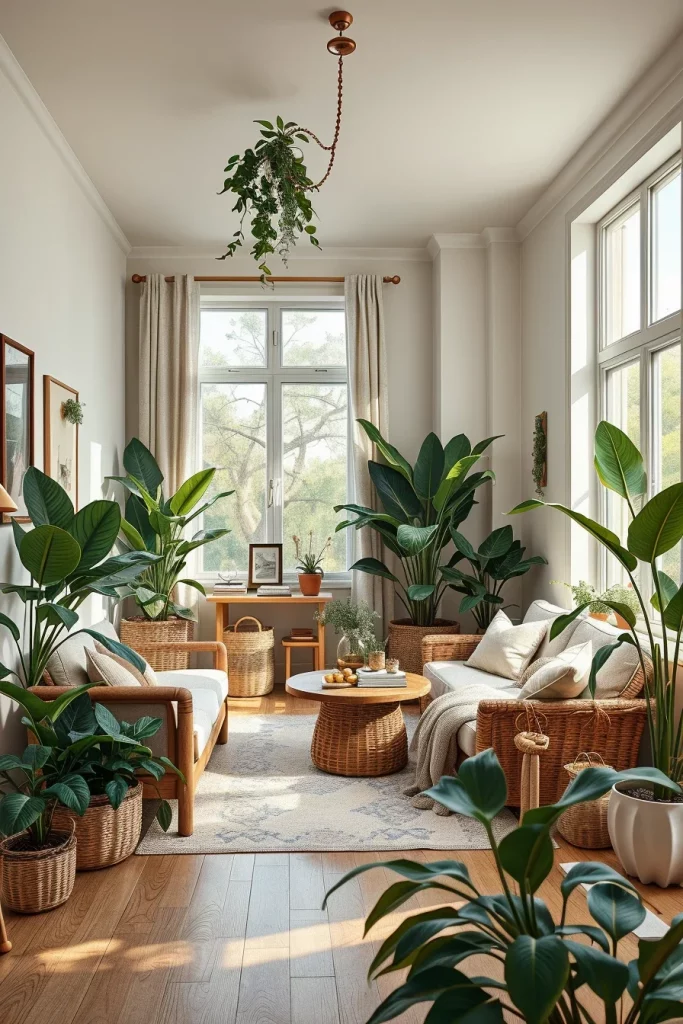
Personally, I have noticed that clients often feel more relaxed in rooms that incorporate organic decor. Many interior experts support biophilic design principles because natural elements can positively influence mood and well-being. I find that even the smallest apartments benefit from this approach.
To strengthen the concept, I would add natural stone accessories, handcrafted ceramics, or textured wall decor inspired by natural forms. These details contribute additional depth while maintaining a cohesive aesthetic.
Designing A Monochromatic Living Room For A Sophisticated Look
A monochromatic color palette is one of my preferred methods for creating a sophisticated and visually expansive living room. By focusing on varying shades of a single color, I can create depth and interest while maintaining harmony throughout the space. This technique works exceptionally well in small apartment living room design because it reduces visual fragmentation.
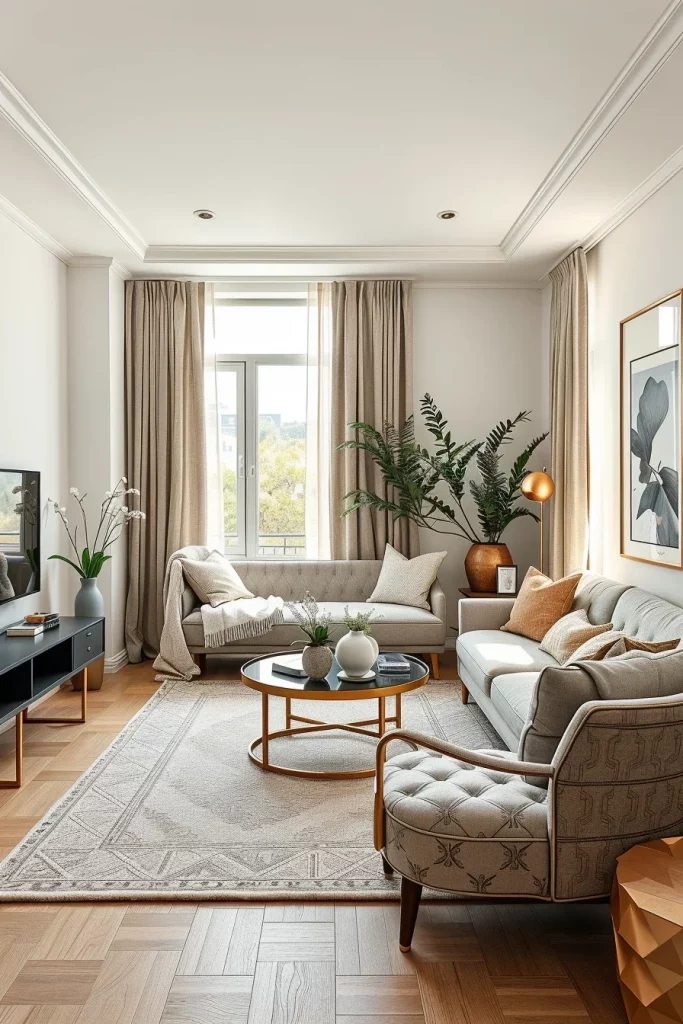
I typically layer different textures within the chosen color family. For example, a room featuring warm beige tones may include boucle seating, linen curtains, textured rugs, matte ceramics, and upholstered accent chairs. These subtle variations prevent the design from feeling flat while preserving a unified appearance.
In my opinion, monochromatic interiors often appear more refined because they allow architectural details and furniture shapes to stand out. Leading designers frequently use this strategy to create calm, timeless interiors that feel larger than they actually are.
To enhance this design even further, I would incorporate carefully placed metallic accents and layered lighting. These additions help highlight textures and bring visual dimension to the monochromatic palette.
Creating A Small Apartment Living Room With Mid-Century Modern Charm
When I want a compact living room to feel timeless and stylish, I often turn to mid-century modern design principles. This style works exceptionally well in a small apartment because it emphasizes clean lines, practical furniture, and an uncluttered layout. In small apartment living room design, mid-century modern elements create visual balance while preserving valuable floor space.
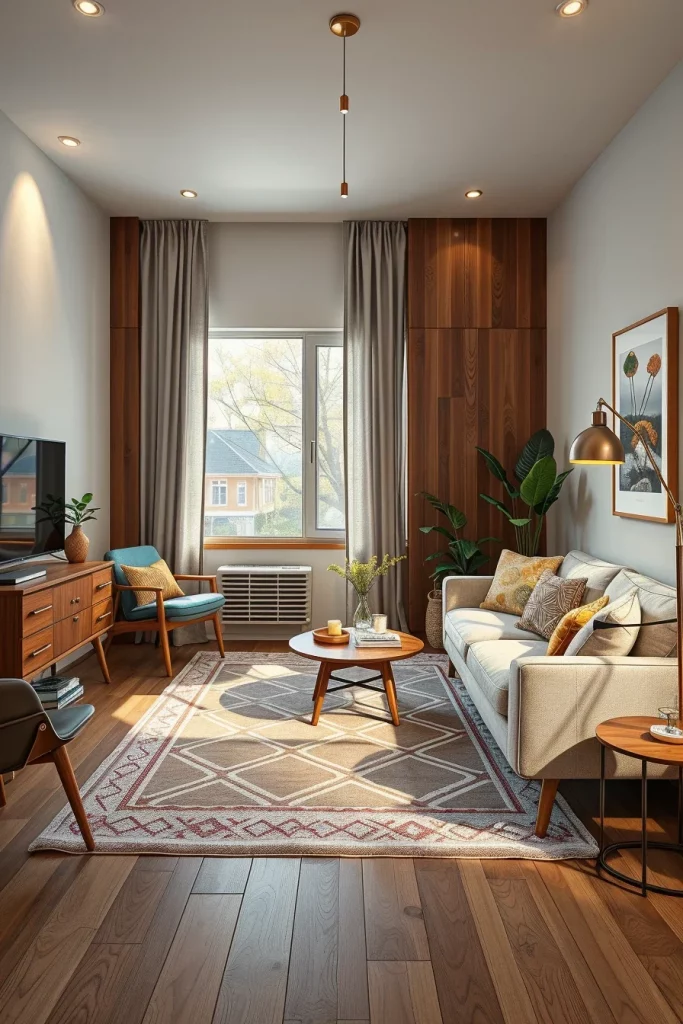
I usually start with a streamlined sofa featuring tapered wooden legs and pair it with iconic furniture pieces such as a walnut coffee table and a compact accent chair. Warm wood tones, geometric patterns, and simple lighting fixtures help establish the recognizable character of this design style. Open-leg furniture is particularly useful because it creates the illusion of a larger room by allowing more floor area to remain visible.
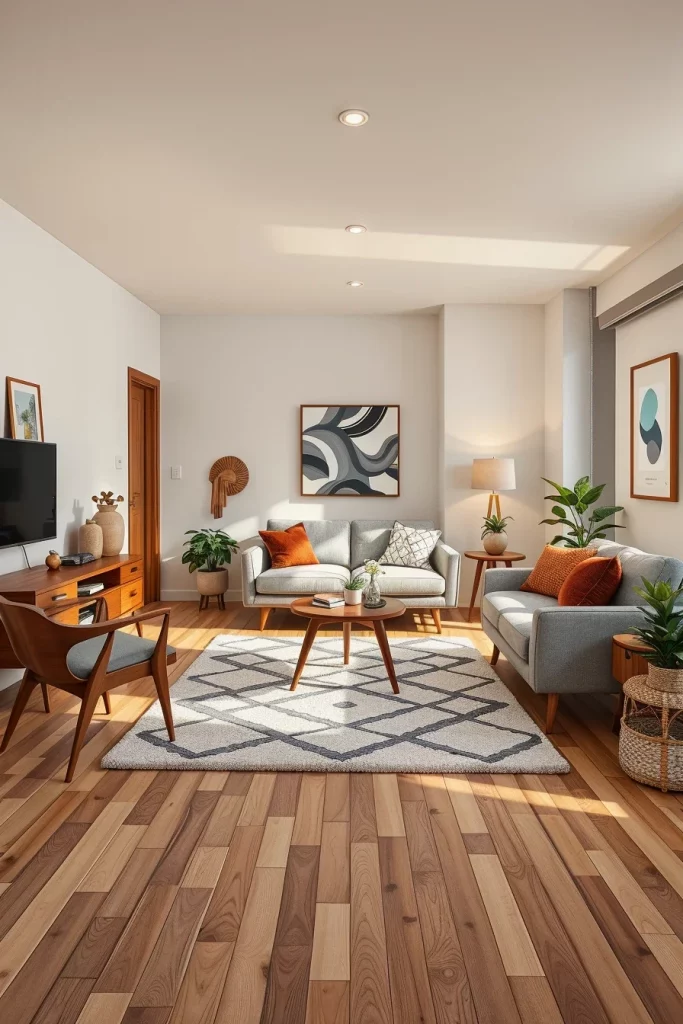
From my experience, mid-century modern interiors remain popular because they successfully combine functionality with elegance. Many respected interior designers continue to incorporate these elements into contemporary homes due to their versatility and enduring appeal. I find that this style allows homeowners to invest in furniture that remains relevant for years.
To complete the room, I would introduce a vintage-inspired area rug and a few carefully selected decorative accessories. These additions would enhance the character of the space without creating visual clutter.
Mixing Vintage And Contemporary Decor In A Compact Space
One of the most creative approaches to small apartment living room design involves blending vintage and contemporary elements. I enjoy this design strategy because it creates a room that feels collected over time rather than purchased all at once. The contrast between old and new introduces personality while maintaining a sophisticated appearance.
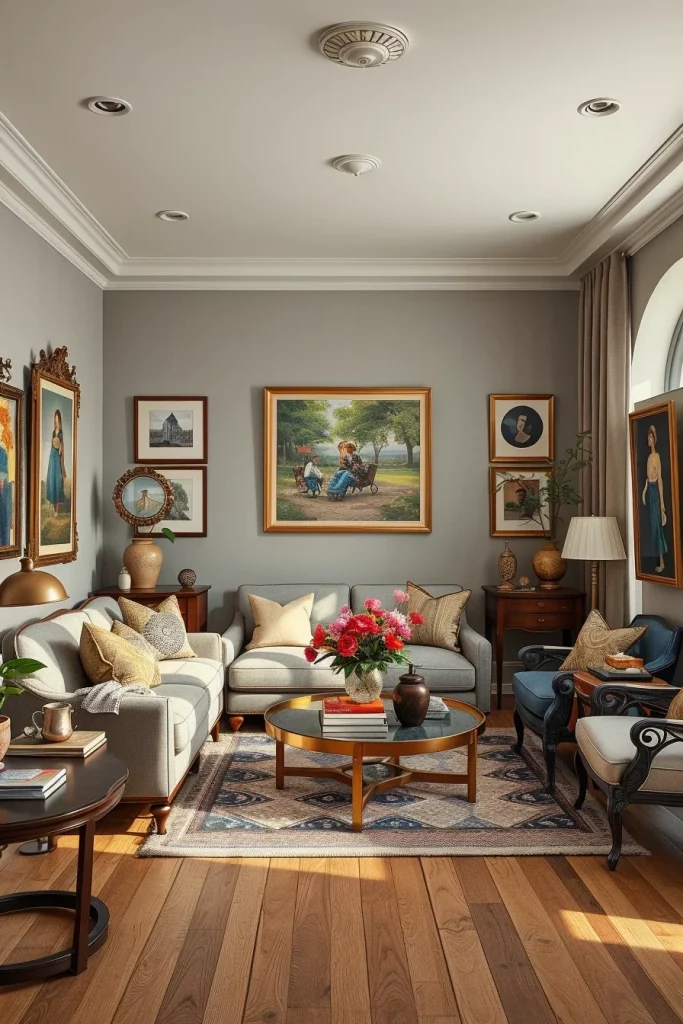
I often combine a modern sofa with antique side tables, vintage artwork, or restored wooden furniture. Contemporary lighting fixtures can provide balance while allowing older decorative pieces to stand out. Mixing materials such as aged wood, metal, glass, and modern textiles helps create depth and visual interest throughout the room.
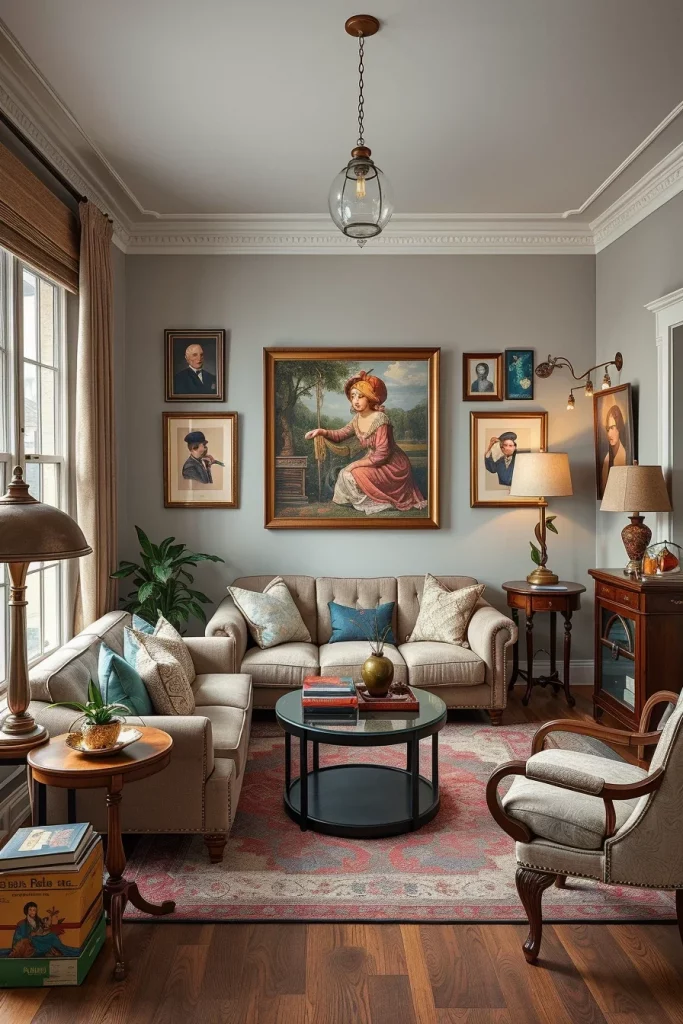
In my opinion, successful eclectic interiors require restraint. Rather than filling the room with numerous statement pieces, I prefer selecting a few meaningful vintage items and surrounding them with simpler contemporary furnishings. This approach keeps the room feeling organized and visually cohesive.
To enhance this design concept further, I would include decorative books, handcrafted ceramics, or vintage-inspired textiles. These details reinforce the layered aesthetic and contribute to the room’s unique identity.
Styling A Living Room With Artistic Gallery Walls
Gallery walls can completely transform a small living room by introducing color, personality, and visual focus. I frequently recommend this solution because wall art allows homeowners to express their style without occupying valuable floor space. In compact interiors, vertical decorative features often provide the greatest impact.
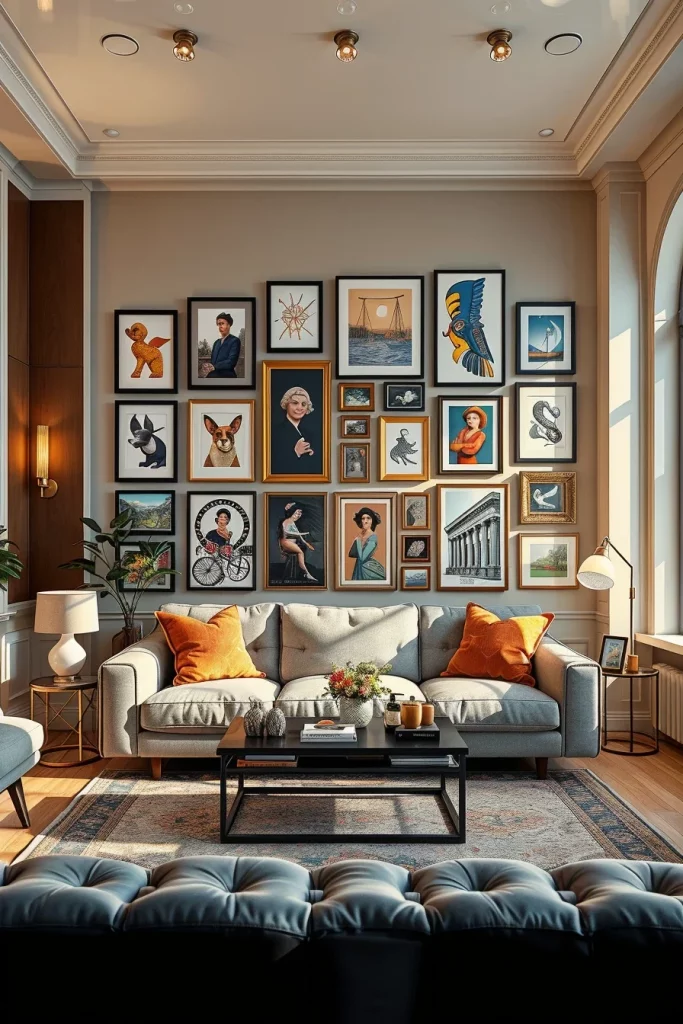
I like to arrange artwork in cohesive collections using coordinated frames, photography, abstract paintings, and graphic prints. The gallery wall typically becomes the room’s focal point, allowing the remaining decor to remain relatively simple. This balance prevents the space from feeling overcrowded while still delivering strong visual interest.
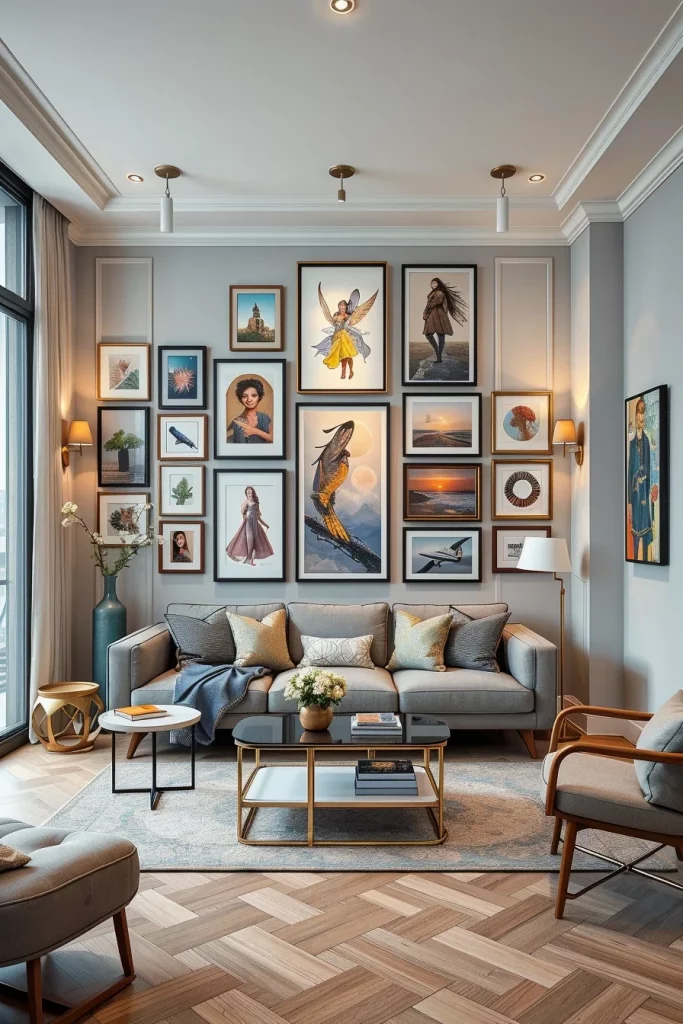
Personally, I have found that gallery walls work best when they tell a story or reflect the homeowner’s interests. Interior experts often suggest combining different sizes and styles of artwork while maintaining a consistent color palette. I follow this advice because it creates variety without sacrificing harmony.
For an even more polished appearance, I would add picture lighting or wall sconces to highlight the artwork. These lighting elements enhance the gallery wall and contribute to the room’s overall ambiance.
Using Glass And Acrylic Furniture To Create An Open Feel
When maximizing visual space is a priority, I often recommend glass and acrylic furniture. These transparent materials help reduce visual weight and allow light to travel freely throughout the room. This strategy is particularly effective in small apartment living room design because it helps create the impression of openness.
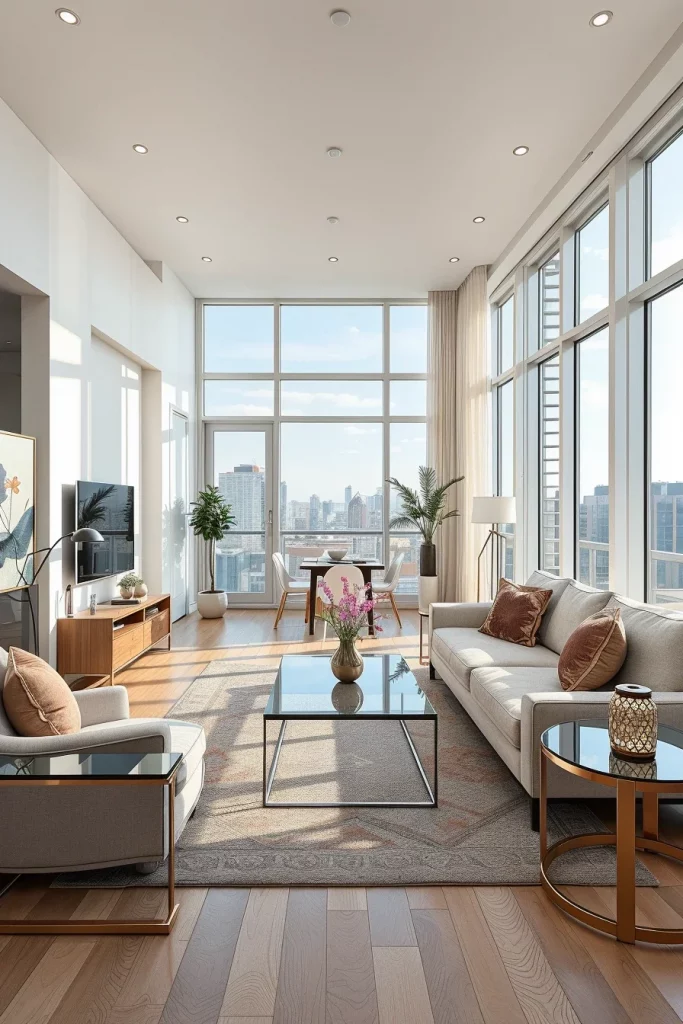
I frequently incorporate acrylic coffee tables, glass side tables, and transparent shelving units. These pieces provide full functionality while occupying less visual space than traditional furniture. Combined with reflective surfaces and light color palettes, transparent furniture contributes to a brighter and more expansive atmosphere.
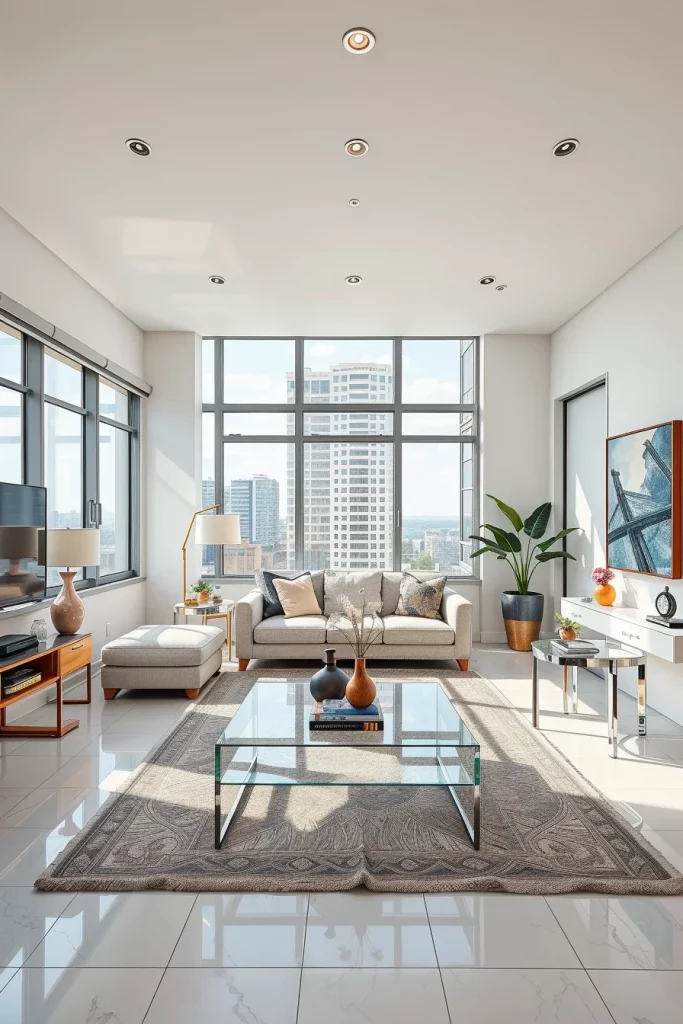
In my experience, glass and acrylic furniture are most successful when paired with textured materials such as wood, fabric, and metal. This combination prevents the room from feeling sterile while preserving its airy appearance. Many contemporary designers use transparent furniture to create a sophisticated balance between practicality and elegance.
To strengthen this design further, I would include large mirrors and carefully positioned lighting. These additions amplify natural light and reinforce the room’s open feeling.
Designing A Cozy Reading Corner Within A Small Living Room
Creating a dedicated reading corner can make a small apartment living room feel more functional and inviting. I often incorporate a compact relaxation zone because it adds purpose to underutilized corners and enhances daily comfort. Even in limited spaces, a thoughtfully designed reading area can become a favorite spot in the home.
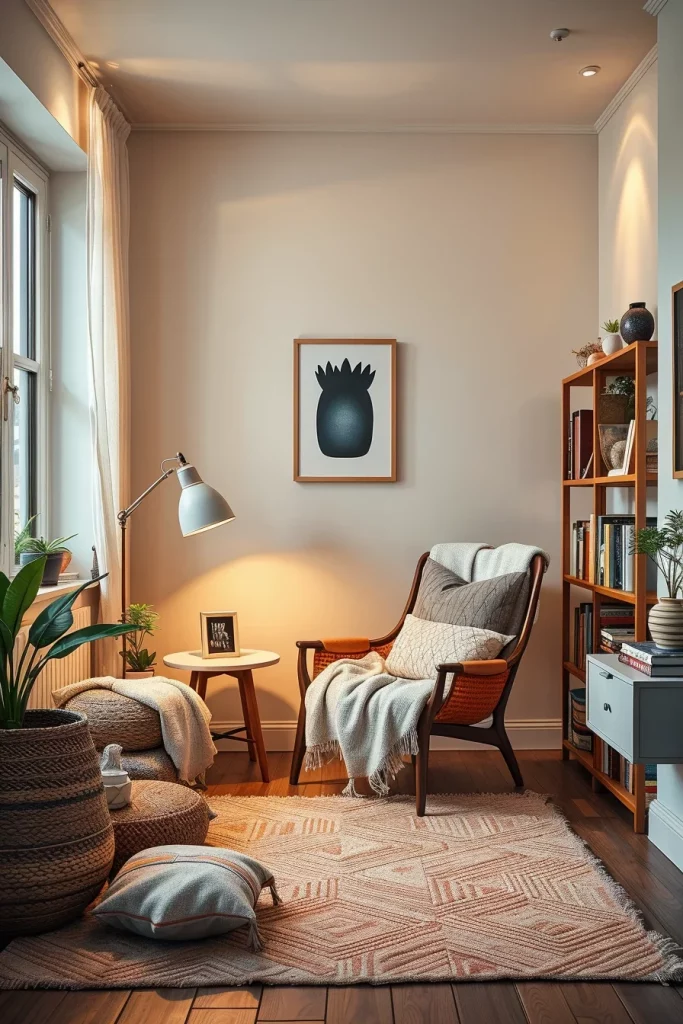
I usually begin with a comfortable armchair, a small side table, and a quality reading lamp. Soft textiles such as throw blankets and decorative cushions help establish a warm atmosphere. Built-in shelving or a narrow bookcase nearby provides convenient storage while contributing to the overall design.
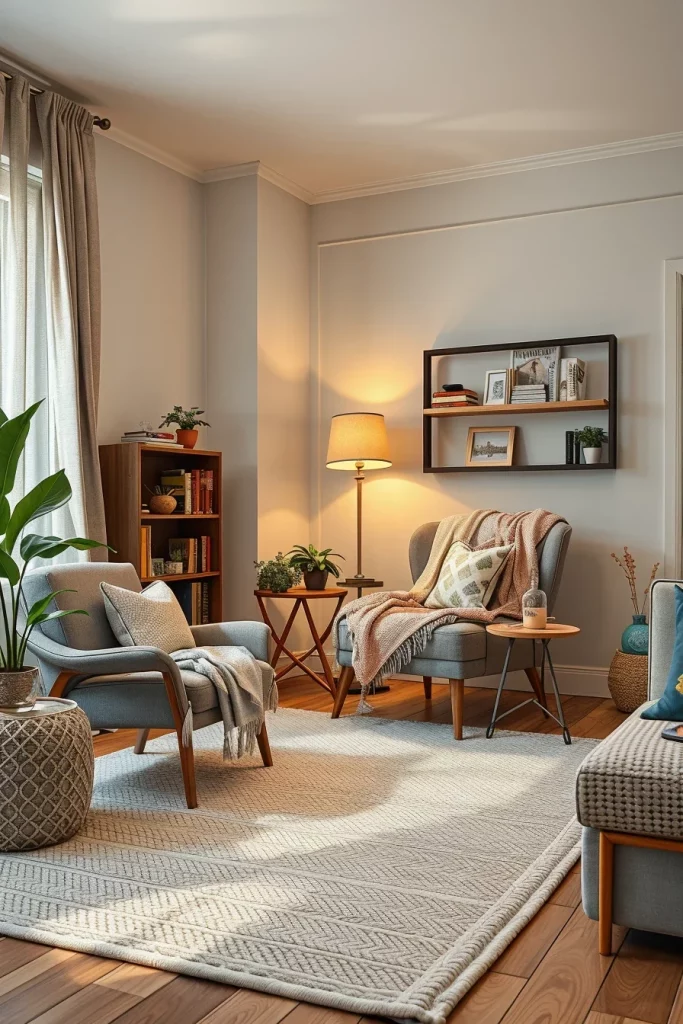
From my perspective, reading corners offer more than aesthetic value. They encourage relaxation and create a personal retreat within a busy home. Interior designers frequently emphasize the importance of creating functional zones in small apartments, and I have consistently found this advice beneficial.
To complete the space, I would add a textured rug and a few decorative accessories that reflect the homeowner’s interests. These finishing touches make the reading corner feel intentional and seamlessly integrated into the overall living room design.
Creating A Warm And Inviting Neutral-Toned Living Space
I often recommend a neutral palette when working on a small apartment living room design because it creates a calm and visually open atmosphere. Soft shades of beige, ivory, taupe, and warm gray help reflect natural light and make compact rooms feel larger. I like to combine these colors with layered textures to prevent the space from feeling flat or sterile. This approach creates an environment that feels welcoming, timeless, and highly adaptable to changing decor trends.
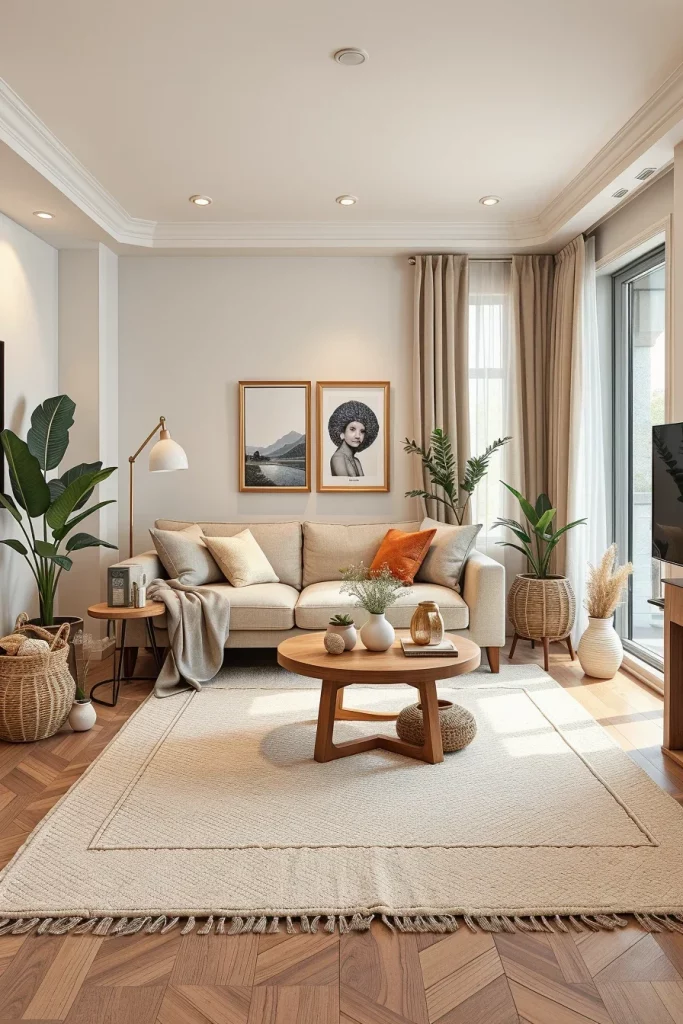
When designing this type of living room, I include a comfortable light-colored sofa, a textured area rug, natural wood coffee tables, and linen curtains. I find that woven baskets, ceramic accessories, and subtle wall art add warmth without overwhelming the room. Furniture with slim profiles and exposed legs helps maintain visual openness, while storage ottomans provide valuable functionality in smaller apartments.
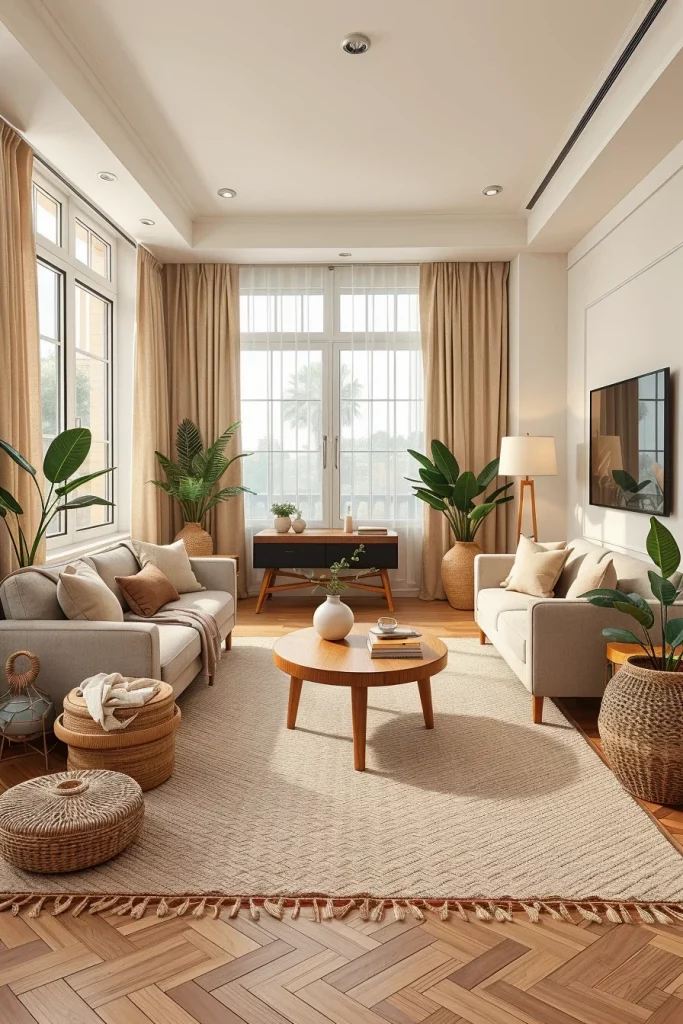
In my experience, many interior designers featured in leading publications such as Architectural Digest emphasize the importance of layering textures when working with neutral interiors. I agree with this advice because combining fabrics, wood finishes, and natural materials creates depth while preserving the room’s serene character. A neutral design also provides flexibility for seasonal updates and personal decorative accents.
To complete this space, I would add several indoor plants and carefully selected ambient lighting. These details bring life and dimension to the room while enhancing the cozy atmosphere that makes neutral interiors so appealing.
Adding Dramatic Lighting For A Designer-Inspired Interior
Lighting can completely transform a compact living room, and I often use it as a focal point in a small apartment living room design. Dramatic lighting creates visual interest while drawing attention upward, making ceilings appear higher and rooms feel more expansive. By carefully layering different light sources, I can create a sophisticated environment that feels professionally designed.
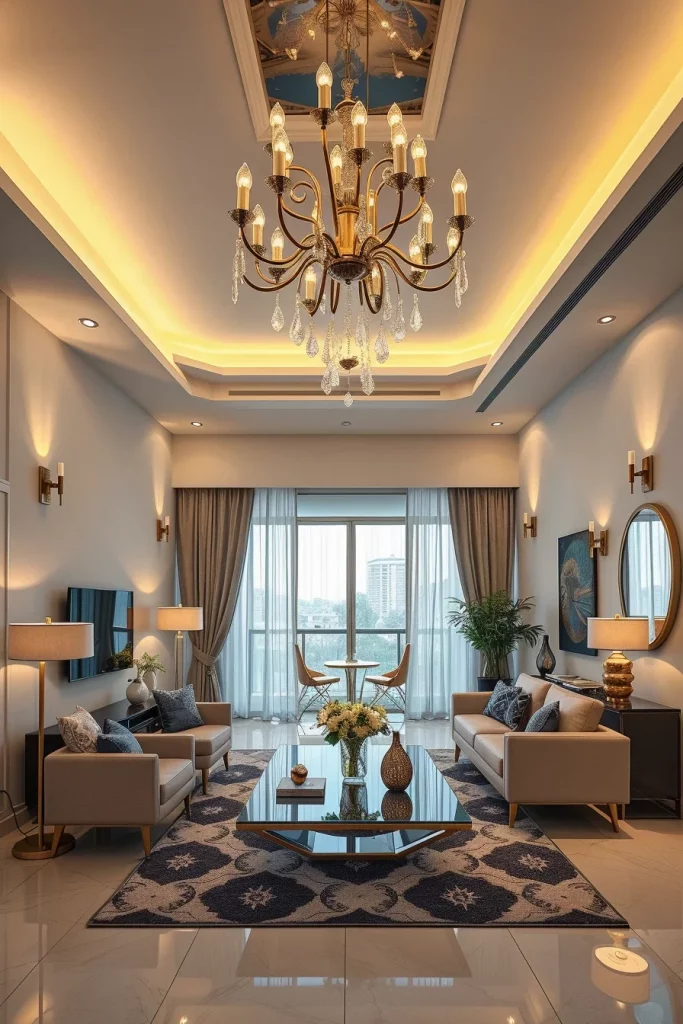
I typically incorporate a statement chandelier or sculptural pendant light as the centerpiece of the room. Wall sconces, floor lamps, and integrated shelving lights help distribute illumination evenly throughout the space. Reflective surfaces such as glass tables, metallic accents, and mirrors amplify the lighting effect and contribute to a brighter overall atmosphere.
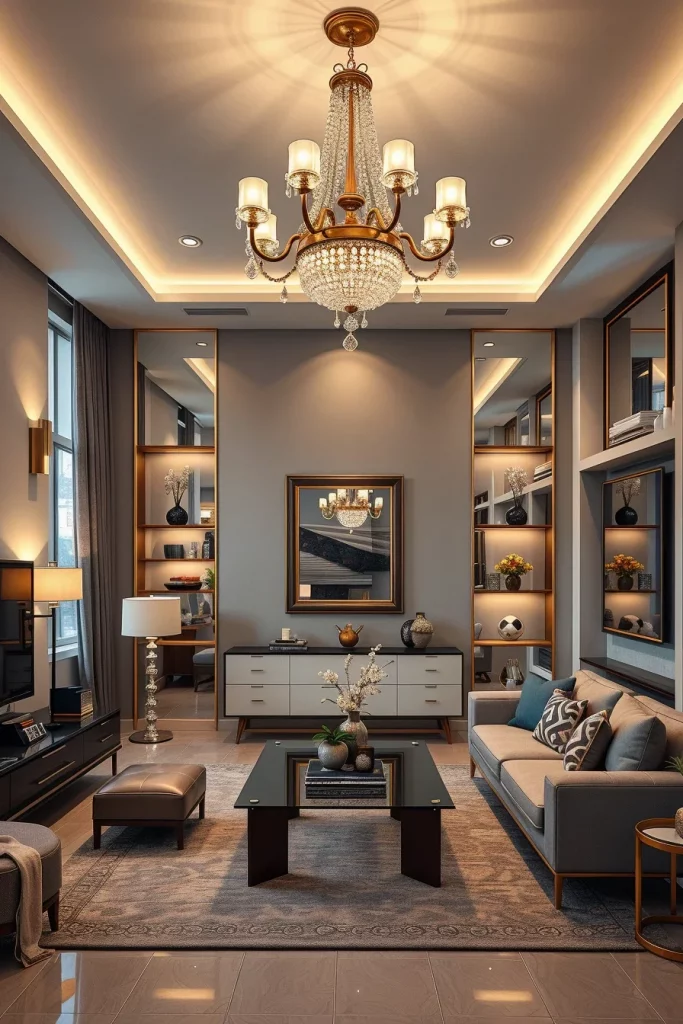
From my perspective, lighting is one of the most overlooked aspects of apartment design. I have seen many small living rooms transformed simply by replacing basic fixtures with more distinctive designs. Professional designers frequently recommend using multiple light sources rather than relying on a single overhead fixture, and I find this strategy consistently improves both functionality and aesthetics.
For even greater impact, I would include dimmable lighting controls. This allows the room to adapt to different activities while creating a more luxurious and customizable living environment.
Designing A Small Apartment Living Room With Industrial Character
An industrial-inspired living room can bring remarkable personality to a small apartment while maintaining a clean and practical layout. I often use exposed materials, contrasting textures, and minimalist furniture to create an urban atmosphere that feels authentic rather than overly decorative. This style works especially well in compact spaces because it emphasizes simplicity and functionality.
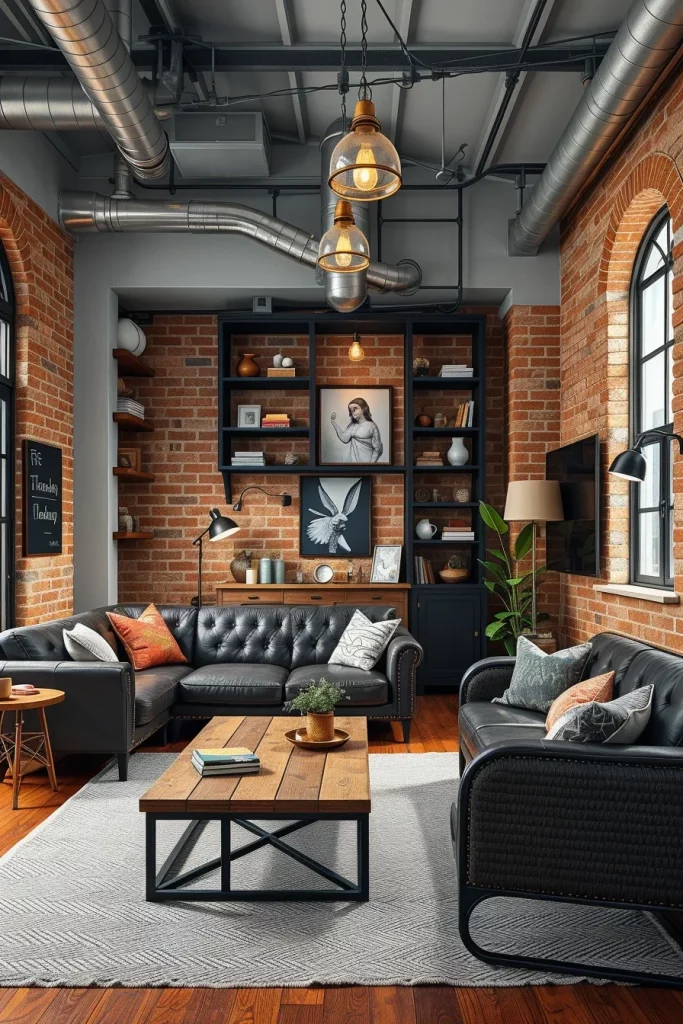
I usually incorporate a leather sofa, black metal coffee tables, open shelving, and reclaimed wood surfaces. Concrete-inspired finishes, exposed brick walls, and industrial-style lighting fixtures reinforce the aesthetic without making the room feel cluttered. Neutral tones paired with darker accents help maintain visual balance while highlighting architectural details.
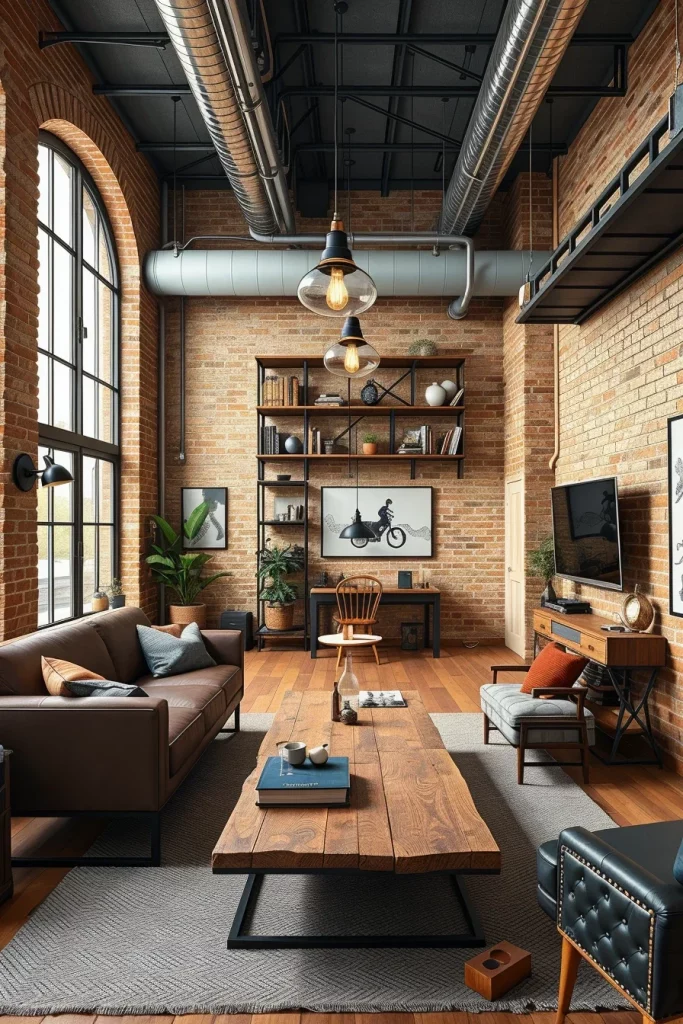
Personally, I appreciate how industrial design encourages the use of durable materials that age beautifully over time. Many respected interior designers advocate for combining industrial elements with softer textures to create a more comfortable living environment. I often add textured throws, area rugs, and upholstered seating to soften the overall appearance while preserving the industrial character.
To enhance this concept further, I would include oversized artwork or large-scale photography. These elements provide visual focus and help establish a more curated and intentional design.
Incorporating Curved Furniture For A Soft And Modern Aesthetic
Curved furniture has become increasingly popular, and I believe it is particularly effective in a small apartment living room design. Soft silhouettes help reduce the rigid appearance that often results from placing rectangular furniture in compact rooms. Curves create smoother visual movement throughout the space and contribute to a more inviting atmosphere.
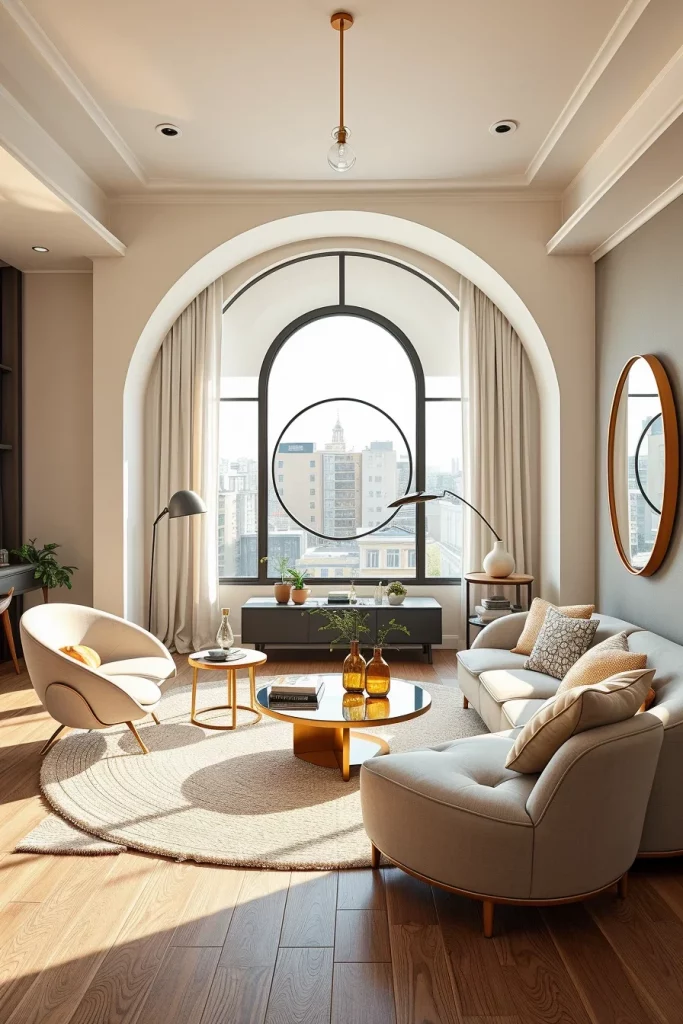
For this design, I would select a curved sofa, rounded coffee tables, sculptural accent chairs, and circular rugs. These elements work together to soften the room while introducing a contemporary aesthetic. Light fabrics and subtle color palettes further enhance the sense of openness and sophistication.
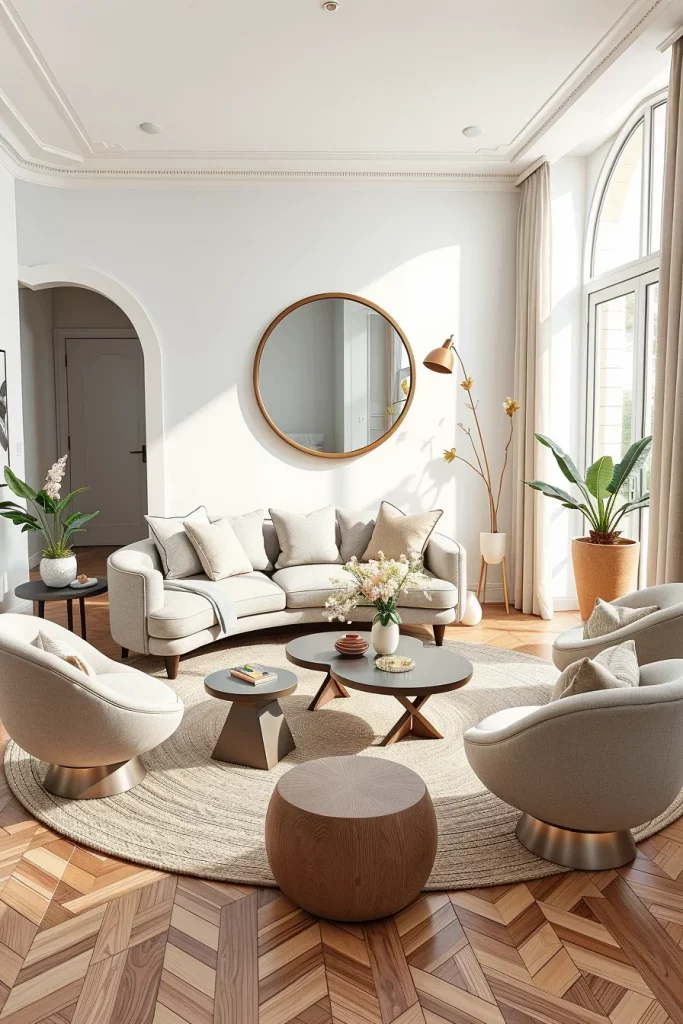
I have found that curved furniture naturally encourages better flow in small spaces. Many contemporary designers use organic shapes to create interiors that feel more comfortable and approachable. In my own projects, rounded furniture often helps make compact layouts feel less crowded and more harmonious.
To complete this design, I would incorporate curved floor lamps, arched mirrors, and rounded decorative accessories. These details reinforce the theme while creating a cohesive and polished interior.
Creating A Chic Black-And-White Living Room Design
A black-and-white palette offers a timeless solution for homeowners seeking a sophisticated small apartment living room design. I use this approach when I want to create strong visual contrast while maintaining a clean and uncluttered appearance. The balance between light and dark tones can make a compact room feel intentional and highly stylish.
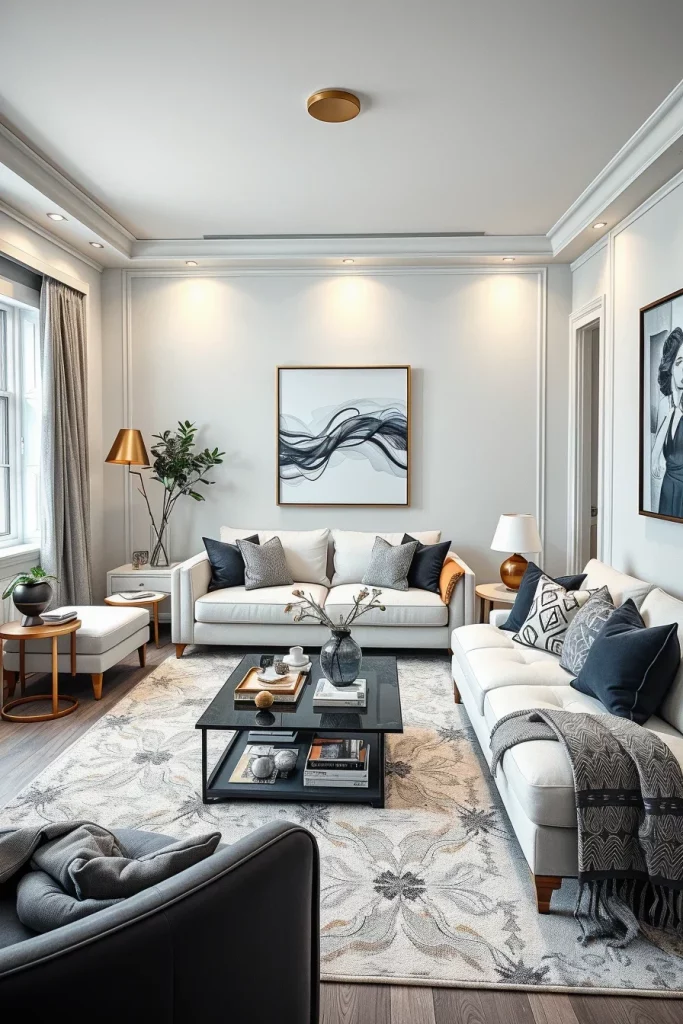
I typically begin with a white foundation, including walls, upholstery, and larger furniture pieces. Black accents such as coffee tables, picture frames, lighting fixtures, and decorative objects create contrast and visual structure. Geometric patterns and textured fabrics add depth without introducing excessive color.
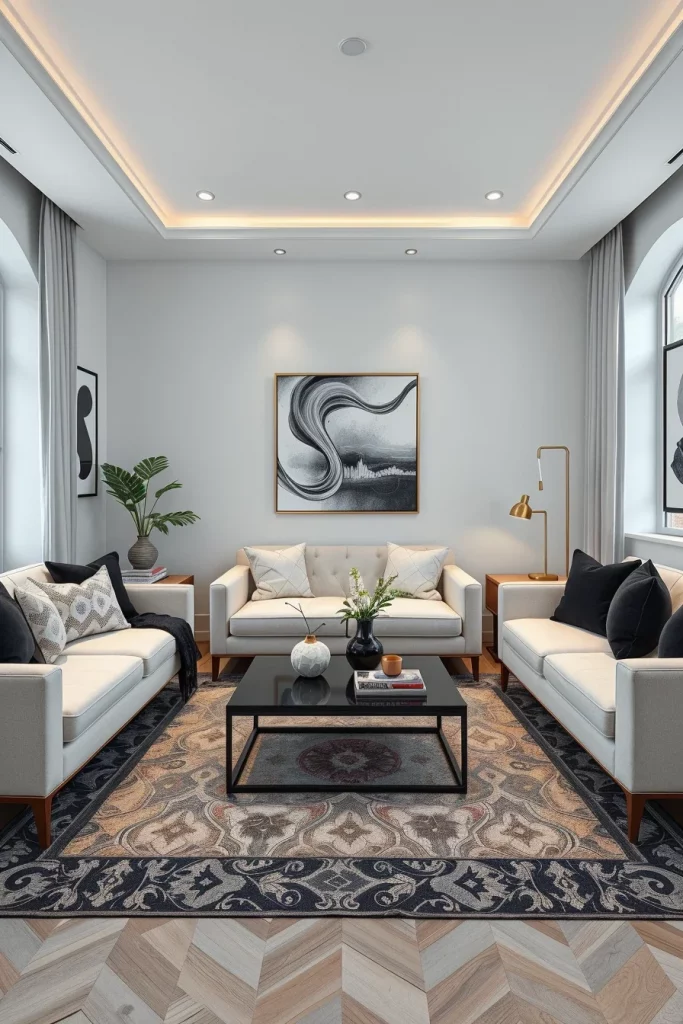
In my experience, the success of a black-and-white interior depends on careful balance. Too much black can make a room feel smaller, while too much white may feel sterile. I often follow advice from leading interior publications that recommend introducing natural textures such as wood, stone, or woven materials to soften the contrast and create warmth.
I would also include subtle metallic accents, such as brushed brass or matte gold details. These additions elevate the design and provide a touch of understated luxury that complements the monochromatic palette.
Styling A Compact Living Room With Rich Earth-Tone Decor
I often recommend earth-tone palettes when designing a small apartment living room design because they bring warmth, depth, and comfort without overwhelming the space. Shades of terracotta, caramel, olive green, chocolate brown, and warm beige create a grounded atmosphere that feels both stylish and inviting. In a compact apartment, these colors add character while maintaining a balanced and cohesive look. I find that earth tones work particularly well in rooms that receive plenty of natural light.
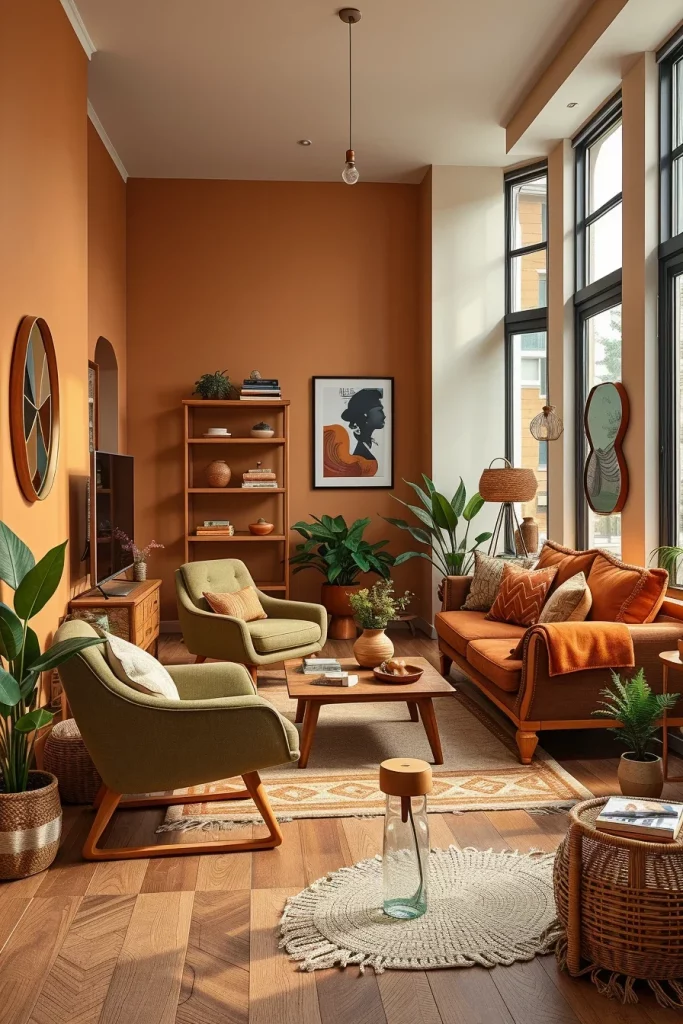
For furniture, I usually select a warm brown sofa, wooden coffee tables, and upholstered accent chairs in muted green or rust-colored fabrics. Natural materials such as wood, rattan, leather, and stone help reinforce the earthy aesthetic. Decorative pillows, textured throws, and handcrafted pottery introduce additional layers that make the room feel curated and comfortable. I also like incorporating plants to enhance the connection with nature.
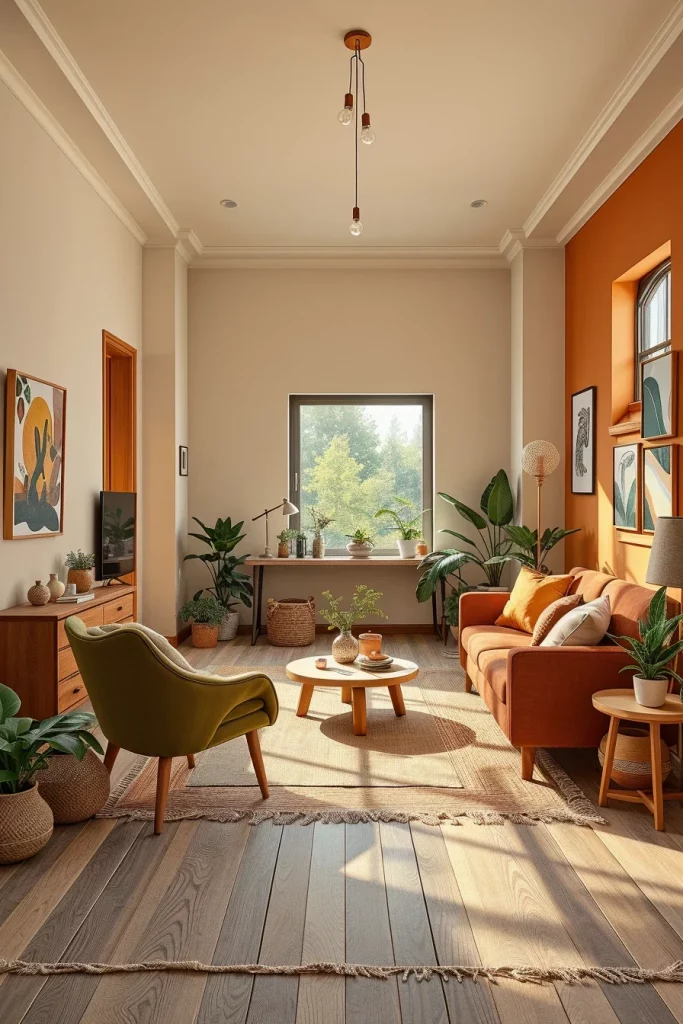
From my experience, earth-tone interiors tend to age gracefully because they are inspired by natural colors rather than temporary trends. Many interior designers suggest mixing several tones within the same color family to create dimension and visual interest. I agree with this approach because it allows the room to feel sophisticated without becoming visually busy.
To enrich this design further, I would add woven wall decor, oversized greenery, and soft ambient lighting. These details strengthen the organic atmosphere while making the living room feel even more welcoming.
Designing A Creative Entertainment Wall For Small Apartments
A well-designed entertainment wall can dramatically improve a small apartment living room design by combining functionality, storage, and visual appeal. I view this feature as an opportunity to maximize vertical space while creating a strong focal point. Instead of allowing televisions and media equipment to dominate the room, I prefer integrating them into a thoughtful and attractive composition.
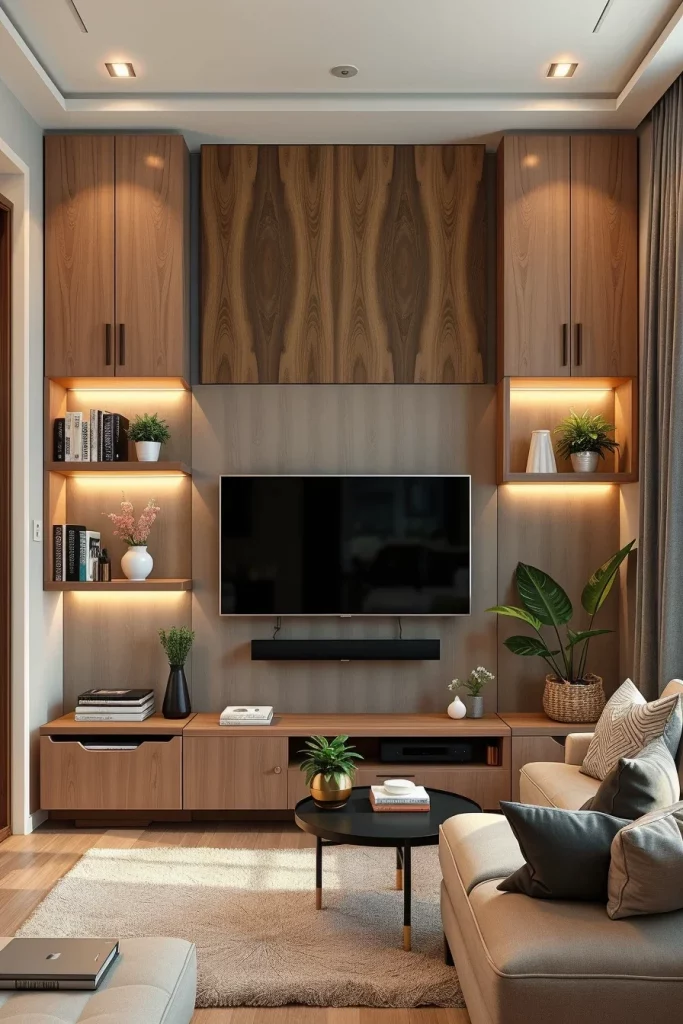
I typically use floating cabinets, built-in shelving, and wall-mounted televisions to keep the floor area open. Decorative books, framed artwork, plants, and accent lighting help transform the entertainment wall into a stylish design element rather than a purely practical feature. Hidden storage compartments are particularly useful for maintaining a clutter-free appearance in smaller homes.
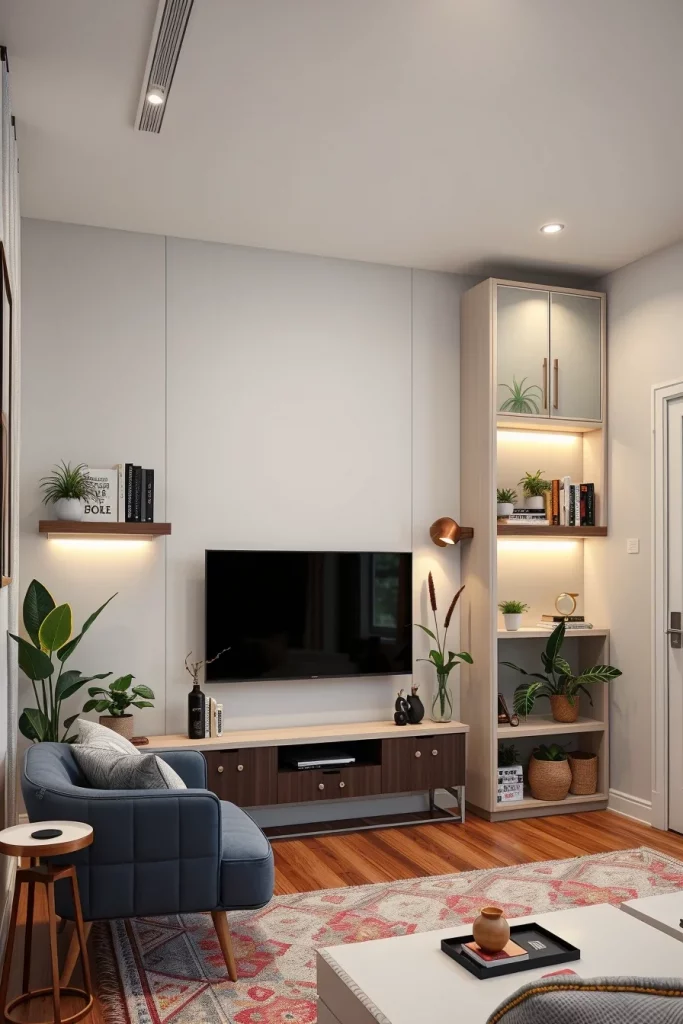
Personally, I have found that custom or semi-custom entertainment walls can significantly improve the organization of compact living spaces. Interior designers frequently recommend using vertical storage solutions in apartments because they increase functionality without consuming valuable floor space. I consistently see excellent results when homeowners invest in a well-planned media wall.
If I were expanding this design, I would include integrated LED lighting and display niches for decorative accessories. These additions create depth and elevate the overall appearance of the room.
Making A Tiny Living Room Feel Luxurious With Layered Decor
Luxury is not determined by square footage, and I believe a small living room can feel remarkably elegant through the careful use of layered decor. In a small apartment living room design, layering helps create visual richness while maintaining comfort and functionality. The goal is to combine textures, materials, and decorative accents in a way that feels intentional and refined.
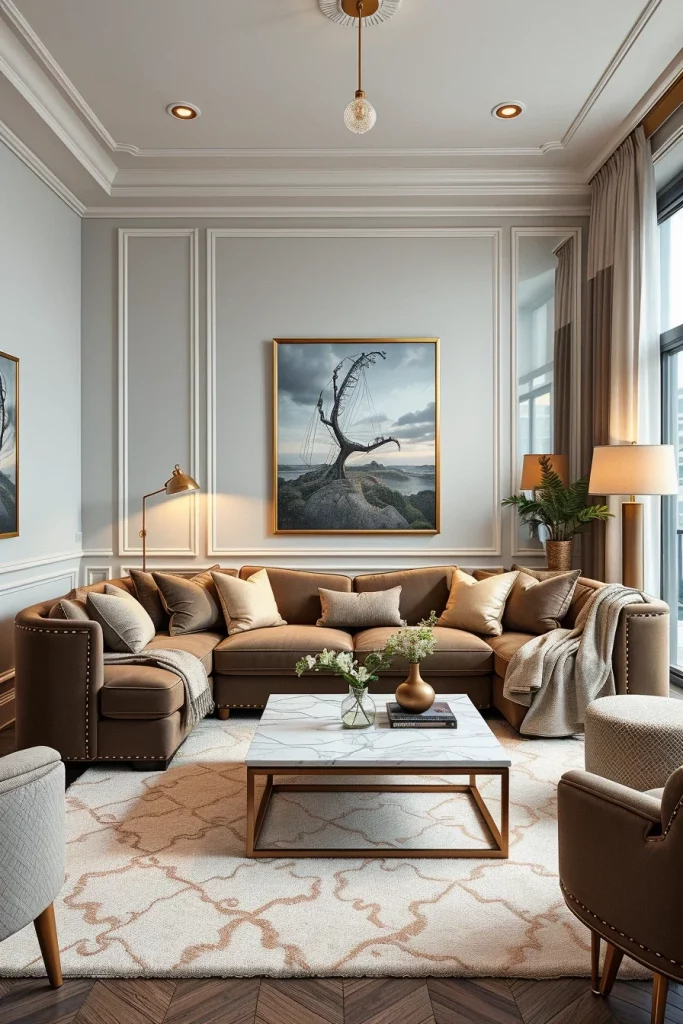
I often start with a high-quality area rug and build upon it with upholstered seating, decorative pillows, soft throws, and statement lighting. Mirrors, metallic finishes, and carefully selected artwork contribute to a more sophisticated atmosphere. Furniture with premium-looking materials, such as velvet, marble, or brushed metal, can instantly elevate the room without requiring a large budget.
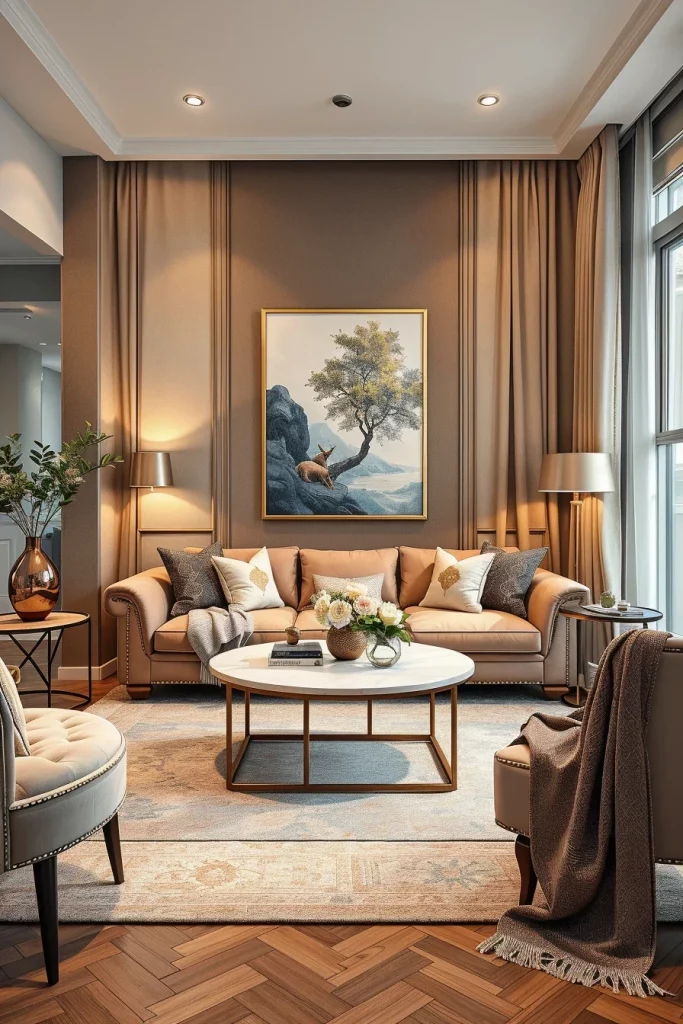
In my experience, luxury interiors succeed when every element feels thoughtfully chosen rather than excessive. Many respected designers emphasize quality over quantity, and I strongly support this philosophy. A few carefully selected decorative pieces often have more impact than a room filled with unnecessary accessories.
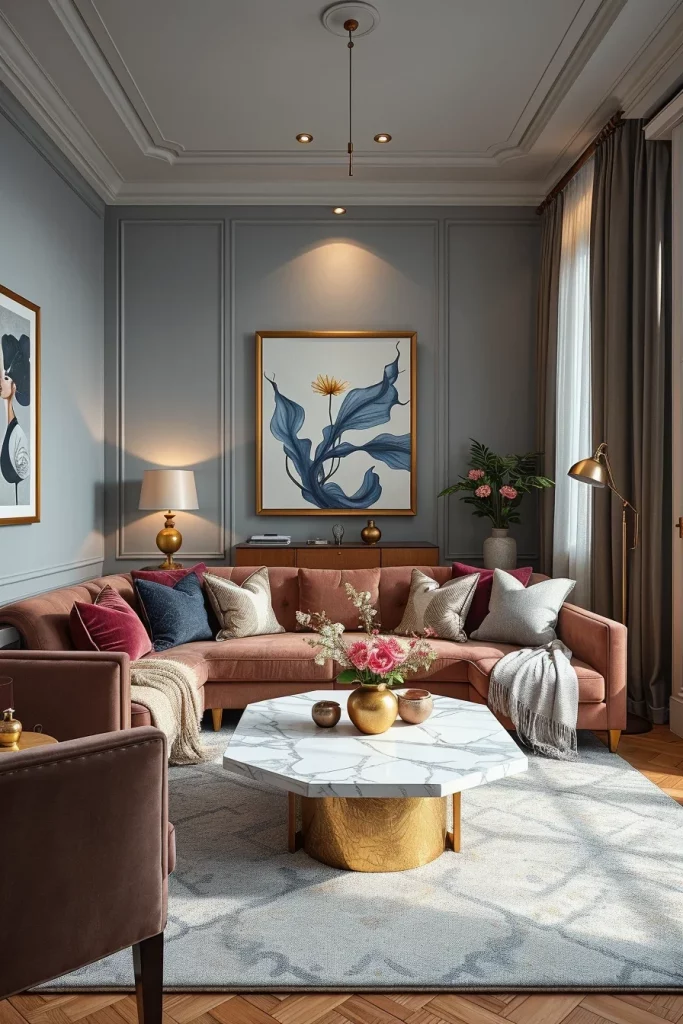
To enhance the luxurious feeling even further, I would add floor-to-ceiling curtains and layered lighting sources. These details create a sense of depth and refinement that is often associated with high-end interiors.
Creating A Trendy Urban Living Room With Contemporary Details
A contemporary urban living room is ideal for homeowners who want their small apartment living room design to feel modern, energetic, and connected to city living. I focus on clean lines, functional layouts, and carefully chosen statement pieces that create visual interest without overcrowding the space. This design style embraces simplicity while still allowing room for creativity.
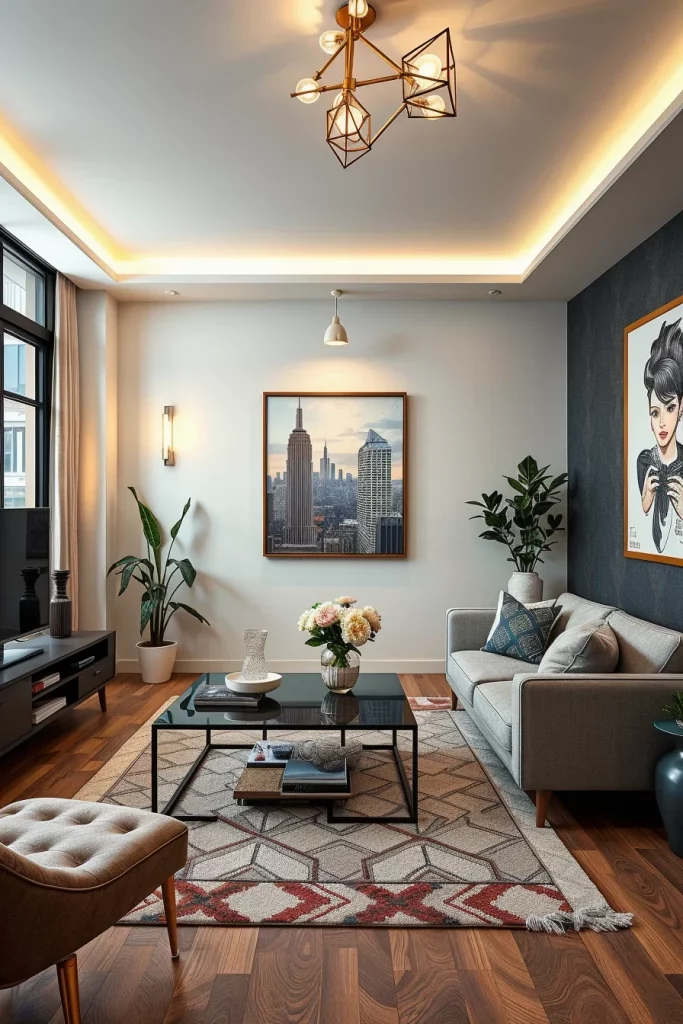
I typically incorporate streamlined sofas, minimalist coffee tables, geometric lighting fixtures, and modern artwork. Neutral backgrounds paired with bold accent colors help create contrast and personality. Materials such as glass, metal, and polished wood contribute to the sleek aesthetic that defines contemporary urban interiors.
I appreciate this design approach because it adapts easily to changing trends while maintaining a timeless foundation. Many modern designers recommend investing in a few standout pieces rather than filling a room with decorative clutter. I find that this strategy works especially well in smaller apartments where every item should serve a purpose.
To strengthen the urban atmosphere, I would include oversized artwork, architectural lighting, and a mix of modern textures. These additions help create a stylish and visually dynamic environment.
Designing A Unique Small Apartment Living Room That Reflects Personal Style
One of the most rewarding aspects of interior design is creating a space that genuinely reflects the personality of the homeowner. A small apartment living room design should not only be functional but also tell a story about the people who live there. I always encourage incorporating meaningful details that make the room feel distinctive and authentic.
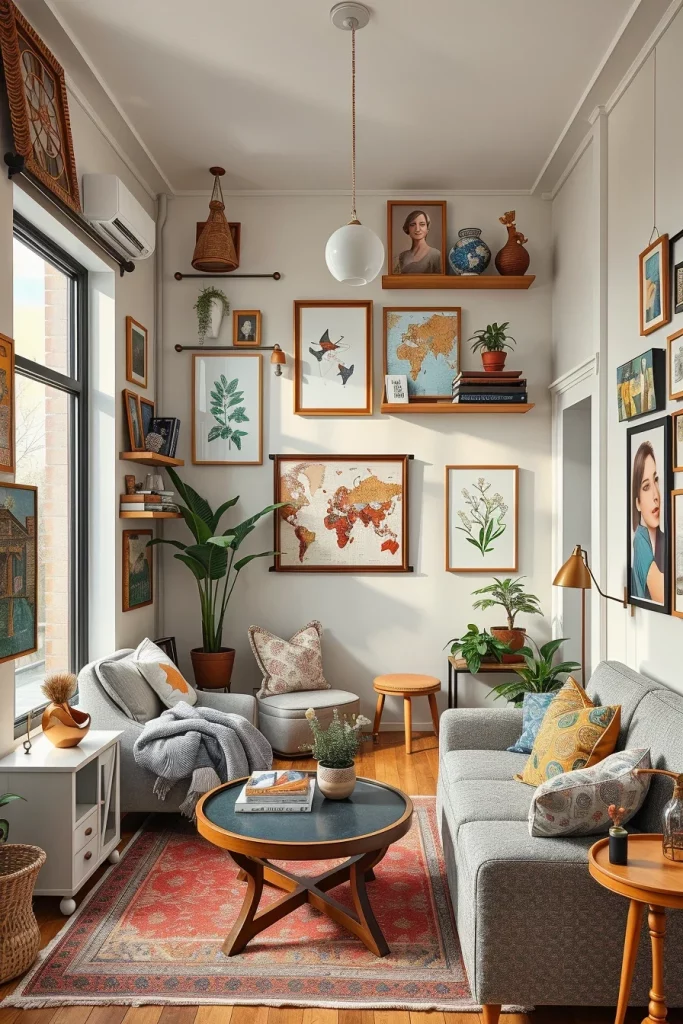
I often begin with foundational furniture that suits the room’s size and then introduce personal elements such as travel souvenirs, favorite artwork, family photographs, and unique decorative objects. Mixing styles thoughtfully can create an interior that feels collected over time rather than purchased all at once. Custom accents help distinguish the space from more generic designs.
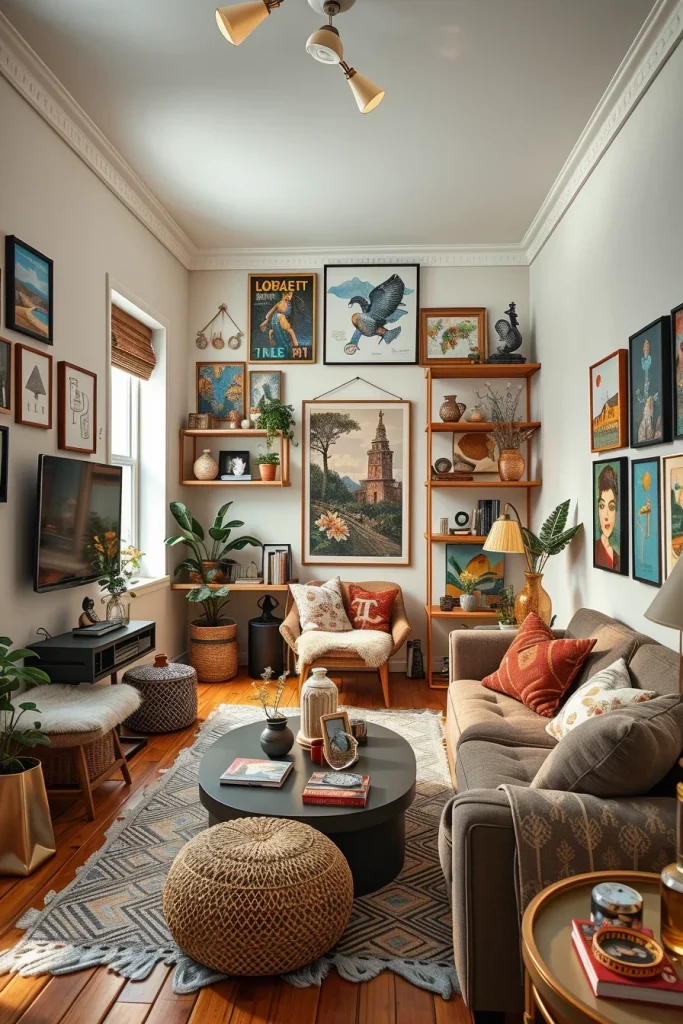
In my experience, the most memorable living rooms are those that reveal something about their owners. Design experts frequently stress the importance of personalization because it creates emotional connections with a space. I completely agree, as even the most beautifully decorated room can feel incomplete if it lacks individuality.
To make this concept even stronger, I would include custom shelving, personalized color accents, and one signature statement piece that immediately captures attention and reflects the homeowner’s character.
Designing a small apartment living room is all about making the most of limited space without sacrificing style or comfort. By combining smart layouts, multifunctional furniture, creative storage solutions, and thoughtful decor, even the smallest living room can feel spacious and inviting. Whether you prefer modern, bohemian, minimalist, or eclectic interiors, the right design choices can transform your apartment into a beautiful and functional retreat. Let these ideas inspire you to create a living room that perfectly balances practicality, personality, and visual appeal.