
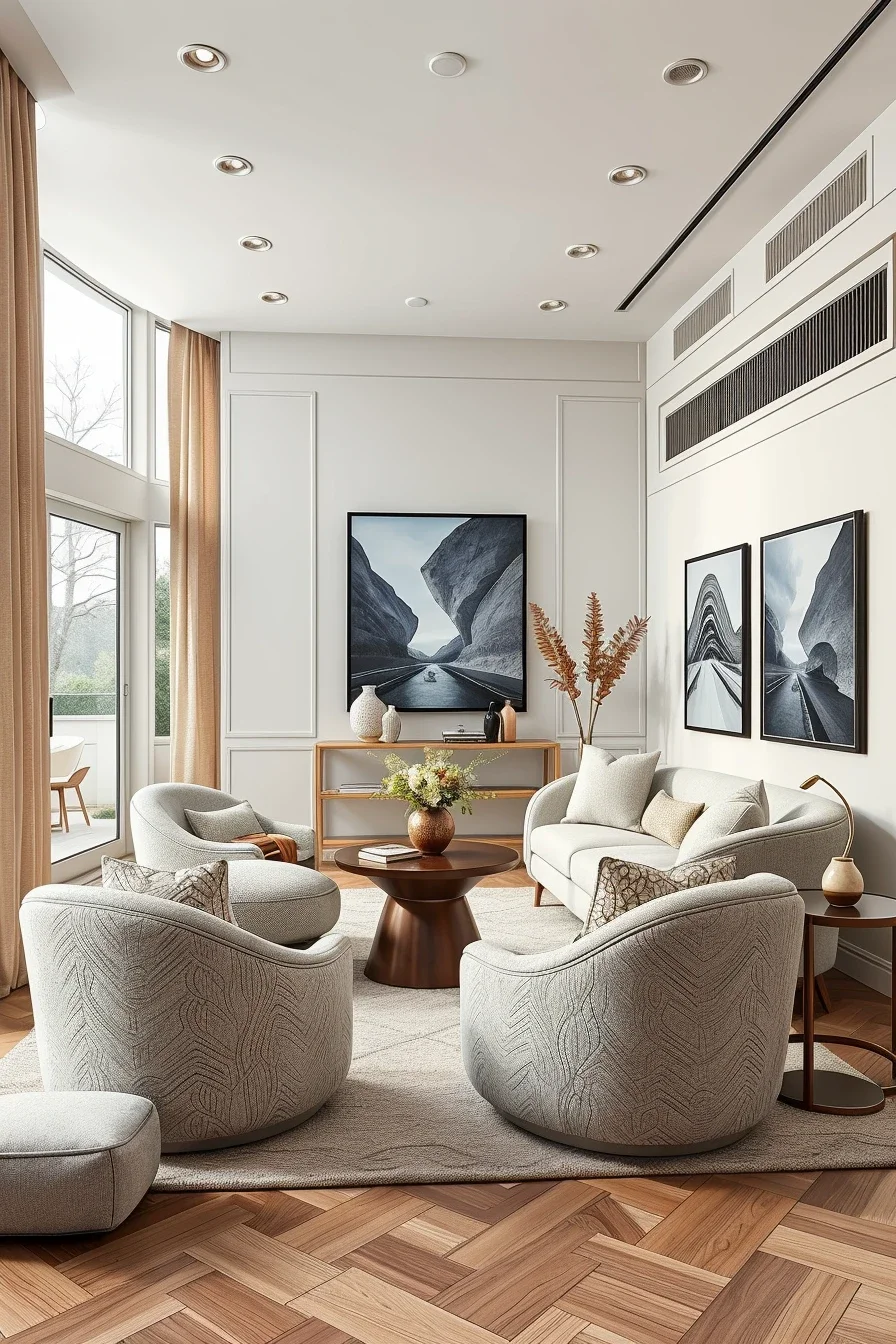
A well-planned small living room furniture layout can completely transform the way a compact space looks and functions. With the right arrangement, even the smallest living room can feel open, stylish, and comfortable. Modern design trends are embracing creative furniture placement, curved silhouettes, sculptural pieces, and multifunctional solutions that maximize every square foot. Thoughtful layouts help improve traffic flow, define conversation areas, and create a sense of visual balance without overcrowding the room. From floating furniture arrangements to innovative corner solutions, there are countless ways to make a small living room both practical and beautiful. In this article, you’ll discover inspiring small living room furniture layout ideas that combine functionality, elegance, and contemporary design.
Sculptural Small Living Room Layouts With Curved Modular Sofas
When designing a small living room furniture layout, I often begin with a curved modular sofa because it immediately softens the room and creates a natural focal point. Sculptural furniture works particularly well in compact spaces because it eliminates harsh angles that can make a room feel crowded. A curved arrangement encourages smooth circulation while making the room appear more open and cohesive. I find this approach especially effective in apartments and urban homes where every inch matters.
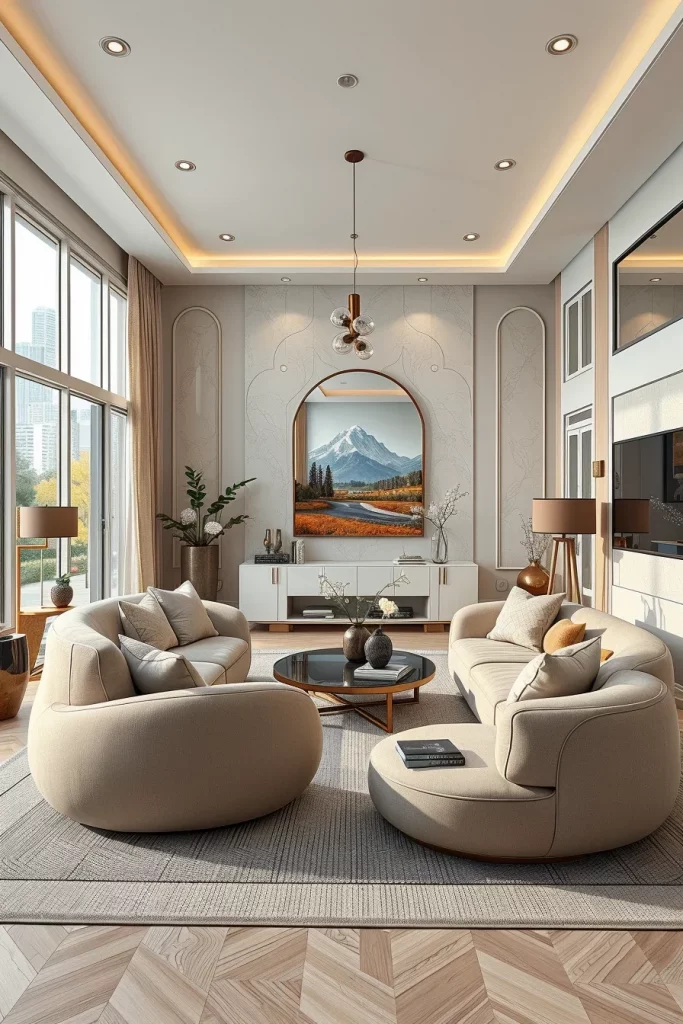
I typically pair the modular sofa with a rounded coffee table, a textured area rug, and slim accent lighting. The modular design allows flexibility, making it possible to adjust seating based on the room’s dimensions. I prefer low-profile sections because they preserve sightlines and prevent the furniture from visually overwhelming the room. Curved side tables and organic decorative objects reinforce the sculptural aesthetic while maintaining functionality.
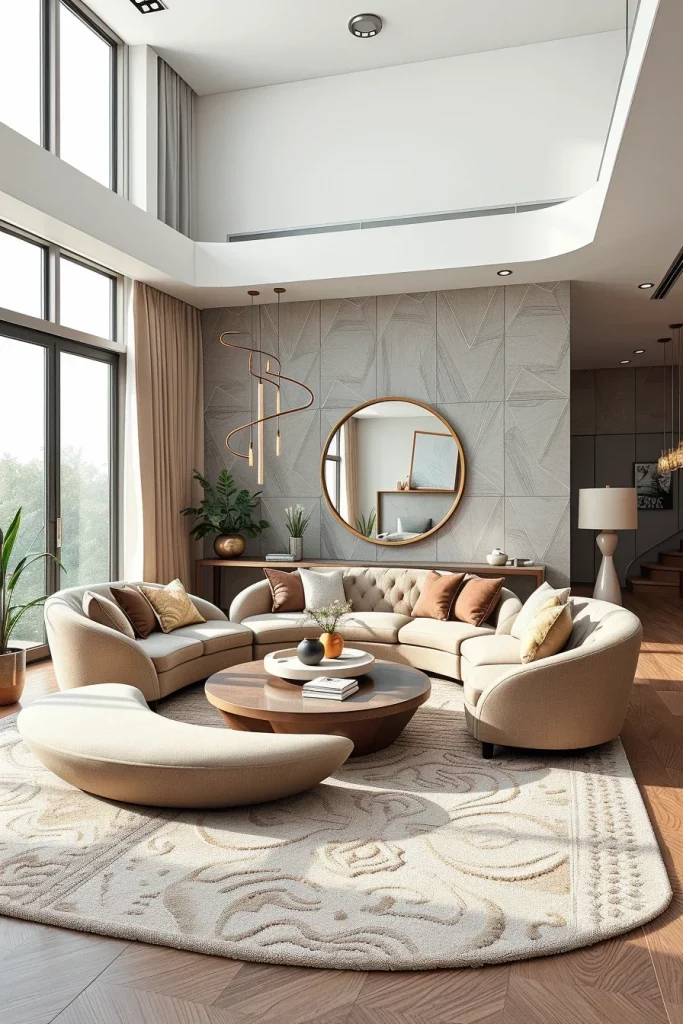
From my experience, many interior designers emphasize the importance of avoiding oversized furniture in compact rooms. Publications such as Architectural Digest frequently highlight furniture with softer silhouettes because they help create a welcoming environment without sacrificing floor space. I have found that curved furniture naturally encourages conversation and relaxation.
To complete this layout, I would add layered lighting, a large mirror to amplify natural light, and subtle wall art that complements the sofa’s flowing form. These additions strengthen the visual balance while preserving the room’s airy character.
Creative Furniture Arrangements That Maximize Small Living Room Space
One of the most effective ways I create a creative furniture arrangement is by dividing the room into functional zones without using physical barriers. Even the smallest living room can accommodate seating, storage, and entertainment areas when furniture is positioned thoughtfully. Strategic placement allows the room to feel organized while maintaining flexibility for daily activities.
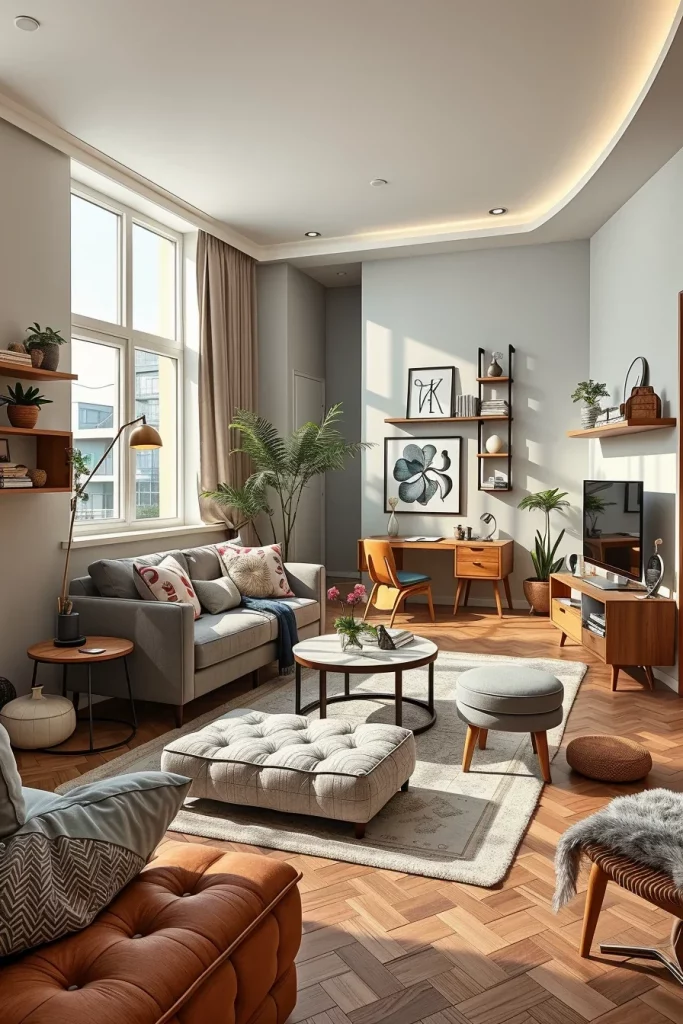
I often place a compact sofa opposite a wall-mounted media unit and use nesting tables instead of a traditional coffee table. This arrangement preserves valuable floor space while providing practical surfaces when needed. Floating shelves add vertical storage without increasing visual weight. Lightweight accent chairs can easily be moved when entertaining guests, making the layout adaptable.
In my projects, I prioritize clear walking paths and visual openness. Designers frequently recommend leaving adequate circulation space around furniture to prevent a cramped appearance. I have noticed that reducing unnecessary furniture pieces often makes a room feel significantly larger than adding more storage solutions.
To further enhance this layout, I would include hidden storage ottomans, multifunctional shelving, and a large area rug that visually unifies all furniture elements. These details help create a highly efficient and attractive living environment.
Artistic Small Living Rooms Featuring Rounded Seating Zones
An artistic approach to small living room design often involves creating rounded seating zones that encourage interaction and comfort. Instead of arranging furniture against every wall, I prefer positioning pieces in a gentle circular composition. This strategy establishes intimacy while allowing the room to maintain an open and elegant appearance.
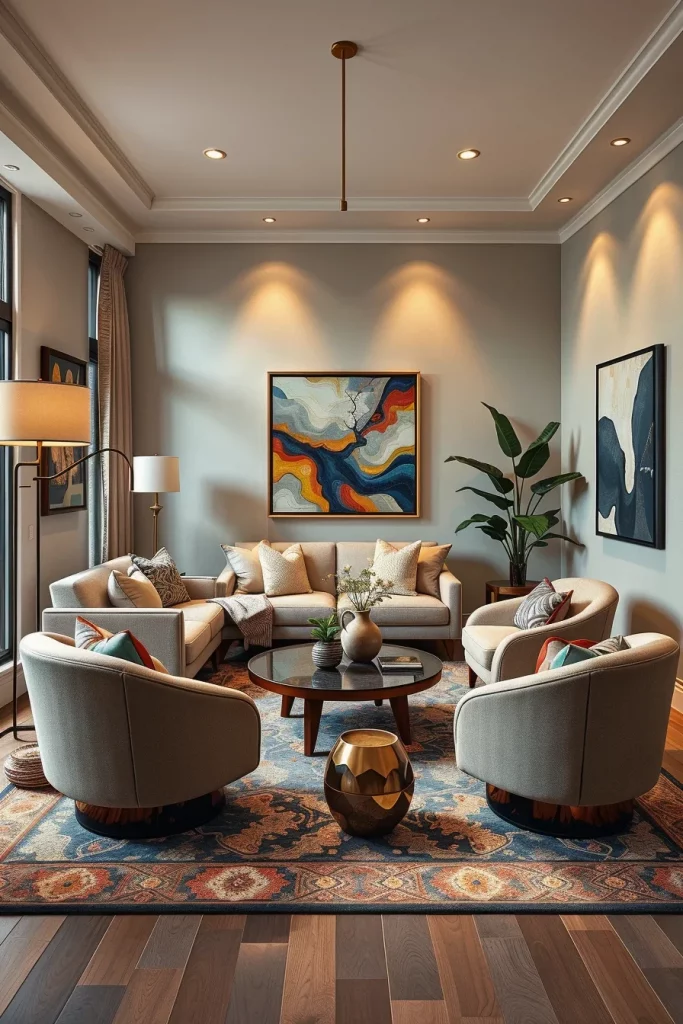
For this layout, I usually combine a curved loveseat with rounded accent chairs and a circular coffee table. Organic-shaped rugs help define the seating area, while sculptural floor lamps contribute artistic character. I select furniture with soft contours because these shapes reduce visual clutter and create a more harmonious environment.
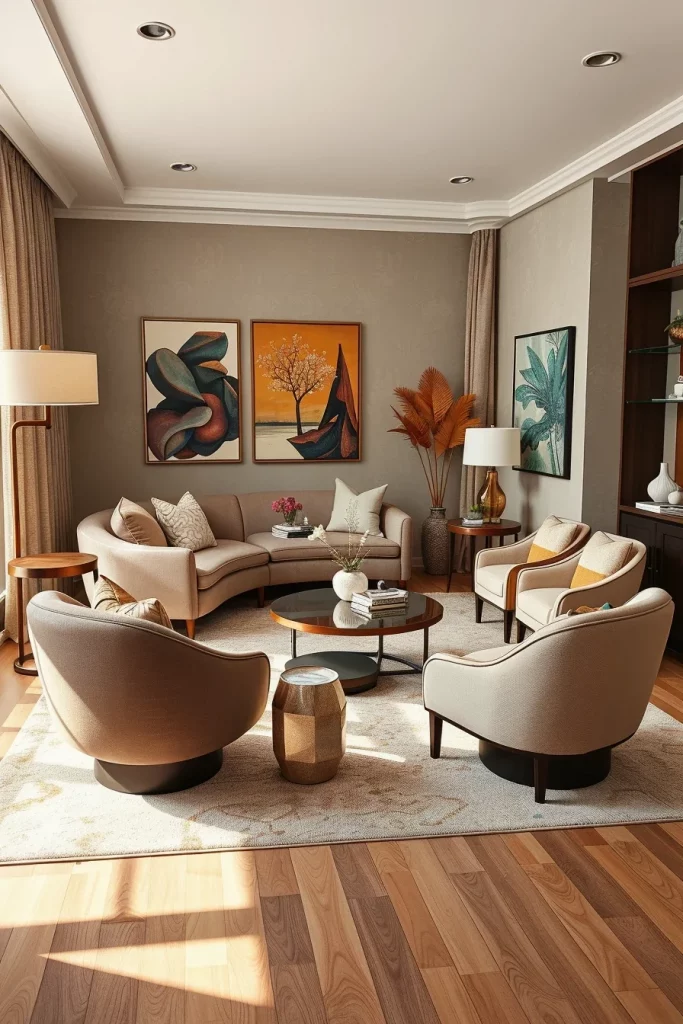
I have found that rounded seating zones work exceptionally well in compact homes because they eliminate rigid furniture arrangements. Many contemporary designers favor circular compositions for their ability to improve flow and encourage social interaction. In practice, these layouts often feel more welcoming than traditional rectangular configurations.
If I wanted to enhance this concept further, I would add textured fabrics, statement artwork, and layered lighting sources. These elements contribute depth and personality without overwhelming the room’s proportions.
Stylish Small Living Room Furniture Layouts With Floating Pieces
A stylish small living room furniture layout does not always require placing furniture directly against walls. In fact, I often achieve better balance by floating key furniture pieces slightly away from the perimeter. This technique creates a sense of depth and allows the room to feel more intentionally designed.
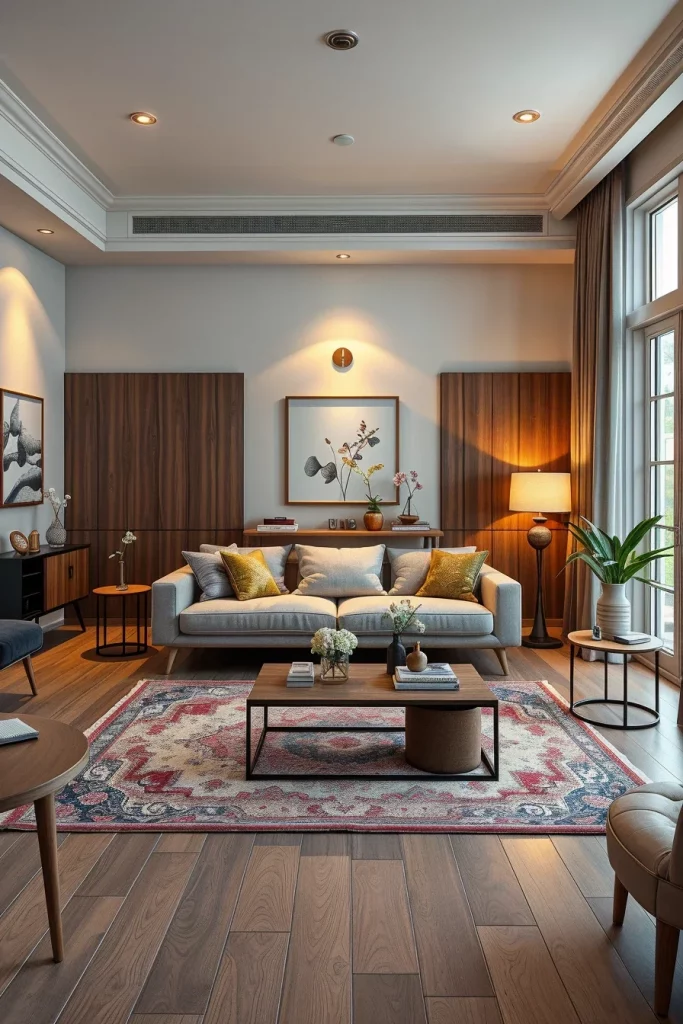
I commonly position a compact sofa several inches from the wall and anchor it with a rug that extends beneath the main seating area. A slim console behind the sofa provides storage while visually defining the space. Floating furniture also allows room for hidden cable management and additional lighting opportunities.
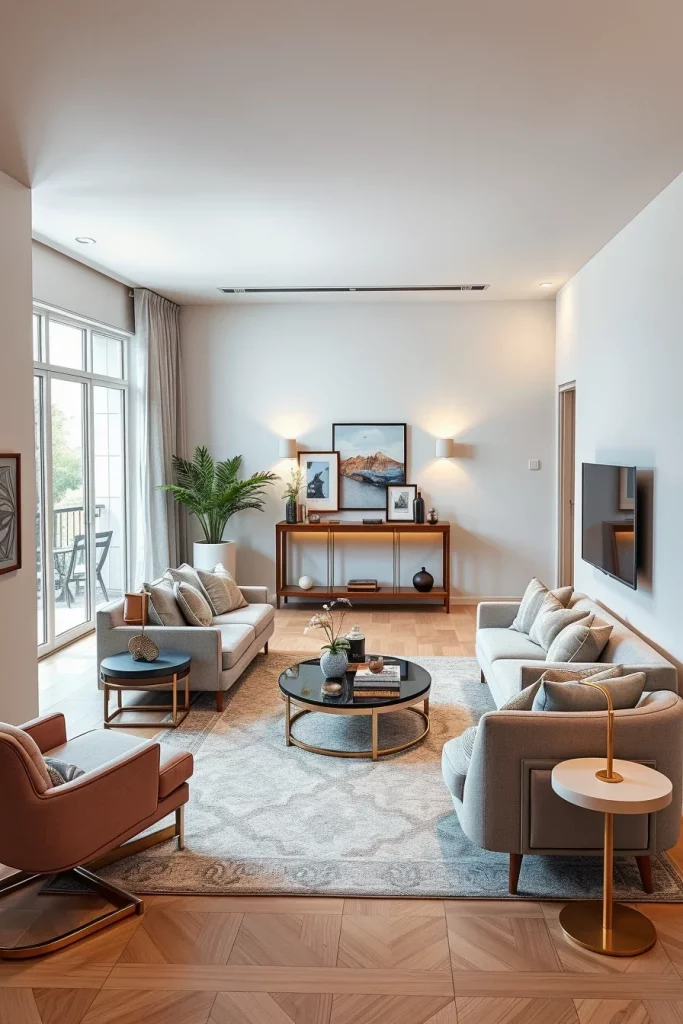
From my perspective, floating layouts often appear more luxurious because they mimic furniture arrangements seen in larger homes. Interior design publications regularly feature this strategy because it creates visual breathing room and improves spatial flow. I have successfully used floating furniture in many small living rooms where clients initially believed their furniture had to remain against the walls.
To complete the arrangement, I recommend incorporating wall-mounted lighting, lightweight accent tables, and carefully selected decorative accessories. These additions support the floating concept while preserving valuable floor space.
Curved Conversation Areas For Cozy And Functional Small Living Rooms
Creating a curved conversation area is one of my favorite methods for making a small living room feel both cozy and functional. Instead of focusing on a television as the primary focal point, this layout encourages interaction among family members and guests. The gentle curves help define the seating area while maintaining openness.
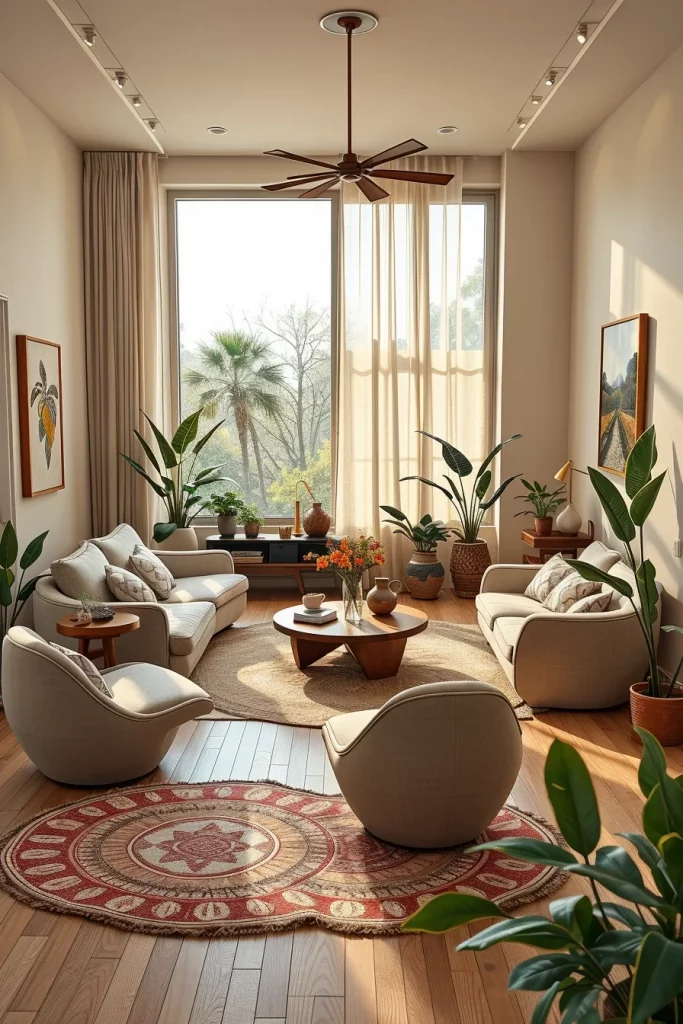
I usually arrange a curved sofa opposite two rounded chairs with a sculptural coffee table positioned at the center. The furniture naturally directs attention toward conversation while preserving comfortable circulation paths. Soft textiles, layered rugs, and curved lighting fixtures further strengthen the welcoming atmosphere.
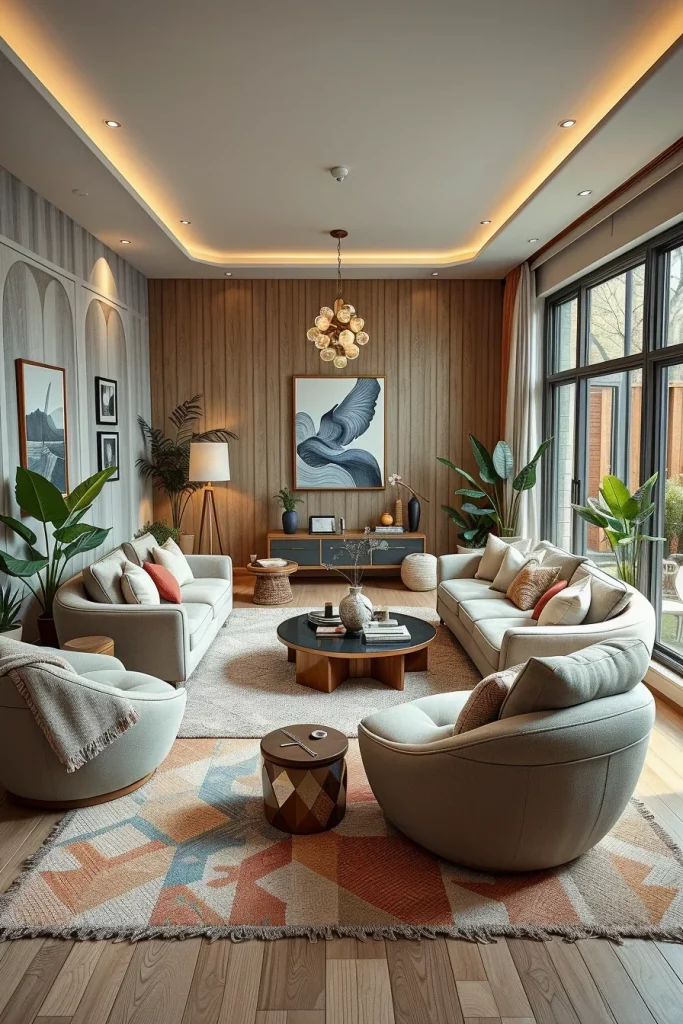
In my experience, homeowners often underestimate how much furniture shape influences social interaction. Design experts frequently emphasize that curved arrangements reduce visual tension and make spaces feel more approachable. I have found these layouts particularly successful in smaller homes where comfort and functionality must coexist.
For additional refinement, I would include integrated storage solutions, oversized greenery, and warm ambient lighting. These elements complete the room while maintaining the inviting character of the curved furniture arrangement.
Innovative Corner Furniture Solutions For Compact Living Rooms
When working with a compact living room, I often find that corners represent the most underutilized areas. An innovative furniture layout takes advantage of these spaces by transforming them into functional zones without making the room feel crowded. Carefully planned corner arrangements can provide additional seating, storage, or display opportunities while preserving the room’s open flow. This strategy is especially useful in apartments and small homes where maximizing every square foot is essential.
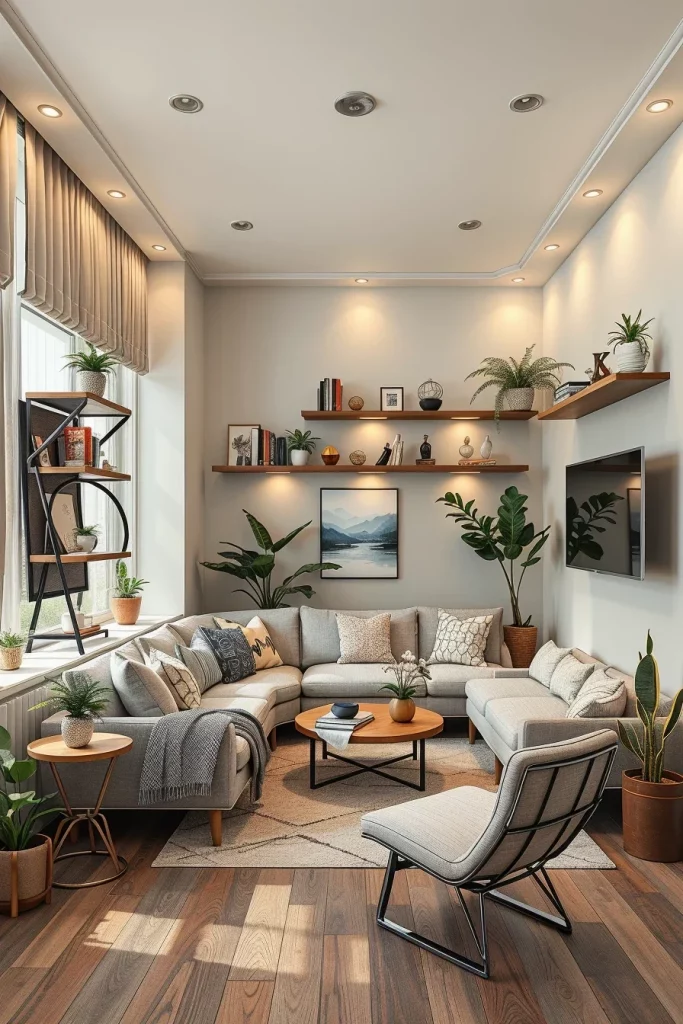
I typically use an L-shaped sectional or a curved corner sofa to anchor the room and create a comfortable seating area. Corner shelving units, floating cabinets, and compact reading chairs help activate unused spaces without overwhelming the layout. I also like incorporating built-in storage benches that offer hidden organization while contributing additional seating when guests arrive. These furniture pieces make the room more efficient while maintaining a cohesive appearance.
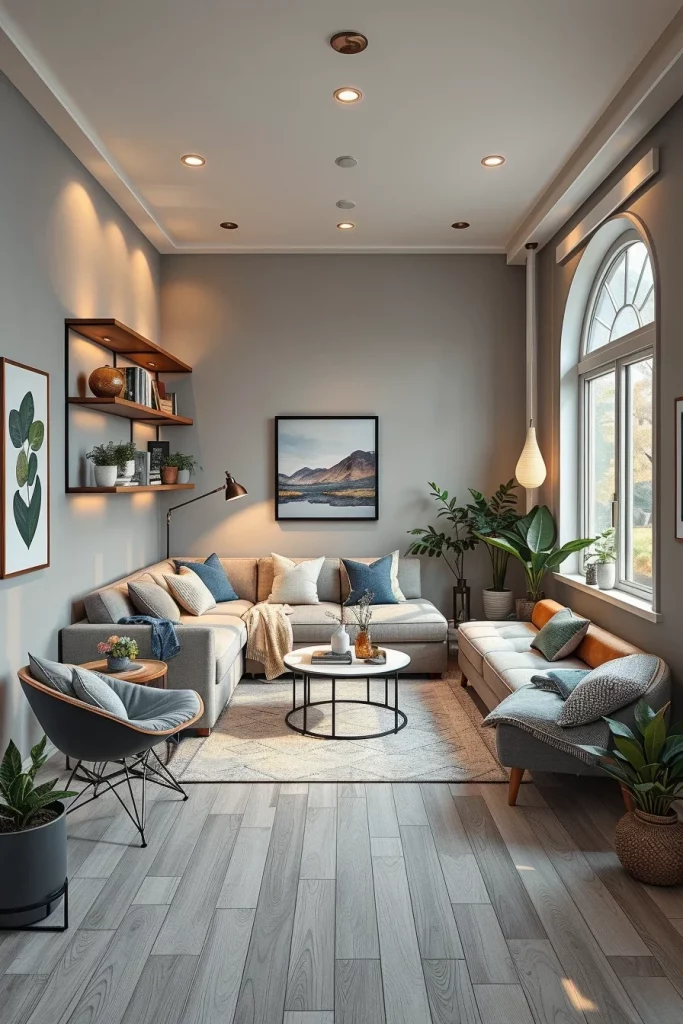
From my experience, designers frequently recommend custom or modular corner furniture because it utilizes awkward dimensions more effectively than standard pieces. I have found that corner-focused layouts often create a stronger sense of balance and allow the center of the room to remain open and flexible for daily activities.
To enhance this arrangement further, I would add layered lighting, decorative plants, and textured accessories that draw attention to the corner zone without making it visually heavy. These details help the corner become an intentional design feature rather than an afterthought.
Small Living Room Layouts With Statement Sculptural Coffee Tables
A statement coffee table can completely transform a small living room furniture layout when selected thoughtfully. Rather than treating the coffee table as a purely functional item, I often use it as a sculptural centerpiece that adds personality and visual interest. In compact rooms, one carefully chosen focal point can create a sophisticated atmosphere without requiring excessive decoration.
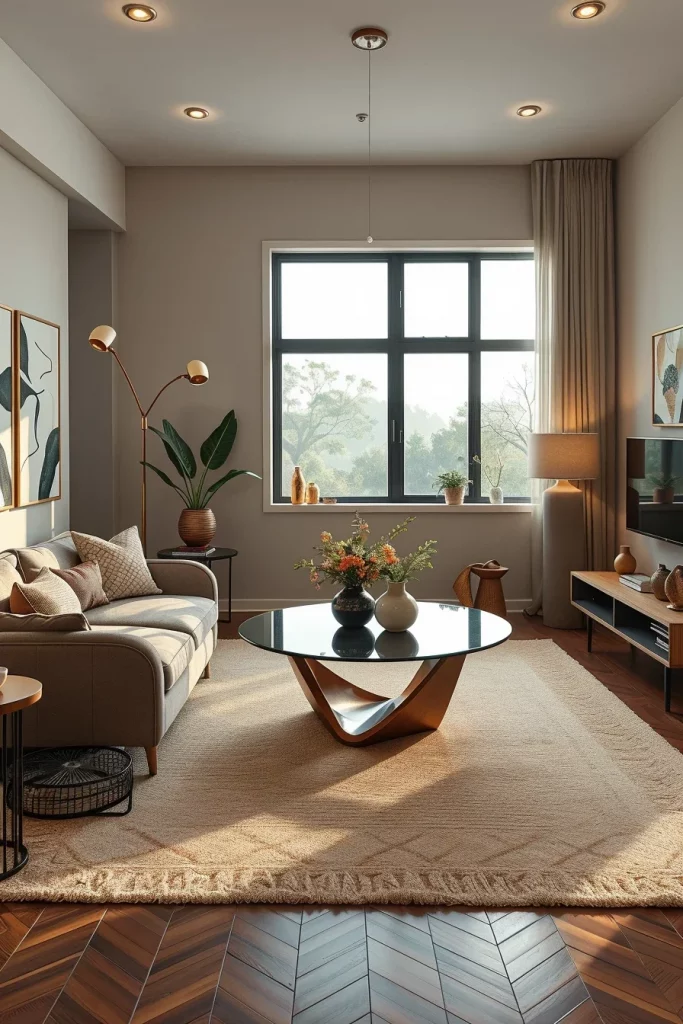
I usually pair a sculptural coffee table with streamlined seating to maintain visual balance. Organic stone tables, curved wood designs, and artistic geometric forms work particularly well in modern interiors. Because the coffee table occupies the center of the room, I pay close attention to its scale and circulation clearance. Rounded edges are especially beneficial because they improve movement through the space while reinforcing the room’s soft aesthetic.
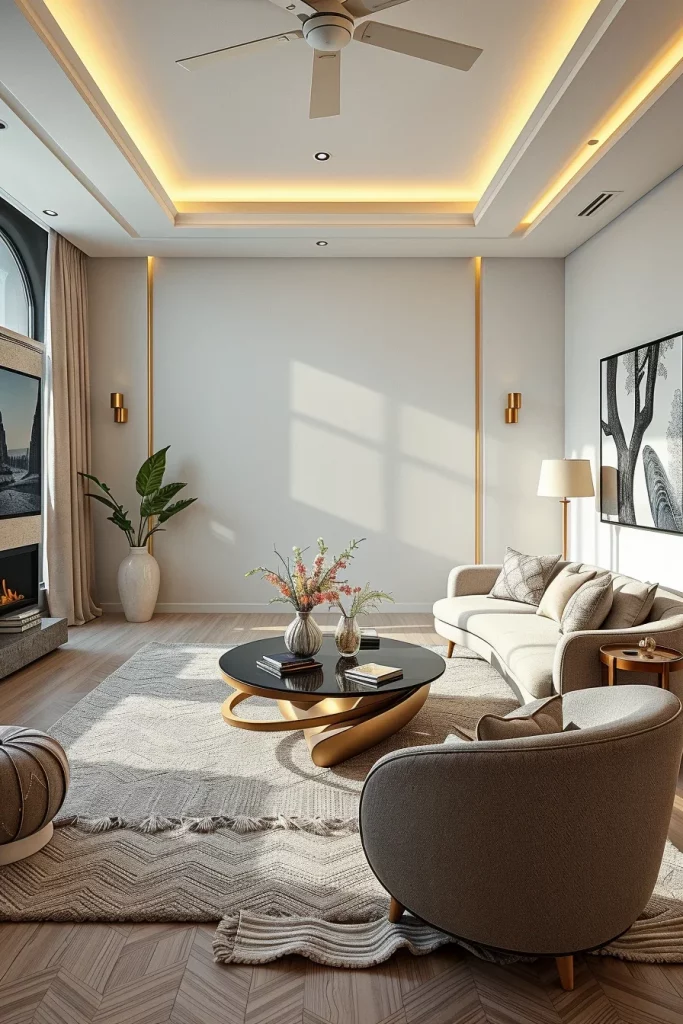
Many contemporary designers emphasize investing in a few standout pieces rather than filling a room with numerous decorative objects. I agree with this philosophy because it allows the space to feel curated and intentional. A sculptural coffee table often becomes a conversation piece while serving practical everyday functions.
To complete the layout, I recommend incorporating subtle accessories, such as books, ceramic decor, and a textured area rug. These additions support the table’s artistic presence without competing for attention.
Layered Furniture Placement For Depth In Small Living Rooms
One of the most effective techniques I use to make a small living room appear larger is layered furniture placement. Instead of arranging everything along the perimeter, I create visual depth by positioning furniture at varying distances throughout the room. This layered approach gives the impression of a more expansive and thoughtfully designed interior.
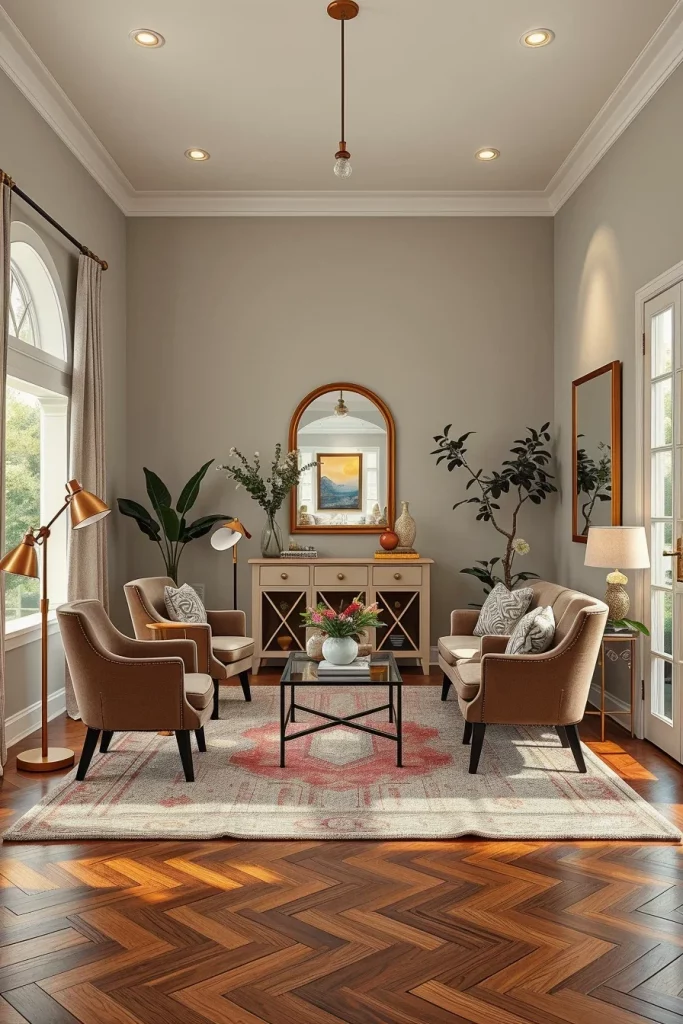
I often start with a primary seating area, then add secondary elements such as accent chairs, side tables, and decorative consoles. Layering different furniture heights also contributes to visual interest. A low-profile sofa, medium-height tables, and taller shelving units help establish dimension while guiding the eye throughout the room. Area rugs further define these layers and connect the furniture arrangement.
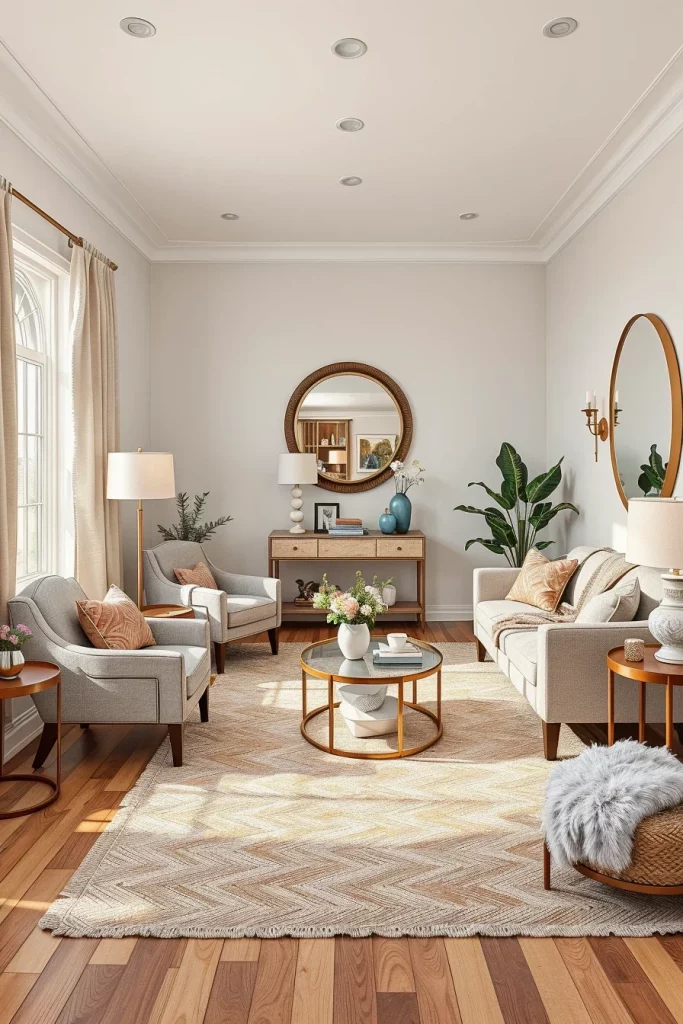
In my experience, depth is often more important than square footage when creating a comfortable atmosphere. Leading design publications regularly showcase layered interiors because they feel dynamic and visually rich. I have used this approach successfully in many small rooms where clients wanted a more spacious appearance without major renovations.
For even greater depth, I would incorporate mirrors, layered lighting, and varying material textures. These elements strengthen the sense of dimension while maintaining a cohesive overall design.
Modern Small Living Room Furniture Layouts With Organic Shapes
A modern living room becomes significantly more inviting when organic shapes are integrated into the furniture layout. I often recommend this approach because flowing forms create a softer, more relaxed atmosphere than rigid geometric arrangements. Organic shapes are particularly effective in small spaces because they reduce visual tension and improve movement throughout the room.
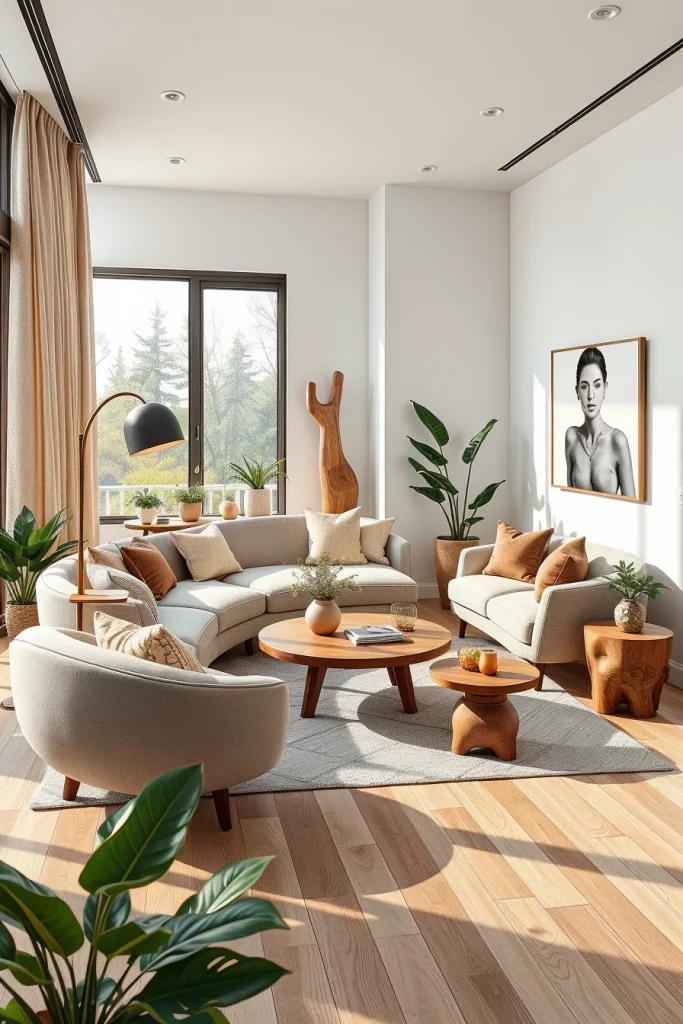
I typically select curved sofas, oval coffee tables, rounded side tables, and sculptural lighting fixtures. These pieces work together to establish a harmonious environment while maintaining functionality. Natural materials such as wood, stone, linen, and boucle upholstery further enhance the organic aesthetic. The combination of soft forms and natural textures creates a balanced and contemporary living space.
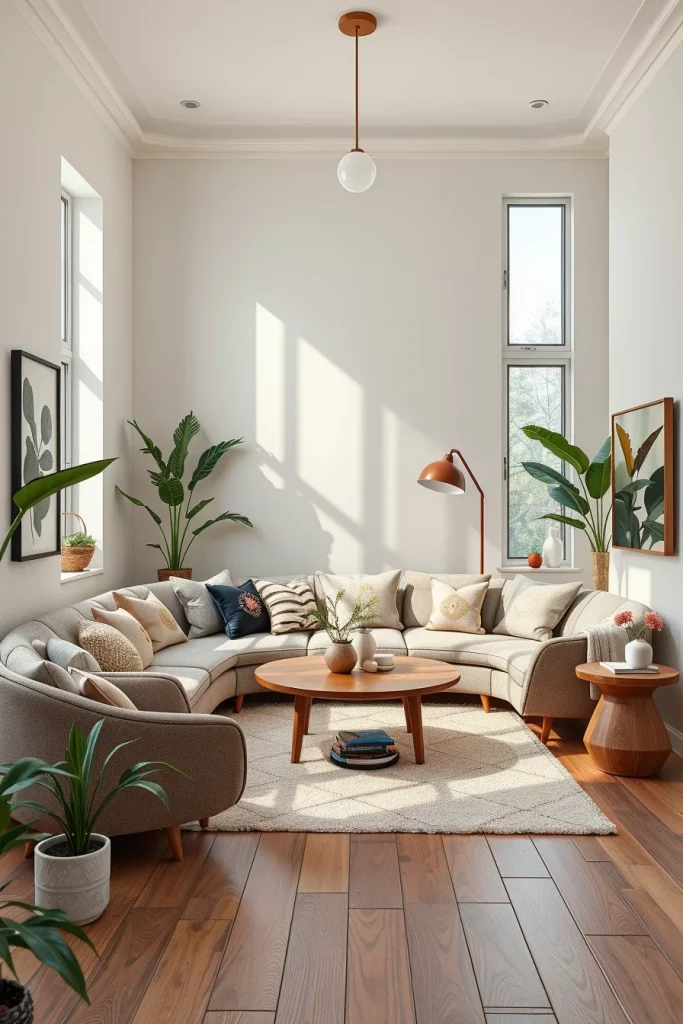
From my perspective, the popularity of organic design reflects a growing desire for interiors that feel comfortable and connected to nature. Many respected interior designers advocate for incorporating curves because they create a more welcoming experience. I have noticed that clients often describe organically shaped rooms as calmer and more relaxing than traditional layouts.
To strengthen this concept, I would include indoor greenery, textured wall finishes, and subtle decorative accents inspired by natural forms. These additions help unify the room and reinforce the modern organic theme.
Space-Saving Layouts Using Multifunctional Living Room Furniture
When space is limited, multifunctional furniture becomes one of the most valuable tools in a successful small living room furniture layout. I regularly use pieces that serve multiple purposes because they help reduce clutter while increasing practicality. A well-designed multifunctional layout allows homeowners to enjoy comfort, storage, and flexibility without overcrowding the room.
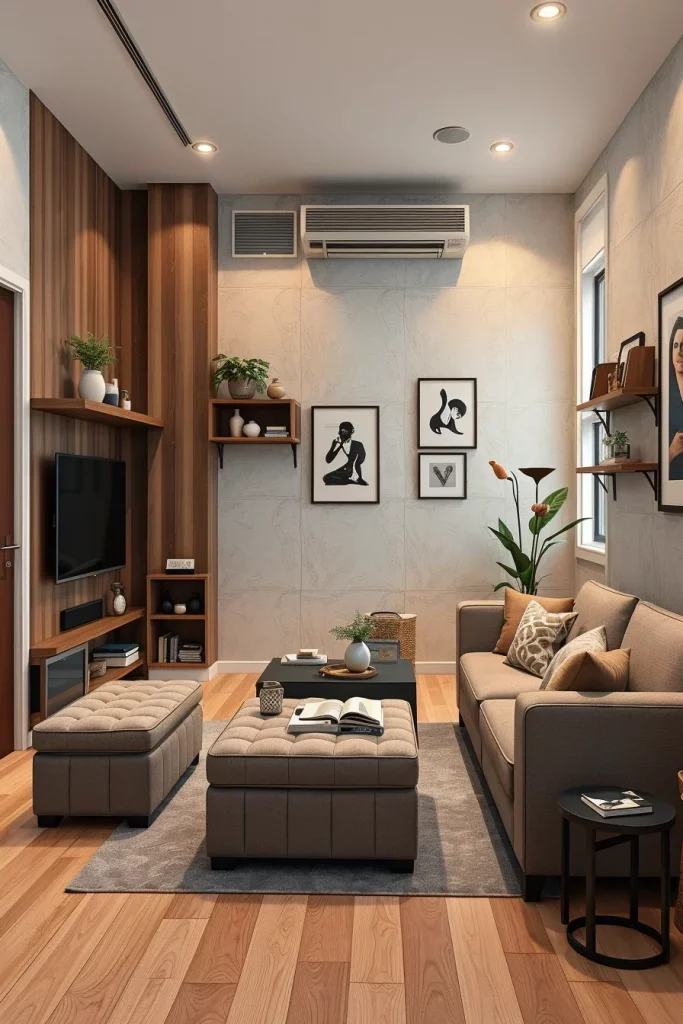
I often incorporate storage ottomans, expandable coffee tables, nesting tables, sleeper sofas, and media units with integrated storage. These furnishings perform multiple functions while occupying minimal floor space. I also prefer modular furniture systems that can adapt to changing needs, making them ideal for growing families or frequent entertainers.
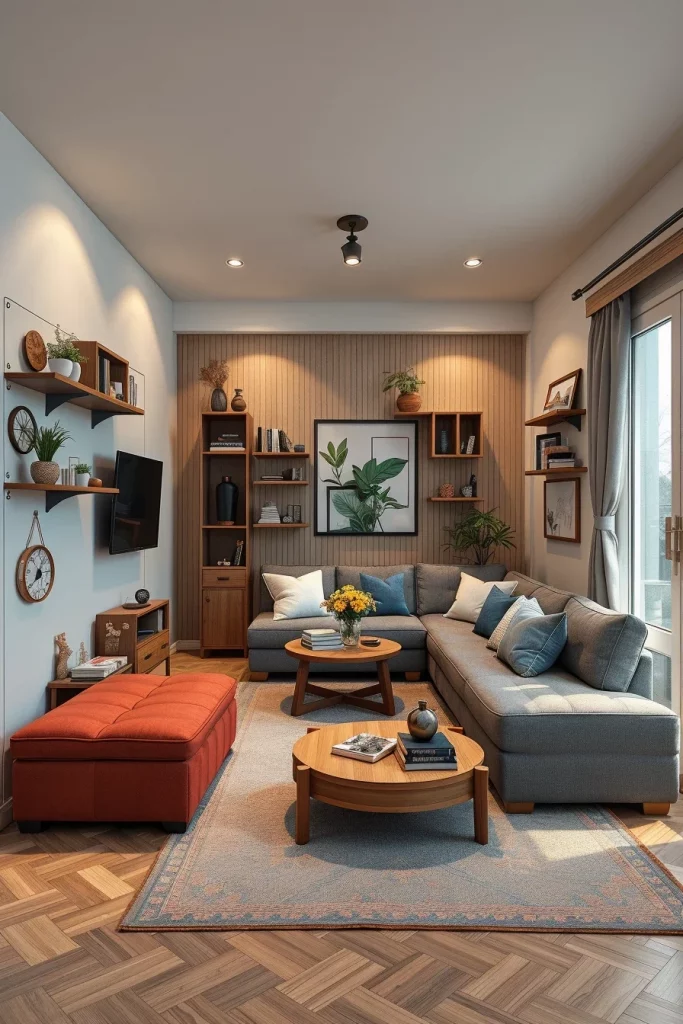
Based on my experience, investing in multifunctional furniture often provides greater long-term value than purchasing numerous individual pieces. Design experts consistently recommend selecting furnishings that contribute to both organization and comfort. I have seen small living rooms become dramatically more functional simply by replacing traditional furniture with versatile alternatives.
To maximize the effectiveness of this layout, I would add concealed storage solutions, wall-mounted shelving, and flexible lighting systems. These features ensure the room remains organized, comfortable, and visually appealing despite its compact size.
Artistic Furniture Groupings Around Architectural Features
When I design a small living room, I often use existing architectural features as the foundation for the furniture layout. A fireplace, built-in shelving, an arched wall niche, or an exposed structural column can become a natural focal point that organizes the entire room. By grouping furniture around these elements, I create a layout that feels intentional rather than crowded. This approach helps define conversation zones while making the architecture itself feel like part of the décor.
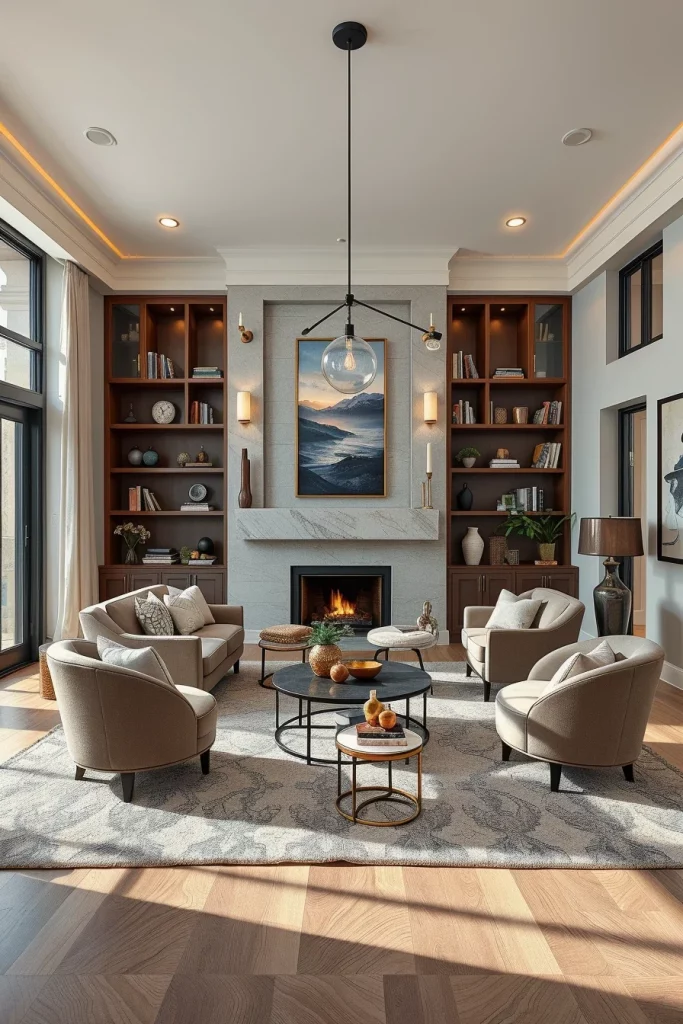
I typically position a compact sofa facing the focal feature and balance it with two smaller accent chairs. A round coffee table works particularly well because it allows movement without sharp corners interrupting circulation. Layered lighting, including wall sconces and floor lamps, enhances the architectural details while providing functional illumination. A textured area rug helps anchor the arrangement and visually connects the furniture pieces.
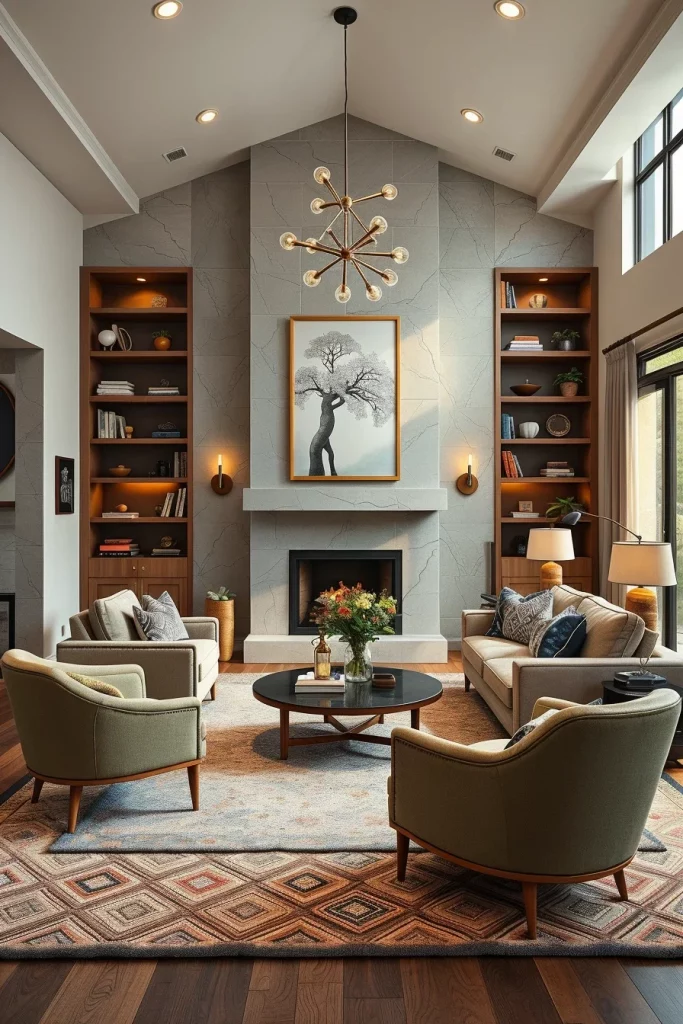
In my experience, many designers featured in leading interior publications recommend emphasizing a room’s strongest architectural asset instead of competing with it. I have found that this principle works especially well in small living rooms because it reduces visual clutter and gives every furniture piece a clear purpose within the design.
To strengthen this layout even further, I would add carefully selected artwork that complements the architectural feature. This creates an additional layer of visual interest without overwhelming the compact space.
Creative Small Living Rooms With Curved Accent Chairs And Benches
One of my favorite ways to soften a compact living room is by introducing curved furniture. Curved accent chairs and sculptural benches help eliminate the rigid appearance that often occurs in small rectangular rooms. Their flowing silhouettes encourage movement and create a welcoming atmosphere while maintaining functionality.
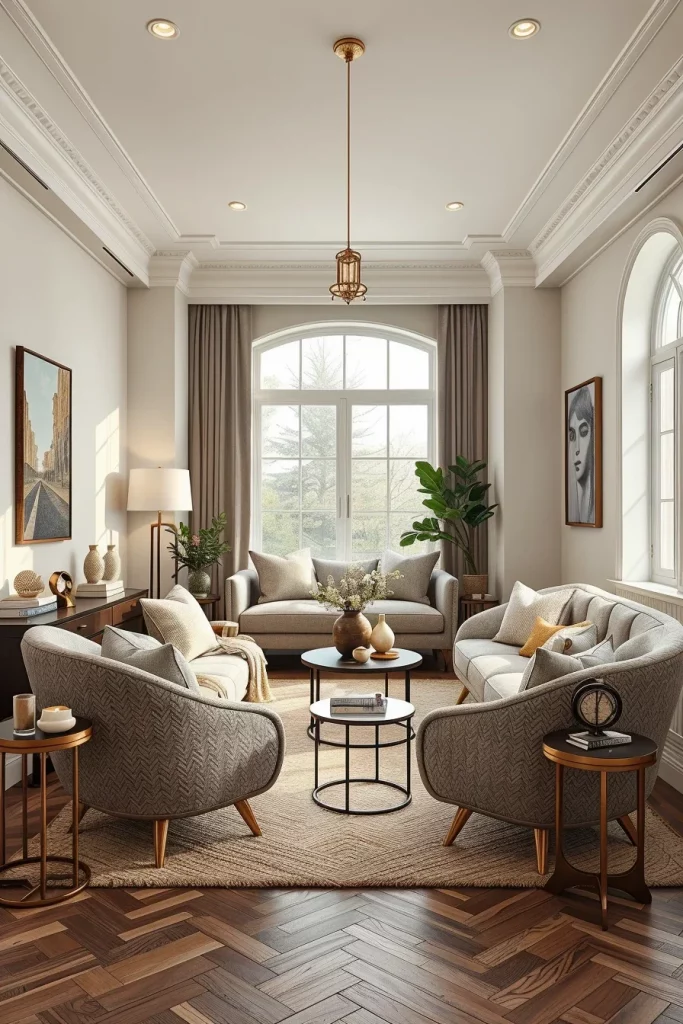
I often pair a streamlined sofa with rounded accent chairs upholstered in textured fabrics. A curved bench can be placed beneath a window or opposite the sofa to provide additional seating without visually blocking the room. Rounded side tables and soft-edged lighting fixtures reinforce the organic character of the layout. Together, these elements contribute to a more cohesive and visually relaxing environment.
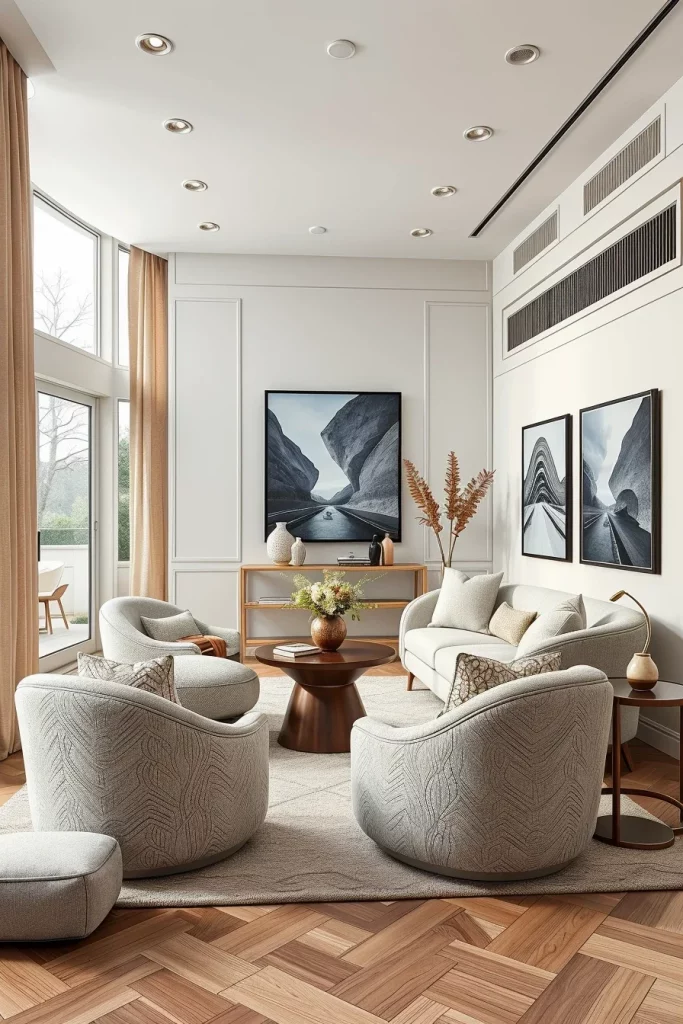
From my perspective, curved furniture is particularly effective because it subtly guides the eye around the room. Many contemporary interior designers have embraced organic forms as a way to balance modern minimalism with comfort, and I have seen this strategy transform even the smallest spaces into inviting retreats.
To complete this arrangement, I would incorporate layered textiles such as boucle cushions, wool throws, and a softly patterned rug. These details enhance the tactile quality of the room while supporting the curved design language.
Stylish Furniture Layouts That Improve Traffic Flow In Small Spaces
Whenever I work with a small living room, improving traffic flow is one of my top priorities. A well-planned furniture arrangement allows people to move comfortably through the room without obstacles. Creating clear pathways makes the space feel significantly larger and more functional.
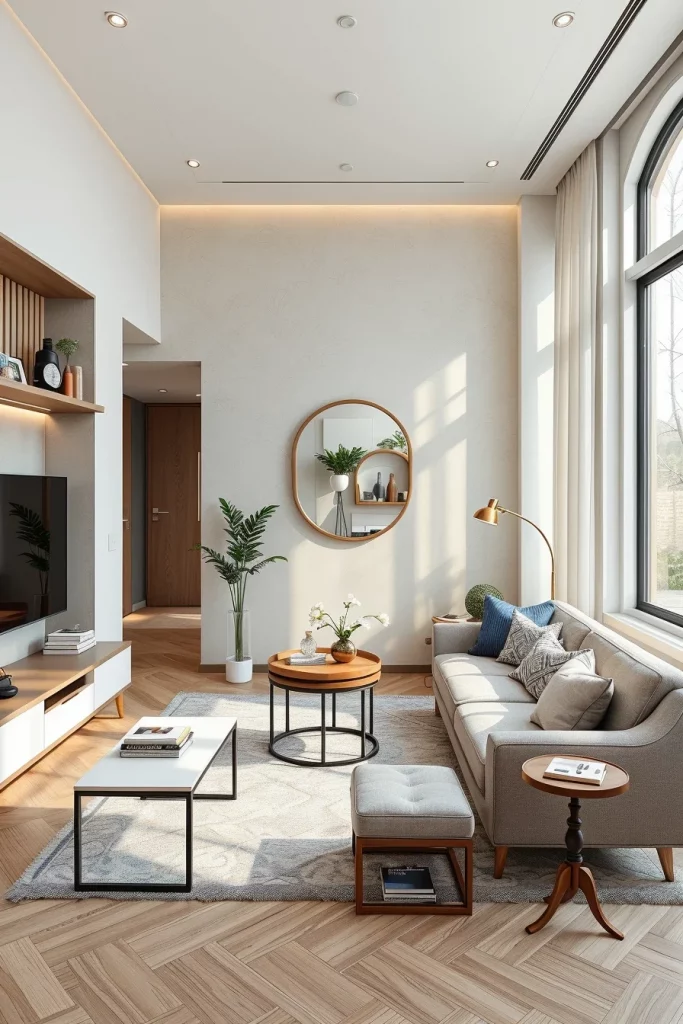
I usually begin with a compact sofa positioned against the longest wall and ensure that there is sufficient space between major furniture pieces. Nesting tables, slim-profile storage units, and floating shelves help preserve floor space while maintaining practicality. Choosing furniture with exposed legs also contributes to a lighter visual appearance and improves the perception of openness.
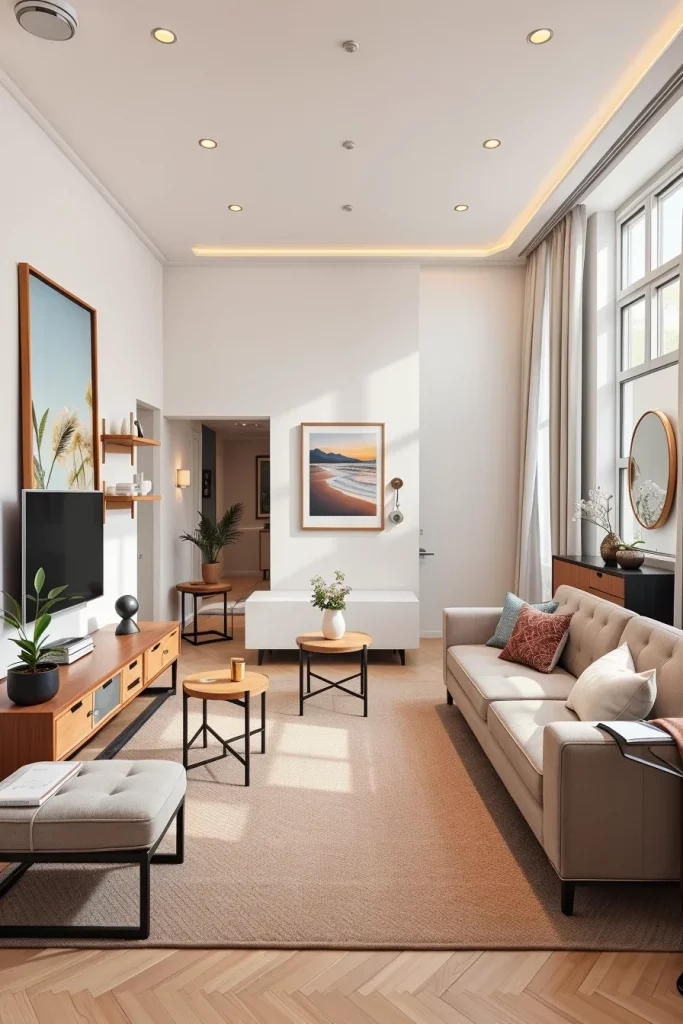
In my experience, successful layouts often rely more on strategic spacing than on reducing furniture quantity. Interior design experts frequently emphasize maintaining comfortable circulation zones, and I have consistently found that respecting these pathways leads to a more balanced and enjoyable living environment.
I would also recommend incorporating mirrors to reflect natural light and visually expand the room. This simple addition complements an efficient furniture layout and enhances the overall sense of spaciousness.
Small Living Room Arrangements With Sculptural Storage Solutions
Storage is essential in a small living room, but I prefer solutions that contribute to the overall design rather than simply serving a practical function. Sculptural storage pieces can become artistic focal points while helping maintain organization and reducing visual clutter.
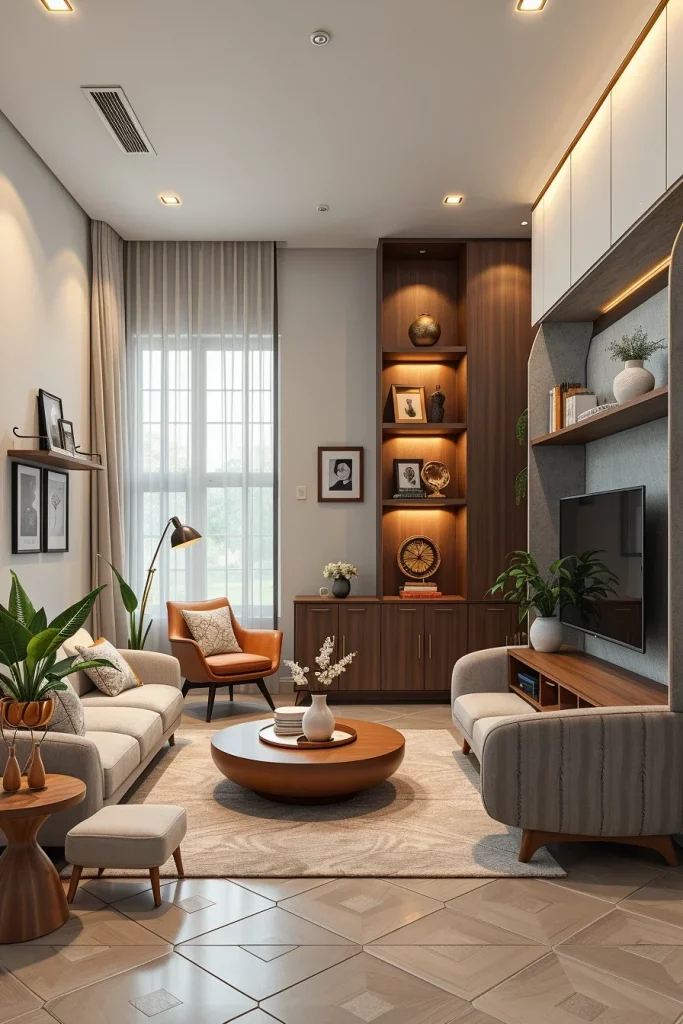
I often select curved shelving units, rounded cabinets, or custom built-ins with unique geometric forms. These pieces provide ample storage for books, decorative accessories, and everyday items while adding architectural character to the room. Combining closed storage with open display areas creates balance and prevents the design from feeling too heavy.
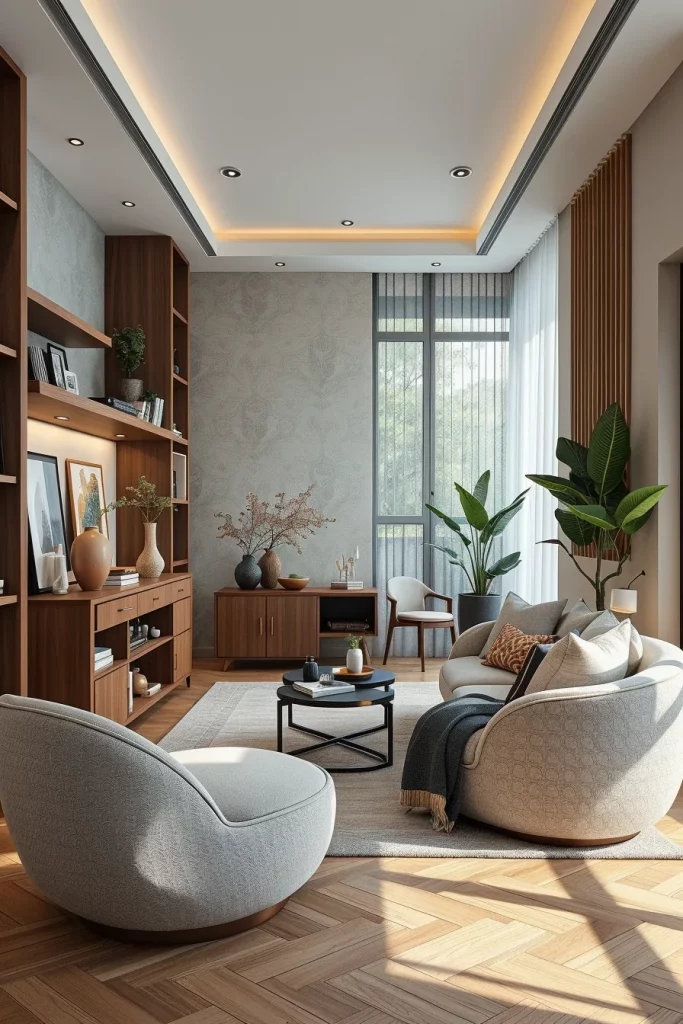
I have noticed that contemporary interiors increasingly feature furniture that serves multiple purposes. Sculptural storage exemplifies this trend because it combines functionality with artistic expression. In my projects, these pieces often become conversation starters while solving practical storage challenges.
To maximize the impact of sculptural storage, I would add carefully curated decorative objects and greenery. This helps personalize the room while maintaining a clean and organized appearance.
Elegant Layout Ideas Featuring Rounded Sectionals In Compact Rooms
Rounded sectionals can be surprisingly effective in small living rooms when used thoughtfully. I often choose compact curved sectionals because they create a comfortable seating zone while softening the room’s overall geometry. Their flowing form encourages conversation and makes the space feel more welcoming.
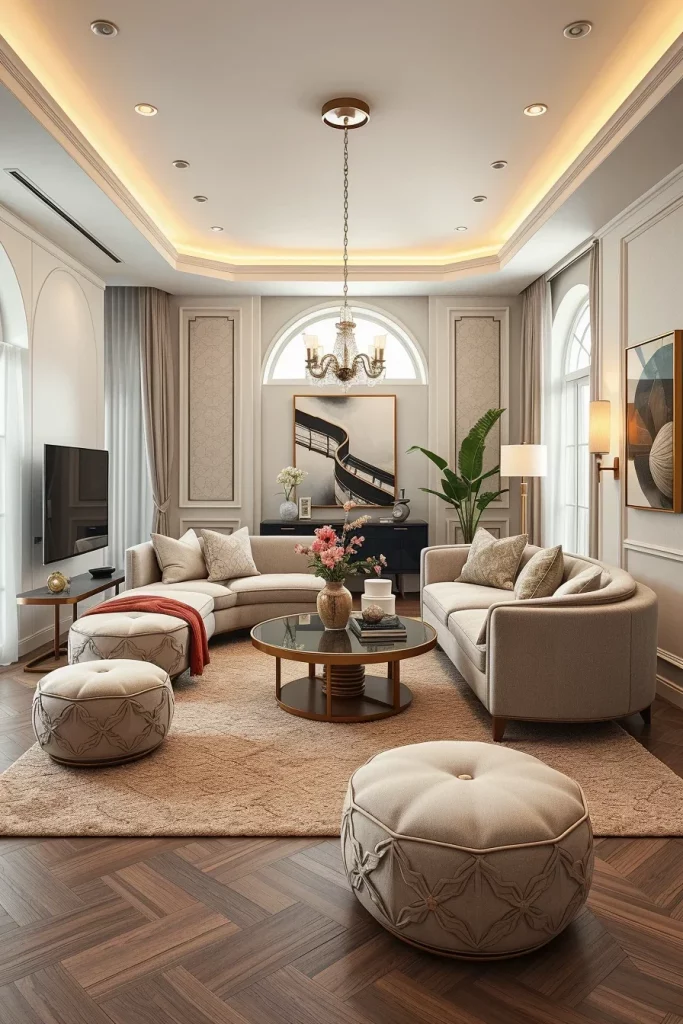
I typically position the sectional to define the primary living area and pair it with a round coffee table to reinforce the organic layout. Slim side tables, sculptural floor lamps, and textured area rugs help complete the composition. Neutral upholstery keeps the sectional from dominating the room while allowing decorative accents to stand out.
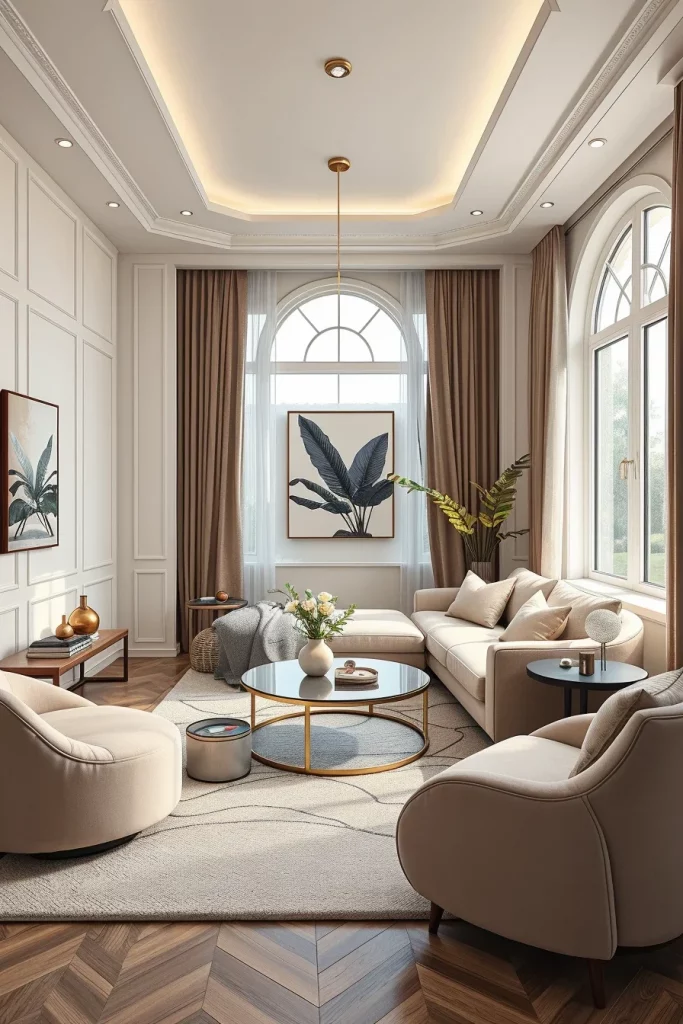
In my experience, rounded sectionals work best when paired with a restrained color palette and carefully selected accessories. Many modern designers use curved furniture to introduce sophistication and visual movement, and I have found this approach particularly effective in compact interiors where every design decision matters.
To further enhance this arrangement, I would incorporate layered lighting and subtle architectural details such as wall molding or curved niches. These additions create depth and elevate the overall design.
Innovative Furniture Placement Around Large Windows In Small Living Rooms
When I design a small living room with large windows, I view natural light as one of the room’s most valuable assets. Instead of placing bulky furniture directly in front of the windows, I arrange seating to take advantage of the views and daylight. This strategy helps the room feel brighter, more open, and visually connected to the outdoors. Large windows can become the focal point of the entire furniture layout when treated thoughtfully.
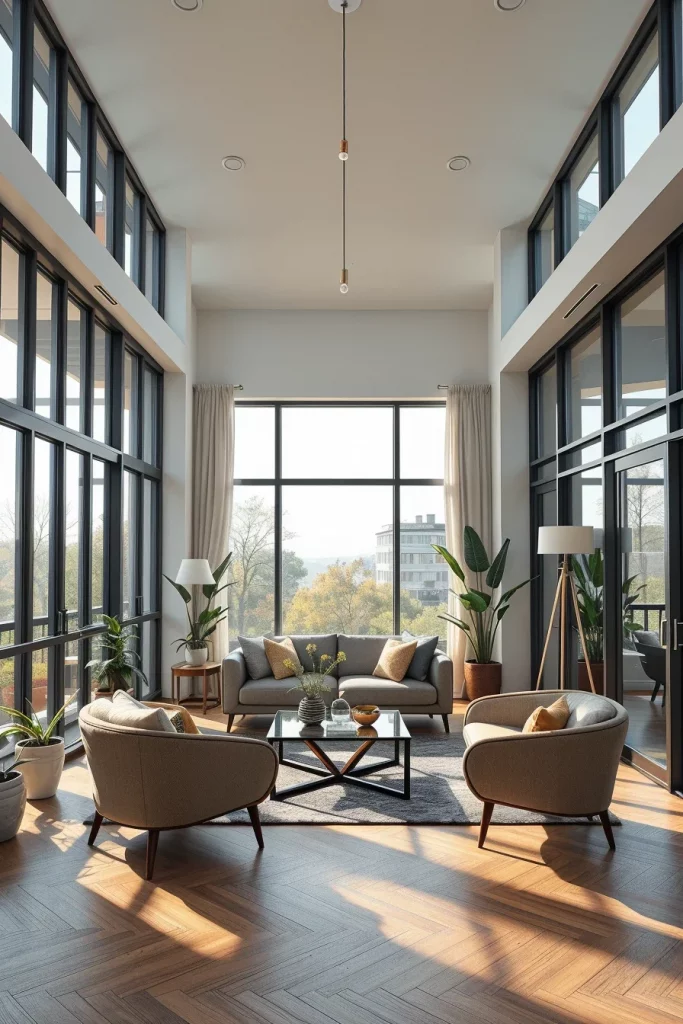
I often position a compact sofa perpendicular to the windows and use low-profile accent chairs that do not obstruct sunlight. A slim coffee table and lightweight side tables maintain openness while allowing the window area to remain visually accessible. Sheer curtains or simple window treatments preserve privacy without sacrificing natural illumination. Decorative elements such as indoor plants thrive in these conditions and strengthen the connection to nature.
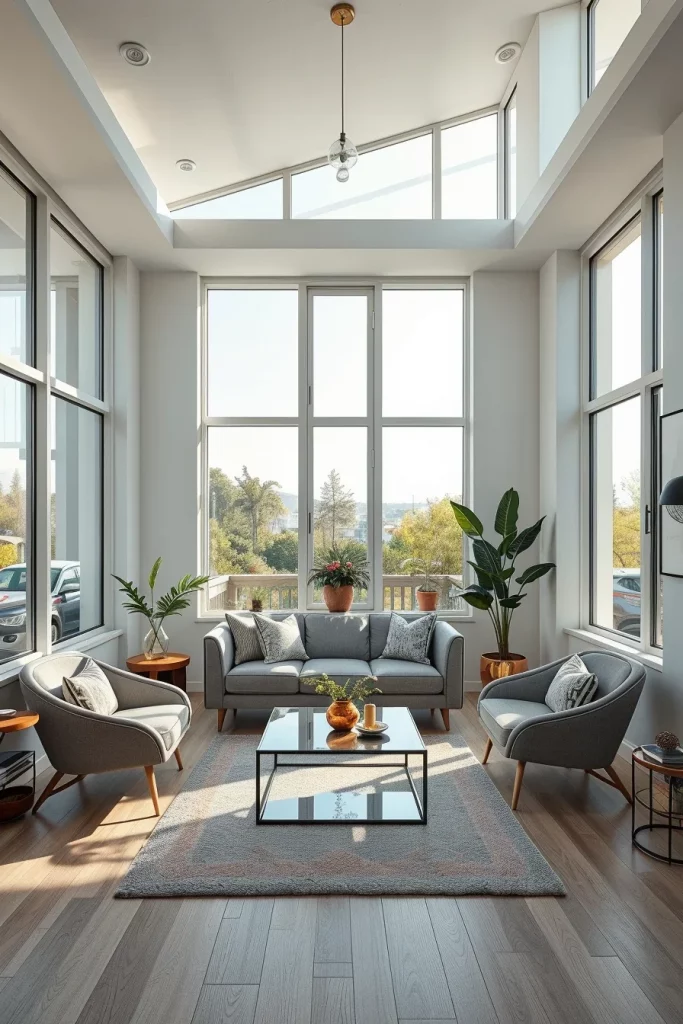
In my experience, many successful small living rooms rely on maximizing daylight rather than adding more decorative features. Design publications frequently emphasize the importance of keeping window areas unobstructed, and I have consistently found that this principle creates a more inviting and spacious environment.
To enhance this layout further, I would incorporate reflective materials such as glass surfaces, metallic accents, and strategically placed mirrors. These additions help distribute natural light throughout the room and amplify the sense of openness.
Creative Symmetrical Layouts For Balanced Small Living Room Designs
Symmetry can bring a sense of order and elegance to a small living room. When I use a symmetrical furniture arrangement, I create visual balance that helps the room feel organized rather than crowded. This design approach works particularly well when the space has a clear focal point such as a fireplace, media wall, or large piece of artwork.
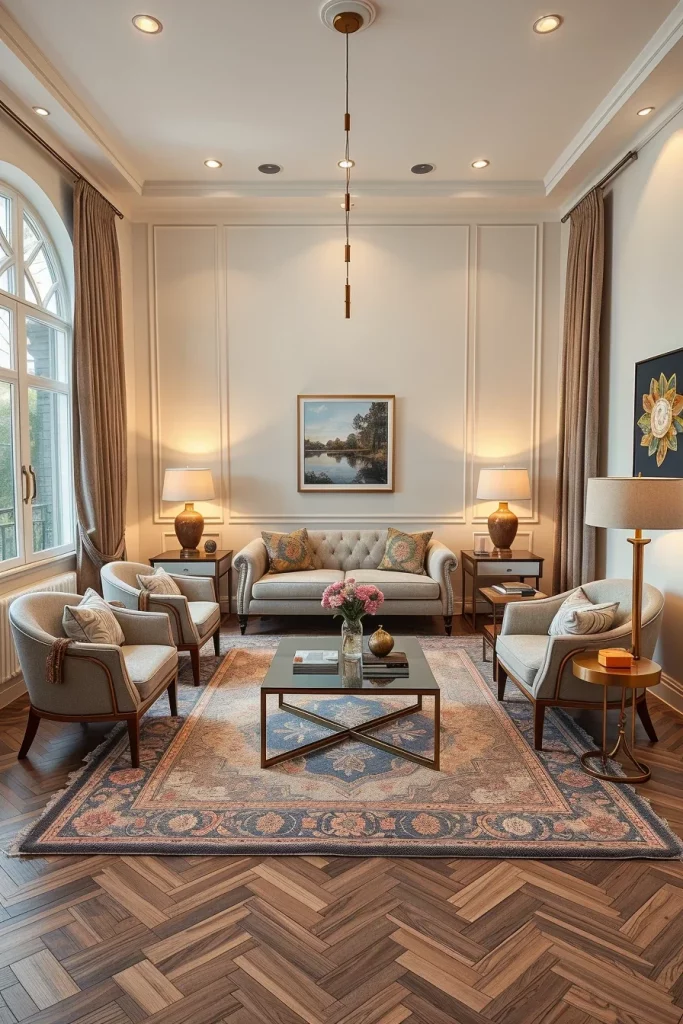
I typically place a sofa at the center of the layout and position matching chairs, side tables, or lamps on either side. A central coffee table anchors the composition while maintaining functional circulation. Consistent materials, coordinated fabrics, and repeated shapes strengthen the symmetry without making the room appear overly formal. This arrangement often creates a comfortable setting for conversation and relaxation.
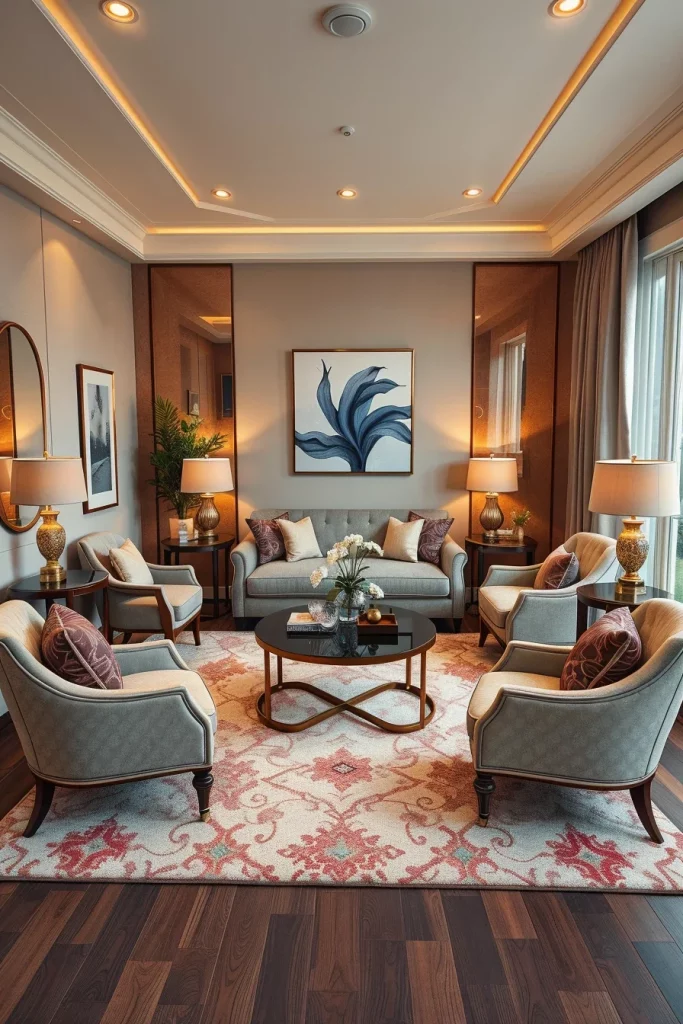
I have found that symmetrical layouts are especially effective in compact spaces because they simplify visual perception. The eye can easily understand the room’s structure, which contributes to a calmer and more harmonious atmosphere. Even subtle symmetry can make a significant difference in how balanced a room feels.
To complete this design, I would introduce artwork or decorative accessories that reinforce the central axis of the room. These finishing touches help unify the overall composition.
Small Living Room Furniture Layouts With Artistic Layered Textures
Layering textures is one of my preferred methods for adding depth to a small living room without increasing clutter. A carefully arranged furniture layout combined with varied materials can make a compact space feel rich, sophisticated, and visually engaging. Texture allows the room to feel dynamic while maintaining a restrained color palette.
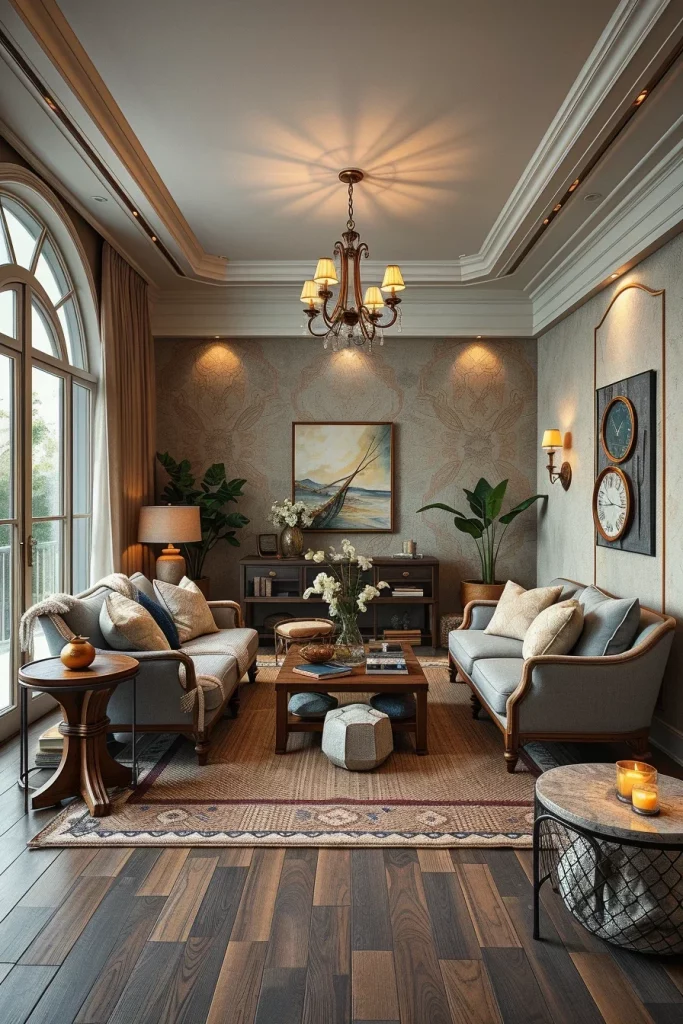
I often combine upholstered seating, woven rugs, natural wood tables, stone accents, and soft textiles to create contrast. Curved furniture pieces work particularly well with textured surfaces because they emphasize softness and comfort. Decorative cushions, throws, and sculptural accessories introduce additional layers without overwhelming the room. Every material contributes to a cohesive visual experience.
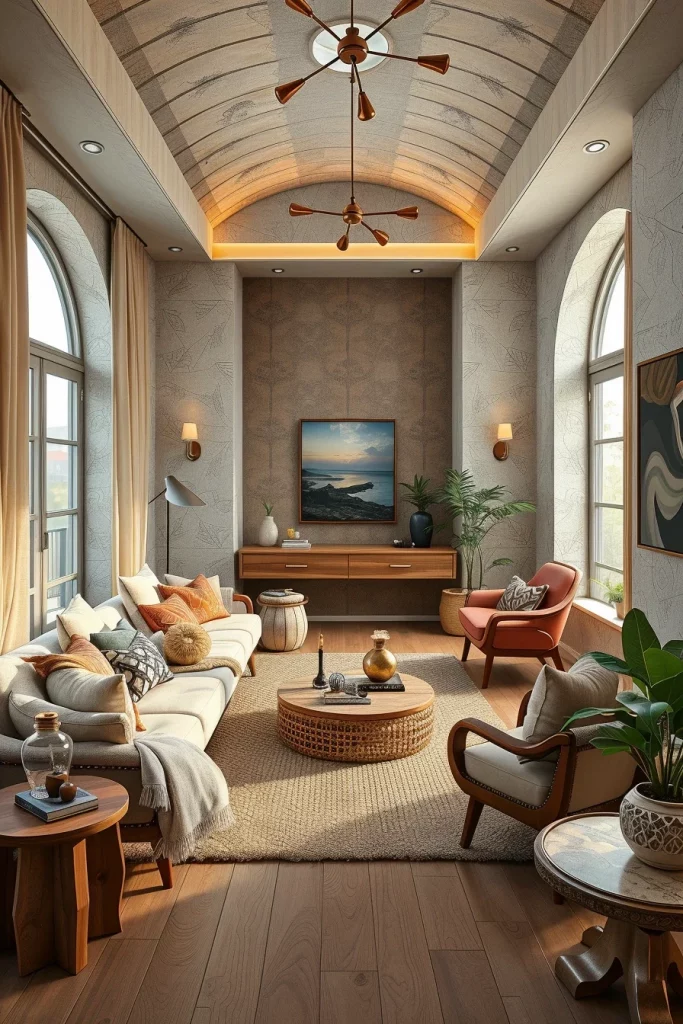
In my experience, texture is often more important than color in small interiors. Many respected interior designers use layered materials to create warmth and character while avoiding visual overcrowding. I have applied this strategy successfully in numerous compact living spaces where simplicity and comfort needed to coexist.
To strengthen the overall design, I would add subtle lighting variations through table lamps, floor lamps, and wall sconces. This highlights the different textures and creates a welcoming atmosphere throughout the day.
Curved Furniture Concepts That Soften Compact Living Areas
Curved furniture can completely transform the atmosphere of a small living room. I often use rounded silhouettes to soften hard architectural lines and create a more relaxed environment. The absence of sharp corners makes the room feel more fluid and encourages a natural flow between different areas.
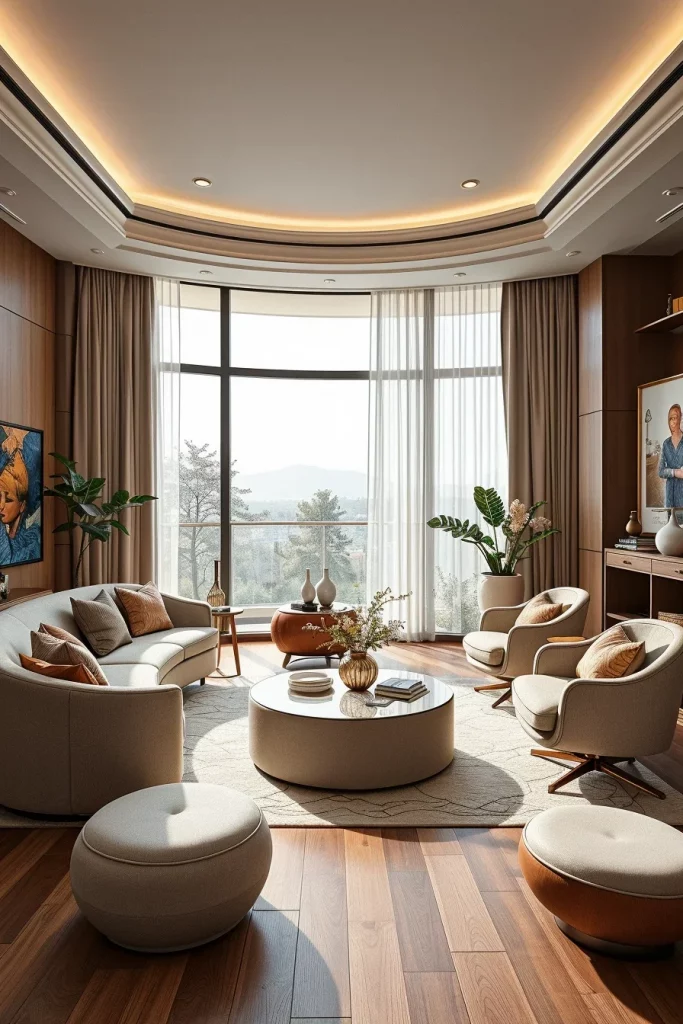
I frequently incorporate curved sofas, circular coffee tables, rounded ottomans, and sculptural accent chairs. These pieces work together to establish a cohesive design language while maximizing comfort. Curved forms also improve movement around the room because they eliminate visual and physical obstacles often associated with angular furniture.
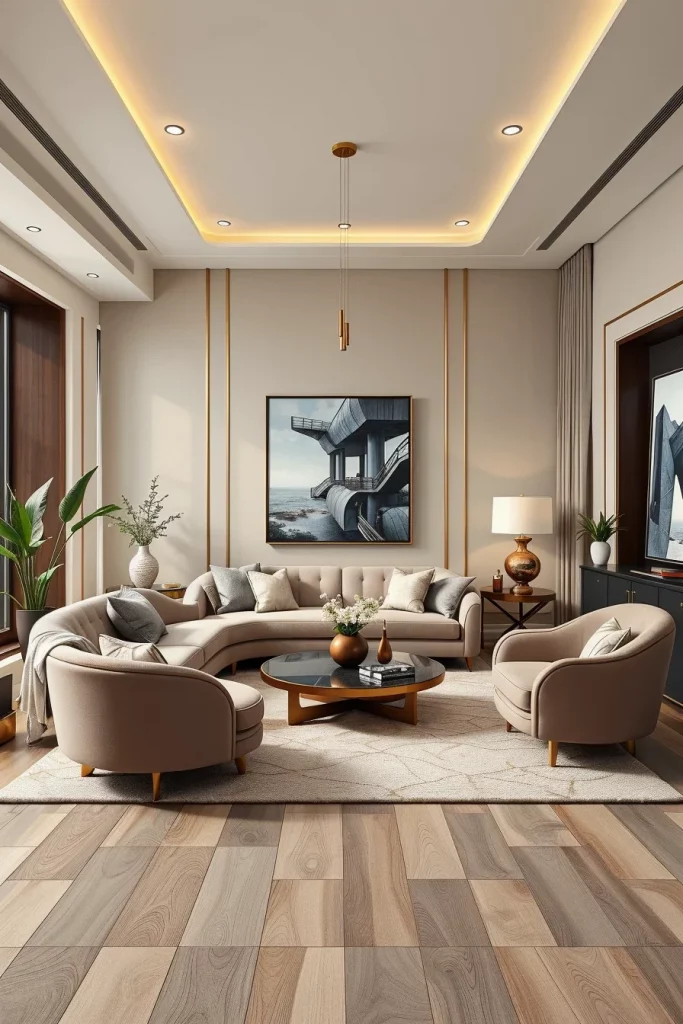
From my perspective, curved furniture has become increasingly popular because it balances modern aesthetics with everyday functionality. Many contemporary designers embrace organic shapes to create interiors that feel both elegant and approachable. I have found that even a few curved pieces can dramatically soften a compact living room.
To further enhance this concept, I would incorporate curved wall mirrors, rounded lighting fixtures, and organic decorative objects. These additions reinforce the design theme while maintaining visual consistency.
Stylish Open-Concept Small Living Room Furniture Arrangements
Open-concept layouts require careful planning, especially when working with limited square footage. When I design an open-concept small living room, I focus on defining zones without creating physical barriers. Furniture placement becomes the primary tool for establishing structure while preserving openness.
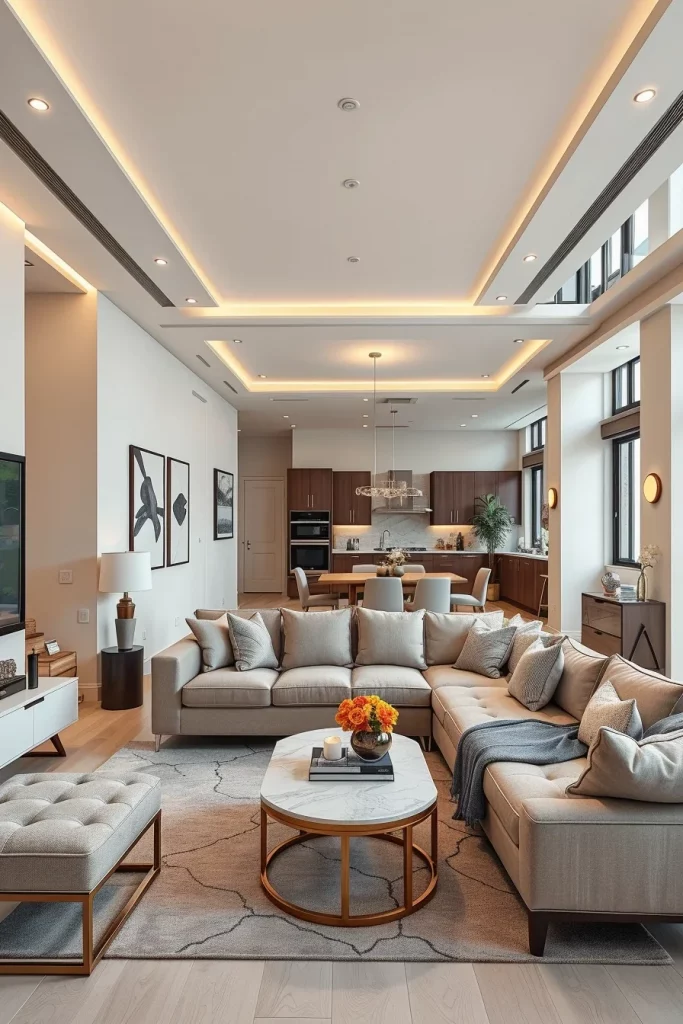
I often use a compact sofa to separate the living area from adjacent dining or kitchen spaces. Area rugs help define functional zones, while multifunctional furniture maximizes usability. Slim consoles, nesting tables, and movable seating allow the room to adapt to changing needs. Consistent materials and colors create visual continuity throughout the open floor plan.
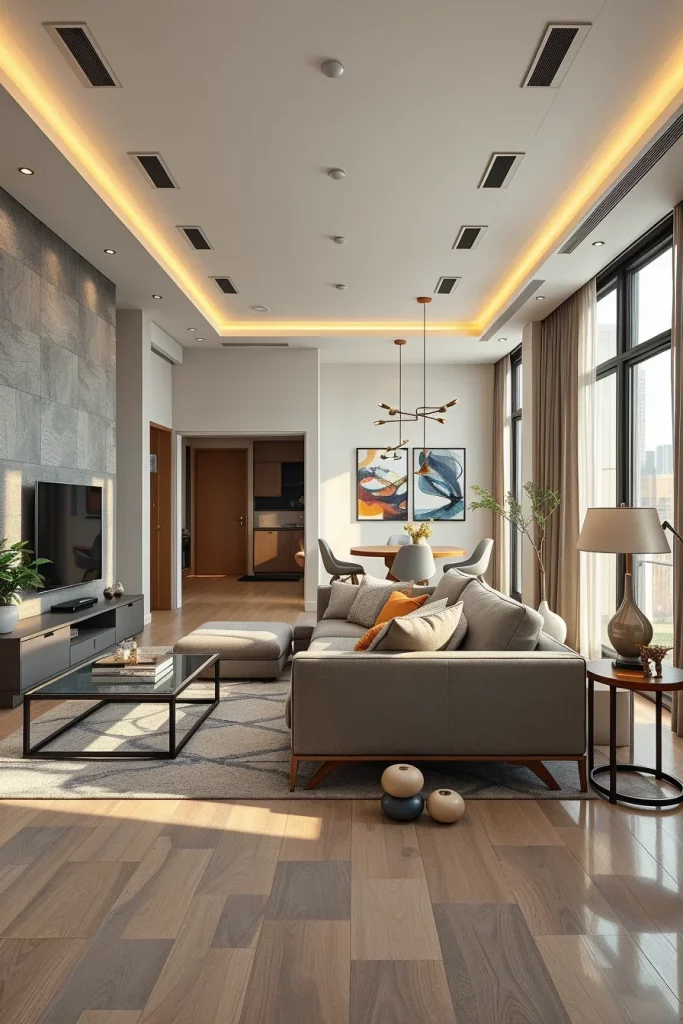
I have found that successful open-concept living rooms rely on balance rather than quantity. Instead of filling every corner, I prioritize furniture that contributes both function and visual clarity. This approach creates a cohesive environment that feels larger and more comfortable for daily living.
To complete the arrangement, I would incorporate layered lighting that distinguishes different zones while maintaining a unified atmosphere. Proper illumination helps each area feel purposeful without disrupting the overall flow of the space.
Sculptural Living Room Layouts With Unique Accent Furniture Pieces
When I design a small living room around sculptural furniture, I focus on creating a layout where every piece contributes both function and visual impact. Rather than filling the room with multiple standard furnishings, I prefer a carefully selected arrangement featuring artistic silhouettes and refined forms. This approach allows the room to feel intentional and sophisticated while maintaining valuable open floor space. Sculptural furniture naturally becomes a focal point, helping the room appear curated instead of crowded.
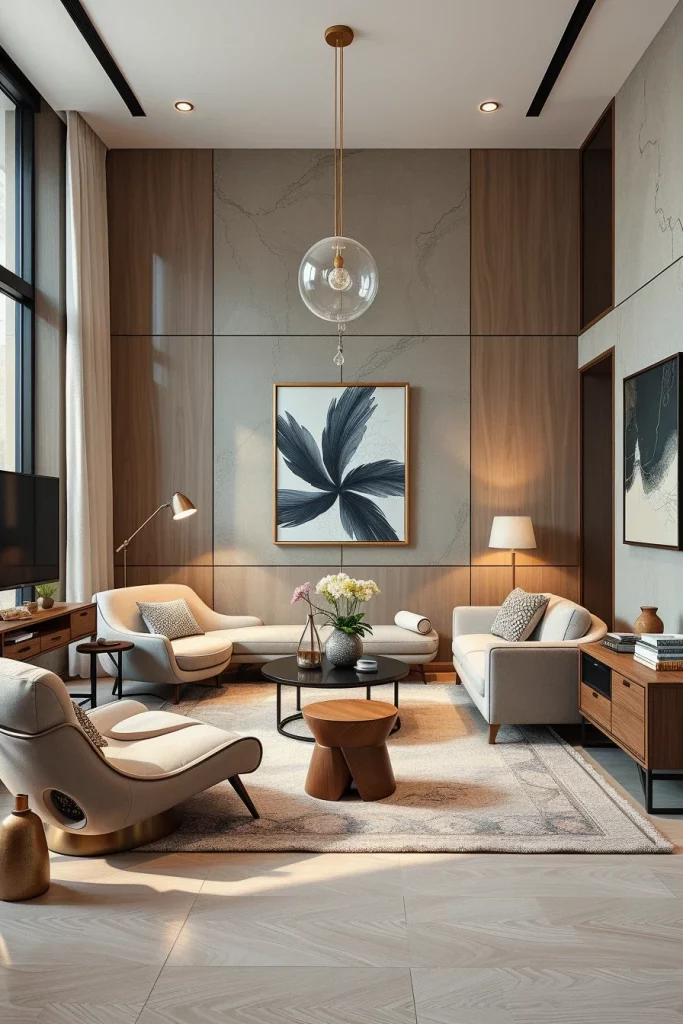
I often begin with a curved sofa, a sculptural accent chair, and a distinctive coffee table featuring organic shapes. These elements create movement throughout the room and encourage a more fluid furniture arrangement. I also include a textured area rug, minimalist media storage, and a statement side table to balance the composition. Decorative accessories remain limited, allowing the furniture itself to become the primary design feature while preserving visual clarity.
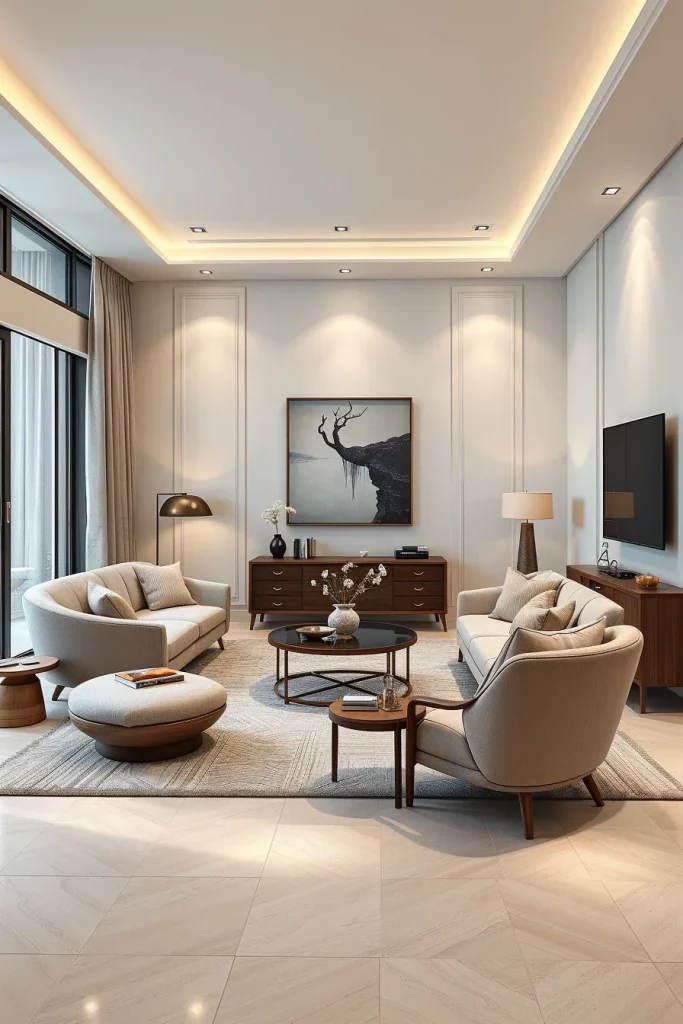
In my experience, many respected designers featured in publications such as Architectural Digest emphasize the importance of investing in fewer but more impactful furnishings for compact interiors. I have found this advice especially useful in small living rooms, where every item should justify the space it occupies. A sculptural layout encourages quality over quantity and creates a memorable interior that feels larger than its actual dimensions.
To complete this concept, I would add subtle wall textures, layered ambient lighting, and carefully selected artwork that echoes the organic forms of the furniture. These additions strengthen the sculptural theme without overwhelming the room.
Creative Furniture Positioning To Highlight Statement Decor Elements
I often use furniture placement as a tool to draw attention to architectural details, artwork, or decorative focal points. In a small living room, strategic positioning can make statement decor appear more prominent while maintaining an efficient traffic flow. Instead of placing furniture directly against every wall, I create intentional sightlines that naturally guide attention toward key visual elements.
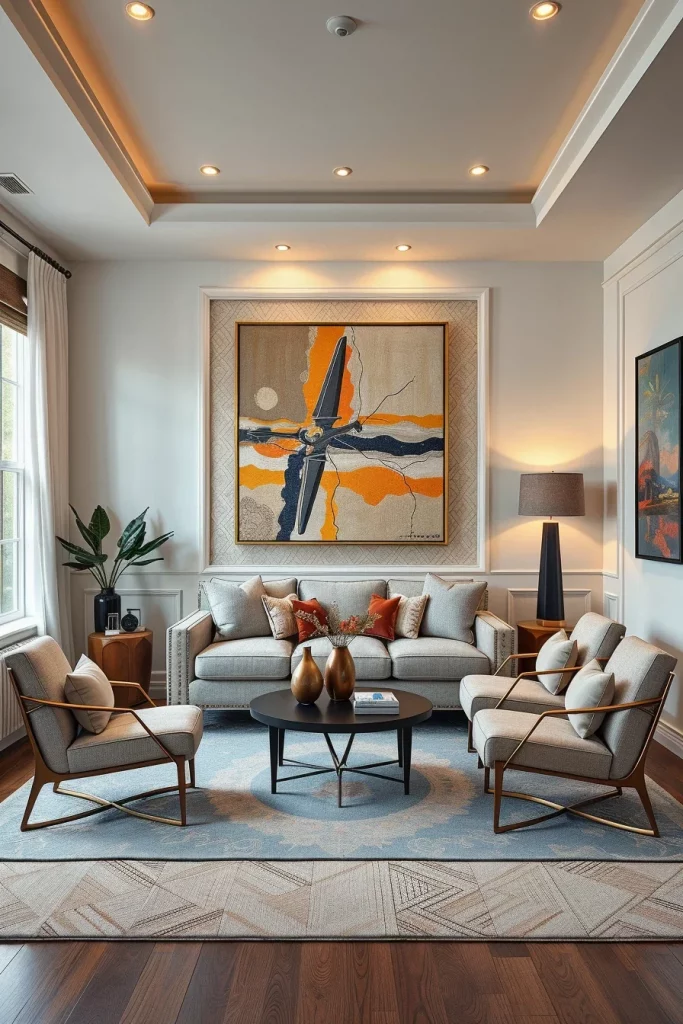
For this layout, I typically arrange a compact sofa facing a feature wall, oversized artwork, or a fireplace. Accent chairs are positioned at slight angles to encourage conversation while framing the focal point. A streamlined coffee table anchors the seating area, while open shelving and low-profile storage prevent visual clutter. Every piece is selected to support rather than compete with the featured decor.
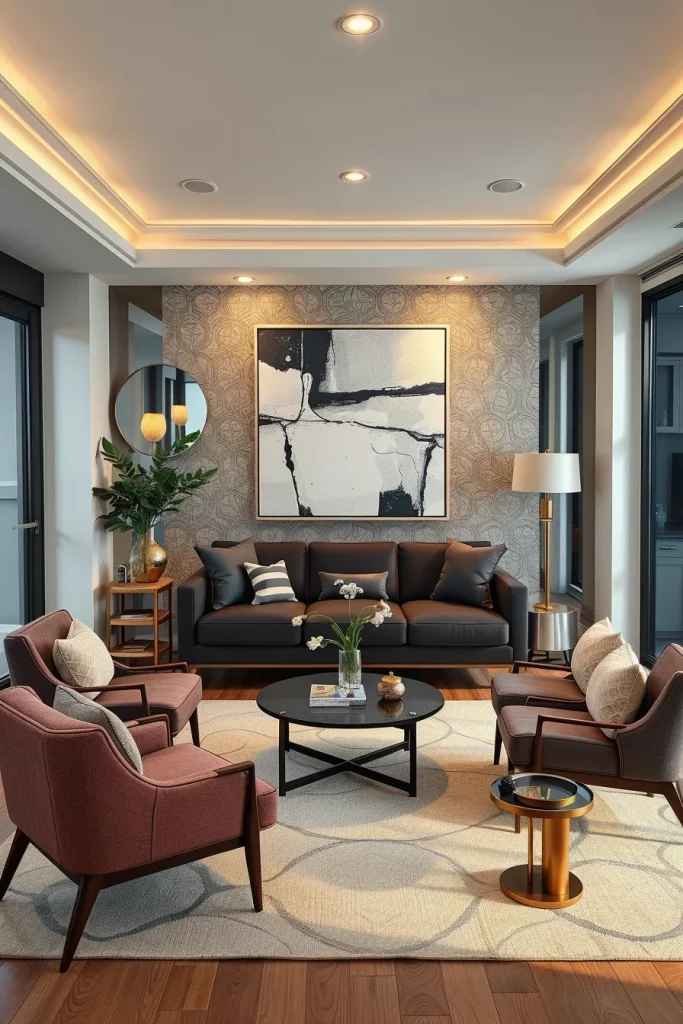
I have noticed that many successful interiors use negative space just as effectively as furniture. By leaving breathing room around a statement piece, whether it is artwork or decorative shelving, the room feels more refined and organized. Personally, I find that this strategy creates a stronger visual impact than simply adding more decorative objects.
To further enhance this arrangement, I would introduce accent lighting directed toward the focal point. Adjustable wall sconces or discreet spotlights can dramatically elevate the presence of decorative features while maintaining a cozy atmosphere.
Small Living Rooms With Floating Seating Islands And Flexible Layouts
One of my favorite approaches for compact spaces involves creating a floating seating island positioned away from the walls. This technique often surprises homeowners because it challenges traditional furniture placement rules. By allowing furniture to float within the room, I can establish more balanced proportions and improve circulation throughout the space.
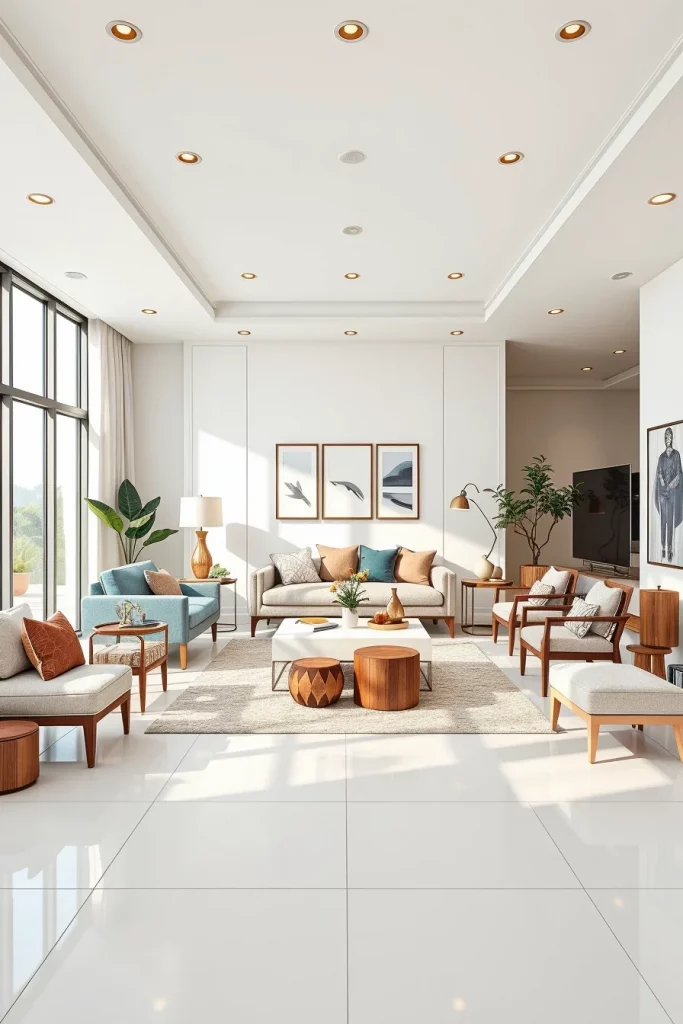
I typically use a compact sofa as the central anchor and pair it with lightweight lounge chairs that can be repositioned as needed. Nesting tables, movable ottomans, and modular seating components add flexibility for entertaining or daily use. The arrangement creates a clearly defined living zone while leaving perimeter space available for storage, shelving, or decorative elements.
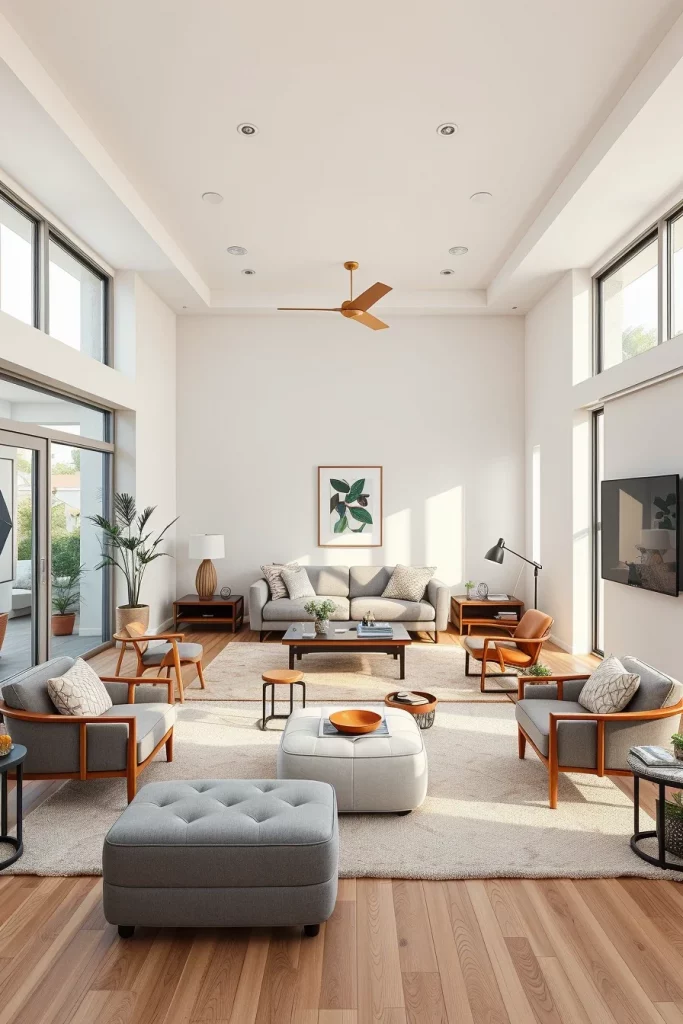
From my experience, flexible layouts are particularly beneficial in modern homes where one room often serves multiple purposes. Designers frequently recommend furniture that can adapt to changing needs, and I strongly agree with this philosophy. A room that can evolve throughout the day offers significantly greater long-term functionality.
To improve this concept further, I would add multifunctional furniture such as storage ottomans and mobile side tables. These pieces increase practicality without sacrificing the clean, open appearance that makes floating layouts so effective.
Artistic Layout Ideas Using Curved Shelving And Display Units
Curved shelving introduces softness and movement into small living rooms while providing valuable storage opportunities. When I incorporate curved display units into a layout, I focus on creating a sense of flow that reduces the rigid appearance often associated with compact spaces. The result is a more welcoming and visually dynamic environment.
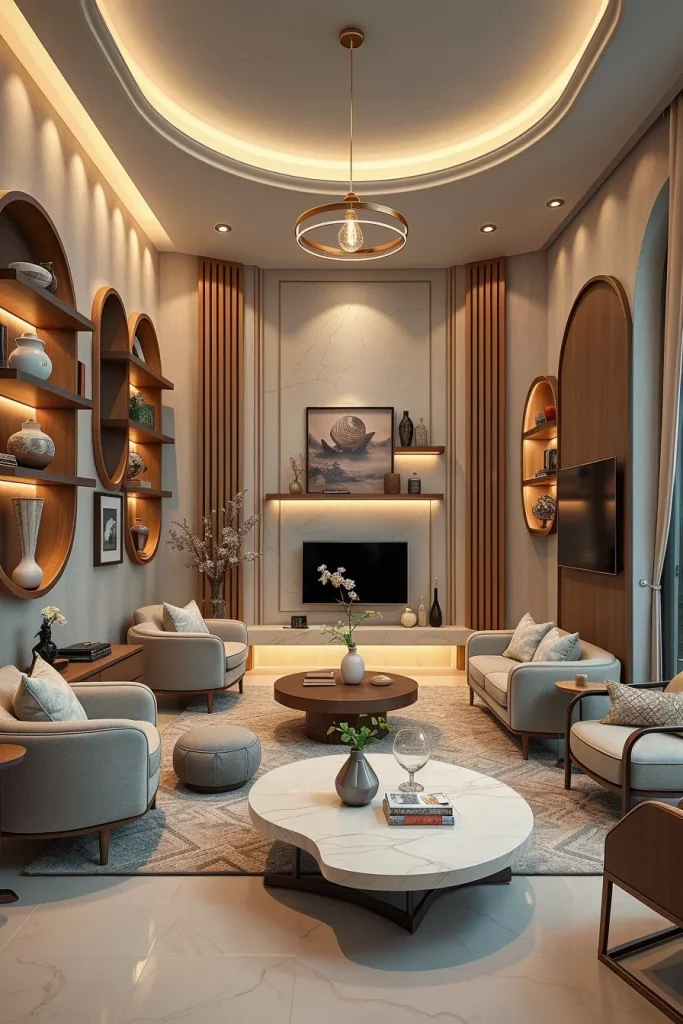
I frequently position curved shelving along feature walls or within underutilized corners. These units display books, ceramics, artwork, and decorative accessories while maintaining a lighter visual presence than traditional rectangular shelving. Paired with rounded seating, organic coffee tables, and soft textiles, curved storage elements help unify the overall design language.
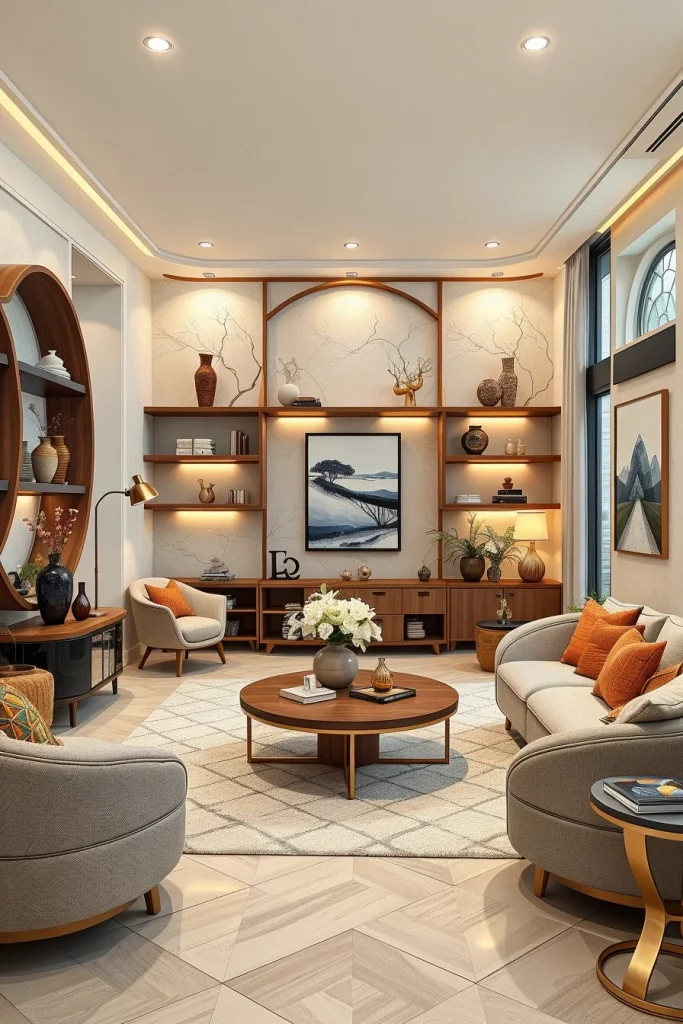
Personally, I appreciate how curved shelving can function as both storage and sculpture. Many contemporary interior designers have embraced this trend because it introduces character without adding unnecessary clutter. In small living rooms especially, multifunctional design elements are essential for maintaining balance and practicality.
To strengthen this design concept, I would incorporate integrated lighting within the shelving units. Soft illumination highlights decorative objects and creates depth, making the room feel larger and more inviting during evening hours.
Modern Small Living Room Furniture Layouts Inspired By Organic Design
Organic design principles are particularly effective in small living rooms because they emphasize comfort, natural forms, and visual harmony. When creating an organic-inspired layout, I prioritize gentle curves, natural materials, and a connection between furniture and surrounding architectural elements. This approach produces an environment that feels calm and effortlessly cohesive.
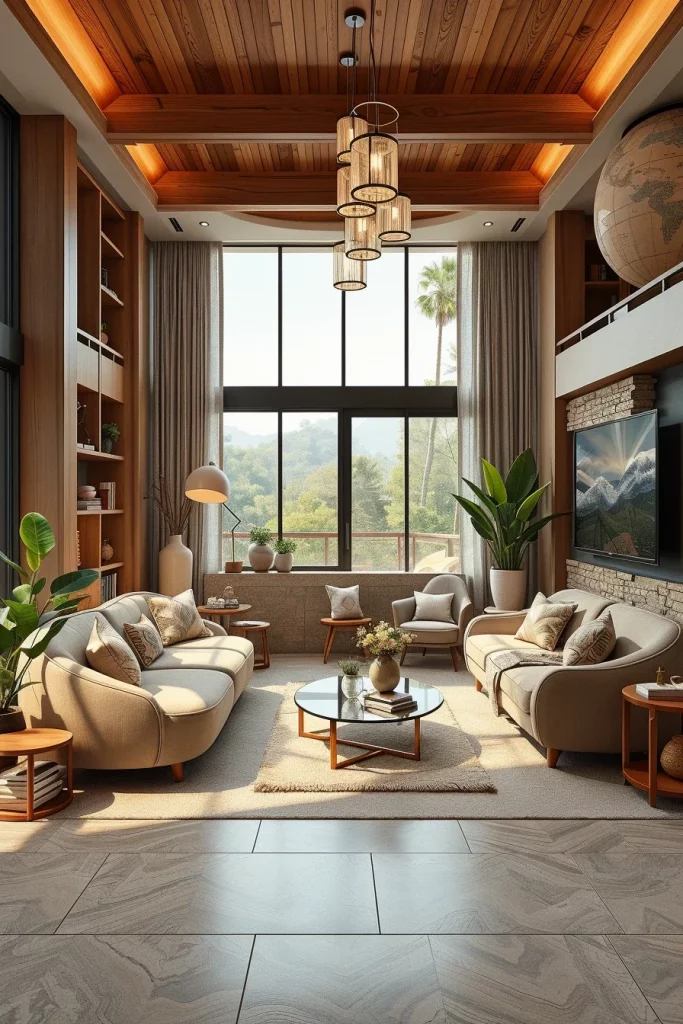
I typically select a curved sofa, rounded accent tables, textured upholstery, and wood finishes with visible grain patterns. Furniture is arranged to encourage easy movement through the room, avoiding sharp visual interruptions. Layered textiles, sculptural lighting, and subtle earth-toned accessories further reinforce the organic aesthetic while preserving functionality.
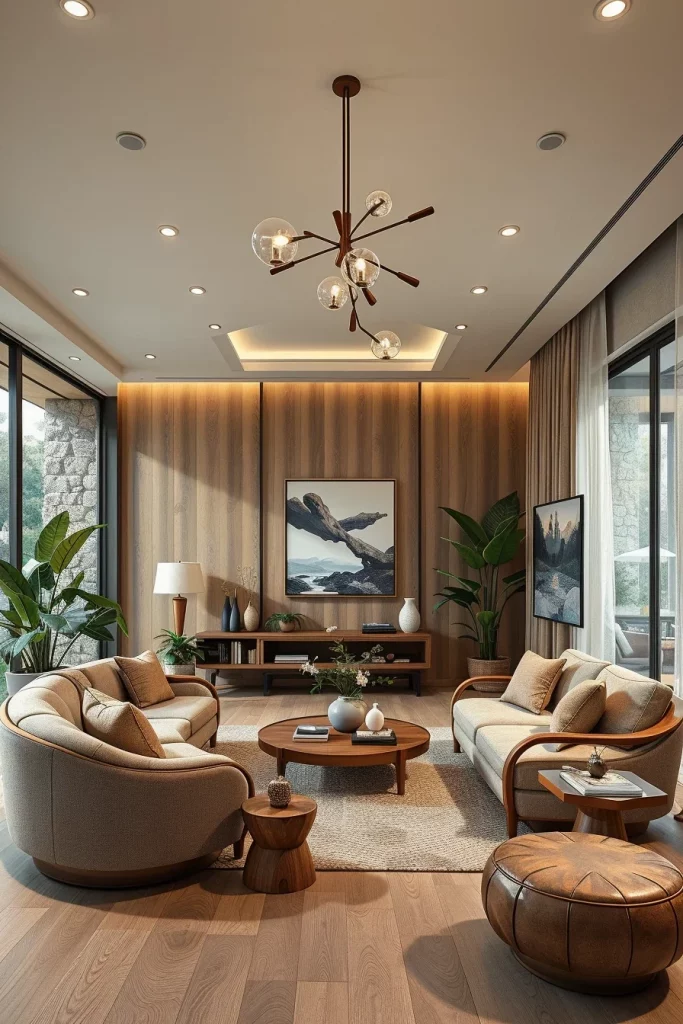
In my experience, organic layouts create a sense of relaxation that is difficult to achieve with more rigid furniture arrangements. Design publications such as Elle Decor frequently highlight the growing popularity of curved furnishings and nature-inspired interiors, and I have found these principles highly effective in compact living spaces. They create warmth while maintaining a distinctly contemporary appearance.
To complete this layout, I would add indoor plants, natural stone accents, and woven textures that enhance the connection between the interior and natural elements. These details help create a richer and more immersive design experience.
Innovative Layouts Combining Storage, Seating, And Style
In small living rooms, I often look for ways to merge storage solutions with comfortable seating while maintaining a stylish appearance. An innovative layout allows every square foot to serve multiple purposes without creating visual clutter. Rather than treating storage as a separate requirement, I integrate it directly into the furniture arrangement. This creates a cohesive environment that feels organized, functional, and visually appealing.
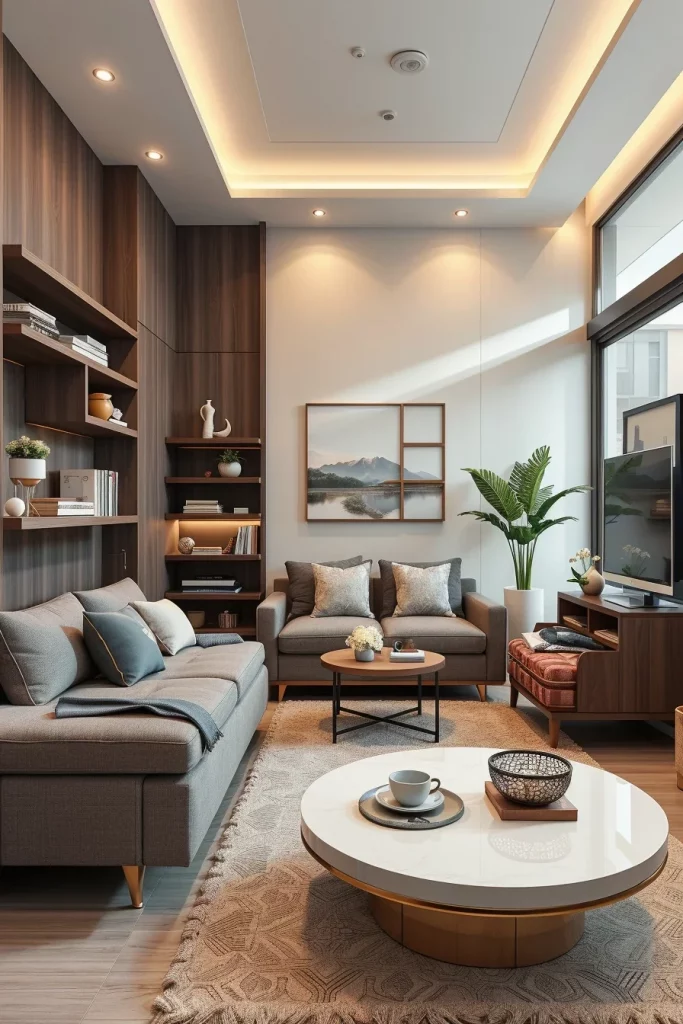
I typically incorporate storage benches, modular sofas with hidden compartments, wall-mounted cabinets, and multifunctional coffee tables. These pieces provide valuable storage for everyday items while supporting the overall design concept. I also like to use floating shelves and slim media units that maximize vertical space without overwhelming the room. The furniture is arranged to preserve open pathways and encourage easy movement throughout the living area.
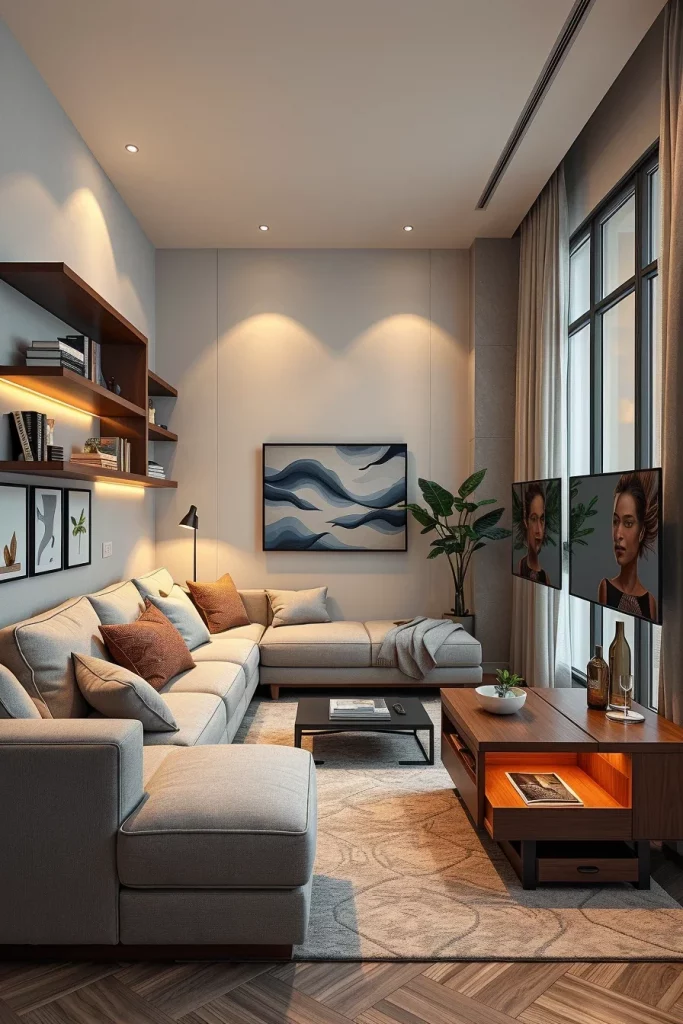
From my experience, homeowners are often surprised by how much storage can be added without compromising comfort. Design experts frequently emphasize that hidden storage contributes significantly to maintaining a clean and spacious atmosphere. I have found that rooms feel much larger when everyday clutter is neatly concealed within thoughtfully designed furnishings.
To complete this layout, I would add decorative baskets, integrated lighting within storage units, and carefully selected accessories that reinforce the room’s overall aesthetic without introducing unnecessary visual noise.
Curved Furniture Arrangements That Enhance Visual Spaciousness
Curved furniture arrangements can dramatically improve how a small living room feels and functions. I often use curved layouts because they soften the visual boundaries of the room and encourage a more natural flow. Unlike rigid linear arrangements, curved furniture creates a sense of openness that helps compact interiors feel larger and more welcoming.
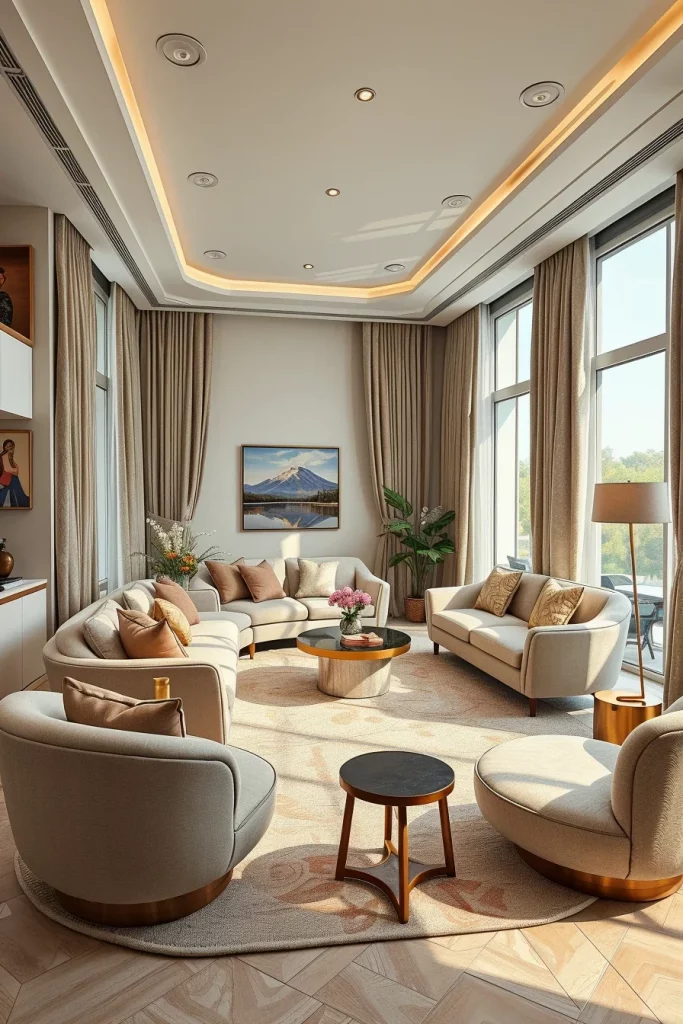
I usually begin with a curved sofa or sectional positioned around a rounded coffee table. Complementary accent chairs with soft contours help reinforce the organic composition. Rounded side tables, sculptural floor lamps, and circular rugs further contribute to the cohesive design. The absence of harsh angles creates a visually fluid environment that feels comfortable and balanced.
Personally, I have found that curved furniture layouts encourage conversation while improving circulation. Many contemporary designers advocate for organic forms in smaller homes because they reduce visual tension and create a more relaxed atmosphere. This approach is particularly effective when combined with light color palettes and carefully layered textures.
To enhance this arrangement further, I would introduce floor-to-ceiling curtains, reflective surfaces, and strategically positioned mirrors that amplify natural light and strengthen the perception of spaciousness.
Stylish Small Living Rooms With Sculptural Lighting And Smart Layouts
Lighting plays a crucial role in defining the character of a small living room. When I design around sculptural lighting, I focus on creating a layout that allows lighting fixtures to function as artistic focal points while supporting the practical needs of the space. A thoughtful combination of furniture placement and lighting design can transform even the most compact room.
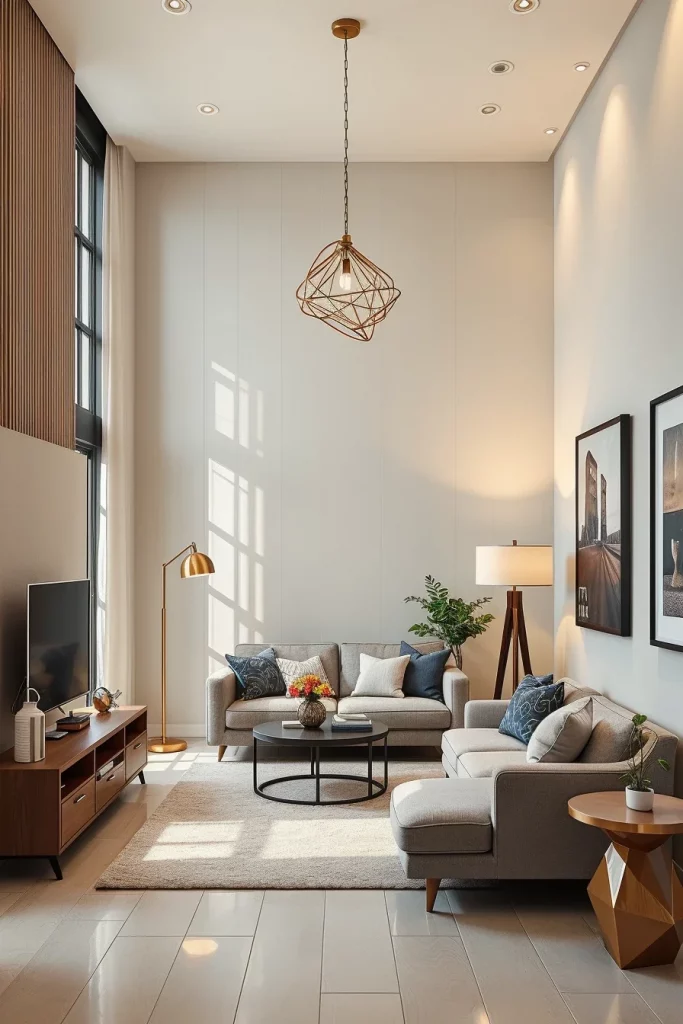
I often select oversized pendant lights, sculptural floor lamps, or artistic wall sconces that contribute visual interest without occupying excessive floor space. Seating is arranged to highlight these lighting features while maintaining comfort and functionality. Compact sofas, streamlined storage units, and versatile accent tables help balance the room and ensure that the lighting remains a prominent design element.
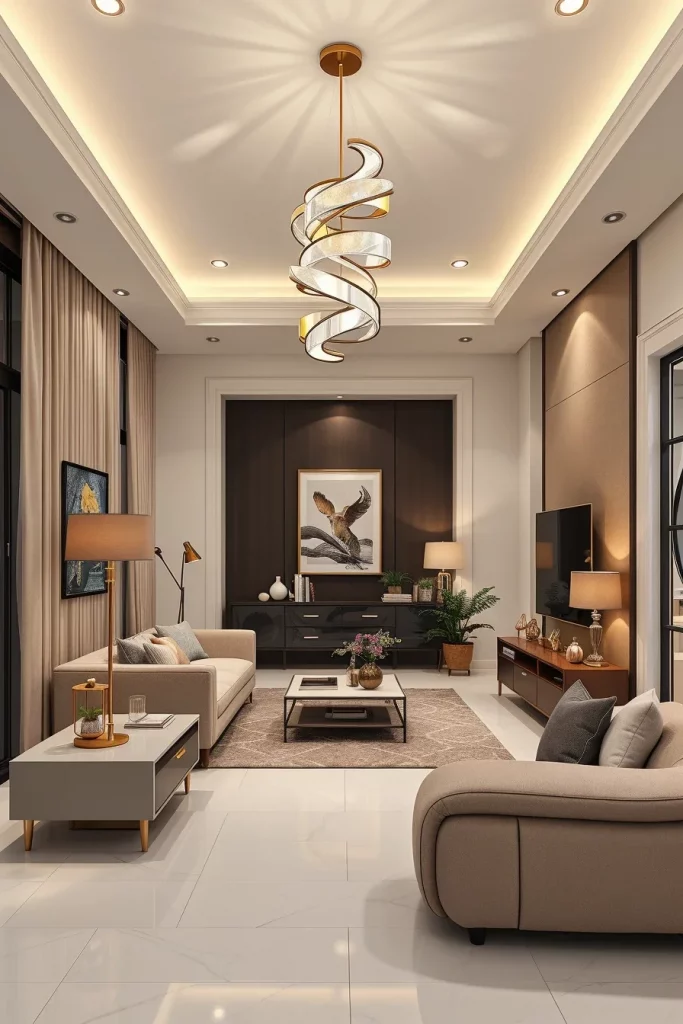
In my experience, sculptural lighting adds personality and sophistication that cannot always be achieved through furniture alone. Publications such as House Beautiful frequently showcase interiors where lighting serves as a statement piece, and I have found this strategy especially effective in contemporary living rooms. Well-placed lighting creates depth, highlights textures, and enhances the overall ambiance.
To complete this concept, I would incorporate dimmable lighting controls, layered illumination sources, and reflective materials that maximize the impact of both natural and artificial light throughout the room.
Creative Furniture Layouts For Narrow And Awkward Small Living Rooms
Narrow and unusually shaped living rooms often require more creative planning than standard layouts. When working with challenging floor plans, I focus on establishing clear zones while maintaining visual continuity. A carefully considered furniture arrangement can transform awkward proportions into an advantage rather than a limitation.
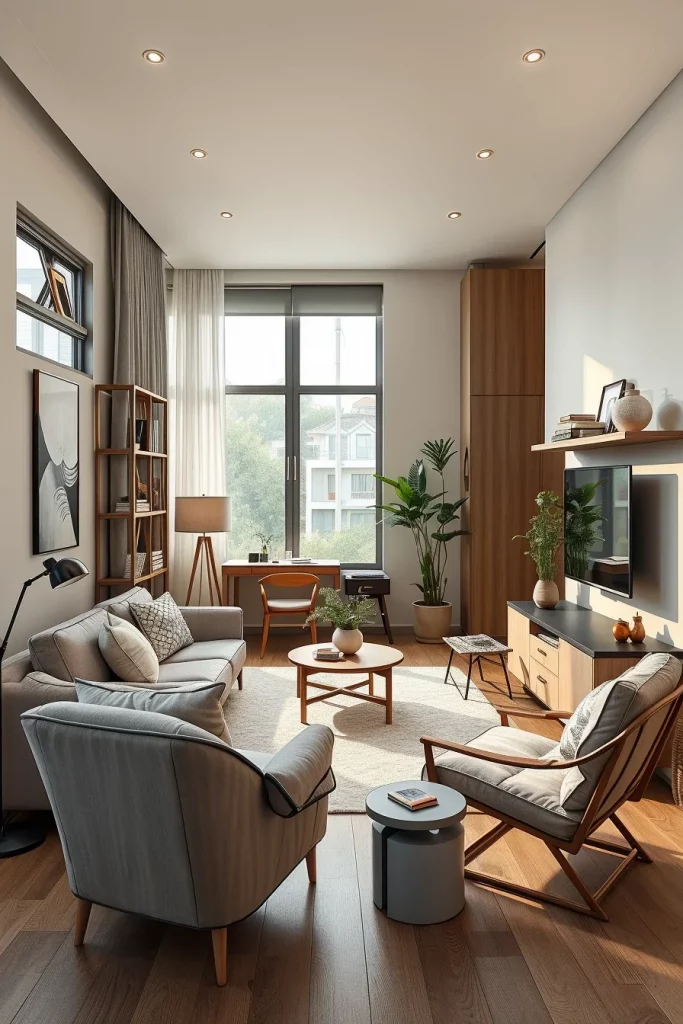
I typically use compact sofas with narrow profiles, lightweight accent chairs, and elongated coffee tables that complement the room’s dimensions. Furniture is positioned to guide movement naturally through the space while preserving comfortable seating areas. Vertical shelving, wall-mounted storage, and multifunctional furnishings help maximize usability without reducing openness.
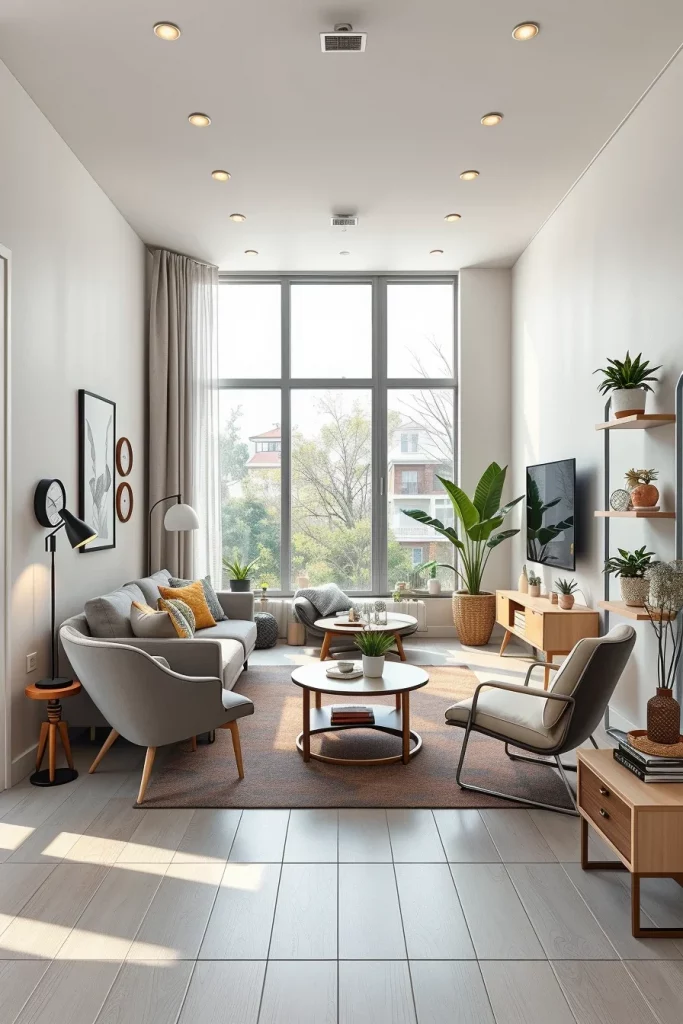
I have learned that flexibility is essential when designing awkward spaces. Rather than forcing traditional layouts, I adapt the arrangement to suit the room’s unique characteristics. Many professional designers recommend embracing architectural challenges rather than attempting to conceal them, and I have consistently seen positive results from this approach.
To strengthen this design, I would add custom storage solutions, strategically placed mirrors, and carefully selected artwork that visually expands the room while celebrating its distinctive shape.
Transformative Small Living Room Furniture Layout Ideas For Contemporary Homes
Contemporary homes often demand living rooms that can adapt to multiple functions throughout the day. I approach these spaces with flexibility in mind, creating layouts that support relaxation, entertaining, remote work, and family activities without compromising style. The goal is to maximize versatility while maintaining a refined and cohesive appearance.
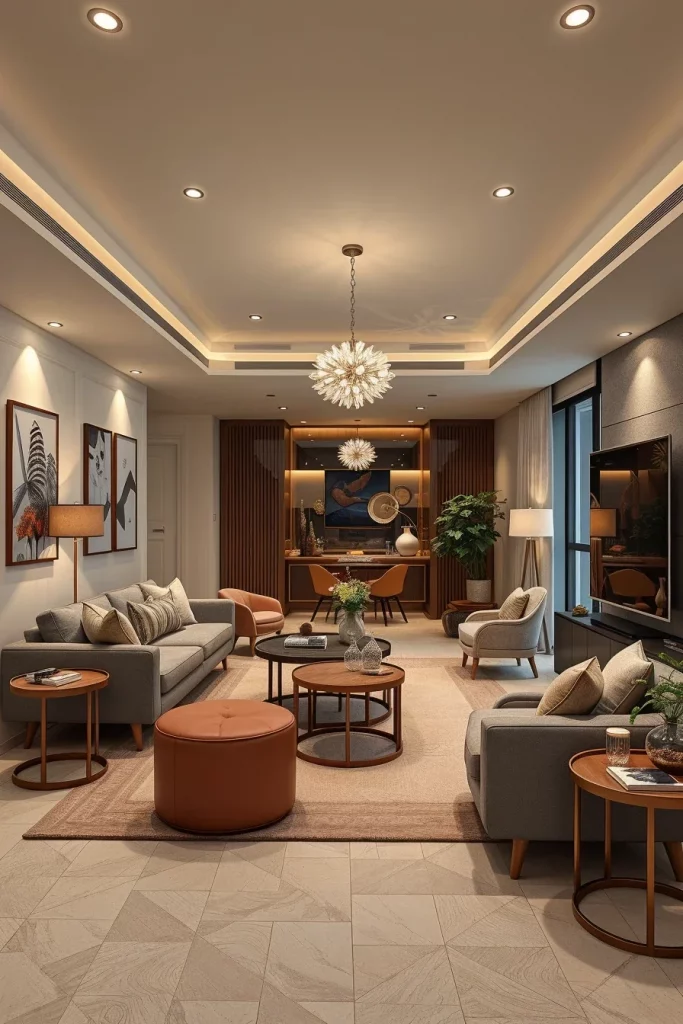
I frequently use modular seating systems, movable tables, nesting furniture, and multifunctional storage solutions. These elements allow the room to evolve according to changing needs while preserving valuable floor space. Clean-lined furnishings, neutral color palettes, and carefully selected decorative accents help maintain a modern aesthetic that feels fresh and uncluttered.
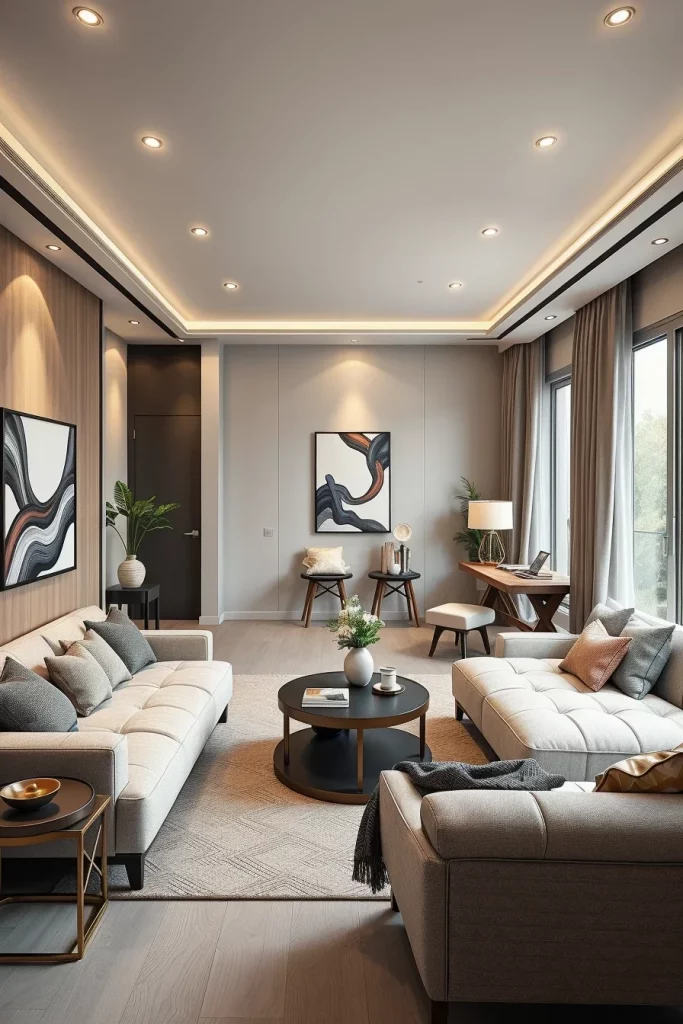
From my perspective, transformative layouts represent the future of small-space design. Contemporary lifestyles require interiors that are adaptable, efficient, and visually appealing. I have found that investing in flexible furniture often delivers greater long-term value than purchasing larger, single-purpose pieces. A well-planned layout can significantly improve daily comfort and functionality.
To fully realize this concept, I would incorporate smart home technology, adaptable lighting systems, and customizable storage solutions that support the evolving needs of modern households.
A thoughtful small living room furniture layout can make a compact space feel larger, more comfortable, and visually appealing. By incorporating smart furniture placement, multifunctional pieces, and stylish design elements, you can create a room that balances beauty and practicality. Whether you prefer sculptural furnishings, curved forms, or modern minimalist arrangements, the right layout can transform your living room into a welcoming and highly functional retreat.