
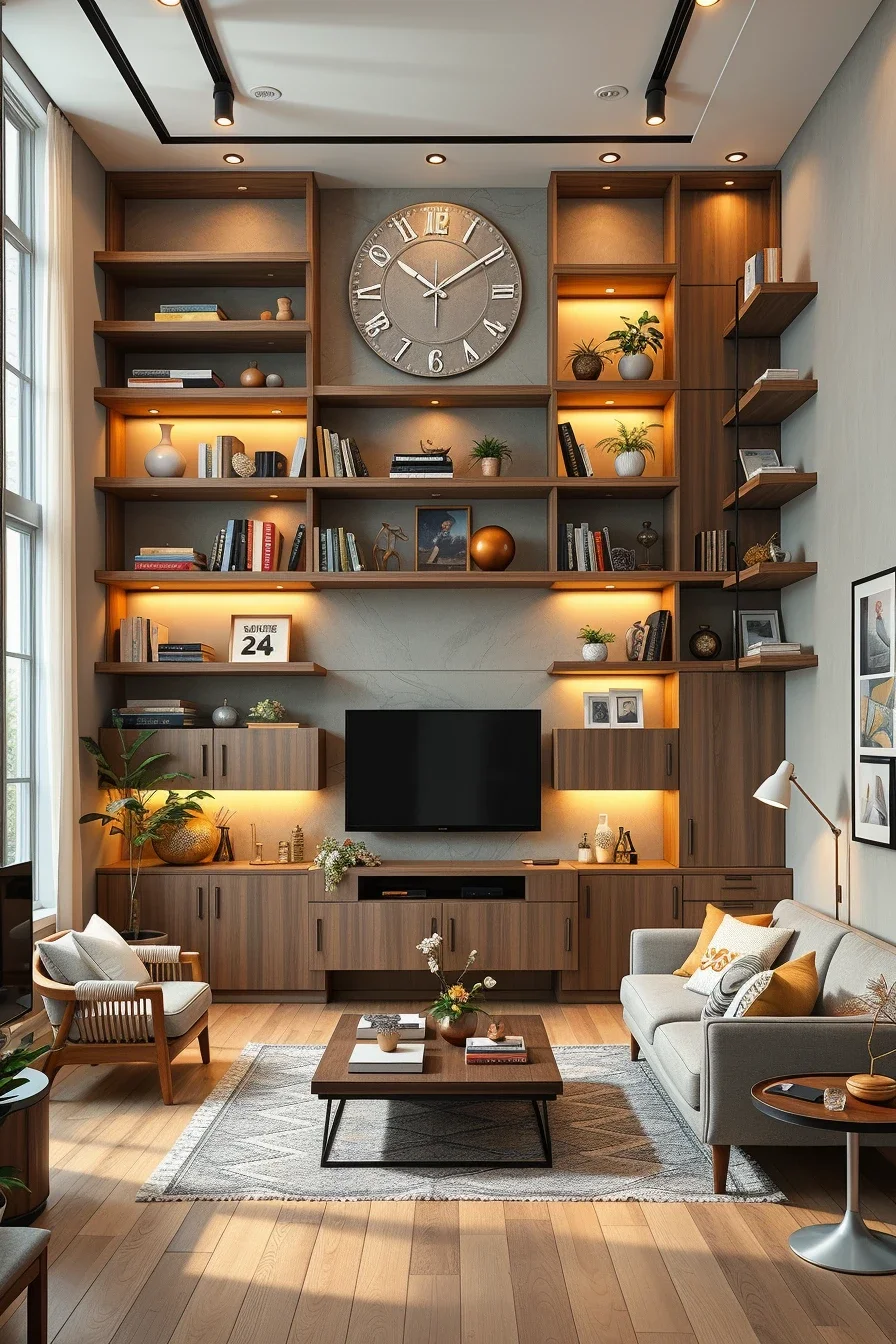
A small living room does not have to feel cramped or cluttered when designed with smart, space-saving solutions. The right furniture, layout, and storage ideas can transform even the tiniest room into a stylish and functional retreat. From hidden storage and multifunctional pieces to creative layouts and vertical design strategies, there are countless ways to maximize every inch. Modern small living rooms are proving that limited square footage can still deliver comfort, elegance, and personality. Whether you live in a compact apartment, studio, or cozy house, thoughtful design choices can make your space feel larger and more inviting. These small space-saving living room ideas will inspire you to create a beautiful room that works harder while looking effortlessly chic.
Multi-Functional Small Living Room With Hidden Storage
I often recommend designing a small living room around furniture that serves more than one purpose. A multi-functional room with hidden storage keeps the interior visually clean while providing essential space for everyday belongings. This approach works especially well in apartments where every inch matters. By incorporating concealed compartments into the overall design, the room remains organized without appearing crowded.
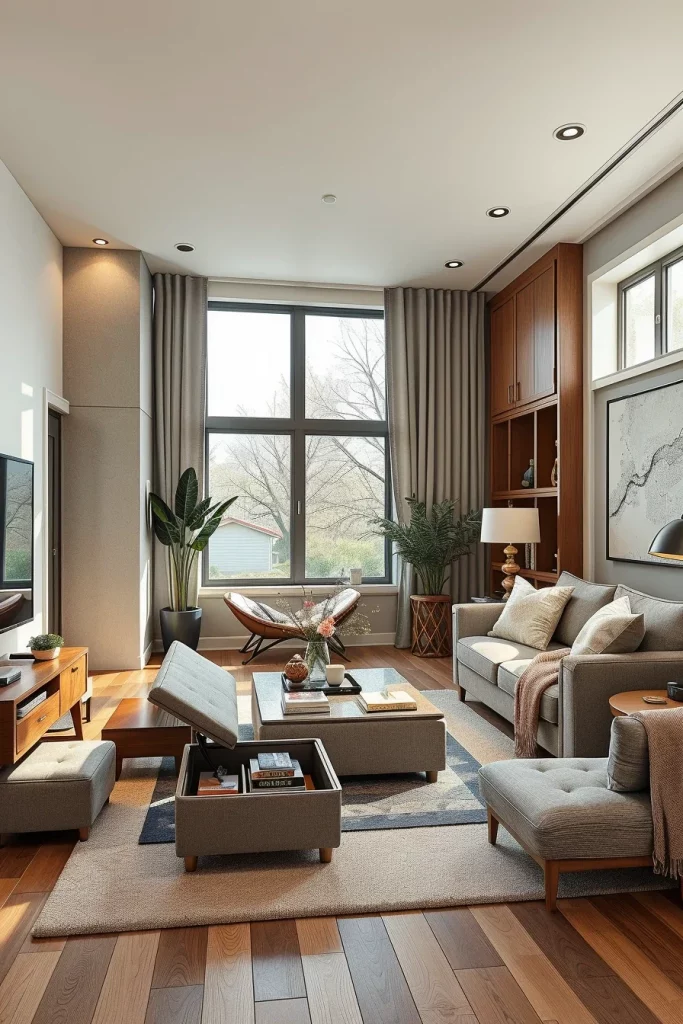
I like to include storage ottomans, coffee tables with lift-up tops, sofas with under-seat drawers, and built-in cabinets beneath windows. A sleek media console with closed storage helps hide electronics and accessories, while nesting tables provide flexibility without occupying permanent floor space. Soft neutral tones combined with layered lighting make the room feel open and inviting.
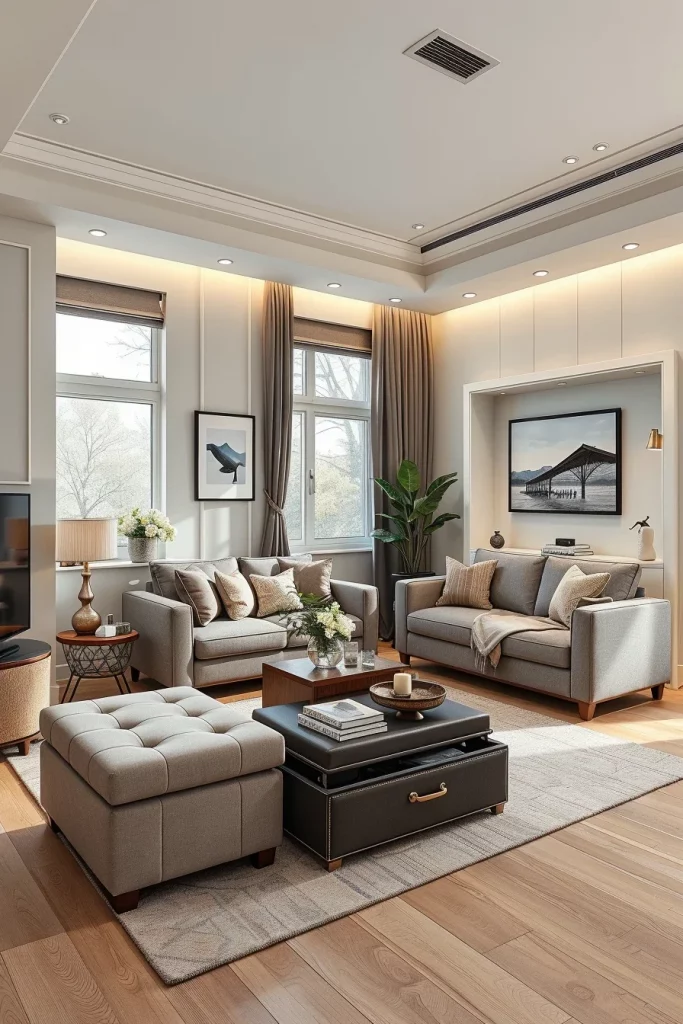
From my experience, hidden storage dramatically improves how a small room functions on a daily basis. Designers frequently featured in leading interior publications such as Architectural Digest often emphasize that clutter reduction is one of the most effective ways to make compact spaces appear larger. I have found this advice consistently successful in my own projects.
If I were expanding this design further, I would add custom millwork around doorways or beneath seating areas to create even more discreet storage opportunities while preserving valuable floor area.
Space-Saving Living Room With A Wall-Mounted TV Feature
A wall-mounted television instantly frees valuable floor space in a compact living room. I find that mounting the television creates a streamlined appearance while allowing more flexibility for furniture placement. This layout works particularly well in modern small living room interiors where openness is essential.
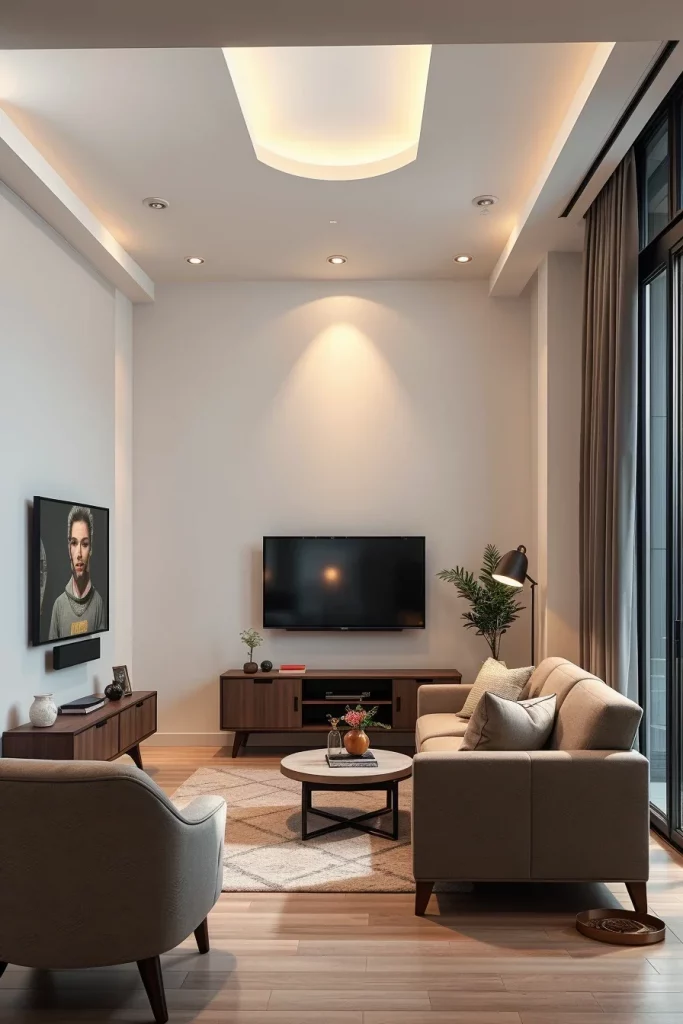
I usually pair the wall-mounted television with a floating media cabinet to maintain visual lightness. Slim shelving units positioned around the television can display decorative objects without overwhelming the room. A compact sectional sofa, an accent chair with exposed legs, and a small area rug complete the arrangement while maintaining clear walking paths.
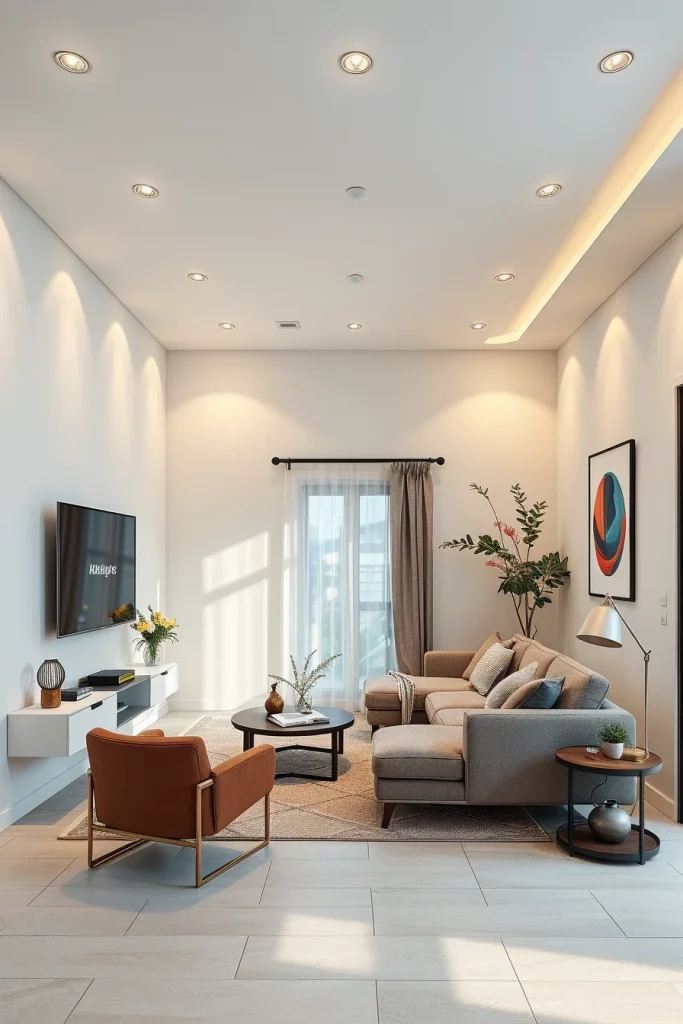
Personally, I prefer concealing cables within the wall whenever possible because visible wires can make even stylish spaces feel cluttered. Many American interior designers recommend keeping surrounding decor minimal to maintain balance and prevent the entertainment wall from dominating the room.
For additional functionality, I would incorporate integrated LED lighting behind the television or within shelving niches to create ambiance and add depth to the overall design.
Tiny Living Room Ideas With Built-In Seating Solutions
Built-in seating is one of my favorite small space-saving living room ideas because it utilizes areas that often remain underused. Window benches, wall-to-wall banquettes, and custom corner seating maximize seating capacity while preserving open floor space. These solutions create a cohesive and highly customized appearance.
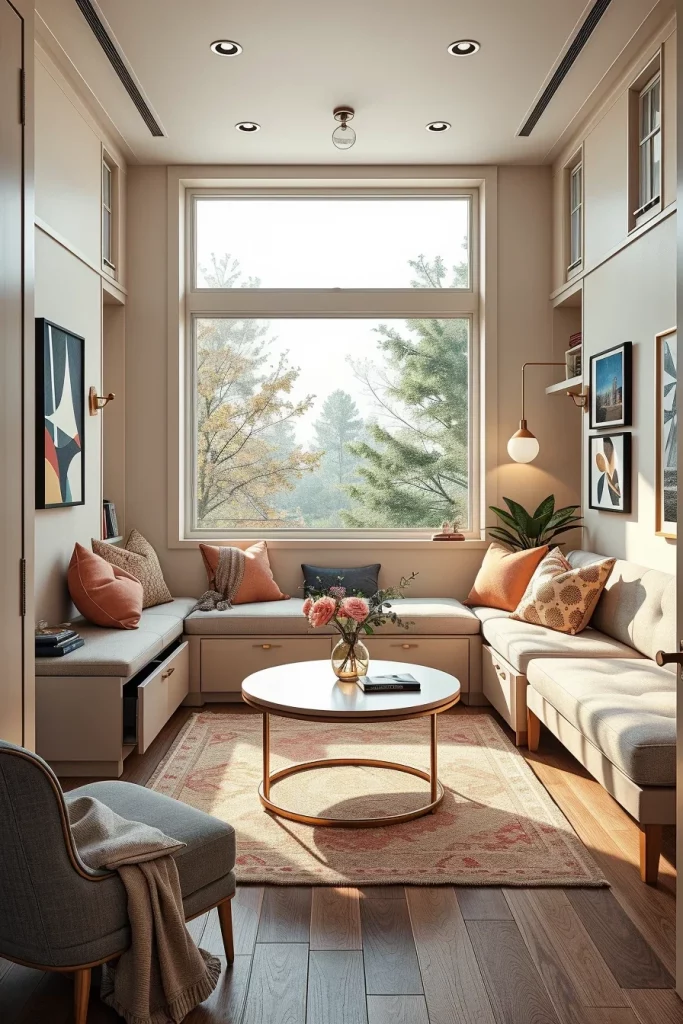
I often design built-in seating with storage drawers underneath to increase practicality. Comfortable cushions, textured throw pillows, and integrated side shelves transform the seating into a cozy gathering area. A small round coffee table and wall sconces help complete the space without creating visual heaviness.
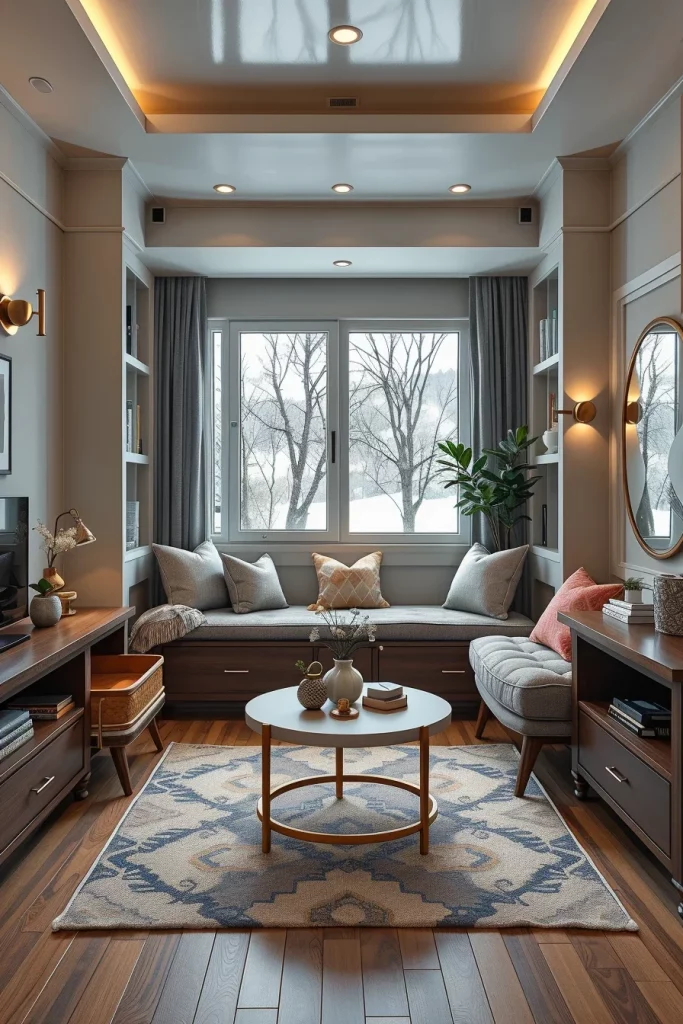
In my experience, built-in seating works exceptionally well in awkward room layouts where traditional furniture may not fit comfortably. I have noticed that custom seating also gives compact living rooms a distinctive architectural character that standalone furniture cannot always achieve.
To make this concept even more functional, I would consider adding charging outlets, reading lights, or concealed compartments within the built-in structure.
Small Living Room With Floor-To-Ceiling Shelving
Vertical design strategies are essential in compact interiors, and floor-to-ceiling shelving is one of the most effective solutions I use. By utilizing the full height of the room, homeowners can dramatically increase storage while drawing the eye upward, making ceilings appear taller.
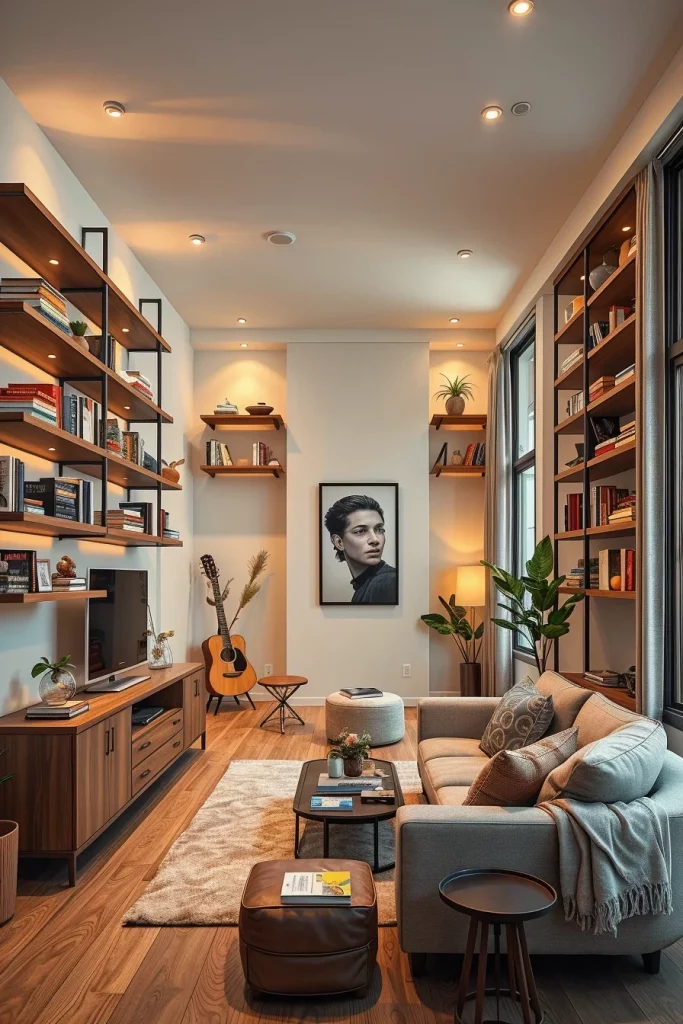
I typically combine open shelves with closed lower cabinets to balance display and storage needs. Books, decorative accessories, framed artwork, and carefully selected personal items can be arranged on the open shelves, while less attractive everyday items remain hidden below. Incorporating a library ladder in rooms with higher ceilings can also add both functionality and character.
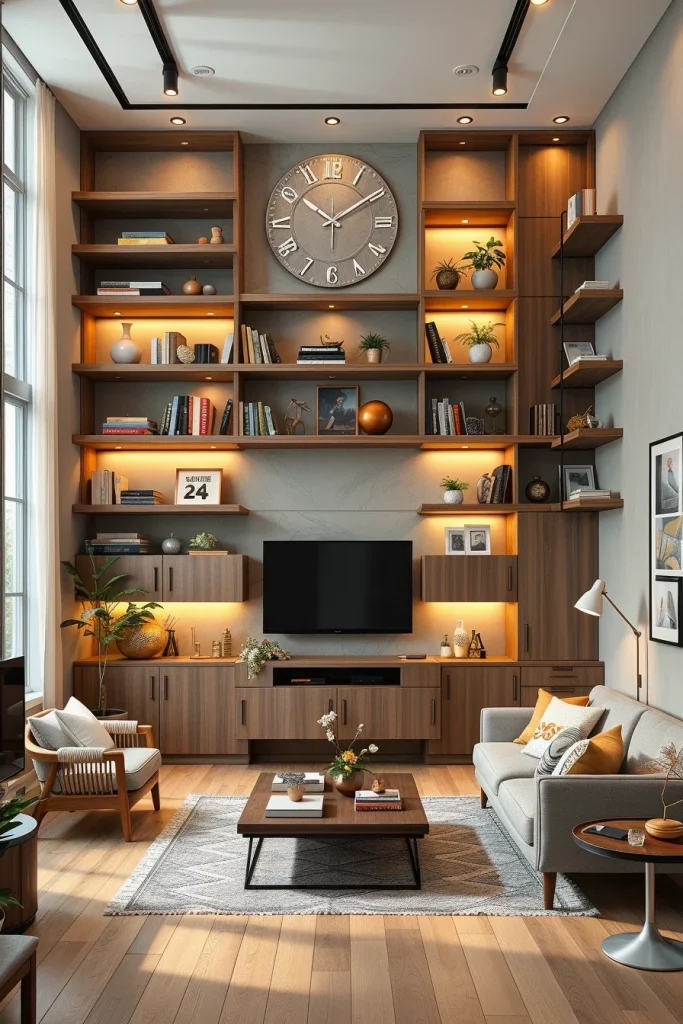
I have found that carefully styling shelves is crucial. Too many decorative objects can quickly overwhelm a small room. Interior experts frequently recommend leaving intentional empty spaces on shelves to maintain visual breathing room, and I strongly agree with this principle.
If additional refinement is desired, I would integrate subtle lighting within the shelving system to highlight displays and create warmth during evening hours.
Minimalist Small Living Room With Floating Furniture
A minimalist approach can make even the smallest living room feel remarkably spacious. I often use floating furniture, such as wall-mounted cabinets and suspended shelving, because these pieces expose more floor area and create an airy atmosphere. This technique is particularly effective in contemporary interiors focused on simplicity.
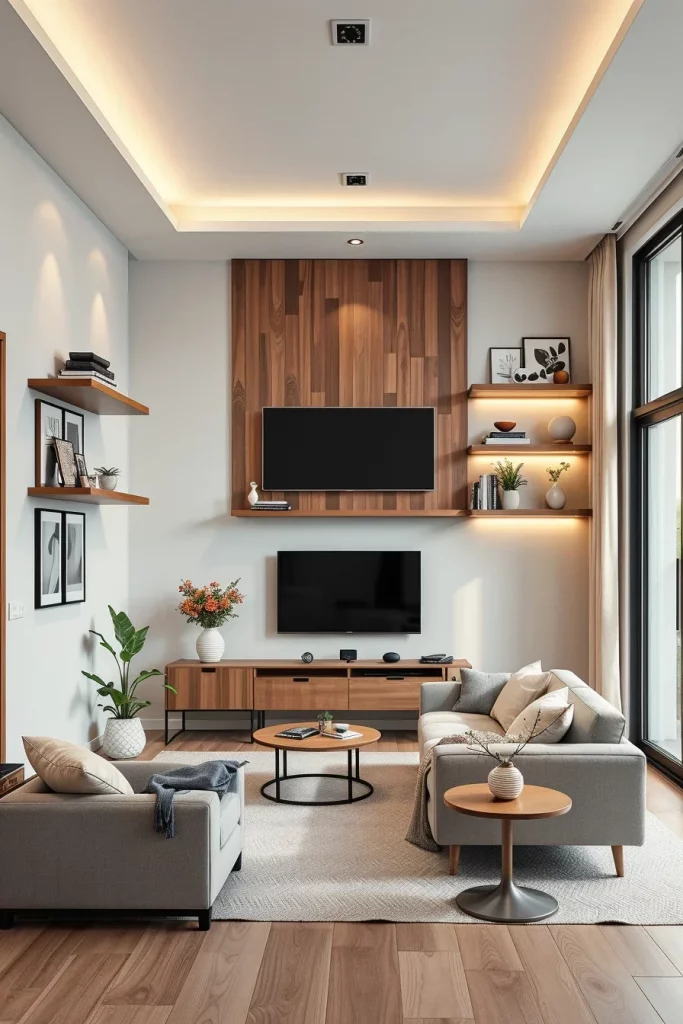
I usually incorporate floating media units, slim wall shelves, and lightweight furniture with elevated legs. A compact sofa, minimalist coffee table, and understated decorative accessories help preserve visual openness. Choosing a restrained color palette with soft textures enhances the calming effect.
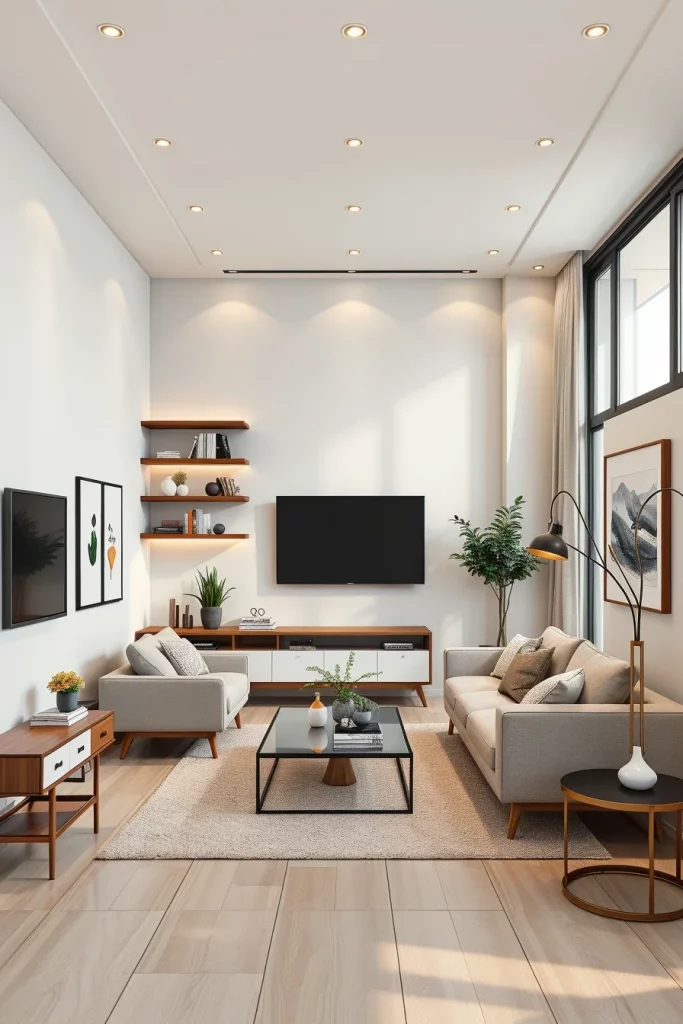
From my experience, minimalist interiors require thoughtful editing rather than simply removing furniture. Every piece should serve a clear purpose. I personally believe that prioritizing quality over quantity creates a far more comfortable and visually appealing living environment.
To enrich this design, I would introduce layered lighting through wall sconces, recessed ceiling fixtures, and discreet floor lamps to ensure the room remains warm rather than austere.
Small space-saving living room ideas can completely transform the way a compact home functions. Which of these ideas would you try in your own living room? Share your thoughts and favorite design solutions in the comments below.
Clever Corner Living Room Layout Ideas For Small Spaces
Corners are often overlooked in compact homes, yet they offer excellent opportunities for maximizing functionality. I frequently use corner layouts when designing a small living room because they help free up the center of the room and create a more open atmosphere. By arranging furniture around the corners, it becomes easier to maintain comfortable walkways while still providing enough seating. This approach is especially effective in apartments and narrow spaces.
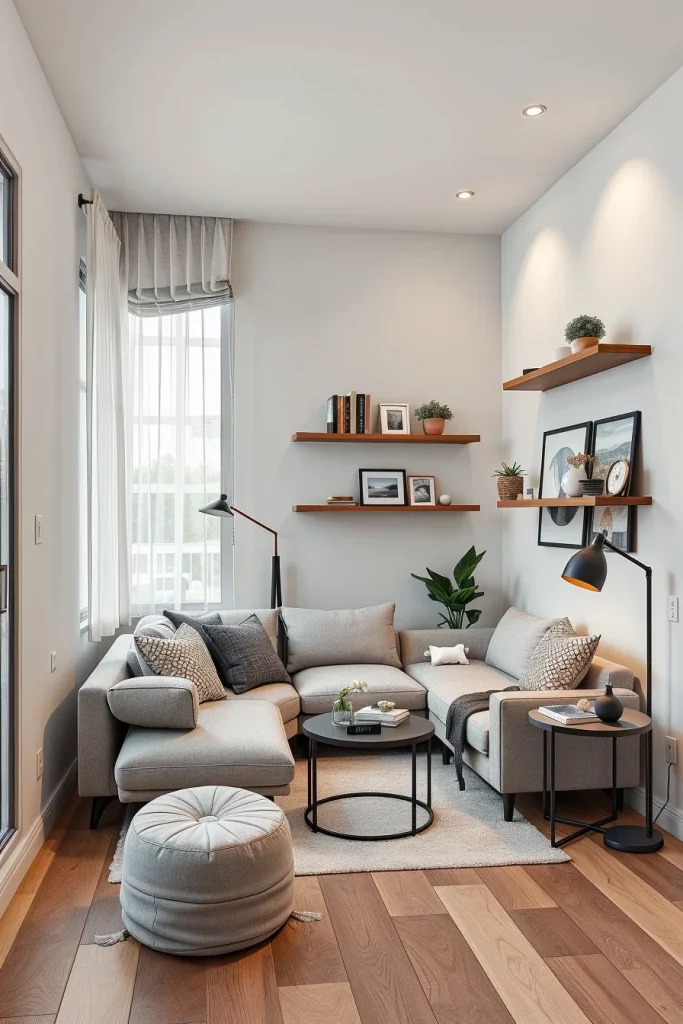
I usually place an L-shaped sofa or a compact loveseat in the corner to anchor the seating area. A corner bookshelf, floating shelves, or a slim side table can add storage and display space without taking up valuable floor area. A floor lamp tucked behind the seating area provides illumination while preserving the room’s clean appearance. Soft throws and textured cushions make the space feel inviting and comfortable.
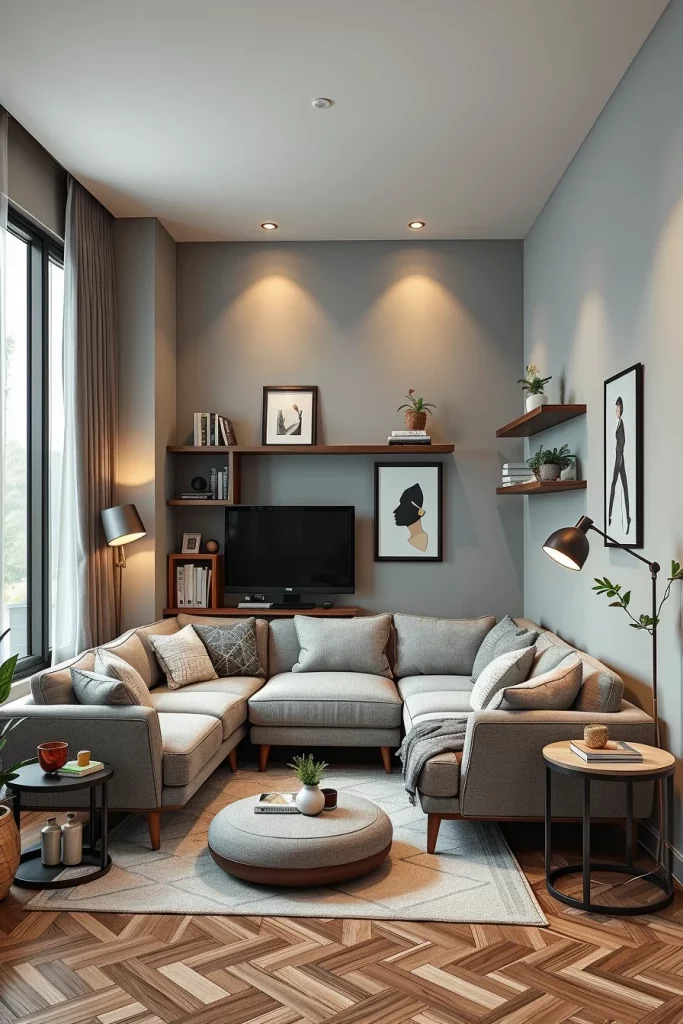
From my experience, corner layouts can completely transform a cramped room. I have found that using the corner as the focal point naturally improves traffic flow and makes the entire room feel larger. Many interior designers recommend avoiding bulky furniture in small spaces, and I agree that lighter, streamlined pieces work best.
If I wanted to make this layout even more practical, I would include built-in corner cabinets or hidden storage compartments to maximize every available inch.
Small Living Room Featuring A Compact Modular Sofa
A compact modular sofa is one of the most flexible pieces of furniture for a modern small space-saving living room. I appreciate modular seating because it can be rearranged to suit different activities, from entertaining guests to relaxing with family. This flexibility allows homeowners to adapt their living room as their needs change.
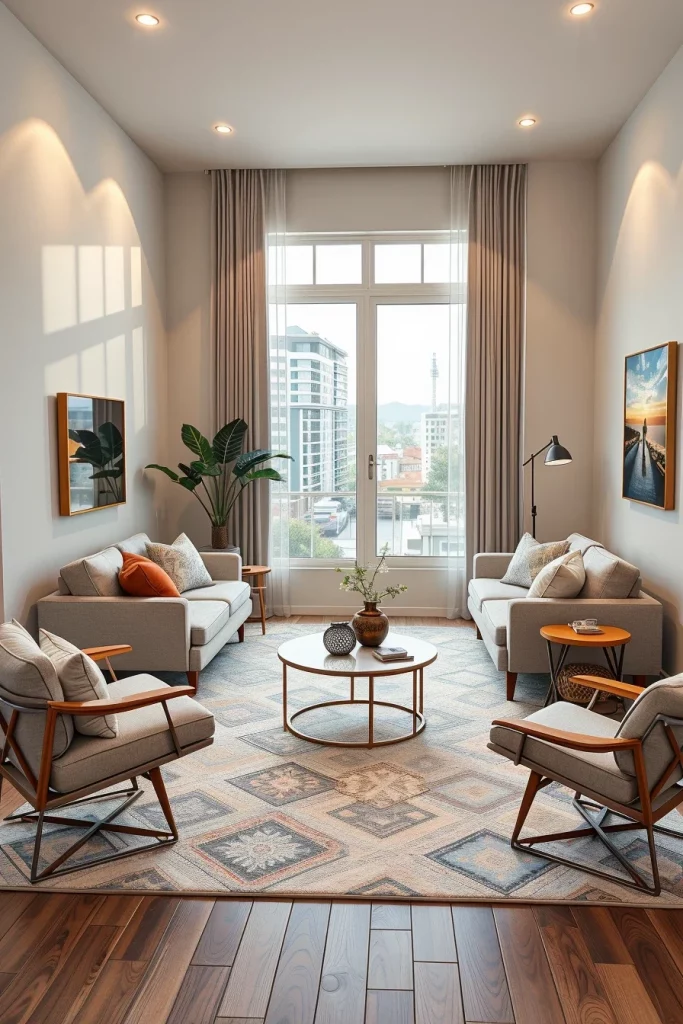
I often recommend choosing a low-profile modular sofa with clean lines and neutral upholstery. Pairing it with nesting coffee tables and lightweight accent chairs helps maintain flexibility while avoiding visual clutter. A soft area rug can define the seating zone and make the room feel more cohesive.
Personally, I believe modular sofas are ideal for compact homes because they offer both comfort and versatility. In many of my projects, clients have appreciated the ability to reconfigure their seating arrangement whenever necessary. Interior experts frequently emphasize the importance of adaptable furniture in smaller homes, and modular seating perfectly supports that principle.
To further enhance this design, I would add movable ottomans that can function as extra seating, footrests, or additional storage.
Vertical Storage Ideas For A Small Living Room
When floor space is limited, I always encourage homeowners to utilize vertical surfaces. Vertical storage solutions make it possible to store more items without sacrificing valuable living space. They also draw the eye upward, which visually increases the height of the room and creates a more spacious feeling.
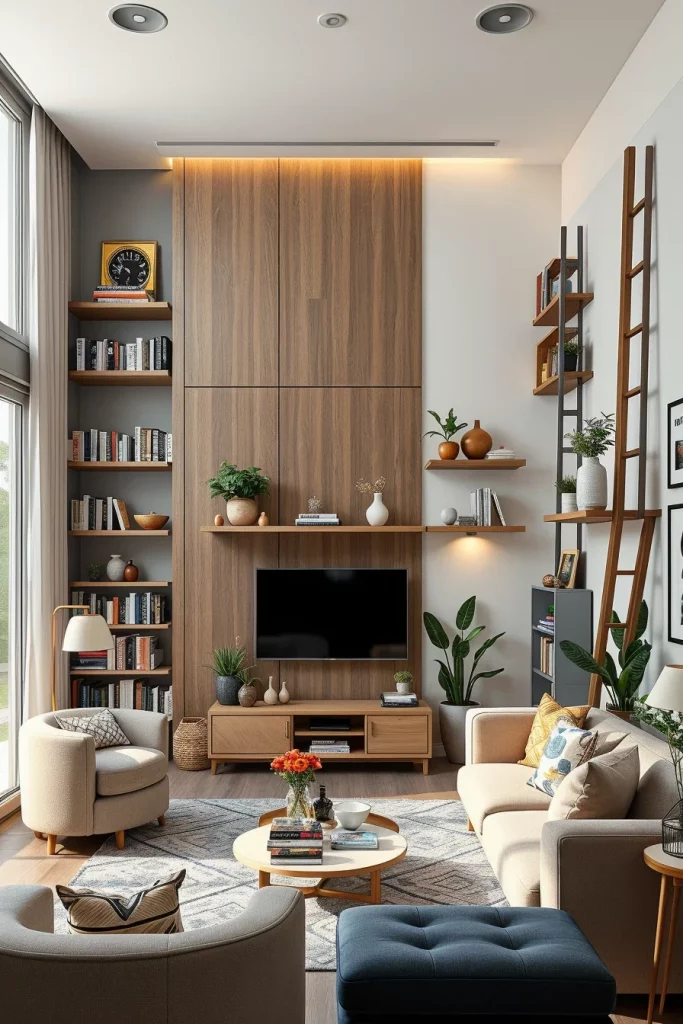
I often incorporate tall bookcases, floating shelves, wall-mounted cabinets, and ladder shelving systems. These elements provide space for books, decorative accessories, baskets, and everyday essentials. Combining open shelving with closed cabinets helps maintain organization while keeping clutter hidden.
In my own design work, vertical storage consistently improves both functionality and aesthetics. I have learned that leaving some empty space on shelves is essential because overcrowded displays can make a room feel smaller. I prefer a balanced approach that combines storage with decorative styling.
For even greater efficiency, I would integrate lighting within the shelving system to create ambiance and highlight decorative objects.
Small Living Room With Foldable And Expandable Furniture
Foldable and expandable furniture is one of the smartest investments for a compact home. I often recommend these pieces because they allow a living room to serve multiple purposes without permanently occupying precious floor space. This is especially useful in studio apartments or multifunctional rooms.
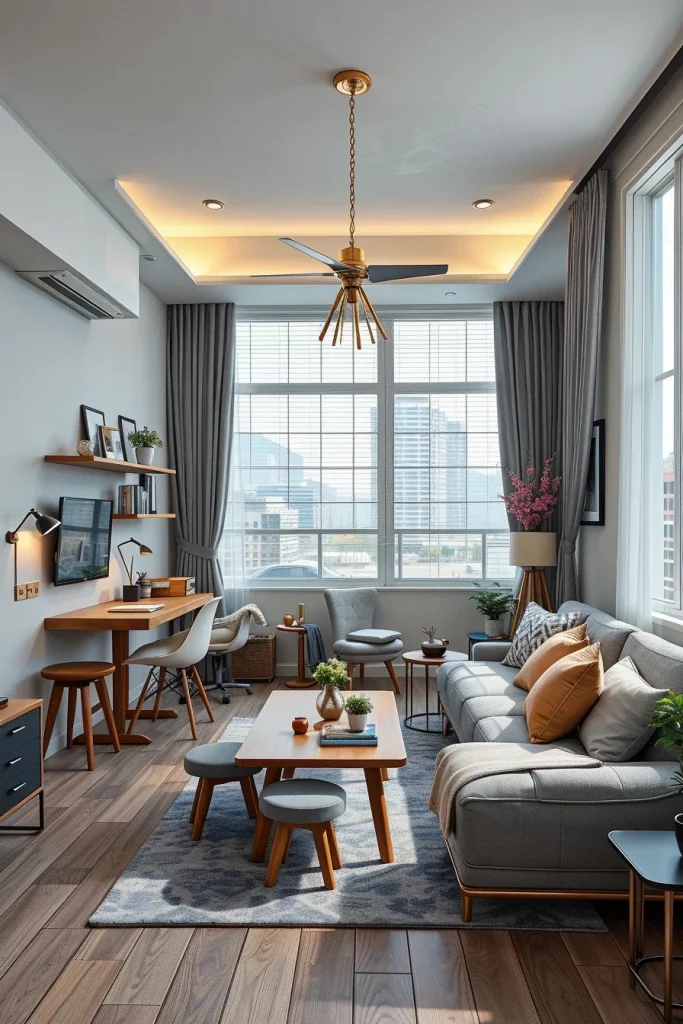
I like to include extendable coffee tables, foldable dining tables, stackable stools, and wall-mounted desks that can be tucked away when not in use. A sleeper sofa or expandable sectional can provide additional sleeping space for guests while maintaining everyday comfort. Choosing streamlined furniture designs helps preserve an uncluttered appearance.
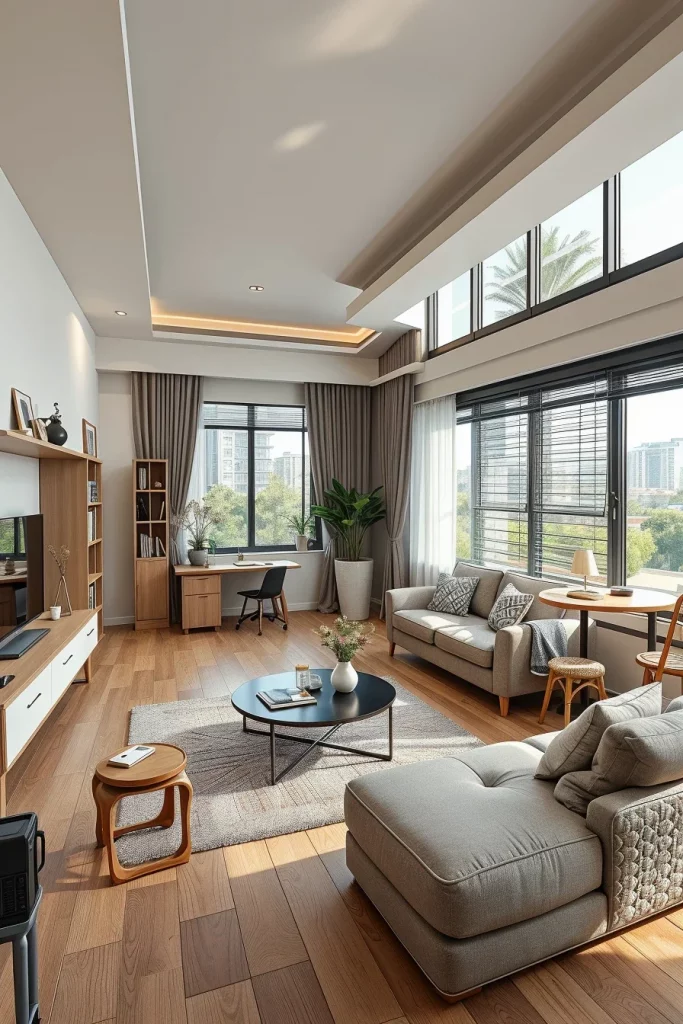
From my perspective, adaptable furniture significantly improves daily living in small homes. I have noticed that homeowners quickly appreciate the convenience of furniture that changes according to their needs. Many contemporary designers advocate for flexible interiors, particularly in urban apartments where space is limited.
To make this concept even more practical, I would select furniture pieces that also include concealed storage compartments.
Stylish Narrow Living Room Layout With Smart Space Planning
Designing a narrow living room requires careful planning to ensure the room feels comfortable rather than cramped. I typically focus on creating clear pathways and arranging furniture to maximize both functionality and visual balance. A well-planned narrow room can feel elegant, spacious, and highly efficient.
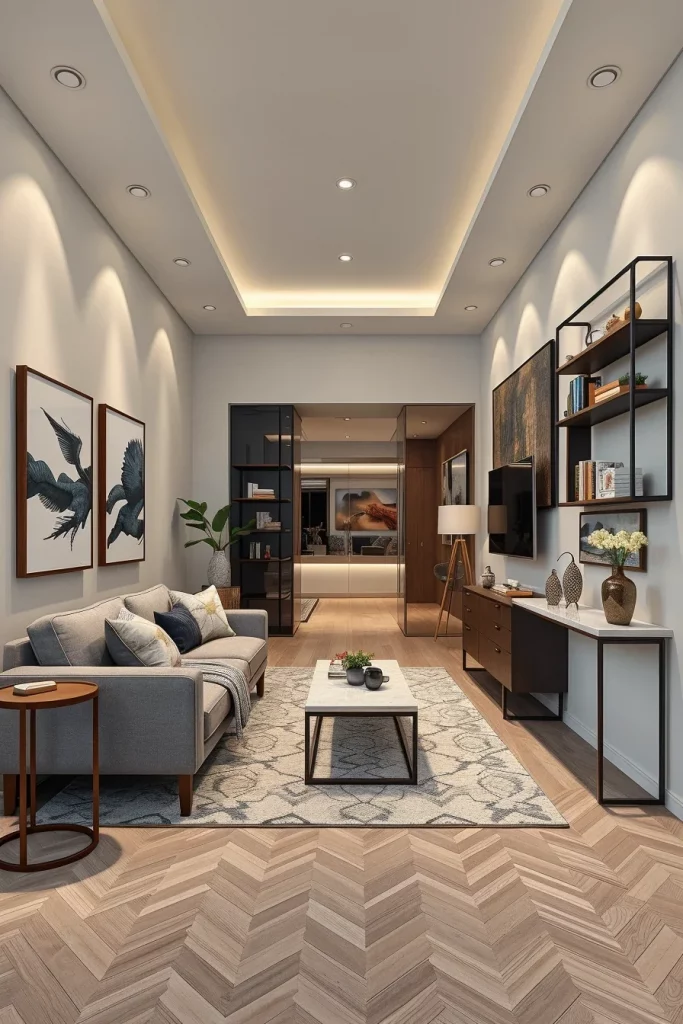
I usually position the main sofa along the longest wall and select slim-profile furniture throughout the room. Narrow console tables, wall-mounted shelving, and compact armchairs help optimize the available space. Strategically placed mirrors reflect light and visually widen the room, while layered lighting creates warmth and depth.
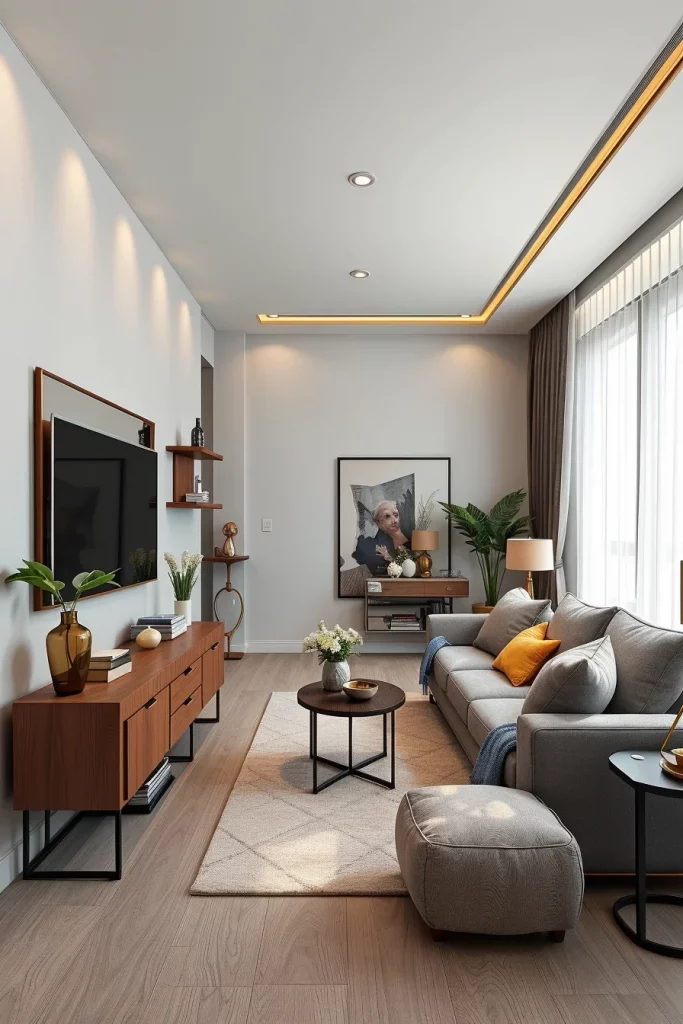
In my experience, maintaining open sightlines is one of the most important principles when designing narrow spaces. I also try to keep windows unobstructed so natural light can flow freely throughout the room. Publications such as Better Homes & Gardens frequently highlight the value of preserving openness in compact interiors, and I strongly agree with this recommendation.
If additional storage is needed, I would incorporate custom built-ins that blend seamlessly into the architecture while maintaining streamlined proportions.
Small Living Room With A Hidden Home Office Setup
In my experience, one of the smartest small space-saving living room ideas is incorporating a hidden home office. In a compact living room, a concealed workspace allows the room to maintain its relaxing atmosphere while still supporting productivity. I often recommend integrating a desk into custom cabinetry or placing it inside a built-in wall unit with folding doors. When the workday ends, the office disappears, instantly returning the room to a cozy social space.
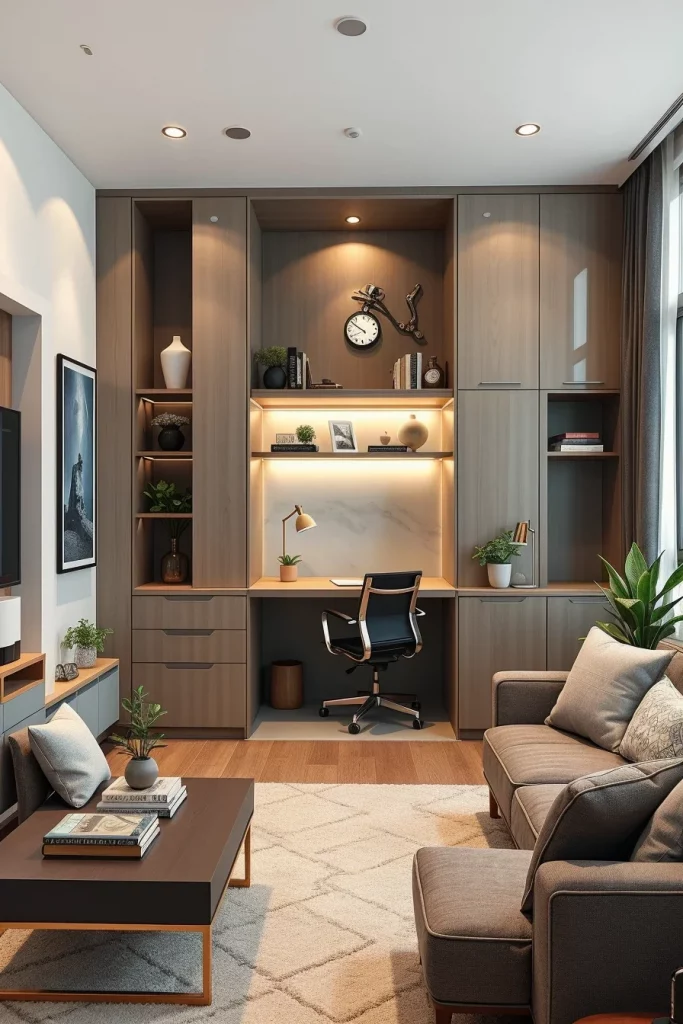
I usually include a wall-mounted desk, floating shelves, concealed cable management, and closed storage cabinets in this design. A compact ergonomic chair that can slide completely under the desk is essential for preserving floor space. I also like adding integrated lighting inside the cabinet so the workspace remains functional without requiring additional lamps that clutter the room.
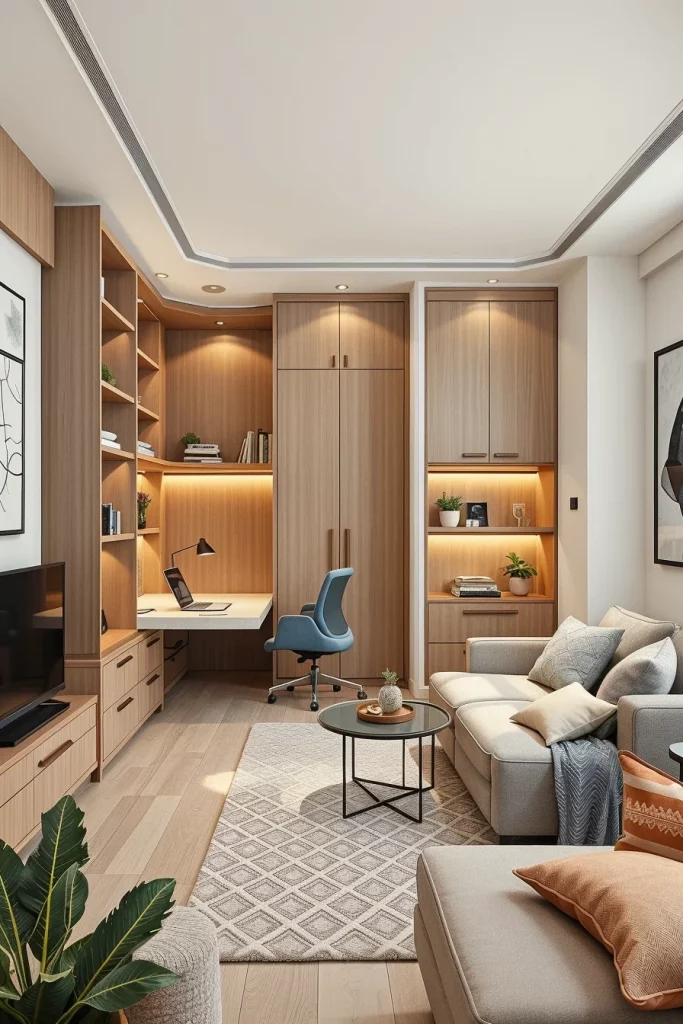
Personally, I have found that hidden offices significantly improve work-life balance in small homes. Designers frequently featured by publications such as Architectural Digest recommend concealing work zones whenever possible in multifunctional rooms to reduce visual stress and maintain a calm environment.
To complete this setup, I would add charging stations integrated into drawers and acoustic wall panels inside the cabinet to improve comfort during video calls.
Cozy Small Living Room With Window Seat Storage
A window seat can completely transform a compact room while adding charm and practicality. Among creative small space-saving living room ideas, built-in window seating provides extra seating, hidden storage, and a cozy reading nook without occupying additional floor space. I often use this solution in apartments where every square foot matters.
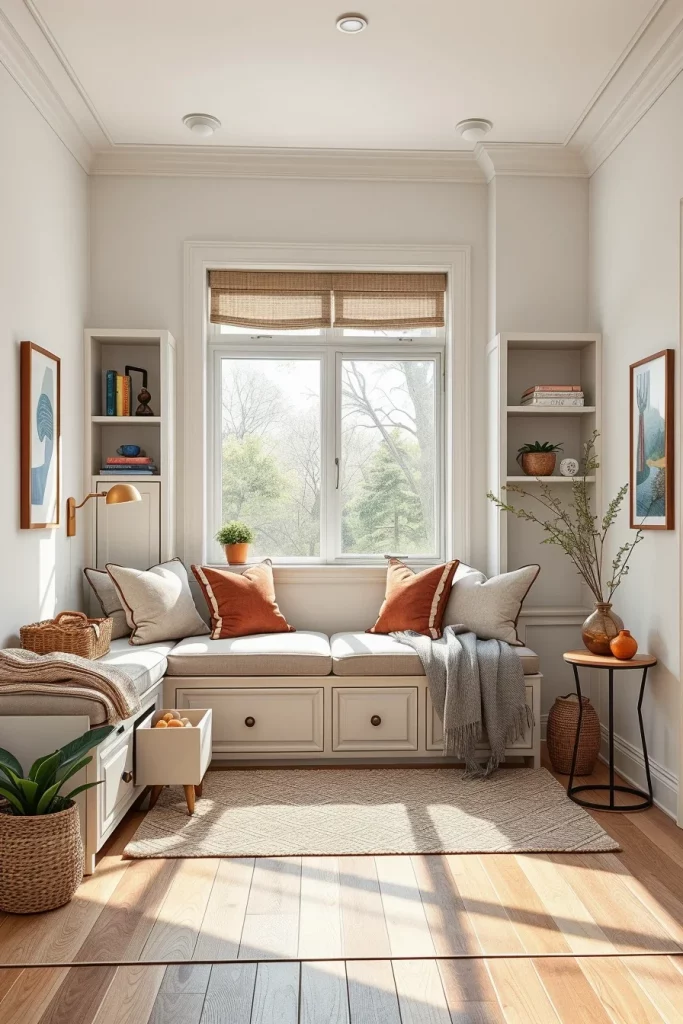
I recommend designing the window seat with lift-up compartments or deep drawers underneath. Soft cushions, textured throws, and layered pillows make the area inviting, while surrounding built-in shelving creates a unified and efficient layout. A slim side table nearby can serve as a convenient place for books or drinks.
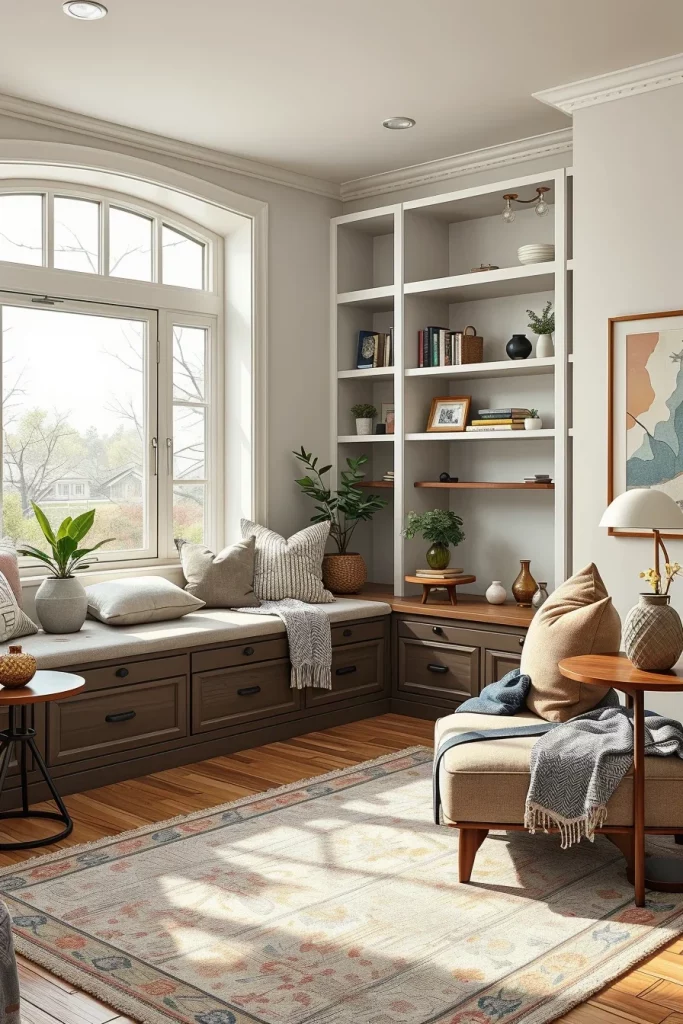
From my perspective, window seats create an emotional connection to the space because they encourage relaxation and make use of natural light. Many interior designers featured in House Beautiful emphasize maximizing areas around windows because these often remain underutilized in small homes.
If I were refining this design further, I would include integrated LED lighting beneath shelves and install custom blinds to control sunlight while maintaining privacy.
Creative Small Living Room Using Sliding Doors And Dividers
Sliding doors and movable dividers are ideal for people who want flexible living arrangements. I often suggest this approach for studio apartments because it allows residents to separate spaces when necessary without permanently closing off the room. This solution supports privacy while preserving openness.
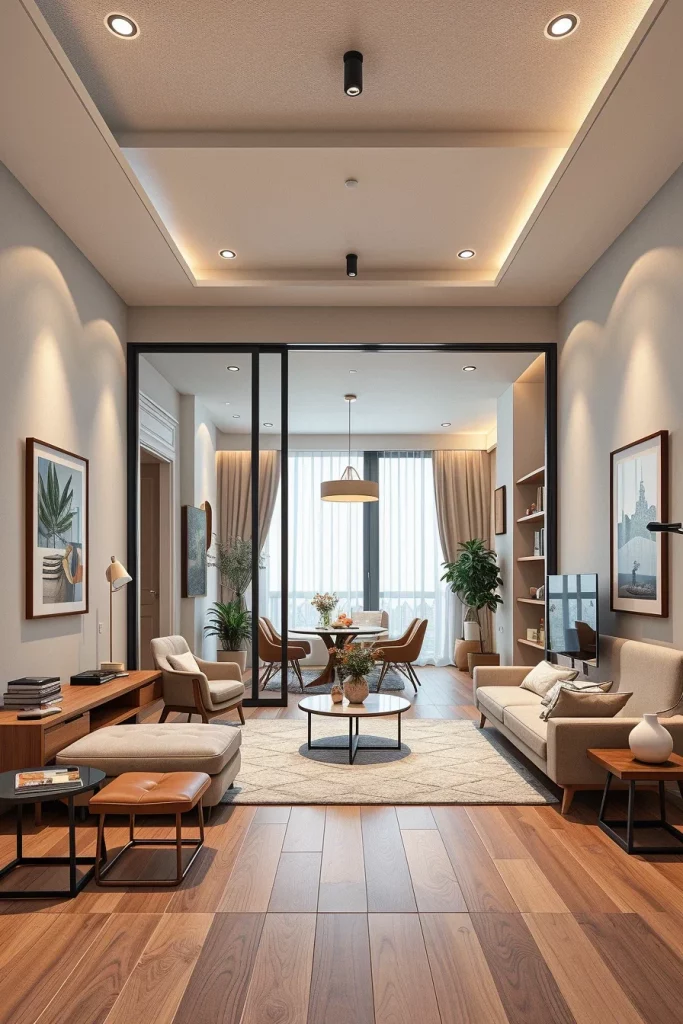
For furniture and finishes, I prefer slim-framed glass sliding doors, lightweight wood slat dividers, or modern translucent panels. These elements allow light to travel throughout the room, preventing the space from feeling enclosed. Multifunctional furniture positioned near the divider can further improve efficiency.
I personally appreciate how sliding systems adapt to changing daily routines. A room can easily transition from entertainment space to guest room or workspace within minutes. Interior experts regularly recommend flexible partitions for compact urban homes because adaptability is essential in small spaces.
Adding ceiling-mounted tracks with soft-close mechanisms would improve both functionality and everyday comfort in this type of living room.
Small Living Room With Statement Ceiling Design To Add Visual Space
When floor area is limited, I often encourage homeowners to look upward. A carefully designed ceiling can create the illusion of height and make a room feel more expansive. This is one of the most overlooked yet highly effective small space-saving living room ideas.
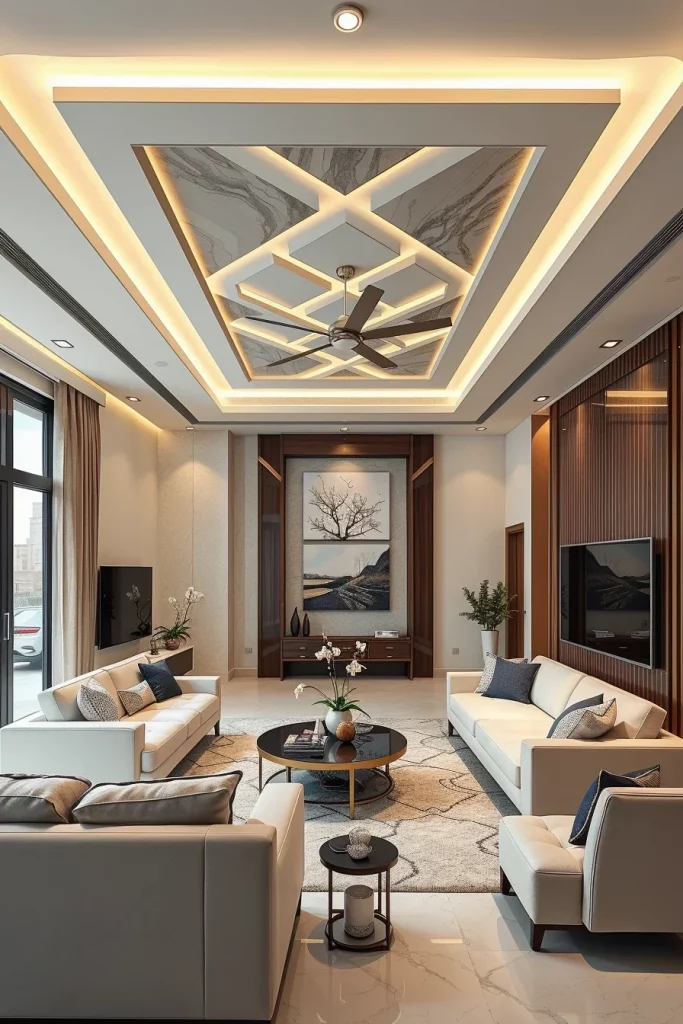
I frequently use recessed lighting, subtle geometric ceiling details, linear wood-look panels, or soft cove lighting to draw the eye upward. A light color palette on the ceiling combined with hidden LED strips can visually expand the room. Keeping furnishings streamlined ensures that the ceiling remains the focal point.
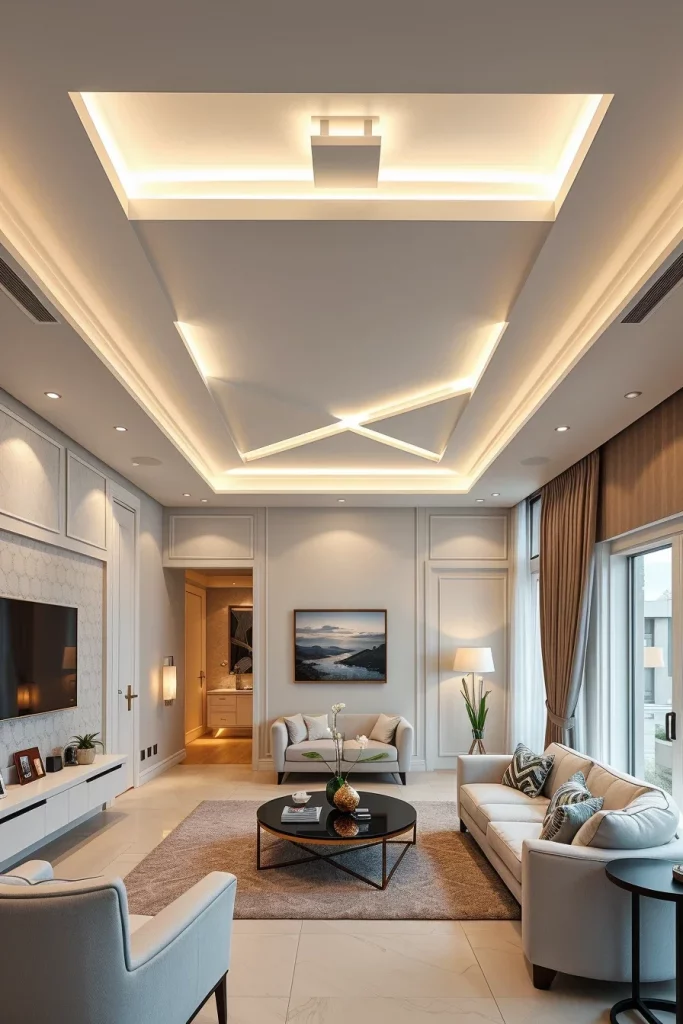
From my experience, statement ceilings add personality without consuming valuable floor space. Designers interviewed by Elle Decor often highlight vertical design elements as an important strategy for visually enlarging compact interiors.
To enhance this concept even further, I would incorporate smart lighting systems that allow homeowners to adjust brightness and ambiance throughout the day.
Space-Saving Living Room Ideas Using Mirrored Features
Mirrors remain one of my favorite tools for visually enlarging compact interiors. In small living rooms, mirrored surfaces reflect light, create depth, and significantly improve spatial perception. This approach works particularly well in apartments with limited natural light.
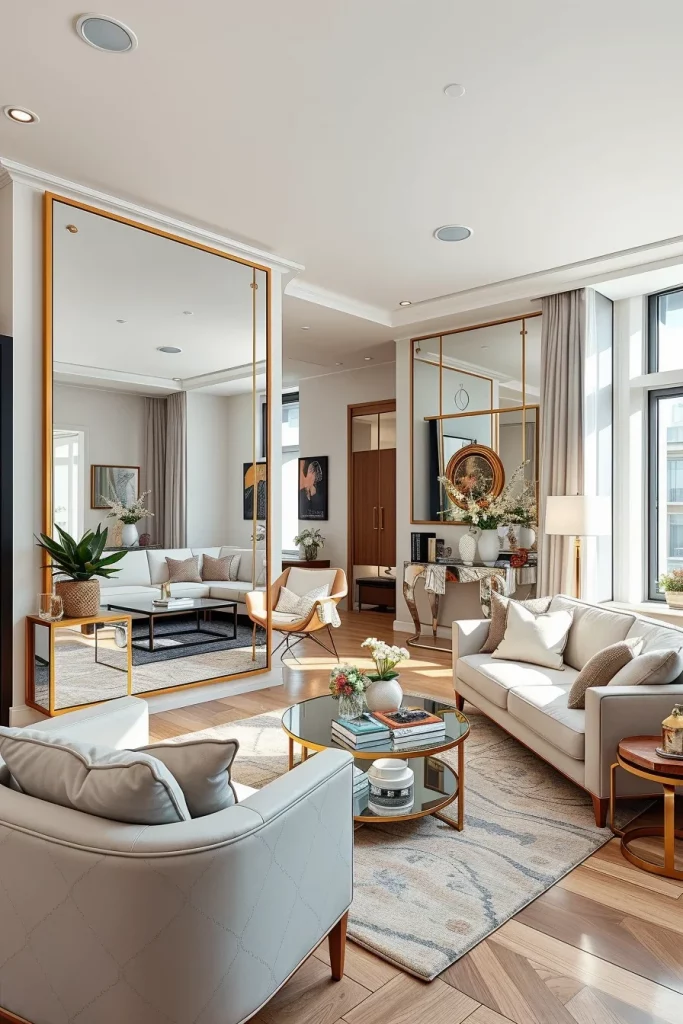
I often incorporate oversized wall mirrors, mirrored cabinet fronts, reflective coffee tables, or mirrored wall panels. Positioning mirrors opposite windows maximizes daylight and brightens the entire room. Pairing reflective elements with minimalist furniture prevents the space from feeling overwhelming.
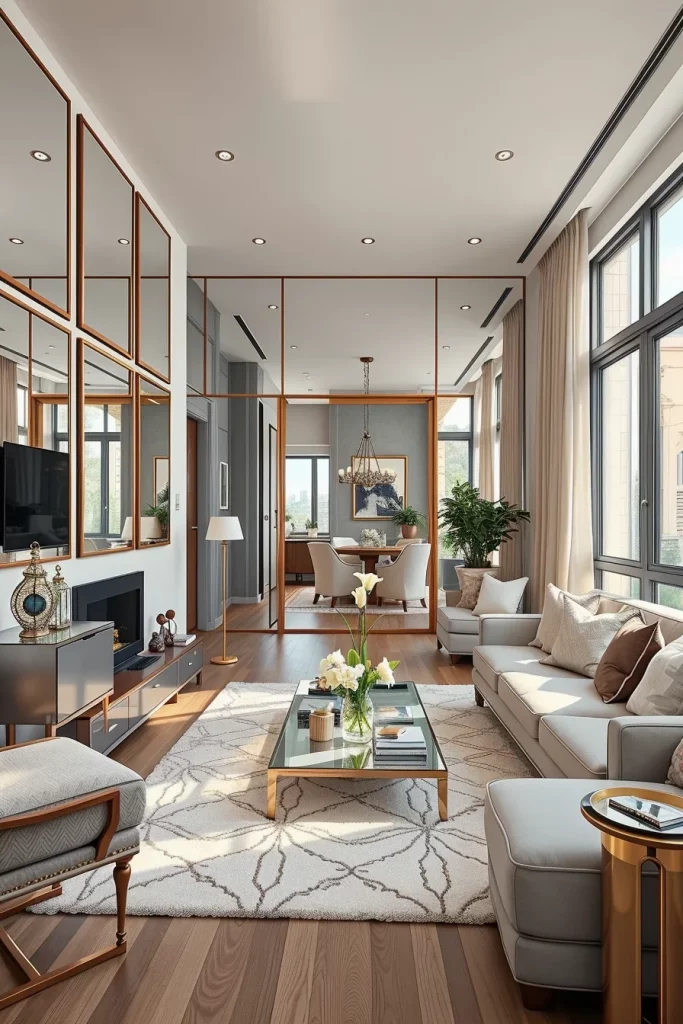
Personally, I believe mirrored features offer one of the highest visual impacts with relatively little investment. Many professional designers recommend strategically placed mirrors because they instantly make rooms appear larger and more open.
To complete this design, I would introduce layered lighting, including floor lamps and wall sconces, to enhance reflections during evening hours.
Small Living Room With Raised Platform Storage Solutions
A raised platform is one of the most innovative small space-saving living room ideas for compact homes. I often recommend this solution for studio apartments because it creates additional storage without increasing furniture volume. By elevating a portion of the floor, homeowners can incorporate hidden compartments while visually defining separate zones within the room.
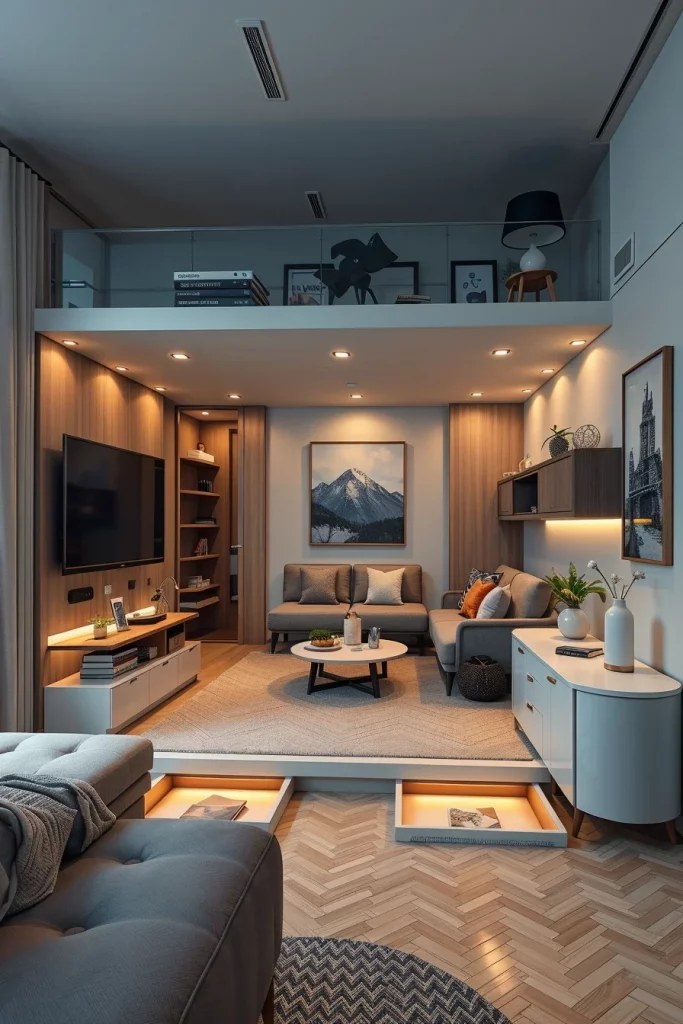
I usually design raised platforms with pull-out drawers, concealed compartments, or lift-top sections. The platform can support a sofa, lounge chairs, or even a reading corner. I also like incorporating integrated LED strip lighting along the platform edges to create a modern appearance and improve nighttime visibility. Low-profile furniture works especially well in this type of interior because it maintains an open and airy atmosphere.
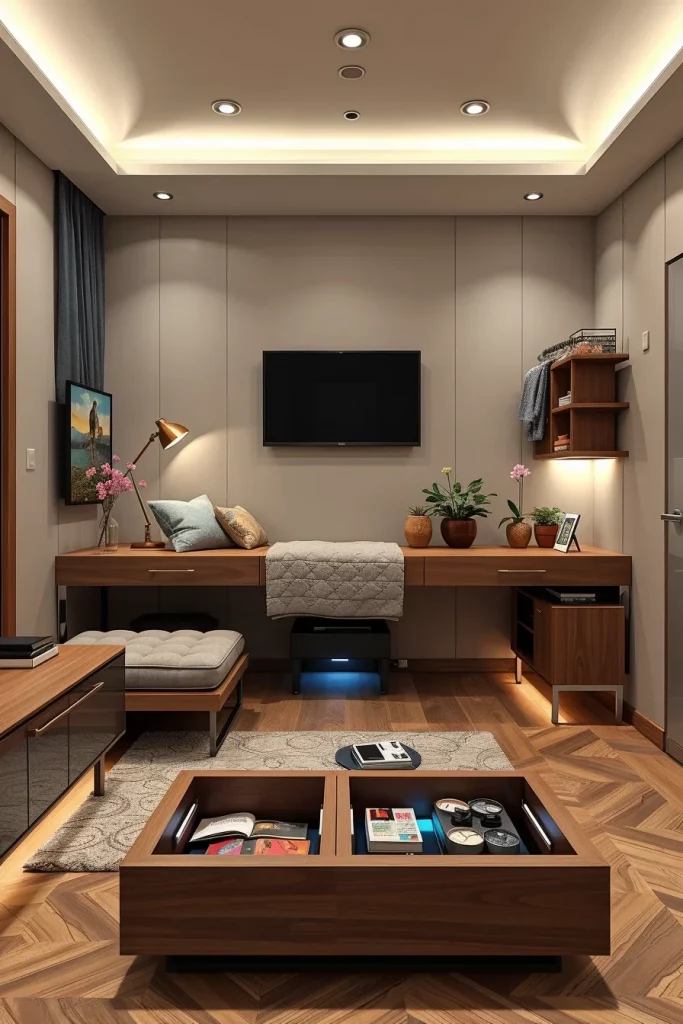
From my experience, raised storage platforms are especially practical for urban apartments where closet space is limited. Interior designers frequently emphasize using underutilized areas, and the floor itself can become a highly functional storage zone when designed thoughtfully.
To make this idea even more practical, I would add soft-close hardware and modular storage organizers inside the compartments to maximize efficiency.
Unique Small Living Room Featuring Curved Furniture
Curved furniture can dramatically change how a small living room feels. Unlike traditional rectangular pieces, rounded forms improve circulation and soften the visual impact of furniture in compact spaces. I often suggest curved furnishings because they make a room feel more inviting and less crowded.
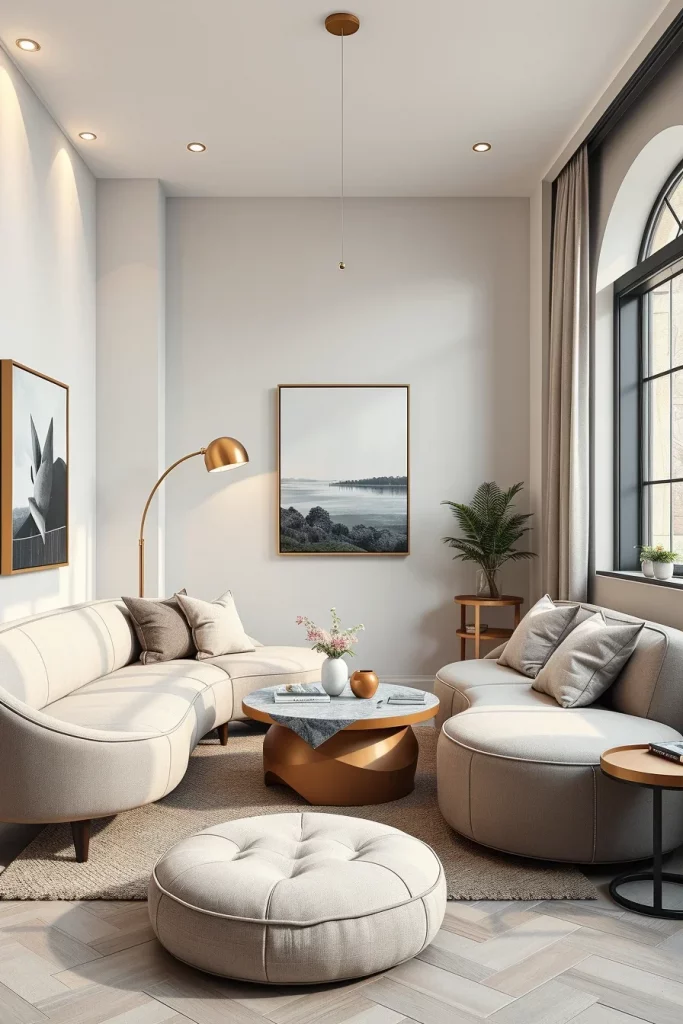
For this design, I prefer curved sofas, rounded coffee tables, circular ottomans, and arched floor lamps. These elements encourage smooth movement throughout the room and eliminate harsh corners that may visually interrupt the space. Soft upholstery fabrics, sculptural accent chairs, and rounded shelving units can further reinforce the cohesive aesthetic.
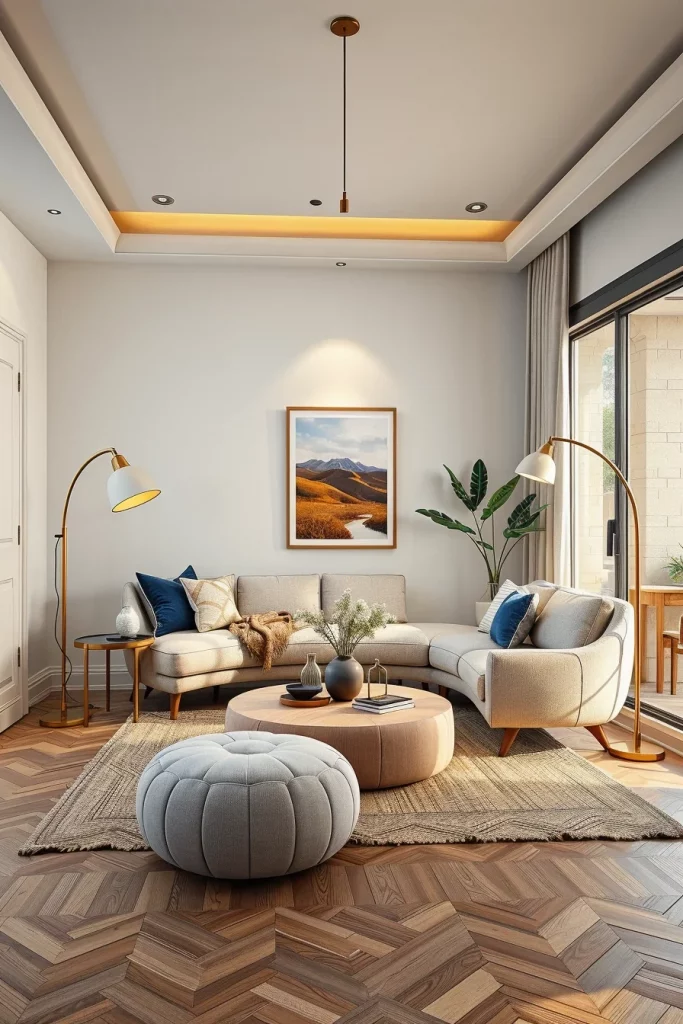
Personally, I find that curved furniture adds a unique designer-quality appearance to small interiors. Publications such as Elle Decor have highlighted the growing popularity of organic shapes because they introduce comfort and visual interest without overwhelming the room.
I would also incorporate a round area rug and subtle textured finishes to enhance the softness and harmony of the overall design.
Small Living Room With Double-Duty Coffee Table Designs
A multifunctional coffee table is essential in many small space-saving living room ideas. In compact rooms, every piece of furniture should perform more than one task. I frequently recommend coffee tables that provide hidden storage, expand for dining, or convert into work surfaces.
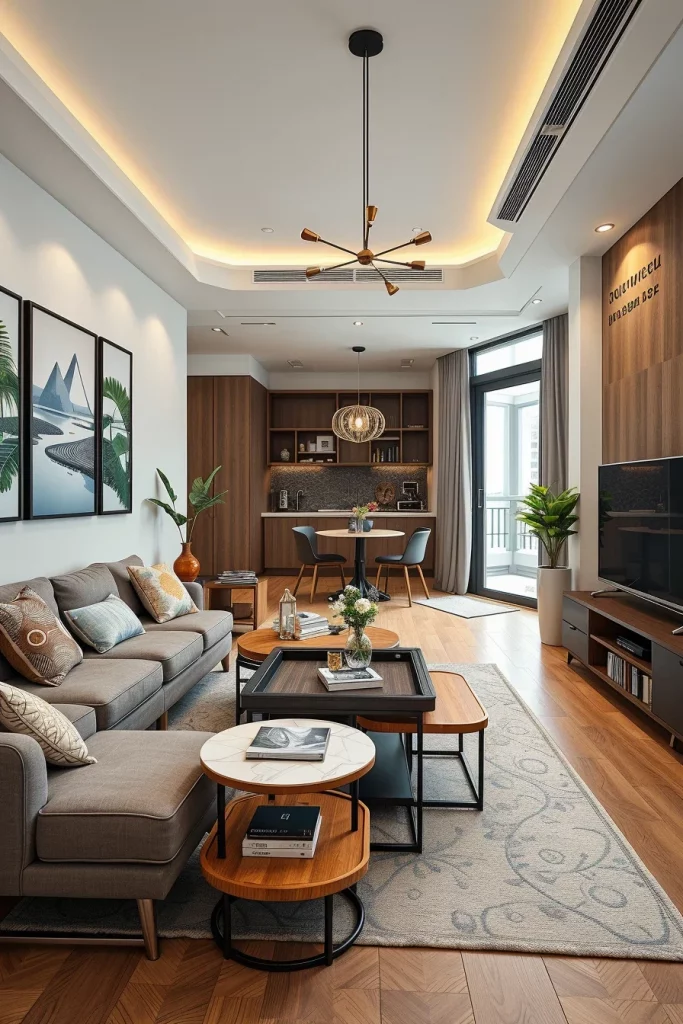
I often select lift-top coffee tables with internal compartments for blankets, books, and electronics. Nesting tables are another excellent option because they can be expanded when entertaining guests and tucked away afterward. Materials such as glass or light-toned finishes help maintain an open appearance while reducing visual heaviness.
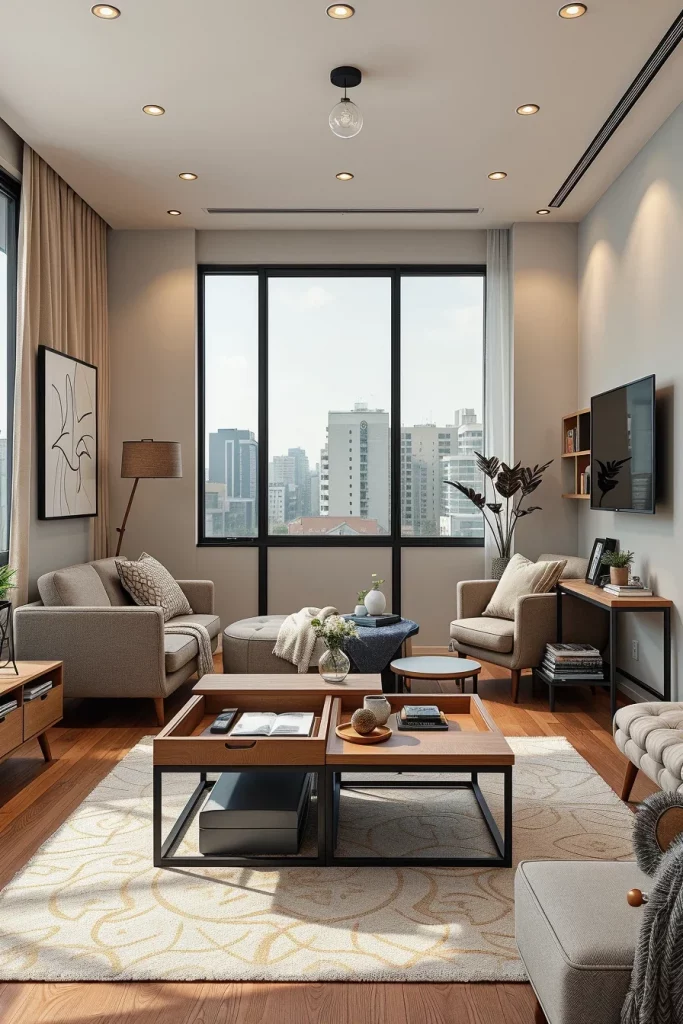
In my own projects, multifunctional coffee tables consistently improve both organization and daily convenience. Better Homes & Gardens often recommends investing in dual-purpose furniture for smaller homes because it minimizes clutter while maximizing usability.
To complete this setup, I would include discreet charging ports and integrated cable management to accommodate modern lifestyles.
Modern Small Living Room With Invisible Storage Concepts
Invisible storage solutions allow a small living room to remain clean, streamlined, and visually spacious. I often use concealed storage techniques to reduce clutter while preserving a sophisticated modern appearance. Hidden storage is particularly valuable in apartments where visible items can quickly make the room feel overcrowded.
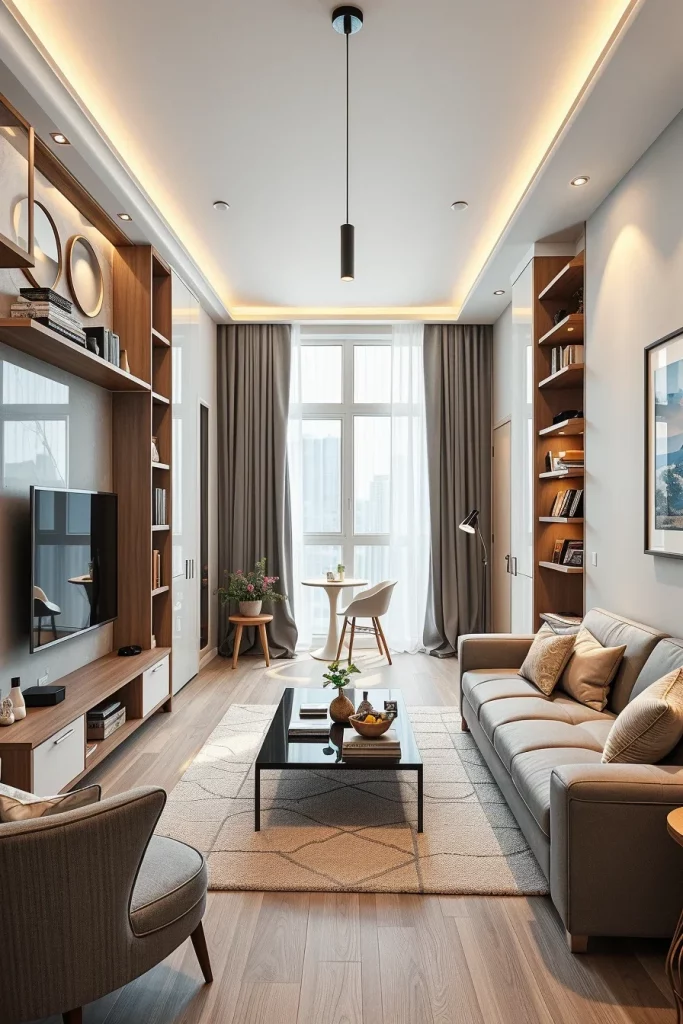
I typically incorporate built-in cabinets that blend seamlessly into the walls, storage benches with concealed compartments, floating media units with hidden drawers, and furniture with integrated storage features. Handleless cabinetry and push-to-open mechanisms contribute to the sleek aesthetic while maintaining practicality.
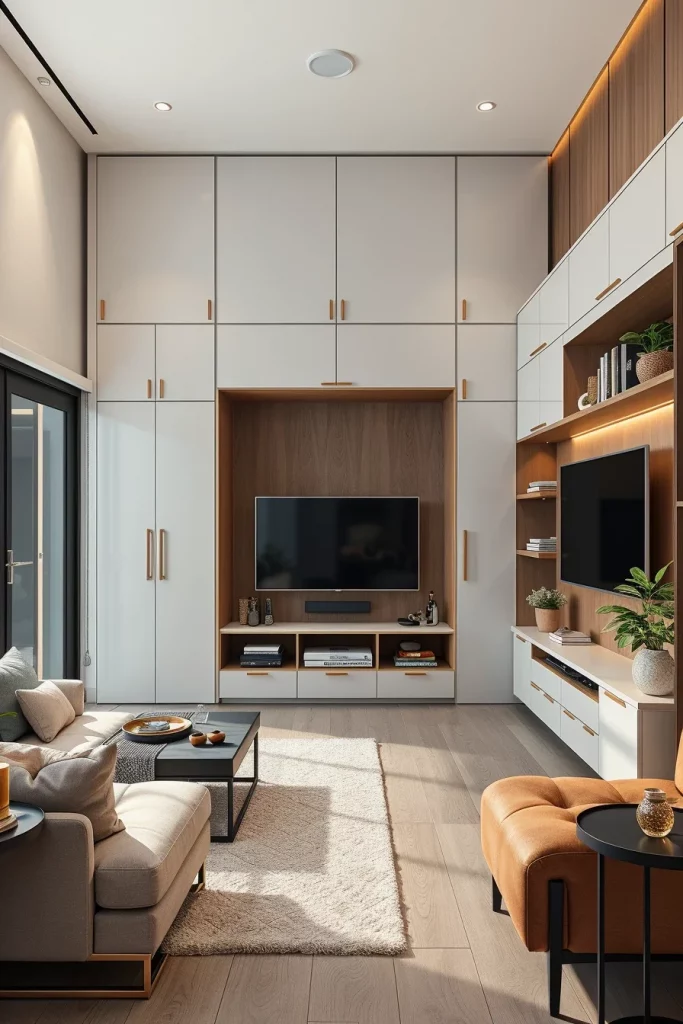
From my perspective, invisible storage creates a calming environment because everyday items remain accessible but out of sight. Architectural Digest frequently showcases interiors that prioritize concealed storage to achieve minimalist yet highly functional spaces.
I would additionally include custom shelving behind decorative wall panels or concealed storage integrated into seating areas to further increase capacity without sacrificing style.
Small Apartment Living Room With Open Concept Space-Saving Ideas
Open-concept layouts are among the most effective small space-saving living room ideas because they remove unnecessary barriers and create a greater sense of openness. I often advise apartment dwellers to embrace open layouts while carefully defining functional zones through furniture placement rather than walls.
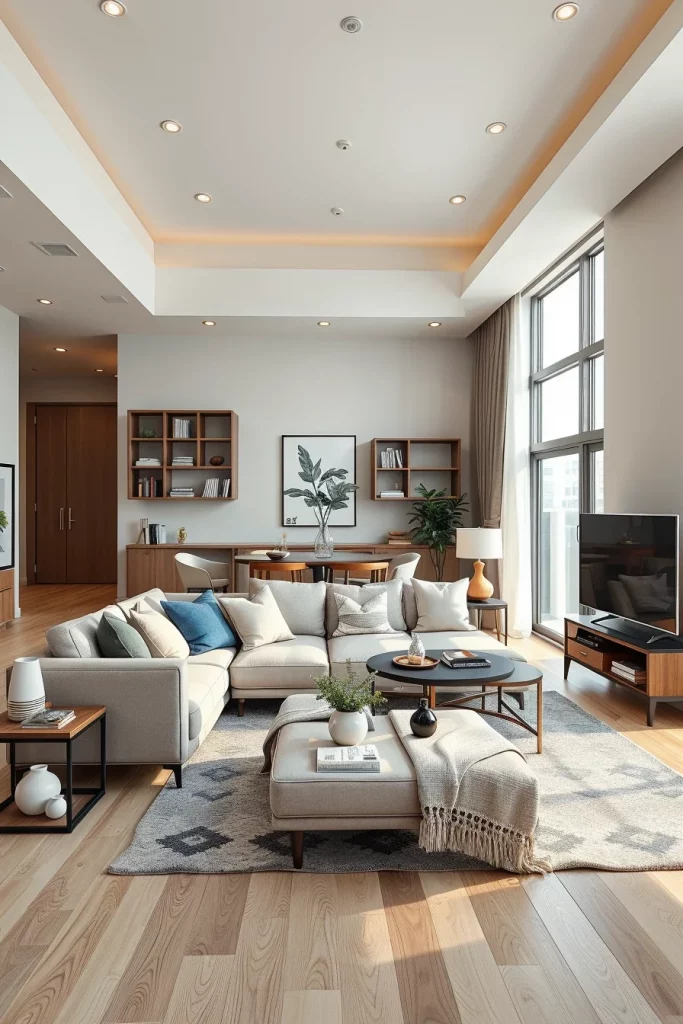
For this design, I recommend using sectional sofas to subtly separate living and dining areas. Area rugs, lighting fixtures, and open shelving units can define individual zones without obstructing natural light. Multifunctional furniture, such as extendable dining tables and storage ottomans, further enhances flexibility within the space.
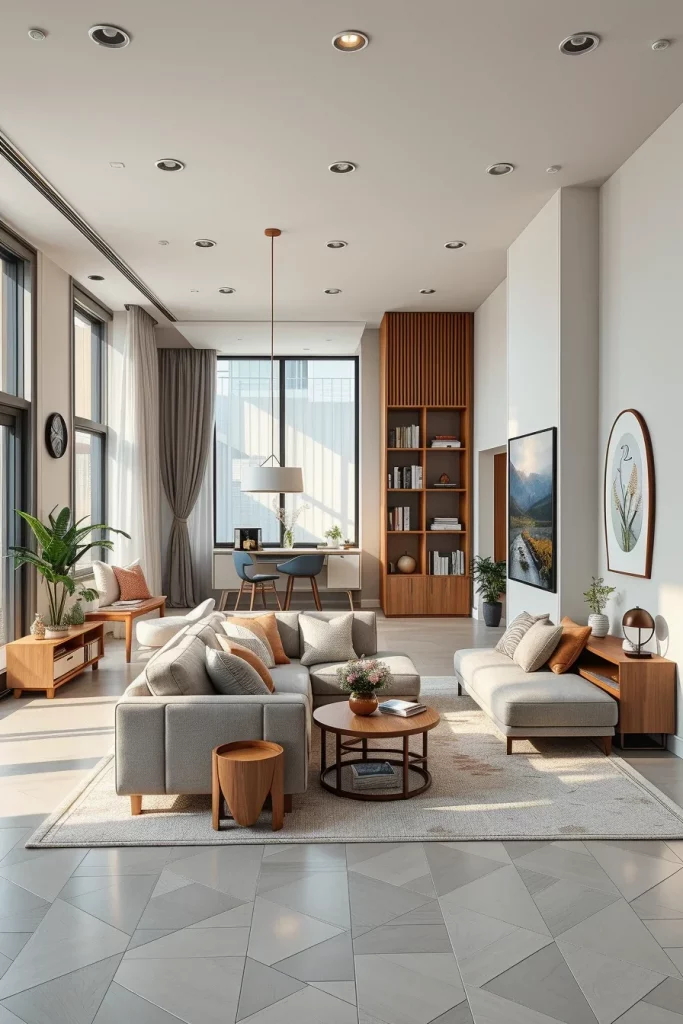
Personally, I appreciate how open-concept living encourages social interaction while making compact apartments feel substantially larger. Many American interior designers advocate for maintaining clear sightlines because uninterrupted visual flow contributes significantly to perceived spaciousness.
To improve this layout even further, I would add vertical storage solutions and incorporate a consistent color palette throughout the apartment to create visual continuity.
Stylish Small Living Room With Custom Built-In Cabinets
In my experience, custom built-in cabinets are one of the most effective small space-saving living room ideas because they transform unused wall space into practical storage without sacrificing style. I often recommend floor-to-ceiling cabinetry designed around the room’s architecture. A seamless built-in design visually enlarges the room while keeping everyday items organized and hidden from view. Using cabinetry in soft neutrals, warm gray, or deep navy tones creates a sophisticated atmosphere while maintaining a clean appearance.
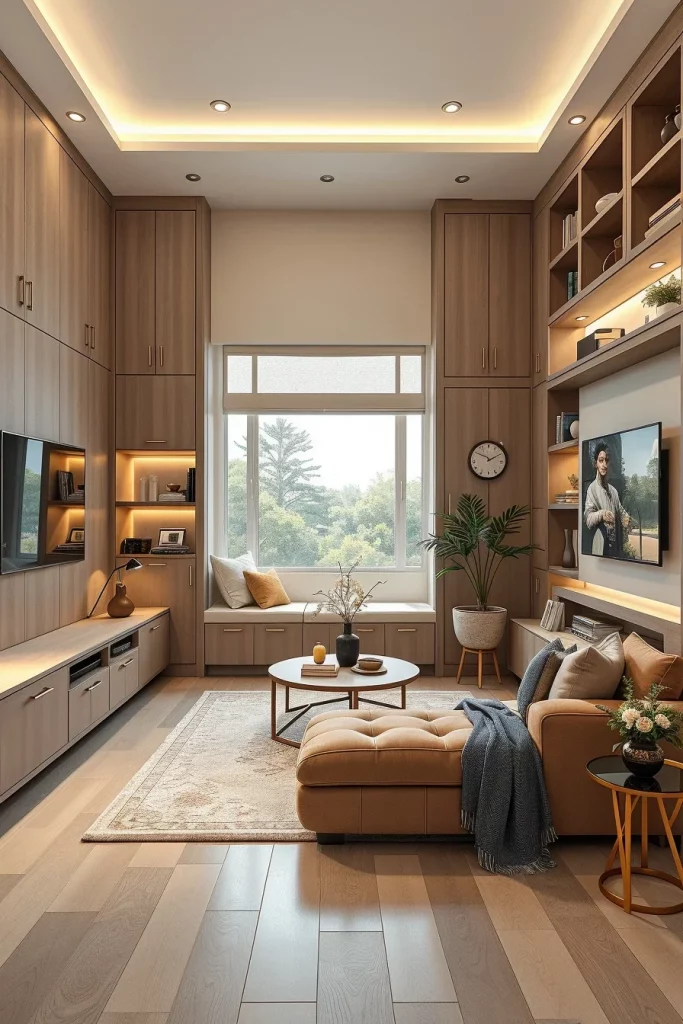
I usually include a built-in media unit, concealed storage compartments, floating shelves, and integrated display niches. Closed cabinets help minimize visual clutter, while open shelves provide space for books, artwork, and decorative accessories. I also prefer incorporating hidden charging stations and soft-close hardware for additional functionality. A slim built-in bench under the window can provide extra seating without occupying valuable floor area.
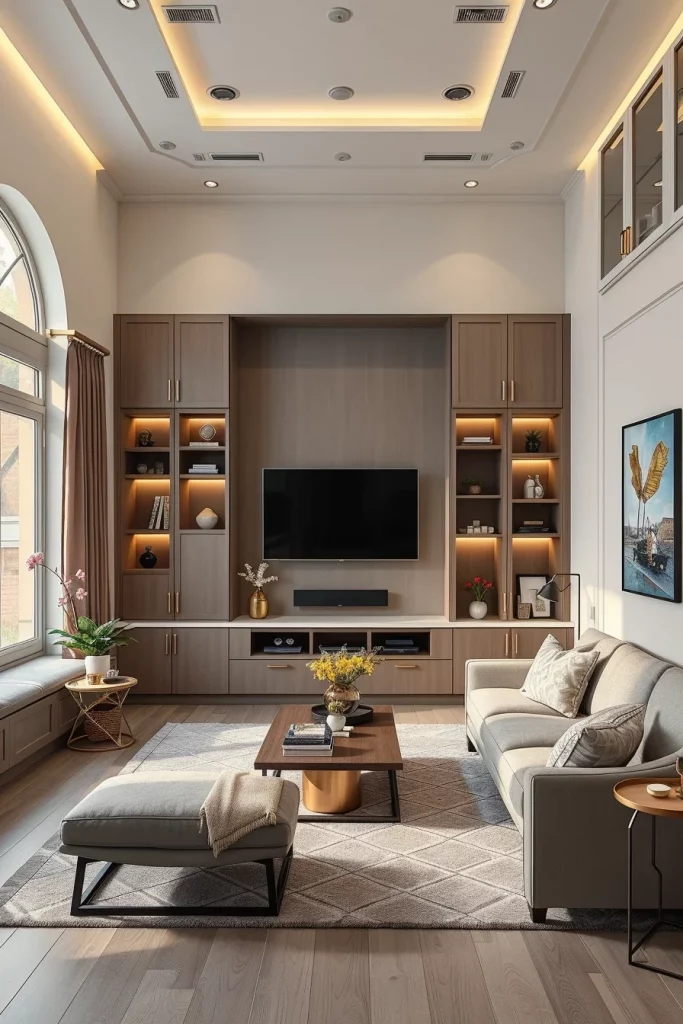
Personally, I have found that custom cabinetry immediately makes a small living room feel intentional rather than restricted. Designers frequently featured in Architectural Digest recommend tailored storage solutions because they maximize vertical space and maintain visual harmony throughout compact interiors.
To complete this design, I would add integrated LED lighting inside shelves and cabinets. This detail enhances the room’s ambiance and highlights decorative pieces without requiring additional lamps.
Small Living Room Ideas With Hanging Furniture Elements
When designing a compact living room, I often explore suspended furniture because it creates an open and airy feeling. Floating furniture keeps more floor visible, making the room appear significantly larger. This approach works especially well in modern apartments where every inch matters. Incorporating hanging elements introduces an unexpected and contemporary character to the space.
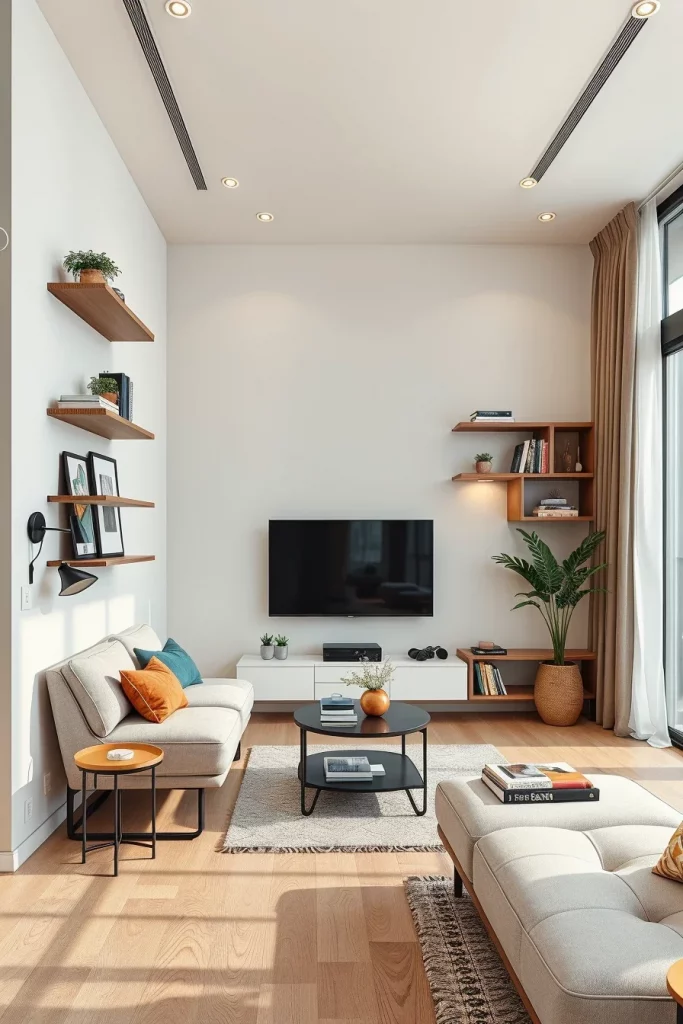
I like to include wall-mounted consoles, floating media units, suspended shelving systems, and even hanging side tables. A floating TV cabinet offers storage while preserving valuable floor space. Wall-mounted shelves provide display areas for books and decorative accents without overwhelming the room. In particularly narrow rooms, I sometimes use hanging desks that can double as workspaces.
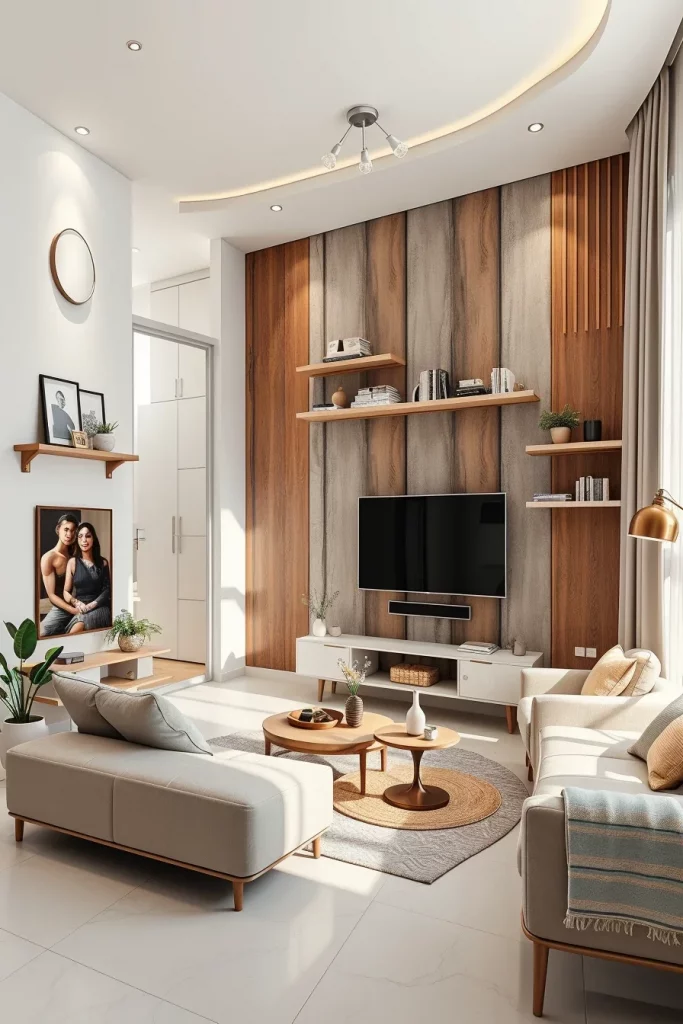
From my perspective, floating furniture creates a lighter visual composition and simplifies cleaning. I have noticed that clients appreciate how easily robotic vacuums can move beneath suspended furnishings. Many interior designers highlighted by Elle Decor recommend floating elements for compact homes because they reduce visual heaviness.
If this room includes sufficient wall strength, I would also incorporate a suspended reading shelf or floating bench to increase functionality without adding bulk.
Compact Living Room Featuring Smart Lighting For Small Spaces
Smart lighting can completely transform a compact living room. I consider layered lighting essential among small space-saving living room ideas because it affects both atmosphere and perceived spaciousness. Proper lighting eliminates dark corners, visually expands boundaries, and allows homeowners to adjust the room for different activities throughout the day.
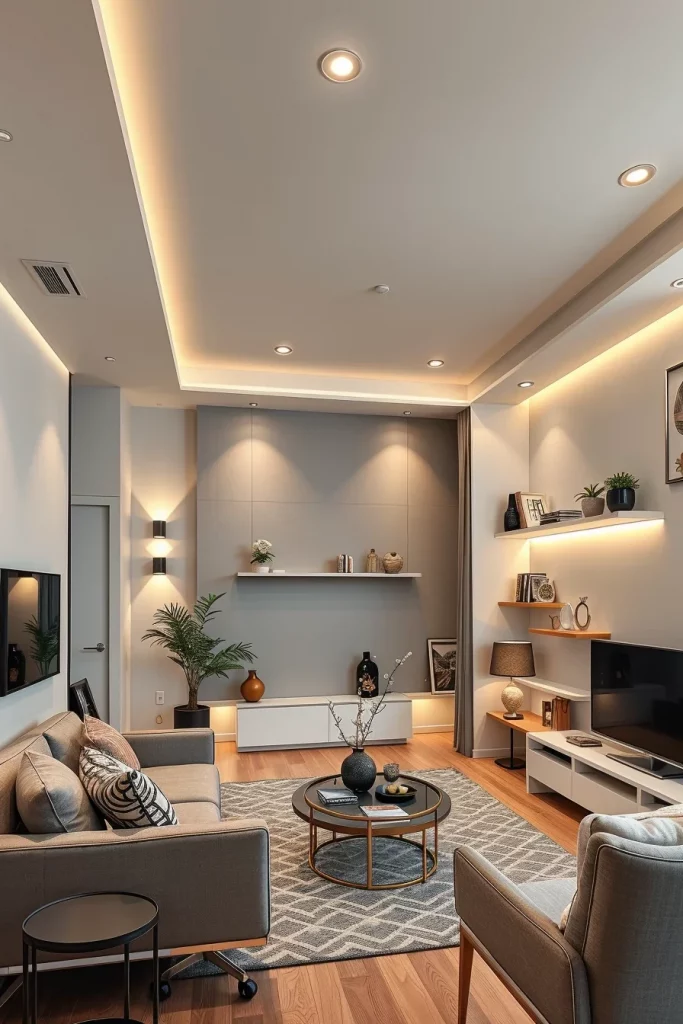
I usually combine recessed ceiling lights, wall sconces, LED strip lighting, and adjustable floor lamps connected to smart home systems. Hidden LED strips beneath shelves and cabinetry create depth, while dimmable ceiling fixtures provide flexibility. Smart bulbs with adjustable color temperatures help transition the room from productive daytime use to relaxing evenings.
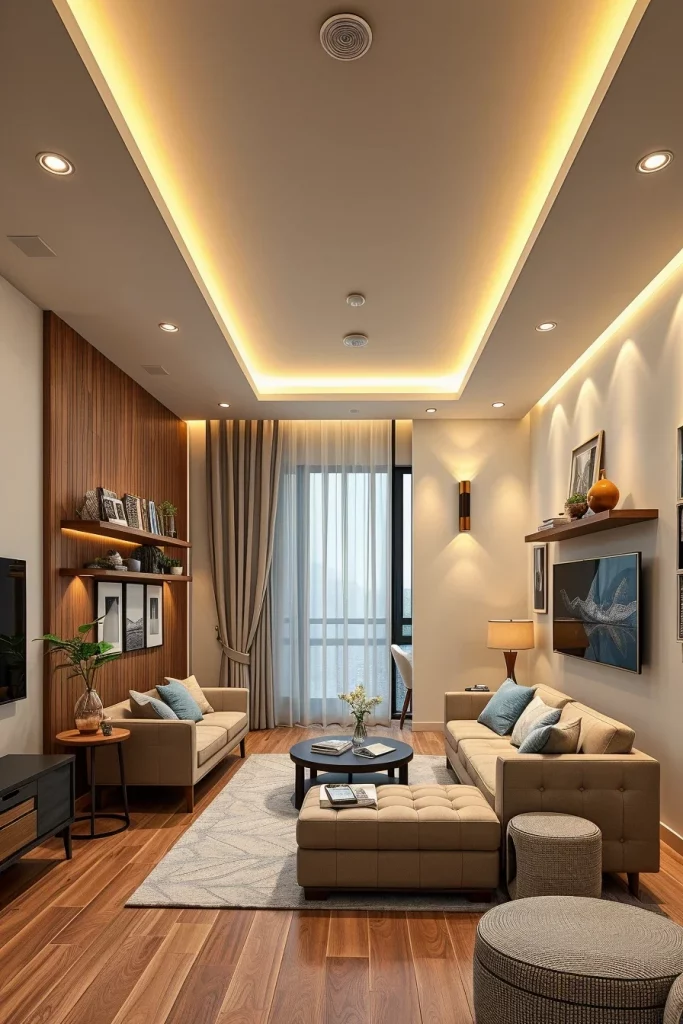
Personally, I rely heavily on smart lighting in small interiors because it offers exceptional versatility. Experts frequently featured by House Beautiful recommend multiple light sources instead of a single overhead fixture, especially in smaller rooms where balanced illumination is essential.
To enhance this concept further, I would add motion-sensor lighting inside storage units and cabinets. This subtle upgrade improves convenience while contributing to a more luxurious experience.
Small Living Room With Space-Saving Reading Nook Ideas
Creating a reading nook in a small living room may seem challenging, but I have found that carefully planned layouts make it entirely possible. A dedicated reading corner introduces comfort and personality while maximizing overlooked areas such as corners, window alcoves, or unused wall sections. Even the smallest spaces can accommodate a cozy retreat.
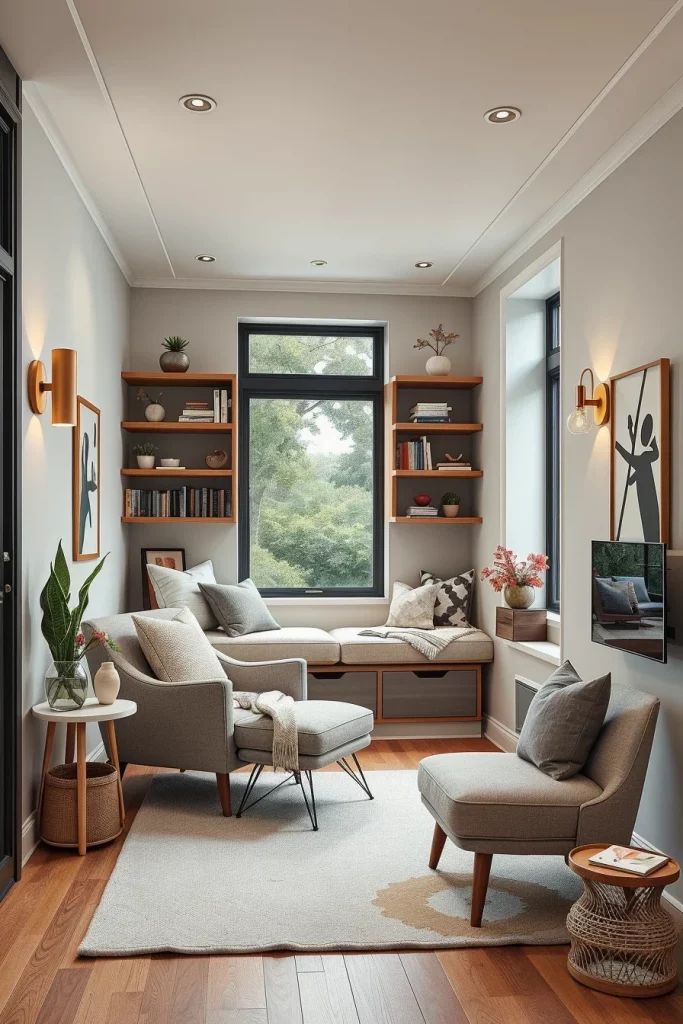
I often design reading nooks using compact armchairs, built-in benches, floating shelves, and slim side tables. A window seat with hidden storage beneath provides both seating and organization. Layered cushions, soft throws, and adjustable wall-mounted reading lamps create a welcoming atmosphere without overwhelming the room.
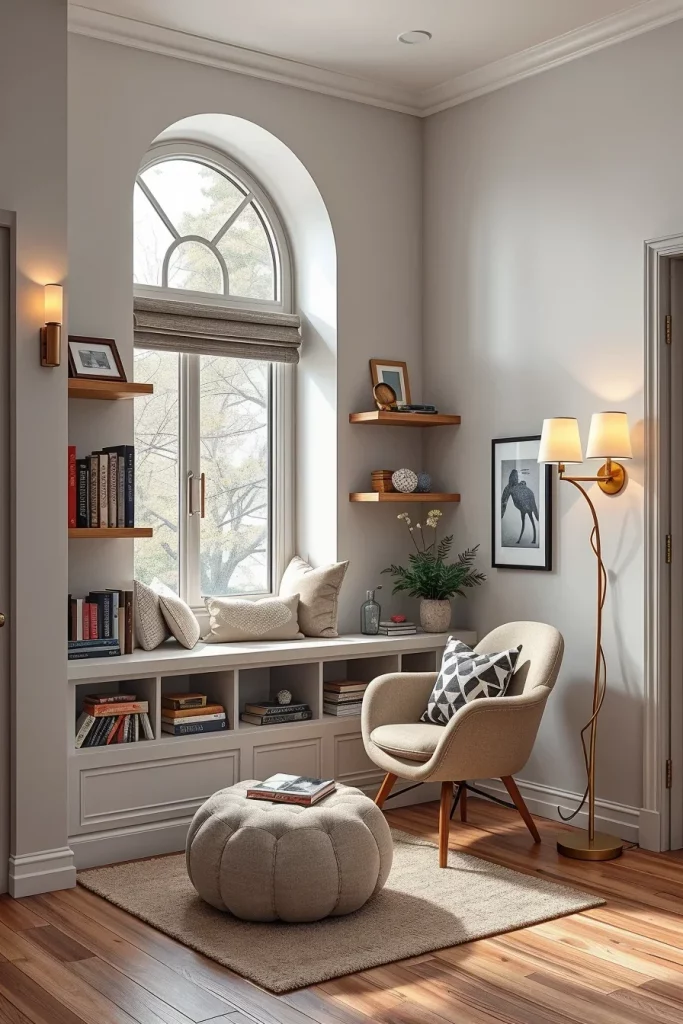
In my experience, homeowners spend more time enjoying their living rooms when a reading corner is included. Interior designers often emphasize creating purposeful zones within compact spaces, and a reading nook effectively defines a relaxation area while preserving openness.
For additional functionality, I would incorporate concealed storage beneath seating or a fold-down side table to keep books, magazines, and accessories neatly organized.
Creative Small Living Room Featuring Multifunctional Accent Walls
Multifunctional accent walls are among the most creative small space-saving living room ideas because they combine storage, display, and visual interest in a single feature. Rather than dedicating an entire wall solely to decoration, I prefer designing accent walls that perform several functions simultaneously. This approach maximizes efficiency while creating a memorable focal point.
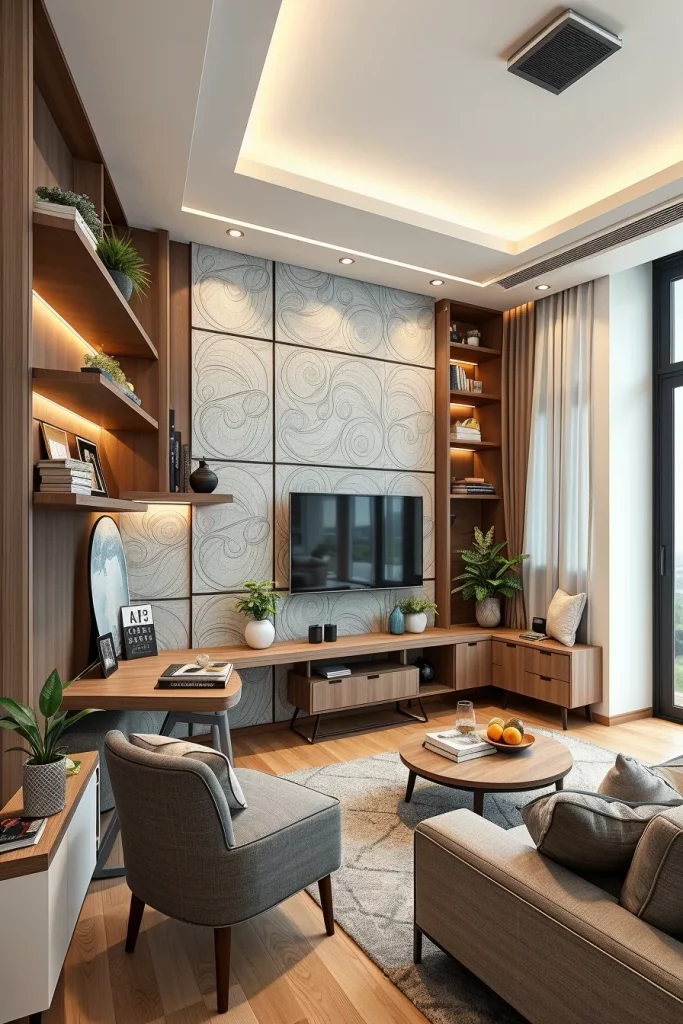
I typically integrate floating shelves, hidden storage compartments, fold-down desks, built-in media units, and textured finishes into the accent wall design. Slatted panels, stone-effect surfaces, or geometric wall treatments add visual depth without overcrowding the room. Integrated shelving allows decorative objects and everyday essentials to coexist harmoniously.
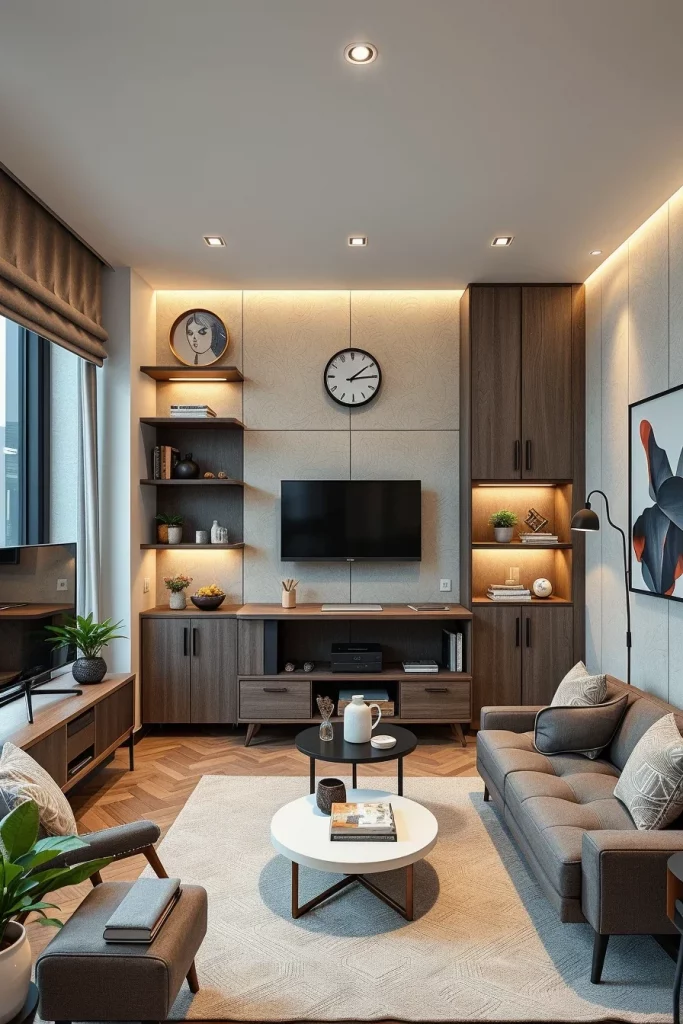
Personally, I appreciate multifunctional walls because they eliminate the need for additional bulky furniture. According to many contemporary interior designers, multifunctionality is essential when working with compact living environments.
To further improve this concept, I would add integrated lighting and concealed cable management systems to maintain a clean, organized appearance.
Small Living Room With Transforming Furniture Solutions
In my opinion, transforming furniture is one of the smartest investments for compact interiors. These innovative pieces allow homeowners to adapt their living rooms to different needs throughout the day without sacrificing comfort or style. In a small living room, every item should serve more than one purpose, and transforming furniture does exactly that. It helps maintain an organized environment while maximizing usable space.
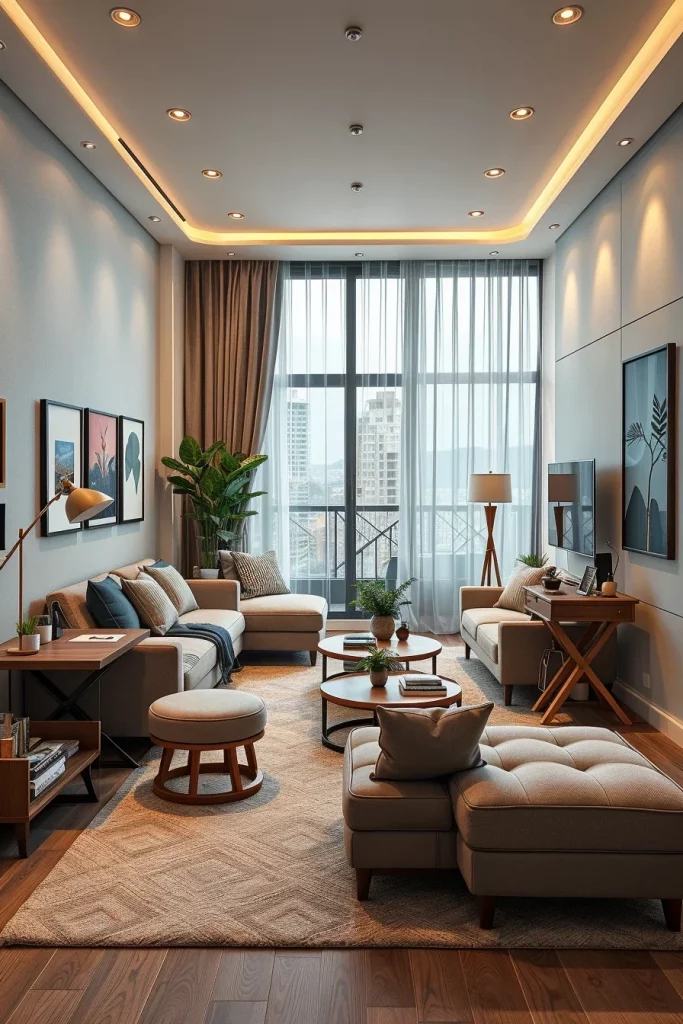
I frequently incorporate sofa beds, nesting tables, extendable coffee tables, fold-away desks, and modular seating systems. A storage ottoman can function as seating, hidden storage, and a coffee table simultaneously. Expandable tables are especially practical for entertaining guests while remaining compact during everyday use. Modular furniture allows the layout to change depending on specific activities.
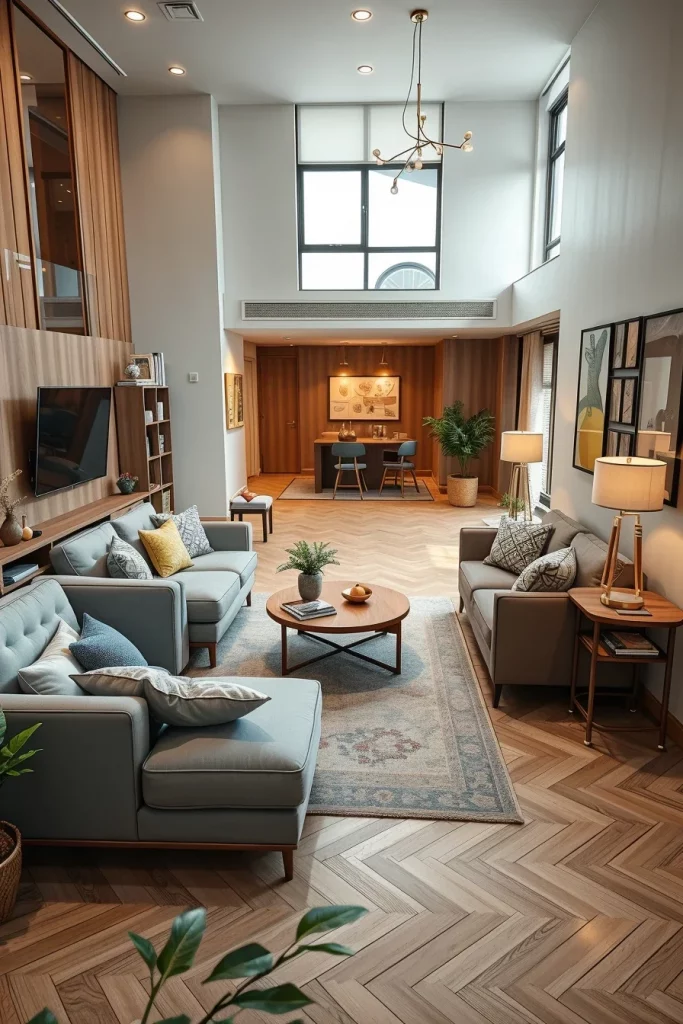
From my experience, clients appreciate furniture that adapts to their lifestyle rather than forcing them to compromise. Many interior experts featured in Better Homes & Gardens emphasize multifunctional furnishings as a necessity in modern small homes because they provide flexibility without increasing clutter.
To complete this concept, I would include concealed charging stations and lightweight movable pieces that can easily be rearranged whenever additional space is needed.
Elegant Small Living Room With Glass And Acrylic Furniture
Glass and acrylic furnishings can make a compact room feel remarkably open. I often recommend these materials because they create visual lightness and prevent the space from feeling crowded. Transparent furniture blends into the surroundings, allowing architectural features and decorative details to remain the focal points. This approach is particularly effective in stylish and unique small living rooms.
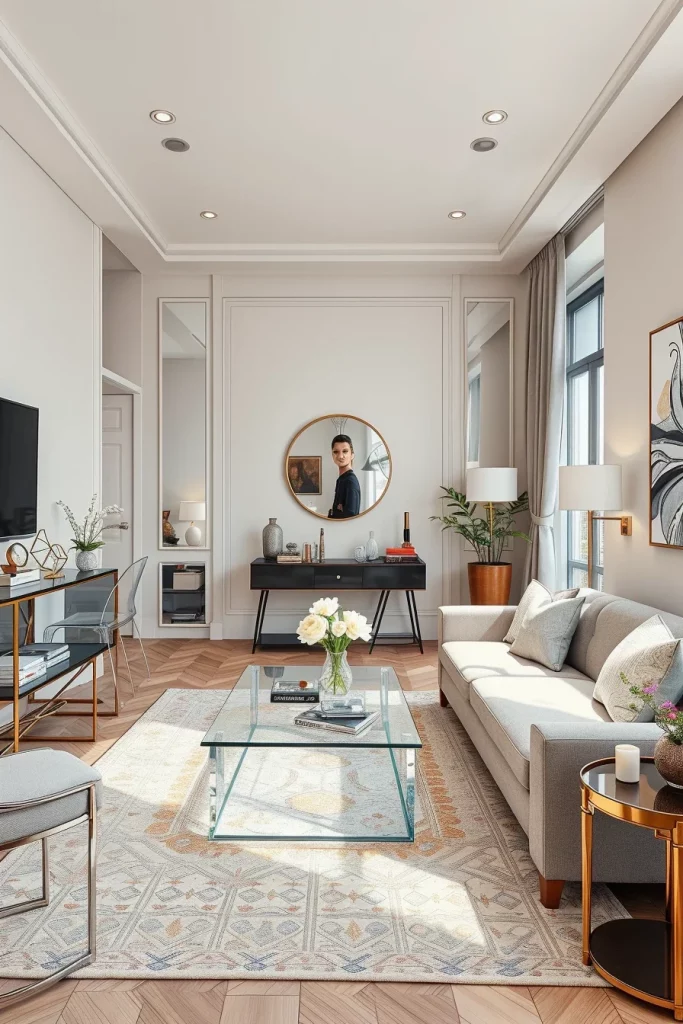
I usually select acrylic coffee tables, glass console tables, transparent side chairs, and slim metal-framed shelving. A clear coffee table maintains functionality while preserving visual openness. Glass shelving units provide storage and display opportunities without creating visual barriers. Combining transparent pieces with textured fabrics and soft finishes ensures that the room still feels warm and inviting.
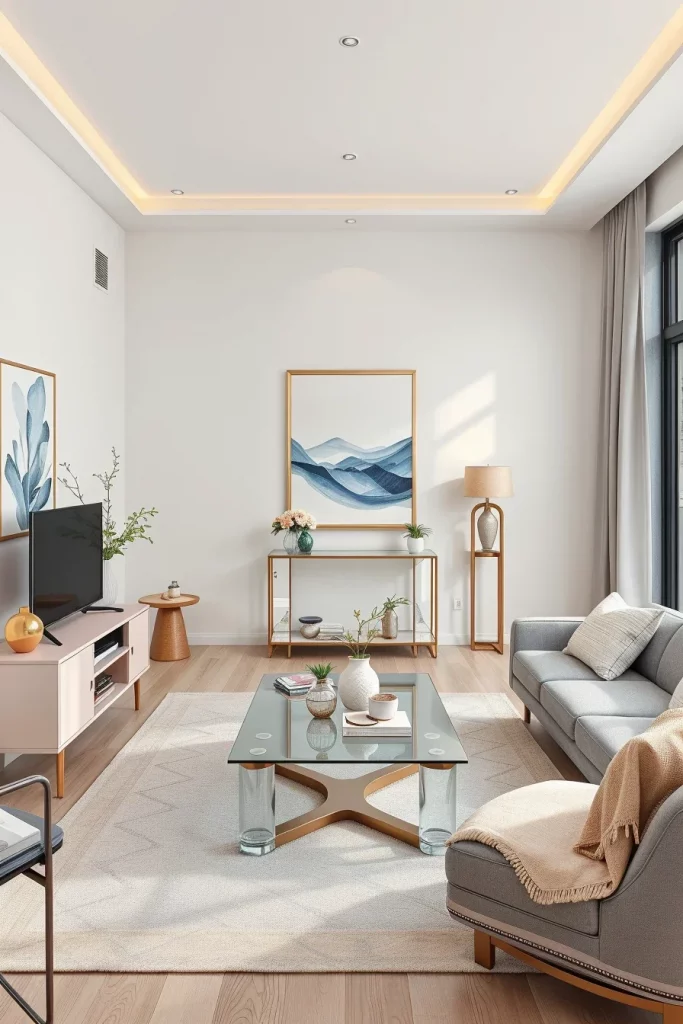
Personally, I find that transparent furniture works beautifully in apartments with limited natural light because it reflects and distributes light throughout the room. Designers frequently highlighted in Elle Decor recommend incorporating a few transparent elements to visually expand smaller interiors.
I would also add reflective decorative accents, such as mirrored accessories or metallic finishes, to further enhance brightness and spatial perception.
Small Living Room With Hidden Entertainment Storage Ideas
Hidden storage solutions are essential when designing a modern small living room. I always aim to conceal electronics, media accessories, and everyday items to maintain a clean and relaxing atmosphere. Hidden storage allows the room to remain visually calm while still accommodating entertainment systems and technology.
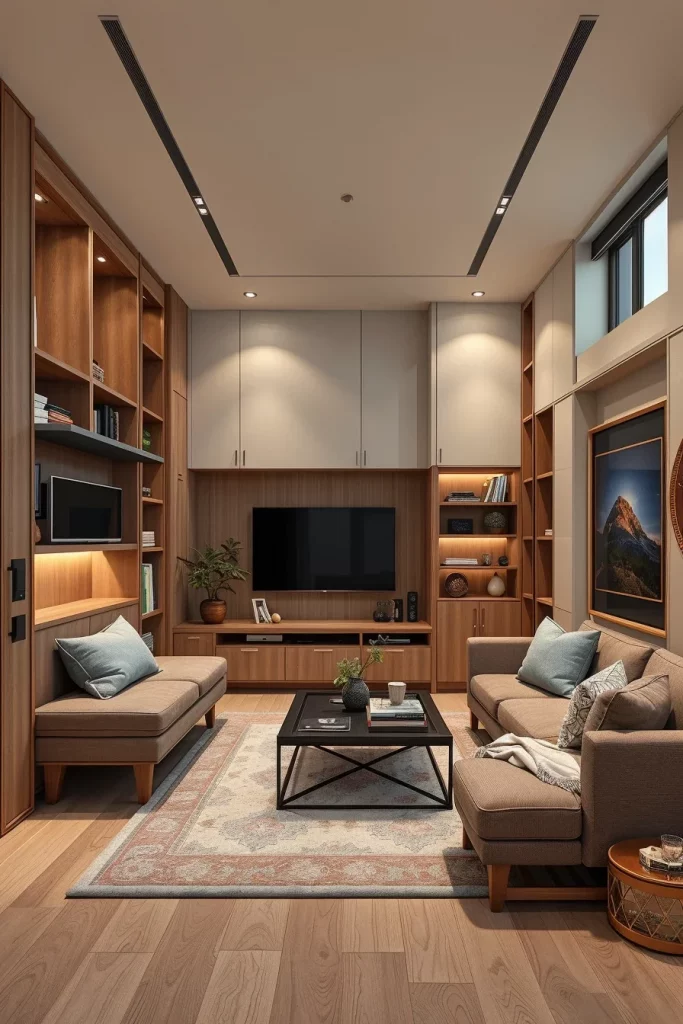
I often design media walls with concealed cabinets, storage benches, hidden compartments, and sliding panels. Built-in cabinetry surrounding the television can house gaming consoles, speakers, streaming devices, and accessories. Storage ottomans and lift-top coffee tables provide additional hidden compartments for remote controls, magazines, and blankets.
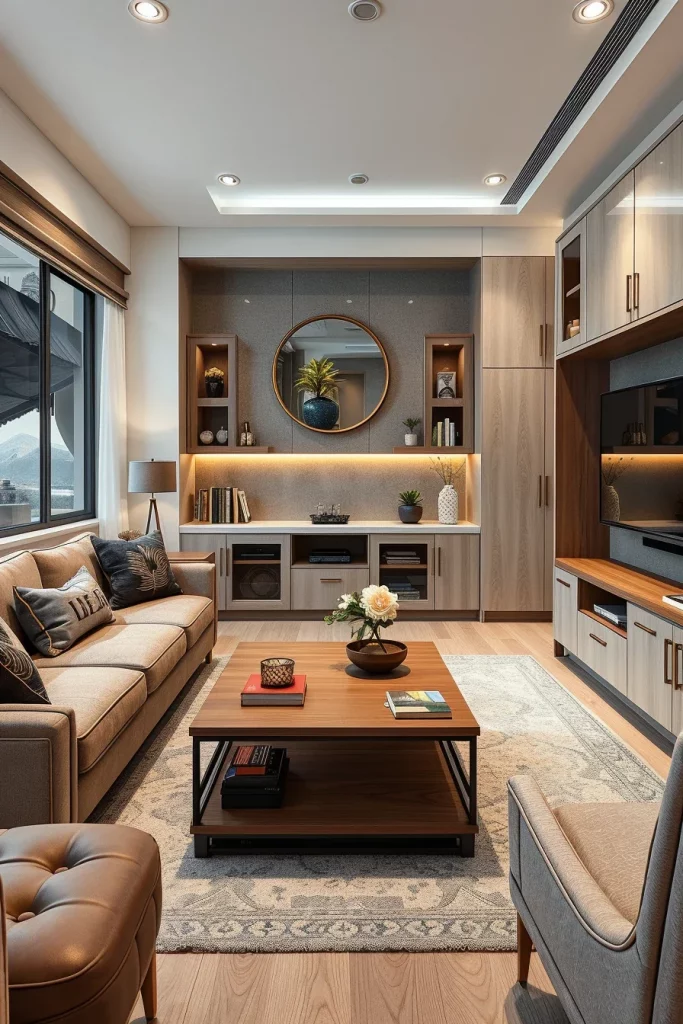
In my experience, reducing visible clutter significantly improves how spacious a room feels. Architectural Digest frequently showcases interiors where hidden storage plays a major role in creating sophisticated and functional compact living spaces.
To make this design even more practical, I would incorporate integrated cable management systems and wireless charging surfaces to eliminate visible cords entirely.
Unusual Small Living Room Layouts For Awkward Spaces
Awkward floor plans often present the biggest design challenge, yet I believe they also offer the greatest opportunity for creativity. Irregular corners, narrow dimensions, and unconventional architectural features can become strengths when approached strategically. Thoughtful furniture placement can transform difficult spaces into highly functional and visually interesting living rooms.
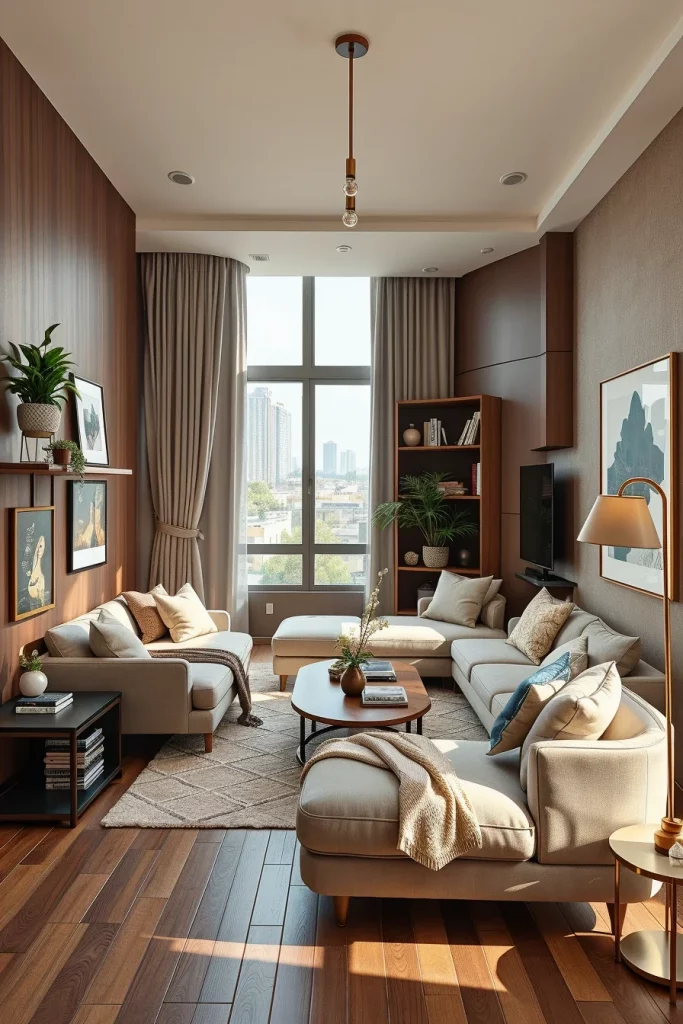
I typically use asymmetrical layouts, angled furniture arrangements, curved seating, and customized storage solutions. Positioning a sofa diagonally can improve circulation and make unusual room shapes feel intentional. Corner shelving, curved furniture, and custom-built pieces allow every inch of available space to be utilized effectively.
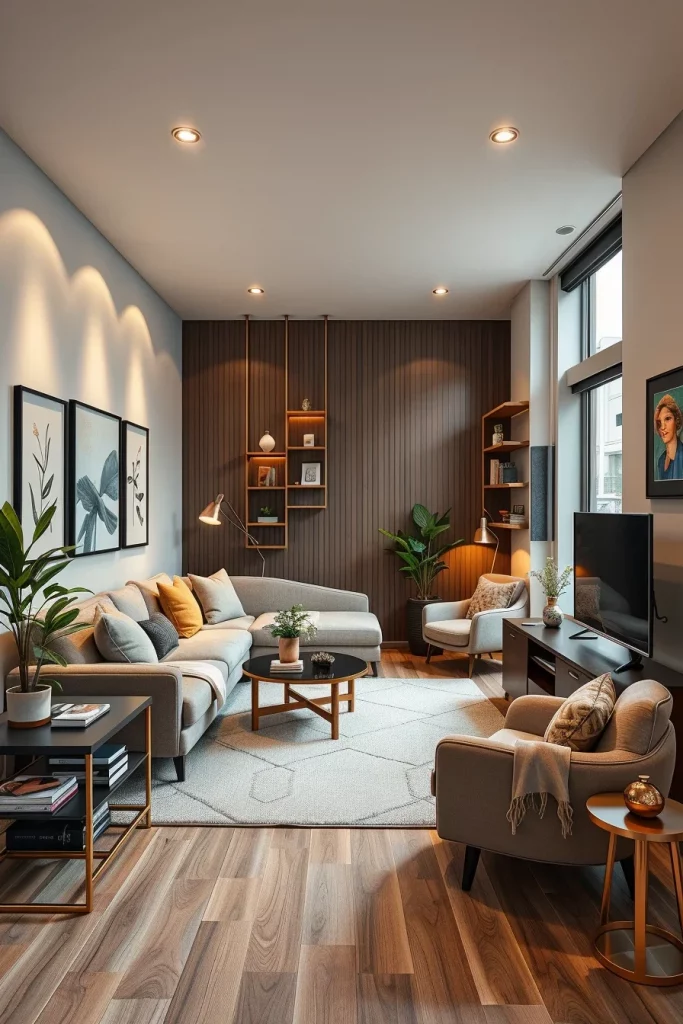
Personally, I enjoy working with unconventional rooms because they encourage unique solutions that standard layouts cannot provide. Many professional designers recommend embracing architectural quirks rather than attempting to disguise them completely.
I would also consider adding area rugs to define functional zones and visually organize the room, particularly in open-plan or irregularly shaped spaces.
Innovative Small Living Room Designs That Feel Larger Than They Are
Creating a small living room that appears significantly larger requires a combination of design strategies rather than a single solution. I often combine reflective materials, strategic lighting, streamlined furniture, and carefully selected color palettes to achieve this effect. The goal is to create visual continuity while minimizing anything that interrupts the flow of the room.
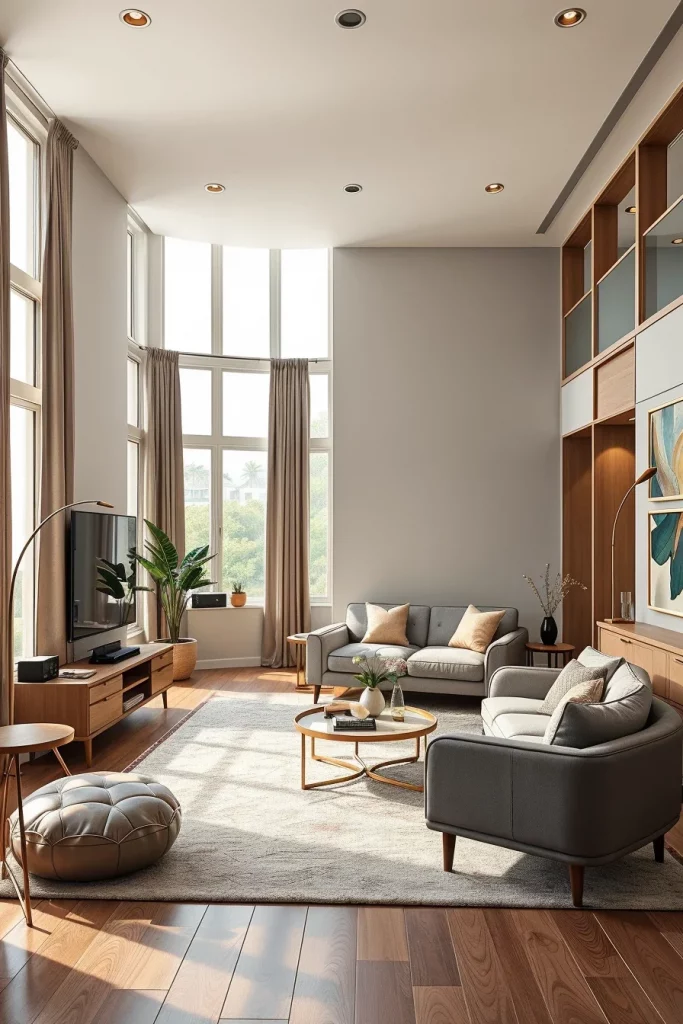
I generally include large mirrors, low-profile furniture, concealed storage, oversized windows, and cohesive finishes throughout the space. Full-height curtains installed close to the ceiling draw the eye upward and emphasize vertical space. Maintaining consistent flooring throughout adjacent areas also helps visually enlarge the room.
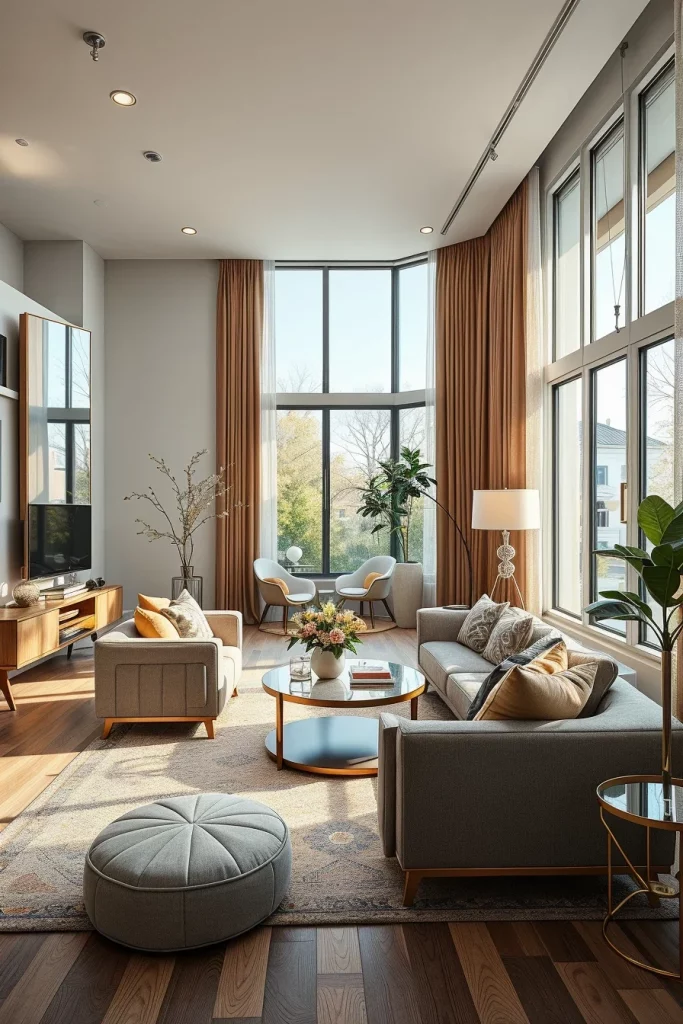
From my perspective, simplicity is often the key to making compact spaces feel expansive. House Beautiful and many leading interior designers consistently recommend prioritizing openness, light, and functionality over excessive decoration in smaller homes.
To further enhance this design, I would introduce subtle texture through fabrics, rugs, and wall finishes. Texture adds depth and character without visually overwhelming the space.
Creating a stylish and functional small living room is all about making smart design choices that maximize every inch of available space. With multifunctional furniture, clever storage solutions, and thoughtful layouts, even the smallest room can feel open, comfortable, and inviting. Use these small space-saving living room ideas as inspiration to design a beautiful living area that perfectly balances practicality and style.