
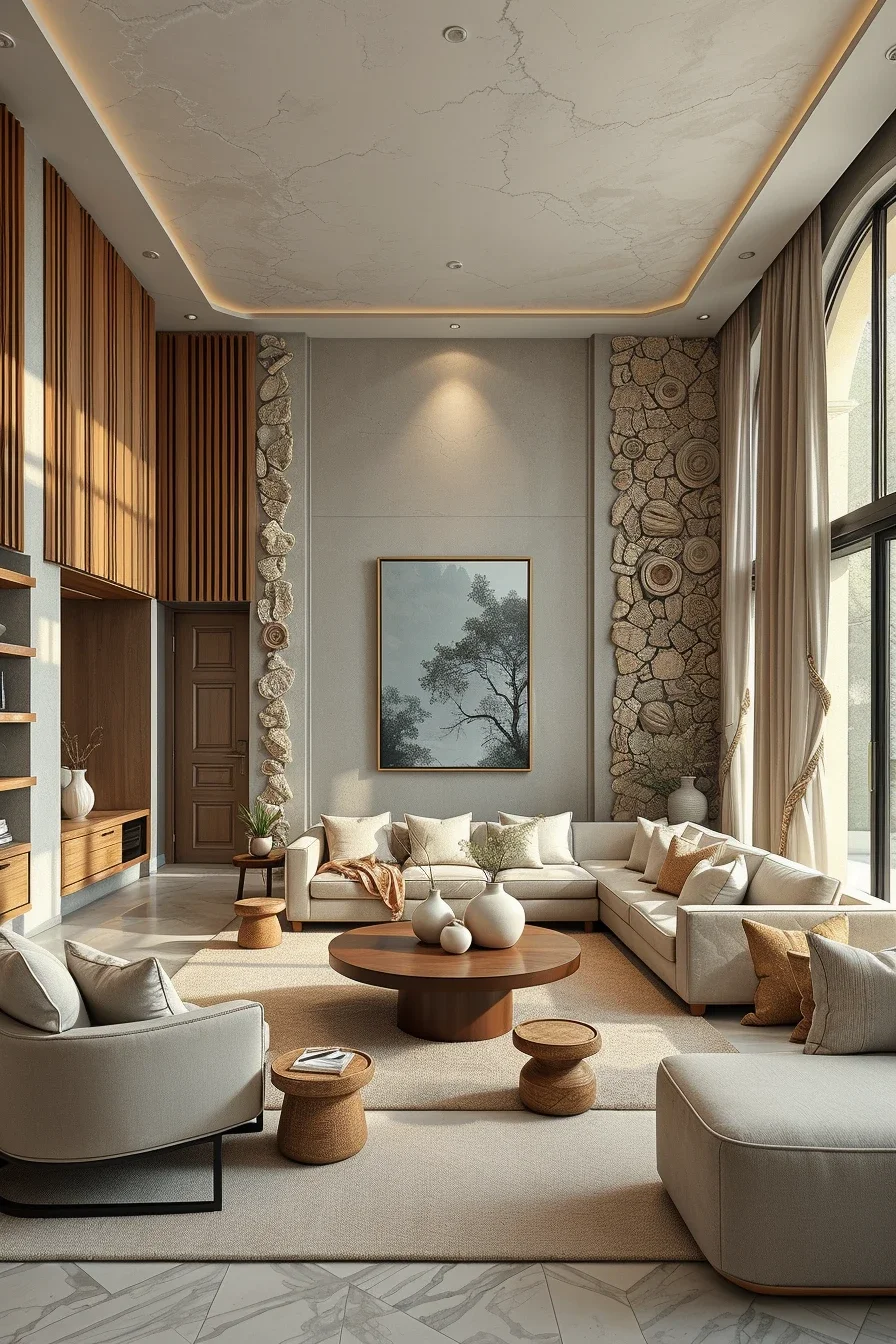
A textured modern living room is more than a stylish trend—it is a thoughtful approach to creating a space with warmth, depth, and personality. By combining layered materials, rich finishes, and clean contemporary lines, you can transform even the simplest room into a visually engaging retreat. From textured walls and statement furniture to carefully selected fabrics and decorative accents, every element contributes to a balanced and inviting atmosphere. The key is to mix different surfaces in a way that feels cohesive rather than overwhelming, allowing each texture to enhance the overall design. Whether you are planning a complete renovation or looking for easy updates, textured details can make a dramatic difference without sacrificing modern simplicity. This guide explores inspiring textured modern living room ideas that will help you create a timeless, comfortable, and sophisticated interior.
Why A Textured Modern Living Room Feels More Inviting
When I design a textured modern living room, I always begin with the goal of making the space feel welcoming before adding decorative details. Texture introduces visual depth that smooth surfaces alone cannot achieve, allowing even a neutral room to feel layered and comfortable. Instead of relying on bold colors, I prefer combining tactile finishes that naturally catch light and create subtle variation throughout the room. This approach keeps the interior modern while making it feel relaxed and lived in.
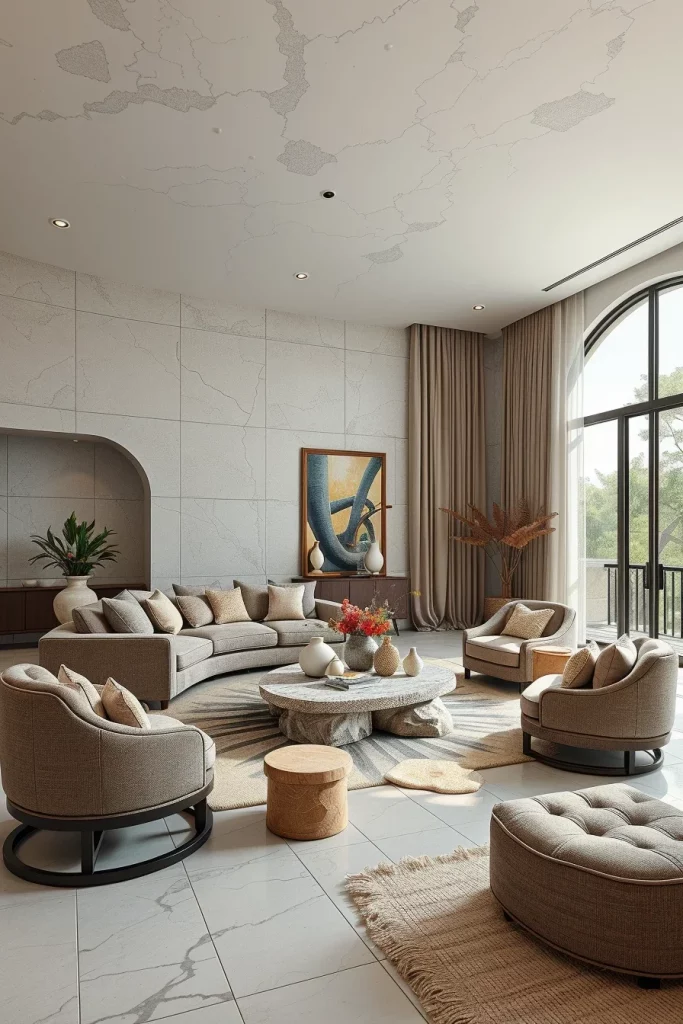
I usually combine textured plaster walls with a large modular sofa upholstered in woven fabric, a natural stone coffee table, boucle accent chairs, oversized linen curtains, ceramic decorative objects, and soft cushions with varied weaves. Every material contributes something unique to the room. The combination of matte and softly textured finishes prevents the interior from feeling sterile while maintaining a clean contemporary aesthetic.
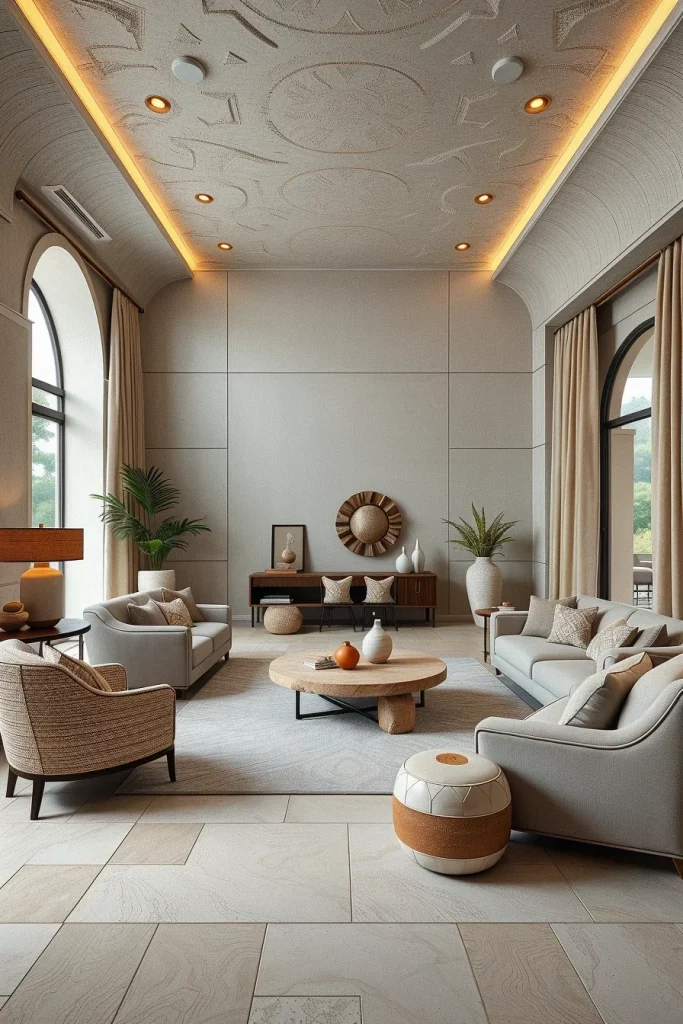
Many American interior designers, including designers frequently featured by Architectural Digest and House Beautiful, recommend mixing materials instead of introducing unnecessary decorative clutter. I completely agree with this philosophy because I have found that combining several natural-looking textures creates a richer interior than simply adding more accessories. Even a restrained palette becomes visually dynamic when surfaces interact with natural daylight.
To complete this type of room, I would also include layered ambient lighting, oversized indoor greenery, subtle artwork with textured finishes, and carefully selected decorative ceramics. These final elements reinforce the inviting atmosphere without overwhelming the modern design.
Layering Wall Textures For A Sophisticated Interior
Whenever I want a modern living room to appear more refined, I focus on the walls before selecting furniture. Layering wall textures creates depth that instantly elevates the room while maintaining a minimalist appearance. Rather than using highly decorative patterns, I prefer subtle variations in texture that become more noticeable as natural light changes throughout the day. This creates an elegant backdrop for every furnishing in the space.
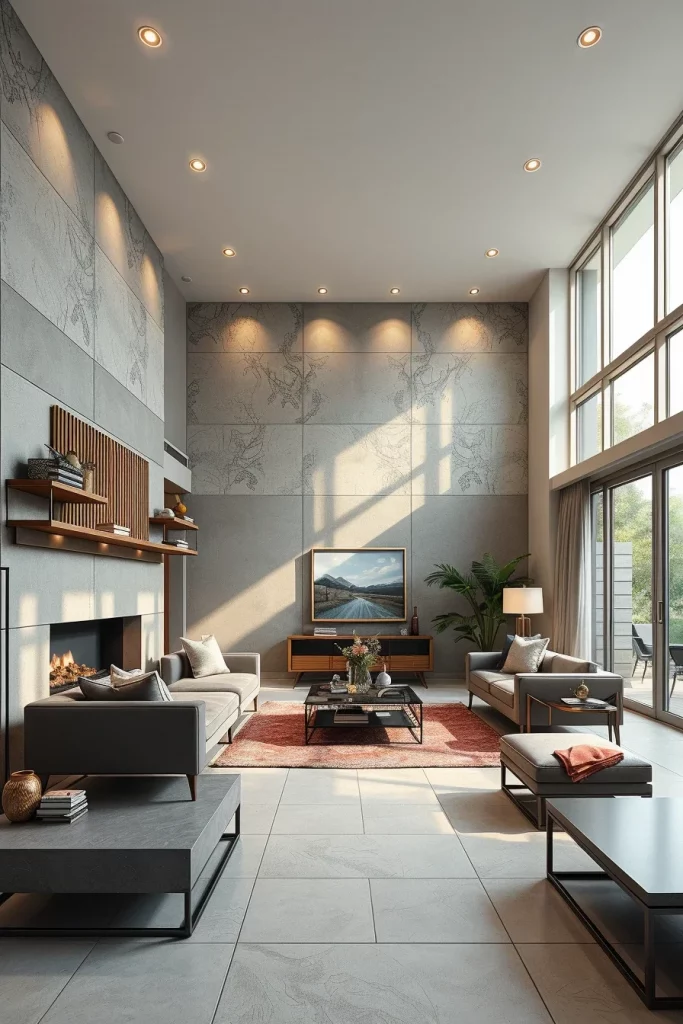
I often combine smooth plaster with limewash finishes, decorative microcement, vertical wood slat panels, textured paint, or large-format stone surfaces on selected feature areas. These finishes work beautifully together because they introduce variation without competing for attention. I pair them with simple modern furniture so the walls remain one of the primary visual features of the room.
From my experience, restrained texture creates a more timeless interior than excessive ornamentation. Designers regularly featured by Elle Decor often emphasize that high-quality materials bring lasting sophistication to contemporary spaces. I have found this advice especially valuable because subtle wall finishes continue looking elegant for years without following short-lived design trends.
To enhance layered walls even further, I recommend adding recessed lighting, slim floating shelves, oversized artwork with dimensional surfaces, and carefully positioned wall sconces that emphasize the natural texture after sunset.
Choosing A Neutral Color Palette That Highlights Texture
I believe a neutral palette is one of the strongest foundations for a textured modern living room because it allows every material to stand out naturally. Instead of creating contrast through bold color, I rely on subtle differences in tone and finish. Warm whites, soft beige, greige, taupe, sand, and light gray create an atmosphere that feels calm while drawing attention to texture itself.
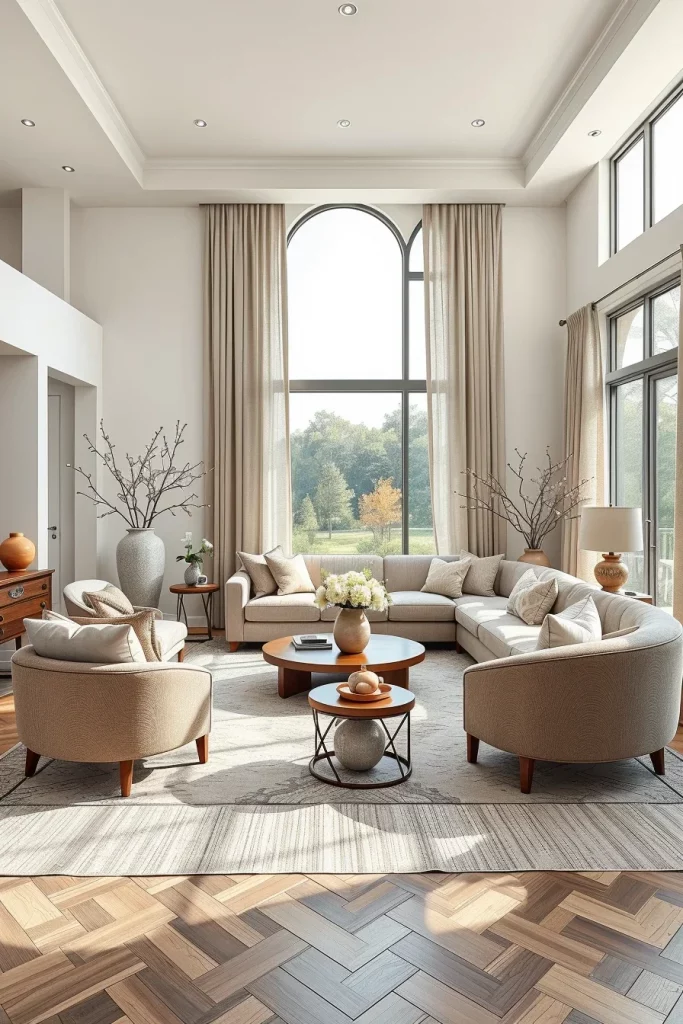
For furniture, I usually select a large upholstered sectional, curved accent chairs, textured ottomans, matte wood cabinets, stone side tables, linen drapery, boucle cushions, and handcrafted ceramic accessories. Because every piece stays within a restrained color palette, the different fabrics and materials become the focal point rather than competing colors.
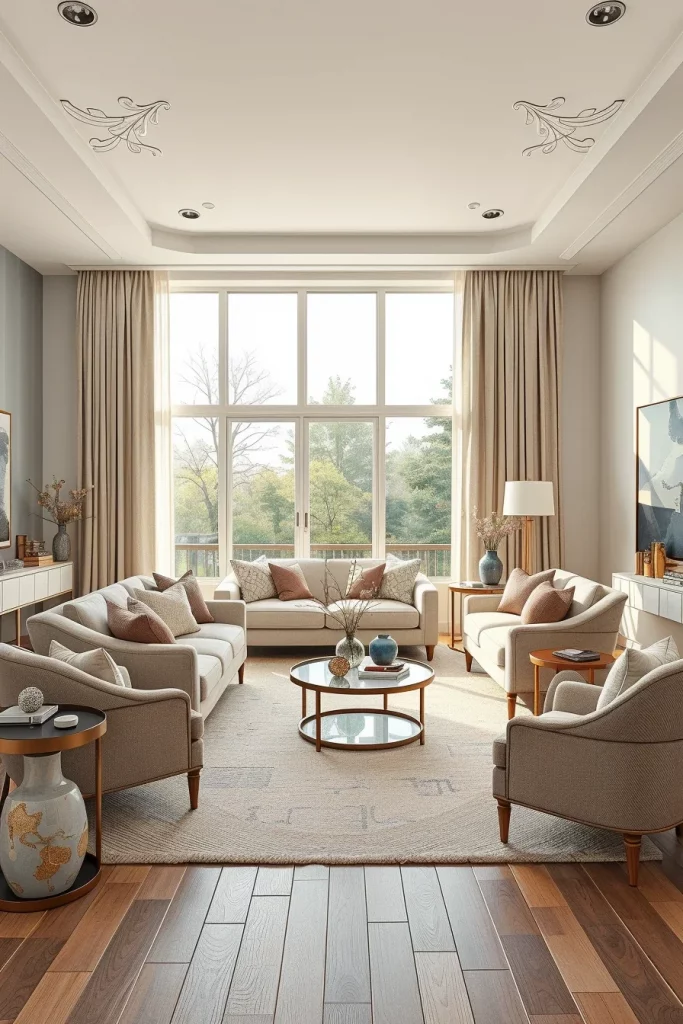
Personally, I have noticed that neutral interiors age much better than highly colorful designs. Better Homes & Gardens frequently recommends building rooms around timeless neutral tones before introducing small decorative accents, and I have repeatedly found this approach produces interiors that remain elegant even as design preferences evolve.
To complete this color scheme, I would include soft indirect lighting, textured artwork, woven baskets, oversized mirrors with slim frames, and subtle metallic accents in brushed finishes that gently reflect light without dominating the room.
Statement Textured Accent Walls That Transform The Space
A statement accent wall can completely change the personality of a modern living room when it focuses on texture instead of bright color. I like using one carefully designed feature wall that immediately attracts attention while allowing the remaining surfaces to remain simple. This creates a strong focal point without making the room feel visually crowded.
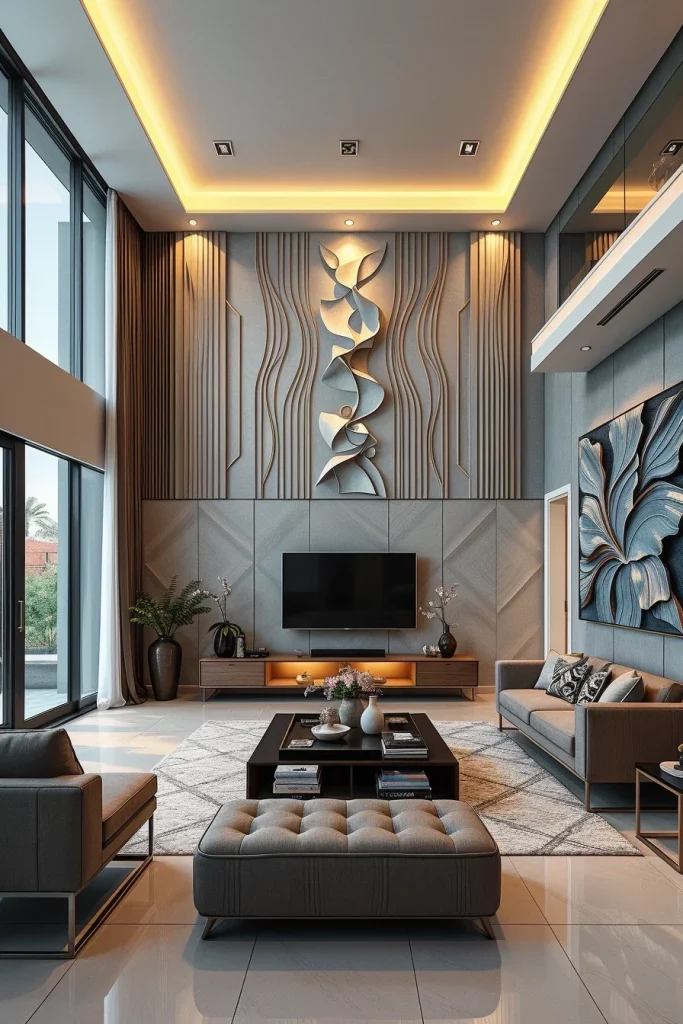
My favorite options include sculptural plaster finishes, fluted wall panels, natural stone slabs, ribbed concrete textures, limewash coatings, or large textured porcelain panels. I usually position a low-profile media cabinet, floating shelves, comfortable seating, and minimalist lighting nearby so the textured wall becomes the visual centerpiece of the entire room.
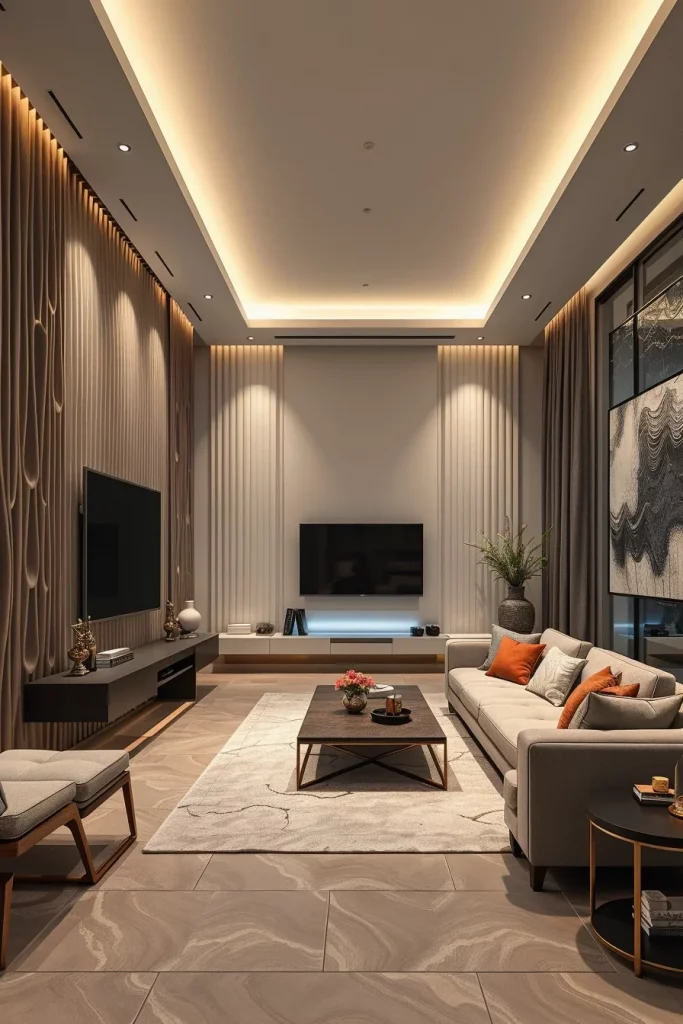
I have learned that restraint produces the most sophisticated result. Rather than filling every wall with decorative treatments, I prefer allowing one exceptional surface to define the room. Architectural Digest has highlighted many contemporary interiors that successfully use this principle, and I have seen how effective it can be in creating visual balance.
I would also add concealed LED lighting, carefully positioned artwork, decorative ceramics, and a sculptural coffee table to strengthen the connection between the accent wall and the rest of the living room without distracting from the primary feature.
Combining Stone Finishes With Modern Living Room Design
Stone finishes bring permanence and quiet elegance to a textured modern living room. I often introduce natural stone or high-quality stone-look materials because they provide rich visual texture while remaining timeless. Even small stone elements can make the room feel more substantial without overwhelming the overall contemporary style.
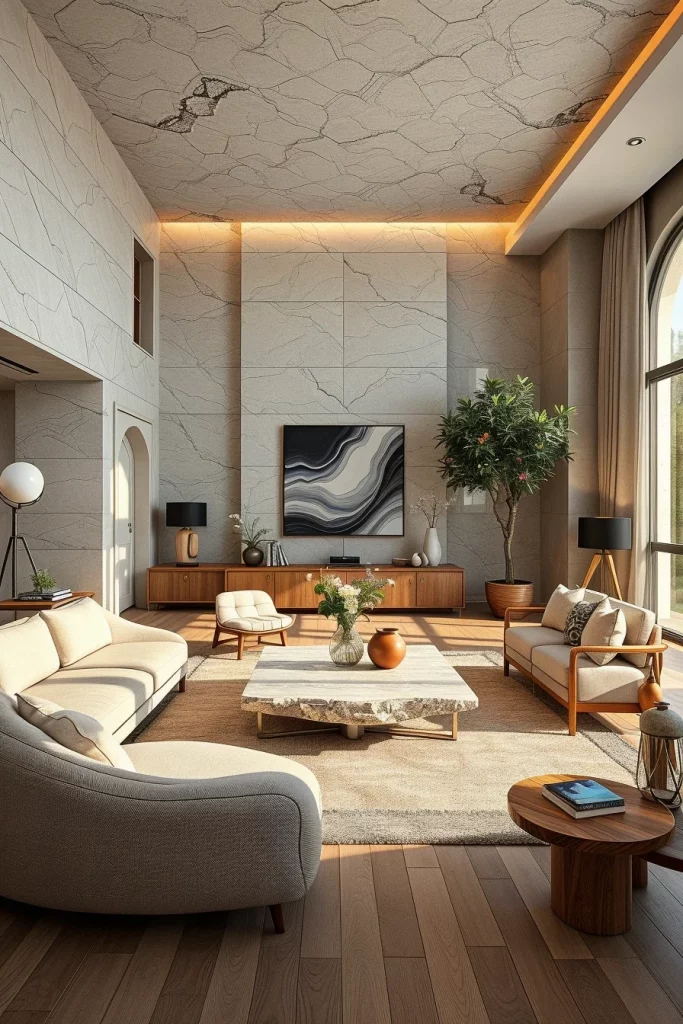
I frequently combine textured limestone, travertine, marble, slate, or large-format porcelain stone surfaces with upholstered seating, curved sofas, minimalist shelving, soft area rugs, warm wood furniture, and understated lighting. The contrast between smooth fabrics and richly textured stone creates an interior that feels balanced and carefully composed.
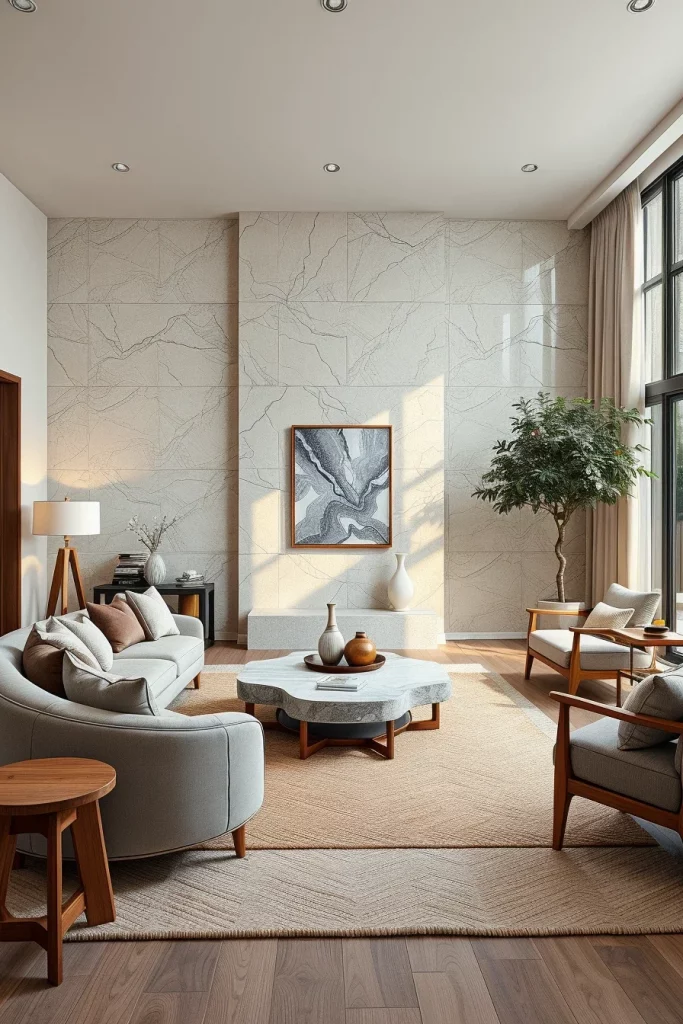
From my experience, stone should always complement rather than dominate the room. Designers featured by House Beautiful often recommend balancing hard surfaces with soft textiles to prevent interiors from feeling cold. I completely agree because comfortable fabrics make stone appear warmer and far more inviting in everyday living spaces.
To finish this design, I would include sculptural floor lamps, textured decorative bowls, oversized artwork, indoor trees, and layered lighting that highlights the natural movement and character found within every stone surface.
Plaster Walls That Add Depth And Character
Plaster walls are one of my favorite ways to create a textured modern living room that feels sophisticated without becoming overly decorative. Unlike perfectly flat painted drywall, plaster has subtle movement that changes throughout the day as natural light moves across the surface. I appreciate how this finish introduces quiet depth while keeping the room clean and contemporary. It works equally well in spacious open-concept homes and smaller living rooms where every design choice matters.
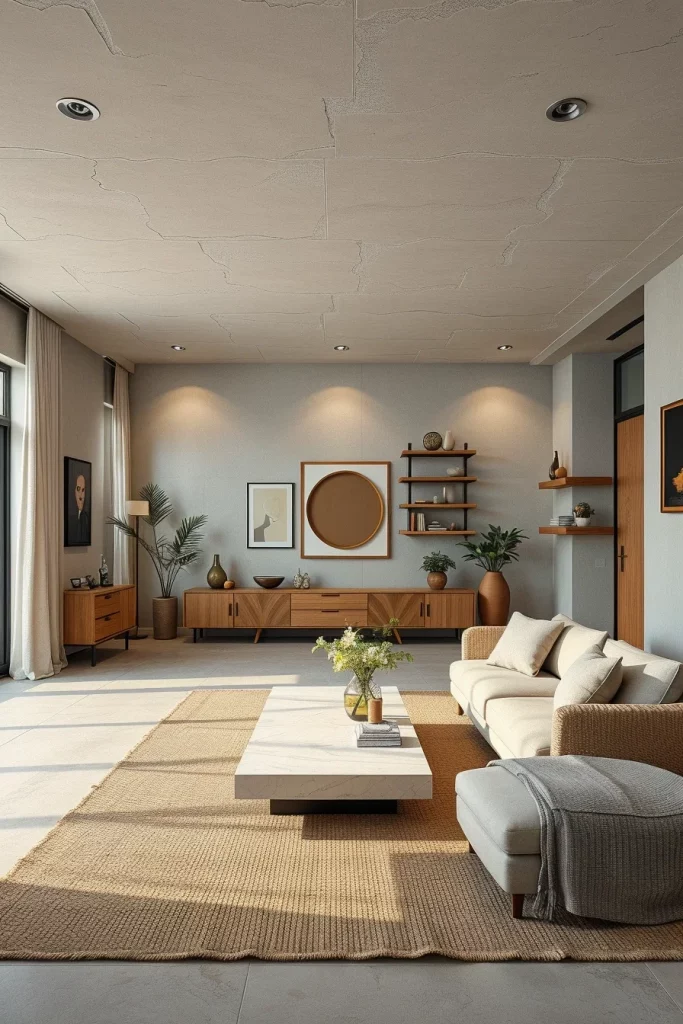
I usually pair plaster walls with a low-profile sectional sofa upholstered in textured fabric, a rounded travertine coffee table, floating oak shelving, slim black floor lamps, linen drapery, ceramic vases, and a soft woven area rug. These furnishings complement the handcrafted appearance of plaster rather than competing with it. I also prefer matte finishes throughout the room because they reinforce the calm, refined atmosphere while allowing the wall texture to remain the primary architectural feature.
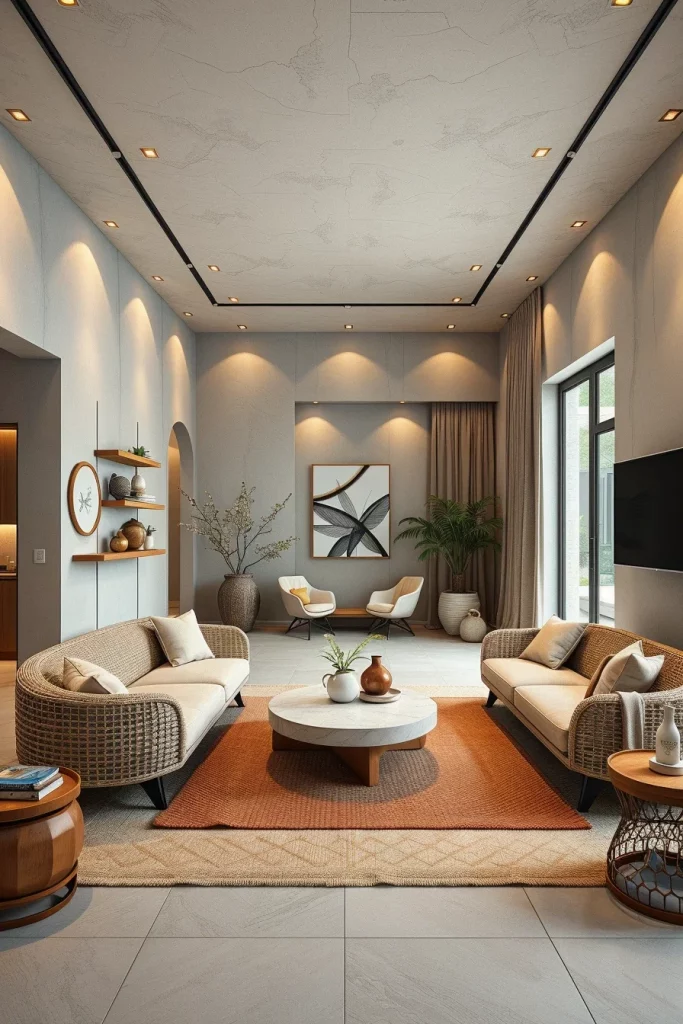
In my experience, plaster is an investment that rewards simplicity. Designers regularly featured in Architectural Digest often recommend allowing handcrafted finishes to become part of the architecture instead of covering every surface with decoration. I have found that this approach produces interiors that continue to feel elegant for many years because the beauty comes from craftsmanship rather than temporary trends.
To complete this room, I would include concealed ceiling lighting, oversized abstract artwork with textured finishes, sculptural decorative bowls, and a few carefully selected books displayed on floating shelves. These finishing details enhance the character of the room while maintaining a balanced modern aesthetic.
Textured Ceiling Ideas For A Complete Modern Look
When designing a textured modern living room, I never overlook the ceiling because it completes the visual composition of the entire space. A ceiling with subtle texture prevents the room from feeling unfinished while adding another layer of architectural interest. Instead of elaborate decorative moldings, I prefer understated finishes that quietly complement the walls and furnishings. This creates a cohesive environment where every surface contributes to the overall design.
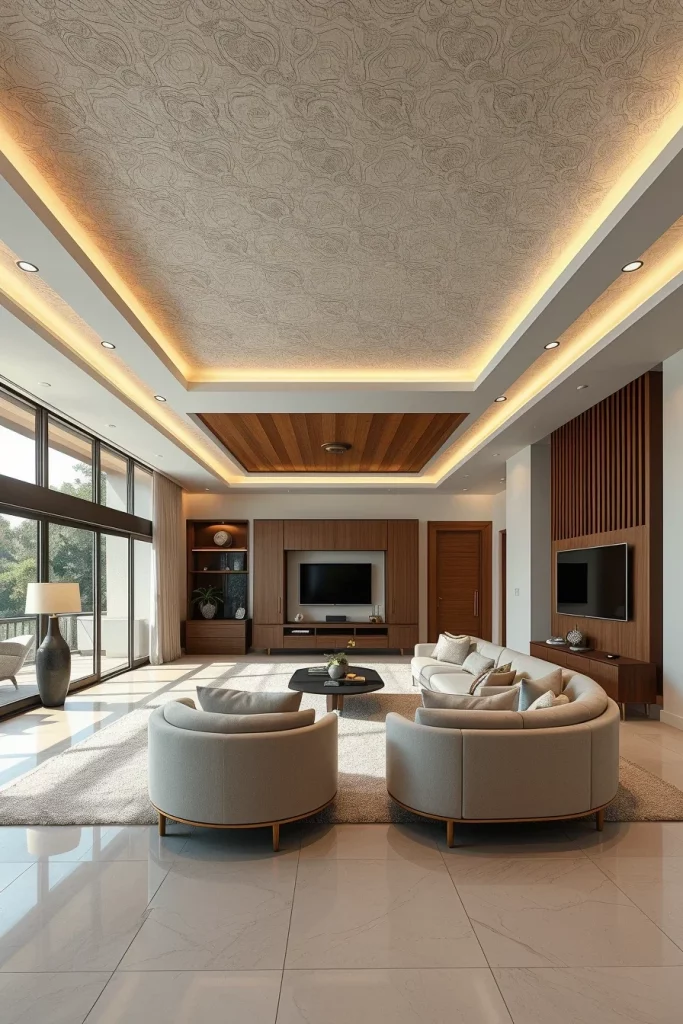
I often recommend microcement ceilings, smooth plaster finishes with subtle movement, natural wood ceiling slats, recessed architectural beams, or acoustic textured panels with integrated lighting. I pair these features with minimalist sofas, curved accent chairs, large coffee tables, simple media cabinets, and oversized windows that flood the room with daylight. The combination creates an airy interior where the eye naturally travels from floor to ceiling.
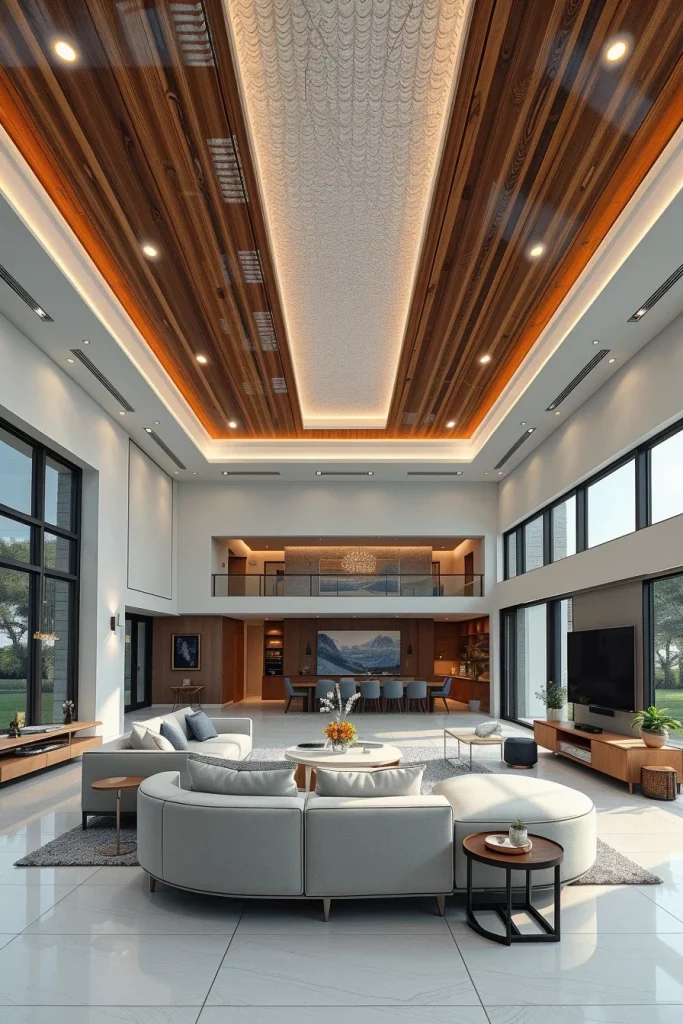
Personally, I believe ceiling design deserves far more attention than it usually receives. Interior designers featured by House Beautiful frequently explain that successful rooms consider every architectural plane rather than focusing only on furniture. I completely agree because a thoughtfully designed ceiling creates visual harmony that people often notice without immediately realizing why the room feels complete.
I would finish this design with recessed LED strips, modern pendant lighting, tall curtains extending from ceiling to floor, and carefully positioned indirect lighting that softly emphasizes the texture overhead during the evening.
Soft Upholstery Fabrics That Enhance Visual Comfort
Soft upholstery is essential in any textured modern living room because it balances the harder architectural materials found throughout the space. I always choose fabrics that invite people to relax while contributing additional texture to the overall design. Rather than relying on complicated patterns, I prefer rich woven materials that create interest through touch and subtle variation. This keeps the room visually calm while making it noticeably more comfortable.
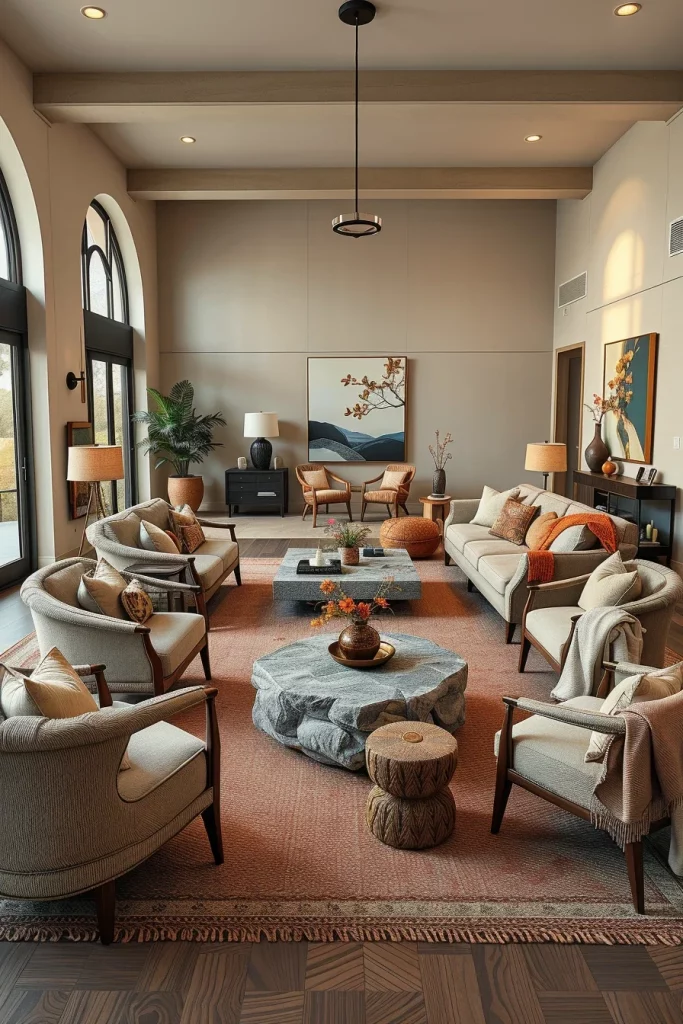
My preferred furniture includes a deep sectional upholstered in boucle or woven chenille, rounded lounge chairs, textured ottomans, oversized linen cushions, soft throws, and upholstered benches positioned near large windows. These fabrics contrast beautifully with stone, plaster, glass, and wood, creating a layered interior that feels luxurious without appearing excessive. I also select upholstery in warm neutral shades that coordinate naturally with the rest of the room.
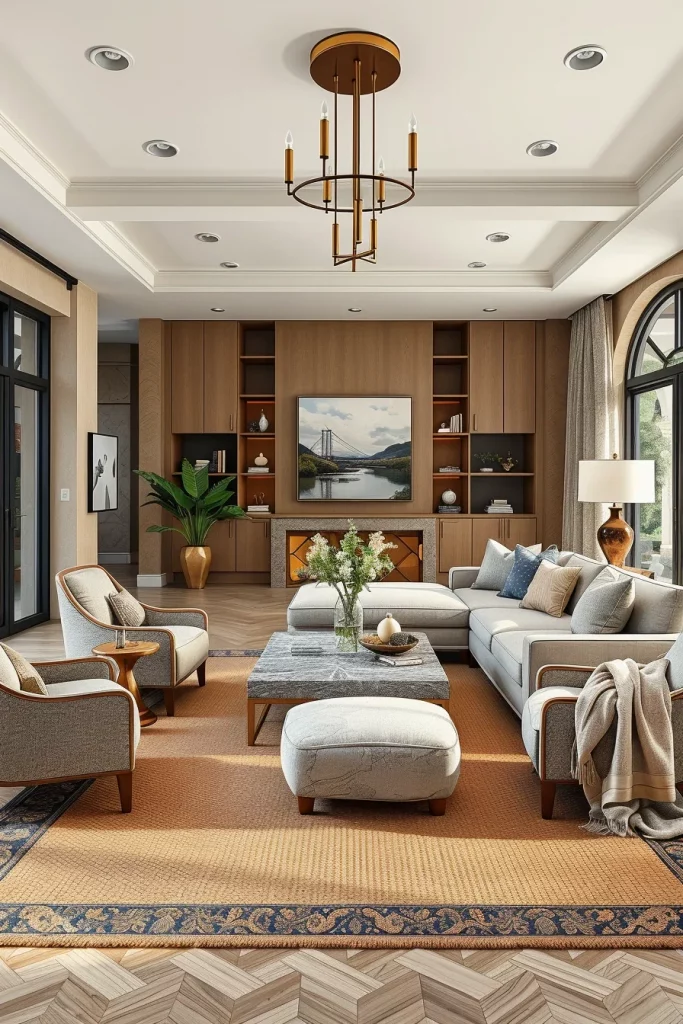
From my own projects, I have learned that comfort should never be sacrificed for appearance. Better Homes & Gardens regularly encourages homeowners to prioritize durable, high-quality upholstery fabrics in spaces used every day. I have consistently found that investing in comfortable seating dramatically improves both the appearance and functionality of a living room.
To make this seating arrangement even more inviting, I would add oversized textured cushions in varying weaves, soft wool throws, sculptural side tables, and warm ambient lighting that highlights every fabric texture throughout the room.
Mixing Smooth And Textured Furniture Surfaces
One of the simplest ways I create visual balance is by combining smooth and textured furniture throughout a modern living room. When every surface feels identical, the interior can appear flat regardless of how expensive the furnishings may be. I intentionally mix polished finishes with tactile materials to create subtle contrast that makes the room more dynamic while preserving a clean contemporary appearance.
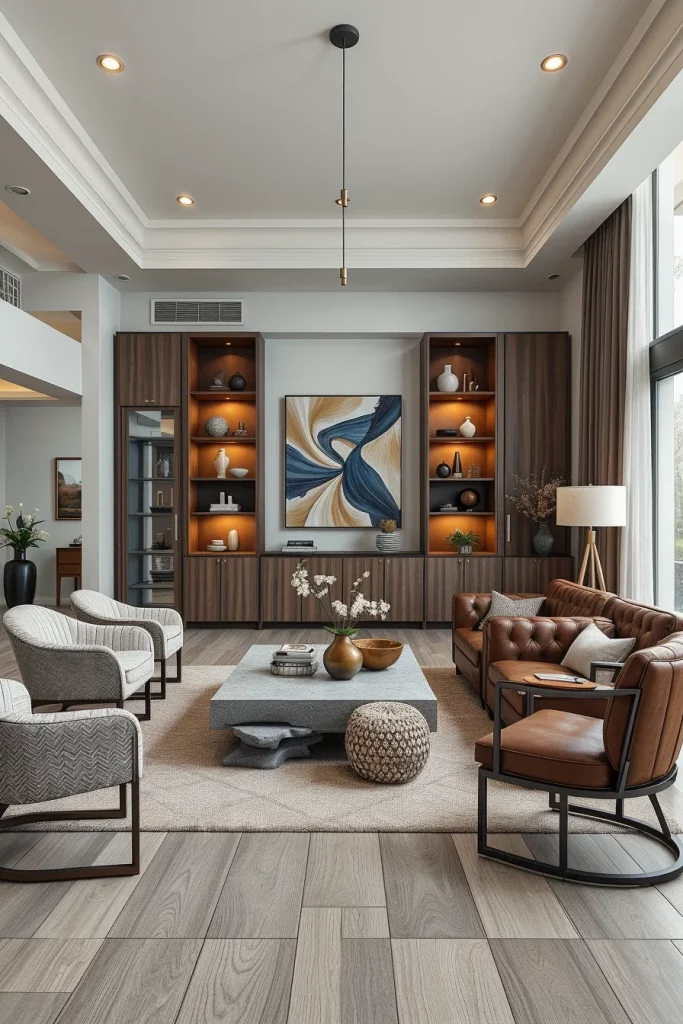
I often combine smooth stone coffee tables with boucle seating, matte wood cabinets beside glass shelving, leather accent chairs paired with woven rugs, ceramic side tables, ribbed cabinet fronts, upholstered benches, and minimalist metal lighting. Each material contributes a unique visual quality while complementing the others instead of competing for attention. The overall result feels carefully curated rather than overly designed.
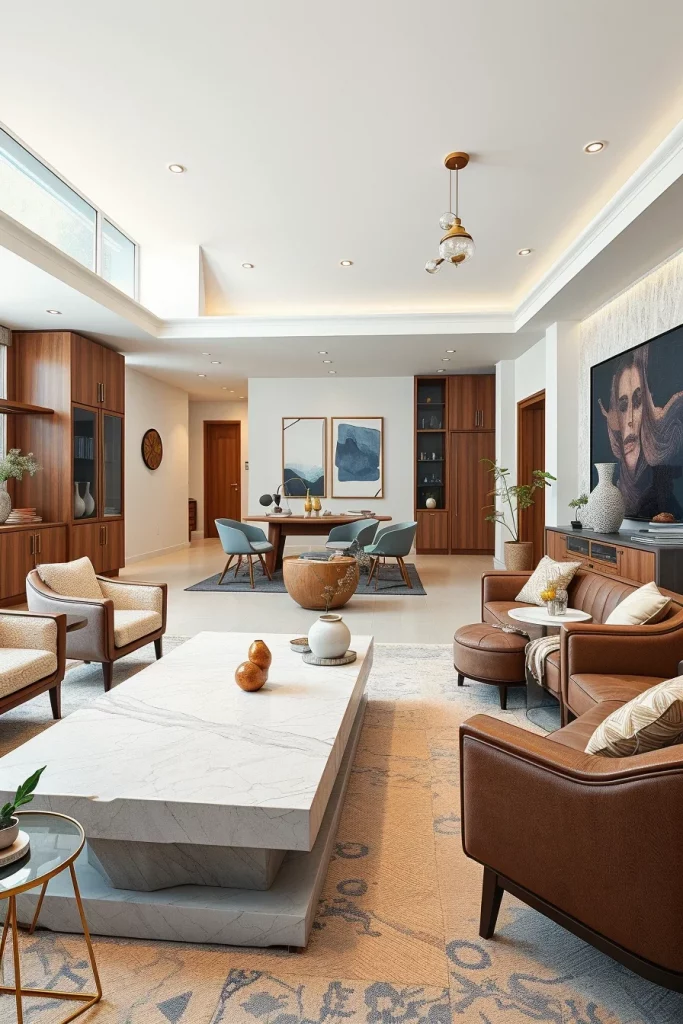
I have found that thoughtful material contrast creates more lasting appeal than introducing additional colors or decorative accessories. Designers featured in Elle Decor frequently demonstrate interiors where carefully balanced materials become the primary source of visual interest. I appreciate this philosophy because it allows the room to remain timeless while still feeling rich and layered.
I would complete this composition with handcrafted decorative objects, oversized mirrors, textured artwork, and subtle lighting that reflects differently across each material, allowing every finish to reveal its individual character.
Modern Area Rugs With Rich Textural Appeal
A carefully selected area rug often becomes the foundation of a textured modern living room because it visually anchors the furniture while introducing another layer of softness. I usually begin selecting rugs after choosing the primary furniture so that the texture complements the room rather than competing with it. A beautifully woven rug also improves comfort by softening hard flooring and reducing echoes in larger living spaces.
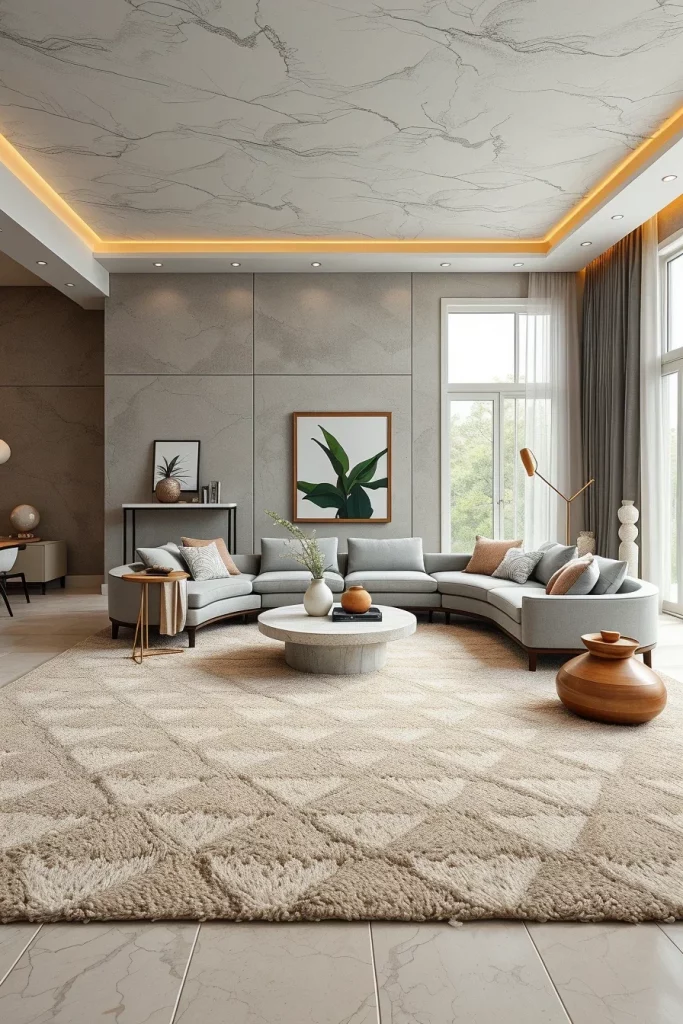
I prefer oversized wool rugs, handwoven flatweaves, loop-pile designs, subtle geometric textures, and neutral woven patterns that work alongside contemporary furniture. I typically place the front legs of the sofa and chairs on the rug to unify the seating arrangement. Combined with textured upholstery, stone tables, plaster walls, and layered lighting, the rug becomes an essential element that ties the entire room together.
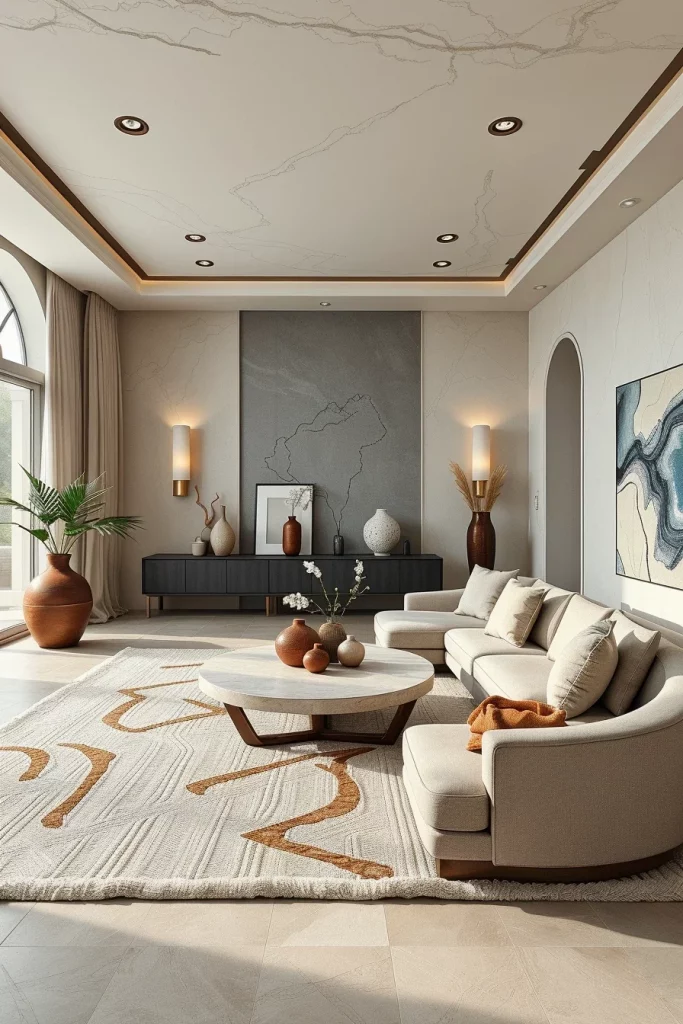
In my opinion, investing in a quality rug has one of the greatest visual impacts in any living room. Architectural Digest has repeatedly highlighted interiors where understated rugs quietly support the architecture instead of dominating it. I have followed this principle in many designs and consistently achieved interiors that feel balanced, warm, and inviting.
To complete this final layer, I would add a sculptural coffee table, decorative trays, ceramic accessories, floor-to-ceiling curtains, and warm ambient lighting that enhances the rich texture of the rug throughout the day.
Sculptural Coffee Tables That Complement Textured Spaces
When I design a textured modern living room, I often begin with the coffee table because it naturally becomes the visual center of the seating area. A sculptural coffee table introduces organic curves, geometric forms, or bold silhouettes that immediately add personality without making the room feel crowded. I prefer selecting a table with materials such as natural stone, polished plaster, textured resin, fluted wood, or matte metal to create subtle contrast against upholstered furniture. The goal is to establish a focal point that enhances every surrounding texture rather than competing with it.
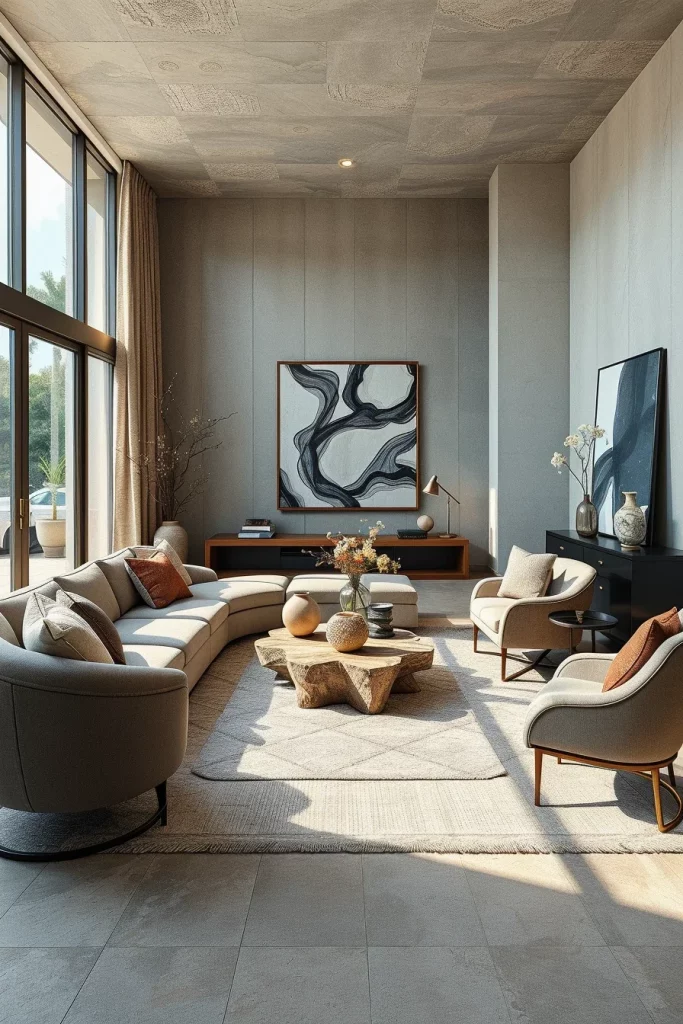
I like pairing the coffee table with a generously sized sectional, accent chairs in soft woven fabrics, a textured area rug, and carefully selected accessories. Decorative trays, ceramic bowls, stacked design books, and handcrafted vases help create visual layers while maintaining a clean contemporary appearance. I also pay close attention to scale because an oversized sculptural table works best when balanced by comfortable seating and open circulation around the room. Every element should contribute to a harmonious composition that feels both functional and refined.
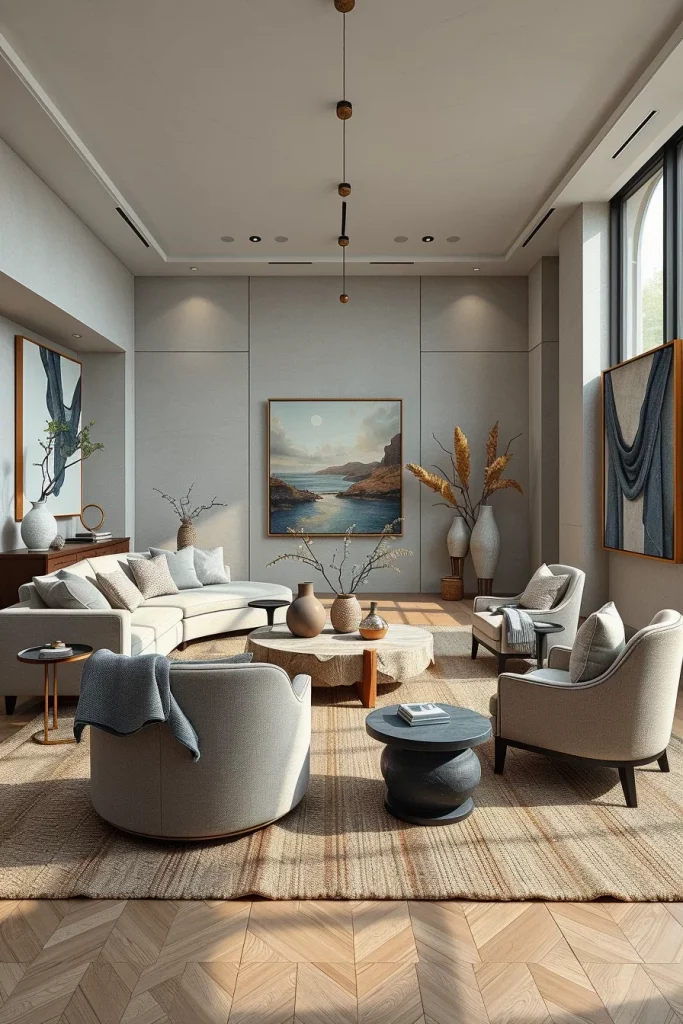
From my experience, leading interior designers featured by Architectural Digest frequently emphasize that statement furniture should have enough breathing room to stand out. I have found this advice especially useful because sculptural furniture becomes far more effective when the surrounding materials remain restrained. Instead of filling every surface with accessories, I prefer allowing the craftsmanship and distinctive shape of the coffee table to become part of the room’s architecture.
To complete this design, I recommend incorporating subtle textural accents nearby, such as boucle ottomans, linen cushions, oversized pottery, and a soft wool rug that visually connects the seating arrangement with the sculptural centerpiece.
Layered Window Treatments For Added Dimension
One of my favorite ways to make a textured modern living room feel richer is by layering window treatments. Instead of relying on a single curtain, I combine sheer panels with heavier drapery to create depth while giving the room greater control over natural light. This layered approach softens the architectural lines of modern interiors and allows sunlight to highlight the different textures throughout the room. During the day, the changing light creates subtle shadows that make every material appear more dynamic.
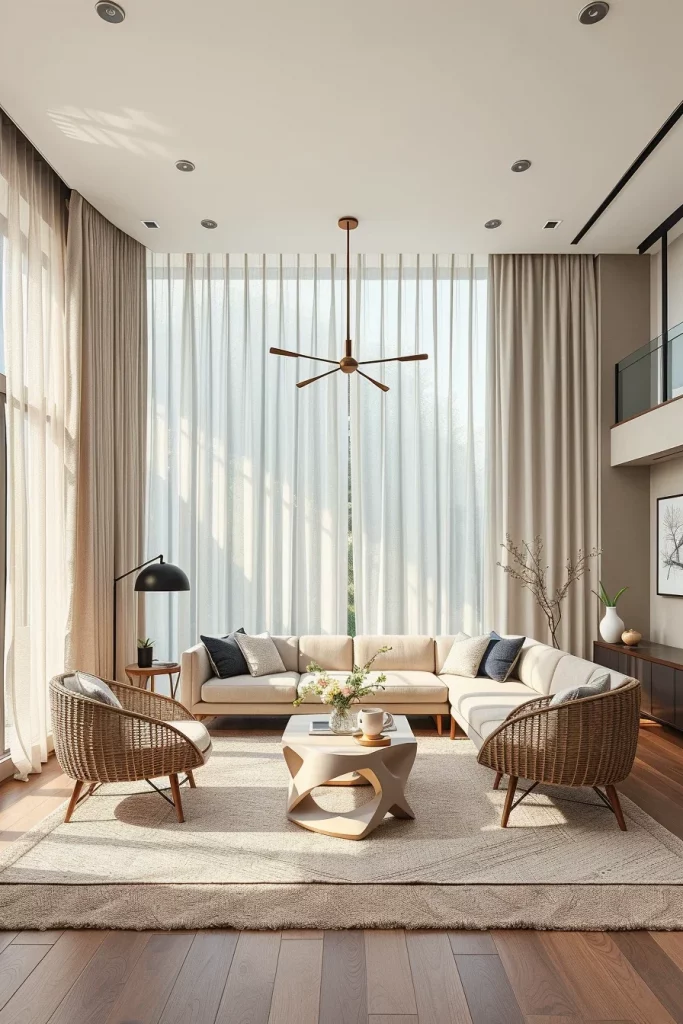
I usually begin with ceiling-mounted sheer curtains that visually increase the height of the room before adding textured drapery panels in linen blends, woven fabrics, or softly structured materials. Motorized curtain systems provide convenience while maintaining a clean appearance. Nearby furniture, including low-profile sofas, sculptural side tables, and textured lounge chairs, benefits from the softer lighting that layered treatments provide. Even simple accessories become more visually interesting when illuminated through filtered daylight.
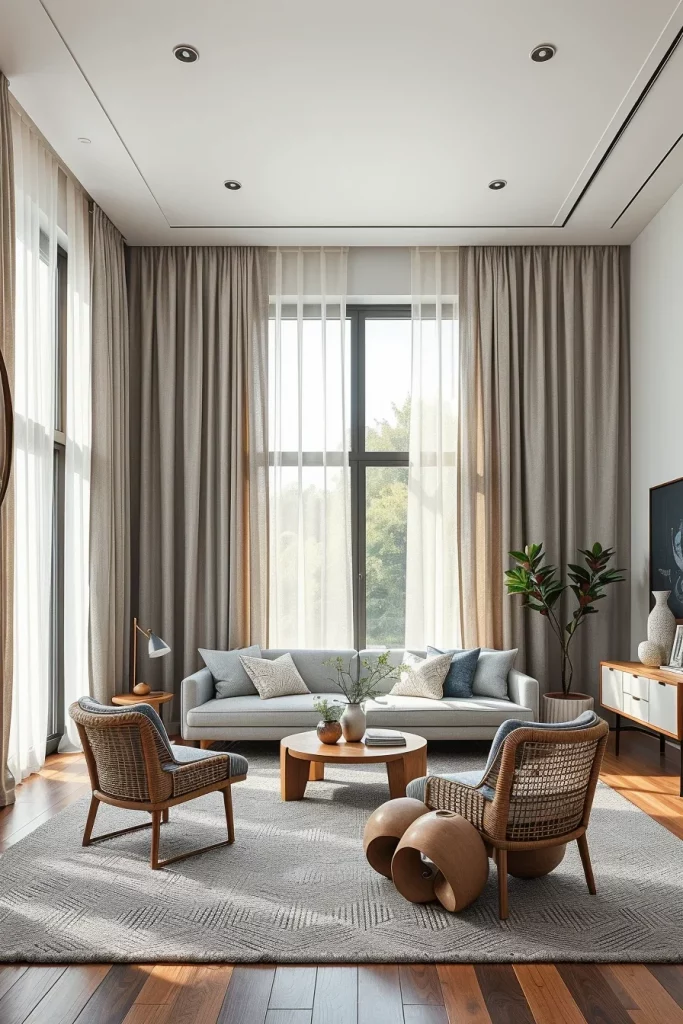
Personally, I appreciate recommendations often shared by designers in Elle Decor, who encourage homeowners to treat windows as architectural features rather than decorative afterthoughts. I have noticed that investing in quality fabric and proper installation dramatically changes how spacious and balanced a living room feels. Layered curtains also improve privacy and create a more comfortable atmosphere throughout the day.
I also suggest extending curtain rods beyond the window frame and hanging drapery close to the ceiling. This simple adjustment visually enlarges the room while allowing textured fabrics to become an elegant vertical design element.
Built-In Shelving With Architectural Texture
Built-in shelving allows me to introduce permanent architectural texture while improving storage and organization. Instead of using standard flat shelving, I often recommend incorporating fluted panels, recessed niches, textured back panels, or integrated lighting that transforms the shelving into a custom feature wall. These details help the storage system feel like part of the home’s architecture rather than simply additional furniture.
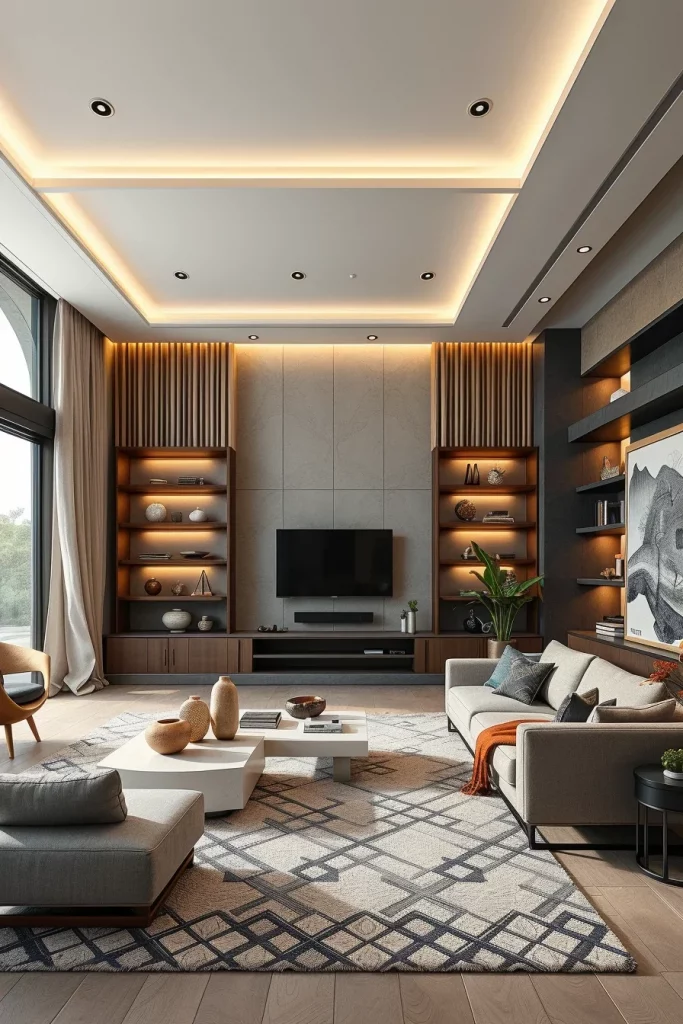
I carefully balance open shelving with closed cabinetry to avoid visual clutter. Decorative objects such as ceramic sculptures, textured books, natural stone accessories, handcrafted bowls, and contemporary artwork add personality while reinforcing the layered aesthetic. Integrated LED lighting highlights the depth of each shelf and creates beautiful evening ambiance. I also prefer using concealed storage for electronics so the design remains clean and visually calm.
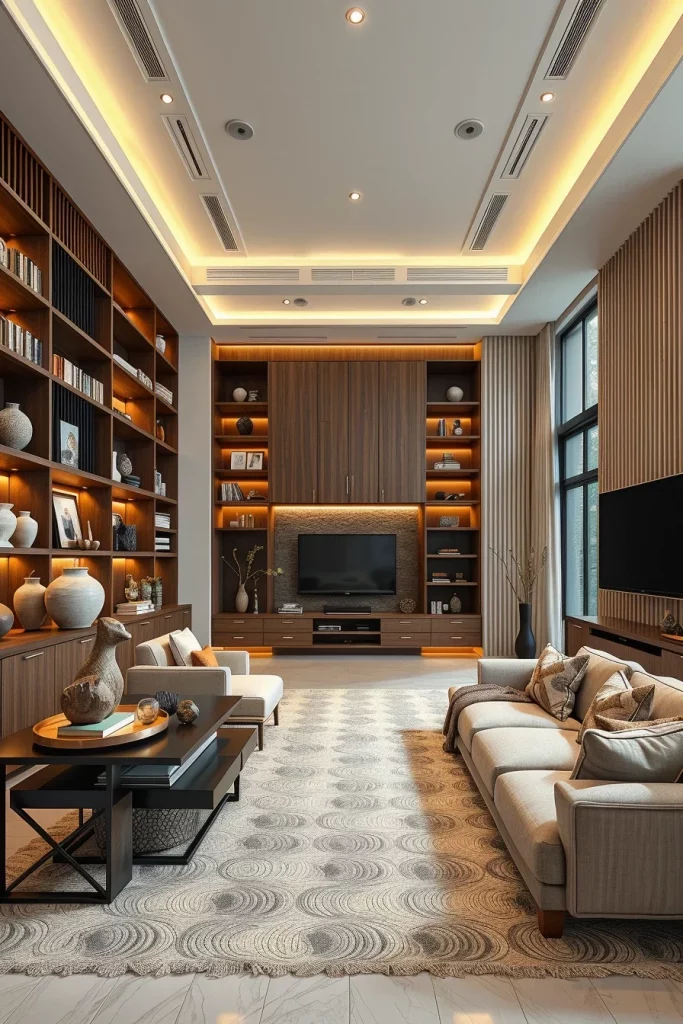
Many American designers recommend styling shelves with restraint, and I completely agree. Rather than displaying every decorative object, I curate collections that leave generous negative space between items. In my experience, this approach allows individual textures to stand out while maintaining the minimalist character associated with modern interiors.
If possible, I recommend extending the shelving from floor to ceiling and incorporating hidden cable management, integrated media storage, and adjustable shelving. These practical upgrades improve functionality without sacrificing the sophisticated architectural appearance.
Fireplace Designs That Become A Textured Focal Point
A fireplace can completely transform a modern living room when its surrounding materials introduce meaningful texture. I enjoy designing fireplaces that extend from floor to ceiling using textured plaster, natural stone, large-format porcelain, ribbed panels, or sculptural concrete finishes. These surfaces create dramatic vertical interest while maintaining the clean lines expected in contemporary interiors. The fireplace naturally anchors the seating arrangement and provides a comfortable gathering point.
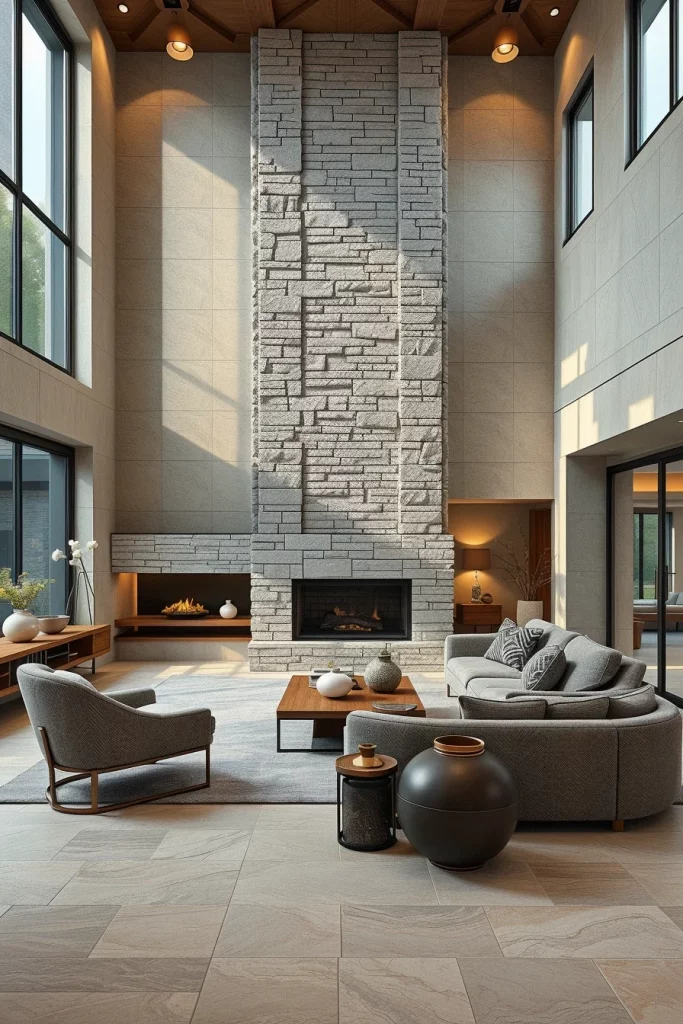
I usually position comfortable sofas and lounge chairs around the fireplace to encourage conversation while maintaining clear circulation throughout the room. Floating mantels, recessed storage niches, subtle built-in lighting, and carefully selected artwork complement the textured feature without overwhelming it. Soft furnishings including boucle chairs, woven throws, and layered cushions balance the stronger architectural materials surrounding the fireplace.
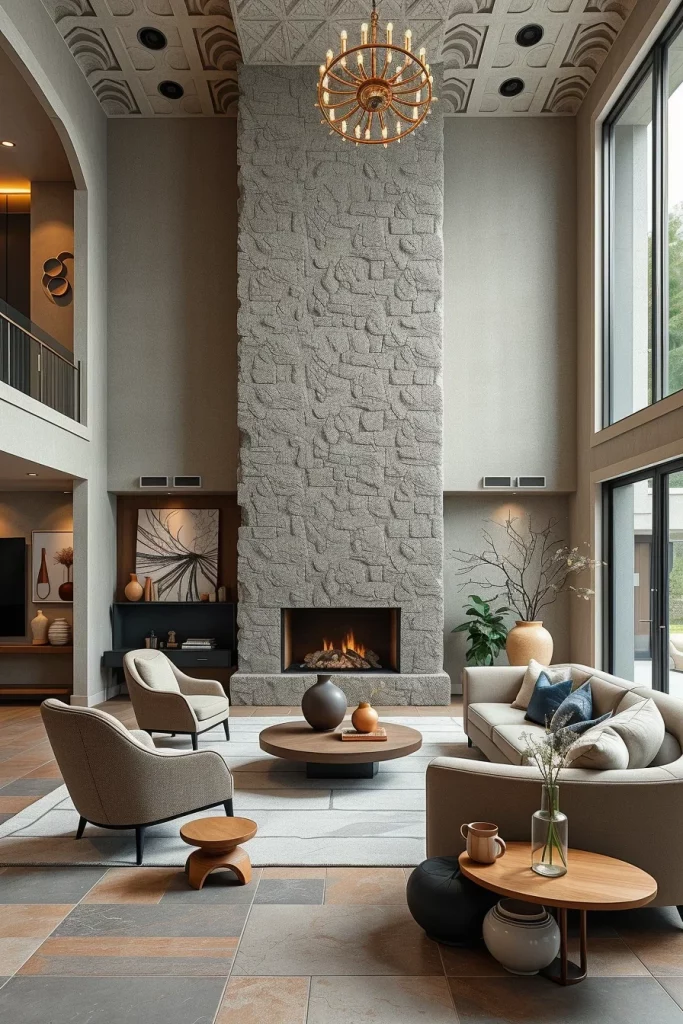
I have found that designers featured by House Beautiful often recommend limiting competing focal points within the same room. Following this advice has consistently produced more cohesive interiors because the fireplace remains the dominant architectural feature while surrounding textures quietly support the overall composition.
To complete this area, I often recommend adding concealed media integration, comfortable accent lighting, and oversized decorative ceramics that reinforce the vertical scale of the fireplace while maintaining visual balance.
Decorative Panels That Elevate Modern Living Rooms
Decorative wall panels are one of the most effective ways I know to introduce depth without overcrowding a contemporary space. Vertical fluting, geometric reliefs, sculptural plaster finishes, ribbed wood surfaces, and modern composite panels create subtle shadows that change throughout the day. In a textured modern living room, these architectural details establish character while preserving the simplicity that defines modern design.
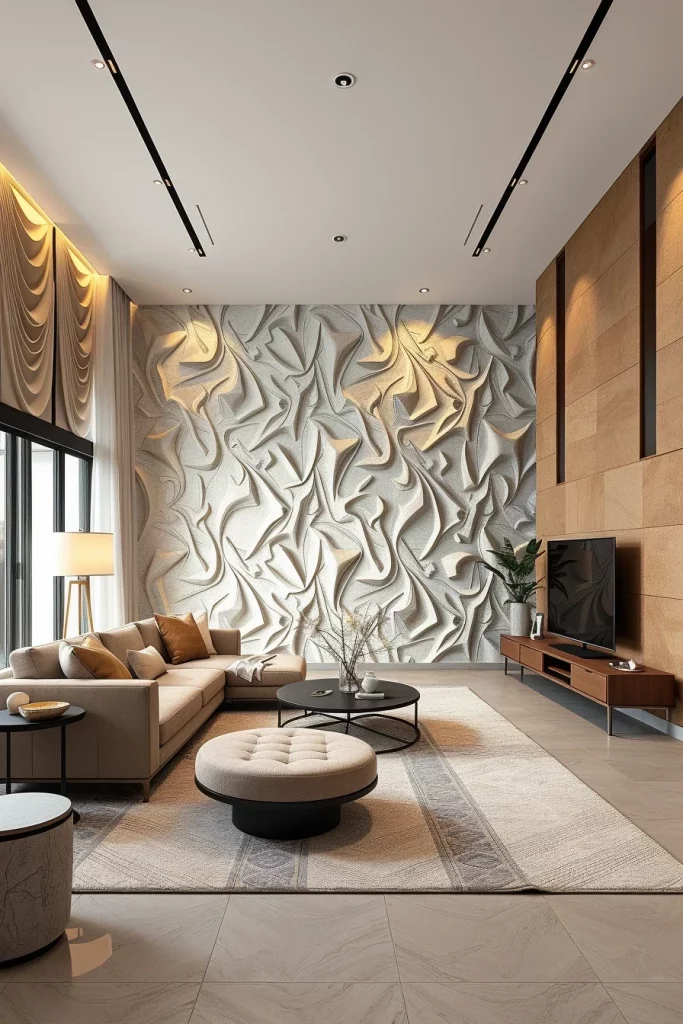
I like combining decorative panels with streamlined sofas, floating media consoles, minimalist shelving, sculptural lighting, and carefully selected artwork. The surrounding furniture should support the feature wall instead of competing with it. I also pay close attention to color consistency because similar tones allow texture to become the primary visual interest. Soft area rugs, woven accent chairs, and understated accessories complete the layered composition.
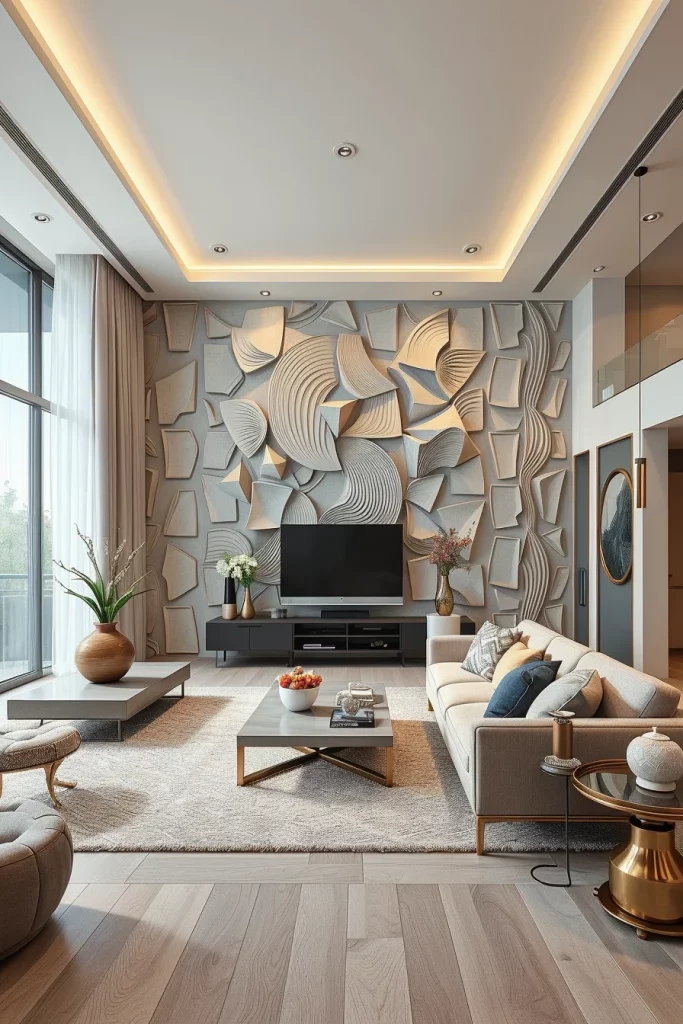
From my own experience, decorative wall treatments provide one of the highest visual impacts without requiring major structural changes. Many professional designers recommend repeating similar textures throughout the room in smaller details, and I have consistently found this creates a more unified and thoughtfully designed interior.
I would also consider incorporating hidden LED lighting along the edges of the decorative panels. Gentle indirect illumination emphasizes the three-dimensional surface while creating a warm atmosphere during the evening.
Using Concrete Finishes For Contemporary Style
Concrete finishes have become one of my favorite ways to create a sophisticated textured modern living room because they introduce subtle character without relying on bold colors or excessive decoration. I often use polished concrete, microcement, or decorative concrete coatings on feature walls, fireplaces, or flooring to establish a calm architectural foundation. The slightly imperfect surface reflects light differently throughout the day, allowing the room to feel dynamic while maintaining the clean aesthetic associated with contemporary interiors. Rather than making the room appear cold, concrete provides a balanced backdrop that highlights softer materials and carefully selected furnishings.
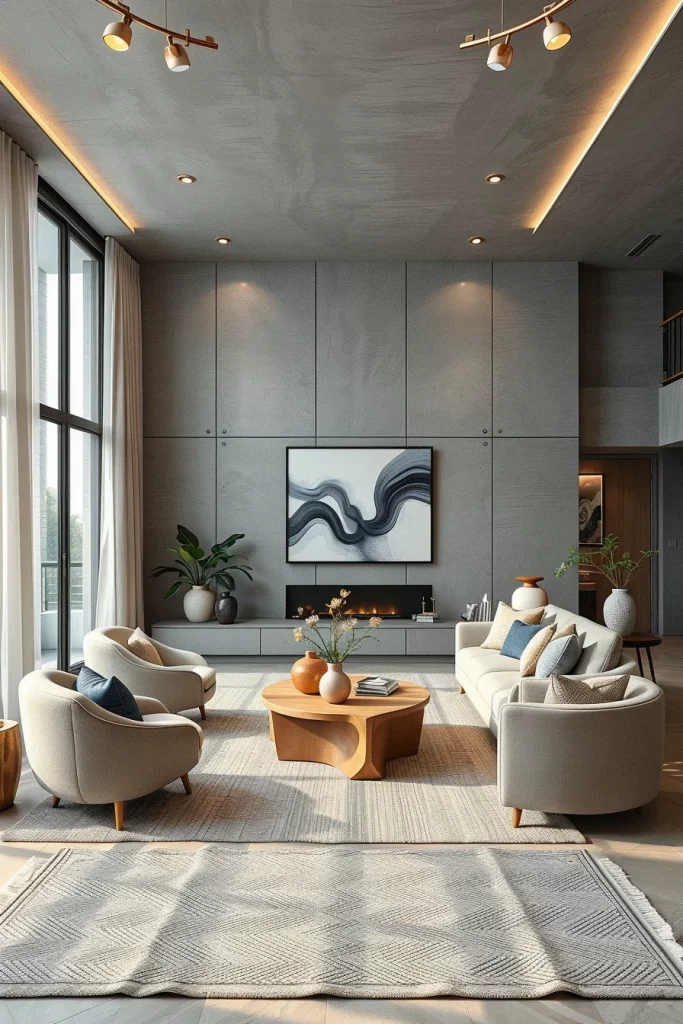
When I combine concrete finishes with furniture, I focus on contrast. Upholstered sofas in soft woven fabrics, boucle lounge chairs, curved ottomans, sculptural coffee tables, and textured area rugs prevent the space from feeling overly industrial. Matte black lighting fixtures, oversized ceramic vases, linen curtains, and natural stone accessories complement the concrete while introducing additional layers of texture. I also prefer concealed storage and floating furniture pieces because they reinforce the minimalist appearance without sacrificing functionality.
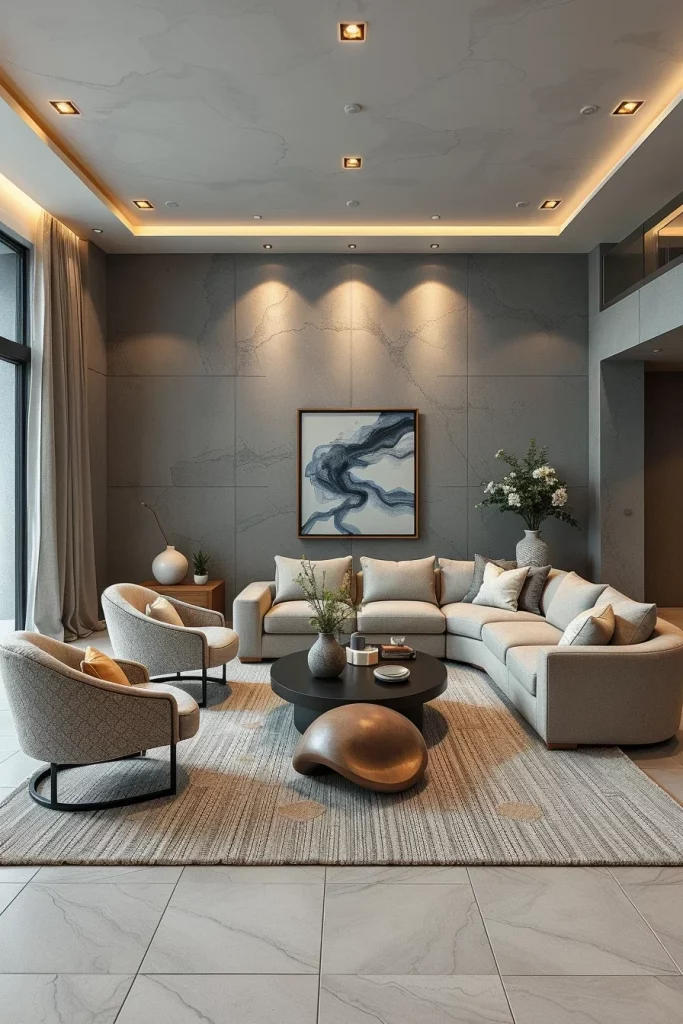
From my experience, designers frequently featured by Architectural Digest recommend balancing hard architectural materials with tactile fabrics to create a welcoming atmosphere. I have found this advice particularly valuable because concrete performs best when surrounded by comfortable seating and warm decorative accents. Instead of covering every surface with accessories, I allow the natural texture of the concrete itself to become one of the room’s defining features.
I also recommend incorporating indirect lighting that gently washes across concrete surfaces. This simple addition reveals subtle variations within the finish and gives the living room greater depth during both daytime and evening hours.
Marble Elements That Balance Texture And Elegance
Marble introduces timeless elegance while supporting the layered appearance of a textured modern living room. I enjoy using marble selectively rather than covering large surfaces because smaller applications create stronger visual impact. Coffee table tops, fireplace surrounds, console tables, side tables, or decorative objects made from marble provide beautiful contrast against softer fabrics and textured finishes. Natural veining ensures that every piece contributes unique character without overwhelming the overall design.
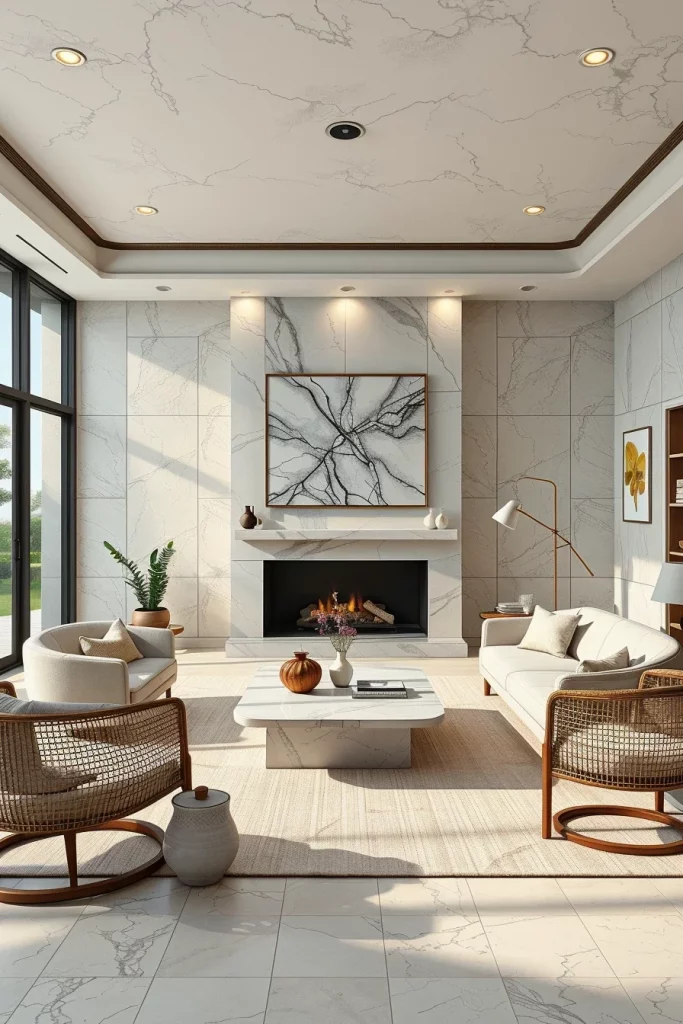
I usually pair marble with curved seating, woven textiles, textured plaster walls, soft rugs, and brushed metal accents to create balance between polished and tactile materials. Large-format marble slabs work beautifully around fireplaces or feature walls, while smaller marble accessories add refinement throughout the room. I also appreciate combining light marble with matte finishes because the contrast emphasizes both materials without creating visual competition.
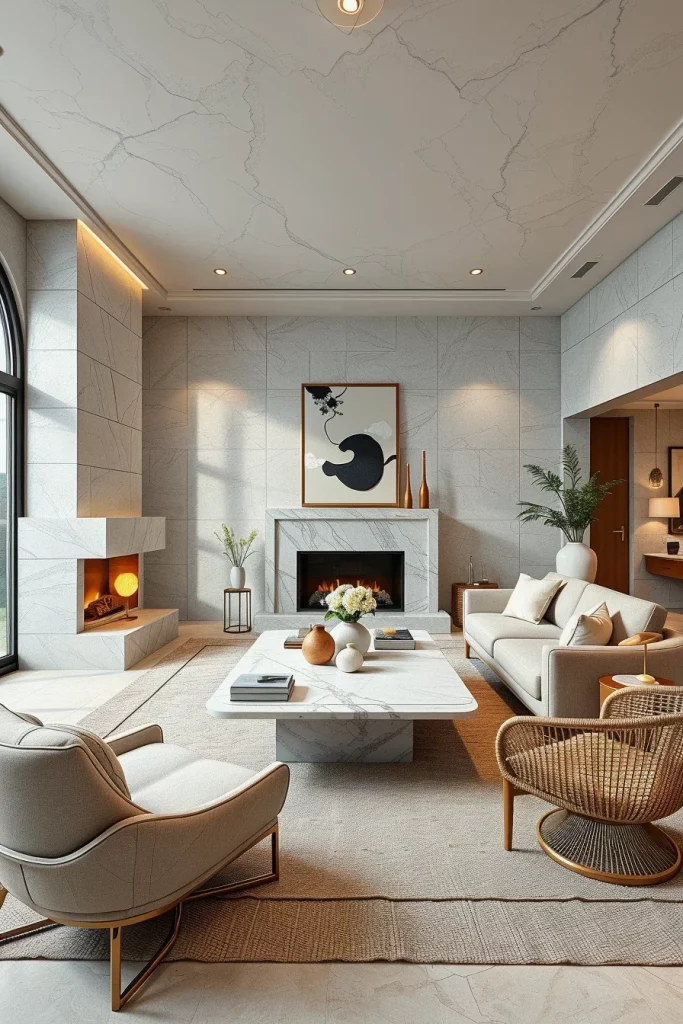
Personally, I appreciate advice often shared by Elle Decor, where designers recommend treating natural stone as a statement rather than a repetitive pattern. Following this principle has consistently helped me create interiors that remain elegant for years instead of following short-lived trends. Marble feels especially successful when surrounded by simple furniture that allows its natural beauty to become the focal detail.
To complete this section of the design, I suggest adding subtle stone accessories such as candle holders, sculptural bowls, or decorative trays that repeat the marble finish in smaller, carefully curated accents.
Textured Lighting Fixtures That Double As Art
Lighting should do much more than illuminate a room. In my opinion, textured lighting fixtures can become sculptural artwork that enhances every other element within a textured modern living room. I often select pendant lights, chandeliers, floor lamps, or wall sconces featuring ribbed glass, woven materials, textured metal, ceramic shades, or sculptural plaster forms. These fixtures create interesting shadows while becoming decorative features even when they are switched off.
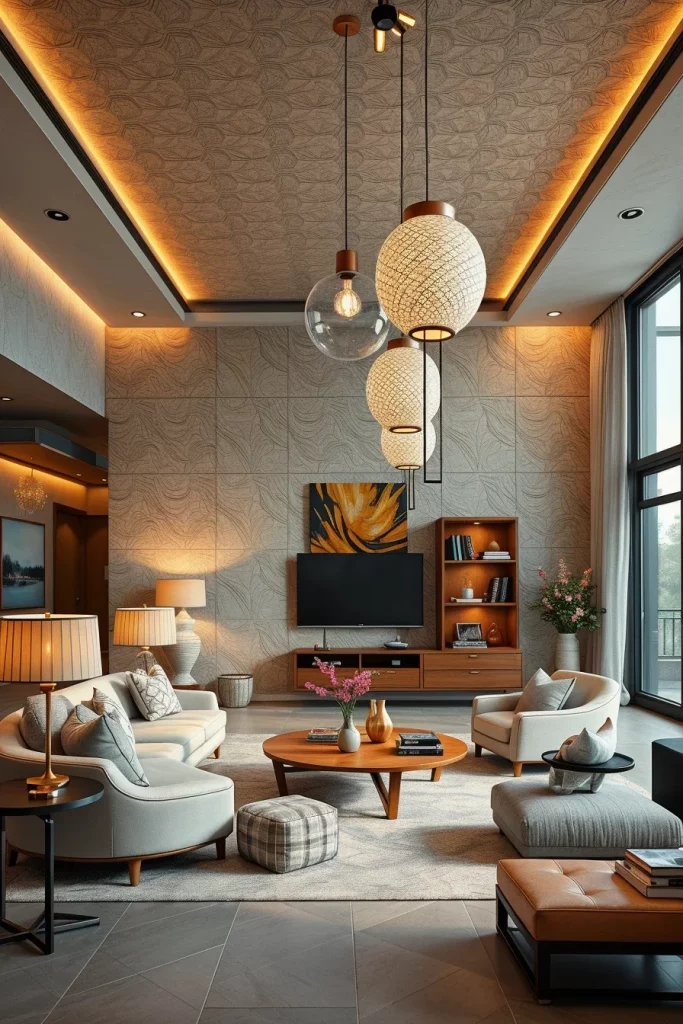
I pay close attention to layering different light sources throughout the room. A sculptural pendant above the coffee table, recessed ceiling lighting, discreet wall sconces, and elegant floor lamps work together to provide flexibility for different activities. I also like positioning lighting near textured walls, decorative panels, or shelving because the illumination enhances every surface. Comfortable seating, contemporary side tables, and carefully selected accessories complete the composition without distracting from the lighting itself.
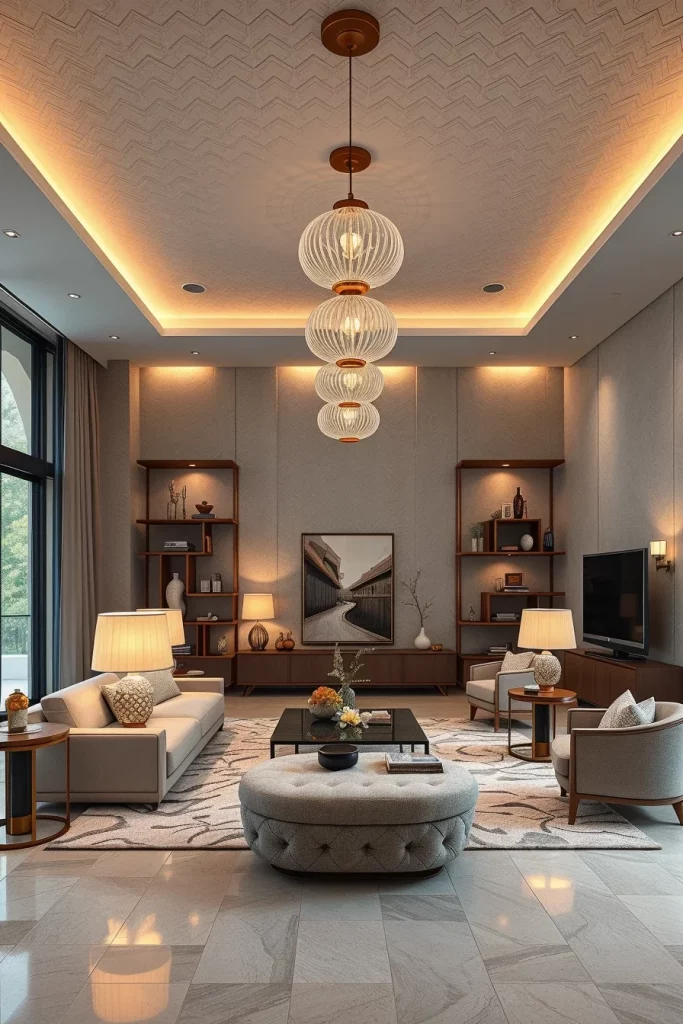
From my own experience, I have learned that high-quality lighting dramatically influences how every texture is perceived. Designers frequently recommend using warm color temperatures in living spaces, and I completely agree because warmer lighting softens modern interiors while allowing textured finishes to appear more natural and inviting throughout the evening.
If I were refining this space further, I would include dimmable lighting controls. They allow every textured surface to appear different depending on the mood, making the living room far more adaptable throughout the day.
Creating Contrast With Matte And Glossy Finishes
One of the simplest techniques I use to create visual depth is combining matte and glossy finishes throughout the living room. Instead of relying solely on color, I allow different surface reflections to generate subtle contrast that makes the interior feel layered and sophisticated. Matte walls, textured fabrics, and soft upholstery establish a calm foundation, while glossy stone, glass, lacquered furniture, or polished metal introduce carefully controlled highlights. This balance creates movement without making the room feel busy.
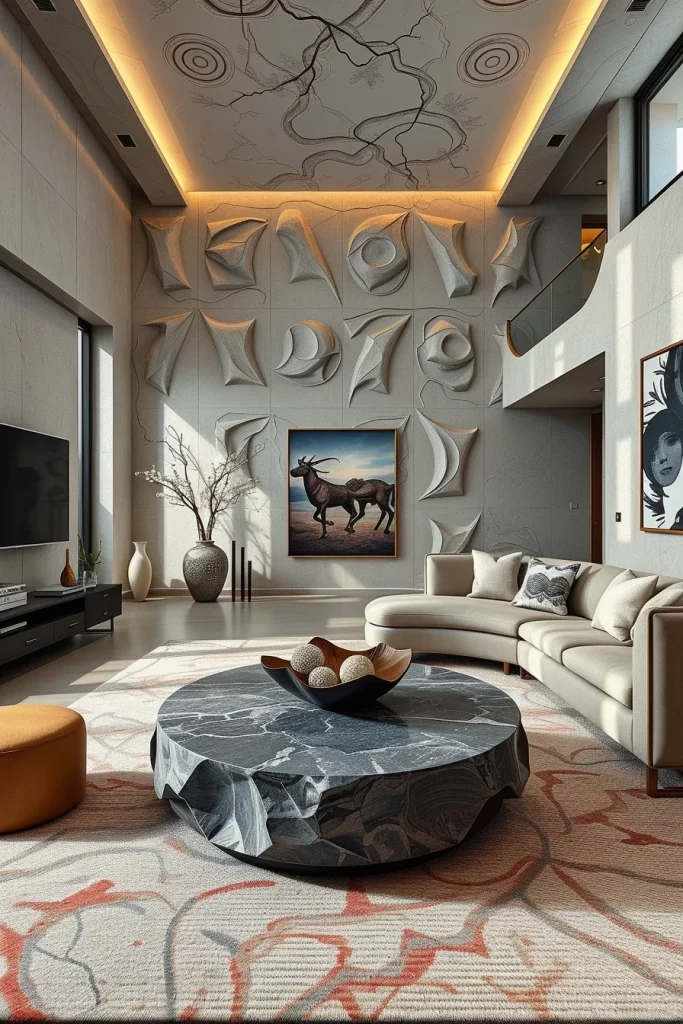
I enjoy pairing matte sofas with polished stone coffee tables, textured rugs with glossy ceramic vases, and soft drapery with reflective lighting fixtures. Glass shelving, satin-finish cabinetry, contemporary mirrors, and metallic accents further diversify the surfaces while preserving the clean lines of modern design. Every finish should complement its surroundings rather than dominate the room individually.
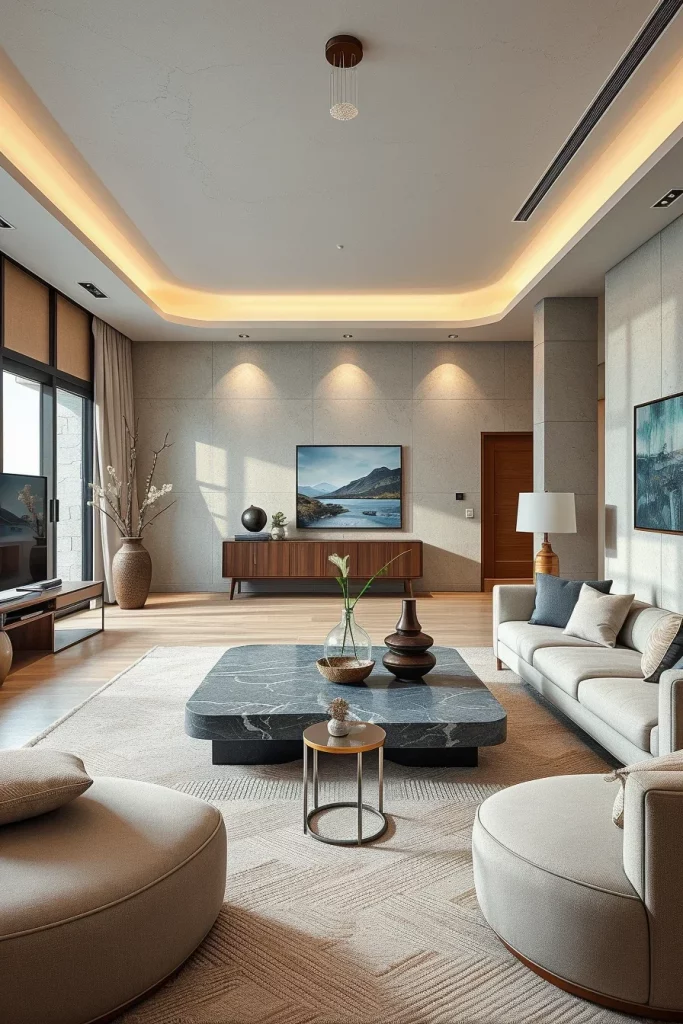
I have found that restraint is the key to successfully mixing finishes. Many respected interior designers recommend repeating each finish several times throughout the room instead of concentrating glossy materials in one location. I have followed this principle in many projects, and it consistently creates interiors that feel cohesive instead of random.
I would also recommend introducing subtle mirrored details or smoked glass accessories to strengthen the dialogue between matte and reflective surfaces without interrupting the room’s overall harmony.
Cozy Seating Arrangements With Layered Materials
Comfort should always remain at the center of a textured modern living room, and I believe layered seating arrangements accomplish this beautifully. I begin by arranging a spacious sectional or sofa with complementary lounge chairs that encourage conversation while maintaining generous circulation. Multiple textures, including boucle, linen, velvet, woven fabrics, and soft wool, create visual warmth that immediately makes the room feel welcoming. Layering these materials also prevents large seating groups from appearing flat or monotonous.
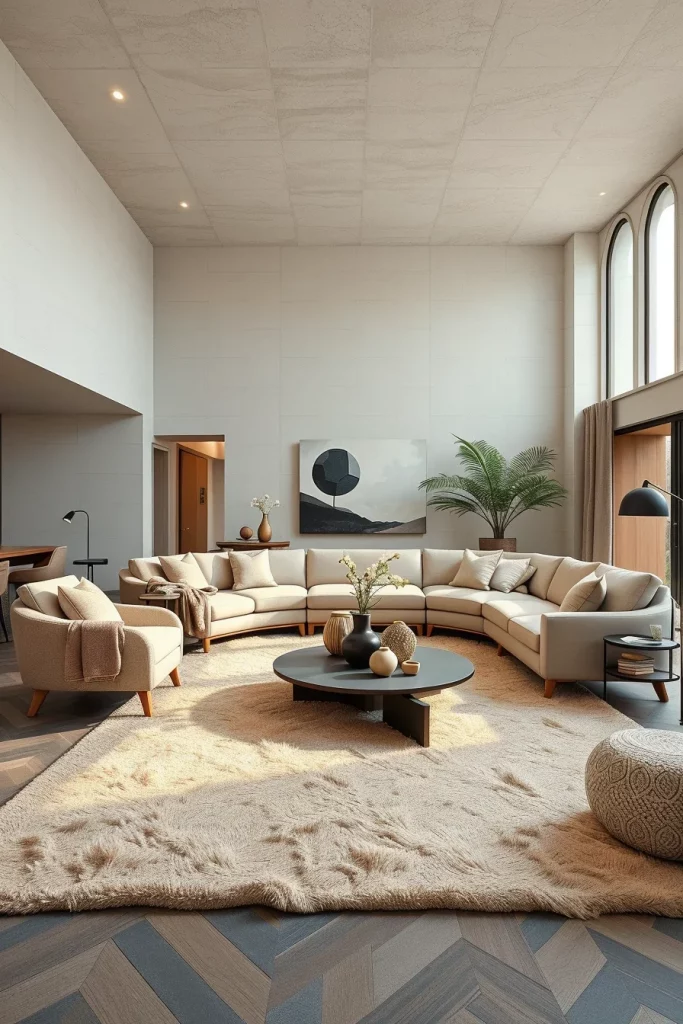
I carefully select accent pillows, textured throws, ottomans, sculptural side tables, and generously sized rugs that unify the seating area. Rounded furniture silhouettes soften modern architecture, while side tables provide convenient surfaces without overwhelming the layout. I also leave enough open space between furniture pieces so the room feels comfortable rather than crowded. Every seating choice should support both relaxation and everyday functionality.
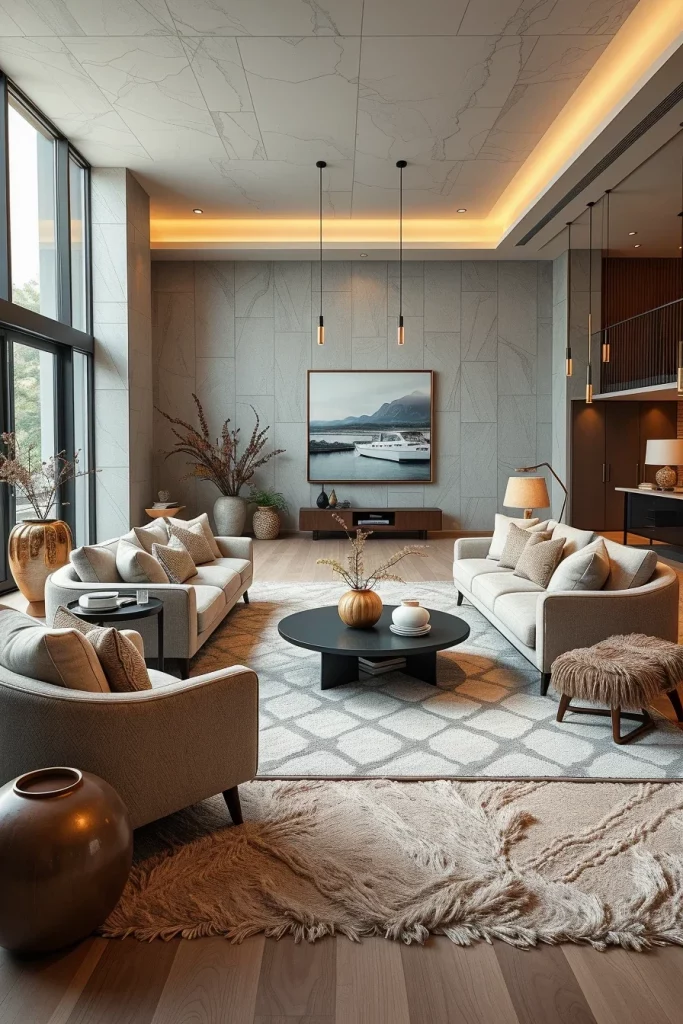
Personally, I believe that comfortable furniture always outperforms overly decorative interiors. Designers featured by House Beautiful often emphasize creating conversation-friendly layouts before adding decorative details, and I have consistently found this advice to be practical. When people naturally want to gather and spend time together, the design has achieved its purpose regardless of changing trends.
To make this arrangement even more inviting, I would incorporate oversized textured cushions, adjustable accent lighting, a large area rug that anchors every seat, and a few handcrafted decorative accessories that reinforce the layered character of the room.
Oversized Artwork That Complements Textured Interiors
I always consider oversized artwork one of the easiest ways to complete a textured modern living room because it introduces a strong visual focal point without overwhelming the overall design. Large-scale abstract paintings, sculptural wall panels, or minimalist canvas collections help emphasize the surrounding textures instead of competing with them. When textured plaster walls, natural stone, ribbed finishes, and soft textiles are already present, artwork should reinforce the layered composition rather than introduce unnecessary visual noise. I prefer selecting pieces with restrained color palettes that echo the existing finishes throughout the room.
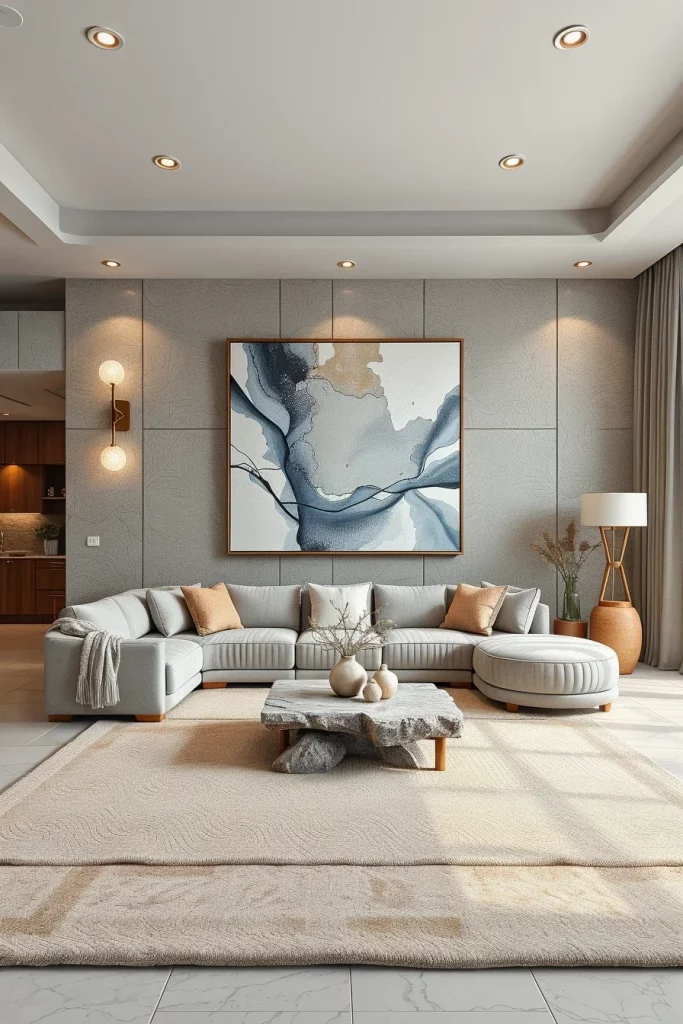
I usually combine oversized artwork with low-profile modular seating, a sculptural coffee table, textured area rugs, curved accent chairs, built-in shelving, concealed storage, and layered lighting. Each element serves a practical purpose while contributing another tactile surface that enriches the room. Matte ceramics, linen upholstery, boucle fabrics, fluted wood accents, stone side tables, and brushed metal lighting fixtures create subtle contrast that keeps the interior visually interesting from every angle. I also leave generous wall space around the artwork so the composition feels intentional instead of crowded.
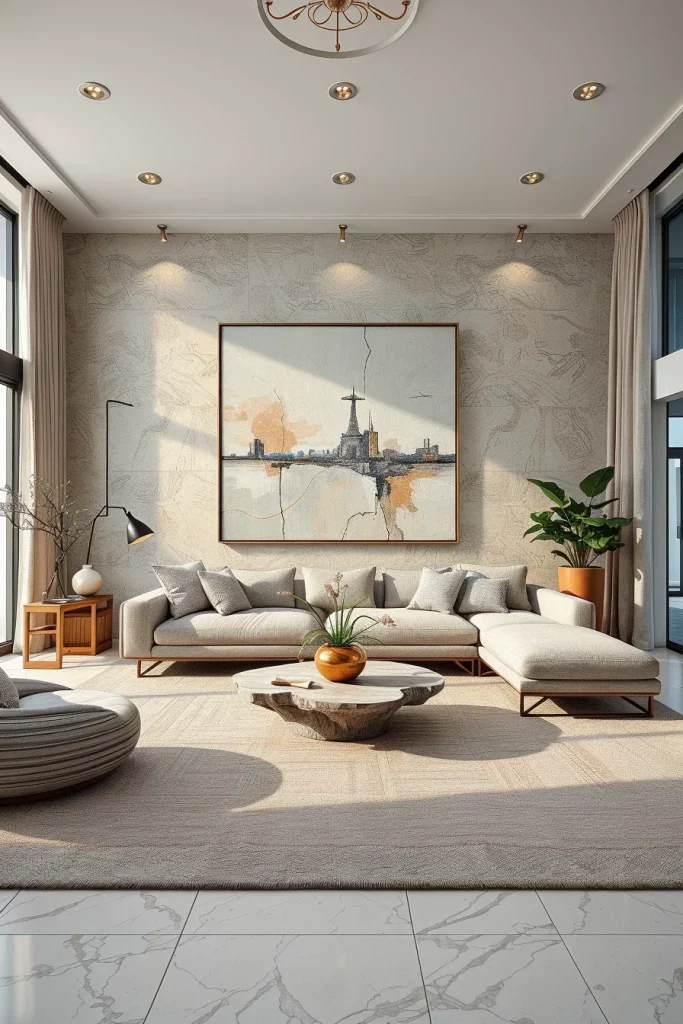
From my experience, many respected American designers and publications such as Architectural Digest recommend treating large artwork as an integral architectural element instead of an accessory. I completely agree because oversized art often establishes the room’s personality before smaller decorative details are added. Rather than filling every wall, I prefer allowing one impressive piece to become the visual anchor while every textured surface quietly supports it.
To strengthen this design even further, I would add carefully positioned wall washers or recessed accent lighting aimed directly at the artwork. Proper illumination enhances both the artwork itself and the surrounding textured surfaces, creating subtle shadows that increase the sense of depth throughout the living room.
Modern Storage Solutions With Distinctive Surface Details
I believe storage should contribute to the design instead of disappearing completely. In a textured modern living room, cabinets, media units, and shelving with fluted panels, ribbed doors, stone fronts, or textured laminates introduce additional character while maintaining excellent organization. Instead of relying on ornamentation, I use interesting surface treatments that make functional furniture feel custom-made and architecturally integrated.
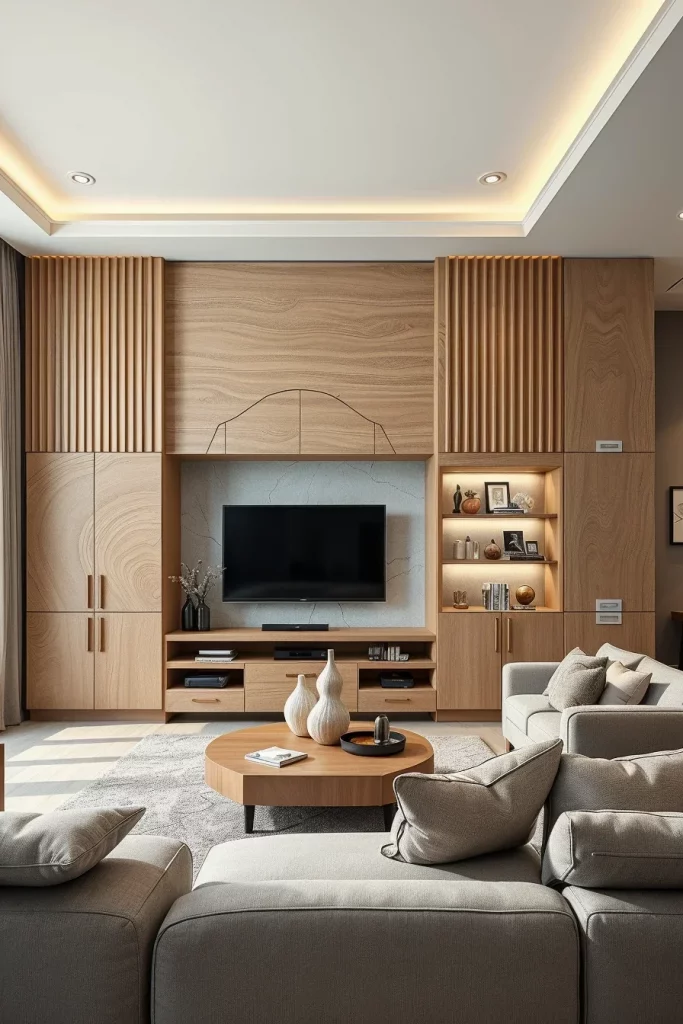
I often recommend full-wall built-in cabinets with concealed handles, floating media consoles, modular shelving, integrated LED lighting, and closed compartments that reduce visual clutter. Textured oak veneers, matte lacquer finishes, stone composite panels, smoked glass inserts, and brushed aluminum details work beautifully together without making the room feel heavy. Decorative books, sculptural vases, handcrafted bowls, and ceramic objects can be displayed selectively to create balanced visual rhythm while preserving a clean modern appearance.
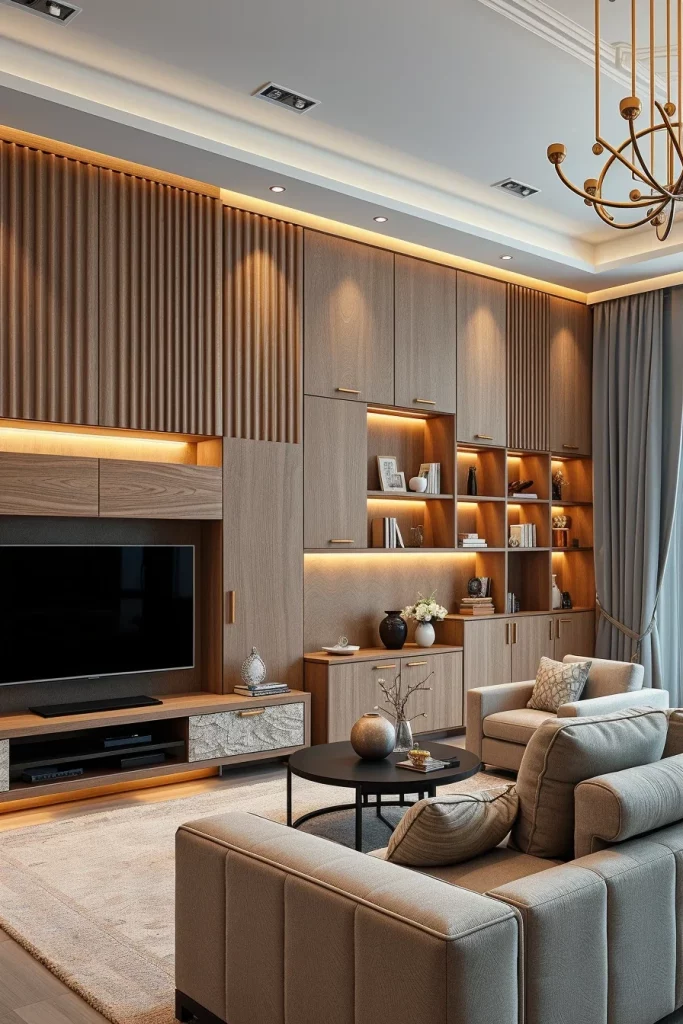
Personally, I have found that clients appreciate storage solutions that combine aesthetics with daily functionality. Interior designers frequently emphasize that thoughtful organization allows architectural textures to remain the primary visual feature instead of being hidden behind unnecessary accessories. I have noticed that rooms with integrated storage consistently feel larger, calmer, and more refined.
If I wanted to improve this concept further, I would include custom display niches finished with the same textured materials as the cabinetry. These illuminated recesses create elegant focal points while providing dedicated space for carefully selected decorative pieces.
Organic Shapes That Soften Textured Living Rooms
Although textured materials often introduce strong geometric lines, I always balance them with organic forms that soften the overall atmosphere. Curved sofas, rounded coffee tables, sculptural lounge chairs, and flowing architectural details prevent the room from feeling overly rigid. The combination of structured surfaces and soft silhouettes creates a welcoming environment that remains unmistakably modern.
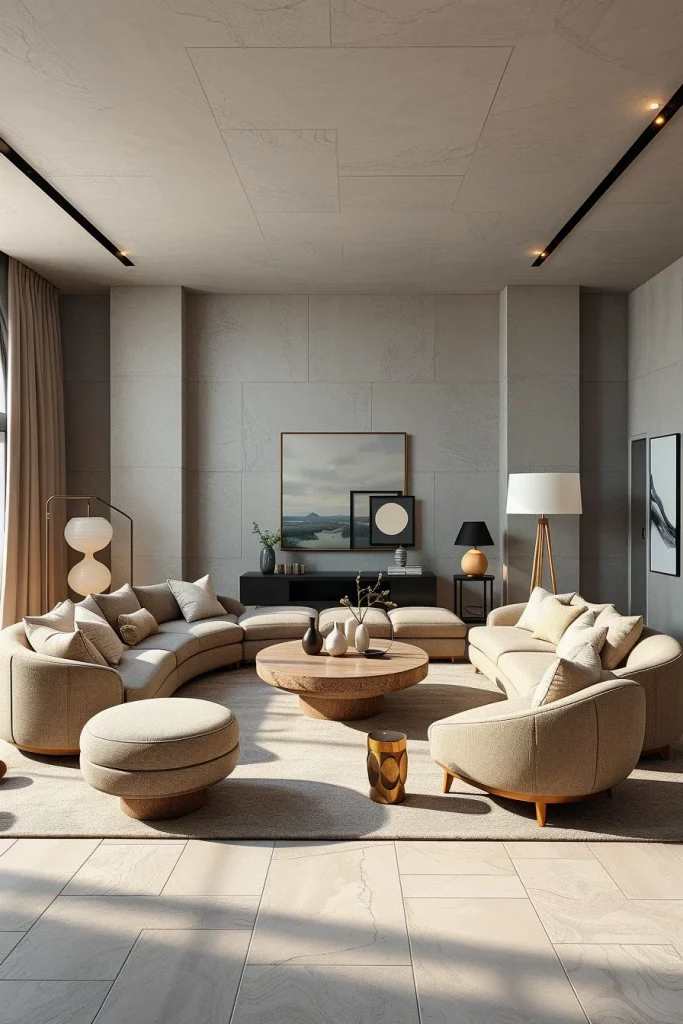
I enjoy pairing curved sectionals with oval stone coffee tables, rounded side tables, softly shaped floor lamps, arched shelving, circular rugs, and gently curved ceiling details. Upholstery in boucle, linen, or textured woven fabrics reinforces the tactile quality of the room, while smooth stone and matte finishes create subtle visual contrast. Every furniture piece contributes to a harmonious composition where curves naturally guide movement throughout the living area.
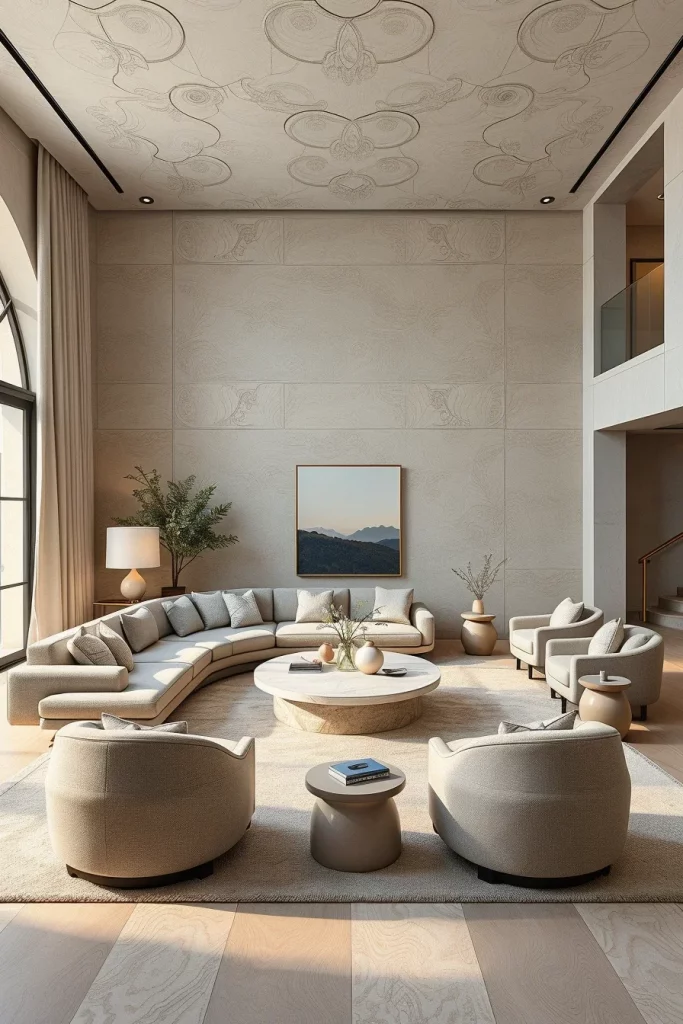
In my opinion, the growing popularity of organic forms reflects a broader movement toward interiors that prioritize comfort without abandoning contemporary design principles. Many respected designers have embraced curved furniture because it creates better conversation areas while visually softening modern architecture. I consistently find that these gentle forms make textured interiors feel more relaxed and approachable.
To complete this section, I would introduce sculptural indoor trees or large ceramic planters with restrained greenery only if they complement the existing palette. Used sparingly, these natural elements reinforce the organic character without distracting from the architectural textures.
Decorative Accessories That Add Subtle Texture
I believe decorative accessories should quietly support the room rather than dominate it. In a textured modern living room, carefully selected accessories introduce additional layers through material, craftsmanship, and finish instead of bright colors or excessive decoration. Small details often determine whether a space feels thoughtfully curated or unfinished.
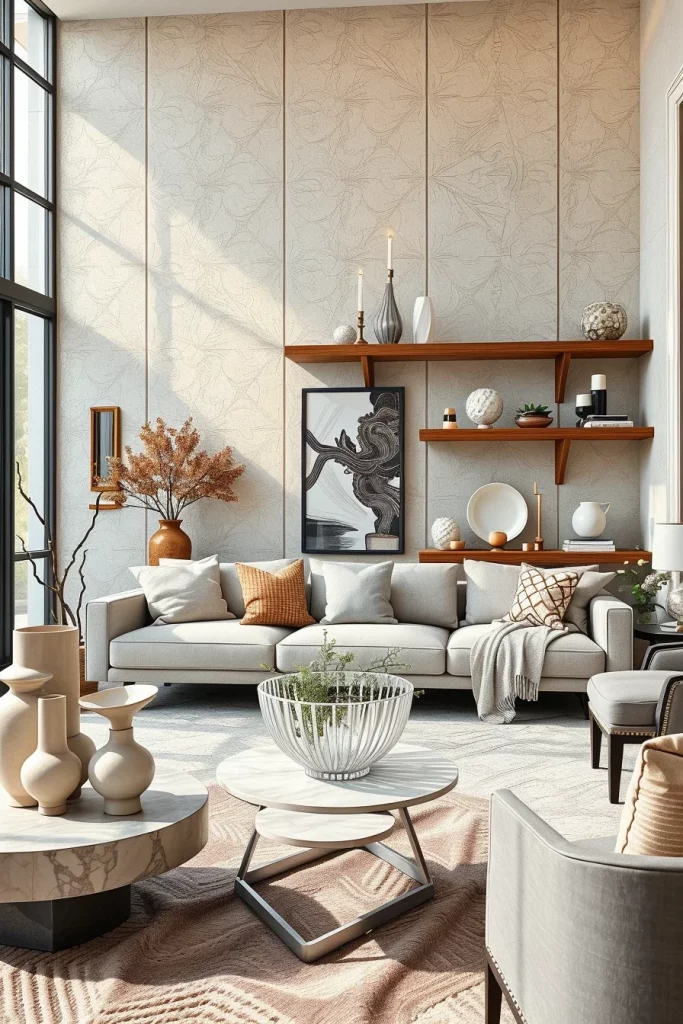
I usually decorate with handmade ceramic vases, travertine bowls, textured glass objects, linen cushions, boucle throws, sculptural candle holders, woven baskets, and stone trays. I prefer displaying only a few meaningful pieces on coffee tables, open shelving, or console tables because restrained styling allows every object to receive proper visual attention. Combining matte finishes with polished accents creates gentle contrast that enriches the overall composition.
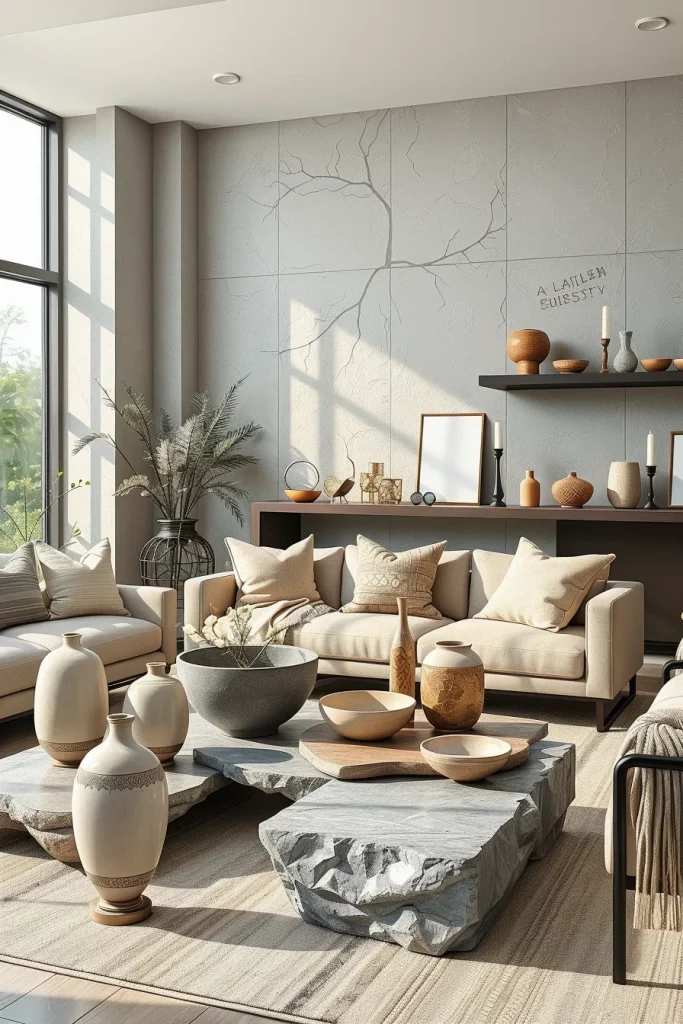
Personally, I always remind myself that editing is just as important as decorating. Many professional stylists recommend removing accessories until every remaining object serves a clear visual purpose, and I have found this advice extremely valuable. Instead of filling every available surface, I intentionally leave empty space that allows textured materials to remain the primary feature.
One detail I would add is a collection of books with linen or neutral fabric covers arranged horizontally and vertically. Besides adding another layer of texture, they introduce personality while maintaining the calm atmosphere of the room.
Balancing Open Space With Rich Interior Layers
One challenge I frequently encounter is achieving a balance between openness and layered design. A successful textured modern living room feels spacious while still offering visual richness through materials, furniture, lighting, and carefully controlled decorative elements. I avoid overcrowding because every texture deserves room to be appreciated.
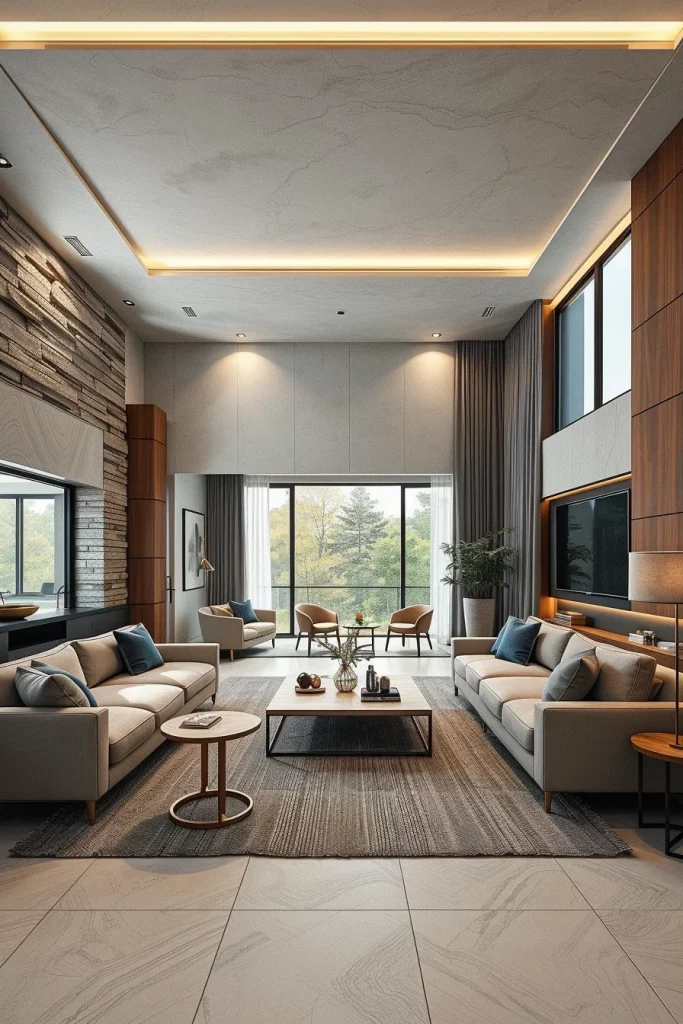
I typically organize the room using generous circulation paths, modular seating, floating furniture arrangements, textured area rugs, floor-to-ceiling curtains, integrated shelving, statement lighting, and large architectural surfaces. Layering plaster walls, natural stone, wood veneers, soft upholstery, glass, and brushed metal creates complexity without sacrificing openness. Each layer contributes to the overall experience while remaining visually connected to the surrounding materials.
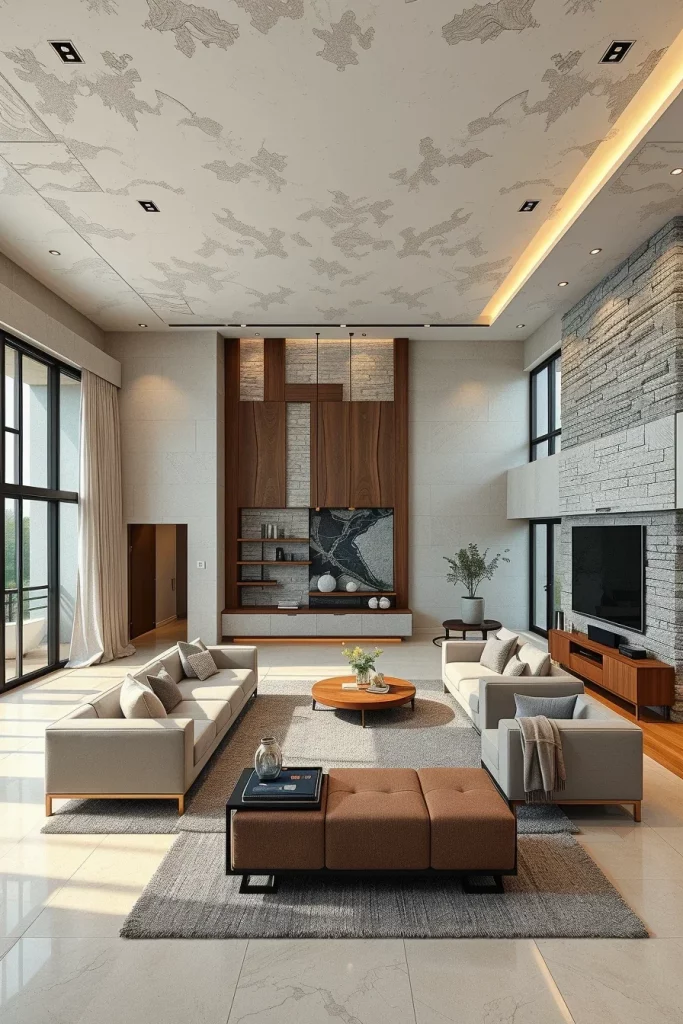
From my perspective, restraint is the key to successful layered interiors. I often notice that the most memorable modern living rooms rely on fewer but higher-quality materials instead of excessive decoration. This approach creates interiors that continue to feel elegant even as design trends evolve over time.
To strengthen this composition, I would carefully evaluate natural and artificial lighting throughout the day. Layered illumination from recessed fixtures, wall lighting, table lamps, and concealed LED strips highlights every textured surface while preserving the spacious character of the room.
Large Windows That Showcase Interior Textures
I always consider large windows one of the most valuable architectural features in a textured modern living room because they reveal the true beauty of every material throughout the day. Natural daylight changes continuously, creating soft shadows across textured plaster walls, stone surfaces, ribbed panels, woven fabrics, and sculptural furniture. Instead of relying solely on artificial lighting, I prefer allowing sunlight to emphasize every layer naturally. Large windows also strengthen the connection between the interior and the surrounding landscape, making the room feel brighter and more spacious.
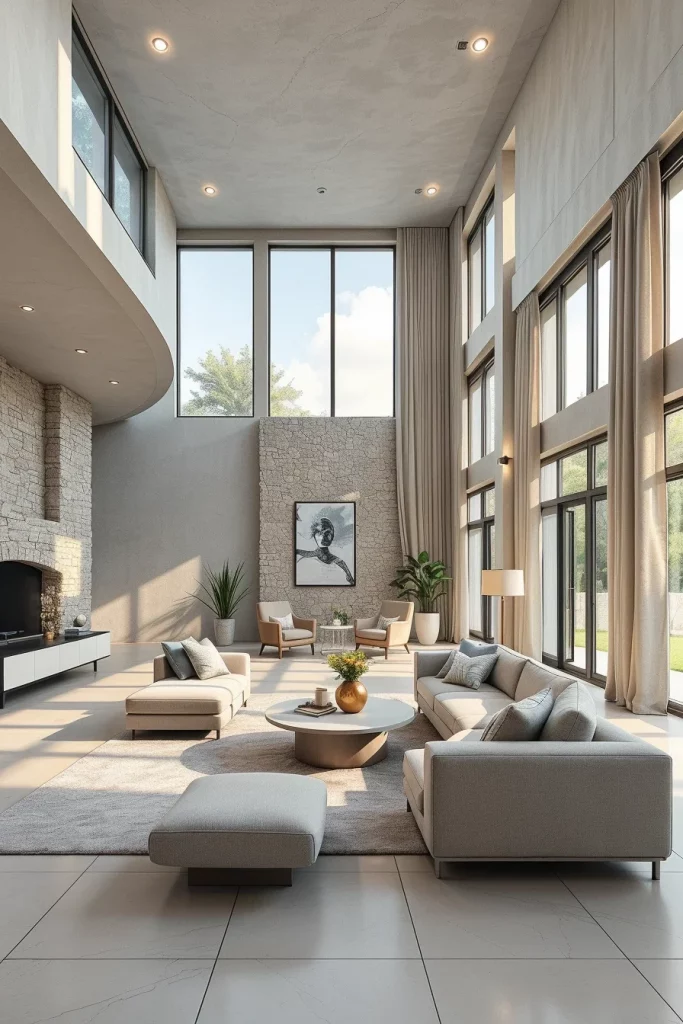
I usually pair expansive windows with floor-to-ceiling linen curtains, slim black or bronze window frames, modular seating, textured area rugs, sculptural coffee tables, floating shelving, and neutral upholstery. I avoid placing bulky furniture directly in front of the glass because uninterrupted views make the room appear larger. Matte finishes work especially well beside natural light because they prevent glare while allowing textures to remain clearly visible from every angle.
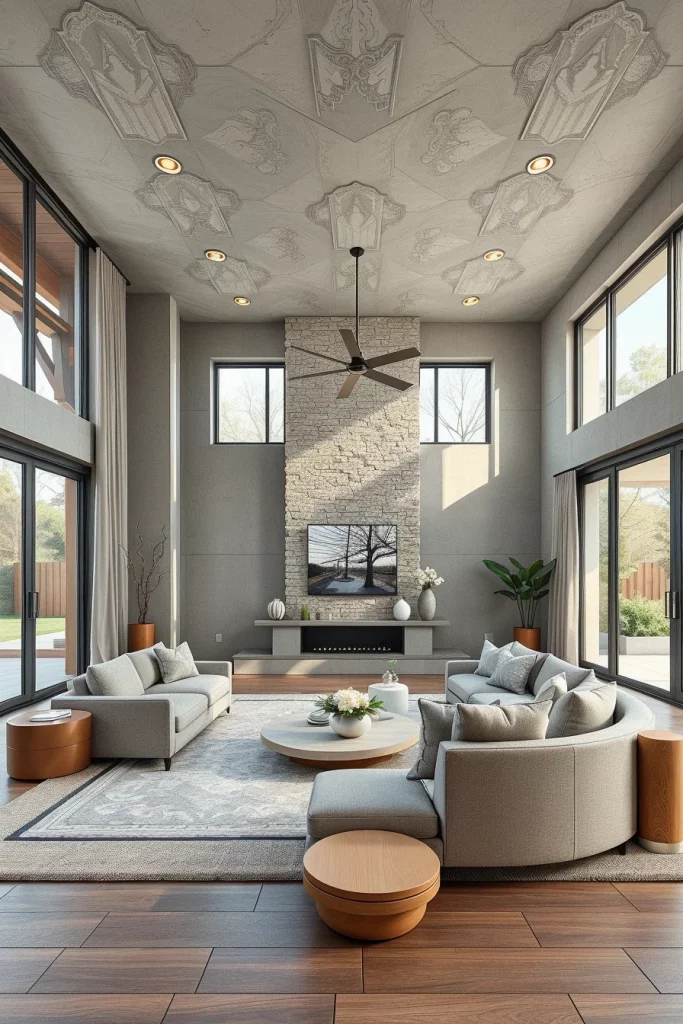
From my experience, many leading interior designers recommend designing the room around natural light before selecting decorative elements. I completely agree with this philosophy because textured materials respond differently throughout the day, producing subtle variations that artificial lighting alone cannot recreate. I have found that interiors designed with daylight in mind remain visually interesting regardless of the season.
To complete this design, I would include layered lighting for the evening, combining recessed ceiling fixtures, wall washers, and discreet floor lamps. This combination preserves the same sense of depth after sunset that natural daylight creates during the day.
Textured Flooring Ideas For Modern Living Rooms
I believe flooring establishes the visual foundation of every textured modern living room. Before selecting furniture or decorative accessories, I focus on choosing a floor that introduces subtle texture while remaining practical for everyday living. Whether I use large-format porcelain, natural stone, engineered wood, polished concrete, or microcement, I always make sure the flooring complements the surrounding architectural finishes instead of competing with them.
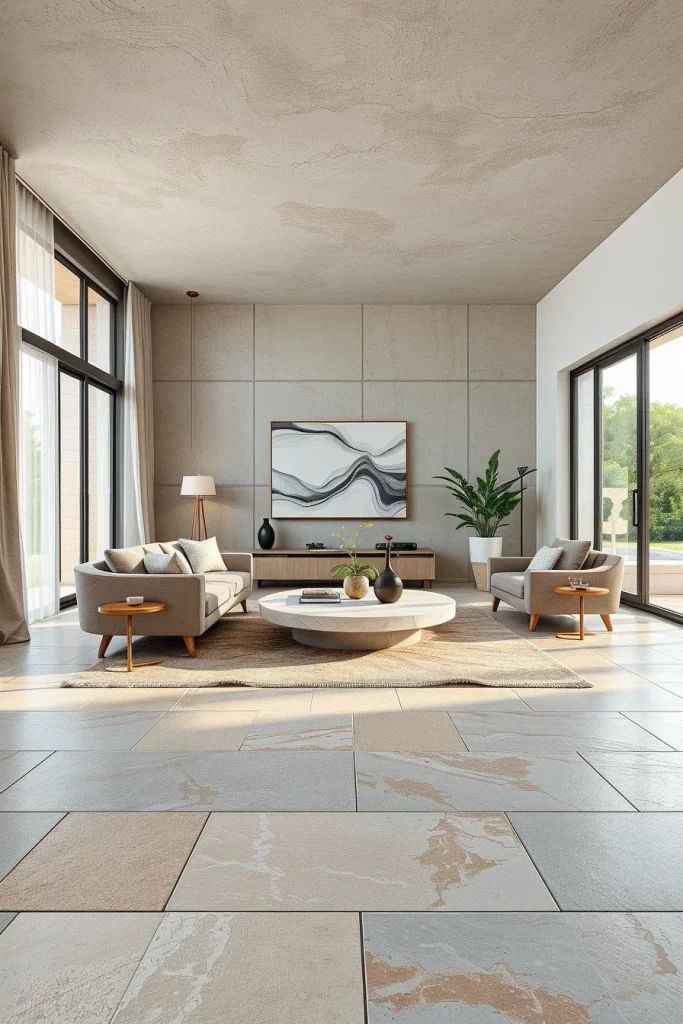
I often combine textured flooring with oversized rugs that define conversation areas without hiding the beauty of the floor beneath. Low-profile furniture, floating media units, curved seating, stone coffee tables, and sculptural side tables work together to create a balanced composition. I also pay close attention to transitions between flooring materials because seamless continuity contributes to the clean appearance associated with modern interiors.
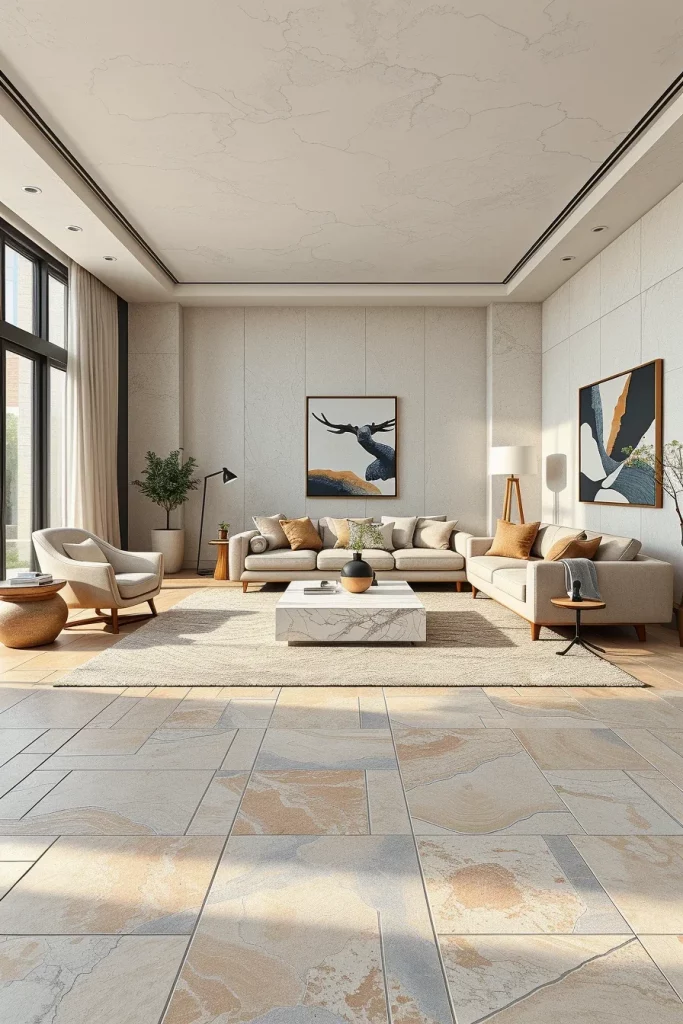
Personally, I prefer flooring with soft tactile variation rather than highly polished surfaces. Many professional designers point out that subtle texture improves visual warmth while helping conceal everyday wear. I have consistently noticed that rooms with gently textured floors remain attractive even after years of regular use.
One addition I would recommend is underfloor heating whenever possible. Besides improving comfort, it allows greater flexibility when arranging furniture because there is less dependence on visible heating elements throughout the room.
Creating A Cohesive Color And Texture Palette
Whenever I design a textured modern living room, I begin with a carefully limited color palette before introducing different materials. A restrained combination of warm whites, soft beige, taupe, charcoal, muted gray, and earthy tones allows texture to become the primary visual feature. Instead of depending on bold colors, I create interest through variation in surface finishes, fabric weaves, stone patterns, and architectural details.
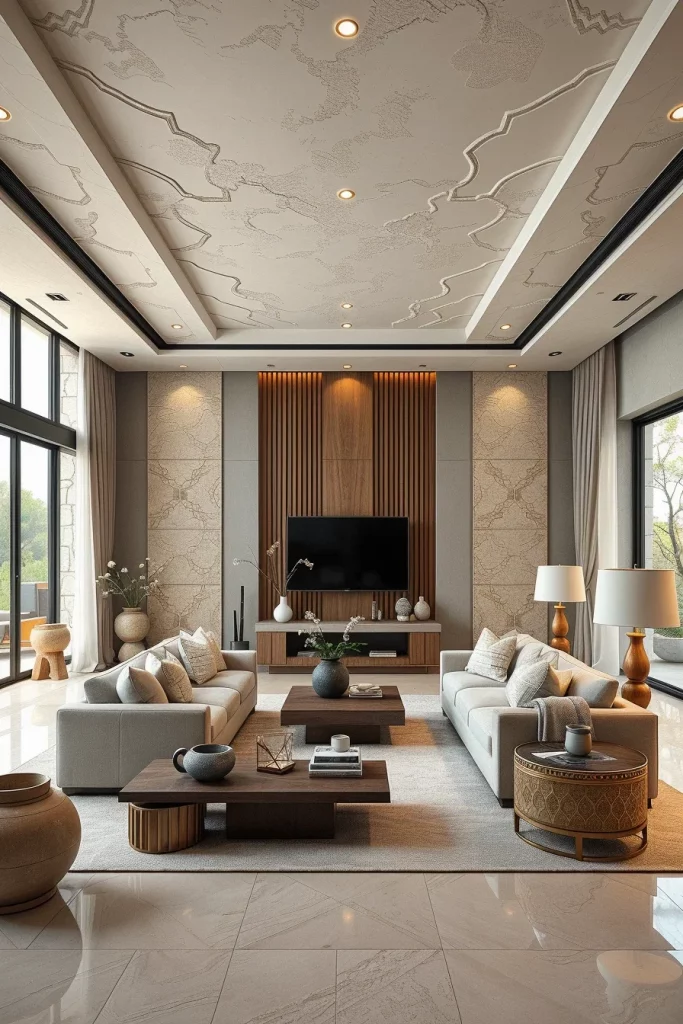
I usually layer textured plaster, natural stone, fluted wood, boucle upholstery, linen curtains, matte ceramics, brushed metal lighting, woven rugs, and minimalist furniture within the same color family. This approach produces depth while maintaining visual harmony throughout the space. Accent colors are introduced sparingly through artwork, decorative objects, or carefully selected cushions rather than dominating the overall design.
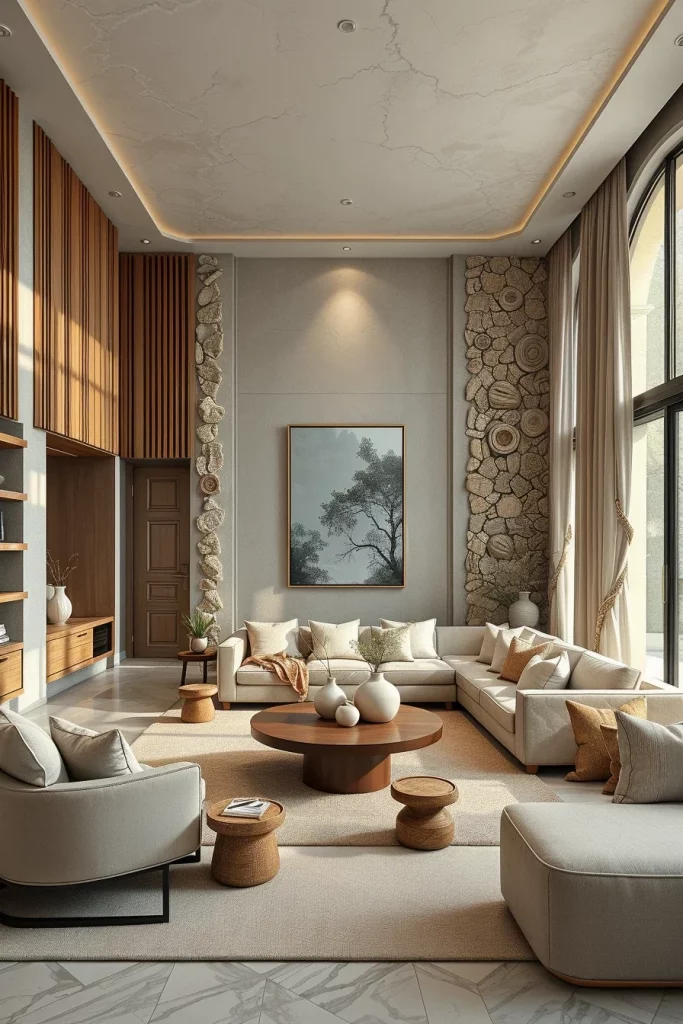
In my opinion, maintaining consistency across both color and texture requires discipline. I often remind myself that every new material should strengthen the overall concept instead of introducing unnecessary contrast. Design publications frequently emphasize the importance of limiting the material palette, and I have found this advice especially valuable in contemporary interiors where simplicity is essential.
If I wanted to improve this palette further, I would prepare physical material samples before making final decisions. Seeing fabrics, stone, wood, and paint together under natural light helps prevent unexpected combinations after installation.
Common Texture Mistakes To Avoid In Modern Interiors
One of the most common mistakes I see is adding texture without considering balance. A textured modern living room should feel layered, not cluttered. Mixing too many heavily textured materials, strong patterns, or unrelated finishes often creates visual confusion instead of sophistication. I prefer selecting fewer materials with higher quality rather than filling the room with competing surfaces.
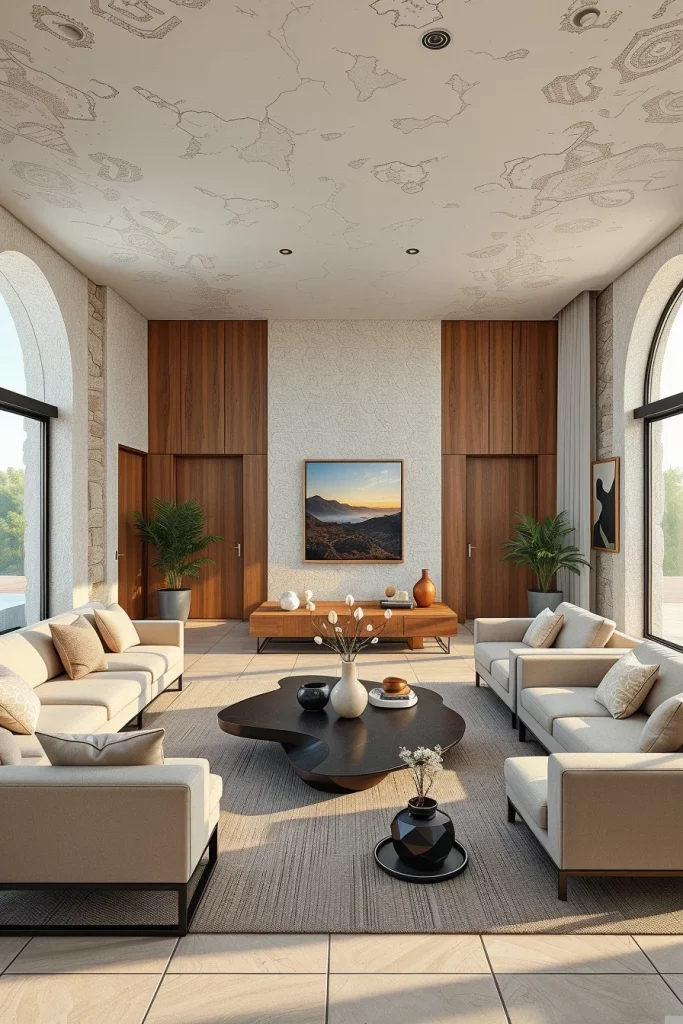
I avoid combining several dominant stones, multiple bold wood grains, excessive decorative accessories, oversized patterned rugs, and numerous accent colors within the same space. Instead, I create hierarchy by allowing one or two materials to become the primary focus while supporting them with quieter finishes. Consistent lighting and generous negative space also help every texture stand out more effectively.
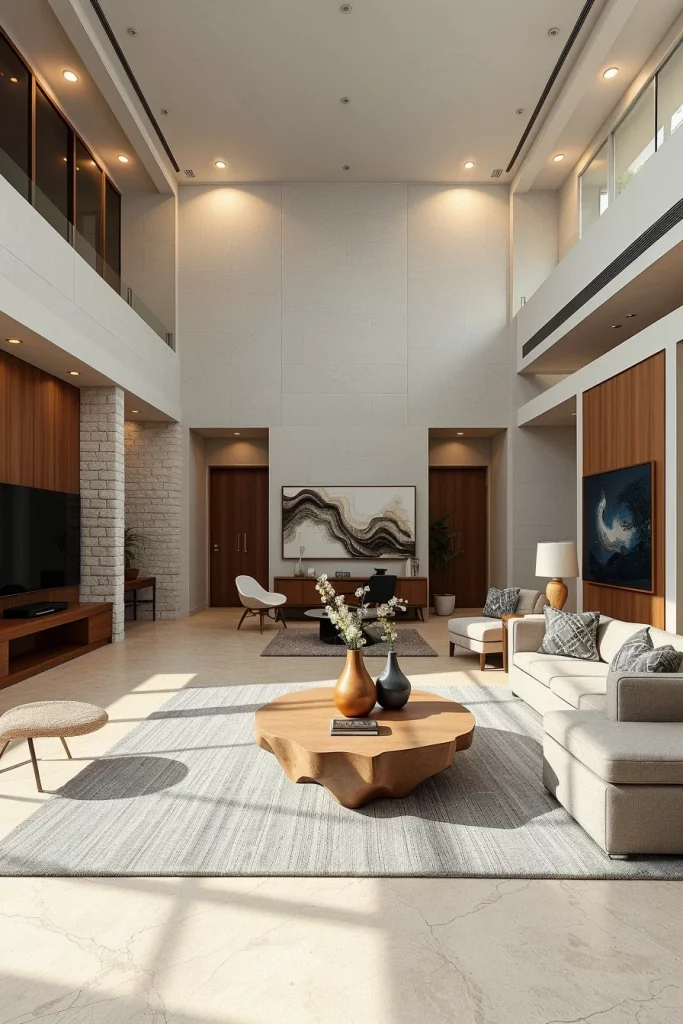
From my own projects, I have learned that restraint almost always produces stronger interiors. Many experienced designers recommend editing the room after it is fully furnished by removing unnecessary accessories and evaluating every object individually. I regularly follow this process because it reveals which elements genuinely improve the overall composition.
Another important consideration is maintenance. Before selecting highly textured materials, I always evaluate how easily they can be cleaned and maintained so the room continues looking refined over time.
Designing A Timeless Textured Modern Living Room
For me, creating a timeless textured modern living room is never about following temporary trends. Instead, I focus on architectural quality, carefully selected materials, functional furniture, balanced proportions, and thoughtful lighting. When every element works together naturally, the room remains elegant for many years without requiring constant redesign.
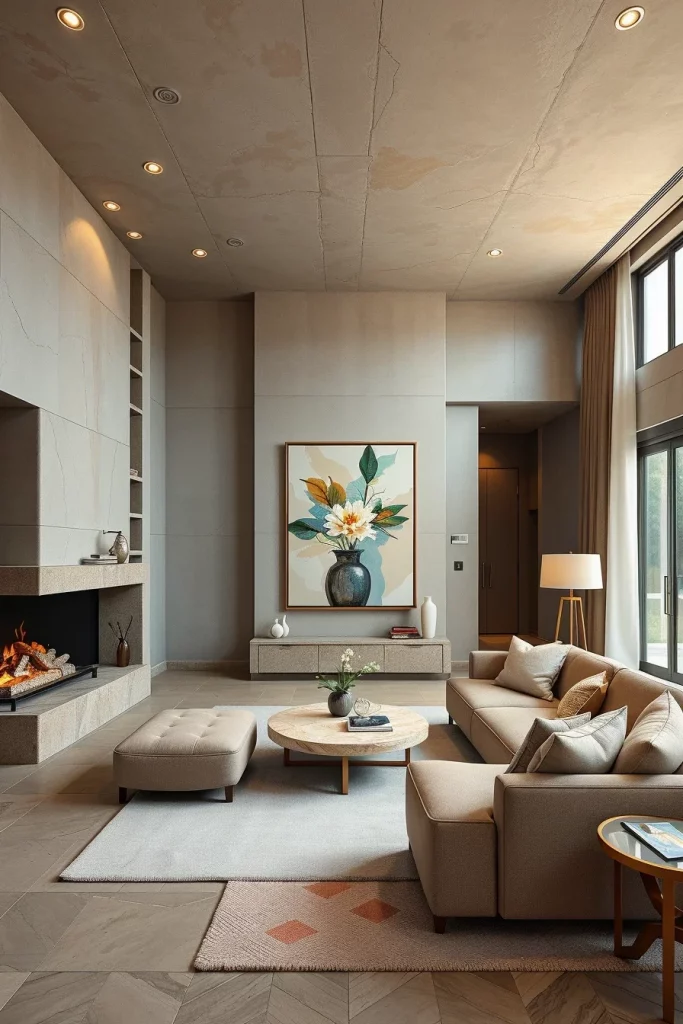
I build these interiors around comfortable modular seating, sculptural coffee tables, integrated storage, textured walls, natural stone details, floor-to-ceiling curtains, carefully selected artwork, layered lighting, and restrained decorative accessories. Every piece contributes both beauty and functionality while maintaining the clean lines associated with modern design. Rich textures provide visual depth even when the overall color palette remains calm and understated.
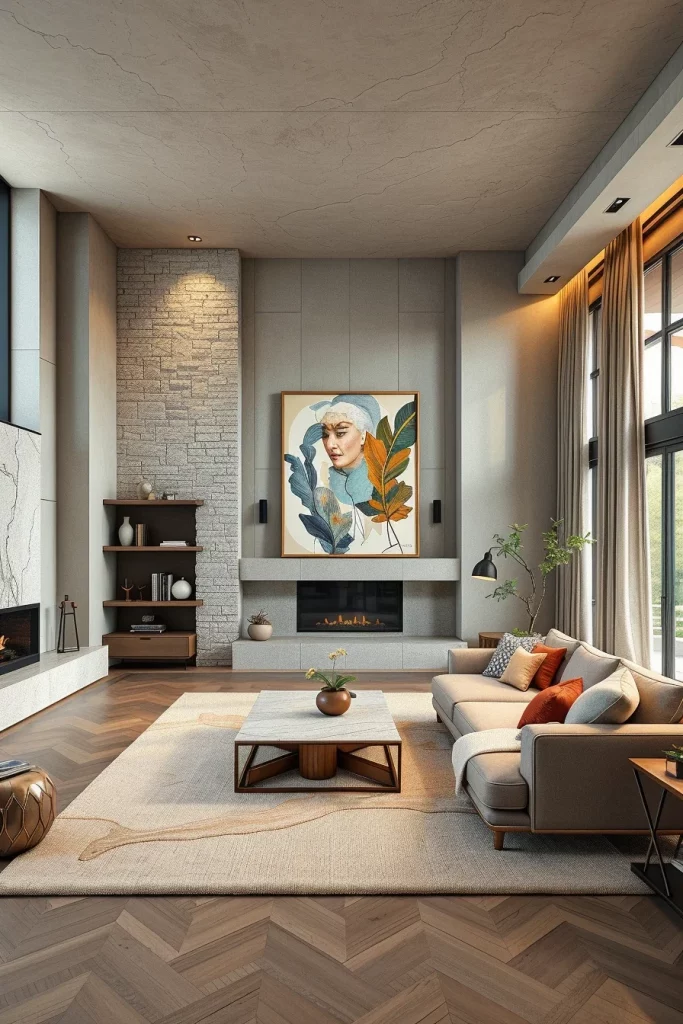
Personally, I believe timeless interiors succeed because they prioritize quality over quantity. Advice shared by respected American interior designers consistently emphasizes investing in durable materials and thoughtful layouts instead of chasing seasonal trends. I have found that this philosophy creates living spaces that continue feeling fresh long after fashionable styles have changed.
If I were making final adjustments, I would carefully evaluate every element from different viewpoints throughout the room. Small refinements in furniture placement, lighting direction, or decorative balance often have a surprisingly significant impact on the overall atmosphere.
Designing a beautiful textured modern living room is ultimately about balancing comfort, practicality, and visual depth. I hope these ideas inspire you to experiment with layered materials, thoughtful furniture selections, and timeless architectural details in your own home. If you have tried any of these design techniques or have your own favorite texture combinations, share your experience in the comments—I would love to hear your ideas.