
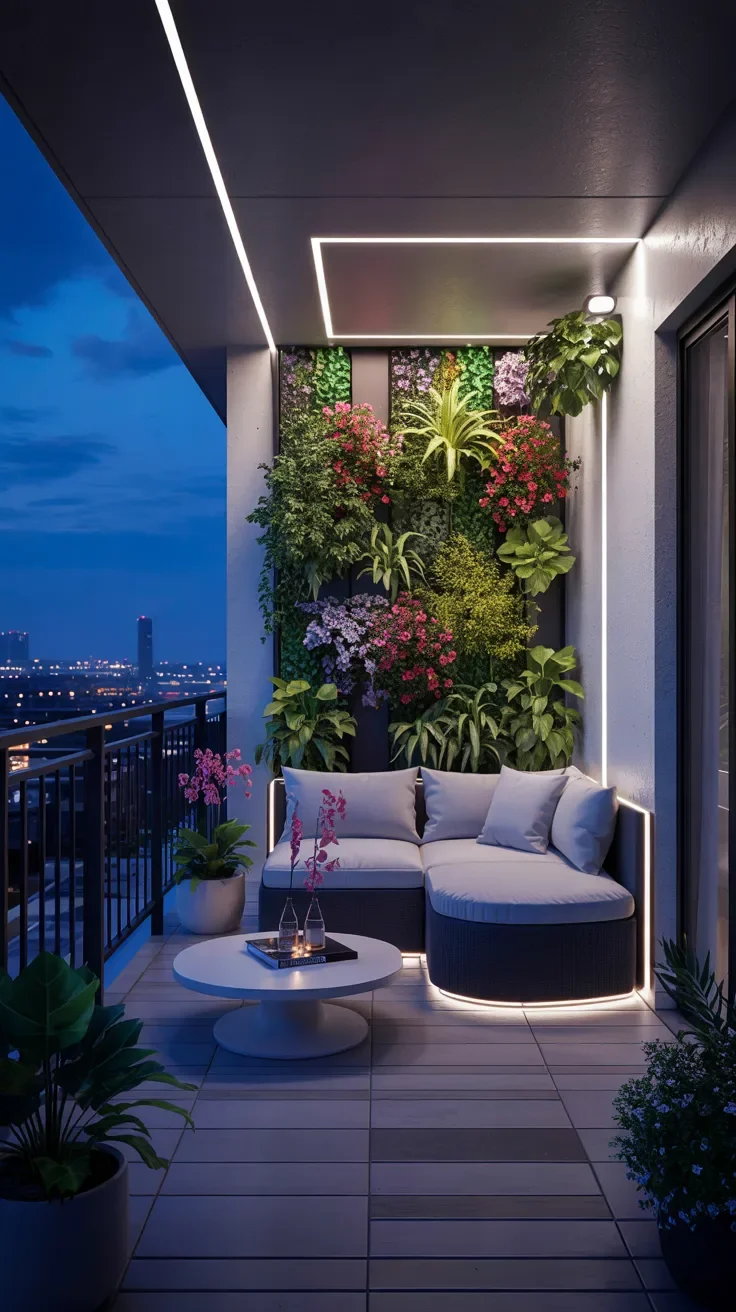
Balcony garden 2026 trends are redefining the way people transform small outdoor spaces into stylish and relaxing retreats. From sculptural planters and vertical greenery to cozy lounge corners and smart lighting, modern balcony gardens combine beauty, creativity, and functionality like never before. This year’s designs focus on artistic details, eco-friendly materials, and unique layouts that make even the tiniest balcony feel luxurious and inviting. Whether you prefer minimalist aesthetics, tropical escapes, boho textures, or elegant modern styling, there are endless ways to personalize your outdoor oasis. Balcony gardens are no longer just about plants — they now reflect personal style, wellness, and contemporary living trends. In this article, you’ll discover the most inspiring balcony garden 2026 ideas to help you create a stunning and unforgettable outdoor space.
Sculptural Vertical Balcony Gardens With Artistic Green Wall Designs
I’ve noticed that one of the strongest balcony garden trends for 2026 is the rise of vertical landscaping that feels architectural rather than purely decorative. A sculptural green wall instantly transforms a plain balcony into a dramatic outdoor living area while maximizing limited square footage. I prefer combining layered planters in asymmetrical arrangements with trailing greenery, preserved moss panels, and textured stone finishes to create depth. This approach allows even compact urban balconies to feel immersive and highly designed while maintaining practical circulation space.
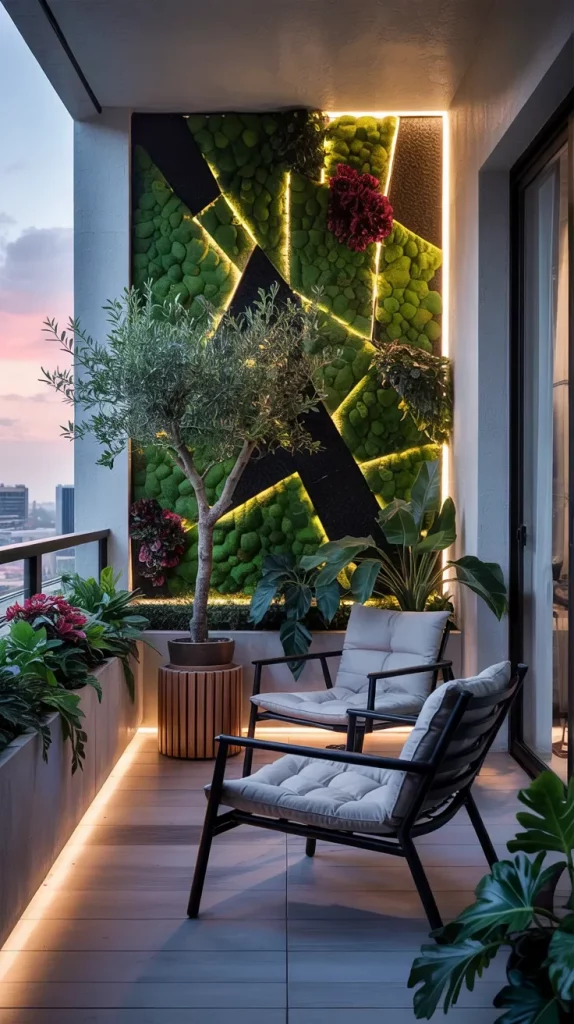
When designing this type of balcony, I carefully select furniture that supports the artistic composition rather than competes with it. I usually recommend slim-profile lounge chairs in matte black aluminum, compact teak side tables, and built-in bench seating with concealed storage. Integrated irrigation systems are especially important because they simplify maintenance for dense vertical planting installations. I also find that combining leafy tropical plants with sculptural species such as philodendrons, ferns, and olive trees creates a layered composition that feels organic yet refined.
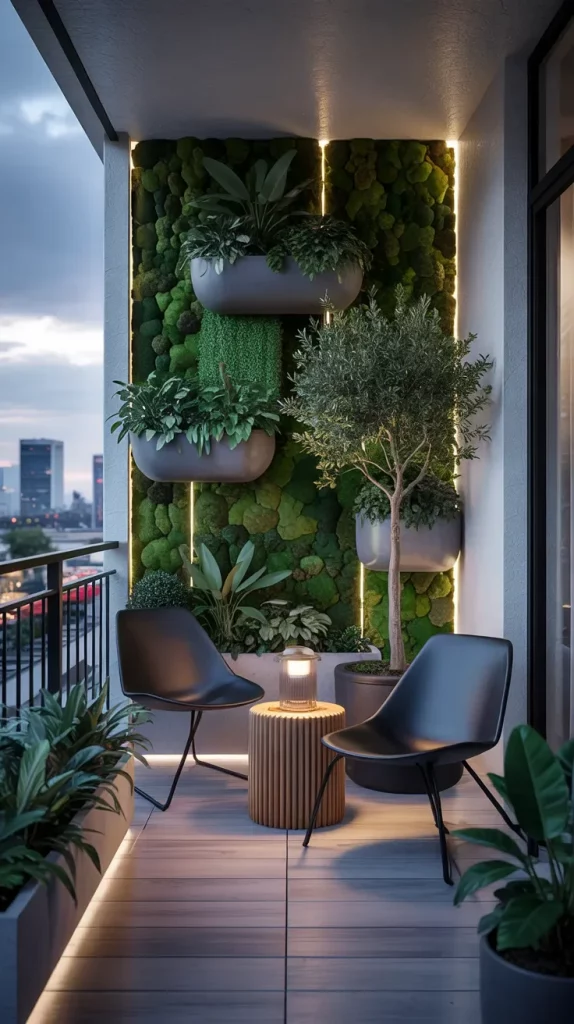
In my experience, the most successful vertical balcony gardens use lighting intentionally. I often install concealed LED strips behind wall panels to create soft evening illumination that highlights textures and plant silhouettes. Architectural Digest has recently emphasized how layered lighting dramatically improves the usability of small outdoor spaces, and I completely agree with that approach for modern balconies. I personally prefer warm ambient lighting because it makes greenery appear richer and more luxurious after sunset.
I also recommend adding weather-resistant art pieces or sculptural ceramic planters to avoid making the balcony feel like a standard plant wall installation. In my projects, these artistic details create a more curated atmosphere and strengthen the sense that the balcony functions as an extension of the interior living space.
Minimalist Balcony Gardens With Floating Planters And Clean Geometry
Minimalist balcony gardens continue evolving in 2026, but they now feel warmer and more livable compared to earlier ultra-minimal styles. I focus on simplicity through geometry, balanced spacing, and restrained color palettes rather than eliminating personality. Floating wall planters, linear wood decking, and monochromatic containers help create a clean and calming outdoor retreat. I find that this style works particularly well for modern apartments where the balcony visually connects to minimalist interiors.
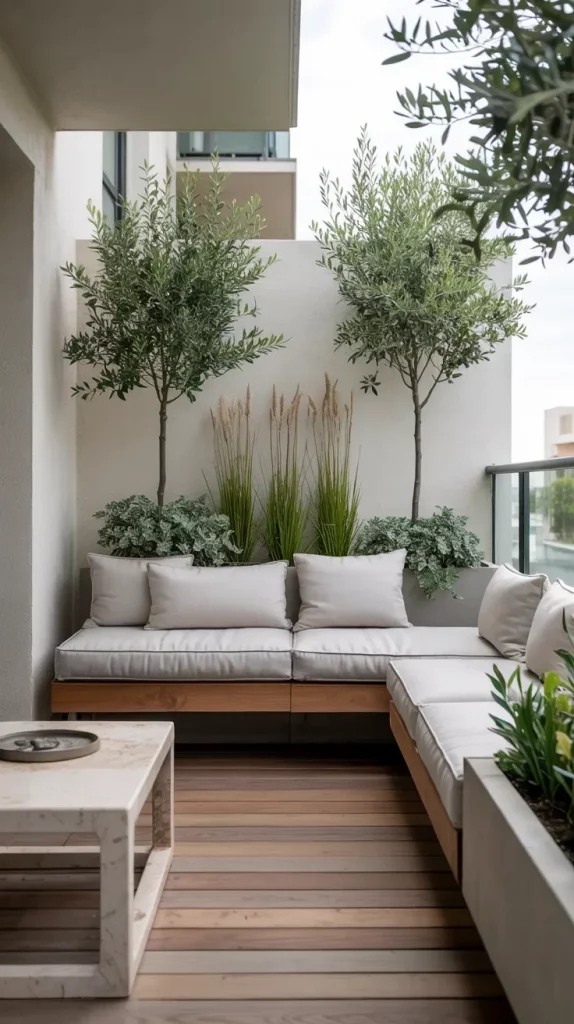
For furniture, I prefer modular seating with soft neutral cushions and compact coffee tables made from travertine or powder-coated metal. Built-in floating planters are especially practical because they free up floor space while keeping the layout visually open. I usually limit plant selections to a few strong species like ornamental grasses, rosemary, dwarf bamboo, or small olive trees to maintain visual clarity. This restraint helps the balcony feel more expansive and sophisticated.
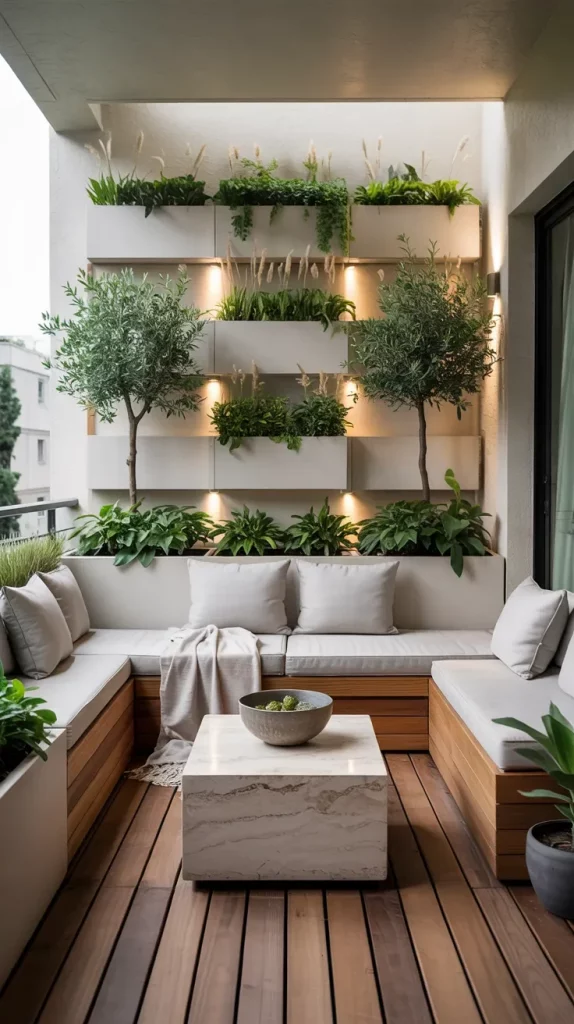
Personally, I believe minimalist balcony gardens succeed when texture replaces clutter. I often combine smooth concrete planters with natural linen textiles, pale wood accents, and soft outdoor rugs to add warmth without compromising the clean aesthetic. Elle Decor recently highlighted how tactile materials are becoming essential in minimalist outdoor design, and I’ve seen firsthand how these subtle details dramatically improve comfort.
I also recommend incorporating hidden storage beneath seating or inside built-in benches. In smaller balconies, concealed functionality is what allows minimalist spaces to remain visually peaceful while still supporting everyday outdoor living.
Luxury Balcony Garden Ideas Inspired By Boutique Rooftop Hotels
Many homeowners now want their balcony gardens to feel like boutique hotel terraces, and I completely understand why this trend has become so influential in 2026. I often design these spaces around layered comfort, resort-inspired styling, and premium materials that create a sense of escape from urban life. Plush seating, oversized planters, and elegant outdoor textiles immediately elevate even a narrow balcony into a refined retreat.
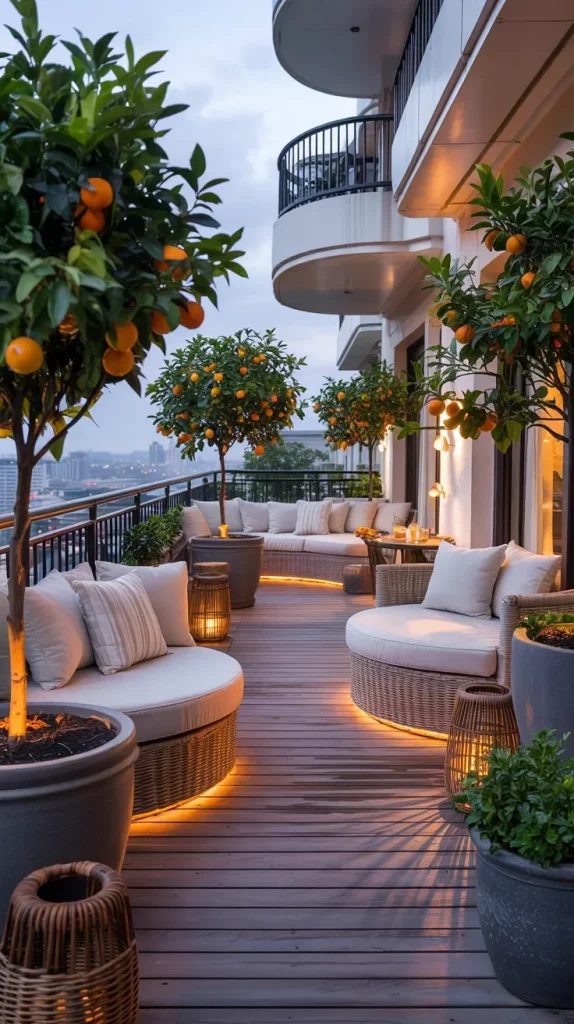
I usually start with a foundation of warm stone flooring or high-quality composite decking paired with curved outdoor furniture. Upholstered lounge chairs, sculptural coffee tables, and woven accent pieces create a sophisticated hospitality-inspired atmosphere. I also love incorporating large potted citrus trees, lavender, and ornamental grasses because they soften hard architectural lines while adding fragrance and movement to the balcony.
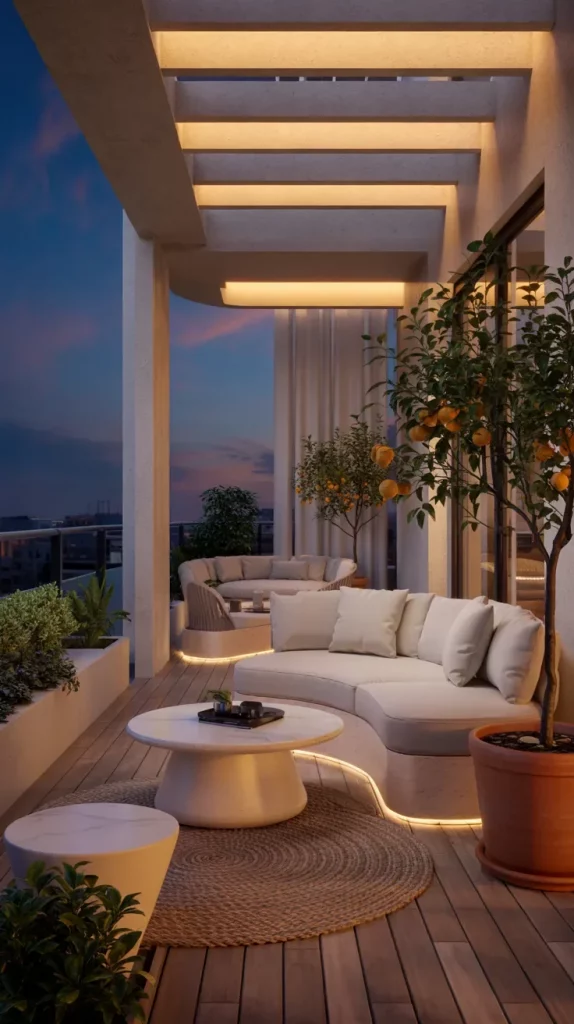
From my experience, luxury balcony gardens depend heavily on atmosphere rather than square footage. I often layer lanterns, recessed floor lighting, and candle-style LED fixtures to mimic the ambiance of rooftop hotel lounges. Designers featured in House Beautiful frequently emphasize the importance of sensory details in outdoor design, and I strongly agree that scent, texture, and lighting dramatically shape how luxurious a balcony feels.
One element I would never skip is outdoor fabric quality. Performance textiles that resist fading and moisture are essential because they preserve the polished appearance of the balcony throughout changing weather conditions while maintaining long-term comfort.
Cozy Balcony Gardens With Soft Lighting And Romantic Evening Atmosphere
Some of the most memorable balcony gardens I’ve designed were centered entirely around comfort and evening ambiance. In 2026, cozy balcony gardens are becoming increasingly popular because people want outdoor spaces that support relaxation after long workdays. I focus on creating warmth through layered lighting, soft textiles, and intimate seating arrangements that encourage slower evenings outdoors.
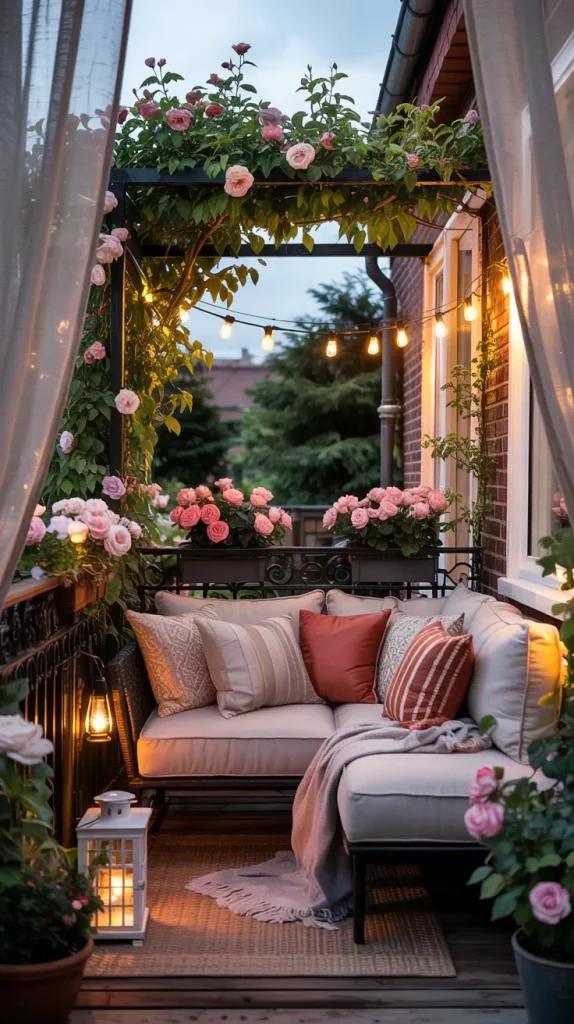
I typically use compact loveseats, oversized cushions, knitted throws, and low-profile side tables to establish a relaxed atmosphere. Warm string lighting remains popular, but I now prefer combining it with lanterns, rechargeable table lamps, and concealed floor lighting for a more refined effect. I also recommend fragrant plants like jasmine, lavender, and climbing roses because they enhance the sensory experience during evening hours.
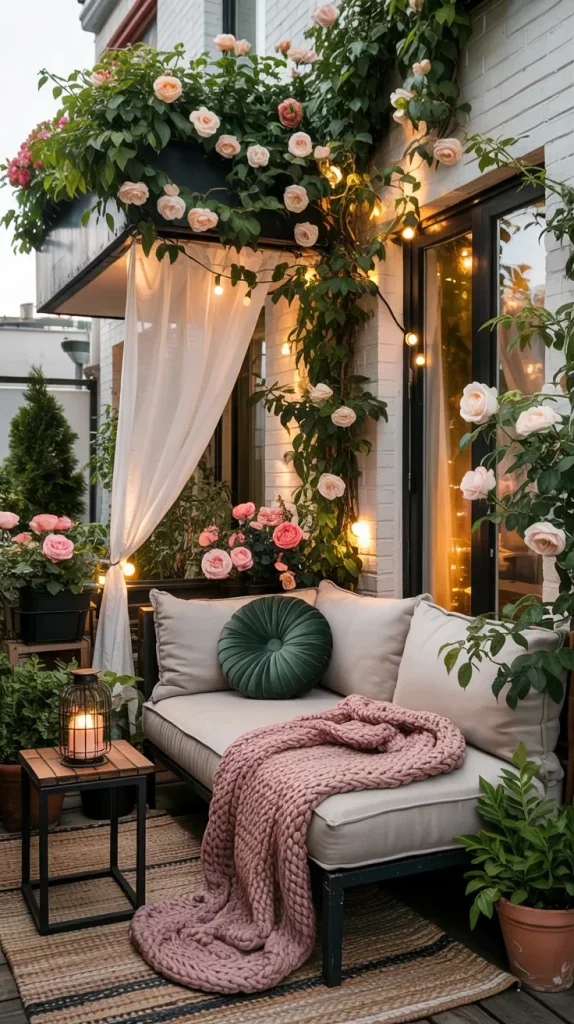
Personally, I’ve found that cozy balcony gardens work best when the design feels slightly imperfect and lived-in rather than overly styled. Better Homes & Gardens has discussed how layered textures create emotional comfort in outdoor spaces, and I often use that philosophy by mixing woven baskets, textured fabrics, ceramic planters, and weathered wood finishes. These combinations make the balcony feel welcoming instead of staged.
I also suggest adding lightweight curtains or outdoor sheer panels where possible. They soften harsh city views, improve privacy, and create beautiful movement when evening breezes pass through the balcony.
Japanese Zen Balcony Gardens With Stones, Moss, And Water Features
Japanese-inspired balcony gardens continue influencing modern outdoor design because they introduce calmness and intentional simplicity into compact urban spaces. When I create Zen-inspired balconies, I focus on balance, asymmetry, and natural textures rather than excessive decoration. Stone pathways, moss arrangements, miniature maples, and carefully selected greenery help establish a peaceful atmosphere that encourages mindfulness.
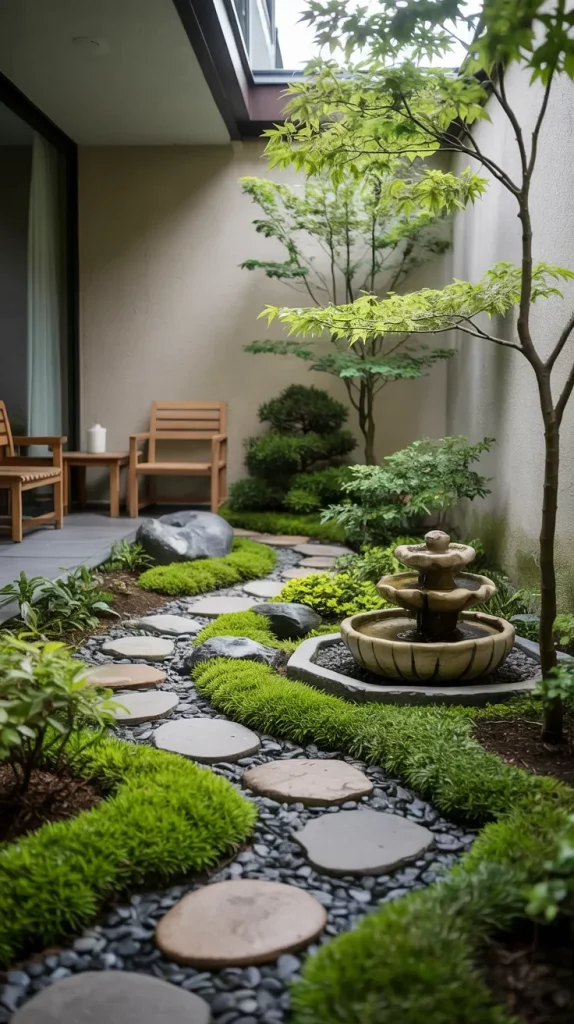
I usually choose low-profile furniture with natural wood finishes and simple silhouettes to preserve the quiet visual language of the design. Small water fountains or ceramic water basins are especially effective because they introduce subtle sound that masks urban noise. I also prefer muted color palettes with charcoal, sand, weathered wood, and soft green tones because they create a grounded and meditative environment.
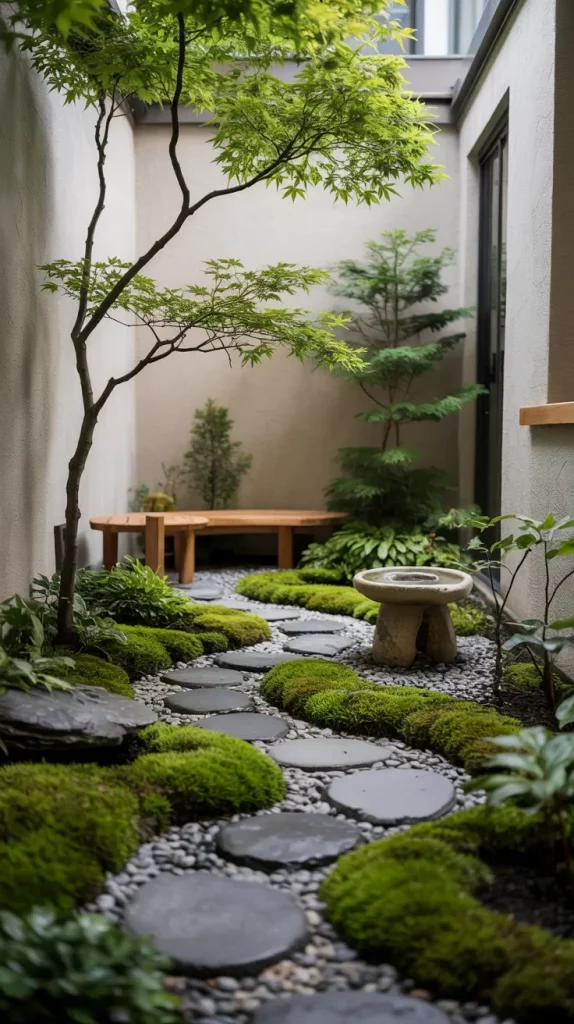
In my experience, restraint is the most difficult but most important element in Japanese balcony design. Veranda Magazine has highlighted how negative space is essential in Japanese-inspired interiors and gardens, and I apply the same principle outdoors by intentionally leaving portions of the balcony visually open. This breathing room allows each design element to feel more meaningful and visually balanced.
I would also include concealed storage and carefully planned drainage systems in these balconies. Minimalist Zen spaces lose their calming effect quickly if maintenance tools, watering equipment, or clutter become visible within the composition.
Mediterranean Balcony Gardens Filled With Olive Trees And Terracotta Decor
Mediterranean balcony gardens are becoming increasingly popular in 2026 because they combine relaxed elegance with practical outdoor living. I like using warm earthy materials and drought-resistant plants to recreate the atmosphere of coastal villas even in compact city apartments. Terracotta planters, textured stucco walls, and olive trees instantly introduce a timeless Mediterranean character that feels welcoming and naturally sophisticated. This style works especially well on balconies that receive strong sunlight throughout the day.
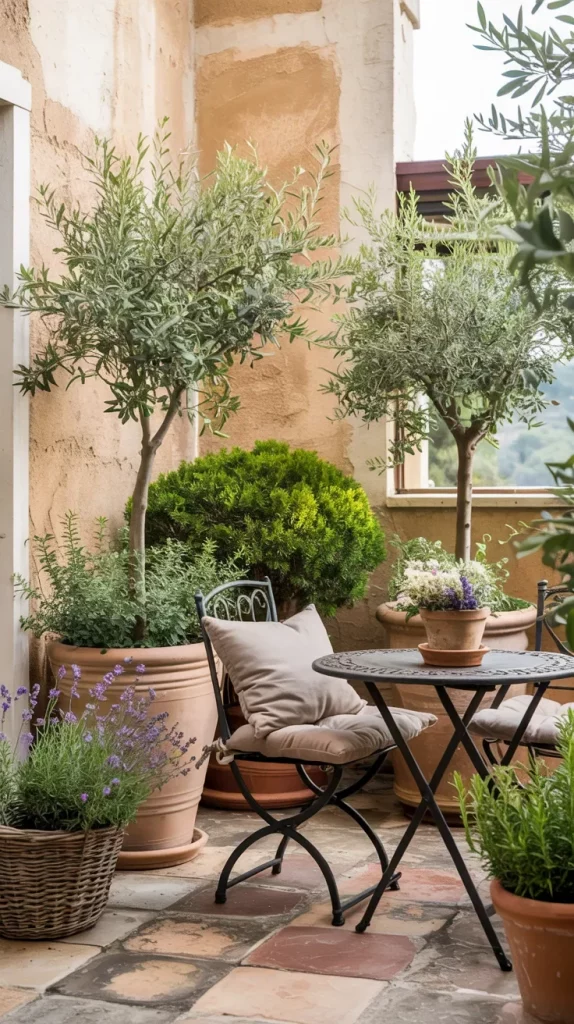
When designing Mediterranean-inspired balconies, I usually focus on natural materials that age beautifully outdoors. I often combine wooden folding chairs, wrought iron café tables, linen cushions, and handmade ceramic pots to create a layered but balanced composition. Lavender, rosemary, citrus trees, and trailing bougainvillea are some of my preferred plant choices because they provide fragrance, texture, and color without overwhelming the space. I also find that light stone flooring or warm-toned decking strengthens the relaxed coastal feeling.
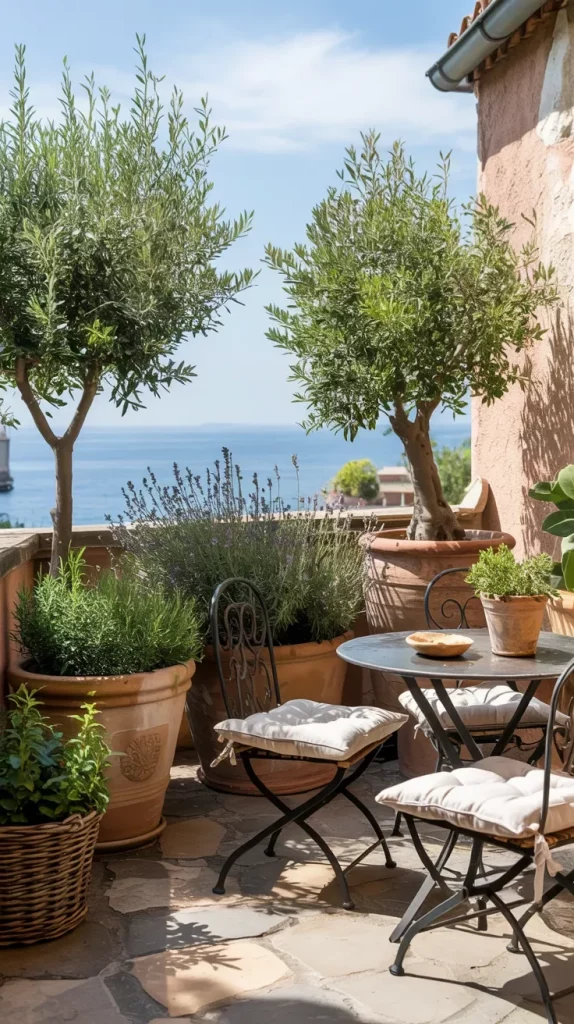
Personally, I believe Mediterranean balconies should feel collected rather than overly coordinated. Southern Living has recently emphasized the growing popularity of organic outdoor styling with handcrafted decor, and I fully agree with that direction. In my own projects, I often include vintage-inspired lanterns, textured pottery, and woven baskets because these details create a more authentic atmosphere that feels personal rather than staged.
I also recommend incorporating shade solutions like linen curtains, bamboo screens, or compact pergolas whenever possible. Mediterranean balcony gardens become significantly more comfortable and functional when sunlight is softened during warmer afternoons.
Tropical Balcony Gardens With Exotic Plants And Resort Style Furniture
Tropical balcony gardens continue dominating outdoor trends because they instantly transform ordinary urban balconies into lush resort-inspired retreats. I like creating dense greenery with layered tropical plants that surround seating areas and provide privacy from neighboring buildings. Large leaves, rich green tones, and natural textures help the balcony feel immersive and calming while masking the hard surfaces commonly found in apartment environments.
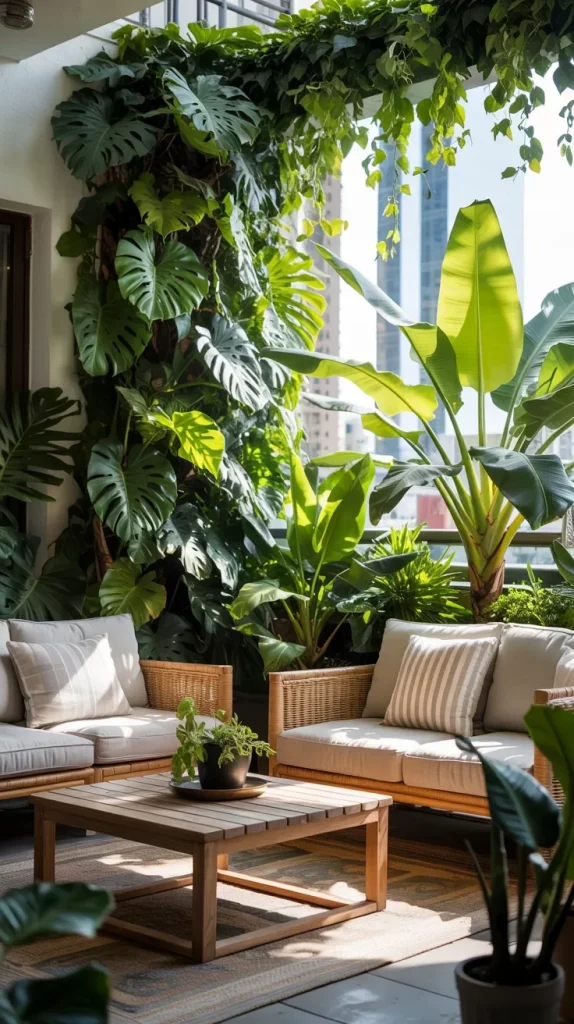
I usually combine rattan lounge seating, teak coffee tables, oversized planters, and soft neutral textiles to reinforce the resort aesthetic. Palm varieties, monstera, bird of paradise, and banana plants are especially effective because they create strong visual impact even in small spaces. I also prefer using ceiling-mounted planters or vertical shelving systems to maximize greenery without overcrowding the balcony floor. Soft outdoor rugs and linen cushions further enhance comfort and make the space feel like an outdoor living room.
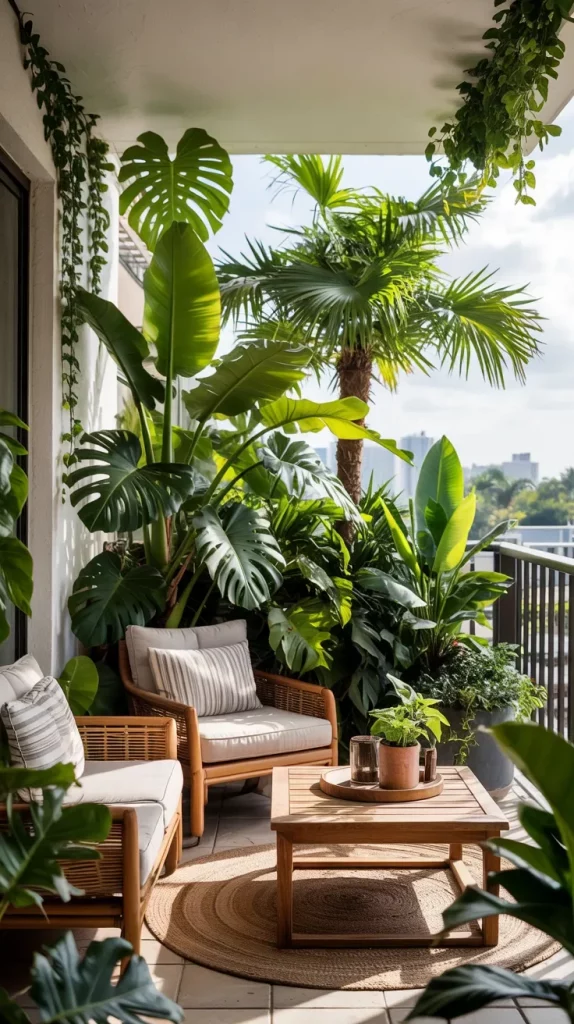
In my experience, successful tropical balcony gardens require careful balance between lushness and organization. Domino Magazine has discussed how structured layouts prevent tropical spaces from feeling chaotic, and I completely agree with that approach. I usually maintain clear walking paths and use repeating planter materials to create visual consistency despite the abundance of greenery.
I also advise adding ceiling fans, outdoor misters, or retractable shades if the climate allows. Tropical-inspired balconies feel far more comfortable when temperature control and airflow are thoughtfully integrated into the design.
Boho Chic Balcony Gardens With Layered Textures And Handmade Decor
Boho chic balcony gardens remain highly relevant in 2026 because they encourage individuality and relaxed styling while still feeling curated and modern. I approach these balconies by layering textures, textiles, and handcrafted decor to create spaces that feel expressive yet comfortable. Unlike strict minimalist styles, boho balconies allow more freedom with patterns, materials, and collected decorative elements.
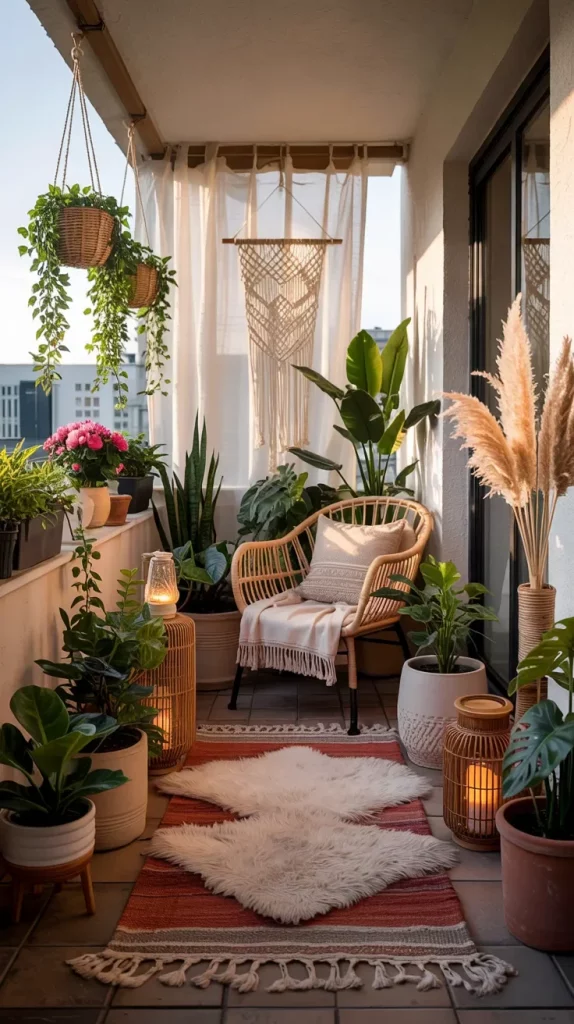
I typically use low-profile lounge seating, macramé accents, woven pendant lighting, vintage-inspired rugs, and handmade ceramic planters to establish the signature bohemian atmosphere. I also love incorporating layered fabrics in earthy tones alongside greenery like pampas grass, ivy, eucalyptus, and hanging plants. Wooden stools, rattan furniture, and textured poufs help soften the balcony while creating flexible seating arrangements that work well for entertaining or quiet evenings outdoors.
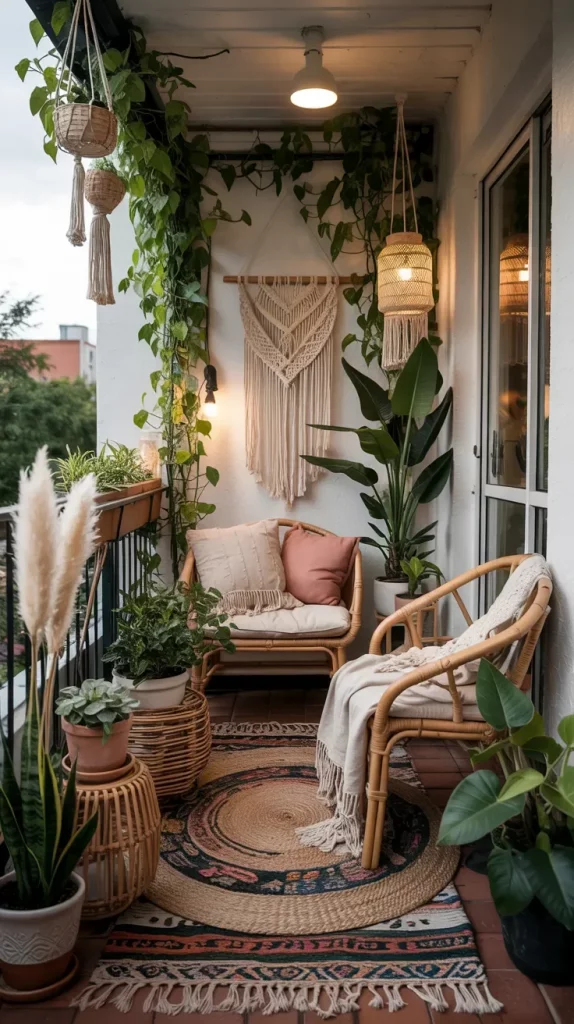
Personally, I think the strongest boho balcony gardens avoid excessive clutter and instead focus on intentional layering. Apartment Therapy has highlighted how modern boho spaces are becoming more refined and restrained compared to previous trends, and I’ve noticed the same shift in contemporary outdoor design. I usually recommend choosing a limited color palette to maintain visual harmony while still allowing artistic and eclectic details to stand out.
I would also include candle lanterns, lightweight throws, and movable side tables because adaptability is essential in smaller balconies. Flexible decor allows the space to shift easily between relaxation, reading, dining, and social gatherings.
Futuristic Balcony Garden Designs With Smart Technology And LED Elements
Futuristic balcony gardens are evolving rapidly in 2026 as smart technology becomes more integrated into residential outdoor spaces. I see many homeowners looking for balconies that combine sleek aesthetics with automated functionality, especially in modern urban apartments. Clean architectural lines, programmable lighting, and innovative planter systems create balconies that feel highly contemporary while still remaining comfortable and livable.
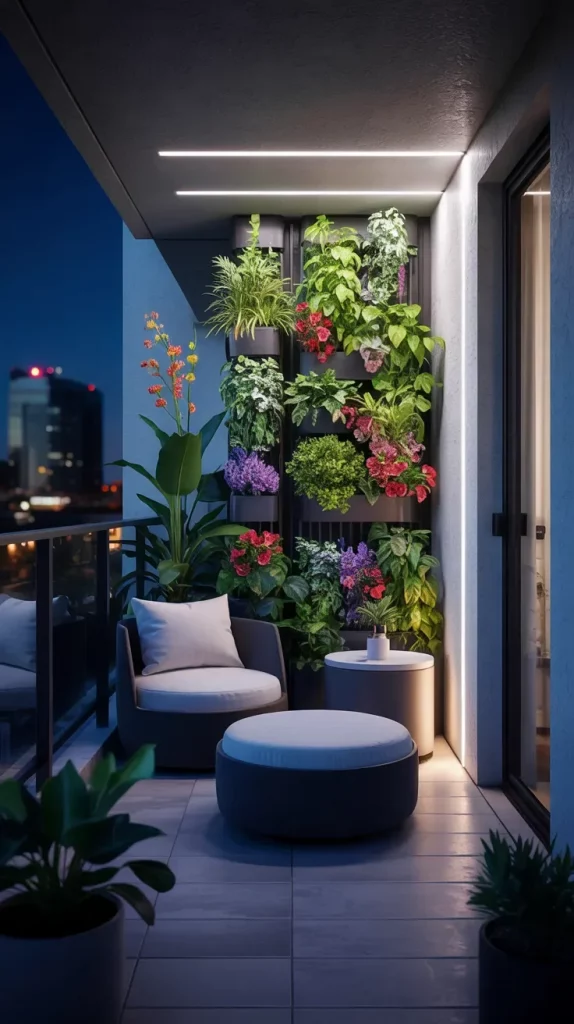
I usually incorporate smart irrigation systems, app-controlled LED lighting, modular furniture, and minimalist composite materials to achieve this futuristic aesthetic. Linear LED strips installed beneath seating or planters create dramatic nighttime effects while improving functionality after dark. I also like using self-watering planters and vertical hydroponic systems because they simplify plant care for busy homeowners. Neutral tones like graphite, matte white, and charcoal typically work best because they reinforce the sleek technological atmosphere.
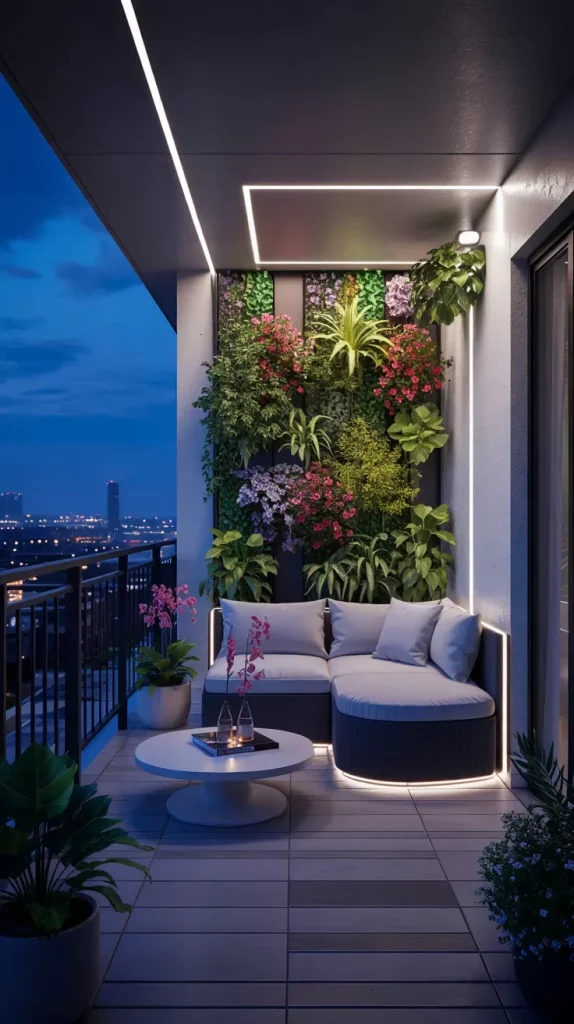
From my perspective, the challenge with futuristic balcony gardens is preventing them from feeling cold or sterile. Dezeen has recently featured outdoor spaces that successfully combine technology with natural textures, and I strongly support that balanced approach. I often introduce warm wood finishes, layered greenery, and soft upholstered seating to soften the sharper architectural elements and create a more inviting environment.
I also recommend integrating hidden charging stations, weather-resistant speakers, and multifunctional furniture into these balconies. Smart outdoor living becomes significantly more practical when technology is seamlessly incorporated into the design rather than appearing visually dominant.
Tiny Apartment Balcony Gardens That Maximize Every Inch Beautifully
I find that small apartment balconies work best when every detail serves both a decorative and practical purpose. In 2026, compact balcony gardens are becoming more layered and intentional, with vertical planters, slim benches, and railing-mounted greenery replacing bulky furniture. I often recommend using stacked ceramic pots, wall-mounted shelves, and narrow wooden decking to visually elongate the space while adding warmth. A tiny balcony can still feel lush and inviting when plants are arranged at varying heights to create depth and movement.
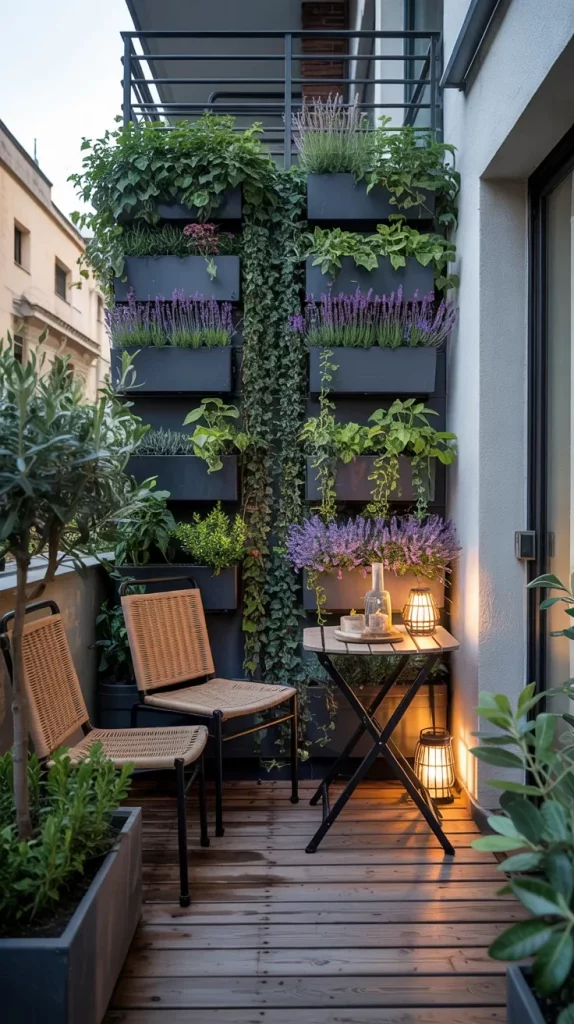
I usually include foldable café tables, built-in benches with hidden storage, and lightweight woven chairs because they allow flexibility without overcrowding the layout. Slim black metal shelving units work especially well for herbs and trailing plants while keeping floor space open. I also like incorporating warm solar lanterns and soft outdoor cushions in muted earth tones because they soften the urban feel of apartment buildings. Compact olive trees, ivy, lavender, and ornamental grasses add texture without making the balcony feel visually heavy.
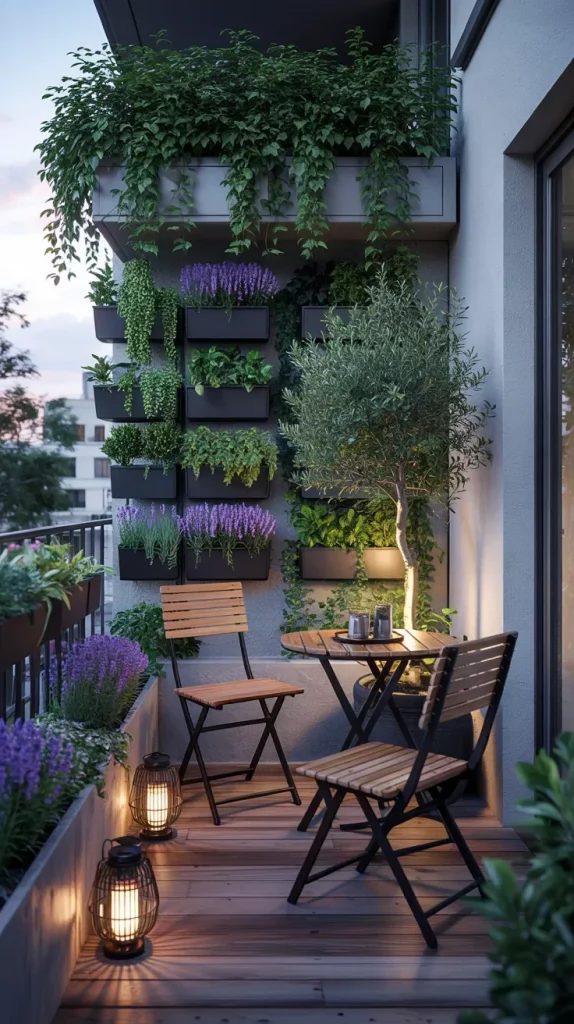
From my experience, the biggest mistake people make with small balcony gardens is trying to fit too many decorative pieces into the space. Architectural Digest has recently highlighted how multifunctional outdoor furniture is shaping compact outdoor design trends in the US, and I completely agree with this direction. I prefer focusing on a few strong focal points rather than overcrowding every corner with plants and décor. A carefully edited balcony almost always feels larger and more luxurious.
I would also add a retractable privacy screen or outdoor linen curtains to make the balcony feel more secluded and comfortable. Even in a tiny apartment, privacy changes the atmosphere completely and helps create a true outdoor retreat.
Artistic Balcony Gardens Featuring Sculptures, Ceramics, And Statement Pieces
One of the most exciting balcony garden trends for 2026 is the rise of highly artistic and sculptural outdoor styling. I’m seeing more balconies designed almost like miniature galleries, where greenery is paired with handmade ceramics, oversized planters, and sculptural décor pieces. Instead of treating plants as the only decorative element, this style uses texture, shape, and visual contrast to create a curated outdoor composition. The result feels sophisticated, expressive, and highly personal.
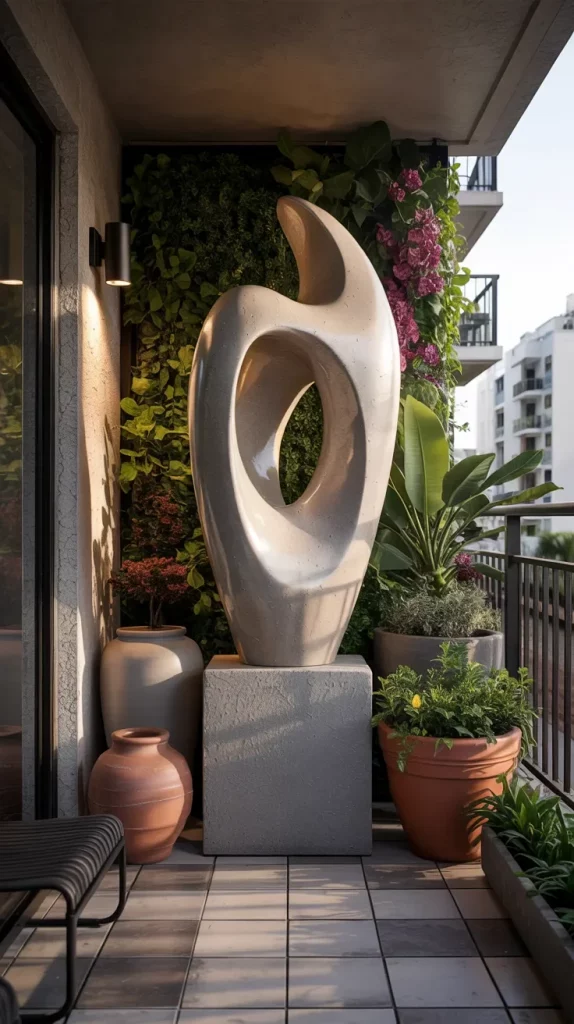
I like combining matte ceramic planters with abstract stone sculptures, textured concrete stools, and curved outdoor seating to give the balcony a gallery-inspired atmosphere. Oversized terracotta pots mixed with black steel accents create a balanced contrast between organic and modern materials. I also recommend adding statement lighting, such as globe lanterns or sculptural floor lamps, because lighting helps emphasize the artistic quality of the space during evening hours. Neutral textiles help prevent the design from feeling visually overwhelming.
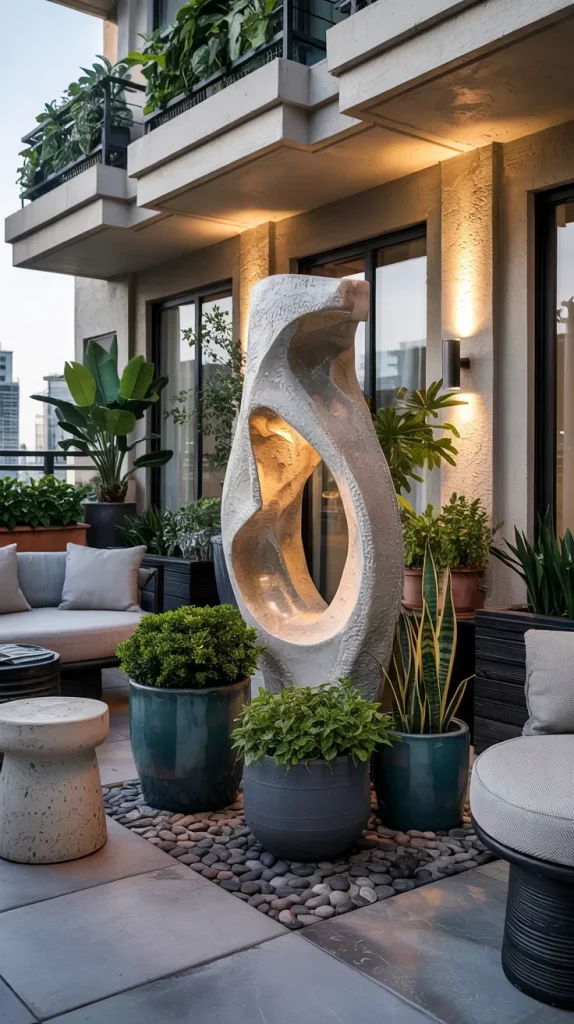
Personally, I think this style works best when there is one dominant statement piece that anchors the entire balcony. Elle Decor recently featured outdoor spaces using museum-inspired styling principles, and I believe balcony gardens benefit greatly from this approach. I prefer selecting fewer but more visually impactful decorative objects rather than filling every surface with accessories. This allows the plants, furniture, and artwork to complement one another naturally.
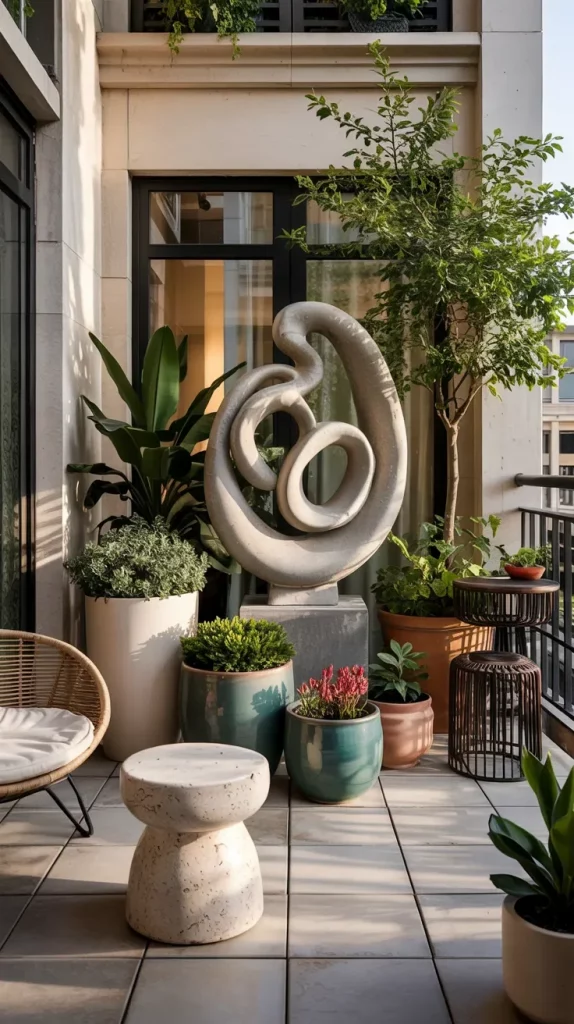
To complete this type of balcony garden, I would include textured outdoor rugs and handcrafted side tables made from stone or reclaimed wood. These details help soften the harder sculptural elements while still maintaining a highly curated appearance.
Modern Balcony Gardens With Black Accents And Architectural Styling
Modern balcony gardens in 2026 are leaning heavily into clean architecture, geometric layouts, and dramatic black accents. I often design these spaces around strong lines and restrained color palettes because modern balconies look most effective when the composition feels intentional and uncluttered. Matte black railings, large rectangular planters, and symmetrical plant arrangements immediately create a sleek contemporary atmosphere. The combination of greenery with dark architectural details feels especially refined in urban apartments.
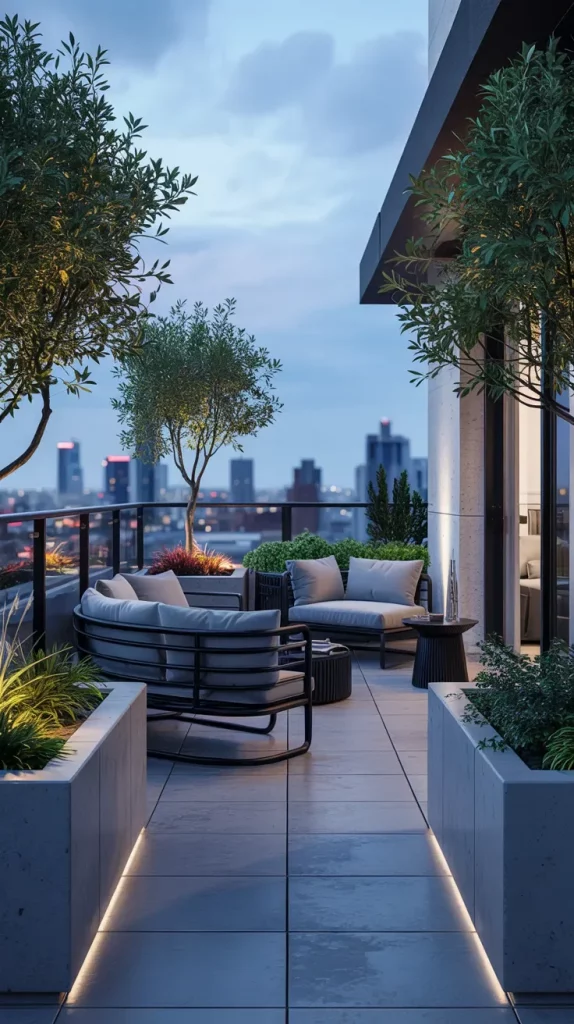
I typically use modular outdoor sofas, black aluminum furniture, and minimalist concrete planters because they provide structure without distracting from the overall design. Tall grasses, bamboo, and olive trees work particularly well in modern balconies because their shapes complement linear architecture. I also recommend integrated LED lighting beneath benches or planters to emphasize the clean geometry during the evening. Glass tables and subtle metallic accents help reflect natural light and prevent darker palettes from feeling too heavy.
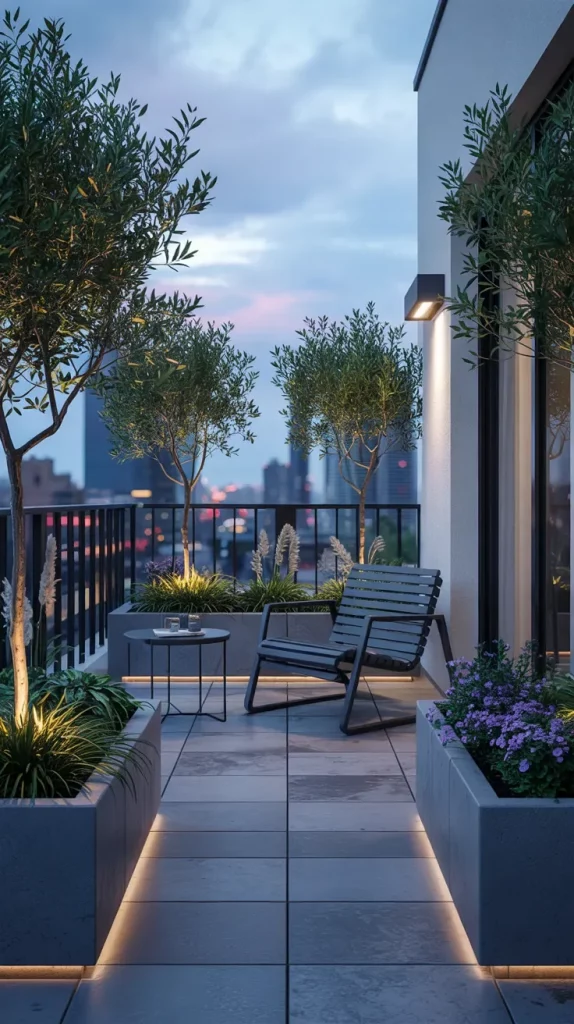
In my opinion, restraint is what makes modern balcony gardens feel luxurious rather than cold. House Beautiful has recently emphasized how layered textures can soften minimalist outdoor spaces, and I strongly agree with this design principle. I usually add soft woven cushions, textured throws, and natural wood elements to balance the sharper architectural materials. This creates a modern space that still feels comfortable and welcoming.
I would also consider adding built-in planter dividers to subtly separate lounge areas from dining zones. Even on smaller balconies, this architectural organization makes the layout feel far more polished and functional.
Rustic Balcony Garden Ideas With Reclaimed Wood And Vintage Charm
Rustic balcony gardens continue to feel timeless because they create warmth and comfort through layered natural materials. I love using reclaimed wood, aged metal planters, and vintage-inspired furniture because these elements instantly make a balcony feel lived-in and inviting. In 2026, rustic outdoor styling is becoming more refined, combining farmhouse textures with elegant greenery instead of looking overly themed. Soft neutral tones and weathered finishes create a relaxed atmosphere that works beautifully in both urban and countryside settings.
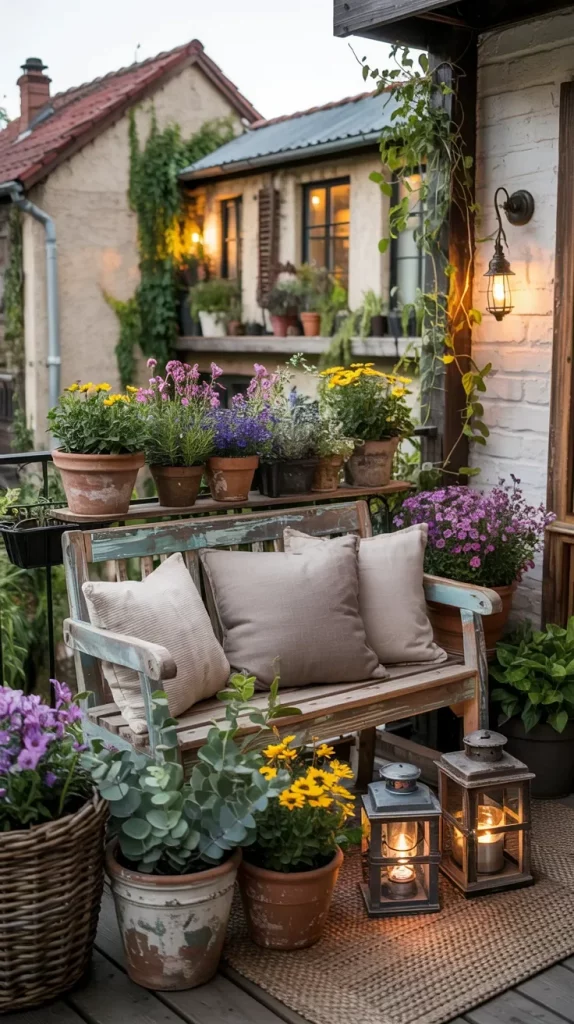
I often include reclaimed wood benches, woven baskets, antique lanterns, and distressed ceramic pots because they add texture without making the space feel cluttered. Climbing jasmine, rosemary, eucalyptus, and wildflowers fit naturally within this aesthetic and help soften hard balcony structures. I also recommend layering linen cushions, knitted throws, and vintage-style rugs to create a cozy outdoor seating area that feels comfortable year-round. Wooden crates can even function as stylish plant stands or hidden storage solutions.
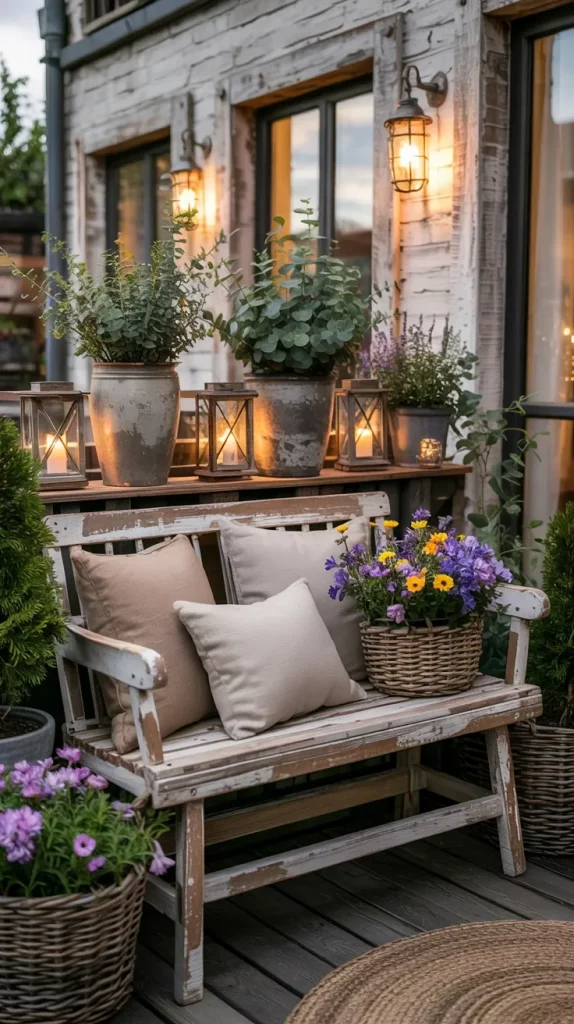
From my perspective, rustic balconies become most successful when they balance old and new materials carefully. Better Homes & Gardens has recently highlighted the popularity of sustainable reclaimed materials in outdoor spaces, and I think this trend makes perfect sense for balcony gardens. I personally enjoy combining weathered wood with clean black lighting fixtures because the contrast keeps the design from feeling outdated. A rustic balcony should still feel intentional and current.
I would add hanging lanterns or candle sconces to increase the warmth of the space during evenings. Soft lighting dramatically enhances the cozy character that makes rustic balcony gardens so appealing.
Parisian Inspired Balcony Gardens With Elegant Floral Arrangements
Parisian-inspired balcony gardens are becoming increasingly popular because they combine elegance, romance, and effortless styling. I usually design these balconies with layered floral arrangements, classic black iron furniture, and soft neutral tones that feel refined without appearing overly formal. Even a small balcony can capture the atmosphere of a Paris apartment terrace when flowers and seating are arranged thoughtfully. The overall mood should feel charming, airy, and slightly vintage.
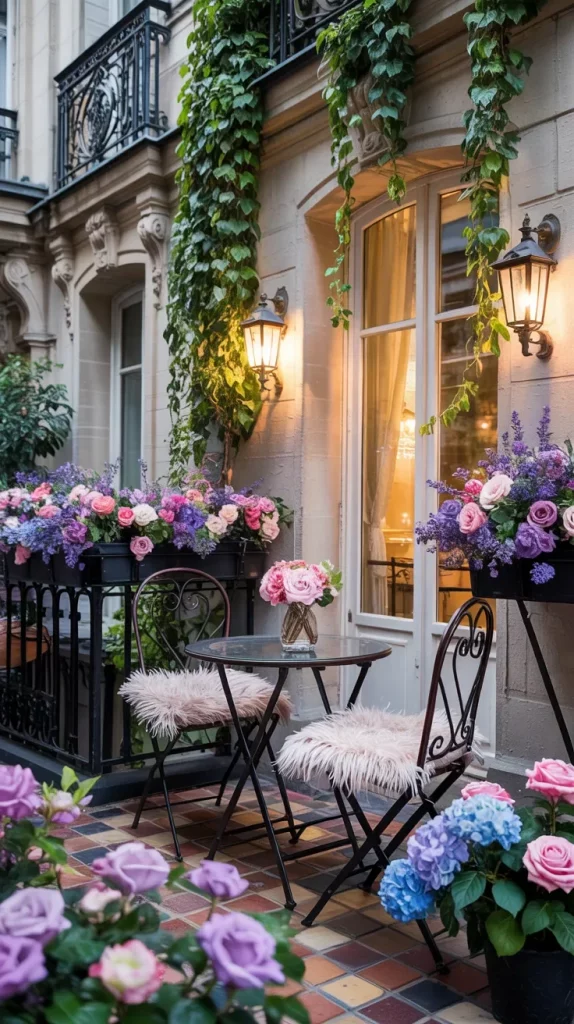
I often use delicate bistro tables, curved iron chairs, and overflowing flower boxes filled with roses, lavender, hydrangeas, and trailing ivy. Soft cream cushions and vintage lanterns help create a gentle, romantic atmosphere while still remaining practical for everyday use. I also recommend incorporating tall French-style planters and subtle gold or brass accents because these details elevate the elegance of the balcony without overpowering the flowers. Natural stone flooring or patterned outdoor tiles work beautifully within this style.
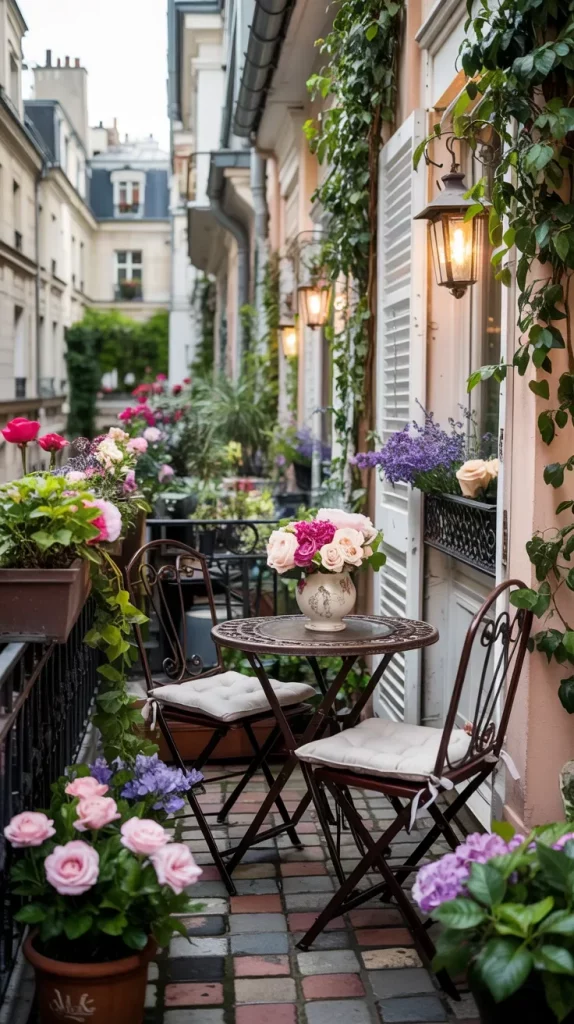
In my experience, Parisian balconies feel most authentic when they avoid excessive decoration. Veranda Magazine has frequently emphasized the importance of restraint and balance in European outdoor styling, and I completely agree with that philosophy. I prefer focusing on fresh flowers, elegant furniture proportions, and high-quality materials rather than adding too many accessories. Simplicity often creates the most luxurious result.
I would complete this balcony style with soft café lighting and sheer linen curtains to introduce movement and softness. These details help the balcony feel intimate while still maintaining an open and airy atmosphere.
Balcony Herb Gardens That Blend Practicality With Stylish Design
I believe herb gardens are one of the smartest ways to make a balcony feel both beautiful and functional. In 2026, balcony herb gardens are becoming far more refined, combining edible greenery with elegant outdoor styling that feels intentional rather than purely practical. I often design these spaces with layered planters, warm wood textures, and carefully organized greenery so the balcony remains visually clean while still producing fresh herbs for everyday cooking. A stylish herb garden can easily become the focal point of a small outdoor area.
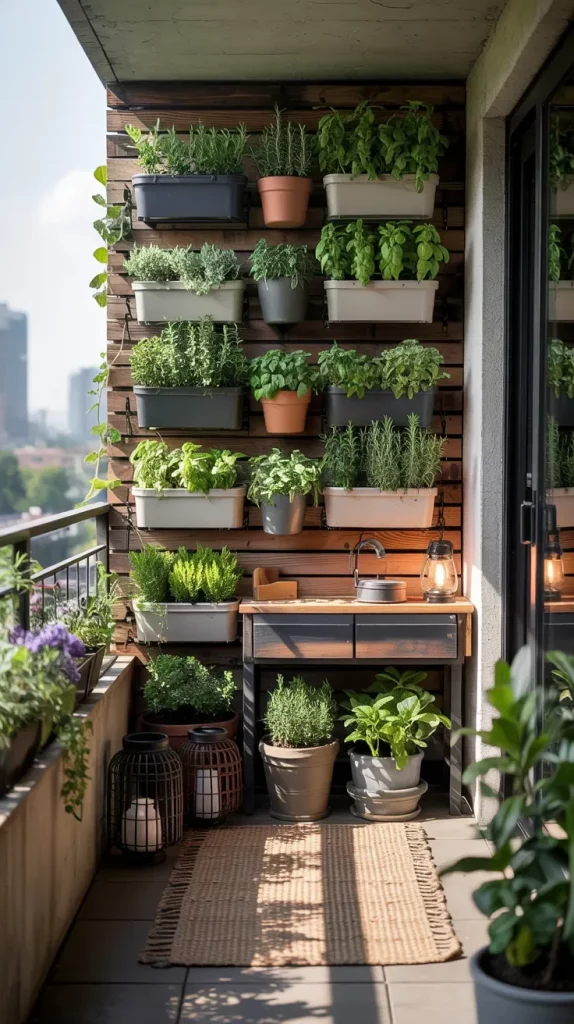
I usually incorporate tiered wooden shelves, matte ceramic pots, vertical herb walls, and compact raised planters because they maximize growing space without overwhelming the balcony. Basil, rosemary, thyme, mint, sage, and lavender are some of my favorite choices because they provide texture, fragrance, and visual softness. I also recommend including a slim wooden prep table or narrow console because it creates a dedicated gardening station while adding warmth to the design. Black metal lanterns and woven outdoor rugs help balance the greenery with a more polished appearance.
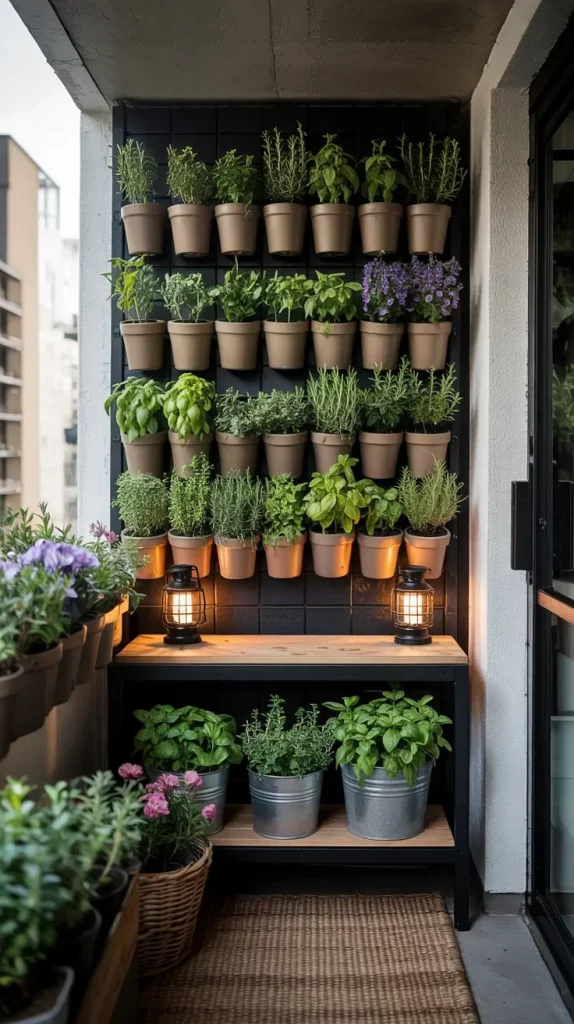
From my experience, the most successful herb balconies combine organization with softness. Martha Stewart Living has frequently highlighted the importance of grouping herbs by sunlight and watering needs, and I always follow that principle when planning balcony layouts. I personally prefer symmetrical arrangements because they make even a small herb collection feel luxurious and professionally styled. A balcony garden should feel calming rather than visually chaotic.
I would also add discreet storage baskets or concealed cabinets for gardening tools and watering cans. Keeping functional items organized helps maintain the clean and elevated appearance of the balcony.
Sustainable Balcony Gardens Using Eco Friendly Materials And Rainwater Systems
Sustainable balcony gardens are becoming one of the most important outdoor design trends for 2026 because homeowners increasingly want spaces that are both beautiful and environmentally responsible. I like designing these balconies with natural materials, drought-tolerant plants, and water-saving systems that reduce maintenance while still looking sophisticated. Eco-friendly balconies no longer feel overly rustic or experimental; they now look modern, polished, and highly intentional. Sustainability has become part of luxury outdoor design rather than a separate concept.
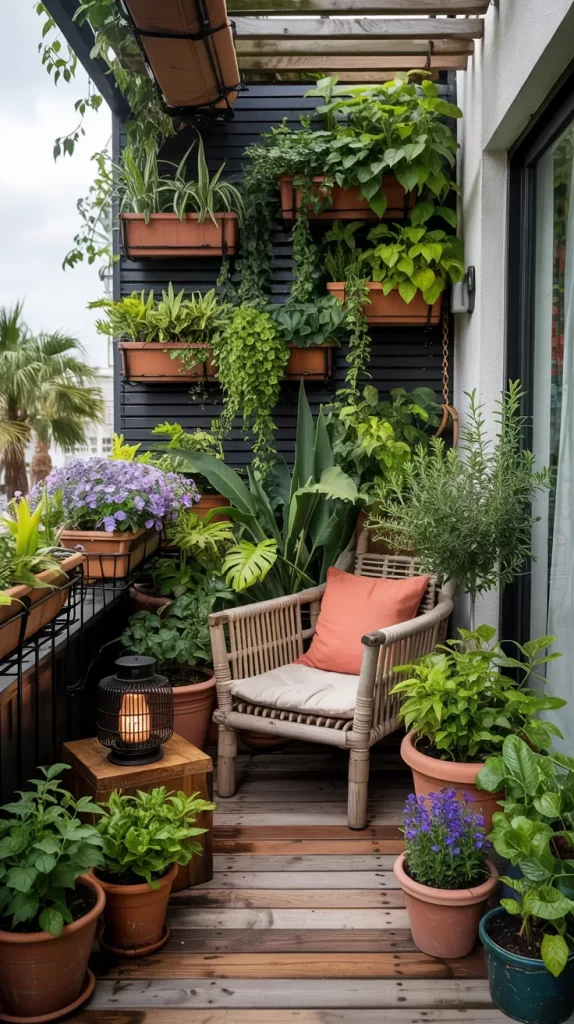
I often use reclaimed wood decking, recycled composite furniture, terracotta planters, and woven natural-fiber accessories because these materials age beautifully outdoors while supporting sustainable design principles. Rainwater collection systems integrated into slim storage units work especially well on apartment balconies because they remain visually discreet. I also recommend adding native plants, ornamental grasses, and low-water greenery since they thrive with less maintenance. Solar-powered lighting and organic linen cushions further reinforce the environmentally conscious aesthetic.
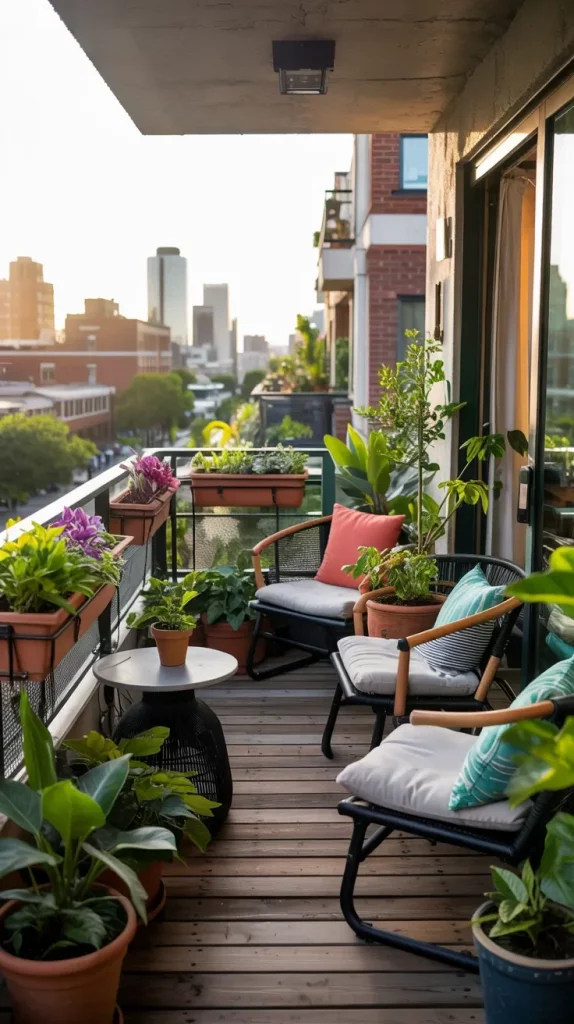
Personally, I think sustainable balcony gardens work best when sustainability feels integrated naturally into the design instead of appearing overly technical. Dwell Magazine has recently emphasized how eco-conscious outdoor spaces should prioritize comfort and aesthetics alongside environmental benefits, and I strongly agree with this approach. I prefer subtle sustainability features that blend seamlessly into the overall design. The balcony should still feel relaxing and elegant first.
I would also include compact compost storage or a small vertical gardening wall to make the balcony even more functional. These additions help maximize the usefulness of limited outdoor space while supporting long-term plant health.
Colorful Balcony Gardens Filled With Vibrant Flowers And Creative Containers
Colorful balcony gardens are becoming increasingly popular because they instantly energize apartment exteriors and create a joyful outdoor atmosphere. I love using bold flowers, painted planters, and layered textures to transform ordinary balconies into visually dynamic spaces filled with personality. In 2026, these gardens feel more curated and artistic, with color palettes carefully balanced rather than randomly mixed. Bright balcony gardens can still look elegant when colors are repeated intentionally throughout the design.
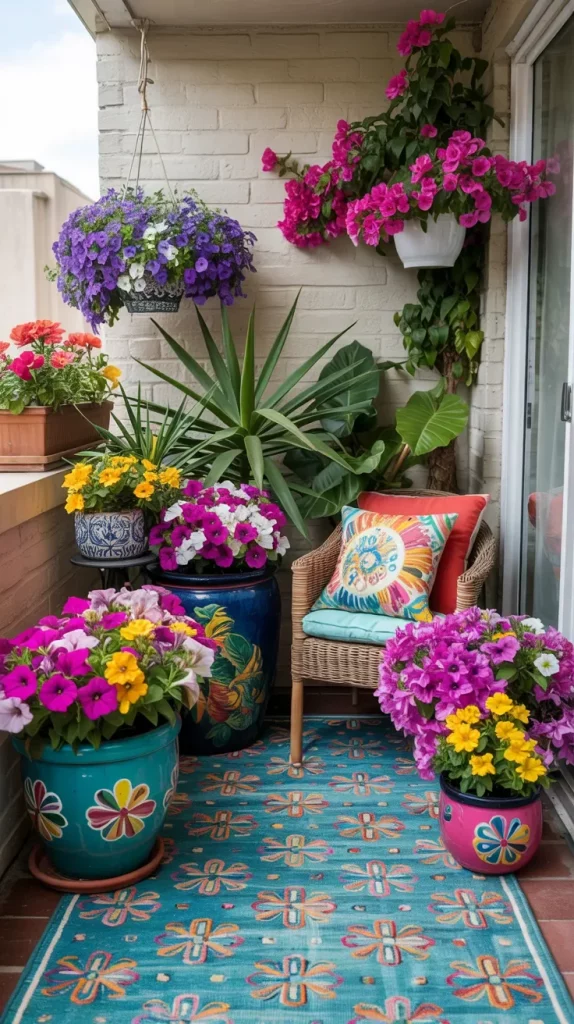
I often combine geraniums, petunias, marigolds, bougainvillea, and trailing vines with creative containers like painted ceramic pots, textured baskets, and sculptural planters. Compact benches with colorful cushions and patterned outdoor rugs help reinforce the playful atmosphere while still maintaining comfort. I also recommend mixing plant heights and flower densities because layered arrangements make the balcony feel fuller and more immersive. String lights and colorful lanterns enhance the vibrancy during evening hours.
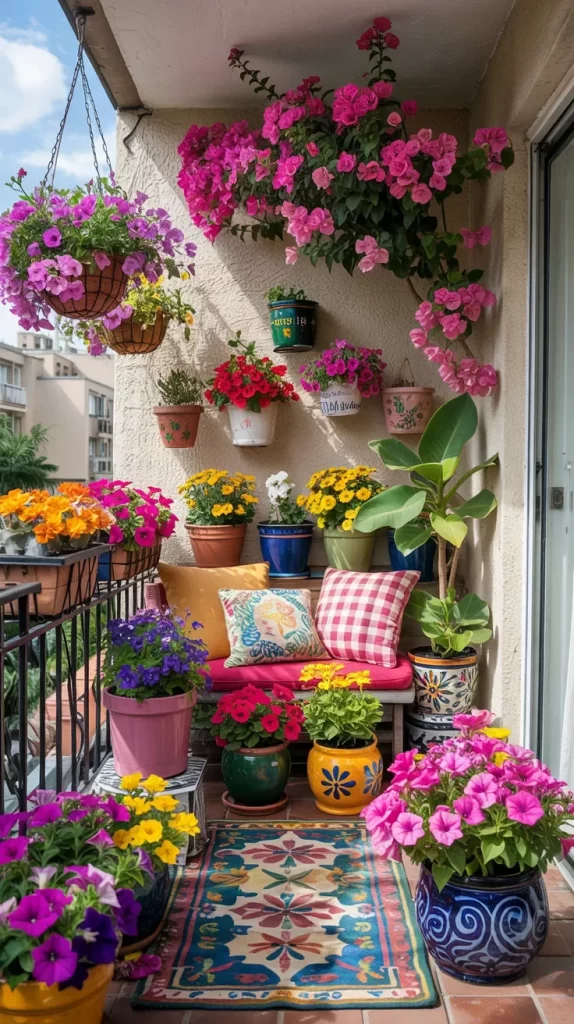
In my opinion, balance is essential when designing highly colorful balconies. Better Homes & Gardens often recommends limiting the dominant palette to a few coordinated tones, and I completely agree with this strategy. I personally like using one grounding neutral color, such as black, cream, or natural wood, to prevent the design from becoming visually overwhelming. Controlled contrast makes colorful spaces feel far more sophisticated.
I would also add hanging flower baskets or climbing floral trellises to introduce vertical movement. This helps smaller balconies feel richer and more visually layered without sacrificing valuable floor space.
Scandinavian Balcony Gardens With Neutral Tones And Organic Textures
Scandinavian balcony gardens continue to dominate modern outdoor design because they create calm, functional spaces with a soft minimalist atmosphere. I find this style especially effective for apartment balconies because it relies on simplicity, natural light, and restrained styling rather than excessive decoration. In 2026, Scandinavian outdoor spaces are becoming warmer and more textured, combining minimalism with cozy organic materials that make balconies feel relaxing year-round. The overall aesthetic feels clean yet highly welcoming.
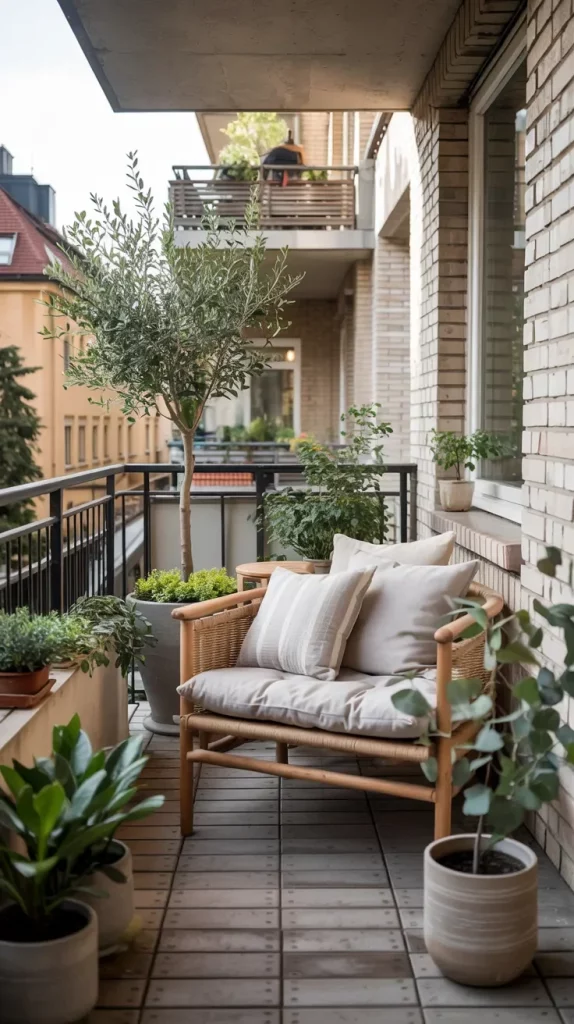
I usually use pale wood furniture, woven seating, linen cushions, soft gray planters, and simple ceramic accessories because these materials reinforce the understated Scandinavian palette. Olive trees, ornamental grasses, eucalyptus, and delicate trailing greenery work beautifully within this aesthetic because they introduce softness without overpowering the design. I also recommend layered neutral textiles and soft outdoor lighting because they help the balcony feel comfortable during colder evenings. Minimal black accents provide subtle contrast while maintaining the calm atmosphere.
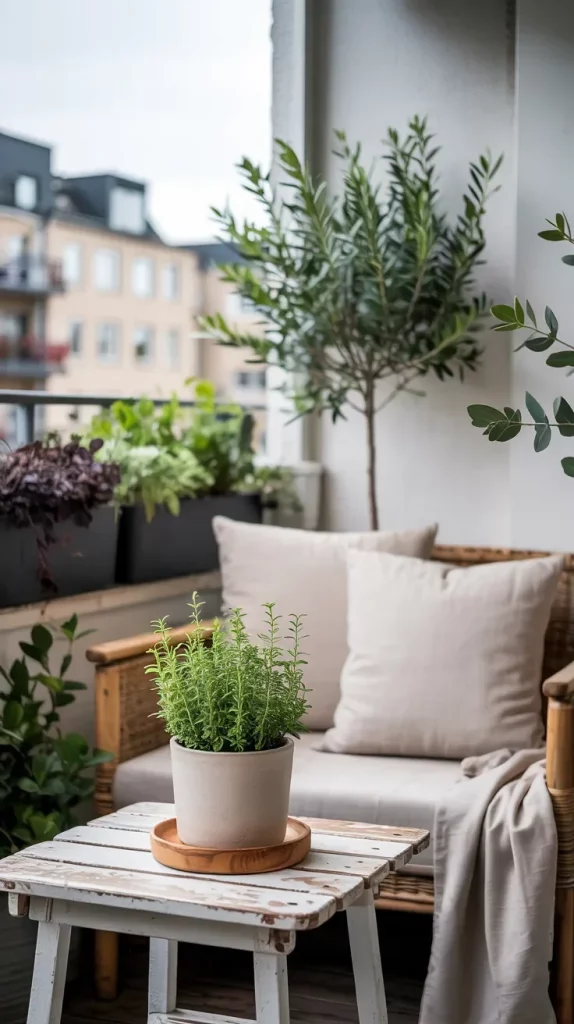
From my perspective, Scandinavian balcony gardens work best when every item feels intentional and functional. Nordic design publications frequently emphasize the concept of “quiet luxury” through simplicity and quality materials, and I strongly connect with that philosophy. I prefer selecting fewer but higher-quality outdoor pieces rather than filling the balcony with decorative clutter. Simplicity creates a much more timeless outdoor environment.
I would also include a compact outdoor storage bench in matching wood tones to maintain organization. Hidden storage is essential for preserving the clean and uncluttered appearance that defines Scandinavian design.
Balcony Gardens With Hanging Chairs, Fire Bowls, And Lounge Corners
Balcony gardens are increasingly becoming full outdoor living rooms, and I believe lounge-focused designs will remain one of the strongest trends of 2026. These balconies prioritize comfort through layered seating, warm lighting, and cozy gathering spaces that feel almost like interior lounges. I often design these balconies around a central relaxation area where greenery surrounds the seating and creates privacy. The result feels luxurious, intimate, and ideal for both quiet evenings and entertaining guests.
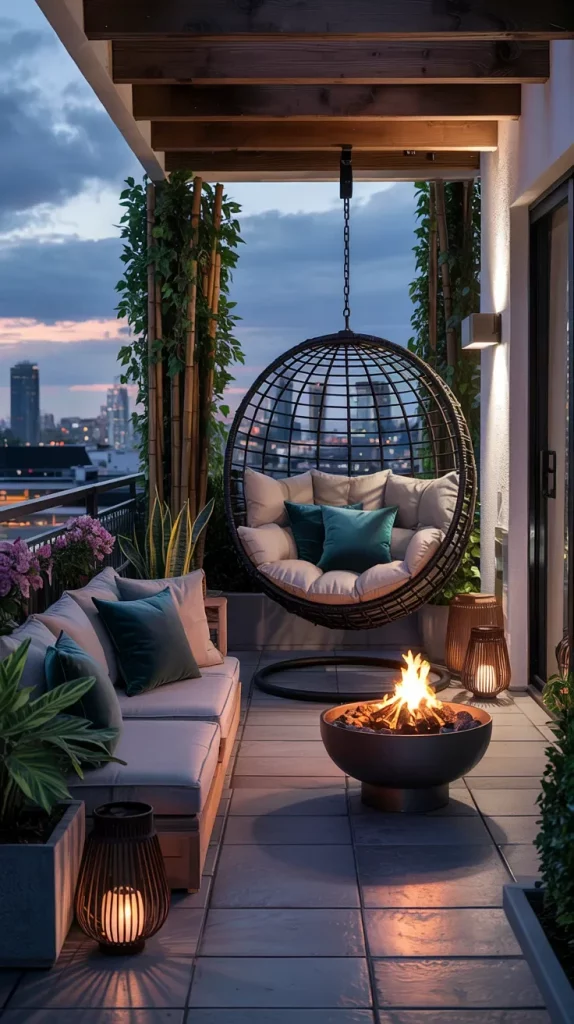
I typically include hanging egg chairs, compact sectional sofas, fire bowls, oversized cushions, and textured outdoor rugs because they instantly make the balcony feel inviting. Tall planters with bamboo or ornamental grasses help create natural privacy while softening apartment railings and walls. I also recommend integrated lantern lighting and small side tables because functional surfaces are essential in lounge-style outdoor spaces. Warm neutral palettes mixed with natural wood and matte black accents create a sophisticated atmosphere.
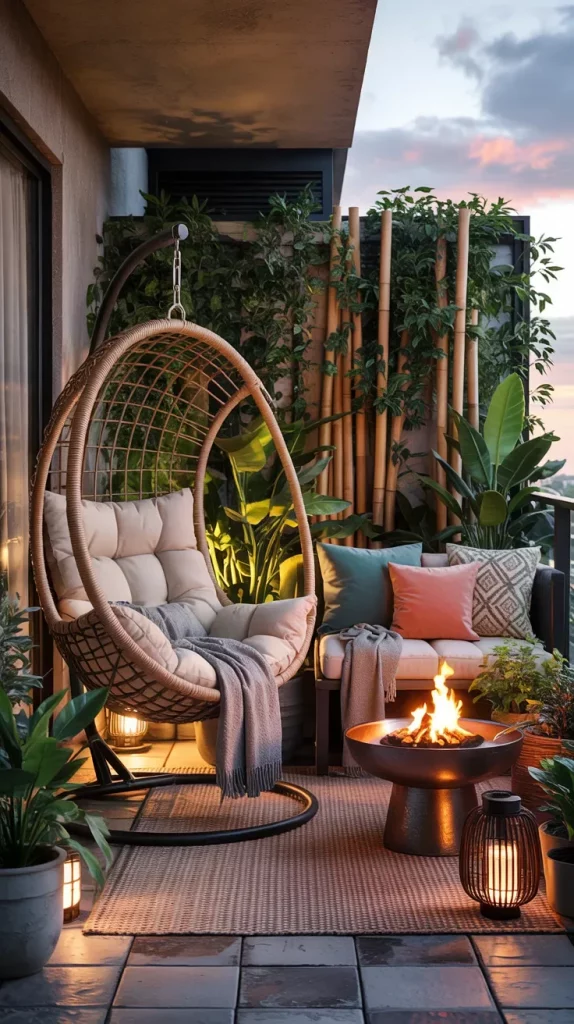
Personally, I think comfort is what transforms a balcony from decorative space into a truly usable extension of the home. Architectural Digest has recently featured outdoor lounge areas that mimic interior living room styling, and I completely support this direction for modern balconies. I always encourage layering textures and lighting carefully because atmosphere matters just as much as furniture selection. A balcony should feel emotionally relaxing as well as visually appealing.
I would complete this type of balcony with soft outdoor curtains or retractable screens to increase privacy and reduce wind exposure. These additions make the lounge area feel even more comfortable throughout different seasons.
Whimsical Balcony Gardens Inspired By Fairy Tale And Fantasy Aesthetics
I find that whimsical balcony gardens work best when they feel immersive rather than overly decorative. In 2026, this style focuses on layered greenery, curved pathways created with wood decking tiles, lantern lighting, and overflowing flowers that soften the architectural lines of an apartment balcony. I usually recommend mixing climbing ivy, pastel hydrangeas, dwarf trees, and hanging vines to create depth in small spaces. Soft ambient lighting and textured materials help the balcony feel like a hidden retreat instead of a standard urban outdoor area.
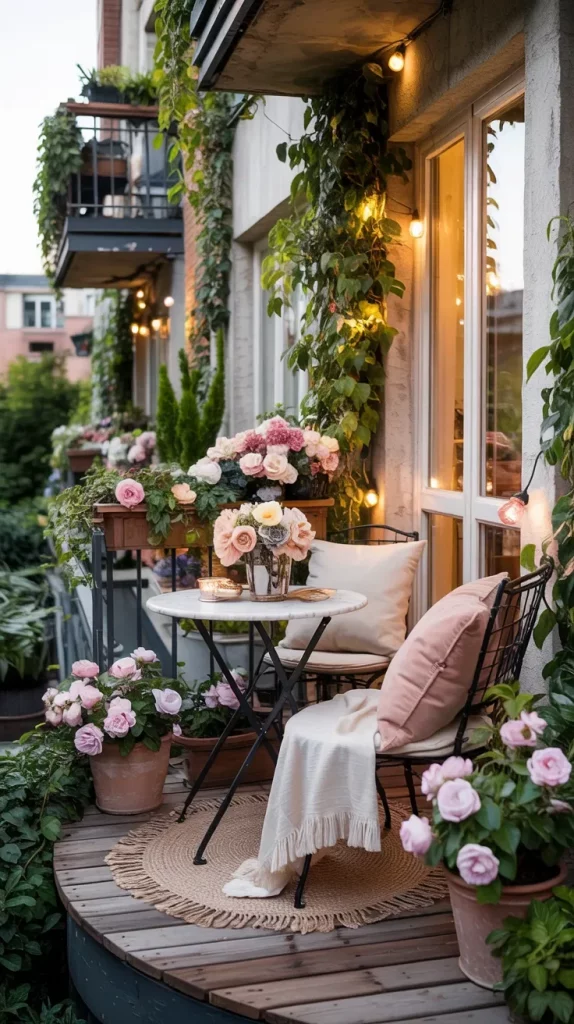
For furniture, I prefer using rounded lounge chairs, small antique-inspired bistro tables, and weathered wood benches because they support the fairy tale atmosphere without making the balcony feel crowded. I often include linen cushions in muted sage, dusty rose, or cream tones to maintain a romantic aesthetic. Decorative details such as vintage lanterns, ceramic planters, tiny fountains, and layered outdoor rugs help create a balanced composition. I also recommend adding vertical plant shelves because they maximize greenery while preserving floor space.
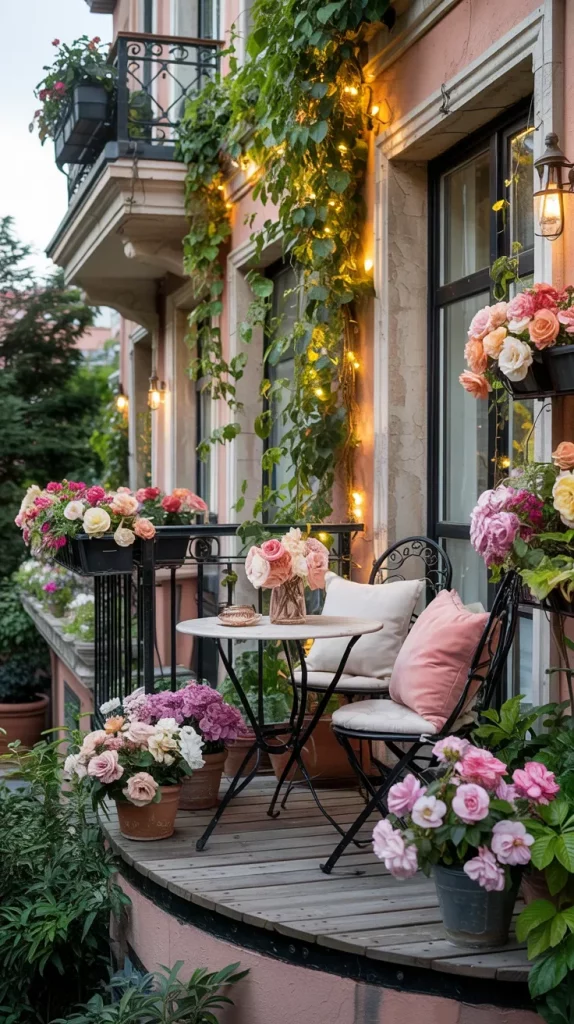
From my experience, the most successful fantasy-inspired balcony gardens avoid excessive ornamentation and instead focus on atmosphere. I have noticed that designers featured in publications like Architectural Digest often emphasize lighting and texture rather than relying only on decorative accessories. I personally like combining warm string lights with natural materials because it creates a calm and believable environment that still feels magical. This approach also helps the balcony remain functional for daily use.
I would also add soft sound elements to this type of balcony garden, such as a compact tabletop fountain or discreet outdoor speakers with ambient nature sounds. In my opinion, sensory details are what truly complete a whimsical balcony design and make it feel immersive throughout the evening.
Desert Style Balcony Gardens With Cacti, Gravel, And Sculptural Plants
Desert balcony gardens are becoming increasingly popular because they combine low-maintenance landscaping with bold architectural forms. I like using warm neutral palettes with sand-colored gravel, terracotta planters, and sculptural plants such as cacti, agave, aloe, and euphorbia. This type of balcony design feels modern, clean, and highly structured while still introducing natural textures. In smaller apartments, I often use raised planters and layered stone surfaces to create visual dimension without overcrowding the balcony.
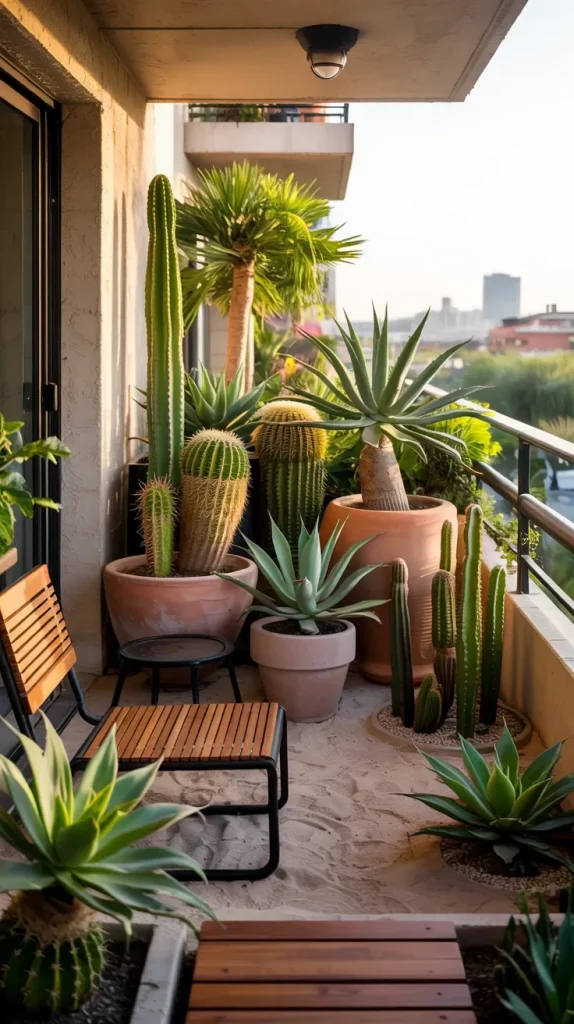
I usually pair desert planting with minimalist furniture that has black metal frames, teak wood accents, or woven outdoor textures. Compact modular seating works especially well because it keeps the layout open and uncluttered. I also recommend adding textured outdoor ceramics, sculptural lanterns, and matte-finish side tables because these pieces reinforce the contemporary desert aesthetic. Neutral outdoor textiles in beige, rust, or olive help soften the hard textures of stone and gravel.
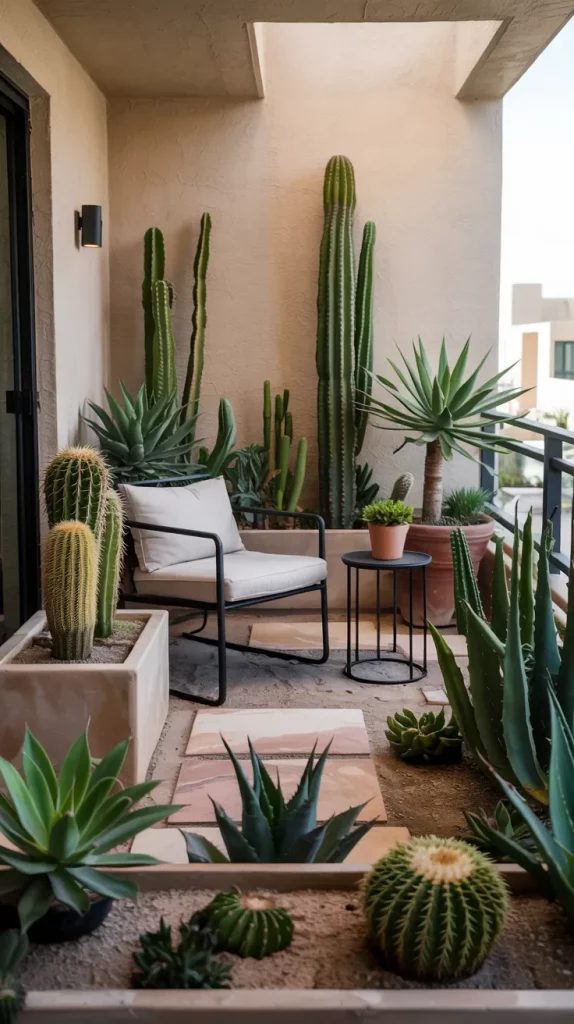
In my experience, one of the biggest advantages of desert-style balcony gardens is their practicality. These gardens are easier to maintain in sunny conditions and require less watering compared to dense floral balconies. I have also seen many landscape designers recommend sculptural planting because it creates a strong visual statement without excessive decoration. Personally, I think this approach is ideal for modern apartments with minimalist interiors because it creates continuity between indoor and outdoor spaces.
I would also include integrated lighting hidden beneath planters or benches to highlight the sculptural shapes of the plants during the evening. Subtle lighting dramatically enhances the shadows and textures that make desert-inspired balcony gardens visually striking.
Balcony Vegetable Gardens Designed For Stylish Urban Living
I believe vegetable balcony gardens in 2026 are becoming far more refined and aesthetically coordinated than traditional container gardening. Instead of random pots and improvised shelving, modern balcony vegetable gardens are carefully organized with matching planters, vertical growing systems, and integrated seating. I usually recommend combining edible plants such as tomatoes, herbs, lettuce, strawberries, and peppers with ornamental greenery to create a balanced visual composition. This approach allows the balcony to remain productive while still feeling elegant and welcoming.
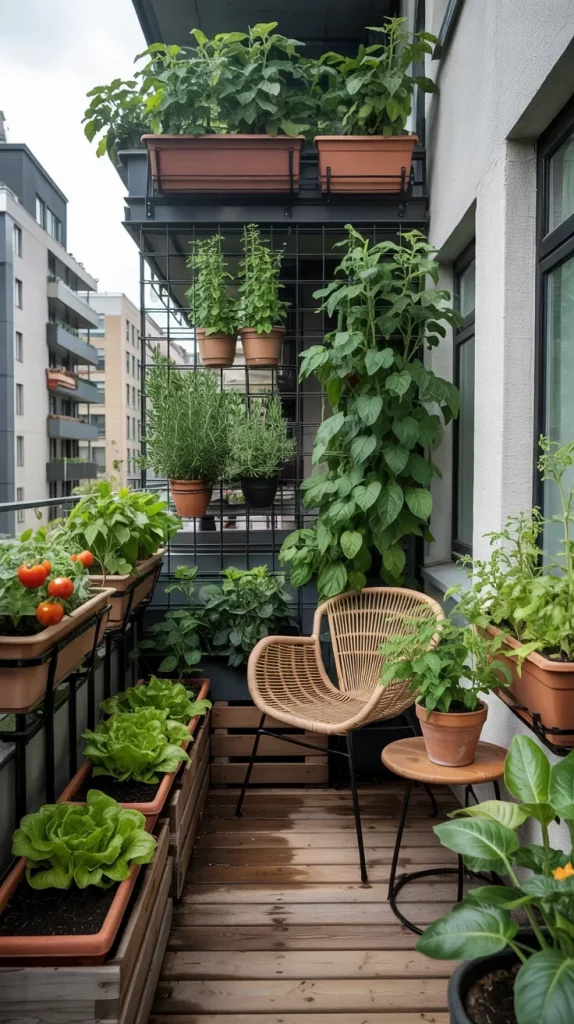
For furniture and layout, I prefer slim wooden benches with built-in storage because they maximize functionality in compact apartments. Vertical planters mounted against privacy walls help free floor space while making the garden feel lush and layered. I also like incorporating narrow bar-style counters where homeowners can enjoy coffee while surrounded by greenery. Matte ceramic pots, black metal trellises, and warm wood textures help create a polished urban garden aesthetic instead of a purely utilitarian space.
Personally, I think stylish vegetable balconies encourage people to spend more time outdoors and reconnect with everyday routines like cooking and gardening. I often reference advice from urban gardening experts who recommend mixing edible and decorative plants because it naturally improves the overall appearance of small gardens. In my own design observations, the most attractive balcony vegetable gardens are those that maintain visual consistency through coordinated materials and restrained color palettes.
I would additionally suggest adding compact irrigation systems or self-watering planters because they significantly simplify maintenance. Practical details like these help urban balcony gardens remain healthy and visually appealing throughout the growing season.
Elegant Monochrome Balcony Gardens With Dramatic Visual Contrast
Monochrome balcony gardens create an incredibly sophisticated atmosphere when designed with careful layering and texture. I often use black, white, charcoal, and deep gray tones combined with lush green planting to create dramatic visual contrast. In 2026, this style is becoming increasingly popular in luxury apartments because it feels timeless and architectural. I usually recommend combining dark planters, pale stone flooring, and sculptural greenery to create a refined and balanced outdoor environment.
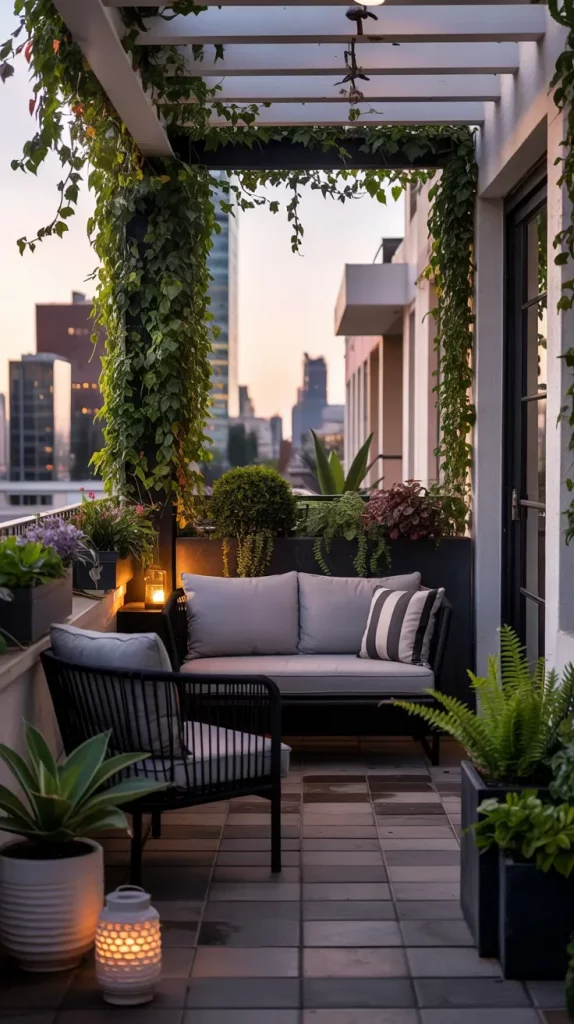
For furniture, I prefer low-profile seating with structured silhouettes and high-quality outdoor fabrics in solid neutral colors. Black metal tables, matte ceramic planters, and textured woven chairs help reinforce the monochrome palette while adding subtle visual depth. I also recommend incorporating oversized planters because they make the balcony feel curated and intentional. Minimal decorative accessories work best here because the emphasis should remain on contrast, form, and clean composition.
In my experience, monochrome balcony gardens are most effective when lighting is carefully planned. I have noticed that many professional designers use warm indirect lighting to soften dark palettes and prevent the space from feeling cold. Personally, I think combining soft greenery with bold monochrome architecture creates one of the most elegant balcony styles currently trending in modern apartment design. The simplicity of the color scheme also allows the plants themselves to become focal points.
I would also add textured materials such as ribbed ceramics, concrete finishes, and layered textiles to avoid a flat visual appearance. Texture is essential in monochrome design because it introduces depth without disrupting the restrained palette.
Creative Balcony Garden Privacy Ideas Using Green Screens And Tall Plants
Privacy has become one of the most important aspects of balcony garden design, especially in dense urban environments. I often design privacy-focused balconies using layered greenery, vertical garden panels, bamboo screens, and tall ornamental grasses. These elements create separation without making the balcony feel enclosed or heavy. In 2026, many homeowners are choosing living privacy walls because they provide both visual softness and practical functionality.
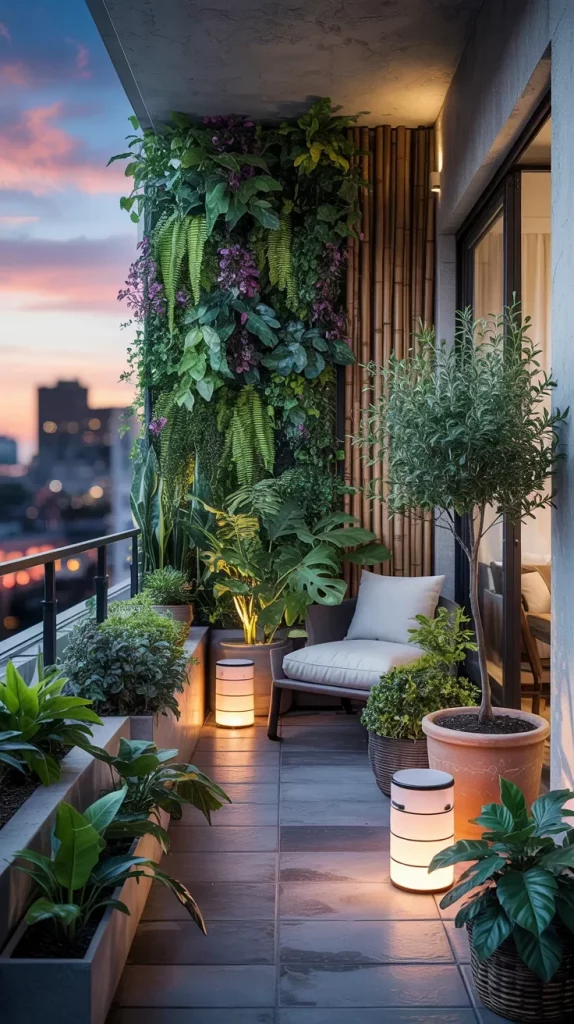
I usually combine tall planters with climbing vines, olive trees, or slim evergreen shrubs because they naturally define the perimeter of the balcony. Modular wooden screens and black metal trellises also work extremely well for supporting vertical greenery. For seating, I recommend compact lounge furniture with soft weather-resistant cushions to maintain comfort without overcrowding the layout. Small side tables, outdoor lanterns, and woven accessories help make the balcony feel like a fully furnished extension of the home.
From my perspective, privacy solutions should feel integrated into the design rather than added as an afterthought. I have seen many professional outdoor designers recommend combining hard and soft materials to create a more balanced visual effect. Personally, I think living green screens are one of the best ways to transform an exposed balcony into a relaxing retreat while still preserving airflow and natural light.
I would also recommend incorporating layered lighting around the privacy elements because evening illumination makes the greenery appear more dimensional and luxurious. Soft lighting can completely transform the atmosphere of a balcony after sunset.
Balcony Gardens With Water Features, Mini Ponds, And Relaxing Sounds
I have noticed that balcony gardens with water elements are becoming one of the most calming outdoor trends in 2026. Even a compact balcony can feel dramatically more peaceful when gentle water sounds are incorporated into the design. I usually recommend using small integrated fountains, ceramic water bowls, or shallow mini ponds combined with layered greenery to create a tranquil retreat. The combination of moving water, natural textures, and soft planting helps reduce the harshness often associated with urban apartment environments.
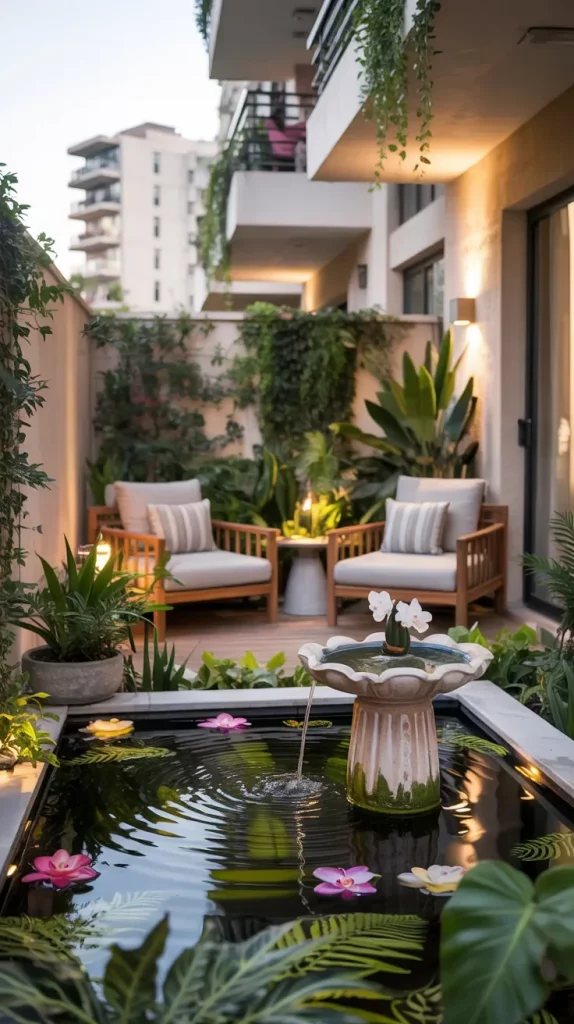
For furniture, I prefer low lounge seating with soft outdoor cushions because it encourages relaxation near the water feature. Teak wood furniture, textured stone side tables, and oversized ceramic planters work especially well in this style because they complement the natural atmosphere. I also like adding floating aquatic plants, smooth river stones, and subtle LED lighting around the water feature to create visual depth during the evening. Compact balconies benefit from vertical greenery walls because they preserve floor space while maintaining a lush appearance.
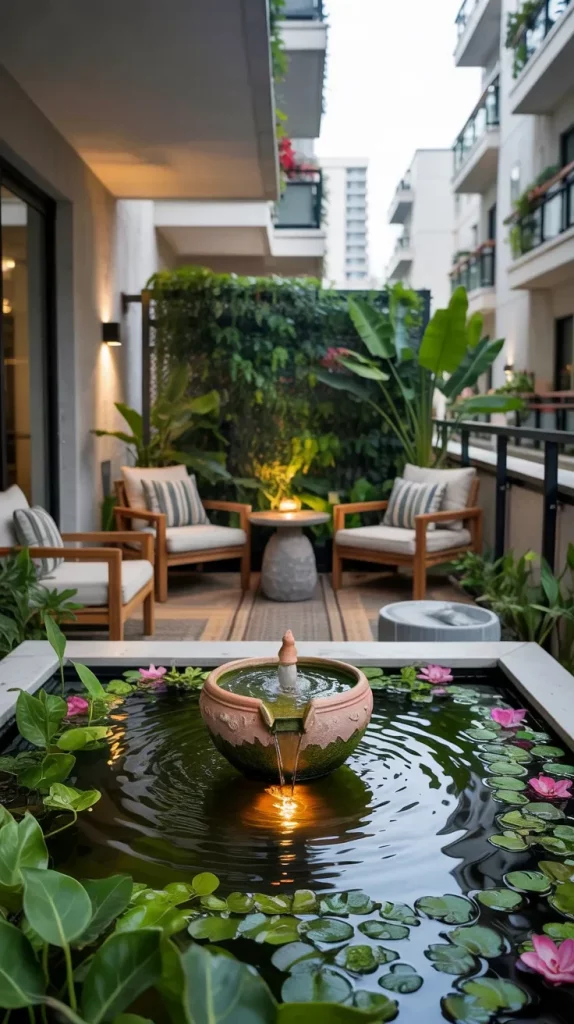
From my experience, the sound design of a balcony is often underestimated. I personally think that a quiet fountain or water bowl can completely transform the emotional atmosphere of an outdoor apartment space. Many landscape designers featured in modern outdoor living publications emphasize that sensory experiences are just as important as visual styling. I agree with this approach because a balcony should feel restorative, not simply decorative.
I would also suggest adding weather-resistant candles or lanterns near the water feature to enhance the evening atmosphere. Soft lighting reflected on moving water creates a far more immersive and luxurious outdoor experience.
Eclectic Balcony Gardens That Mix Vintage Decor With Modern Details
Eclectic balcony gardens are ideal for homeowners who want their outdoor space to feel personal, layered, and visually expressive. I like combining vintage furniture, aged textures, and antique-inspired decor with modern planters, lighting, and contemporary seating. In 2026, this style is becoming more refined, focusing on balance instead of clutter. I usually recommend grounding the design with a consistent color palette while allowing decorative pieces to introduce personality and contrast.
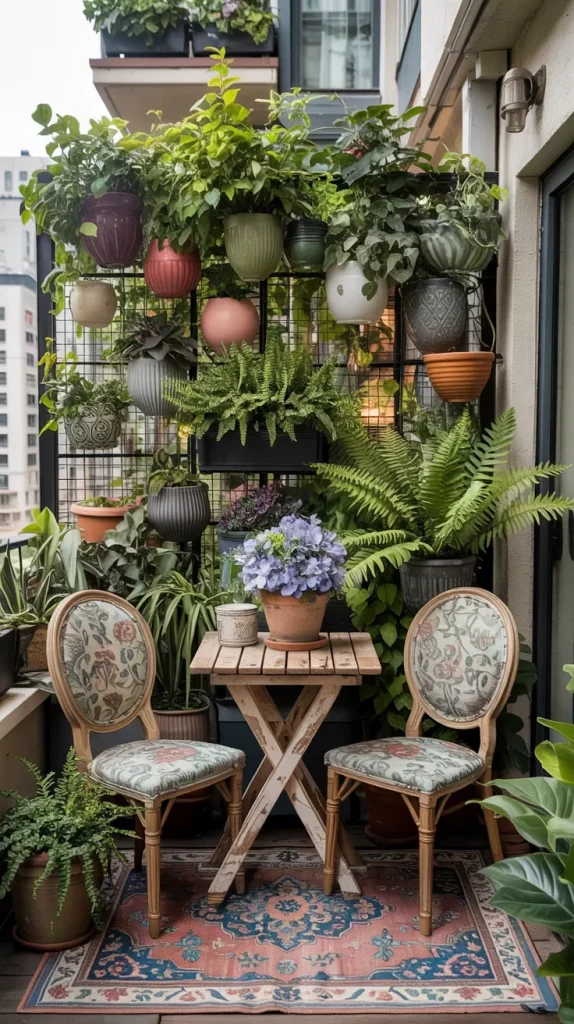
For furniture and accessories, I often use vintage café chairs, distressed wood tables, patterned outdoor rugs, and mixed ceramic planters. Modern additions such as matte black lighting fixtures, sculptural planters, and minimalist lounge seating help prevent the balcony from feeling outdated. I also recommend mixing textures like woven fabrics, aged metals, natural wood, and stone because they create visual richness without overwhelming the space. Layered greenery softens the combination of old and new materials beautifully.
Personally, I think eclectic balcony gardens work best when every decorative item feels intentional. I have seen many professional designers recommend editing decorative collections carefully rather than displaying too many contrasting elements. In my own experience, combining a few meaningful vintage pieces with clean contemporary details creates a far more sophisticated result than trying to fill every corner with decor. This balance allows the balcony to feel artistic yet livable.
I would additionally include statement lighting such as oversized lanterns or globe pendant lights because they help visually unify the eclectic mix of materials and styles during the evening hours.
Four Season Balcony Gardens That Stay Beautiful All Year Round
I believe four season balcony gardens are one of the most practical and valuable outdoor design approaches for apartments. Instead of creating a balcony that only looks attractive during summer, this concept focuses on maintaining visual interest throughout the entire year. I usually combine evergreen plants, ornamental grasses, seasonal flowers, and weather-resistant materials to create a layered design that adapts naturally to changing seasons. In 2026, many homeowners are prioritizing long-term functionality and durability in outdoor spaces.
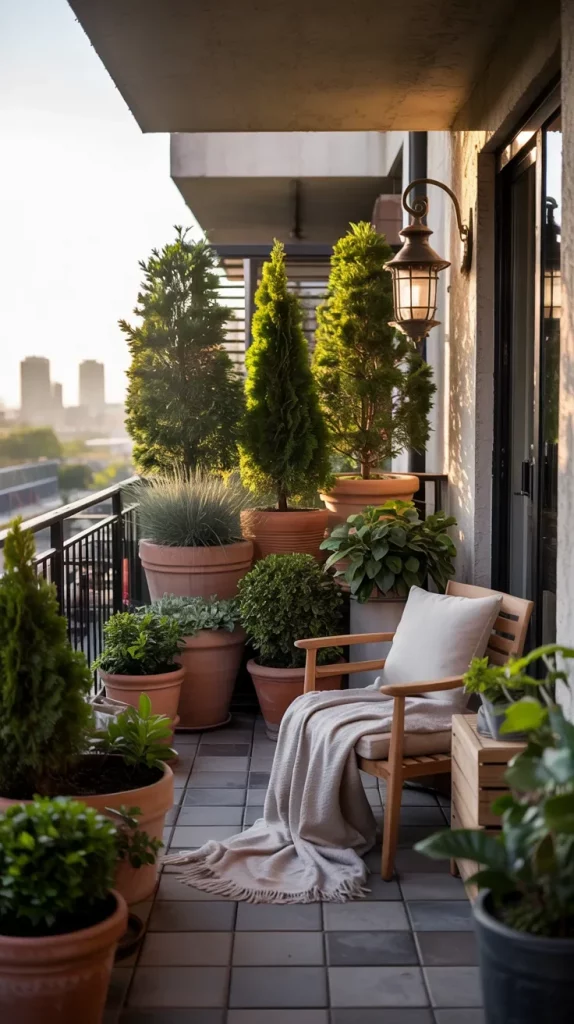
For furniture, I recommend durable teak, powder-coated metal, and high-quality outdoor fabrics that can withstand changing weather conditions. Storage benches are especially useful because they provide space for blankets, cushions, and seasonal accessories. I also like using oversized planters because they create structure during colder months when flowering plants become less prominent. Warm outdoor lighting, lanterns, and textured throws help the balcony remain cozy even during autumn and winter evenings.
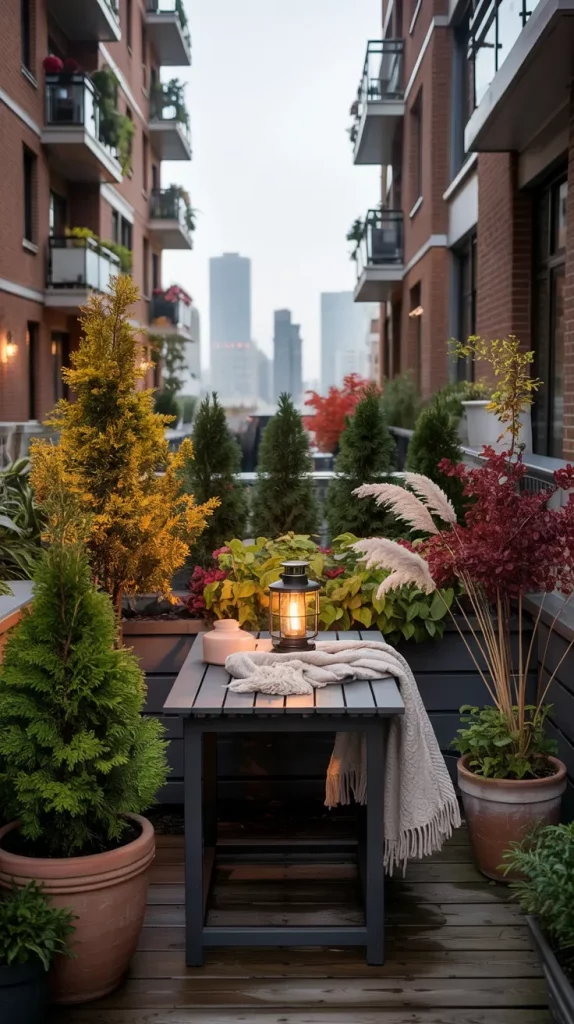
From my perspective, successful four season balconies depend heavily on thoughtful plant selection. I often recommend combining evergreen shrubs with seasonal accents because this approach prevents the balcony from feeling empty during colder months. Many professional landscape designers emphasize texture and structural planting for year-round appeal, and I strongly agree with this strategy. Personally, I think a balcony should feel inviting regardless of the season, especially in urban environments where outdoor access can feel limited.
I would also suggest incorporating movable decor and flexible seating arrangements because they allow homeowners to easily adapt the balcony for different weather conditions and seasonal activities.
Glamorous Balcony Gardens With Gold Accents And Luxury Textiles
Glamorous balcony gardens in 2026 are moving toward a softer and more sophisticated version of luxury outdoor living. I like combining lush greenery with elegant metallic finishes, layered textiles, and refined lighting to create a balcony that feels upscale without becoming excessive. Gold accents work particularly well when paired with neutral furniture, creamy fabrics, marble textures, and soft greenery. This combination creates a polished outdoor environment that feels both inviting and visually dramatic.
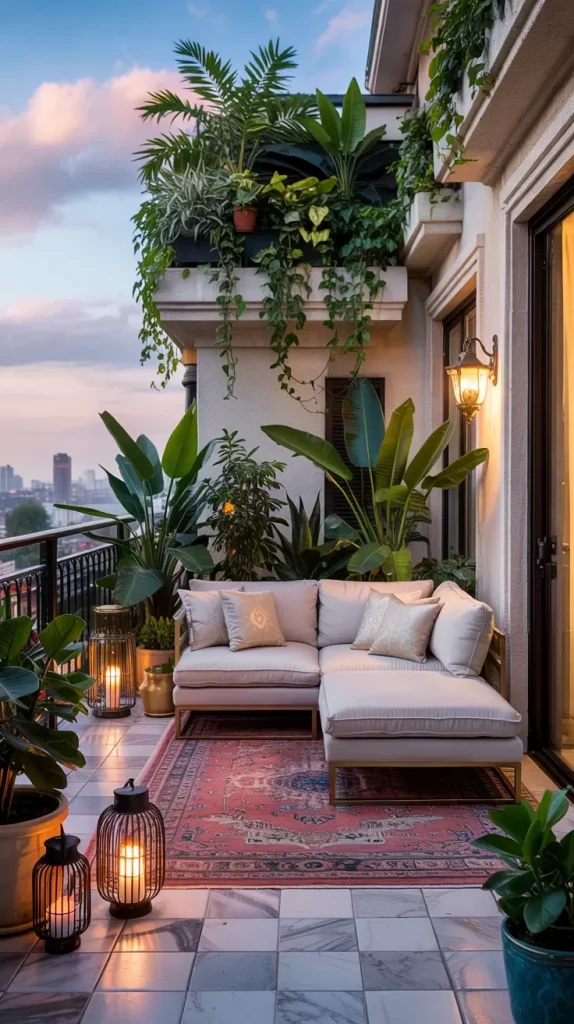
I usually recommend curved lounge chairs, velvet-inspired outdoor cushions, gold-framed side tables, and oversized planters with sculptural plants. Sheer outdoor curtains can also help soften the architectural lines of apartment balconies while introducing a sense of privacy and elegance. I often add layered rugs, decorative lanterns, and warm ambient lighting because they enhance the luxurious atmosphere without overwhelming the design. Rich textures are especially important in glamorous balcony styling because they create visual warmth and depth.
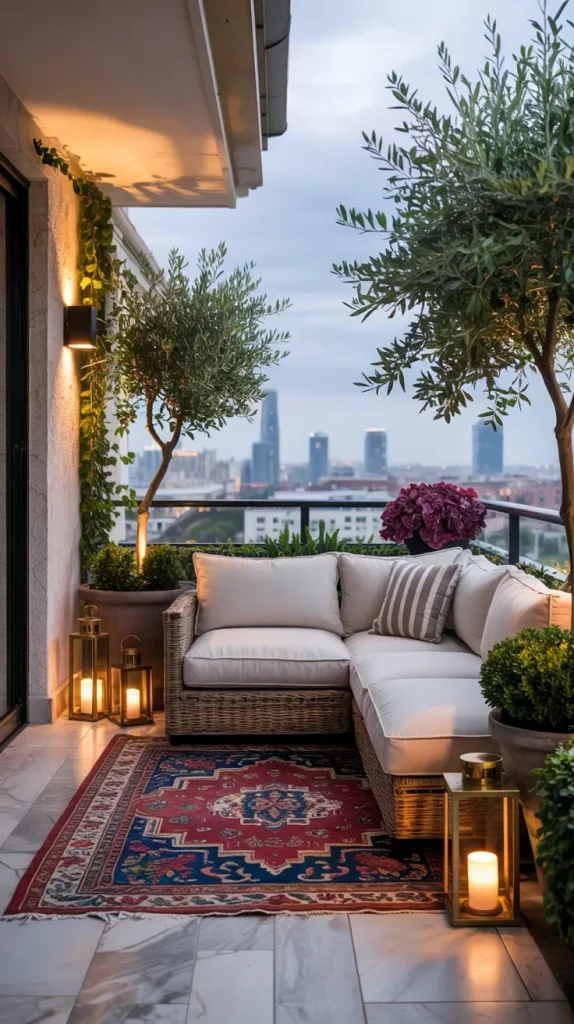
Personally, I think the key to a successful luxury balcony is restraint. I have seen many designers featured in Elle Decor and Architectural Digest emphasize the importance of balancing glamour with comfort. I completely agree because overly decorative outdoor spaces can quickly feel impractical. In my experience, the most successful glamorous balconies feel comfortable enough for daily use while still maintaining a refined visual identity.
I would also include subtle reflective materials such as mirrored trays, metallic planters, or glass lanterns because they help amplify evening lighting and create a more elegant nighttime atmosphere.
Unique Balcony Garden 2026 Ideas That Redefine Outdoor Apartment Living
The most exciting balcony garden ideas in 2026 combine functionality, creativity, and architectural styling in ways that completely transform apartment living. I have noticed a strong movement toward multifunctional outdoor spaces that include dining zones, relaxation areas, vertical gardens, and artistic design elements within relatively compact balconies. These creative and artistic balcony concepts prioritize individuality while still remaining practical for everyday life. Many homeowners now view the balcony as an essential extension of the home rather than a secondary outdoor area.
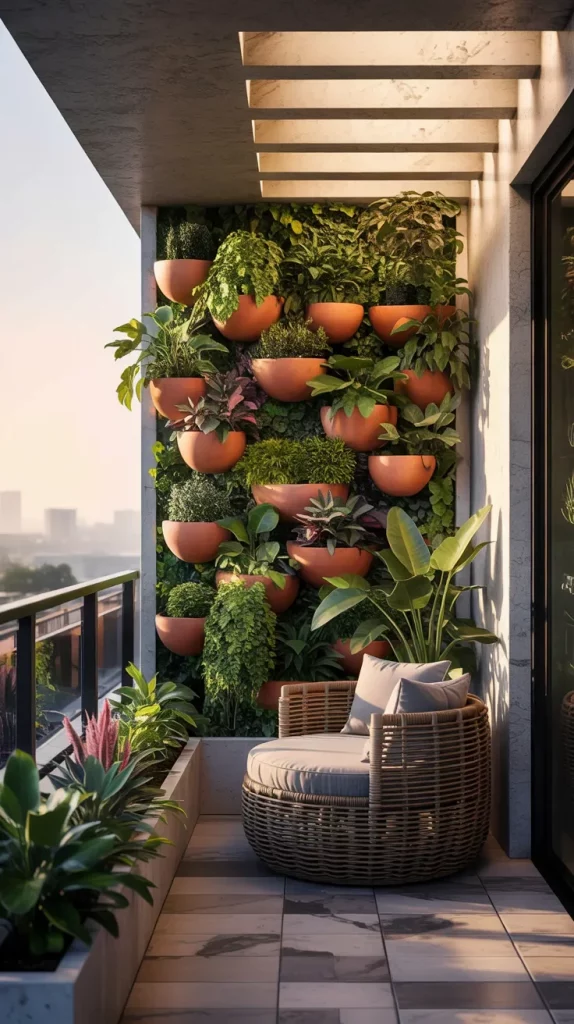
For furniture and design details, I recommend modular seating, sculptural planters, compact dining tables, layered lighting systems, and integrated storage solutions. I also like combining natural materials such as wood, stone, linen, and ceramics because they help the balcony feel warm and balanced. Vertical gardens and hanging plants are especially important in smaller apartments because they maximize greenery while preserving valuable floor space. In 2026, I also see more homeowners embracing stylish curved furniture and organic forms that soften modern architecture.
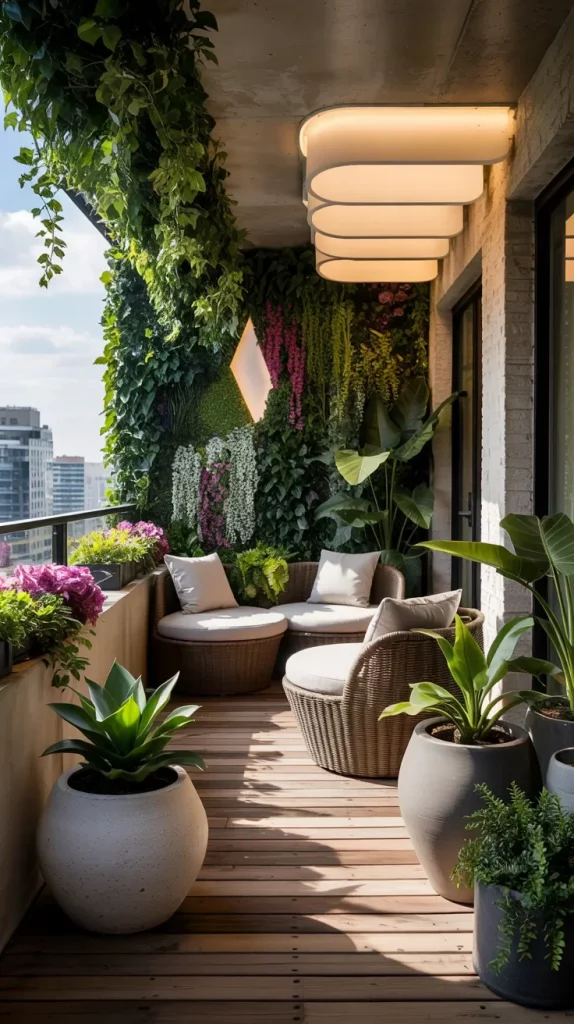
In my opinion, the future of balcony design lies in personalization and adaptability. I often encourage homeowners to choose elements that reflect their lifestyle rather than blindly following trends. I have seen many respected outdoor designers recommend focusing on comfort, lighting, and material quality because these factors have the greatest impact on long-term satisfaction. Personally, I believe the most unusual and unique balcony gardens are the ones that feel authentic to the people who use them every day.
I would additionally recommend integrating smart outdoor technology such as adjustable lighting systems, compact irrigation solutions, and weather-resistant speakers because these details improve both comfort and usability in modern apartment living.
Balcony garden 2026 ideas prove that even the smallest outdoor spaces can become beautiful, creative, and highly functional retreats. With stylish furniture, artistic greenery, smart layouts, and unique decorative details, modern balcony gardens are designed to reflect personality and comfort. Whether you love minimalist elegance, tropical vibes, or cozy boho aesthetics, the right design can completely transform your balcony into a peaceful escape. Use these inspiring trends to create a balcony garden that feels modern, inviting, and truly unforgettable.