

Organic textiles for bedrooms are becoming increasingly popular among homeowners who want to create healthier and more sustainable living spaces. From soft organic cotton sheets to natural wool blankets and linen curtains, these materials offer comfort while reducing exposure to harmful chemicals. Choosing organic fabrics can also improve indoor air quality and support environmentally responsible production practices. Beyond their practical benefits, organic textiles bring timeless beauty, texture, and warmth to bedroom interiors. Whether you prefer a minimalist retreat or a cozy layered sanctuary, natural fabrics can elevate both style and comfort. In this guide, you’ll discover the best organic textiles for bedrooms and learn how to incorporate them into a restful and inviting space.
Why Organic Textiles Are Essential For Modern Bedrooms
Modern bedrooms are increasingly designed as restorative spaces, and I believe that textiles play a central role in achieving that goal. When I design or update a bedroom, I prioritize organic textiles for bedrooms because they reduce exposure to synthetic chemicals commonly found in conventional fabrics. A room layered with organic textiles feels softer, fresher, and more connected to nature while maintaining a sophisticated contemporary aesthetic.
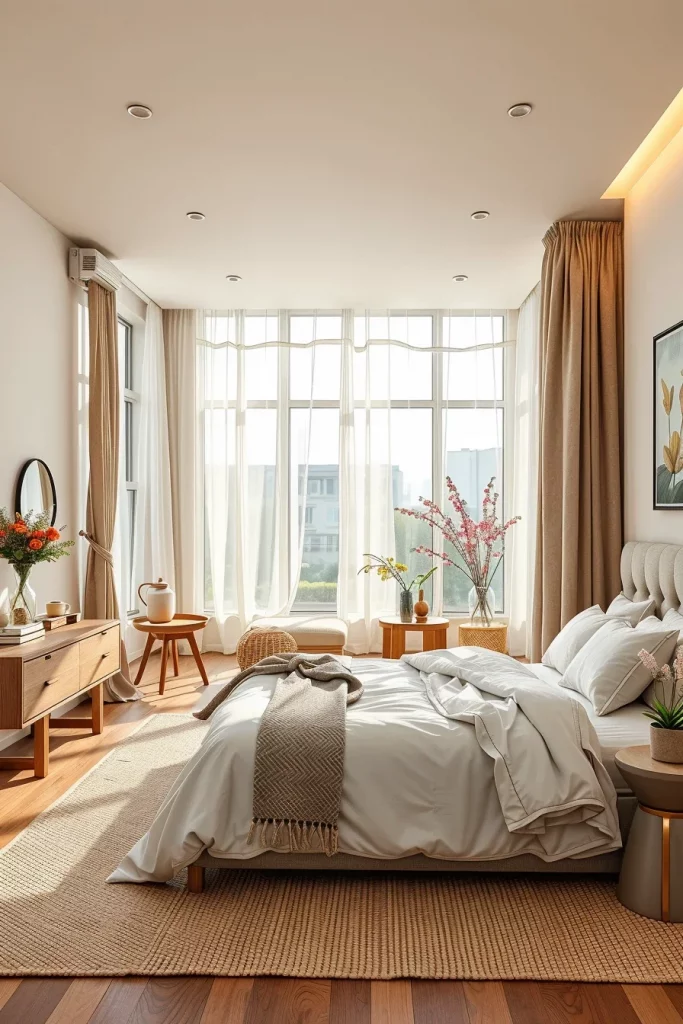
I often recommend incorporating organic cotton sheets, natural fiber rugs, upholstered headboards covered in certified fabrics, and lightweight organic curtains. These elements contribute to a healthier indoor environment while enhancing visual warmth. Neutral palettes, textured fabrics, and minimalist furnishings work especially well in modern bedrooms focused on wellness and relaxation.
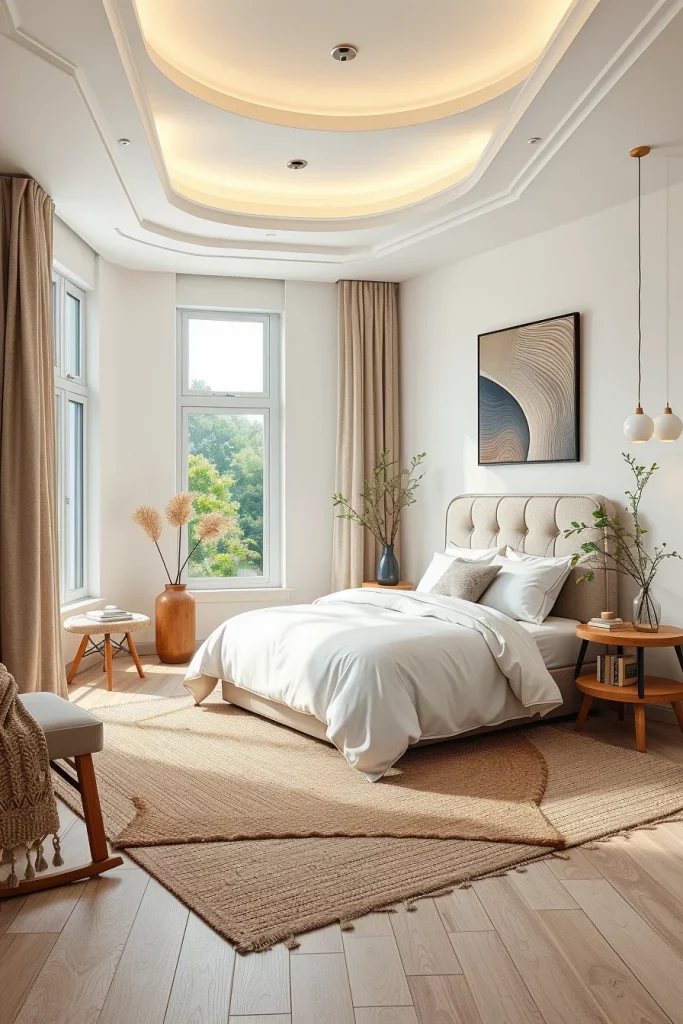
From my experience, clients notice an immediate difference in comfort after switching to organic materials. Publications such as Architectural Digest have frequently highlighted the growing demand for healthier interiors, emphasizing natural materials as an important component of modern home design.
To complete this type of bedroom, I would add layered lighting, natural wood furniture, and proper ventilation to maximize the benefits of organic textiles and create a truly restorative environment.
Benefits Of Sleeping With Organic Bedding Materials
The quality of bedding directly affects sleep, which is why I always encourage investing in organic bedding materials. Organic sheets and blankets are typically manufactured without harsh pesticides, chemical finishes, or synthetic fragrances. This creates a cleaner sleeping environment that is especially beneficial for people with allergies or sensitive skin.
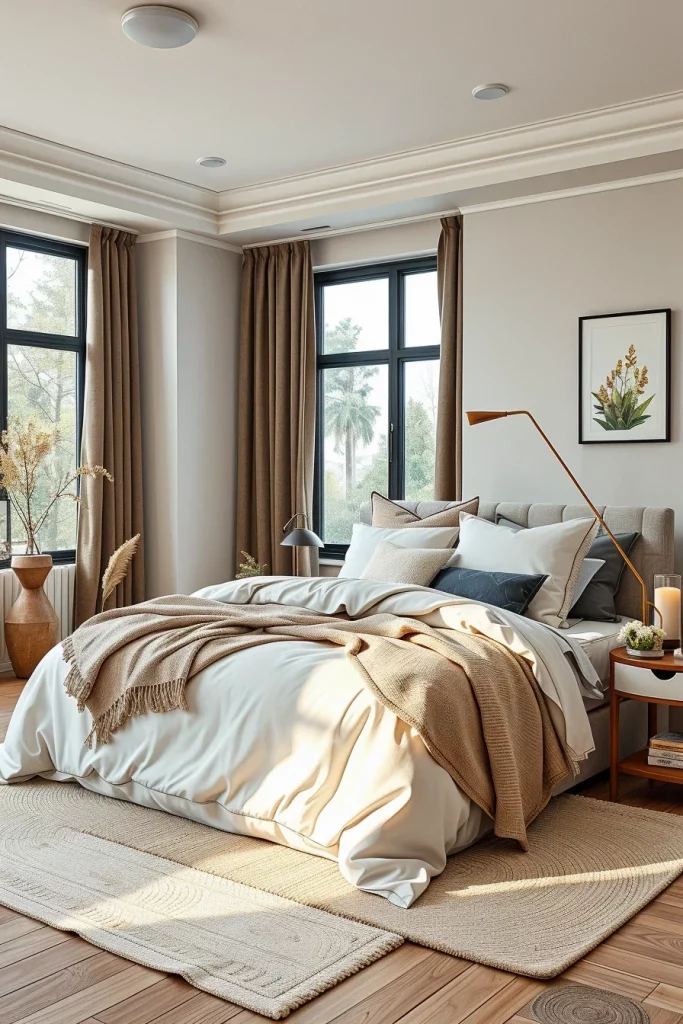
A thoughtfully designed bedroom featuring organic bedding should include a supportive mattress, breathable sheets, a natural fiber throw blanket, and soft accent pillows. I find that combining organic bedding with upholstered furniture in soft tones creates a calming atmosphere that encourages deeper relaxation.
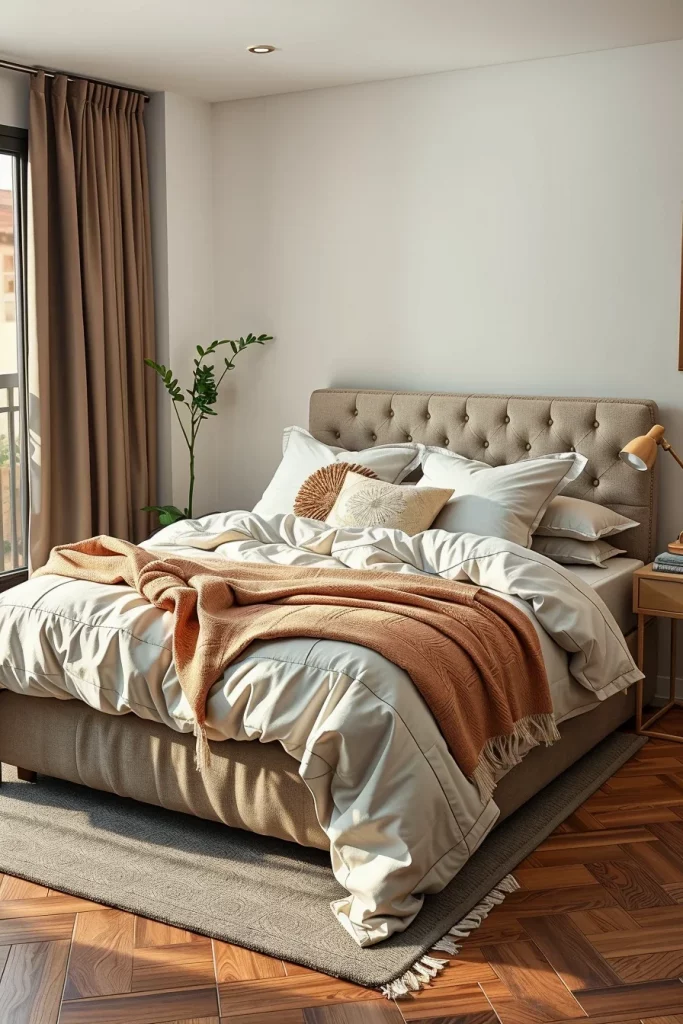
Personally, after replacing conventional bedding with certified organic alternatives, I noticed improved comfort and fewer skin irritations. Sleep experts regularly stress the importance of breathable fabrics because they help regulate body temperature throughout the night.
I also recommend adding blackout curtains made from organic fabrics and maintaining a clutter-free layout to further support healthy sleep habits.
Understanding Organic Cotton For Bedroom Textiles
Among all natural fibers, organic cotton bedding remains one of my favorite choices for bedrooms because of its versatility, softness, and durability. Organic cotton is grown without harmful pesticides and processed according to strict environmental standards, making it an excellent option for health-conscious homeowners.
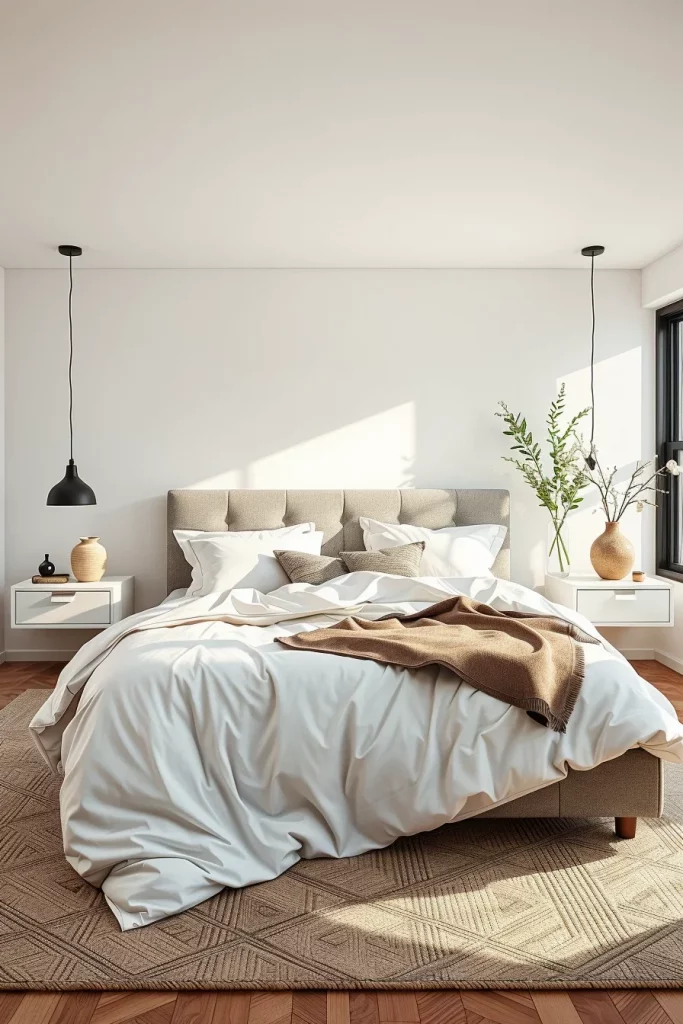
In a modern bedroom, organic cotton works beautifully for bed sheets, pillowcases, duvet covers, decorative cushions, and lightweight curtains. I often pair crisp organic cotton textiles with streamlined furniture, upholstered headboards, floating nightstands, and subtle decorative accents to achieve a clean yet welcoming look.
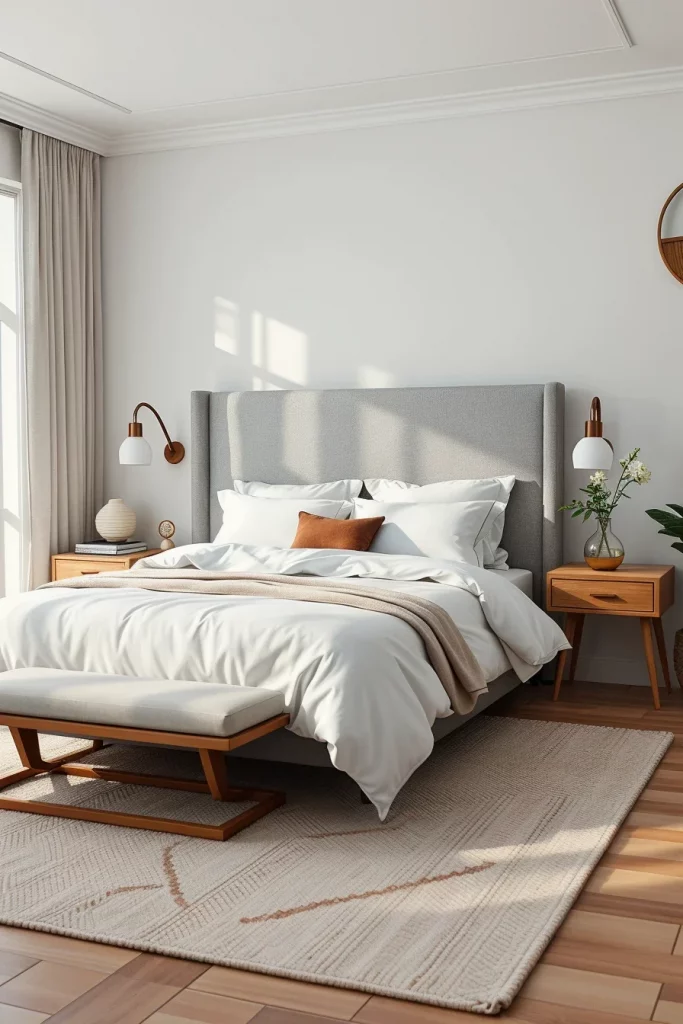
I appreciate that organic cotton adapts well to various interior styles, from contemporary minimalism to Scandinavian-inspired spaces. Many interior designers recommend choosing long-staple organic cotton for exceptional softness and longevity.
To further enhance the room, I would introduce textured rugs, layered bedding, and dimmable bedside lighting for additional comfort and visual depth.
Choosing Organic Linen For A Relaxed Bedroom Look
Organic linen instantly creates a relaxed, effortlessly elegant atmosphere. I often select linen textiles when designing bedrooms intended to feel serene and informal. Linen’s naturally textured appearance adds visual interest while maintaining a refined aesthetic suitable for modern interiors.
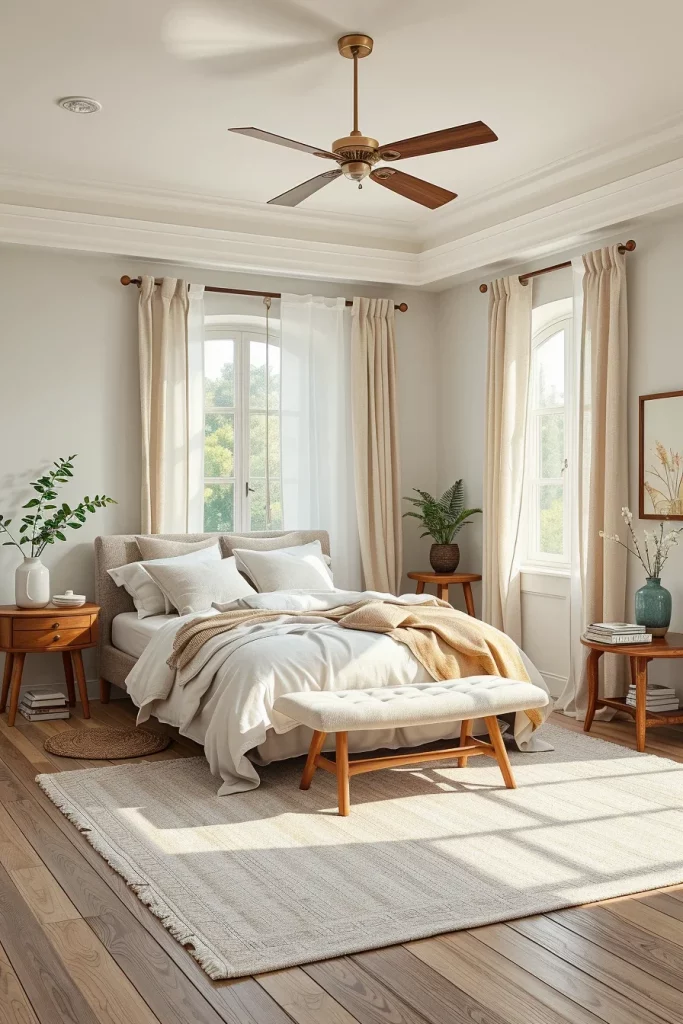
I like using organic linen for bedding, curtains, decorative cushions, and upholstered benches. Combined with simple furniture, soft area rugs, natural wood finishes, and understated decor, linen helps create a space that feels airy and inviting. Its moisture-wicking properties also contribute to year-round comfort.
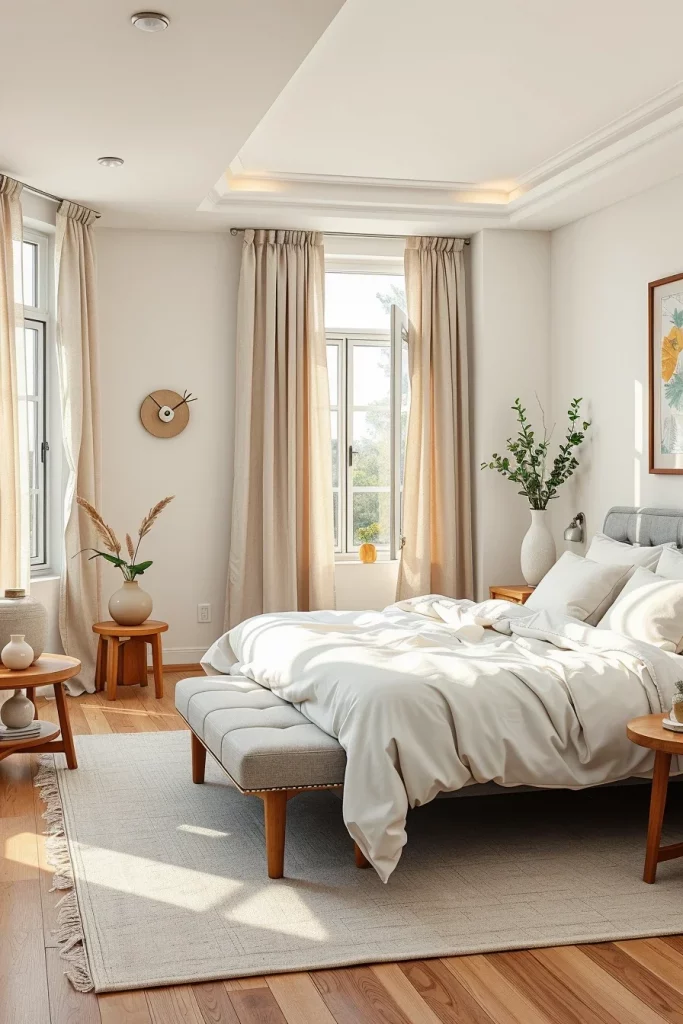
From my experience, linen becomes increasingly soft with every wash, making it a worthwhile long-term investment. Designers featured in leading home publications frequently praise linen for balancing sophistication with everyday practicality.
To complete a linen-focused bedroom, I would include layered textiles in tonal shades, ceramic accessories, and soft ambient lighting to emphasize the relaxed character of the space.
Organic Wool Textiles For Year-Round Comfort
Organic wool textiles provide exceptional comfort throughout every season. I often recommend wool because it naturally regulates temperature, keeping bedrooms warm during winter and pleasantly cool during summer. This versatility makes wool particularly valuable in climates with changing seasonal conditions.
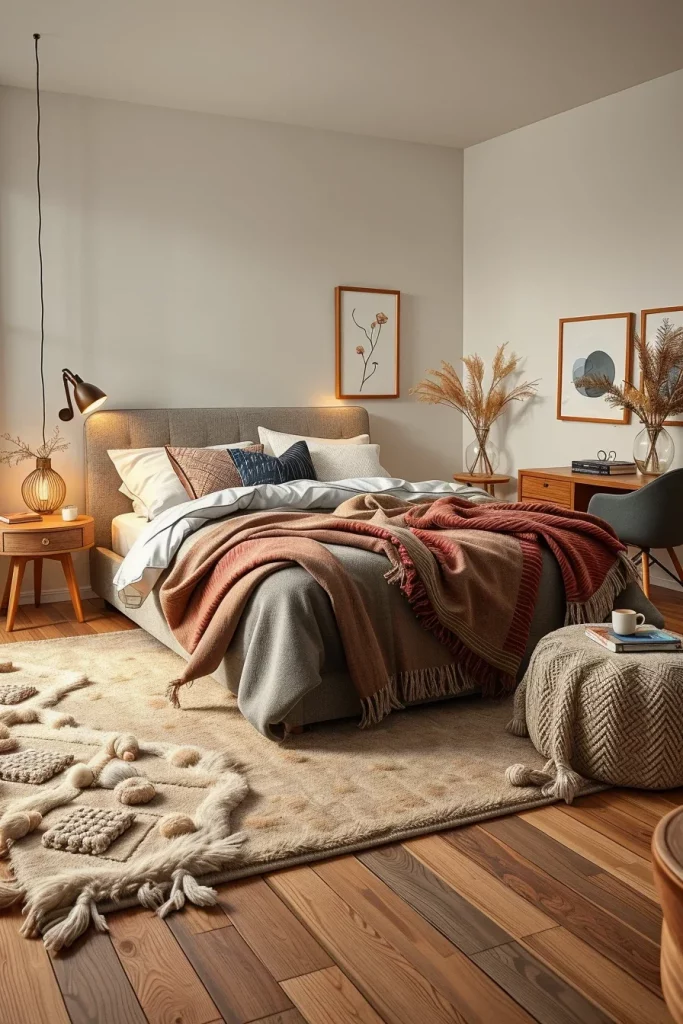
Organic wool can be incorporated through blankets, mattress toppers, area rugs, and accent throws. In a contemporary bedroom, these pieces pair beautifully with streamlined furniture, upholstered beds, and neutral color schemes. Wool textures also introduce warmth and depth without overwhelming the room’s overall design.
In my own projects, I have found that organic wool significantly enhances comfort while reducing the need for synthetic bedding layers. Many sleep specialists recognize wool’s ability to regulate moisture and support more consistent sleep temperatures.
For an even more inviting bedroom, I would add layered bedside lighting, soft window treatments, and natural decorative accents that complement the warmth of wool.
The Advantages Of Organic Bamboo Fabrics In Bedrooms
Organic bamboo fabrics have become increasingly popular, and I understand why. These textiles are exceptionally soft, breathable, and naturally moisture-wicking, making them ideal for creating a comfortable sleep environment. In modern bedroom interiors, bamboo fabrics contribute to a clean, fresh atmosphere while supporting a sustainable lifestyle.
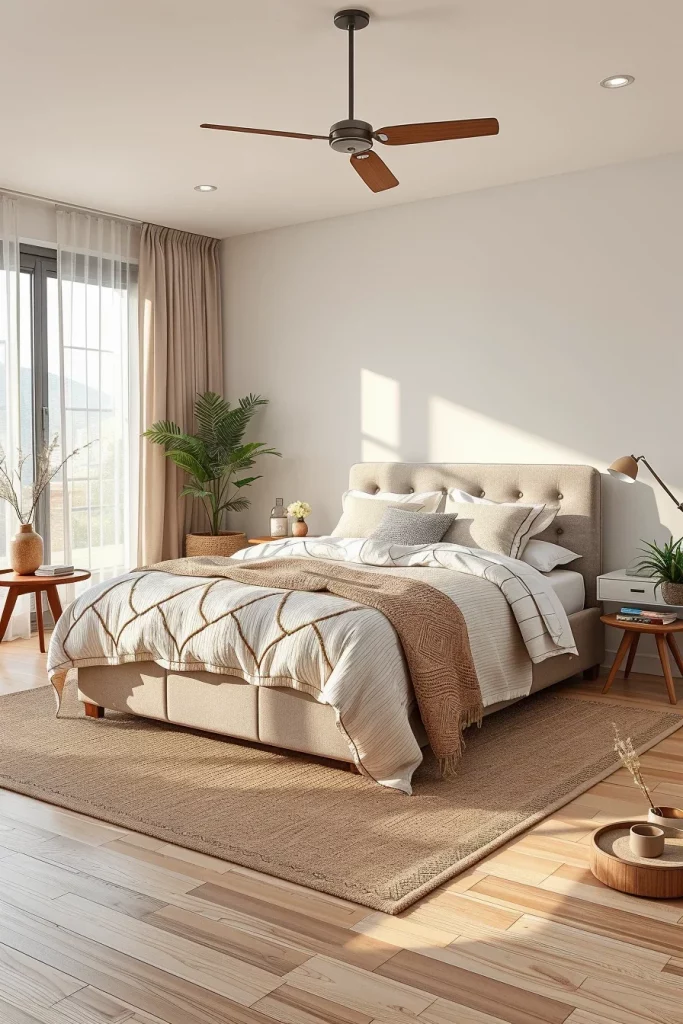
I often use organic bamboo textiles for bed sheets, pillowcases, lightweight blankets, and even drapery. Their silky texture pairs beautifully with contemporary furniture such as platform beds, upholstered headboards, streamlined nightstands, and minimalist storage solutions. Soft neutral tones and layered textiles enhance the luxurious feel of bamboo fabrics without overwhelming the space.
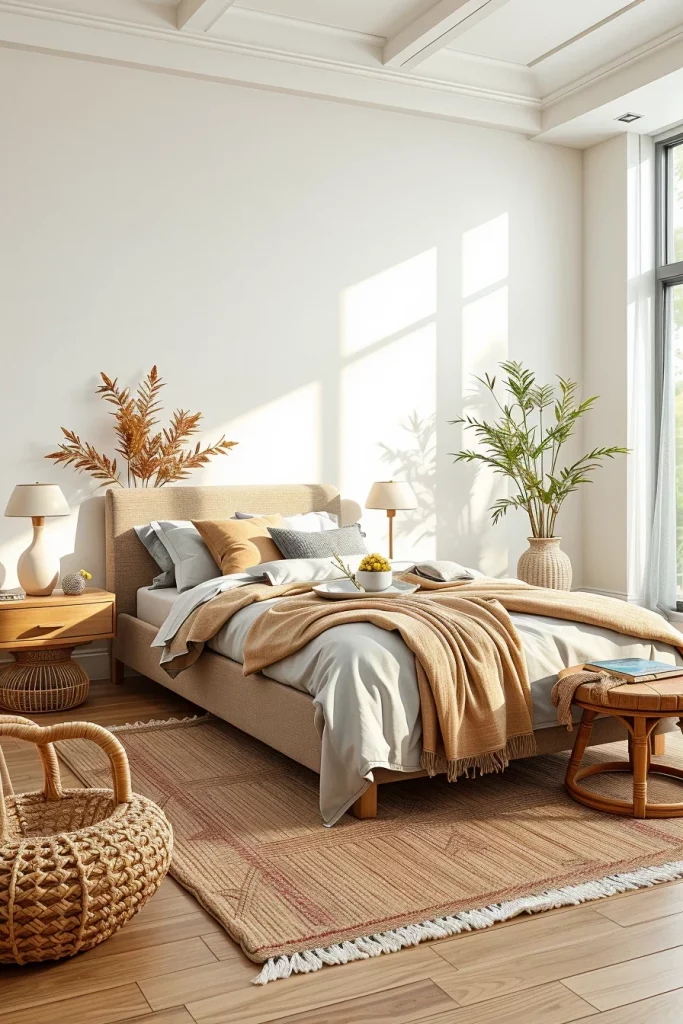
From my experience, bamboo bedding is especially appreciated by hot sleepers because it promotes airflow and helps regulate temperature throughout the night. Many bedding specialists recommend bamboo fabrics for their softness and durability, particularly in bedrooms designed with wellness in mind.
To make this type of bedroom even more functional, I would include adjustable lighting, natural area rugs, and ample concealed storage to maintain a calm, uncluttered environment.
How To Identify Certified Organic Bedroom Textiles
Selecting authentic organic bedroom textiles requires more than simply reading product labels. I always advise homeowners to research certifications carefully because terms such as “natural” or “eco-friendly” do not necessarily guarantee organic production. Certified textiles provide greater confidence regarding environmental practices and material safety.
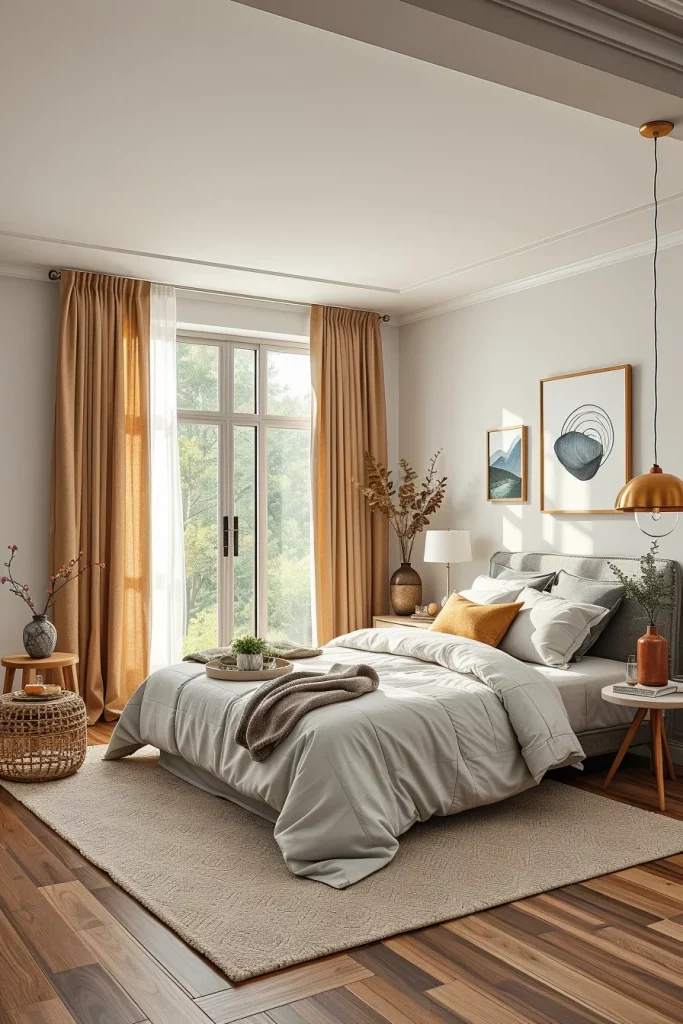
In a thoughtfully designed bedroom, certified organic products may include bedding, curtains, upholstered furniture fabrics, and decorative accessories. I prefer sourcing textiles from reputable brands that clearly display certification labels and provide transparency about manufacturing processes. This approach ensures both quality and long-term value.
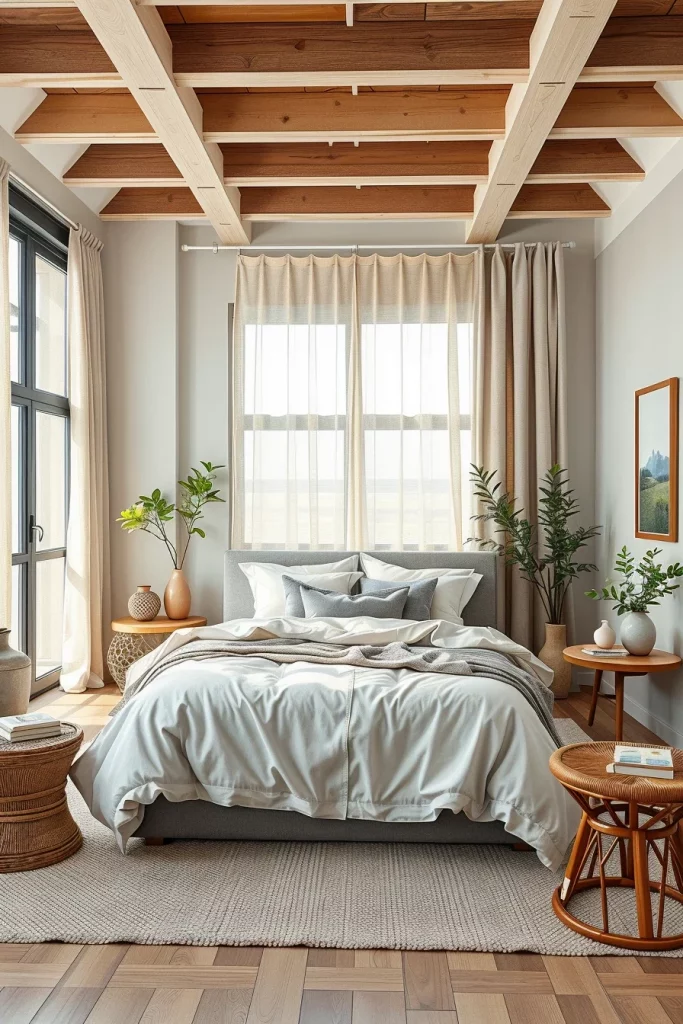
Personally, I have found that investing in certified products reduces uncertainty and simplifies the shopping process. Reputable organizations establish rigorous standards that help consumers make informed decisions while avoiding misleading marketing claims.
I also recommend examining fabric composition, production details, and care instructions before making a purchase to ensure the textiles align with both your lifestyle and interior goals.
GOTS Certification Explained For Bedroom Fabrics
When choosing organic textiles, I consider the Global Organic Textile Standard, commonly known as GOTS certification, to be one of the most reliable indicators of quality. GOTS establishes strict environmental and social criteria throughout the textile supply chain, from raw fiber production to final manufacturing.

Bedrooms furnished with GOTS-certified textiles often include sheets, duvet covers, blankets, and decorative accents produced according to high sustainability standards. These fabrics integrate seamlessly into contemporary interiors featuring clean lines, layered textures, and calming color palettes.
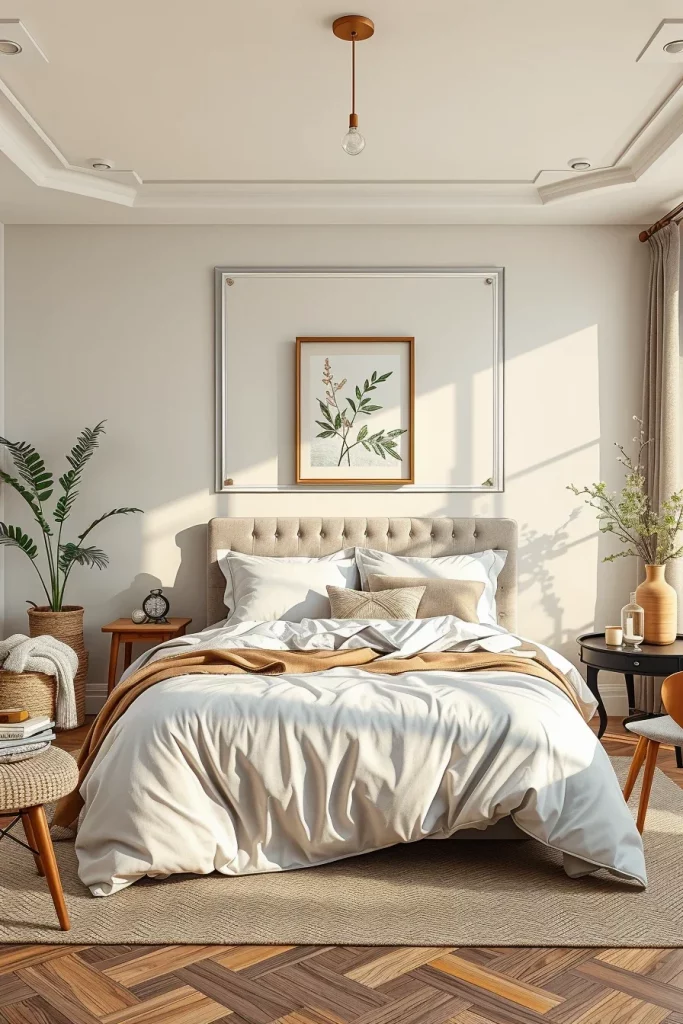
I always encourage readers to look for the official GOTS label when shopping because it provides reassurance that the product meets comprehensive organic standards. Interior publications and sustainability experts frequently reference GOTS as a benchmark for responsibly produced textiles.
To create a fully cohesive bedroom, I would complement GOTS-certified fabrics with responsibly sourced furniture, energy-efficient lighting, and timeless decorative elements.
Selecting Organic Bed Sheets For Maximum Comfort
Choosing the right organic bed sheets significantly influences both comfort and sleep quality. I recommend evaluating factors such as fiber type, weave, breathability, and seasonal suitability before making a purchase. High-quality organic sheets can dramatically improve the overall sleeping experience.
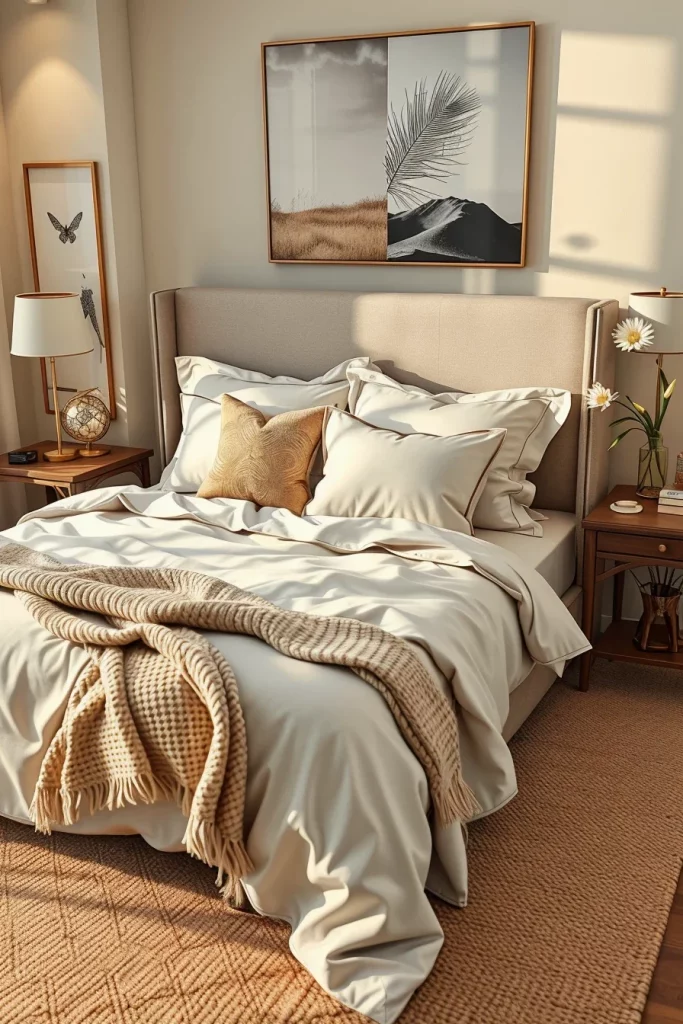
In modern bedrooms, organic sheets work best when layered with complementary textiles, including breathable duvet inserts, decorative cushions, and textured throws. I often pair soft organic sheets with upholstered beds, elegant bedside tables, and subtle decorative accents to create an inviting retreat.
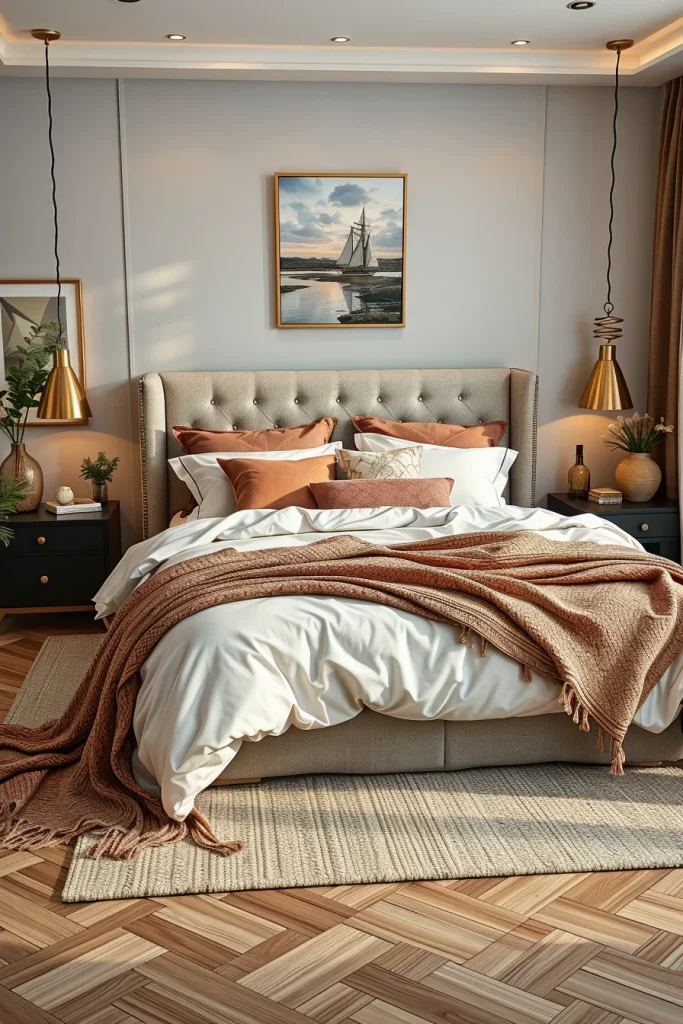
In my experience, percale organic sheets offer a crisp, cool feel, while sateen weaves provide additional softness and warmth. Many sleep experts advise selecting bedding based on personal sleep preferences rather than thread count alone.
I would also suggest maintaining a cohesive color palette and rotating multiple sheet sets to extend fabric longevity while keeping the bedroom fresh and visually balanced.
Organic Duvet Covers That Enhance Bedroom Style
A carefully selected organic duvet cover can instantly elevate bedroom design while contributing to a healthier indoor environment. I often view duvet covers as one of the most influential decorative elements because they occupy significant visual space within the room.
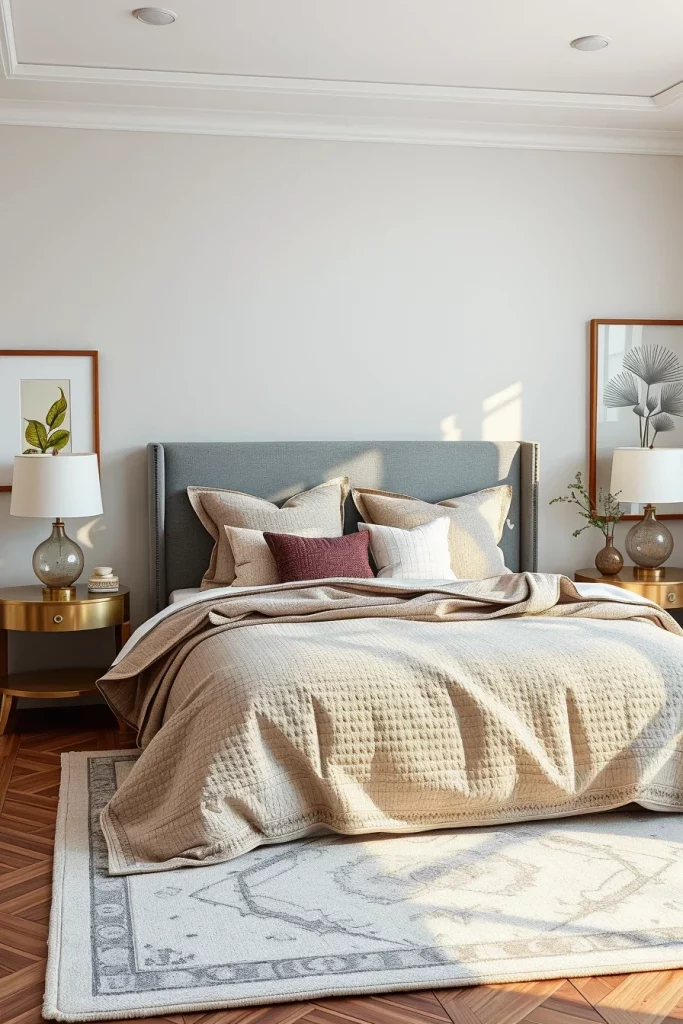
Organic duvet covers are available in a wide range of textures, colors, and patterns that complement contemporary interiors. I like pairing textured organic covers with upholstered headboards, coordinated cushions, elegant bedside lamps, and soft area rugs to create a sophisticated yet comfortable atmosphere. Neutral and earthy tones remain particularly versatile for modern bedrooms.
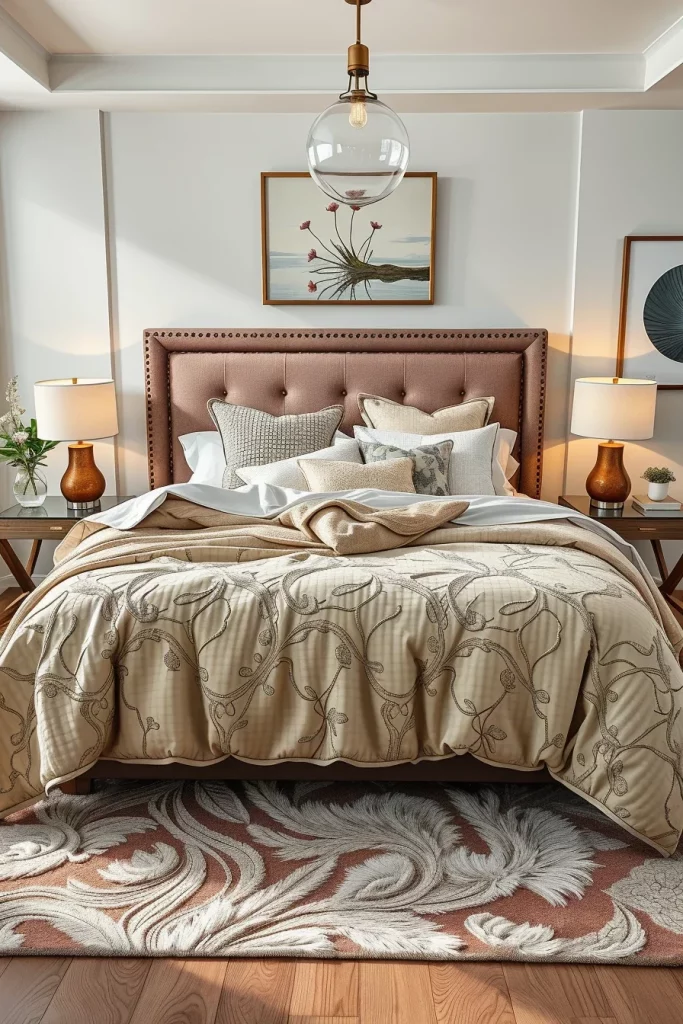
Personally, I appreciate how organic duvet covers combine aesthetics with practicality. They are easy to refresh seasonally and allow homeowners to update bedroom decor without replacing larger furnishings. Many interior designers recommend investing in timeless colors and high-quality natural fibers for lasting appeal.
To complete this bedroom design, I would incorporate layered bedding, decorative accent pillows, and subtle artwork to create a polished and welcoming retreat.
Best Organic Pillowcases For Healthier Sleep
When I design a bedroom focused on wellness, I always begin with pillowcases because they come into direct contact with the skin for many hours every night. Organic cotton, linen, and bamboo pillowcases create a calm and inviting atmosphere while supporting better sleep. In modern bedrooms, I prefer pairing soft neutral bedding with upholstered headboards, streamlined nightstands, and warm ambient lighting to create a balanced and relaxing environment. Choosing organic textiles for bedrooms helps reduce exposure to unnecessary chemicals while enhancing comfort.
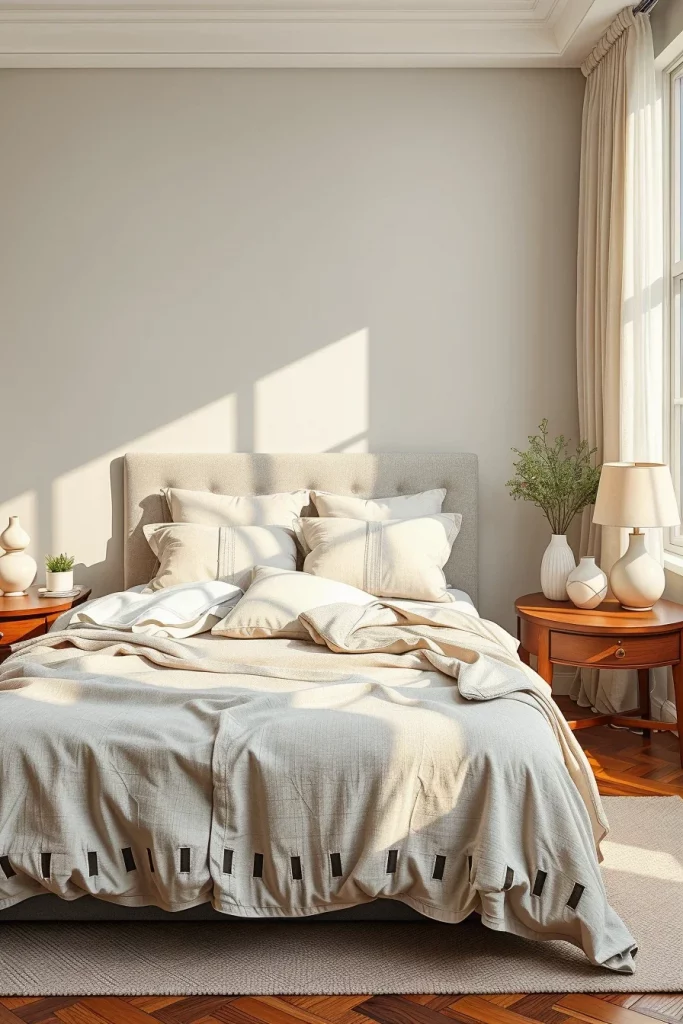
I usually recommend organic cotton pillowcases because they are breathable, durable, and suitable for most sleepers. Linen pillowcases introduce texture and a relaxed appearance that works beautifully in contemporary interiors. Bamboo pillowcases are exceptionally soft and moisture-wicking, making them ideal for warm climates. I often complement these fabrics with solid wood bedside tables, ceramic lamps, and layered bedding to create a cohesive design.

In my experience, investing in high-quality organic pillowcases significantly improves sleep comfort. Publications such as Architectural Digest frequently highlight natural materials as essential elements of wellness-oriented interiors. I have noticed that clients appreciate not only the comfort but also the timeless appearance these materials bring to the bedroom.
To complete this type of bedroom, I would also include adjustable bedside lighting and breathable organic bed linens to create a fully coordinated sleep environment.
Organic Blankets And Throws For Layered Comfort
Layering textiles is one of my favorite ways to make a bedroom feel welcoming and visually rich. Organic blankets and throws add warmth, softness, and texture while supporting sustainable living. In contemporary interiors, I often style layered bedding with neutral palettes, soft textures, and understated decorative accents to maintain a serene atmosphere.
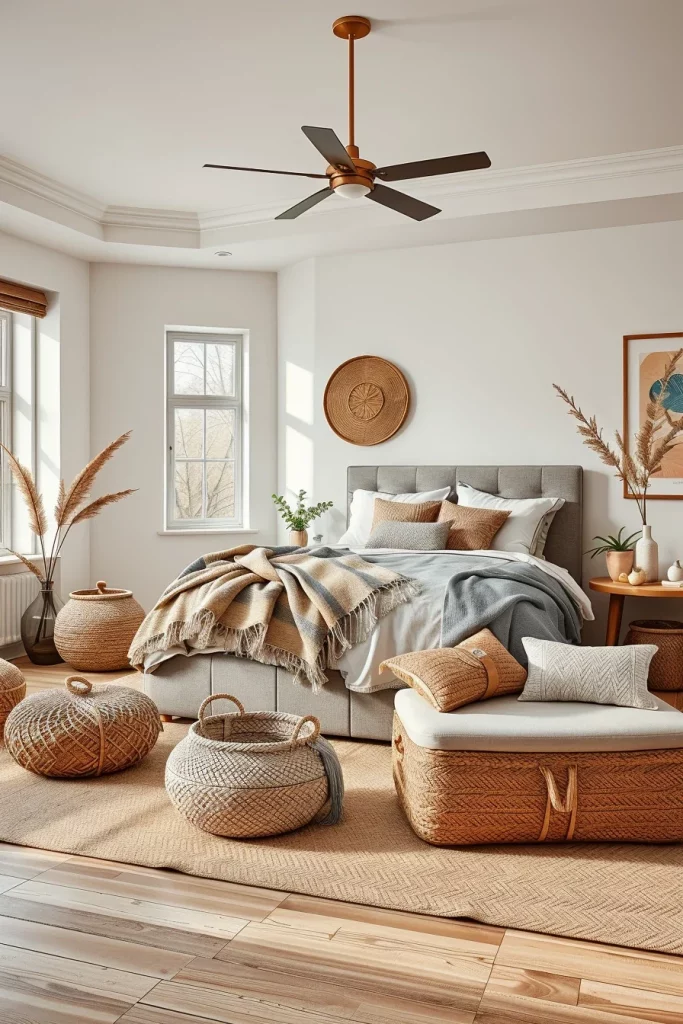
I prefer using organic cotton knit blankets, wool throws sourced from certified producers, and lightweight organic linen covers. These pieces work beautifully when draped across upholstered beds or accent chairs. I frequently pair them with minimalist benches, woven baskets for storage, and textured cushions to create a thoughtfully curated space.
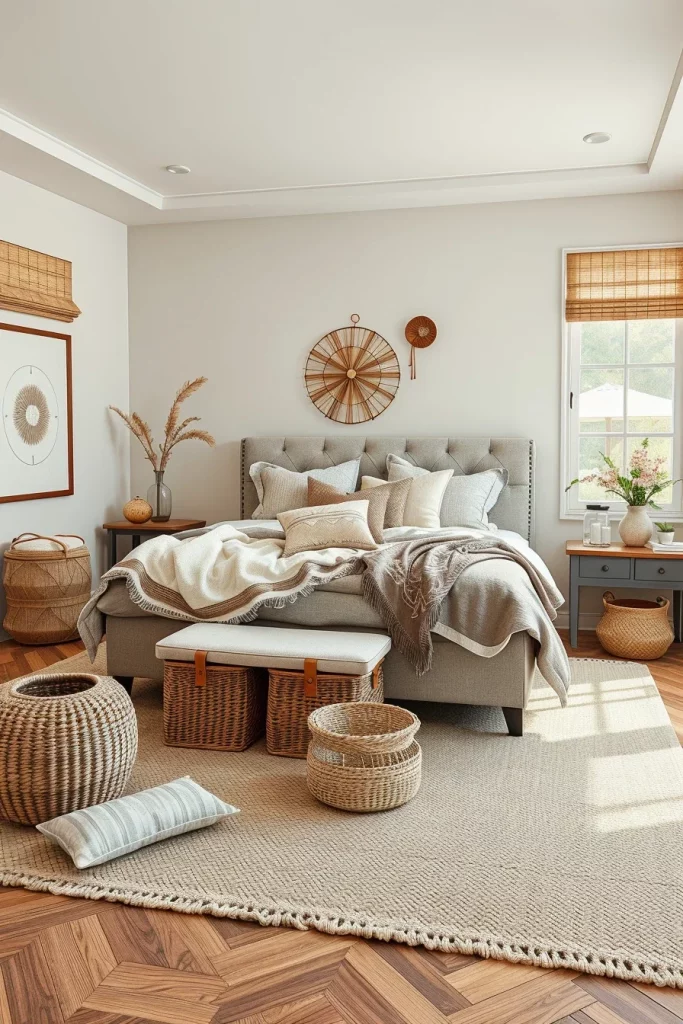
Personally, I believe that layering is essential for creating a comfortable bedroom throughout the year. Interior designers featured in House Beautiful often recommend combining multiple natural textures to add visual depth without overwhelming the room. I have found this approach particularly effective in modern bedrooms where simplicity is important.
Adding a storage bench at the foot of the bed provides a practical place to keep extra blankets while maintaining a tidy appearance.
Choosing Organic Mattress Protectors For A Cleaner Sleep Environment
A mattress protector is often overlooked, yet I consider it one of the most important elements in a healthy bedroom. Organic mattress protectors help shield the mattress from moisture, dust, and allergens while maintaining breathability. In modern bedroom interiors, these protectors work invisibly alongside carefully selected furnishings to support both cleanliness and comfort.
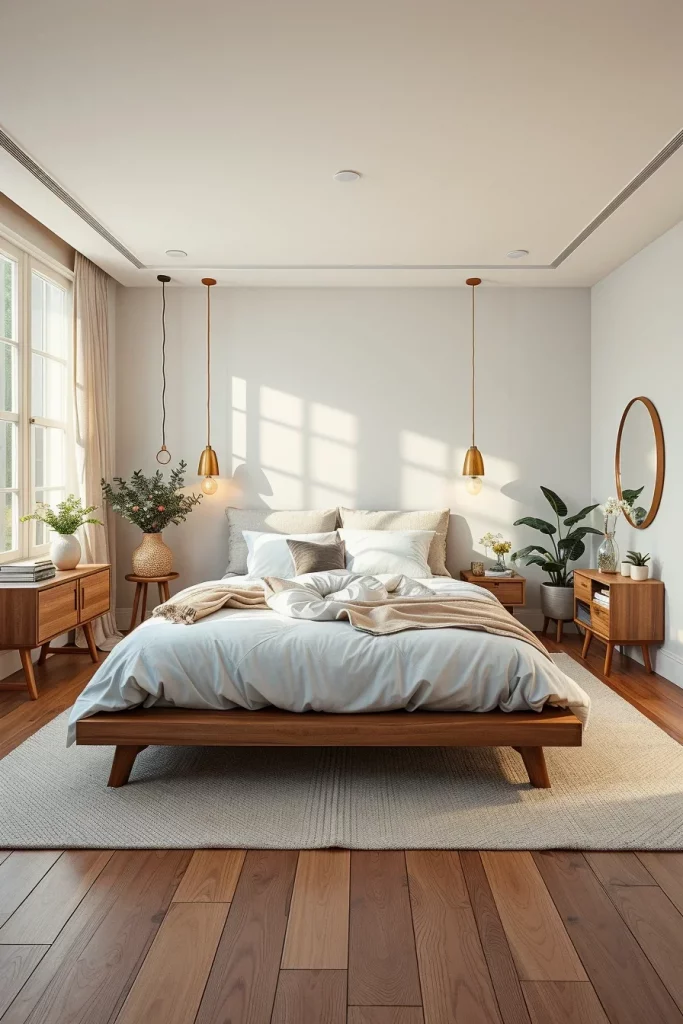
I generally recommend certified organic cotton mattress protectors because they offer excellent airflow without compromising softness. Waterproof versions made without harsh chemical treatments are especially practical for families. I usually combine these protectors with platform beds, breathable bedding sets, and simple bedroom layouts that encourage easier maintenance.
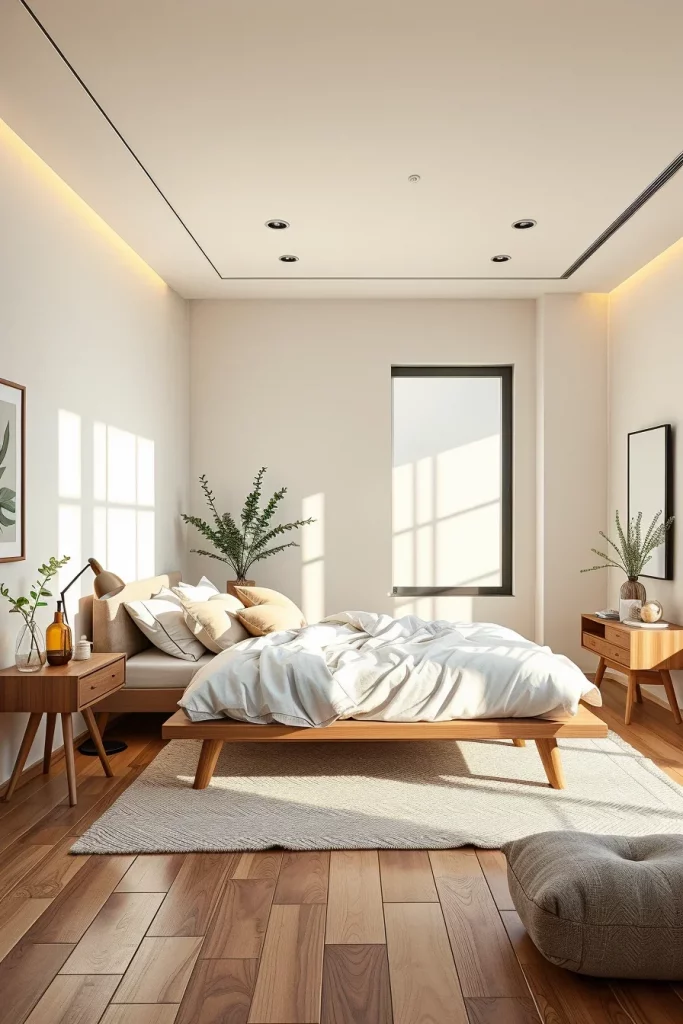
From my perspective, a clean sleep environment contributes directly to overall well-being. Many sleep specialists emphasize the importance of minimizing allergens in the bedroom, and I have consistently seen how quality mattress protection extends mattress lifespan while improving comfort.
This section would benefit from adding recommendations for regular washing schedules to maintain optimal hygiene.
Organic Mattress Toppers For Added Support And Softness
An organic mattress topper can dramatically improve sleep quality without replacing an existing mattress. When designing bedrooms, I often use mattress toppers to add softness, pressure relief, or additional support. They integrate seamlessly into modern bedroom designs while enhancing overall comfort.
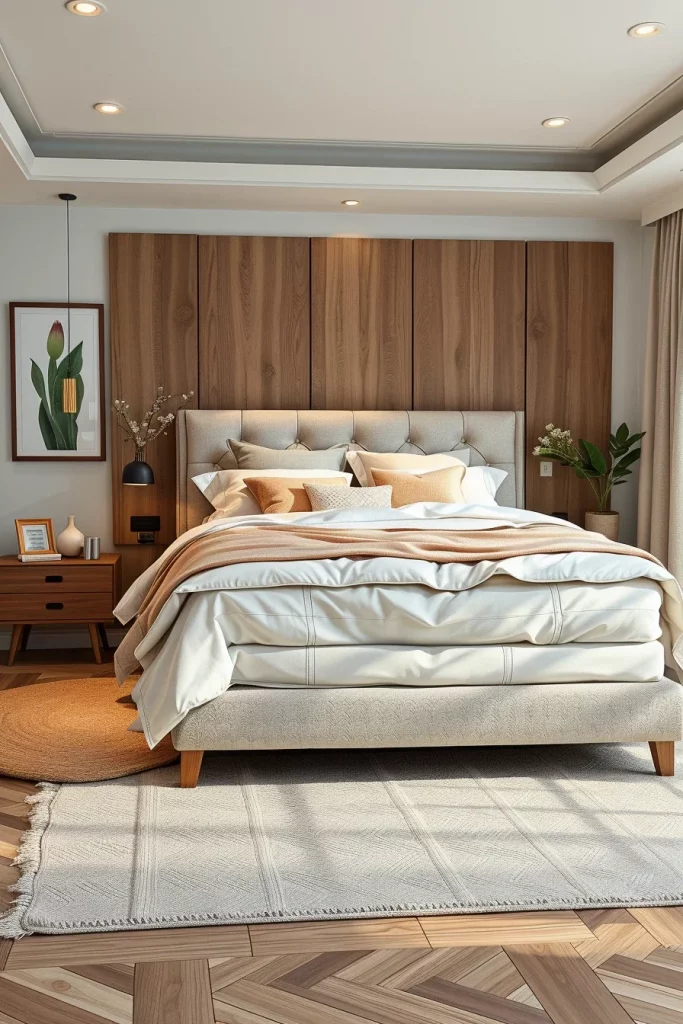
Organic latex toppers are among my preferred options because they provide resilient support and excellent durability. Organic wool toppers regulate temperature naturally, while organic cotton toppers offer lightweight comfort. I frequently pair these additions with low-profile platform beds, upholstered headboards, and layered bedding to create an inviting sleep sanctuary.
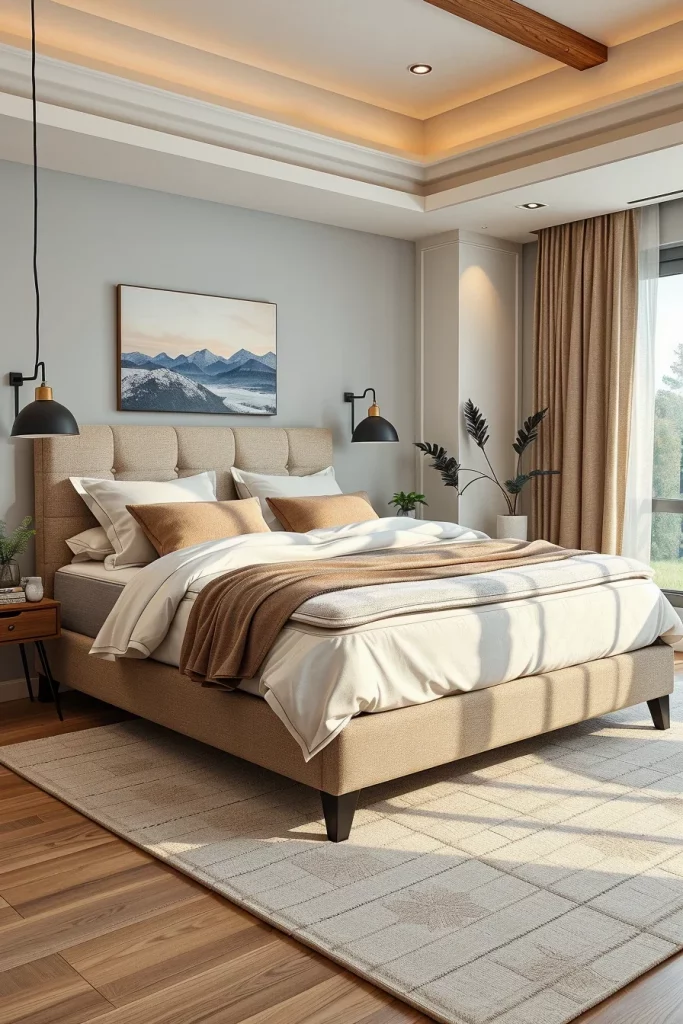
In my own projects, mattress toppers have proven to be one of the simplest upgrades with the greatest impact. Better Homes & Gardens regularly highlights mattress toppers as an effective way to customize sleep comfort without investing in a completely new mattress. I often recommend testing different firmness levels before making a final decision.
Including breathable bed sheets made from organic fibers further enhances the performance of mattress toppers.
Natural Fiber Curtains For A Cozy Bedroom Atmosphere
Window treatments significantly influence the mood of a bedroom, and natural fiber curtains are among my preferred choices for creating warmth and softness. Organic linen and cotton curtains diffuse natural light beautifully while contributing to a calm and inviting atmosphere. In modern interiors, full-height curtains help visually enlarge the room and create elegant proportions.

I often select floor-to-ceiling organic linen curtains because they add texture without feeling heavy. Soft neutral shades complement a wide variety of bedroom color palettes. These curtains pair exceptionally well with minimalist furniture, upholstered beds, wooden dressers, and soft layered bedding.
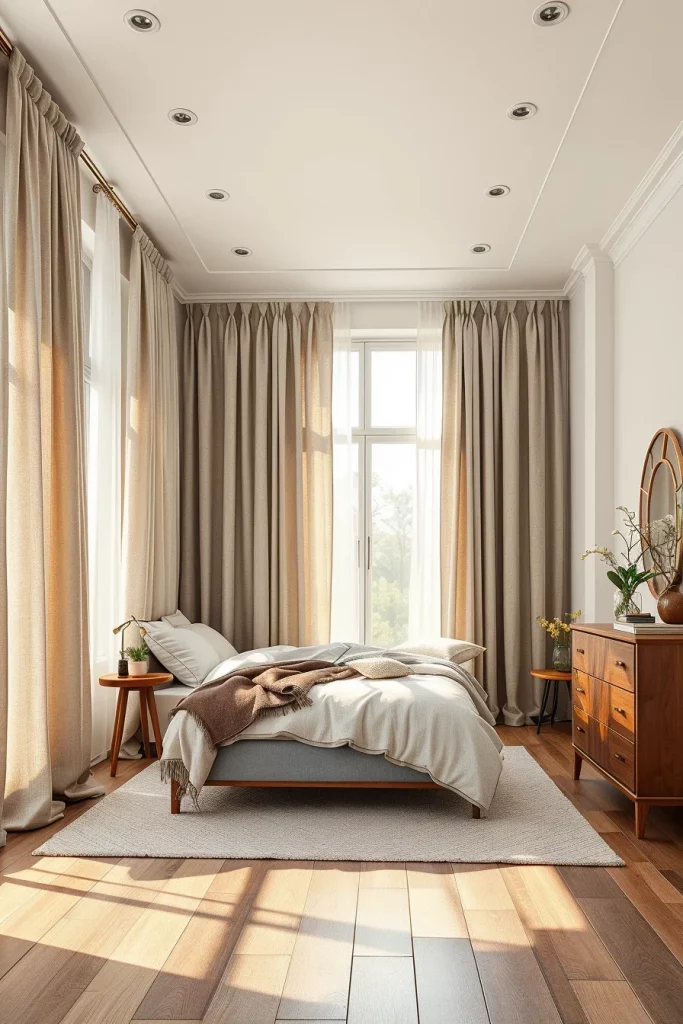
I have found that natural fiber curtains transform the overall feeling of a bedroom by softening light and improving visual comfort. Designers featured in Elle Decor frequently recommend layering sheer and heavier curtains to provide flexibility throughout the day. I use this strategy regularly in both small and spacious bedrooms.
For additional functionality, I would include blackout liners behind the curtains to improve sleep quality and privacy.
Organic Area Rugs That Add Warmth To Bedrooms
Organic area rugs instantly make a bedroom feel warmer and more inviting. When I design a bedroom with natural materials, I often use rugs made from organic cotton, wool, jute, or sisal to introduce texture and define different areas within the room. In modern interiors, a large area rug placed beneath the bed helps anchor the furniture while adding softness underfoot. A carefully selected rug also contributes to a quieter and more comfortable sleeping environment.
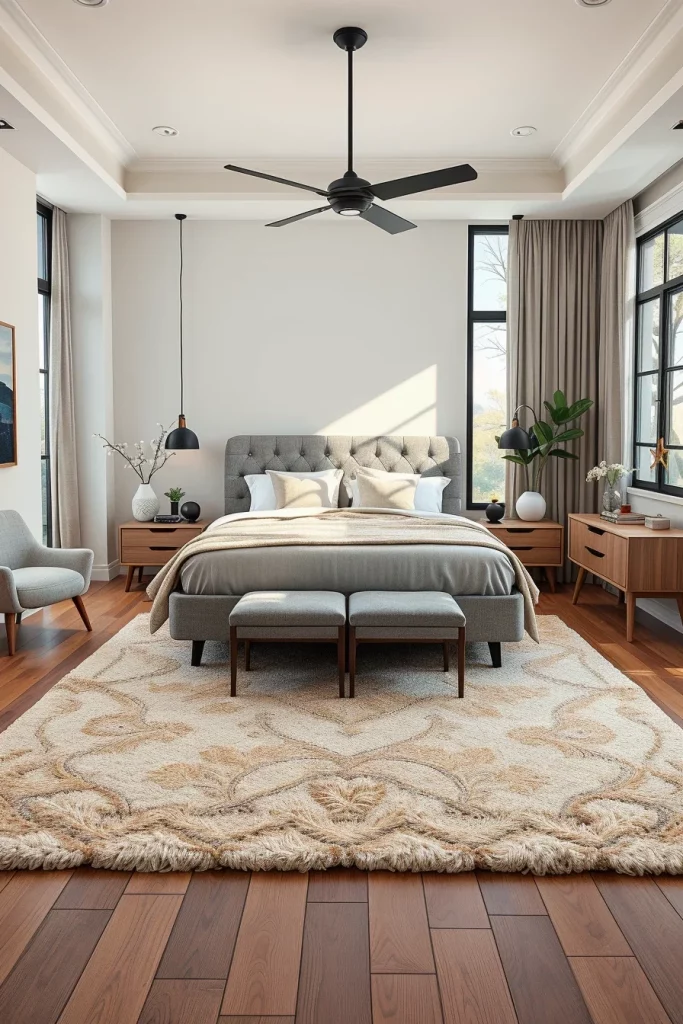
I typically choose oversized organic wool rugs for spacious bedrooms because they provide excellent insulation and durability. For smaller rooms, flat-weave cotton rugs are practical and visually lightweight. I like pairing these rugs with upholstered beds, floating nightstands, streamlined dressers, and soft accent chairs to create a cohesive and balanced interior. Layering rugs can also add dimension without overwhelming the space.
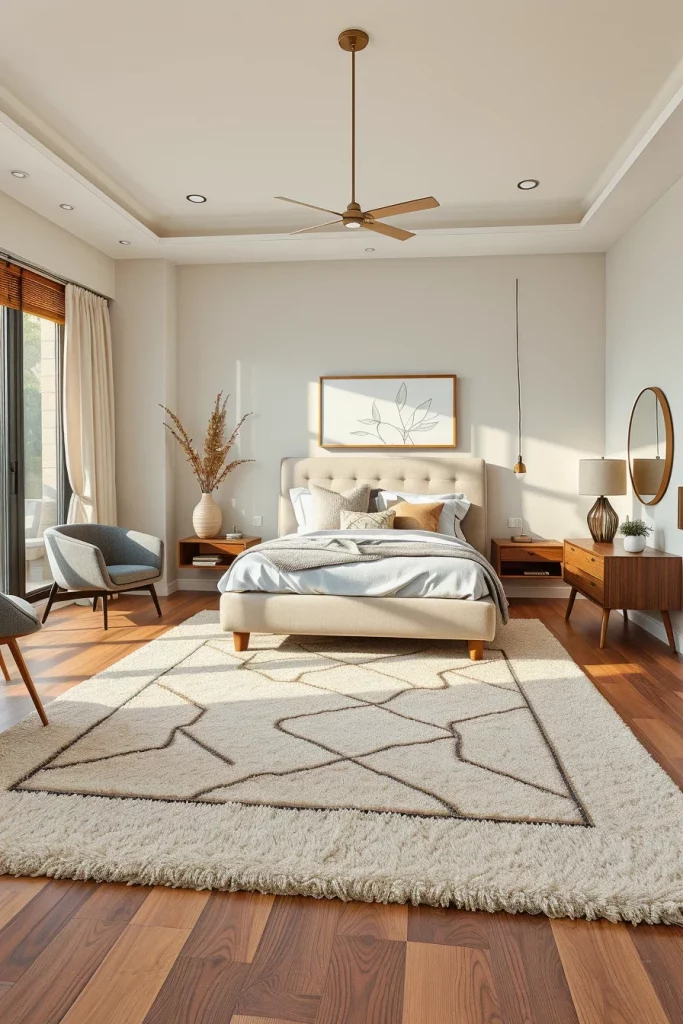
In my experience, organic rugs are worth the investment because they improve both comfort and aesthetics. Designers featured in Veranda often recommend natural fiber rugs for creating timeless interiors that age beautifully. I have found that neutral-toned rugs remain versatile even when other decorative elements change over time.
To complete this type of bedroom, I would add rug pads beneath the area rugs to improve comfort, prevent slipping, and extend the rug’s lifespan.
Coordinating Organic Textiles With Bedroom Color Schemes
A successful bedroom design depends on harmony between textiles and color palettes. When working with organic fabrics, I prefer building the room around soft and calming tones that highlight the natural beauty of the materials. Shades such as warm white, beige, taupe, soft gray, muted green, and gentle earth tones create a peaceful atmosphere while allowing organic fabrics to stand out.
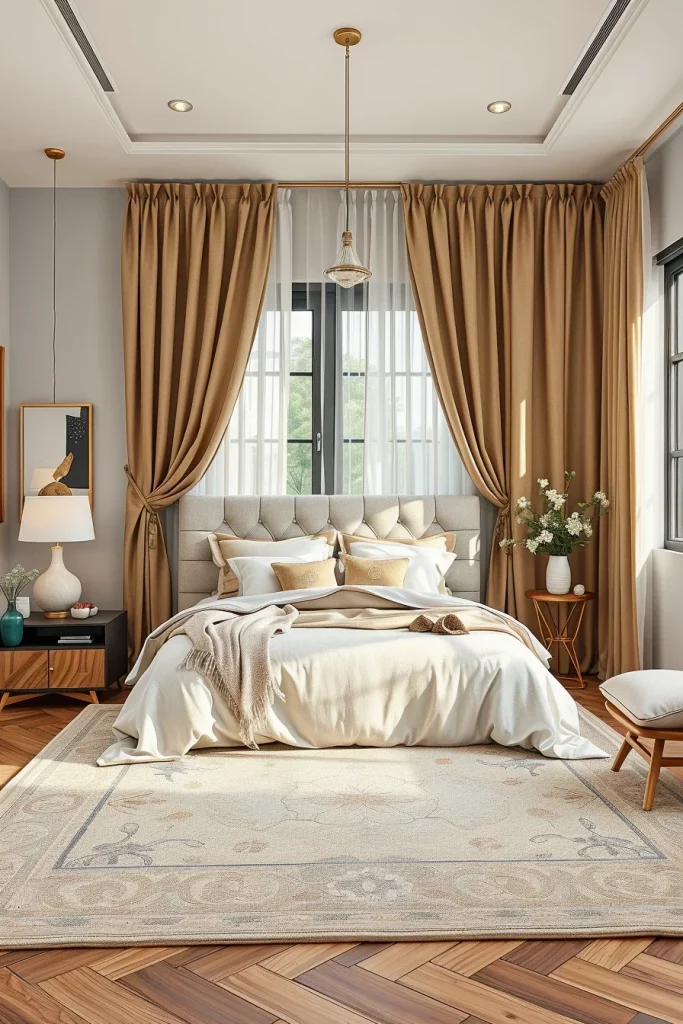
I often begin with organic bedding as the foundation and then coordinate curtains, rugs, cushions, and throws in complementary tones. Upholstered headboards, natural wood furniture, ceramic accessories, and subtle artwork help reinforce the overall palette. In modern bedrooms, I prefer limiting the number of accent colors to maintain a serene and uncluttered appearance.

Personally, I find that organic materials look most sophisticated when paired with restrained color schemes. Interior designers at House & Garden frequently emphasize the importance of tonal layering, and I regularly use this approach to create visually rich yet calming bedrooms. The result is a space that feels both contemporary and timeless.
This section could also include guidance on seasonal color updates using interchangeable organic accessories such as pillow covers and lightweight throws.
Minimalist Bedroom Styling With Organic Fabrics
Minimalist bedrooms benefit enormously from organic fabrics because these materials add warmth and character without creating visual clutter. When designing minimalist interiors, I focus on simplicity, functionality, and natural textures. Organic textiles soften clean architectural lines and help prevent minimalist spaces from feeling cold or impersonal.

I usually select crisp organic cotton bedding, linen duvet covers, and simple woven rugs in neutral shades. Furniture choices often include low-profile platform beds, streamlined nightstands, integrated storage solutions, and understated lighting fixtures. Decorative accessories remain limited, with perhaps a single piece of artwork, a ceramic vase, or a textured throw serving as focal points.
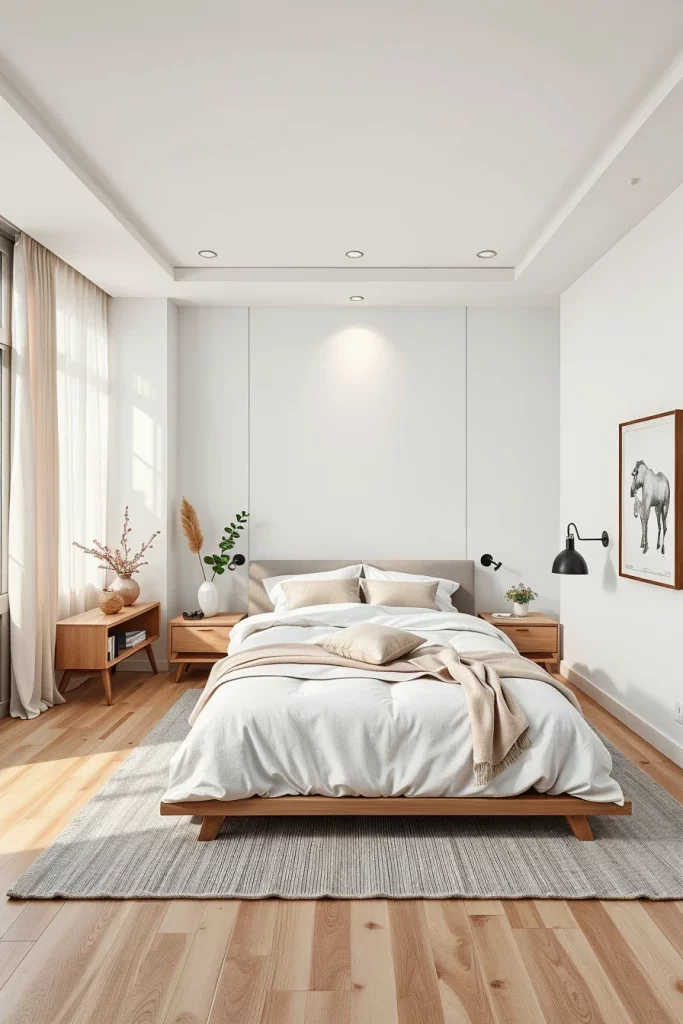
I have discovered that minimalist bedrooms are often more comfortable when multiple natural textures are introduced. Elle Decor frequently highlights the role of texture in minimalist design, and I completely agree with this perspective. By combining linen, wool, cotton, and natural wood finishes, I create interiors that feel calm yet inviting.
To enhance functionality, I would include concealed storage options that preserve the minimalist aesthetic while reducing visible clutter.
Layering Organic Textiles For A Luxurious Bedroom Feel
Layering is one of the most effective techniques for creating a sophisticated and inviting bedroom. I often use multiple organic textiles to build depth, comfort, and visual interest. Even in contemporary interiors, layered fabrics can make a bedroom feel exceptionally refined while maintaining a relaxed atmosphere.

I usually start with organic cotton sheets, followed by linen duvet covers, quilted blankets, decorative cushions, and textured throws. Upholstered headboards, elegant bedside tables, soft area rugs, and comfortable seating areas complement these textile layers beautifully. Varying textures while maintaining a coordinated color palette ensures that the room remains cohesive rather than overwhelming.

In my projects, layered organic bedding consistently receives positive feedback because it creates an immediate sense of comfort. Architectural Digest often showcases bedrooms featuring rich textile combinations, demonstrating that luxury is not necessarily linked to excess but rather to thoughtful material selection. I regularly apply this philosophy in my own designs.
For an even more refined appearance, I recommend incorporating subtle lighting layers, including bedside lamps and warm accent lighting.
Organic Textiles For Small Bedroom Spaces
Small bedrooms require careful planning, and organic textiles can play a major role in making compact spaces feel larger and more comfortable. I find that lightweight natural fabrics create an airy atmosphere while maintaining the warmth necessary for a restful retreat. Soft colors and breathable materials are especially important in limited spaces.
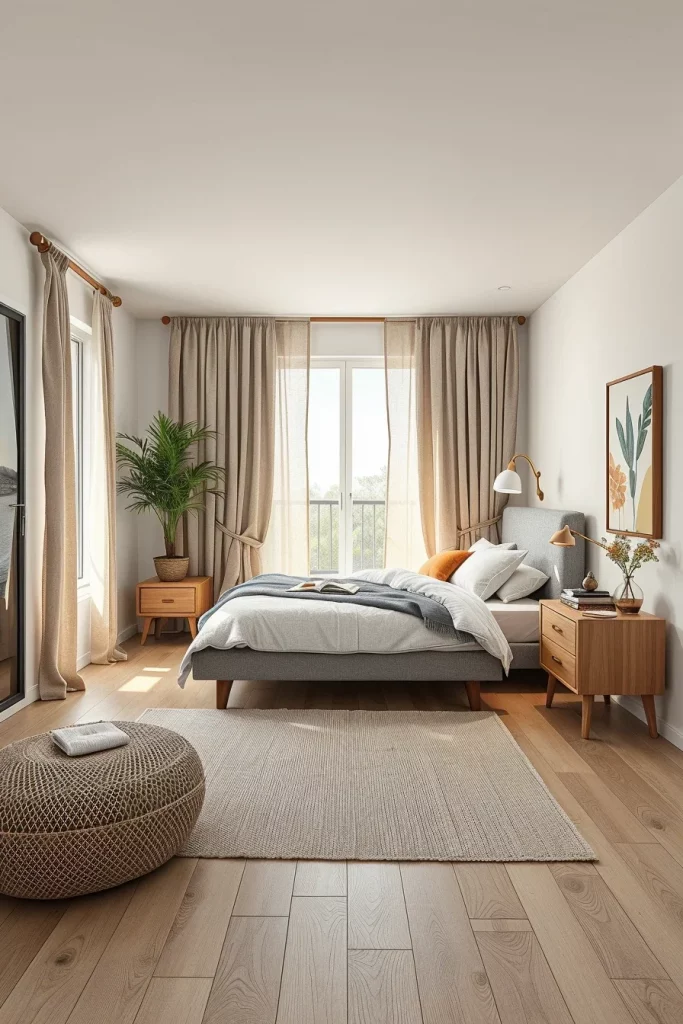
I prefer using organic linen curtains, lightweight cotton bedding, and compact area rugs in small bedrooms. Furniture should remain proportional to the room, so I often select platform beds with built-in storage, slim nightstands, and multifunctional benches. Mirrors, simple lighting, and uncluttered layouts further enhance the sense of openness.
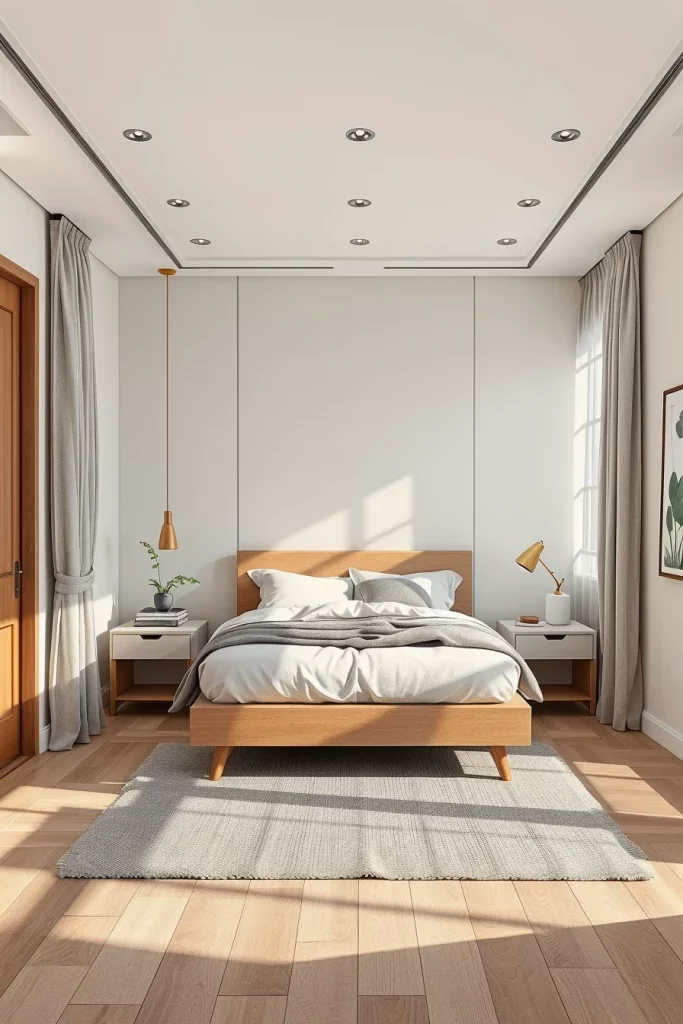
From my experience, natural textiles are particularly valuable in small spaces because they introduce softness without adding visual heaviness. Better Homes & Gardens frequently recommends using layered neutrals and multifunctional furniture in compact bedrooms, and I have found this advice highly effective in practice.
To maximize comfort in small bedrooms, I would also include under-bed storage solutions and wall-mounted lighting to free up valuable floor space.
Creating A Seasonal Bedroom Refresh With Organic Fabrics
I like to update a bedroom with the changing seasons by replacing heavy fabrics with lighter organic alternatives or introducing warmer layers during colder months. In spring and summer, organic linen bedding in soft neutral shades creates an airy atmosphere, while autumn and winter benefit from layered organic cotton quilts and wool throws. Seasonal updates allow the bedroom to remain comfortable throughout the year without requiring a complete redesign. I find that natural textures instantly make the entire room feel fresh and inviting.
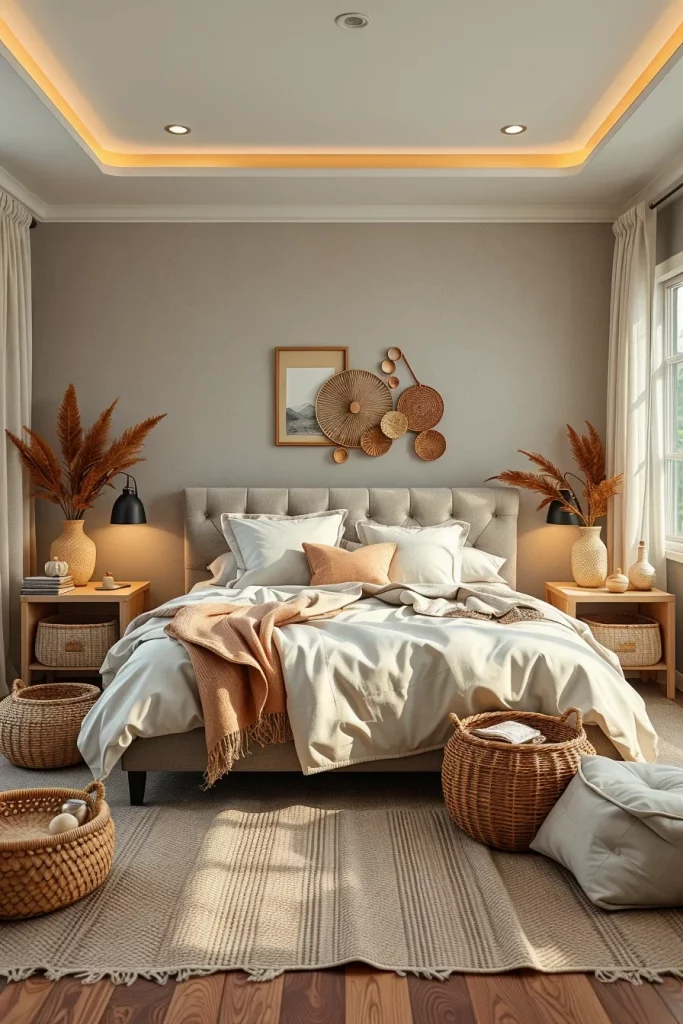
For this type of interior, I recommend starting with organic textiles for bedrooms such as certified organic cotton sheets, linen duvet covers, and lightweight muslin blankets. A fully upholstered bed, a pair of bedside tables made from responsibly sourced materials, woven storage baskets, and soft area rugs complement the organic fabrics beautifully. Sheer organic curtains help regulate natural light while maintaining privacy. I also prefer incorporating simple ceramic accessories and warm ambient lighting to enhance the relaxing atmosphere.
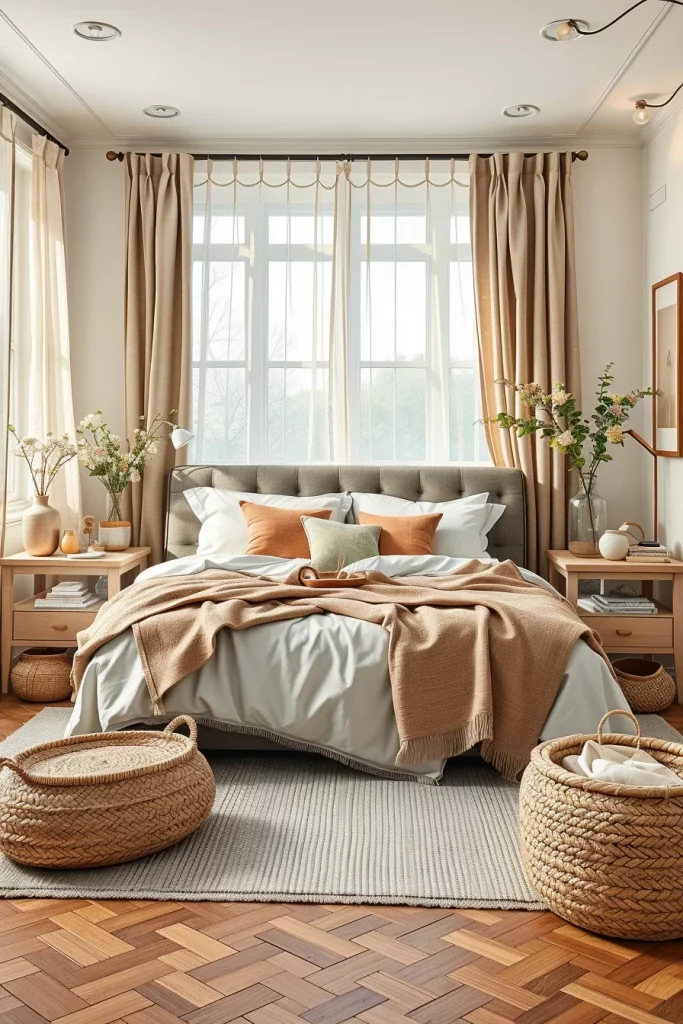
In my experience, seasonal updates do not need to be expensive. Interior designers frequently featured in leading publications such as Architectural Digest often emphasize layering natural textures rather than replacing all furnishings. I have found that simply changing bedding, adding seasonal throws, and updating decorative cushions can significantly alter the mood of a bedroom.
I would also include seasonal scent elements, such as naturally scented soy candles or essential oil diffusers, to reinforce the connection between comfort and nature.
Hypoallergenic Benefits Of Organic Bedroom Textiles
One of the main reasons I recommend organic bedroom textiles is their hypoallergenic nature. Conventional fabrics may contain chemical residues from dyes and finishing processes, while certified organic fabrics are typically produced with fewer synthetic treatments. Bedrooms designed with organic materials often feel fresher and can contribute to improved indoor air quality. This is especially valuable for individuals with allergies, asthma, or sensitive skin.
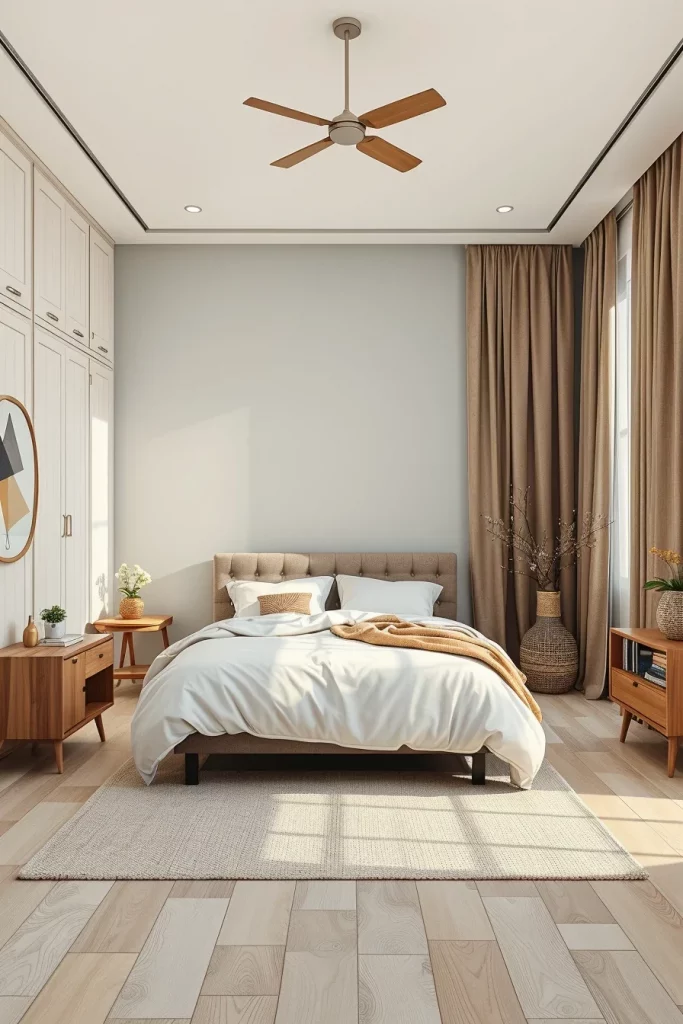
I usually select organic cotton sheets, untreated wool comforters, and natural fiber rugs when creating allergy-friendly bedrooms. A simple platform bed, minimal upholstered furniture, and enclosed storage units help reduce dust accumulation. Organic blackout curtains can improve sleep quality while maintaining a clean and uncluttered appearance. Every furnishing should support both comfort and easy maintenance.
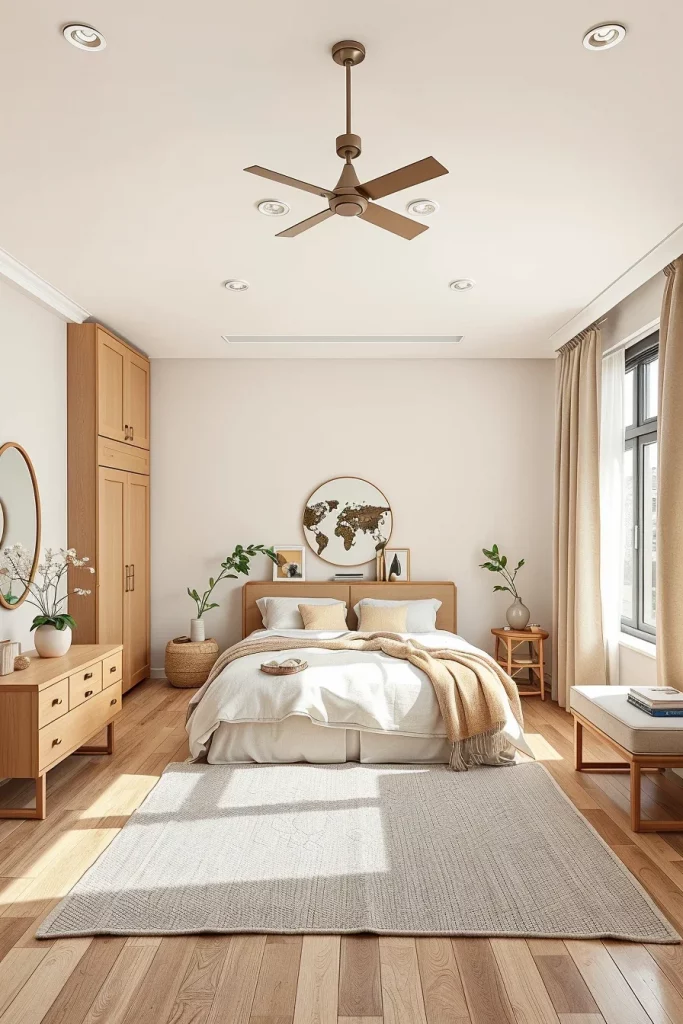
From my perspective, reducing allergens in the bedroom begins with textiles because they cover the largest surfaces in the room. The Sleep Foundation and many health professionals often recommend breathable, washable natural fabrics for maintaining a healthier sleep environment. I have personally noticed that bedrooms furnished with organic fabrics tend to feel more comfortable throughout the night.
To further improve this type of space, I would add an air purifier and ensure that all decorative accessories are easy to clean and maintain.
Organic Textiles For Children’s Bedrooms And Nurseries
Children spend a significant amount of time sleeping, so I believe nurseries and children’s bedrooms are ideal places to introduce organic textiles for bedrooms. Soft organic fabrics help create a nurturing and comfortable environment while minimizing exposure to unnecessary chemicals. A thoughtfully designed nursery featuring natural textiles feels calm, safe, and timeless.
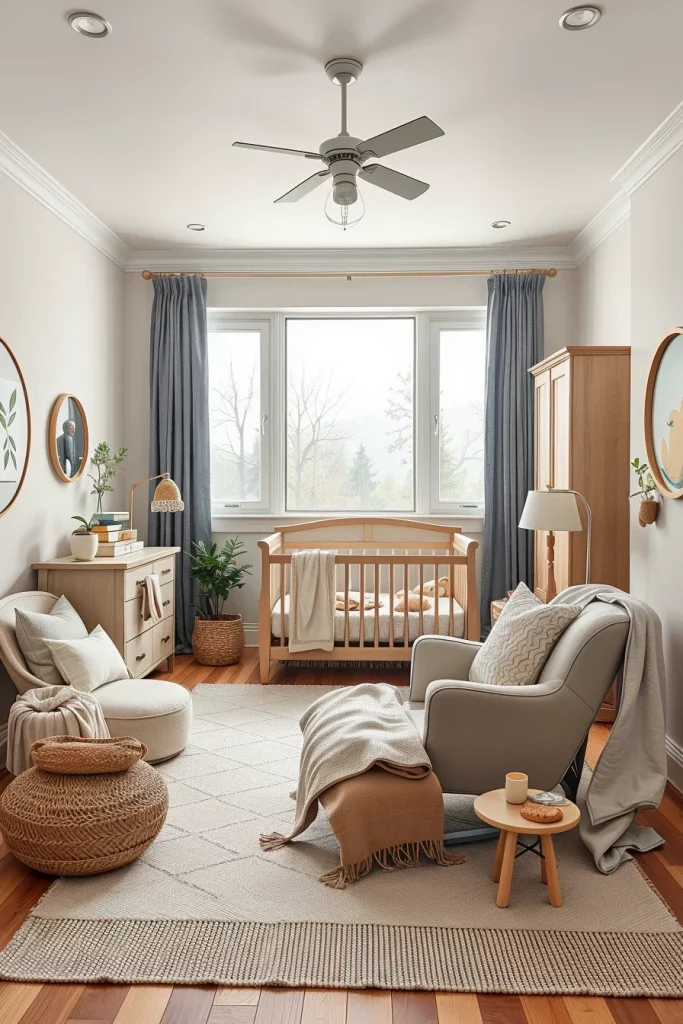
In children’s rooms, I typically choose organic cotton crib sheets, quilted blankets, breathable muslin swaddles, and soft area rugs. Essential furniture includes a crib or bed with non-toxic finishes, a comfortable nursing chair, practical storage cabinets, and blackout curtains made from natural fibers. Neutral color palettes paired with subtle textures create a soothing atmosphere that can easily adapt as children grow.
Personally, I have found that investing in high-quality organic bedding for children offers long-term value because durable natural fabrics often withstand frequent washing exceptionally well. Many pediatric specialists encourage parents to prioritize breathable materials in sleep environments, particularly during infancy.
I would also recommend adding washable organic cushions and removable slipcovers to simplify maintenance in busy family households.
Caring For Organic Bedroom Fabrics To Extend Their Lifespan
Proper care is essential if you want organic bedroom textiles to remain beautiful for many years. Unlike some synthetic materials, natural fibers benefit from gentle handling and appropriate cleaning routines. A well-maintained organic bedroom not only looks elegant but also supports sustainable living by reducing unnecessary replacements.
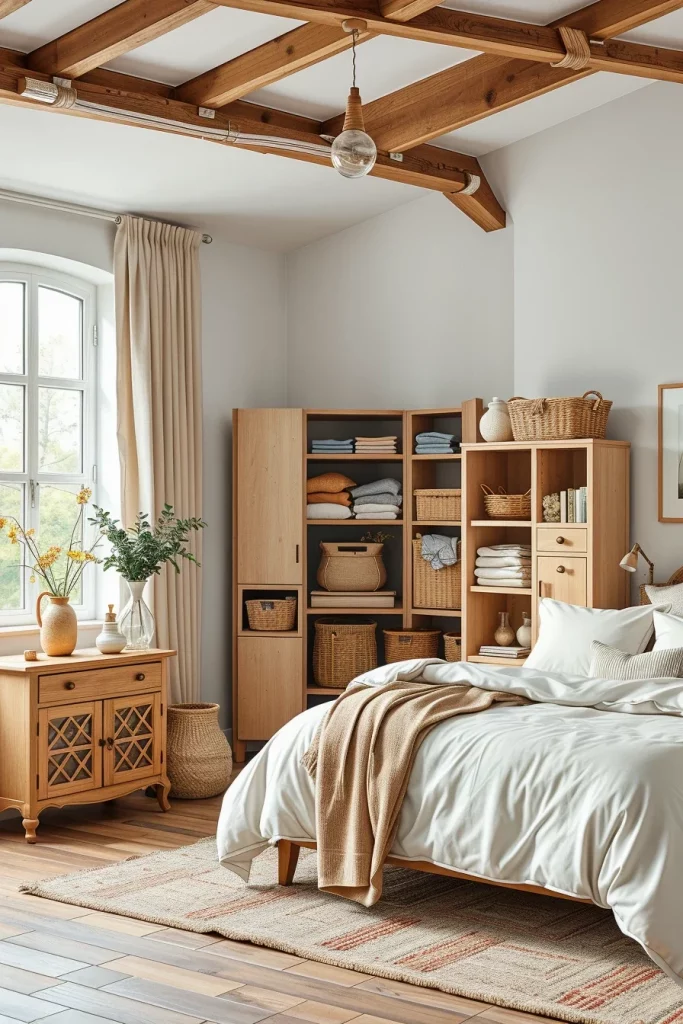
I generally advise washing organic cotton and linen using mild, fragrance-free detergents. Bedroom furniture should include adequate storage solutions such as dressers, linen cabinets, and ventilated baskets to protect fabrics between uses. Rotating bedding sets regularly also minimizes wear and preserves fabric quality. Proper ventilation within the room helps prevent moisture buildup and prolongs textile longevity.

In my experience, following manufacturer care instructions is crucial. I avoid excessive heat during washing and drying because natural fibers can shrink or lose softness over time. Interior experts frequently recommend air drying whenever possible, and I have found this method particularly effective for preserving the texture of premium organic fabrics.
Adding dedicated linen storage with breathable fabric organizers can further protect valuable textiles from dust and humidity.
Washing And Storing Organic Bedding Properly
Maintaining organic bedding correctly begins with establishing a consistent care routine. Bedrooms designed around natural materials benefit when linens are kept clean, fresh, and properly stored. Regular maintenance preserves softness, appearance, and durability while supporting a healthier sleep environment.

I recommend washing sheets and duvet covers in cool or warm water using gentle detergents free from harsh chemicals. A spacious dresser, built-in linen closet, or storage bench at the foot of the bed provides practical storage for extra bedding. Breathable cotton storage bags are preferable to plastic containers because they allow airflow and reduce moisture accumulation. Organized storage also makes seasonal bedding changes more convenient.
Personally, I prefer rotating several bedding sets to reduce wear on individual pieces. I have learned that avoiding fabric softeners often helps maintain the natural breathability of organic fibers. Proper folding techniques and dry storage areas further extend the lifespan of premium textiles.
For complete protection, I would include cedar sachets or lavender pouches in storage spaces to naturally deter pests while adding a pleasant fragrance.
Common Mistakes To Avoid When Buying Organic Textiles
When shopping for organic textiles for bedrooms, I often see homeowners focus only on appearance and overlook important factors such as certifications, fiber composition, and durability. A beautifully designed bedroom can quickly lose its appeal if fabrics wear out prematurely or fail to provide the expected comfort. Choosing textiles thoughtfully ensures that the bedroom remains functional, comfortable, and environmentally responsible for years. I always recommend balancing aesthetics with practicality when selecting organic fabrics.

In my experience, the most common mistake is purchasing products labeled as “natural” without verifying recognized certifications such as GOTS or OEKO-TEX. I also advise paying attention to thread count, weave type, and fabric weight because these details influence comfort and longevity. A well-designed bedroom should include quality bedding, supportive pillows, durable curtains, and complementary furniture pieces such as upholstered beds, storage benches, and bedside tables that enhance the overall design rather than compete with it.

Personally, I have learned that investing in fewer but higher-quality organic bedroom textiles is more economical in the long run. Many interior experts recommend prioritizing certified materials and timeless designs over short-lived trends. I always encourage readers to request fabric samples whenever possible before making significant purchases.
I would also suggest considering how the selected textiles coordinate with existing furniture and room colors to create a cohesive and harmonious interior.
Budget-Friendly Ways To Transition To Organic Bedroom Textiles
Transitioning to organic textiles for bedrooms does not have to happen all at once. I often recommend approaching the process gradually by replacing the most frequently used items first. Starting with sheets and pillowcases can significantly improve comfort while keeping expenses manageable. A thoughtfully planned transition allows homeowners to enjoy the benefits of organic materials without exceeding their budget.

I usually begin with essential pieces such as organic bedding, including sheets, duvet covers, and pillowcases. Over time, I add organic throws, curtains, and decorative cushions. Existing furniture such as beds, dressers, and nightstands can remain in place, while new textile additions gradually transform the atmosphere of the room. Choosing versatile neutral colors ensures that each purchase integrates seamlessly with future updates.
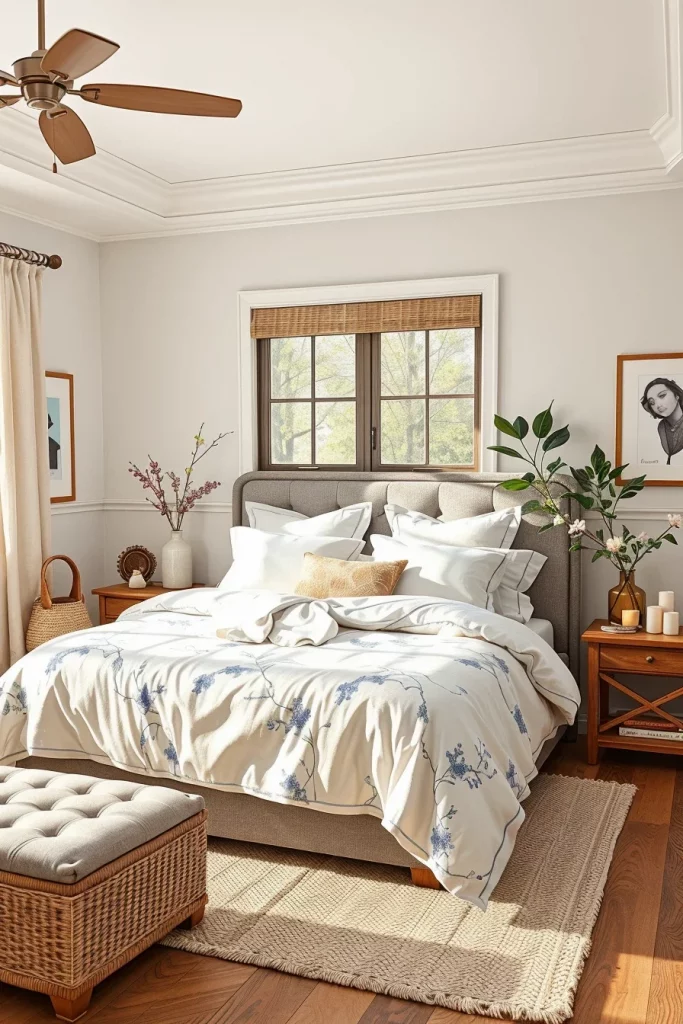
From my perspective, shopping during seasonal sales and investing in durable, timeless designs offers excellent value. I have personally found that purchasing complete bedding sets often reduces overall costs. Sustainable living does not require perfection from the beginning; small, consistent improvements make a meaningful difference.
I would also prioritize multifunctional accessories such as storage ottomans with removable organic fabric covers to maximize both practicality and style.
Combining Organic Textiles With Sustainable Bedroom Decor
A truly sustainable bedroom extends beyond fabrics alone. I believe that combining organic bedroom textiles with environmentally conscious furnishings creates a balanced and visually appealing space. Natural materials, thoughtful furniture choices, and energy-efficient lighting work together to establish a restful environment that supports both comfort and sustainability.
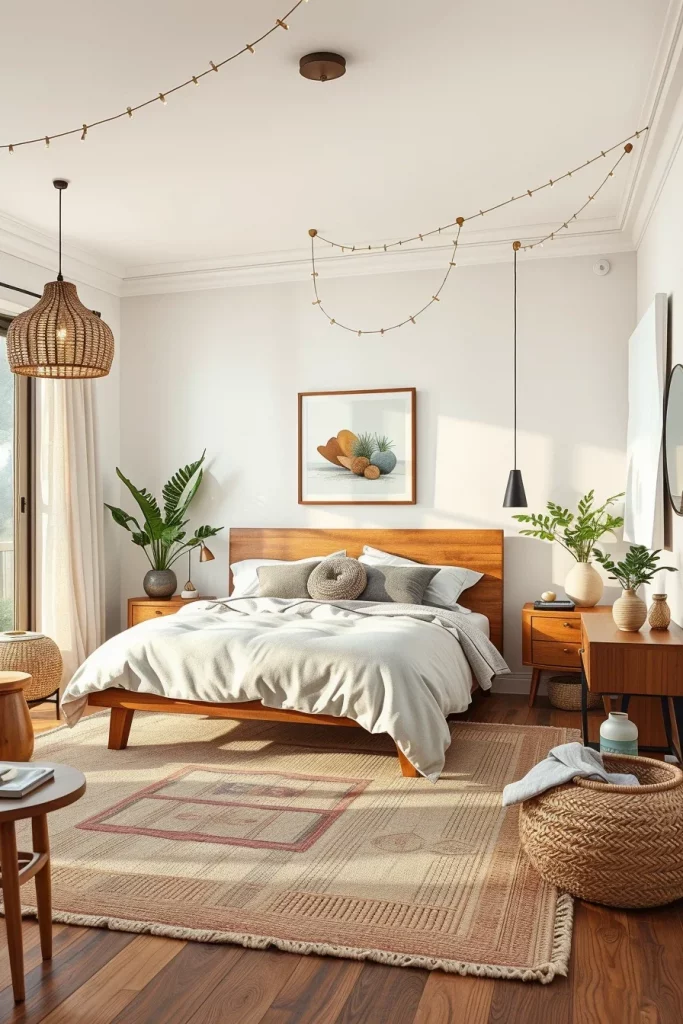
When designing these interiors, I prefer pairing organic linen bedding with furniture crafted from responsibly sourced materials. A platform bed, reclaimed wood nightstands, woven pendant lighting, natural fiber rugs, and handcrafted ceramic accessories complement organic textiles beautifully. Layering textures through cushions, throws, and window treatments adds depth while maintaining a calm and sophisticated aesthetic. I also recommend maximizing natural light whenever possible.
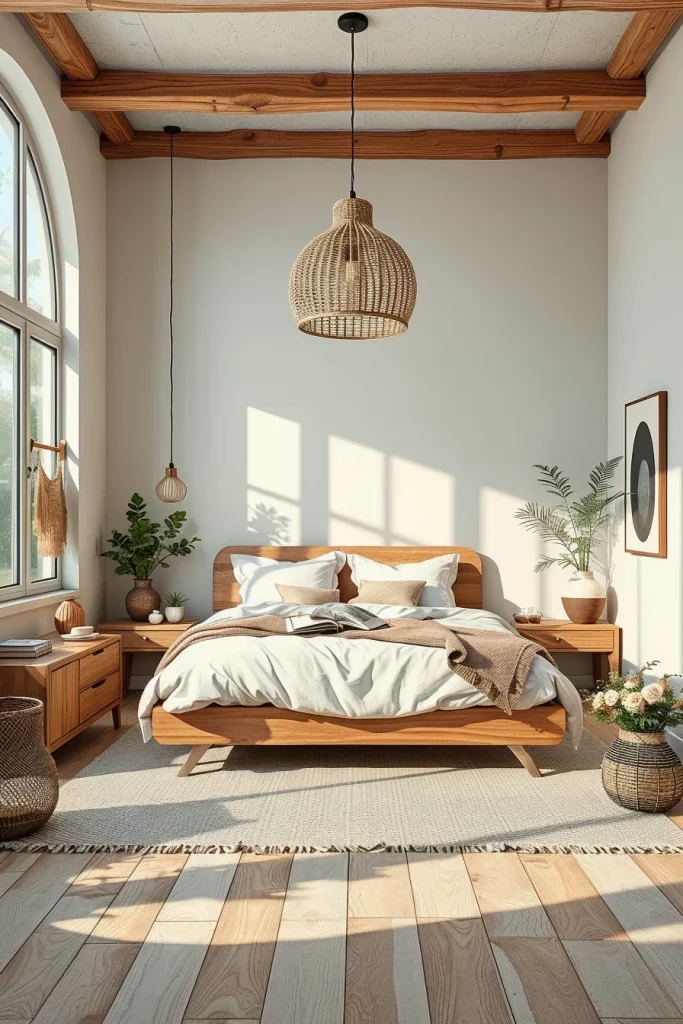
In my experience, sustainable interiors feel more authentic when every element contributes to the overall concept. Publications such as Better Homes & Gardens frequently highlight the importance of selecting long-lasting furnishings rather than disposable decor. I have found that carefully chosen pieces create bedrooms that remain stylish for many years.
To complete the design, I would incorporate indoor greenery, energy-efficient lighting, and handcrafted decorative accents that reflect personal style while supporting sustainability.
Future Trends In Organic Bedroom Textiles
The future of organic textiles for bedrooms is increasingly focused on innovation, transparency, and wellness. I expect to see continued growth in demand for ethically sourced materials, naturally dyed fabrics, and traceable supply chains. Modern bedrooms are evolving into wellness-oriented retreats where every design choice supports physical and emotional well-being.

I anticipate that future interiors will feature advanced organic fabrics with enhanced breathability, moisture regulation, and durability. Furniture designs will likely emphasize modularity and multifunctionality, allowing homeowners to adapt spaces more easily. Soft layered bedding, minimalist furnishings, integrated storage solutions, and textured natural materials will continue to dominate contemporary bedroom design.
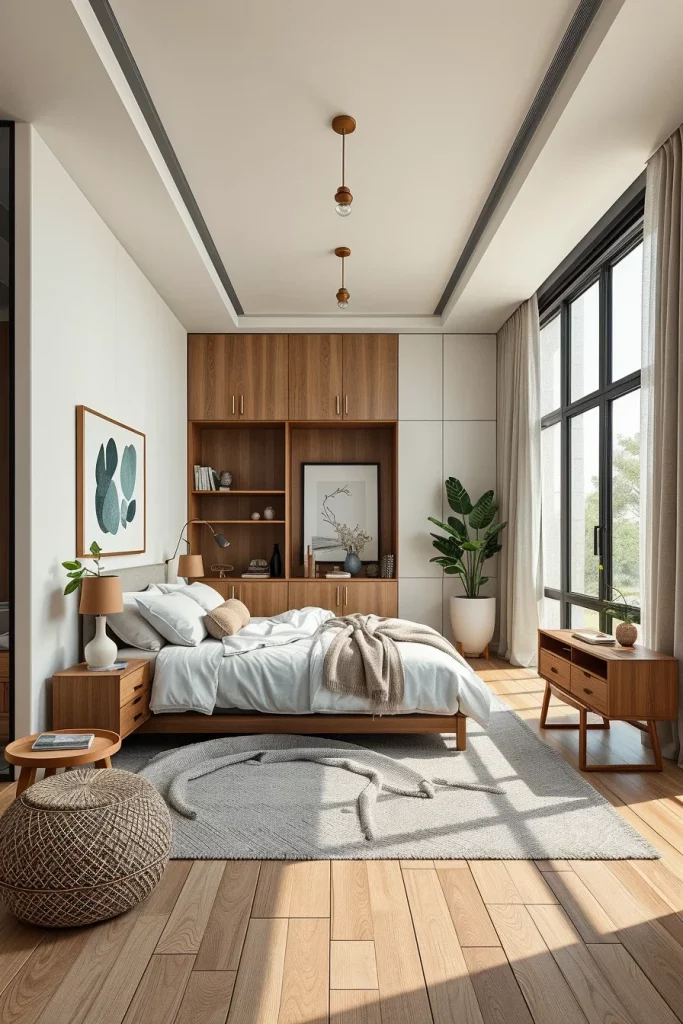
Personally, I am excited by emerging technologies that improve textile performance without compromising environmental standards. Designers and manufacturers are increasingly providing detailed information about sourcing and production practices, allowing consumers to make more informed decisions. Greater transparency strengthens trust and encourages responsible purchasing habits.
I would also expect to see broader availability of customizable organic textile collections that allow homeowners to personalize their bedrooms while maintaining sustainable principles.
Designing A Complete Bedroom Sanctuary With Organic Textiles
Creating a complete sanctuary with organic textiles for bedrooms involves designing a space that promotes relaxation, comfort, and well-being. I view the bedroom as more than simply a place to sleep; it should function as a restorative retreat that supports both physical and mental health. Organic materials help establish a peaceful atmosphere through their softness, breathability, and natural beauty.

I typically begin with a comfortable upholstered bed dressed in premium organic bedding, layered with linen sheets, breathable duvets, and textured throws. Complementary furnishings may include bedside tables, a reading chair, a storage bench, and soft area rugs made from natural fibers. Organic curtains, warm lighting, and thoughtfully selected accessories contribute to a cohesive and calming environment. Every element should work together to create visual harmony.
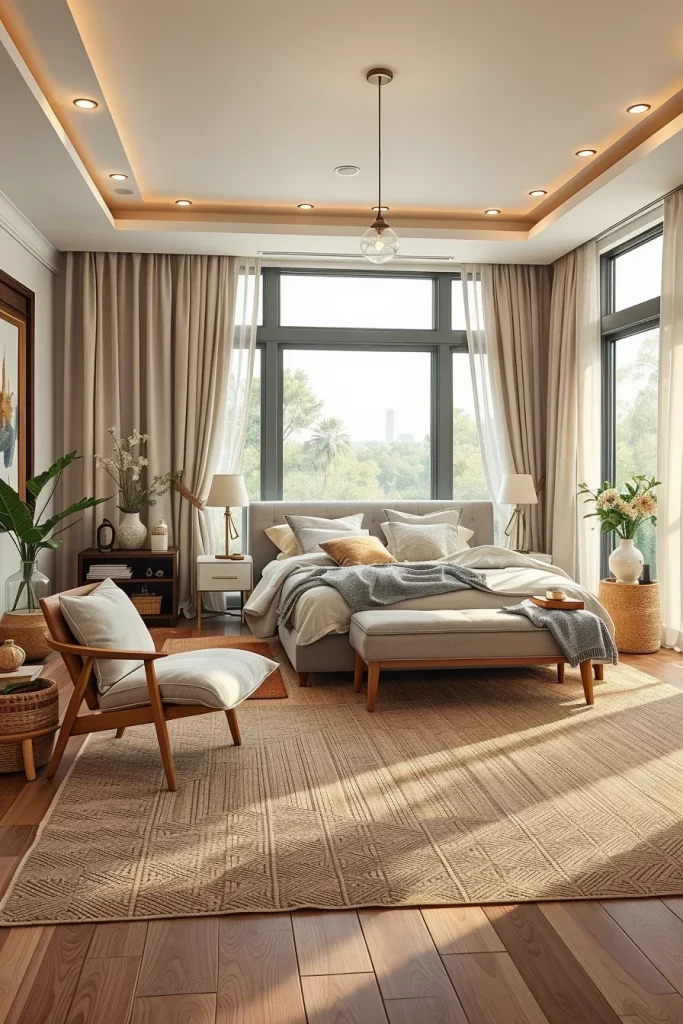
In my own projects, I have found that simplicity often produces the most relaxing interiors. Leading designers frequently emphasize the importance of decluttering and prioritizing comfort in bedroom design. I agree that a carefully curated space filled with meaningful, high-quality pieces encourages better rest and daily well-being.
To further enhance the sanctuary experience, I would include layered lighting, aromatherapy elements, and dedicated spaces for reading or quiet reflection.
Organic textiles for bedrooms offer the perfect combination of comfort, style, and sustainability. By choosing natural fabrics such as organic cotton, linen, wool, and bamboo, you can create a healthier and more inviting sleep environment. Thoughtfully selected organic textiles not only enhance the beauty of your bedroom but also support a more eco-conscious lifestyle for years to come.