
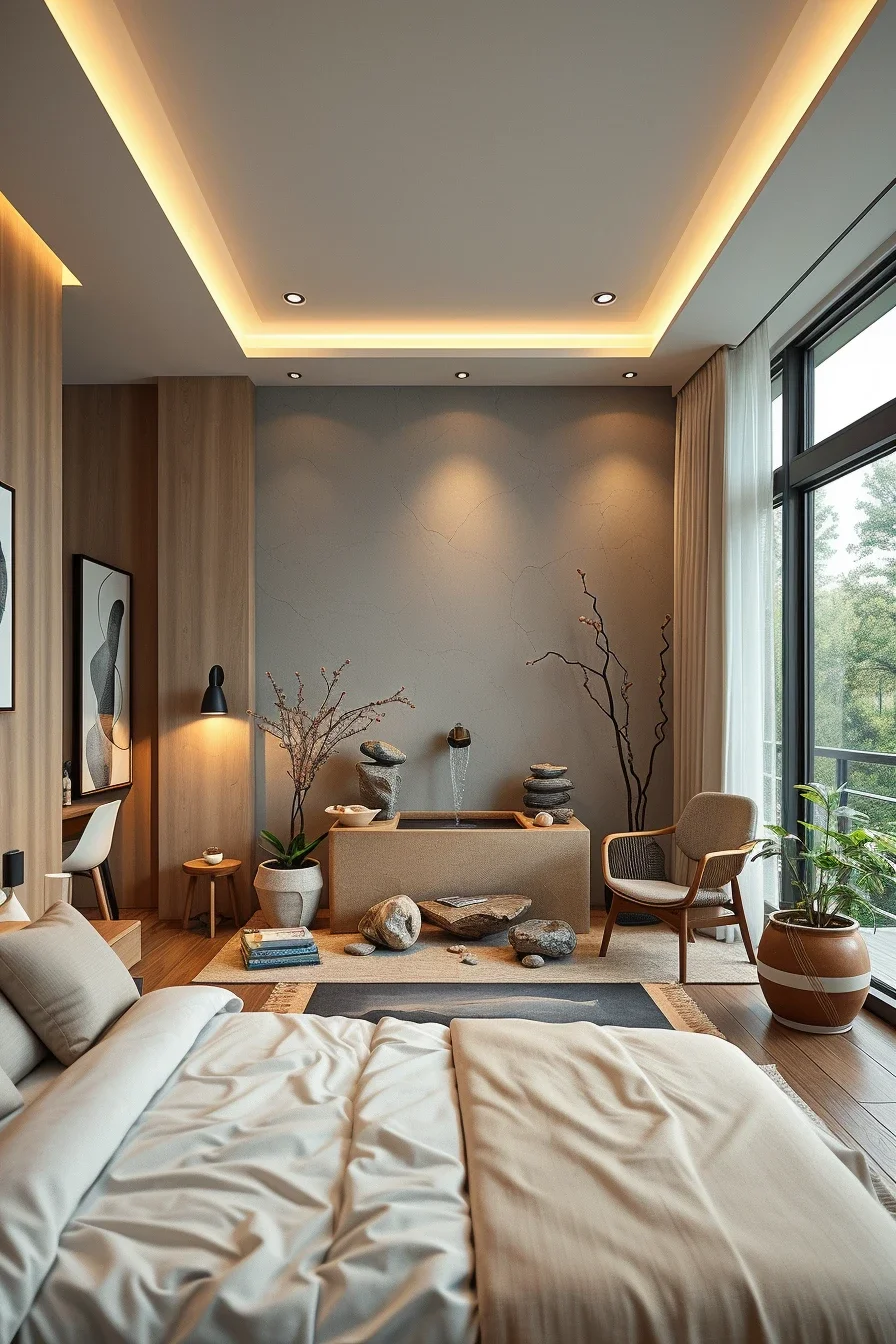
Biophilic bedroom design is all about creating a deeper connection between your living space and the natural world. By incorporating natural materials, organic textures, greenery, and abundant light, you can transform an ordinary bedroom into a calming retreat. This design approach promotes relaxation, reduces stress, and enhances overall well-being. Whether you prefer a minimalist aesthetic or a cozy sanctuary, biophilic elements can be adapted to suit any style. From indoor plants and earthy color palettes to large windows and sustainable furnishings, the possibilities are endless. Explore these inspiring biophilic bedroom design ideas to create a peaceful space that feels both refreshing and restorative.
Understanding The Principles Of Biophilic Bedroom Design
A successful biophilic bedroom design begins with understanding the relationship between people and nature. I always focus on creating spaces that stimulate a sense of calm through natural light, greenery, airflow, and organic forms. Rather than simply adding plants, biophilic design encourages a holistic approach where every element contributes to physical and emotional well-being. A thoughtfully designed bedroom can reduce stress and create a more restorative atmosphere.
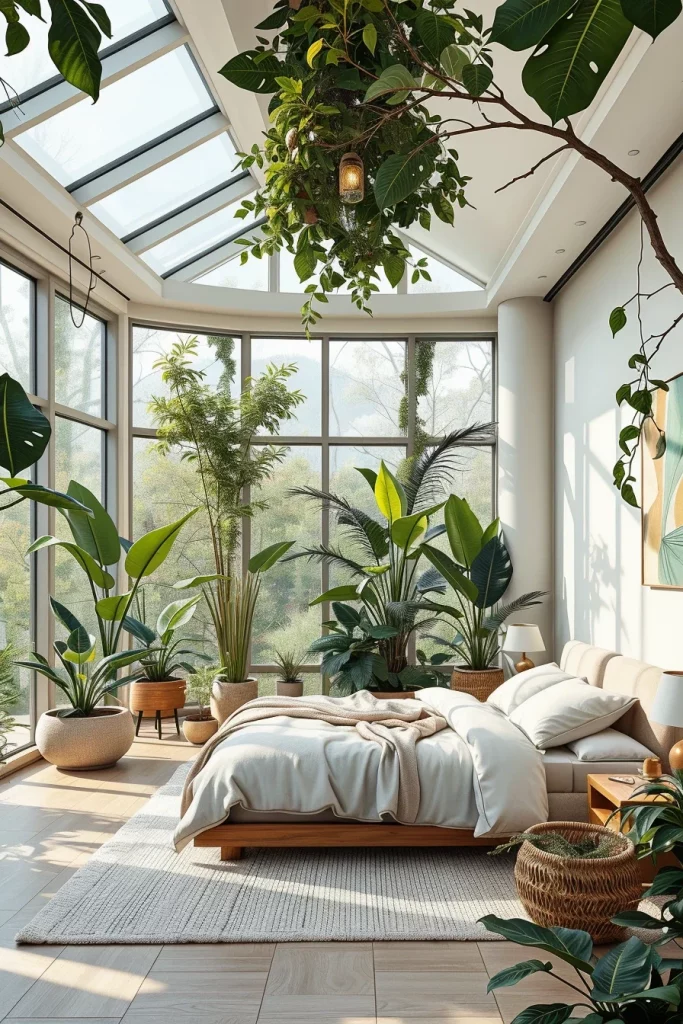
When planning the room, I prioritize layouts that encourage openness and visual connection to outdoor spaces. Large windows, soft curves in furniture, natural finishes, and uncluttered arrangements help establish this connection. Upholstered beds with rounded silhouettes, streamlined storage solutions, and comfortable seating areas all support relaxation while maintaining functionality.
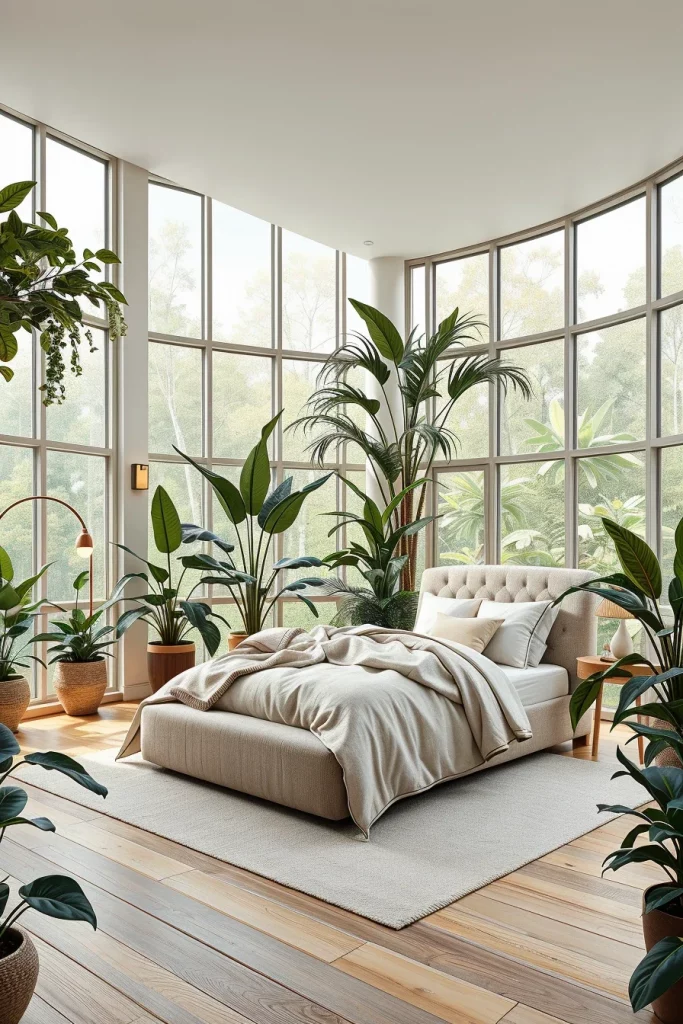
From my experience, leading publications such as Architectural Digest frequently emphasize that successful biophilic interiors engage multiple senses rather than relying on decorative greenery alone. I have found that combining natural textures, daylight, and subtle organic shapes produces the most balanced and timeless results.
To strengthen this concept further, I recommend incorporating natural scents through essential oil diffusers, gentle water features, or operable windows that allow fresh air to circulate regularly throughout the room.
Choosing A Nature-Inspired Color Palette For A Biophilic Bedroom
Color plays a crucial role in shaping the mood of a biophilic bedroom. I typically select palettes inspired by forests, coastlines, deserts, and landscapes to establish a soothing environment. Soft greens, warm beige tones, muted clay shades, gentle blues, and earthy browns create visual harmony while supporting relaxation.
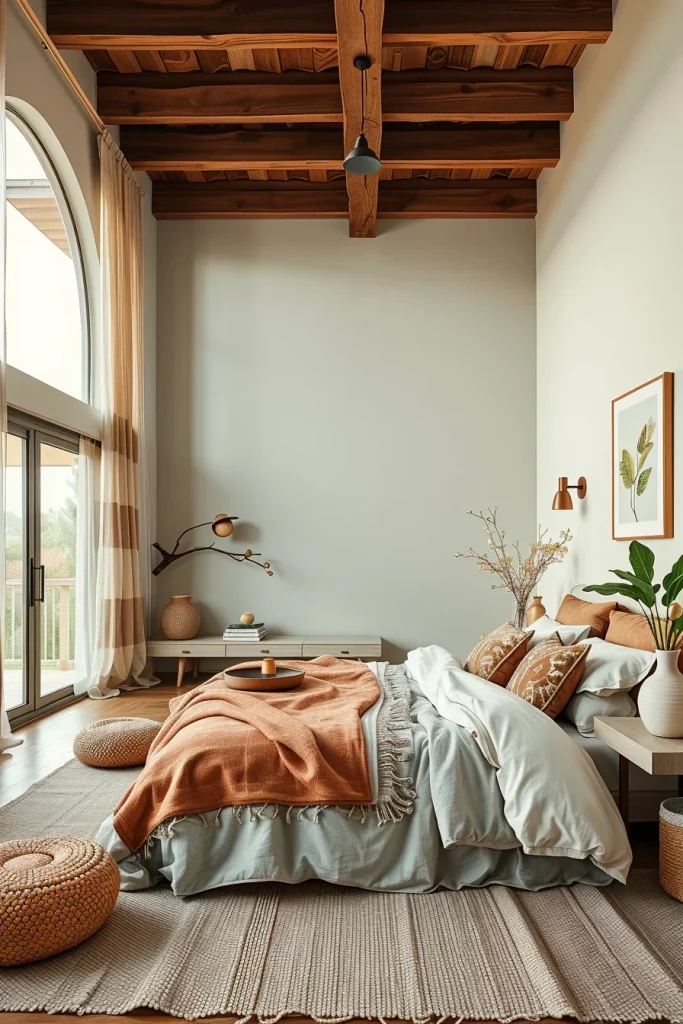
I prefer combining warm neutral walls with layered natural tones through bedding, rugs, curtains, and accent furnishings. Linen bedding in sand or sage hues, textured area rugs, and upholstered accent chairs help create depth without overwhelming the space. Wood-inspired finishes, stone accessories, and ceramic decor pieces further reinforce the connection to nature.
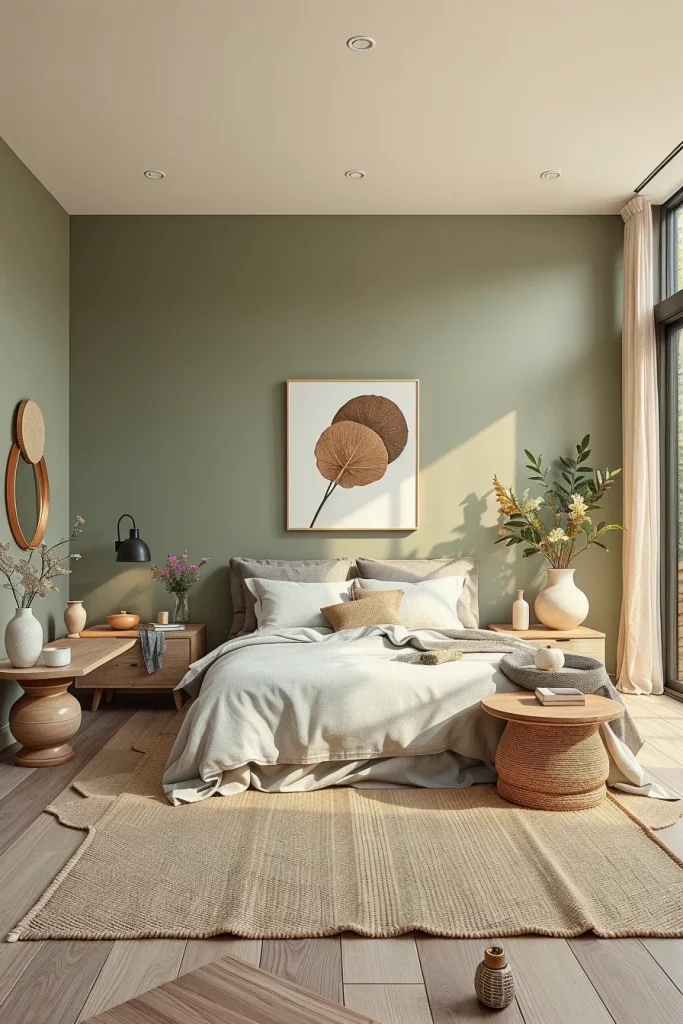
Personally, I avoid overly saturated colors because they can disrupt the tranquil atmosphere that biophilic interiors aim to achieve. Instead, I focus on tonal variation and subtle contrasts that mimic the diversity found in natural environments.
Something often overlooked is ceiling color. I frequently recommend soft off-white or pale sky-inspired shades on ceilings to enhance light reflection and reinforce the feeling of openness.
Incorporating Natural Materials Into Bedroom Interiors
Natural materials form the foundation of any effective biophilic bedroom design. I often begin with flooring, wall finishes, and furniture selections that showcase authentic textures and organic character. Materials such as stone, rattan, linen, cotton, wool, bamboo, and responsibly sourced timber create warmth while introducing tactile richness.
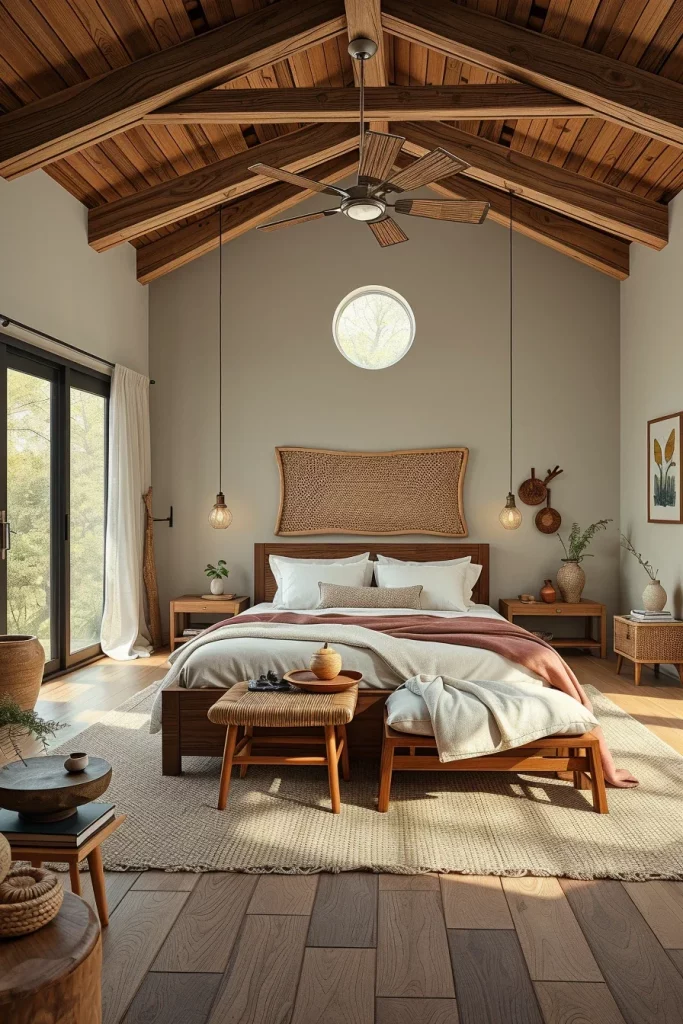
For furniture, I prefer solid wood bed frames, woven rattan benches, linen-upholstered headboards, and handcrafted bedside tables. Layering multiple materials adds dimension and prevents the room from feeling flat. Stone table lamps, ceramic vases, and woven baskets also contribute texture while serving practical functions.
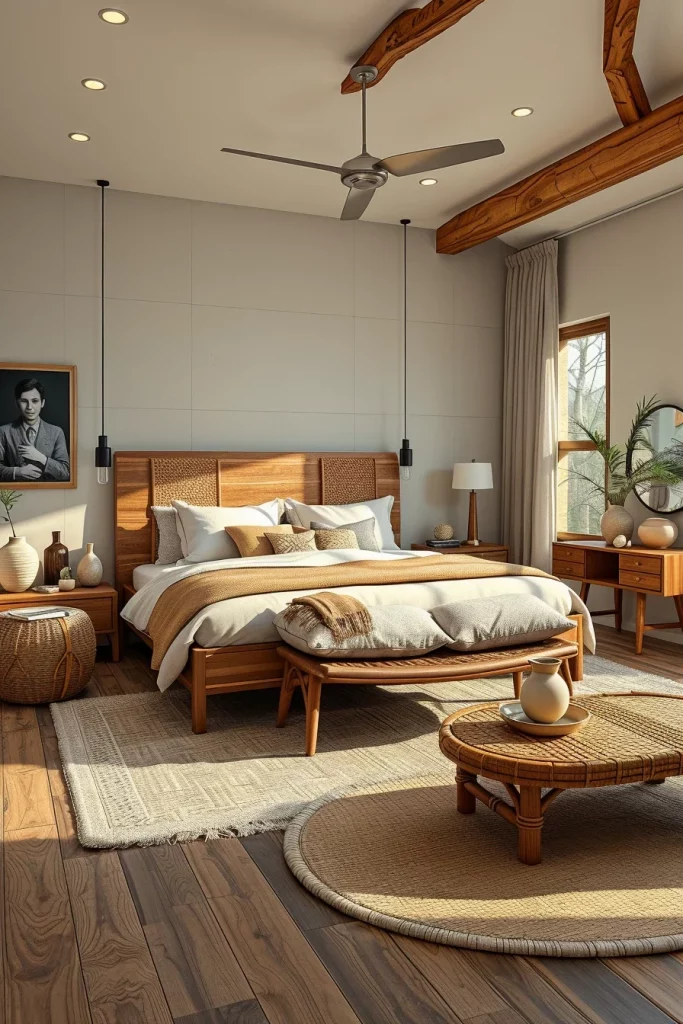
In my own projects, I have noticed that clients respond particularly well to tactile surfaces because they make bedrooms feel more inviting and comfortable. Designers featured in Elle Decor often highlight the importance of touch in creating restorative interiors, and I strongly agree with this perspective.
To complete the design, I suggest incorporating handcrafted accessories or artisanal decor pieces that introduce individuality and reinforce the authentic character of the space.
Maximizing Natural Light In A Biophilic Bedroom
Natural light is one of the most important components of a restorative bedroom environment. I always try to maximize daylight because it improves mood, supports healthy circadian rhythms, and visually enlarges the room. Even smaller bedrooms can benefit from thoughtful strategies that increase light penetration.
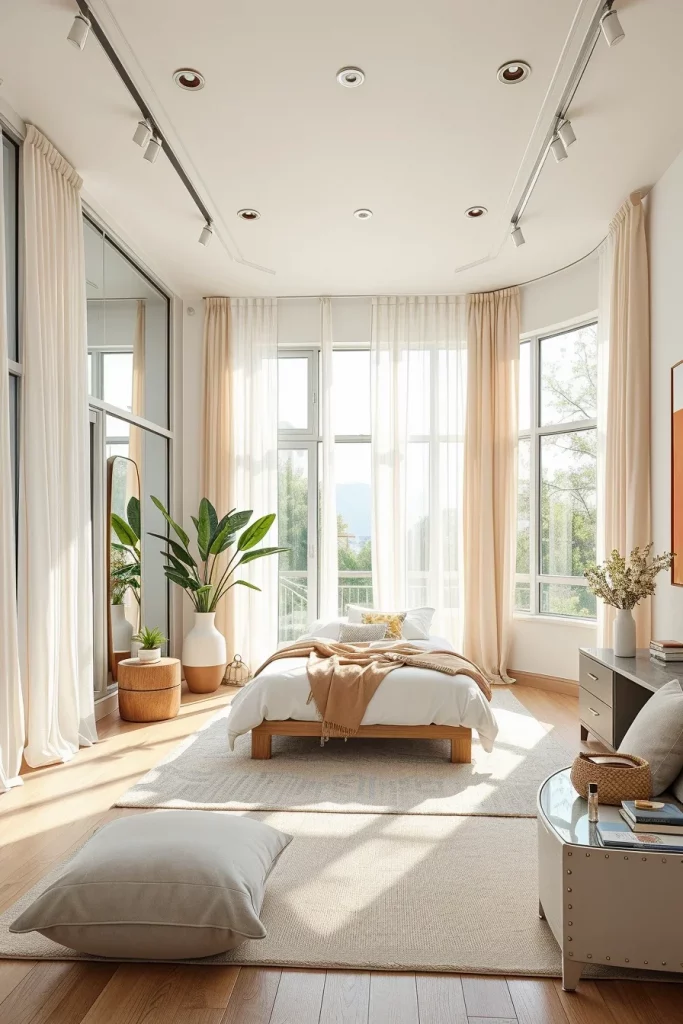
I usually select sheer window treatments that diffuse sunlight while maintaining privacy. Mirrors positioned opposite windows help reflect daylight deeper into the space. Low-profile furniture, light-colored walls, and minimal window obstructions ensure that sunlight remains the focal point of the room.
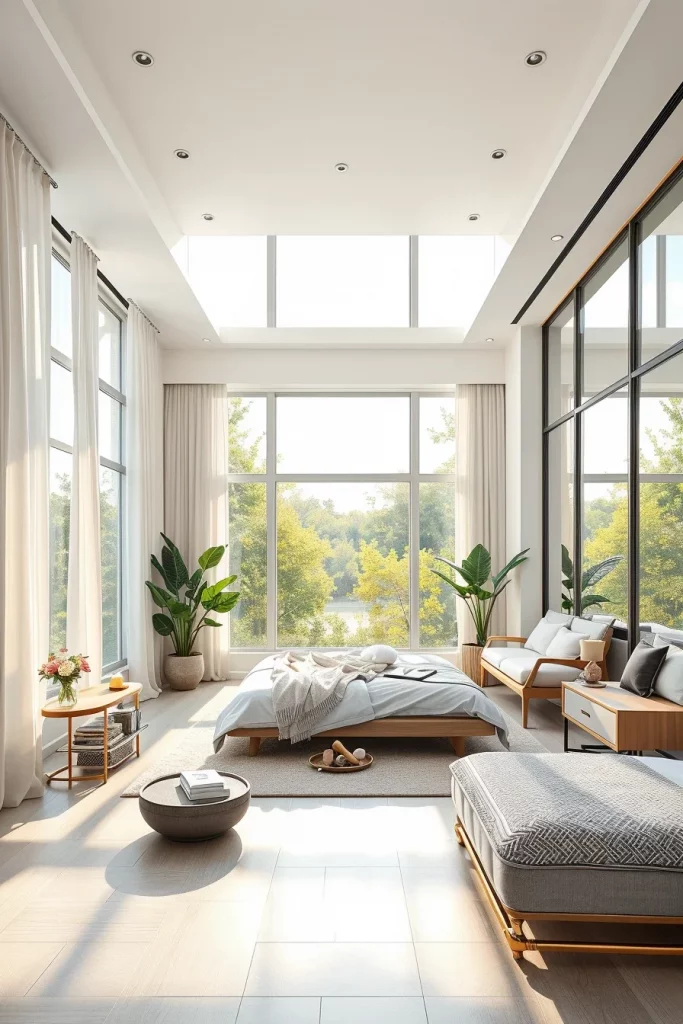
From my experience, excessive artificial lighting can diminish the calming effect of natural illumination. I prefer layered lighting schemes that complement daylight rather than compete with it, including dimmable sconces, bedside lamps, and concealed ambient lighting.
If natural light is limited, I recommend incorporating full-spectrum lighting systems that mimic daylight and help maintain a healthier indoor environment.
Designing Large Window Layouts For Indoor-Outdoor Connection
Large windows are transformative in a biophilic bedroom because they visually blur the boundaries between indoor and outdoor environments. I often design bedrooms around expansive glazing systems that frame landscape views and create a constant connection with nature.
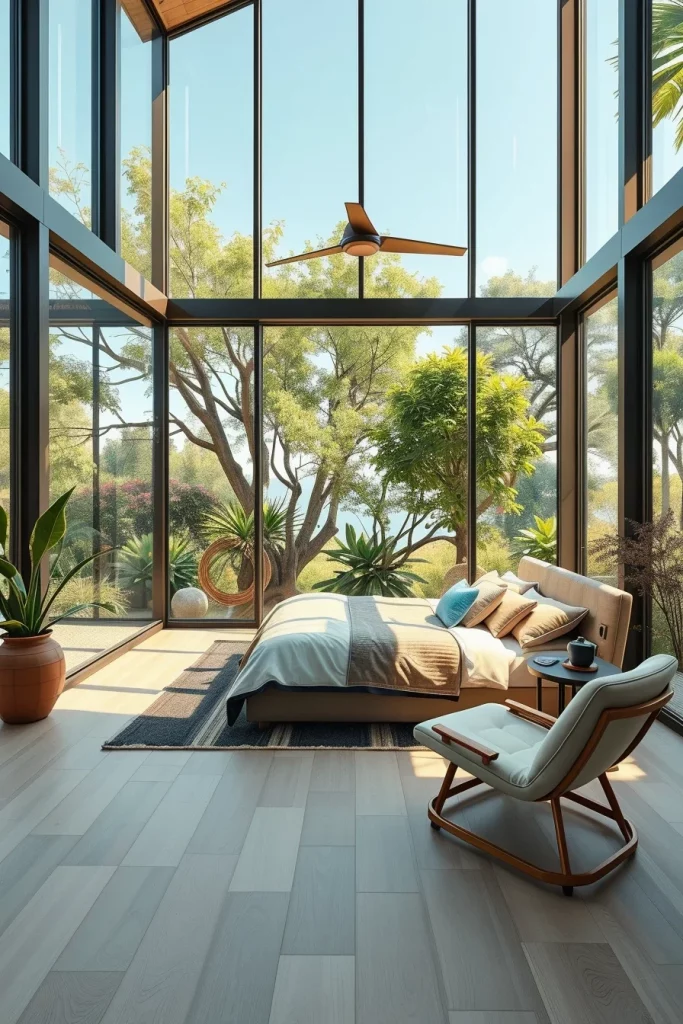
Floor-to-ceiling windows, corner glazing, or sliding glass doors significantly enhance spatial openness. I prefer arranging the bed to face exterior views whenever possible, allowing natural scenery to become an integral design feature. Comfortable lounge chairs near windows can create inviting reading corners while strengthening the indoor-outdoor relationship.
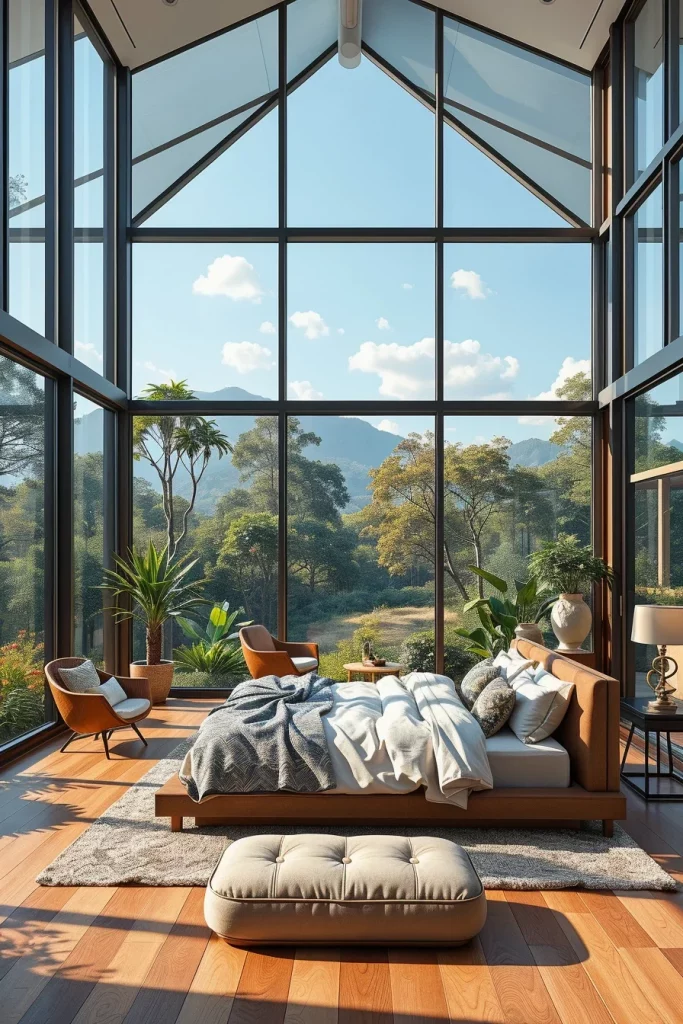
Personally, I have found that even urban bedrooms benefit from large windows when views include sky, trees, or rooftop gardens. According to many interior design experts, visual access to nature can positively influence well-being and improve relaxation.
To optimize these layouts, I recommend incorporating automated shades or layered window treatments that provide privacy without sacrificing natural light or outdoor views.
Adding Indoor Trees For A Lush Bedroom Atmosphere
Indoor trees instantly elevate a biophilic bedroom design by introducing height, movement, and a strong visual connection to nature. I often use indoor trees to create focal points that soften architectural lines and make the room feel more alive. Even a single tree can transform a minimalist bedroom into a relaxing retreat while improving the overall atmosphere.
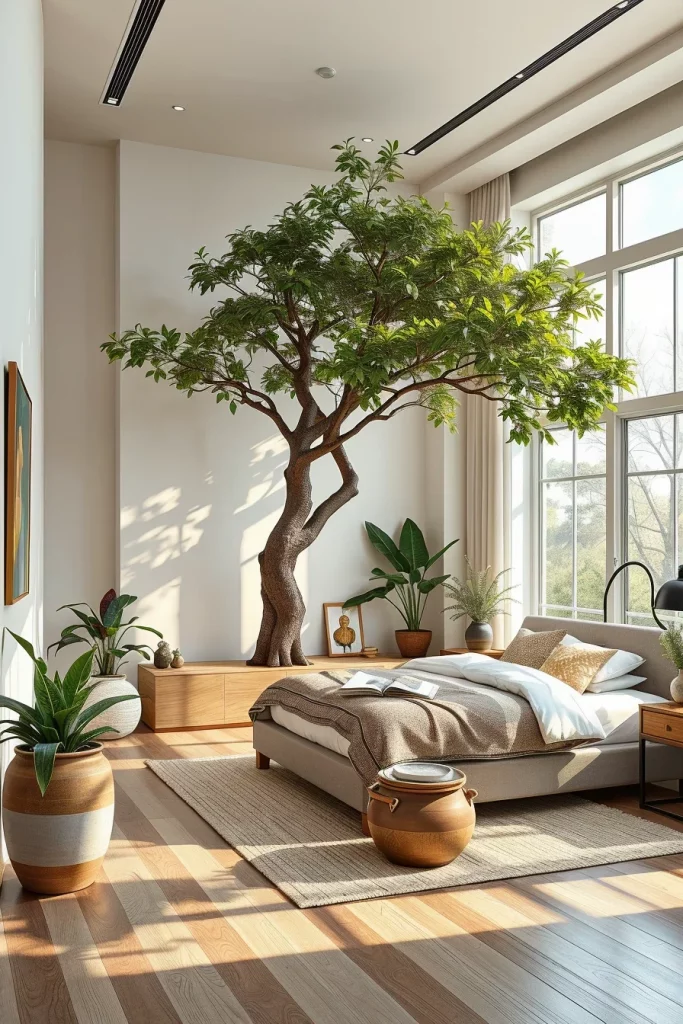
I typically select species such as fiddle leaf figs, olive trees, or indoor palms because they add sculptural interest without overwhelming the room. Placing a tree near a window allows it to thrive while framing the natural light beautifully. Decorative planters made from ceramic, stone, or woven materials further enhance the organic aesthetic and integrate seamlessly with other furnishings.
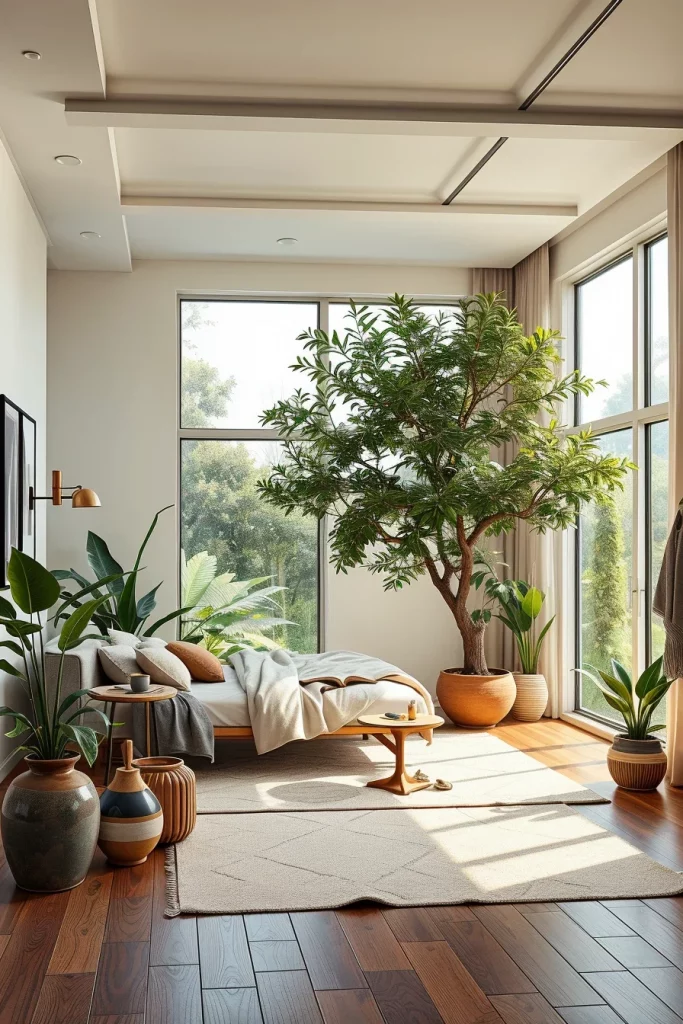
From my experience, positioning a tree near a reading nook or beside the bed creates a calming visual anchor. Many interior designers featured in House Beautiful recommend using larger plants sparingly so that they remain statement pieces rather than cluttering the space.
To complete this look, I often add subtle accent lighting directed toward the foliage to create gentle shadows and visual depth during the evening hours.
Selecting Low-Maintenance Plants For Bedroom Spaces
Not everyone has the time to care for demanding houseplants, which is why low-maintenance greenery plays an important role in a successful biophilic bedroom. I always recommend choosing resilient species that thrive indoors with minimal attention while still providing the benefits of nature indoors.
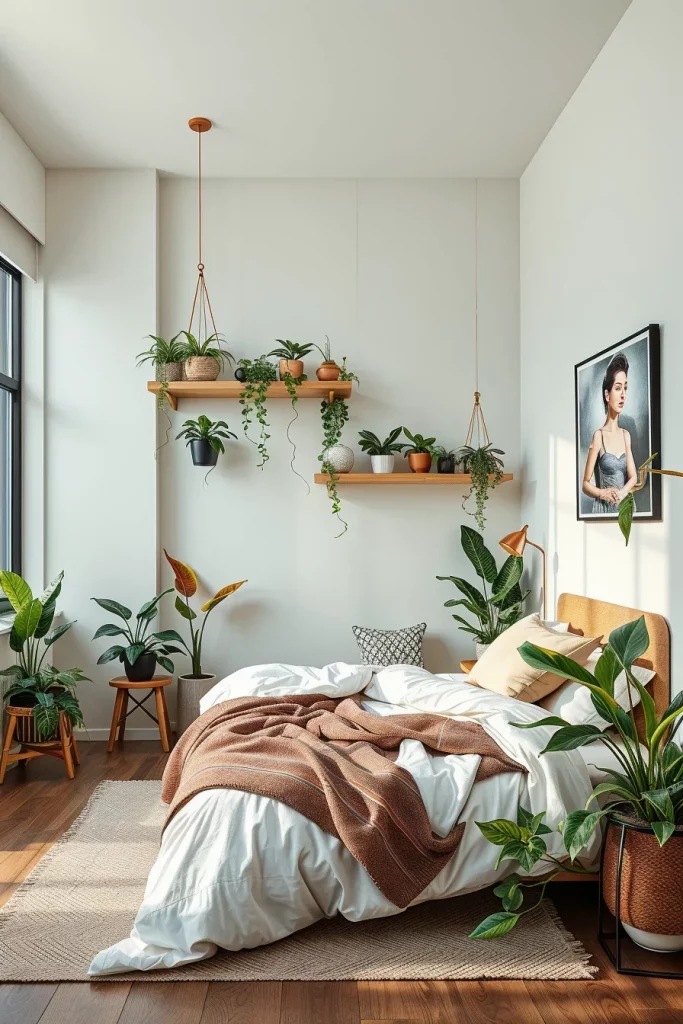
Snake plants, ZZ plants, pothos, and peace lilies are among my preferred options because they tolerate varying light conditions and require limited watering. I like to arrange smaller plants on floating shelves, bedside tables, or dressers to distribute greenery evenly throughout the room. Hanging planters can also maximize vertical space without occupying valuable floor area.
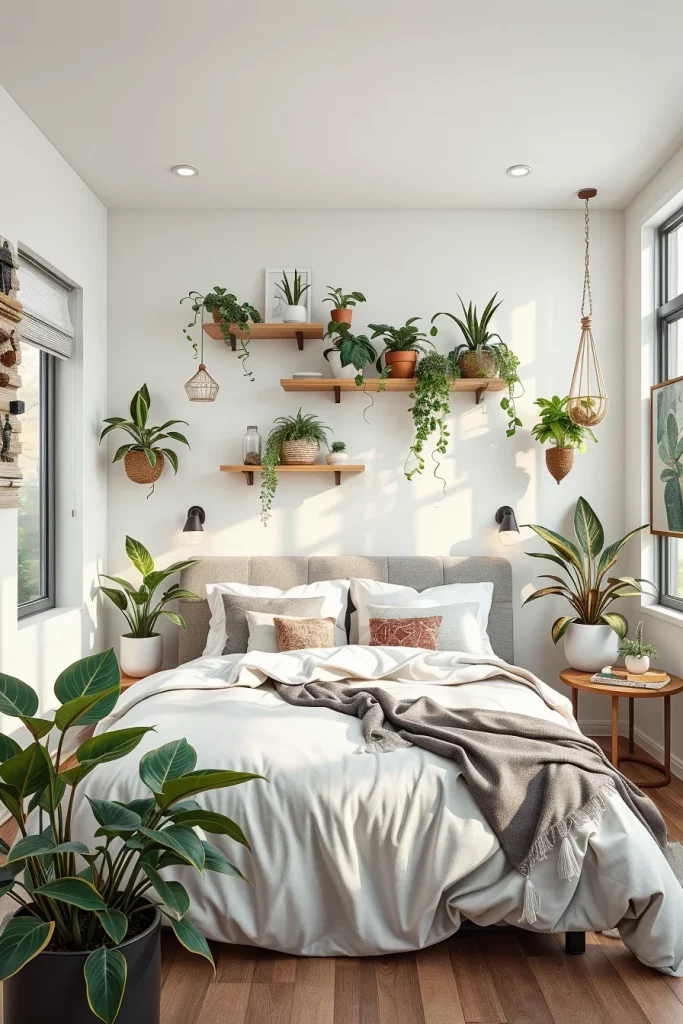
Personally, I find that introducing several smaller plants rather than relying on a single large specimen creates a balanced and approachable design. Research frequently highlighted by wellness-focused publications suggests that indoor plants may contribute positively to perceived comfort and relaxation.
I also recommend selecting containers with proper drainage systems to ensure long-term plant health and simplify maintenance routines.
Creating A Living Green Wall In The Bedroom
A living green wall represents one of the most striking features within a biophilic bedroom design. I see these installations as both architectural elements and natural artworks that instantly establish a strong connection with nature. When properly designed, a green wall becomes the centerpiece of the entire room.
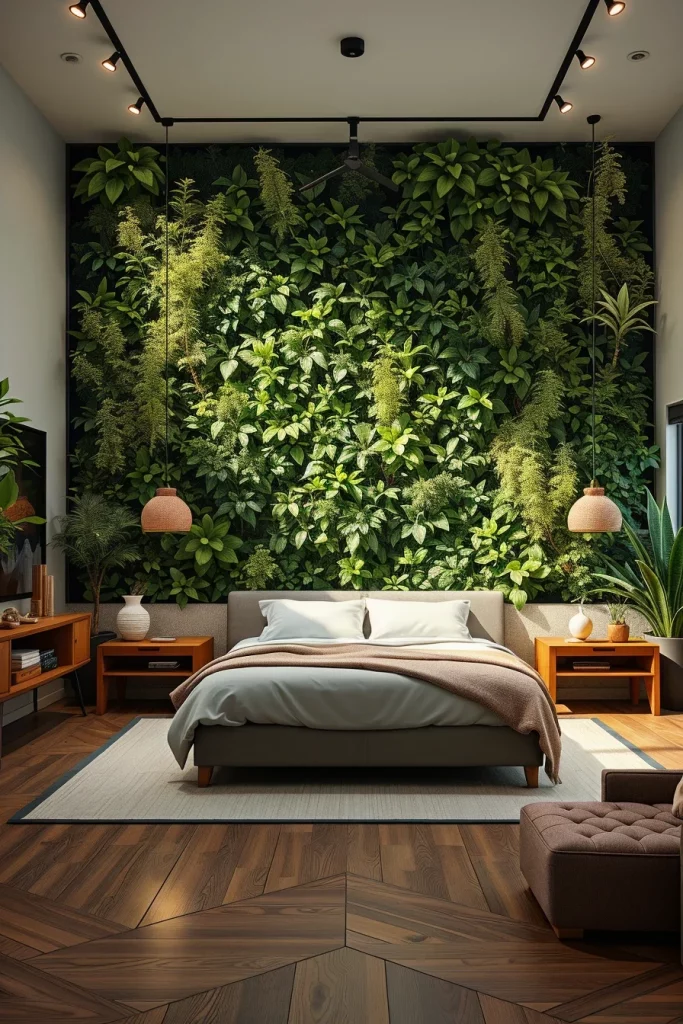
I generally position living walls behind the bed, adjacent to seating areas, or along accent walls that receive sufficient indirect light. Modular planting systems, integrated irrigation, and carefully selected plant varieties help ensure long-term success. Complementary furnishings such as upholstered beds, simple nightstands, and understated decor allow the greenery to remain the focal point.
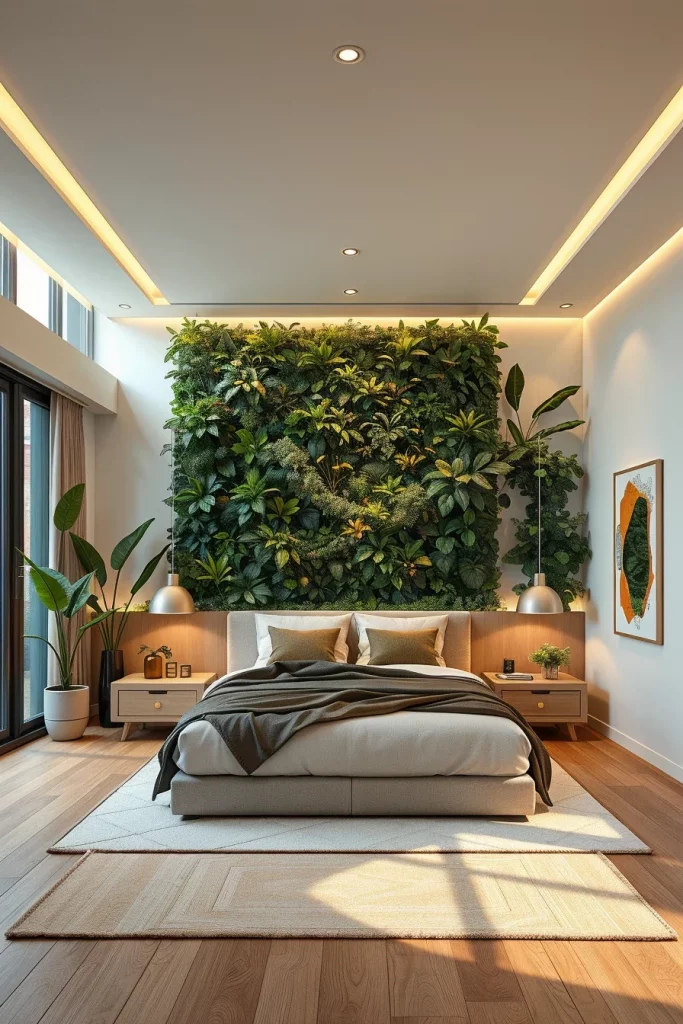
In my opinion, a professionally designed green wall can dramatically enhance the sensory experience of the bedroom. However, I always advise homeowners to consider maintenance requirements carefully before installation. Simpler preserved moss walls may offer a lower-maintenance alternative while preserving the natural aesthetic.
To maximize visual impact, I suggest incorporating subtle integrated lighting that highlights the textures and variations within the living installation.
Decorating With Organic Textures And Layered Fabrics
Texture is essential in creating warmth and comfort within a biophilic bedroom. I often rely on layered fabrics and organic materials to introduce visual softness while reinforcing the connection to nature. Combining different textures prevents minimalist spaces from feeling sterile or impersonal.
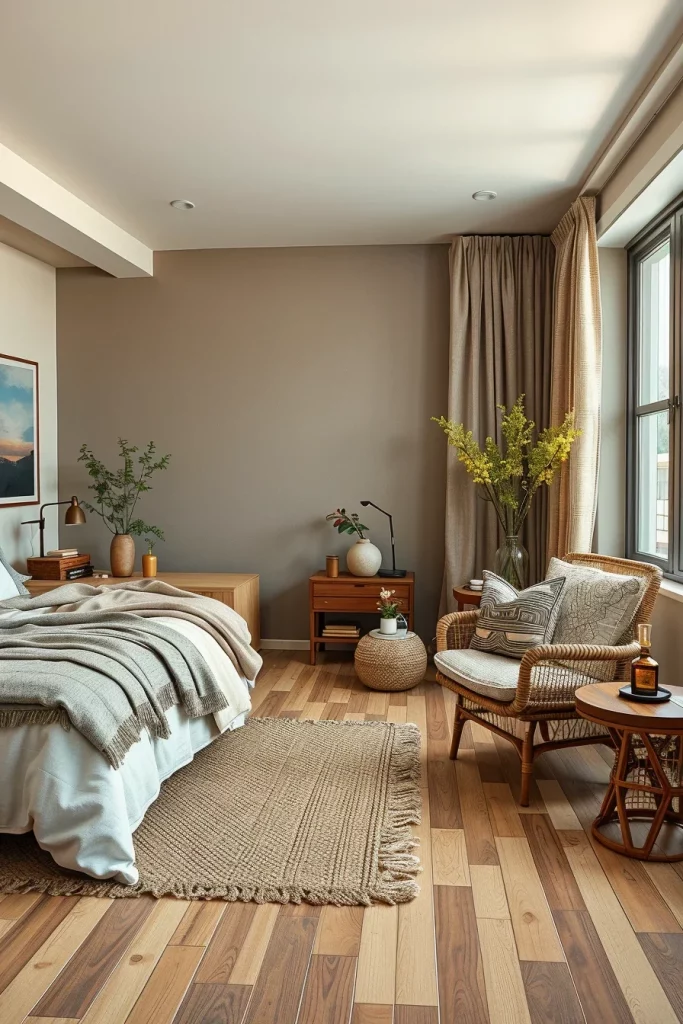
I usually start with natural fiber bedding such as linen or cotton, then add wool throws, textured cushions, woven rugs, and lightweight curtains. Upholstered headboards, boucle accent chairs, and handcrafted baskets contribute additional tactile richness. These elements create depth while supporting the calming atmosphere characteristic of biophilic interiors.
From my own experience, layered textiles significantly improve the sensory quality of a bedroom. Interior stylists frequently emphasize the importance of mixing textures rather than patterns, and I find this approach particularly effective in nature-inspired spaces.
An often-overlooked addition is a textured bench placed at the foot of the bed, which enhances both functionality and visual balance.
Choosing Sustainable Furniture For Biophilic Bedroom Design
Sustainability aligns naturally with the principles of biophilic bedroom design. I believe that selecting environmentally responsible furniture not only supports ecological goals but also contributes to healthier indoor environments. Investing in durable, high-quality pieces reduces waste and creates a more timeless interior.
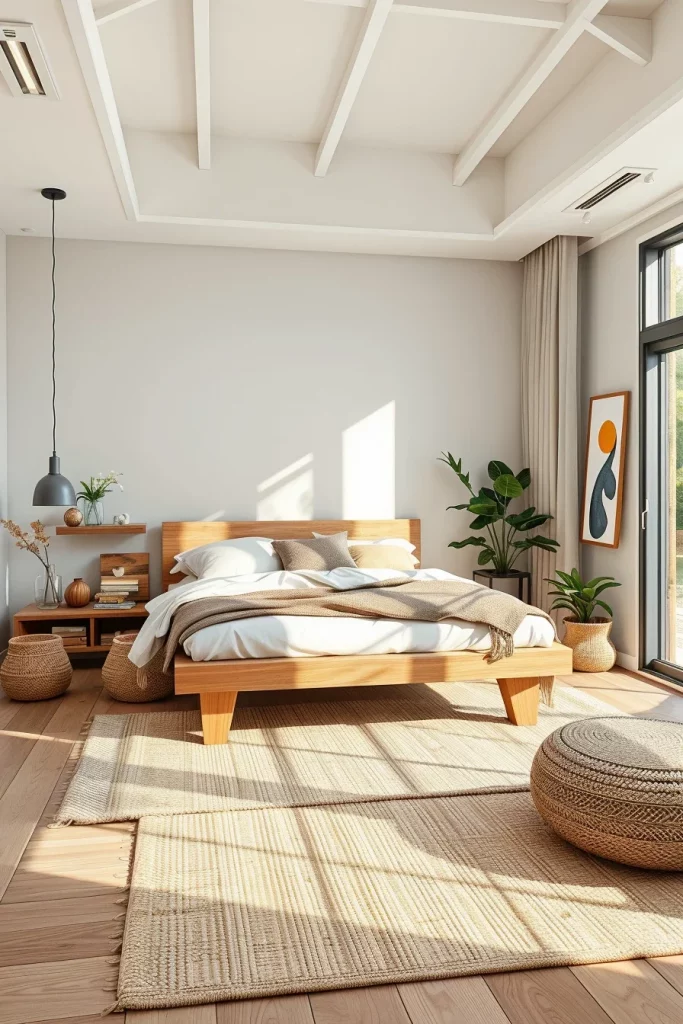
When selecting furniture, I prioritize responsibly sourced wood, reclaimed materials, low-emission finishes, and durable upholstery fabrics. A solid wood bed frame, multifunctional storage units, natural fiber rugs, and handcrafted bedside tables can form the foundation of a sustainable bedroom. I also favor furniture with clean lines and enduring appeal to minimize the need for future replacements.
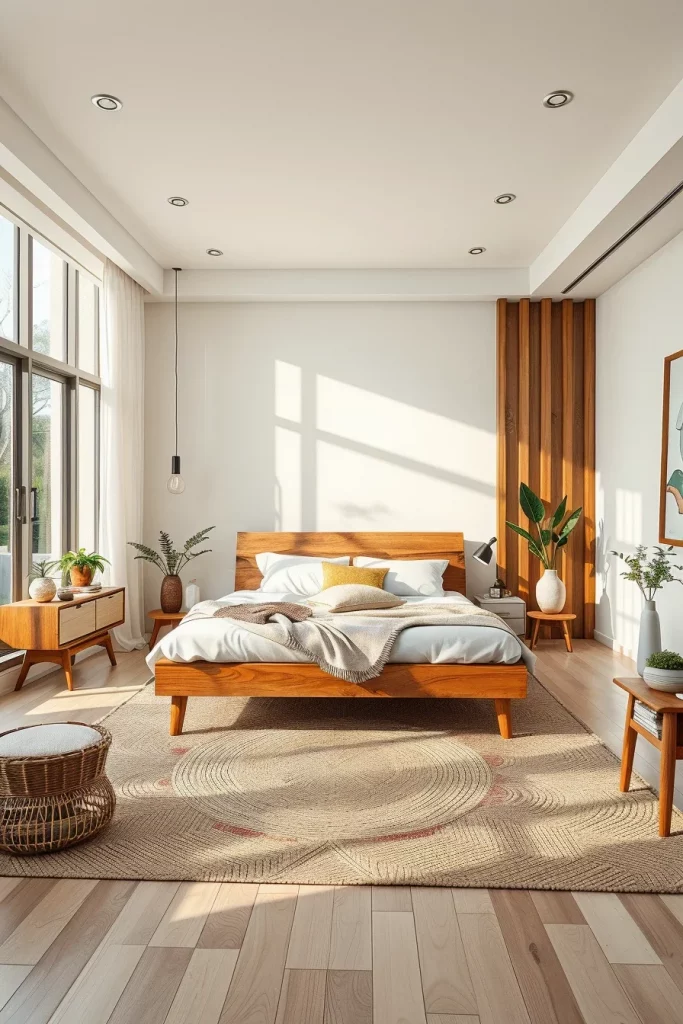
Personally, I have found that sustainable furniture often offers superior craftsmanship and longevity. Many respected design publications encourage homeowners to focus on quality over quantity, and this philosophy aligns perfectly with biophilic principles.
To further enhance sustainability, I recommend incorporating vintage accessories, artisan-made decor, and energy-efficient lighting systems that complement the natural aesthetic of the space.
Using Wood Tones To Create Warm And Relaxing Spaces
I find that incorporating a variety of wood tones is one of the most effective ways to establish warmth in a biophilic bedroom. Soft oak, walnut, ash, or maple finishes instantly make a room feel more welcoming and connected to nature. Instead of relying on a single finish, I prefer layering complementary tones to create depth while maintaining visual harmony. Natural wood surfaces also age beautifully, making them a practical long-term investment.
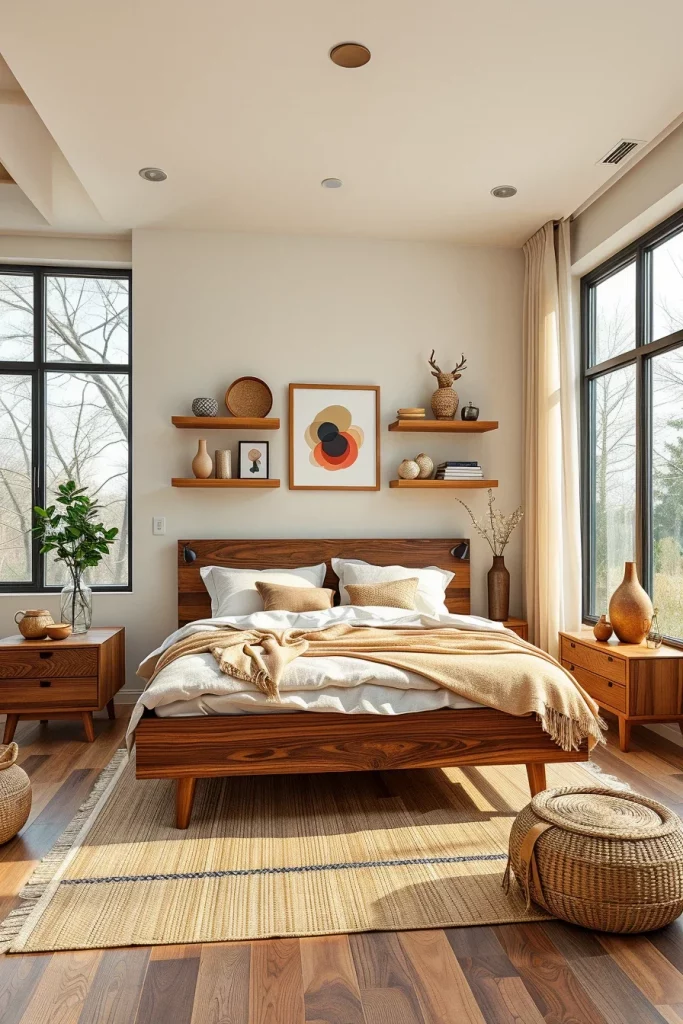
When designing this type of space, I usually begin with a substantial wood bed frame as the focal point. Matching nightstands, a low-profile dresser, and floating shelves reinforce the organic aesthetic while providing essential storage. I often add linen bedding, woven baskets, and ceramic accessories because these materials complement wood without overwhelming the room. Large windows that maximize daylight further enhance the richness of the natural finishes.
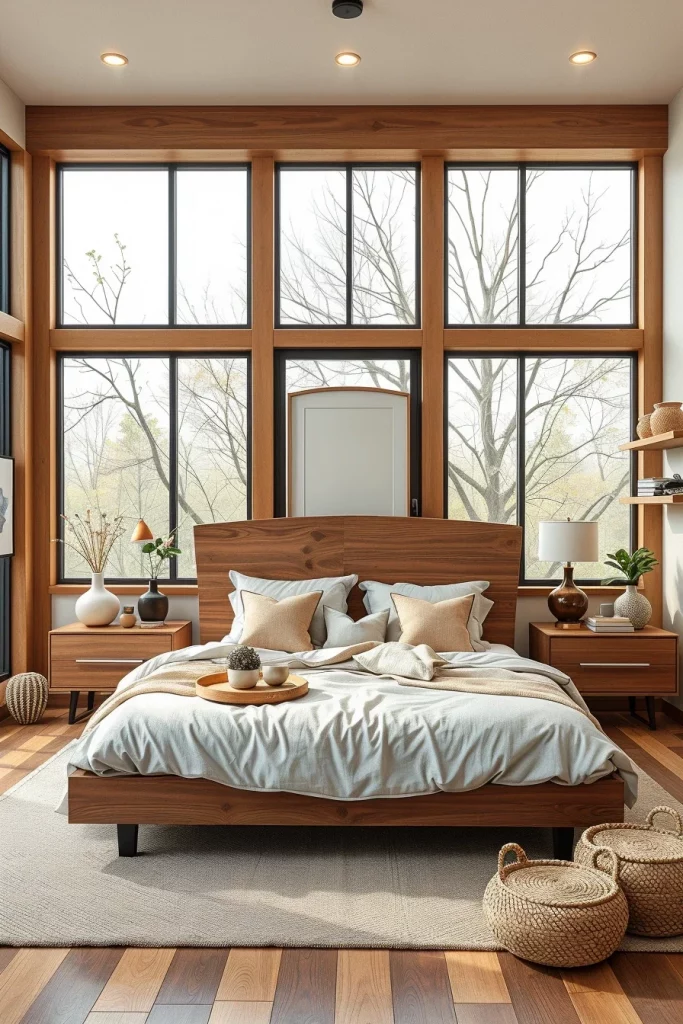
Personally, I have noticed that bedrooms featuring authentic wood elements feel noticeably more calming than rooms dominated by synthetic materials. Designers frequently featured by interior publications such as Architectural Digest also emphasize the importance of natural materials for creating restorative environments. I always recommend choosing matte or lightly finished surfaces to preserve the authentic character of the grain.
To complete this design, I would add layered lighting with fabric or paper lampshades. Warm ambient lighting highlights the natural textures and ensures the room remains cozy during evening hours.
Incorporating Stone Elements For A Grounded Aesthetic
Stone accents introduce a sense of permanence and grounding that perfectly complements a biophilic bedroom design. I like using stone sparingly so that the room remains serene rather than heavy. Textured limestone, travertine, slate, or marble details create visual interest while reinforcing the connection to natural landscapes. Even small stone elements can significantly influence the atmosphere.
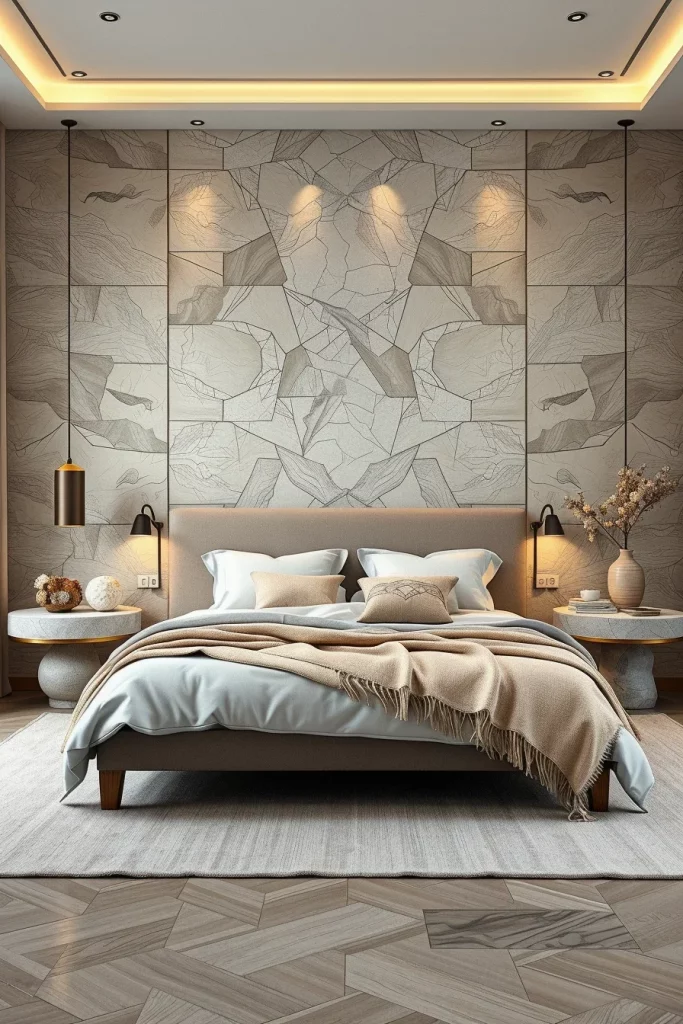
In my experience, a stone-clad accent wall behind the bed instantly establishes a sophisticated focal point. Stone side tables, sculptural table lamps, and decorative bowls further strengthen the natural aesthetic. I also like pairing stone with soft textiles such as wool throws and cotton bedding because the contrast between hard and soft materials creates balance. Neutral color palettes help maintain a peaceful atmosphere.
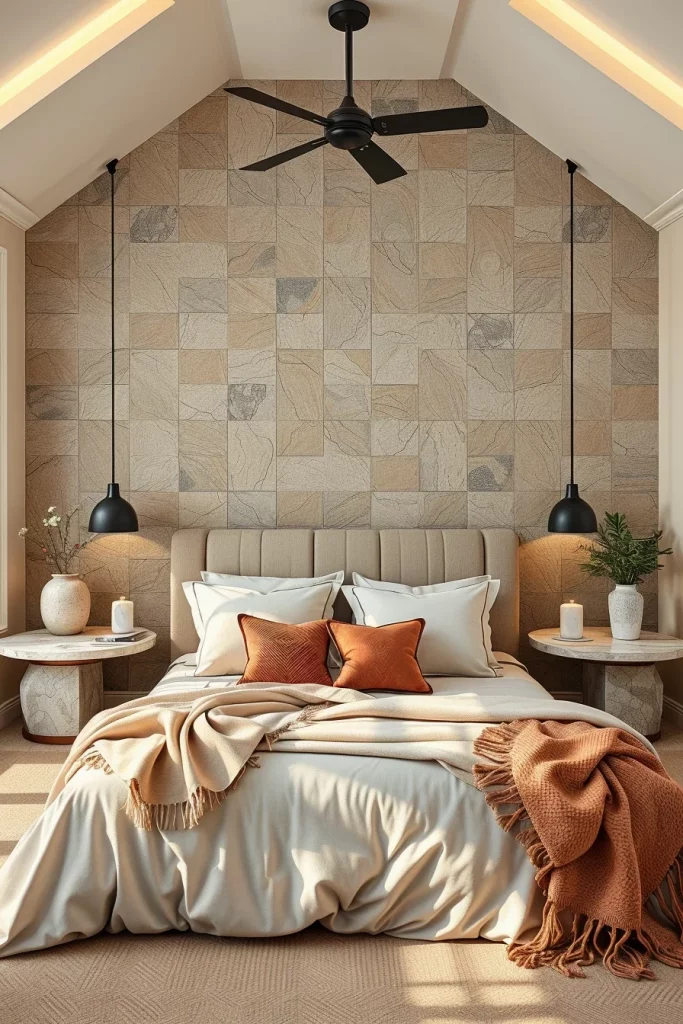
I have found that incorporating authentic stone details adds a tactile quality that photographs rarely capture. Interior designers often recommend mixing textures within a room to prevent minimalist spaces from feeling cold, and stone performs this role exceptionally well. Even renters can achieve a similar effect using removable textured wall panels inspired by natural stone.
I would also include indirect lighting positioned to emphasize the texture and depth of the stone surfaces, especially in the evening.
Styling A Minimalist Biophilic Bedroom
A minimalist approach works beautifully in a biophilic bedroom because it allows natural materials and thoughtful details to take center stage. I believe that reducing visual clutter encourages relaxation and improves the overall functionality of the room. Clean lines, open floor space, and restrained decor create a calming environment that supports restful sleep.
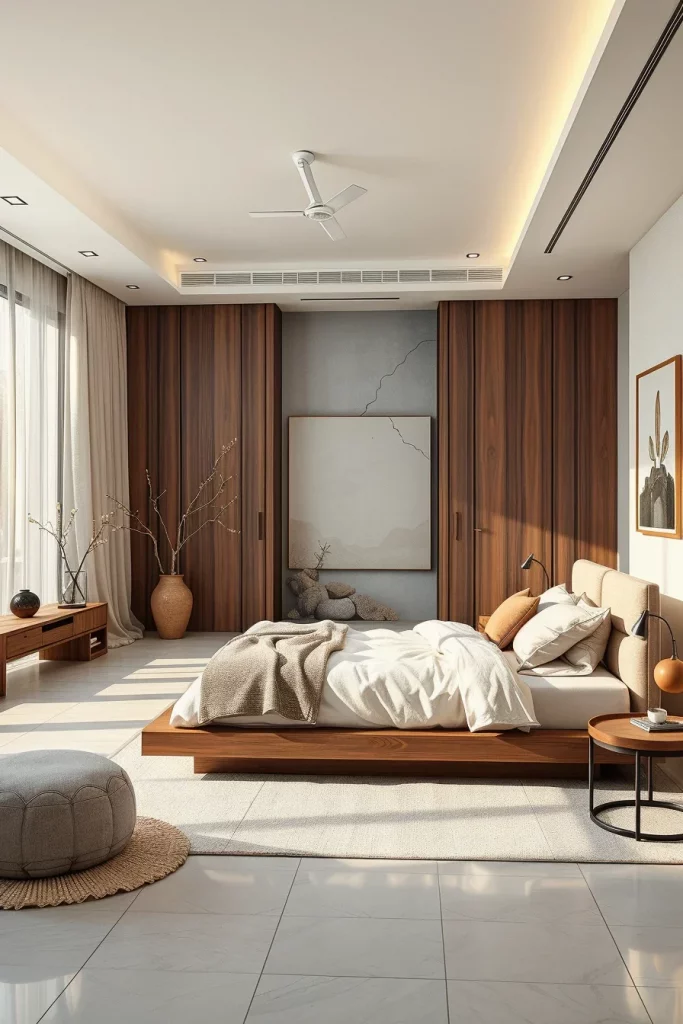
When designing minimalist spaces, I focus on essential furnishings only. A platform bed, streamlined nightstands, concealed storage, and simple seating are usually sufficient. I prefer natural fabrics such as linen, cotton, and wool because they introduce softness without compromising simplicity. Subtle textures, rather than excessive decoration, provide visual richness.
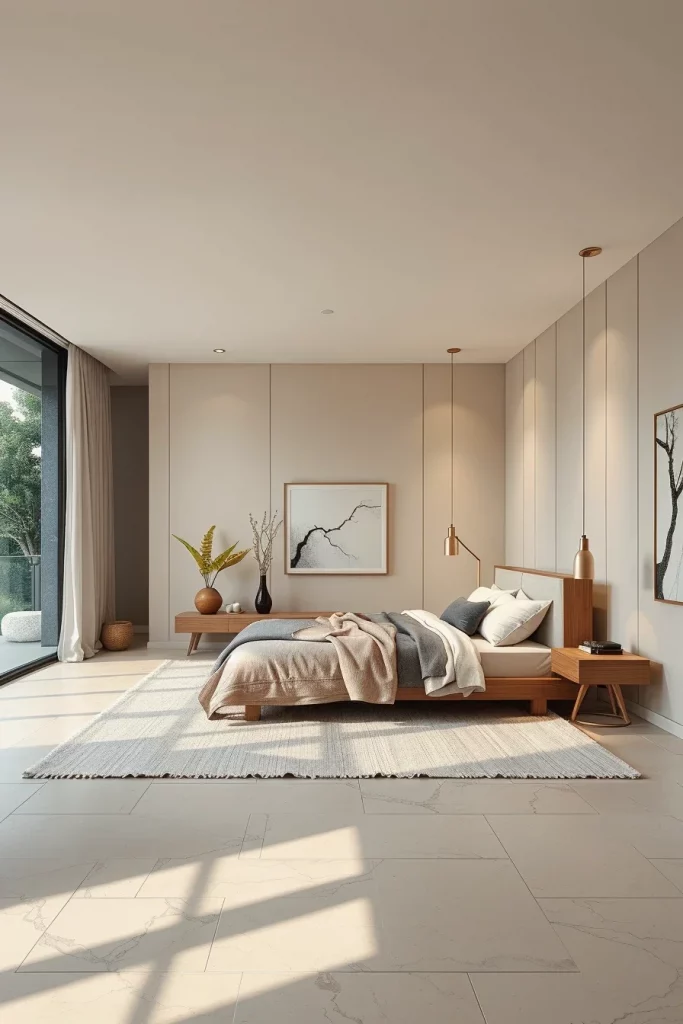
From my perspective, minimalism does not mean sacrificing comfort. In fact, I often discover that clients appreciate their bedrooms more when unnecessary objects are removed. Many contemporary designers advocate intentional decorating, encouraging homeowners to select fewer but higher-quality pieces that contribute positively to daily life.
To make this space feel complete, I would add layered window treatments that filter daylight gently while preserving privacy and maintaining the room’s tranquil mood.
Designing A Modern Biophilic Bedroom With Clean Lines
Modern interiors and biophilic principles complement one another surprisingly well. I often combine streamlined architecture with organic materials to create bedrooms that feel sophisticated yet deeply comfortable. Clean lines establish order, while natural textures soften the overall appearance and prevent the room from feeling overly formal.
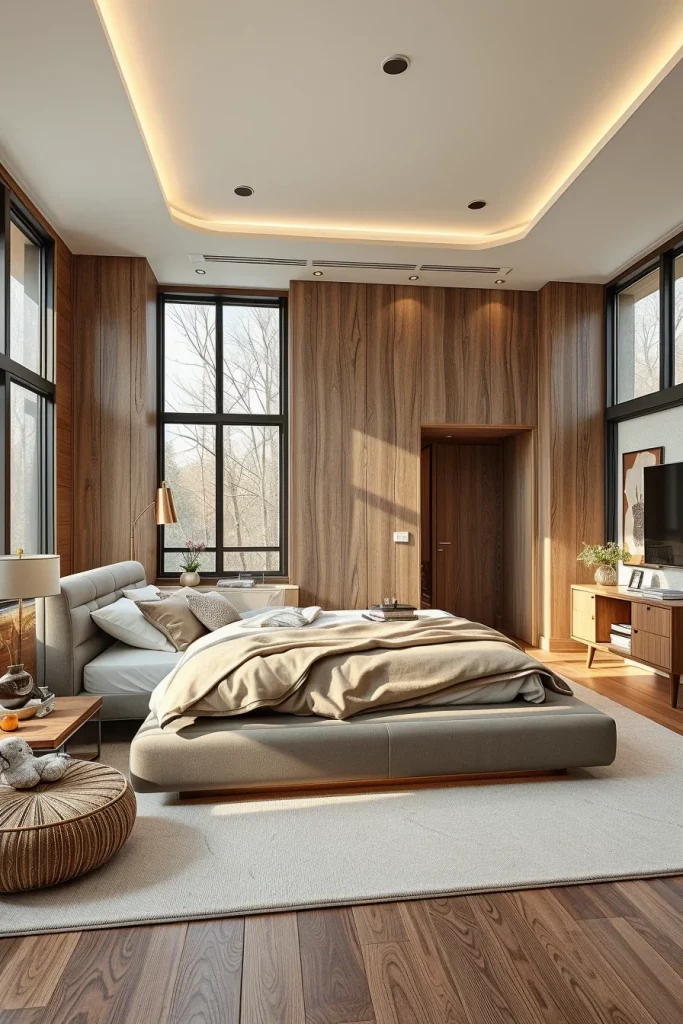
I typically begin with modern furniture featuring simple silhouettes and understated detailing. Upholstered platform beds, sleek storage units, and integrated lighting systems maintain the contemporary aesthetic. To introduce nature-inspired elements, I incorporate textured wood finishes, stone accessories, soft neutral textiles, and expansive windows that frame outdoor views whenever possible.
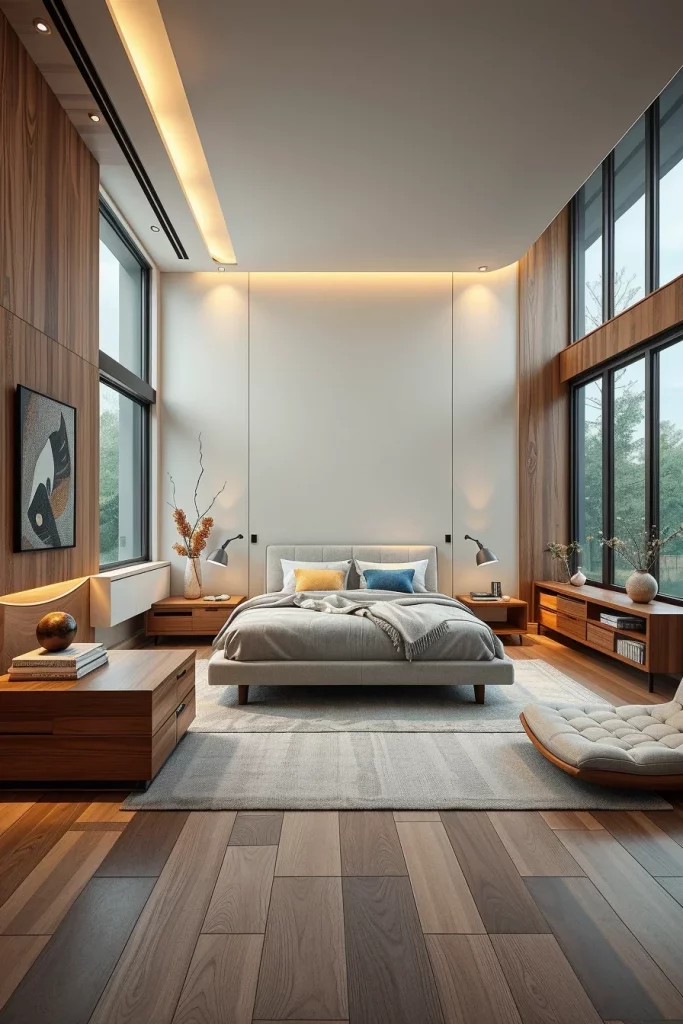
I personally appreciate how modern biophilic bedroom design balances functionality with emotional comfort. Publications such as Elle Decor frequently highlight interiors that combine minimalist architecture with natural materials because they support both aesthetic appeal and well-being. In my own projects, I have found that this balance creates timeless spaces that remain stylish for years.
An additional feature worth considering is smart lighting that adjusts brightness and color temperature throughout the day, supporting natural circadian rhythms.
Creating A Cozy Biophilic Bedroom Retreat
Creating a cozy retreat is often the ultimate goal when designing a bedroom inspired by nature. I focus on building an environment that encourages rest through layered textures, soft lighting, and calming natural materials. The result should feel intimate and welcoming while still maintaining an uncluttered appearance.
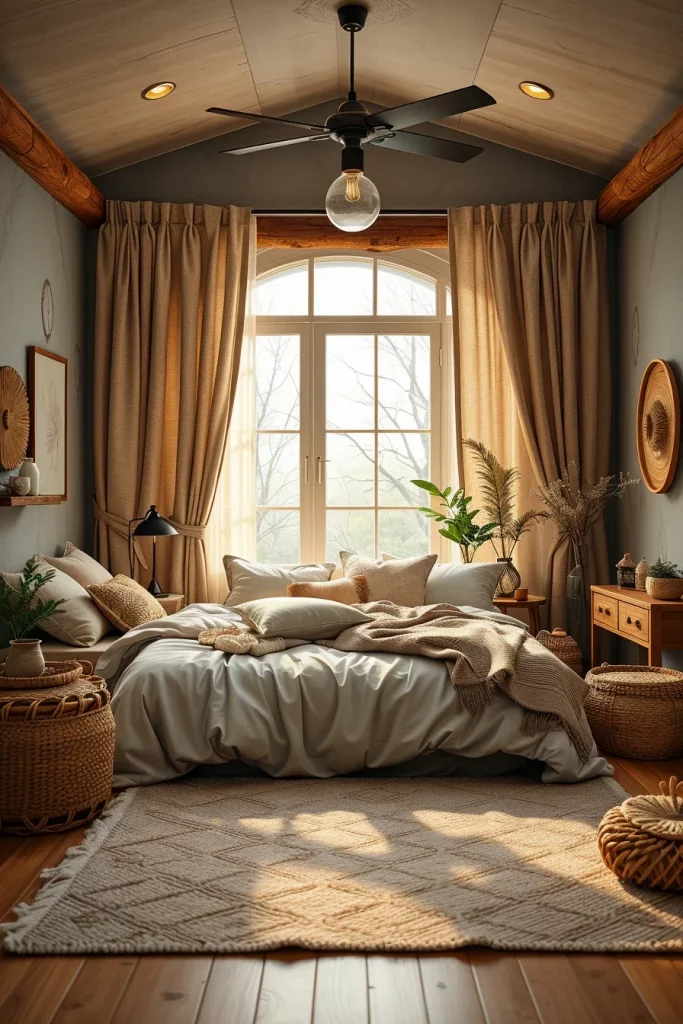
I usually start with plush bedding made from breathable natural fibers. Soft throws, oversized cushions, upholstered seating, and textured curtains contribute additional comfort. Warm wood furniture, woven storage baskets, and handcrafted accessories reinforce the organic atmosphere while remaining highly functional. Gentle lighting from bedside lamps and concealed LED fixtures completes the inviting ambiance.
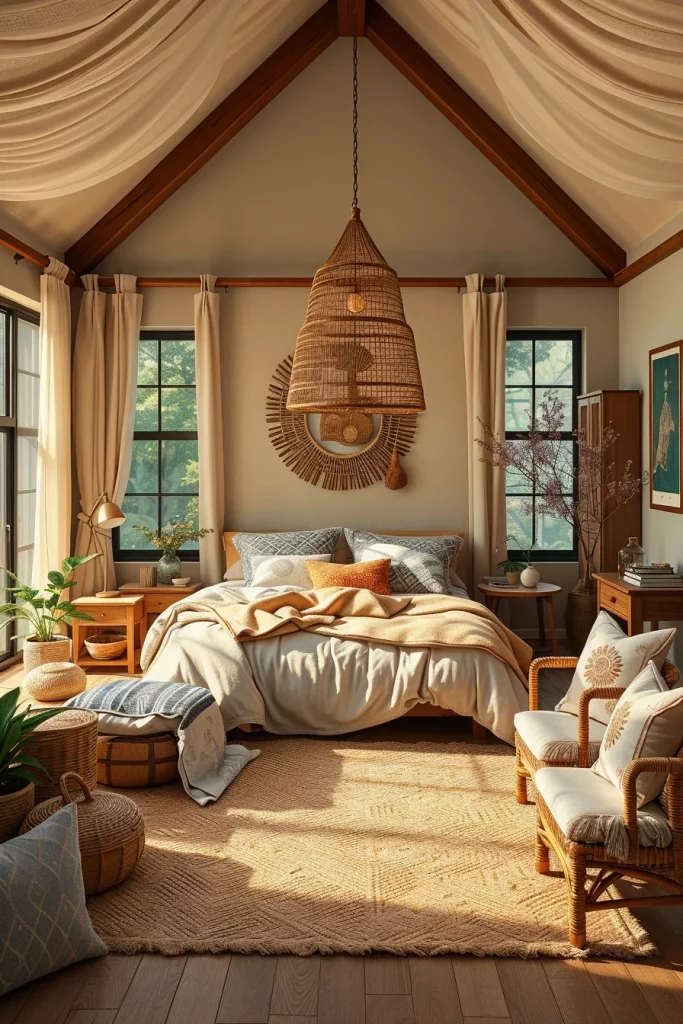
In my experience, the most successful cozy bedrooms engage multiple senses simultaneously. Soft textiles, warm lighting, and tactile materials create a powerful sense of refuge. I often recommend following the advice shared by wellness-focused interior designers who suggest prioritizing comfort and sensory balance over purely decorative trends.
I would also consider incorporating acoustic elements such as thick rugs, upholstered headboards, or fabric wall panels to further enhance tranquility.
Using Nature-Inspired Wall Treatments And Finishes
Nature-inspired wall treatments can dramatically influence the atmosphere of a biophilic bedroom. I often recommend textured finishes because they add depth and warmth while maintaining a calm and organic aesthetic. Limewash, clay plaster, textured paint, and subtle earth-toned wall coverings create a soft, natural backdrop that immediately makes the room feel more inviting. These finishes also reflect light beautifully, enhancing the overall sense of tranquility.
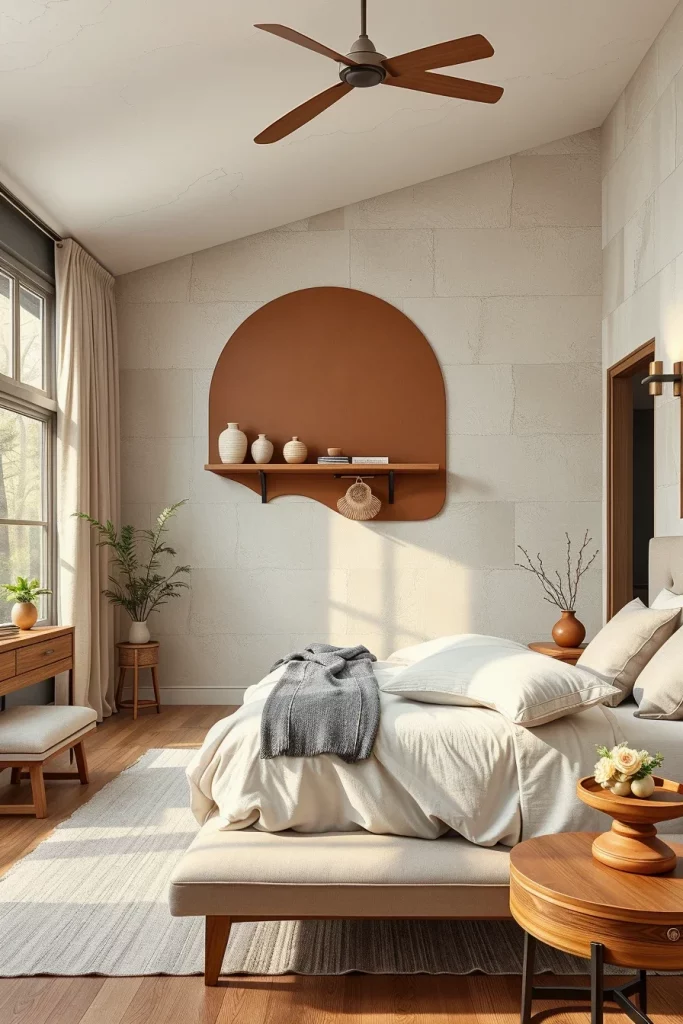
When selecting wall treatments, I prefer materials that showcase natural texture rather than bold patterns. Limewashed walls paired with simple wood furniture, linen curtains, and upholstered seating create a balanced environment. Textured finishes work particularly well behind the bed as an accent wall, adding visual interest without overwhelming the room. I also like incorporating built-in niches or floating shelves to display ceramic accessories and handcrafted objects.
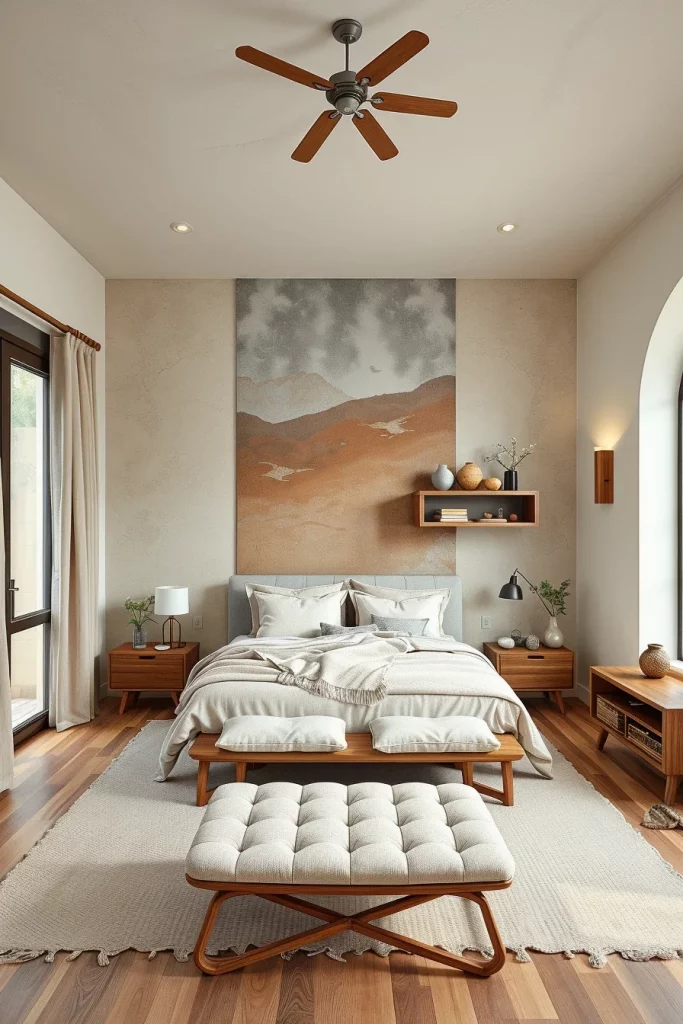
From my experience, textured walls help a bedroom feel more personalized and timeless. Interior designers featured in publications such as House Beautiful often emphasize the importance of layering texture to create inviting interiors. I have found that even subtle wall treatments can significantly improve the sensory experience of a room.
I would also add dimmable wall sconces to highlight the texture during evening hours and create a soft, relaxing glow.
Decorating With Botanical Artwork And Nature Prints
Artwork inspired by nature is one of the simplest ways to strengthen a biophilic aesthetic. I often use botanical prints, landscape photography, or abstract art inspired by natural forms to bring visual softness into a bedroom. Carefully selected artwork introduces color, texture, and personality while reinforcing the connection between indoor spaces and the natural world.
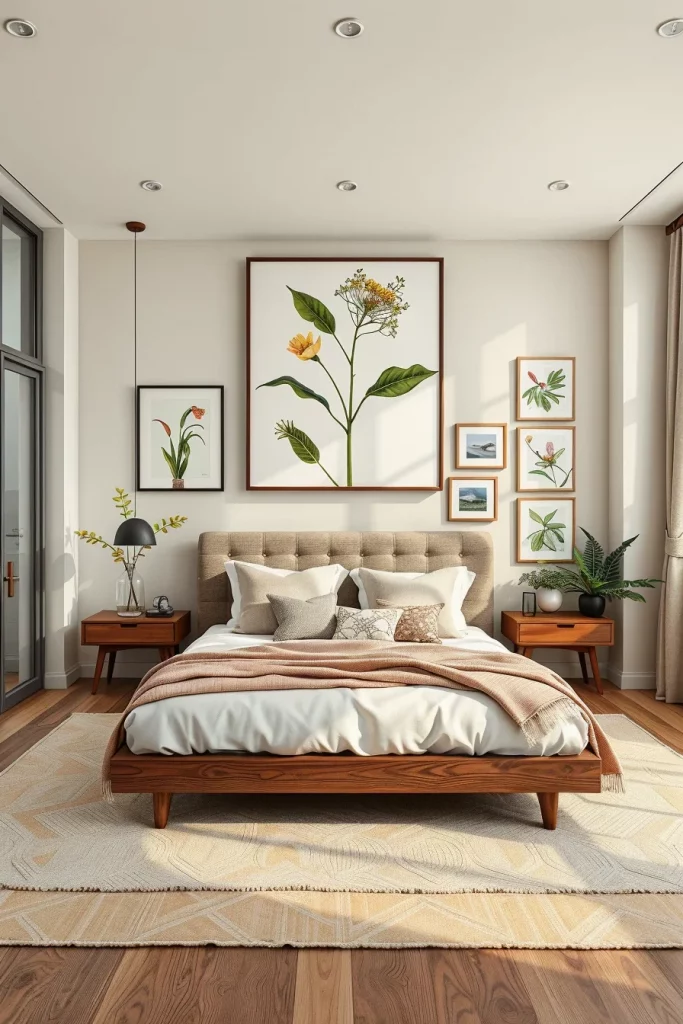
I usually recommend oversized artwork above the headboard or a curated gallery wall featuring coordinated frames. Botanical illustrations, forest landscapes, coastal photography, and nature-inspired sketches work particularly well in modern interiors. To maintain cohesion, I prefer frames made from natural materials or finishes that complement the room’s furniture and color palette.
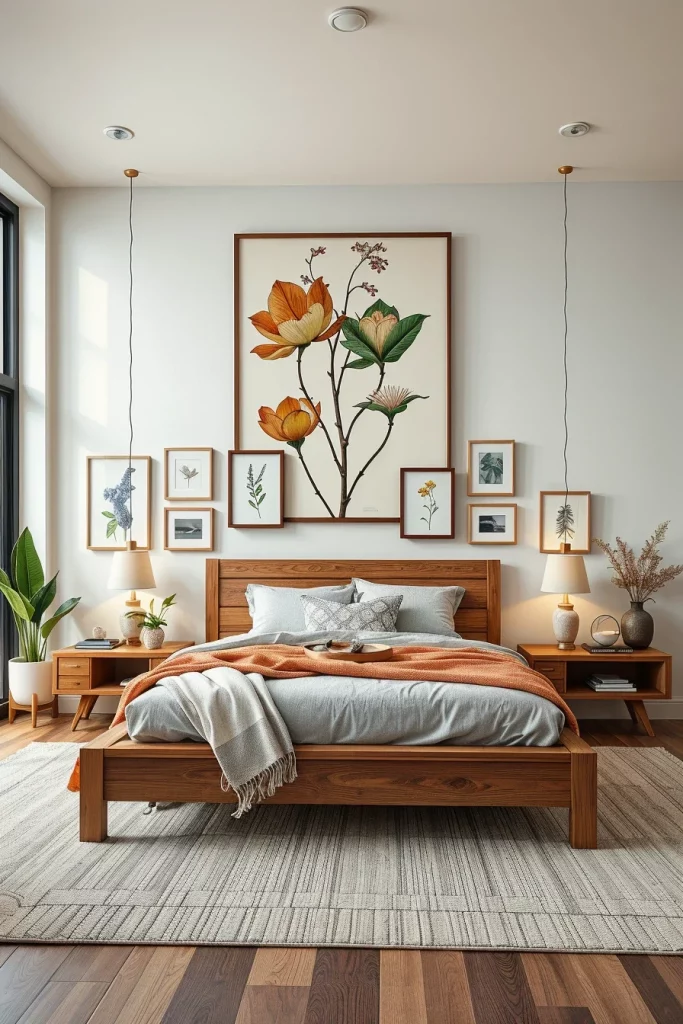
Personally, I believe artwork has a strong emotional impact on how a room feels. I often encourage clients to choose pieces that remind them of meaningful outdoor experiences or favorite destinations. According to many wellness-focused designers, imagery associated with nature can contribute to feelings of calm and restoration.
To complete this section, I would include subtle picture lighting to showcase the artwork and enhance the room’s ambiance after sunset.
Introducing Water Features Into Bedroom Design
Water elements can add a unique sensory dimension to a biophilic bedroom. I approach this feature carefully, selecting designs that create a soothing atmosphere without disrupting sleep. Small indoor fountains, tabletop water features, or decorative wall fountains can introduce gentle movement and sound, enhancing relaxation and reinforcing the connection to nature.
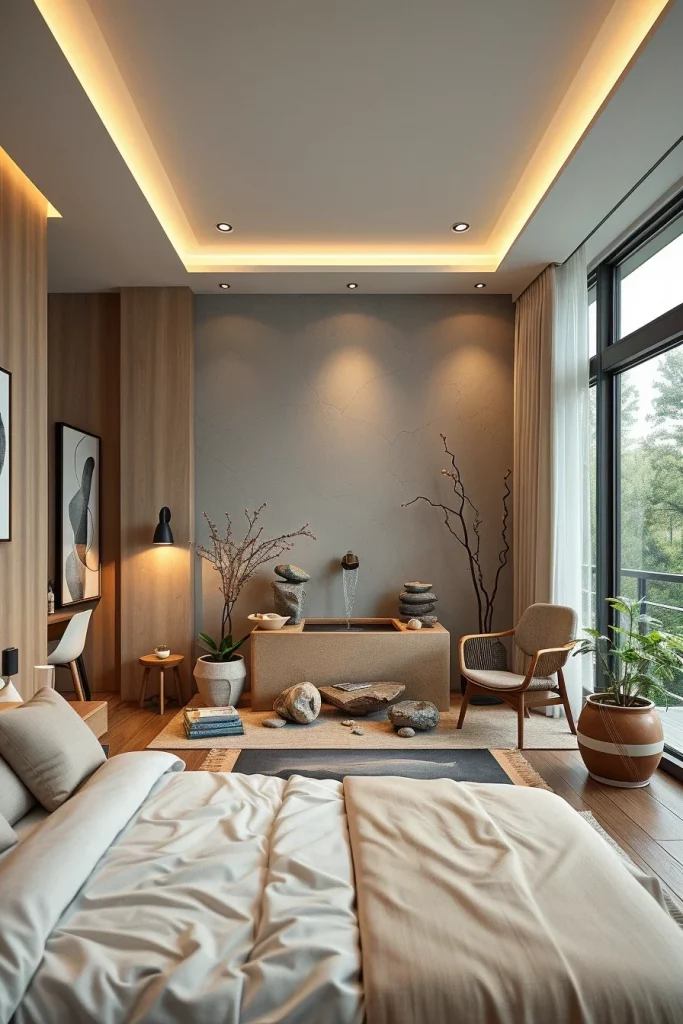
In most bedrooms, I prefer compact water features placed on a console table or integrated into a quiet seating corner. Surrounding the feature with natural stone accessories, soft lighting, and comfortable seating helps create a dedicated relaxation zone. Minimalist designs with clean lines blend seamlessly into contemporary interiors while maintaining functionality.
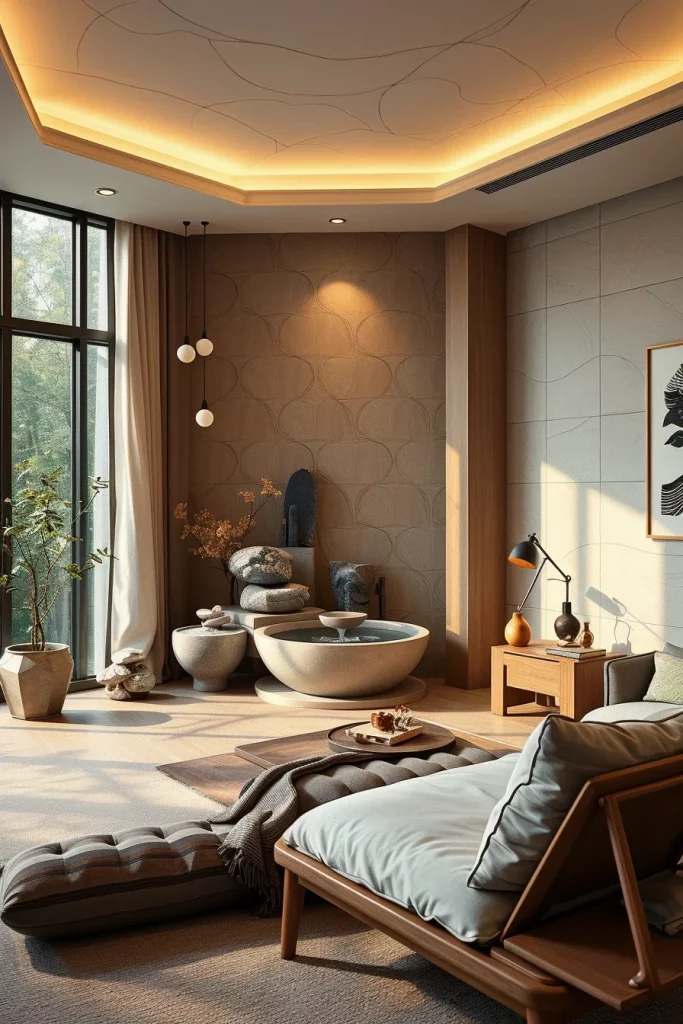
In my own experience, the subtle sound of flowing water can make a bedroom feel noticeably more peaceful. However, I always recommend choosing high-quality, quiet systems that require minimal maintenance. Many interior professionals suggest using water features sparingly so they complement rather than dominate the space.
I would also ensure that the feature includes adjustable sound settings and easy access for regular cleaning and upkeep.
Enhancing Bedroom Ambiance With Natural Scents
Scent is an often-overlooked element of biophilic design, yet it can profoundly influence the mood of a bedroom. I like incorporating natural fragrances because they engage the senses and contribute to a restorative environment. Carefully selected scents can support relaxation, improve sleep quality, and strengthen the feeling of being immersed in nature.
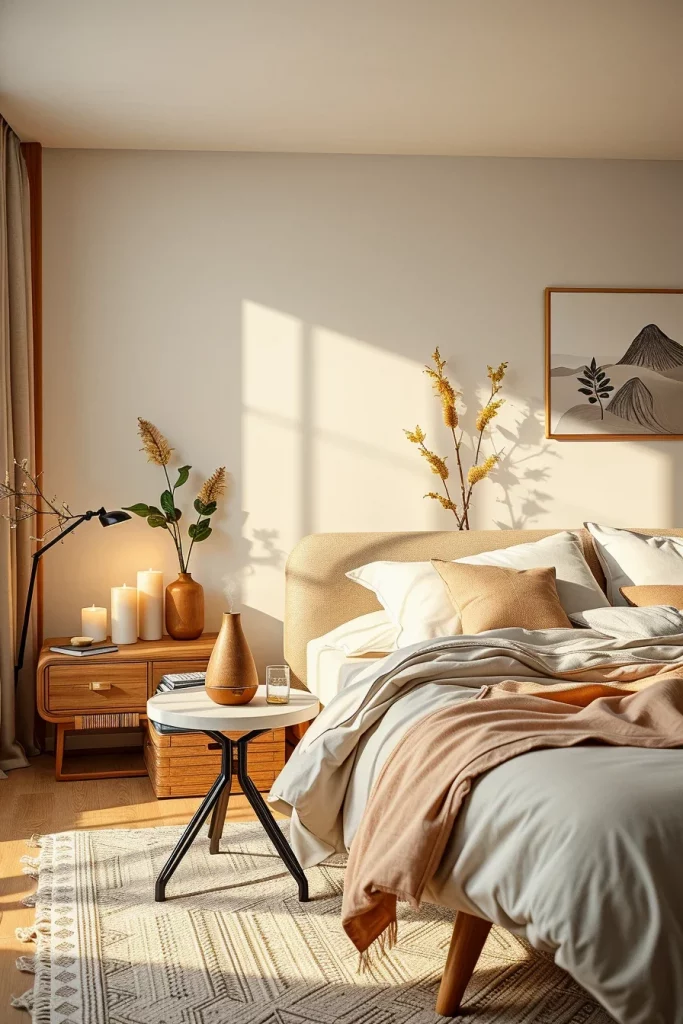
I typically use essential oil diffusers, natural candles, or reed diffusers featuring fragrances such as lavender, cedarwood, eucalyptus, sandalwood, or chamomile. These scents pair beautifully with organic materials like wood, stone, and linen. I recommend placing fragrance sources strategically near seating areas or bedside tables to distribute scent evenly throughout the room.
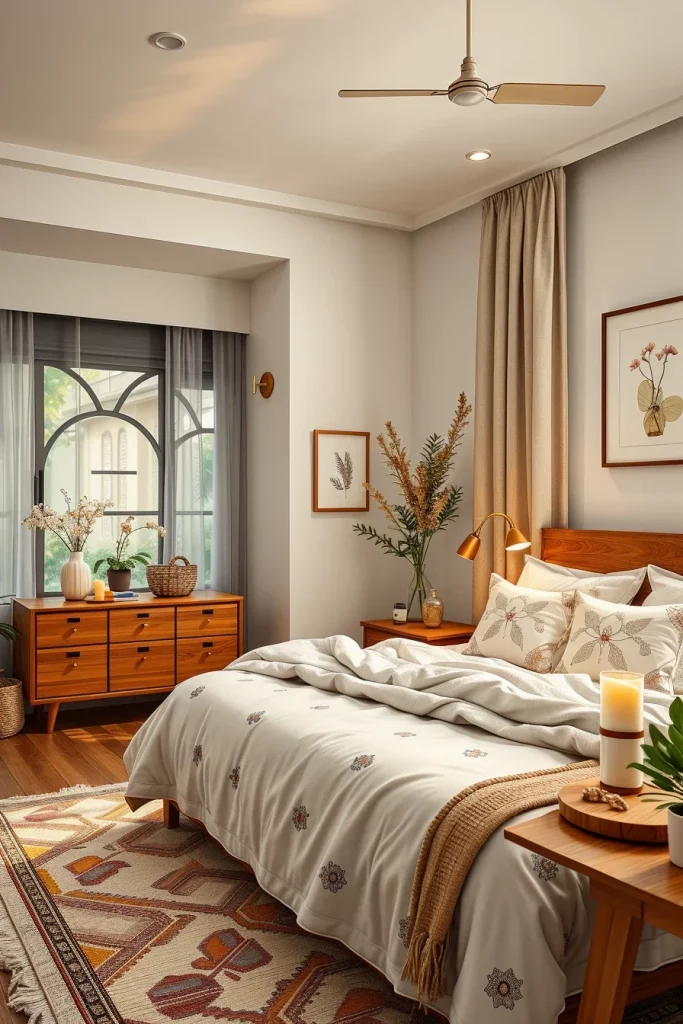
Personally, I find that natural scents significantly enhance the overall bedroom experience. Wellness experts frequently recommend lavender and chamomile for promoting restful sleep, and I have found these options particularly effective in evening routines. I always avoid synthetic fragrances that may feel overpowering or artificial.
For an even more immersive environment, I would incorporate smart diffusers that can be programmed to release calming aromas at specific times of day.
Layering Natural Fiber Rugs For Added Comfort
Layering rugs made from natural fibers is an excellent way to add warmth, texture, and comfort to a biophilic bedroom. I often use this technique to soften hard flooring while introducing additional organic materials into the design. Natural fiber rugs create visual depth and contribute to a more inviting atmosphere.
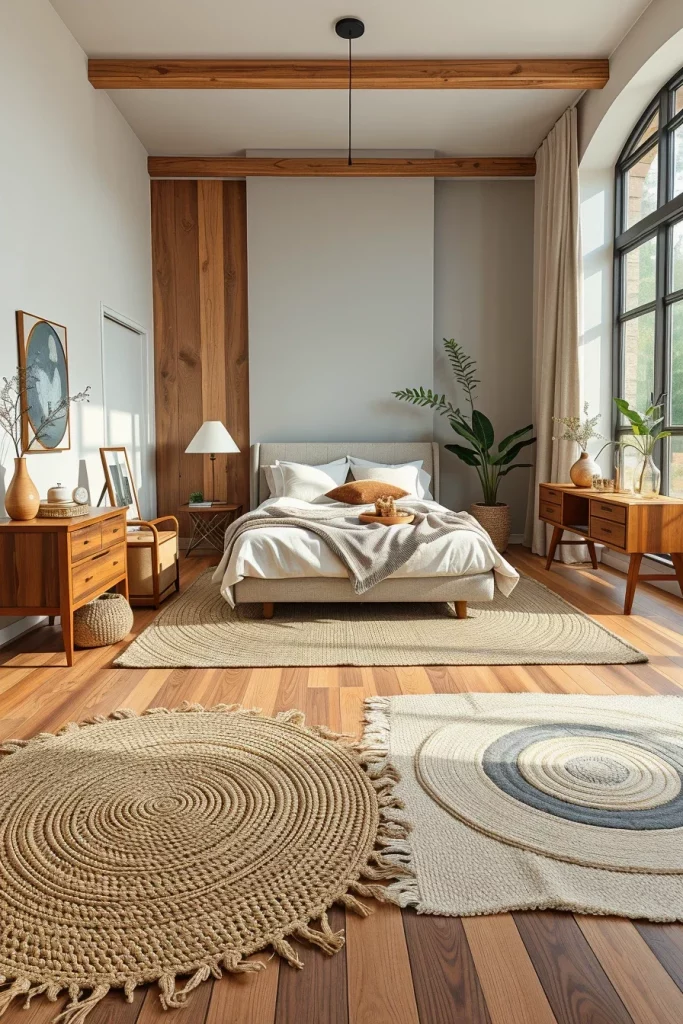
I typically begin with a large jute, sisal, or wool rug as the foundation. A smaller wool or cotton rug layered on top adds softness underfoot and introduces subtle pattern or texture. Positioning rugs beneath the bed and extending them into surrounding walkways ensures both comfort and aesthetic balance. This layered approach also helps define different functional areas within larger bedrooms.
From my perspective, layered rugs make bedrooms feel significantly more comfortable and finished. I appreciate how natural fibers age gracefully and develop character over time. Many interior designers recommend combining textures to create richer, more engaging spaces, and rug layering is one of the easiest ways to achieve this effect.
I would also suggest incorporating underlay padding beneath the rugs to improve comfort, reduce noise, and prevent slipping.
Creating A Biophilic Bedroom In Small Spaces
Designing a small biophilic bedroom design does not require a large footprint. I often begin by maximizing natural light and selecting a soft, nature-inspired palette with muted greens, warm neutrals, and earthy textures. Large windows without heavy coverings help the room feel more open while strengthening the connection to outdoor views. Vertical solutions, such as wall-mounted shelving and hanging greenery, allow even compact bedrooms to embrace biophilic principles without sacrificing floor space.
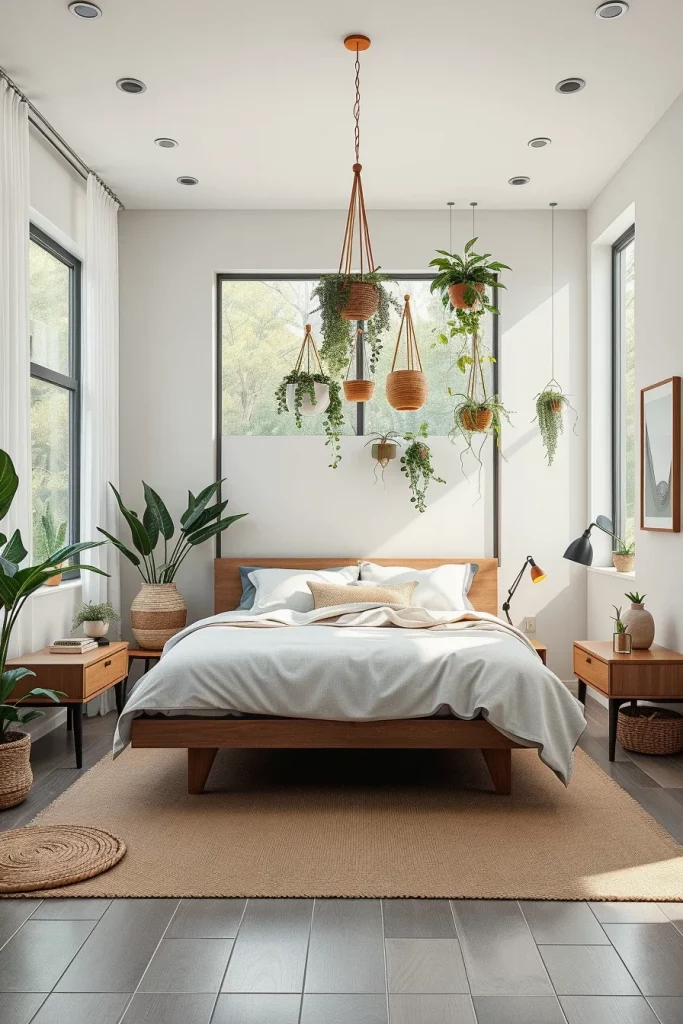
When furnishing a small room, I prefer a low-profile bed, floating nightstands, and multifunctional storage pieces. Built-in cabinetry reduces visual clutter and creates a sense of calm. Natural materials such as linen bedding, woven baskets, and light-toned finishes add warmth while maintaining an airy atmosphere. Mirrors positioned opposite windows can amplify daylight and visually expand the room.
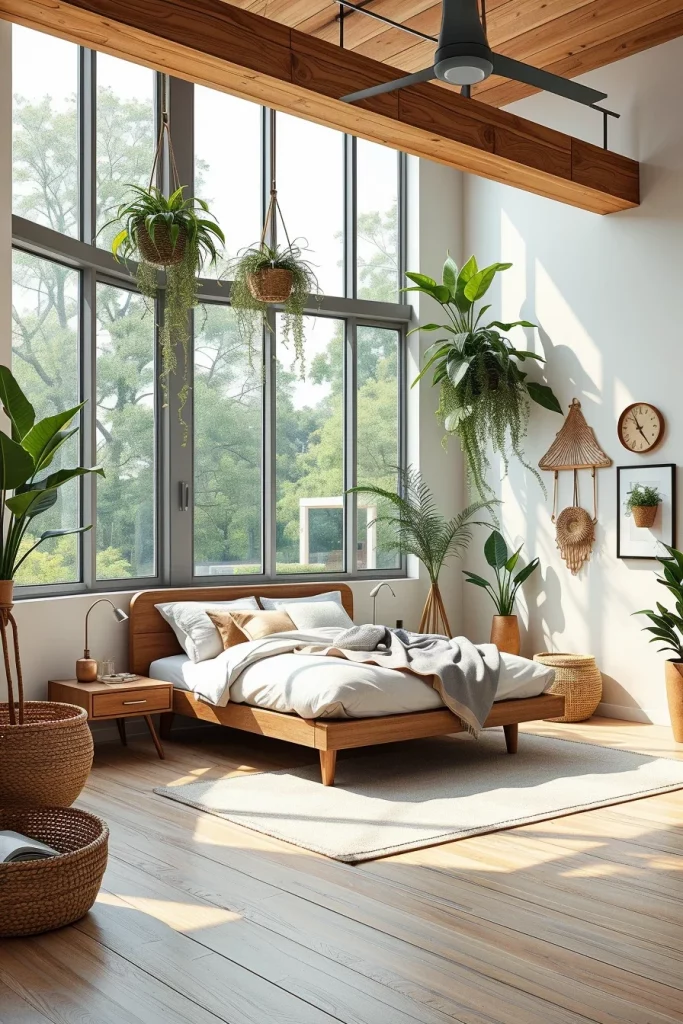
In my experience, small bedrooms benefit significantly from limiting unnecessary décor. Designers featured in interior publications such as Architectural Digest frequently emphasize that simplicity enhances tranquility in nature-inspired spaces. I have found that carefully curated accessories create a stronger impact than overcrowding the room.
I would also add layered textures to prevent the space from feeling sterile. Soft area rugs, textured throws, and subtle botanical artwork can introduce depth without overwhelming the room.
Designing A Luxury-Inspired Biophilic Bedroom Sanctuary
A luxury-inspired biophilic bedroom blends refined comfort with organic elements. I like to create a sanctuary atmosphere by combining expansive layouts, generous natural lighting, and premium natural finishes. Floor-to-ceiling windows overlooking gardens or landscaped terraces can become a dramatic focal point while strengthening the relationship between interior and exterior spaces.
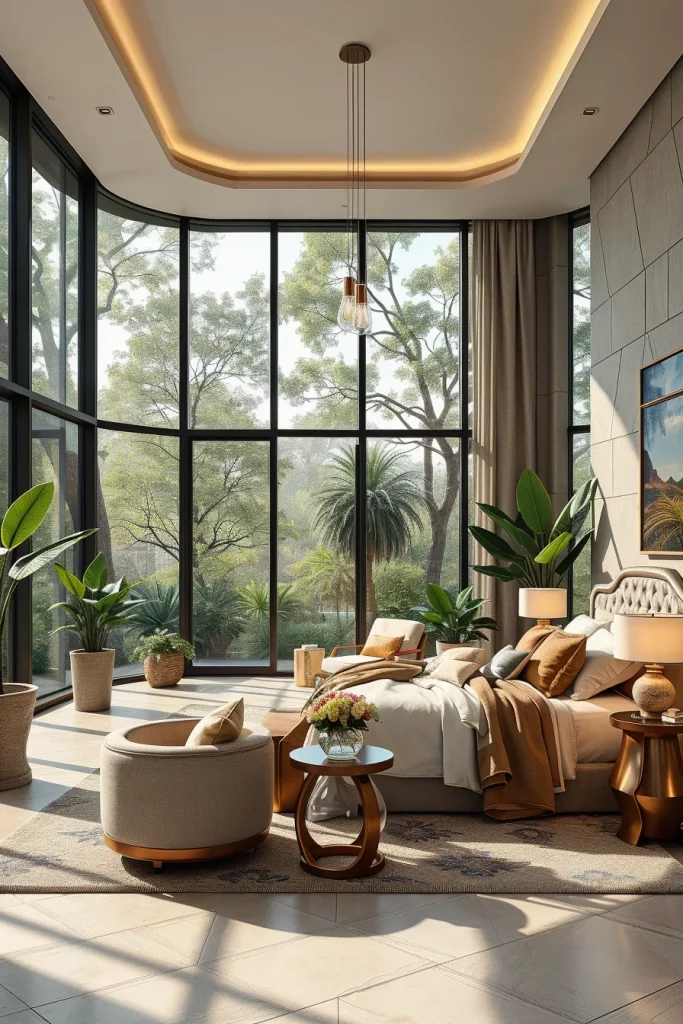
Furniture selection plays an essential role in achieving a luxurious feel. I recommend an upholstered statement bed, elegant lounge seating, sculptural lighting fixtures, and sophisticated storage solutions. Rich textiles such as linen, wool, and organic cotton introduce softness while maintaining authenticity. Stone accents, textured wall treatments, and carefully selected greenery elevate the overall design.
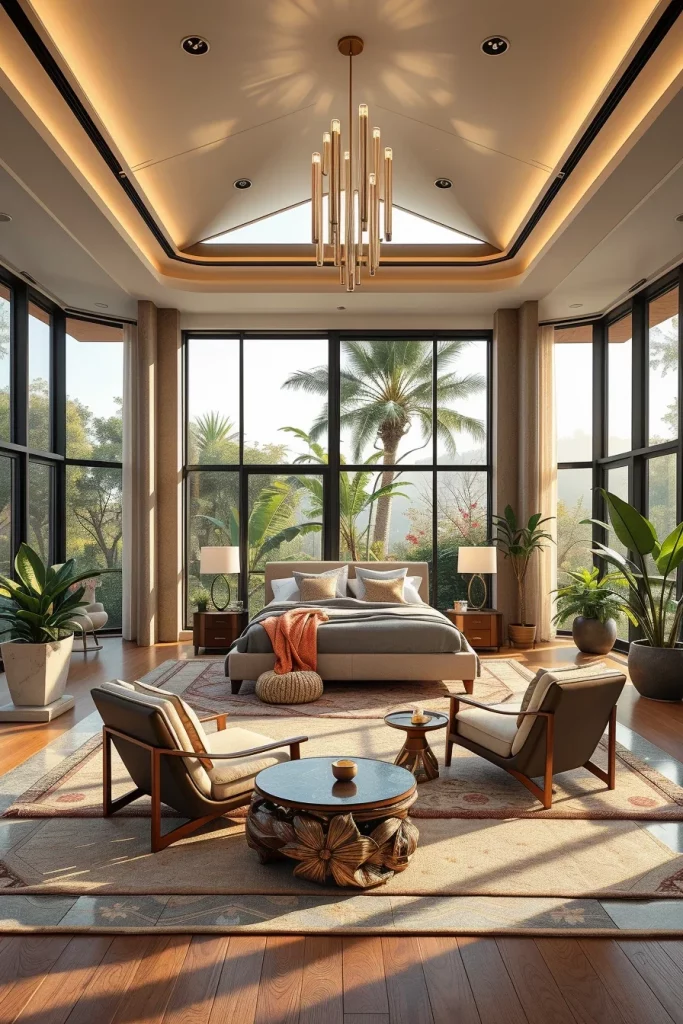
Personally, I believe that luxury in biophilic interiors should never feel excessive. According to many leading American interior designers, true luxury comes from comfort, craftsmanship, and emotional well-being rather than ornamentation alone. I always prioritize quality materials and thoughtful spatial planning.
To complete this sanctuary, I would incorporate calming sensory elements such as subtle natural fragrances, gentle water features, or integrated sound systems that play nature-inspired ambient sounds.
Integrating Smart Lighting With Natural Rhythms
Lighting is one of the most important aspects of modern biophilic bedroom design. I often recommend smart lighting systems that mimic the changing qualities of natural daylight throughout the day. Gradual morning illumination can support healthy waking routines, while warmer evening tones encourage relaxation and prepare the body for sleep.
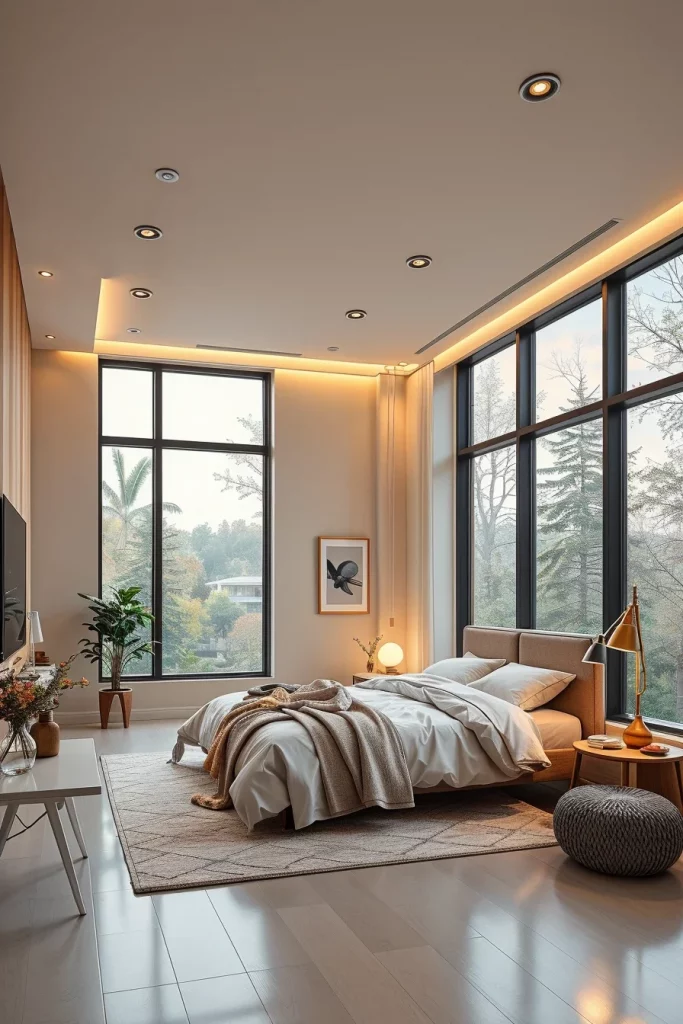
A successful lighting scheme includes several layers. I typically combine automated ceiling lighting, bedside sconces, accent lighting, and concealed LED strips. Adjustable smart systems allow homeowners to customize brightness and color temperature according to daily activities and seasonal changes. Large windows and skylights should always remain a priority whenever possible.
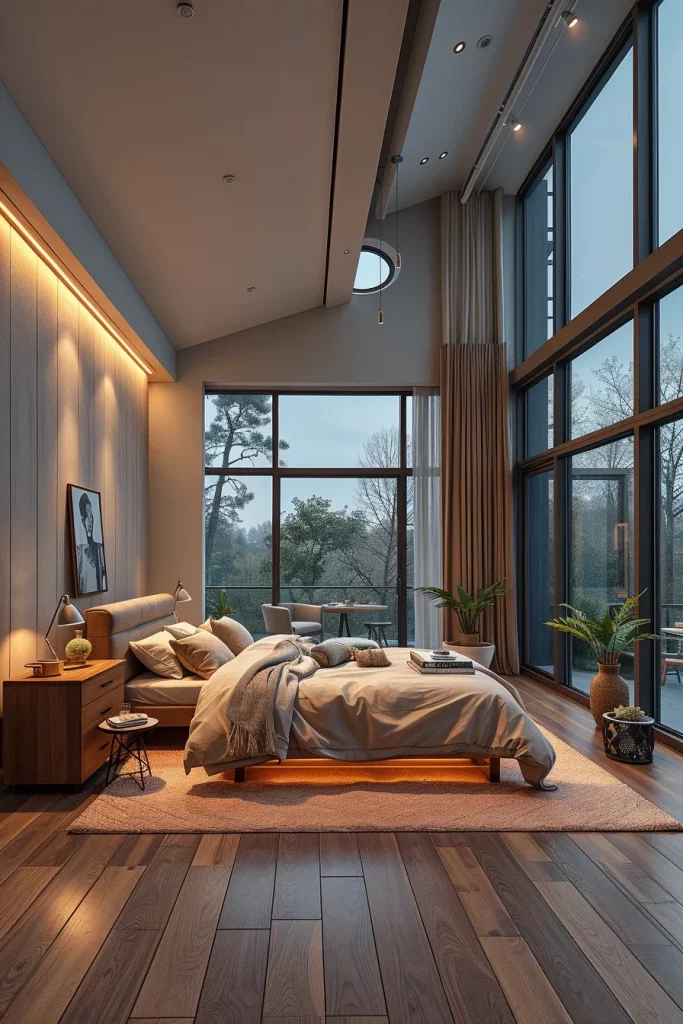
From my perspective, integrating technology into a biophilic interior should enhance, not dominate, the experience. Wellness experts frequently highlight the importance of aligning indoor lighting with circadian rhythms, and I have noticed that clients consistently report improved comfort after implementing these systems.
I would further enhance this concept by incorporating automated window treatments that respond to daylight levels and preserve natural light throughout the day.
Using Curved Furniture And Organic Shapes In Bedroom Design
Organic forms are fundamental to an inviting biophilic bedroom. I prefer curved furniture because it reflects patterns commonly found in nature and creates a softer, more welcoming environment. Rounded silhouettes can reduce visual rigidity and contribute to a peaceful atmosphere.
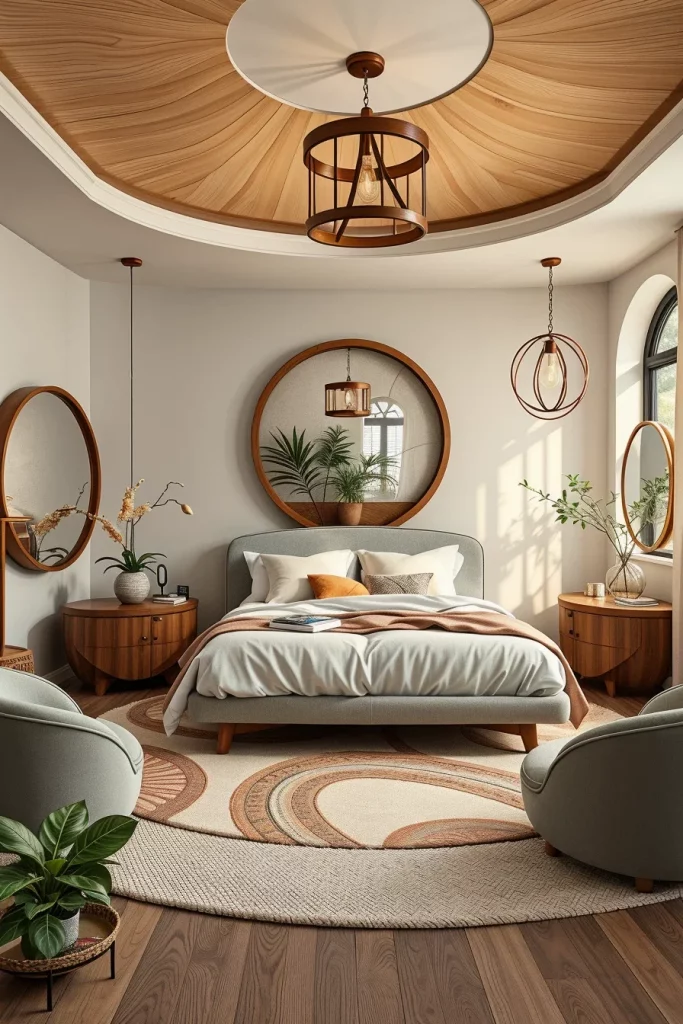
In practice, I often select curved headboards, rounded nightstands, arched mirrors, and softly contoured seating. Circular rugs, sculptural pendant lights, and gently curved benches reinforce the organic aesthetic. Even architectural details such as arched doorways or curved wall niches can strengthen the natural flow of the room.
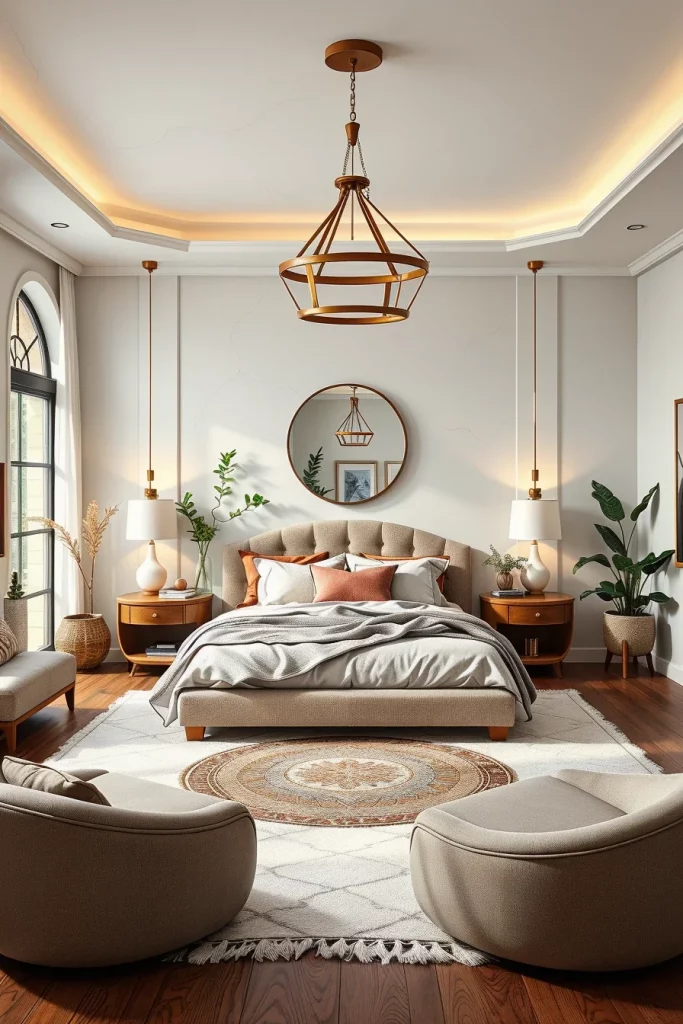
I have observed that bedrooms featuring organic shapes often feel more relaxing than spaces dominated by sharp angles. Many contemporary interior designers advocate incorporating biomorphic forms because they encourage a stronger emotional connection to the environment.
To further enrich the space, I would introduce subtle textural contrasts through boucle fabrics, woven accents, and handcrafted ceramics that complement the curved furnishings.
Incorporating Handmade Decor For An Authentic Natural Feel
Handmade décor adds individuality and authenticity to a biophilic bedroom design. I enjoy incorporating artisan-crafted elements because they introduce natural imperfections, texture, and character that mass-produced pieces often lack. These handcrafted details help create interiors that feel genuinely connected to nature.
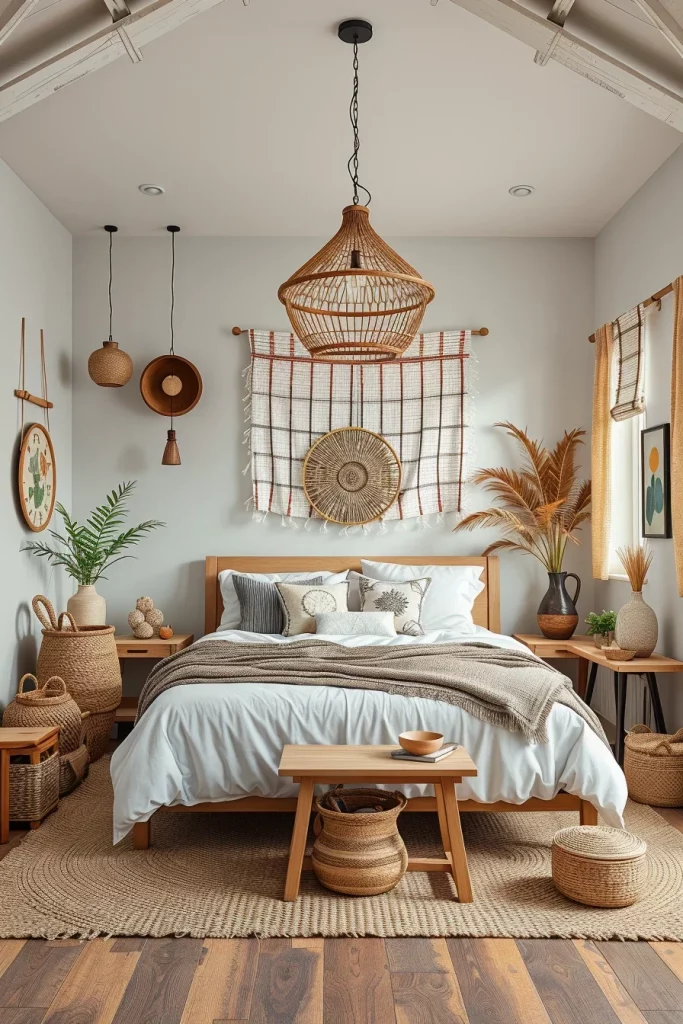
I frequently include handwoven textiles, ceramic vases, handcrafted lighting fixtures, woven baskets, and artisanal wall art. Natural fibers and tactile materials enhance sensory richness while contributing to a calm and welcoming environment. Handmade accessories also allow homeowners to support skilled craftspeople and sustainable design practices.
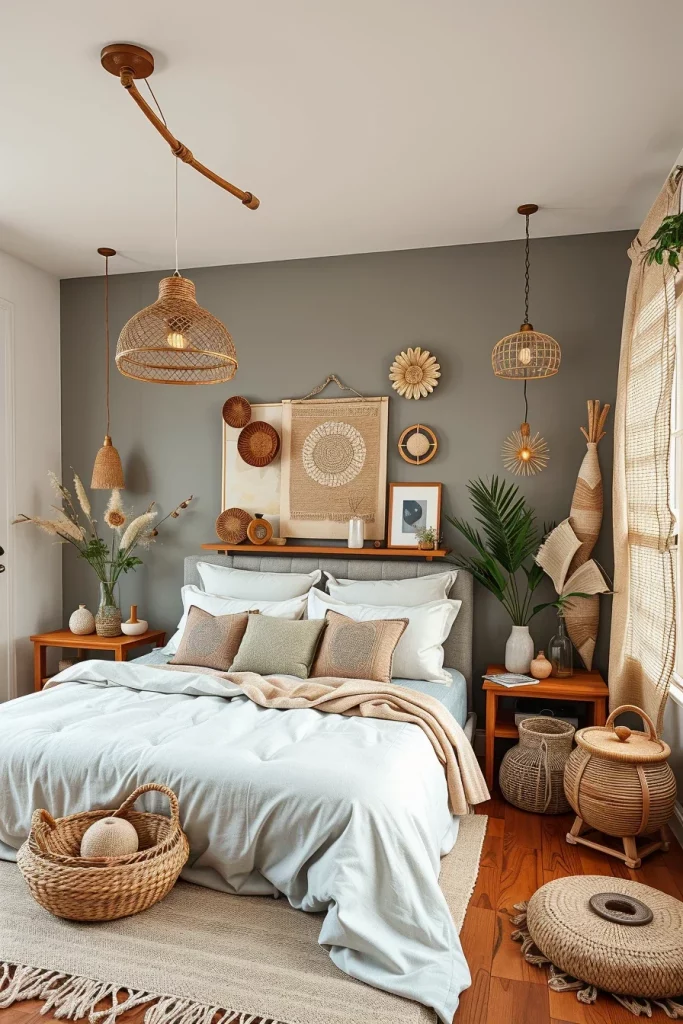
In my own projects, I have found that handcrafted pieces often become the most memorable elements in a room. Publications such as Elle Decor regularly showcase artisan-made décor as an essential component of personalized interiors. I believe these unique items foster emotional attachment and timeless appeal.
I would also recommend incorporating locally sourced decorative objects whenever possible, as they add a meaningful story and strengthen the authenticity of the overall design.
Designing A Japandi-Inspired Biophilic Bedroom
A Japandi-inspired biophilic bedroom design combines Japanese simplicity with Scandinavian comfort, creating a peaceful and highly functional retreat. I find this style particularly effective because it emphasizes balance, natural materials, and uncluttered spaces. Soft neutral colors, abundant natural light, and carefully selected furnishings help establish a calming atmosphere while maintaining a strong connection to nature.
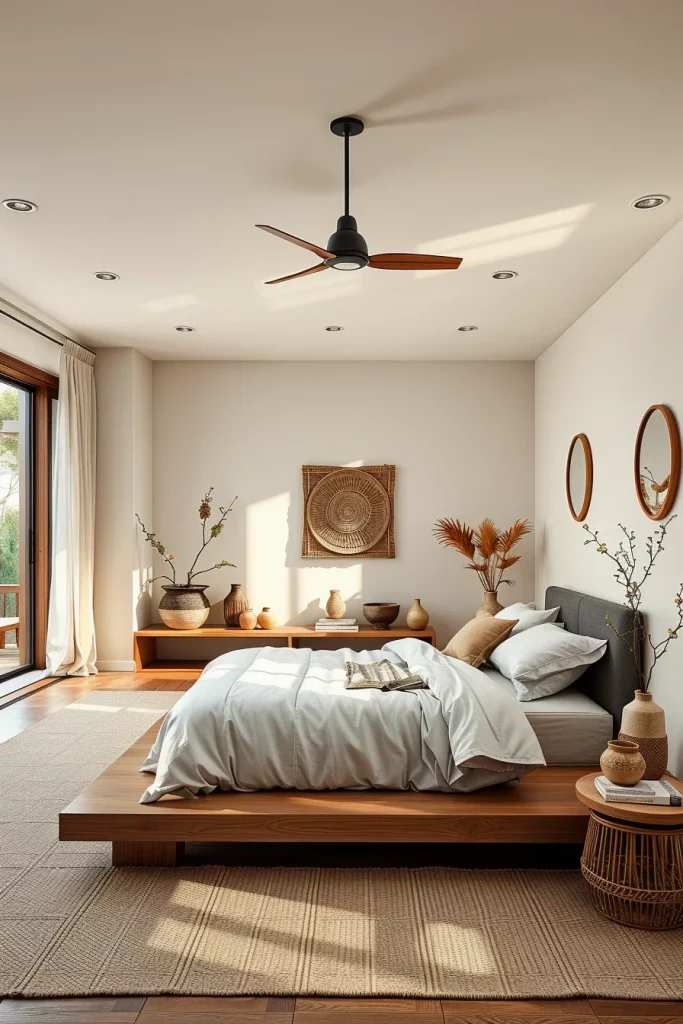
When designing this type of bedroom, I typically include a low-profile platform bed, streamlined storage cabinets, simple nightstands, and understated lighting fixtures. Linen bedding, textured rugs, and handcrafted accessories contribute warmth without compromising minimalism. Natural finishes, subtle wood grain patterns, and a restrained color palette reinforce the serene character of the space.
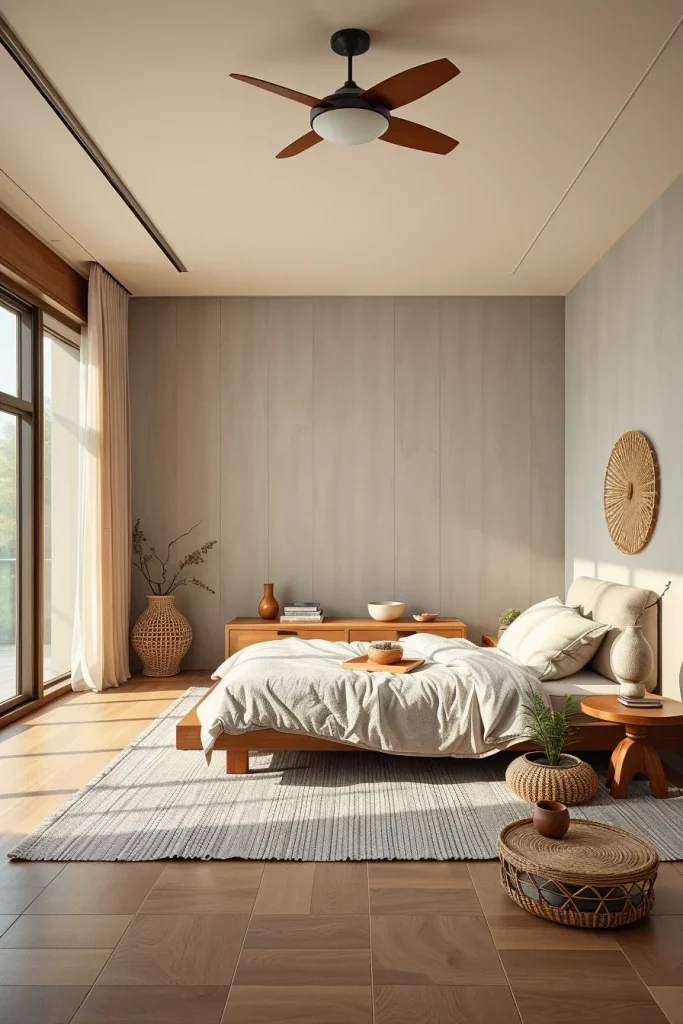
In my experience, Japandi interiors encourage mindfulness and intentional living. Designers frequently note that removing visual distractions can significantly improve relaxation and sleep quality. I personally appreciate how this approach creates a timeless bedroom that remains stylish for years.
I would also add layered natural textures, such as woven wall décor or ceramic accessories, to ensure the room feels inviting rather than overly minimal.
Creating Seamless Indoor-Outdoor Bedroom Transitions
One of the defining features of an exceptional biophilic bedroom is the seamless transition between indoor and outdoor environments. I often recommend maximizing visual and physical connections to exterior spaces whenever possible. Large sliding glass doors, expansive windows, or direct access to a terrace can blur the boundaries between the bedroom and nature.
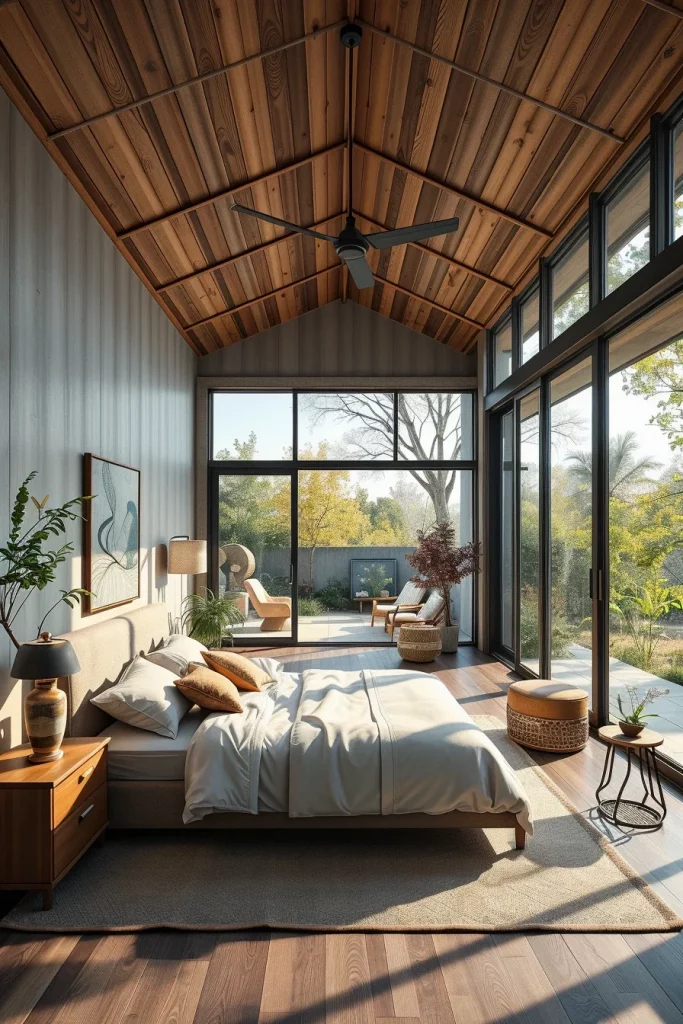
Furniture placement should emphasize outdoor views. I prefer positioning the bed to face garden scenery or landscaped patios whenever the layout allows. Indoor seating areas near windows encourage occupants to enjoy natural light throughout the day. Coordinated materials and color palettes between indoor and outdoor areas create visual continuity and strengthen the overall design concept.
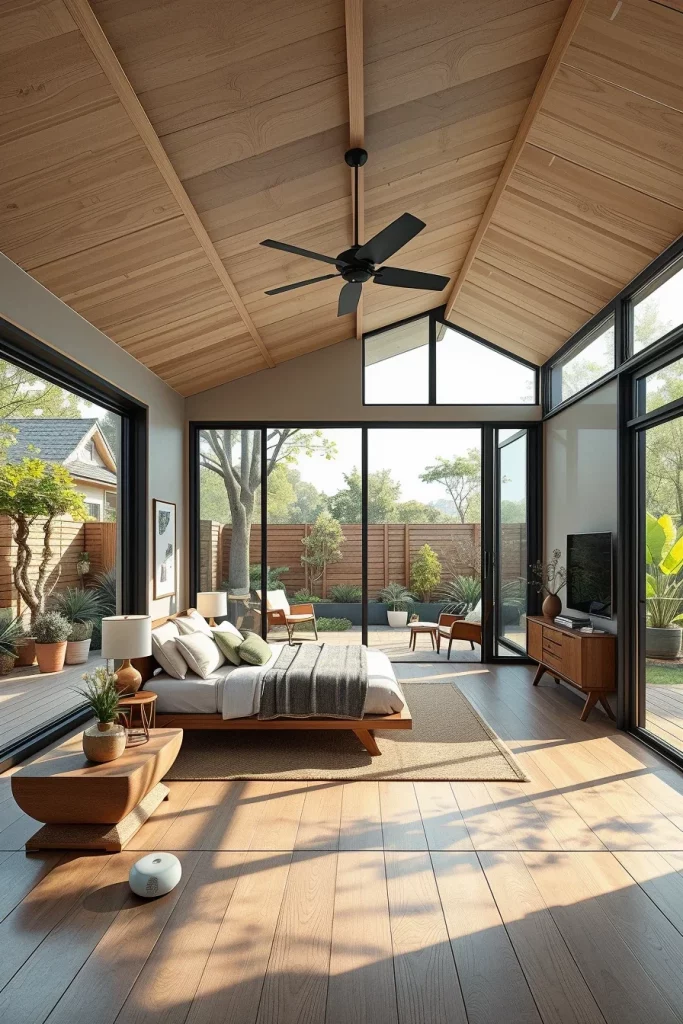
From my perspective, this indoor-outdoor relationship enhances well-being and promotes daily interaction with nature. Many wellness-focused designers advocate prioritizing outdoor access because exposure to natural environments has been linked to reduced stress and improved mood. I have consistently observed that clients value these features long after a renovation is complete.
To further strengthen the transition, I would incorporate similar flooring tones, complementary textiles, and outdoor-friendly accessories that visually unite both spaces.
Seasonal Updates For A Fresh Biophilic Bedroom Look
A thoughtfully designed biophilic bedroom design should evolve naturally throughout the year. I like to refresh interiors seasonally to maintain visual interest while reflecting changing conditions outdoors. Simple updates can significantly alter the atmosphere without requiring a complete redesign.
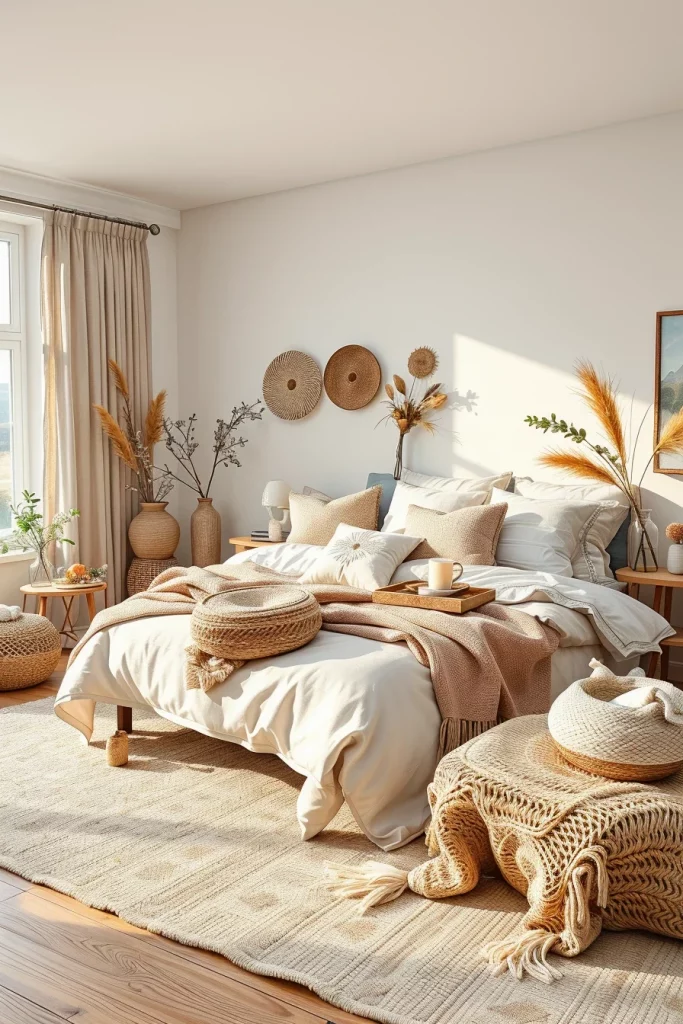
During warmer months, I often introduce lighter textiles, airy curtains, and fresh botanical accents. In cooler seasons, layered bedding, textured throws, and richer natural tones help create warmth and comfort. Rotating decorative accessories, artwork, and natural materials allows the bedroom to remain dynamic while preserving its core design identity.
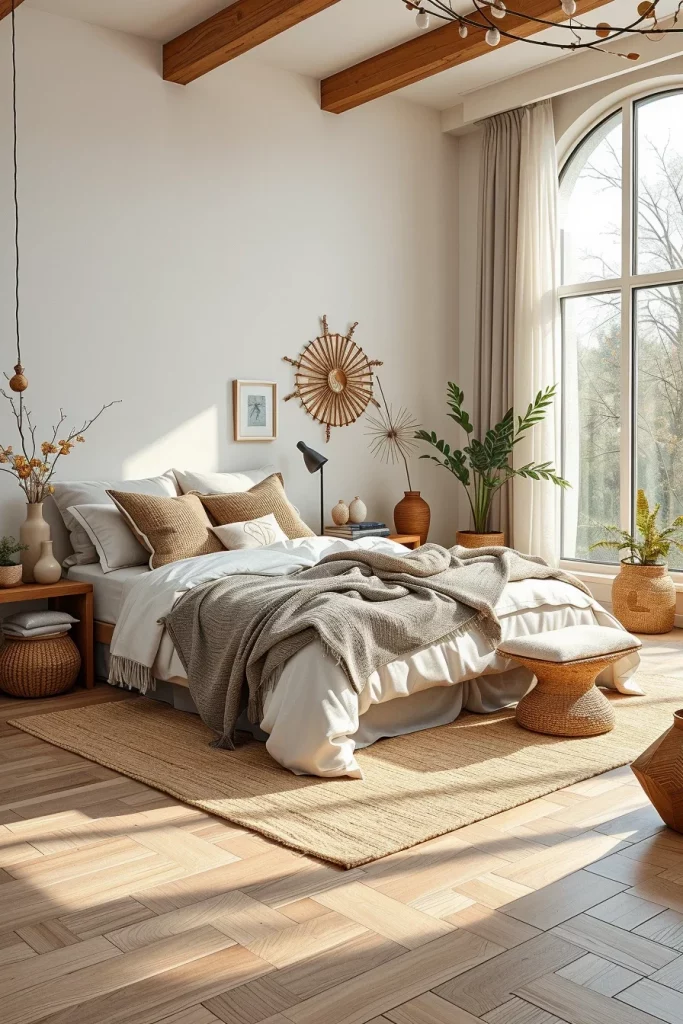
Personally, I find seasonal updates beneficial because they encourage homeowners to reconnect with their environment. Interior publications regularly suggest adapting textures and colors throughout the year to maintain a balanced and inviting home. I believe these subtle changes help keep a biophilic bedroom feeling vibrant and relevant.
I would also recommend adjusting scent elements seasonally through natural candles, essential oils, or dried botanical arrangements to enhance the sensory experience.
Common Mistakes To Avoid In Biophilic Bedroom Design
While creating a biophilic bedroom may seem straightforward, several common mistakes can undermine the intended effect. I often see interiors overloaded with decorative elements in an attempt to appear nature-inspired. Excessive accessories and visual clutter can actually reduce the calming qualities that biophilic design aims to achieve.
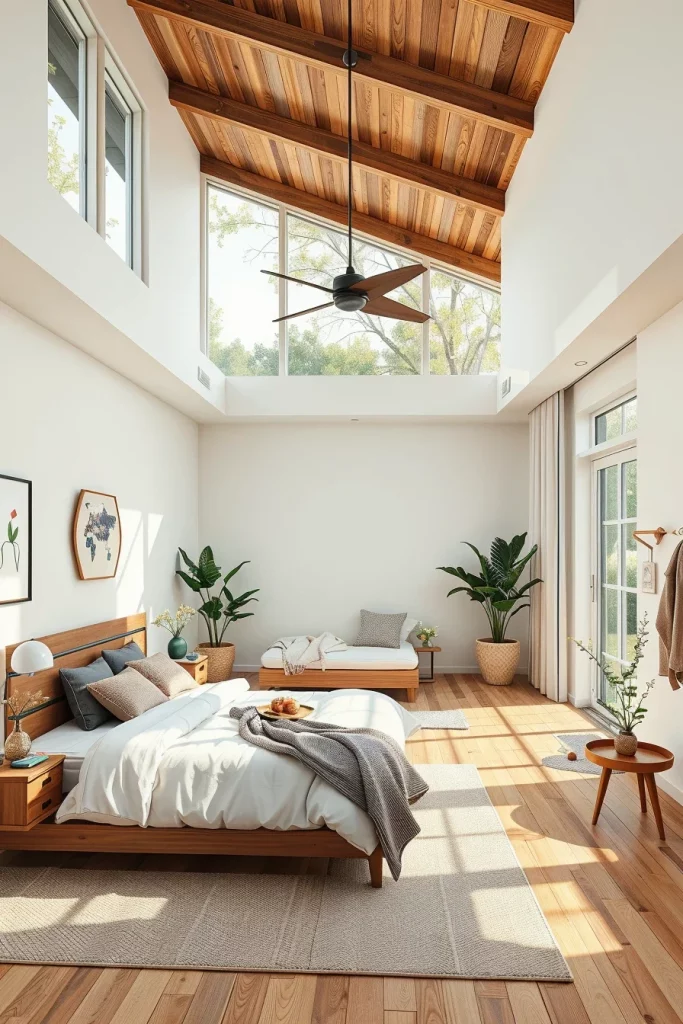
Another frequent mistake involves neglecting natural light. Even the most carefully selected furnishings cannot compensate for insufficient daylight. I also advise against relying solely on artificial materials that imitate nature without incorporating authentic textures. Poor furniture proportions, inadequate storage, and inconsistent color schemes may disrupt harmony within the space.
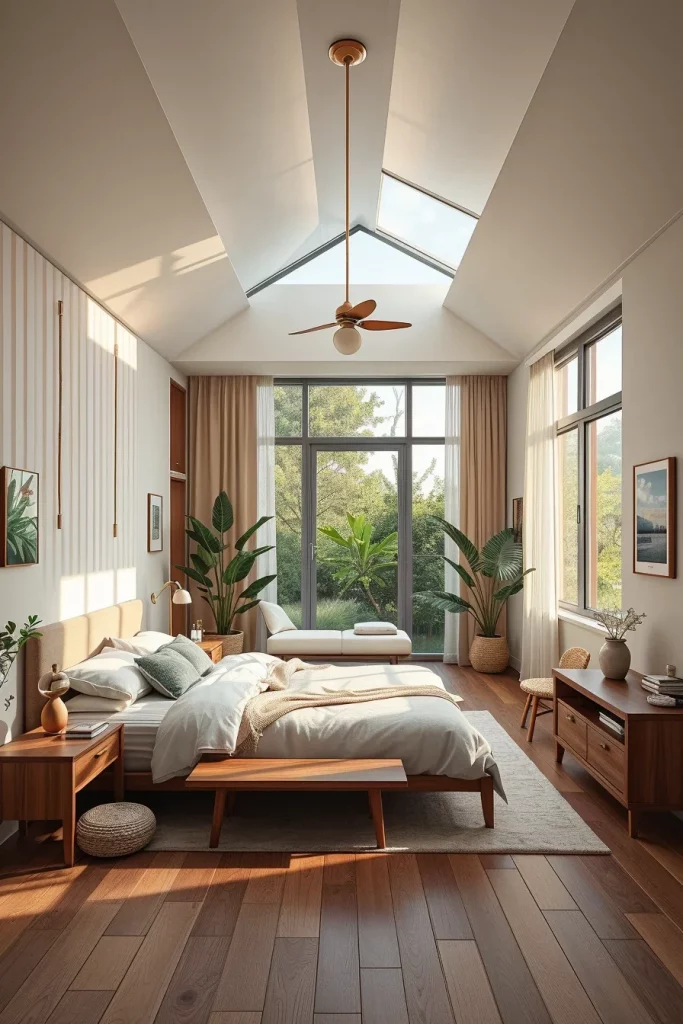
In my professional experience, successful biophilic interiors rely on balance and intentionality. Leading designers consistently emphasize that quality should take precedence over quantity. I have found that thoughtfully selected elements create a far stronger connection to nature than excessive decoration.
I would additionally caution against ignoring sensory considerations such as acoustics, air quality, and lighting, as these factors play an essential role in overall comfort.
Final Tips For Creating A Timeless Biophilic Bedroom Design
Creating a timeless biophilic bedroom design requires thoughtful planning and a focus on enduring principles rather than temporary trends. I recommend prioritizing natural light, authentic materials, functional layouts, and a restrained color palette. These foundational elements ensure that the bedroom remains relevant and comfortable over time.
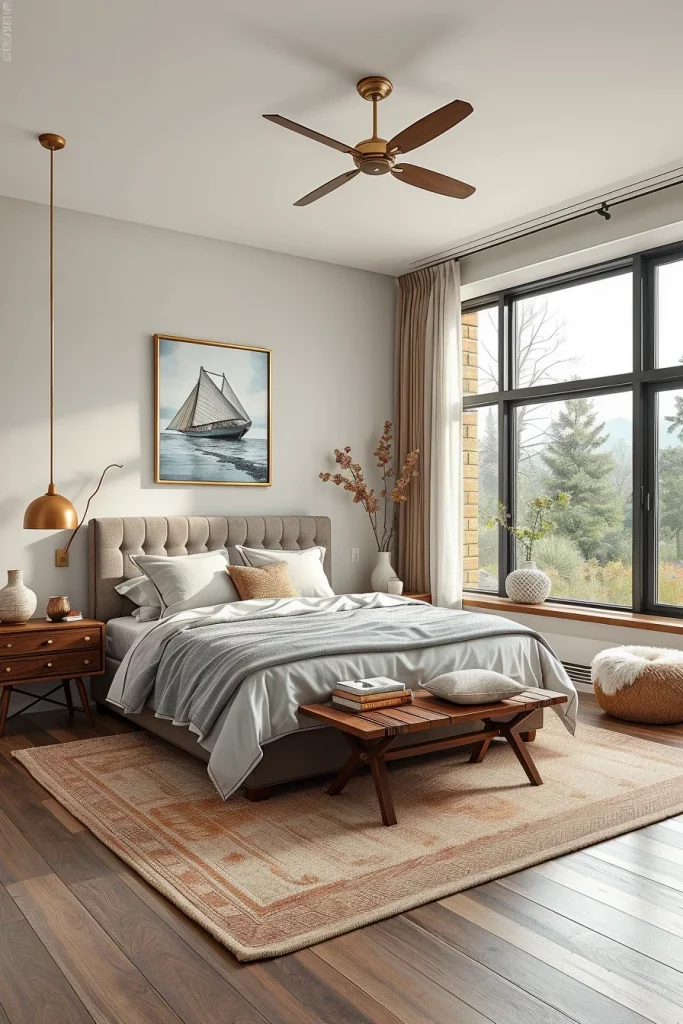
When selecting furniture, I prefer investing in high-quality pieces with simple silhouettes and versatile finishes. Timeless designs adapt more easily to evolving preferences and seasonal updates. Carefully chosen accessories, layered textures, and meaningful decorative items can personalize the room while preserving its cohesive appearance.
In my opinion, the most successful biophilic bedroom interiors are those that genuinely support daily well-being. I encourage homeowners to focus on how the space feels rather than pursuing perfection. A bedroom that promotes relaxation, comfort, and a connection to nature will always remain timeless.
I would also suggest periodically reassessing the room and making small refinements as lifestyles change, ensuring that the space continues to meet both functional and emotional needs.
Biophilic bedroom design offers a beautiful way to bring the calming essence of nature into your home. By combining natural materials, greenery, organic shapes, and soothing colors, you can create a space that supports relaxation and well-being. Whether you make small updates or completely redesign your bedroom, biophilic elements can transform it into a peaceful sanctuary you’ll love spending time in.