
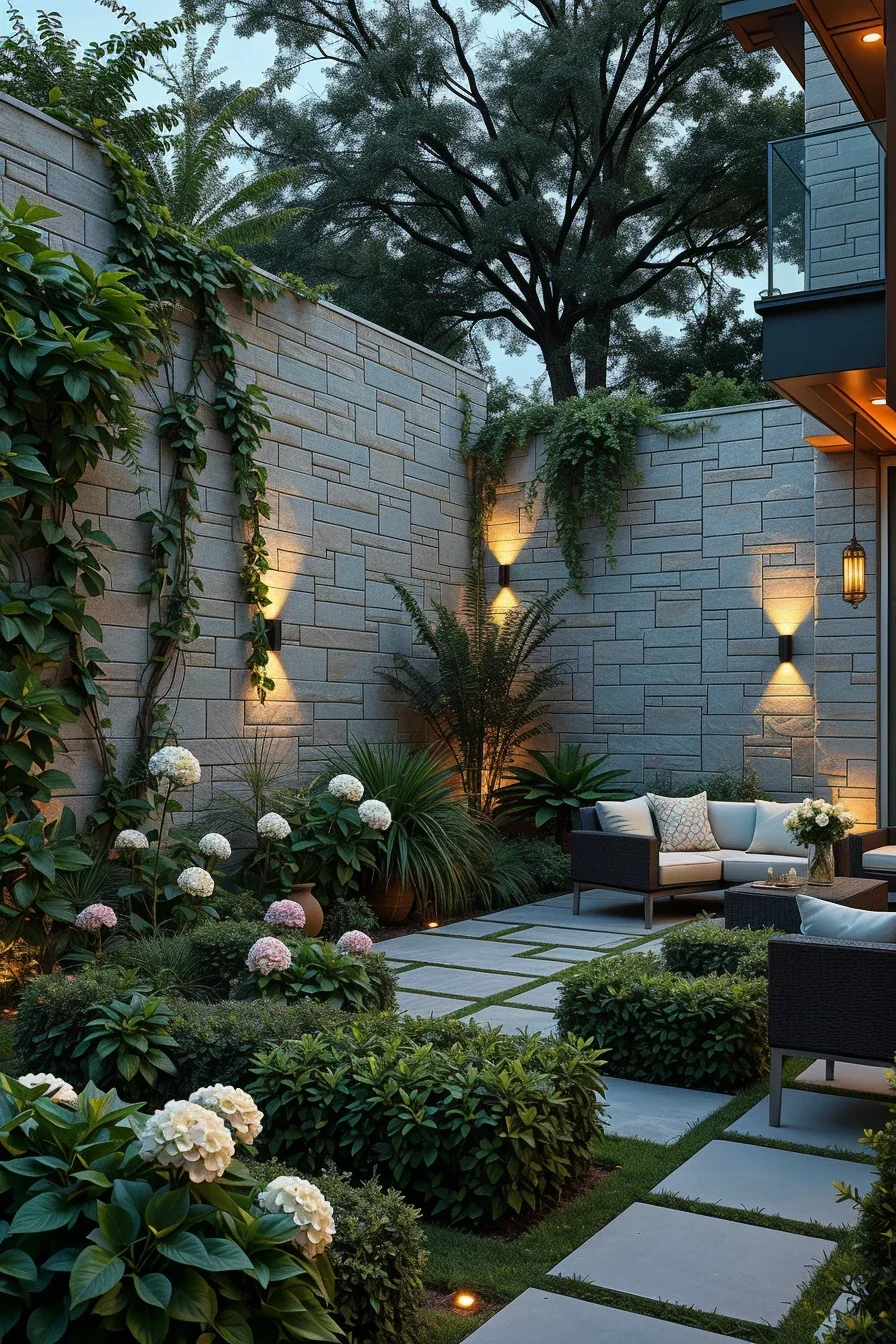
Privacy landscaping ideas 2026 are transforming outdoor spaces into stylish, peaceful, and functional retreats. Homeowners are looking for creative ways to enjoy more privacy while still maintaining beautiful and modern backyard designs. From lush living walls and elegant pergolas to minimalist hedges and eco-friendly screens, the latest landscaping trends combine comfort with visual appeal. In 2026, outdoor privacy is no longer just about blocking views — it is about creating relaxing environments that feel personal and luxurious. Smart layouts, sustainable materials, and low-maintenance greenery are becoming essential features in modern landscape design. This guide explores the most inspiring privacy landscaping ideas that can help you design a secluded outdoor space with both beauty and practicality in mind.
Natural Living Walls With Layered Greenery
I find that living walls are one of the most effective and visually impressive ways to create outdoor privacy while maintaining a natural atmosphere. In 2026, layered greenery is becoming more sophisticated, combining climbing vines, dense shrubs, ornamental grasses, and vertical planters to build soft yet highly functional barriers. I often recommend mixing textures and shades of green because this creates depth and prevents the landscaping from feeling flat or overly formal. These types of privacy landscaping ideas 2026 work especially well around patios, pools, and outdoor dining areas where homeowners want both seclusion and beauty.
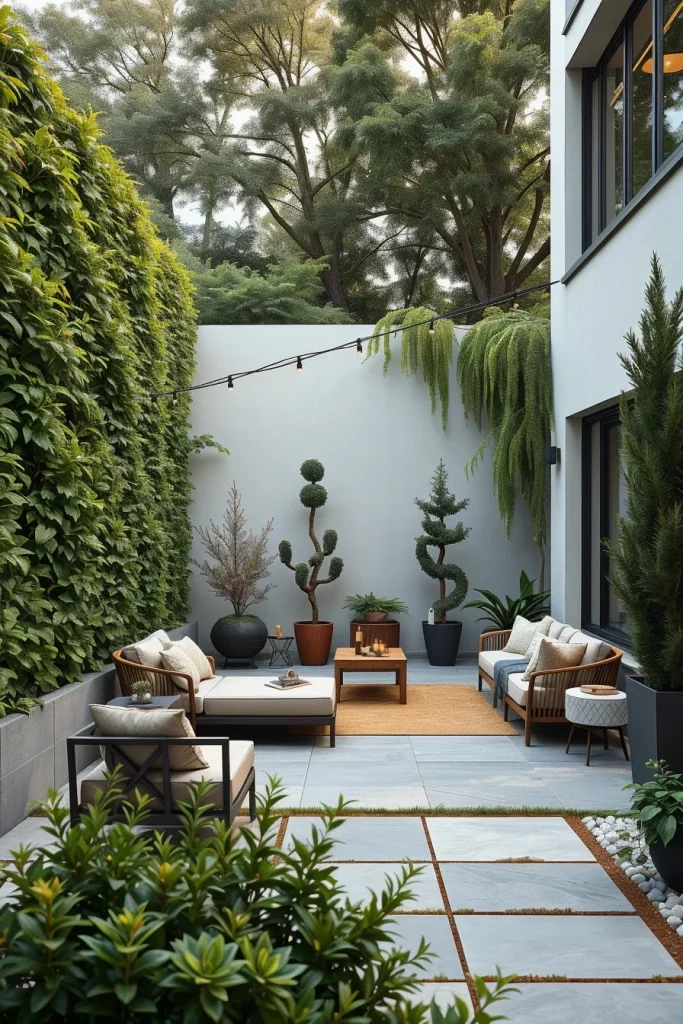
When I design layered green walls, I focus heavily on structure and maintenance balance. Tall evergreen shrubs form the main privacy layer, while climbing ivy or jasmine adds softness and movement. I also like incorporating modern concrete planters, natural wood accents, and subtle LED pathway lighting to enhance the contemporary appearance. Outdoor lounge furniture in neutral shades works perfectly beside these green walls because it keeps the space calm and inviting without competing with the landscaping itself. I always suggest irrigation systems for vertical greenery because they simplify maintenance and help plants stay healthy throughout the season.
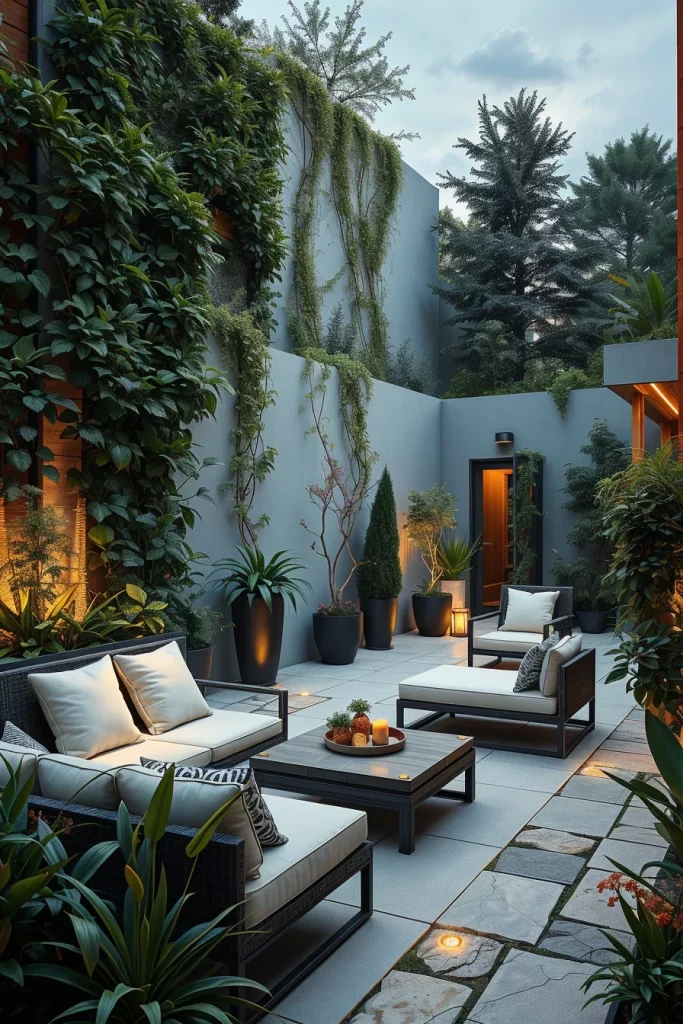
From my experience, homeowners appreciate how living walls improve both privacy and overall property value. Many landscape designers featured in publications like Architectural Digest and Better Homes & Gardens have highlighted layered greenery as one of the most desirable outdoor trends because it creates a resort-like atmosphere while reducing noise and heat. I personally enjoy how these green walls make even smaller yards feel immersive and peaceful instead of crowded by neighboring homes.
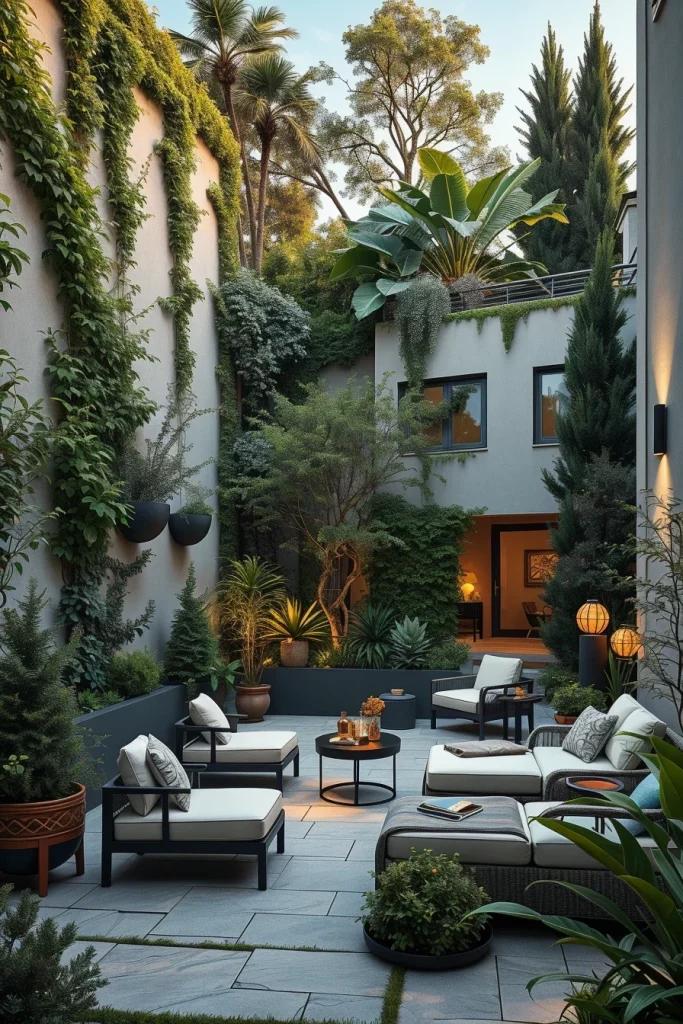
I also believe many homeowners overlook the importance of seasonal layering. Adding evergreen species alongside flowering vines and ornamental grasses ensures the wall remains attractive throughout the year. In my projects, I usually include hidden seating corners or integrated water features nearby because these additions make the space feel more intentional and luxurious.
Modern Privacy Hedges That Replace Traditional Fences
I have noticed that more homeowners are replacing outdated wooden fences with elegant hedge systems that feel softer and far more upscale. Modern hedges provide excellent screening while allowing outdoor spaces to blend naturally with the environment. In 2026, clean-lined hedge designs using boxwood, arborvitae, podocarpus, and laurel are especially popular in contemporary homes. These modern privacy landscaping solutions create strong boundaries without making the yard feel boxed in or visually heavy.
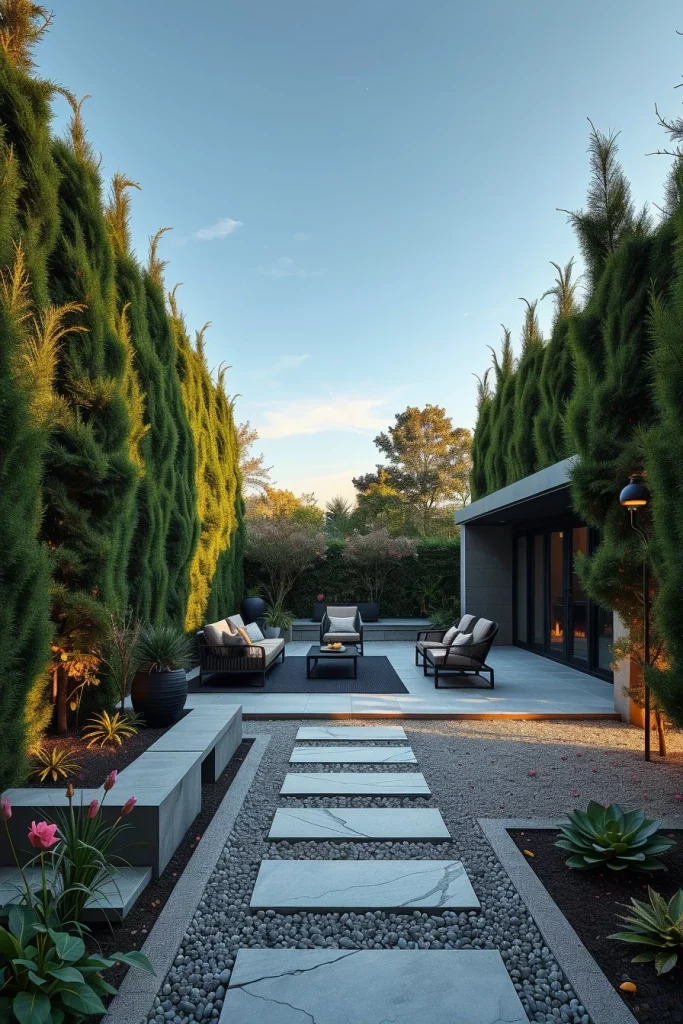
When planning hedge layouts, I always pay close attention to spacing and symmetry. Well-maintained hedges create a polished architectural appearance, especially when paired with stone pathways, minimalist patio furniture, and matte black outdoor lighting fixtures. I often include gravel borders or corten steel edging because these materials give the landscaping a refined modern look while reducing maintenance. In larger backyards, layered hedge rows with staggered heights can create separate outdoor “rooms” for dining, lounging, or entertaining guests.
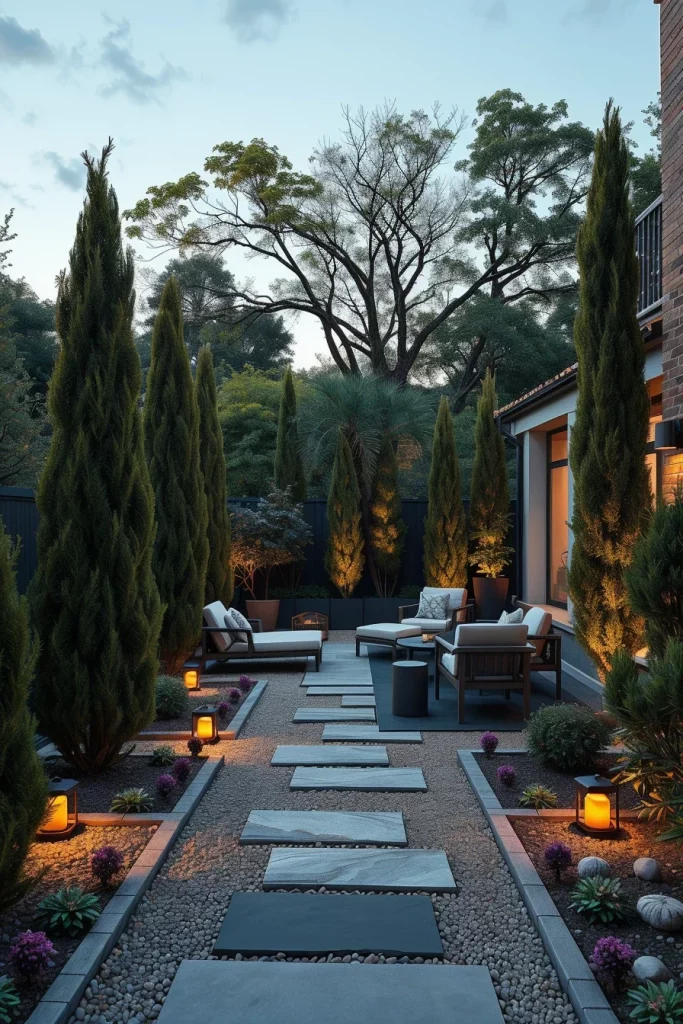
Personally, I think hedges provide a much more timeless appearance than standard fencing. I have worked with clients who initially worried about maintenance, but with proper plant selection and automated irrigation systems, modern hedges are surprisingly manageable. Landscape experts frequently recommend evergreen hedges because they provide year-round screening and remain visually consistent through changing seasons.
I also encourage homeowners to consider sound reduction when choosing hedge species. Dense hedges can significantly reduce traffic noise and create a calmer outdoor atmosphere. In my opinion, combining hedges with low garden lighting and natural stone textures results in one of the most elegant backyard privacy ideas 2026 available today.
Bamboo Screens For Fast-Growing Backyard Privacy
For homeowners who want quick privacy solutions, I often recommend bamboo screening because it grows rapidly and instantly creates a tropical modern atmosphere. Bamboo has become one of the most requested features in privacy landscaping ideas 2026 because it offers height, movement, and texture without requiring years of growth. Clumping bamboo varieties are especially practical since they remain controlled and easier to maintain in residential spaces.
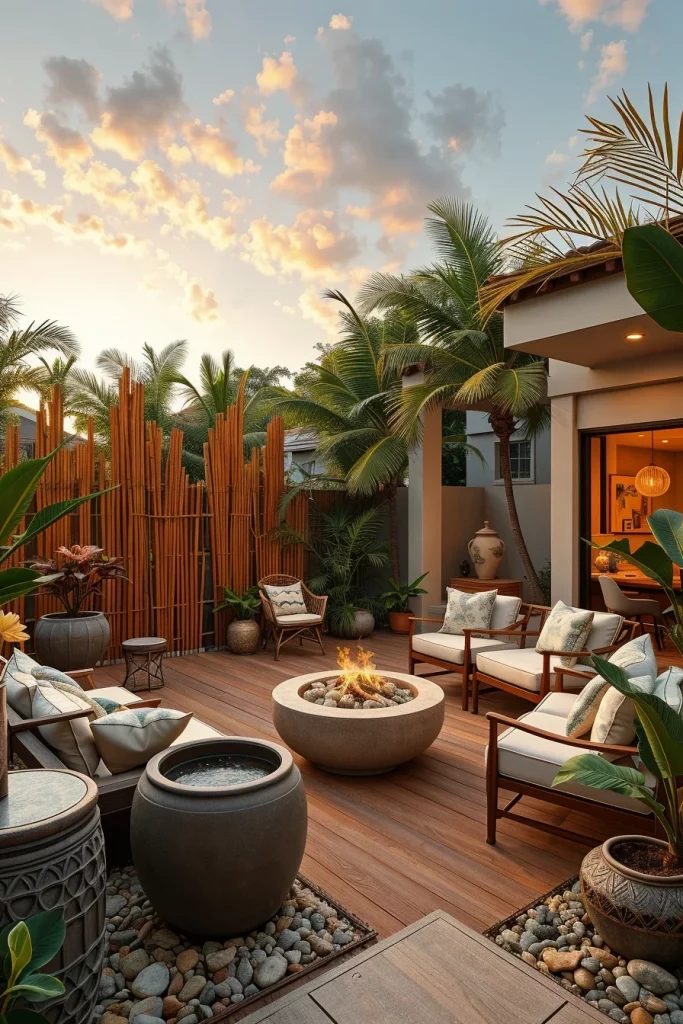
I usually combine bamboo screens with minimalist outdoor furniture, teak decking, and neutral-toned lounge seating to create a calming resort-inspired backyard. Large ceramic planters, decorative pebbles, and modern fire pits work beautifully alongside bamboo because they reinforce the natural yet luxurious design style. I also recommend integrated uplighting because illuminated bamboo creates dramatic shadows and transforms the backyard during evening hours.
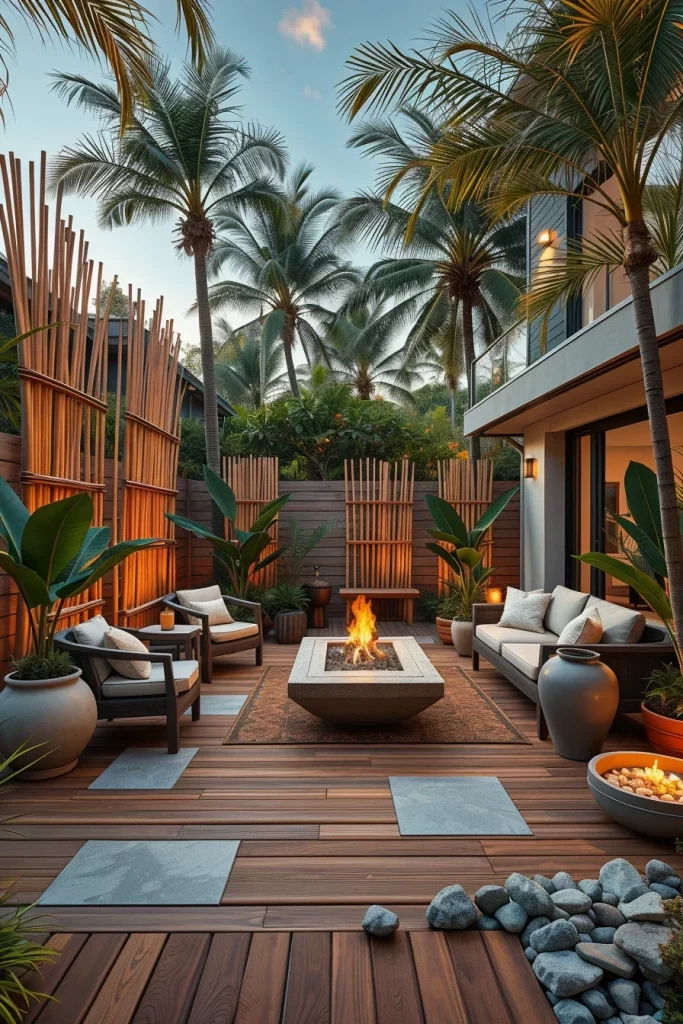
From my perspective, bamboo is particularly effective in urban environments where neighboring houses are close together. I have seen small backyards feel dramatically more private and spacious once tall bamboo borders were installed. Designers featured in contemporary landscape magazines often emphasize bamboo’s ability to soften modern architecture while introducing a more organic atmosphere to the yard.
One detail I always recommend is installing root barriers and proper drainage systems. While bamboo is relatively low maintenance when planned correctly, these structural elements prevent future issues and ensure long-term success. I also like adding layered tropical plants beneath bamboo screens because they create a richer and more complete landscape composition.
Vertical Garden Panels For Small Outdoor Spaces
In compact yards and urban patios, vertical garden panels are one of the smartest ways to introduce privacy without sacrificing valuable floor space. I frequently use these systems for townhouses, rooftop terraces, and narrow side yards where traditional landscaping options are limited. Modern vertical panels combine greenery with sleek architectural materials, making them ideal for contemporary small backyard privacy ideas.
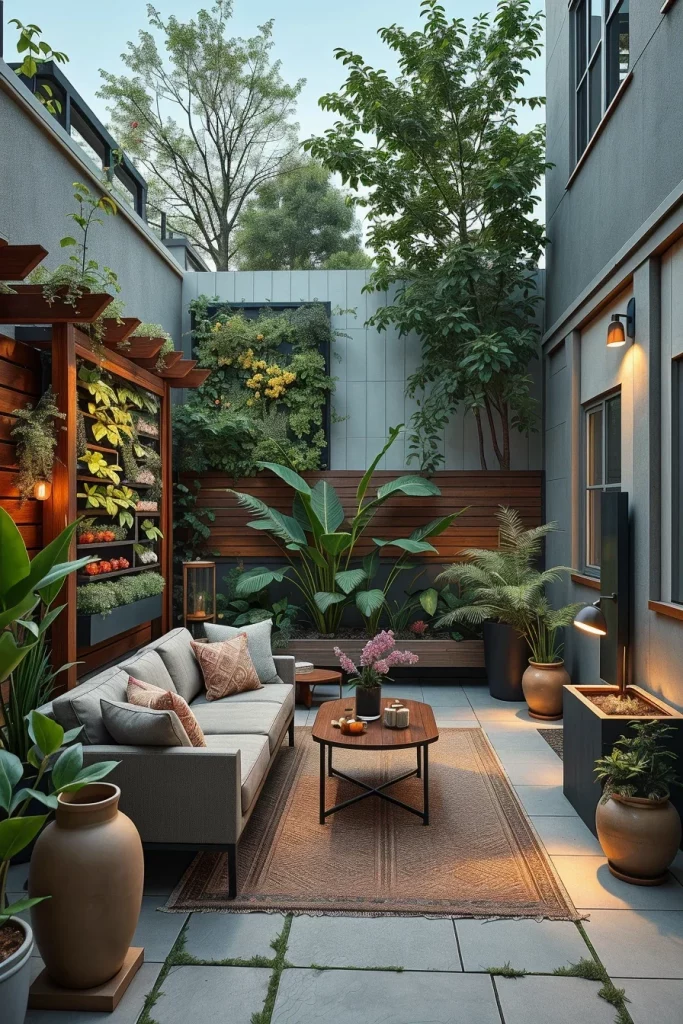
I like using modular metal or wood-framed garden panels that support herbs, ferns, ivy, and flowering plants in organized layers. These installations pair beautifully with compact sectional seating, foldable dining furniture, and textured outdoor rugs because they maximize comfort without overcrowding the space. In many of my projects, I also incorporate wall-mounted lighting and slim water features to make small patios feel more luxurious and visually dynamic.
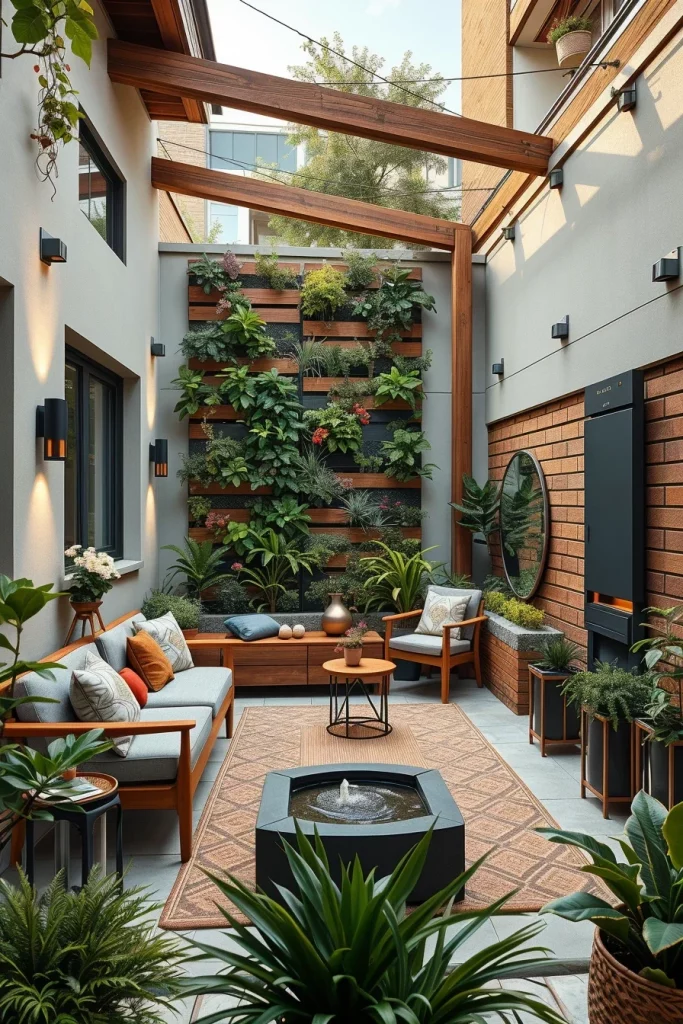
Personally, I think vertical gardens work best when they balance aesthetics with practicality. Many homeowners focus entirely on appearance, but I always emphasize irrigation access, drainage, and sunlight conditions first. Professional landscape designers often recommend mixing evergreen plants with seasonal flowers because it keeps the installation attractive throughout the year while adding subtle color variation.
I also encourage homeowners to add privacy curtains or pergola elements nearby if additional screening is needed. In my experience, layering vertical garden panels with soft outdoor textiles creates a far more comfortable and inviting environment than relying on greenery alone.
Evergreen Trees That Create Year-Round Seclusion
Evergreen trees remain one of the most reliable and elegant solutions for creating permanent backyard privacy. I frequently recommend species like emerald green arborvitae, Italian cypress, spruce, and holly because they provide dense screening throughout every season. In 2026, homeowners are increasingly combining evergreen trees with layered landscaping beds to create more natural-looking outdoor boundaries instead of simple straight rows.
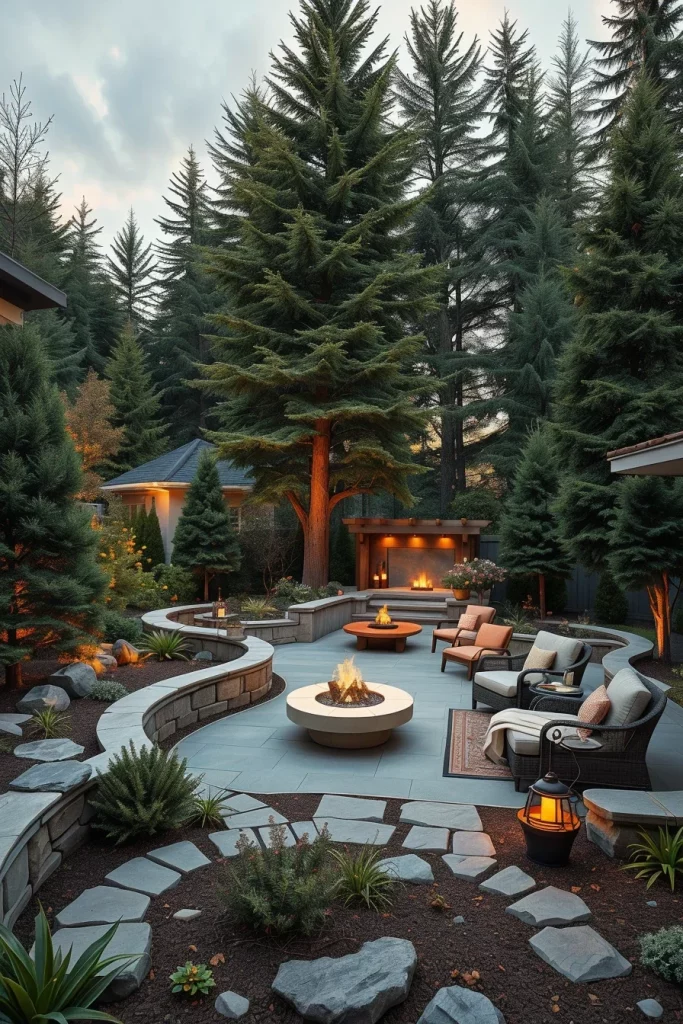
When designing with evergreen trees, I pay close attention to spacing, mature size, and overall yard proportion. I often pair tall trees with lower ornamental grasses, stone borders, and soft landscape lighting to prevent the design from feeling overly rigid. Comfortable outdoor seating areas beneath evergreen canopies can also create incredibly peaceful retreat spaces. Neutral outdoor cushions, concrete fire tables, and natural wood furniture complement evergreen landscaping beautifully while reinforcing the modern outdoor aesthetic.
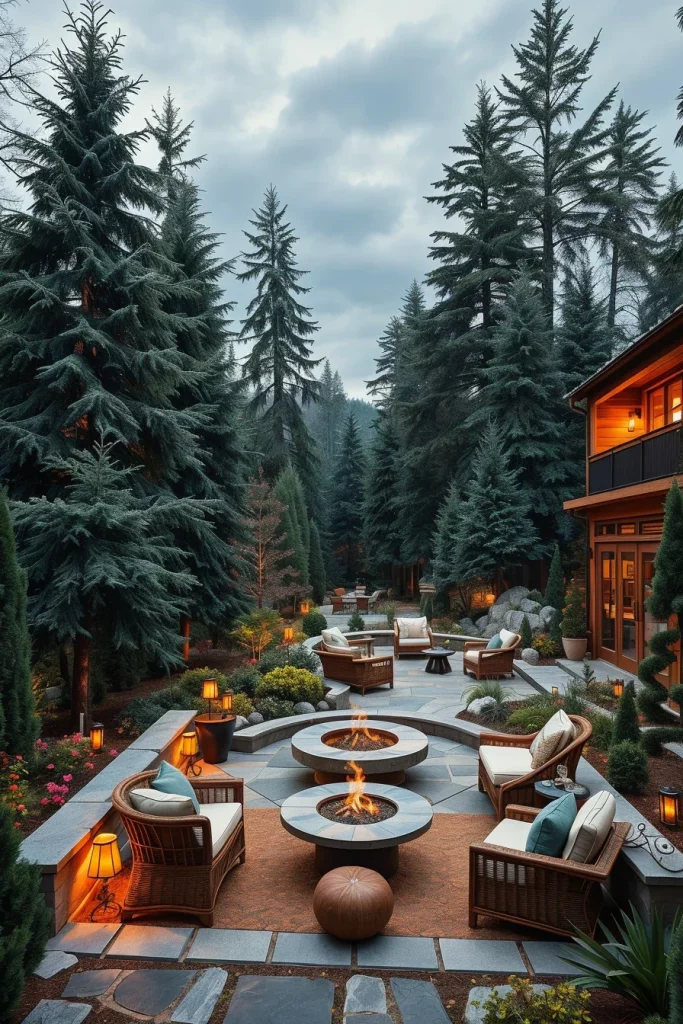
From my experience, evergreen trees provide both emotional and practical value for homeowners. They reduce visibility, soften noise, and create a sense of calm that many clients immediately notice after installation. Landscape professionals frequently mention that evergreen privacy systems are among the best long-term investments because they improve curb appeal while maintaining functionality year after year.
I also believe many outdoor spaces benefit from mixing multiple evergreen species instead of relying on a single variety. Combining textures and heights makes the landscaping feel more organic and visually interesting. In colder climates especially, this layered evergreen approach keeps outdoor spaces looking alive and structured even during winter months.
Luxury Pergolas With Built-In Privacy Features
I have noticed that pergolas are evolving far beyond simple shade structures and becoming complete outdoor living features with integrated privacy solutions. In 2026, luxury pergolas often include retractable privacy panels, slatted wood screens, outdoor curtains, and even built-in greenery to create intimate backyard spaces. I particularly like how these structures define outdoor zones while still maintaining an open and airy atmosphere. These types of privacy landscaping ideas 2026 work exceptionally well for patios, pool lounges, and outdoor dining spaces where homeowners want both comfort and visual separation.
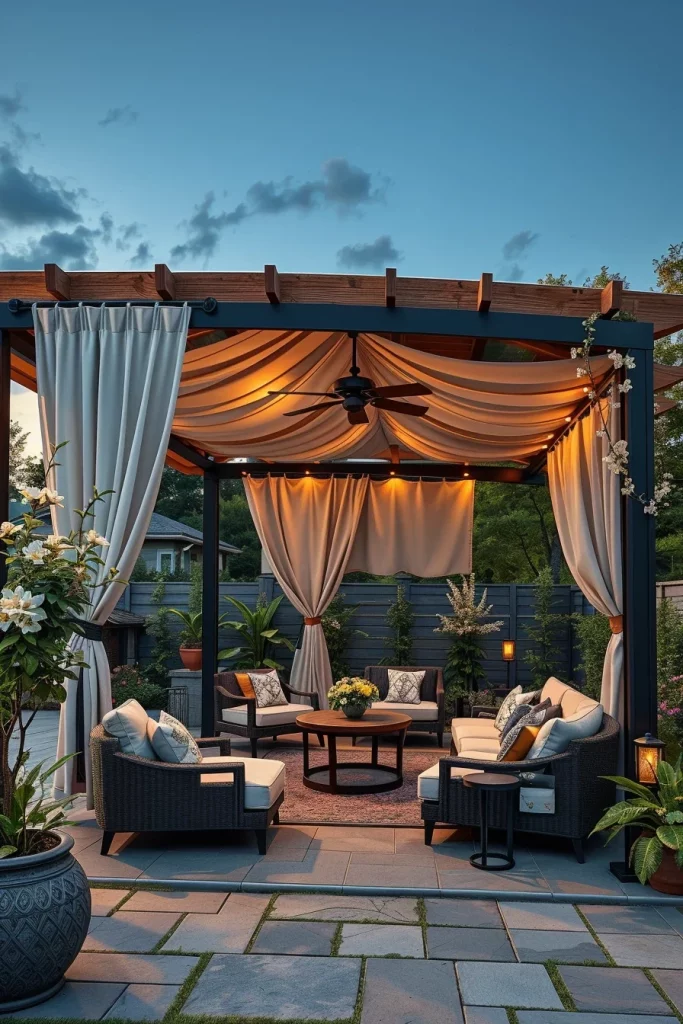
When designing pergolas, I usually combine natural wood or matte black aluminum frames with modern outdoor furniture and layered lighting. Comfortable sectional seating, oversized dining tables, weather-resistant fabrics, and decorative lanterns help transform the pergola into a true outdoor room. I also recommend adding climbing plants like wisteria or jasmine because they soften the structure and provide additional natural screening over time. Integrated LED ceiling lights and ceiling fans can dramatically improve usability, especially during summer evenings.
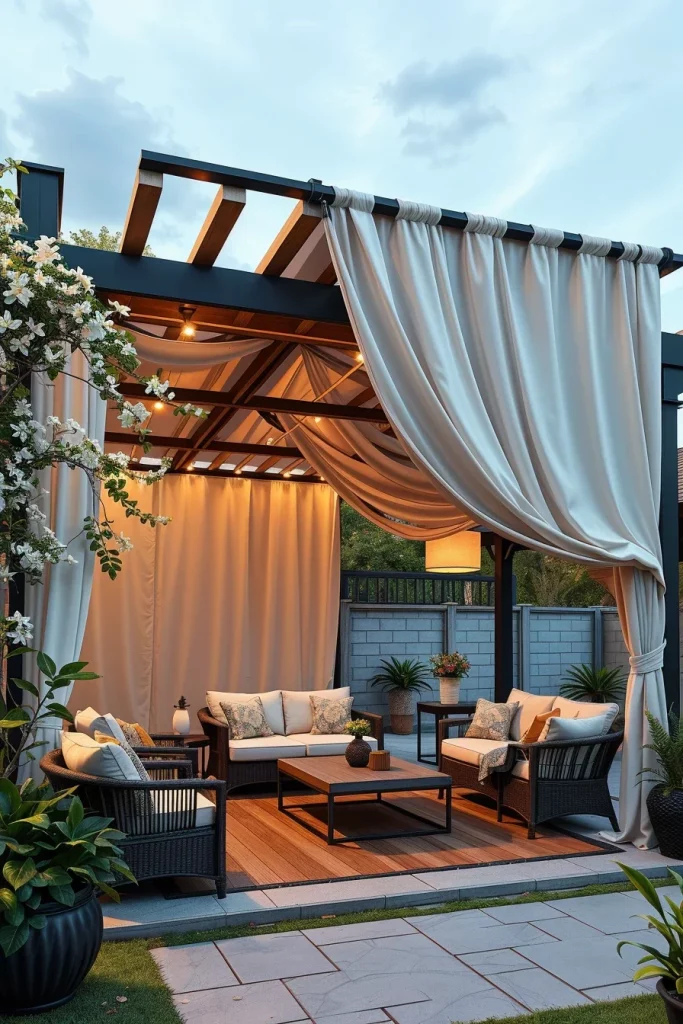
From my experience, homeowners appreciate pergolas because they add both architectural value and functionality to the landscape. Outdoor living experts featured in publications such as House Beautiful and Elle Decor often recommend layered pergola designs because they create a more luxurious and resort-inspired backyard experience. Personally, I believe pergolas are one of the best investments for families who frequently entertain guests outdoors.
I also suggest incorporating privacy curtains or adjustable louvers for flexibility. This allows homeowners to control sunlight, airflow, and privacy levels depending on the season or occasion. In many projects, these customizable features make the pergola feel far more sophisticated and comfortable throughout the year.
Decorative Privacy Screens With Contemporary Designs
Decorative privacy screens have become one of the most stylish ways to divide outdoor spaces while maintaining a modern aesthetic. I frequently recommend these screens for patios, balconies, rooftop terraces, and poolside lounges because they instantly add structure and visual interest. In 2026, contemporary designs featuring laser-cut metal, composite panels, and geometric wood patterns are especially popular in modern privacy landscaping projects.
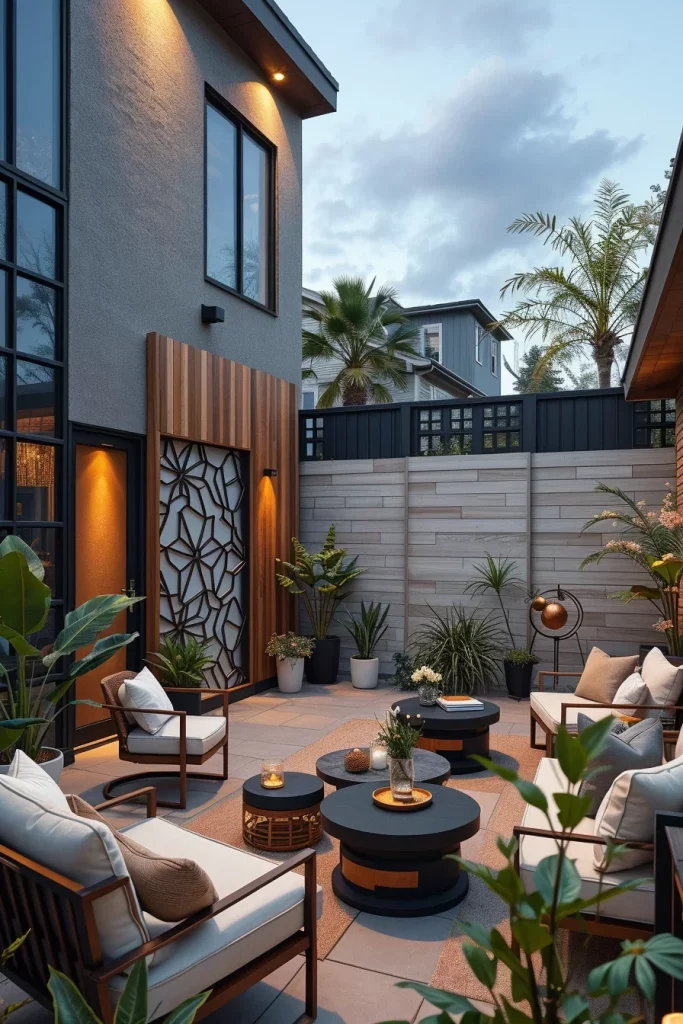
I usually pair decorative screens with sleek outdoor sofas, minimalist coffee tables, and textured planters to create balanced and cohesive outdoor environments. Black aluminum frames, warm wood finishes, and soft neutral cushions work particularly well together because they create contrast without making the space feel overly busy. I also like integrating soft accent lighting behind the screens because it highlights the patterns and creates a sophisticated evening atmosphere.
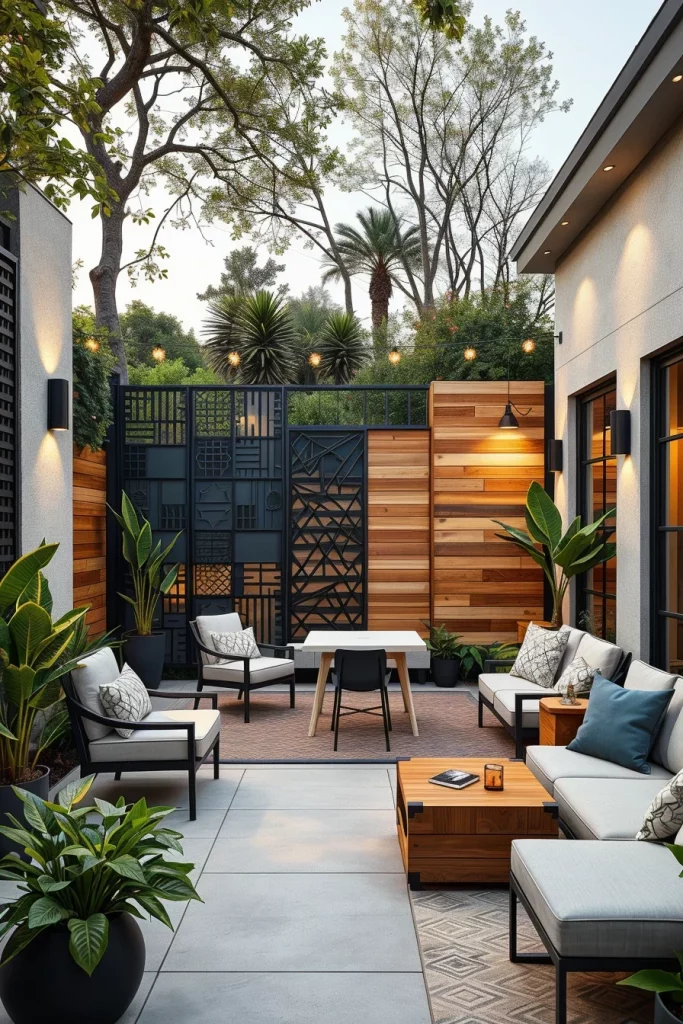
Personally, I think decorative screens offer much more design flexibility than traditional fencing. I have used them to separate outdoor kitchens, create cozy lounge corners, and even hide utility areas without disrupting the overall style of the yard. Many professional designers emphasize that decorative screens should complement the home’s architecture instead of competing with it, and I completely agree with that approach.
I also recommend combining screens with natural greenery whenever possible. Climbing vines, potted olive trees, or ornamental grasses soften the sharp architectural lines and help the entire outdoor space feel more welcoming and layered. In my opinion, this combination creates one of the most elegant backyard privacy ideas 2026 for modern homes.
Backyard Oasis Layouts For Maximum Comfort And Privacy
Creating a backyard oasis is about more than simply adding privacy features; it requires thoughtful planning that balances comfort, function, and visual flow. I often design these layouts using separate outdoor zones for dining, relaxation, and entertainment while strategically placing greenery and architectural elements for seclusion. In 2026, homeowners are increasingly prioritizing wellness-inspired outdoor spaces that feel calm, private, and connected to nature.
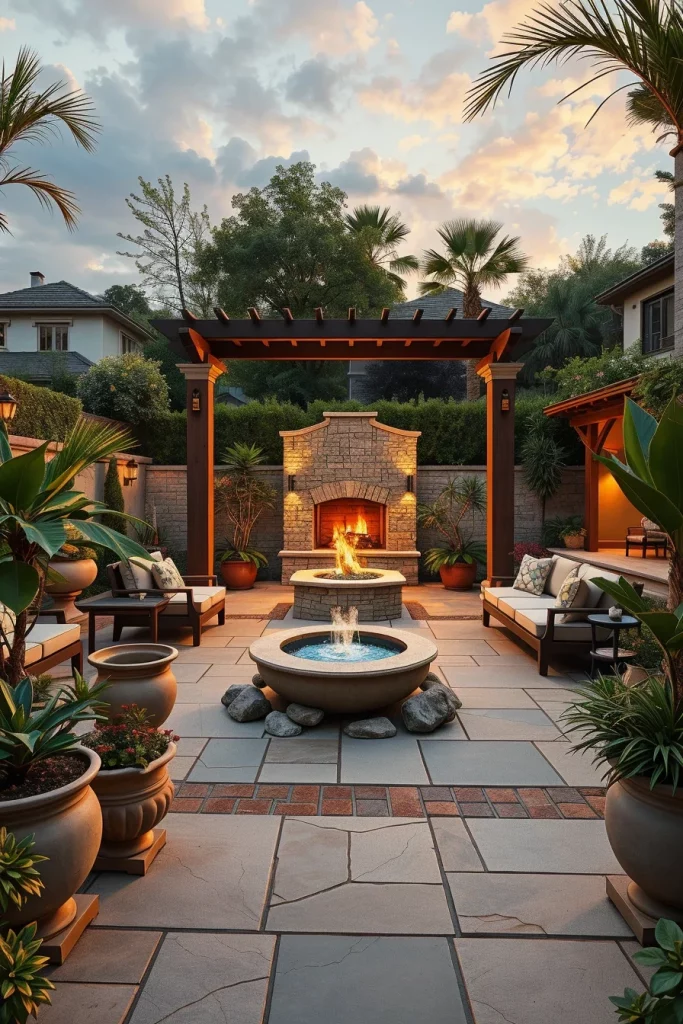
When building backyard oasis layouts, I focus on layered landscaping combined with luxury outdoor furniture and soft textures. Large sectionals, outdoor rugs, fire features, water fountains, and oversized planters all contribute to a relaxing atmosphere. I frequently use hedges, pergolas, and decorative privacy screens together because combining multiple privacy solutions creates a more immersive environment. Natural stone patios and warm lighting also help the space feel cohesive and comfortable after sunset.
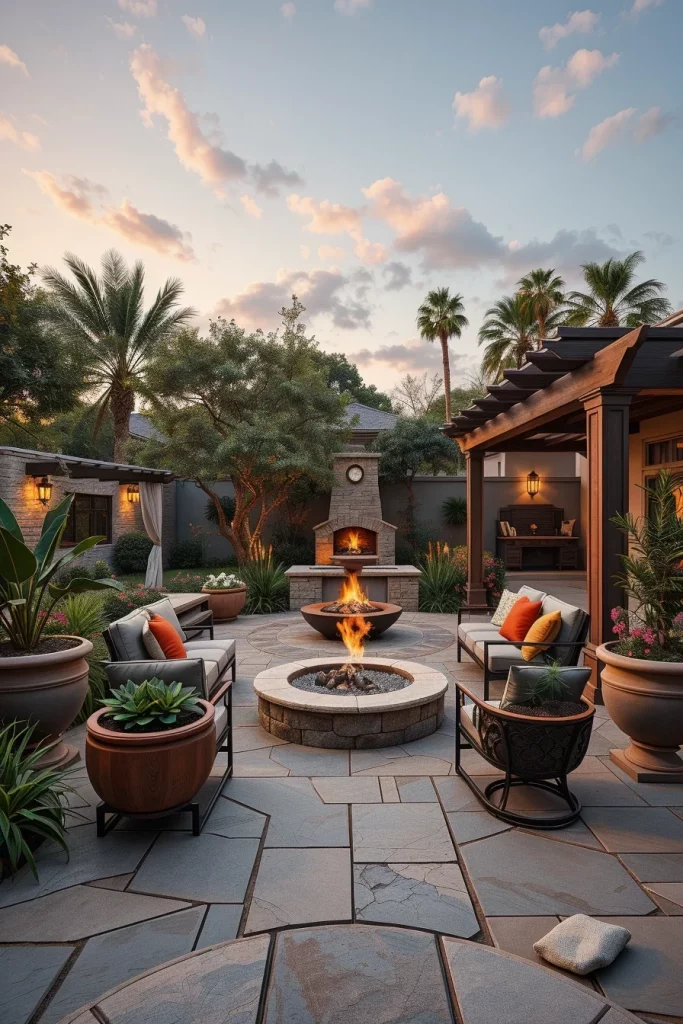
From my perspective, the most successful backyard oasis designs always prioritize circulation and proportion. I have seen beautiful outdoor spaces fail because seating areas were overcrowded or poorly positioned. Designers from major landscape publications often recommend maintaining clear walking paths and balancing open space with privacy elements, which is advice I consistently follow in my own projects.
I also encourage homeowners to include sensory details such as fragrant plants, soft lighting, and water features. These additions improve the overall atmosphere and make the backyard feel more like a luxury retreat rather than a standard residential yard. In my experience, these subtle details often have the biggest emotional impact.
Low-Maintenance Privacy Landscaping Ideas For Busy Homeowners
Many homeowners want beautiful outdoor privacy solutions without committing to constant maintenance, and I completely understand that priority. Low-maintenance landscaping has become one of the biggest outdoor trends because people want practical spaces that still look refined and modern. In 2026, the best low-maintenance privacy landscaping ideas combine durable plants, efficient irrigation, and simple clean-lined layouts that remain attractive throughout the year.
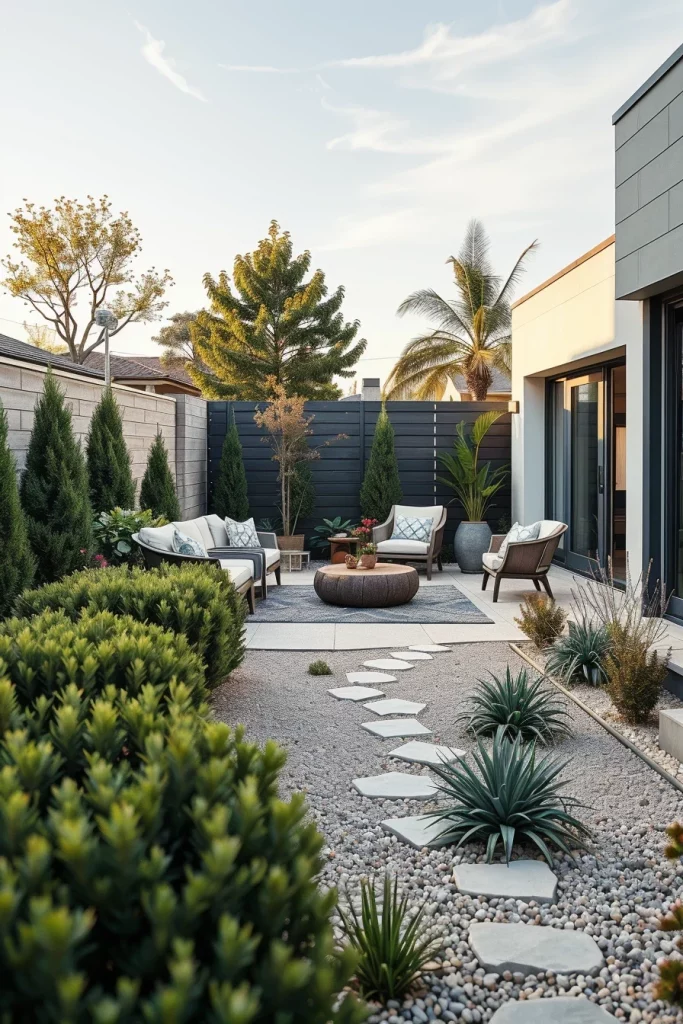
I often recommend hardy evergreen shrubs, ornamental grasses, gravel pathways, and composite privacy panels because these materials require minimal upkeep while maintaining a polished appearance. Automated irrigation systems and mulch layers are also extremely important because they reduce watering needs and help control weeds naturally. For furniture, I prefer weather-resistant aluminum frames, teak accents, and performance fabrics since they withstand outdoor conditions with very little maintenance.
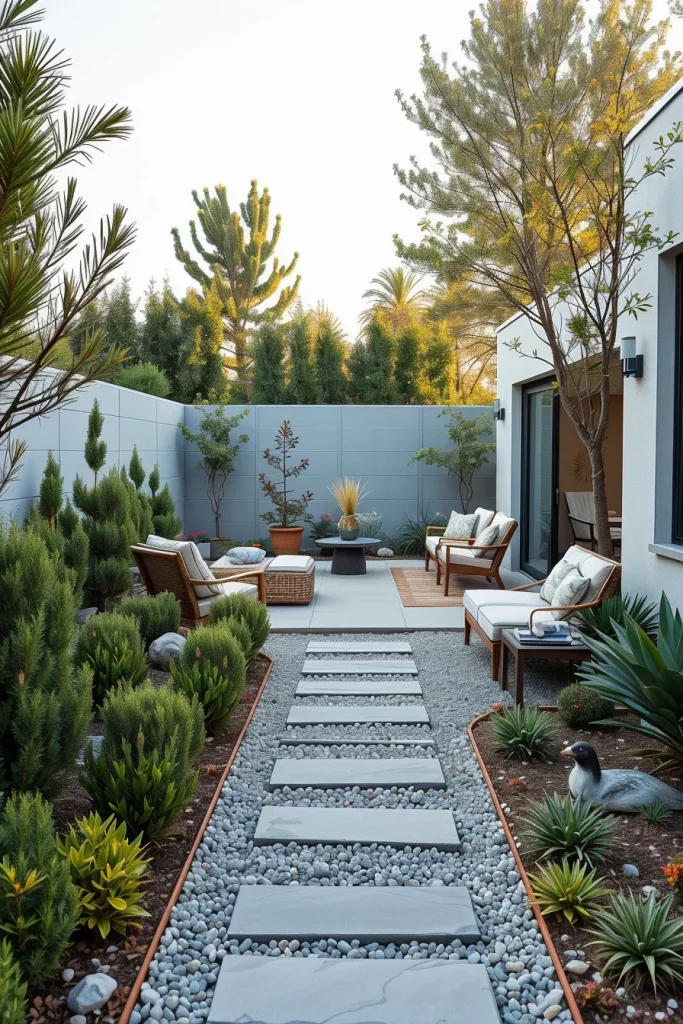
Personally, I believe simplicity is the key to successful low-maintenance landscaping. I have worked with clients who initially wanted highly complex garden designs, but many later realized that simpler layouts felt calmer and were easier to enjoy long term. Landscape professionals frequently emphasize choosing native plants because they adapt more naturally to local climates and require less intervention over time.
I also recommend limiting the number of plant species used throughout the yard. Repeating the same textures and greenery creates a cleaner, more cohesive design while simplifying care routines. In my experience, this approach makes outdoor spaces feel both elegant and manageable for busy homeowners.
Drought-Resistant Privacy Landscaping Trends For 2026
Sustainability is becoming a major focus in outdoor design, and drought-resistant privacy landscaping is one of the most important trends shaping 2026. I increasingly work with homeowners who want beautiful private outdoor spaces that consume less water and require fewer resources. Modern drought-tolerant landscaping combines architectural plants, gravel textures, and efficient irrigation systems to create sophisticated yet environmentally responsible designs.
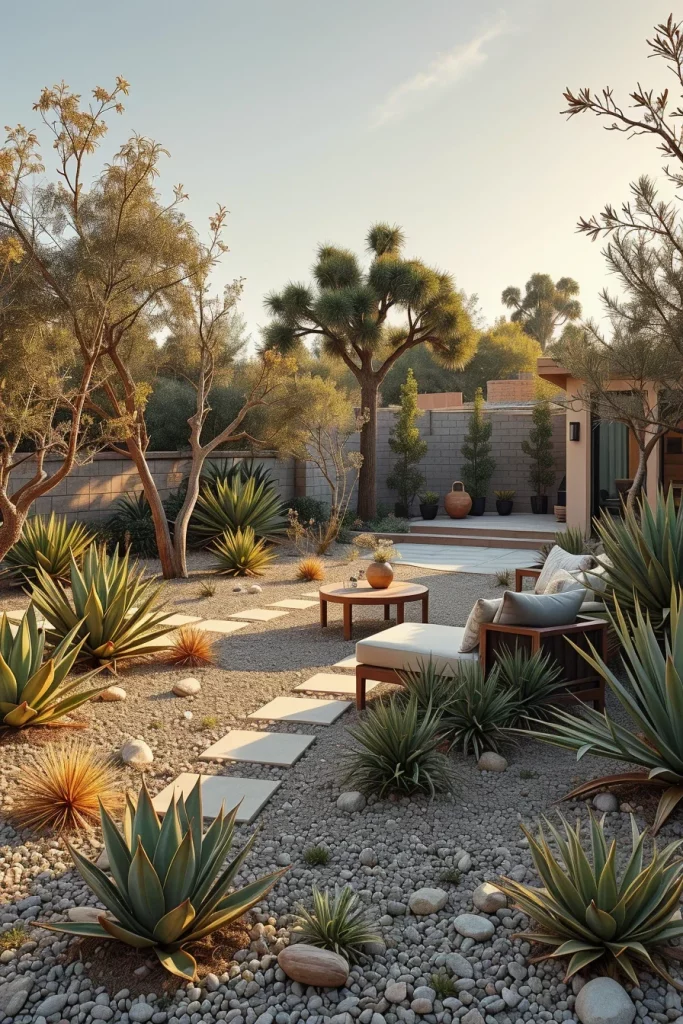
I frequently use drought-resistant plants such as agave, lavender, olive trees, juniper, and ornamental grasses because they provide texture, height, and privacy without excessive watering requirements. These plants pair beautifully with natural stone pathways, corten steel edging, and minimalist outdoor seating. I also recommend permeable gravel surfaces and drip irrigation systems because they improve water efficiency while maintaining a clean contemporary appearance. Warm earthy tones and sculptural greenery are especially popular in privacy landscaping ideas 2026 because they create calm and visually balanced outdoor environments.
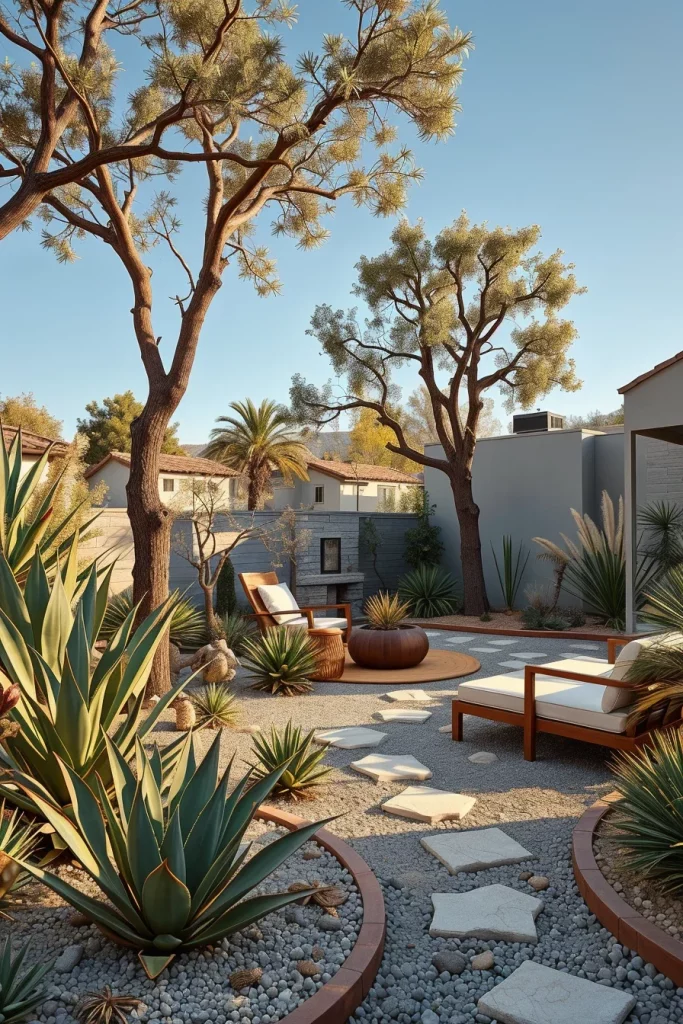
From my experience, homeowners are often surprised by how luxurious drought-tolerant landscaping can feel when designed properly. Many respected landscape architects and sustainability-focused design publications emphasize that water-efficient gardens do not need to look dry or sparse. I completely agree because thoughtfully layered drought-resistant landscapes can feel incredibly elegant, modern, and inviting.
I also encourage homeowners to include shaded seating areas and strategic tree placement to naturally reduce heat throughout the yard. This not only improves comfort but also lowers water evaporation and supports healthier plant growth. In my opinion, combining sustainability with privacy and comfort represents the future of outdoor living design.
Outdoor Curtains And Soft Privacy Elements For Patios
I often recommend outdoor curtains when homeowners want flexible and elegant privacy without building permanent structures. In modern patio design, soft privacy elements create a resort-inspired atmosphere while helping define outdoor zones in a subtle way. For 2026, I see many designers combining neutral linen curtains with warm wood pergolas, oversized lounge seating, and layered greenery to soften the overall appearance of the backyard. These materials work especially well in small patios because they provide privacy without making the space feel closed or heavy. One of my favorite approaches is pairing sheer weather-resistant drapes with climbing vines and potted olive trees to create movement and texture throughout the outdoor area.
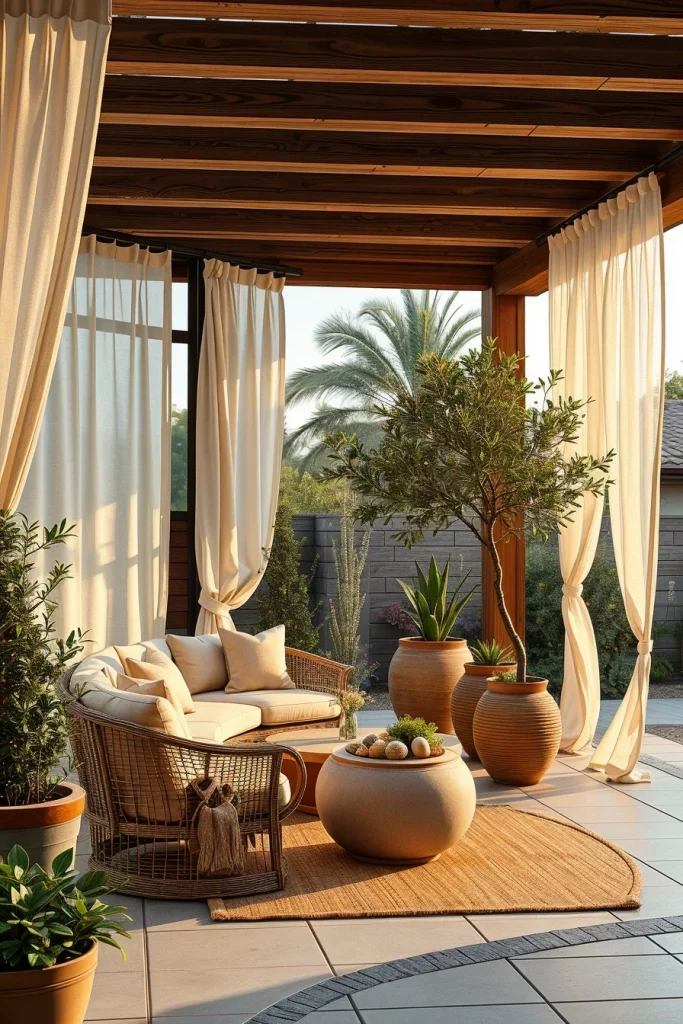
When designing these patios, I always focus on furniture that supports comfort and functionality. Deep sectional sofas with waterproof upholstery help create a cozy outdoor living room, while teak coffee tables and woven accent chairs add warmth and natural texture. I also like incorporating outdoor rugs in sandy or earthy tones because they visually anchor the seating area and make the patio feel like an extension of the interior. Ceiling string lights or lantern-style sconces are essential because soft lighting enhances the feeling of intimacy in the evening. These combinations are becoming increasingly popular in privacy landscaping ideas 2026 because they balance comfort, elegance, and practicality.
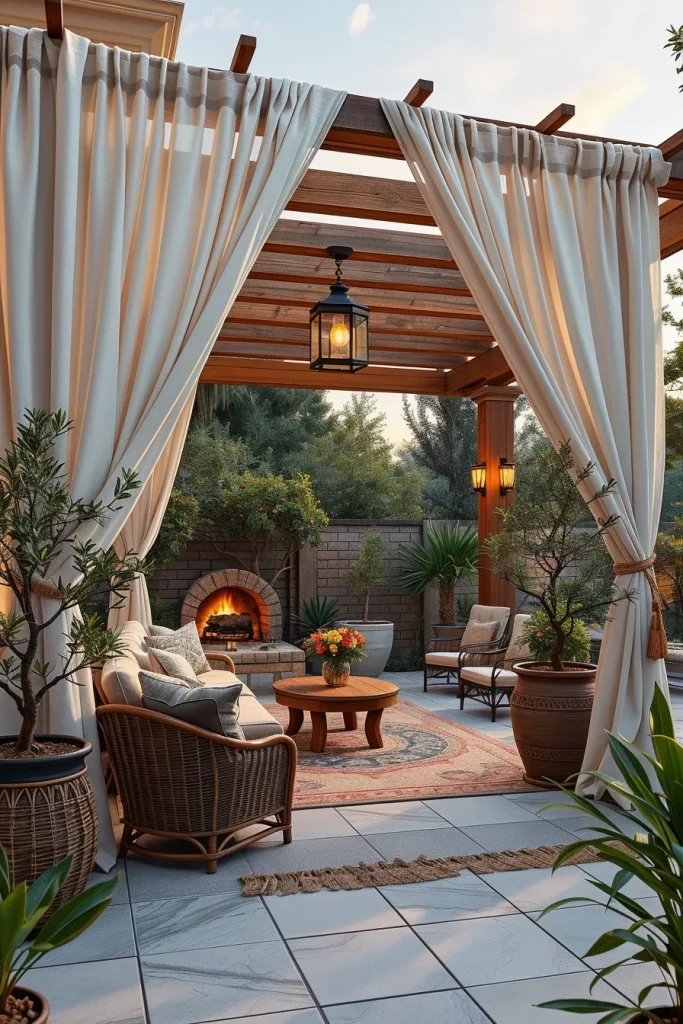
From my experience, layered fabrics instantly make outdoor spaces feel more luxurious and private. I’ve noticed that many landscape designers featured in publications like Architectural Digest recommend combining soft textiles with natural materials to avoid making the patio appear overly structured. I personally prefer curtains that can be tied back during the day and fully closed in the evening for maximum flexibility. This approach works beautifully for entertaining guests or simply creating a peaceful outdoor retreat after a long day.
I also believe many patios are missing vertical greenery that complements soft privacy solutions. Hanging planters, tall ornamental grasses, and narrow planter boxes filled with bamboo or evergreen shrubs can significantly improve the visual balance of the space. Adding these natural elements prevents curtains from looking isolated and creates a more immersive outdoor environment.
Modern Fence Alternatives Using Plants And Stone
Traditional fences are no longer the only solution for creating backyard privacy. In many modern landscape projects, I use combinations of layered plants, decorative stone walls, and sculptural hardscaping instead of standard wood fencing. These alternatives create a more natural transition between the home and the landscape while adding architectural character to the yard. One of the strongest trends in privacy landscaping ideas 2026 is the use of staggered stone partitions surrounded by dense greenery such as arborvitae, cypress, or ornamental grasses. This layered approach softens the outdoor space while still providing excellent coverage from neighboring properties.
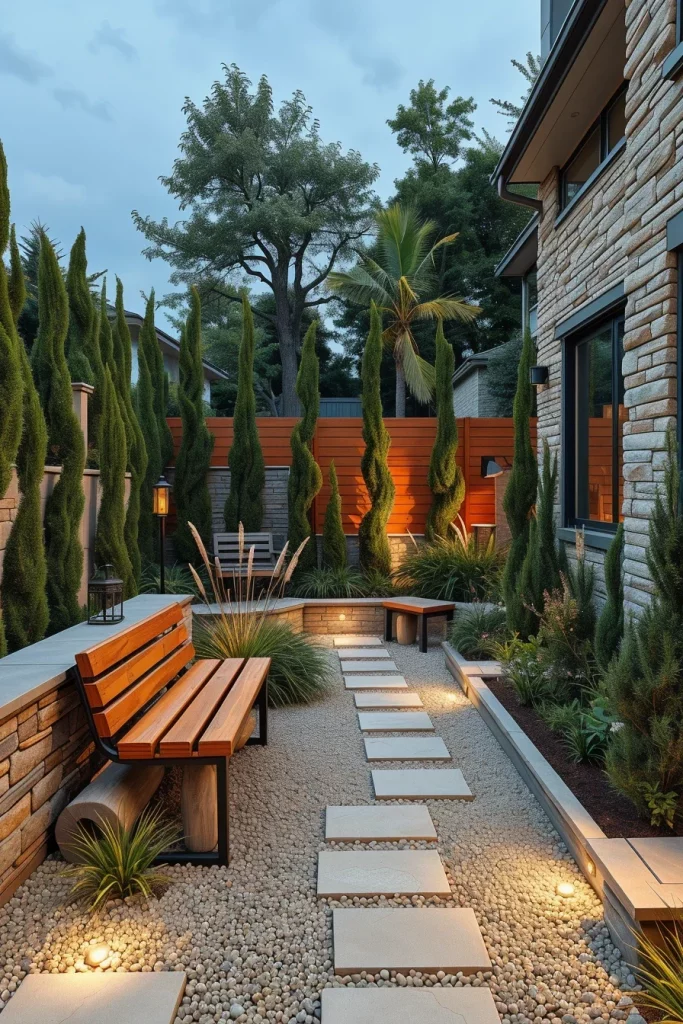
I usually combine textured stone walls with raised planting beds because they create depth and structure within the backyard. Natural limestone, dark slate, and smooth concrete finishes work particularly well in contemporary homes. To prevent the design from feeling too cold, I like incorporating warm wood benches, gravel pathways, and integrated LED lighting throughout the landscape. These details make the outdoor area more welcoming and practical during the evening hours. I also recommend drought-resistant plants because they reduce maintenance while keeping the landscape visually lush throughout the year.
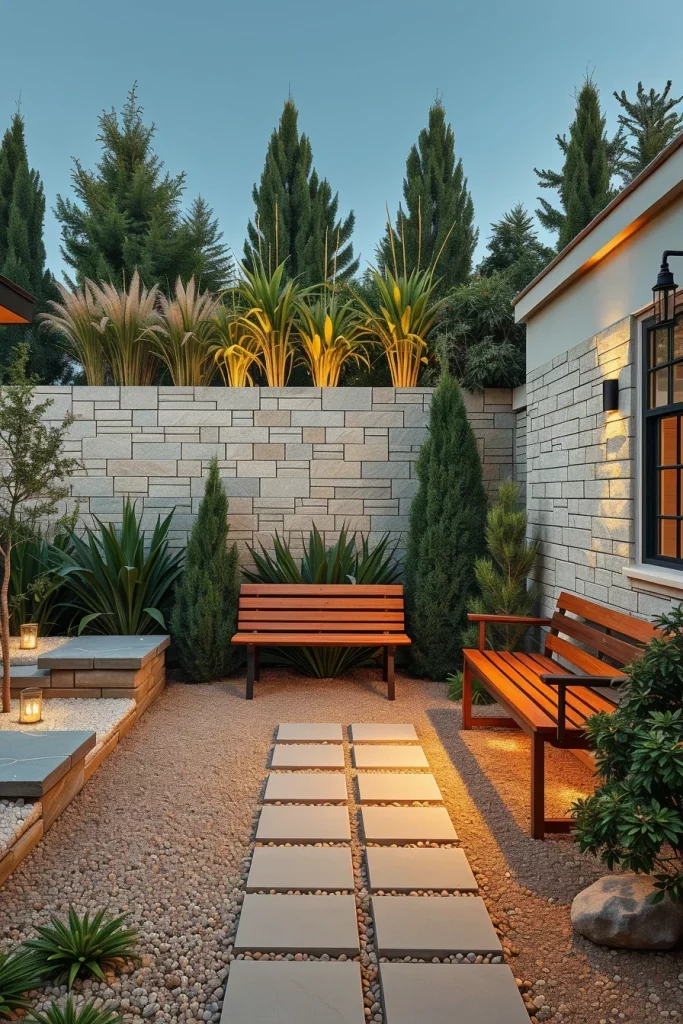
In my opinion, plant-based fencing solutions create a calmer and more organic atmosphere compared to solid privacy fences. I’ve worked with homeowners who initially wanted tall fencing but later preferred layered greenery because it reduced the harsh visual boundaries in the yard. Many professional landscape architects now recommend mixed-height planting strategies because they provide privacy while improving biodiversity and seasonal texture.
I also think modern landscapes benefit from including focal points within stone privacy designs. Water features, sculptural planters, or decorative fire bowls can make these outdoor spaces feel more personalized and luxurious. Without these details, stone-heavy landscapes may appear too rigid or minimalistic.
Cozy Courtyard Privacy Ideas For Urban Homes
Urban homes often struggle with limited outdoor space and close neighboring buildings, which is why courtyard privacy design has become increasingly important. I like creating enclosed courtyards that feel calm and intimate by using layered landscaping, vertical gardens, and compact furniture arrangements. In 2026, many urban homeowners are embracing Mediterranean-inspired courtyards with textured plaster walls, terracotta planters, and lush greenery to soften the surrounding architecture. This style works especially well because it transforms even narrow outdoor spaces into peaceful retreats away from busy city environments.
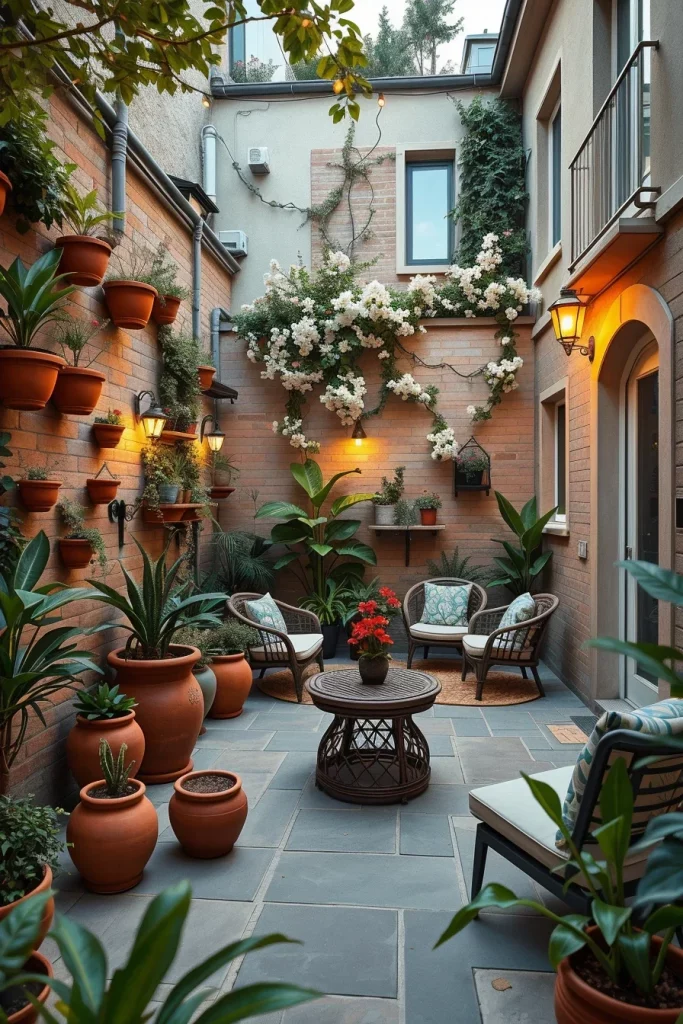
When designing these courtyards, I focus heavily on vertical elements because they maximize privacy without occupying valuable floor space. Wall-mounted planters, slim trellises with climbing jasmine, and narrow evergreen trees help create a sense of enclosure while maintaining openness. I also recommend compact lounge furniture with rounded edges because it improves circulation in smaller outdoor areas. Natural materials such as stone pavers, warm wood, and linen cushions help the courtyard feel more inviting and connected to nature. These combinations are becoming a defining feature of modern privacy landscaping ideas 2026.
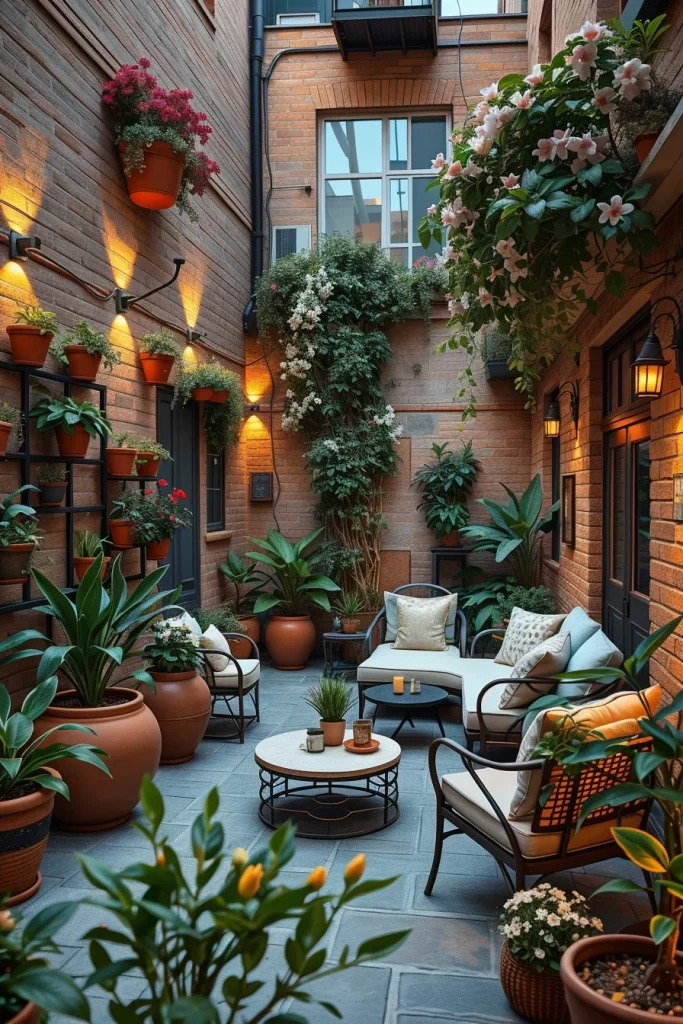
Personally, I think lighting plays one of the biggest roles in successful courtyard design. I often use layered lighting that includes lanterns, recessed floor lights, and soft wall sconces to create warmth after sunset. I’ve also found that homeowners appreciate the calming sound of small fountains because they help mask city noise and improve the overall atmosphere. Designers featured in Elle Decor frequently emphasize sensory landscaping, and I fully agree that sound and lighting are just as important as visual privacy.
Another feature I strongly recommend is incorporating flexible seating arrangements. Foldable dining furniture, movable benches, and built-in seating with hidden storage can dramatically improve functionality in small urban courtyards. These additions make compact outdoor spaces feel more adaptable for entertaining and daily use.
Multi-Level Landscaping Designs That Block Neighbor Views
Multi-level landscaping has become one of the most effective strategies for improving backyard privacy while creating visual interest. I often use tiered planting beds, raised terraces, and layered retaining walls to naturally block neighboring sightlines without making the yard feel enclosed. This approach works especially well on sloped properties because it transforms elevation changes into attractive design features. In many privacy landscaping ideas 2026, designers are combining layered greenery with architectural hardscaping to create outdoor spaces that feel both modern and secluded.
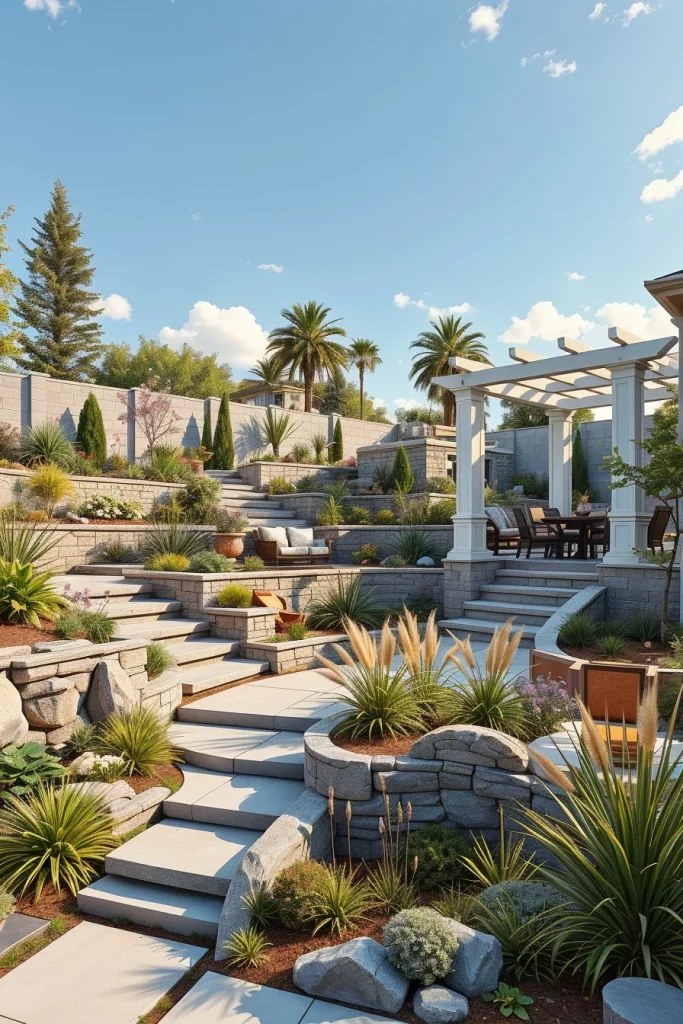
I usually start with structural elements like retaining walls or elevated deck platforms before adding privacy plantings. Ornamental grasses, hedges, and small ornamental trees placed at different heights create a dense visual barrier while maintaining a natural appearance. I also like incorporating built-in seating areas, floating staircases, and integrated planters because they make the landscape feel more intentional and cohesive. Materials such as natural stone, concrete, and weathered wood are especially popular because they blend beautifully with modern outdoor architecture.
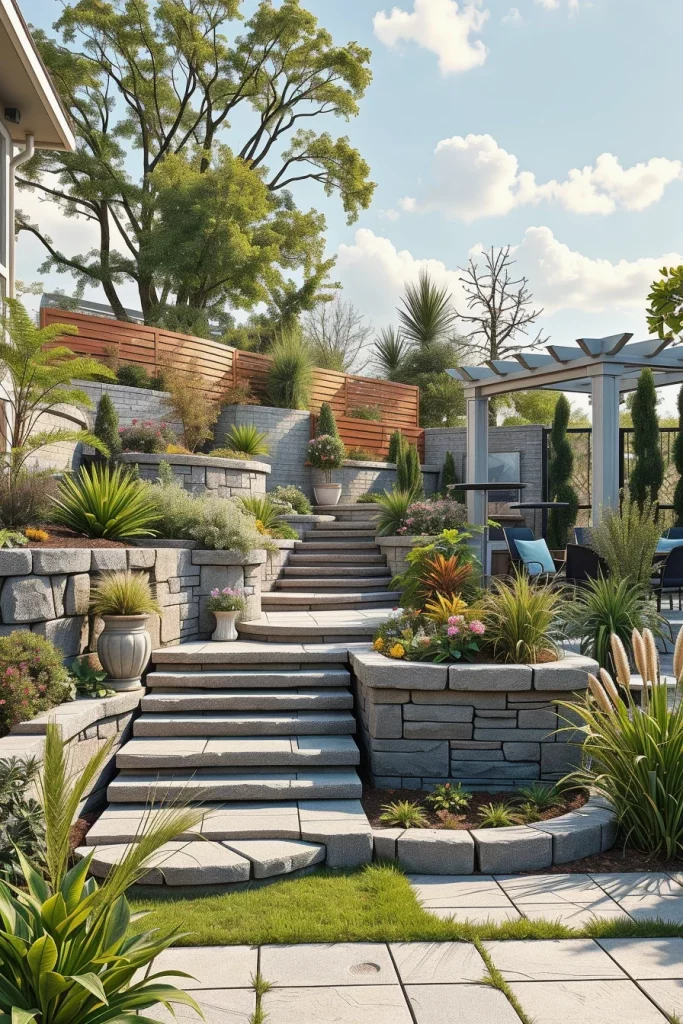
From my experience, multi-level landscapes create a stronger feeling of separation compared to flat backyard designs. I’ve worked on projects where simply raising a lounge area by a few feet dramatically improved privacy without requiring tall fences. Many landscape professionals now recommend using elevation strategically because it enhances both functionality and aesthetics at the same time.
I also think many tiered landscapes are missing shaded relaxation zones. Pergolas, cantilever umbrellas, or partially covered lounge spaces can make elevated areas more comfortable during hot summer months. These additions help homeowners use their outdoor spaces more consistently throughout the year.
Tropical Privacy Gardens With Resort-Style Atmosphere
Tropical-inspired landscapes continue to dominate luxury backyard trends because they create an immersive and relaxing atmosphere. I love using oversized tropical plants, layered palms, and dense greenery to transform ordinary backyards into private outdoor retreats. In privacy landscaping ideas 2026, tropical gardens are becoming more refined, with cleaner layouts and modern outdoor furniture replacing overly crowded designs. The goal is to create a balanced environment that feels lush, calming, and sophisticated rather than chaotic.
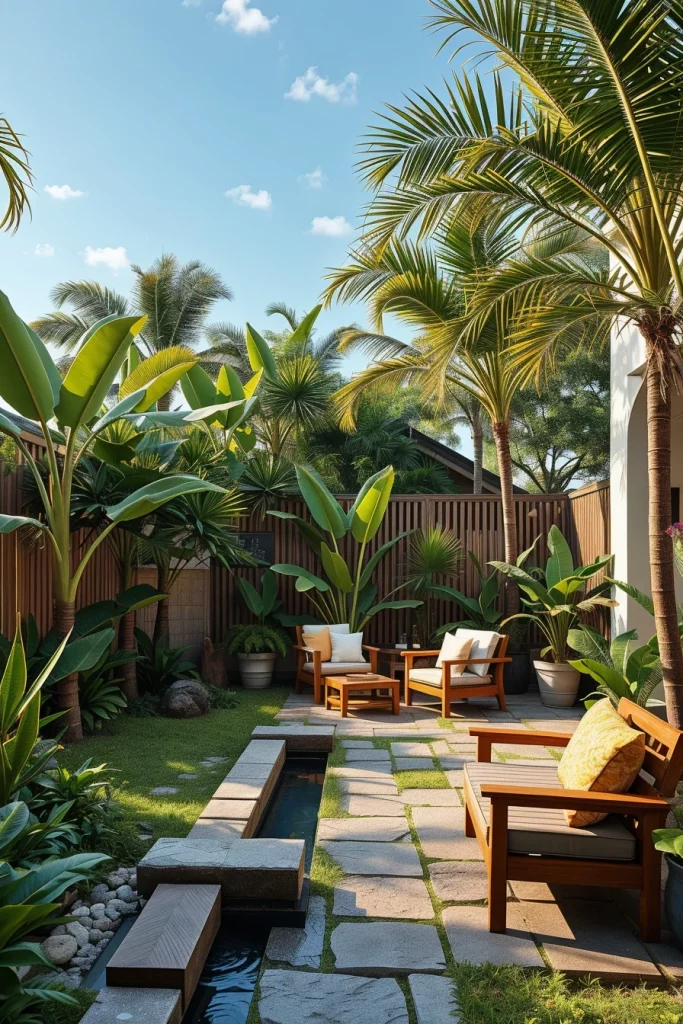
I usually combine banana plants, bird of paradise, bamboo, and large ferns to create natural privacy walls around patios and pools. These plants provide excellent screening while introducing dramatic texture and movement into the landscape. To complement the greenery, I prefer using low-profile teak furniture, neutral outdoor cushions, and stone pathways that enhance the resort-inspired aesthetic. Water features such as narrow reflecting pools or minimalist fountains also contribute to the tranquil atmosphere while helping mask surrounding noise.
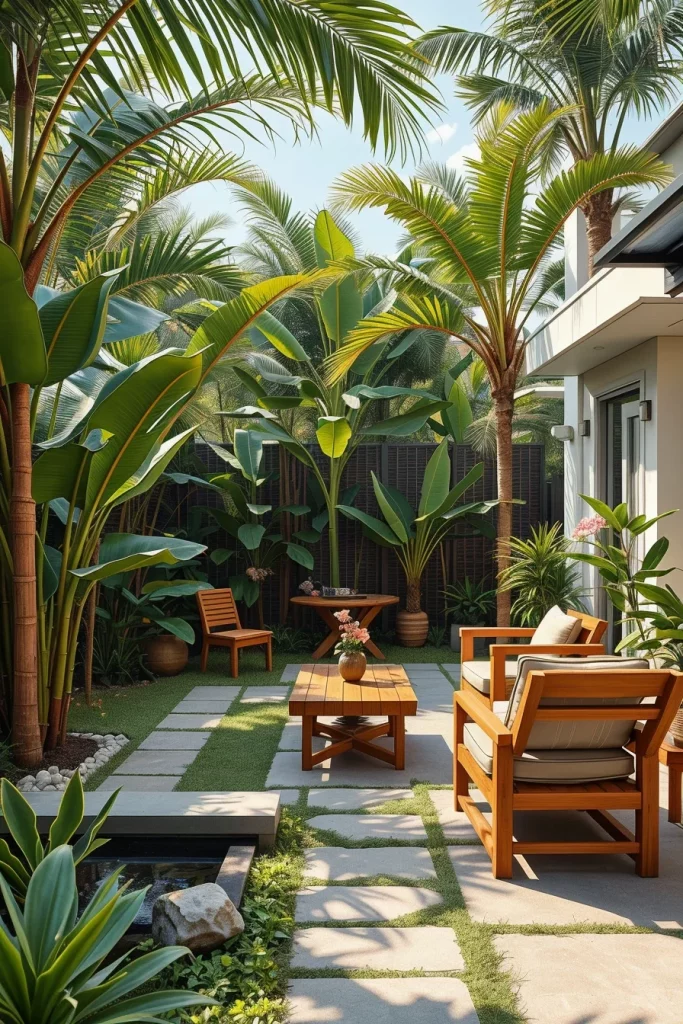
Personally, I believe tropical privacy gardens work best when the design feels intentional and uncluttered. I often advise homeowners to limit decorative elements and instead focus on plant layering, lighting, and high-quality materials. Many landscape designers featured in House Beautiful recommend combining tropical plants with contemporary architectural lines, and I’ve found this contrast creates a far more timeless result.
I also recommend incorporating outdoor dining areas directly into tropical garden layouts. Covered dining spaces with ceiling fans, woven pendant lights, and surrounding greenery help extend the usability of the backyard while reinforcing the resort-like atmosphere homeowners are seeking in 2026.
Privacy Landscaping Around Pools And Outdoor Lounges
Creating privacy around pools requires balancing openness with protection from neighboring views. I usually design these outdoor spaces with layered landscaping that feels luxurious while maintaining airflow and sunlight around the pool area. In many modern homes, I combine tall hedges, sculptural palms, and architectural privacy screens to frame the pool without making the yard feel crowded. One of the strongest trends in privacy landscaping ideas 2026 is creating outdoor lounge zones that feel similar to boutique resorts, where every seating area has its own natural sense of separation and comfort.
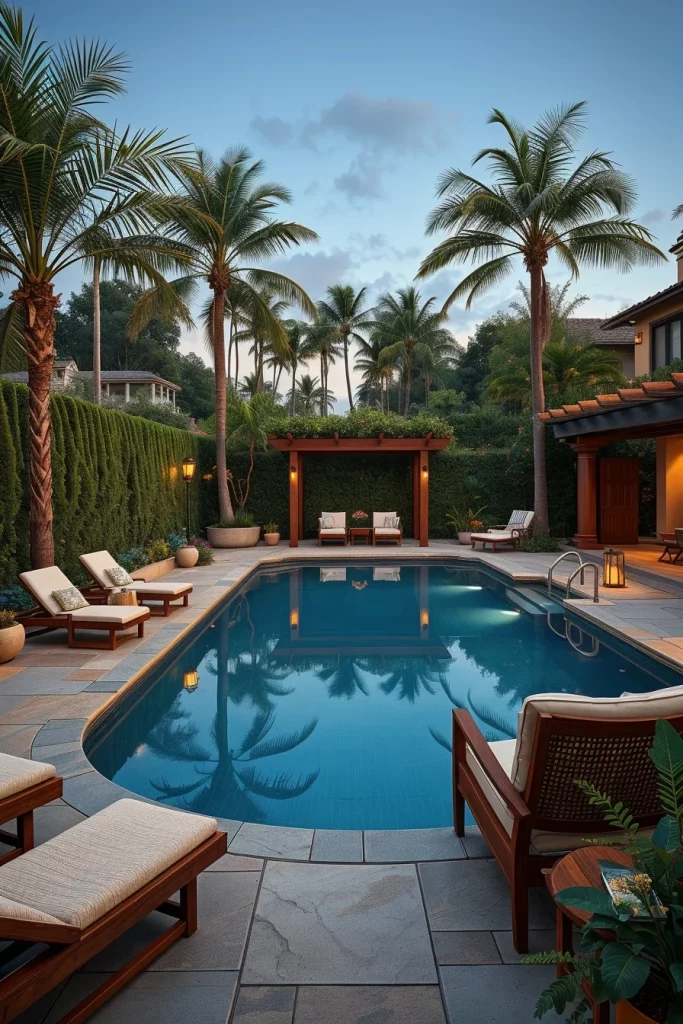
I prefer using evergreen hedges, bamboo screens, or ornamental grasses because they create movement and soften the hard surfaces surrounding the pool. For furniture, I recommend oversized chaise lounges with weather-resistant cushions, low-profile teak side tables, and shaded cabanas or pergolas for relaxation during hot afternoons. Natural stone pavers and textured concrete help the space feel grounded and sophisticated while also improving safety around wet surfaces. I also like incorporating built-in fire features near lounge areas because they extend the usability of the outdoor space well into the evening.
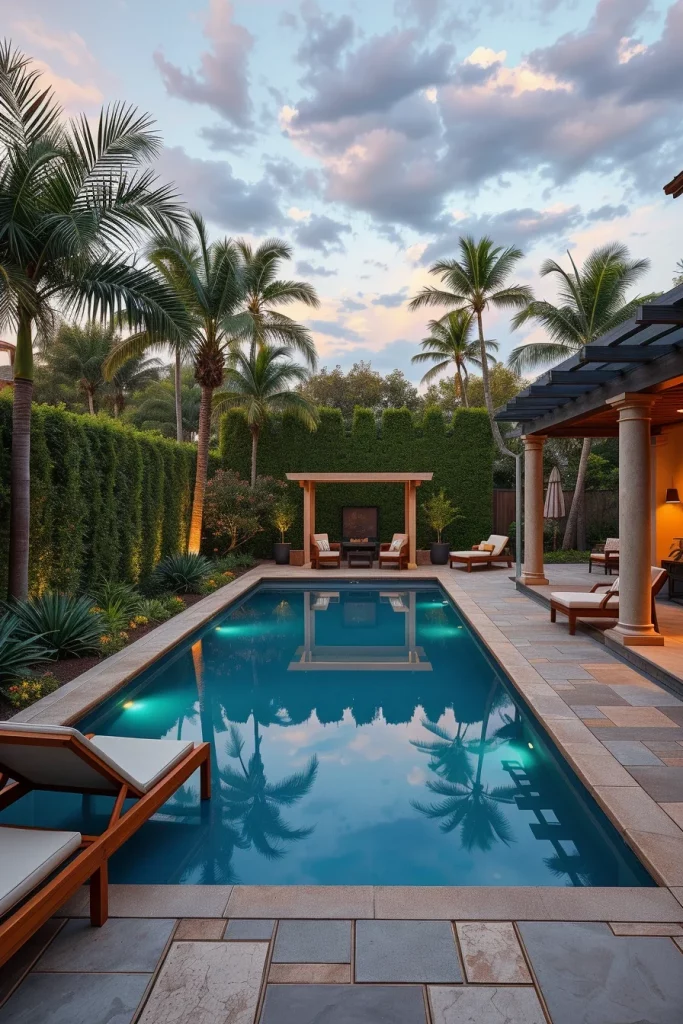
From my experience, pool privacy works best when the landscaping feels layered rather than overly symmetrical. I’ve noticed that many high-end landscape designers avoid creating a completely enclosed pool because open sightlines actually make the yard feel more expansive and luxurious. Publications like Veranda often emphasize the importance of balancing privacy with visual openness, and I completely agree with this design approach. The goal is to create comfort without making the outdoor space feel isolated.
I also recommend adding subtle lighting throughout pool landscapes to improve both atmosphere and functionality. Recessed lighting within planting beds, soft pathway illumination, and underwater LED pool lights can completely transform the backyard at night while highlighting the surrounding greenery.
Stylish Trellis Designs With Climbing Plants
Trellises have evolved far beyond simple garden structures and are now becoming major architectural features in outdoor design. I often use modern trellis systems to divide outdoor zones, frame patios, and create elegant privacy walls filled with climbing greenery. In 2026, I’m seeing more homeowners choose minimalist black metal frames, natural wood slats, and geometric designs that complement contemporary architecture. These structures are especially effective in privacy landscaping ideas 2026 because they combine decorative value with practical screening.
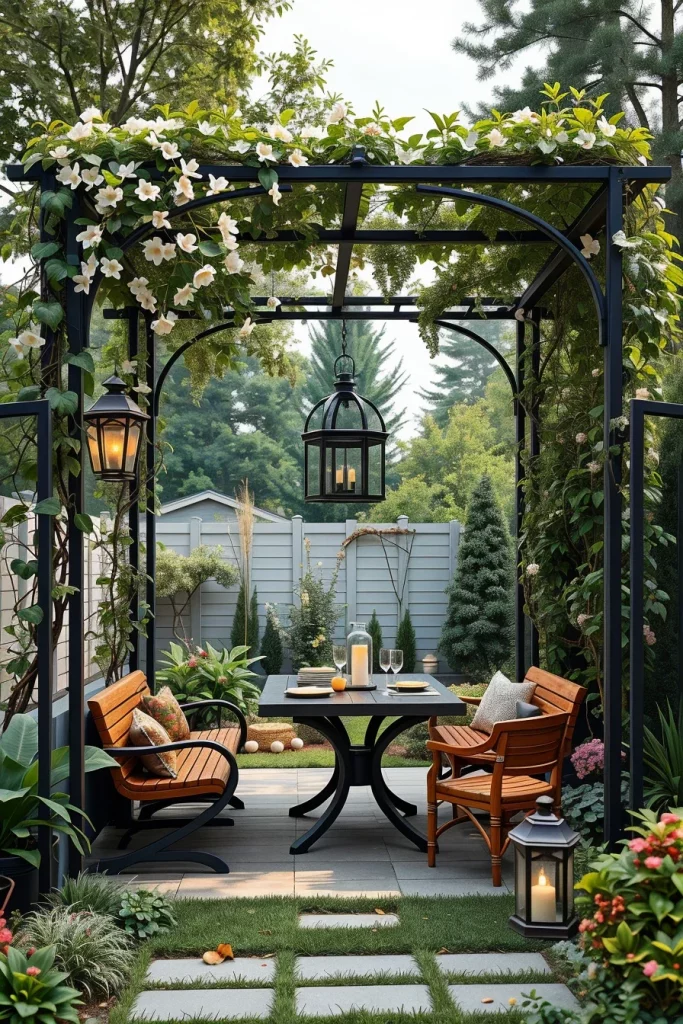
When selecting climbing plants, I usually recommend jasmine, clematis, climbing roses, or ivy depending on the climate and overall style of the landscape. Dense greenery softens the structure while adding fragrance, texture, and seasonal interest to the backyard. I also like integrating planter boxes directly into the trellis base because they create a cleaner and more cohesive appearance. Outdoor benches, hanging lanterns, and modern dining sets pair beautifully with these vertical garden features and help transform the backyard into a more intimate living space.
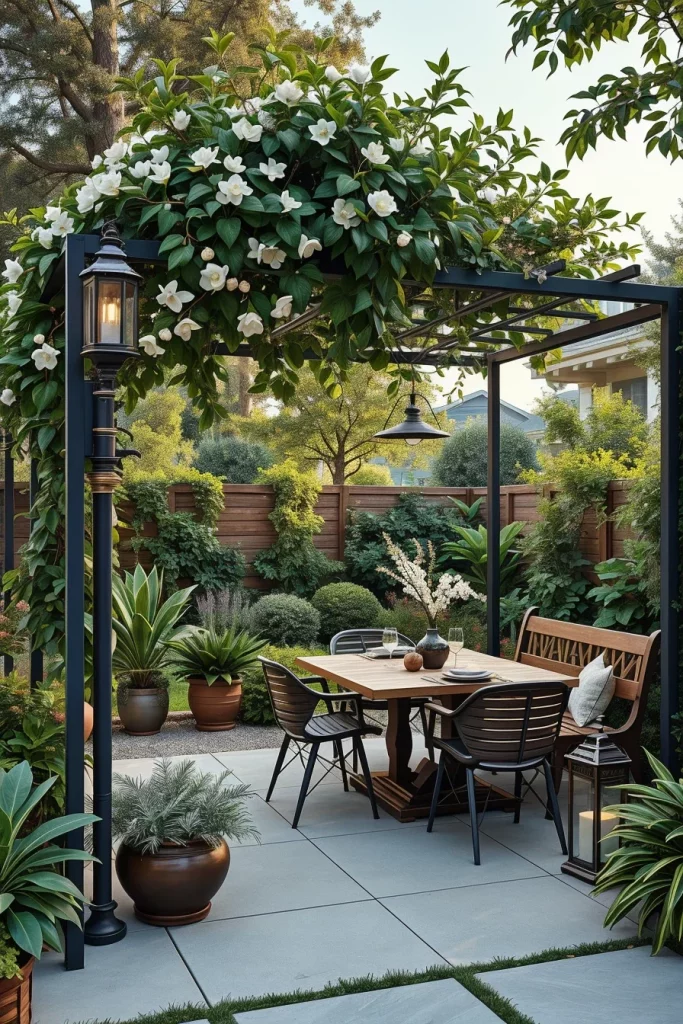
Personally, I think trellises are one of the most versatile privacy solutions because they work in both compact and large outdoor spaces. I’ve used them successfully to hide unattractive walls, define dining areas, and soften minimalist landscapes that felt visually empty. Many professional designers now favor semi-transparent privacy elements because they allow natural light to filter through while still creating a comfortable sense of separation.
I also encourage homeowners to include layered lighting around trellis installations. Uplighting beneath climbing plants or warm wall sconces nearby can dramatically enhance the texture and depth of the landscape during evening hours. These details make the outdoor environment feel more welcoming and refined.
Eco-Friendly Backyard Privacy Solutions For Sustainable Homes
Sustainable landscaping has become one of the most influential outdoor design movements in recent years. I frequently work with homeowners who want privacy solutions that reduce environmental impact while still looking elegant and modern. In many privacy landscaping ideas 2026, designers are prioritizing native plants, recycled materials, and water-efficient landscaping systems that support long-term sustainability. These eco-friendly approaches create outdoor spaces that feel natural, functional, and environmentally responsible at the same time.
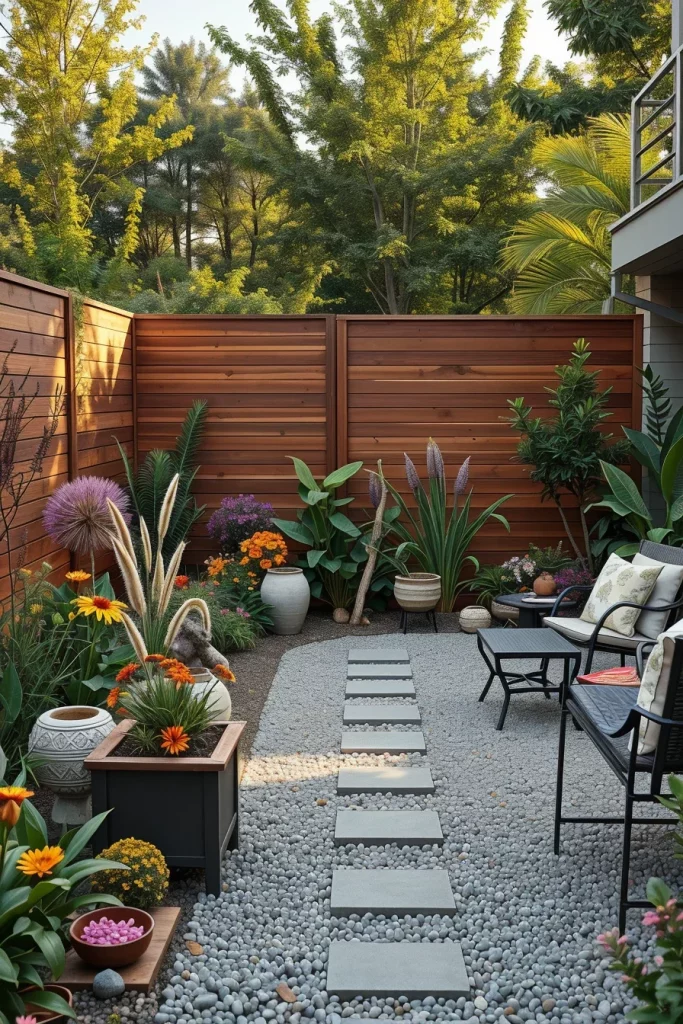
I often recommend dense native hedges, living walls, and mixed-height pollinator gardens instead of traditional fencing because they support local ecosystems while improving backyard privacy. Reclaimed wood screens, permeable gravel pathways, and rainwater irrigation systems are also becoming increasingly popular in sustainable outdoor design. For furniture, I prefer responsibly sourced teak, recycled composite materials, and weather-resistant fabrics that last for years without excessive maintenance. These details help homeowners create stylish outdoor areas while reducing waste and water consumption.
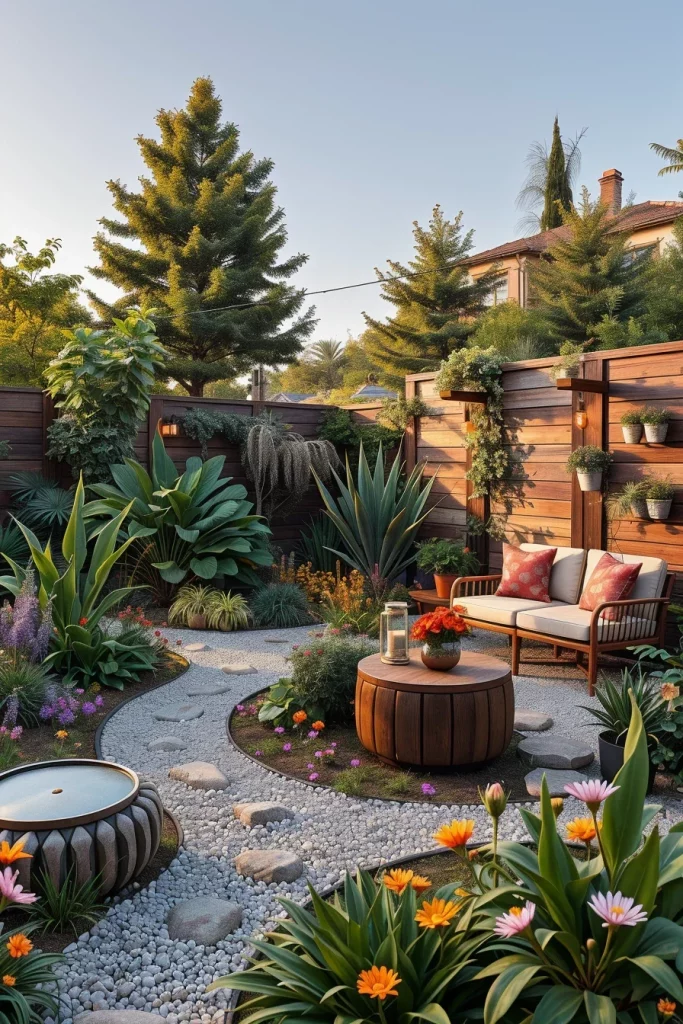
From my perspective, sustainable privacy landscaping feels more timeless because it works in harmony with the natural environment instead of competing against it. I’ve noticed that landscapes designed with biodiversity in mind often feel calmer and more visually balanced over time. Many American landscape architects now encourage homeowners to replace large lawns with layered native planting because it reduces maintenance while creating richer outdoor experiences.
I also believe eco-friendly landscapes should include practical features that improve daily usability. Composting areas hidden behind decorative screens, solar-powered outdoor lighting, and shaded seating zones can make sustainable backyards far more comfortable and efficient for everyday living.
Minimalist Privacy Landscaping Ideas With Clean Lines
Minimalist outdoor design continues to grow in popularity because it creates calm and highly organized outdoor spaces. I often design minimalist privacy landscapes using structured greenery, architectural planters, and carefully balanced materials that emphasize simplicity without feeling sterile. One of the defining characteristics of privacy landscaping ideas 2026 is the use of clean geometric layouts combined with soft natural textures that prevent minimalist gardens from appearing cold or empty.
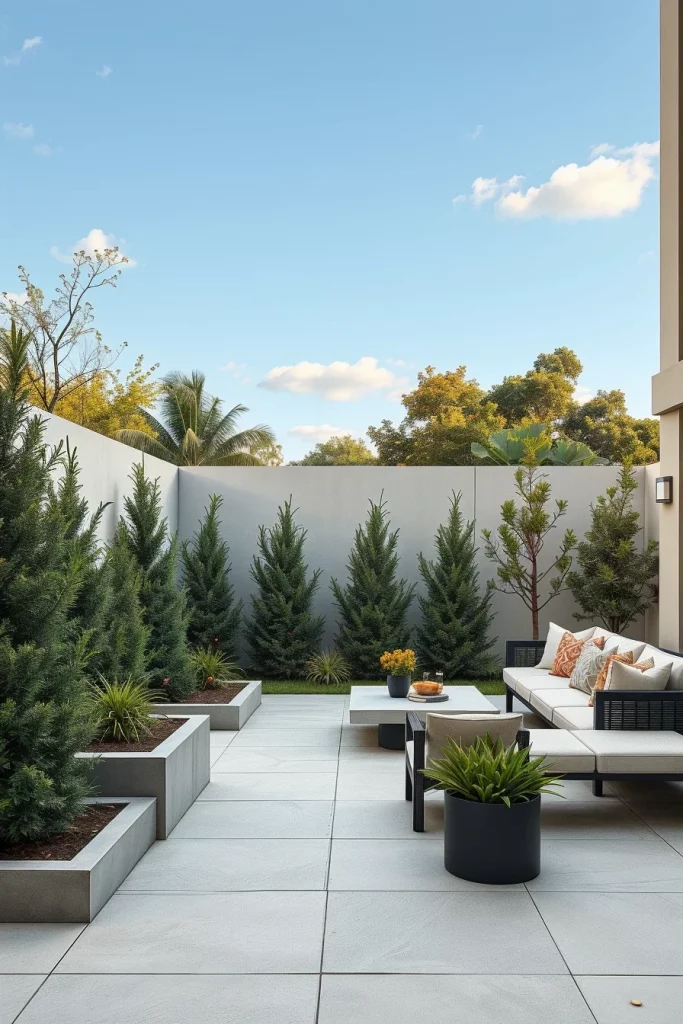
I typically combine concrete planters, narrow evergreen hedges, and smooth stone surfaces to create strong visual structure throughout the yard. Furniture in these spaces should remain low-profile and streamlined, with neutral cushions and natural wood or matte black finishes. I also recommend integrated bench seating and concealed lighting because they maintain the uncluttered appearance while improving functionality. Large-format pavers and gravel accents work especially well in minimalist landscapes because they reinforce the clean architectural lines.
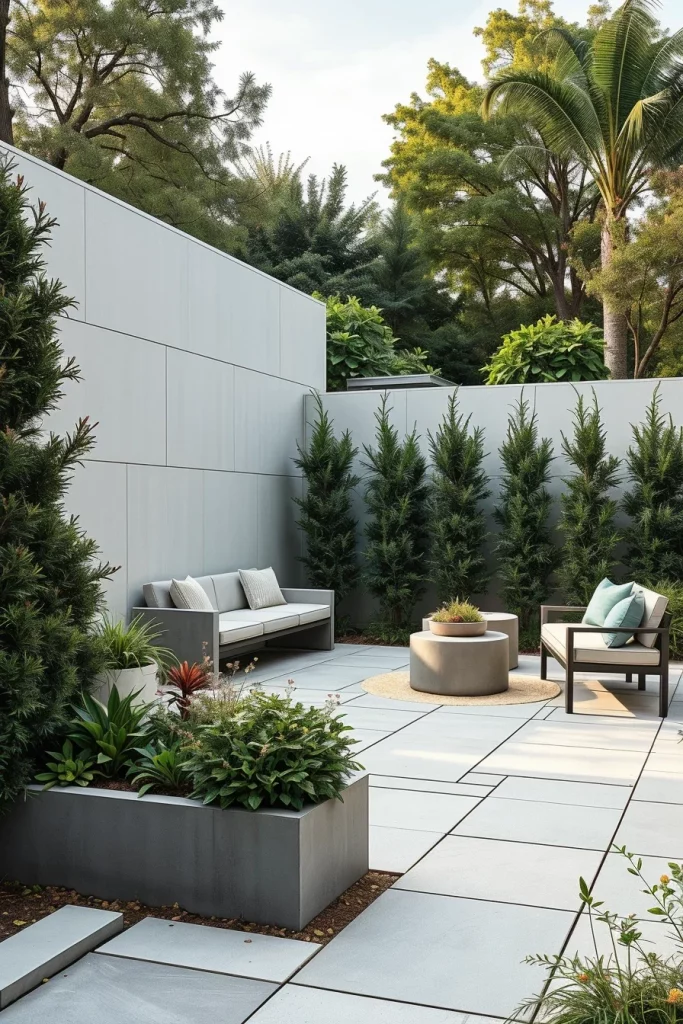
Personally, I think restraint is the key to successful minimalist landscaping. I’ve seen many outdoor spaces become visually overwhelming because too many decorative elements compete for attention. In my projects, I focus on a limited palette of materials and plants to create a more cohesive environment. Publications like Dwell frequently highlight the importance of negative space in modern outdoor design, and I fully agree that simplicity often creates the strongest visual impact.
I also encourage homeowners to soften minimalist spaces with subtle natural movement. Ornamental grasses, small trees with delicate branching, or gently flowing water features can add warmth and prevent the landscape from feeling overly rigid.
Rustic Garden Borders That Add Charm And Seclusion
Rustic garden borders remain one of the most inviting ways to create outdoor privacy while preserving a relaxed and natural atmosphere. I often use layered cottage-style planting, reclaimed wood edging, and natural stone borders to create secluded outdoor spaces that feel timeless and welcoming. In many privacy landscaping ideas 2026, rustic landscaping is becoming more refined, blending traditional garden charm with updated outdoor furnishings and structured layouts.
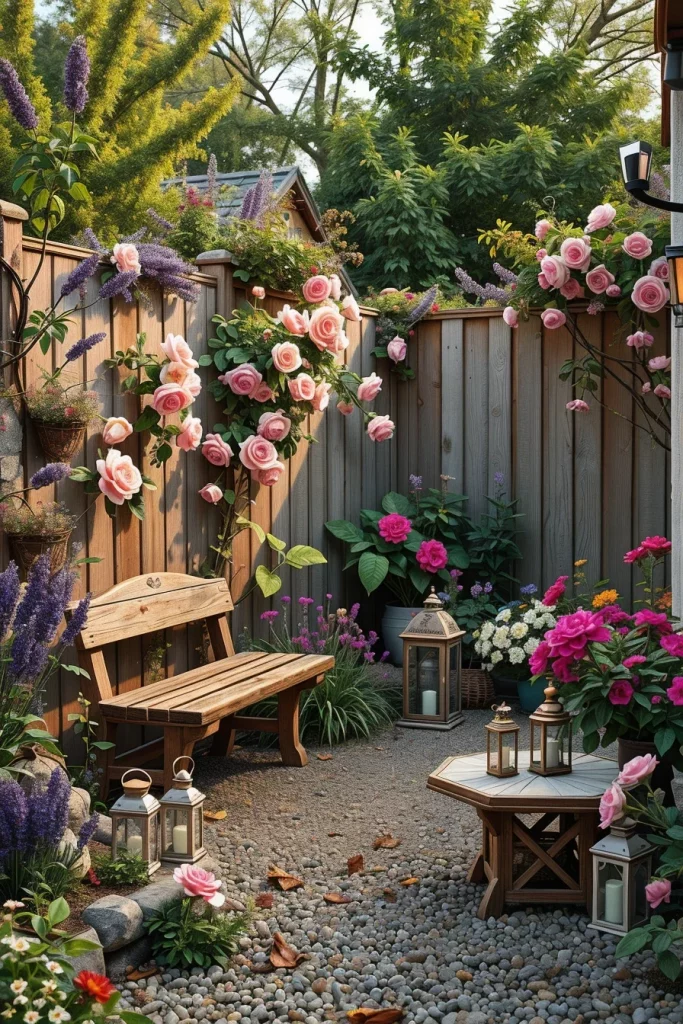
I usually combine flowering shrubs, lavender, climbing roses, and tall perennials to create dense garden borders filled with color and texture. Weathered wooden benches, vintage-inspired lanterns, and gravel walkways help reinforce the rustic aesthetic while making the outdoor space feel more personal. I also love incorporating arched garden gates and trellises covered in climbing vines because they add visual depth and create a sense of discovery throughout the landscape. These details make even modest backyards feel layered and immersive.
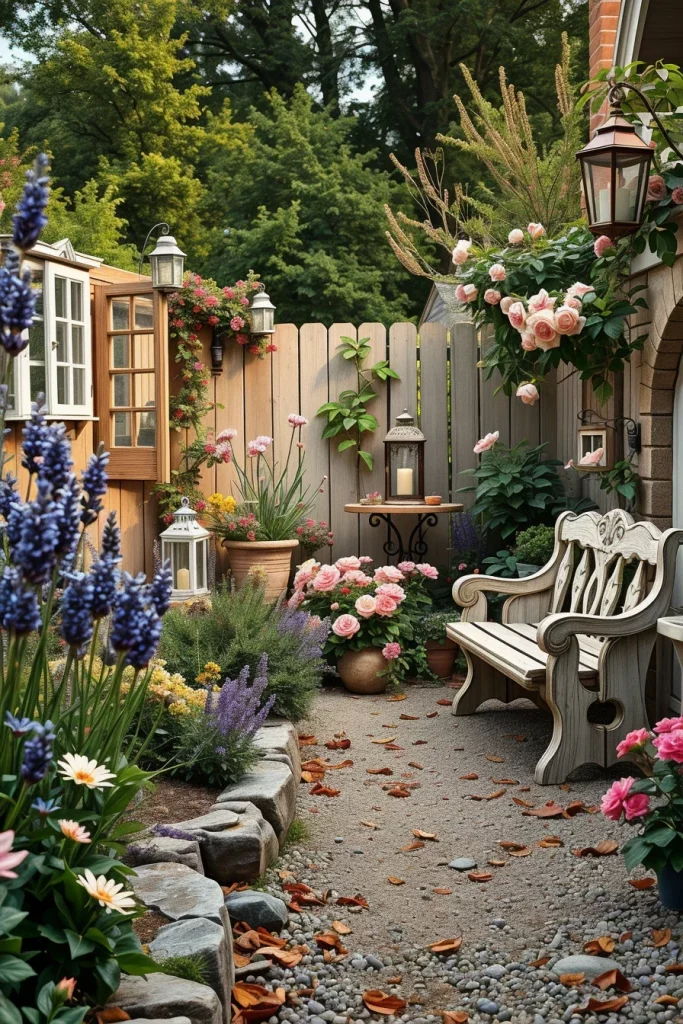
From my experience, rustic privacy gardens feel most successful when they embrace natural imperfection. I prefer allowing plants to spill slightly over pathways or stone edges because it softens the overall composition and creates a more relaxed atmosphere. Many well-known garden designers recommend mixing structured elements with informal planting, and I’ve found that this contrast gives rustic landscapes far more character and authenticity.
I also think rustic gardens benefit greatly from seasonal variation. Adding evergreen shrubs for winter structure, flowering perennials for spring and summer, and ornamental grasses for autumn movement ensures the landscape remains visually engaging throughout the year.
Smart Outdoor Lighting For Private Evening Spaces
I have noticed that one of the most effective ways to improve outdoor privacy is through layered lighting design. In modern privacy landscaping ideas 2026, lighting is no longer used only for visibility but also for atmosphere and subtle space separation. I like using warm recessed pathway lights, hidden LED strips beneath seating walls, and soft uplighting around tall shrubs because these features create a more enclosed and intimate outdoor environment. The combination of shadows and controlled illumination naturally increases the feeling of privacy while making the space feel luxurious and calm during the evening.
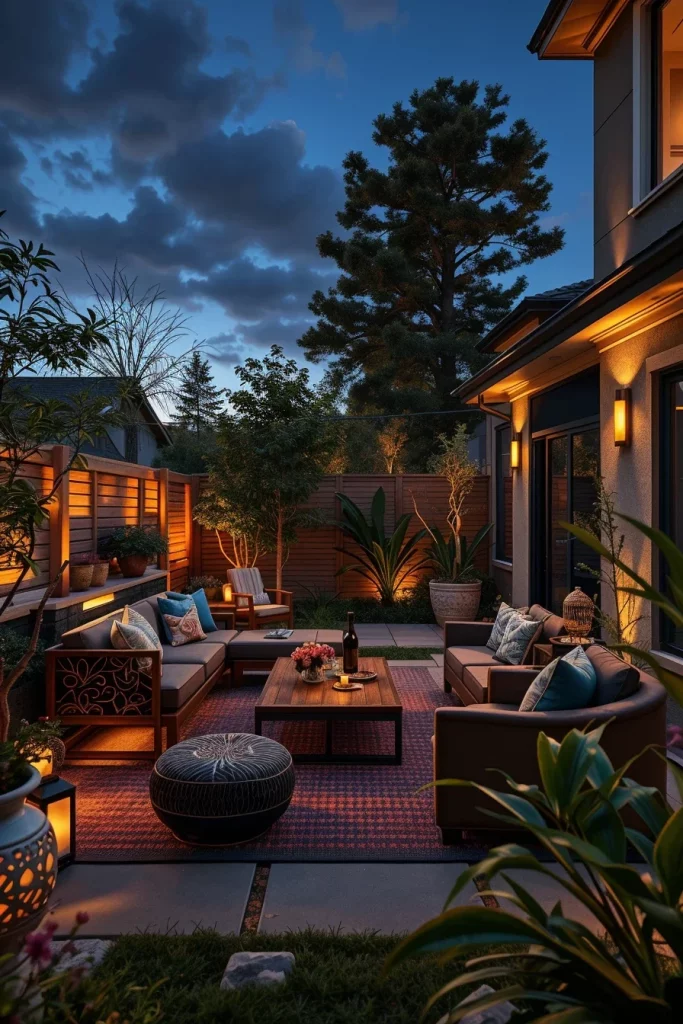
When I design private evening spaces, I focus heavily on the placement of furniture and lighting fixtures together. I prefer low-profile outdoor sofas with weather-resistant textured fabrics, modern teak coffee tables, oversized planters, and built-in benches surrounded by layered greenery. I also recommend adding lantern-style accent lighting near lounge areas because it softens hard landscaping materials like stone or concrete. Smart lighting systems connected to mobile apps are especially useful because they allow homeowners to adjust brightness levels depending on the mood or activity taking place outdoors.
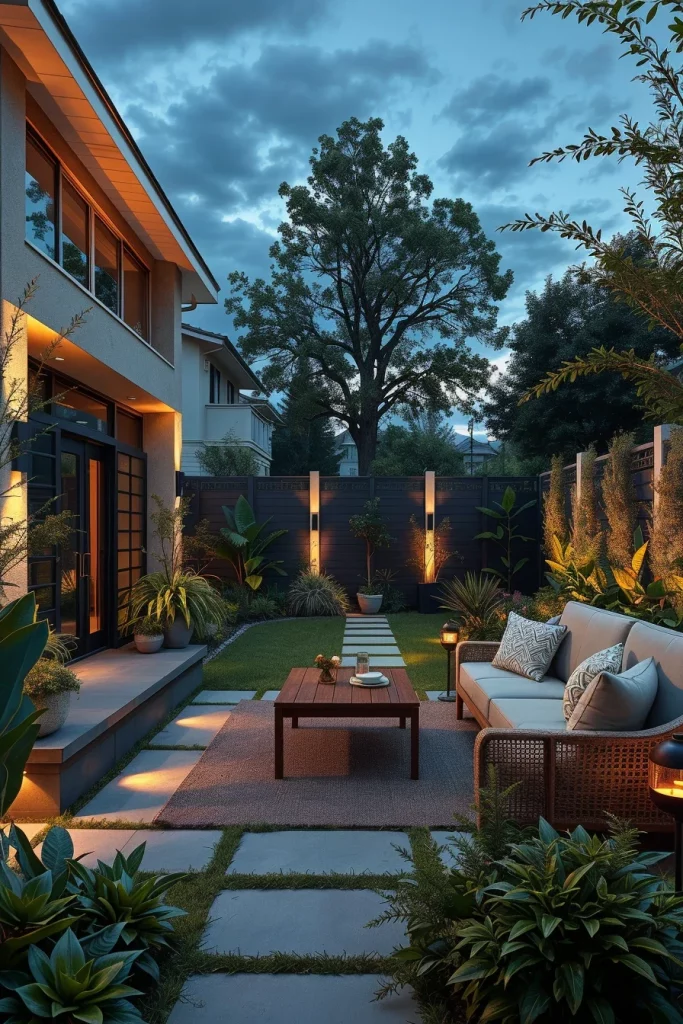
From my experience, lighting should always support relaxation rather than dominate the garden. Many American landscape designers, including professionals featured in Architectural Digest and HGTV outdoor projects, often recommend warmer lighting temperatures for outdoor living spaces because cooler lights can make a backyard feel less inviting. I personally agree with this approach because warm lighting creates depth while preserving a natural garden atmosphere. I also think motion-sensor pathway lighting is an underrated addition that improves both safety and privacy without creating visual clutter.
I would also include outdoor curtains or decorative laser-cut privacy panels around seating areas to enhance the evening atmosphere even more. In my opinion, these details help frame the outdoor lounge while adding texture and visual softness that complements modern landscaping designs.
Wind-Blocking Landscaping Features For Peaceful Backyards
Strong wind can completely change the comfort level of an outdoor space, which is why wind-blocking solutions are becoming essential in modern privacy landscaping ideas 2026. I often recommend combining structural landscaping with layered planting because it creates a backyard that feels quieter, warmer, and more protected throughout the year. Dense evergreen hedges, ornamental grasses, and staggered tree placement work especially well because they slow down wind naturally while maintaining a soft and elegant appearance. I think this approach creates a more organic type of privacy compared to traditional fencing alone.
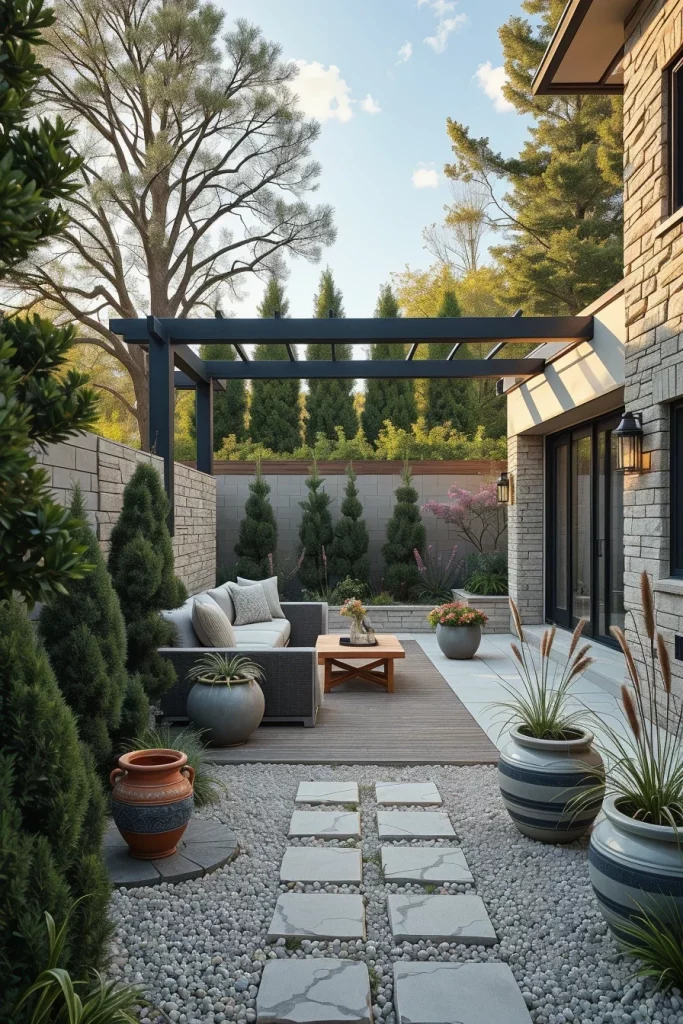
When selecting materials and design features, I usually combine natural stone walls with medium-height shrubs and raised planters. Slatted wooden screens are another excellent addition because they partially filter wind without making the backyard feel completely enclosed. I also prefer incorporating pergolas with adjustable louvers because they provide flexibility depending on seasonal weather conditions. Comfortable outdoor sectionals with durable cushions, heavy ceramic planters, and textured gravel pathways help ground the design visually while maintaining practicality in windy environments.
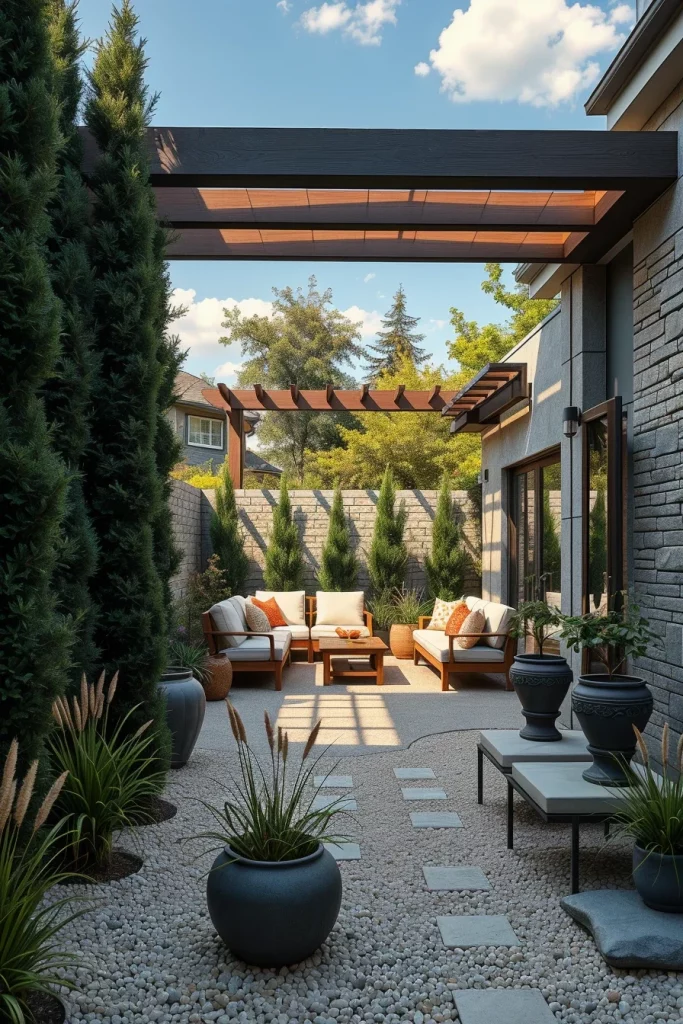
In my own projects, I have found that layered landscaping always performs better than relying on a single privacy barrier. Landscape experts featured in Better Homes & Gardens frequently emphasize the importance of combining hardscape and greenery to reduce environmental stress in outdoor living areas. I agree with this advice because multi-layered landscaping not only improves comfort but also makes the backyard feel more luxurious and professionally designed. Wind-blocking landscapes can also significantly reduce outdoor noise, which is becoming increasingly valuable in residential neighborhoods.
I would also recommend adding water features such as narrow fountains or modern reflecting pools because the soft sound of moving water helps mask both wind and neighborhood noise. In my opinion, this creates a far more peaceful outdoor experience while strengthening the relaxing atmosphere of the yard.
Compact Privacy Landscaping Ideas For Tiny Yards
Designing privacy in a small yard requires careful planning, especially when every square foot matters. In many compact outdoor spaces, I focus on vertical landscaping because it creates privacy without making the area feel crowded. Vertical gardens, slim evergreen plantings, climbing vines, and narrow wood screens are some of my favorite solutions within modern privacy landscaping ideas 2026. These elements help define the outdoor space while preserving openness and natural light, which is extremely important in smaller properties.
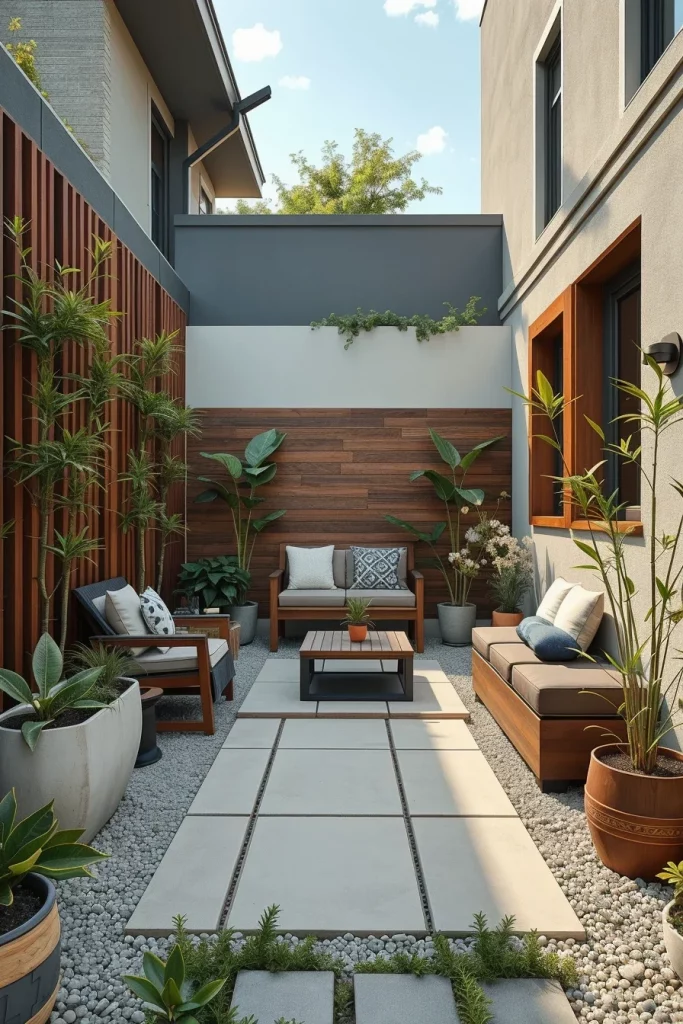
I usually recommend multifunctional furniture for tiny yards because oversized pieces can overwhelm the design visually. Built-in benches with hidden storage, foldable dining tables, compact fire pits, and wall-mounted lighting help maximize usability while maintaining a clean appearance. I also like combining concrete pavers with gravel or artificial turf because this reduces maintenance while visually expanding the yard. Tall rectangular planters filled with bamboo or ornamental grasses work particularly well because they provide instant privacy without requiring much floor space.
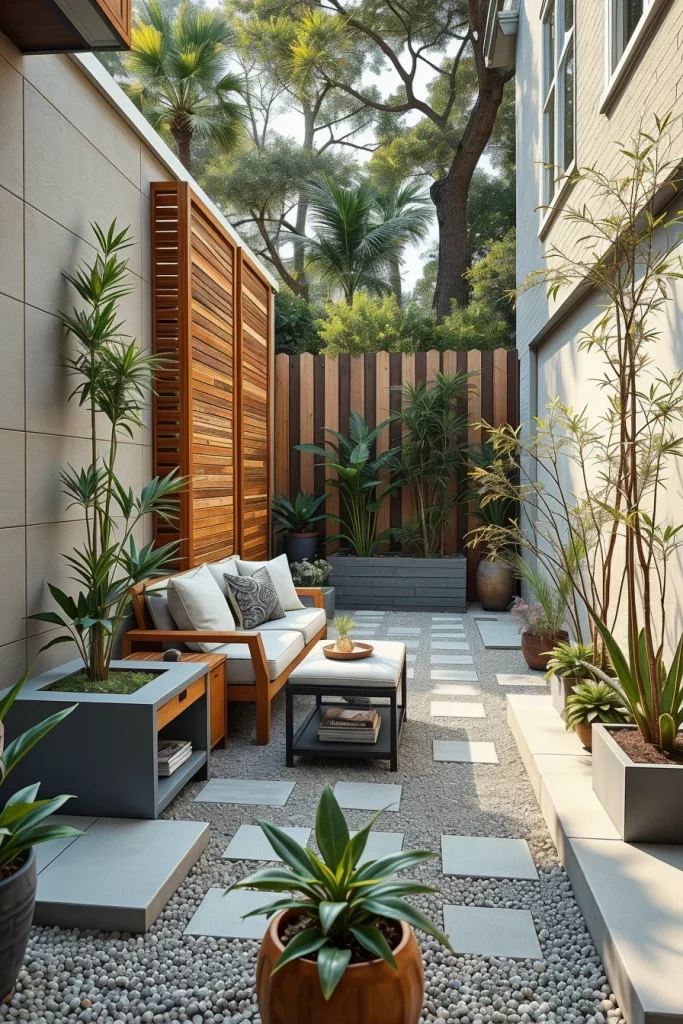
Personally, I believe smaller yards often feel more intimate and stylish when designed properly. Many professional landscape designers featured in Dwell and House Beautiful highlight the importance of visual simplicity in compact outdoor areas, and I strongly agree with this philosophy. Limiting the number of materials and focusing on layered textures instead creates a cleaner and more sophisticated environment. In my experience, homeowners enjoy their small yards much more when every element has both aesthetic and functional value.
I would also include mirrors, reflective surfaces, or light-colored fencing to visually enlarge compact outdoor areas. I think these subtle design tricks make a huge difference because they increase brightness and create a stronger sense of openness without sacrificing privacy.
Front Yard Privacy Landscaping That Still Feels Welcoming
Front yard privacy can be difficult because homeowners usually want separation without creating a closed or unfriendly appearance. In modern privacy landscaping ideas 2026, I prefer using soft layered landscaping rather than tall solid fences in front-facing areas. Low stone borders, ornamental trees, layered shrubs, and decorative grasses help create visual privacy while preserving a welcoming atmosphere. I think this approach allows the home to feel elegant and approachable instead of overly hidden from the street.
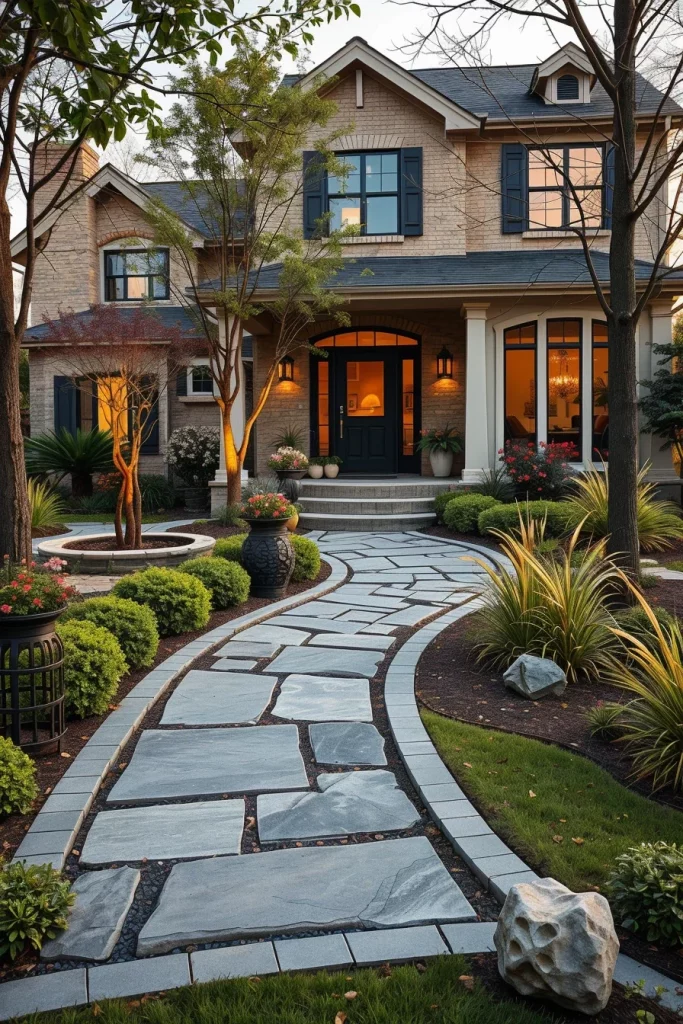
When designing front yard layouts, I usually combine curved walkways with structured greenery and modern lighting. Decorative hedges, flowering plants, black metal accents, and natural wood gates help balance privacy with curb appeal. I also recommend adding a small seating area near the entrance because it creates warmth and visual functionality. Simple outdoor benches, oversized planters, and architectural lighting fixtures can make the front yard feel intentionally designed rather than purely decorative.
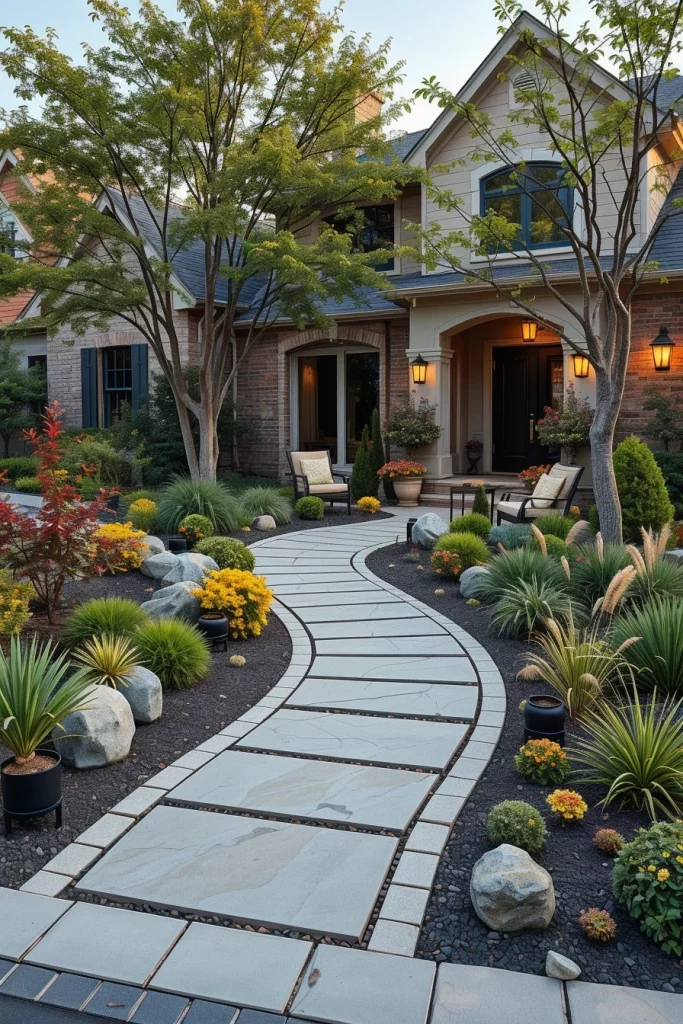
From my perspective, the best front yard landscapes feel balanced instead of heavily protected. Landscape professionals often recommend using layered plant heights to soften transitions between public and private spaces, and I think this is one of the smartest strategies for residential design. I have noticed that front yards with varied textures and controlled symmetry feel more modern and inviting while still providing noticeable separation from neighbors and streets.
I would also add seasonal planting combinations to maintain visual interest throughout the year. In my opinion, rotating flowers and decorative grasses based on the season keeps the front landscape dynamic and prevents the design from feeling static or overly formal.
Japanese-Inspired Privacy Gardens With Calm Aesthetics
Japanese-inspired landscapes continue to influence many of the most elegant privacy landscaping ideas 2026 because they combine simplicity, balance, and natural tranquility. I personally love using minimalist garden layouts with carefully placed greenery, stone pathways, and water elements because they create peaceful outdoor environments that feel separated from everyday stress. Layered bamboo screens, small ornamental trees, moss gardens, and smooth gravel surfaces work beautifully together while maintaining visual calmness and privacy.
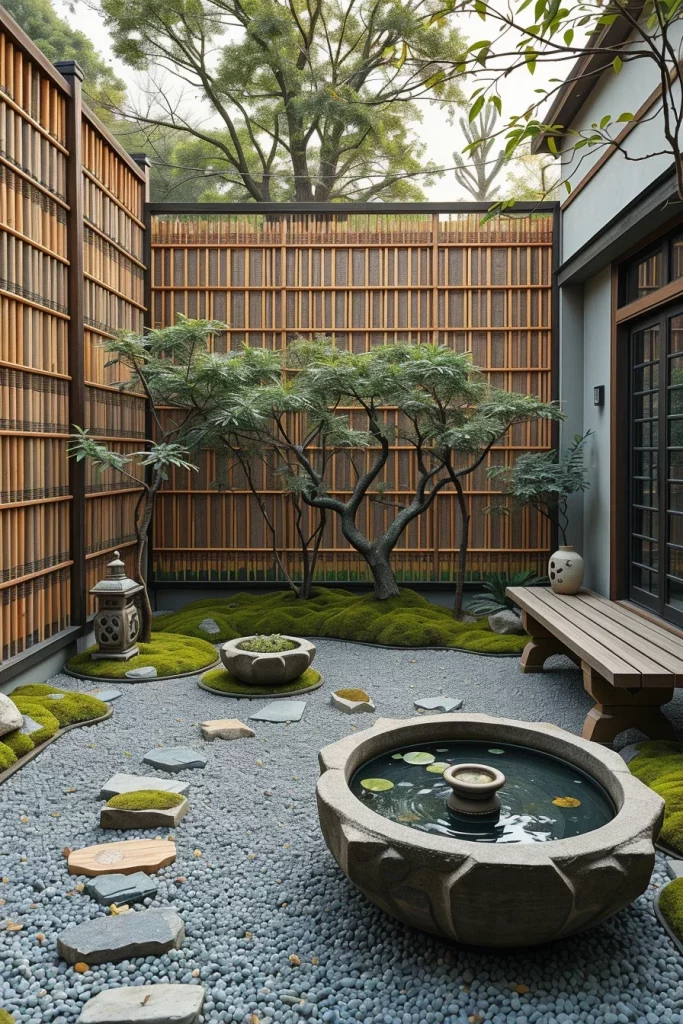
I usually focus on natural materials and restrained furniture choices in these gardens. Teak benches, low-profile outdoor seating, stone lanterns, dark wood fencing, and ceramic water basins help reinforce the relaxing atmosphere. I also recommend adding subtle lighting around pathways and architectural plants because it enhances the peaceful feeling during the evening hours. Neutral tones, asymmetrical plant placement, and carefully framed views are essential details that make these gardens feel authentic and sophisticated.
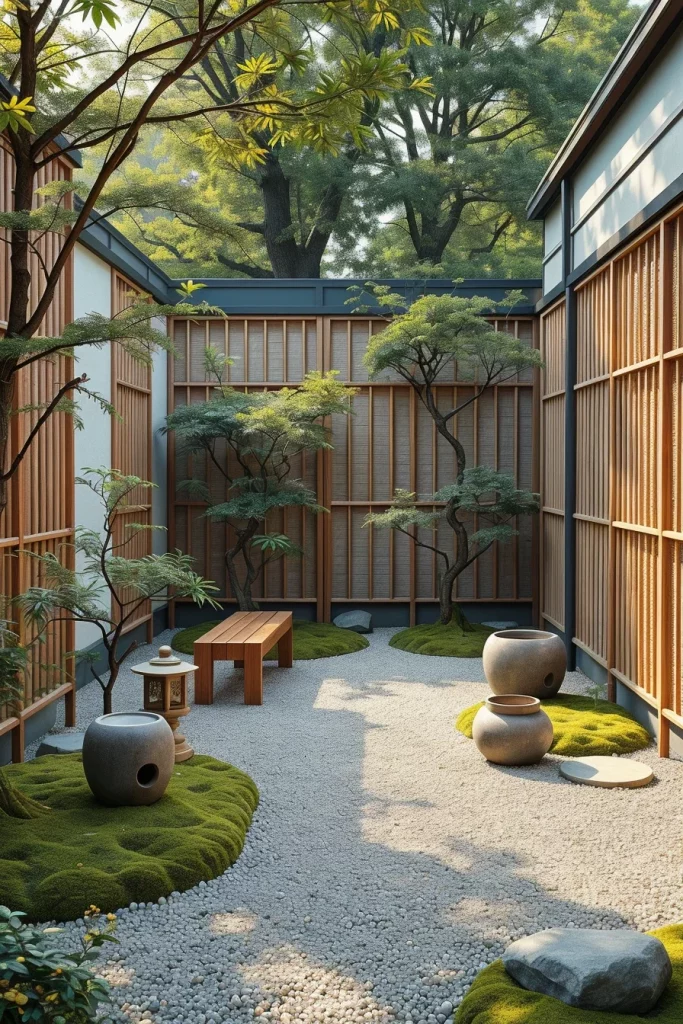
From my experience, Japanese-inspired privacy gardens are especially effective for homeowners who want outdoor spaces that support relaxation and mindfulness. Publications like Garden Design Magazine frequently discuss the importance of simplicity and negative space in Japanese landscape traditions, and I fully agree with this principle. I have found that reducing visual clutter outdoors often makes a garden feel far more luxurious and emotionally calming than overcrowded landscaping designs.
I would also include a small meditation corner or quiet tea space within the garden layout. I think these intentional relaxation zones help transform the backyard into a true personal retreat while supporting the calm aesthetic that defines this style.
Mixed Texture Landscaping Designs For Elegant Backyard Privacy
One of the most effective ways to create sophisticated outdoor privacy is by combining multiple textures throughout the landscape design. In modern privacy landscaping ideas 2026, I often see homeowners moving away from flat and repetitive backyards in favor of layered environments filled with contrast and visual depth. I like using combinations of natural wood, smooth concrete, ornamental grasses, stone pavers, and soft greenery because these materials make the backyard feel dynamic yet balanced. Texture variation also helps privacy features feel intentional and decorative rather than purely functional.
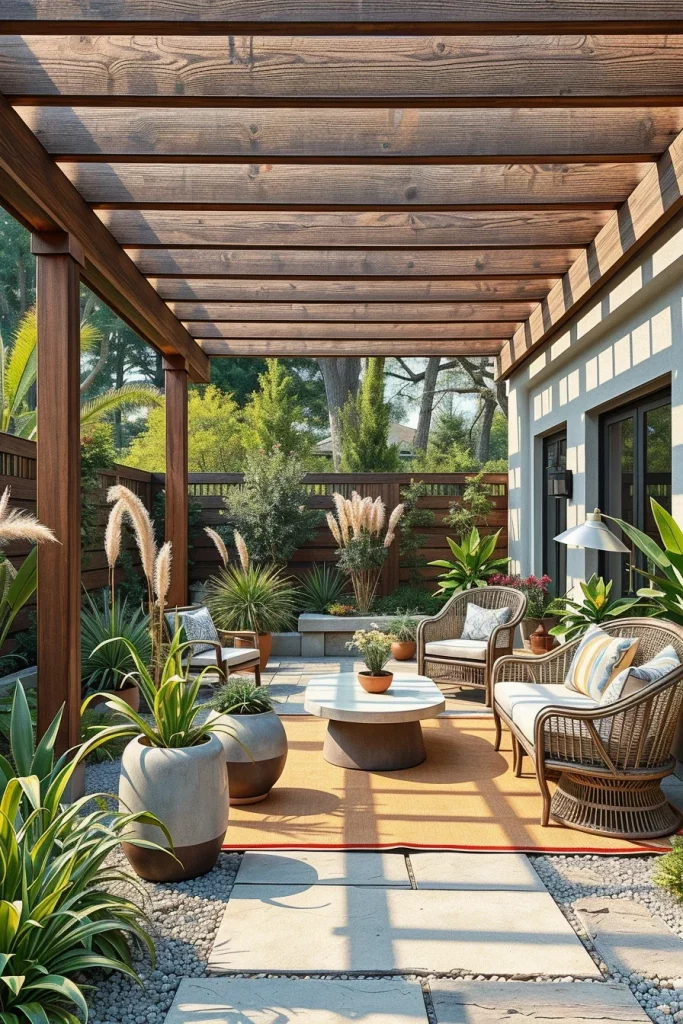
When I design textured backyard spaces, I carefully combine furniture and landscaping materials so the outdoor environment feels cohesive. I usually recommend mixing warm wood pergolas with matte black metal accents, oversized ceramic planters, gravel pathways, and layered planting beds. Outdoor lounge furniture with woven fabrics and textured cushions adds another layer of comfort while maintaining a modern appearance. I also like using vertical gardens or climbing vines along fences because they soften hard surfaces and introduce more natural movement into the space.
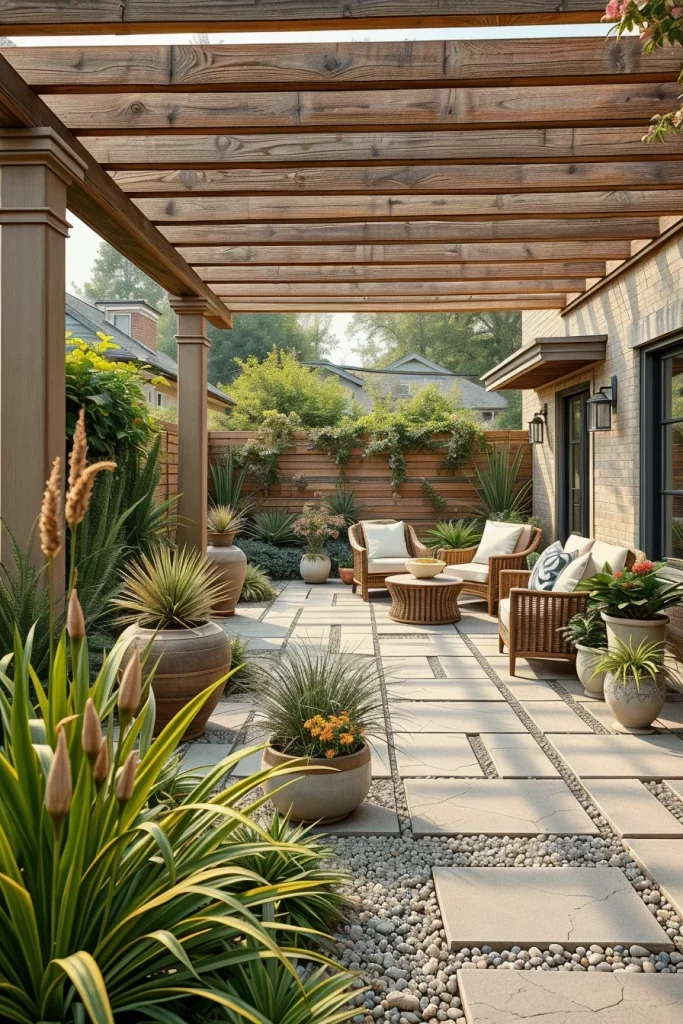
Personally, I think mixed-texture landscaping is one of the easiest ways to make a backyard feel professionally designed. Landscape designers featured in Elle Decor often emphasize the importance of combining rough and smooth finishes outdoors to create visual harmony, and I strongly agree with this strategy. In my experience, overly uniform backyards can feel flat and uninspiring, while carefully layered textures make even simple spaces feel luxurious and customized.
I would also recommend incorporating seasonal textures through ornamental grasses, flowering plants, and natural stone accessories. I think this keeps the backyard visually interesting throughout the year while helping the privacy design feel more alive and organic.
Contemporary Stone Walls Combined With Soft Greenery
Stone walls continue to dominate many upscale privacy landscaping ideas 2026 because they provide durability, structure, and architectural elegance. However, I believe the key to making stone privacy walls feel modern is balancing them with soft greenery and natural plant layering. Tall contemporary stone walls can sometimes appear cold or overwhelming on their own, which is why I often surround them with cascading plants, structured hedges, and ornamental trees. This combination softens the overall appearance while preserving strong visual privacy.
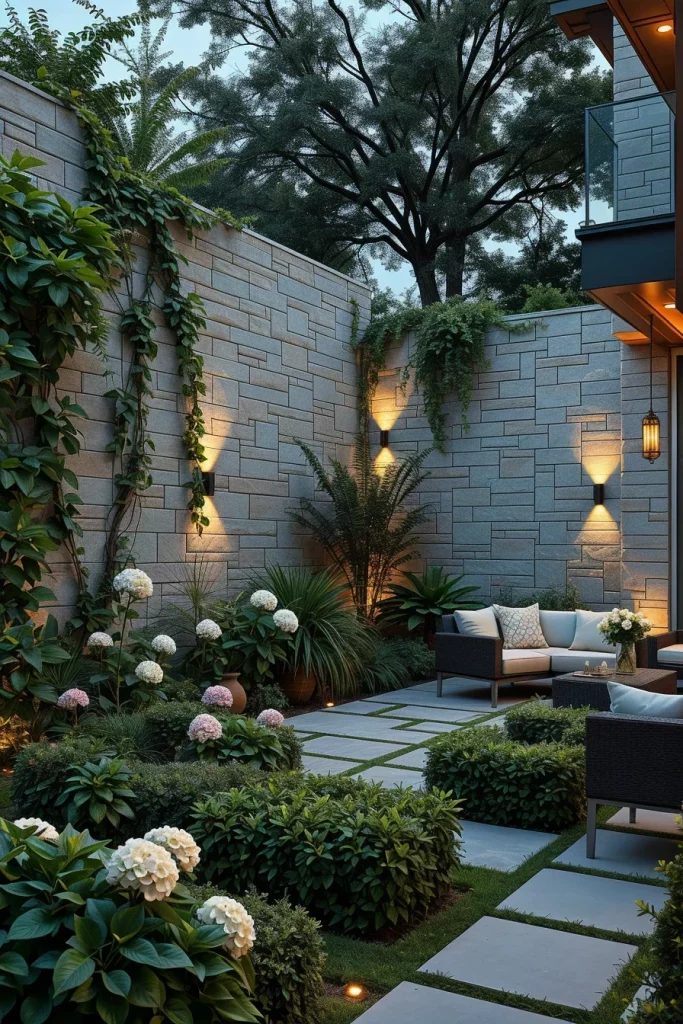
When selecting materials, I usually prefer large-format natural stone or textured concrete blocks in neutral tones because they pair beautifully with modern landscaping. I like adding integrated seating walls, hidden LED lighting, and oversized planters around these structures to make the backyard feel more inviting. Greenery such as climbing ivy, hydrangeas, boxwoods, and feather grasses creates softness while introducing movement and seasonal variation. I also recommend combining stone walls with wooden pergolas or slatted accents to avoid a heavy appearance.
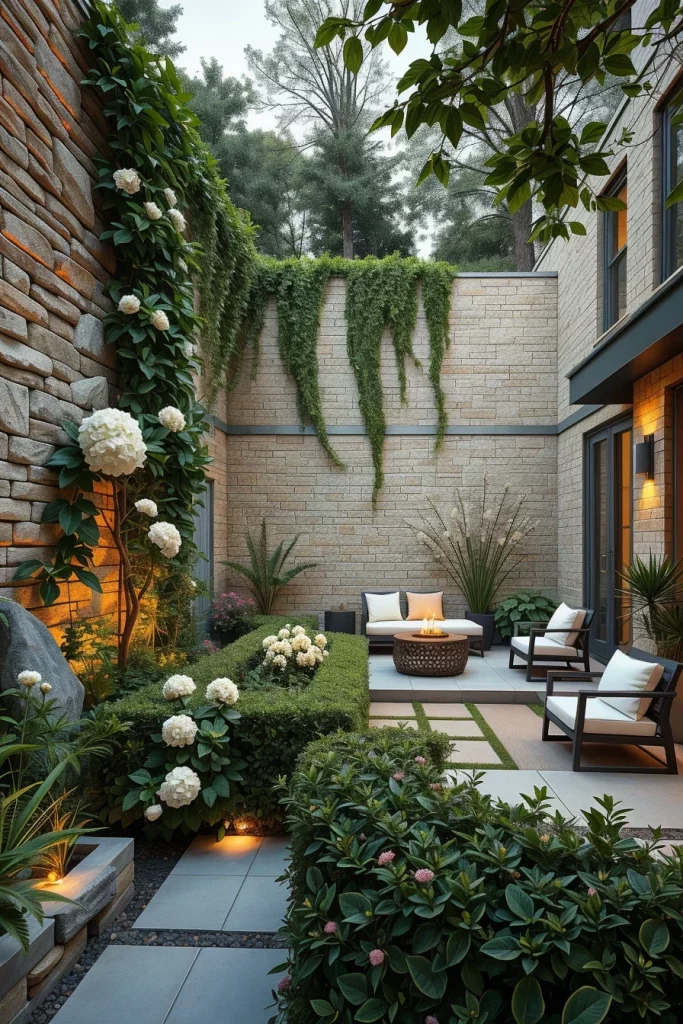
From my perspective, combining hardscape with layered greenery creates one of the most timeless outdoor aesthetics available today. Architectural Digest frequently highlights projects where structured stone features are balanced with organic landscaping, and I think this approach works particularly well for homeowners who want privacy without sacrificing beauty. In my own work, I have found that greenery dramatically changes the emotional feel of a stone-heavy backyard, making it feel more relaxing and welcoming.
I would also include water-efficient irrigation systems around the planted areas because greenery surrounding stone structures requires consistent maintenance to preserve its softness and health. In my opinion, proper irrigation planning is essential for maintaining the refined appearance of these outdoor spaces.
Outdoor Dining Areas Hidden Within Private Garden Spaces
Outdoor dining spaces are becoming more immersive and secluded in modern privacy landscaping ideas 2026. Instead of placing dining tables in open patios, many homeowners now prefer hidden garden dining zones surrounded by layered greenery and decorative screening. I personally love this concept because it transforms outdoor meals into more intimate and relaxing experiences. Dense plant borders, pergolas covered with climbing vines, and partially enclosed seating arrangements help create a comfortable sense of separation from neighboring properties.
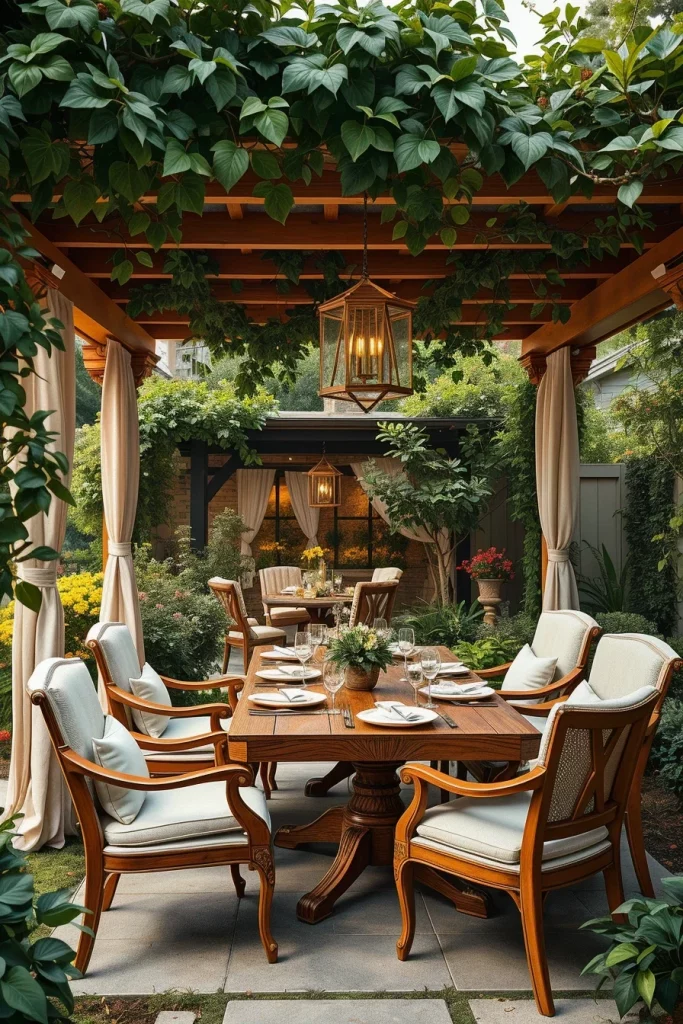
When designing private outdoor dining areas, I focus heavily on comfort and atmosphere. I usually recommend large weather-resistant dining tables made from teak or natural stone paired with upholstered outdoor dining chairs for a more luxurious feel. Hanging pendant lights, outdoor curtains, and textured rugs help define the dining area visually while adding warmth. I also think built-in planters filled with aromatic herbs or flowering plants enhance the sensory experience and make the garden feel more alive during gatherings.
In my experience, outdoor dining areas feel far more functional when they include layered lighting and nearby lounge seating. Designers featured in House & Garden often recommend treating outdoor dining spaces like interior rooms, and I completely agree with this idea. I have noticed that homeowners use their backyards much more frequently when dining areas feel comfortable, private, and thoughtfully designed instead of temporary or exposed.
I would also suggest adding an outdoor kitchen station or compact serving counter nearby because it improves convenience during entertaining. I think even a small preparation area can significantly improve the usability of a private garden dining space.
Budget-Friendly Privacy Landscaping Ideas That Look Expensive
Creating an elegant backyard does not always require a massive renovation budget. Many of the best privacy landscaping ideas 2026 rely on strategic material choices and thoughtful layouts rather than expensive custom installations. I often recommend focusing on layered greenery, lighting, and visual consistency because these elements create a more upscale appearance without dramatically increasing costs. Simple wooden screens, gravel pathways, and fast-growing hedges can completely transform a backyard while remaining affordable.
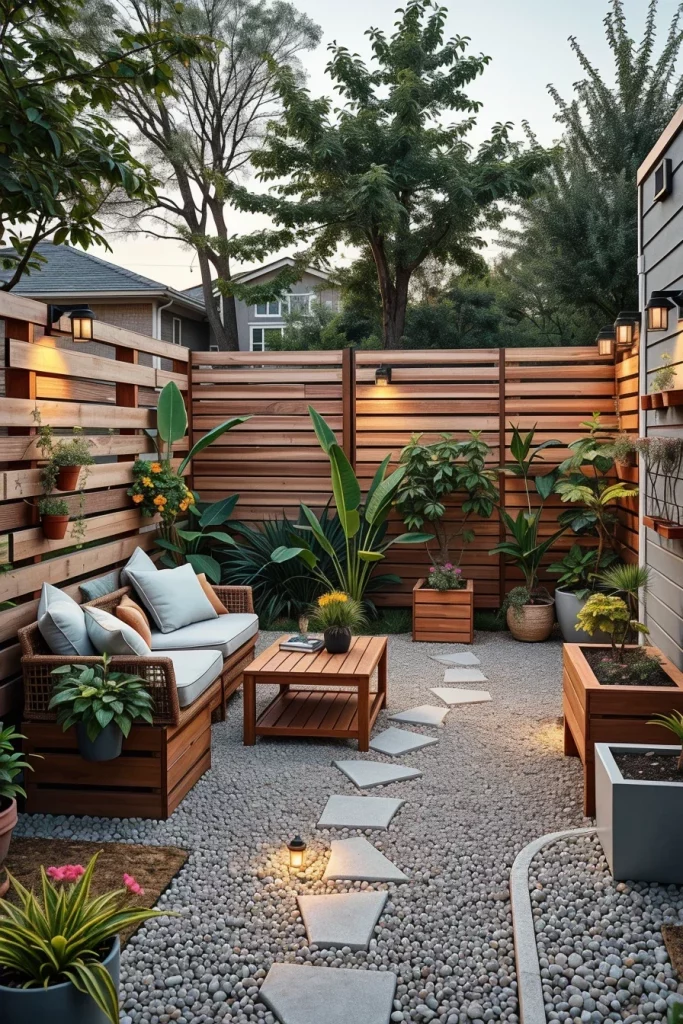
When working with smaller budgets, I usually prioritize a few strong design features instead of overcrowding the yard with unnecessary details. Affordable outdoor sectionals, raised planter boxes, solar-powered lighting, and painted fencing can dramatically improve the visual quality of a space. I also recommend using mulch, decorative gravel, and repeating plant varieties throughout the yard because consistency helps the landscaping feel more polished and professionally planned. Vertical gardens are another excellent low-cost privacy solution that adds texture without consuming much space.
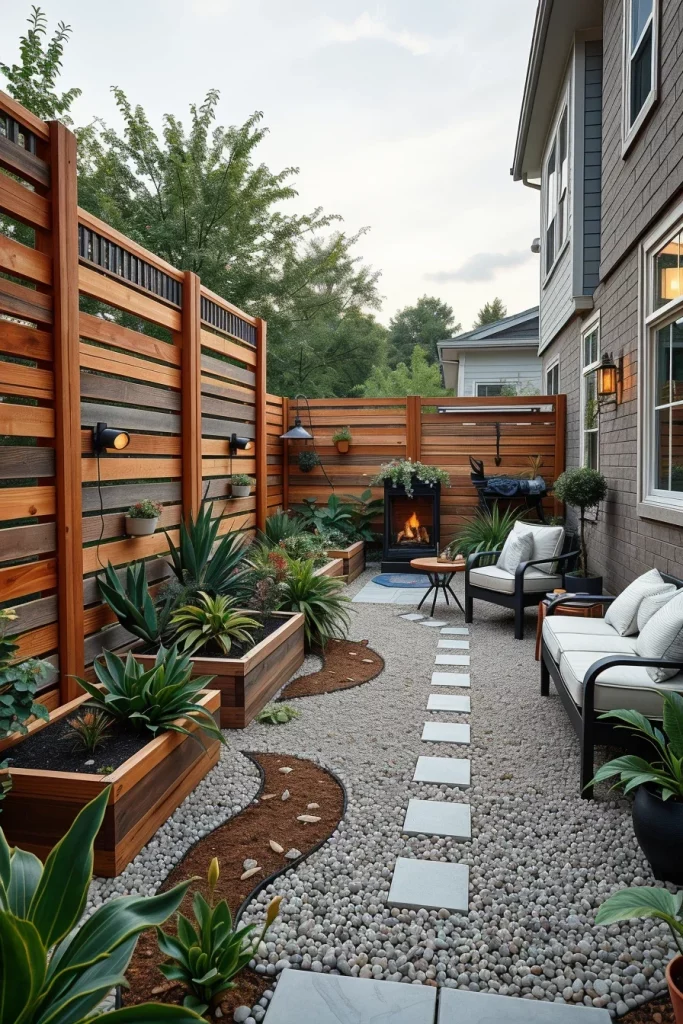
Personally, I think simplicity often looks more luxurious than overly complicated landscaping. Many experts featured in Better Homes & Gardens suggest investing in quality focal points while keeping the overall palette restrained, and I strongly agree with this advice. In my experience, carefully selected materials and balanced layouts create a more timeless backyard than excessive decorative features that quickly feel outdated.
I would also include large outdoor mirrors or reflective decor pieces in smaller yards because they visually expand the space while increasing natural light. I think this is one of the most underrated tricks for creating an expensive-looking outdoor environment on a limited budget.
Future Outdoor Privacy Trends Defining Landscaping In 2026
The future of outdoor design is becoming increasingly focused on comfort, sustainability, and multifunctional privacy solutions. Many emerging privacy landscaping ideas 2026 combine advanced technology with natural materials to create outdoor environments that feel both luxurious and environmentally conscious. I have noticed a strong movement toward layered green walls, modular privacy systems, and climate-responsive landscaping that adapts to changing weather conditions. Homeowners are also prioritizing wellness-oriented outdoor spaces that encourage relaxation and social connection.
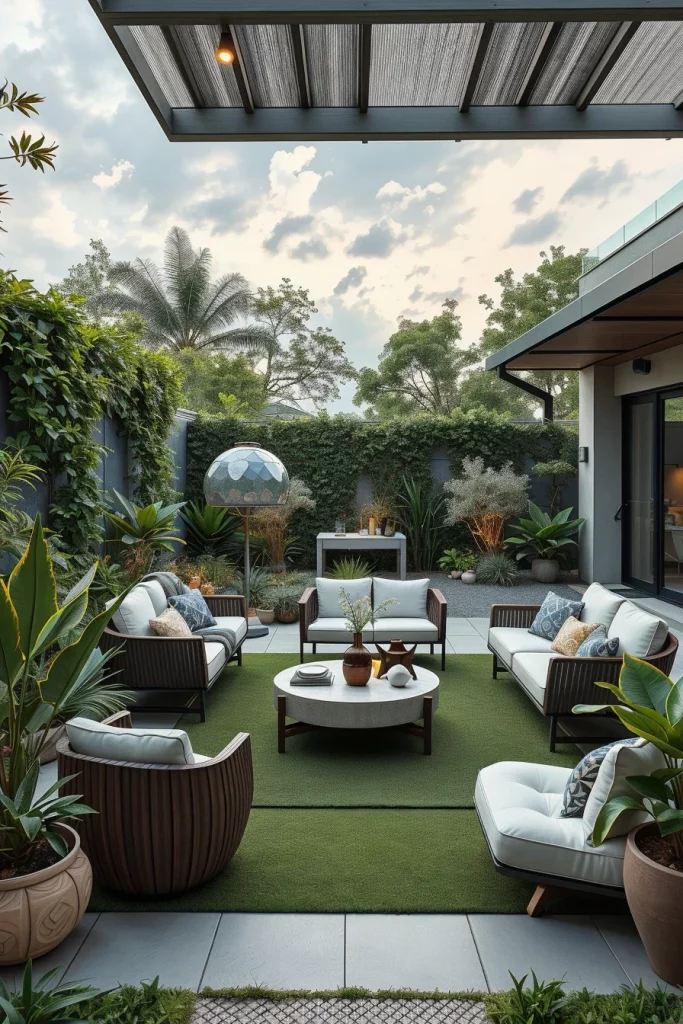
In modern landscape planning, I frequently see smart irrigation systems, solar-powered lighting, retractable shade structures, and integrated outdoor audio becoming standard features. Sustainable materials such as reclaimed wood, permeable pavers, and drought-resistant plants are also gaining popularity because they reduce maintenance while supporting eco-friendly outdoor living. Furniture trends are shifting toward oversized modular seating, sculptural fire pits, and minimalist outdoor kitchens that blend naturally into the landscaping design.
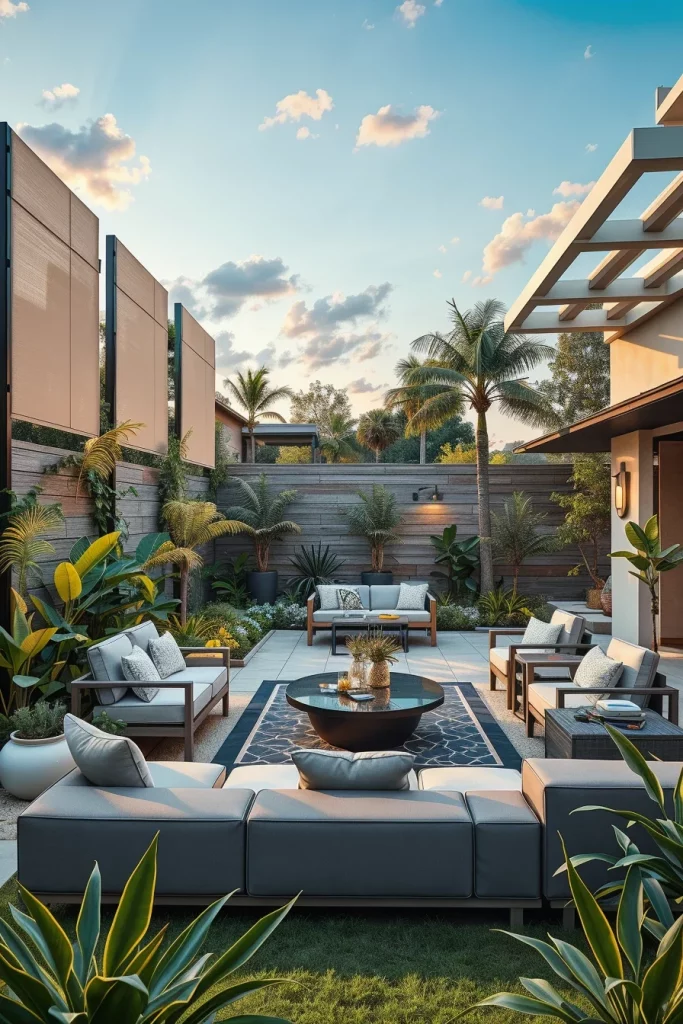
From my perspective, future privacy landscaping will focus less on isolation and more on creating emotionally comfortable environments. Publications like Dwell and Veranda continue highlighting outdoor spaces that feel connected to nature while maintaining subtle privacy, and I believe this reflects how homeowners want to live moving forward. I personally think the best outdoor spaces in 2026 will balance modern technology with natural simplicity instead of relying on purely decorative features.
I would also recommend planning outdoor spaces with long-term flexibility in mind. In my opinion, adaptable layouts and modular landscaping elements will become increasingly valuable because homeowners want outdoor environments that can evolve with changing lifestyles and entertaining needs.
Privacy landscaping ideas 2026 focus on blending comfort, beauty, and functionality to create more peaceful outdoor living spaces. Whether you prefer modern minimalist designs, lush green walls, or cozy garden retreats, there are countless ways to add style and seclusion to your yard. The latest trends highlight sustainable materials, smart layouts, and low-maintenance solutions that fit every type of home. By choosing the right privacy landscaping elements, you can transform any outdoor area into a relaxing and inviting personal sanctuary.