
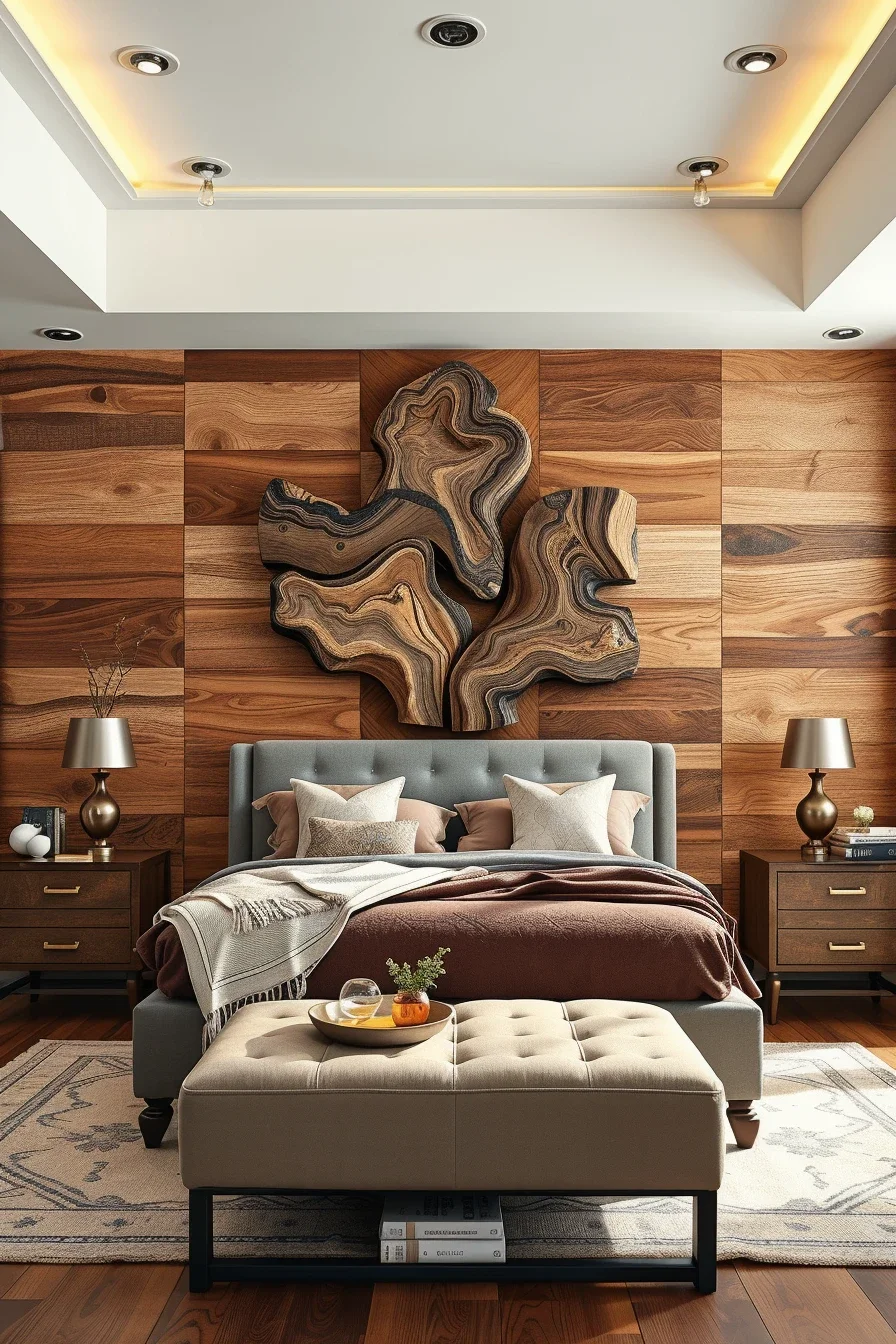
Reclaimed Wood Bedroom Decor is a beautiful way to bring character, texture, and artistic charm into your personal space. From sculptural bed frames to handcrafted wall features, reclaimed wood adds a sense of history while creating a unique and stylish atmosphere. Its natural imperfections, weathered finishes, and rich grain patterns make every piece feel one of a kind. Whether you prefer a modern, rustic, or eclectic aesthetic, reclaimed wood can be adapted to suit a wide range of bedroom designs. Creative furniture, statement walls, and custom accents can transform an ordinary room into a visually captivating retreat. In this article, you’ll discover inspiring reclaimed wood bedroom decor ideas that blend craftsmanship, creativity, and timeless appeal.
Reclaimed Wood Statement Bed Frames That Become Sculptural Centerpieces
I often recommend a statement bed frame when designing a bedroom around reclaimed wood bedroom decor because it immediately establishes a strong visual anchor. Large reclaimed timber beams, naturally weathered surfaces, and handcrafted construction create a bed that feels more like a sculptural installation than a piece of furniture. The natural grain patterns and imperfections add depth and authenticity while maintaining a sophisticated modern appearance. This approach works particularly well in spacious bedrooms where the bed is intended to command attention.
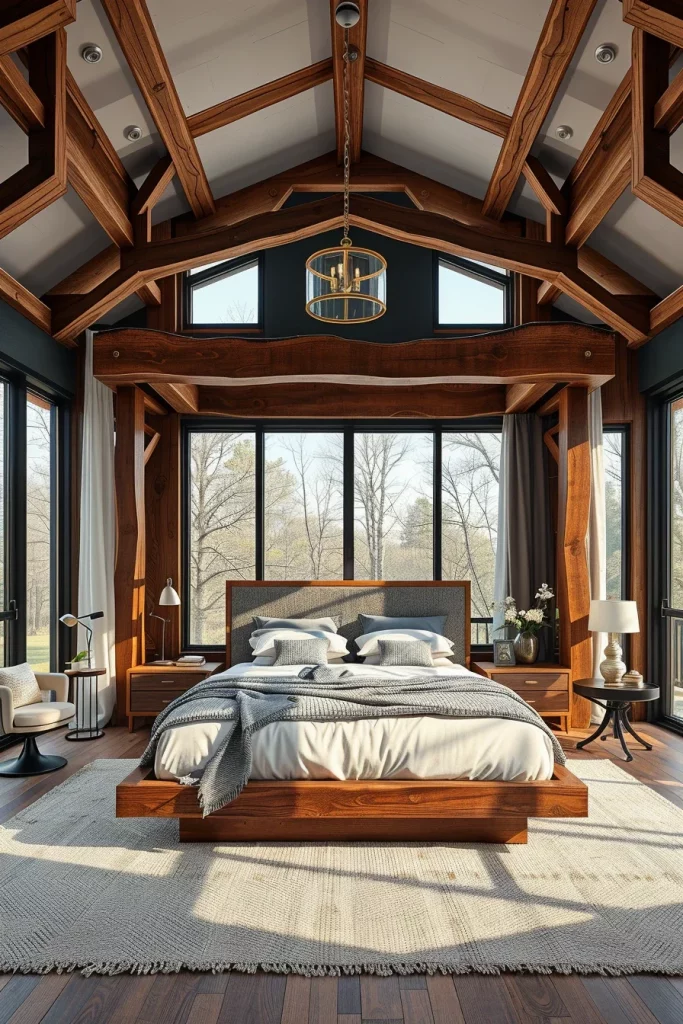
When selecting furniture for this design, I focus on a substantial reclaimed wood bed frame paired with simple bedding that allows the craftsmanship to stand out. Upholstered benches, minimalist wardrobes, and soft area rugs help balance the rugged texture of the wood. Modern pendant lights suspended above the nightstands create visual contrast and emphasize the architectural quality of the bed. Every piece should support the statement without competing for attention.
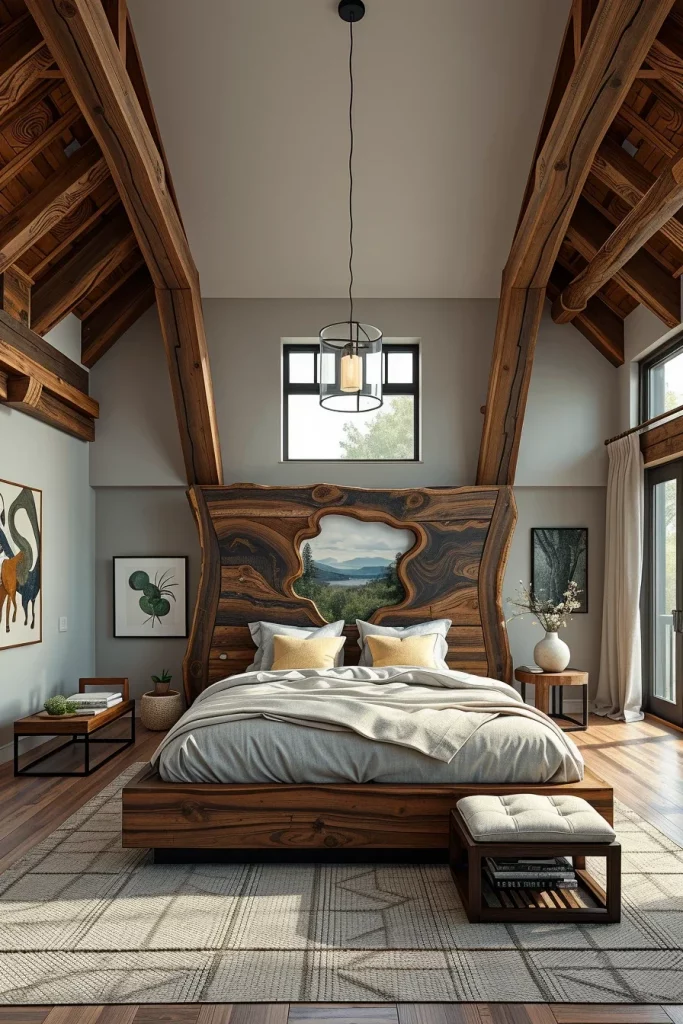
From my experience, the most successful bedrooms combine reclaimed wood with clean contemporary elements. Designers frequently emphasize the importance of contrast, and I have found that pairing aged wood with sleek lighting and streamlined furniture creates a room that feels fresh rather than overly rustic. The result is both timeless and highly personal.
To complete this space, I would add oversized artwork, textured bedding, and layered ambient lighting. These additions enhance the sculptural quality of the bed frame while making the room feel comfortable and inviting.
Artistic Reclaimed Wood Headboards With Handcrafted Character
A handcrafted headboard can completely redefine the personality of a bedroom. I love using reclaimed wood planks arranged in artistic compositions that highlight natural color variations, knots, and textures. These artistic headboards create visual interest without overwhelming the room and serve as a custom focal point behind the bed. Their handcrafted appearance gives the bedroom individuality and warmth.
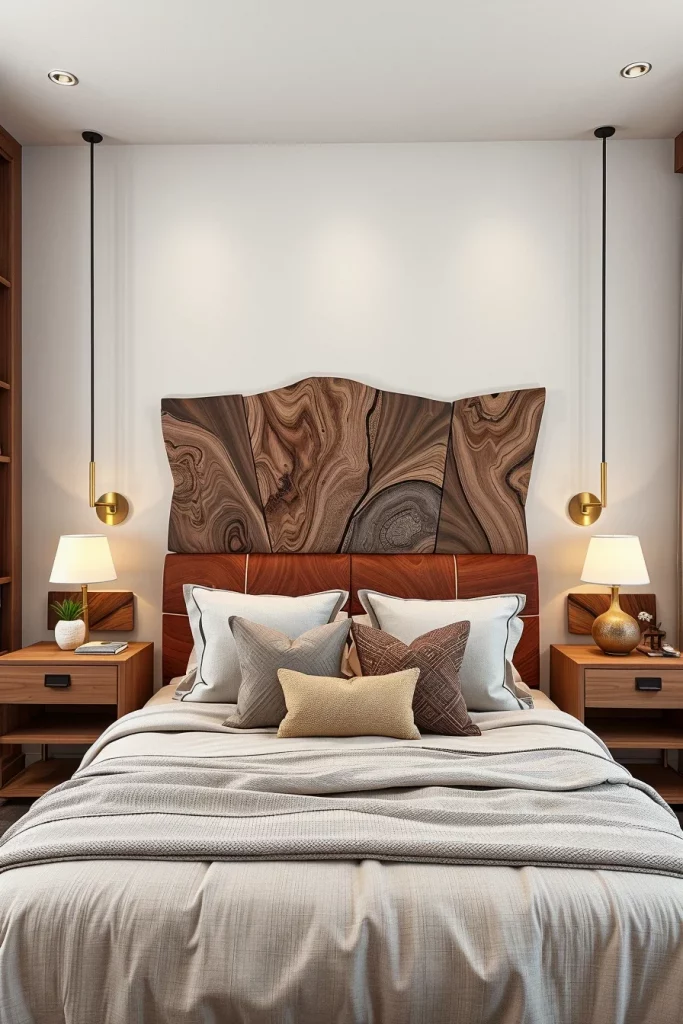
For furniture and decor, I typically pair these headboards with streamlined platform beds, simple linen bedding, and understated nightstands. Soft textiles help balance the rougher texture of reclaimed wood, while wall-mounted sconces illuminate the details of the craftsmanship. Decorative accents should remain subtle so the headboard remains the star of the design.
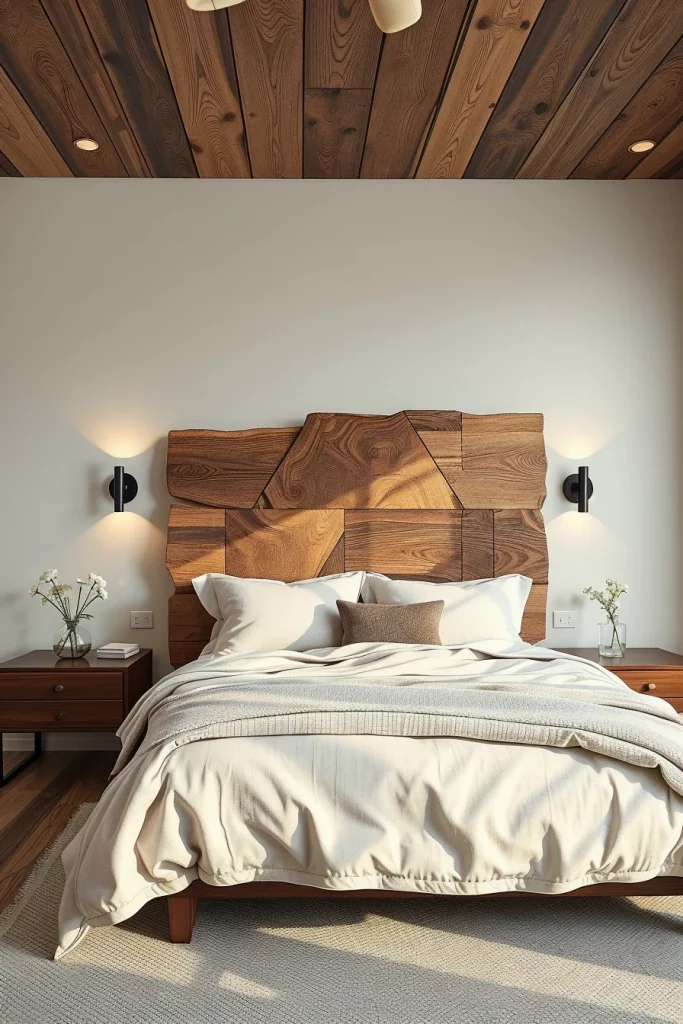
I often draw inspiration from interiors featured by leading design publications that emphasize authentic materials and handcrafted details. In my own projects, I have found that reclaimed wood headboards work beautifully across multiple styles, from modern organic interiors to transitional spaces. Their versatility is one of their greatest strengths.
If I wanted to enhance this concept further, I would incorporate layered textiles, oversized cushions, and carefully selected artwork that echoes the natural tones found within the wood itself.
Layered Reclaimed Wood Accent Walls Behind The Bed
One of the most effective ways to create depth in a bedroom is through a layered reclaimed wood accent wall. I often use boards of varying thicknesses and tones to produce a multidimensional surface that becomes an architectural feature. This approach transforms a plain wall into a dramatic backdrop while preserving a warm and welcoming atmosphere. The layering introduces texture that photographs beautifully and adds visual richness to the room.
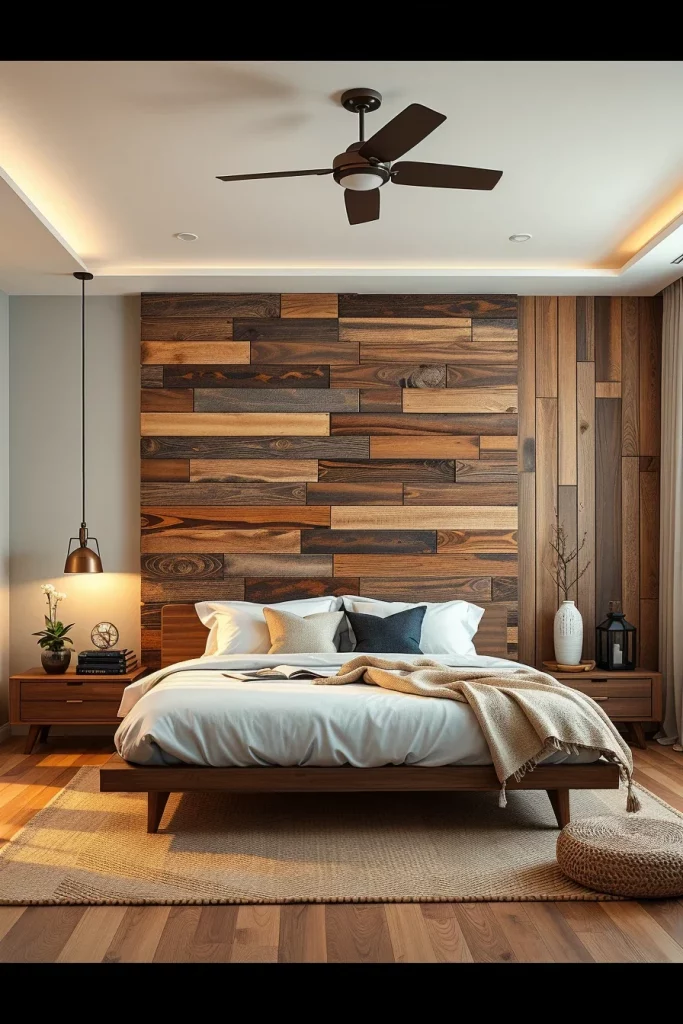
The furniture in this setting should support the accent wall rather than compete with it. I usually recommend low-profile beds, streamlined dressers, and neutral bedding that allow the wall to remain the centerpiece. Soft lighting positioned strategically along the wall enhances shadows and highlights, emphasizing the dimensional quality of the wood.
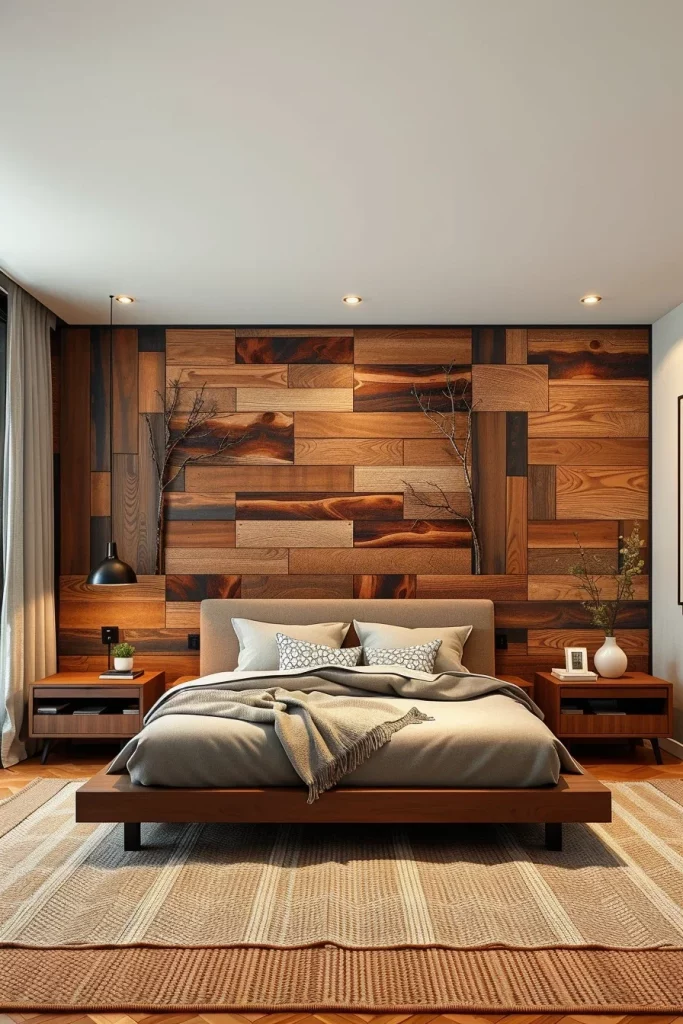
Personally, I appreciate how these accent walls can make even relatively simple bedrooms feel custom-designed. The natural aging and imperfections of reclaimed wood create a level of character that manufactured materials often struggle to replicate. This authenticity is what makes the design so appealing.
To further enrich the space, I would include textured throws, woven rugs, and subtle decorative objects that complement the natural material palette while maintaining visual balance.
Floating Reclaimed Wood Nightstands With Organic Shapes
Floating nightstands introduce a modern element that works exceptionally well with reclaimed wood. I particularly enjoy designs featuring live edges, curved forms, and unusual silhouettes that celebrate the natural beauty of the material. By lifting the furniture off the floor, the room appears more spacious and visually lighter while still retaining warmth and texture.
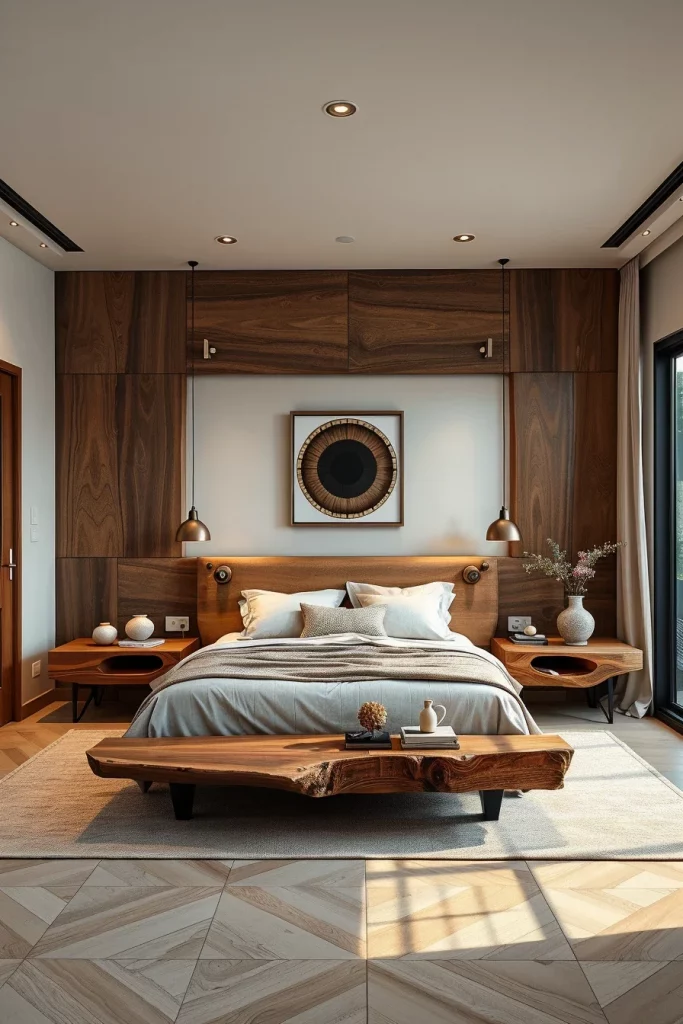
In these bedrooms, I often combine floating nightstands with platform beds, integrated lighting, and simple storage solutions. The organic shapes soften the geometry typically found in modern interiors and create a more relaxed atmosphere. Carefully selected accessories such as ceramic vases or small sculptures help reinforce the artistic nature of the design.
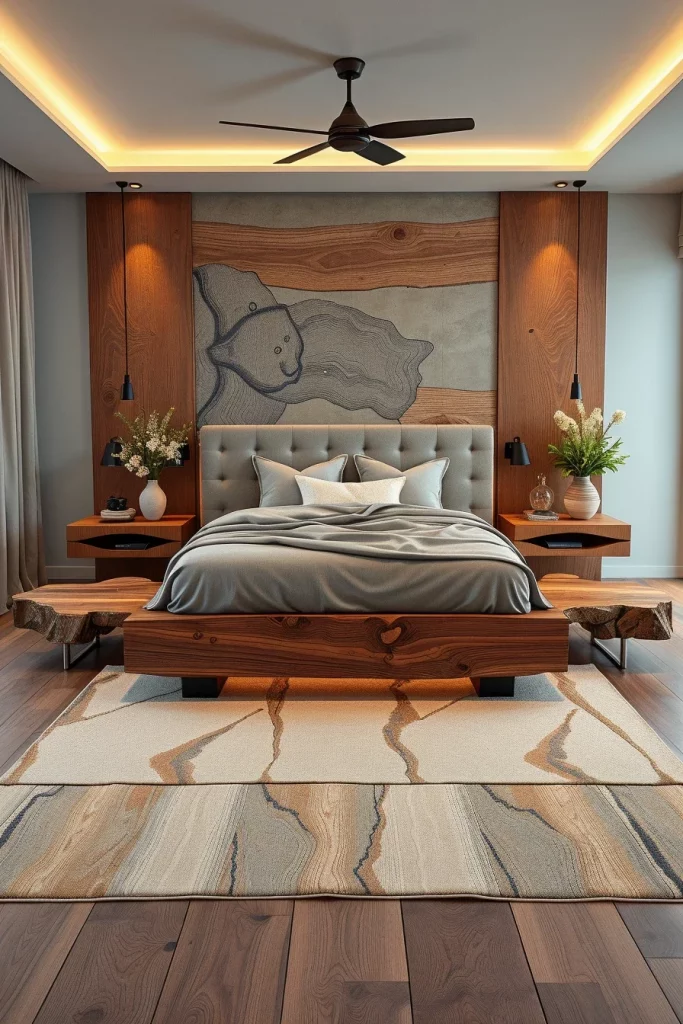
From my perspective, floating reclaimed wood furniture demonstrates how sustainability and modern design can coexist beautifully. The combination of salvaged materials and contemporary forms feels current while preserving a connection to craftsmanship and history.
If additional functionality is needed, I would incorporate hidden charging stations, integrated lighting, and discreet storage compartments within the nightstands themselves.
Reclaimed Wood Ceiling Designs For A Dramatic Bedroom Look
Many homeowners focus on walls and furniture, but I believe the ceiling offers enormous design potential. Reclaimed wood ceiling treatments introduce warmth and architectural interest while drawing the eye upward. Whether installed as beams, planks, or geometric arrangements, these ceilings create a truly stylish and memorable environment. They add texture from an unexpected angle and help define the overall character of the room.
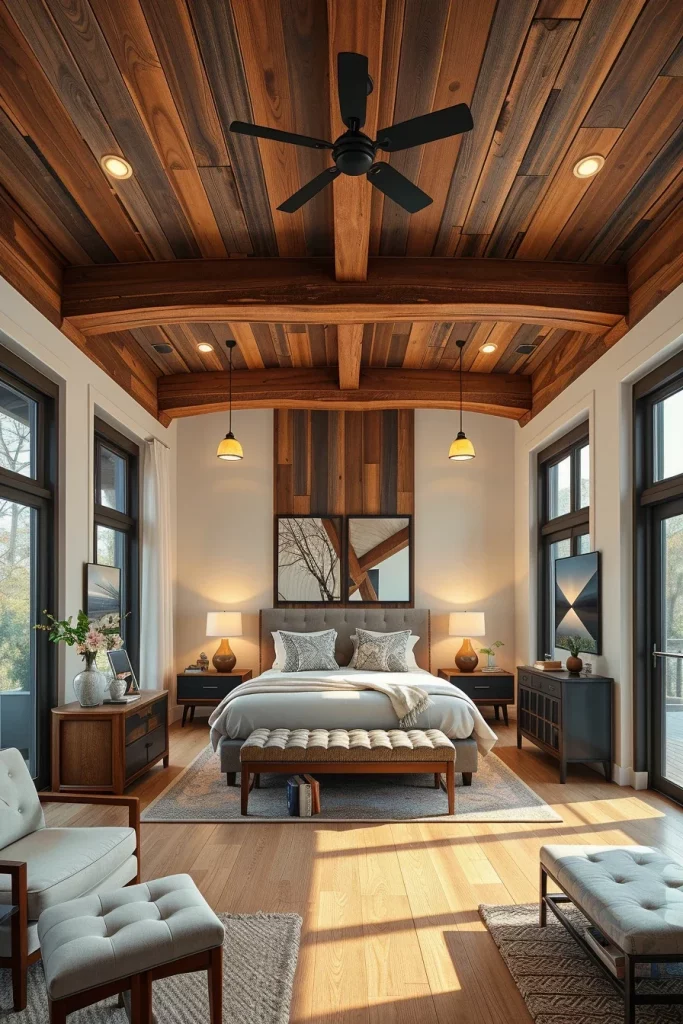
To support the ceiling design, I usually recommend furniture with clean lines and restrained detailing. Upholstered beds, contemporary seating, and large windows help maintain visual openness. Pendant lighting and recessed fixtures can be positioned to highlight the reclaimed wood overhead while creating a cozy evening ambiance.
I have noticed that reclaimed wood ceilings often become the feature visitors remember most. Their ability to transform an ordinary bedroom into a distinctive retreat is remarkable. Many designers advocate using architectural details to create depth, and this is one of my favorite examples of that principle in practice.
For an even stronger effect, I would add layered lighting controls, textured bedding, and carefully selected decorative accessories that reinforce the natural tones of the wood.
Sculptural Reclaimed Wood Room Dividers For Open Bedrooms
Open-concept bedrooms often benefit from subtle separation, and I find that sculptural reclaimed wood room dividers provide both function and visual interest. Rather than constructing permanent walls, these artistic installations define sleeping areas while maintaining openness and natural light flow. The texture and history of reclaimed wood introduce warmth, while carefully designed forms transform the divider into a striking architectural feature. This solution works especially well in lofts, studio layouts, and spacious primary suites.
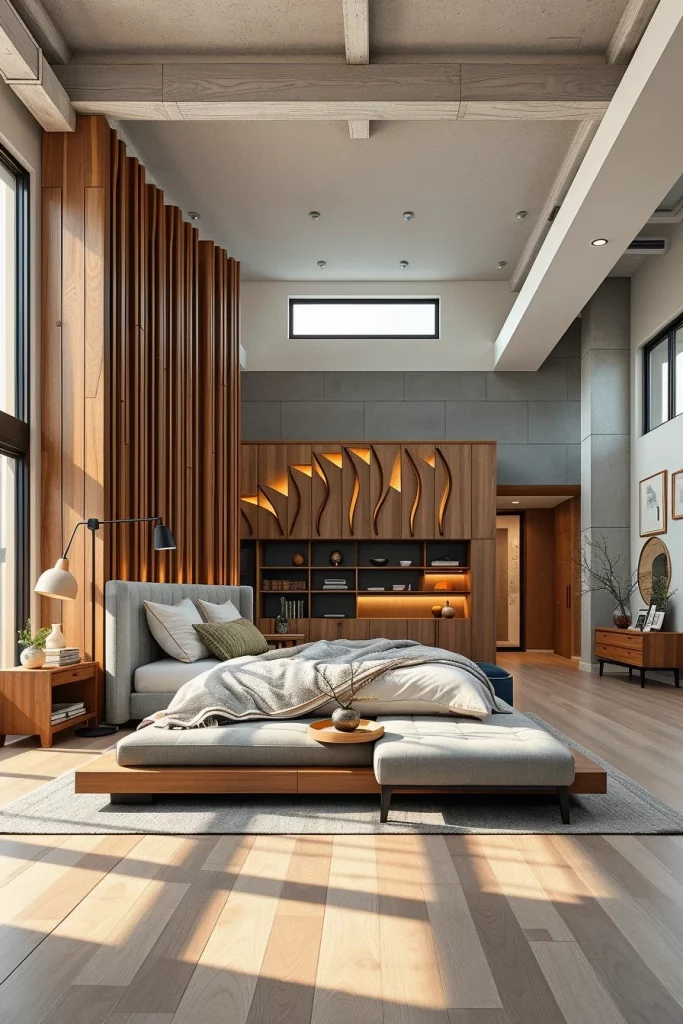
When selecting furniture for this design, I prefer low-profile beds, streamlined storage pieces, and seating that complements the divider rather than competes with it. Vertical slats, carved wood panels, or abstract geometric structures can serve as beautiful room dividers while allowing views through the space. Decorative lighting positioned nearby helps emphasize the texture and depth of the reclaimed wood throughout the day and evening.
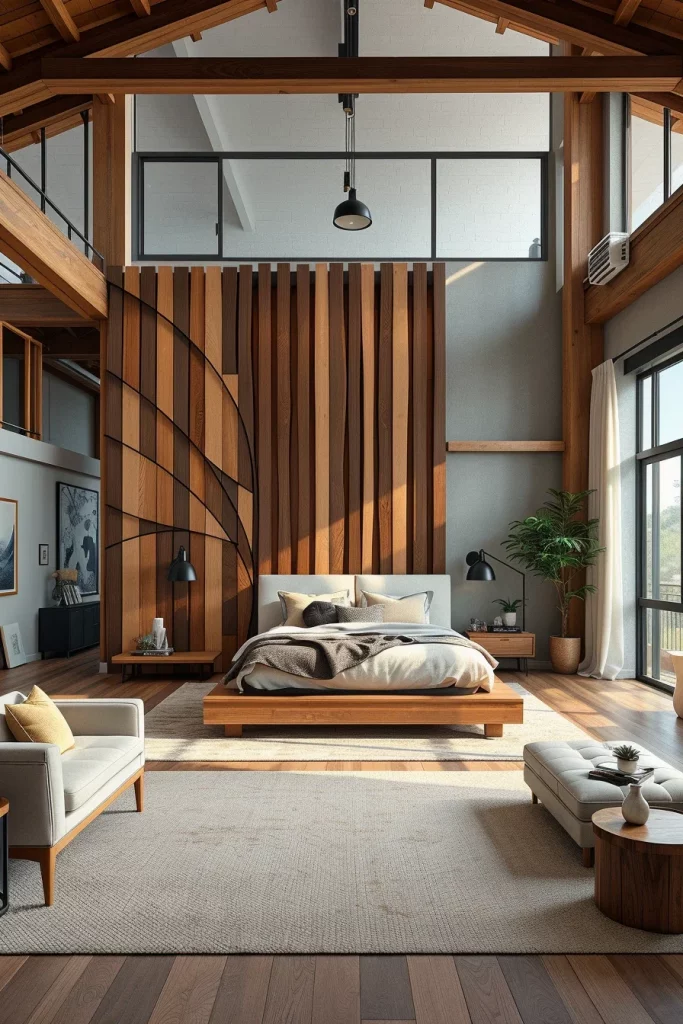
In my experience, room dividers become more successful when they feel like intentional works of art rather than purely functional barriers. Many designers encourage creating visual flow between zones, and reclaimed wood offers the perfect balance between separation and connection. The natural imperfections of the material add authenticity that cannot be replicated with manufactured partitions.
To enhance this concept further, I would include layered lighting, a complementary area rug, and decorative accents that echo the organic character of the reclaimed wood structure.
Creative Reclaimed Wood Platform Beds With Modern Appeal
A platform bed constructed from reclaimed wood is one of my favorite ways to introduce a creative and contemporary element into the bedroom. The low-profile design feels modern, while the aged timber adds texture, warmth, and character. This combination creates an ideal balance between old and new, making the room feel sophisticated without becoming overly formal. The clean silhouette allows the craftsmanship of the reclaimed wood to take center stage.
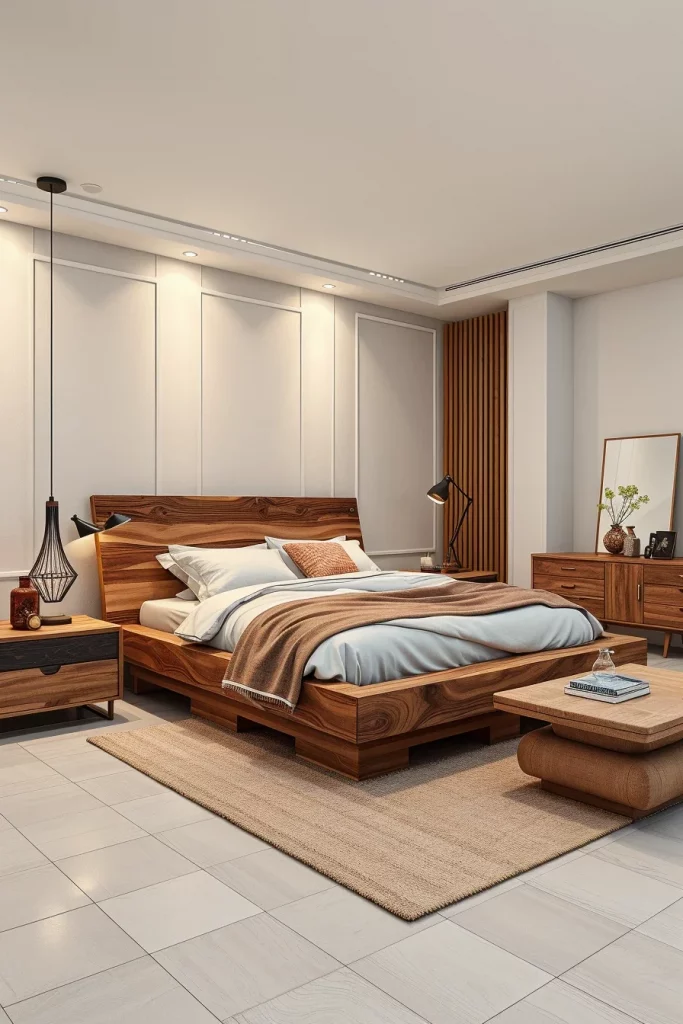
I typically pair these beds with minimalist nightstands, neutral bedding, and simple lighting fixtures. Integrated storage drawers beneath the platform can add functionality without disrupting the streamlined appearance. Soft textiles and carefully selected accessories help soften the strong geometry of the bed while maintaining visual harmony throughout the room.
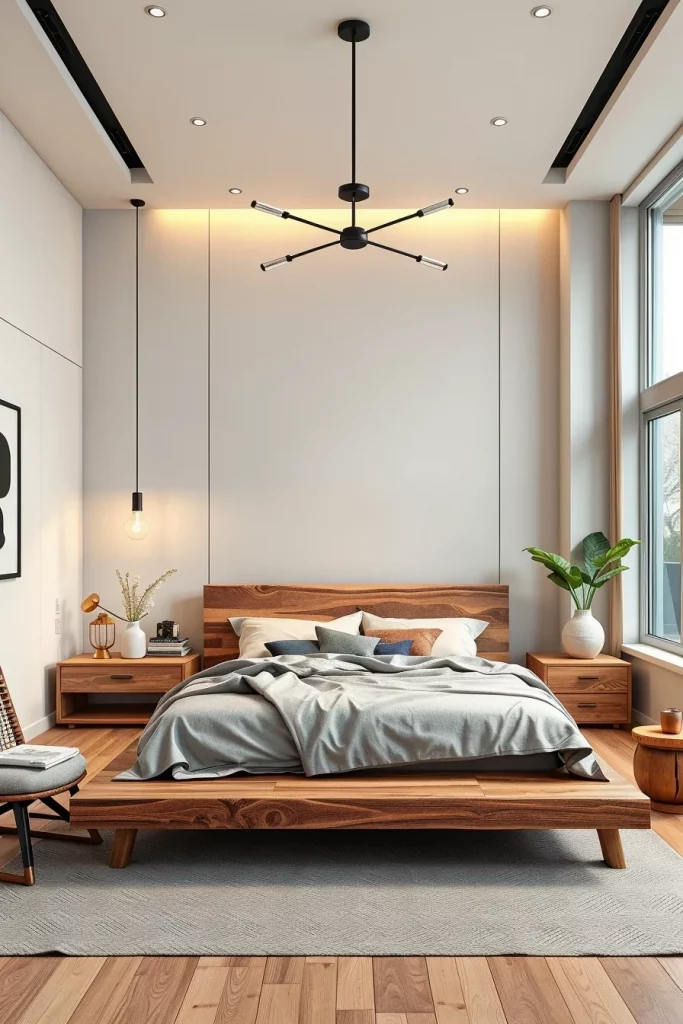
From my perspective, reclaimed wood platform beds demonstrate how sustainable materials can support modern design principles. I appreciate how they showcase the beauty of natural grain patterns while offering the practicality and comfort expected from contemporary furniture. The result feels timeless rather than trend-driven.
For added comfort and visual depth, I would include oversized throw pillows, layered bedding, and subtle accent lighting positioned around the platform frame.
Unique Reclaimed Wood Wall Art That Tells A Story
Wall art crafted from reclaimed wood introduces a deeply personal layer to bedroom design. I often use salvaged boards, assembled patterns, or handcrafted installations to create focal points that reflect history and craftsmanship. These unique pieces become conversation starters while adding warmth and texture that traditional artwork may not provide. Each mark, knot, and variation in color contributes to the story behind the design.
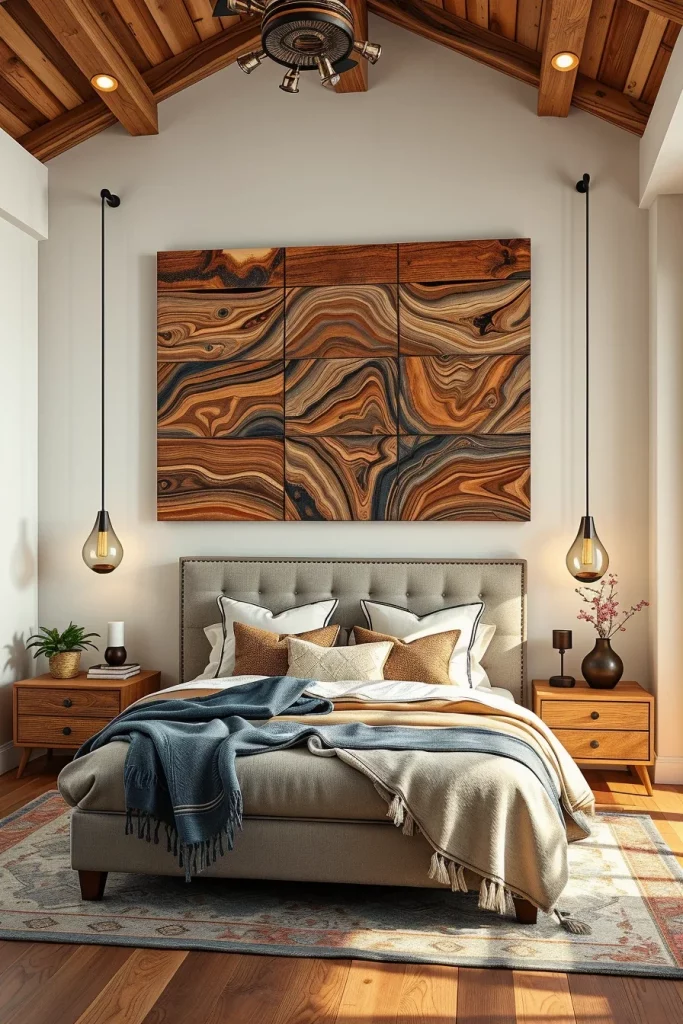
When incorporating reclaimed wood wall art, I prefer keeping surrounding furniture relatively simple. A comfortable upholstered bed, streamlined storage pieces, and understated decor allow the artwork to command attention. Strategic lighting helps reveal texture and dimension, making the installation feel even more impactful within the room.
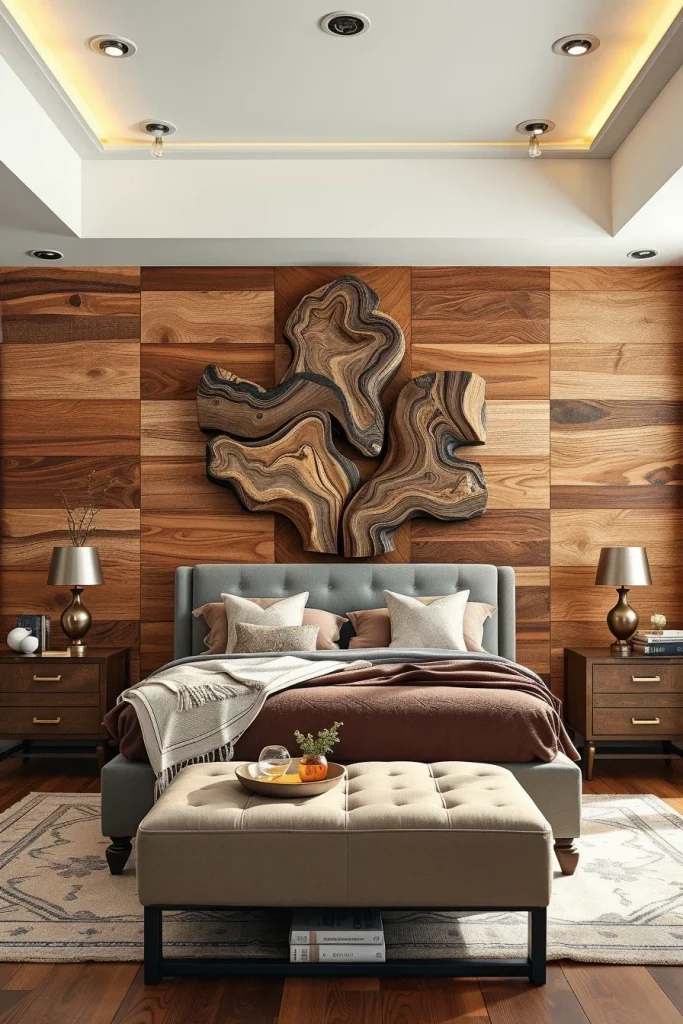
I have found that reclaimed wood art resonates with homeowners because it feels authentic and meaningful. Design publications frequently highlight the value of incorporating handcrafted elements into interiors, and reclaimed wood art is a perfect example of how artistry and sustainability can coexist beautifully.
To complete this space, I would add complementary textiles, natural materials, and decorative accessories that subtly reference the colors and textures found within the artwork itself.
Reclaimed Wood Reading Nooks Filled With Character And Warmth
A dedicated reading nook can make a bedroom feel more inviting, and reclaimed wood provides the perfect material for creating a cozy retreat. I often design these spaces with built-in benches, shelving, or architectural details crafted from salvaged timber. The natural texture immediately introduces warmth, making the nook feel comfortable and welcoming while enhancing the overall design of the bedroom.
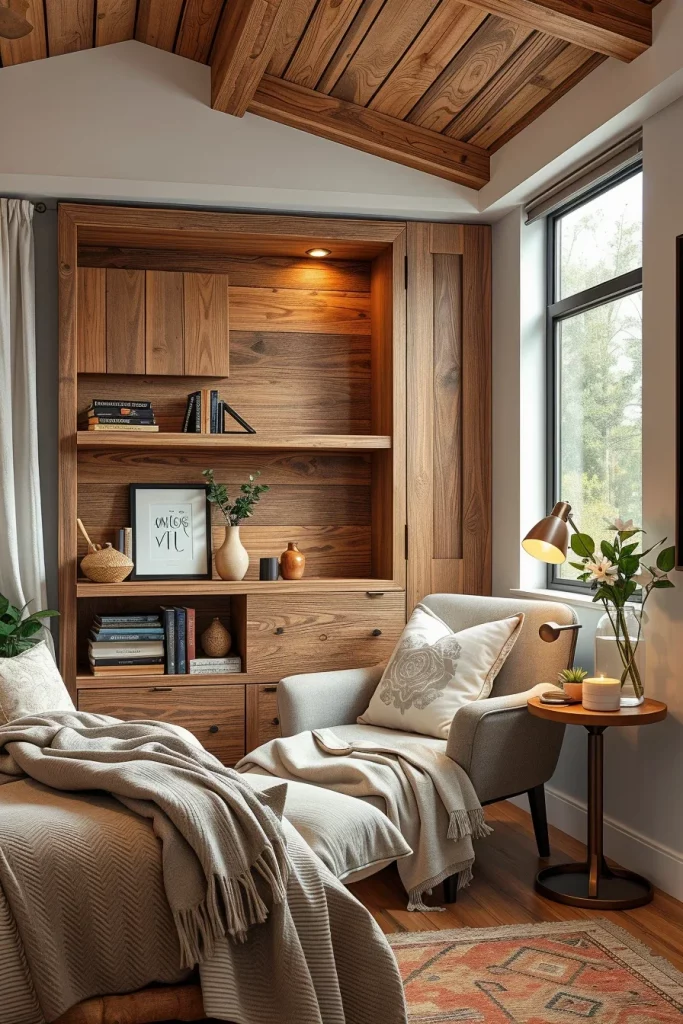
The furniture should prioritize comfort and practicality. I recommend plush seating, layered cushions, soft throws, and nearby shelving for books and personal objects. Reclaimed wood shelving adds character while providing useful storage. Soft lighting is essential, ensuring the nook functions equally well during daytime reading and quiet evening relaxation.
Personally, I view reading nooks as opportunities to create intimate moments within larger bedrooms. Reclaimed wood contributes a sense of history and permanence that enhances the feeling of retreat. The combination of comfort, craftsmanship, and functionality often makes this area one of the most frequently used spaces in the room.
To make the nook even more inviting, I would include adjustable reading lights, textured fabrics, and carefully curated decorative objects that reflect the homeowner’s personality.
Geometric Reclaimed Wood Feature Walls With Artistic Patterns
Geometric feature walls showcase the versatility of reclaimed wood in an exceptionally artistic way. By arranging reclaimed boards into angular, layered, or repeating patterns, I can create a striking focal point that feels both contemporary and highly customized. These installations add movement, texture, and visual energy while preserving the natural beauty of the wood itself. They work particularly well in modern bedrooms seeking a bold design statement.
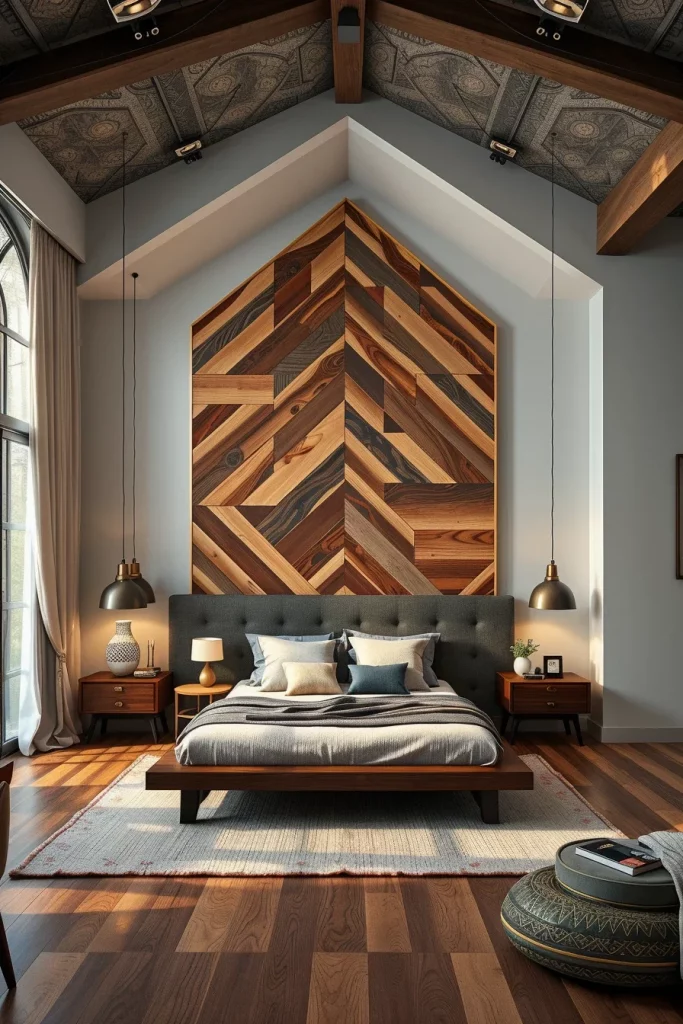
To support the feature wall, I typically choose furniture with clean lines and restrained detailing. A modern platform bed, simple nightstands, and understated decor allow the wall to remain the visual centerpiece. Carefully positioned lighting highlights the depth and shadow created by the geometric arrangement, emphasizing its sculptural quality.
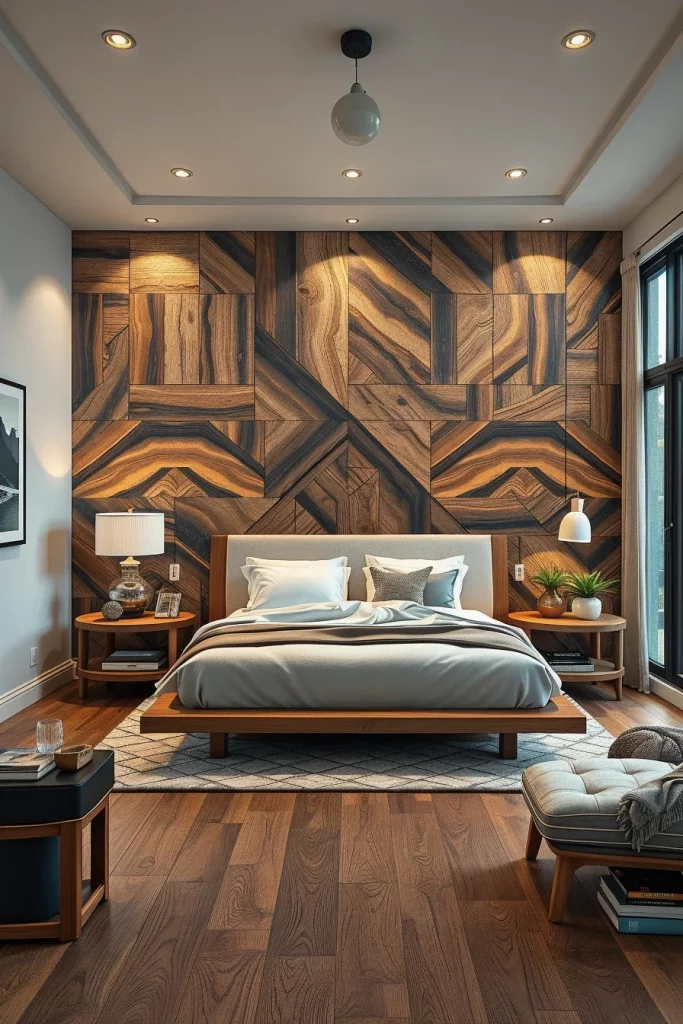
In my experience, geometric reclaimed wood walls successfully bridge craftsmanship and contemporary design. They transform ordinary surfaces into memorable architectural elements while showcasing the character and variation found in reclaimed materials. The result is both visually dynamic and deeply authentic.
If I were refining this space further, I would incorporate subtle metallic accents, layered textiles, and complementary artwork that reinforces the geometric theme without overwhelming the room.
Reclaimed Wood Storage Benches With Custom Details
I find that reclaimed wood storage benches are one of the most practical ways to introduce character into a bedroom while maximizing usable space. A bench positioned at the foot of the bed immediately creates structure within the room and offers a convenient place for blankets, pillows, and seasonal items. The aged textures, visible grain patterns, and natural imperfections found in reclaimed wood bring depth and authenticity that new materials often lack. In a modern bedroom, this type of bench serves as both furniture and decorative focal point.
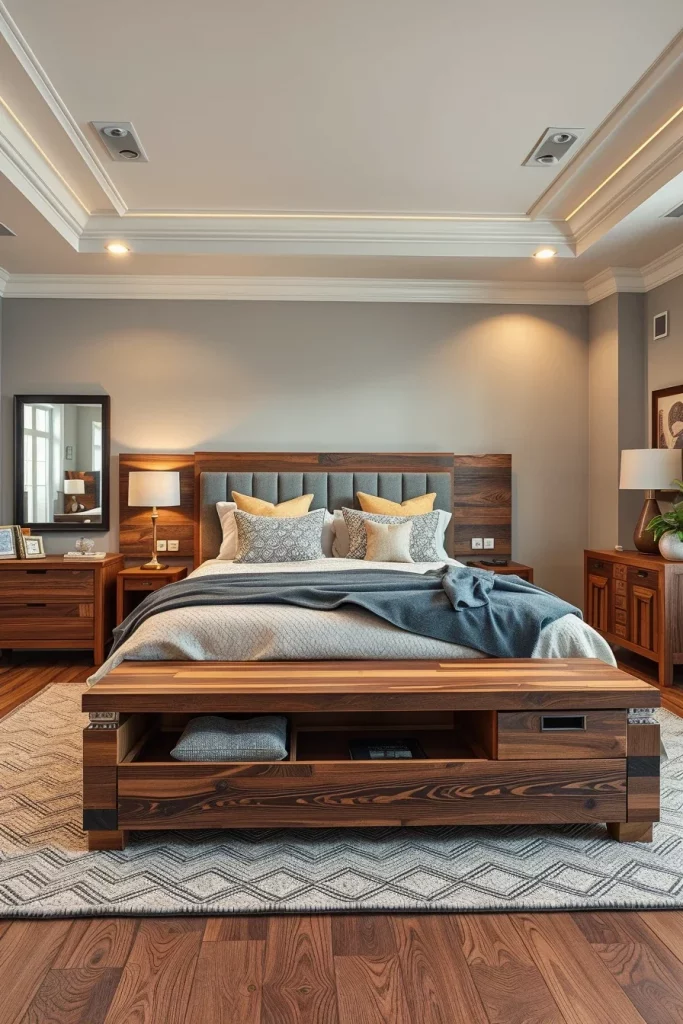
When designing this feature, I prefer benches with custom compartments, hidden drawers, and carefully crafted joinery details. Upholstered seating cushions can soften the appearance while maintaining comfort. Metal hardware in matte black, brushed brass, or aged steel pairs exceptionally well with reclaimed wood. I also like incorporating open shelving sections that can display books, baskets, or decorative objects, making the piece both functional and visually engaging.
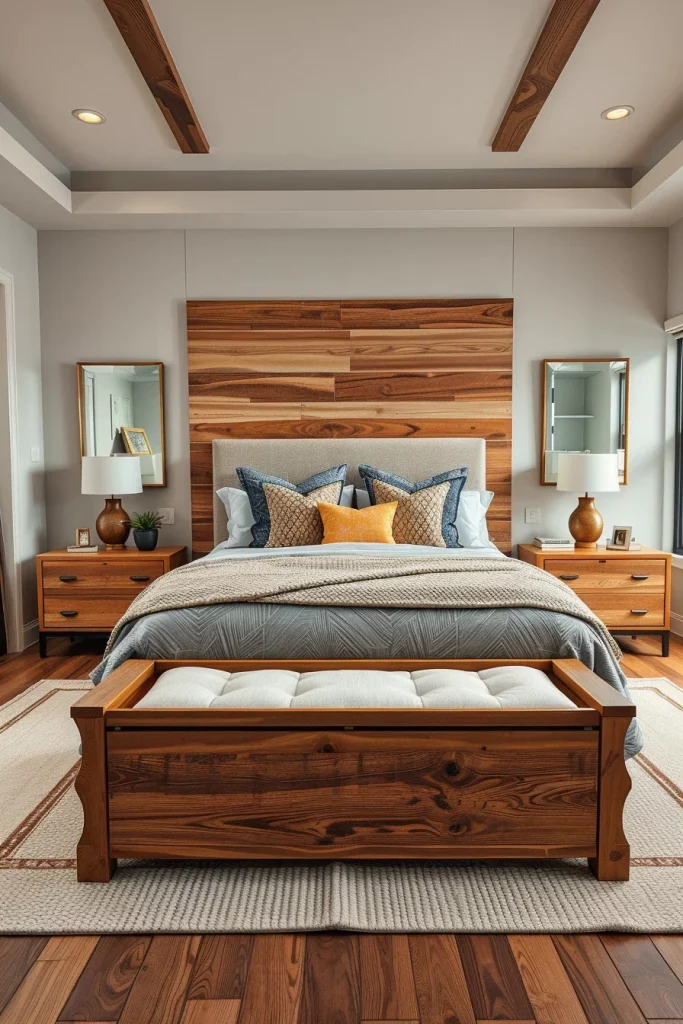
From my experience, storage benches become even more successful when they reflect the architectural style of the room. Many designers featured by interior publications such as Architectural Digest emphasize the importance of furniture that combines utility with craftsmanship. I agree with this approach because reclaimed wood naturally tells a story and adds individuality to a bedroom design.
To complete this section, I would add woven storage baskets, layered bedding textures, and subtle bedside lighting that visually connects the bench to the rest of the room.
Handcrafted Reclaimed Wood Dressers With One-Of-A-Kind Style
I often recommend handcrafted reclaimed wood dressers because they provide substantial storage while introducing a strong sense of personality. Unlike mass-produced furniture, each dresser contains unique variations in tone, texture, and wood grain. This makes the bedroom feel curated rather than staged. A handcrafted dresser can become the centerpiece of the room while still serving an essential purpose.
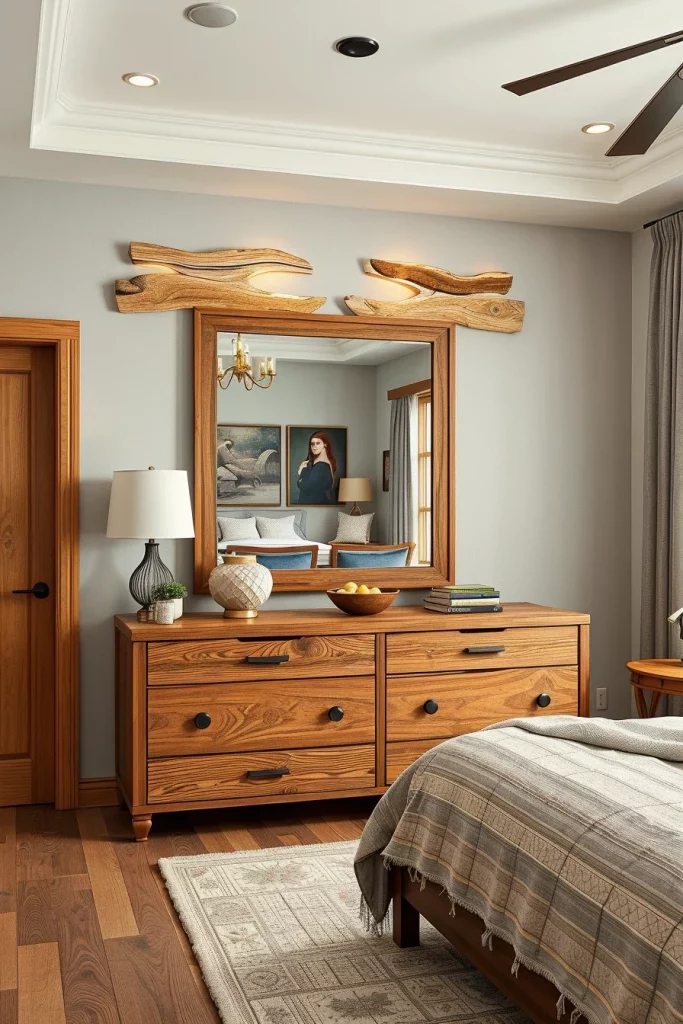
I like dressers that combine reclaimed wood fronts with clean-lined silhouettes. Wide drawers, soft-close hardware, and thoughtfully designed proportions improve functionality without sacrificing visual appeal. Depending on the bedroom style, I may pair the dresser with minimalist nightstands, contemporary artwork, and neutral textiles to allow the wood itself to remain the focal feature.
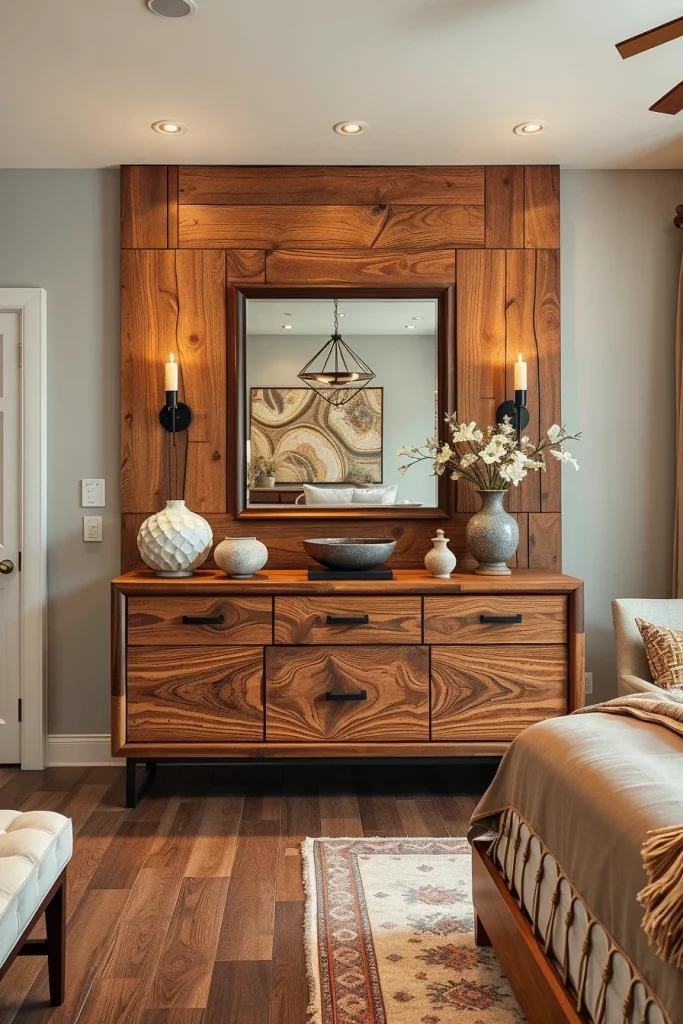
In my own projects, I have noticed that reclaimed wood dressers age beautifully over time. Their imperfections become part of the room’s identity rather than flaws to conceal. Many respected interior designers advocate investing in handcrafted pieces because they contribute warmth and permanence to modern spaces, and I fully support that philosophy.
To strengthen this design concept, I would include decorative ceramic accessories, a statement table lamp, and a large mirror positioned above the dresser to enhance light and balance.
Artistic Reclaimed Wood Shelving Arrangements For Bedroom Displays
I believe reclaimed wood shelving offers one of the most flexible opportunities for introducing artistic and creative design into a bedroom. Rather than relying solely on standard storage furniture, wall-mounted shelving allows decorative objects, books, sculptures, and personal collections to become part of the room’s visual story. The natural character of reclaimed wood adds warmth while maintaining a contemporary appearance.
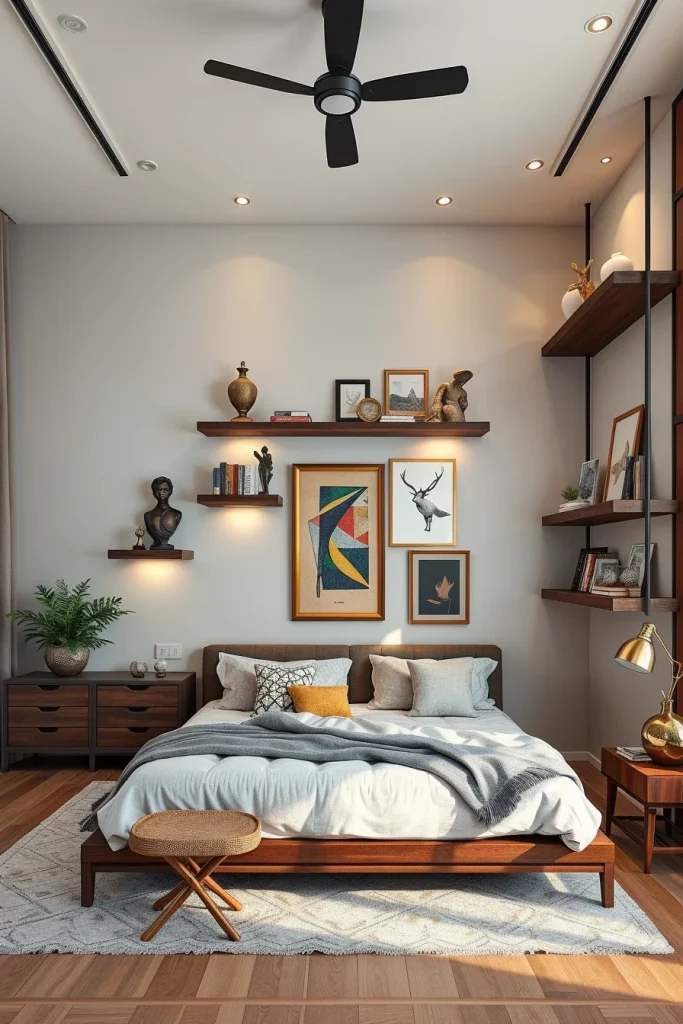
My preferred approach involves asymmetrical shelf layouts that create movement across the wall. Floating shelves with varying lengths and thicknesses feel more dynamic than perfectly matched units. I often combine reclaimed wood shelves with subtle wall lighting to highlight decorative objects and create visual depth during the evening hours.
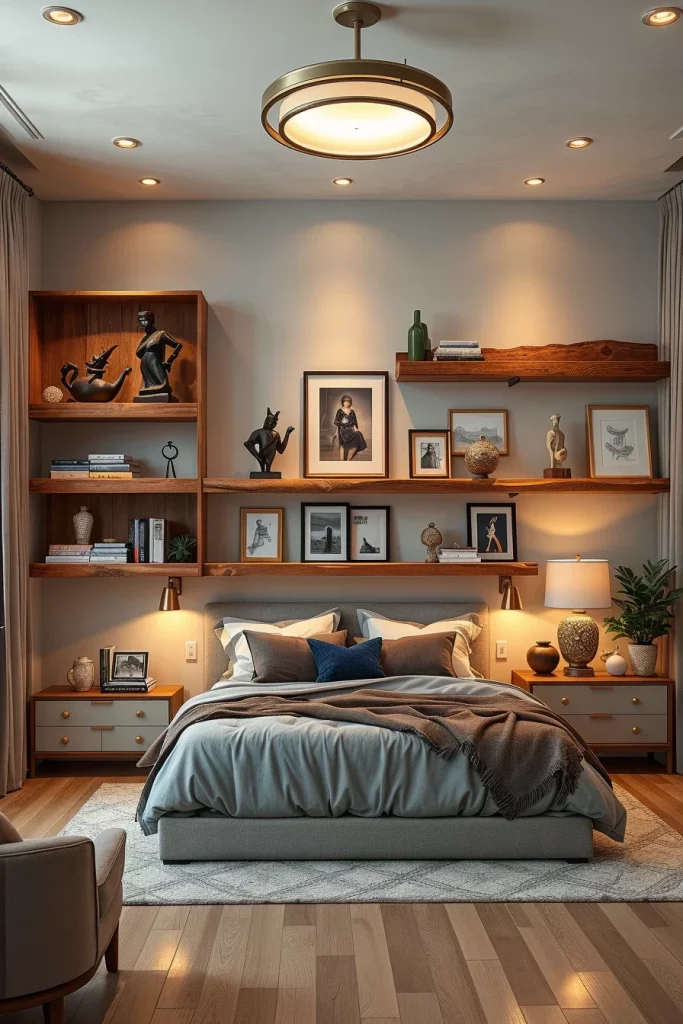
In my experience, successful shelving arrangements require restraint. Curating displays carefully prevents visual clutter while allowing each object to stand out. Interior stylists frequently emphasize negative space as an essential component of shelf design, and I have found this advice particularly valuable when working with reclaimed wood elements.
To complete the arrangement, I would add sculptural vases, framed artwork, decorative books, and textured accessories that complement the wood’s natural character.
Reclaimed Wood Canopy Bed Designs With Architectural Presence
I consider reclaimed wood canopy beds among the most stylish and sculptural features that can be introduced into a bedroom. Their vertical structure immediately establishes a sense of architecture and creates a strong focal point. Reclaimed wood softens the scale of the canopy frame while adding texture and visual history that enriches the entire room.
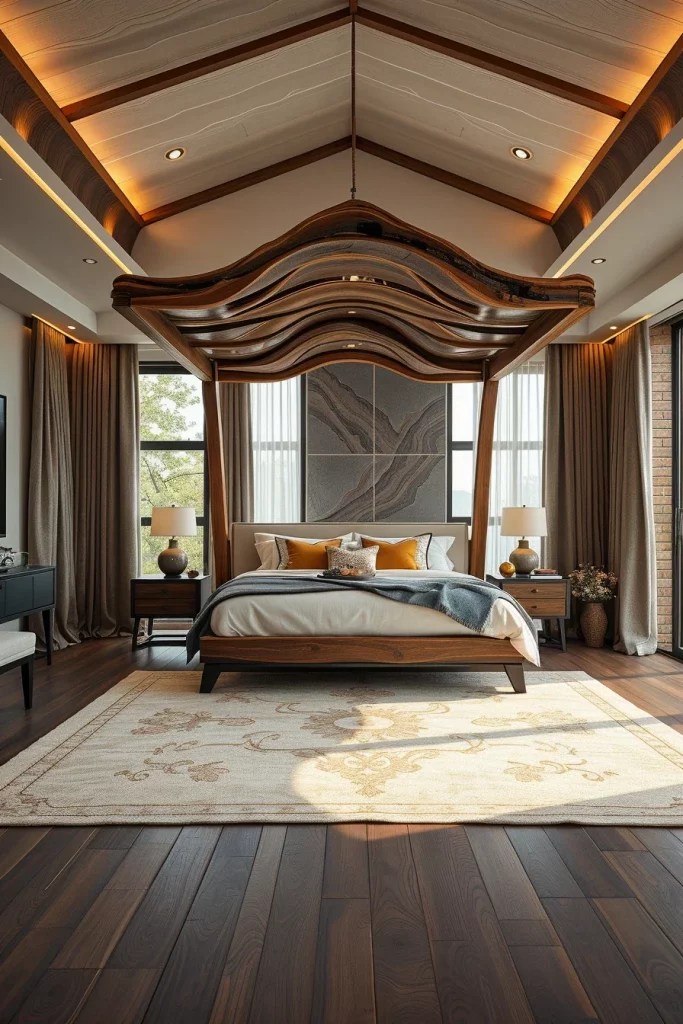
When designing around a canopy bed, I prefer substantial wood posts with clean geometric lines. Soft bedding, layered textiles, and neutral color palettes allow the structure itself to command attention. Integrated lighting, subtle ceiling treatments, and carefully selected nightstands help support the overall composition without competing with the bed.
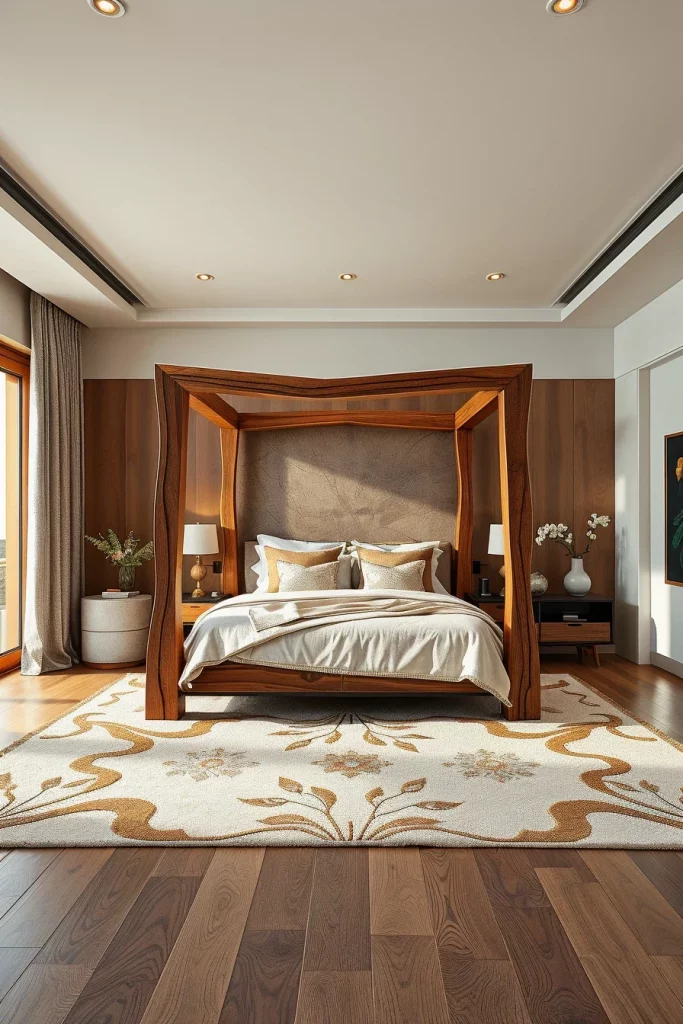
From my perspective, canopy beds are especially effective in larger bedrooms where architectural elements can be appreciated from multiple viewpoints. Designers frequently recommend anchoring expansive rooms with a statement piece, and reclaimed wood canopy beds achieve this beautifully while maintaining warmth and comfort.
To further elevate the design, I would include oversized area rugs, textured curtains, and carefully positioned accent seating that reinforces the room’s balanced proportions.
Creative Reclaimed Wood Window Frames And Decorative Trims
I often find that reclaimed wood window frames and decorative trim details are overlooked opportunities for adding personality to a bedroom. These architectural accents frame natural light while introducing texture that contrasts beautifully with smooth walls and modern furnishings. They create subtle visual interest without overwhelming the space.
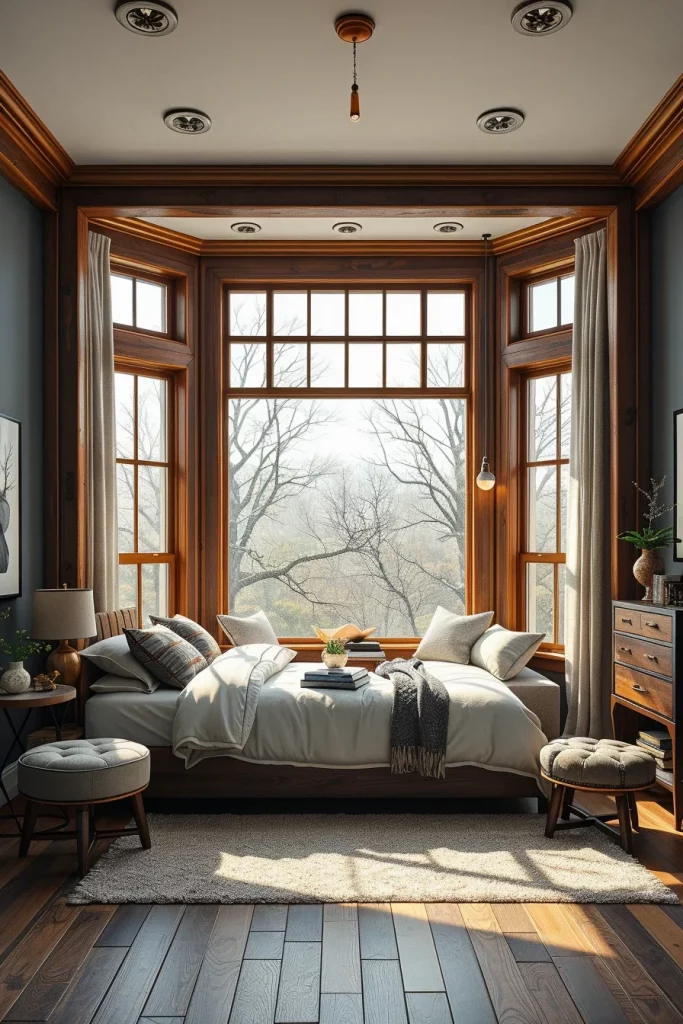
My preferred designs feature substantial trim profiles, custom corner details, and reclaimed wood finishes that highlight natural grain variation. Window seats, integrated shelving, and decorative ledges can extend the functionality of these architectural elements. When paired with contemporary curtains or woven shades, the result feels balanced and intentional.
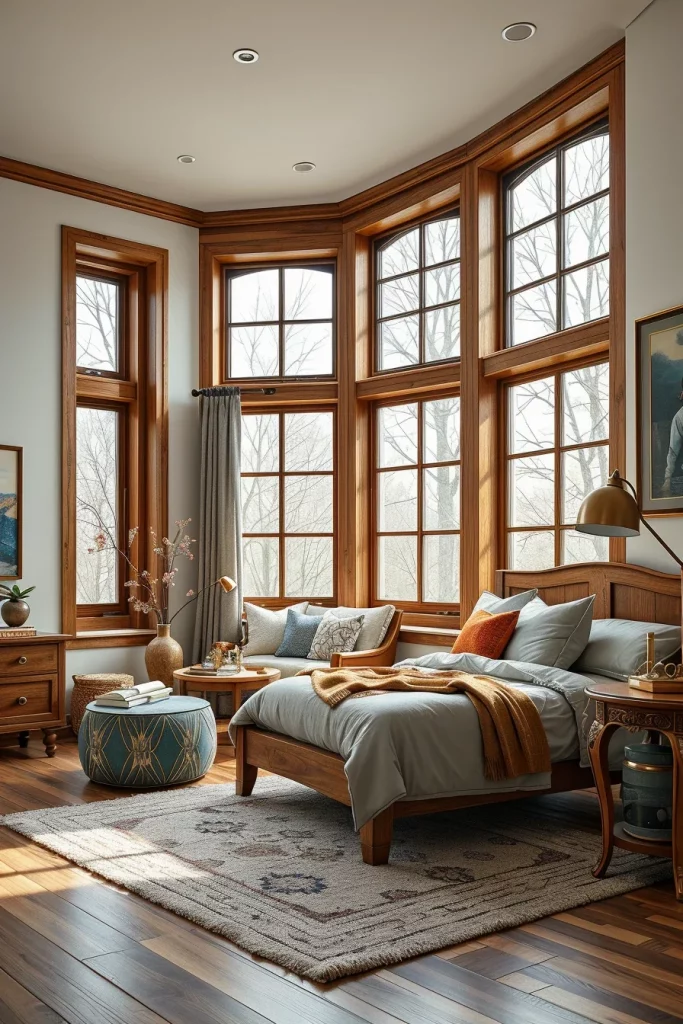
In many projects, I have seen reclaimed wood trim completely change the atmosphere of a room. What was once a plain window becomes a carefully crafted feature. Design publications often encourage emphasizing architectural details rather than covering them, and reclaimed wood provides an excellent opportunity to do exactly that.
To make this feature even stronger, I would add layered window treatments, decorative hardware, and carefully selected lighting that enhances the texture and craftsmanship of the wood.
Sculptural Reclaimed Wood Lighting Features For A Distinctive Atmosphere
I consider lighting one of the most effective ways to showcase the beauty of reclaimed wood within a bedroom. When lighting fixtures themselves incorporate reclaimed timber, they become far more than functional necessities. They act as sculptural focal points that introduce texture, craftsmanship, and visual interest. In a modern bedroom, these features can create an atmosphere that feels warm, inviting, and thoughtfully designed.
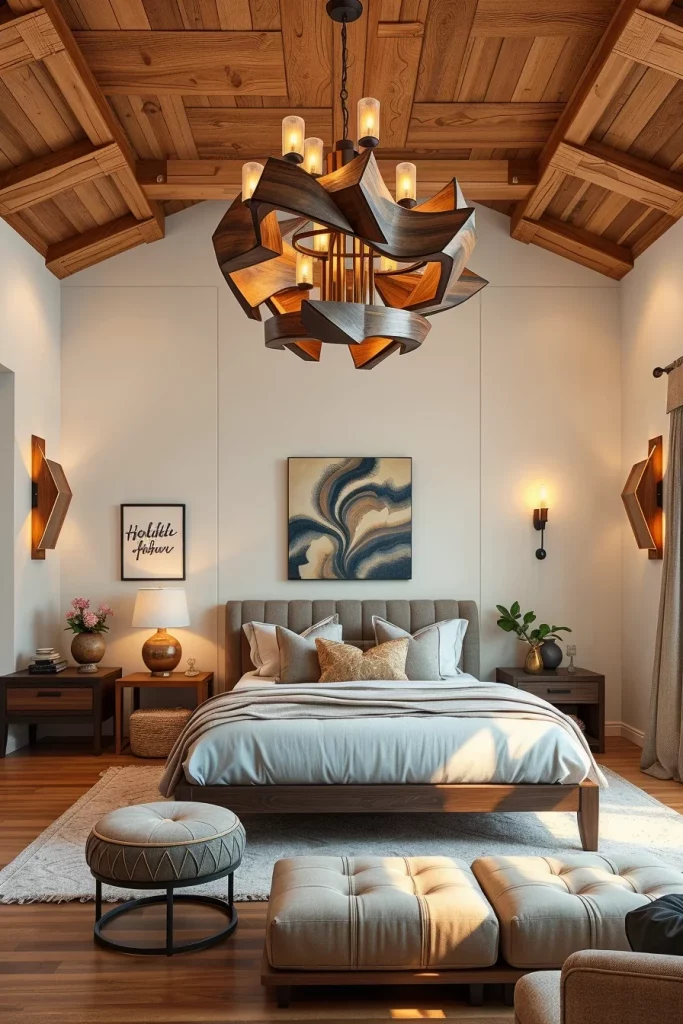
I often recommend oversized pendant lights, geometric chandeliers, or custom wall sconces crafted from reclaimed wood. These fixtures work especially well when combined with soft LED illumination that highlights the wood grain and architectural details. I also like pairing reclaimed wood lighting with upholstered beds, textured bedding, and contemporary furniture to create a balanced contrast between natural materials and modern forms.
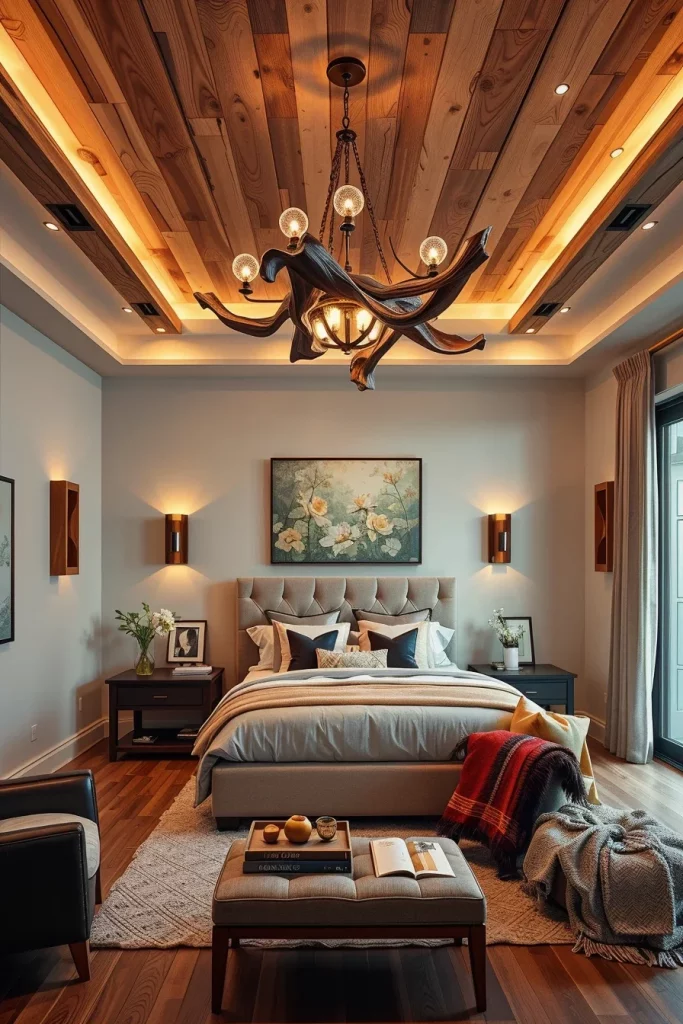
In my experience, lighting has the power to completely transform how reclaimed wood is perceived throughout the room. Designers frequently emphasize layering ambient, task, and accent lighting, and I find this approach particularly important when working with textured materials. Proper illumination allows the natural imperfections and character of reclaimed wood to become part of the room’s overall design story.
To further enhance this concept, I would add dimmable controls, bedside lighting, and discreet ceiling lighting that supports the statement fixture without competing for attention.
Reclaimed Wood Built-In Storage Walls With Artistic Functionality
I find that built-in storage walls constructed from reclaimed wood offer one of the most impressive combinations of beauty and practicality. These large-scale installations can transform an ordinary bedroom wall into an artistic design feature while providing extensive storage. The natural variation within reclaimed wood prevents the wall from feeling flat or overly uniform, creating visual depth throughout the room.
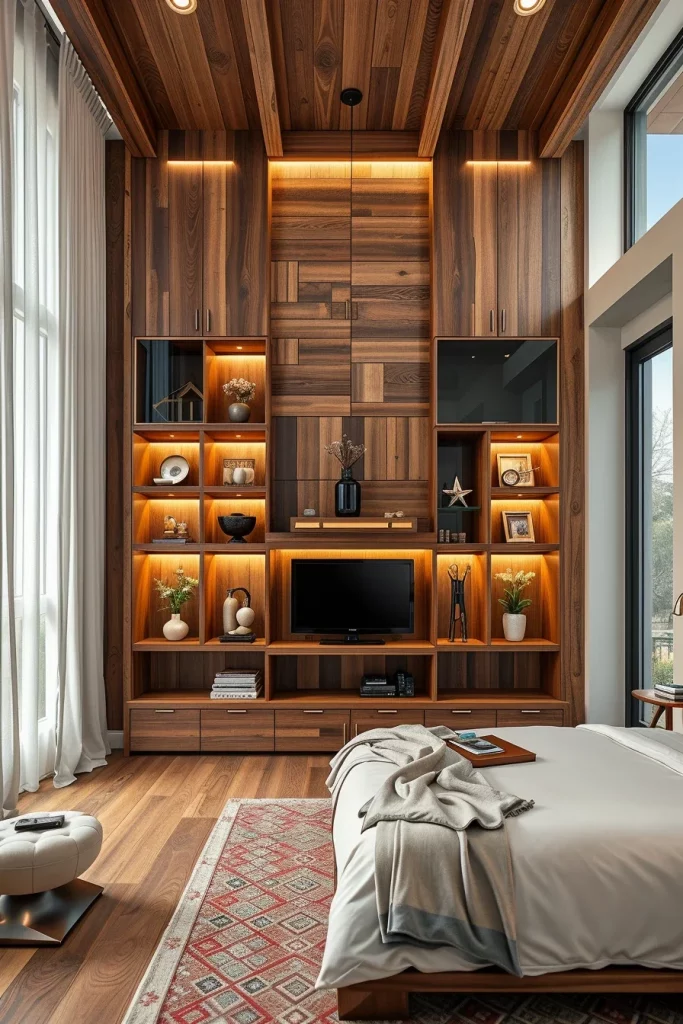
When designing these systems, I prefer combining closed cabinetry with open display niches. This allows practical items to remain concealed while decorative objects, books, and personal collections can be showcased. Integrated lighting within shelving compartments enhances the display areas and emphasizes the texture of the reclaimed wood surfaces. The result feels highly customized and architecturally integrated.
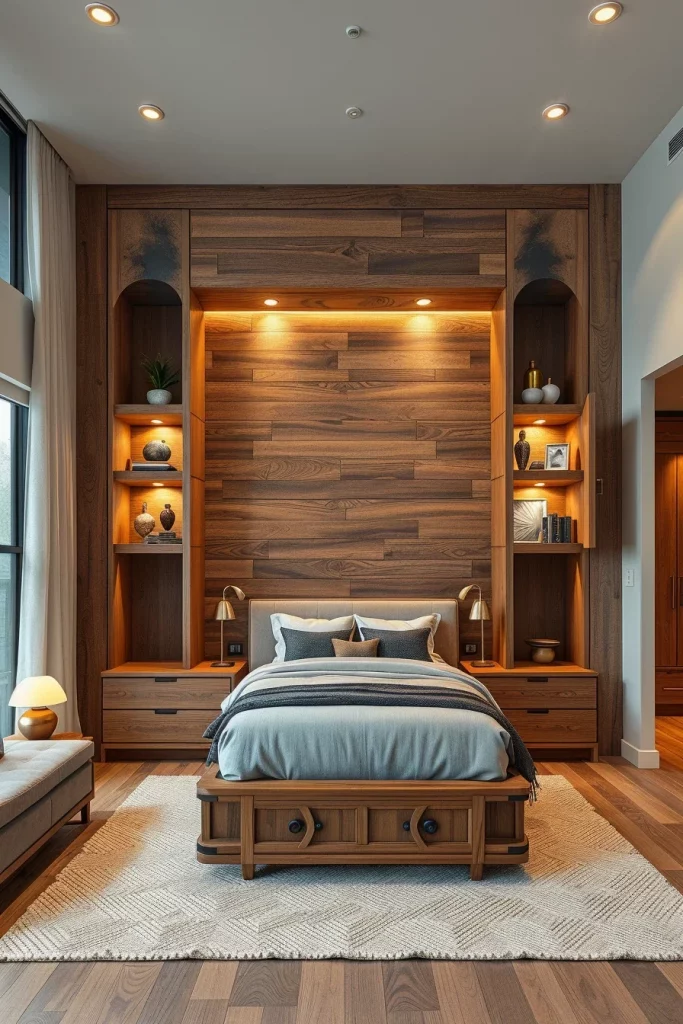
From my perspective, built-in storage walls work particularly well in bedrooms where space efficiency is a priority. Many professional designers recommend incorporating storage directly into the architecture of a room whenever possible. I agree because this approach reduces visual clutter and creates a more cohesive environment.
To complete the design, I would include hidden charging stations, integrated bedside shelving, and carefully curated decorative displays that reinforce the room’s overall style.
Live-Edge Reclaimed Wood Furniture For Natural Beauty
I believe live-edge reclaimed wood furniture represents one of the most unique ways to introduce organic character into a bedroom. Unlike conventional furniture with perfectly straight edges, live-edge pieces preserve the natural contours of the original wood. This creates an immediate connection to nature while maintaining a sophisticated and modern appearance.
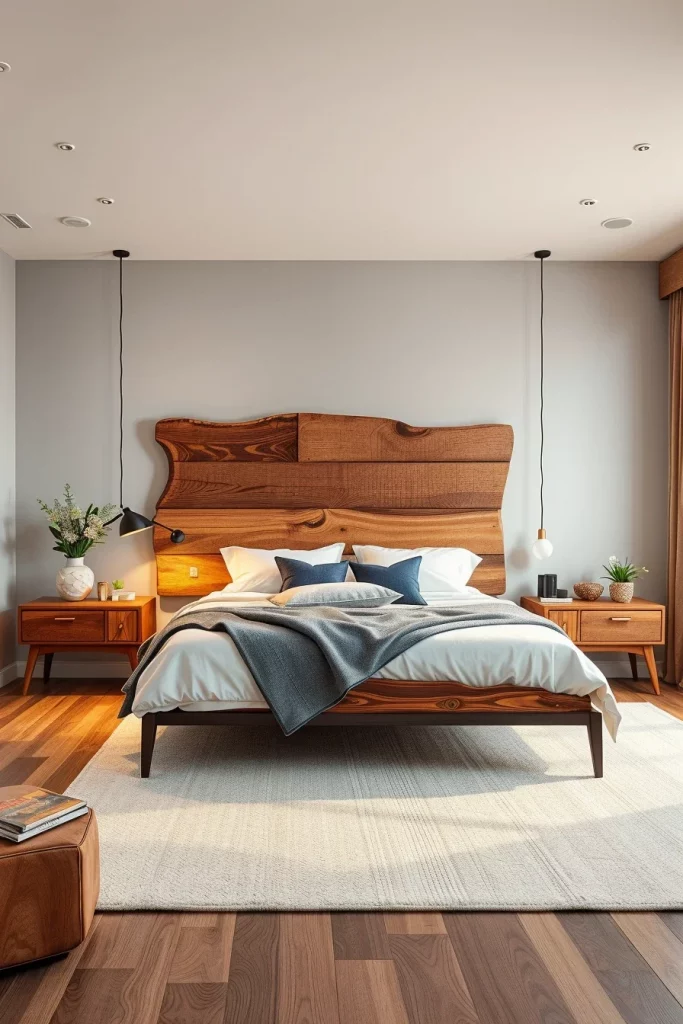
My preferred applications include live-edge headboards, bedside tables, benches, and console tables. These pieces become natural focal points because no two are exactly alike. I often pair them with simple bedding, neutral color palettes, and understated accessories to allow the beauty of the wood itself to take center stage. The contrast between natural edges and clean architectural lines feels especially compelling.
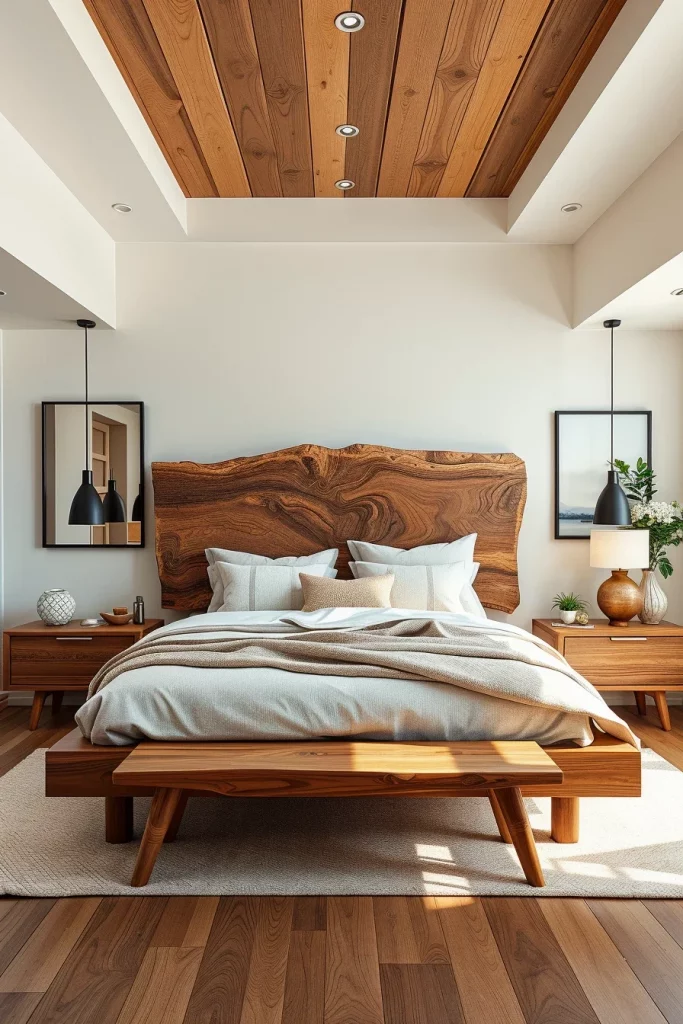
In my own projects, I have found that live-edge furniture creates a sense of authenticity that manufactured materials rarely achieve. Interior design experts often discuss the importance of incorporating natural elements into living spaces, and live-edge reclaimed wood accomplishes this while also promoting sustainability and craftsmanship.
To elevate the room further, I would add layered textiles, subtle accent lighting, and carefully selected decorative pieces that complement rather than compete with the furniture.
Reclaimed Wood Sliding Barn Doors Reimagined For Modern Bedrooms
I often recommend reclaimed wood sliding barn doors for homeowners who want a feature that is both functional and visually striking. Modern interpretations of barn doors move far beyond traditional farmhouse aesthetics. With clean lines, refined hardware, and carefully selected finishes, they can become stylish architectural elements within contemporary bedrooms.
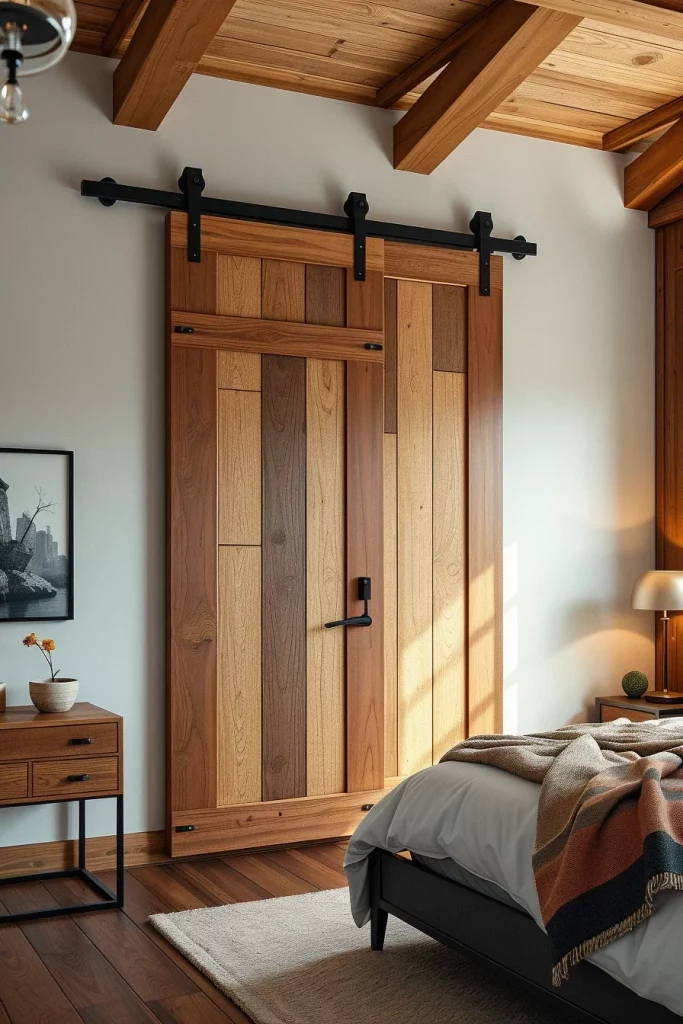
I like incorporating oversized reclaimed wood panels mounted on sleek metal tracks. Frosted glass inserts, minimalist handles, and concealed soft-close mechanisms can further modernize the design. These doors work particularly well for ensuite bathrooms, walk-in closets, or private dressing areas where space-saving solutions are valuable.
In my experience, sliding doors provide an opportunity to introduce texture to areas that are often overlooked. Many designers emphasize treating doors as design features rather than purely functional components, and reclaimed wood offers exceptional potential for achieving this goal. The result is both practical and visually memorable.
To complete this concept, I would add coordinated hardware finishes, integrated lighting near the doorway, and complementary reclaimed wood accents elsewhere in the room.
Artistic Reclaimed Wood Mirror Frames That Elevate The Space
I consider reclaimed wood mirror frames one of the easiest ways to introduce creative and unusual design into a bedroom. A large mirror naturally enhances light and creates a greater sense of openness, while a handcrafted reclaimed wood frame adds texture, depth, and individuality. Together, these elements create a feature that is both decorative and highly functional.
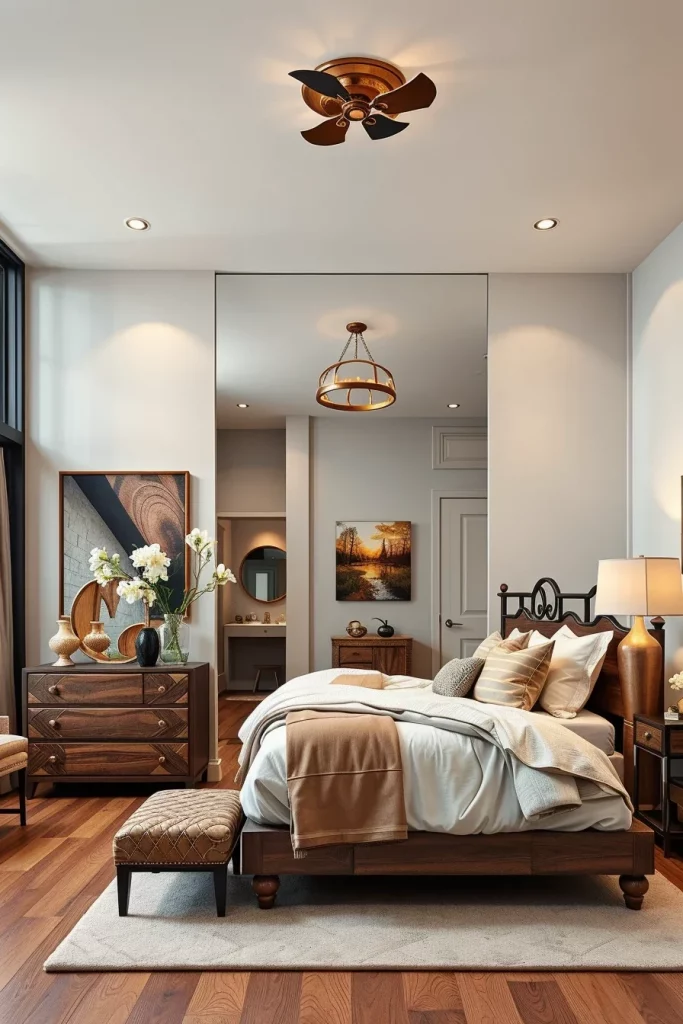
I often choose oversized mirrors with bold reclaimed wood frames featuring layered construction, geometric detailing, or hand-finished surfaces. Positioned above a dresser, leaning against a wall, or incorporated into a dressing area, these mirrors can dramatically influence how the room feels. The reclaimed wood adds warmth while the reflective surface increases brightness.
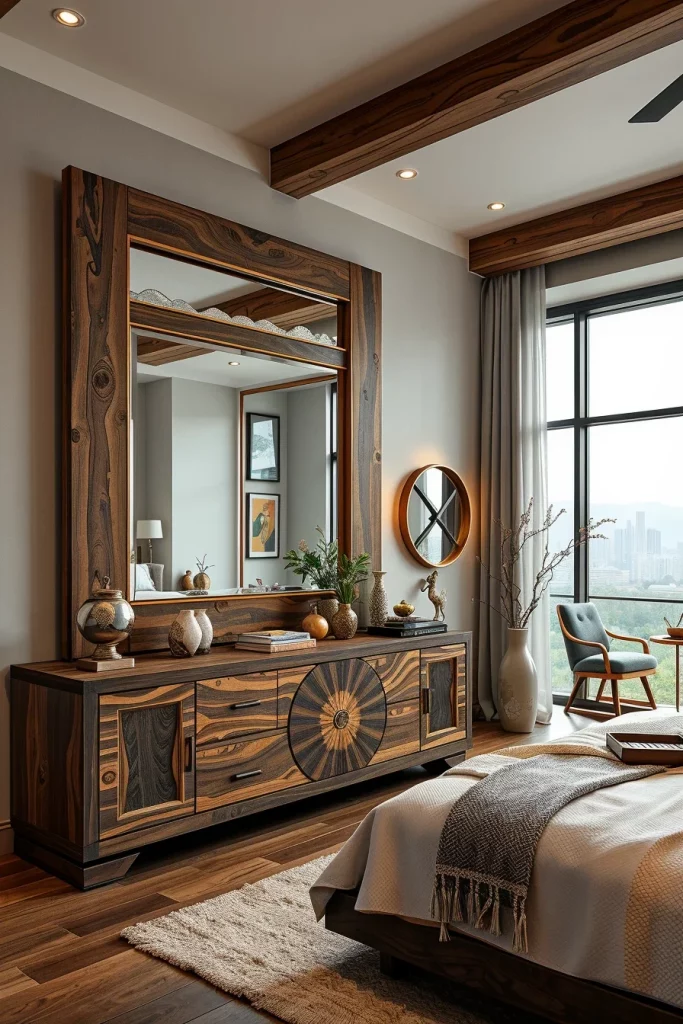
From my perspective, mirror frames are particularly valuable because they offer significant visual impact without requiring major renovations. Many respected interior stylists recommend using mirrors strategically to improve spatial perception, and reclaimed wood frames allow homeowners to accomplish this while introducing craftsmanship and personality.
To maximize the effect, I would incorporate nearby accent lighting, decorative accessories, and complementary reclaimed wood furniture that creates continuity throughout the bedroom.
Layered Reclaimed Wood Textures For A Rich Bedroom Design
I find that layering reclaimed wood textures is one of the most effective ways to create depth and visual richness in a bedroom. By combining weathered planks, smooth reclaimed panels, and textured wood accents, I can create a space that feels balanced rather than repetitive. This approach works particularly well in modern interiors because it introduces natural variation while maintaining a cohesive design. The result is a stylish bedroom that feels welcoming and thoughtfully curated.
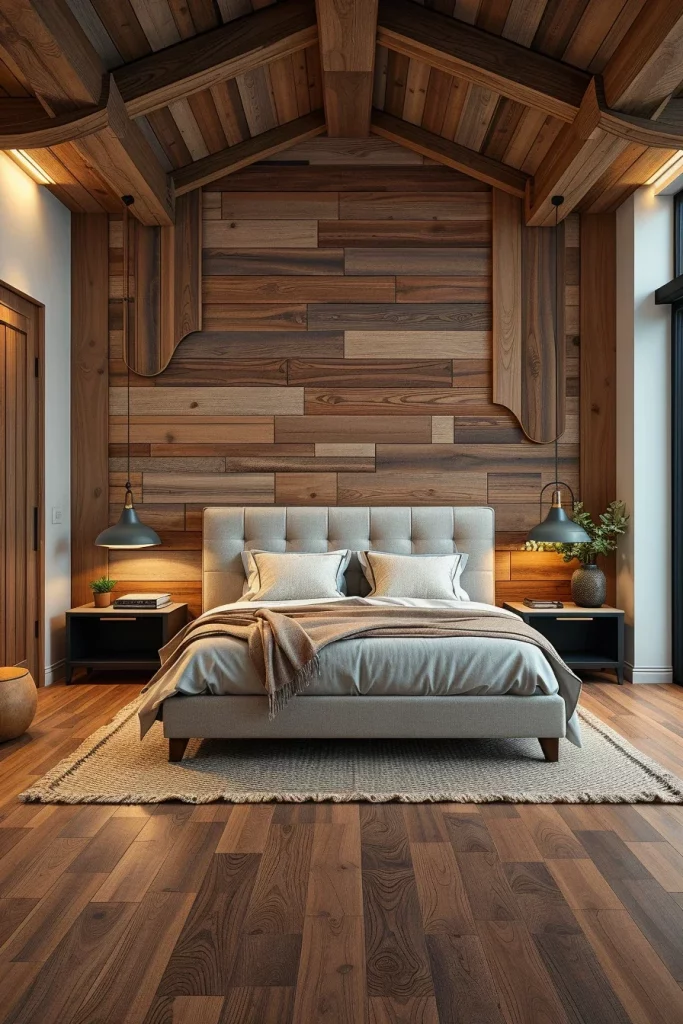
When designing this type of room, I typically start with a reclaimed wood accent wall behind the bed. I then incorporate complementary textures through bedside tables, shelving, and decorative wall elements. Upholstered furniture helps soften the wood surfaces, while layered textiles such as linen bedding and woven rugs create additional visual contrast. Every piece contributes to a harmonious composition without overwhelming the room.
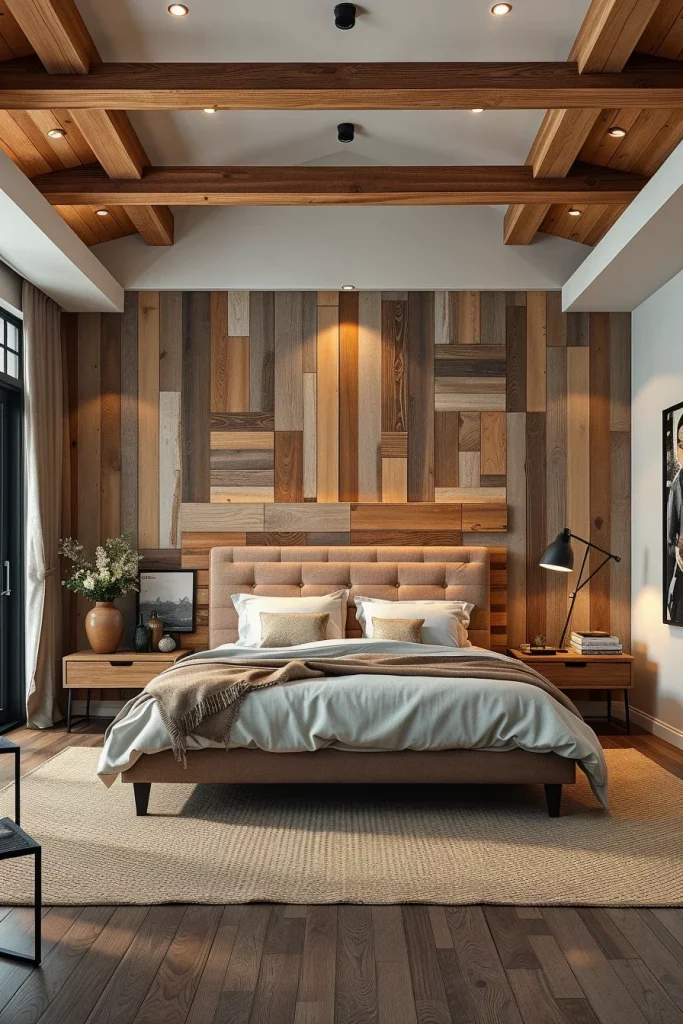
In my experience, many interior designers recommend mixing textures rather than matching every wood tone perfectly. Publications such as Architectural Digest frequently highlight the importance of contrast when using reclaimed materials. I have found that combining light and dark reclaimed wood surfaces creates a more dynamic and visually engaging environment.
To complete this design, I would add subtle lighting that highlights the grain and texture of the reclaimed wood. Wall sconces, concealed LED strips, and warm bedside lamps can emphasize the natural beauty of the materials while enhancing the overall atmosphere.
Reclaimed Wood Corner Installations That Maximize Style And Space
Corners are often underutilized in bedroom design, but I believe reclaimed wood installations can transform these areas into functional focal points. Whether creating a reading nook, display shelving, or a built-in storage solution, reclaimed wood helps maximize every square foot while adding character. This approach is particularly useful in bedrooms where efficient use of space is important.
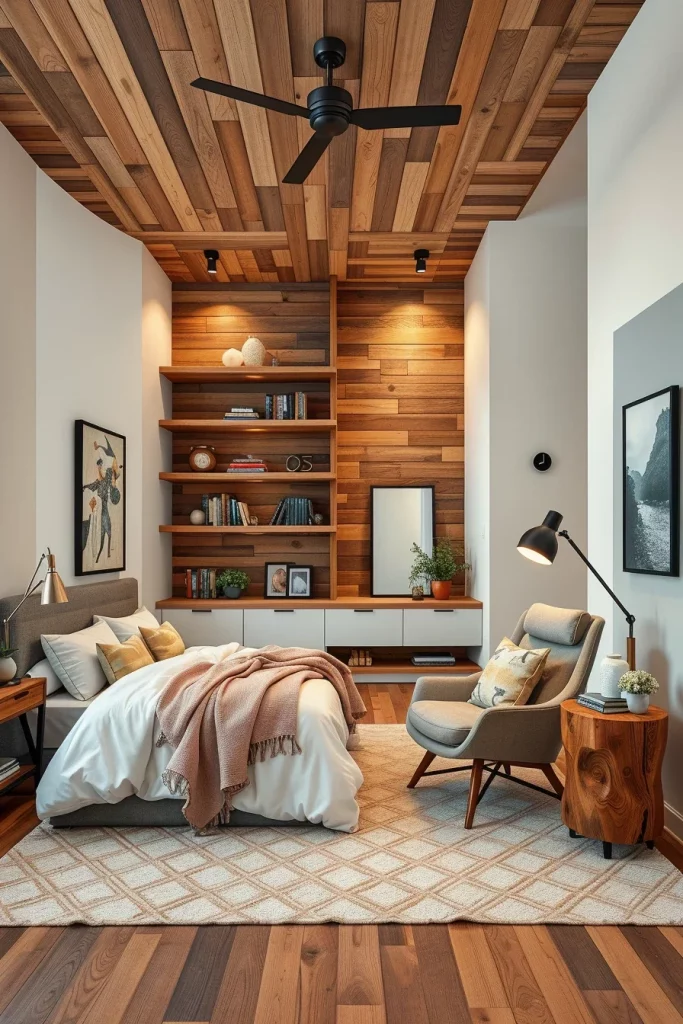
I often design corner features using reclaimed wood shelving systems that extend from floor to ceiling. These installations can house books, decorative objects, plants, and personal collections. A comfortable chair paired with a reclaimed wood side table creates a practical retreat for reading or relaxation. The aged texture of the wood adds visual interest without requiring excessive decoration.
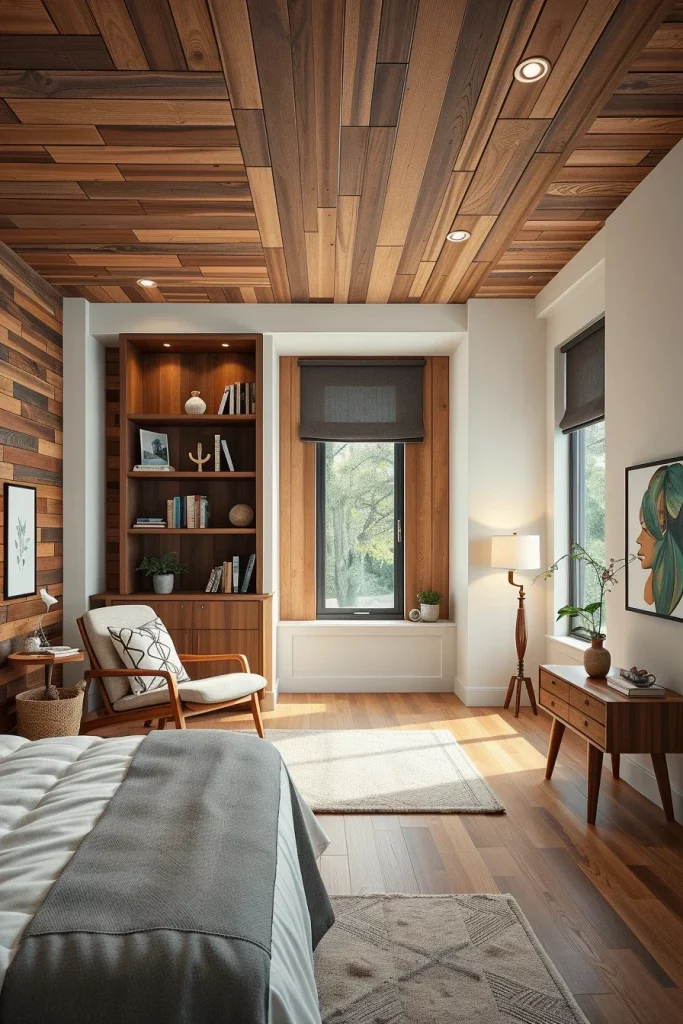
From my perspective, corner installations are most successful when they serve both aesthetic and practical purposes. I have noticed that homeowners appreciate spaces that feel intentional rather than filled with decorative elements that lack function. Reclaimed wood allows these installations to feel authentic and connected to the rest of the room.
If I were expanding this concept further, I would include integrated lighting within the shelving. This addition improves usability while creating an elegant evening ambiance that highlights the architectural quality of the installation.
Sculptural Reclaimed Wood Wall Niches For Decorative Displays
One of the most creative ways to use reclaimed wood in a bedroom is through sculptural wall niches. These recessed features add dimension to flat walls and provide dedicated spaces for displaying artwork, ceramics, books, and personal collections. I appreciate how niches can become architectural features rather than simple storage solutions.
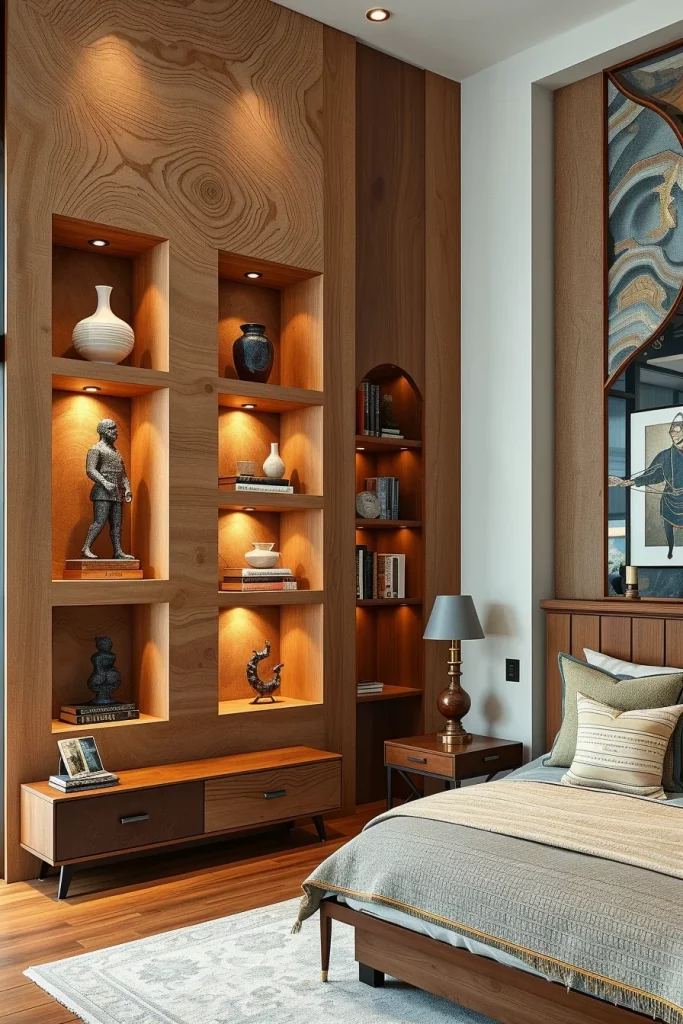
I often design reclaimed wood niches with asymmetrical shapes and varying depths to create visual movement. The natural texture of reclaimed wood contrasts beautifully with smooth painted walls, making displayed objects stand out even more. Combined with subtle lighting, these niches can become artistic focal points within the room.
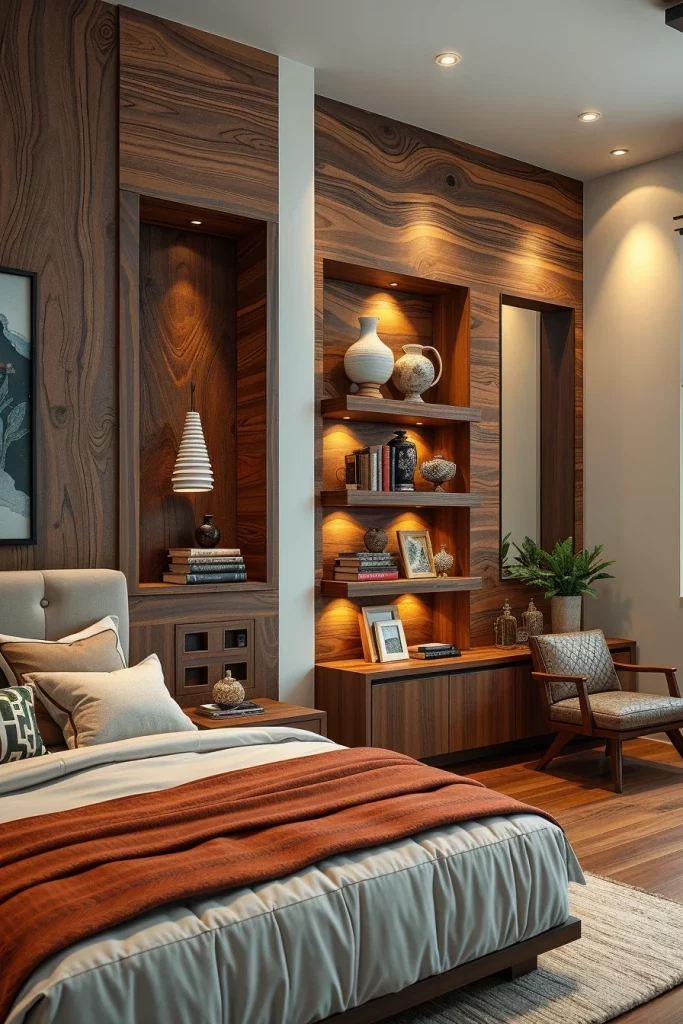
In my experience, carefully curated displays are more impactful than overcrowded arrangements. Many interior stylists recommend selecting a few meaningful pieces rather than filling every available surface. I follow the same principle when designing reclaimed wood display niches because it allows the architecture itself to remain visible.
To elevate this concept further, I would incorporate concealed lighting inside the niches. This detail adds depth, highlights decorative objects, and enhances the sculptural quality of the reclaimed wood construction.
Creative Reclaimed Wood Furniture Pairings For Eclectic Bedrooms
I believe that combining reclaimed wood furniture with contrasting materials creates some of the most memorable bedroom interiors. Pairing reclaimed wood with metal, stone, glass, or upholstered pieces prevents the room from feeling overly themed while encouraging a more eclectic and contemporary aesthetic. This strategy supports a unique reclaimed wood bedroom décor approach that feels personal and collected over time.
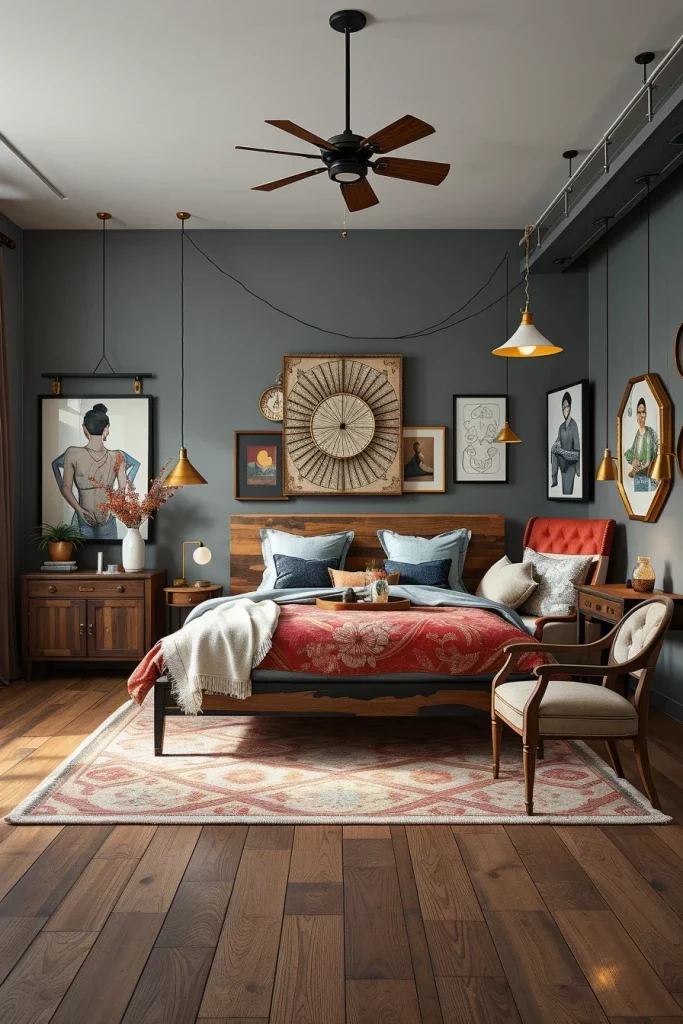
When selecting furniture, I often combine a reclaimed wood bed frame with upholstered seating, metal lighting fixtures, and sleek storage solutions. Nightstands made from reclaimed wood can be paired with modern lamps, while vintage-inspired dressers work beautifully alongside contemporary artwork. These combinations create visual balance and prevent the design from appearing predictable.
Personally, I enjoy mixing old and new elements because it tells a more interesting story. Many respected designers emphasize that eclectic interiors succeed when they include common threads such as color, texture, or scale. Reclaimed wood naturally serves as one of those unifying elements.
To strengthen this design further, I would introduce carefully selected textiles such as patterned cushions, layered throws, and area rugs. These additions soften the harder surfaces and bring additional warmth to the room.
Reclaimed Wood Bed Surrounds That Create A Cozy Retreat
A reclaimed wood bed surround can completely transform the atmosphere of a bedroom. I often use this feature to define the sleeping area and create a sense of enclosure without making the room feel smaller. The natural texture and visual warmth of reclaimed wood contribute to a cozy yet sophisticated environment that encourages relaxation.
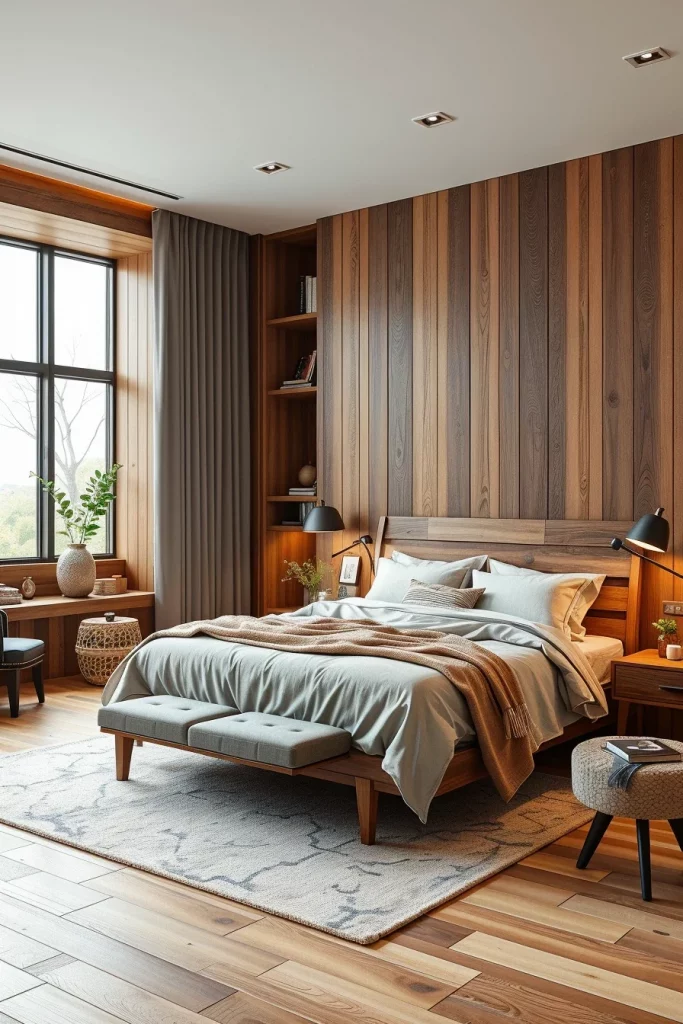
My preferred designs incorporate full-height reclaimed wood panels extending behind and around the bed. Integrated shelving, built-in lighting, and concealed storage can be included within the structure to improve functionality. Soft bedding, layered textiles, and carefully selected furnishings complement the wood surfaces and create a comfortable retreat.
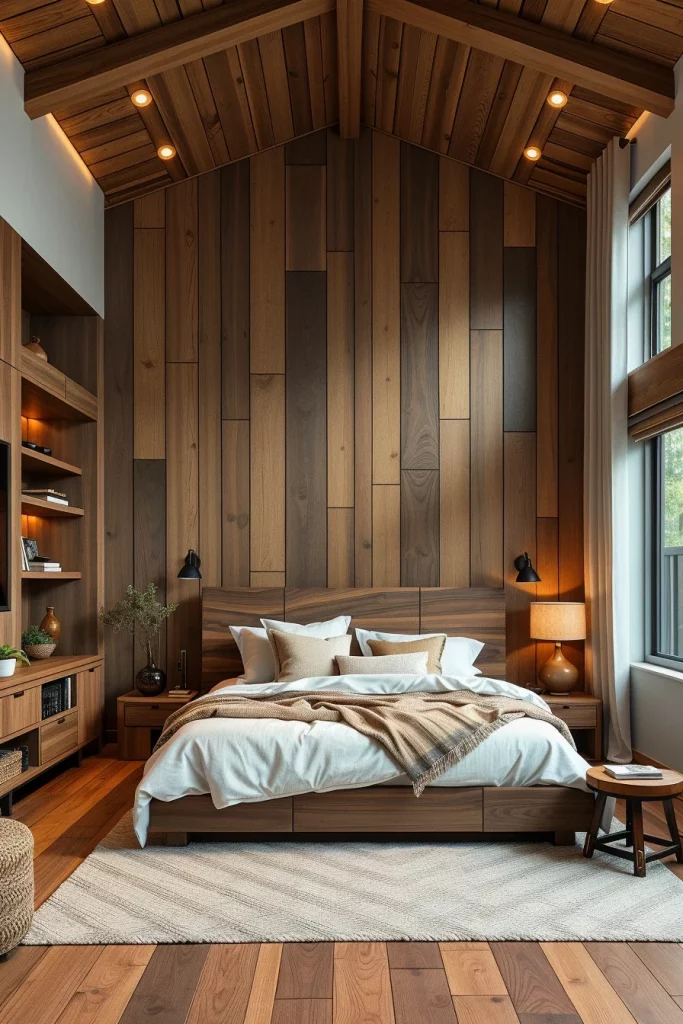
From my experience, bedrooms feel most successful when the bed area serves as a clear focal point. Reclaimed wood surrounds naturally draw attention while adding architectural interest. Design publications frequently highlight feature walls and built-in elements as effective ways to create visual hierarchy within a room.
To complete the retreat-like atmosphere, I would add dimmable lighting and soft-textured fabrics. These details enhance comfort while emphasizing the natural beauty of the reclaimed wood installation.
Artistic Reclaimed Wood Ceiling Beams With Contemporary Flair
I often find that the ceiling is one of the most overlooked surfaces in bedroom design. Introducing reclaimed wood ceiling beams instantly adds architectural character while drawing the eye upward and making the room feel more complete. In modern bedrooms, these beams do not need to feel rustic. Instead, I prefer streamlined profiles and carefully selected finishes that create an artistic focal point while preserving a clean and contemporary atmosphere.
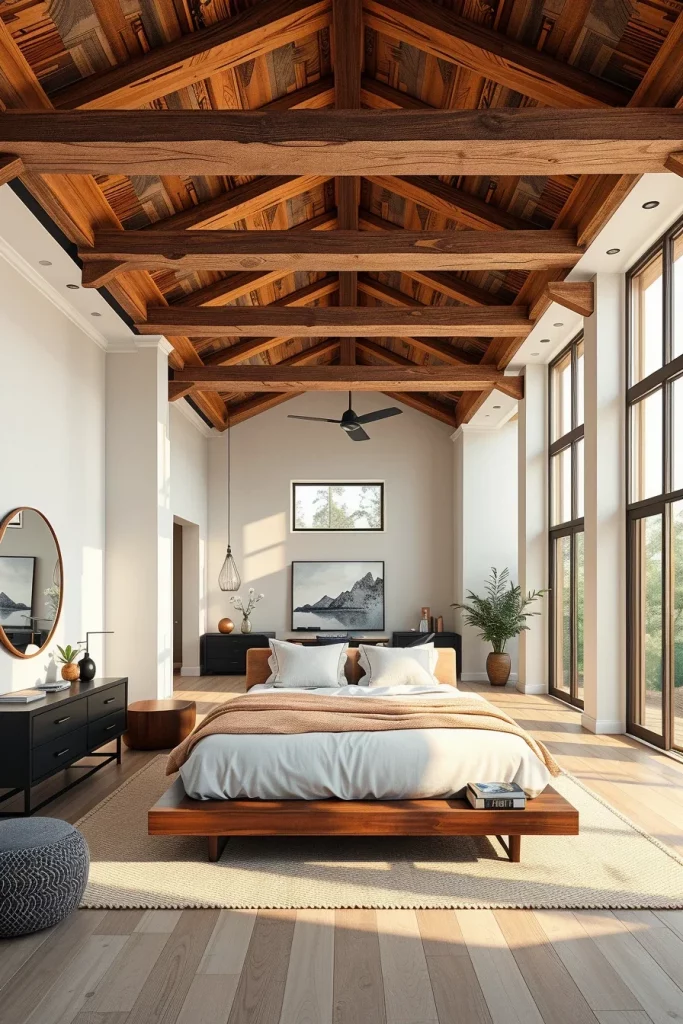
When planning this design, I typically pair reclaimed wood beams with smooth ceilings, large windows, and minimalist furnishings. The contrast between the aged texture of the wood and the refined finishes of the room creates visual balance. A platform bed, understated nightstands, and simple lighting fixtures allow the beams to remain the primary architectural feature. This combination helps the room feel curated rather than overly decorative.
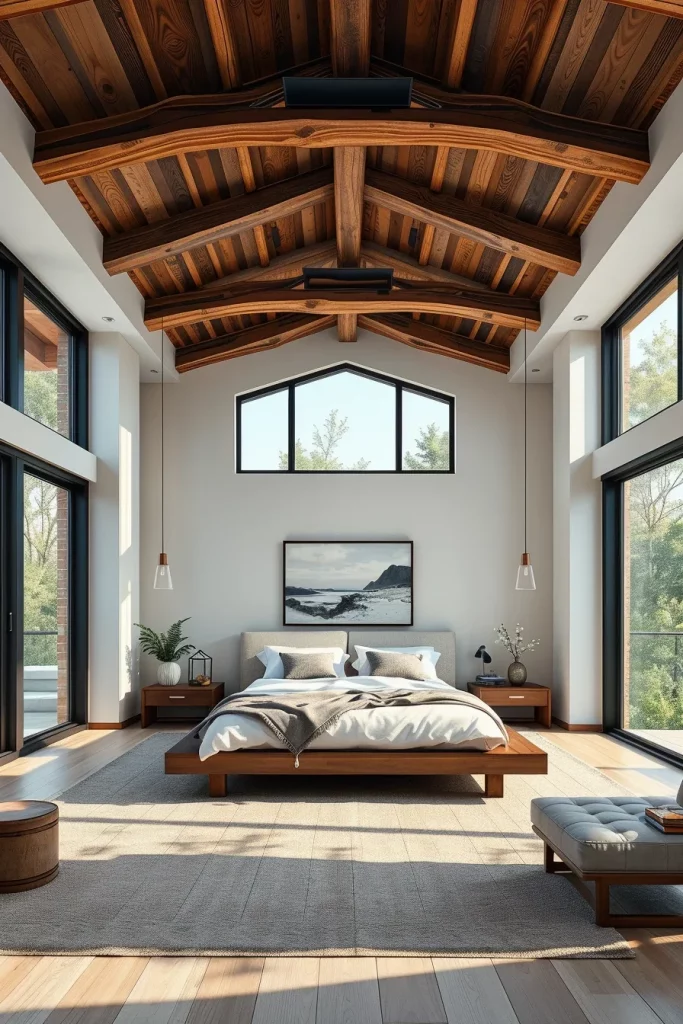
From my experience, designers frequently emphasize the importance of incorporating natural materials into modern interiors. Reclaimed wood beams provide that connection while introducing history and texture. I appreciate how each beam carries subtle imperfections that make the room feel more authentic and distinctive.
To further enhance this concept, I would add concealed uplighting or directional lighting that highlights the shape and texture of the beams during the evening. This detail strengthens the architectural presence of the ceiling and contributes to a sophisticated ambiance.
Reclaimed Wood Gallery Walls Featuring Architectural Fragments
A gallery wall constructed from reclaimed architectural fragments can become one of the most unusual and memorable elements in a bedroom. Rather than relying solely on framed artwork, I like incorporating salvaged panels, carved details, shutters, and decorative wood pieces to create a layered visual composition. This approach transforms the wall itself into a piece of art.
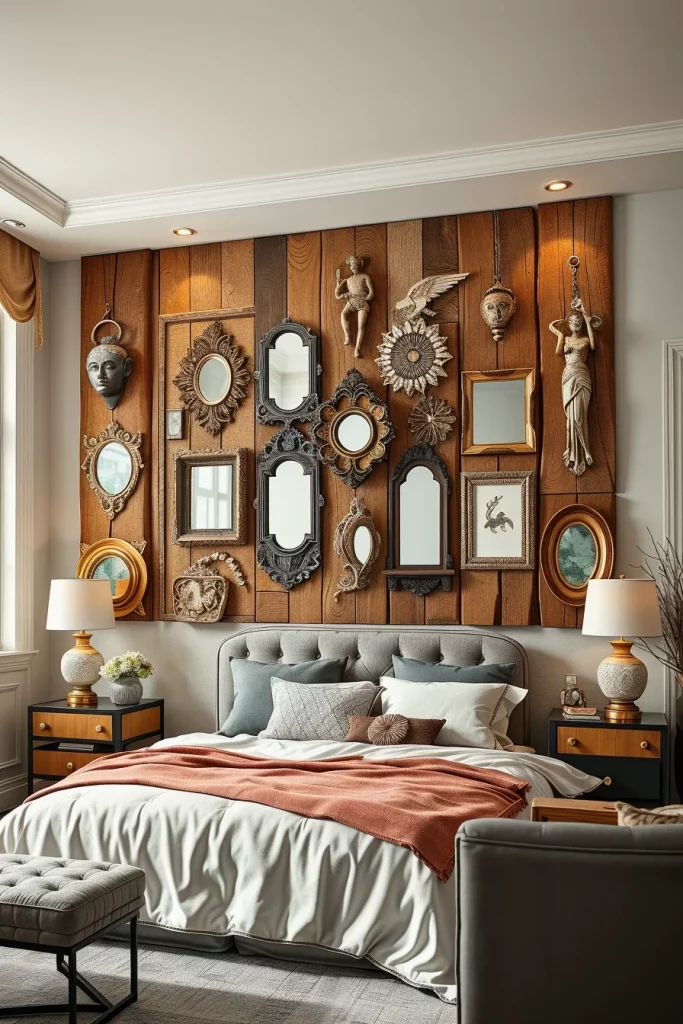
I usually begin with a dominant reclaimed wood panel as the central feature and then surround it with complementary architectural elements. The arrangement may include mirrors, sculptural objects, or carefully selected artwork that reinforces the overall aesthetic. Neutral furniture and restrained color palettes help keep the focus on the gallery wall without creating visual clutter.
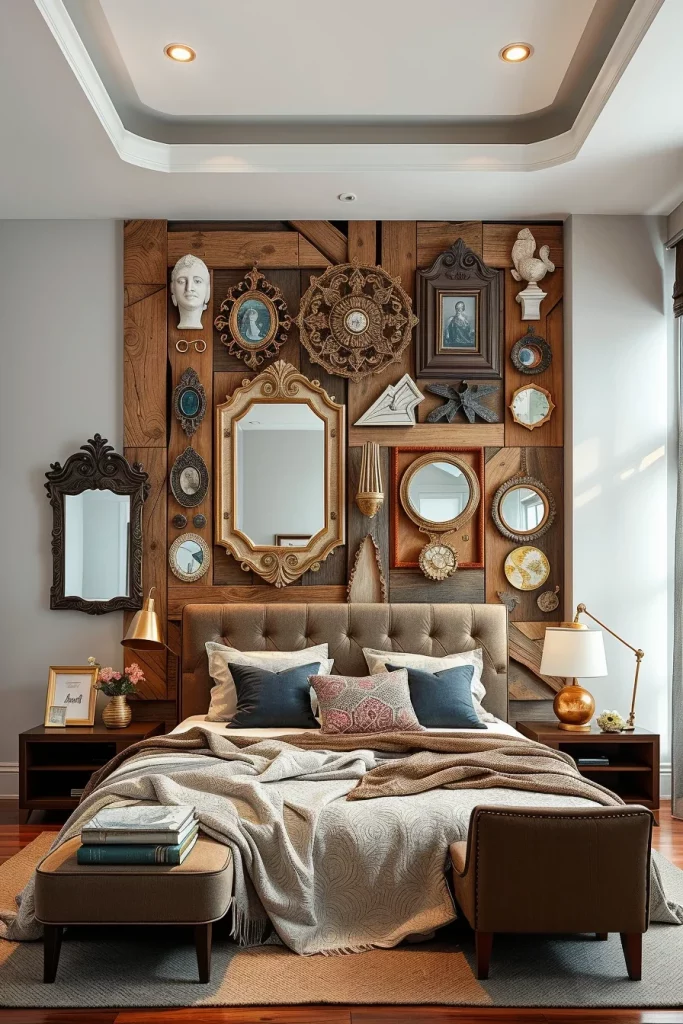
Personally, I enjoy this design because it allows homeowners to showcase pieces that have their own stories and histories. Many interior publications encourage creating interiors that feel personal rather than overly coordinated. Reclaimed architectural fragments naturally support that philosophy while adding depth and individuality.
To complete the display, I would include targeted wall lighting that accentuates the textures and details of each fragment. Proper illumination helps reveal the craftsmanship and enhances the gallery-like presentation.
Unique Reclaimed Wood Workspace Corners Within The Bedroom
As more people work and study from home, I believe that integrating a workspace into the bedroom requires thoughtful design. A reclaimed wood workspace corner offers both practicality and visual appeal while maintaining the relaxing atmosphere of the room. The natural warmth of reclaimed wood helps the work area feel connected to the surrounding décor rather than appearing separate or intrusive.
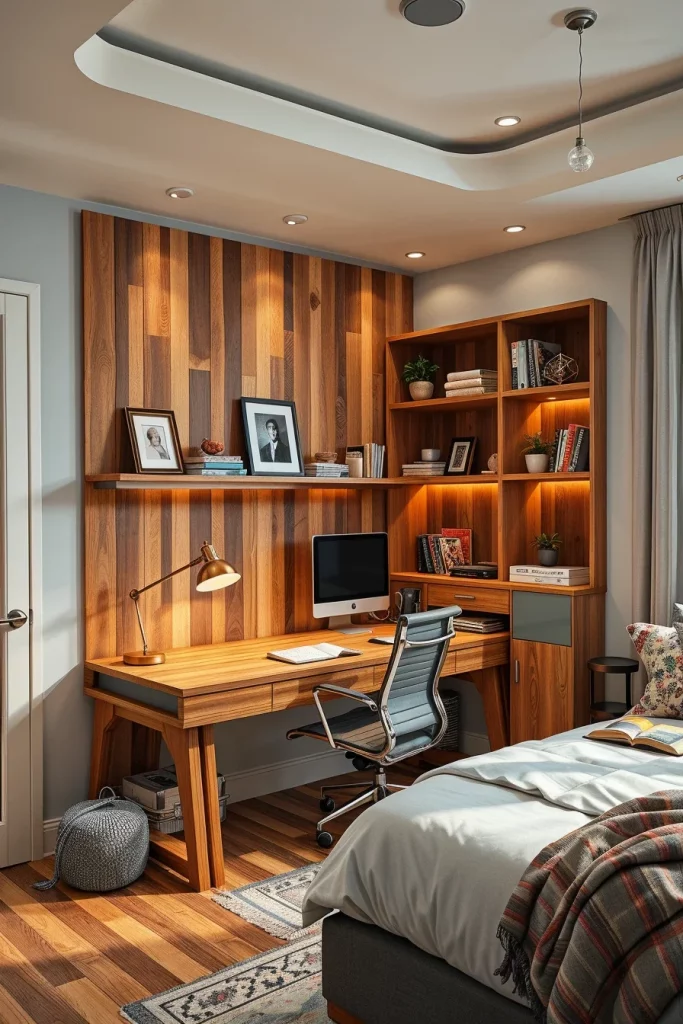
For this setup, I typically design a custom reclaimed wood desk paired with open shelving and discreet storage solutions. A comfortable chair, task lighting, and organized accessories ensure functionality while preserving the bedroom’s aesthetic. By selecting complementary finishes and materials, the workspace blends seamlessly into the overall design scheme.
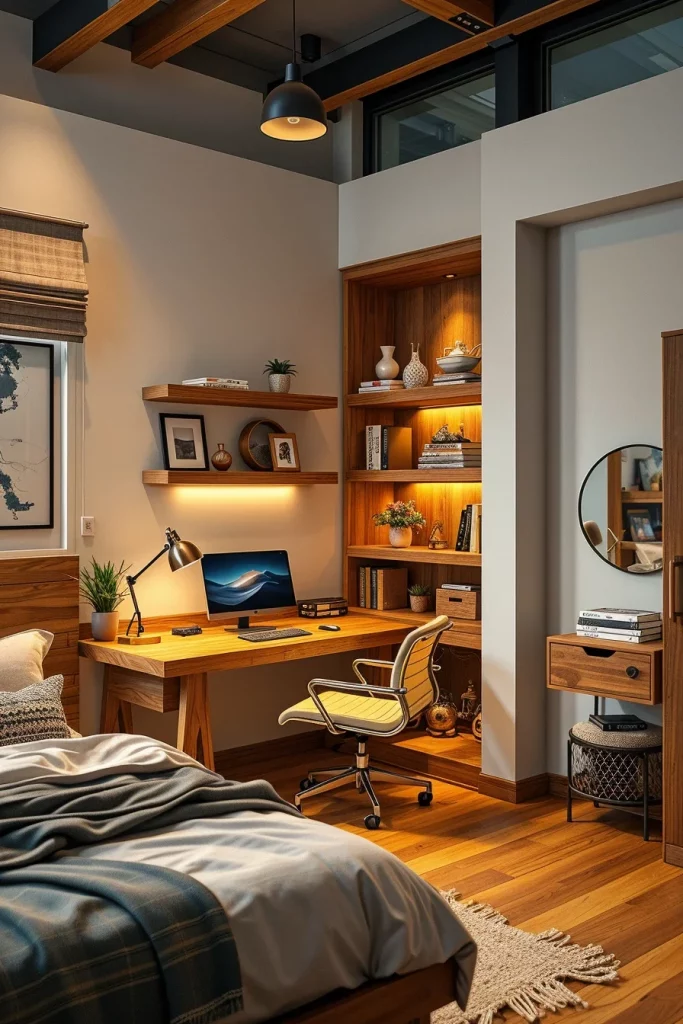
In my experience, successful bedroom workspaces avoid excessive visual distractions. I prefer keeping the desk area organized and incorporating decorative objects selectively. This creates a productive environment while maintaining the calm atmosphere that a bedroom should provide.
To improve this area further, I would add cable management solutions, integrated charging stations, and adjustable lighting. These practical details make daily use more convenient without compromising the appearance of the space.
Statement Reclaimed Wood Furniture With Bold Artistic Forms
Statement furniture offers an excellent opportunity to showcase the expressive potential of creative reclaimed wood bedroom decor. Instead of traditional designs, I often recommend furniture with sculptural silhouettes, asymmetrical forms, or handcrafted details that immediately capture attention. These pieces function as both practical furnishings and works of art.
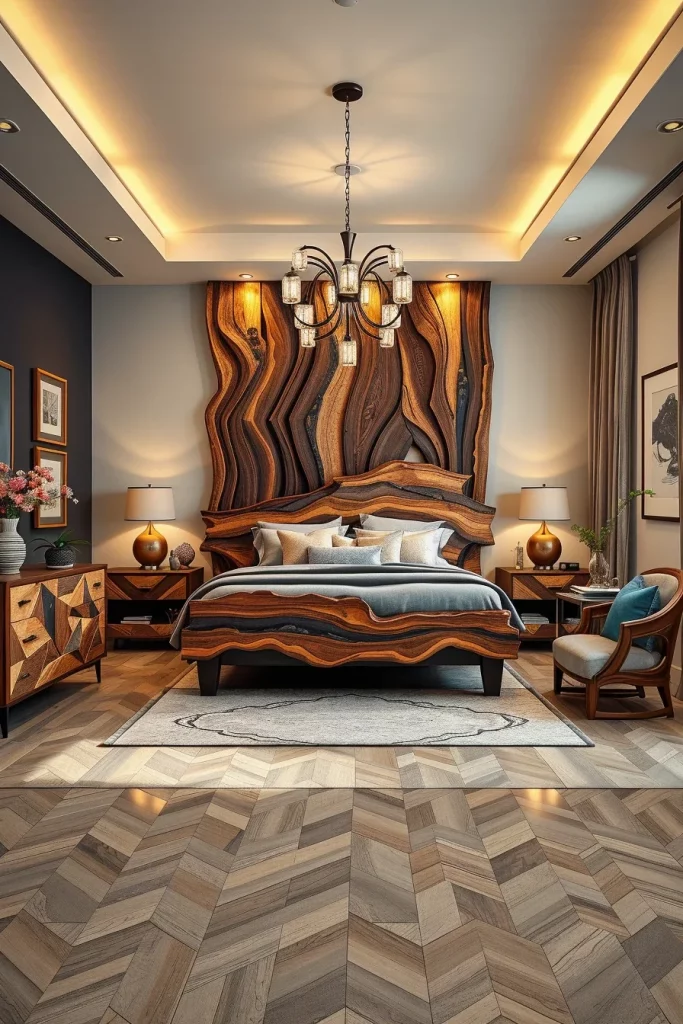
I frequently incorporate beds with dramatic headboards, geometric dressers, sculptural benches, or custom side tables crafted from reclaimed wood. Their distinctive forms create focal points throughout the room while highlighting the beauty of reclaimed materials. To maintain balance, I pair these statement pieces with simpler accessories and streamlined décor.
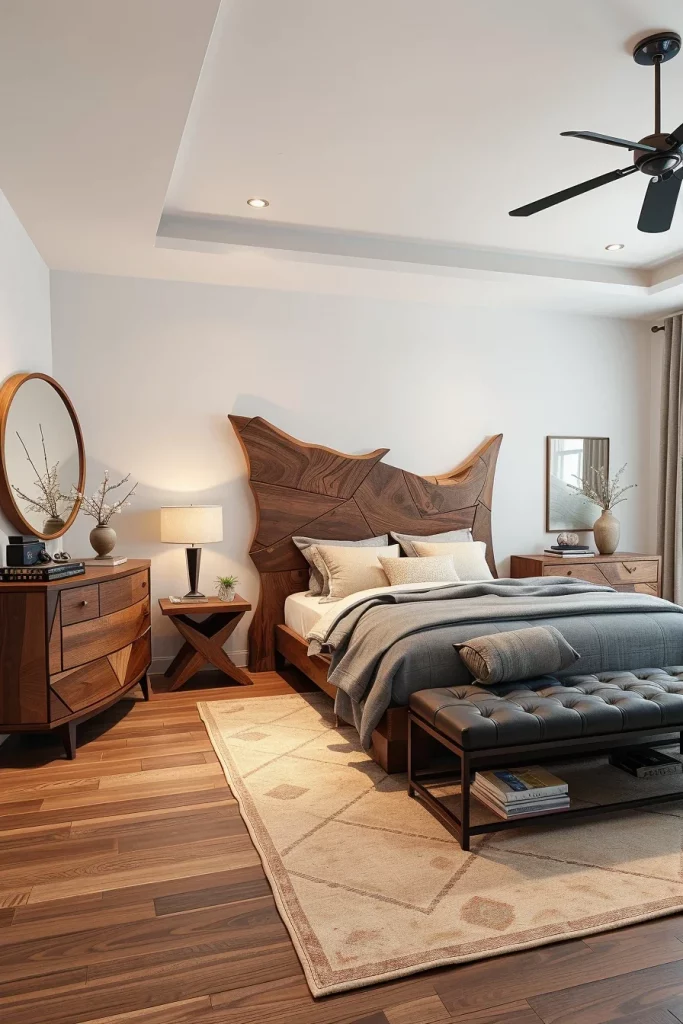
From my perspective, investing in one or two remarkable furniture pieces often has a greater impact than filling a room with numerous decorative items. Well-designed statement furniture contributes personality and individuality while preserving a sense of sophistication. This approach aligns perfectly with a stylish and unique reclaimed wood bedroom décor concept.
If I were refining this design, I would introduce carefully selected artwork and lighting fixtures that echo the shapes of the furniture. Repeating design elements helps create a cohesive and intentional composition.
Designing A Fully Cohesive Reclaimed Wood Bedroom With Creative Personality
Creating a cohesive reclaimed wood bedroom involves more than selecting matching furniture. I focus on establishing a consistent design language that connects architectural features, furnishings, lighting, textiles, and decorative accents. When all elements work together, the room feels harmonious while still expressing a strong sense of personality.
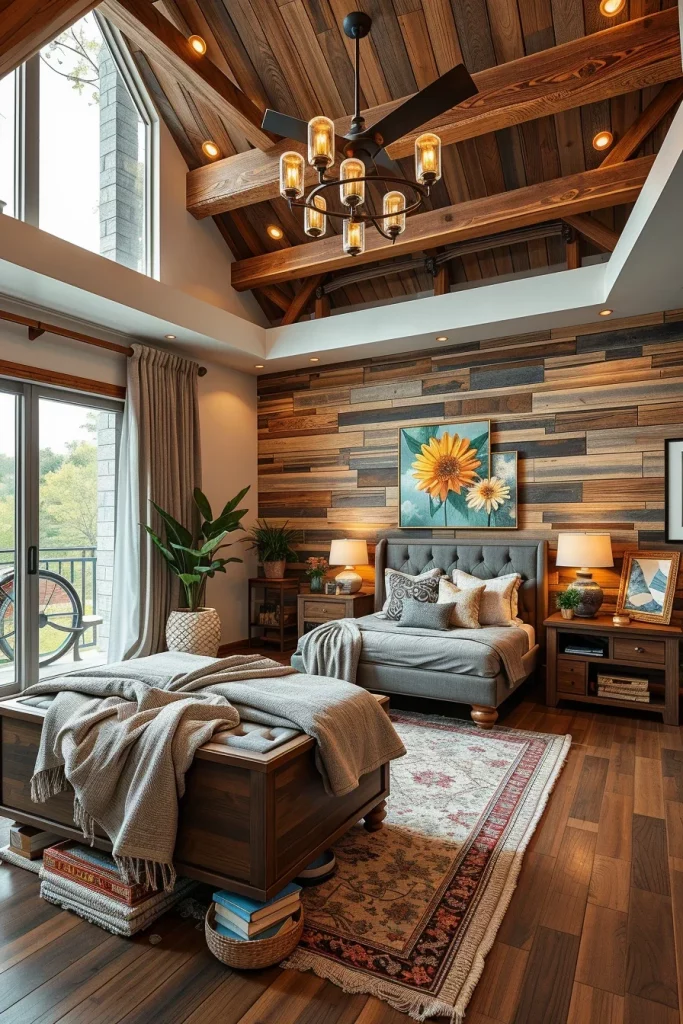
I typically begin with a dominant reclaimed wood feature, such as a bed surround or accent wall, and then repeat similar tones and textures throughout the space. Furniture, shelving, decorative objects, and lighting are selected to complement rather than compete with one another. Soft fabrics and contemporary accessories help balance the visual weight of the wood elements.
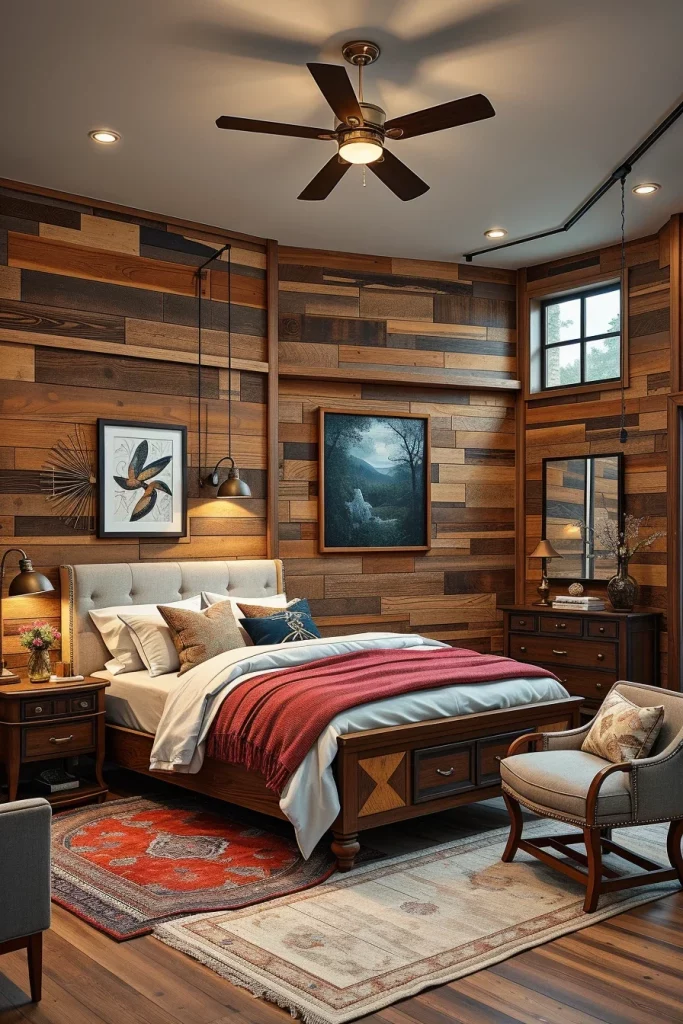
In my experience, the most successful bedrooms combine restraint with individuality. Design experts often emphasize the importance of editing and refinement. Rather than adding more décor, I focus on selecting meaningful pieces that contribute to the overall story of the room. This results in a space that feels both curated and comfortable.
To complete a fully cohesive design, I would pay close attention to lighting layers, material transitions, and decorative accents. These finishing touches help unify the entire room while enhancing the creative, artistic, and stylish character of the design.
A Modern Green Bedroom offers the perfect blend of comfort, style, and contemporary elegance. Whether you choose soft sage tones, rich emerald accents, or layered green palettes, this versatile color can transform any bedroom into a relaxing retreat. By incorporating sculptural furniture, artistic details, and thoughtful textures, you can create a space that feels both unique and timeless. Use these inspiring ideas to design a green bedroom that reflects your personality while maintaining a fresh and sophisticated atmosphere.